Movement
British Romanticism
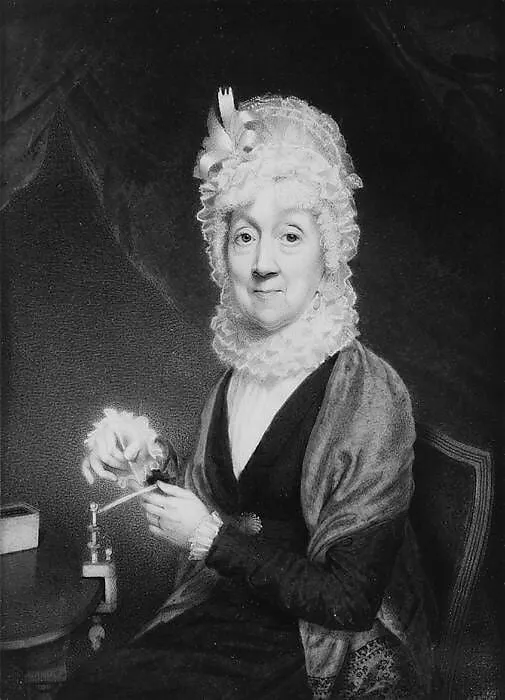
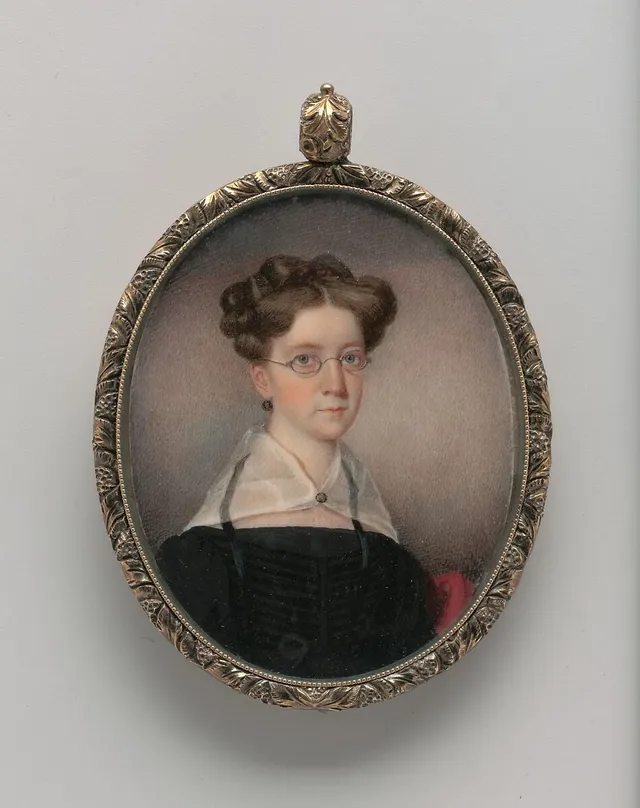
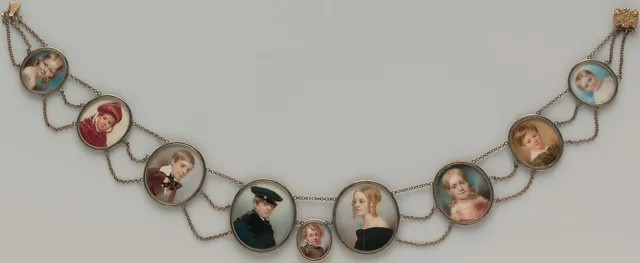
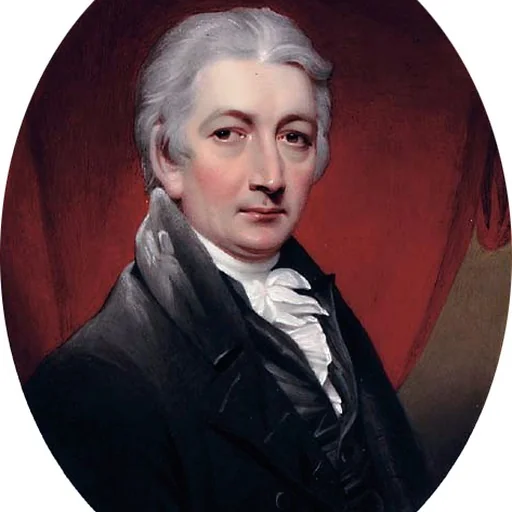
British Romanticism is an art movement of the 1780–1830 period. The gallery holds 2,701 works in this movement, including works by Henry Bone, Francis Wheatley and Joseph Mallord William Turner. Browse British Romanticism paintings, portraits, pictures and artworks from the world's public-domain museum collections.
British Romanticism was the British strand of the broader Romantic movement that swept European art and literature in the late eighteenth and early nineteenth centuries. Though often described as a literary movement—the verse of Wordsworth, Coleridge, Byron, and Keats—it found equally powerful visual expression. It arose as a revolt against the rationalism, order, and restraint of the Enlightenment and Neoclassicism, and gathered force amid the upheavals of the French Revolution of 1789 and the Industrial Revolution. In place of reason and rule, Romantic artists prized emotion, imagination, individual vision, and the overwhelming power of nature. Its peak, often called High Romanticism, ran roughly from 1816 to 1837, ending around the accession of Queen Victoria.
The movement's defining idea was the sublime—a concept theorised by Edmund Burke—whereby art could provoke awe, terror, and a sense of the infinite rather than mere beauty. Painters pursued this through dramatic compositions, turbulent skies, vibrant colour, and loose, expressive brushwork. Nature appeared not as an ordered garden but as a force of storm, mountain, and cataclysm dwarfing humankind.
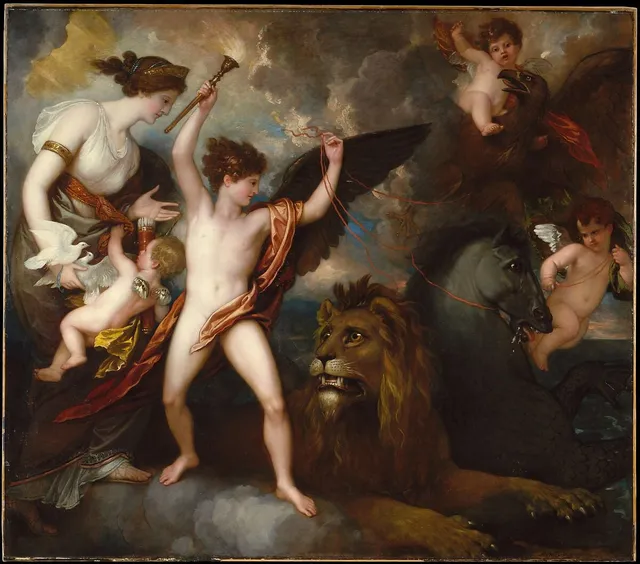
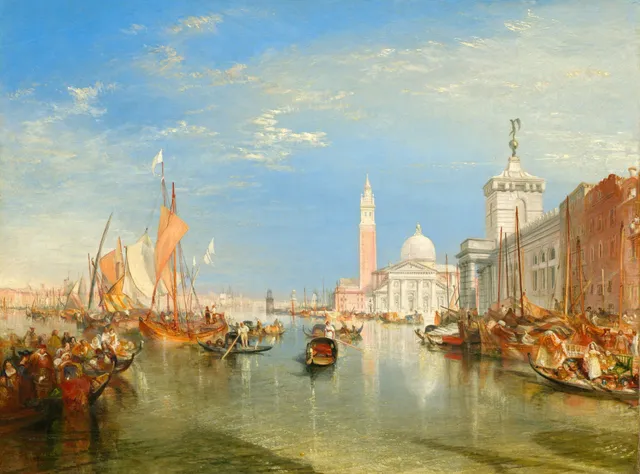
Its two towering figures were landscape painters. J.M.W. Turner (born London, 1775), nicknamed "the painter of light," dissolved form into radiant atmosphere with rapid, impastoed strokes, as in our Venice: The Dogana and San Giorgio Maggiore (1834). John Constable (born Suffolk, 1776) took a more intimate path, capturing the flickering light and damp skies of the English countryside in works like The Hay Wain (1821). Alongside them, the Swiss-born Henry Fuseli charged history painting with nightmarish drama (The Nightmare, 1781), the visionary William Blake (1757–1827) fused poetry and image in mystical designs, and the era's portraiture flourished under Sir Thomas Lawrence. Our collection also holds Benjamin West's Omnia Vincit Amor.
British Romanticism reshaped landscape into a vehicle for feeling and helped legitimise art that disturbs as well as delights. Turner's atmospheric experiments anticipated Impressionism, while the movement ran parallel to German Romanticism, sharing its reverence for nature and the sublime with painters such as Caspar David Friedrich. Its emphasis on individual expression and emotional truth remains foundational to modern art.
Key artists
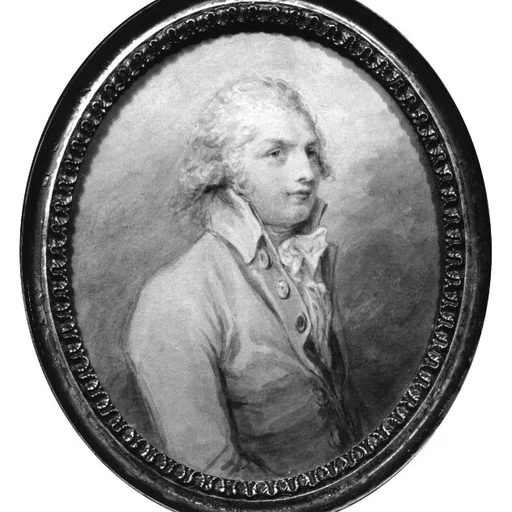
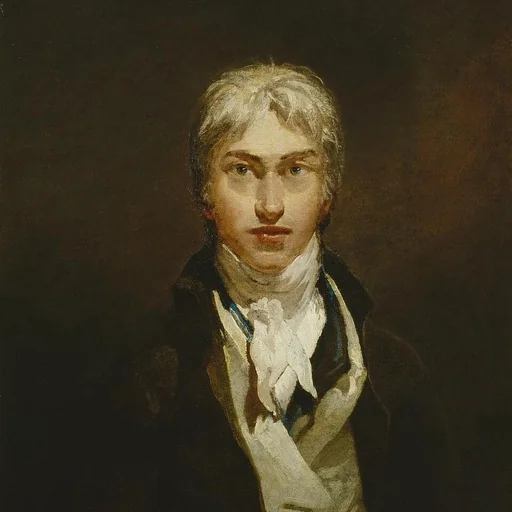

Works
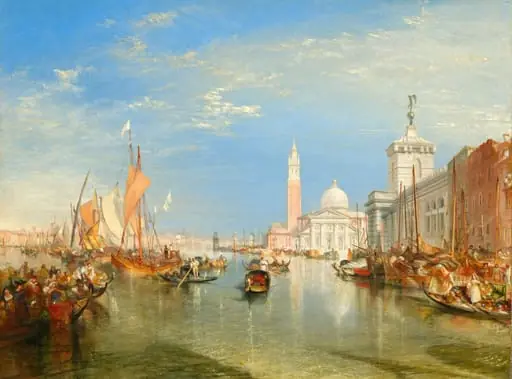 Venice: The Dogana and San Giorgio Maggiore
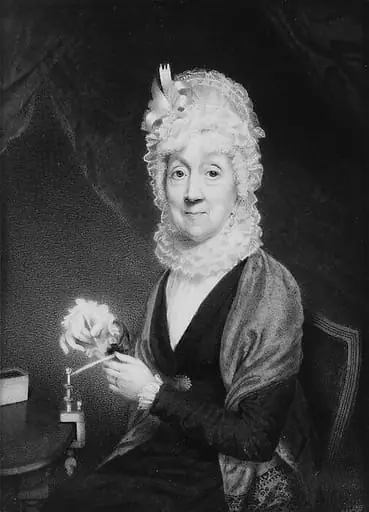 Portrait of a Lady
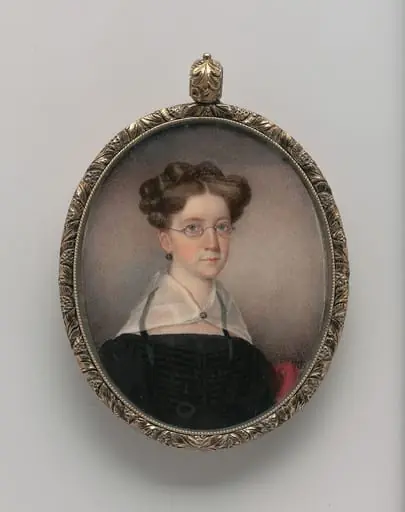 Portrait of a Lady
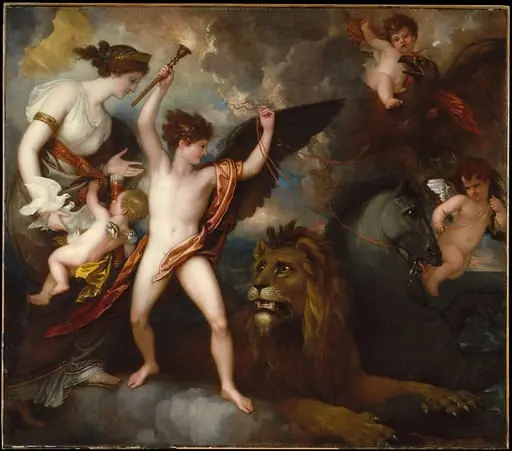 Omnia Vincit Amor, or The Power of Love in the Three Elements
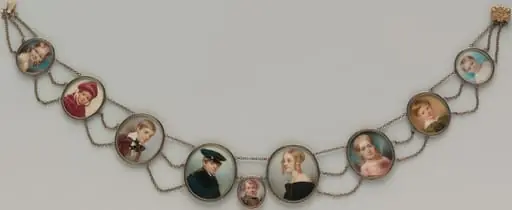 A Mother's Pearls
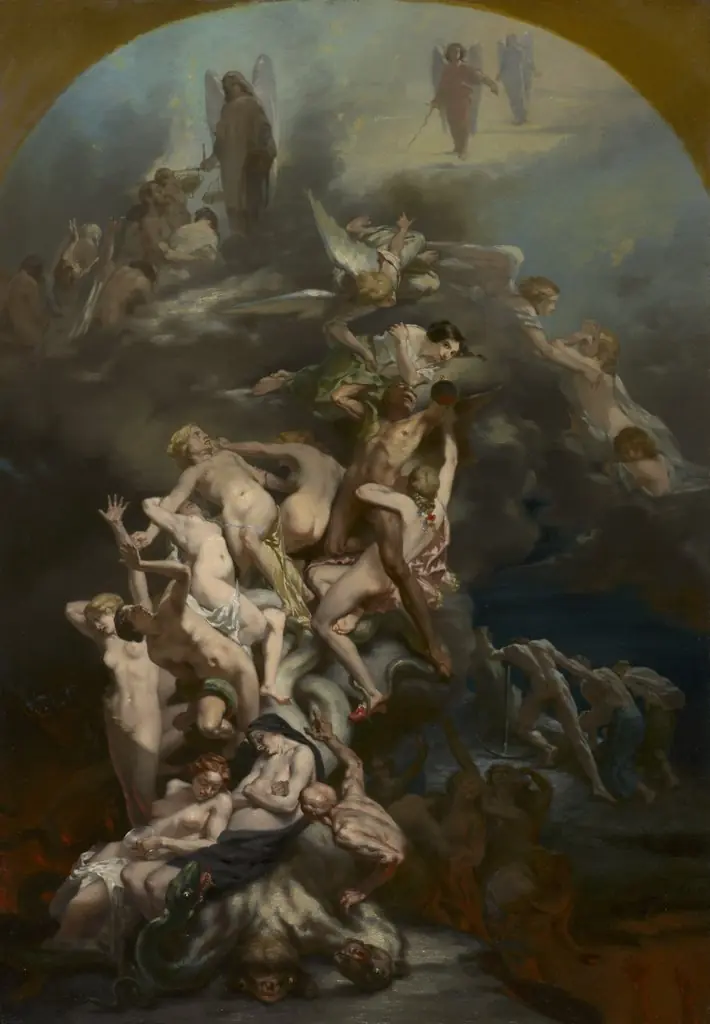 Heaven and Hell
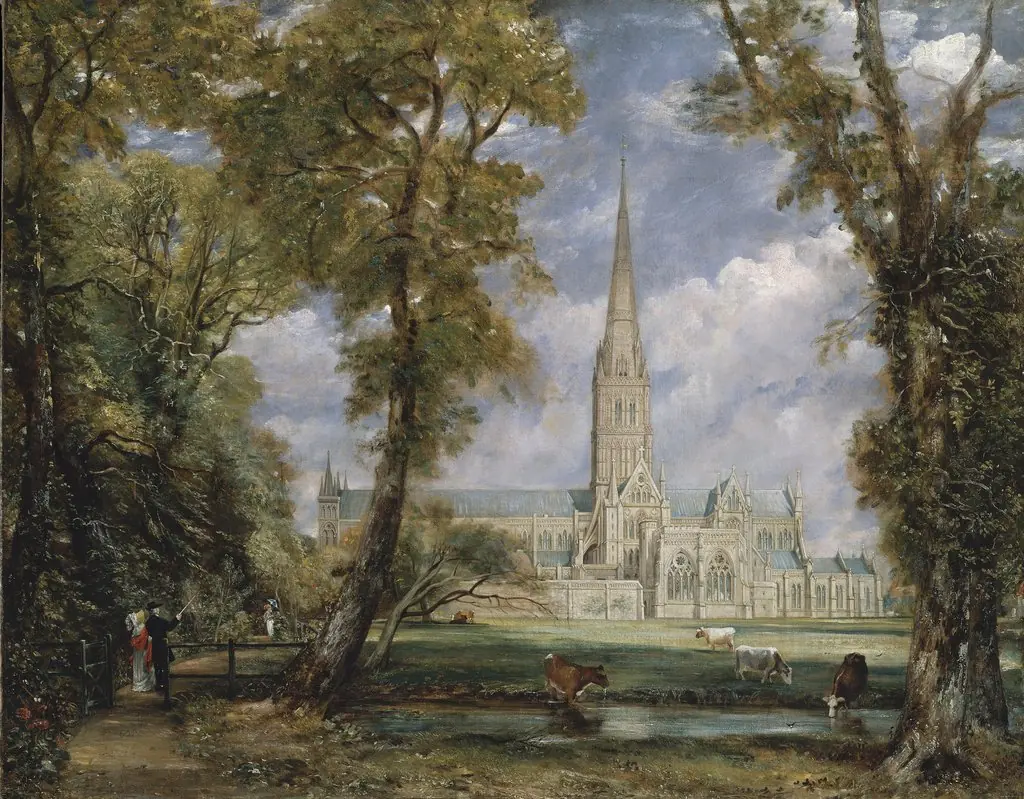 Salisbury Cathedral from the Bishop's Garden
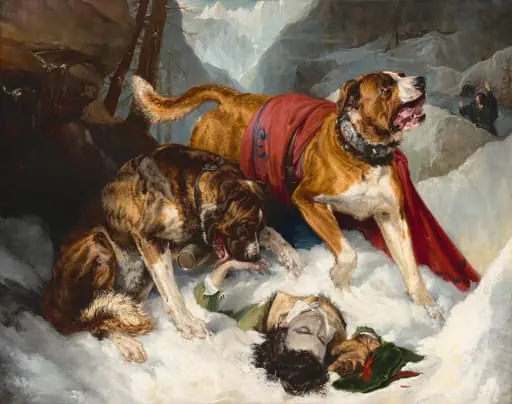 Alpine Mastiffs Reanimating a Distressed Traveler
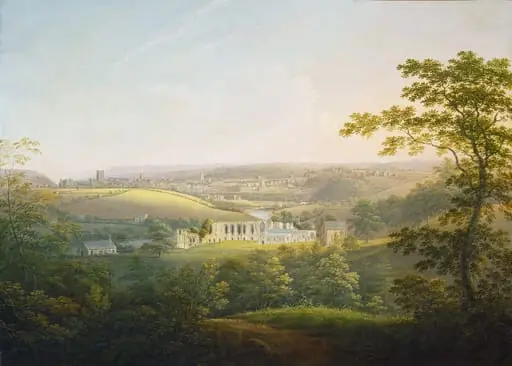 Easby Abbey, near Richmond
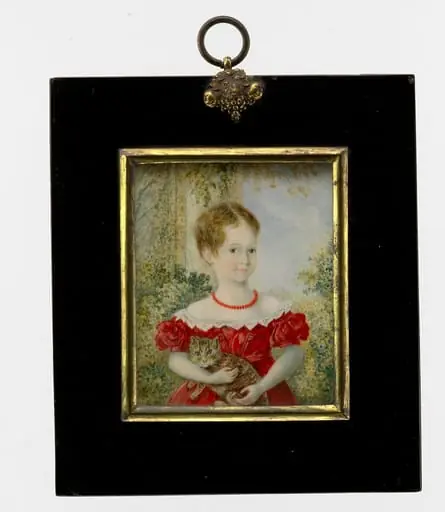 Mrs. Edward Loyd (C. Louisa Foster)
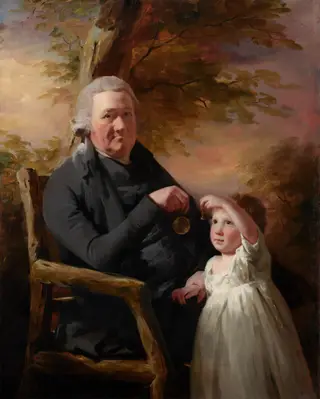 John Tait and His Grandson
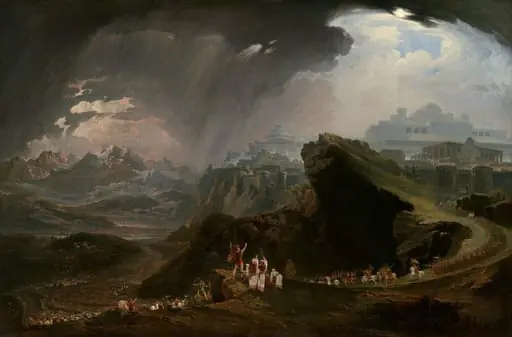 Joshua Commanding the Sun to Stand Still upon Gibeon
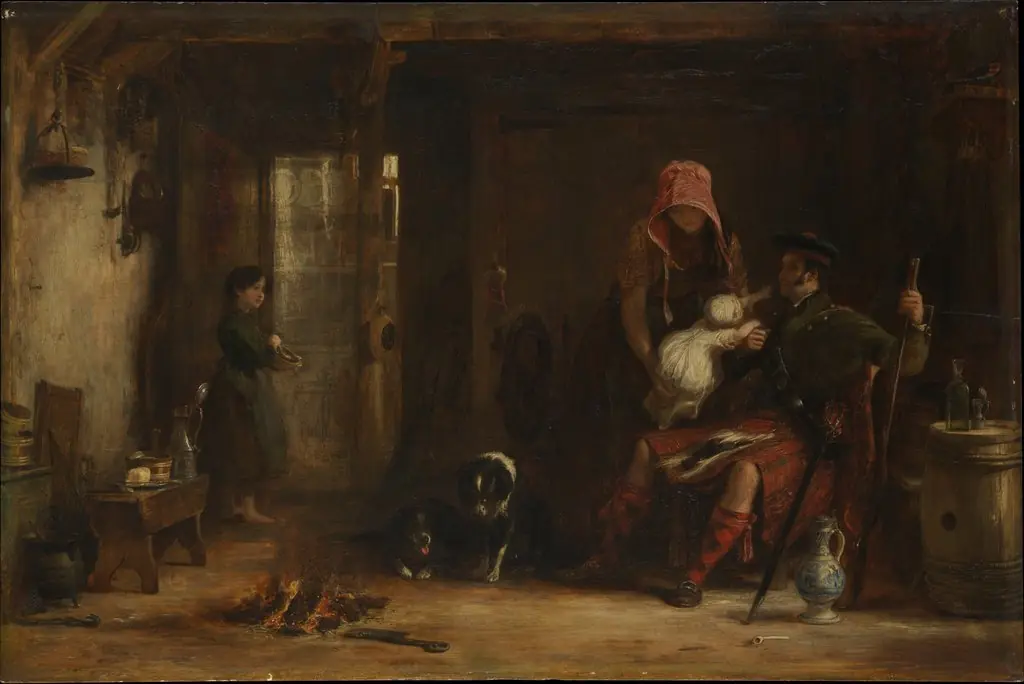 The Highland Family
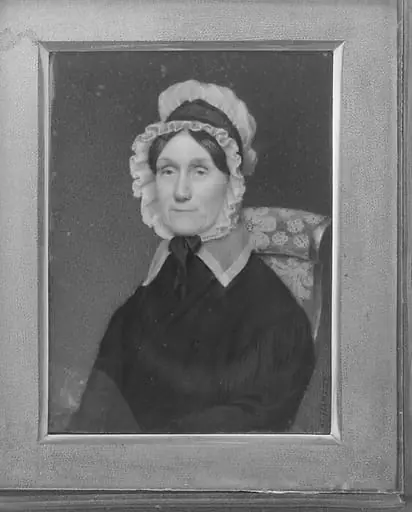 Sarah May Holland
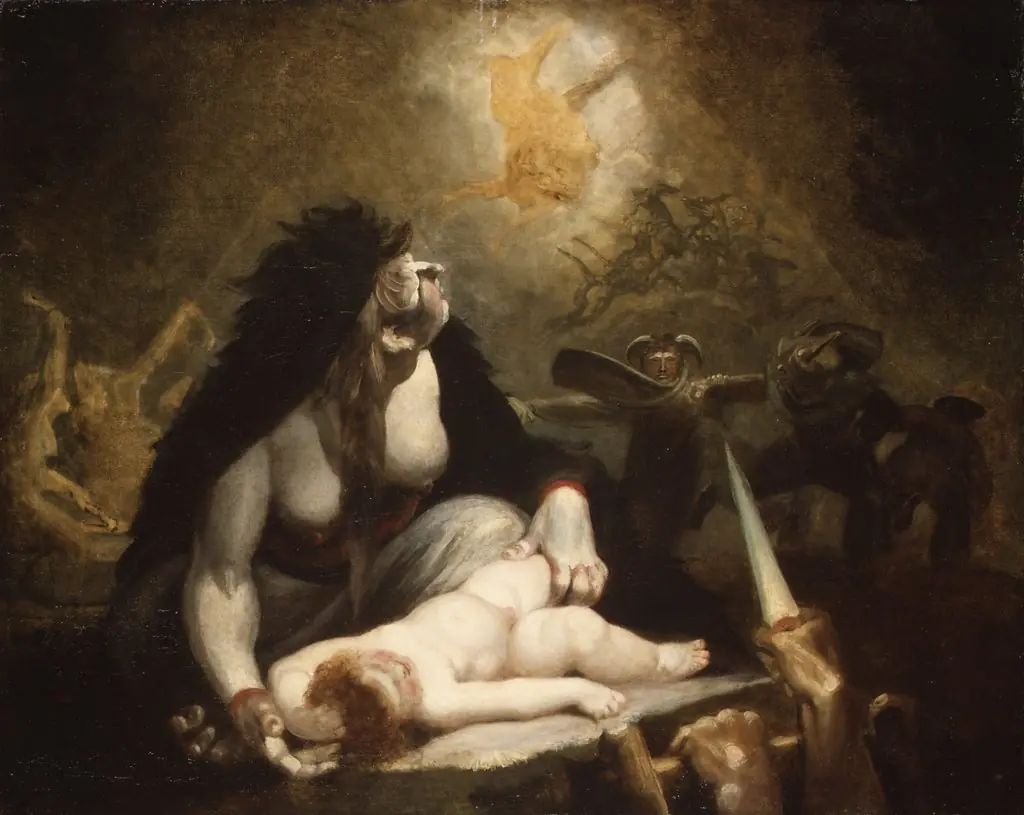 The Night-Hag Visiting Lapland Witches
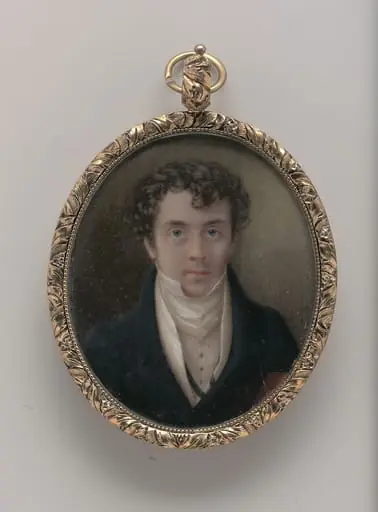 Self-Portrait
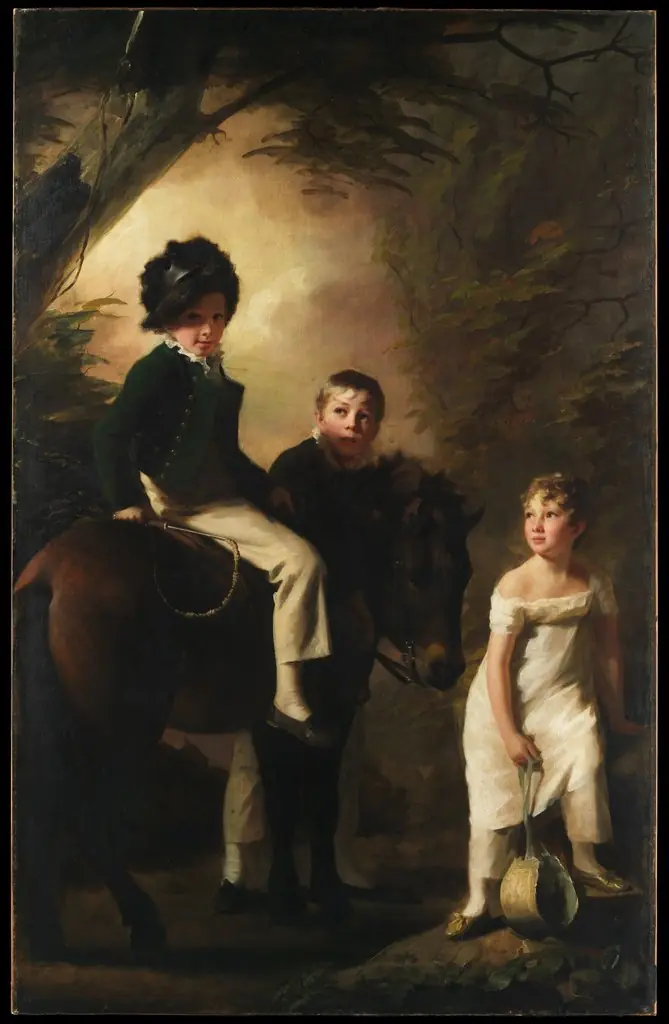 The Drummond Children
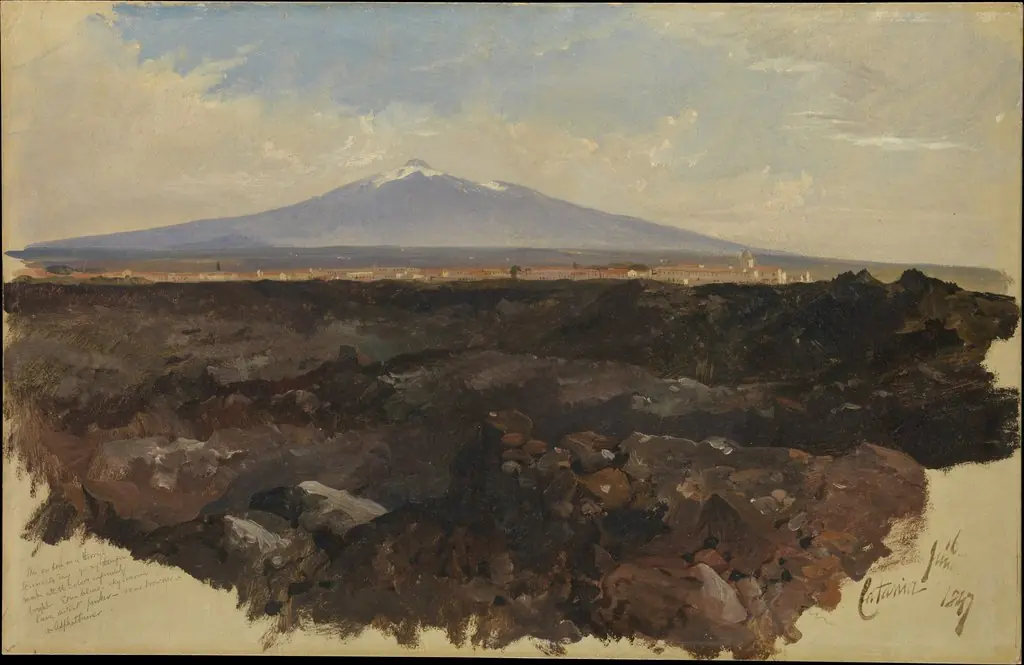 Catania and Mount Etna
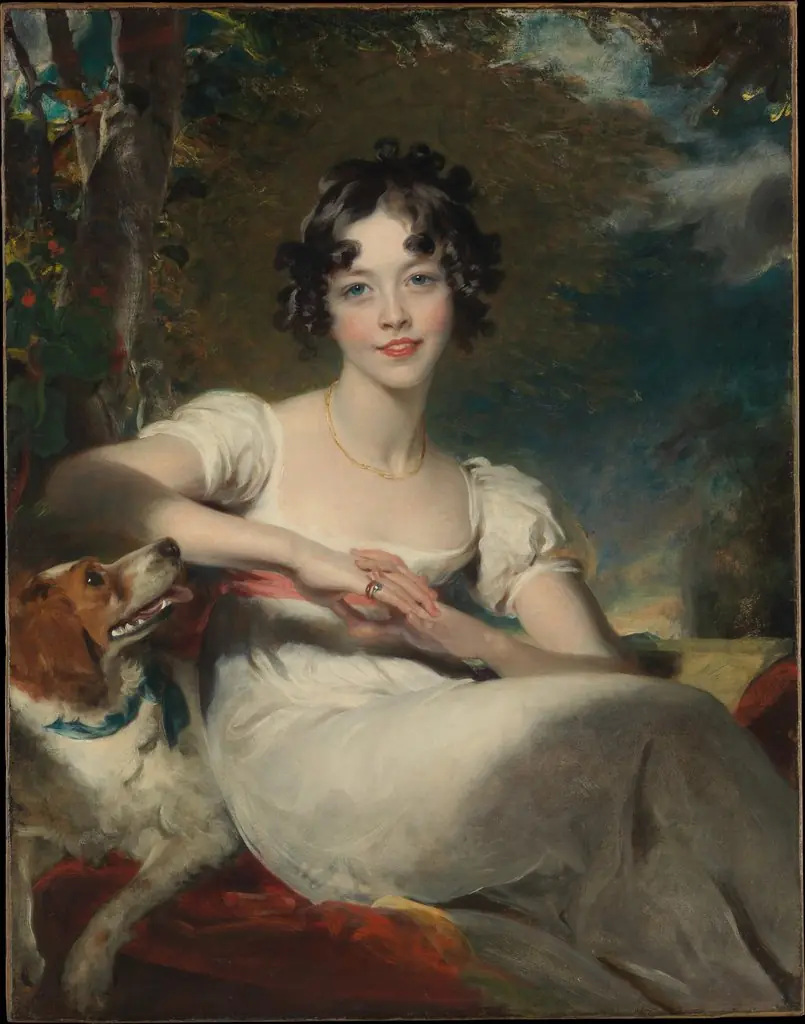 Lady Maria Conyngham (died 1843)
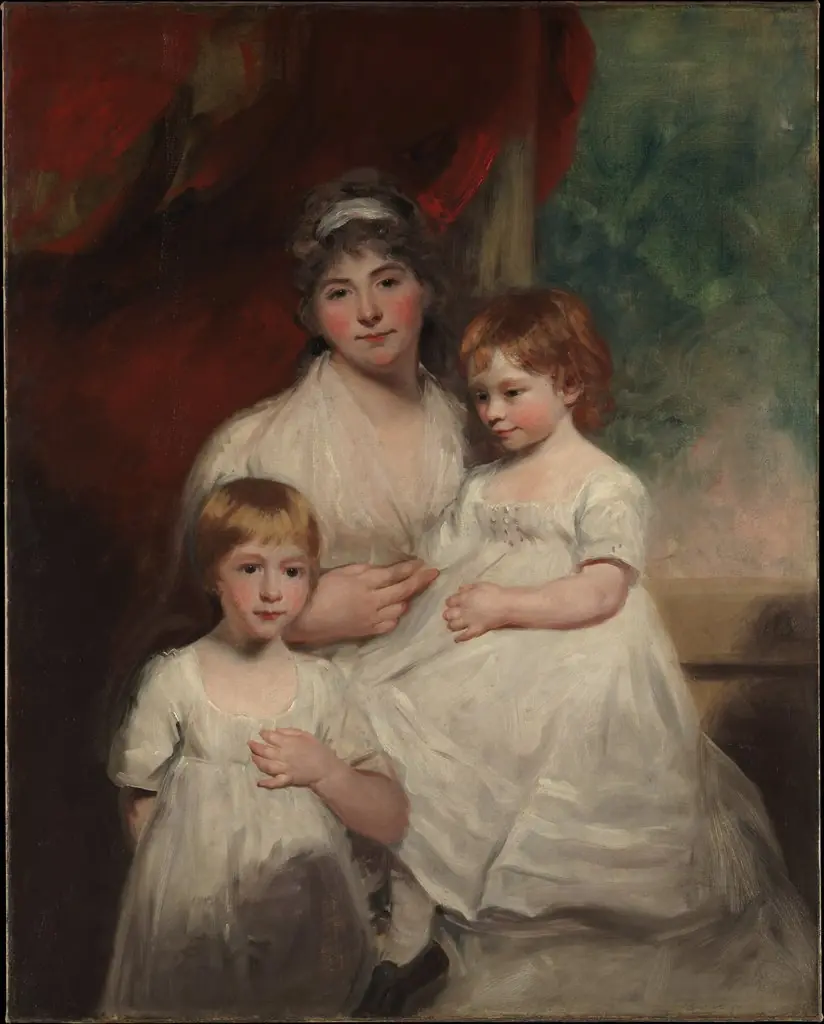 Mrs. John Garden (Ann Garden, 1769–1842) and Her Children, John (1796–1854) and Ann Margaret (born 1793)
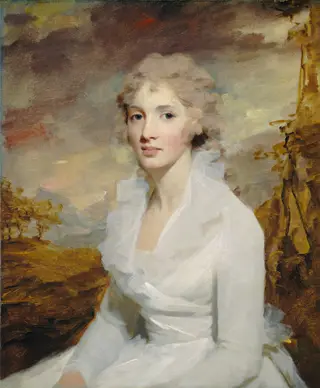 Miss Eleanor Urquhart
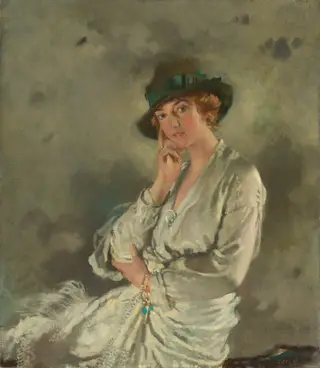 Mrs. Charles S. Carstairs
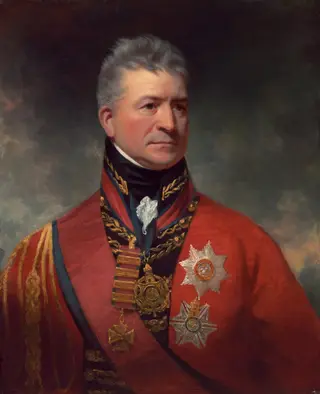 Lieutenant-General Sir Thomas Picton
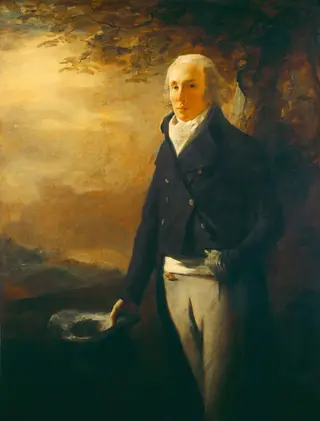 David Anderson
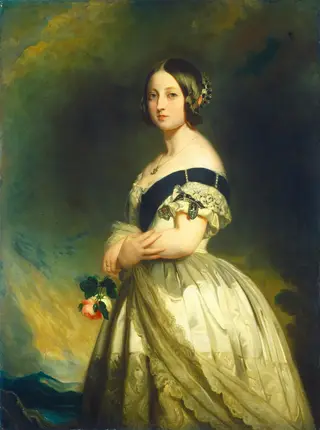 Queen Victoria
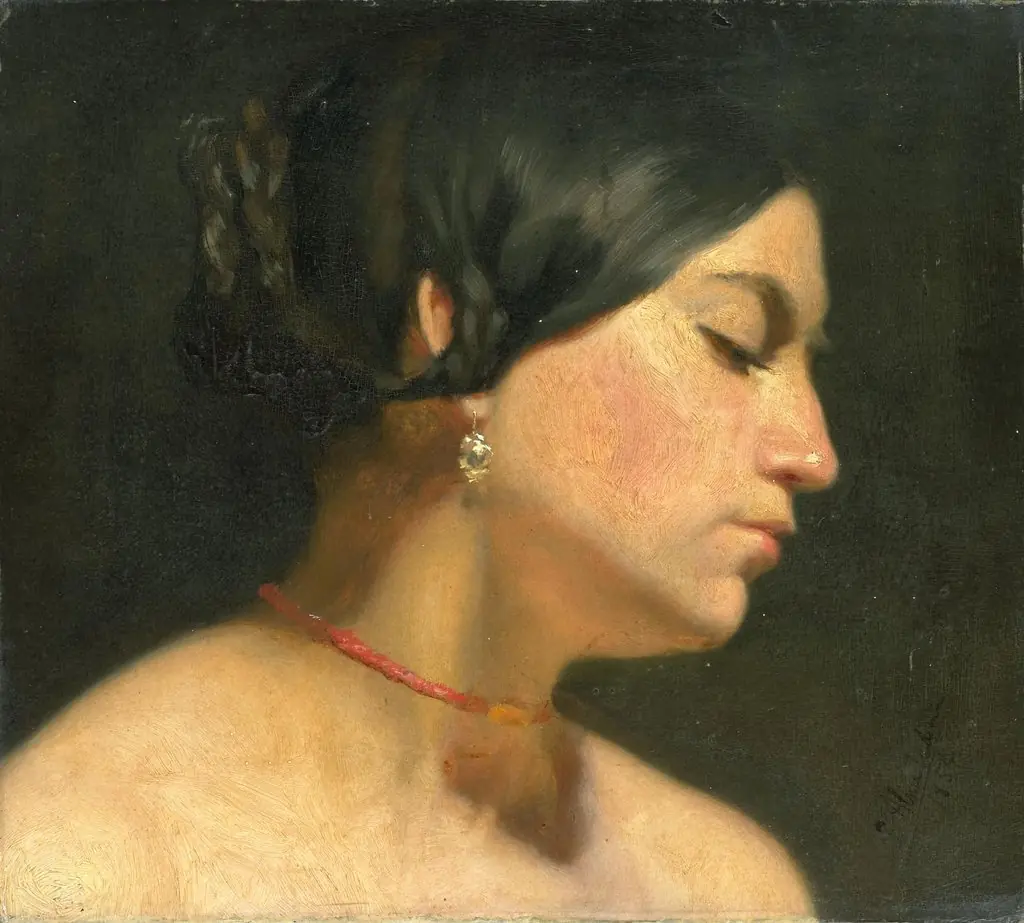 Mary Magdalene
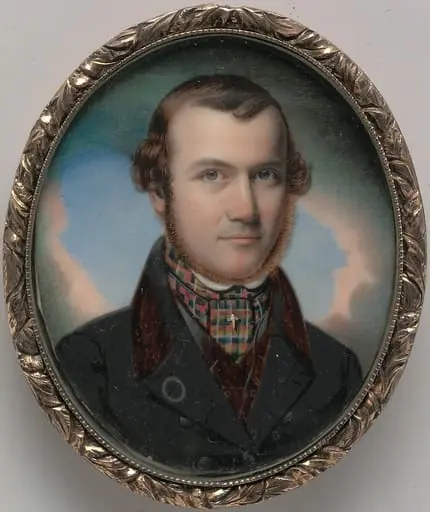 Self-Portrait
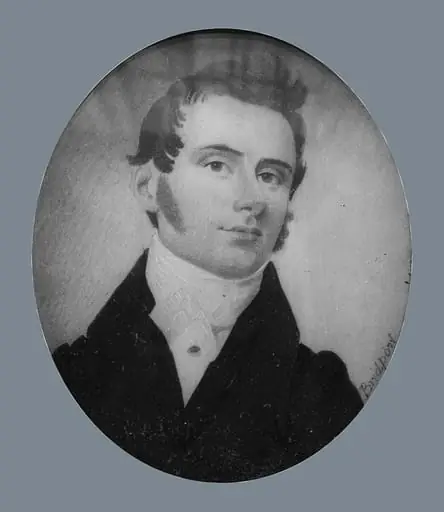 Captain Graham
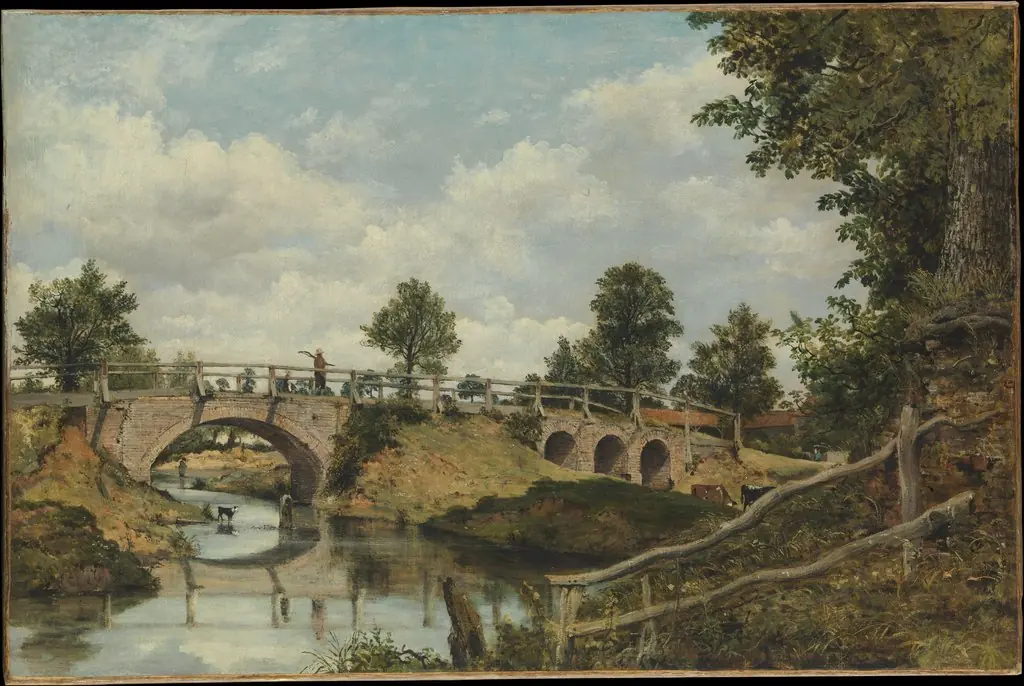 An Old Bridge at Hendon, Middlesex
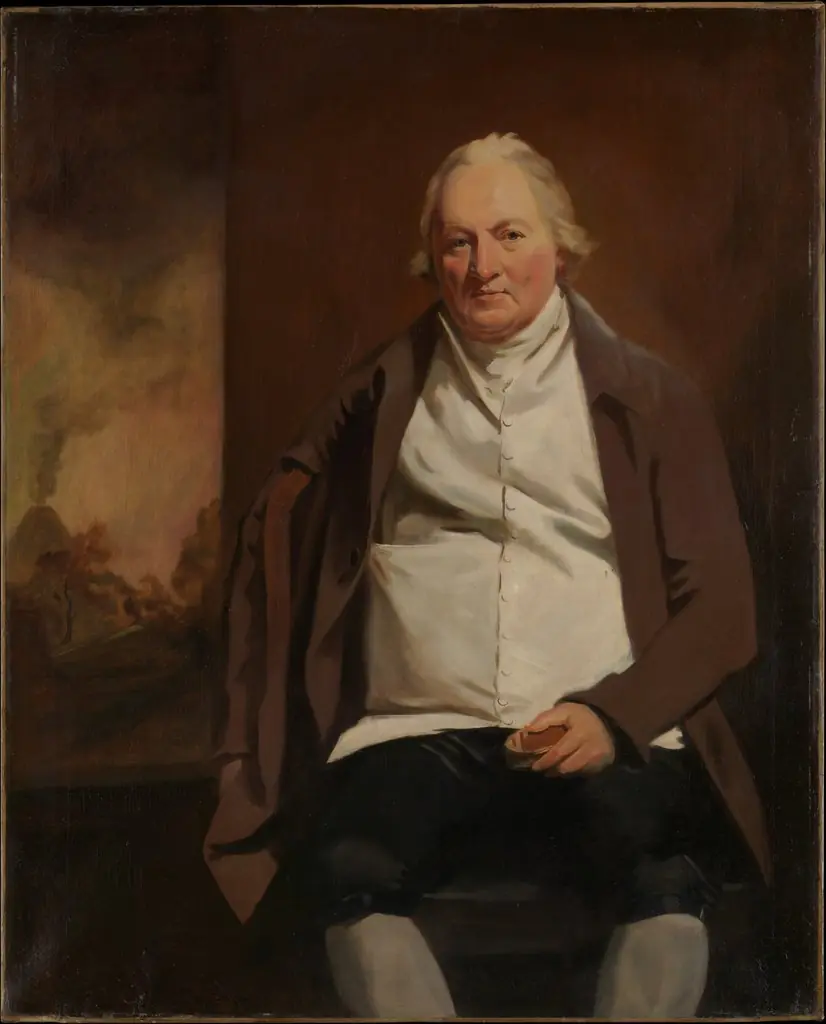 John Gray (1731–1811) of Newholm
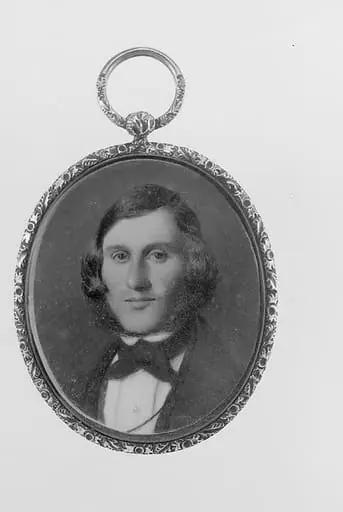 Portrait of a Gentleman
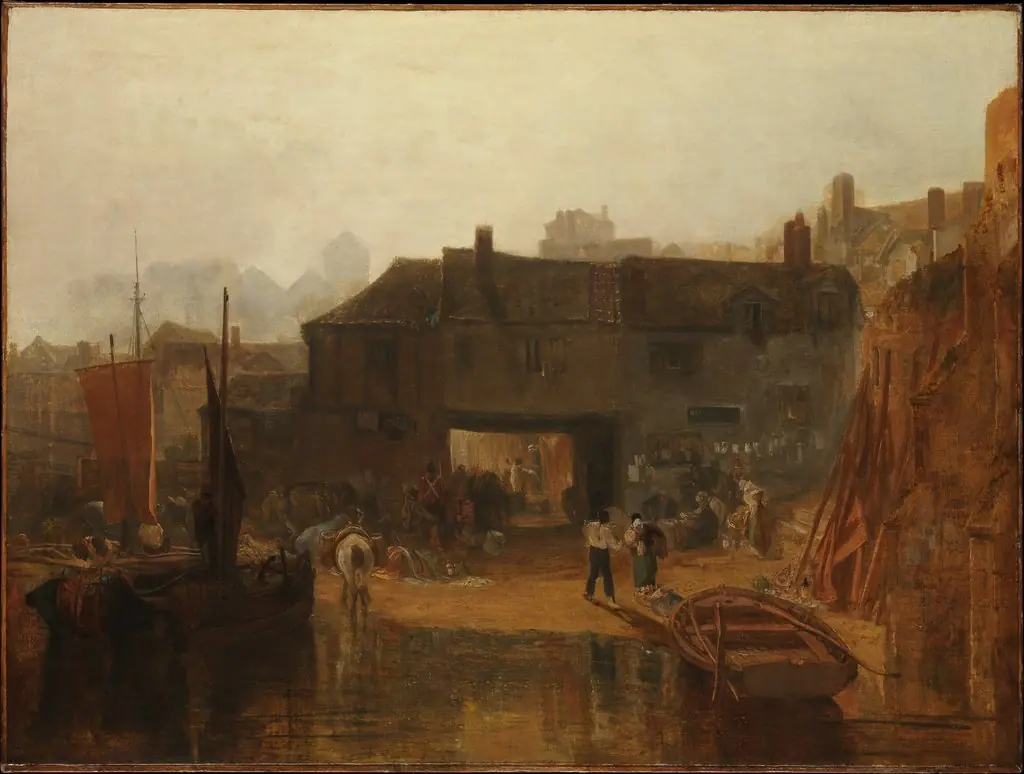 Saltash with the Water Ferry, Cornwall
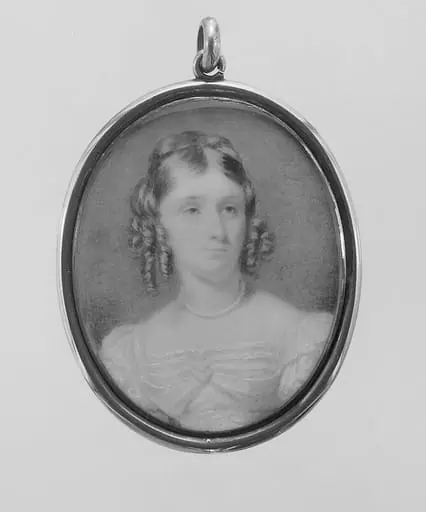 Portrait of a Lady
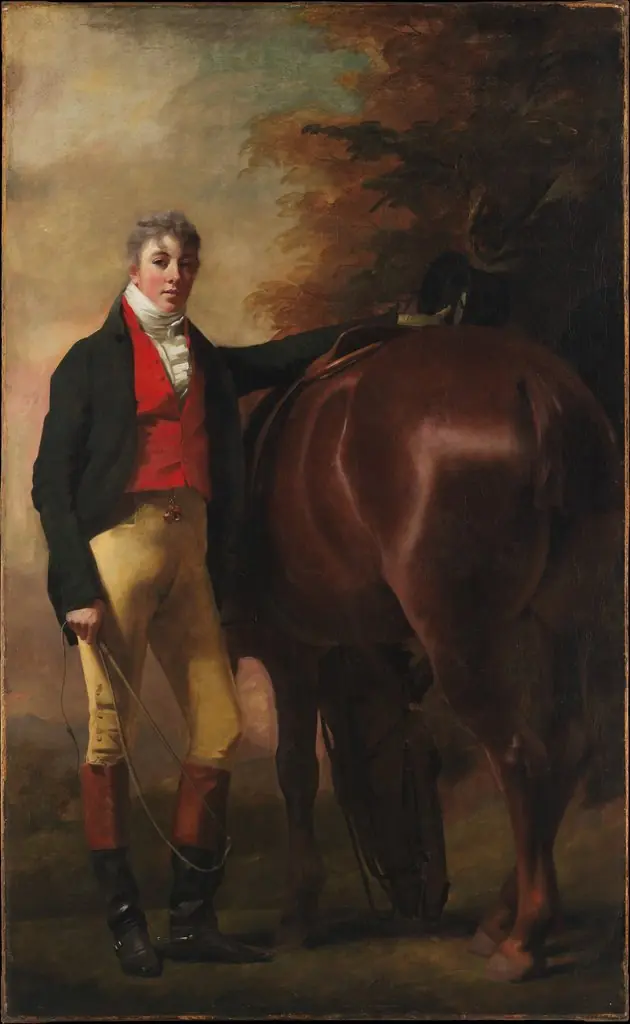 George Harley Drummond (1783–1855)
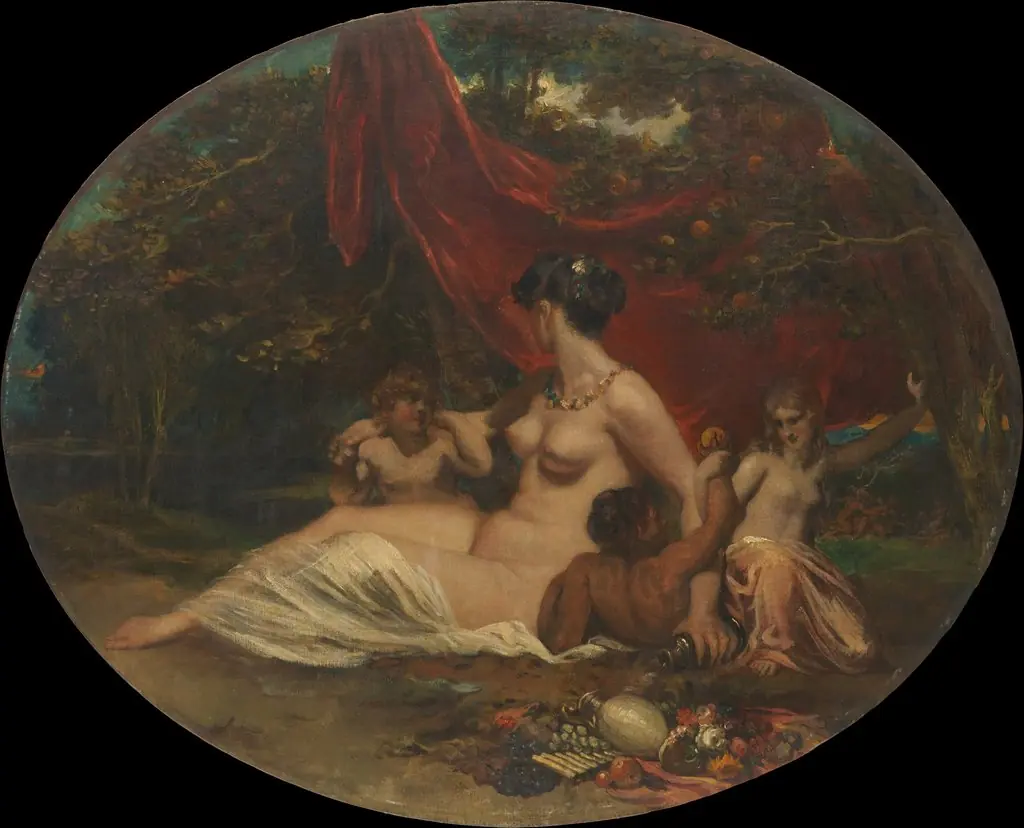 Allegory
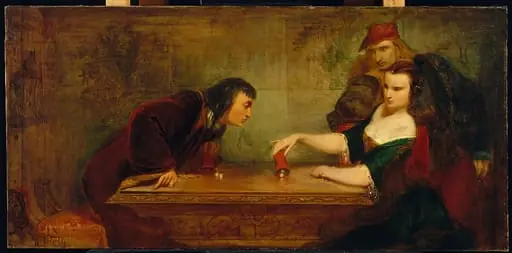 The Last Throw
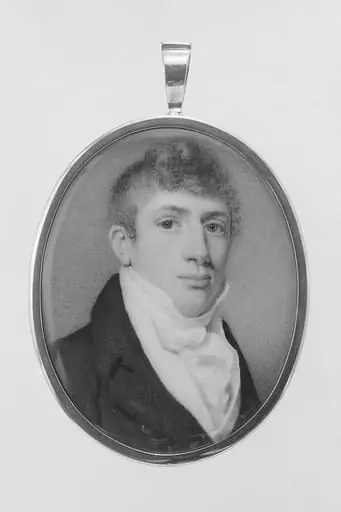 Portrait of a Gentleman
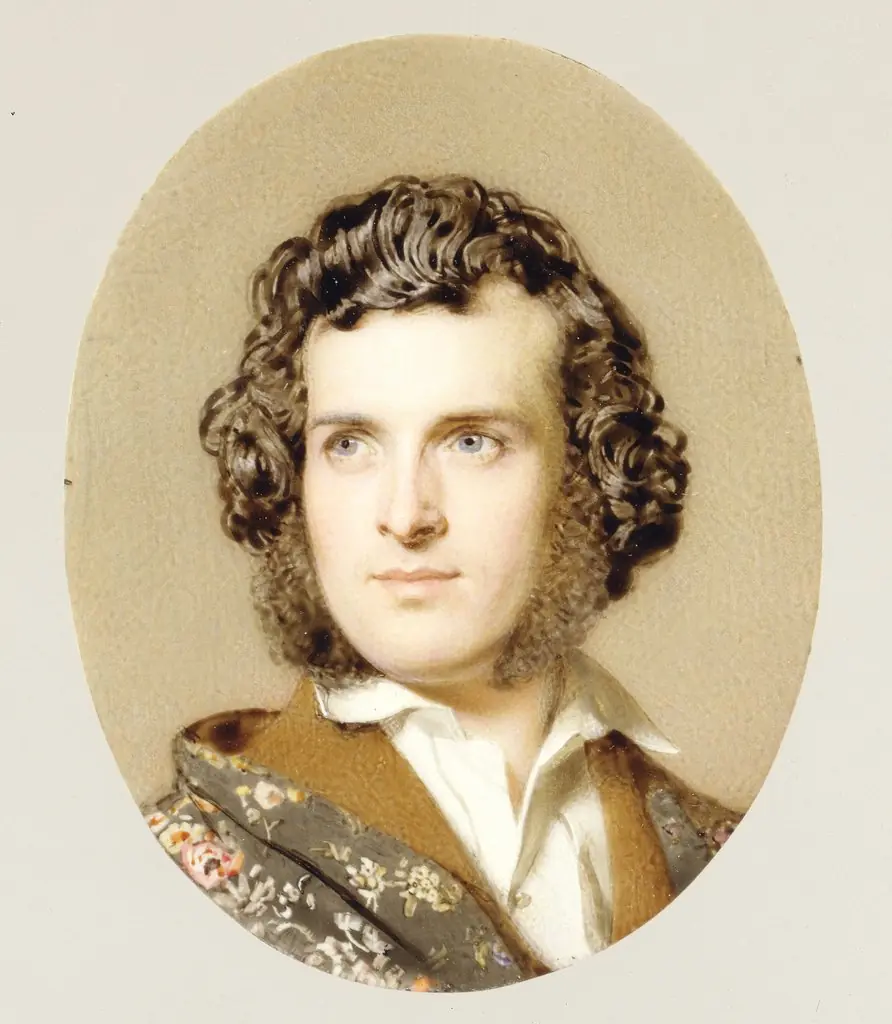 Self-Portrait
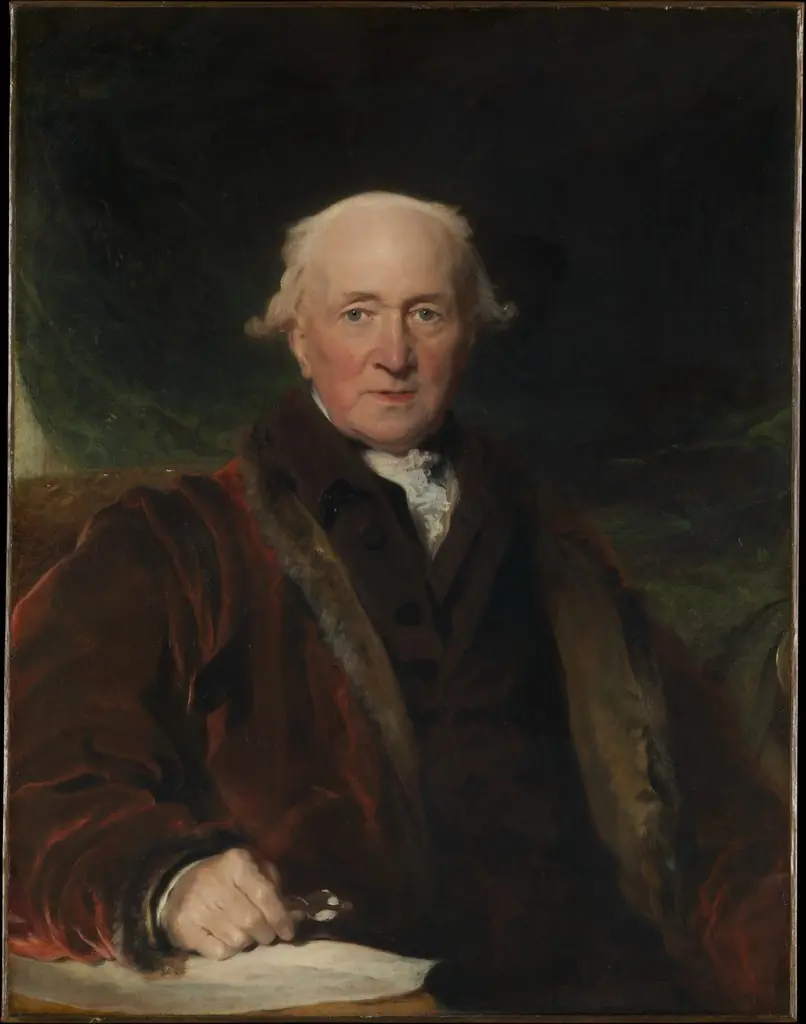 John Julius Angerstein (1736–1823)
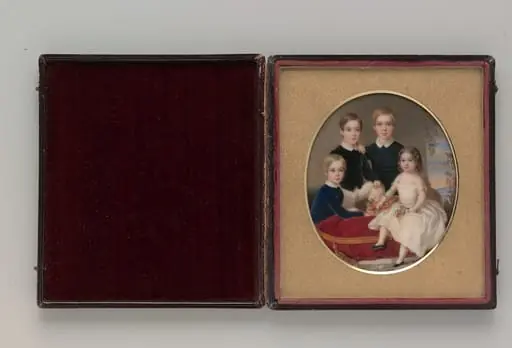 The Thompson Children
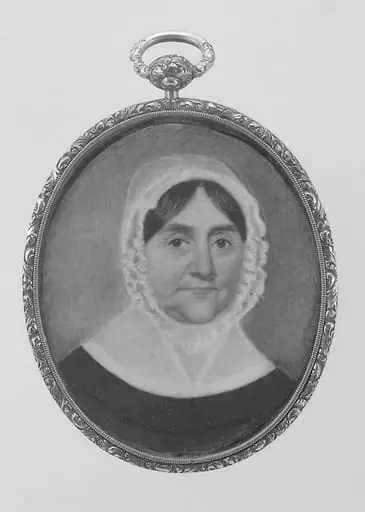 Portrait of a Lady
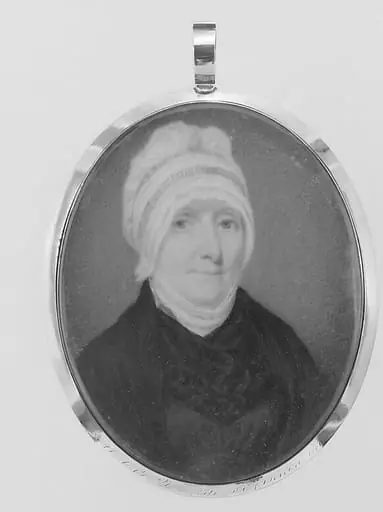 Portrait of a Lady
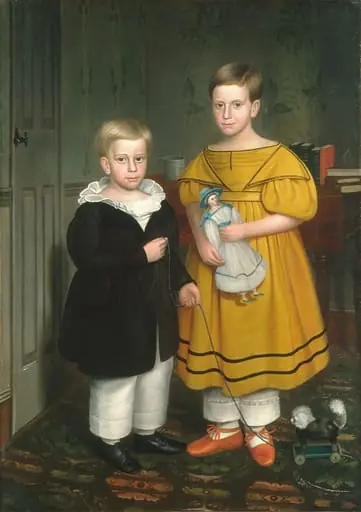 The Raymond Children
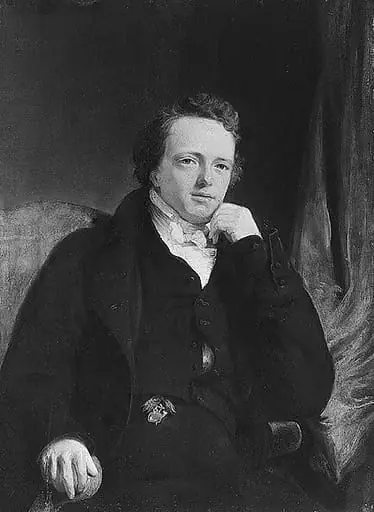 Dr. John Wakefield Francis
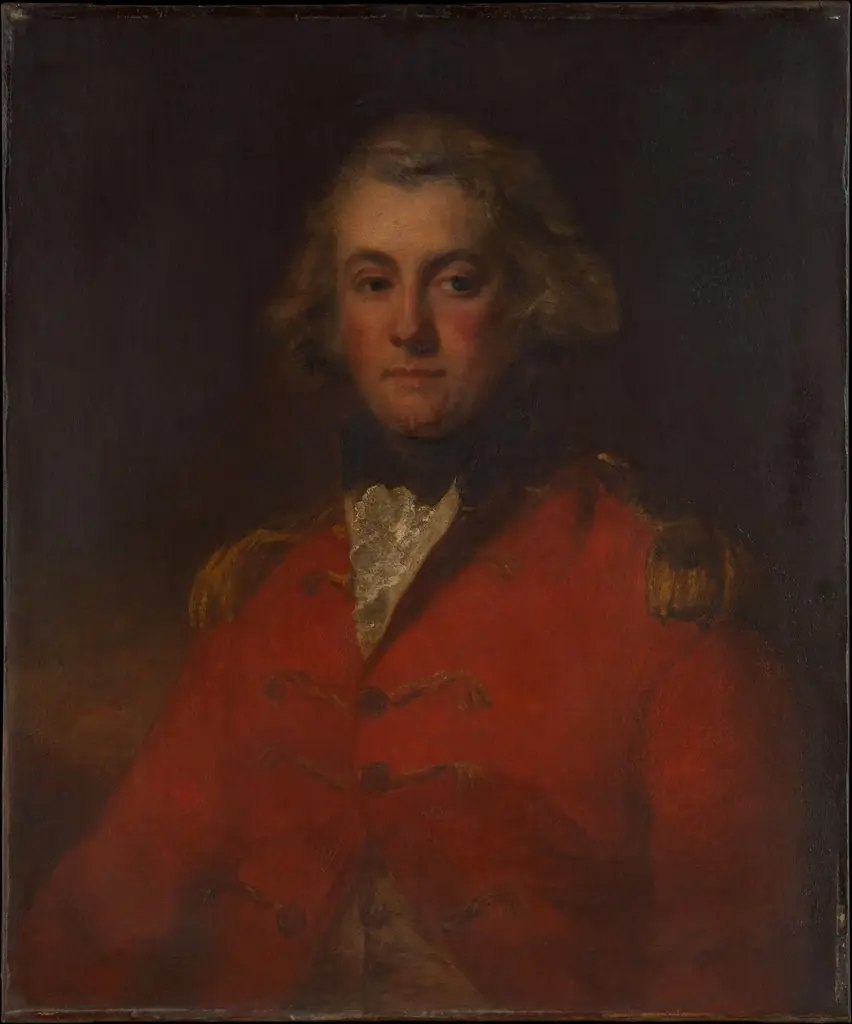 Major Thomas Pechell (1753–1826)
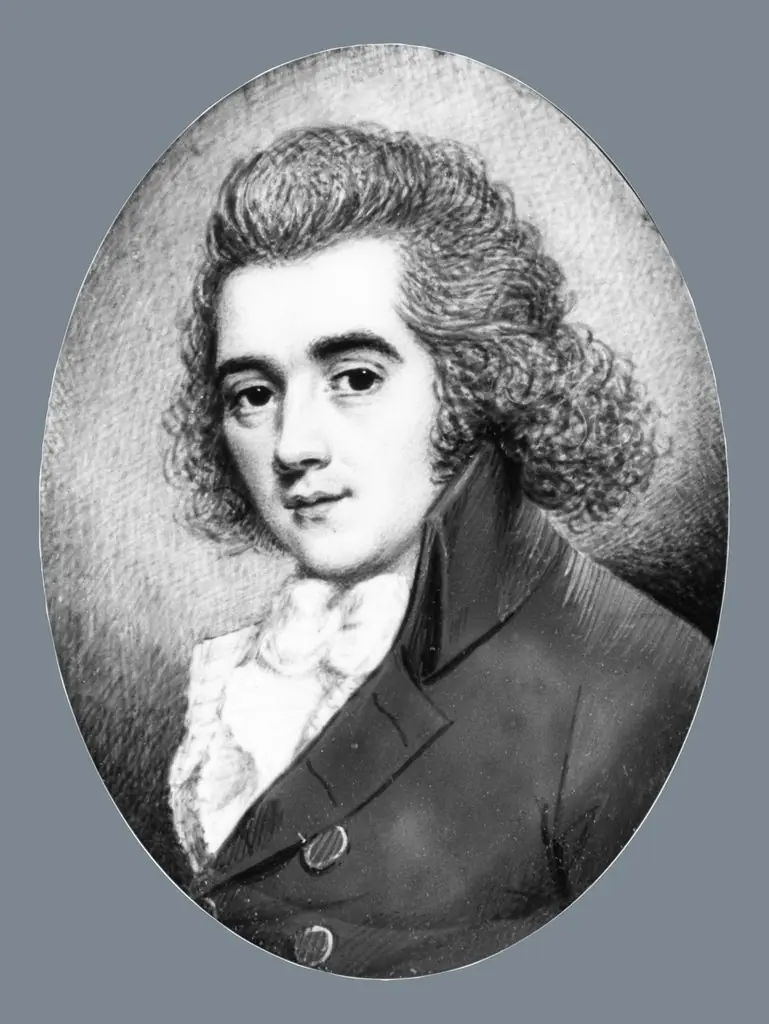 William Paulet Carey (1759–1839)
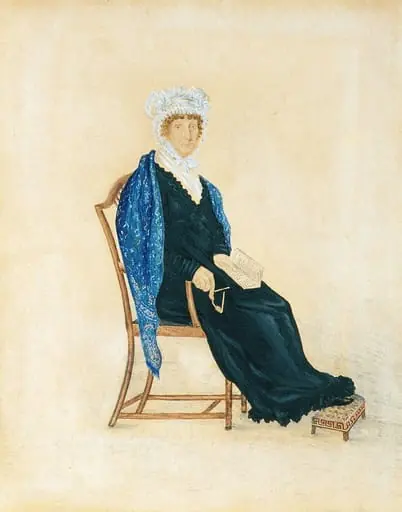 Portrait of Mrs. Crofts
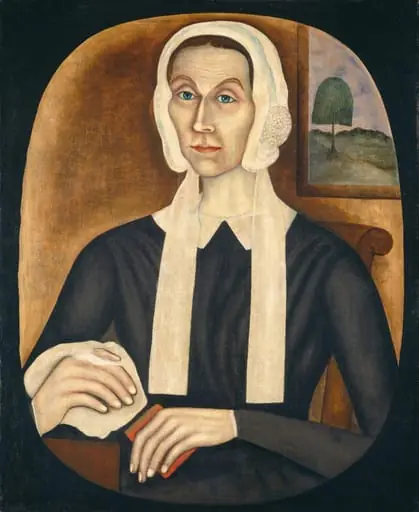 Portrait of a Woman
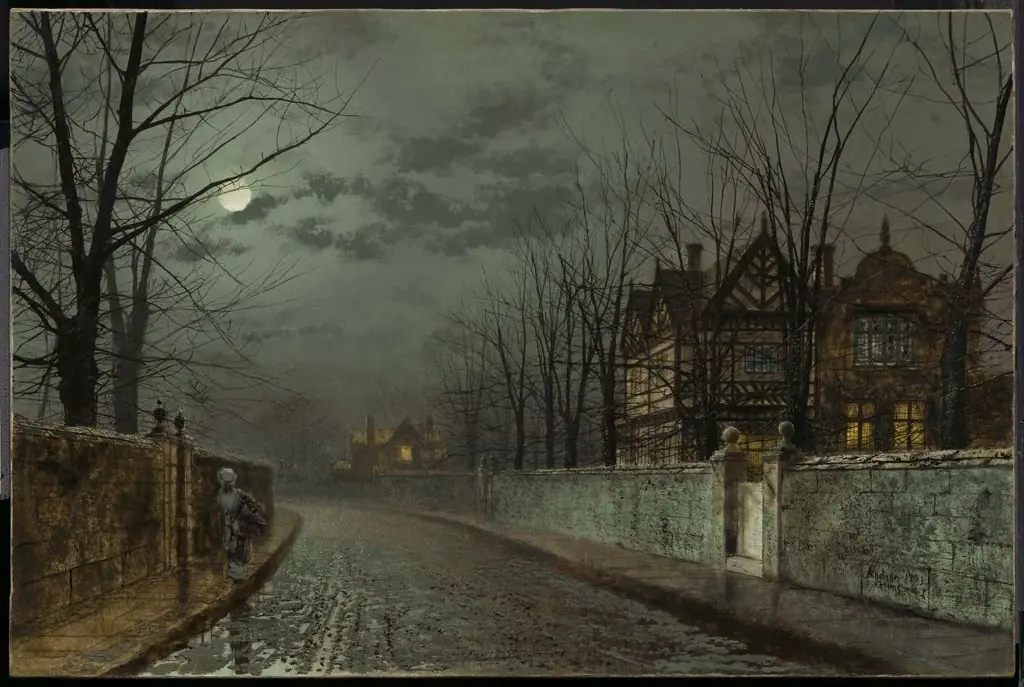 Old English House by Moonlight
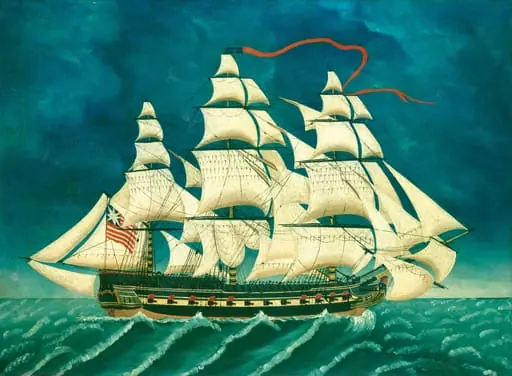 Ship in Full Sail
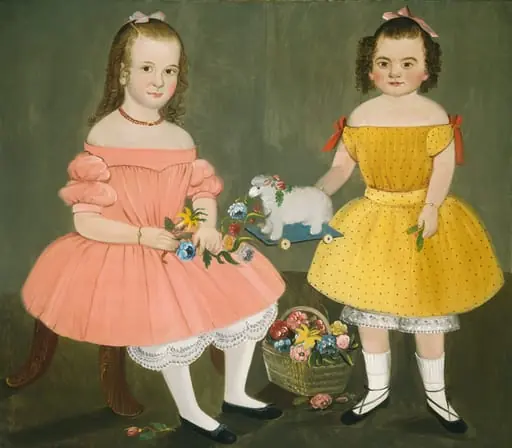 The Burnish Sisters
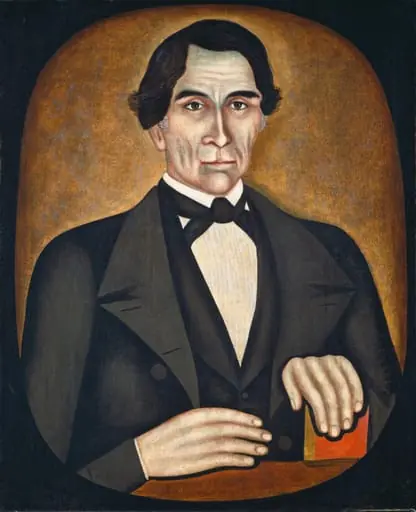 Portrait of a Man
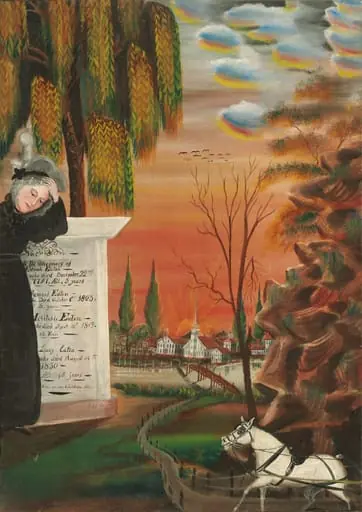 Eaton Family Memorial
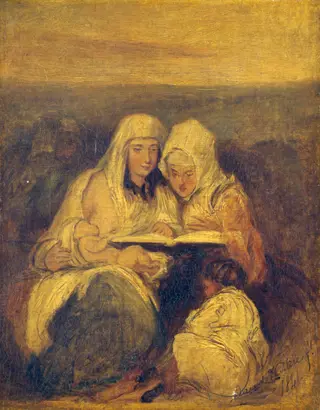 The Holy Family with Saint Elizabeth and Saint John the Baptist
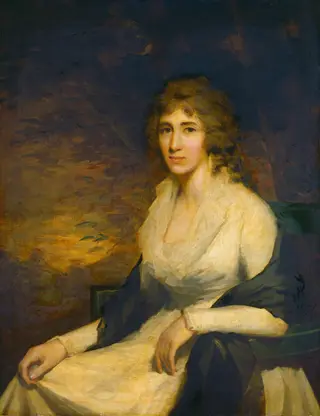 Mrs. George Hill
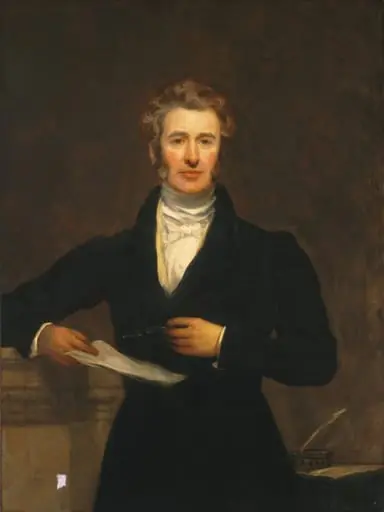 Portrait of a Man
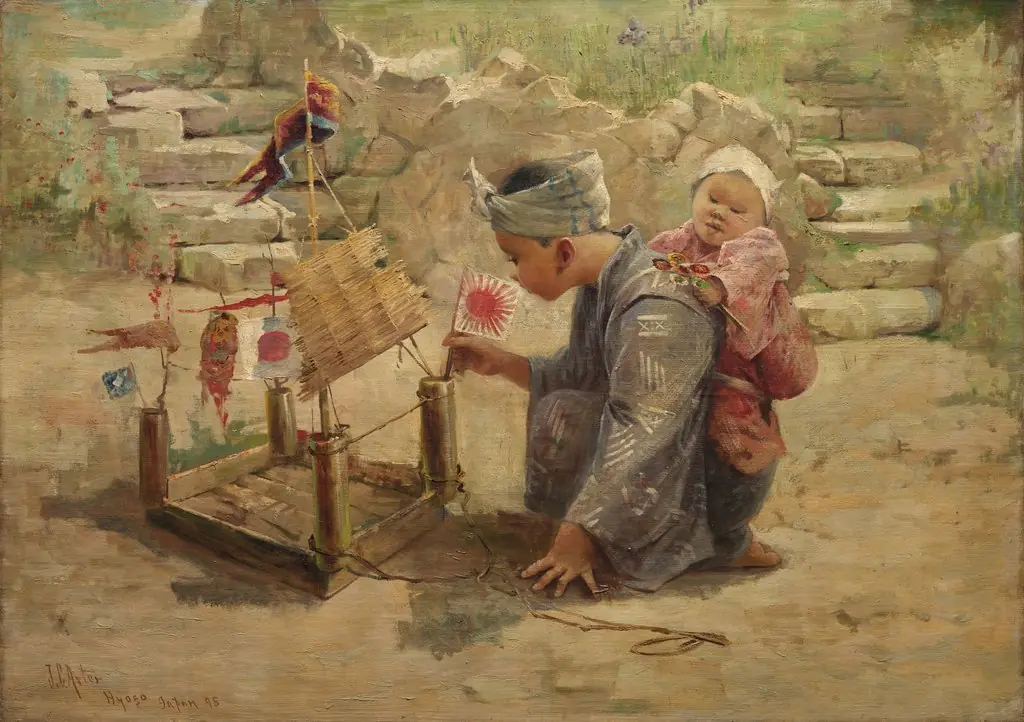 Japanese Boy Building a Man-of-War
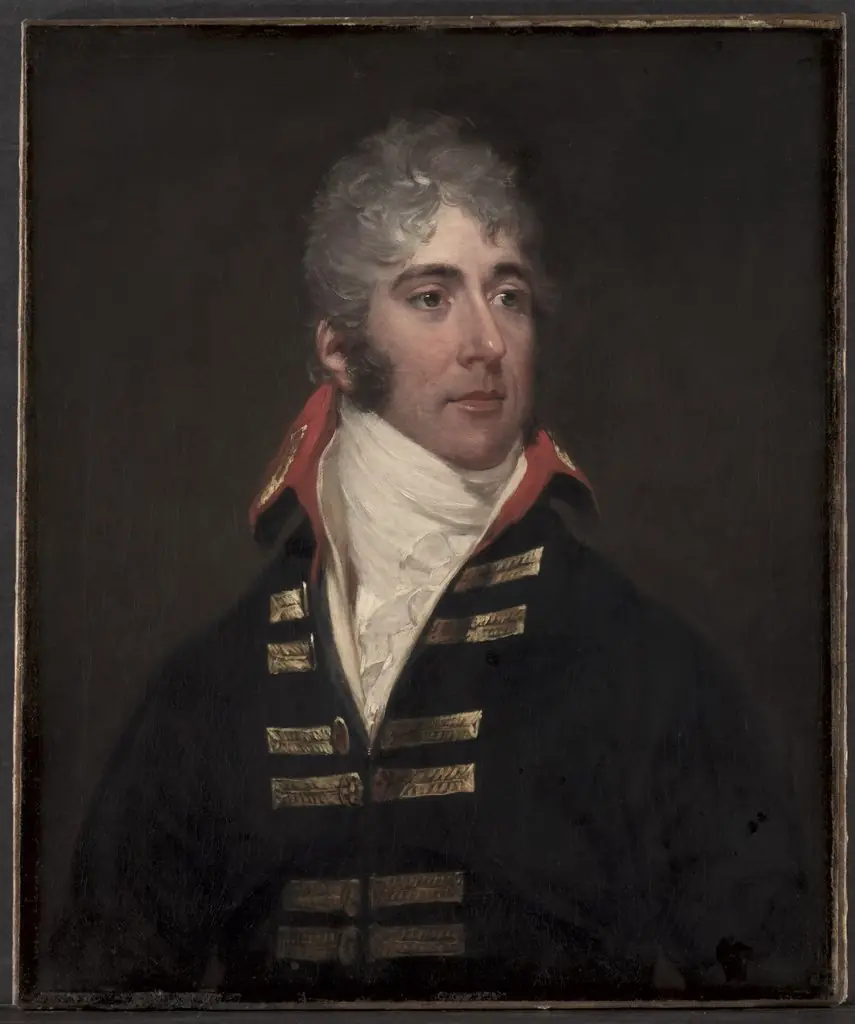 Portrait of a Man
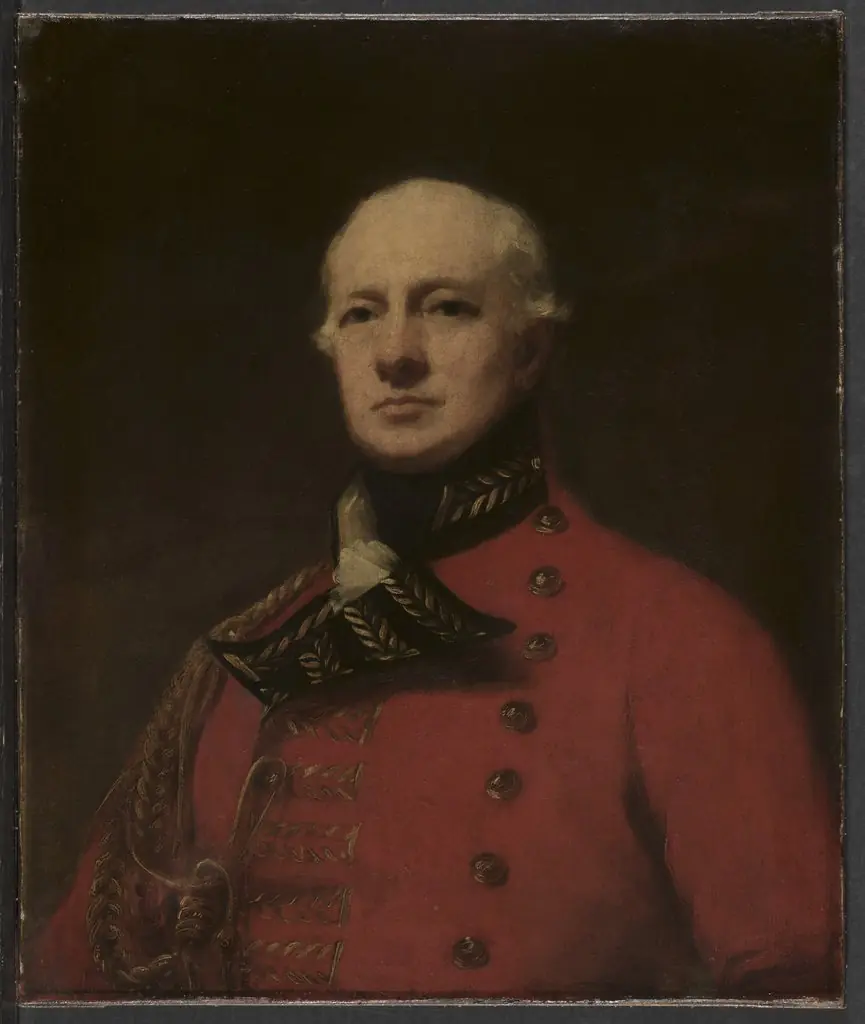 Lieutenant General Duncan Campbell
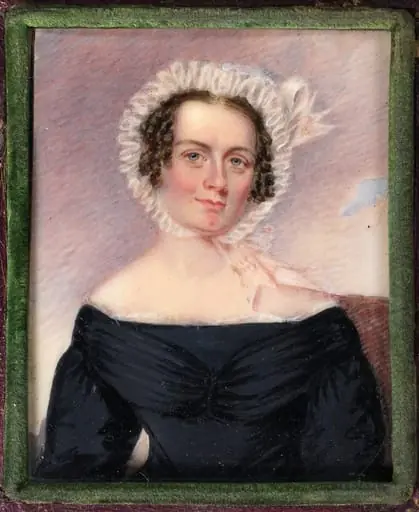 Portrait of a Lady
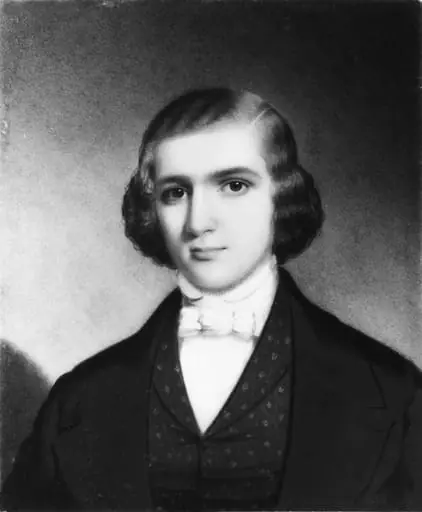 Portrait of a Gentleman
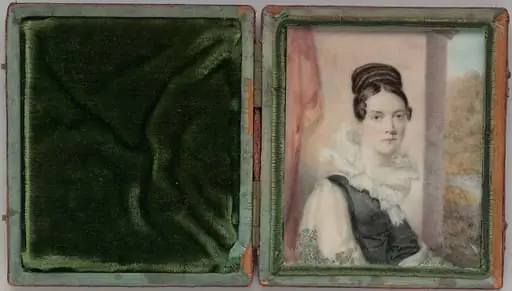 Portrait of a Lady
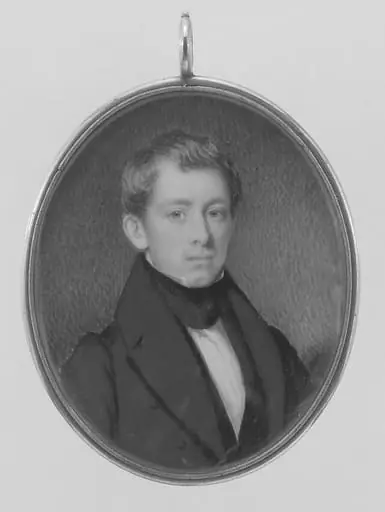 Portrait of a Gentleman
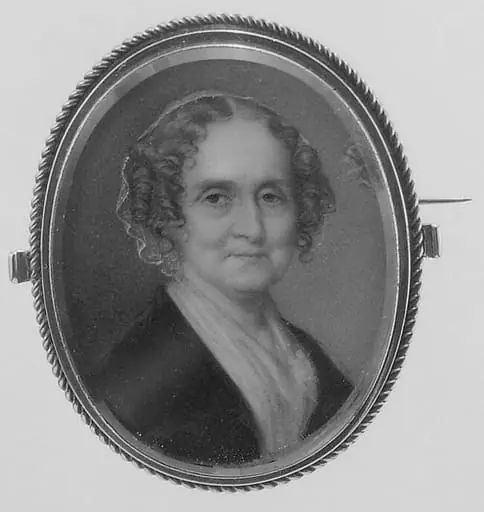 Portrait of a Lady
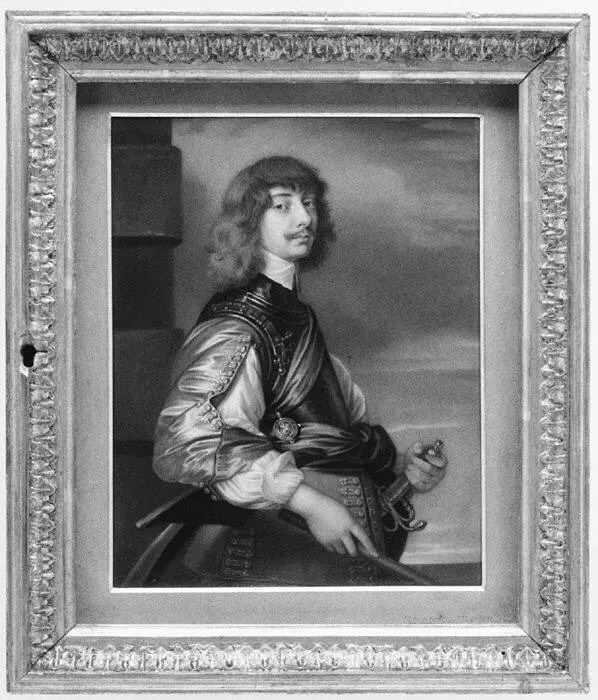 Algernon Percy (1602–1668), Tenth Earl of Northumberland, after Van Dyck
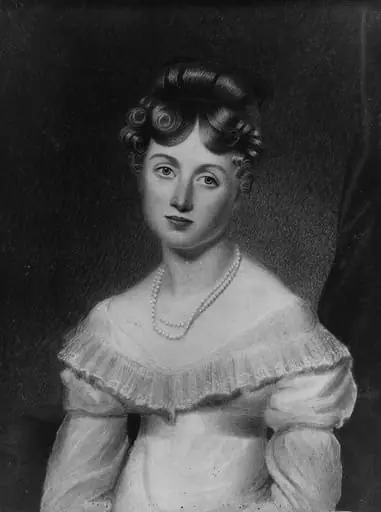 Portrait of a Lady
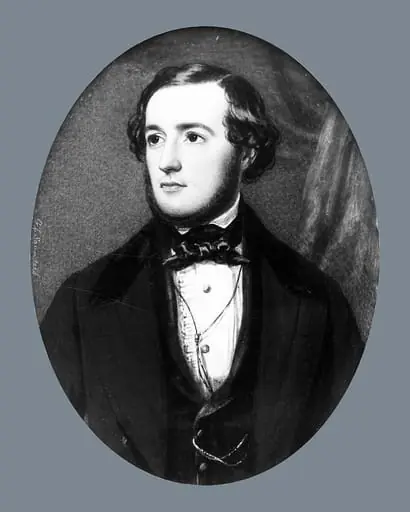 Portrait of a Gentleman
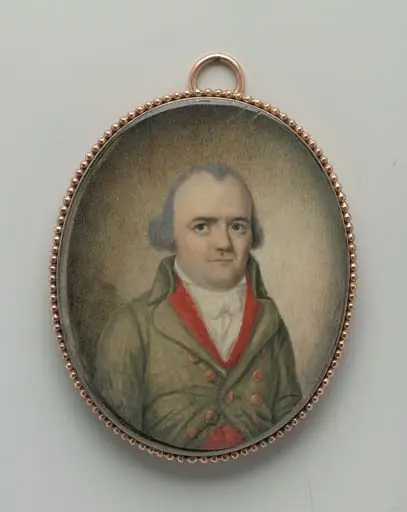 Joseph Griffiths
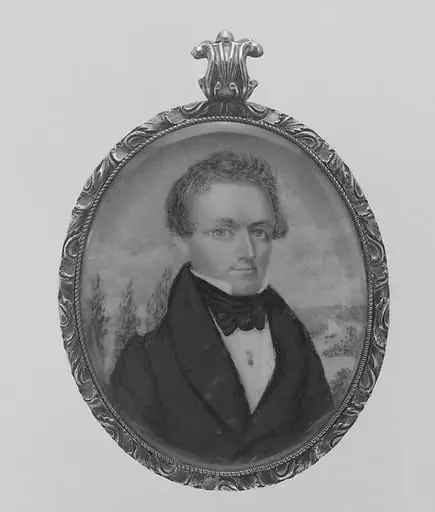 Portrait of a Gentleman
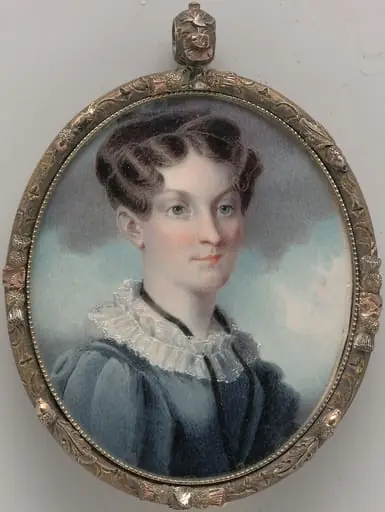 Carolyn Mishner
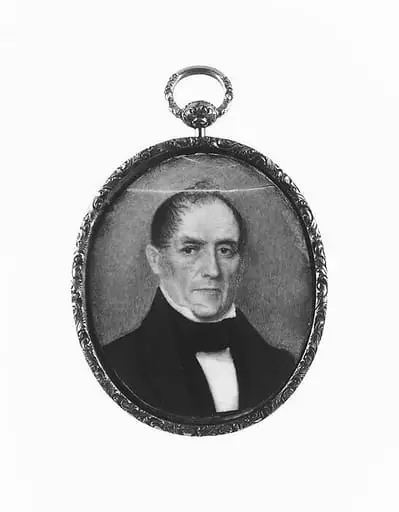 Portrait of a Gentleman
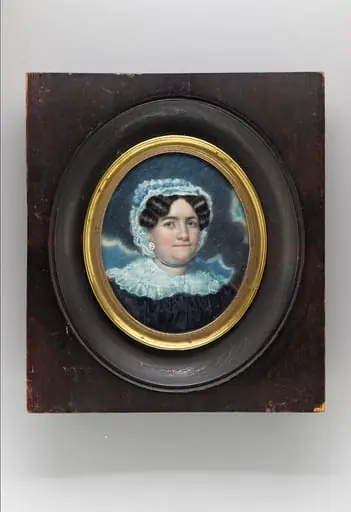 Portrait of a Lady
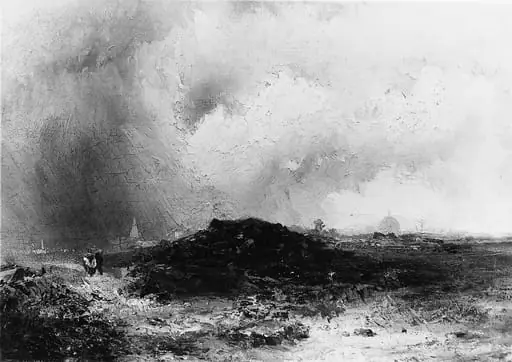 On Hampstead Heath
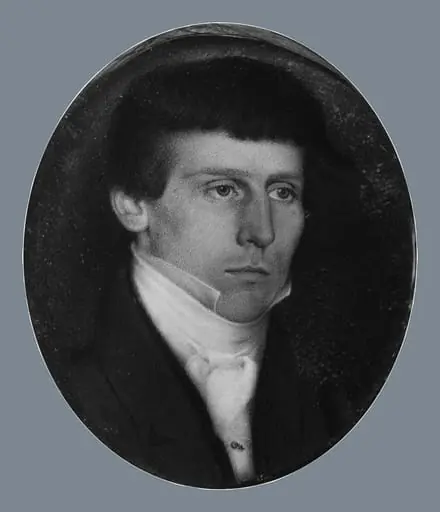 Henry Leighton
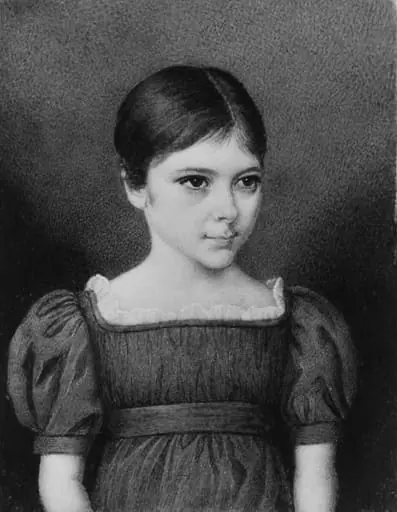 Portrait of a Girl
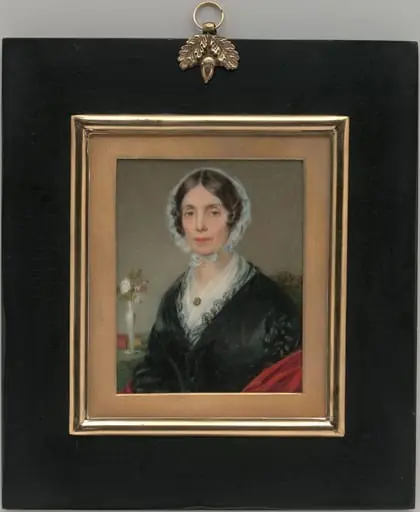 Mrs. Israel Thorndike (Sarah Dana)
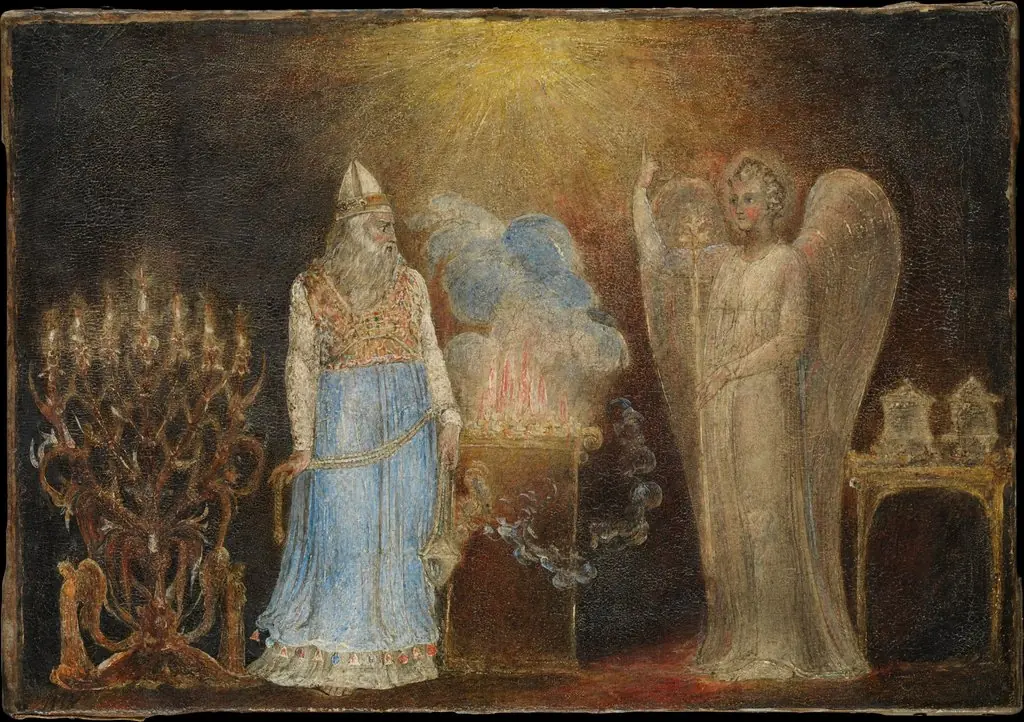 The Angel Appearing to Zacharias
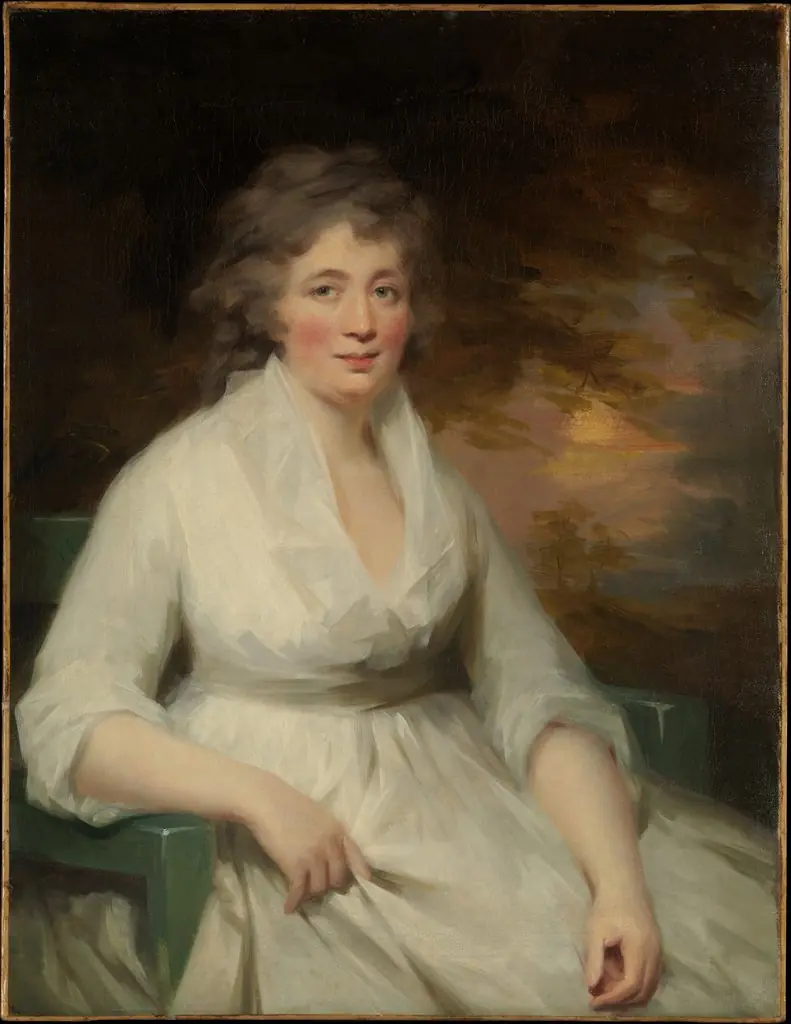 Janet Law
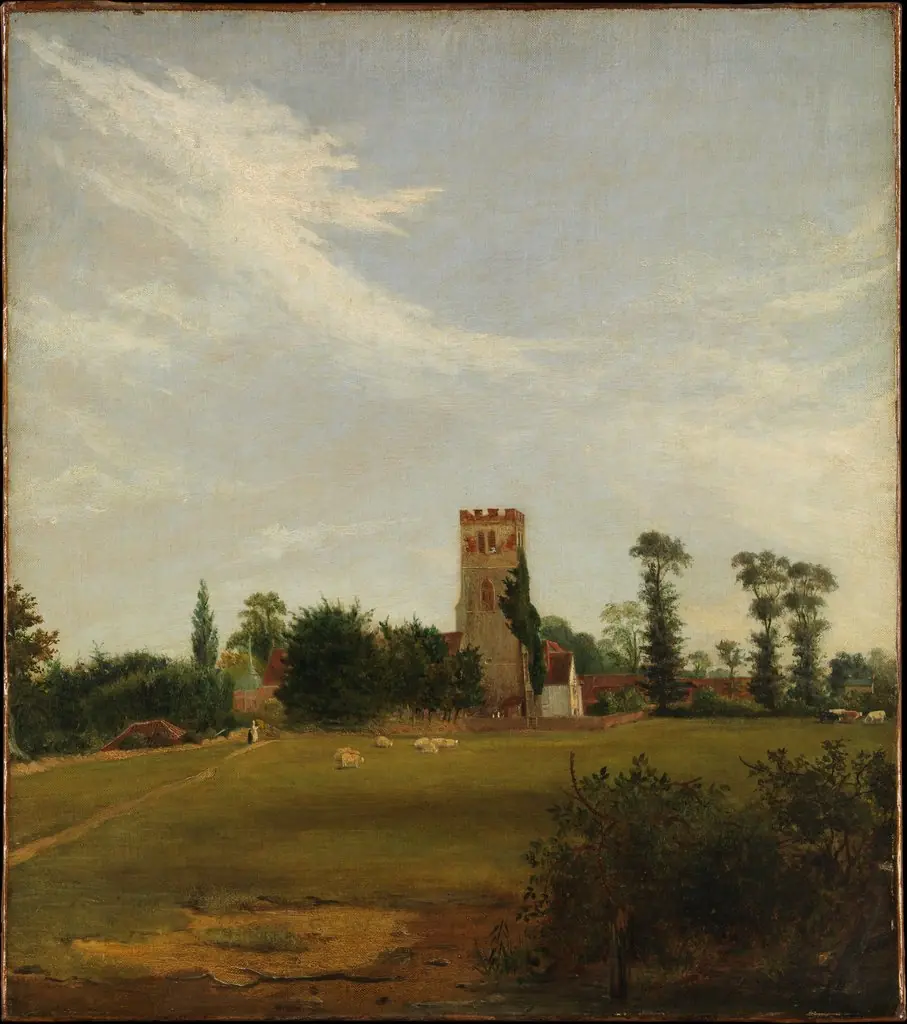 Tottenham Church
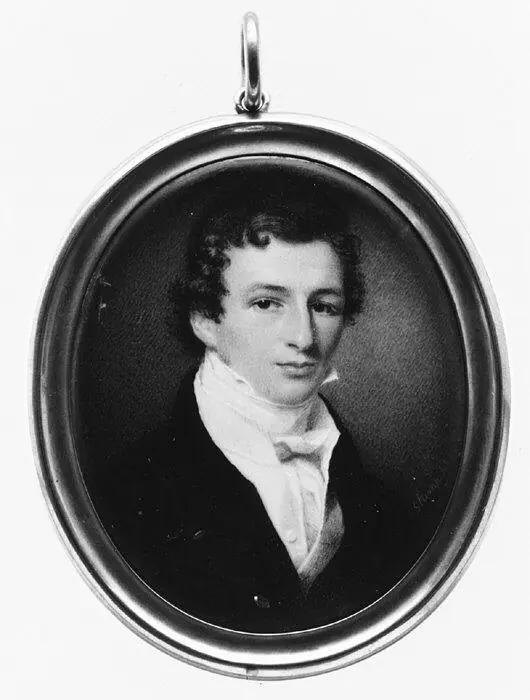 Portrait of a Man
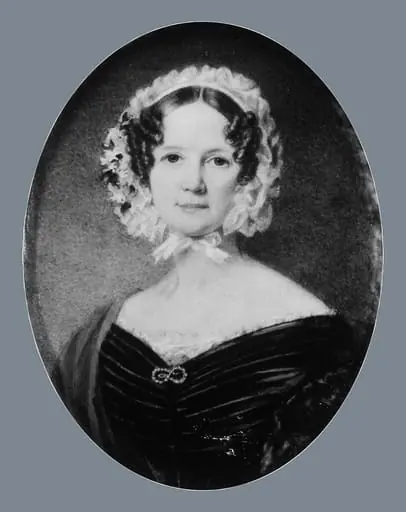 Mrs. George M. Gill (Ann McKim Bowly)
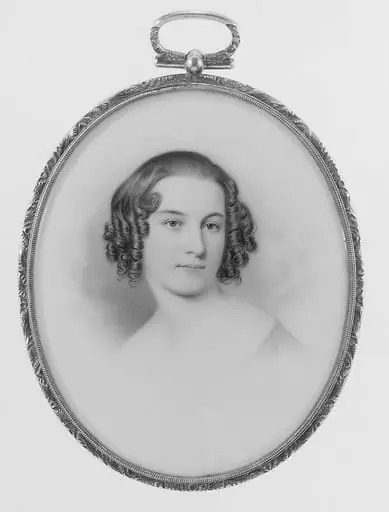 Portrait of a Lady
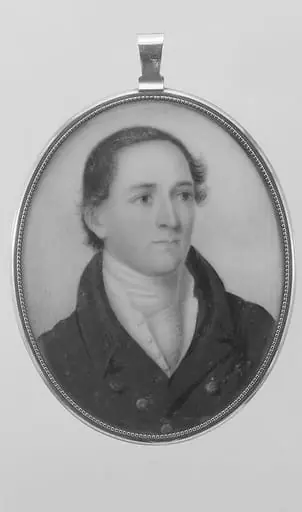 Portrait of a Gentleman
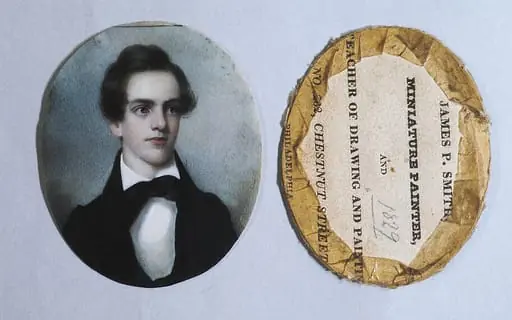 Portrait of a Gentleman
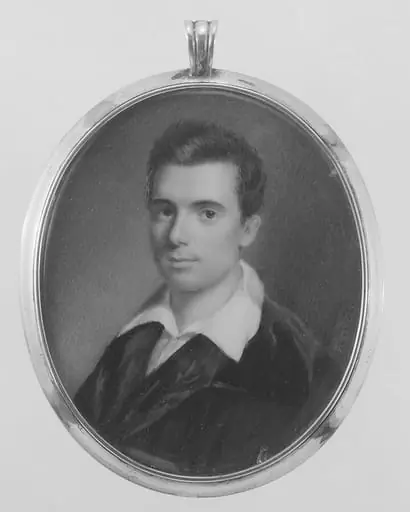 Portrait of a Gentleman
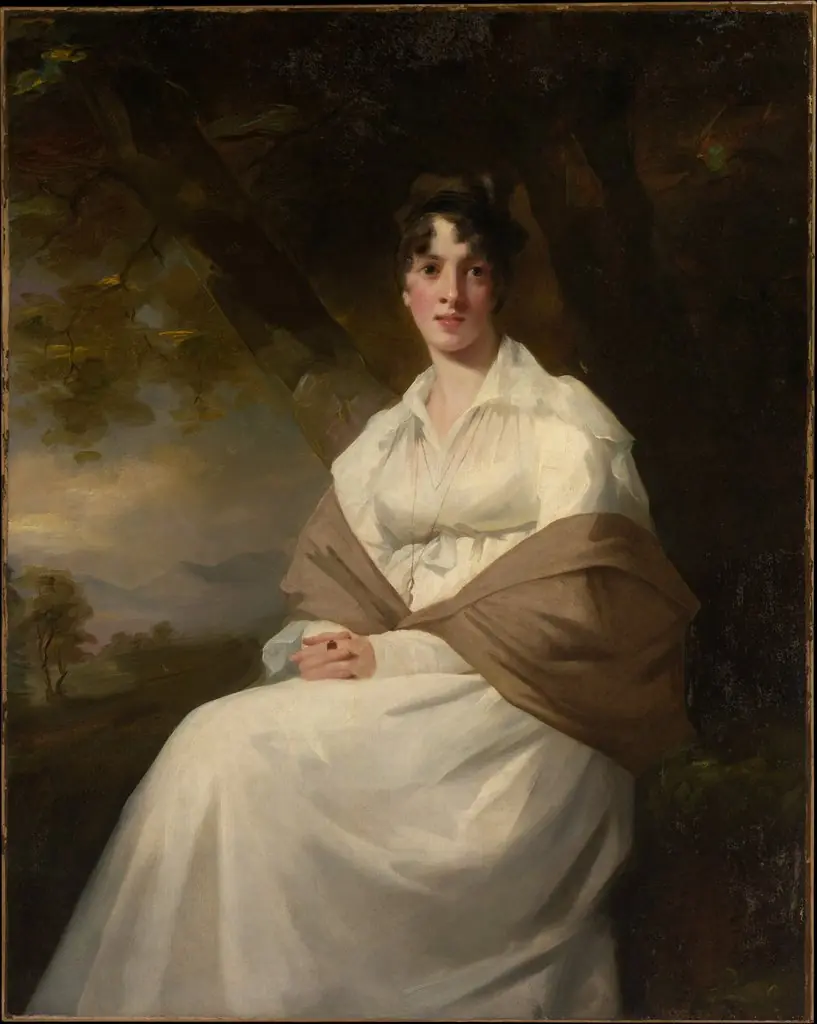 Lady Maitland (Catherine Connor, died 1865)
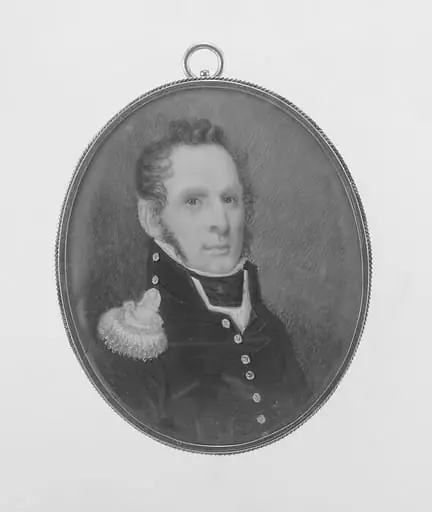 Portrait of a Gentleman
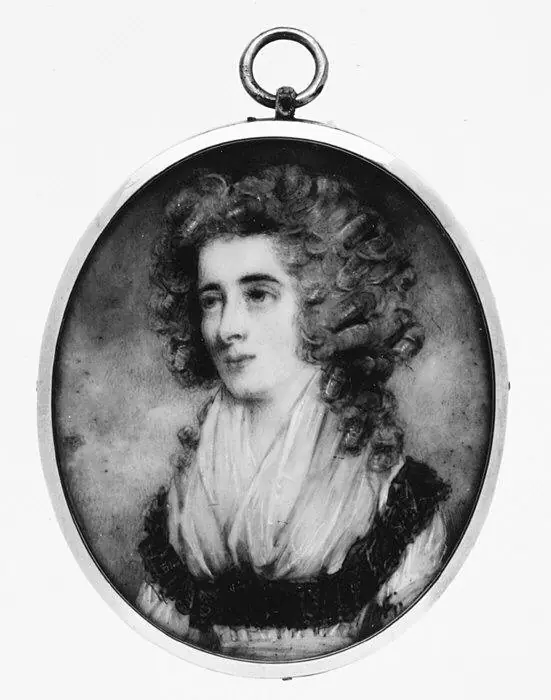 Portrait of a Woman
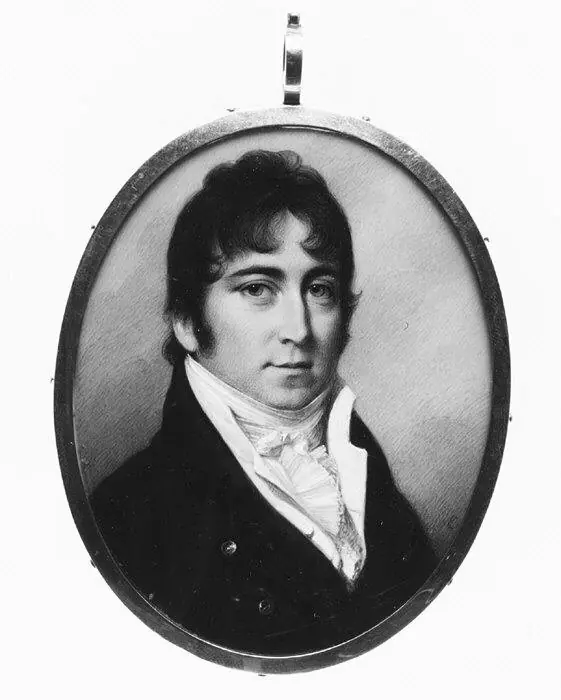 Portrait of a Man, Said to Be Mr. De Wolf
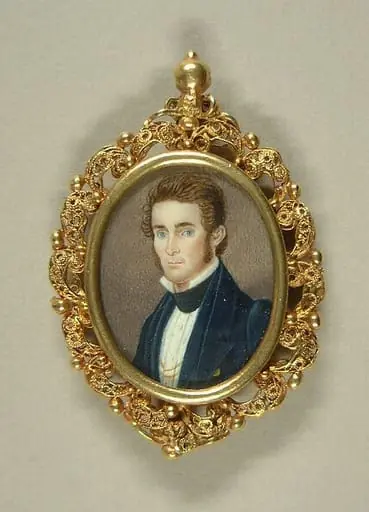 Portrait of a Gentleman
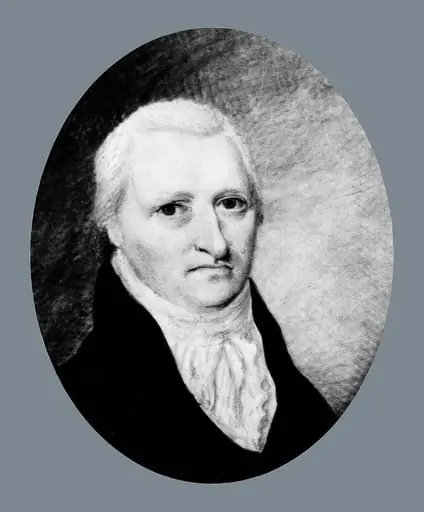 Portrait of a Gentleman
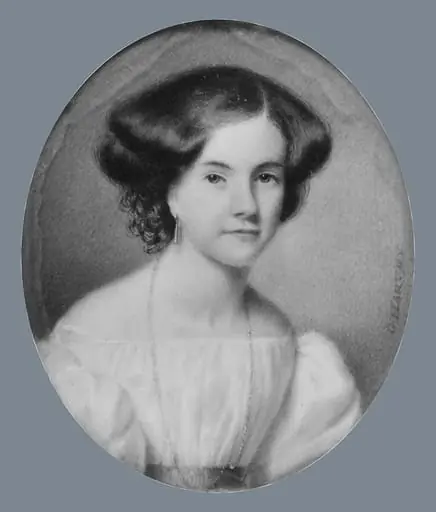 Portrait of a Lady
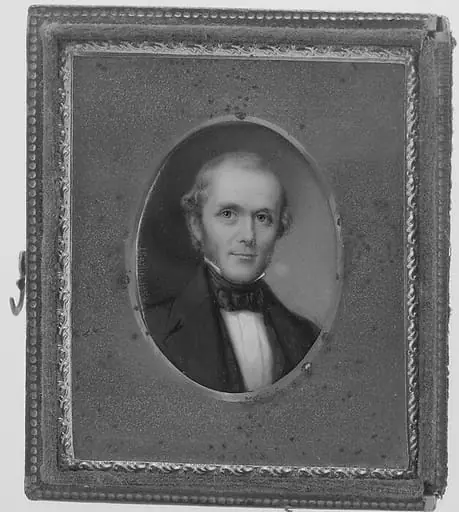 Portrait of a Gentleman
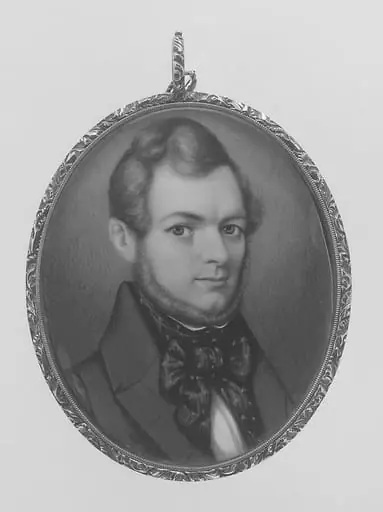 Portrait of a Gentleman
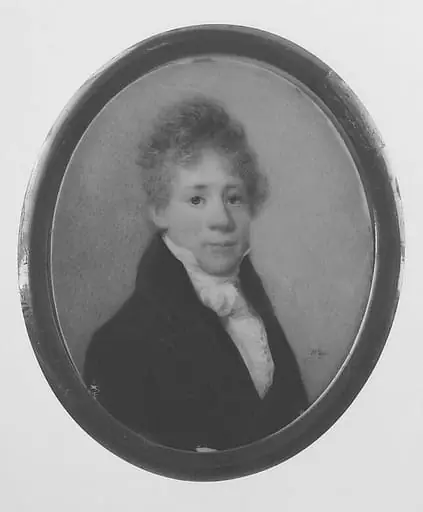 Portrait of a Gentleman
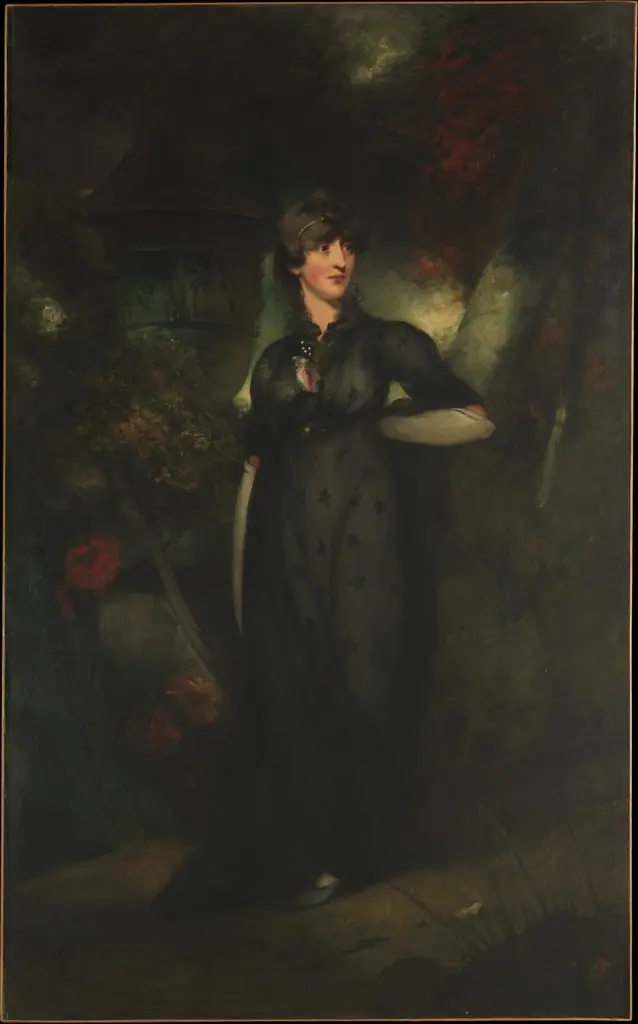 Mrs. Whaley (died 1798, Isle of Man)
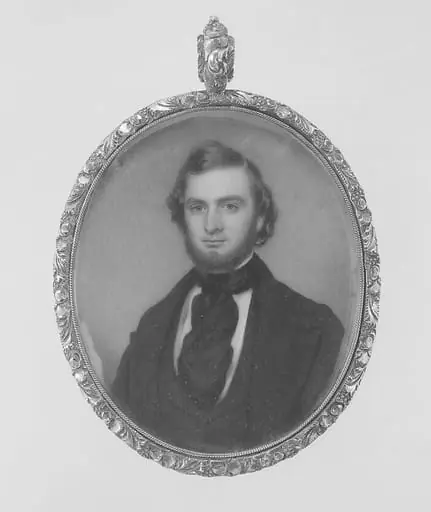 Portrait of a Gentleman
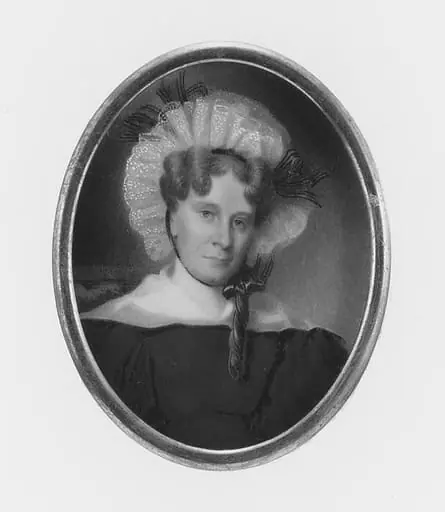 Portrait of a Lady
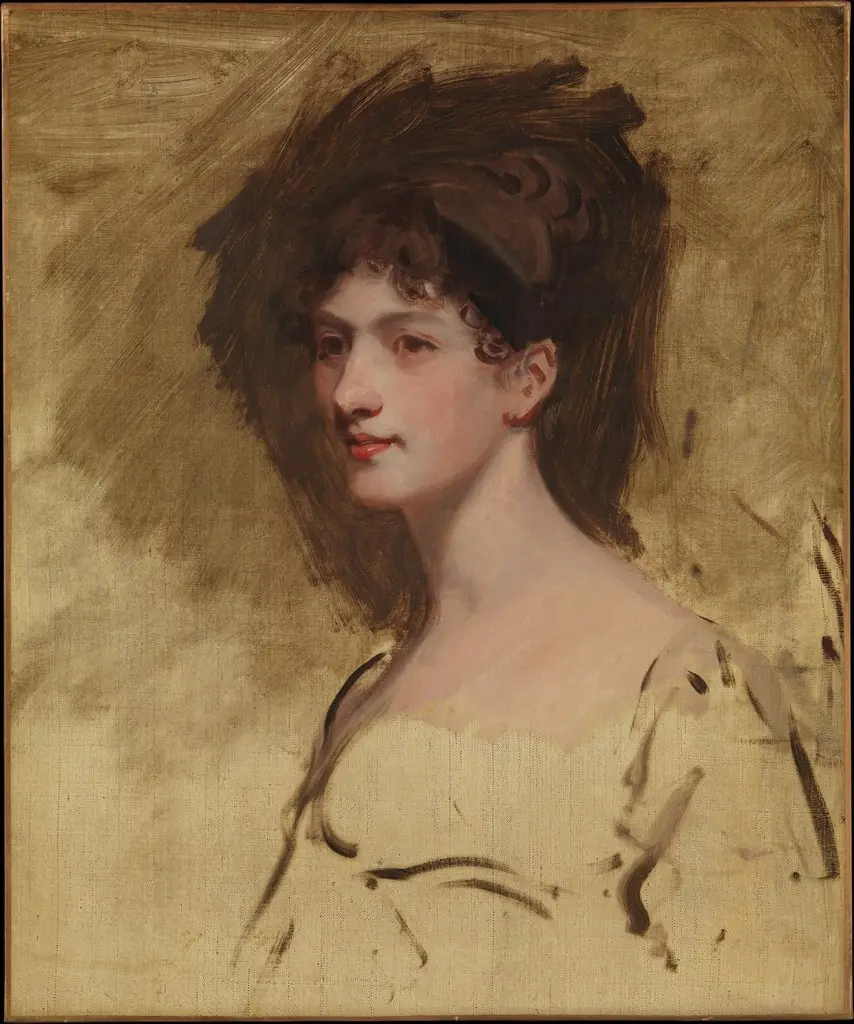 Lady Hester King (died 1873)
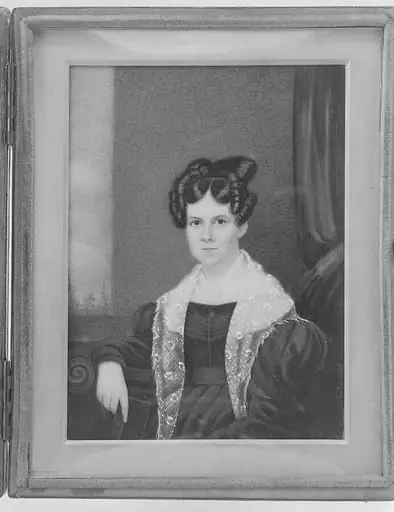 Portrait of a Lady
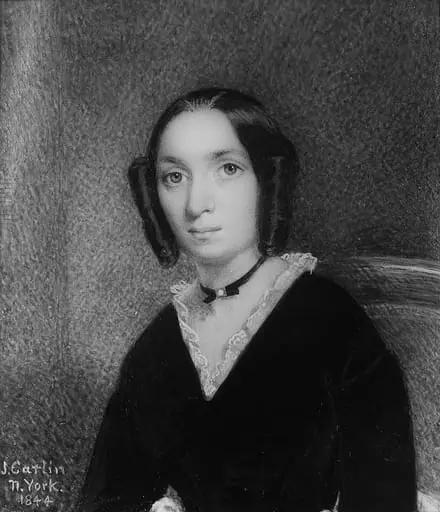 Portrait of a Lady
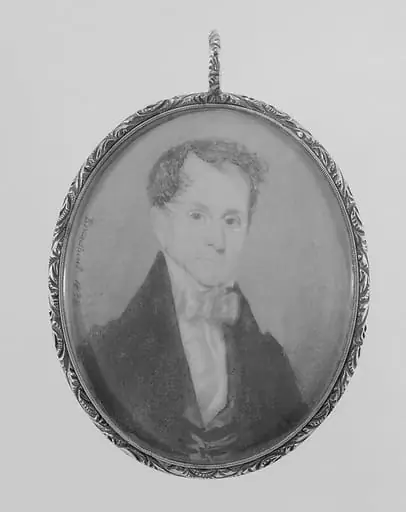 Portrait of a Gentleman
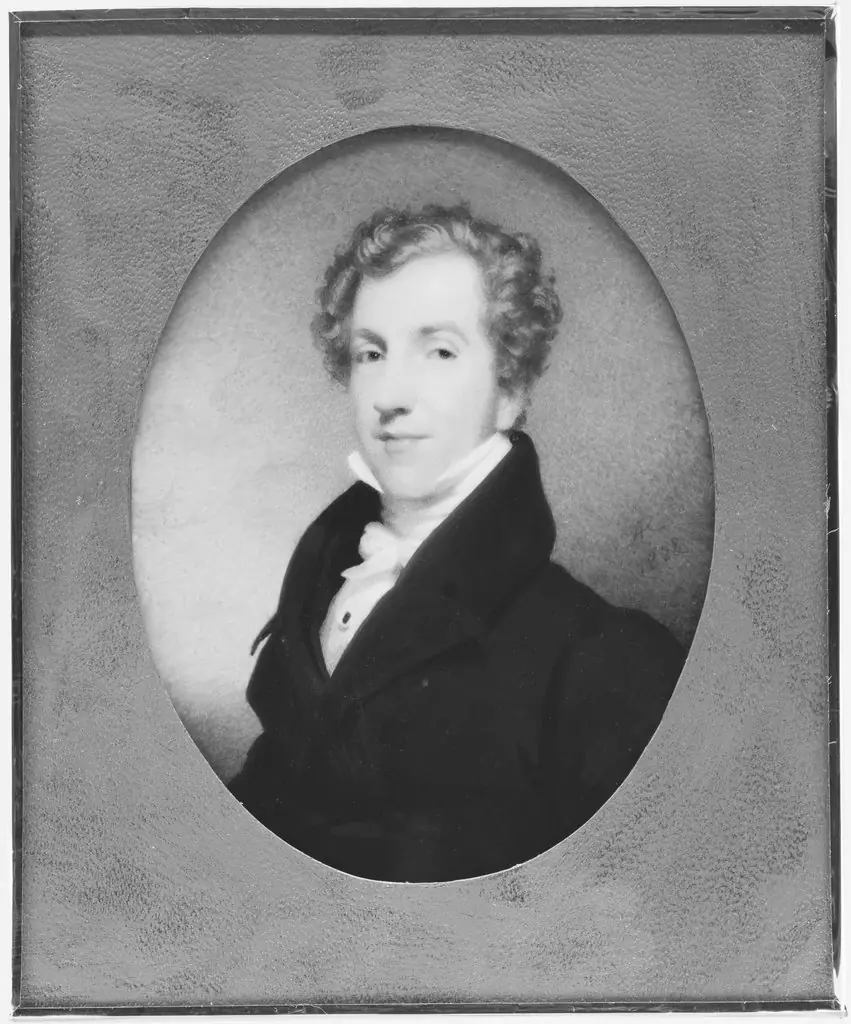 Portrait of a Man
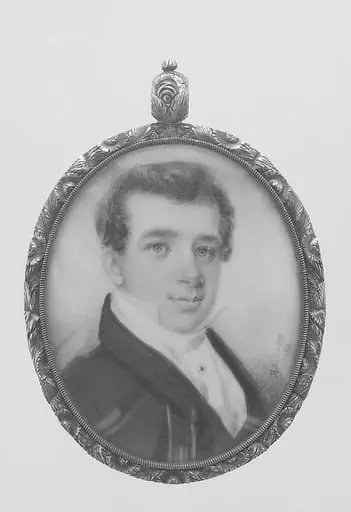 Portrait of a Gentleman
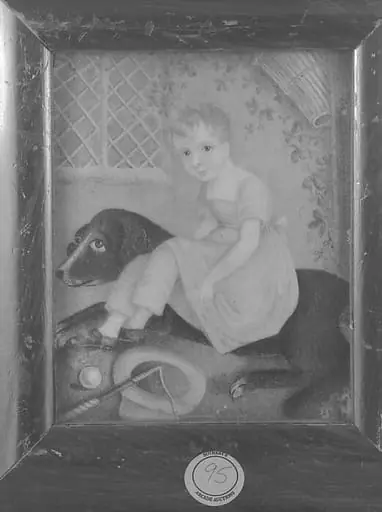 Portrait of a Child
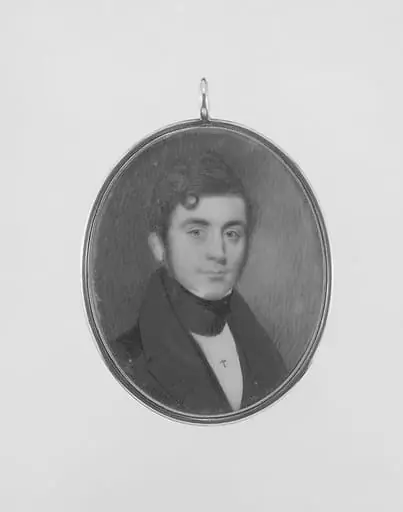 Portrait of a Gentleman
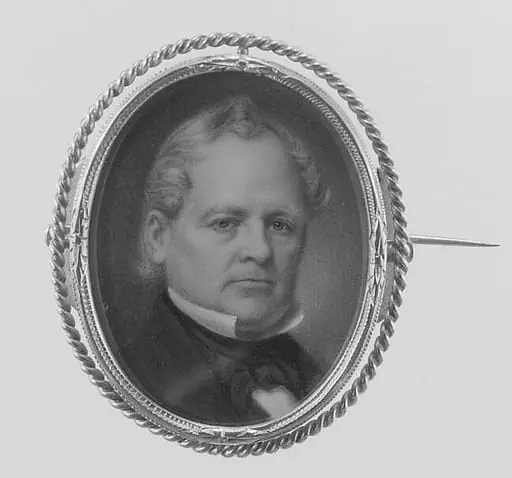 Portrait of a Gentleman
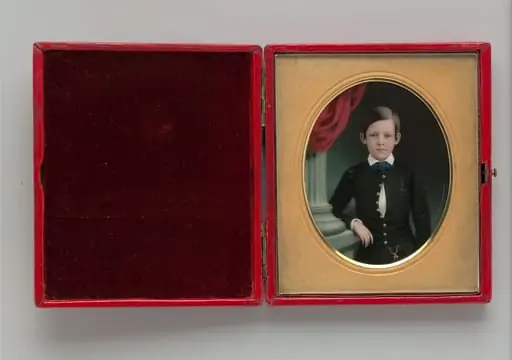 Portrait of a Young Man
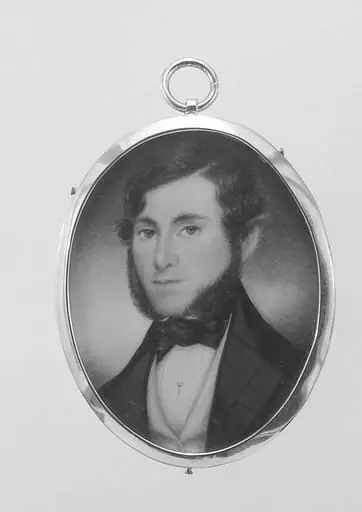 Portrait of a Gentleman
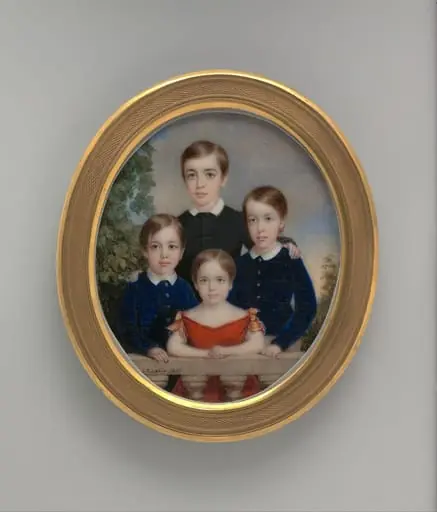 The Allen Children
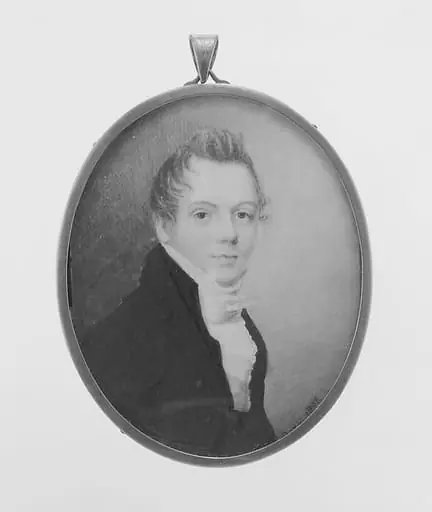 Portrait of a Gentleman
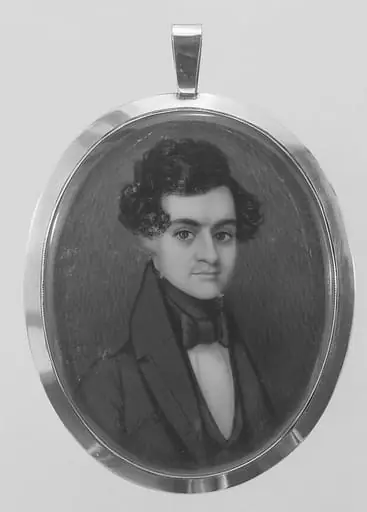 Portrait of a Gentleman
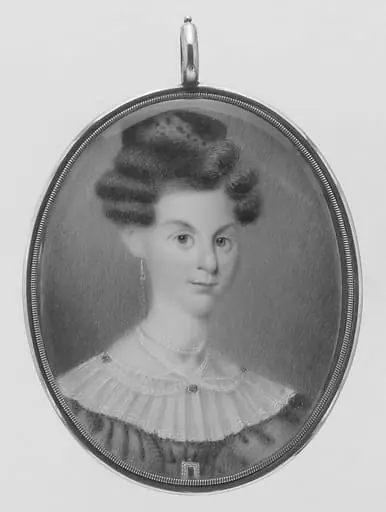 Louisa W. Dixon
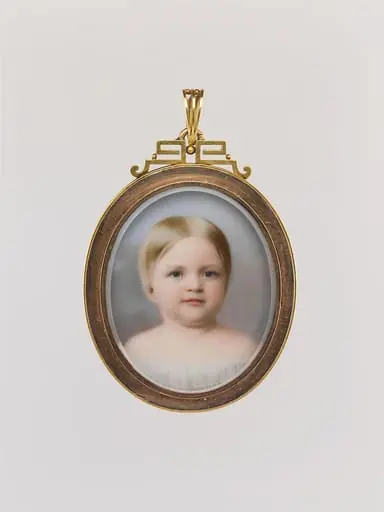 Ada Brown
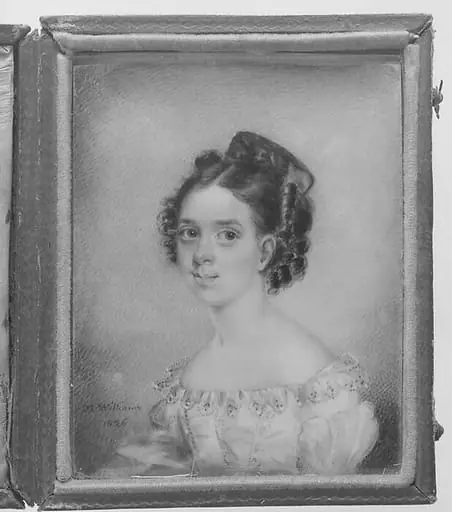 Portrait of a Lady
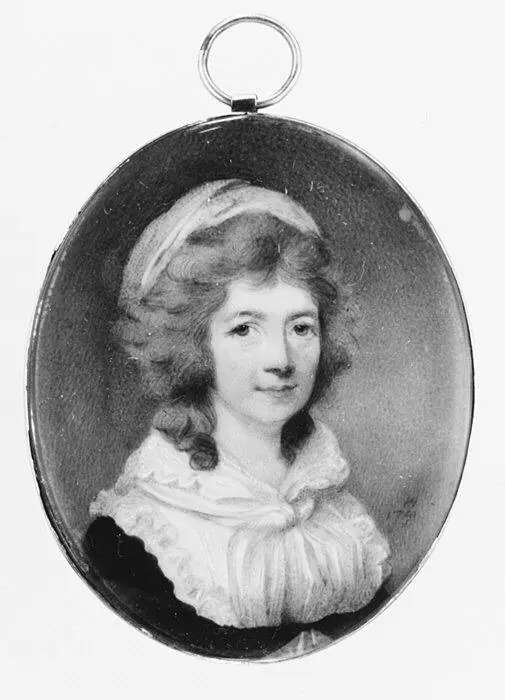 Portrait of a Woman, Said to Be Lady Agnes Anne Wrothesley
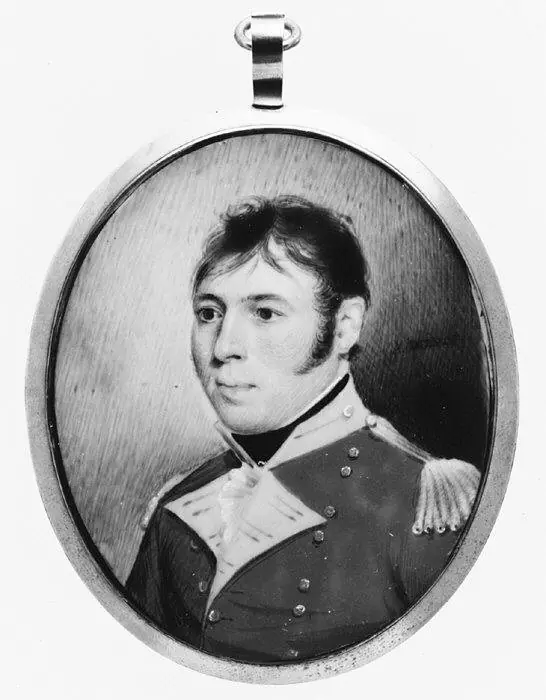 Portrait of an Officer
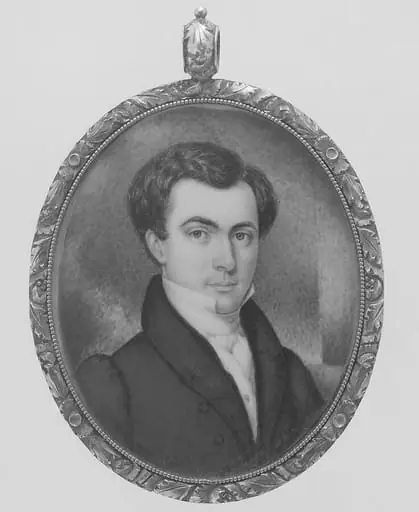 Portrait of a Gentleman
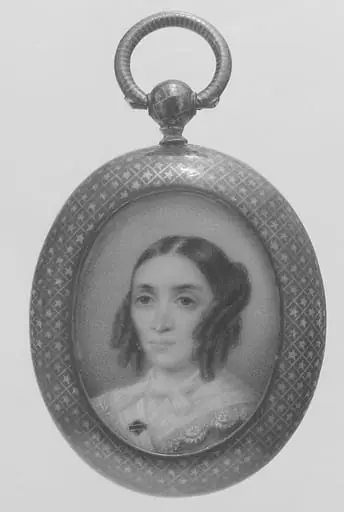 Portrait of a Lady
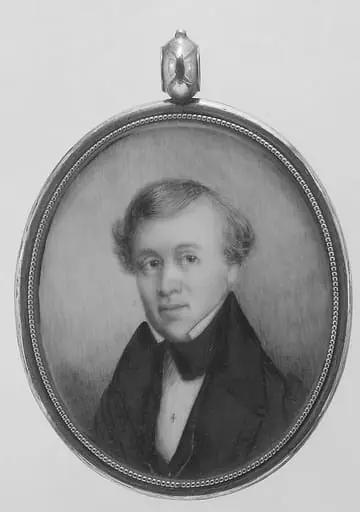 Portrait of a Gentleman
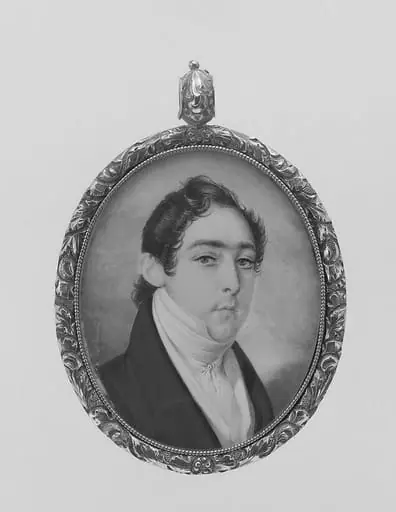 Portrait of a Gentleman
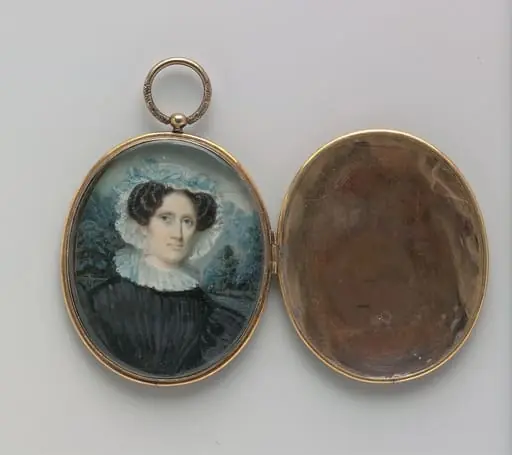 Portrait of a Lady
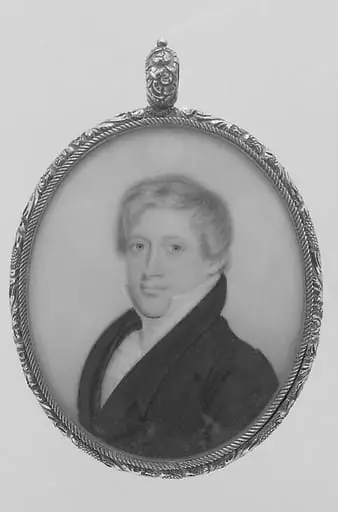 Portrait of a Gentleman
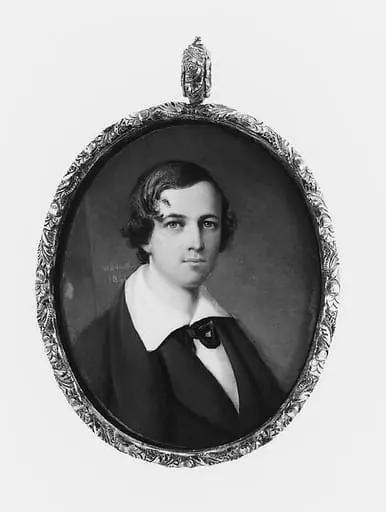 Portrait of a Gentleman
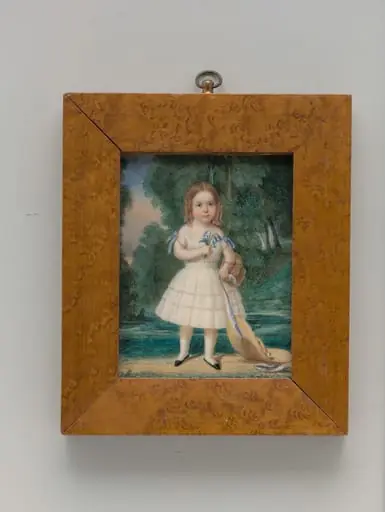 Florine Turner
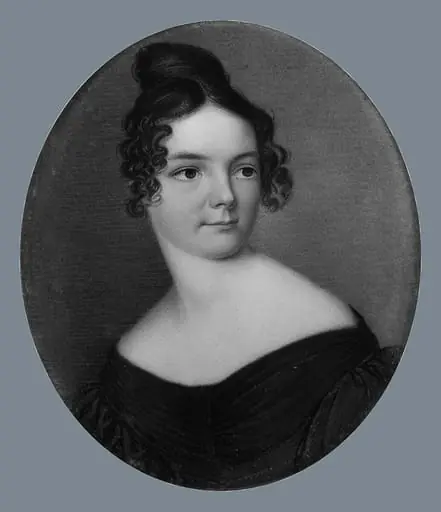 Portrait of a Lady
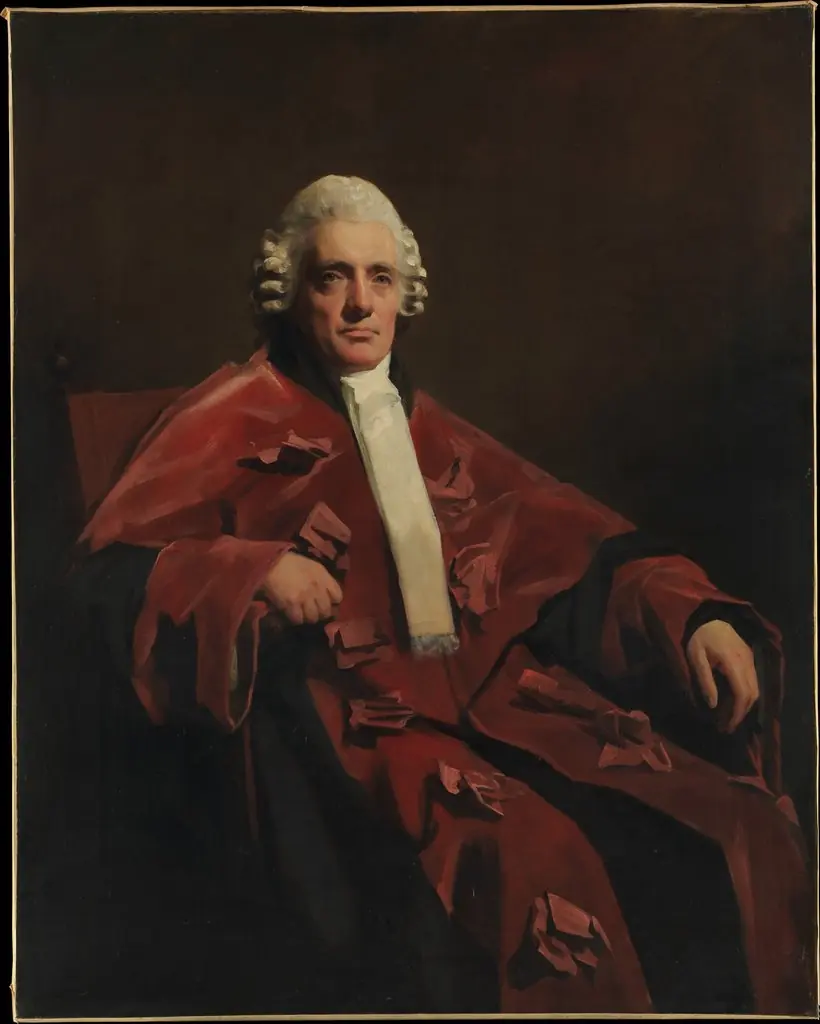 William Robertson (1753–1835), Lord Robertson
 Portrait of a Gentleman
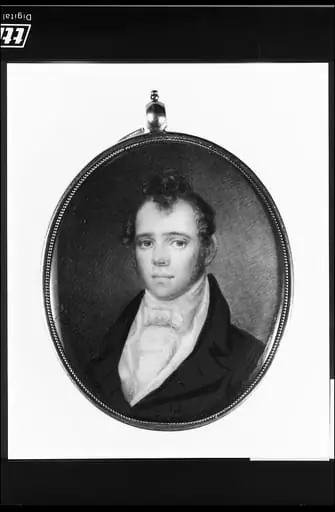 John Cox
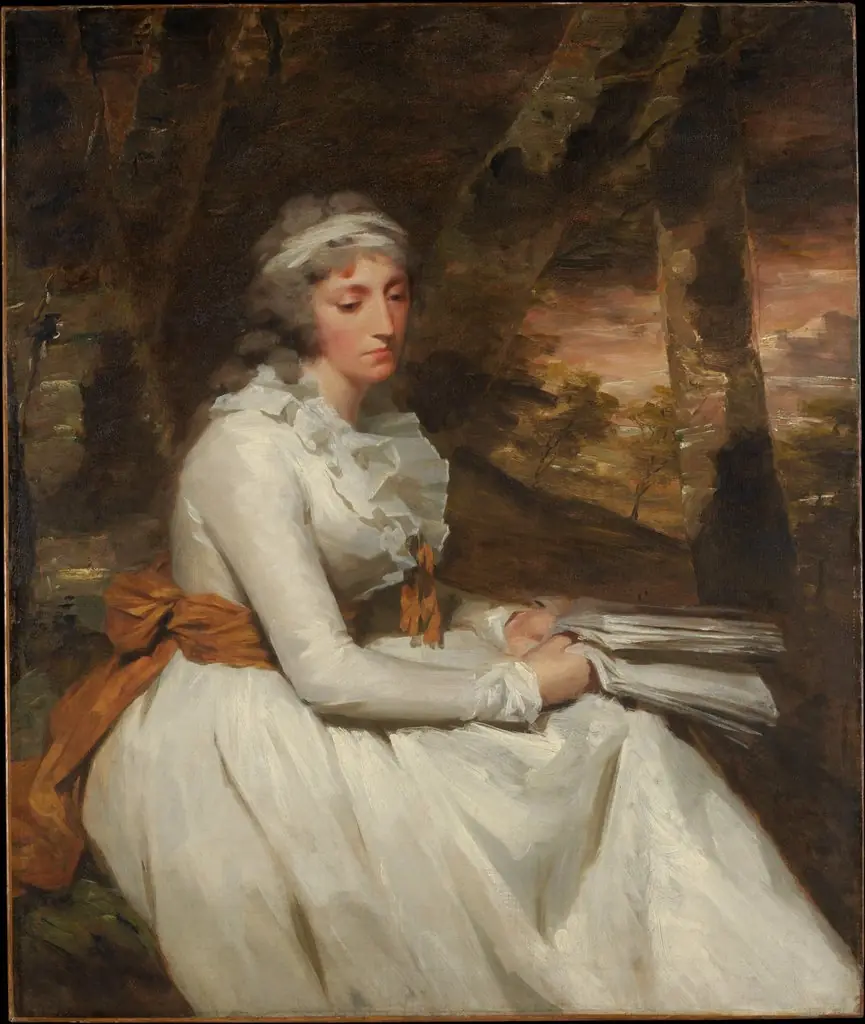 Mrs. Richard Alexander Oswald (Louisa Johnston, ?born about 1760, died 1797)
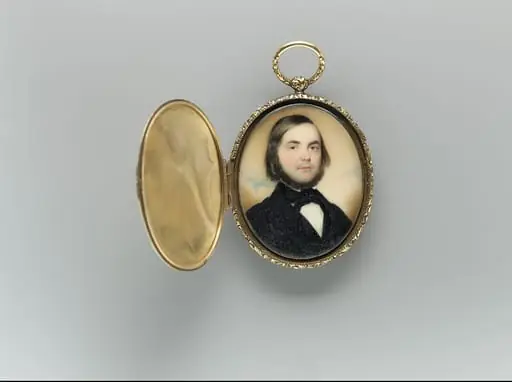 Portrait of a Gentleman
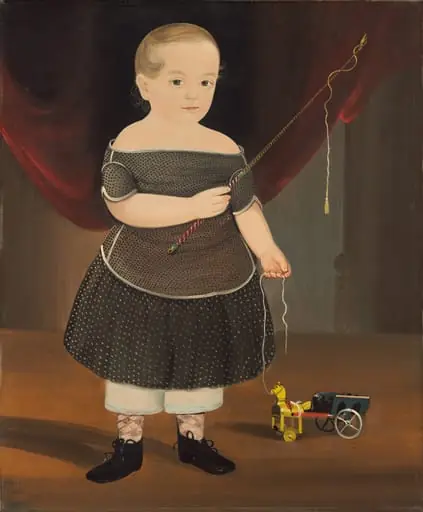 Boy with Toy Horse and Wagon
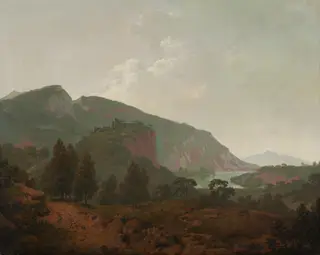 Italian Landscape
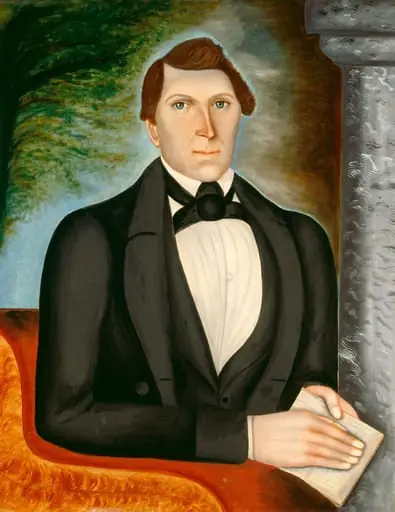 John Stone
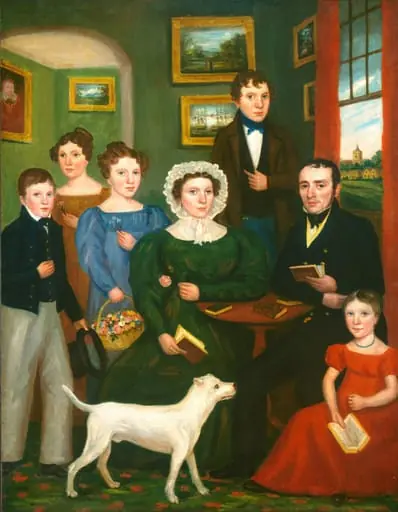 Portrait of an Unknown Family with a Terrier
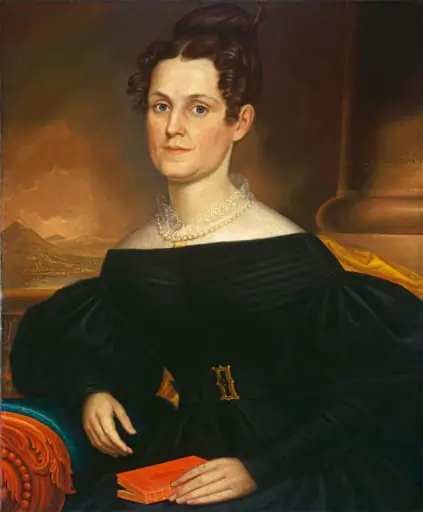 Elizabeth Price Thomas
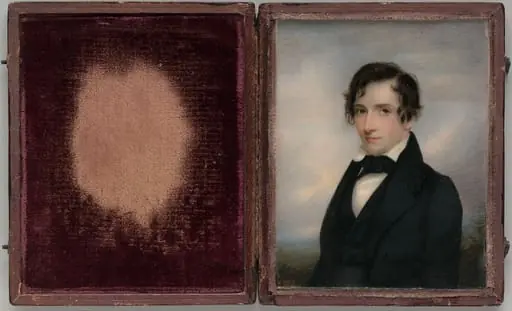 Christopher Grant Perry
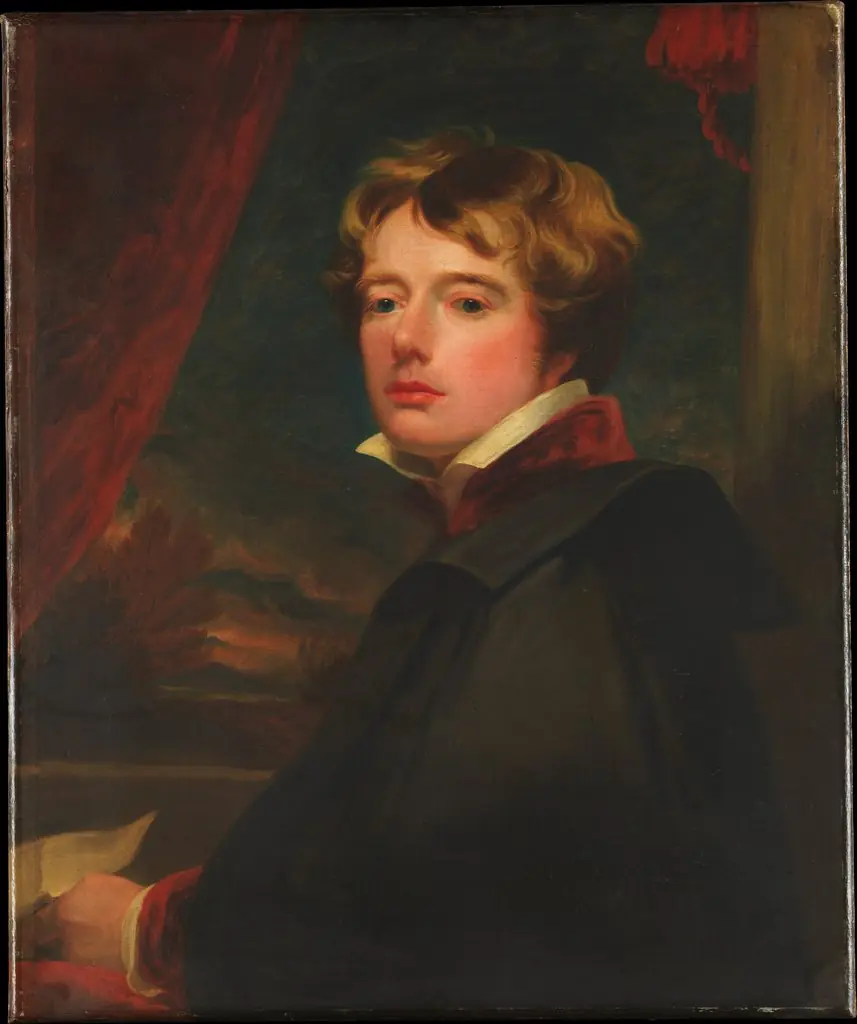 Self-Portrait
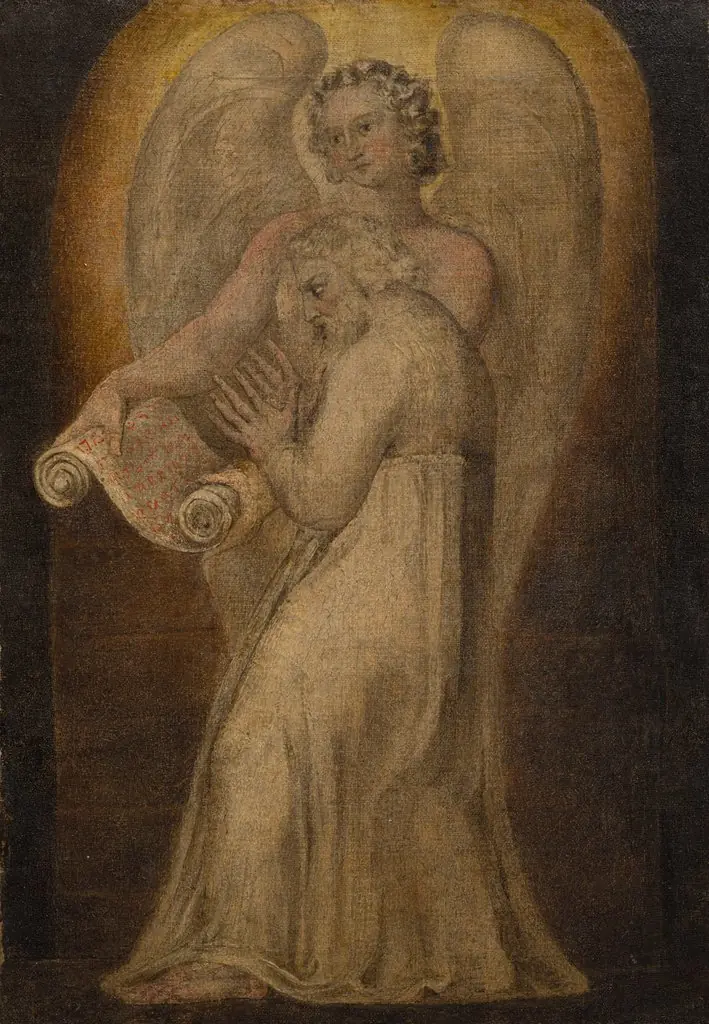 St. Matthew
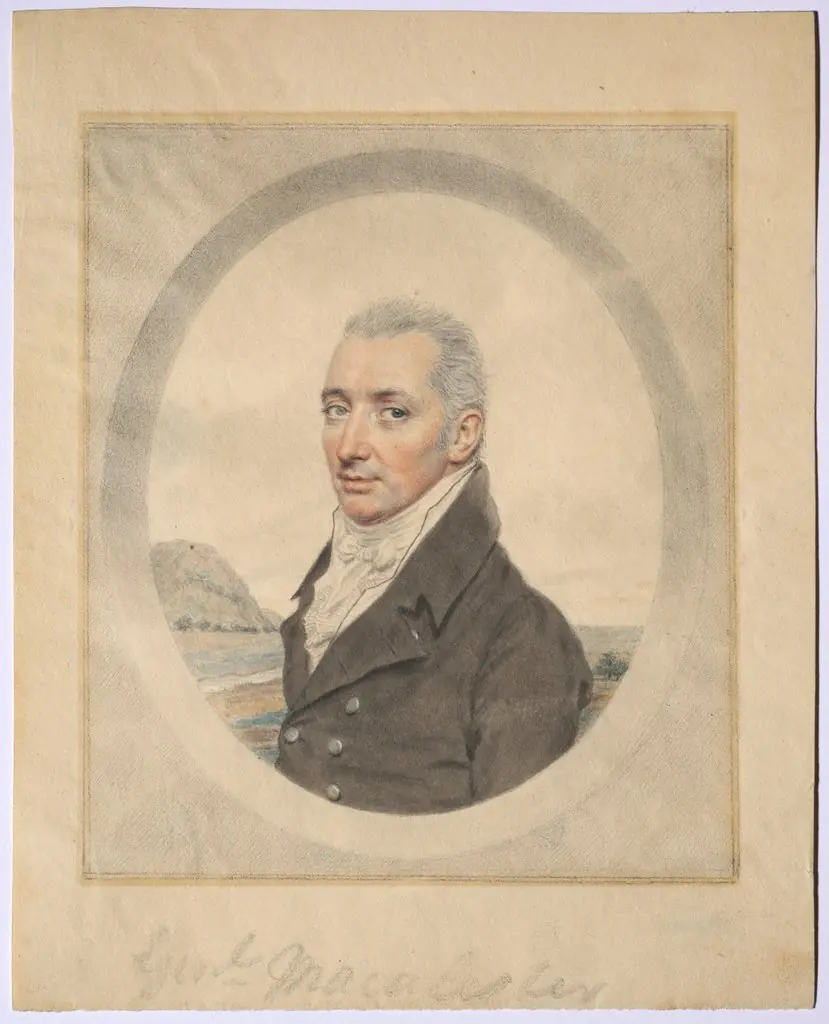 Portrait of General Keith MacAlister
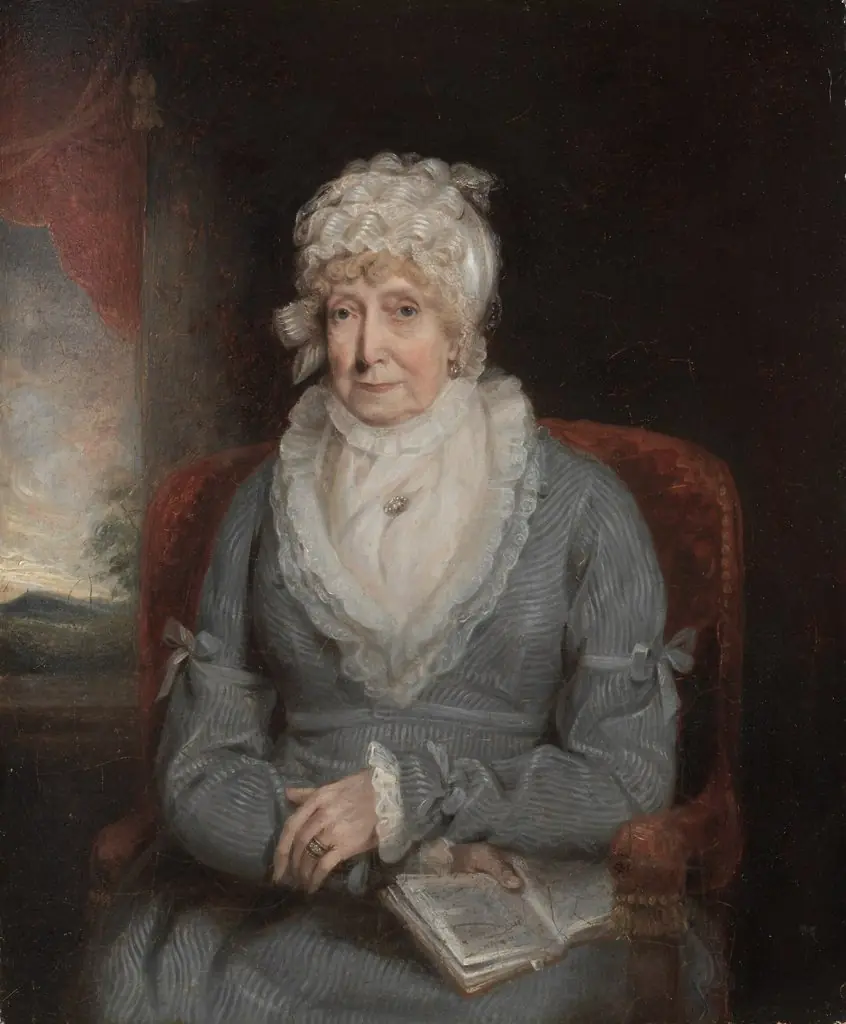 Portrait of a Woman (Mrs. Ann Hivlyn)
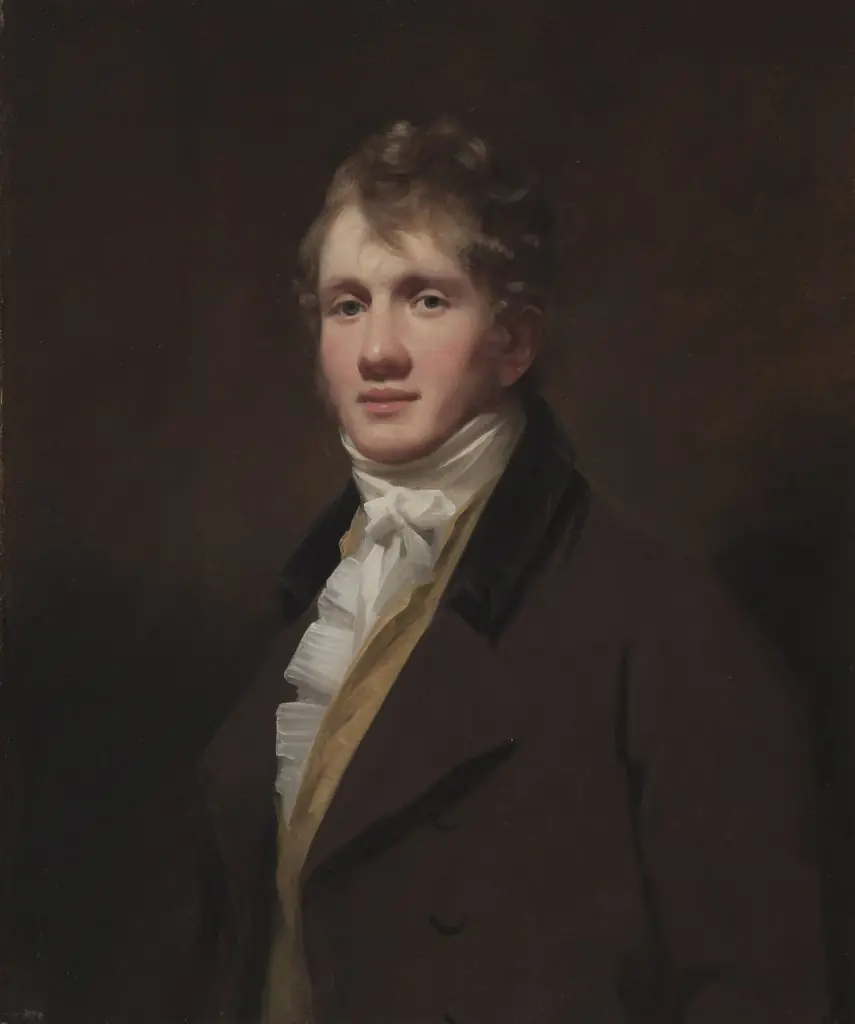 Portrait of Hugh Hope
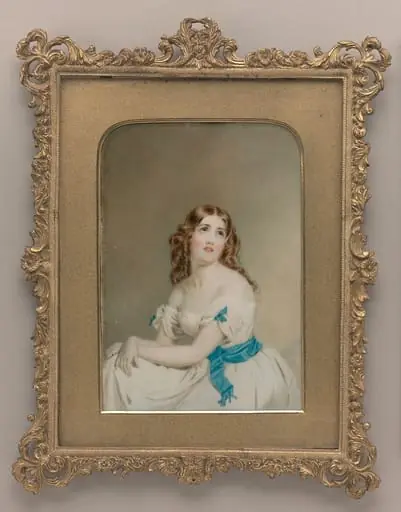 Holy Eyes
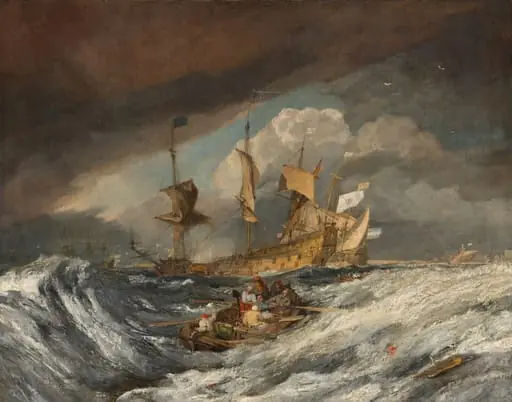 Boats Carrying Out Anchors to the Dutch Men of War
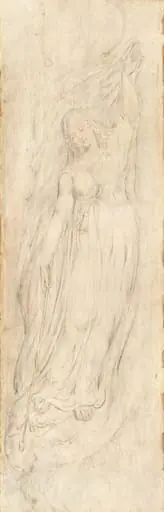 Evening
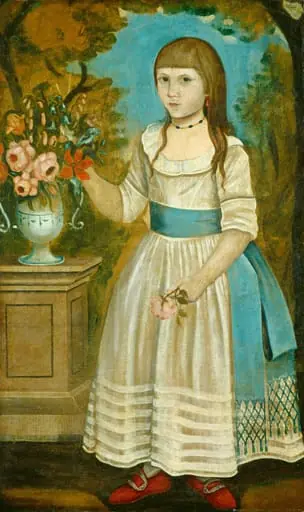 Catherine Brower
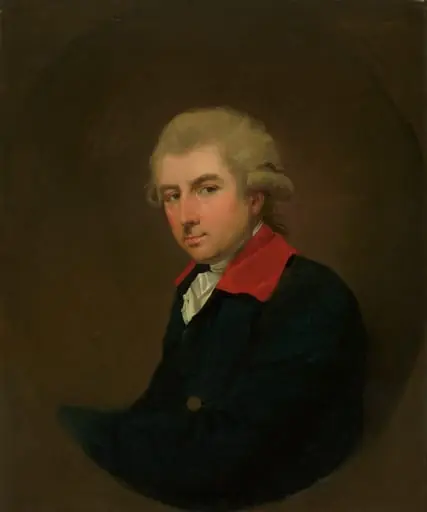 The Hon. Sir Francis Burton Conyngham
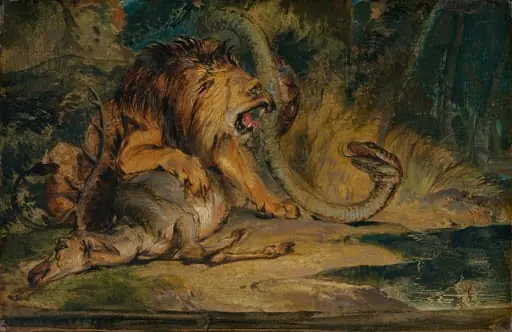 Lion Defending its Prey
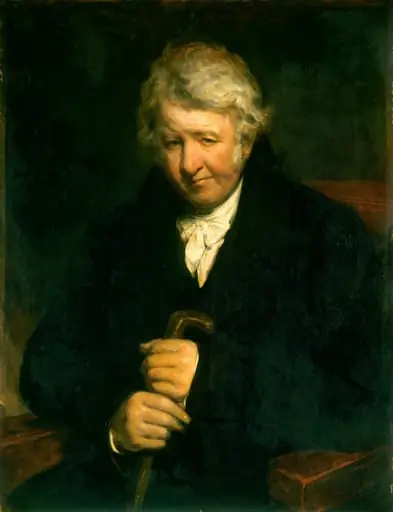 Mr. Tucker of Yeovil
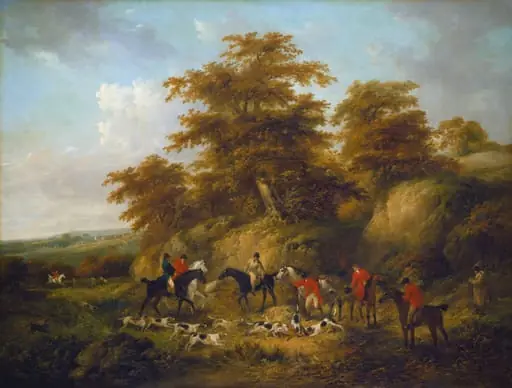 The Death of the Fox
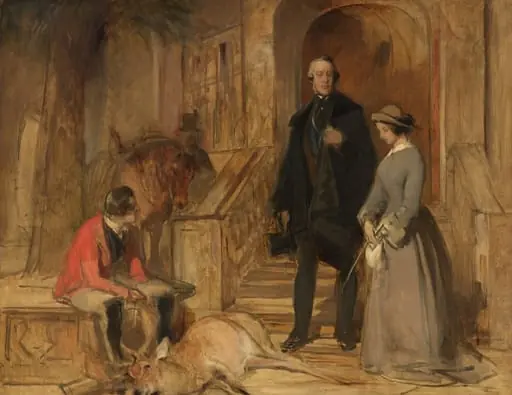 The Duke of Devonshire and Lady Louisa Egerton
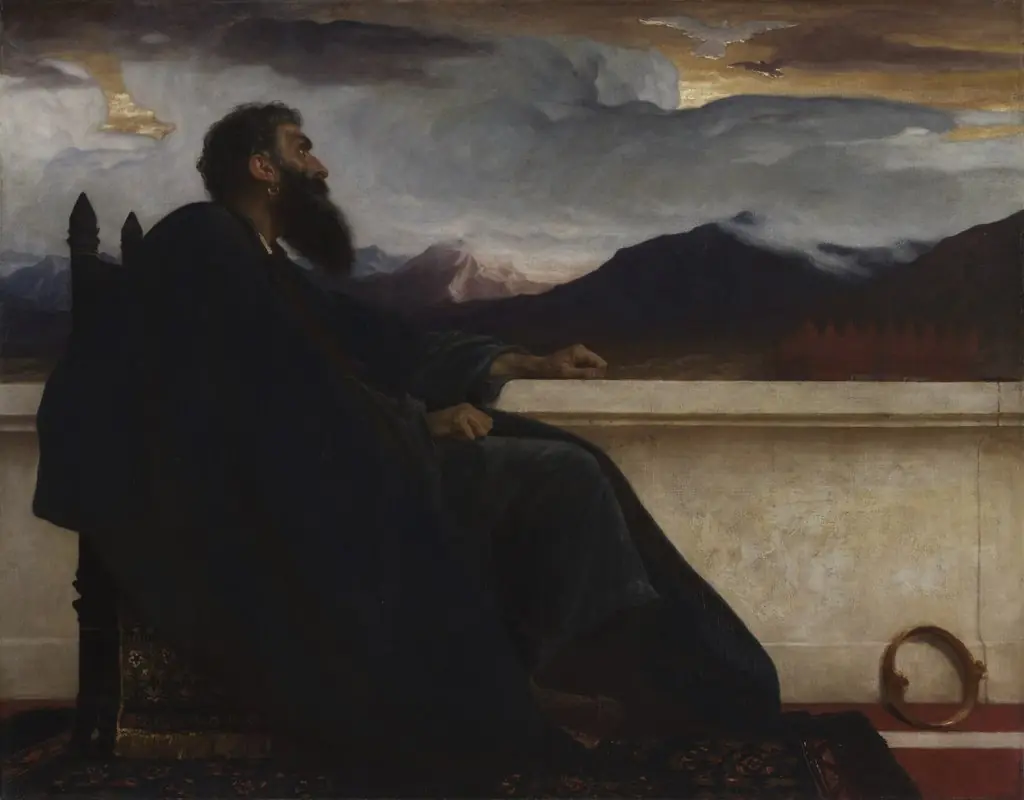 David: "Oh, that I had wings like a Dove! For then would I fly away, and be at rest." Psalm 55:6
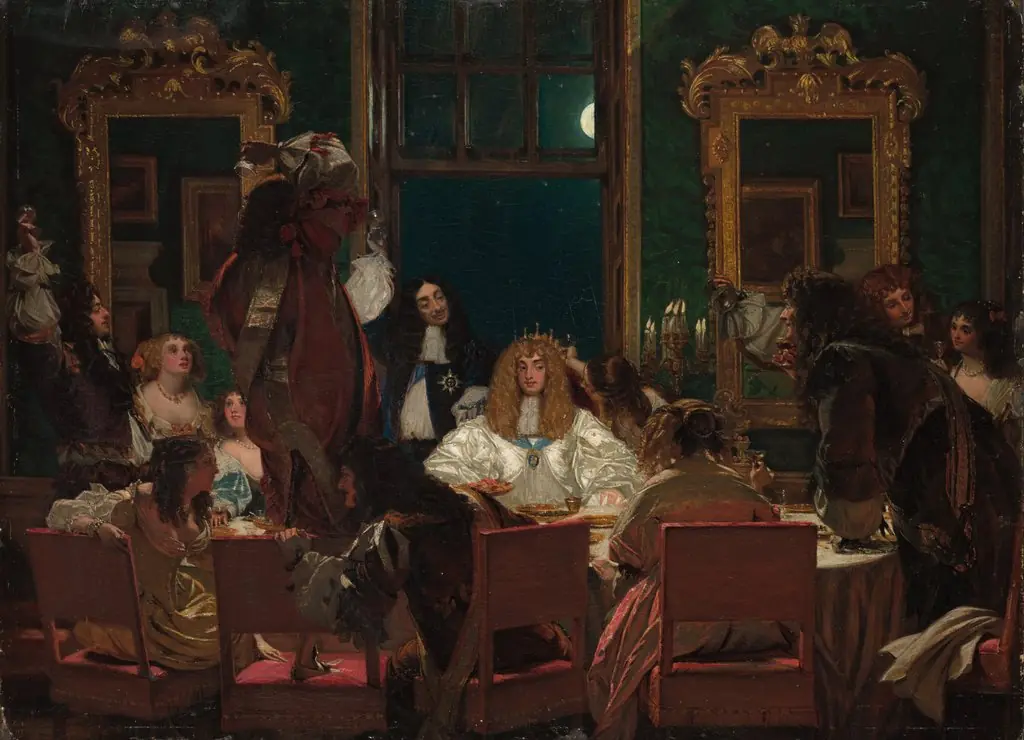 The Life of Buckingham
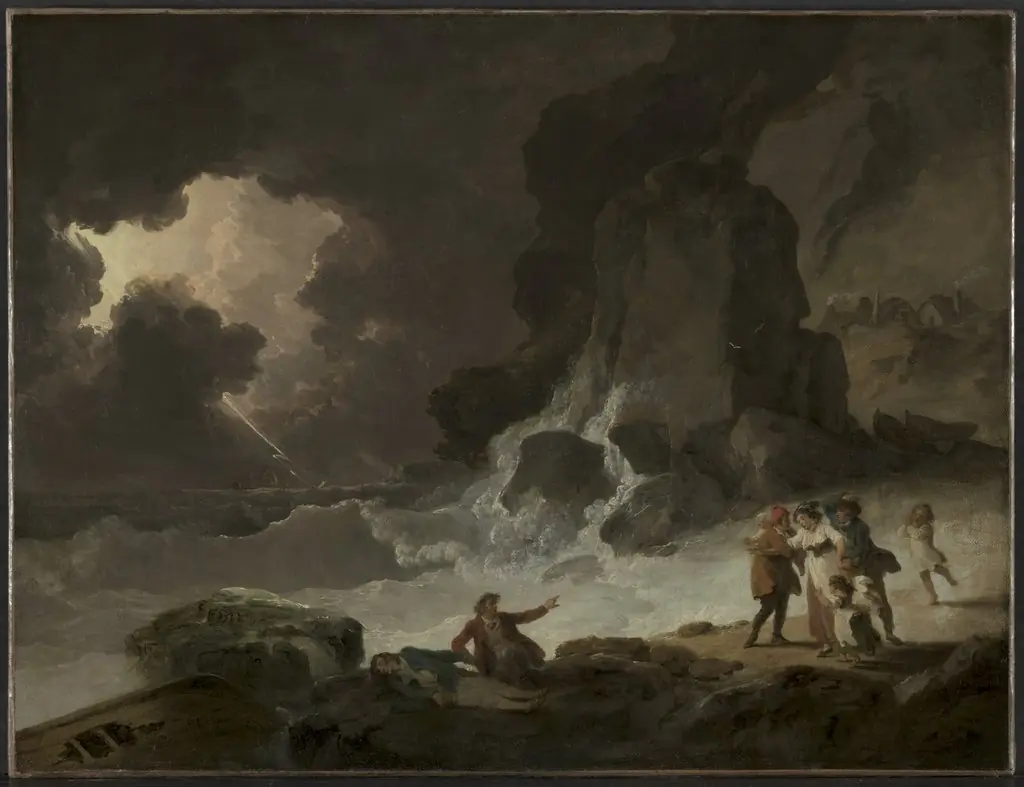 A Storm Behind the Isle of Wight
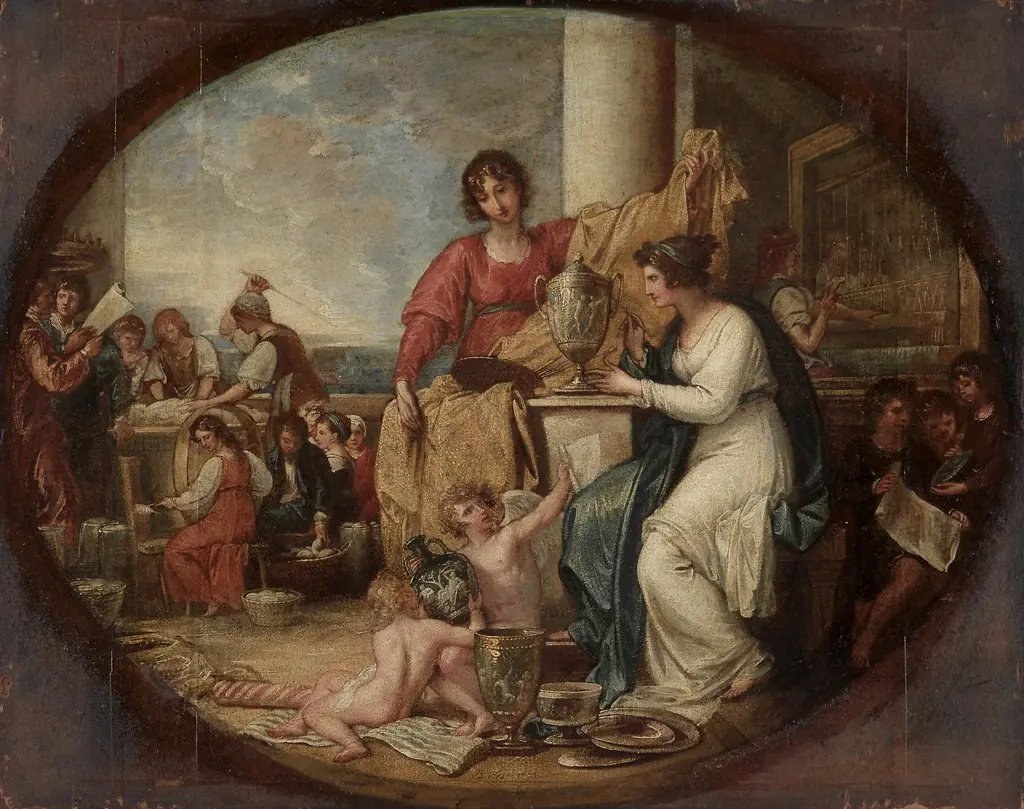 British Manufactory; A Sketch
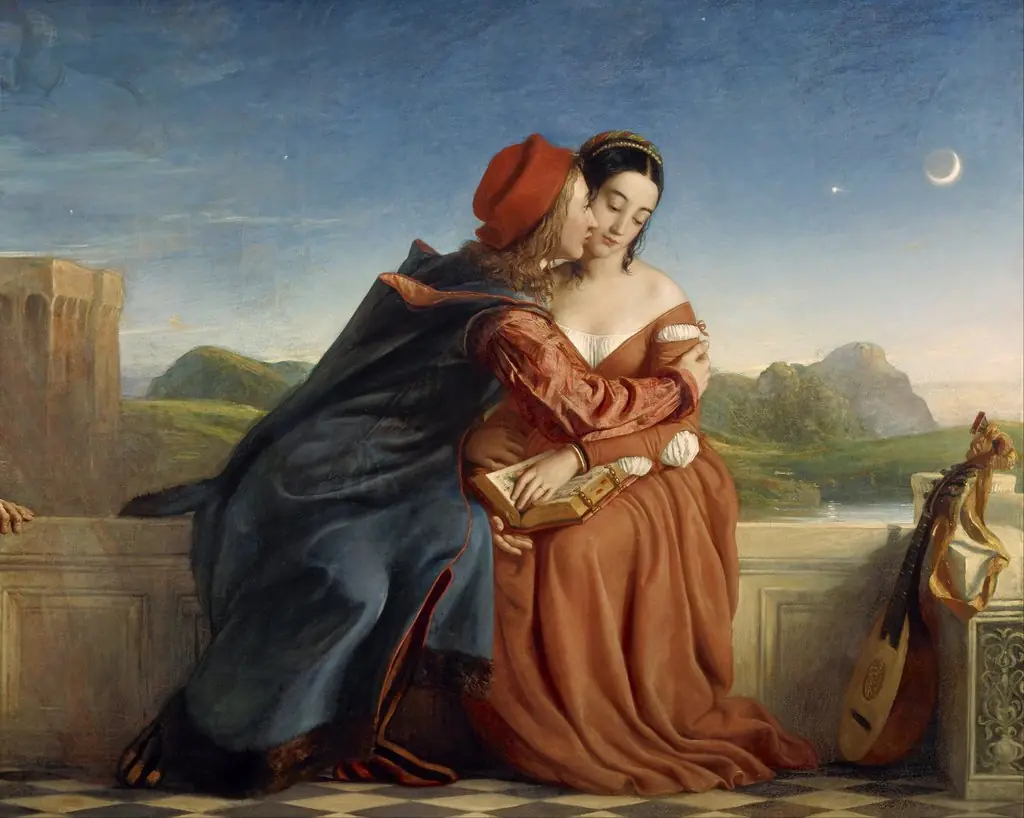 Francesca da Rimini
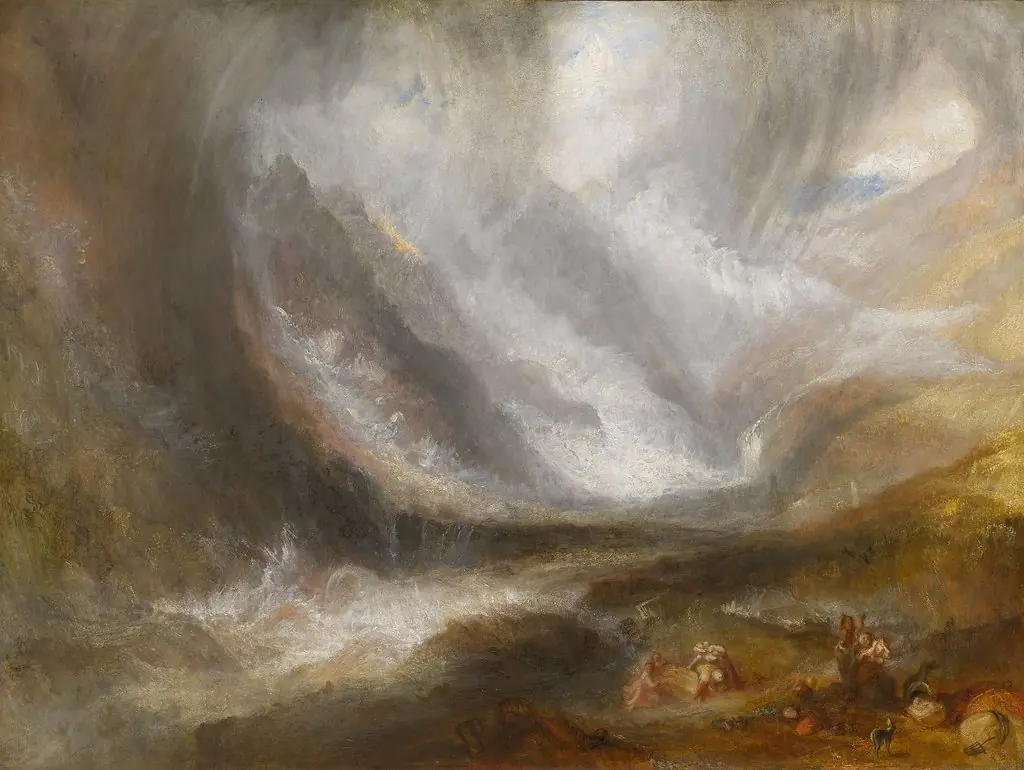 Valley of Aosta: Snowstorm, Avalanche, and Thunderstorm
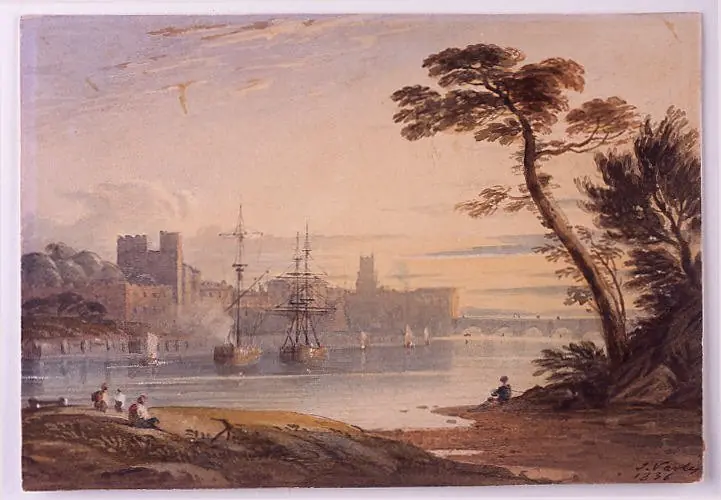 A View of Chester
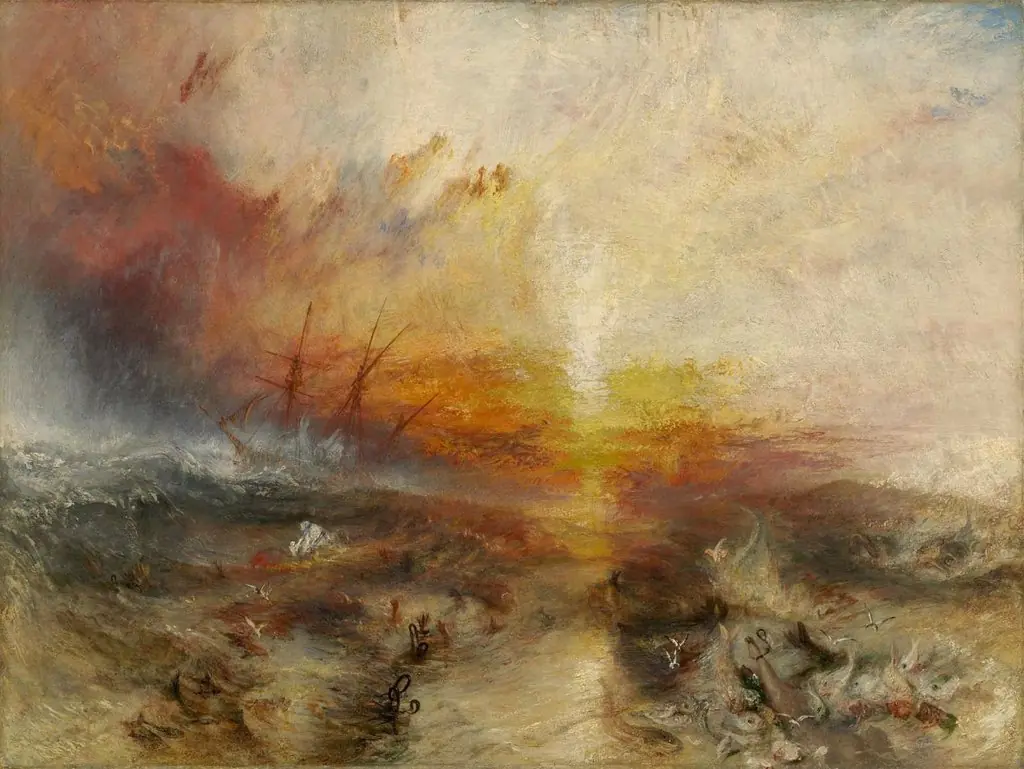 The Slave Ship
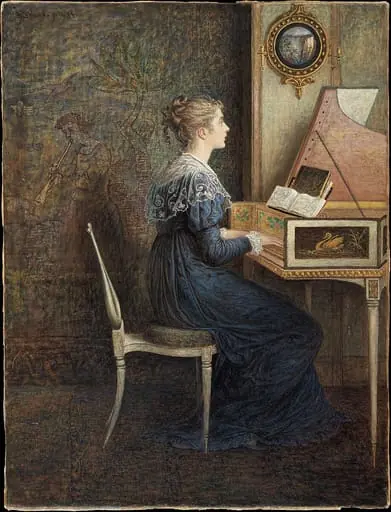 An Old Song
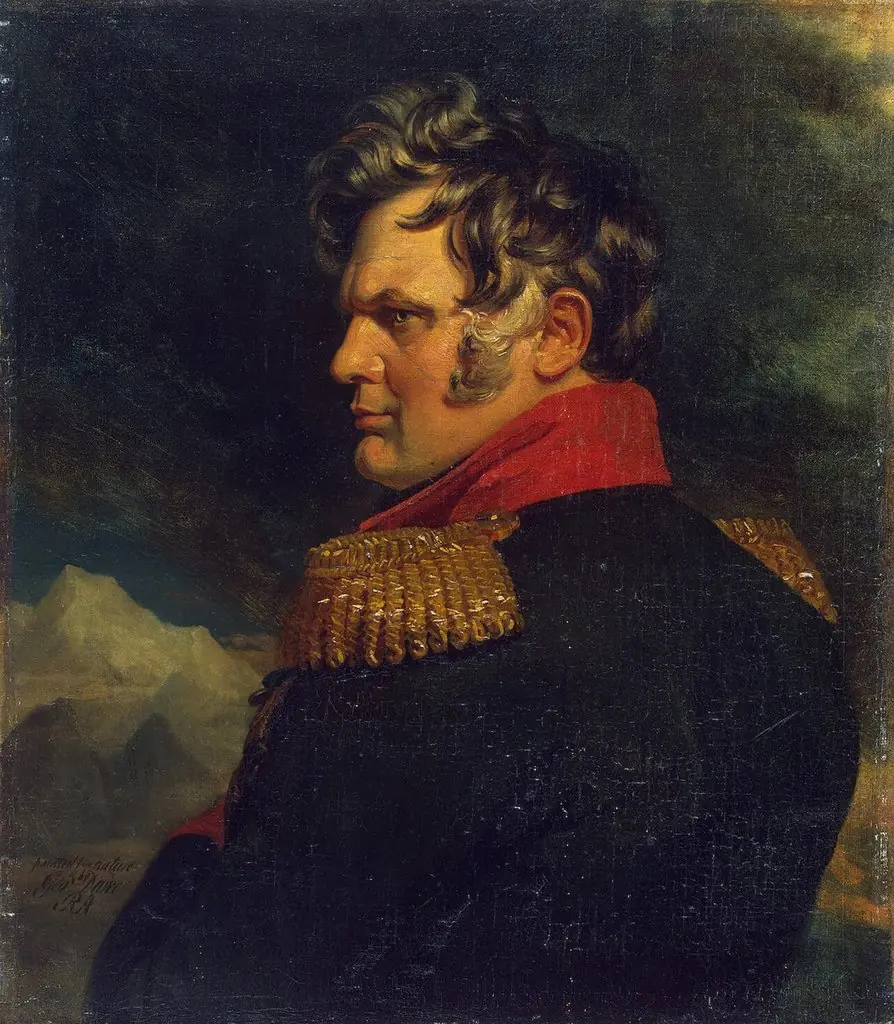 Portrait of Alexei P. Yermolov (1772/77-1861)
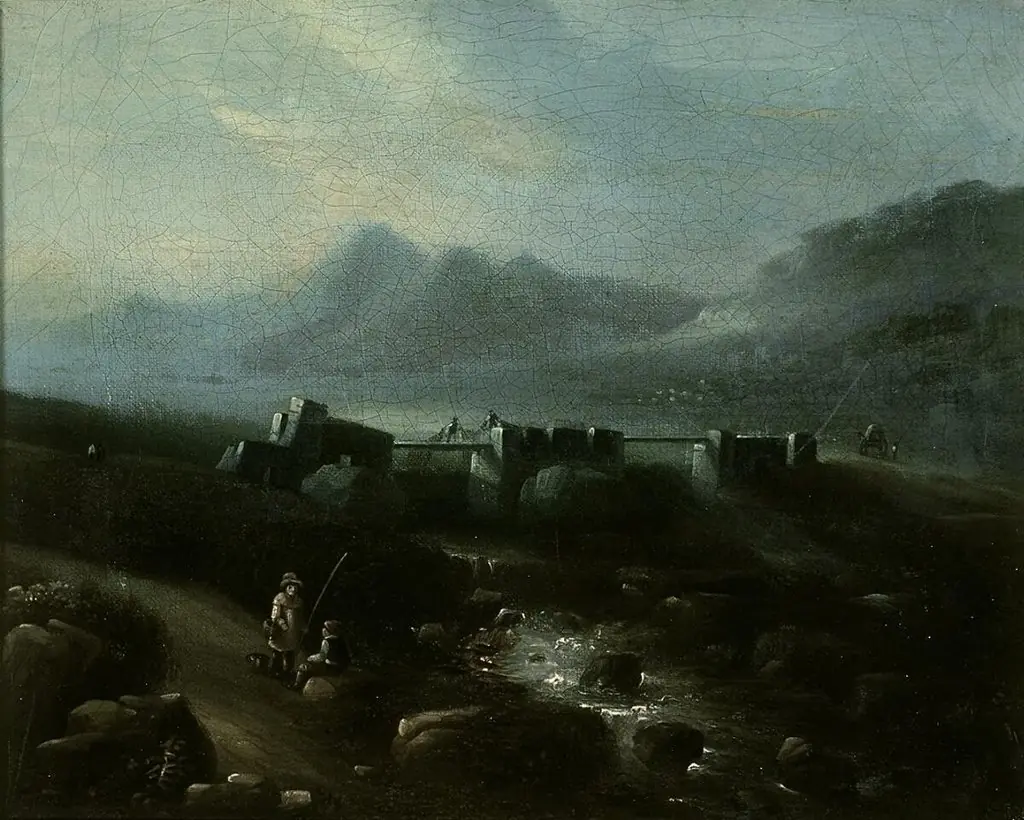 Pont Gwryd, Snowdon in the distance
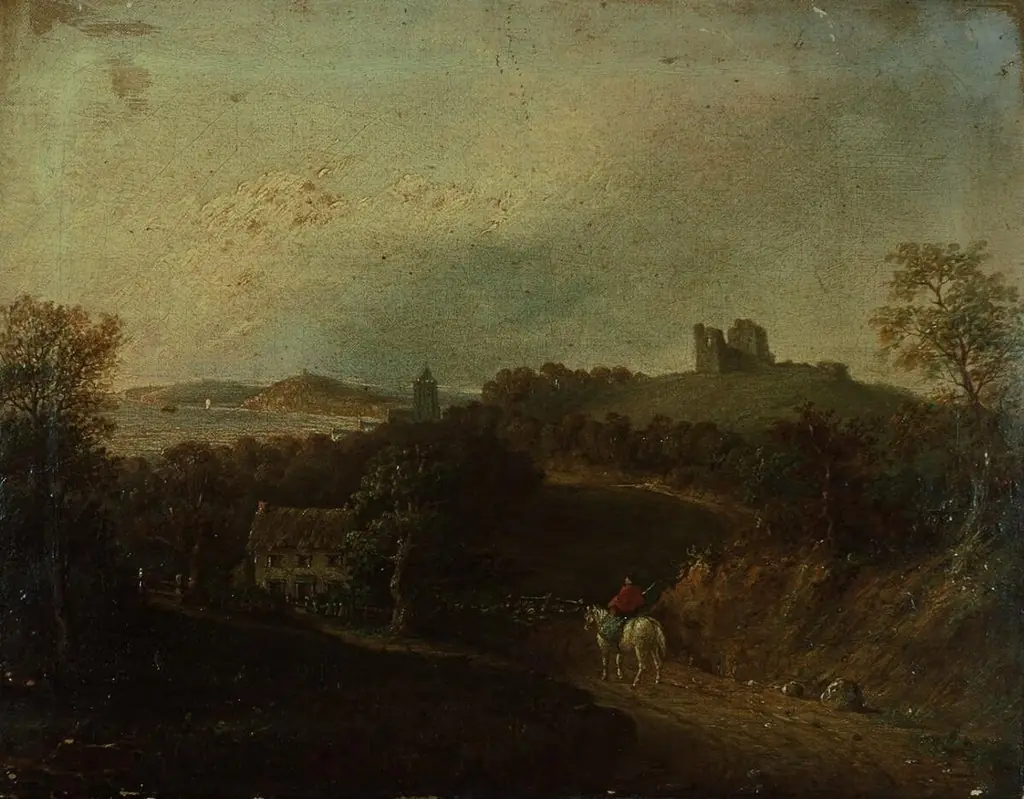 Trefdraeth
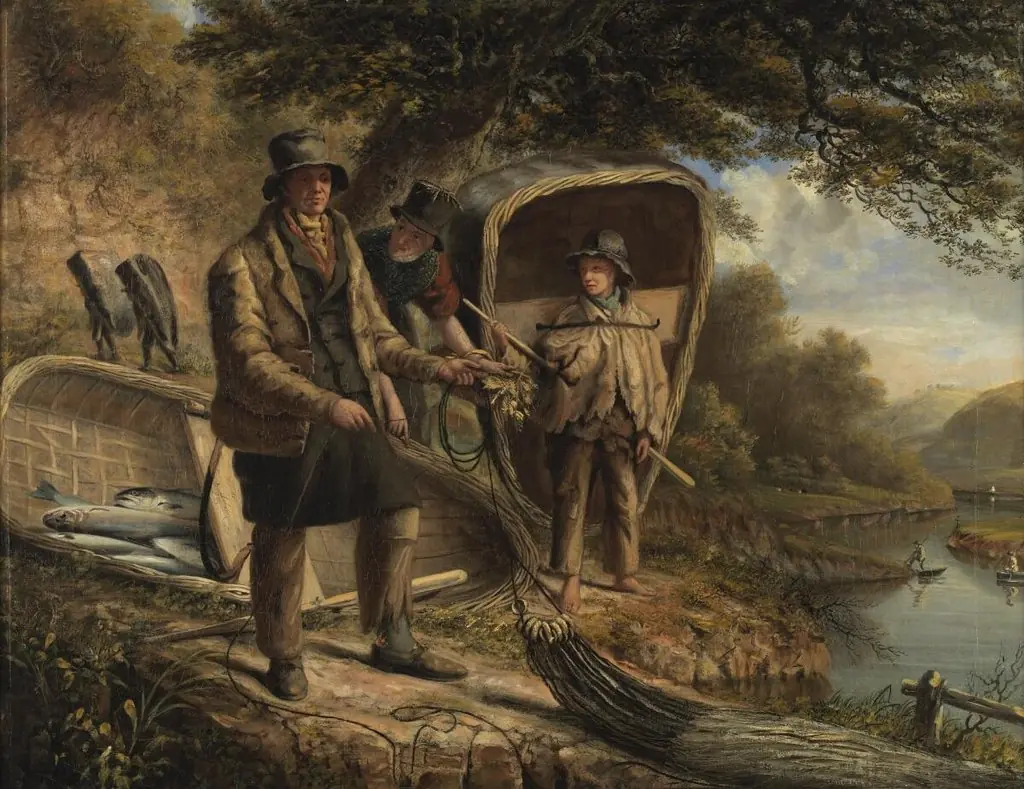 Salmon netting in Wales
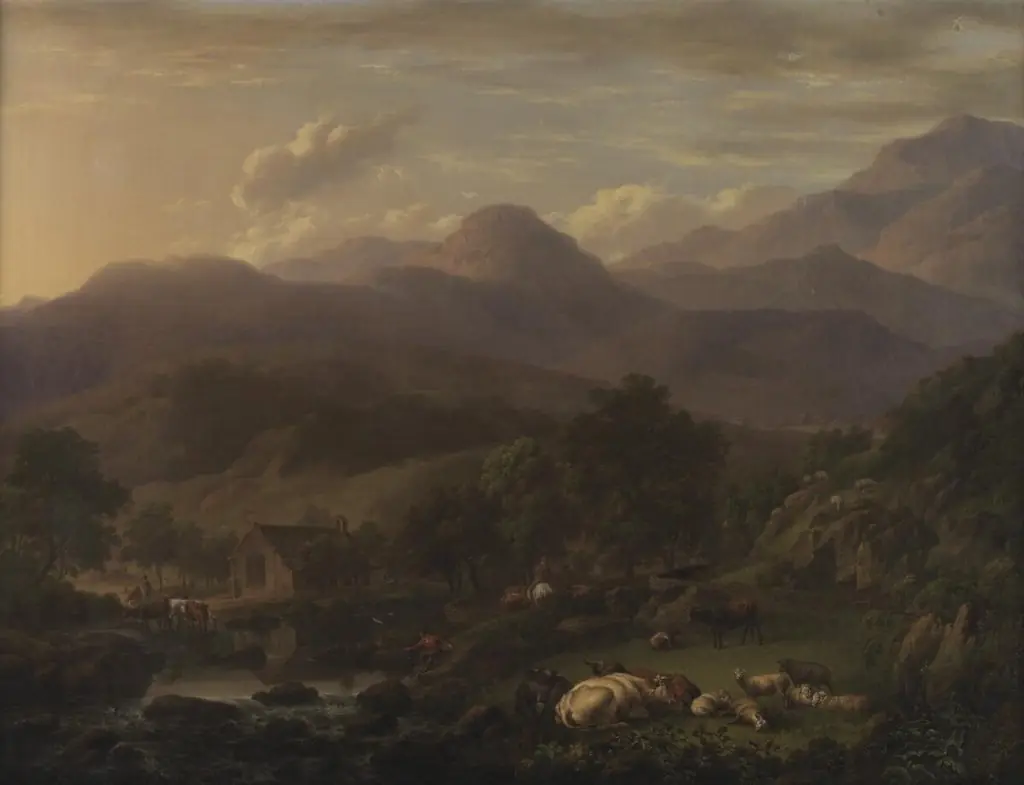 Welsh landscape with animals
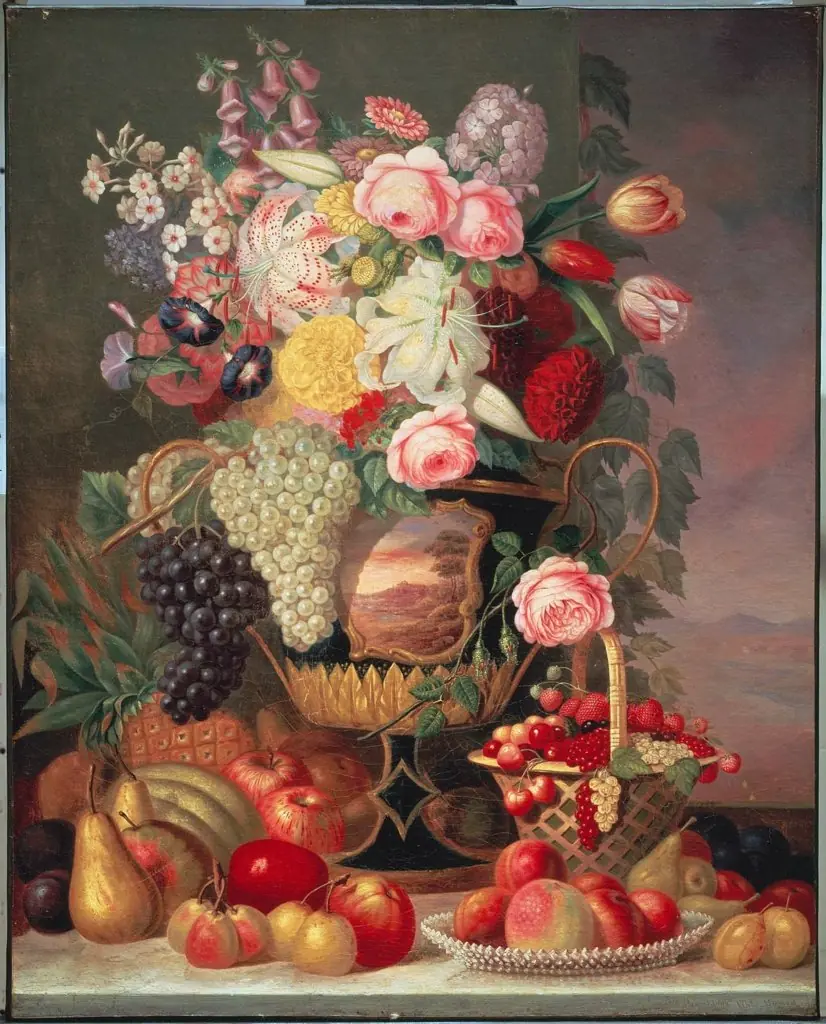 Fruit and Flower Piece
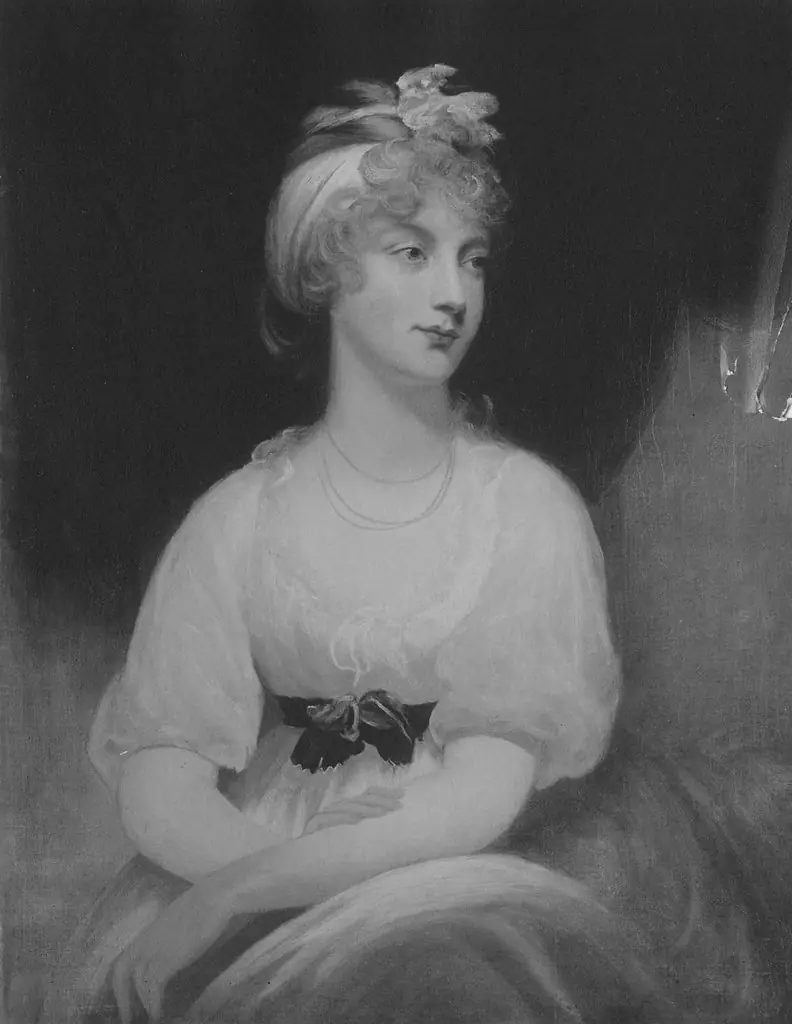 Princess Amelia
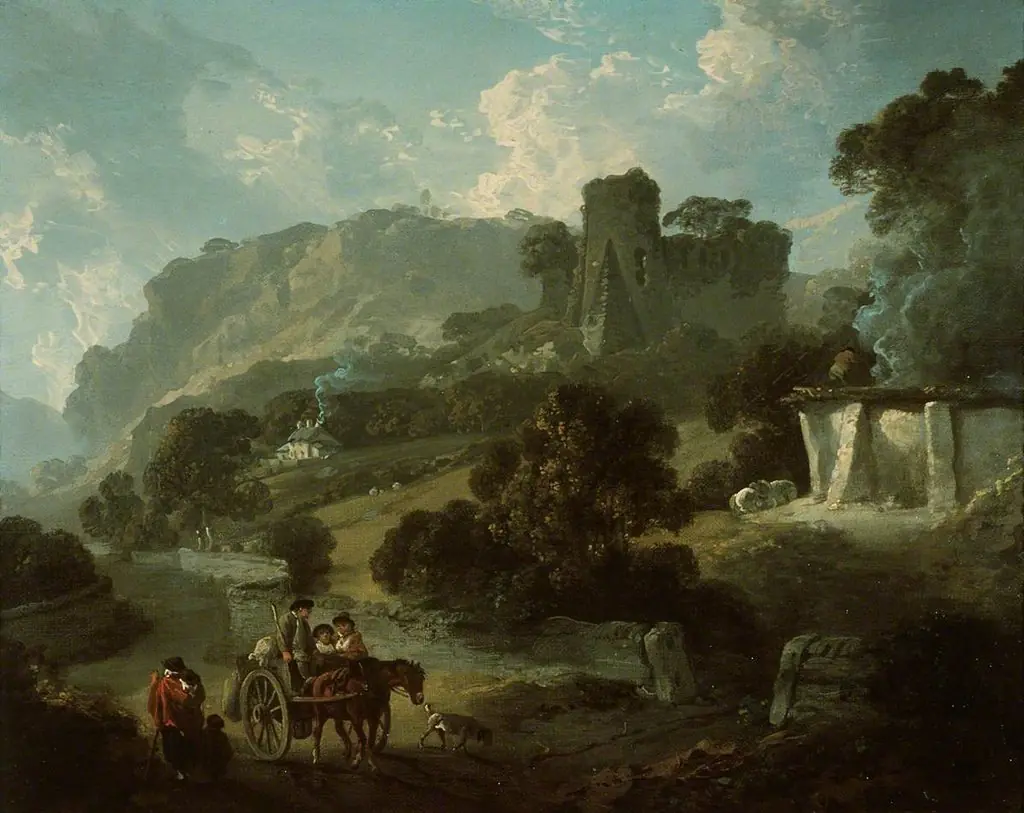 Return from Market, Castell Coch
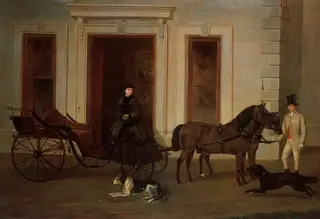 Lady Pryse, carriage & horses, coachman
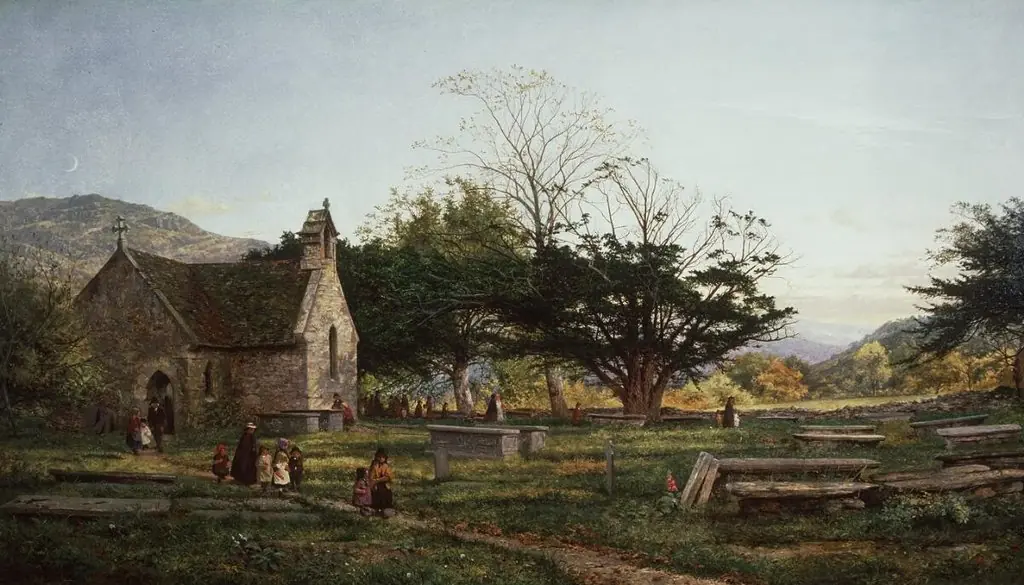 Bettws y Coed Church
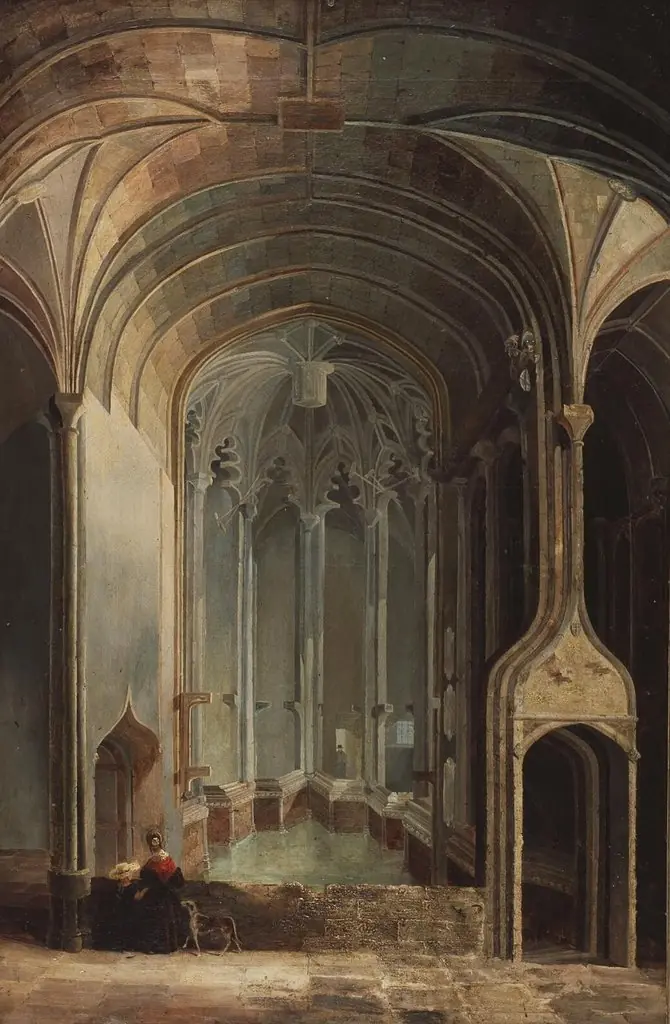 Saint Winifreds Well Wales
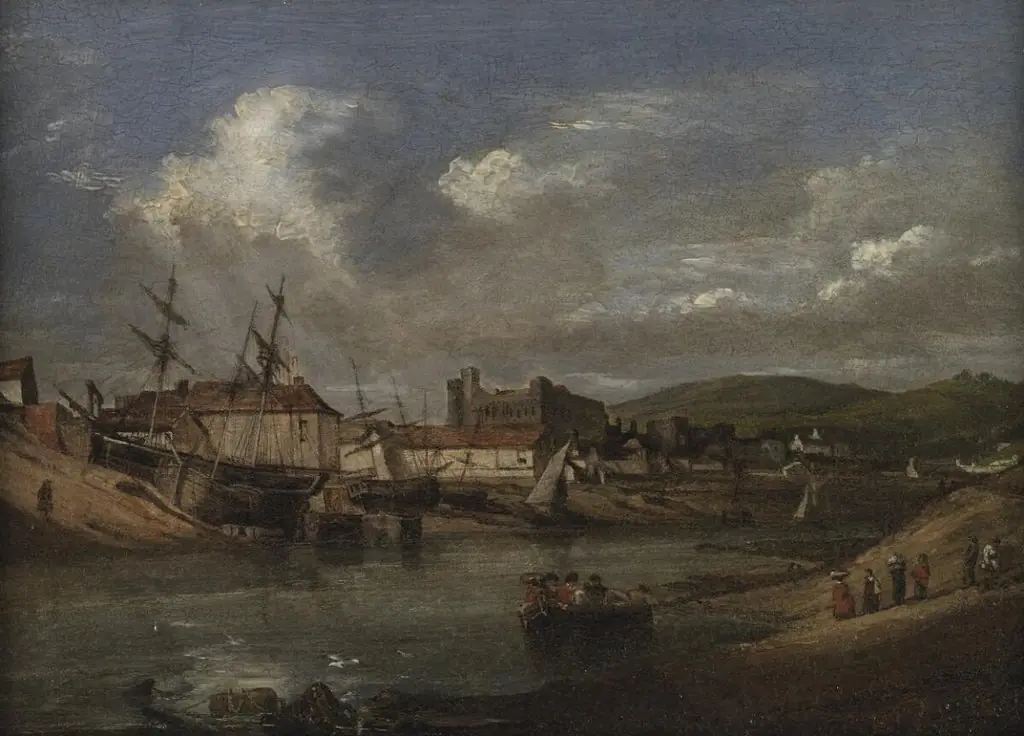 Swansea ferry
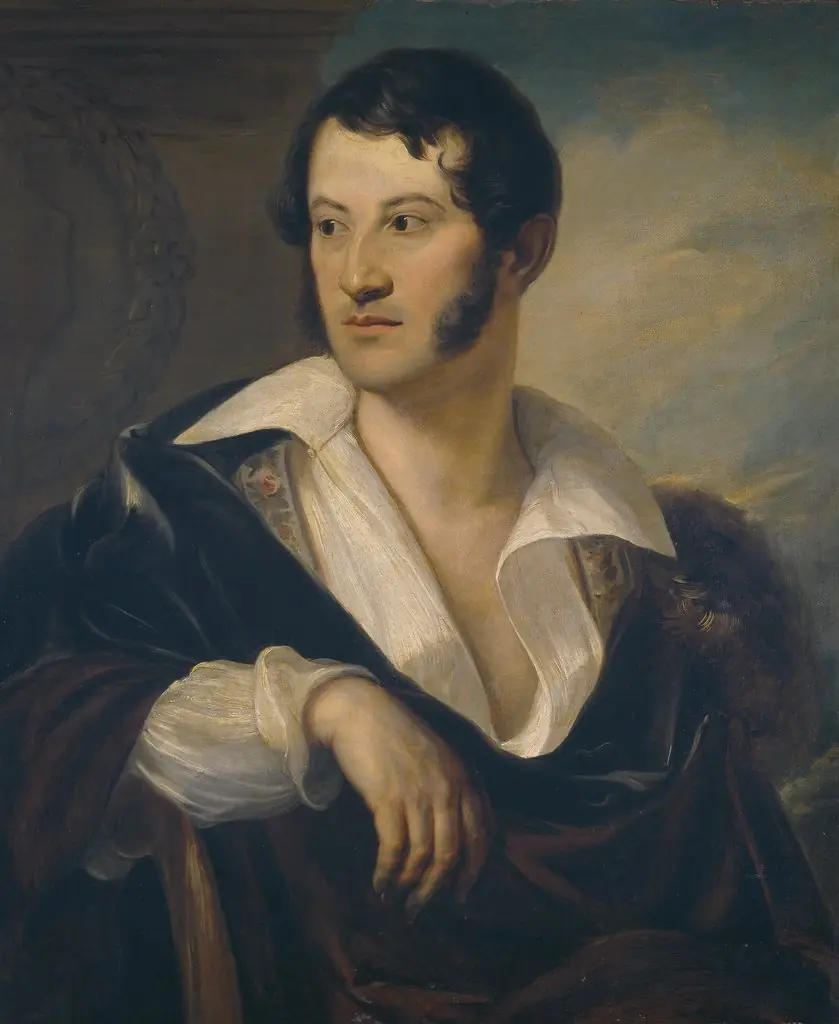 Gonzalo de Vilches, 1st Earl of Vilches (?)
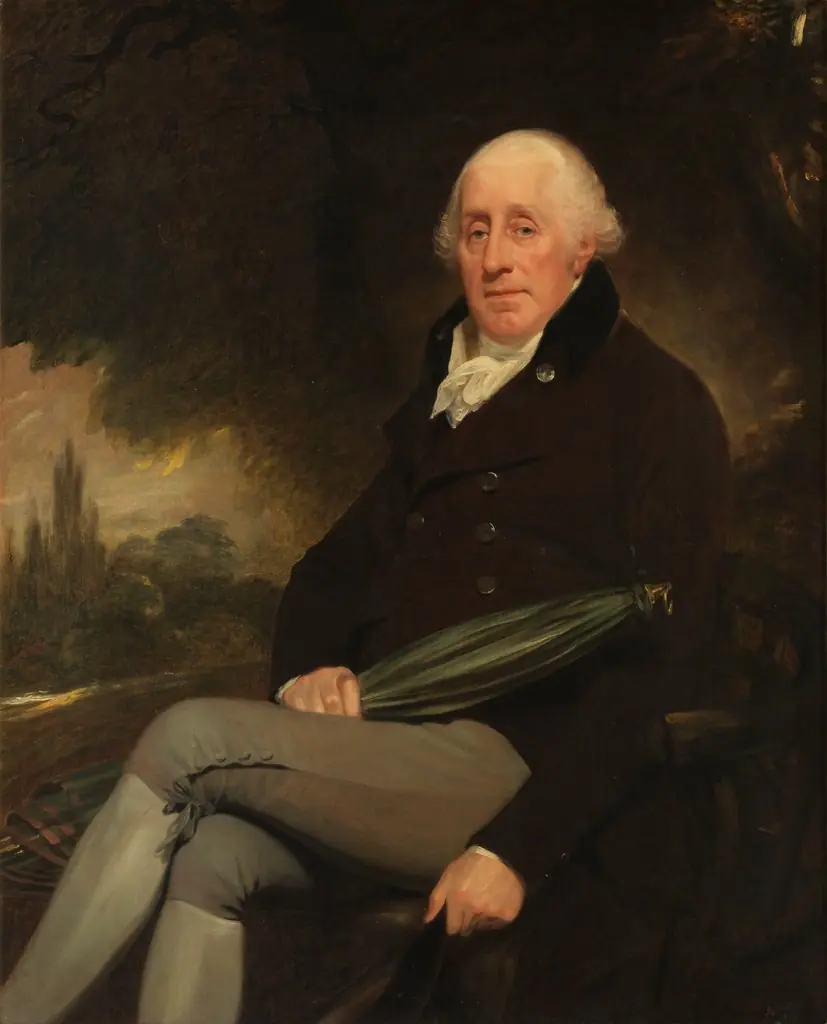 Portrait of a Gentleman
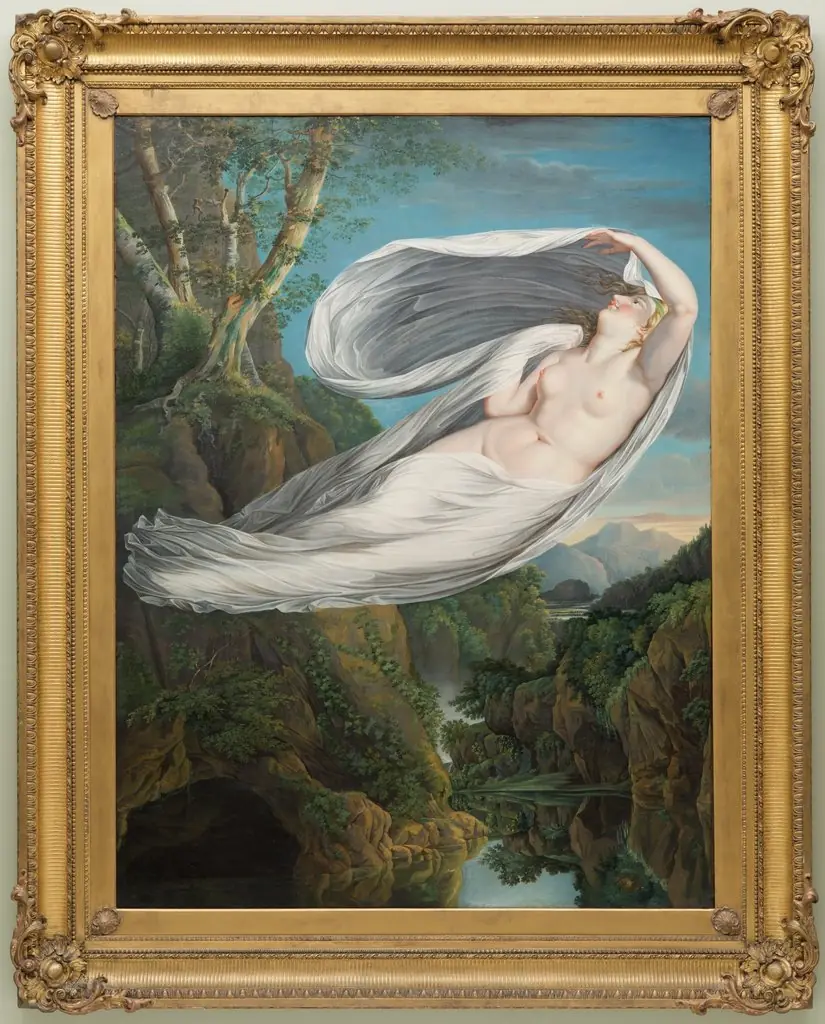 Echo Flying from Narcissus
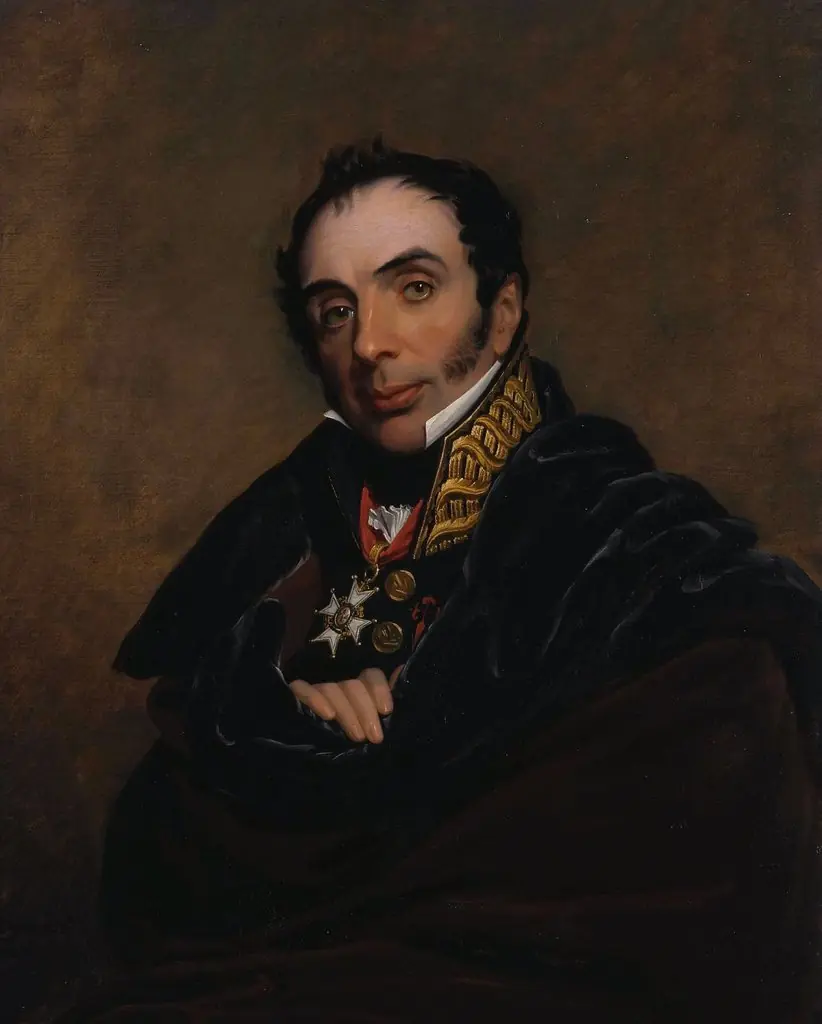 Portrait of Miguel Ricardo de Alava
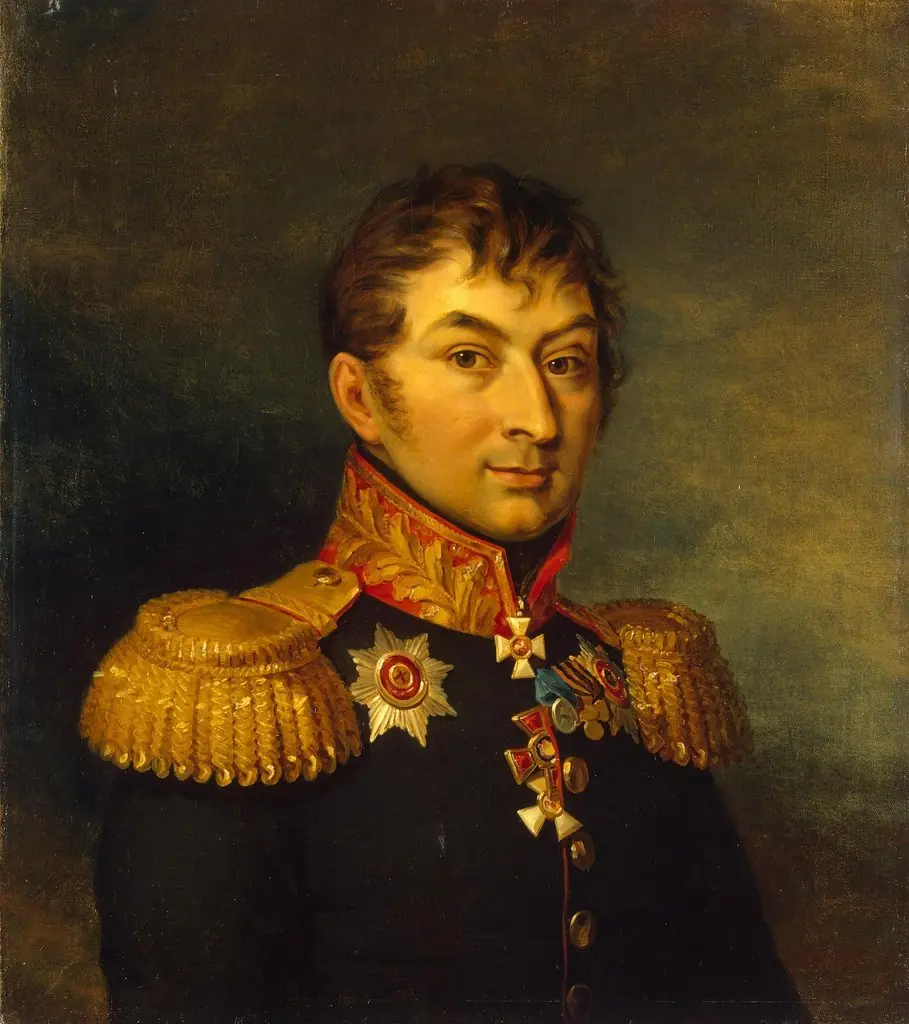 Portrait of Ivan D. Panchulidzev (1759-1815) (1st)
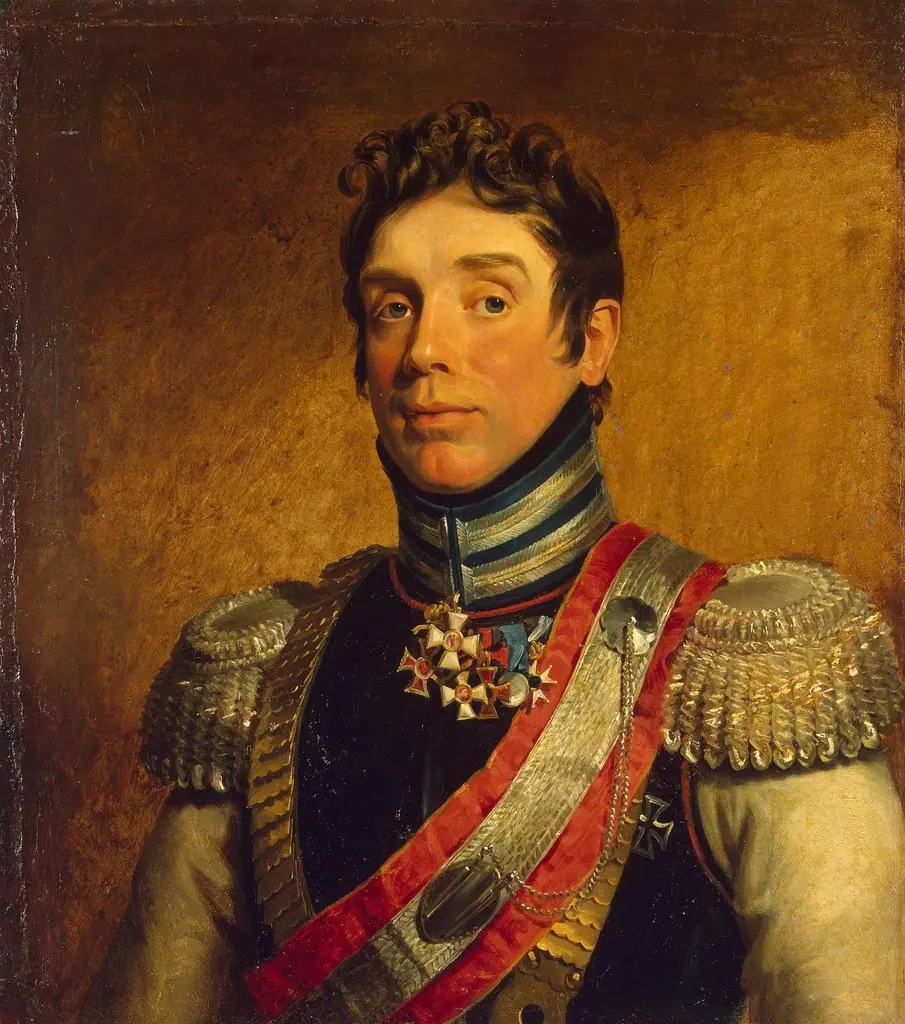 Portrait of Karl V. Budberg (1774-1829)
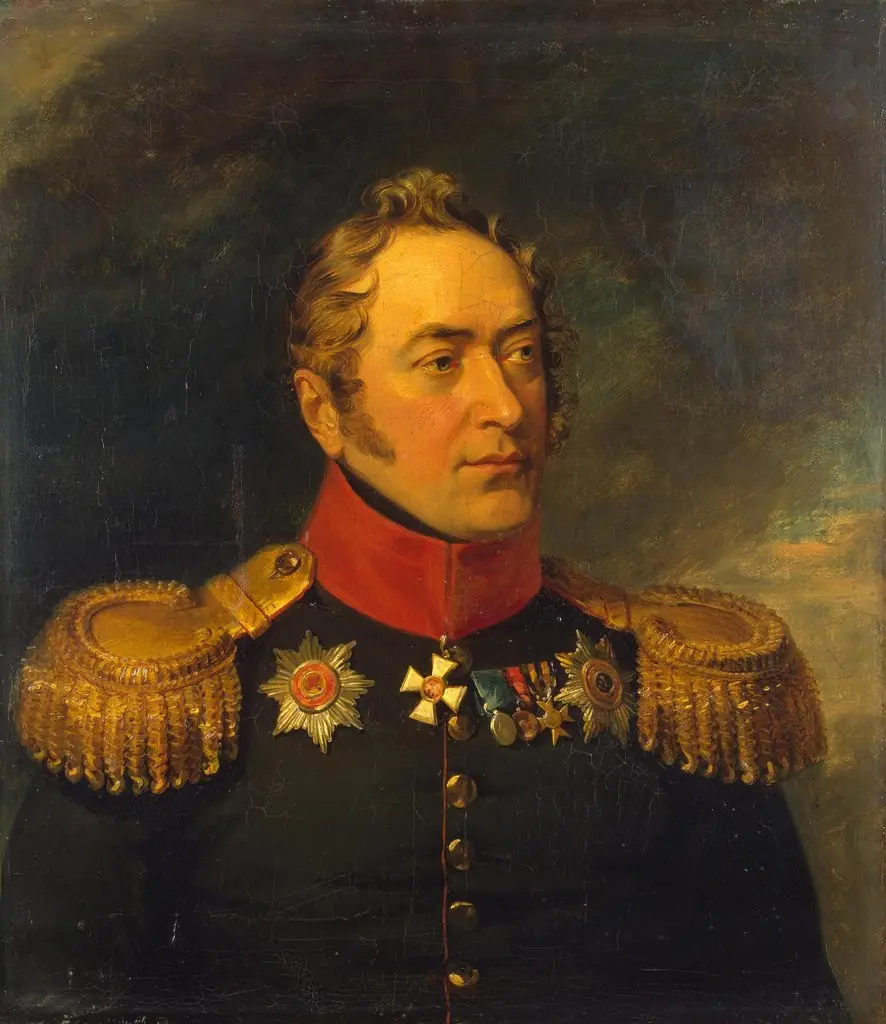 Portrait of Nikolai N. Khovansky (1777-1837)
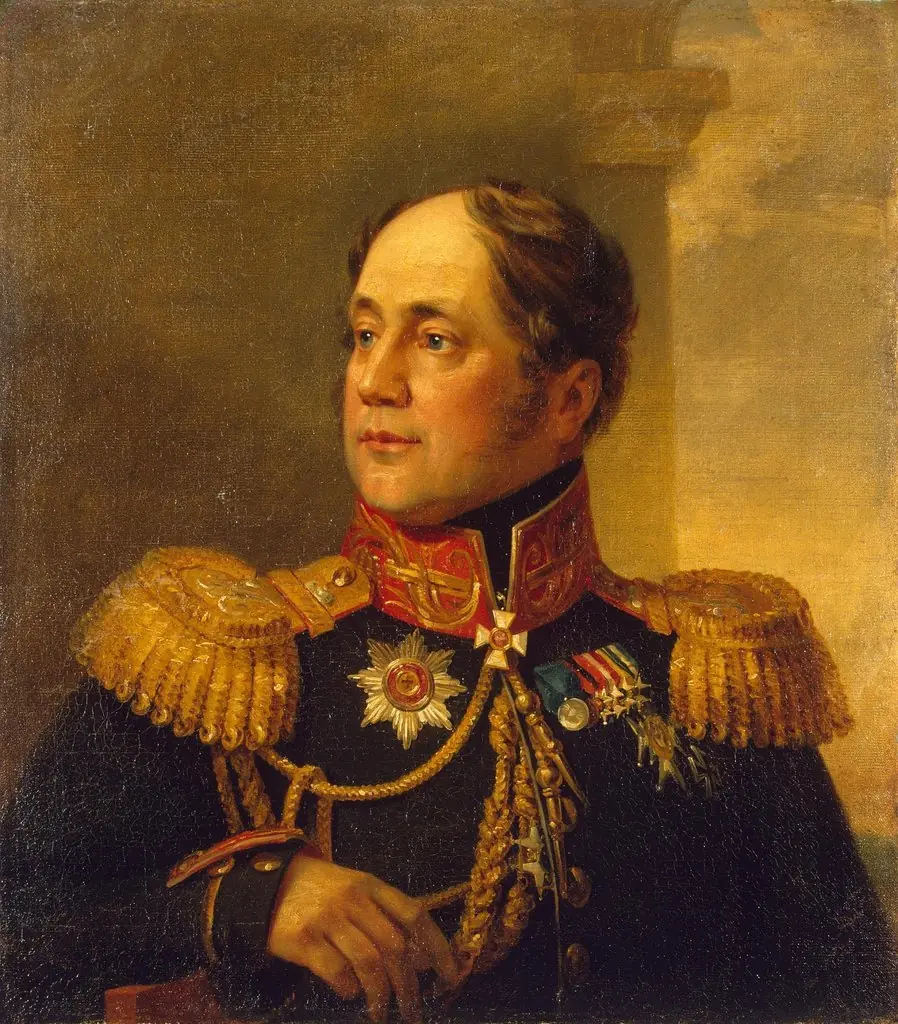 Portrait of Nikolai M. Sipyagin (1785-1828)
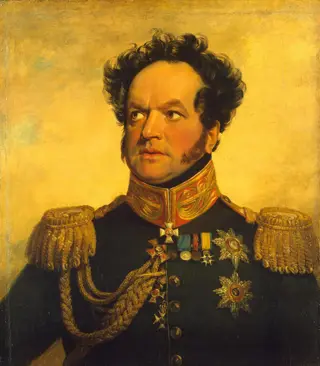 Portrait of Pavel V. Golenishchev-Kutuzov (1772-1843)
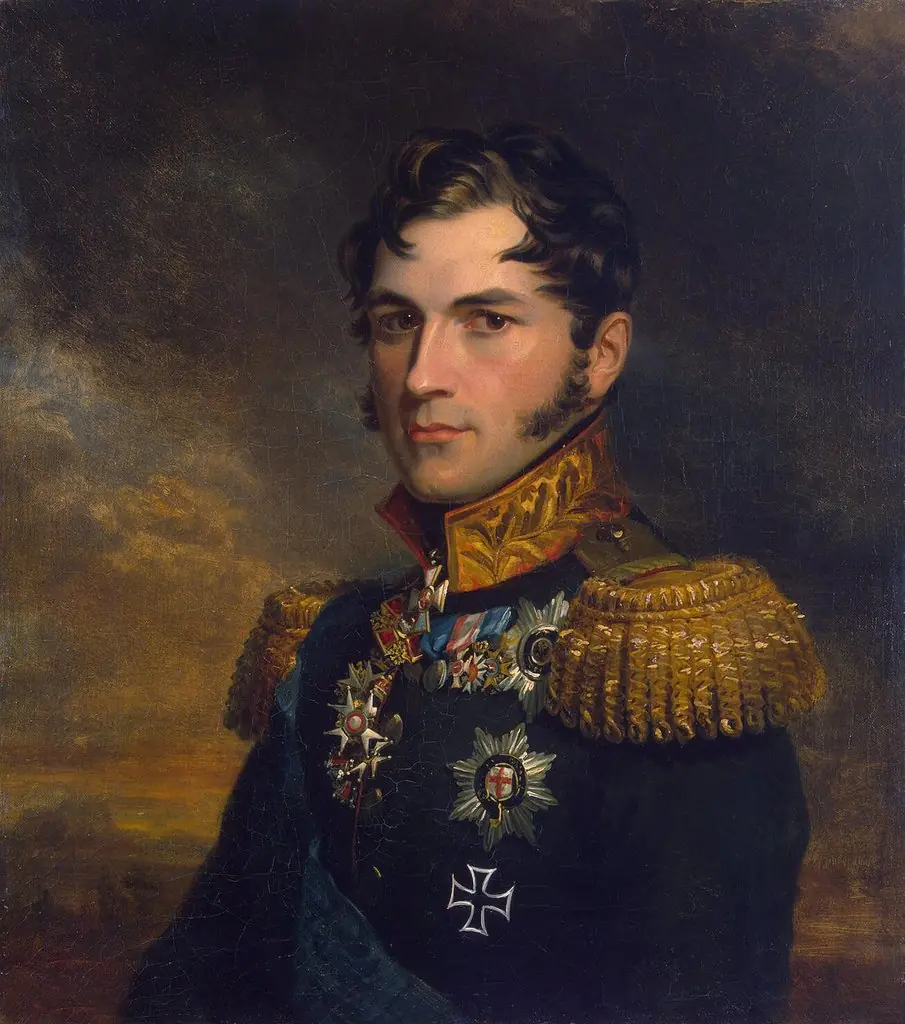 Portrait of Leopold, Prince of Saxe-Coburg (1790-1865)
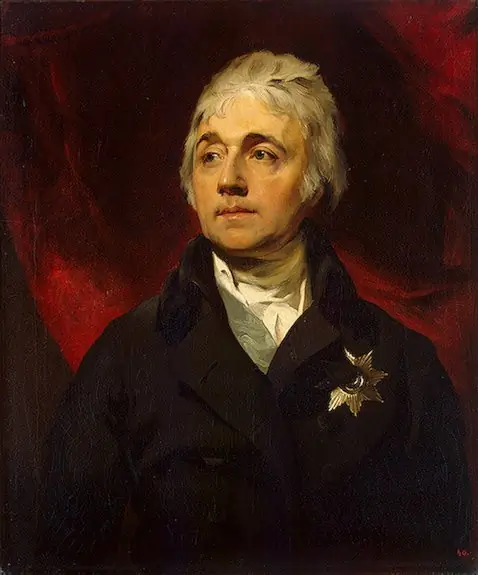 Portrait of Count Semyon Vorontsov (1744-1832)
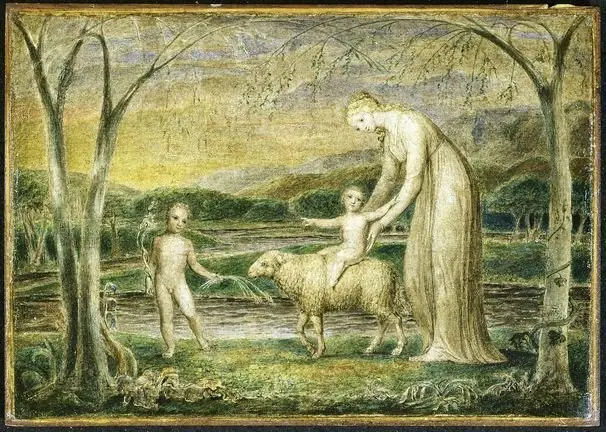 Our Lady with the Infant Jesus riding on a Lamb
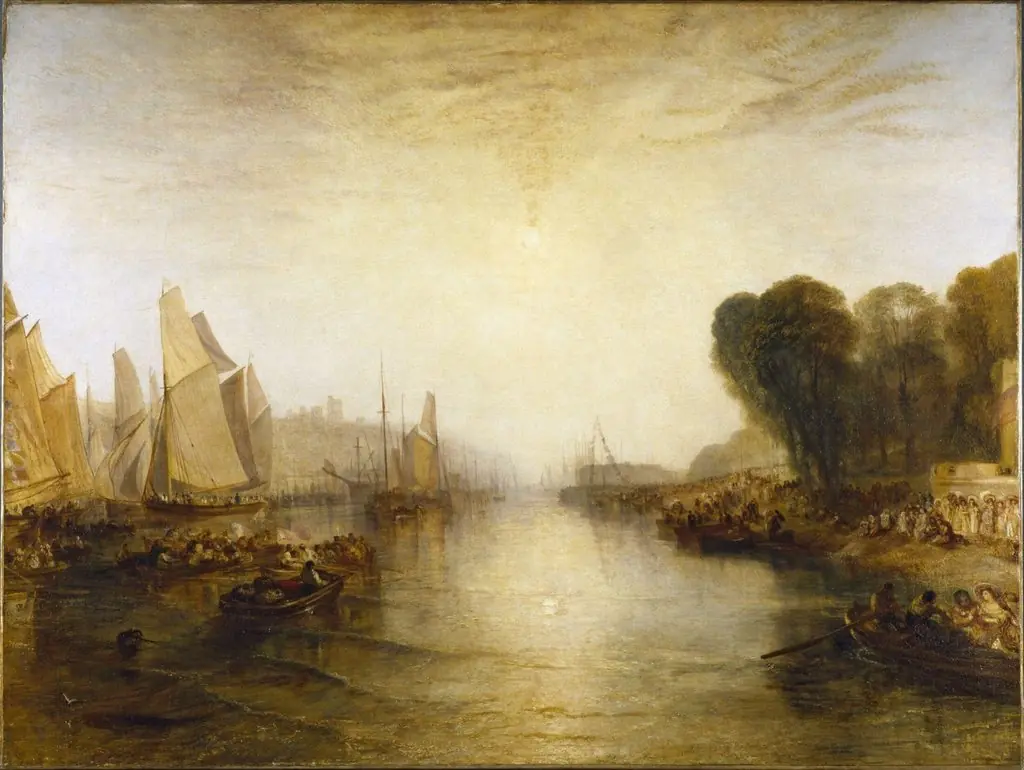 East Cowes Castle, the Seat of John Nash, Esq.; the Regatta Starting for their Moorings.
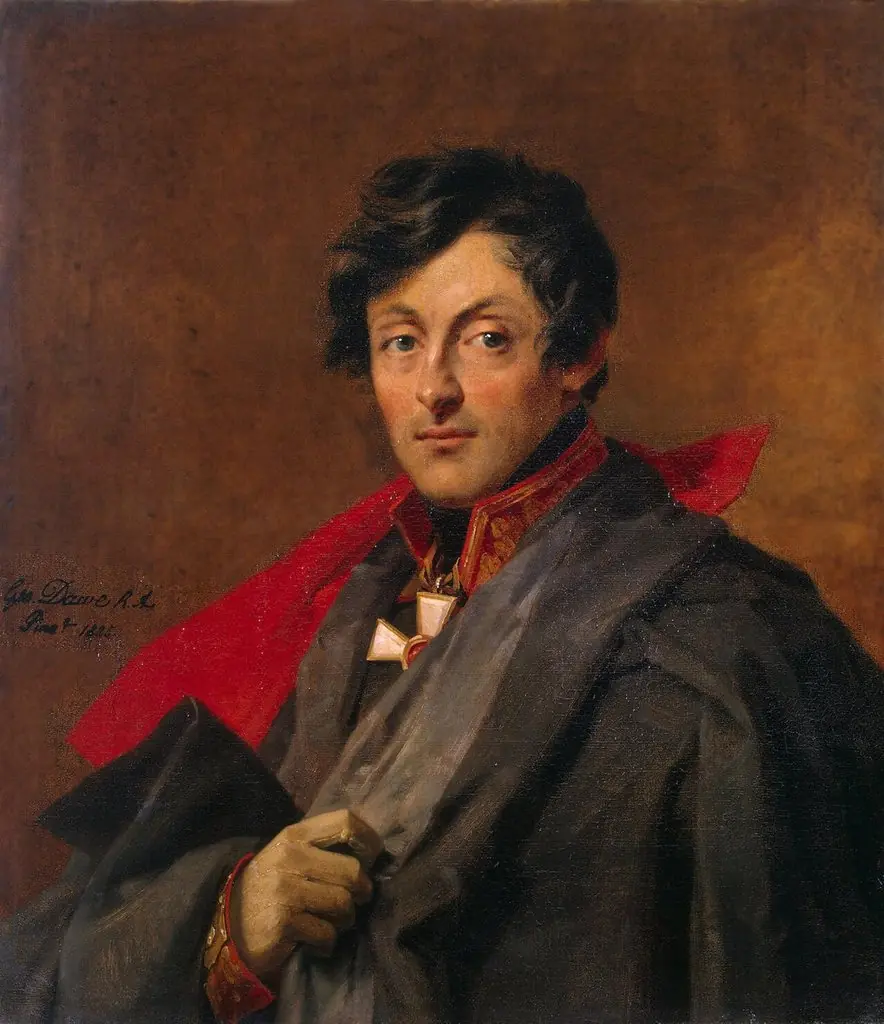 Count Alexander Osterman-Tolstoy
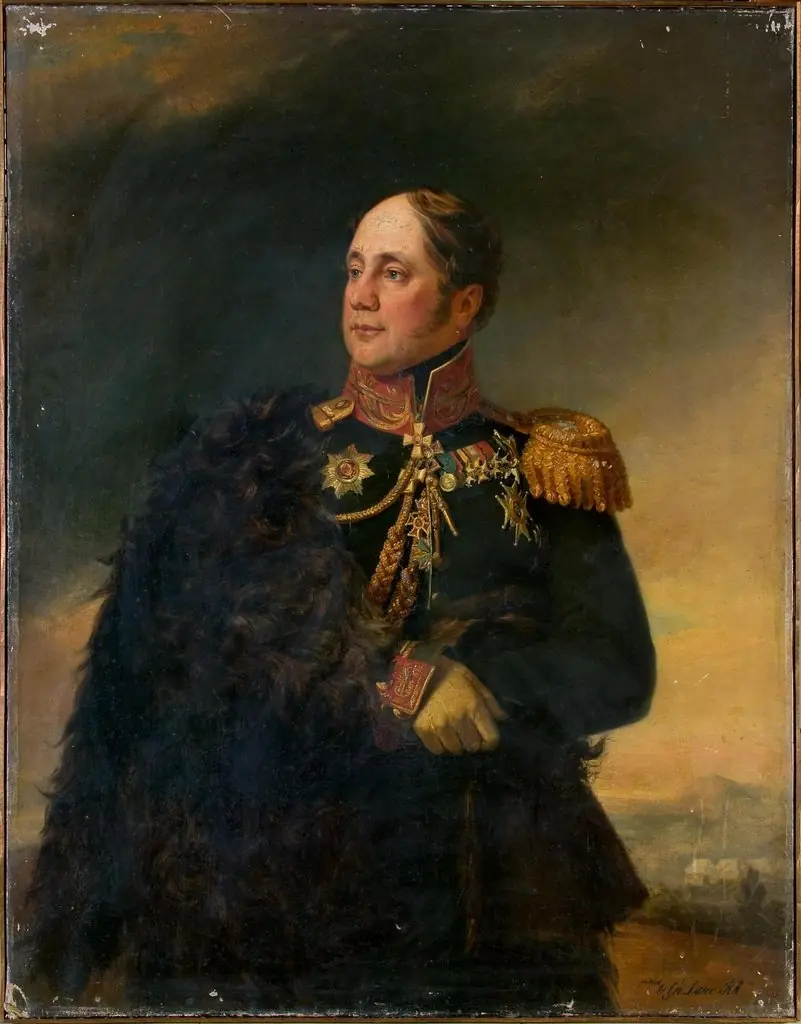 Portrait of Nikolai Sipyagin (1785-1828)
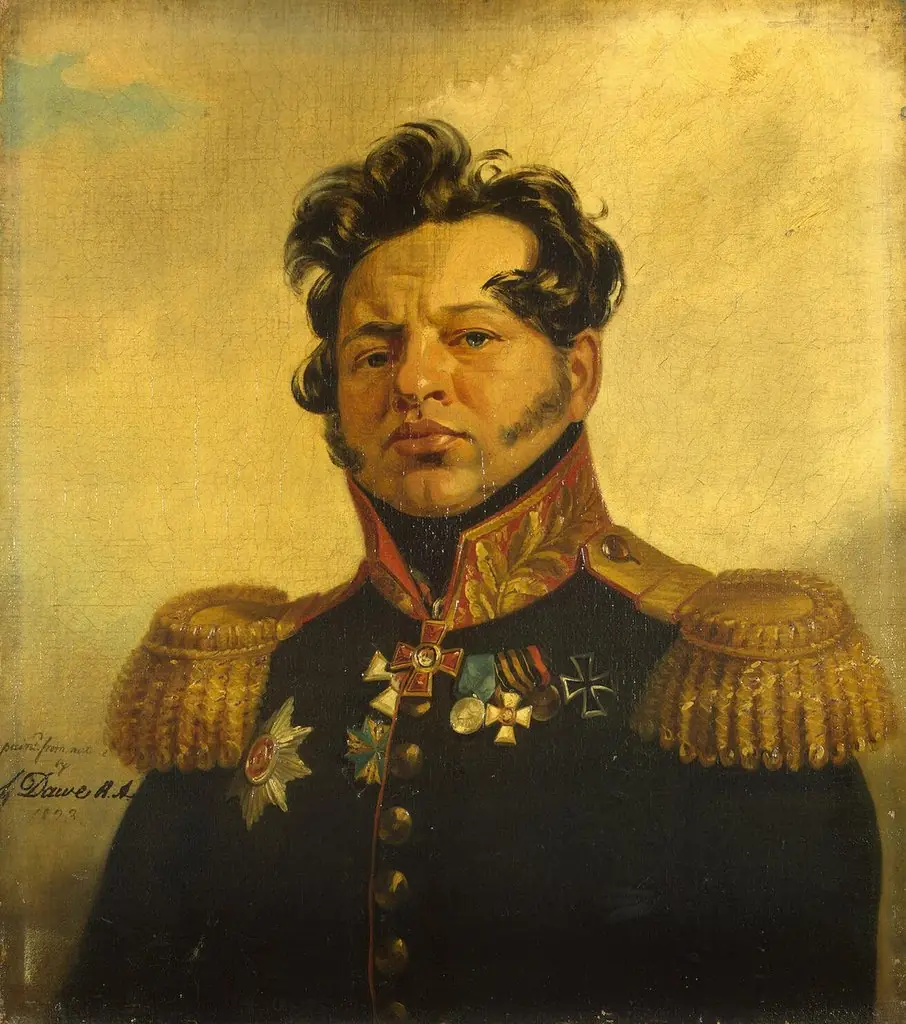 Portrait of Fyodor N. Posnikov (1784-1841)
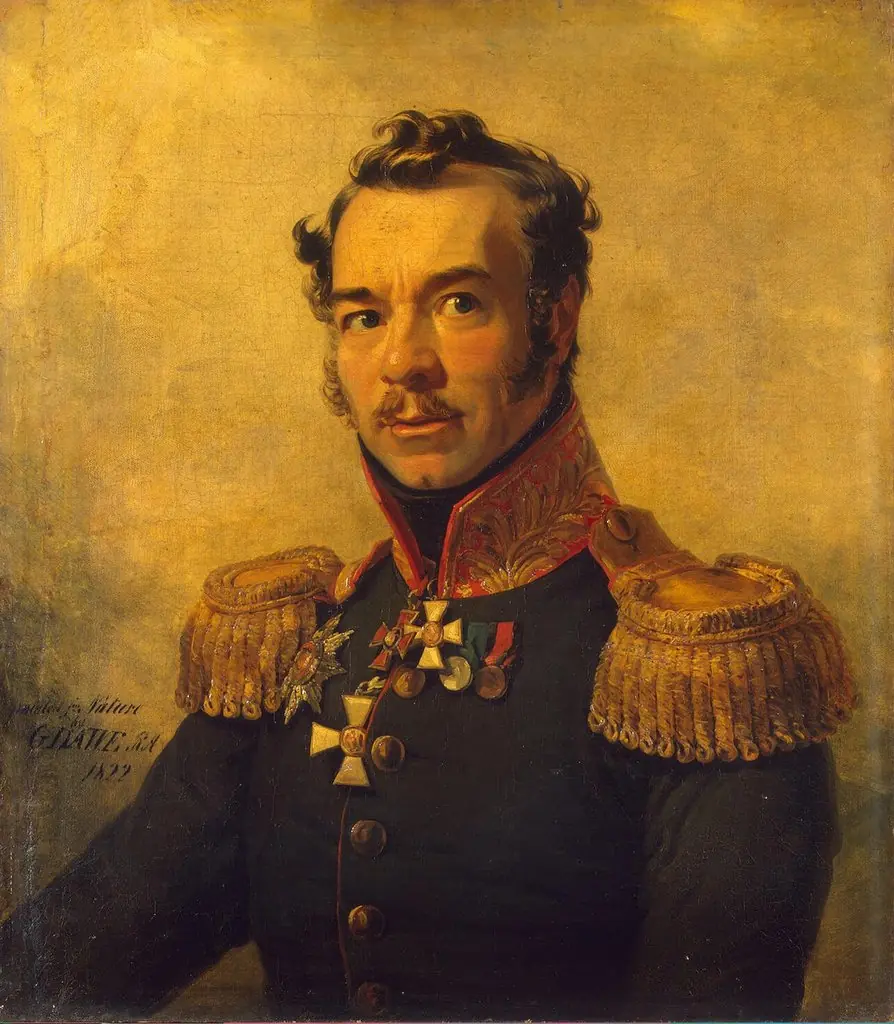 Portrait of Dmitry M. Yuzefovich (1777-1821)
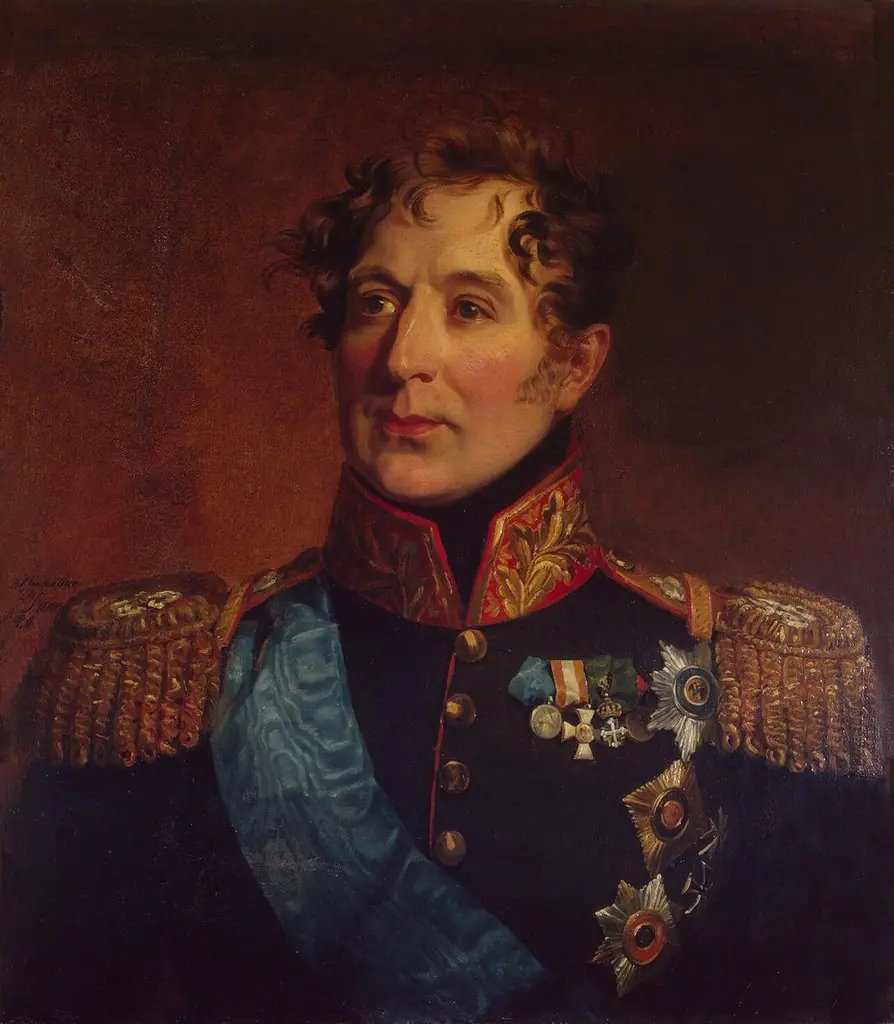 Portrait of Mikhail A. Miloradovich (1771-1825)
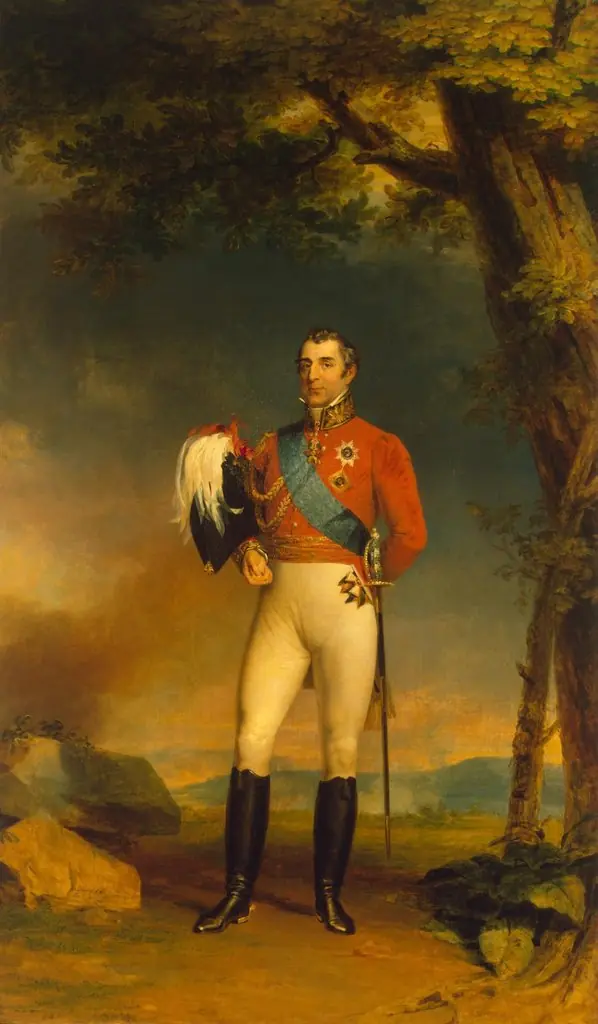 Portrait of Duke of Wellington (1769-1852)
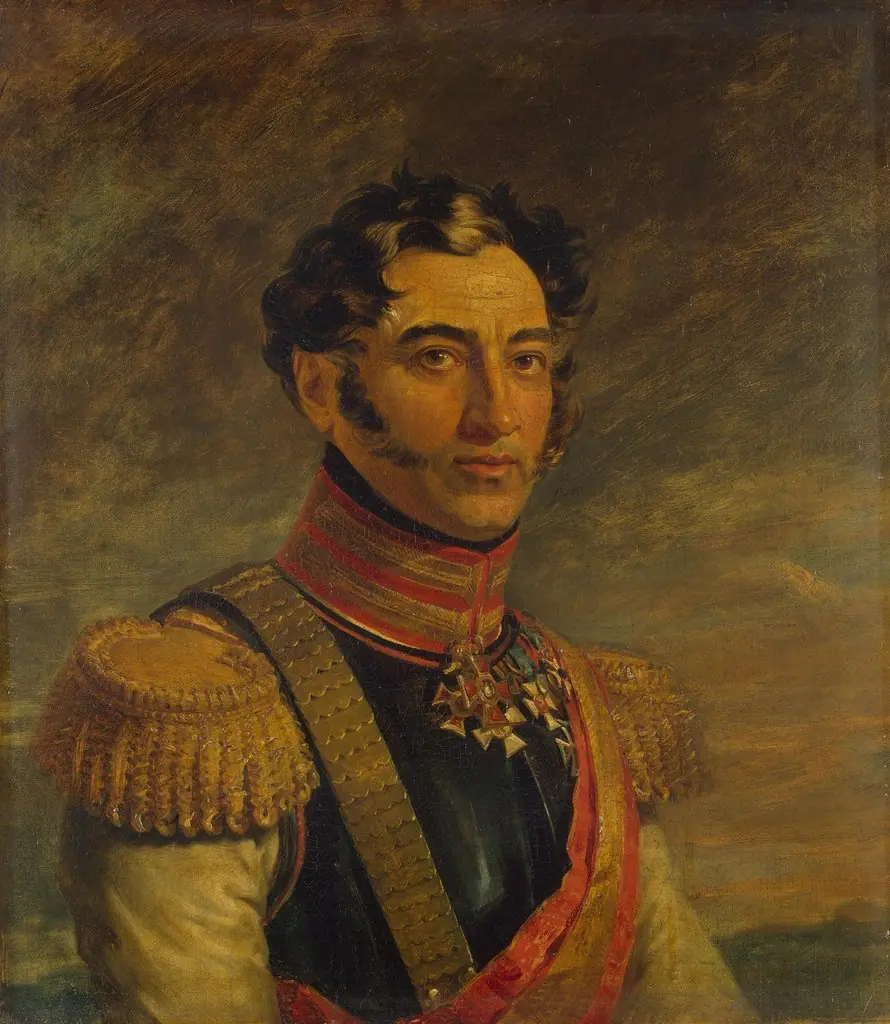 Portrait of Mikhail A. Arsenyev (1779-1838)
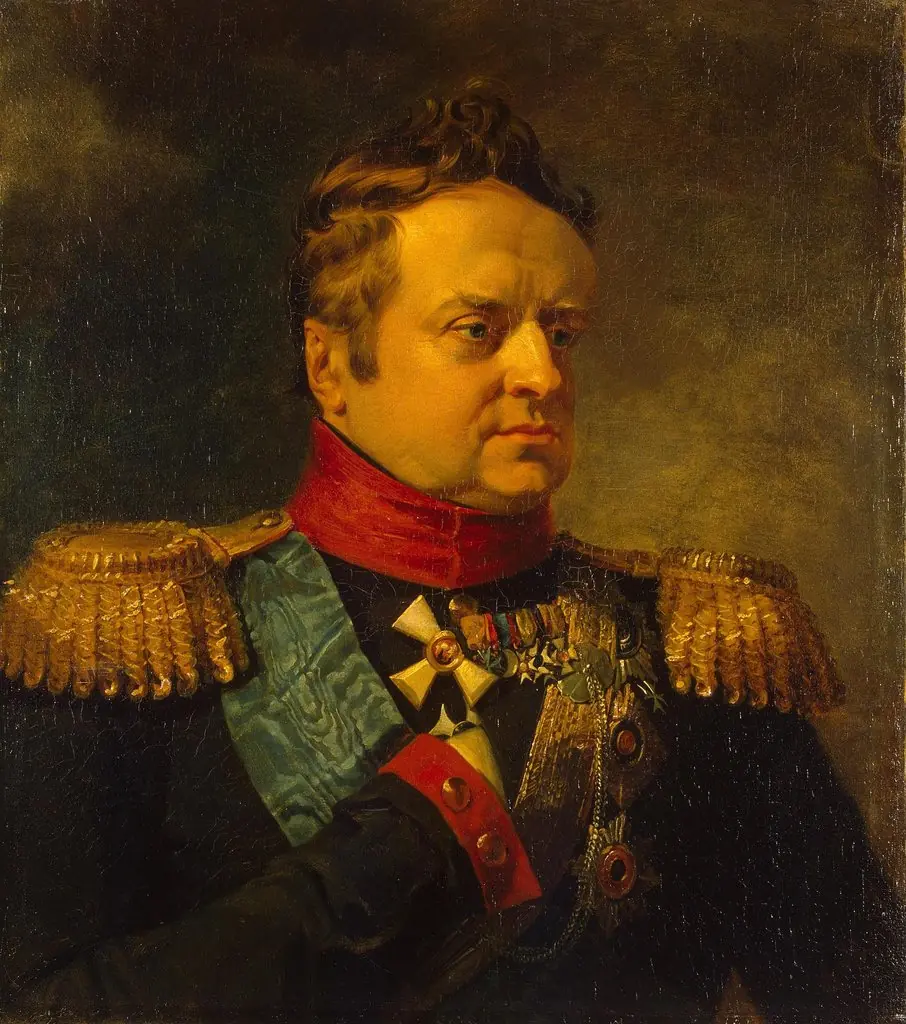 Portrait of Alexander, Prince of Wurttemberg (1771-1833)
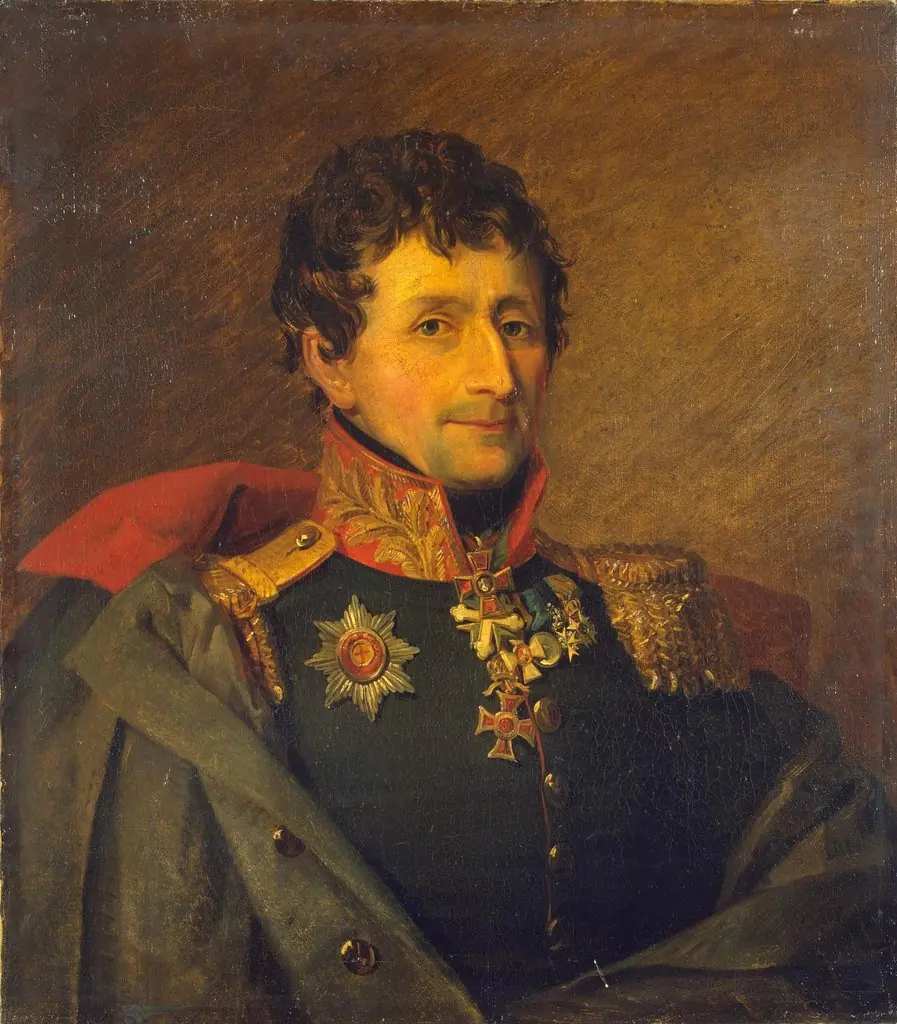 Portrait of Iosif N. (Gabriel) Gallatte (1760 - after 1849)
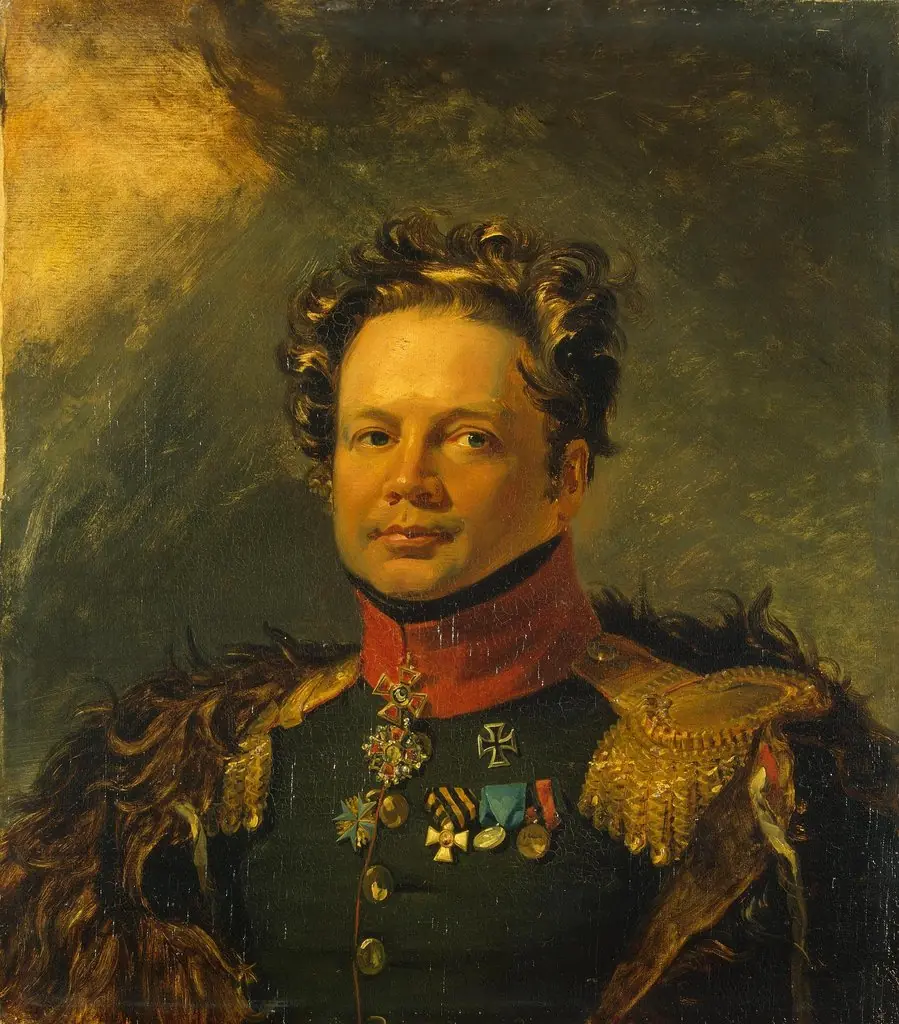 Portrait of Ivan Z. Yershov (1777/78-1852)
 Portrait of Ivan A. (Johann Georg) von Lieven (1775-1848)
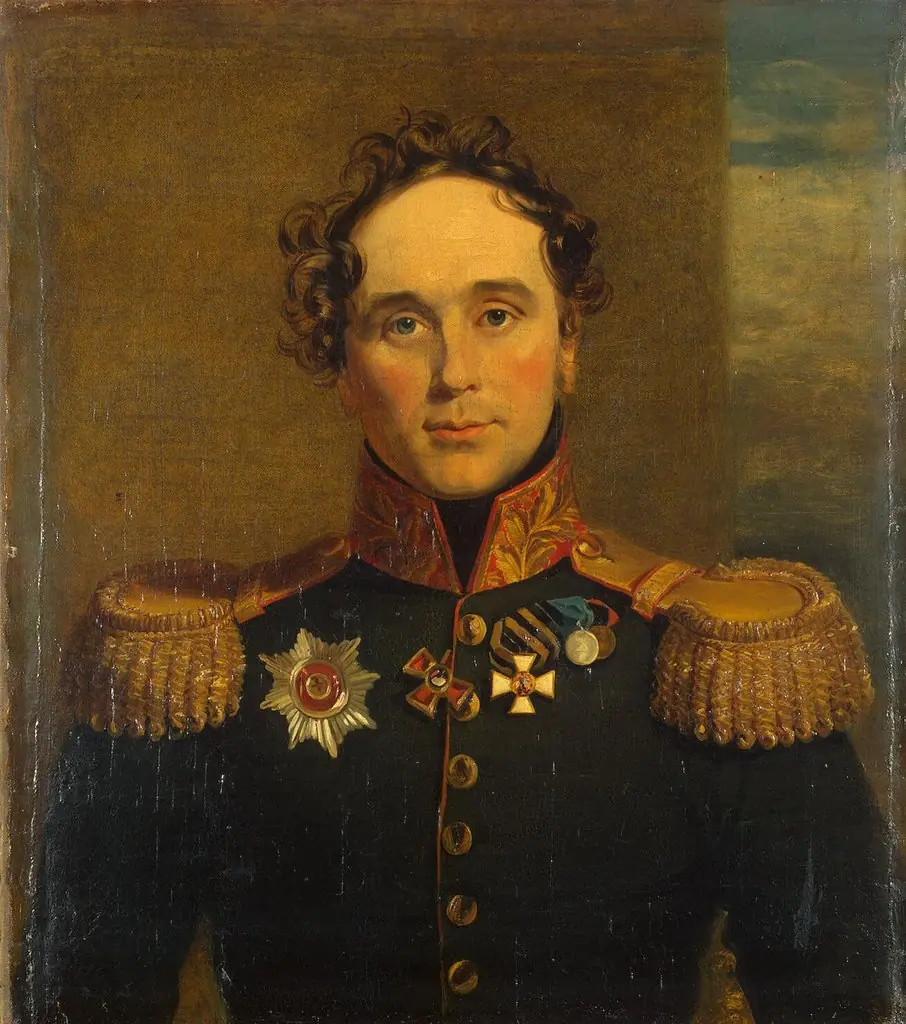 Portrait of Fyodor V. Driesen (1781-1851)
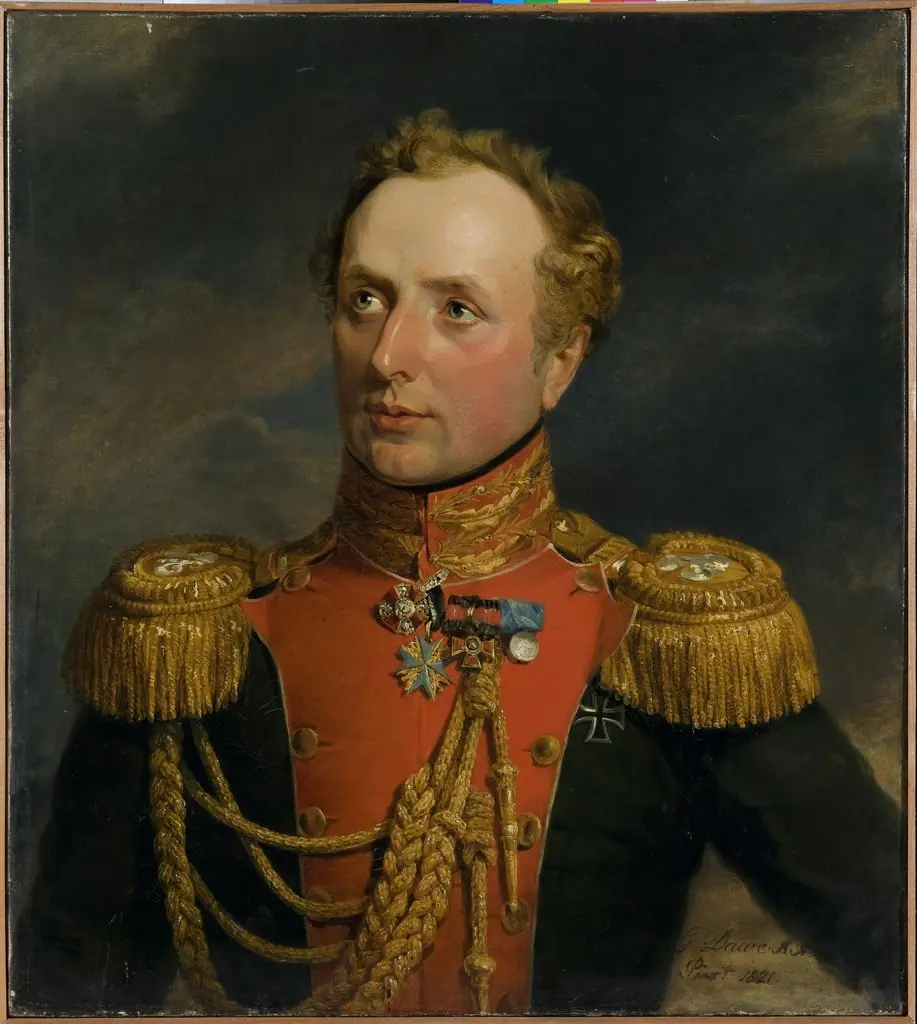 Karl von Pirch
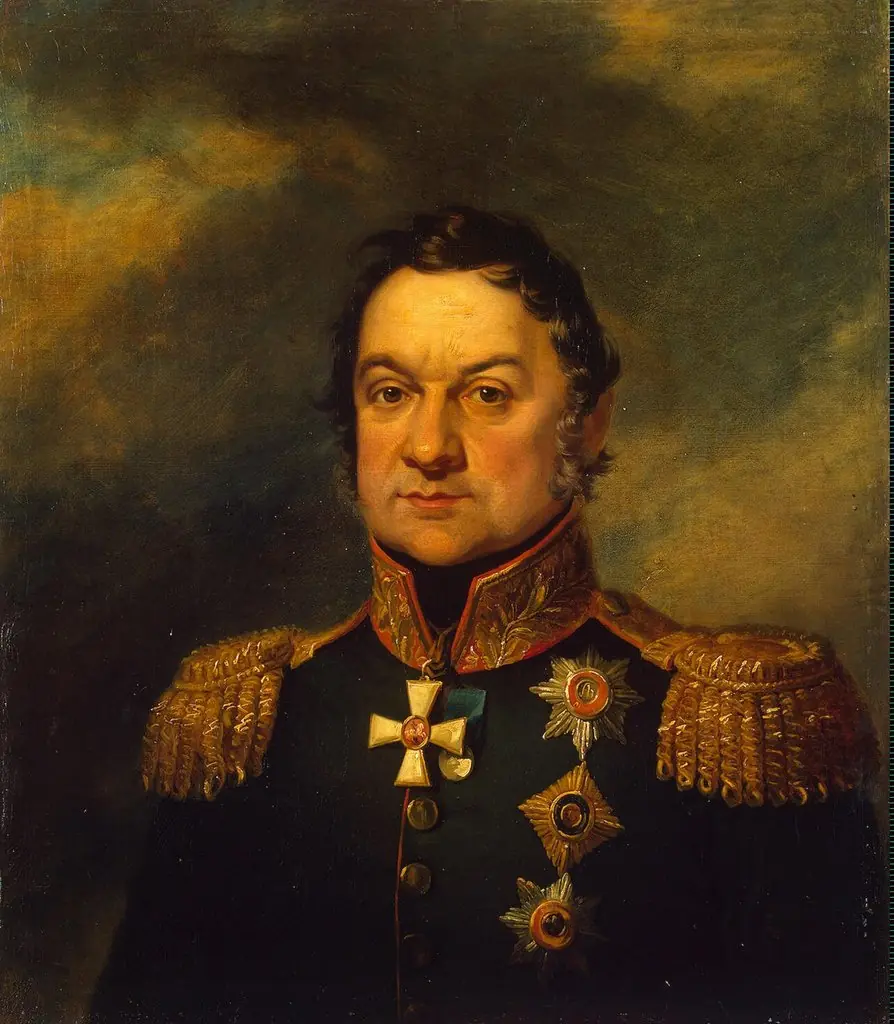 Portrait of Dmitry S. Dokhturov (1756/59-1816)
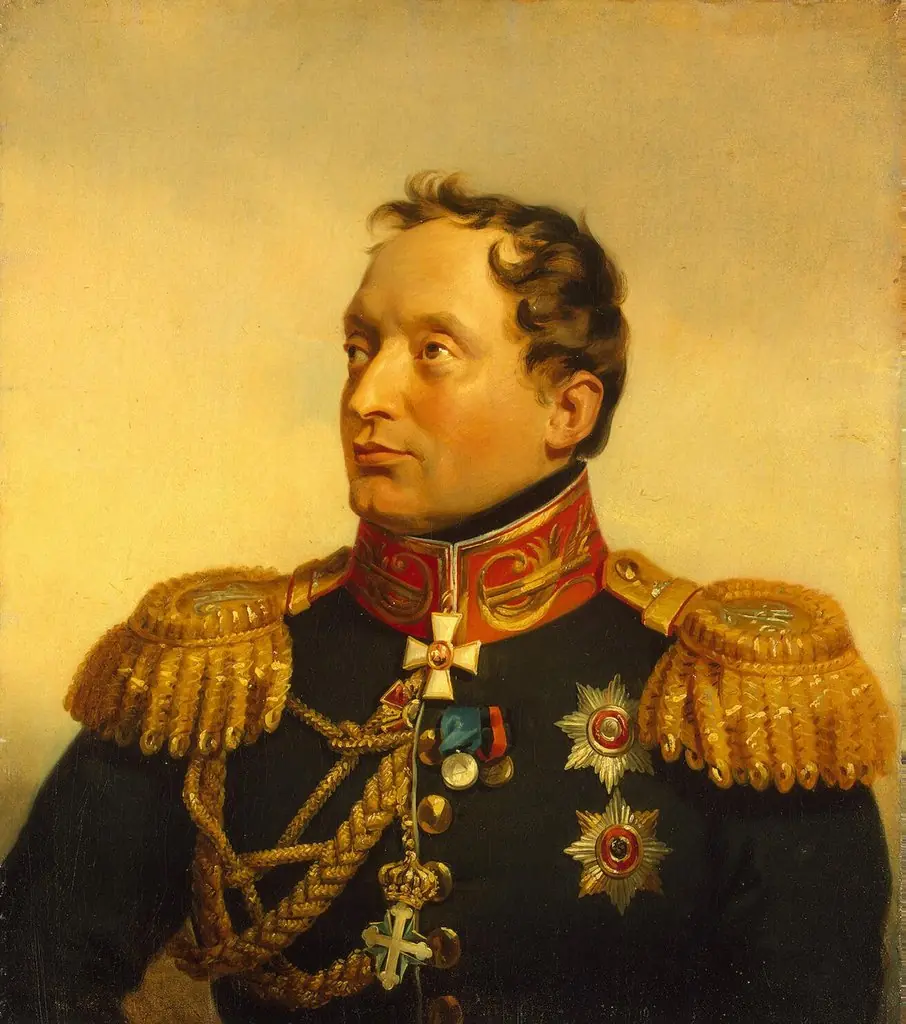 Portrait of Filippo (Filipp Osipovich) Paulucci (1779-1849)
Frequently asked questions
What is British Romanticism?
British Romanticism is an art movement. The British variant of the Romantic movement, flourishing from the 1780s through the 1850s.
How many British Romanticism works does Artifact World Gallery have?
Artifact World Gallery holds 2,701 public-domain British Romanticism works, all free to view and download.
Who are the key British Romanticism artists?
Key British Romanticism artists in the collection include Henry Bone, Francis Wheatley and Joseph Mallord William Turner.
When did British Romanticism take place?
British Romanticism dates from 1780–1830.
Where can I see British Romanticism works?
British Romanticism works in the collection are held by Victoria and Albert Museum, National Library of Wales and National Galleries Scotland.