Artwork
The Ship Inn, Tenbury Wells
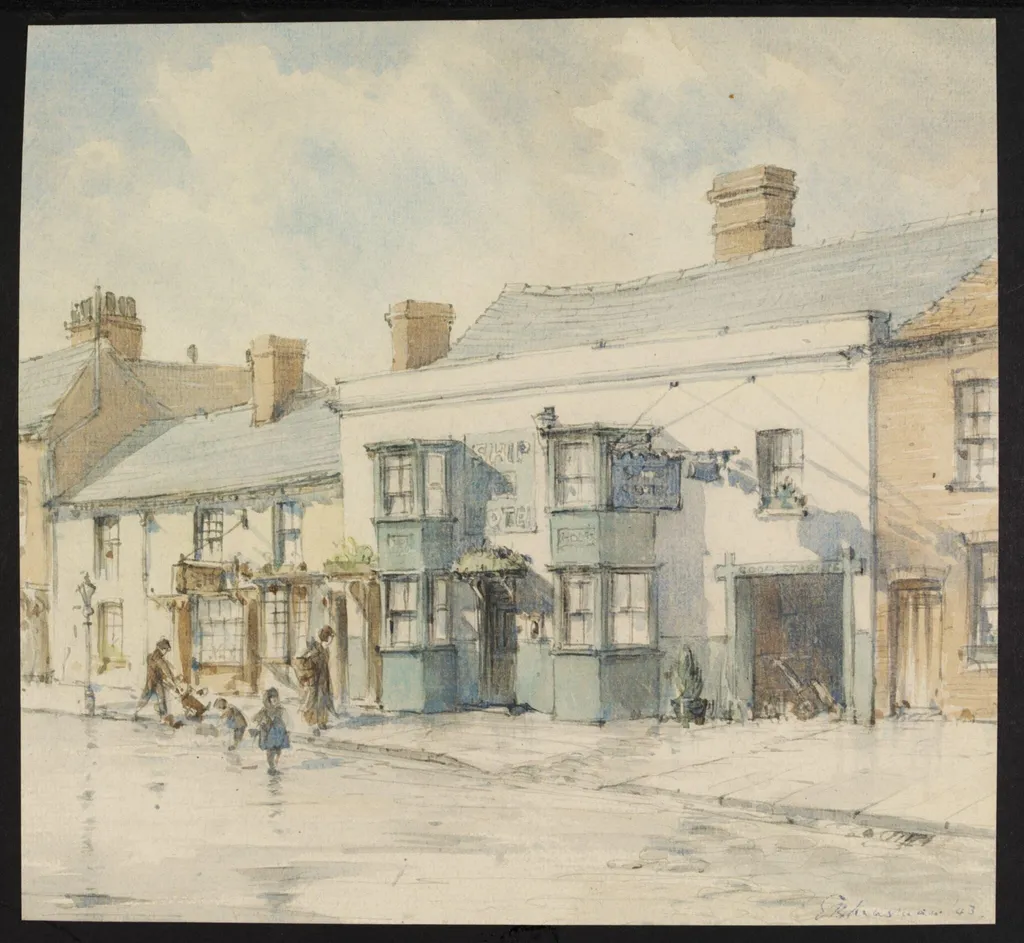
The Ship Inn, Tenbury Wells is a watercolor work on paper by the Social Realist artist Musman. It dates from 1943 and is held in the collection of the Victoria and Albert Museum.
About this work
Overview
This initiative, supported by the Pilgrim Trust and guided by Sir Kenneth Clark, sought to preserve visual records of the British countryside during wartime.
Painted in 1943, The Ship Inn, Tenbury Wells is a watercolour by Musman created under the Recording Britain project. This initiative, supported by the Pilgrim Trust and guided by Sir Kenneth Clark, sought to preserve visual records of the British countryside during wartime. The work is one of over 1,500 pieces produced by 97 artists, each documenting ordinary places deemed at risk from conflict or change.
Subject & Meaning
The painting captures a quiet street corner in Tenbury Wells, centered on a modest pub with a weathered facade and flower-filled window boxes. A lone figure walks a dog, while two children play nearby, suggesting unremarkable daily life. The scene avoids grandeur, instead emphasizing the quiet endurance of local architecture and community routines, reflecting the project’s aim to honor ordinary, vulnerable landscapes.
Technique & Style
Musman employed loose, transparent watercolour washes to convey subtle textures and muted tones of gray and brown. The brushwork is restrained yet expressive, avoiding sharp detail in favor of atmospheric suggestion. Lightly applied pigments enhance the sense of age and stillness, reinforcing the painting’s quiet, observational tone and its focus on the passage of time in everyday settings.
History & Provenance
Created during World War II as part of the Recording Britain project, the painting was commissioned to preserve visual records of at-risk sites. It entered the collection of the Victoria and Albert Museum alongside other works from the initiative, where it remains part of a broader archive documenting Britain’s architectural and social landscape during a period of national uncertainty.
Context
The Recording Britain project emerged as a cultural response to wartime threats, aiming to safeguard the visual memory of rural and historic England. Artists were sent across the country to record market towns, inns, and vernacular buildings, places often overlooked but central to local identity. Musman’s work aligns with this mission, capturing the unassuming character of Tenbury Wells amid broader societal disruption.
Legacy
The painting endures as part of a significant archive that redefined the value of everyday landscapes in British art. Rather than celebrating monuments, it affirms the importance of modest, lived-in spaces. Today, it contributes to ongoing discussions about heritage, memory, and the role of art in preserving the ordinary against the pressures of change.
Artist & collection
Artist
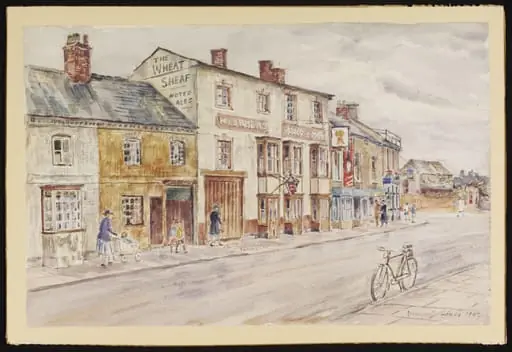
Musman painted quiet English towns in the early 1940s, using watercolours to capture cobbled streets and stone bridges bathed in soft light.

- The Wheatsheaf Inn and Cottages, Newport Road, Swindon
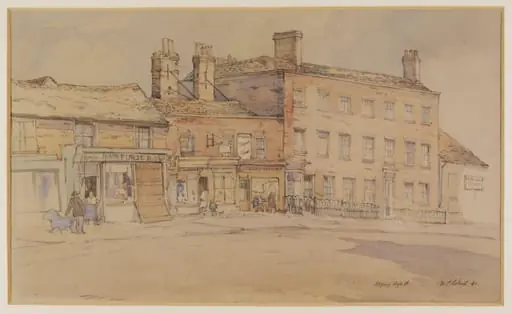 Epping High Street
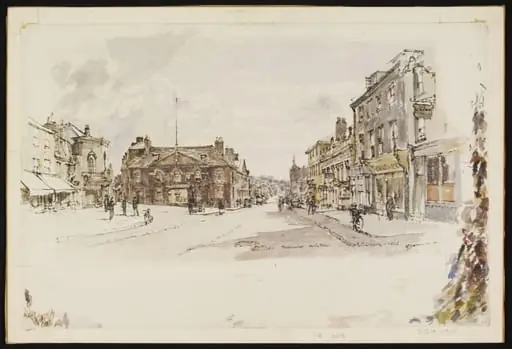 High Street and Rutland Arms, Newmarket
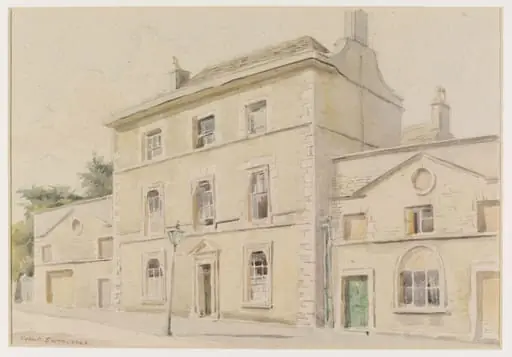 Georgian House, Cecily Hill, Cirencester
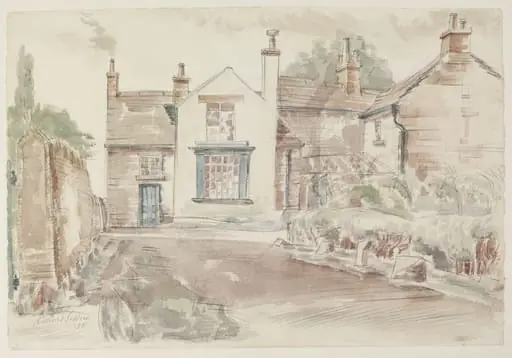 Cottages at Norton, No.1
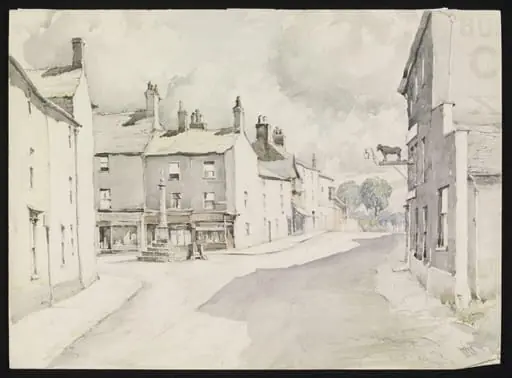 Market Place, Poulton-le-fylde, near Blackpool
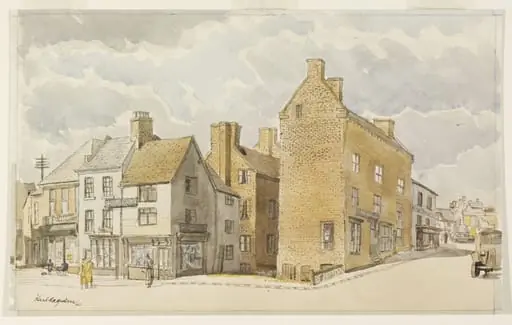 Ashbourne
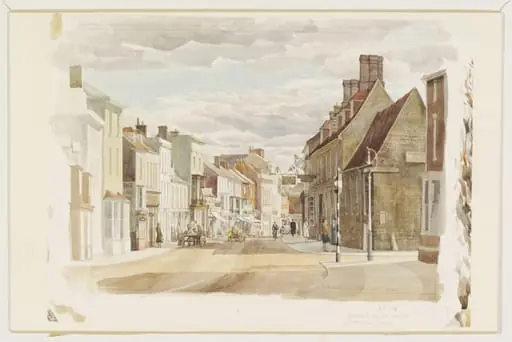 Towcester High Street from the Pomfret Arms Corner, Northamptonshire
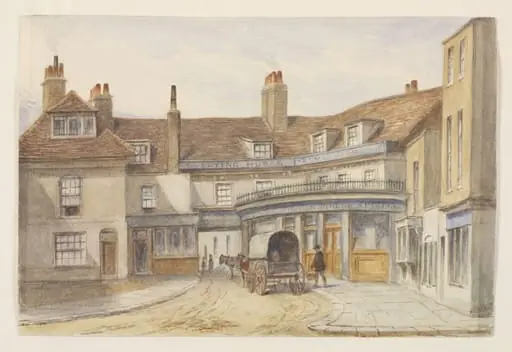 The Flying Horse, Hackney
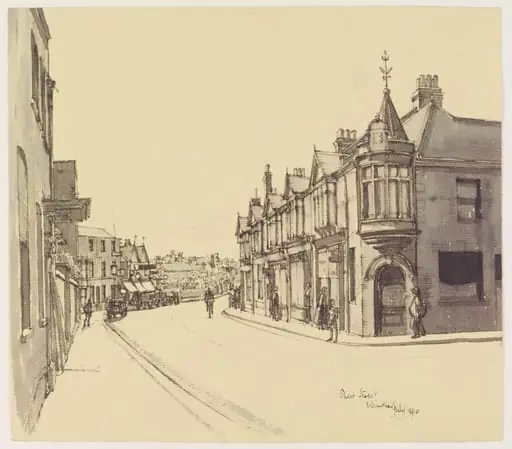 Sheet Street, Windsor
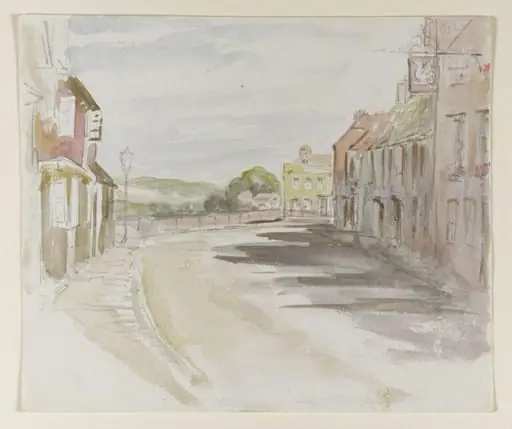 Bury St Edmunds
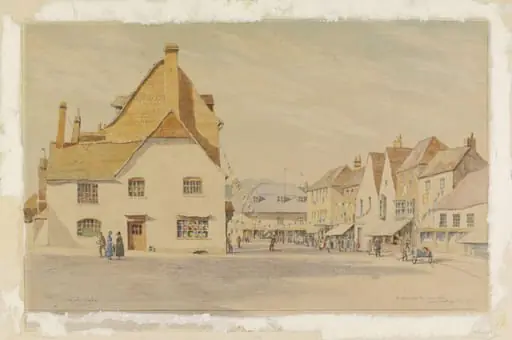 Preparing for the Coronation, West Malling, May, 1937.