Artwork
Nagauta Shamisen
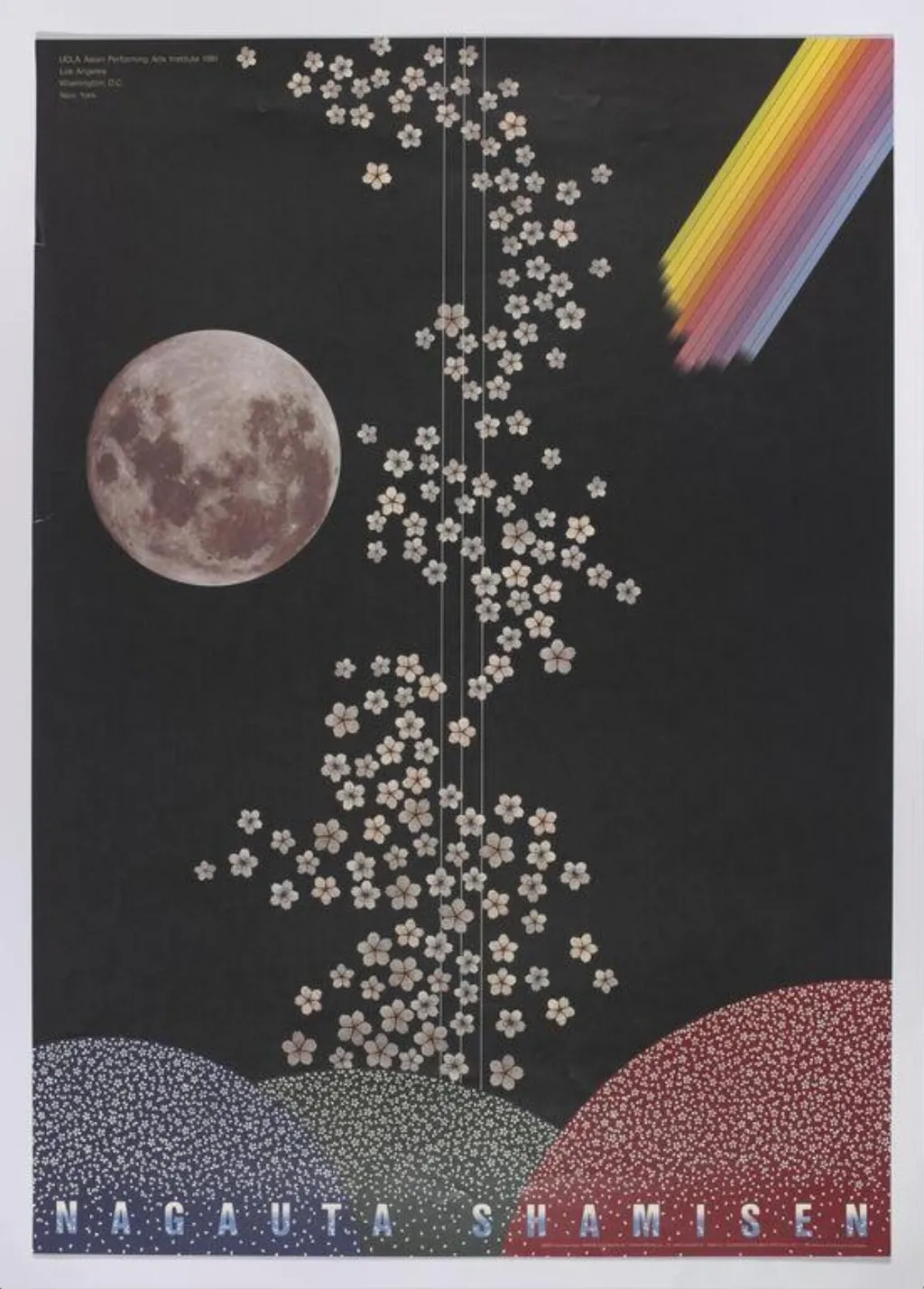
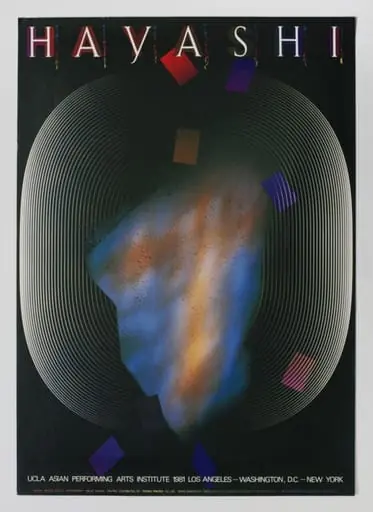
Nagauta Shamisen is a poster by Kazumasa Nagai. It dates from 1981 and is held in the collection of the Victoria and Albert Museum. Created in 1981, this poster is one of twelve commissioned by Japanese design critic Masaru Katsumi to accompany a U.
About this work
It’s one of twelve posters made for a 1981 event about Japanese theater and music.
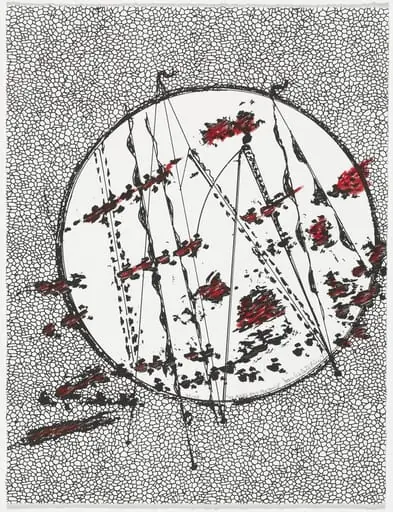
This poster shows a shamisen, a three-stringed Japanese instrument. The neck is long and thin. The body is small and square. Bold red and black ink stands out against the white background.
It’s one of twelve posters made for a 1981 event about Japanese theater and music. Kazumasa Nagai designed it. The event honored traditional arts from Japan.
Want to see more? Check out the Victoria and Albert Museum.
Overview
Created in 1981, this poster is one of twelve commissioned by Japanese design critic Masaru Katsumi to accompany a U.S. tour of traditional Japanese performing arts. Designed by Kazumasa Nagai, it visually represents nagauta, a musical form integral to Kabuki theater. The poster was produced for the UCLA Asian Performing Arts Institute, which hosted a five-week series of performances, lectures, and masterclasses by the Classical Performing Arts Friendship Mission of Japan.
Subject & Meaning
The poster centers on the shamisen, a three-stringed lute used to accompany nagauta music in Kabuki. Its elongated neck and compact, square body are rendered with stark clarity, symbolizing the instrument’s role as both a cultural artifact and a living medium of expression. The absence of text or additional imagery emphasizes the instrument’s solitary presence, inviting contemplation of its sonic and historical weight within Japanese performance traditions.
Technique & Style
Nagai employed bold, flat areas of red and black ink on a white ground, drawing from the visual language of Japanese woodblock prints and modernist graphic design. Lines are precise, contours unbroken, and negative space is actively used to define form. The minimal palette and geometric simplification reflect a deliberate fusion of traditional subject matter with mid-20th-century design principles, prioritizing clarity and visual impact over ornamentation.
History & Provenance
The poster was produced as part of a coordinated project to document and promote Japanese traditional arts during a 1981 cultural exchange at UCLA. All twelve posters were created by leading Japanese graphic designers under Katsumi’s direction. The series was distributed to institutions and participants in the tour, with examples later entering museum collections, including the Victoria and Albert Museum, as records of cross-cultural artistic collaboration.
Context
The project emerged during a period of renewed interest in Japan’s intangible cultural heritage abroad, following decades of postwar modernization. By commissioning contemporary designers to interpret ancient art forms, the initiative bridged generational and cultural divides. The UCLA tour was one of the most extensive presentations of Japanese classical performance in the U.S. at the time, aiming to foster deeper understanding beyond exoticized stereotypes.
Legacy
The poster series remains a significant example of how traditional Japanese aesthetics were reinterpreted through modern graphic design in the late 20th century. Nagai’s work, like the others in the set, continues to be studied for its balance of cultural reverence and formal innovation. It stands as a document of institutional efforts to preserve and transmit intangible heritage through visual communication during a pivotal moment in global cultural exchange.
Artist & collection
Artist
Kazumasa Nagai was a Japanese printmaker and graphic designer. He attended the Tokyo University of the Arts to study sculpture, and withdrew due to health problems.