Artwork
Charter Oak! Charter Oak Ancient and Fair!
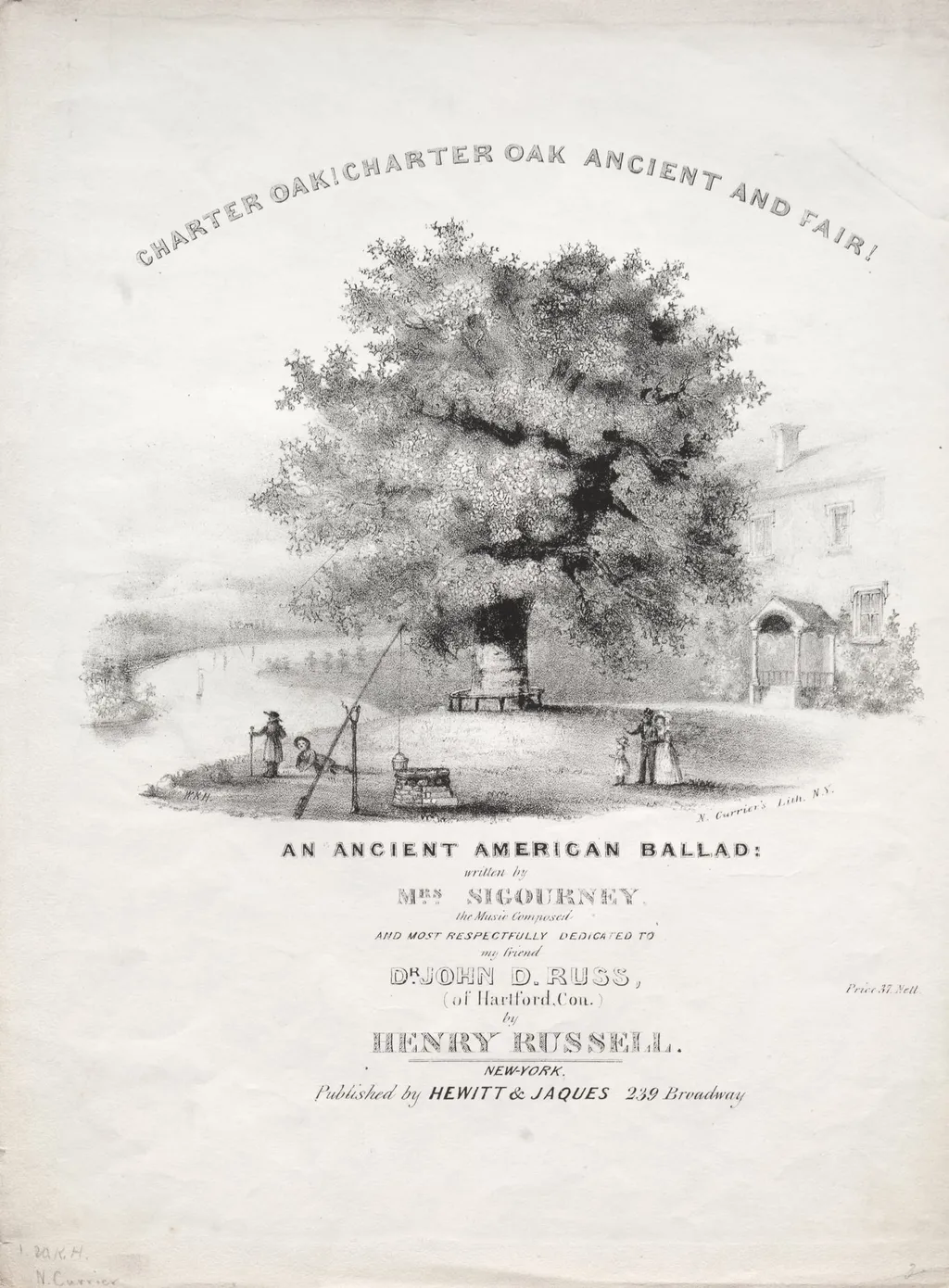
Charter Oak! Charter Oak Ancient and Fair! is a print by Nathaniel Currier. It dates from 1860 and is held in the collection of the Cleveland Museum of Art.
- Accession no.
- 1944.270
- Credit line
- Gift of Leo Weidenthal
About this work
Overview
Currier, known for his popular lithographs, rendered the scene with clarity and narrative emphasis suited for broad public consumption.
Created around 1860 by Nathaniel Currier, this print depicts the Charter Oak, a historic tree in Connecticut tied to colonial resistance against royal authority. The image was produced during a period of renewed interest in early American symbols, reflecting a cultural effort to anchor national identity in tangible historical landmarks. Currier, known for his popular lithographs, rendered the scene with clarity and narrative emphasis suited for broad public consumption.
Subject & Meaning
The Charter Oak symbolizes the 1687 act in which Connecticut colonists concealed their royal charter within its hollow trunk to prevent its confiscation by Governor Edmund Andros. The gathering of figures around the tree evokes communal memory and civic pride, transforming the tree into a silent witness to defiance and self-governance. The scene idealizes collective action, reinforcing the oak as a moral and political emblem rather than merely a botanical specimen.
Technique & Style
Executed as a lithograph, the print employs bold outlines and tonal contrasts typical of 19th-century commercial printing. Currier’s style prioritizes legibility and emotional resonance over fine detail, using simplified forms to guide the viewer’s eye toward the tree and the clustered figures. The composition is staged like a tableau, balancing naturalism with symbolic weight to suit the print’s didactic purpose.
History & Provenance
The print entered the collection of The Cleveland Museum of Art as part of its broader holdings in American graphic arts. While the exact circulation history of this specific impression is undocumented, similar Currier prints were widely distributed in the mid-19th century through commercial channels, often sold as decorative or educational items. Its preservation reflects institutional interest in vernacular representations of national myth.
Context
Produced during a time of rising sectional tensions, the image tapped into a growing nostalgia for pre-Revolutionary acts of autonomy. The Charter Oak, already a local legend, was elevated in popular culture as a unifying symbol of resistance to centralized power. Currier’s print contributed to this trend, aligning with other visual narratives that framed American identity through foundational stories of defiance and preservation.
Legacy
The Charter Oak print endures as a representative artifact of how historical memory was visually codified in antebellum America. Though the original tree fell in 1856, Currier’s image helped cement its place in the national imagination. It remains a touchstone for understanding how print media shaped public perception of civic virtue and historical continuity during a period of rapid social change.
Own this work as a print
Artist & collection


 Capitol at Washington
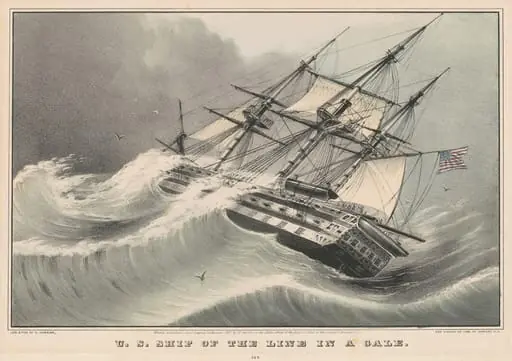 U.S. Ship of the Line in a Gale
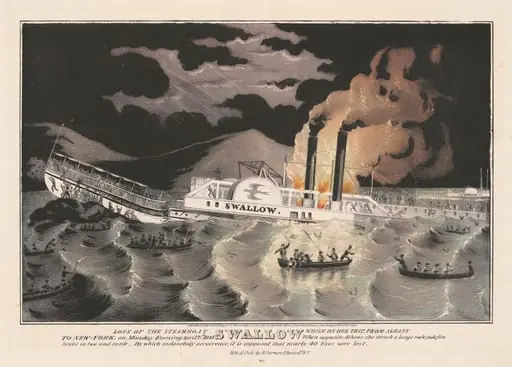 Loss of the Steamboat Swallow: While on Her Trip, from Albany to New-York, on Monday Evening April 7th 1845
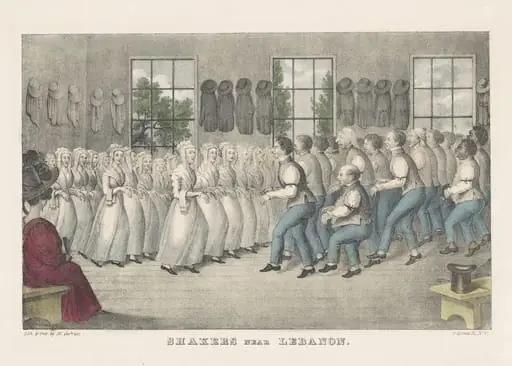 Shakers Near Lebanon
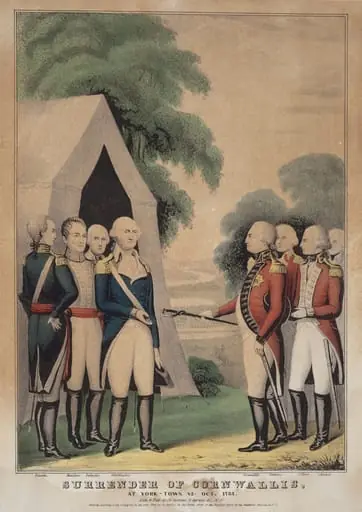 Surrender of Cornwallis: At York-Town Va. Oct. 1781
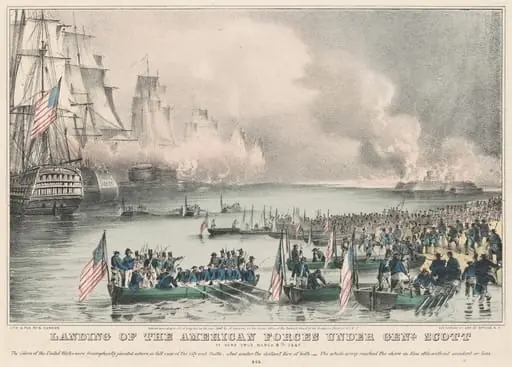 Landing of the American Forces under Genl. Scott: At Vera Cruz March 9th 1847
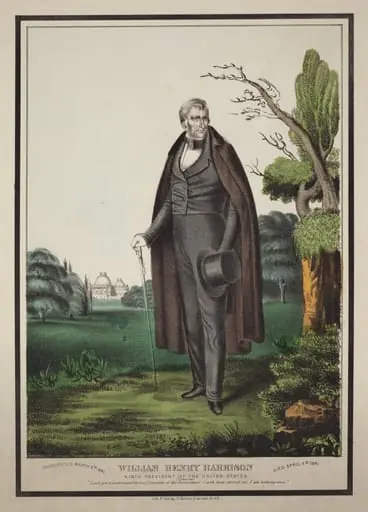 William Henry Harrison: Ninth President of the United States
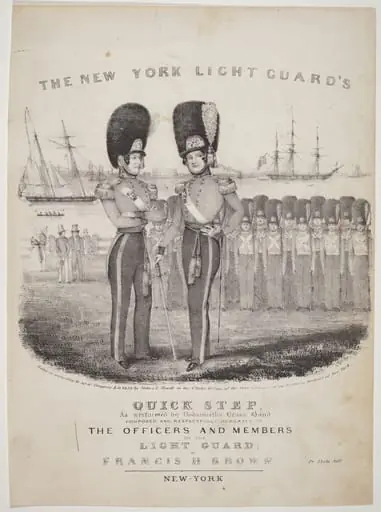 The New York Light Guard's Quick Step: As Performed by Dodworth's Brass Band. Composed and Respectfully Dedicated to the Officers and Members of the Light Guard; by Francis H. Brown