Provenance · Gift
Leo Weidenthal
This catalog gathers 15 public-domain works given to the museum by Leo Weidenthal. Every work is held by Cleveland Museum of Art.
-
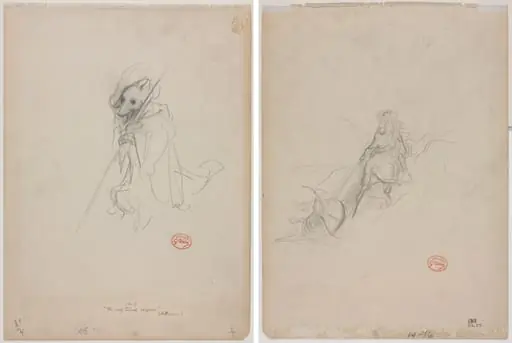 Sketch for "The Wolf Turned Shepherd" (recto) Sketch of Hunting Scene (verso)
 -
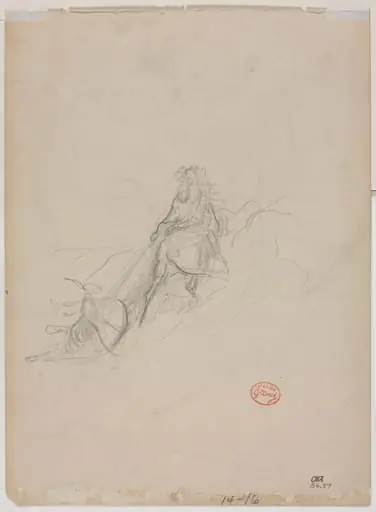 Sketch of Hunting Scene (verso)
 -
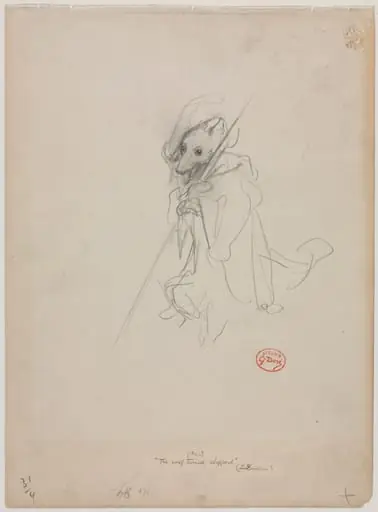 Sketch for "The Wolf Turned Shepherd" (recto)
 -
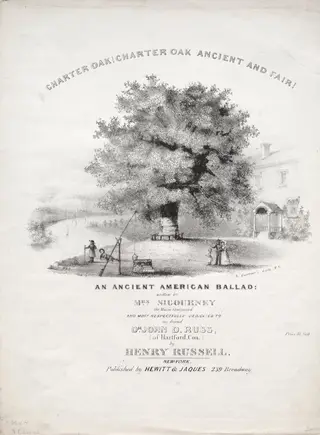 Charter Oak! Charter Oak Ancient and Fair!
 -
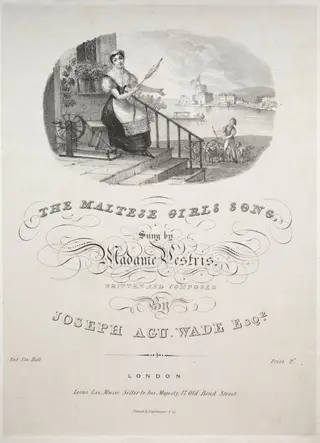 The Maltese Girls Song
 -
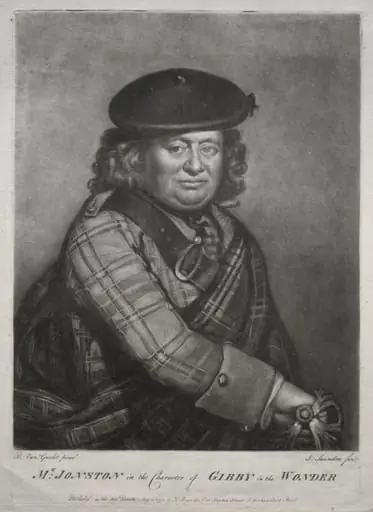 Alexander Jonston in the character of Gibby in "The Wonder"
 -
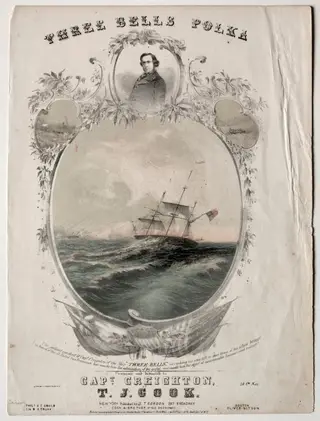 Three Bells Polka
 -
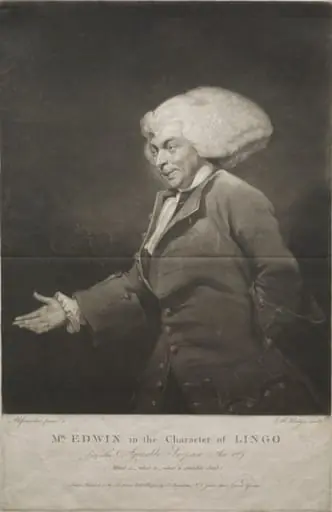 Mr. Edwin in the Character of Lingo
 -
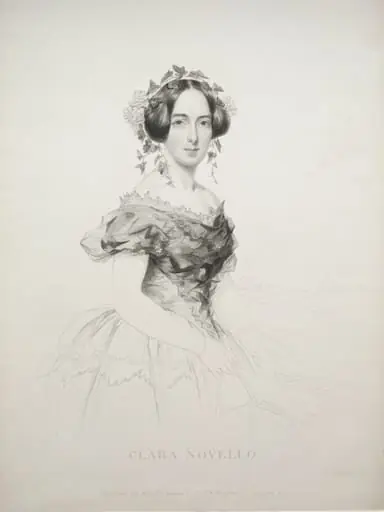 Clara Novello
 -
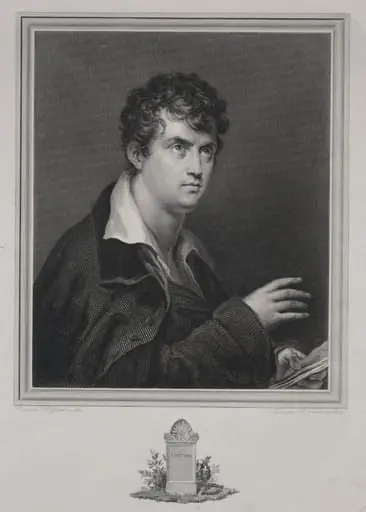 François Joseph Talma
 -
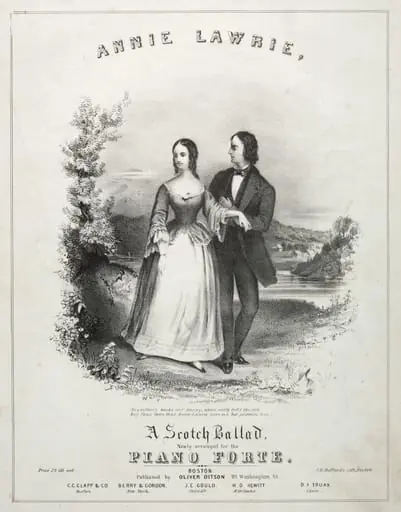 Annie Lawrie - Sheet Music Cover
 -
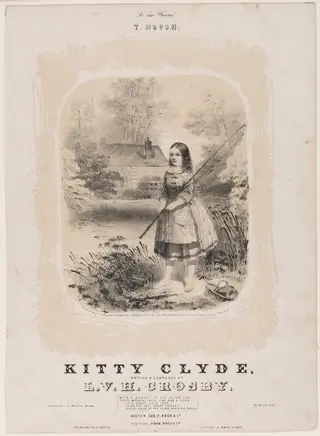 Kitty Clyde
 -
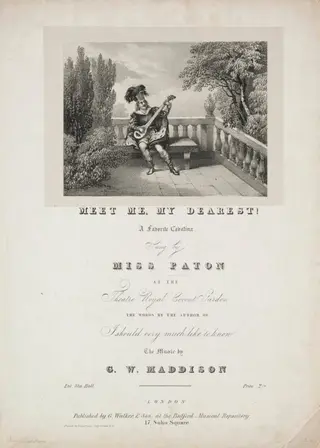 Meet Me, My Dearest!
 -
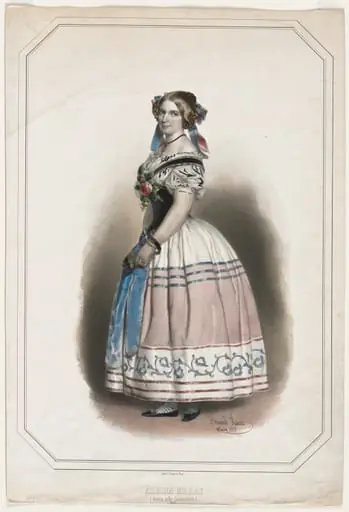 Portrait of Albina Maray
 -
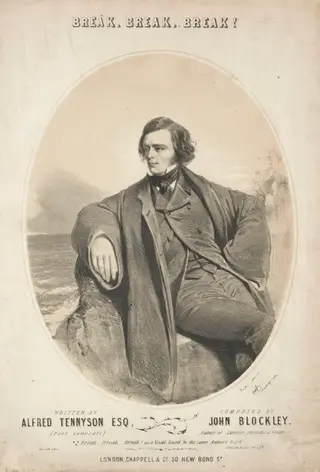 Break, Break, Break!
On provenance & the public domain
A credit line — the small "Gift of…" note beside a work on a museum wall — records its provenance: how the object passed from a private hand into a public collection, whether as an outright gift, a bequest left in a will, the purchase from a named endowment, or an entire collection acquired at once. Because these works are in the public domain, anyone can study, share, and reproduce them freely. Browsing by provenance follows the human story behind a museum's holdings — the collectors and benefactors whose generosity put these works where the public can see them.
Every work in this catalog is in the public domain; images come from the museums that hold them.