Artwork
Hl. Maria Aegyptiaca
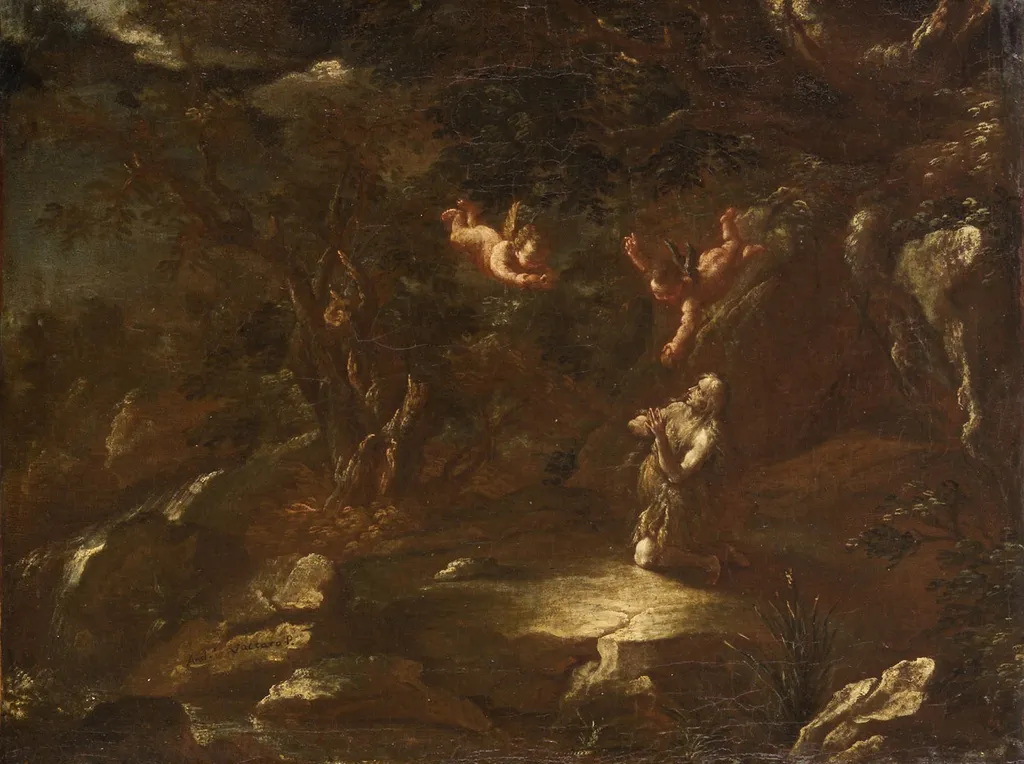
Hl. Maria Aegyptiaca is an unspecified painting by Nicola Vaccaro. It dates from 1684 and is held in the collection of the Kunsthistorisches Museum. Created circa 1684, Hl.
About this work
Subject & Meaning
The painting portrays Mary of Egypt in the company of a putto, a youthful winged figure. This pairing underscores her life story of repentance and divine grace, with the putto symbolizing both angelic guidance and the innocence she reclaimed after conversion.
Technique & Style
The composition combines a restrained tenebrism with fluid, almost sketch-like handling of drapery, particularly in the saint’s mantle and the putto’s garments.
The painting is executed in oil on canvas, a medium consistent with Nicola Vaccaro’s practice in the late seventeenth century. The composition combines a restrained tenebrism with fluid, almost sketch-like handling of drapery, particularly in the saint’s mantle and the putto’s garments. Figures are modeled with soft transitions rather than sharp chiaroscuro, suggesting the influence of Venetian colorito tempered by Neapolitan naturalism.
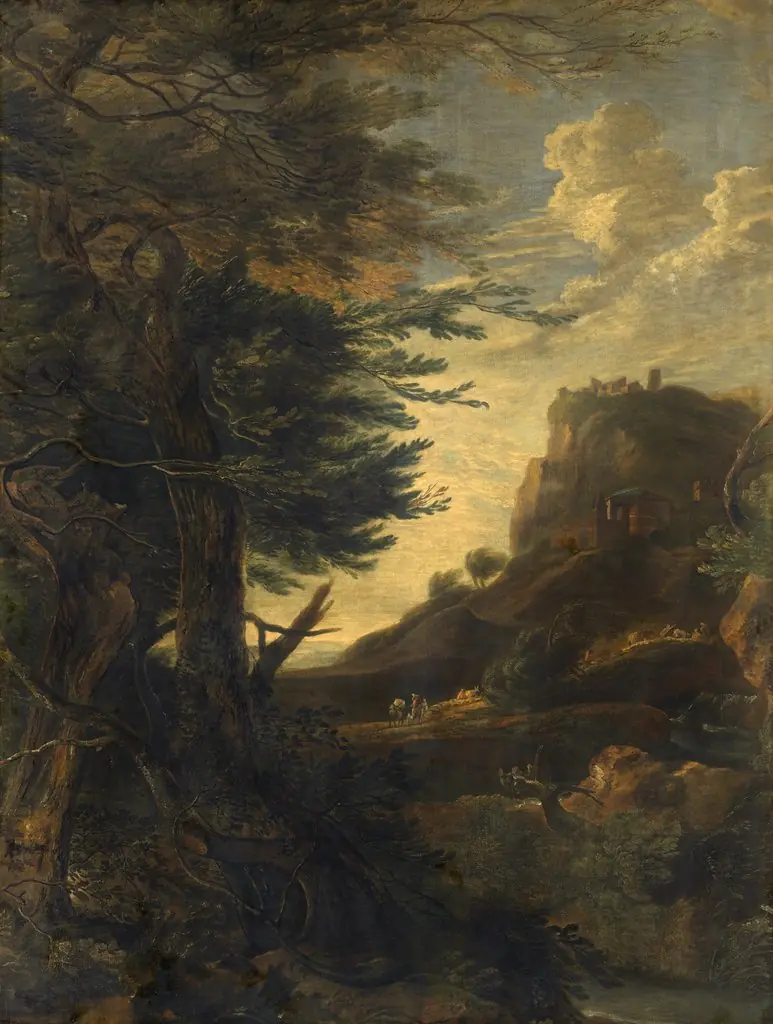
The palette is dominated by warm ochres and umbers, enlivened by cooler accents in the putto’s blue drapery and the gold trim of the saint’s belt. Linear definition remains secondary to atmospheric recession, with the background landscape dissolving into muted tonalities that focus attention on the central pair.
Context
The painting Hl. Maria Aegyptiaca by Nicola Vaccaro depicts Mary of Egypt with a putto and is classified as religious art. It is housed in the Kunsthistorisches Museum, which holds the work in its collection.
The artwork measures 45.5 cm in height and 59 cm in width. Scholarly attention to Vaccaro's religious subjects highlights his contribution to devotional painting in the early Baroque period, situating this piece within broader discussions of Counter-Reformation imagery and the portrayal of female saints in Counter-Reformation contexts.
Legacy
Hl. Maria Aegyptiaca exerted limited documented influence on later artistic discourse, with its reception primarily confined to scholarly catalogues rather than broader cultural impact. The painting's legacy is chiefly preserved through its inclusion in museum inventories, notably within the collection of the Kunsthistorisches Museum, where it remains part of the institutional record of 17th-century religious art.
Its subject matter, depicting Mary of Egypt alongside a putto, aligns with Counter-Reformation iconography, though no evidence suggests it inspired significant stylistic or thematic developments beyond contemporary ecclesiastical contexts. The work's attribution to Nicola Vaccaro and its religious genre have been consistently recorded in provenance studies, reinforcing its niche reputation among specialized art historical scholarship.
Overview
Created circa 1684, Hl. Maria Aegyptiaca is an oil painting by the Neapolitan artist Nicola Vaccaro. The work belongs to the collection of the Kunsthistorisches Museum and illustrates Vaccaro’s focus on figurative composition within the late‑Baroque milieu of Naples.
History & Provenance
The painting was produced during Vaccaro’s mature phase, when he was active as a painter, theatre director, and opera librettist in Naples. It later entered the holdings of the Kunsthistorisches Museum, where it remains on display as part of the museum’s Baroque collection.
Artist & collection
Artist
Nicola Vaccaro (Naples, 13 March 1640 – Naples, 25 May 1709) was an Italian painter, theatre director and opera librettist in Naples.

- Paisaje con ermitaños
 Extensive forest landscape with St. Stanisław Kostka
 Landscape with the Flight into Egypt
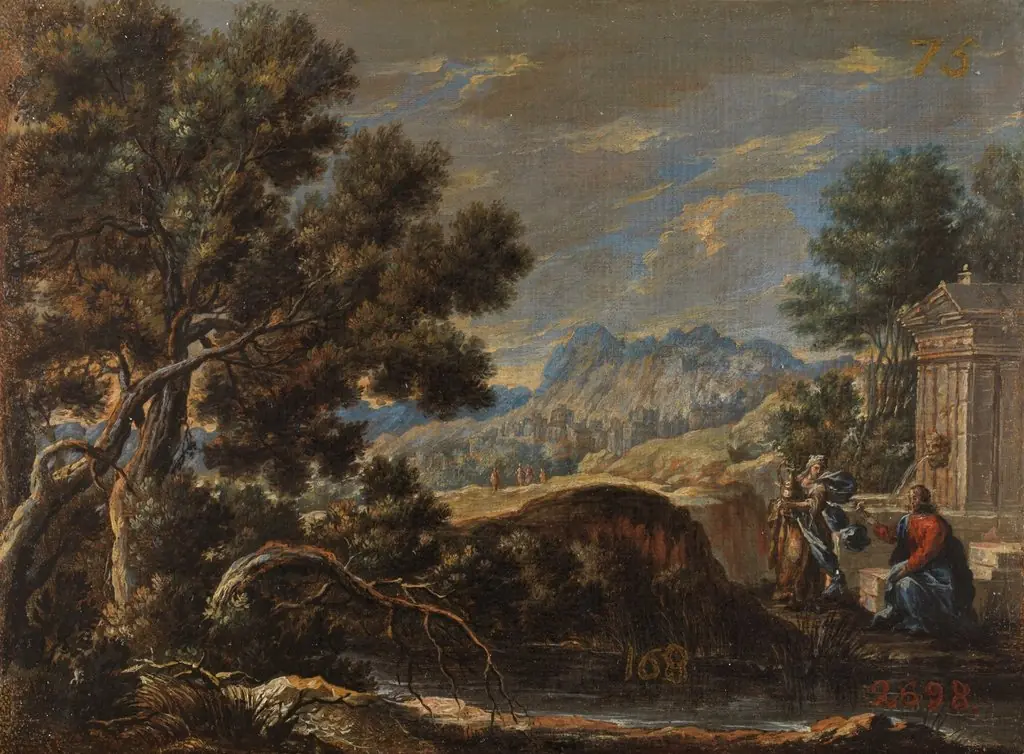 Cristo y la samaritana en un paisaje
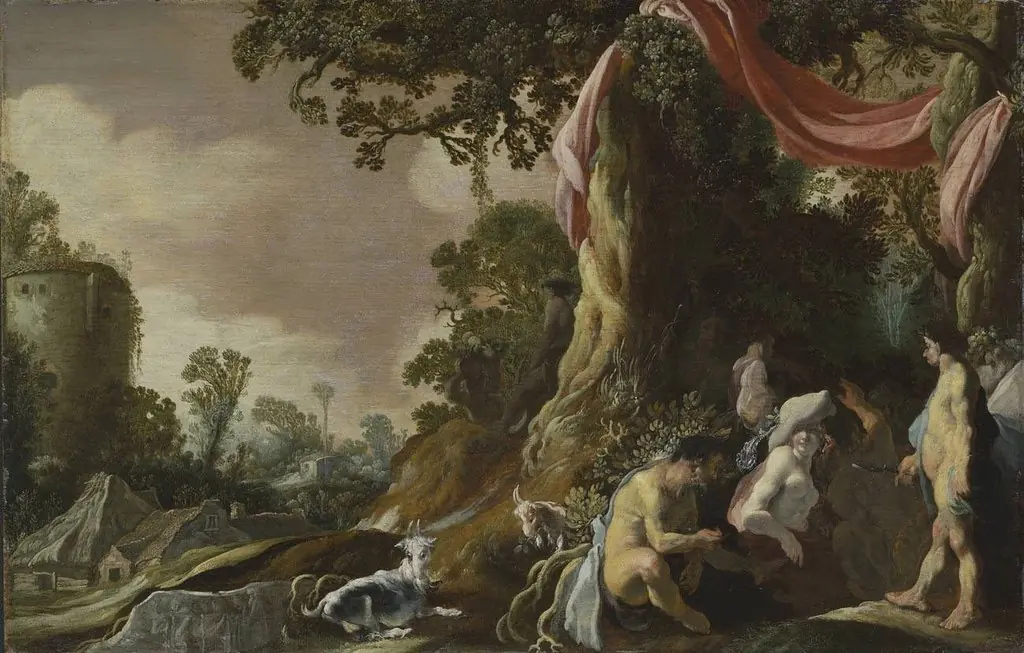 Bucolic scene (shepherd scene ?)
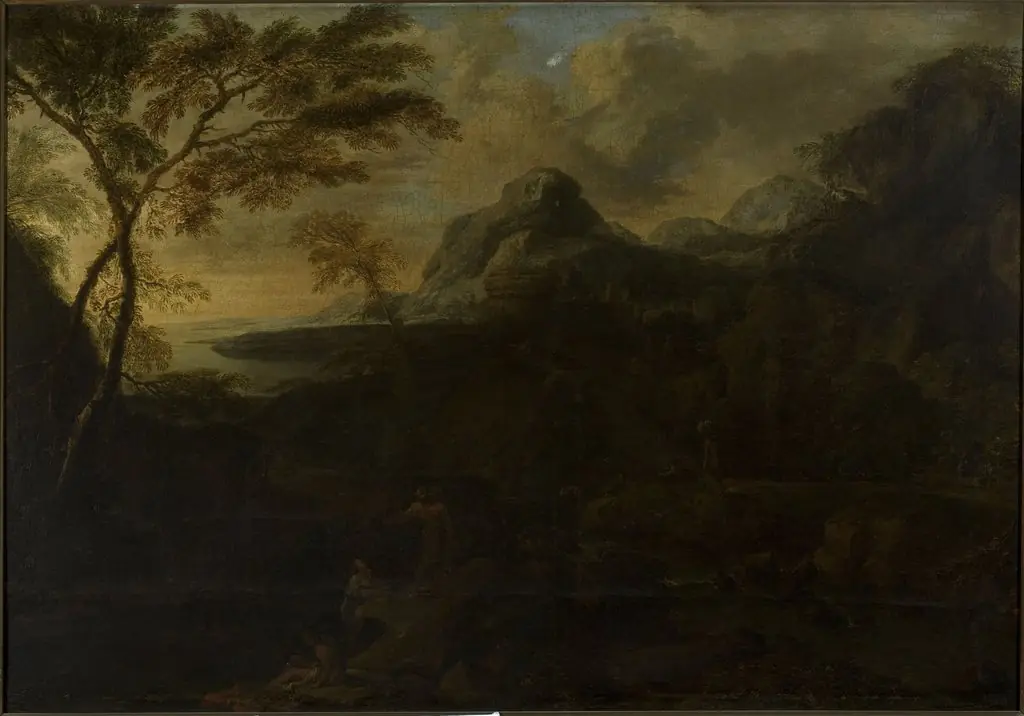 Landscape with figures at the lakeside
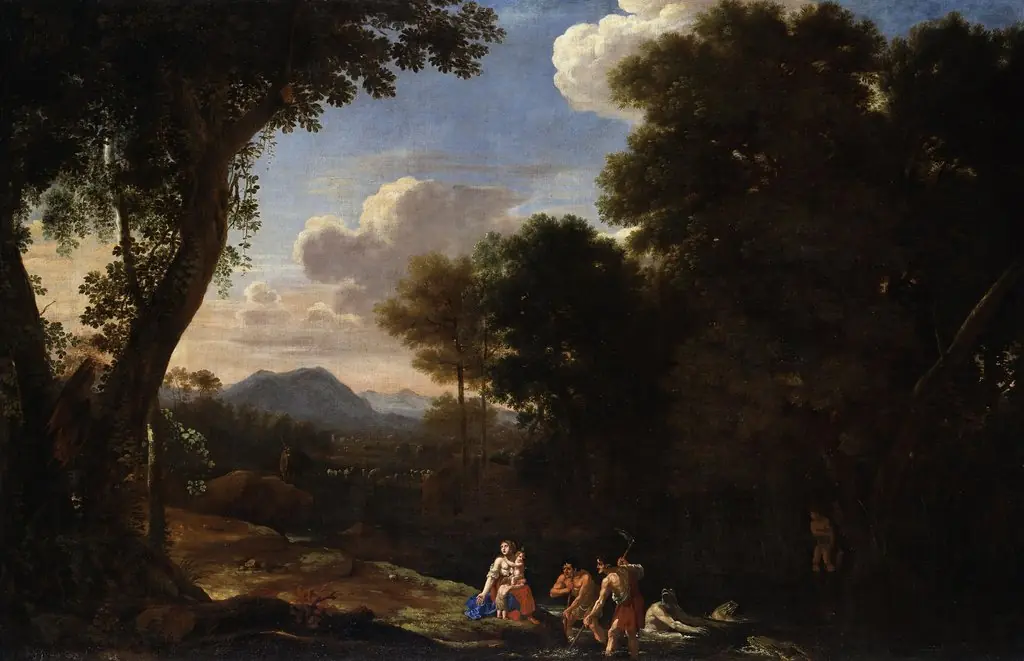 An Italian Landscape with Staffage from the Latona Story
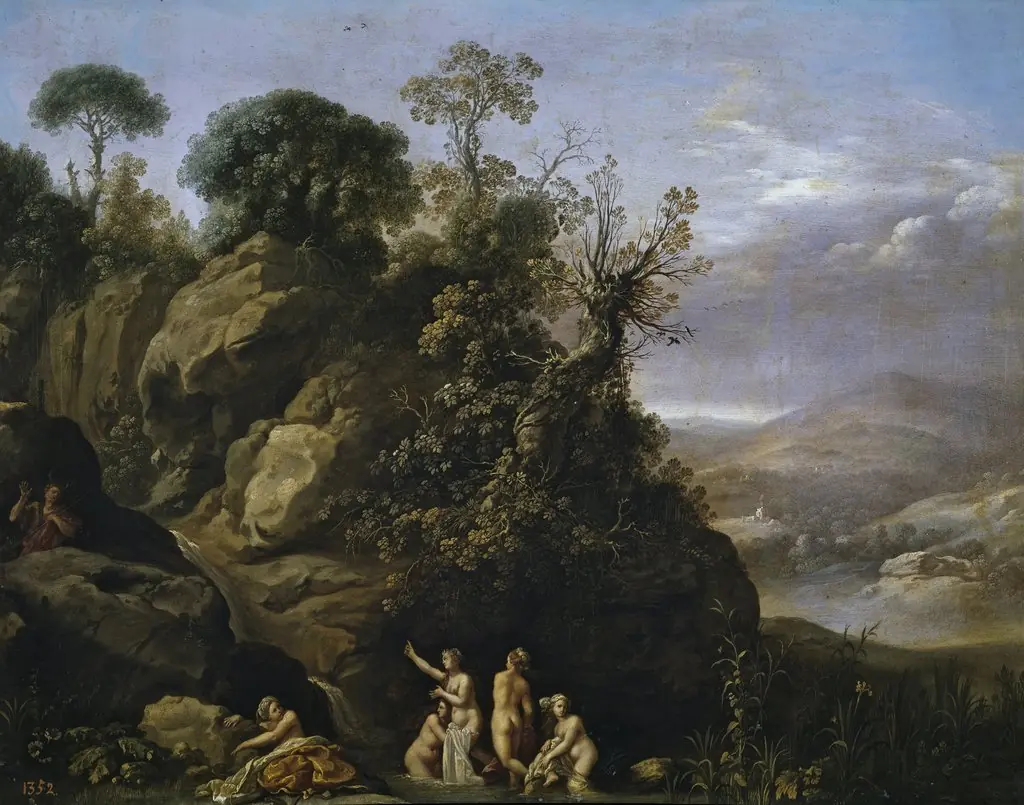 Diana bathing with her Nymphs
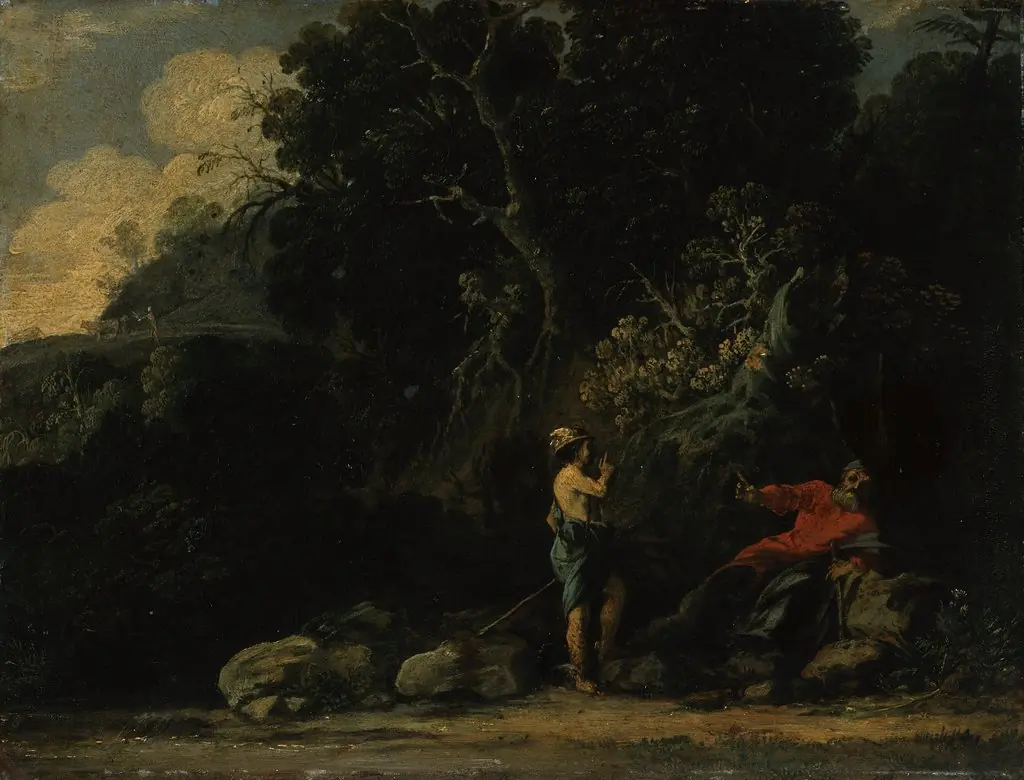 Forest Landscape with Mercury and Battus
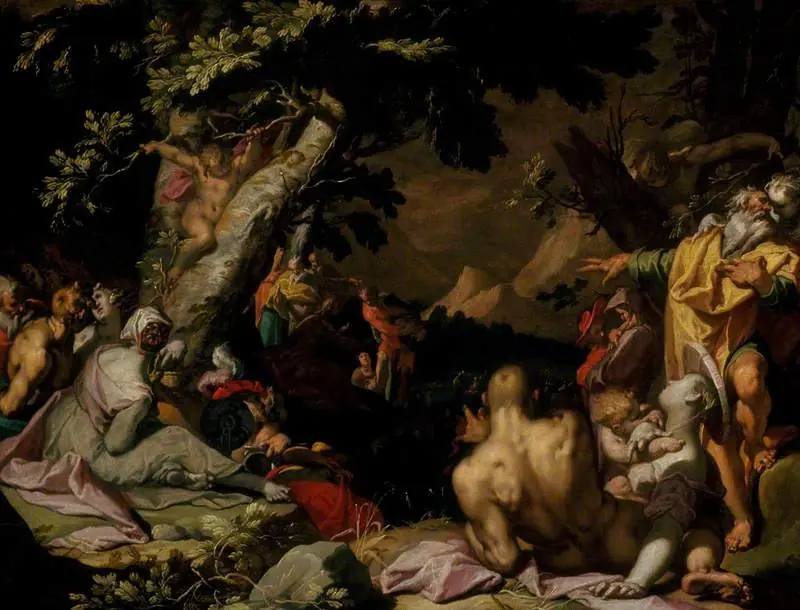 Miracle of the loaves (Jesus feeds the five thousand)
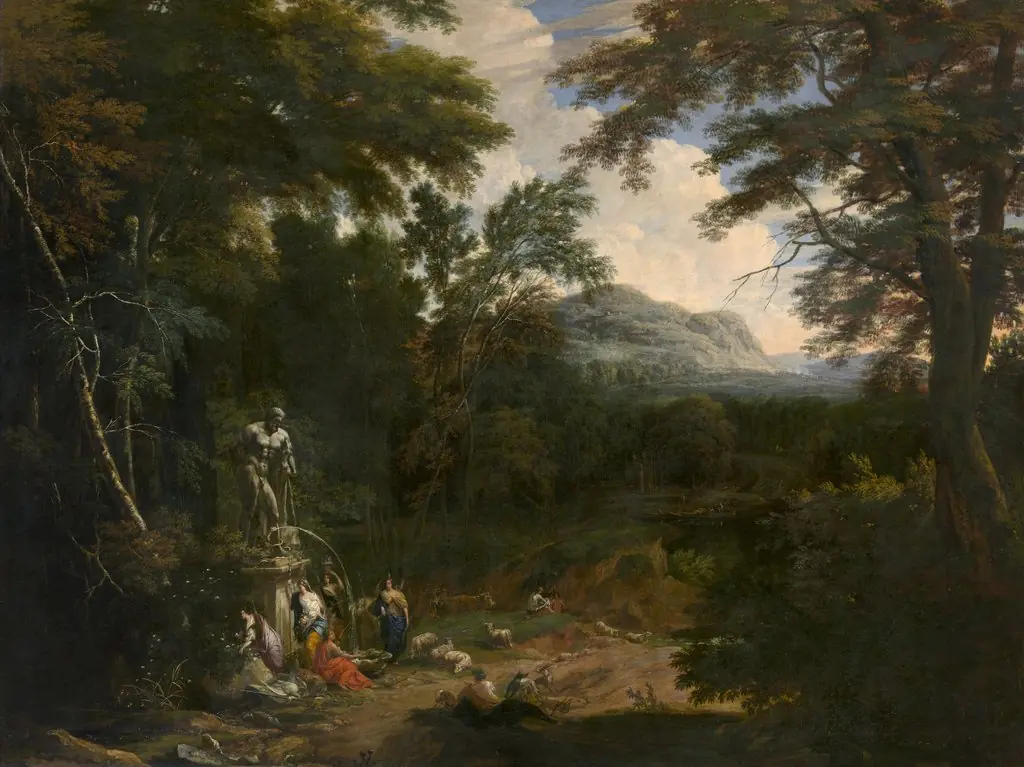 Landscape
 Landscape