Period
Baroque
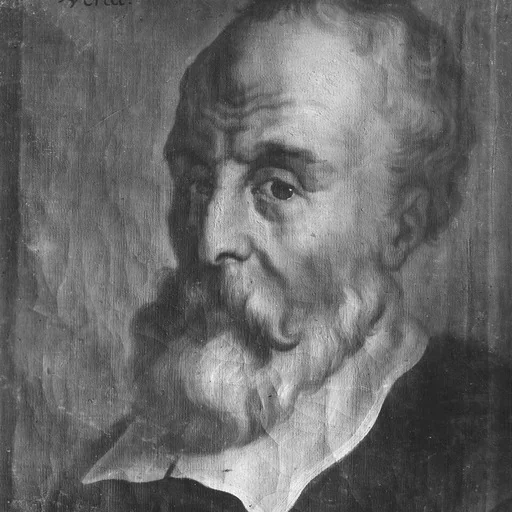
Baroque is an art period of the 1590–1750 period. The gallery holds 27,982 works in this period, including works by Paolo Veronese, Georges de La Tour and Johannes Vermeer.
The Baroque emerged in Rome around 1600 and dominated European art for roughly a century and a half. Its rise is inseparable from the Catholic Counter-Reformation: the Council of Trent (1545–63) had called for art that was clear, decorous, and emotionally persuasive, capable of stirring the faith of ordinary worshippers against the spreading challenge of Protestantism. Eager to reassert Rome as a holy capital, the papacy launched vast campaigns of building and decoration, and a new visual language of drama, immediacy, and sensuous grandeur took shape to serve them. From Italy the style spread across Catholic Europe and, in altered secular form, into the Protestant Dutch Republic.
What unites Baroque art is the pursuit of movement, theatre, and direct emotional impact. Artists favoured dynamic diagonals, bold gestures, and dramatic contrasts of light and shadow over the balanced calm of the Renaissance. The decisive technical innovation was Caravaggio's tenebrism—an extreme chiaroscuro in which figures emerge from deep darkness under sharp shafts of light, heightening both realism and drama. His Calling of Saint Matthew and Martyrdom of Saint Matthew (1599–1600), painted for Rome's Contarelli Chapel, made him the most talked-about painter in the city and seeded a Europe-wide following of "Caravaggisti."
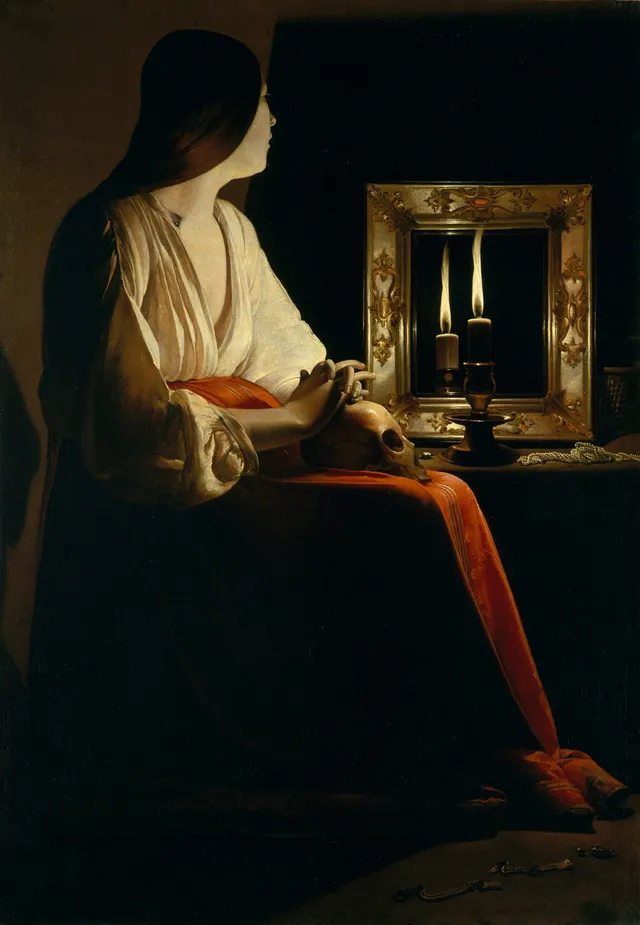
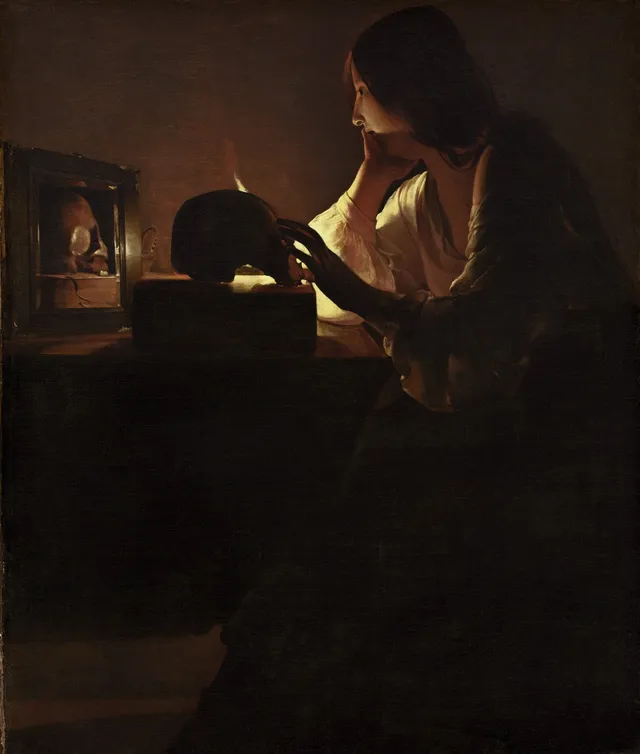
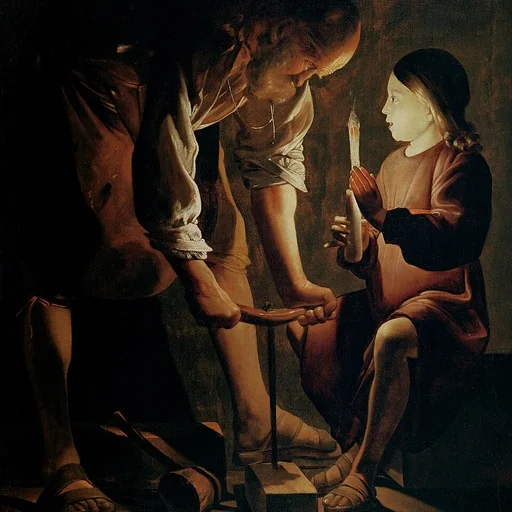
The period's canonical figures span its range. The sculptor and architect Gian Lorenzo Bernini gave Rome its definitive Baroque face; Peter Paul Rubens carried exuberant, full-blooded composition across Flanders and the courts of Europe; Diego Velázquez served the Spanish crown; and Rembrandt van Rijn turned chiaroscuro to unmatched psychological depth in works such as The Night Watch (1642). The candlelit religious scenes of the French painter Georges de La Tour (1593–1652), represented in this collection by The Penitent Magdalen, distil Caravaggio's lessons into still, meditative silence.
In the Protestant Dutch Republic the same era produced the Dutch Golden Age, where artists turned from altarpieces to everyday life—Johannes Vermeer's luminous interiors, the immaculate still lifes of Willem Claesz Heda's Banquet Piece with Mince Pie, and architectural views like Emanuel de Witte's church interiors. Spanish naturalism appears here in Bartolomé Esteban Murillo's Two Women at a Window. By around 1720 the Baroque's gravity softened into the lighter, decorative Rococo born in Paris, even as its command of light, motion, and emotion shaped European art for generations.
Key artists
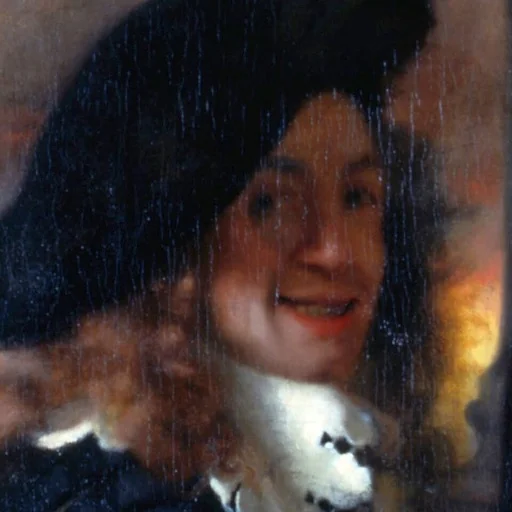
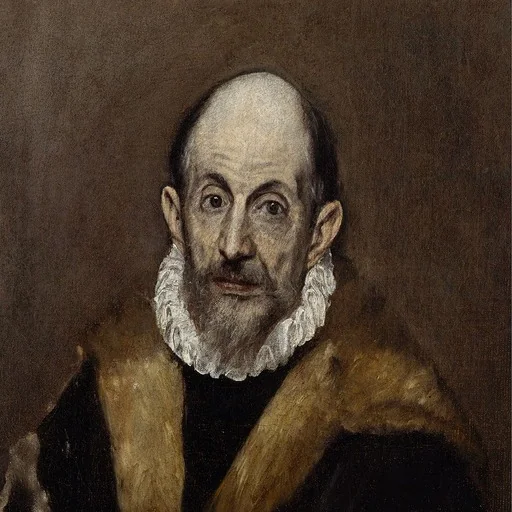
Works
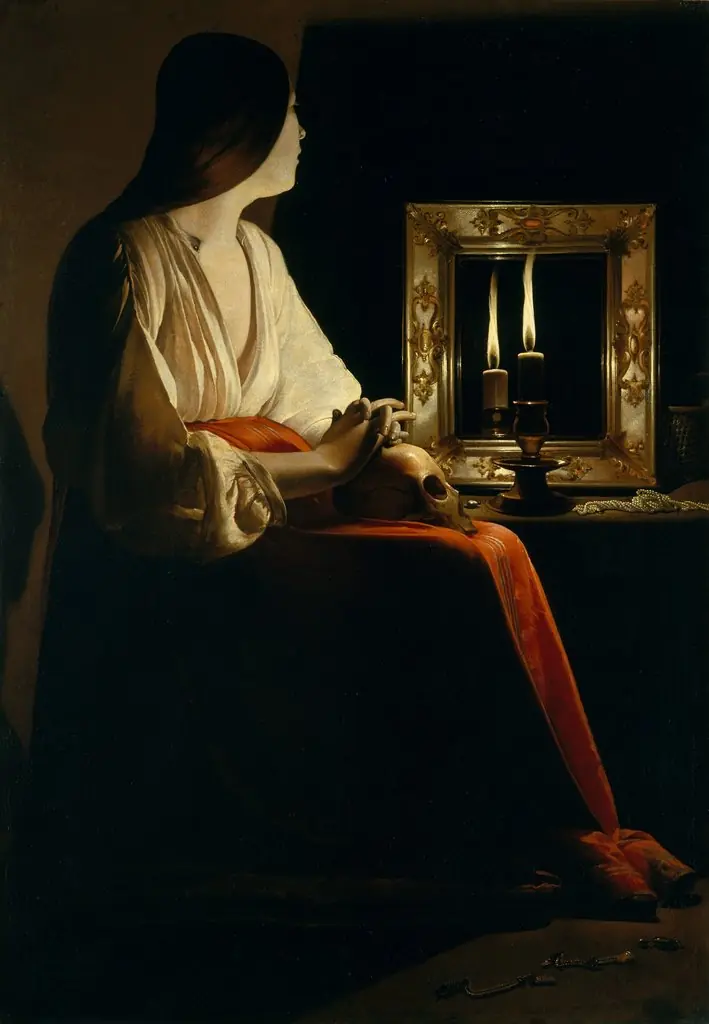 The Penitent Magdalen
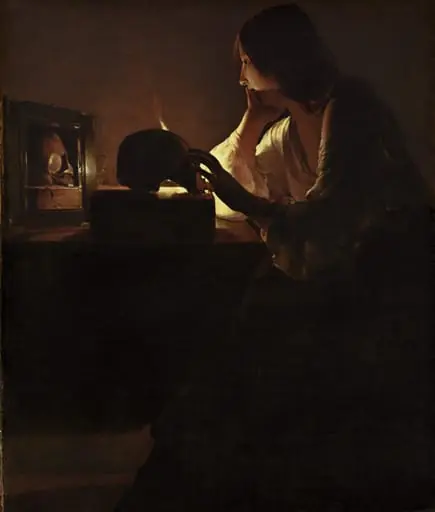 The Repentant Magdalen
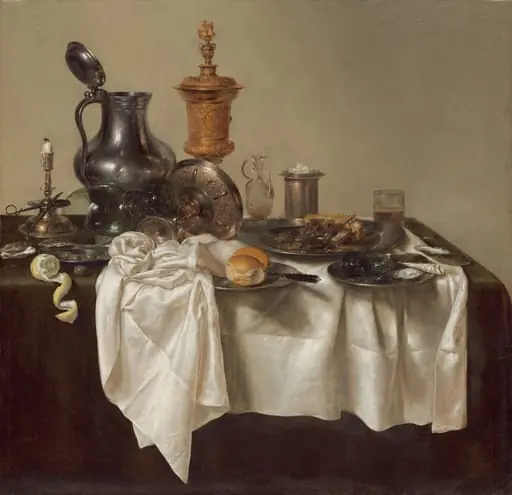 Banquet Piece with Mince Pie
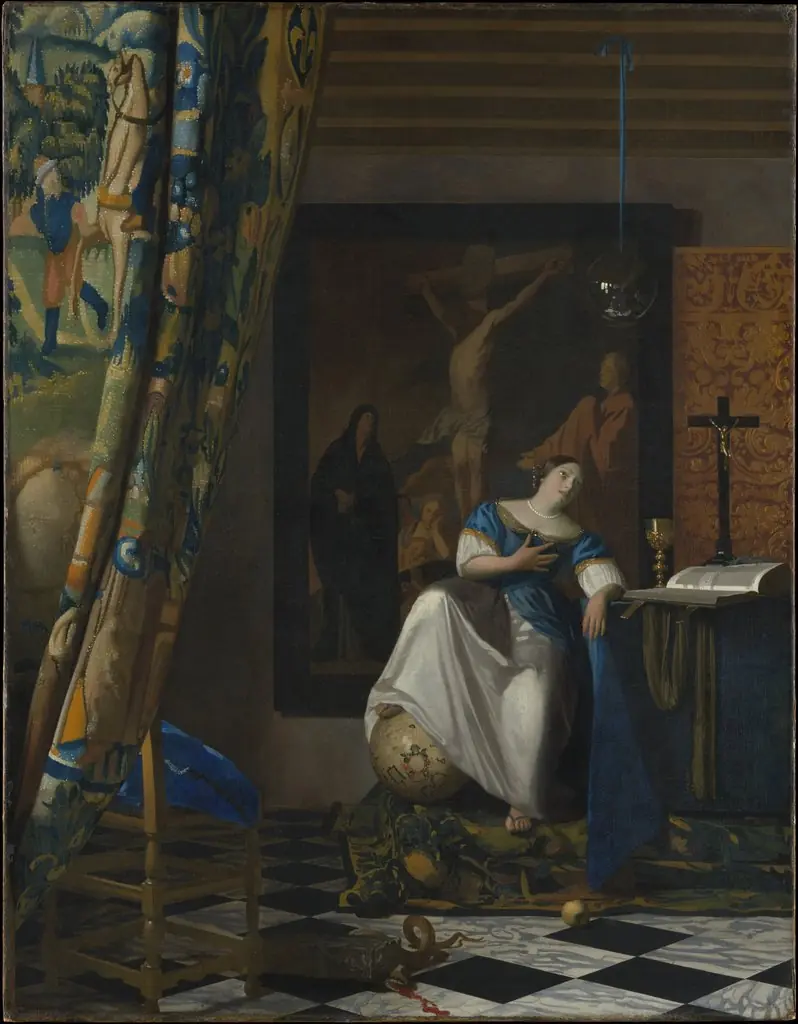 Allegory of the Catholic Faith
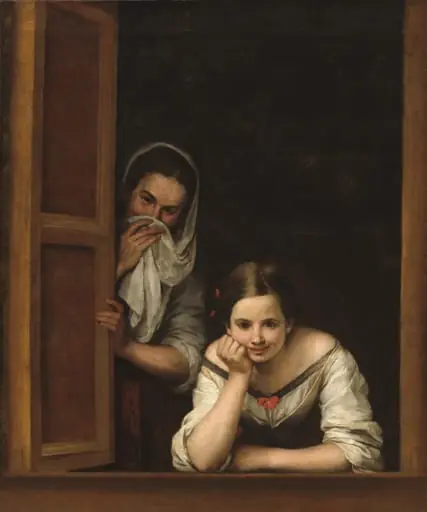 Two Women at a Window
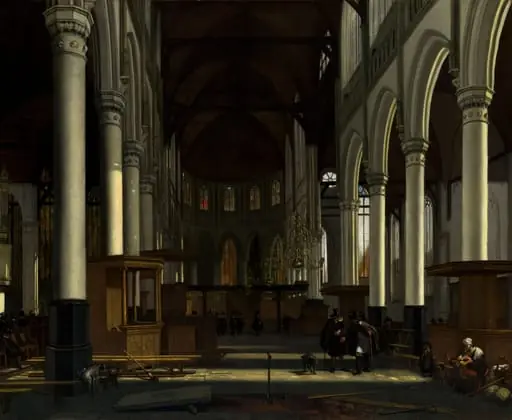 The Interior of the Oude Kerk, Amsterdam
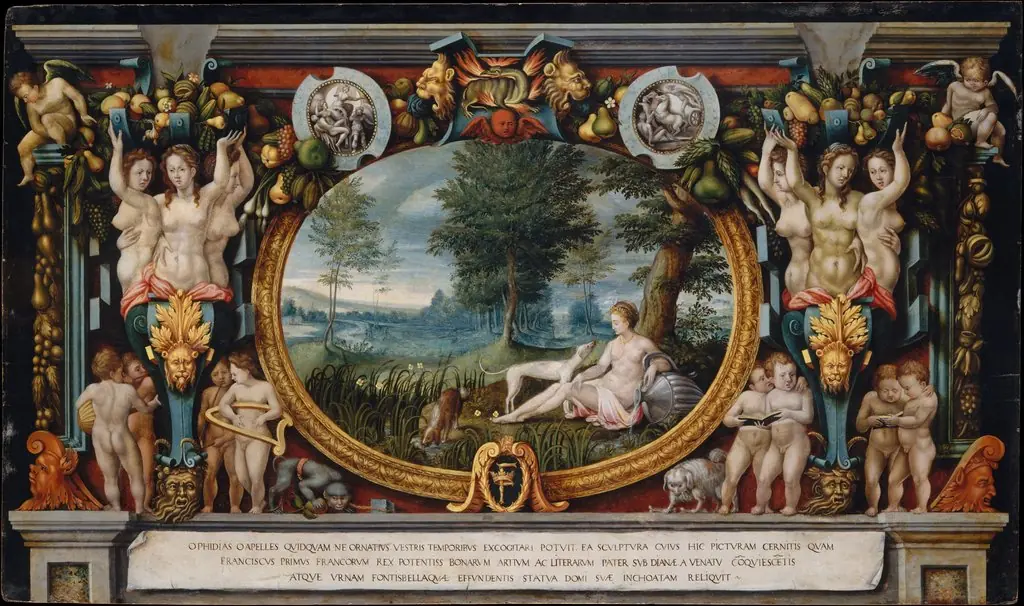 The Nymph of Fontainebleau
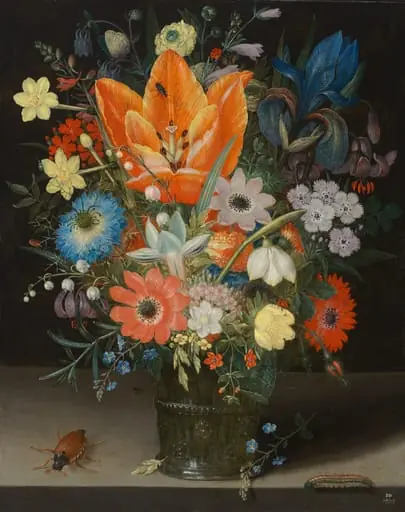 Still Life with Iris
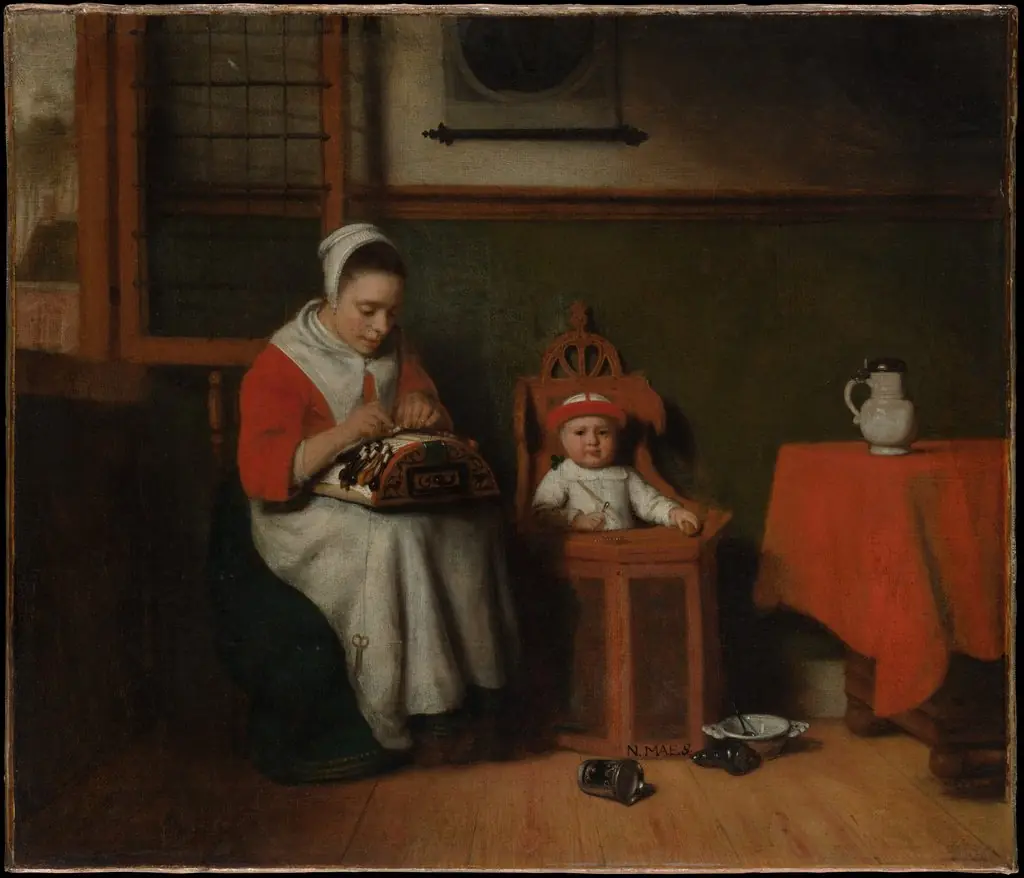 The Lacemaker
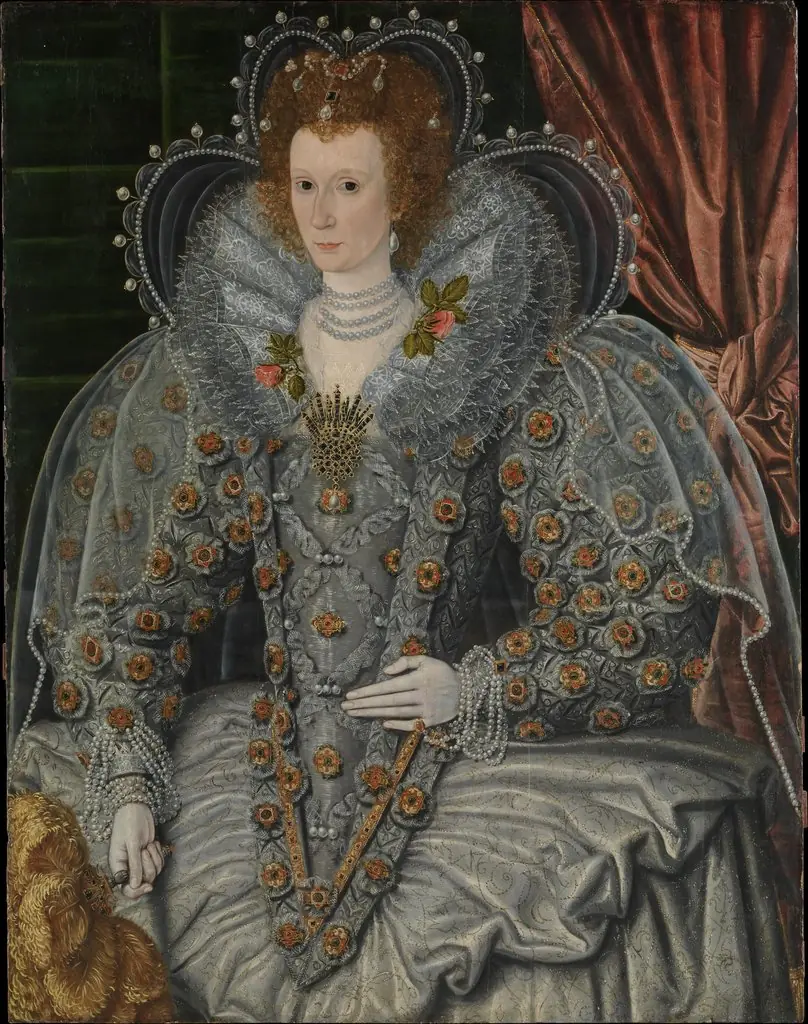 Portrait of a Woman
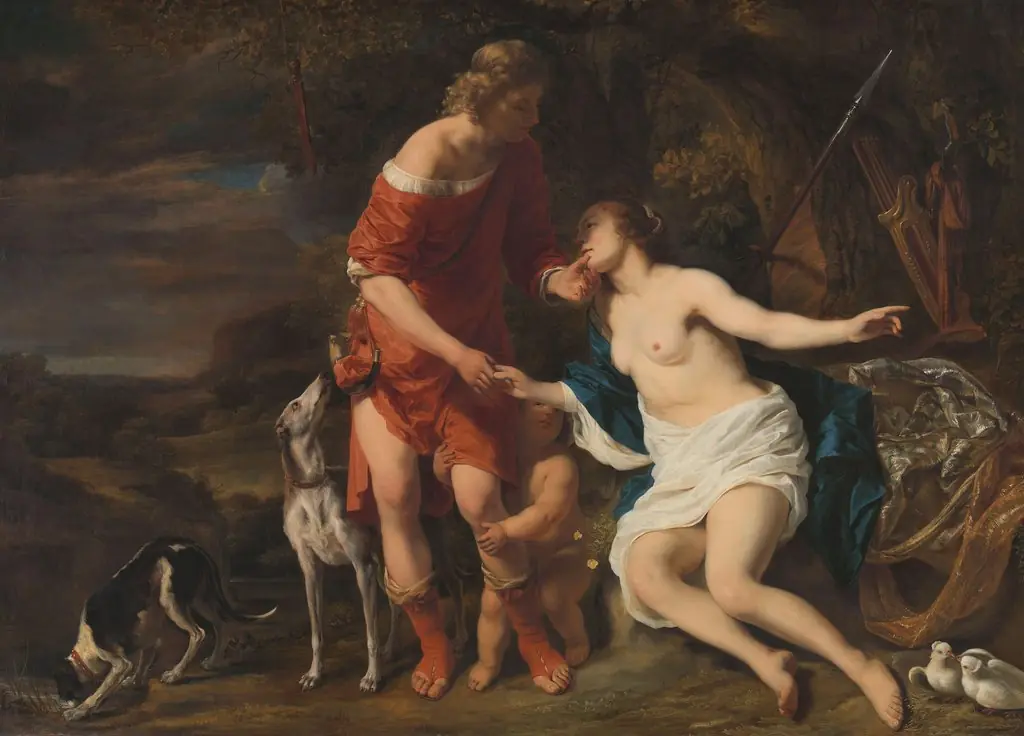 Venus and Adonis
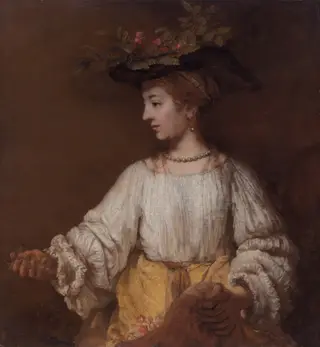 Flora
Flora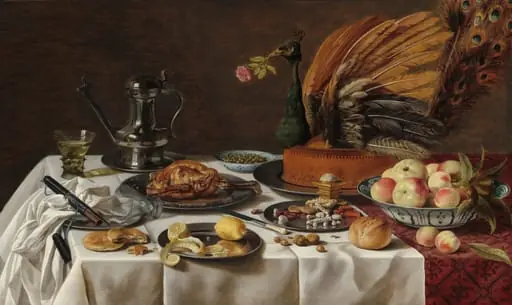 Still Life with Peacock Pie
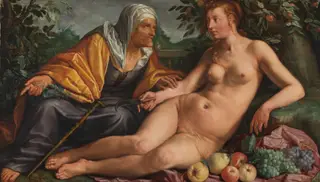 Vertumnus and Pomona
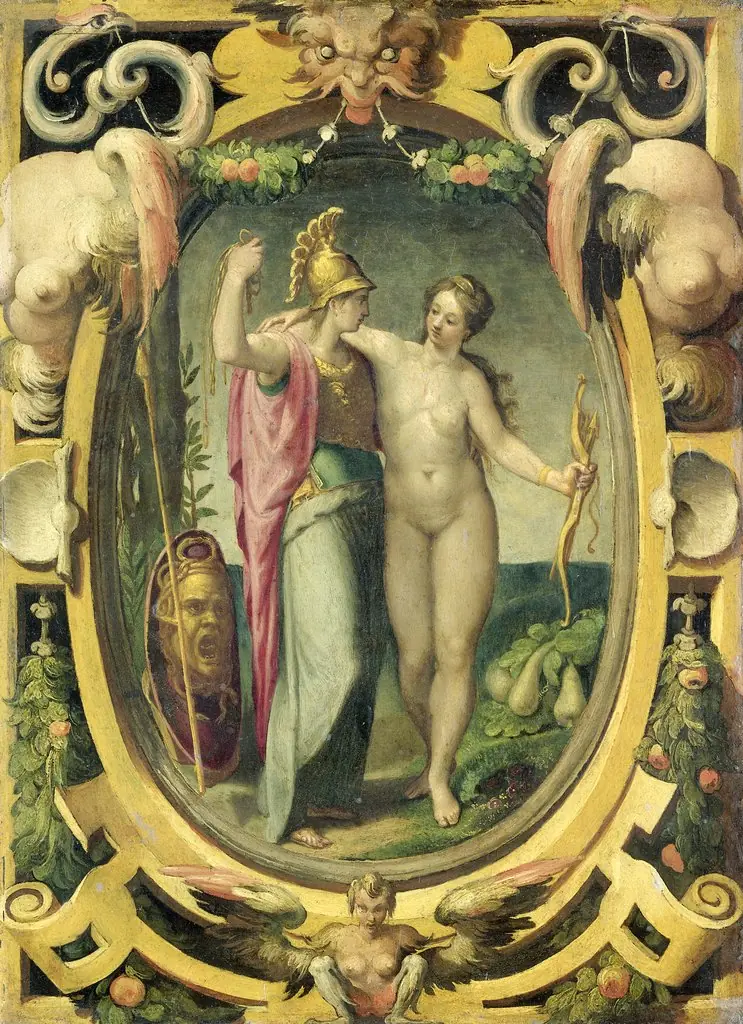 Venus and Minerva
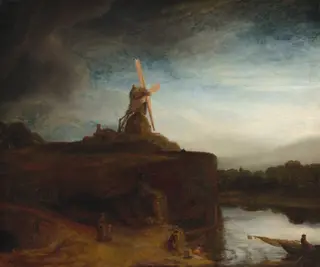 The Mill
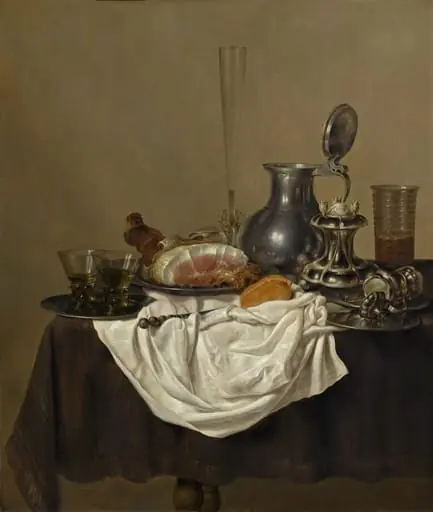 Still Life with Ham
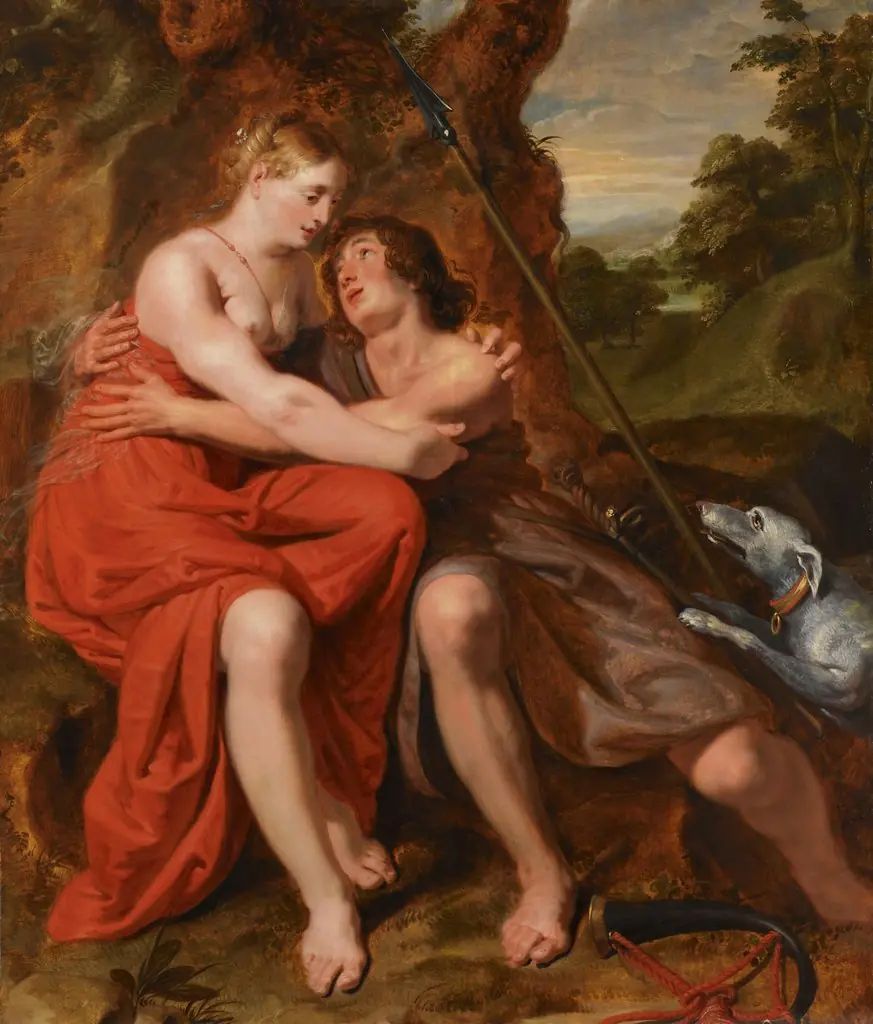 Venus and Adonis
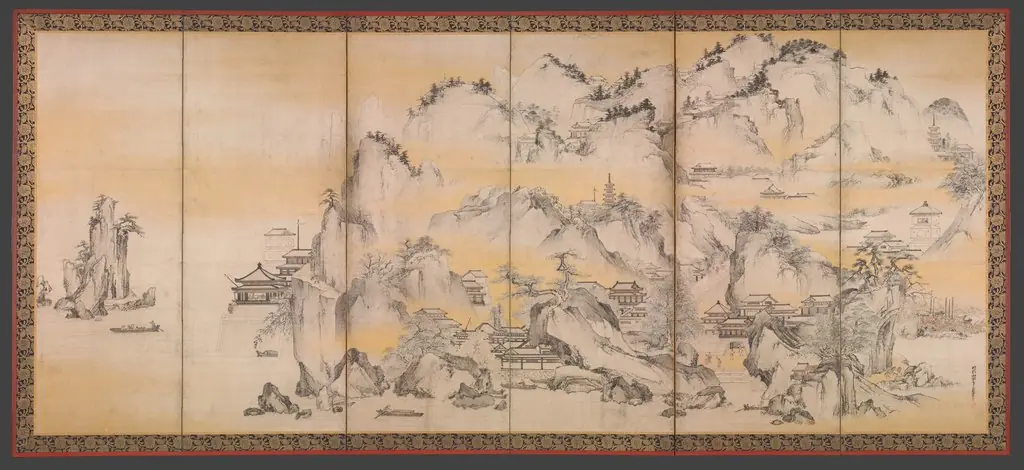 Jinshan Island and West Lake
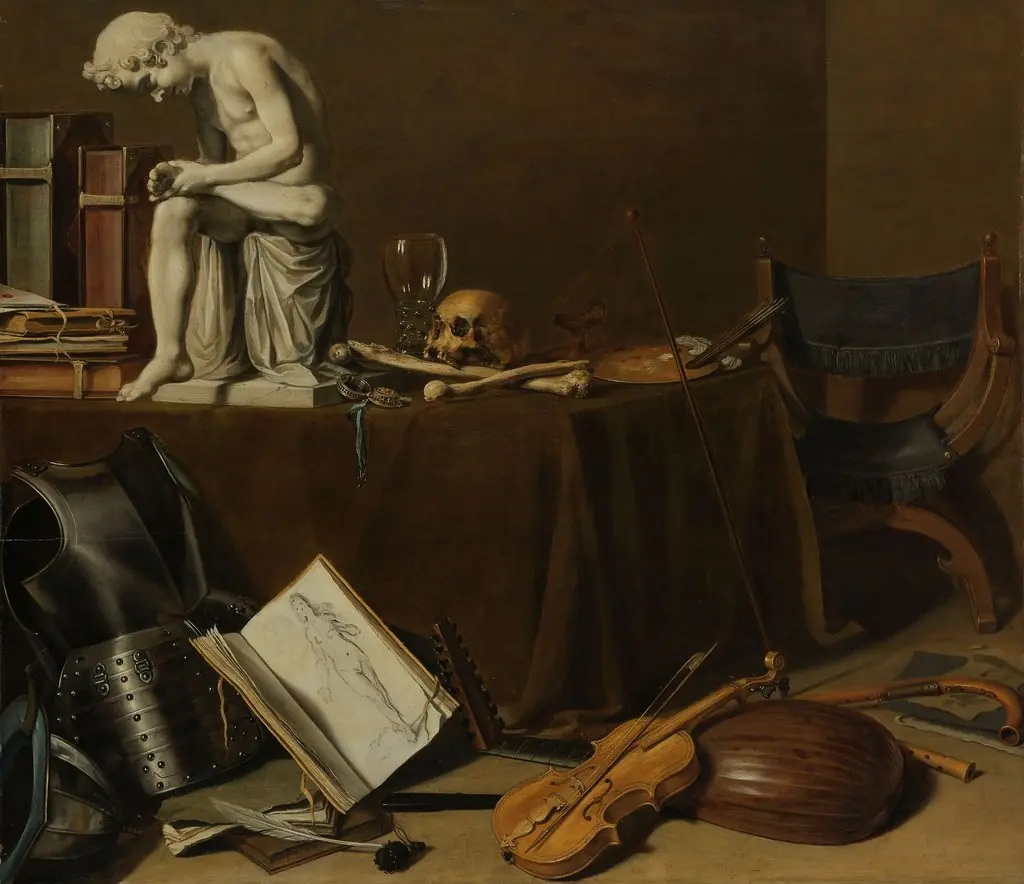 Vanitas Still Life with the Spinario
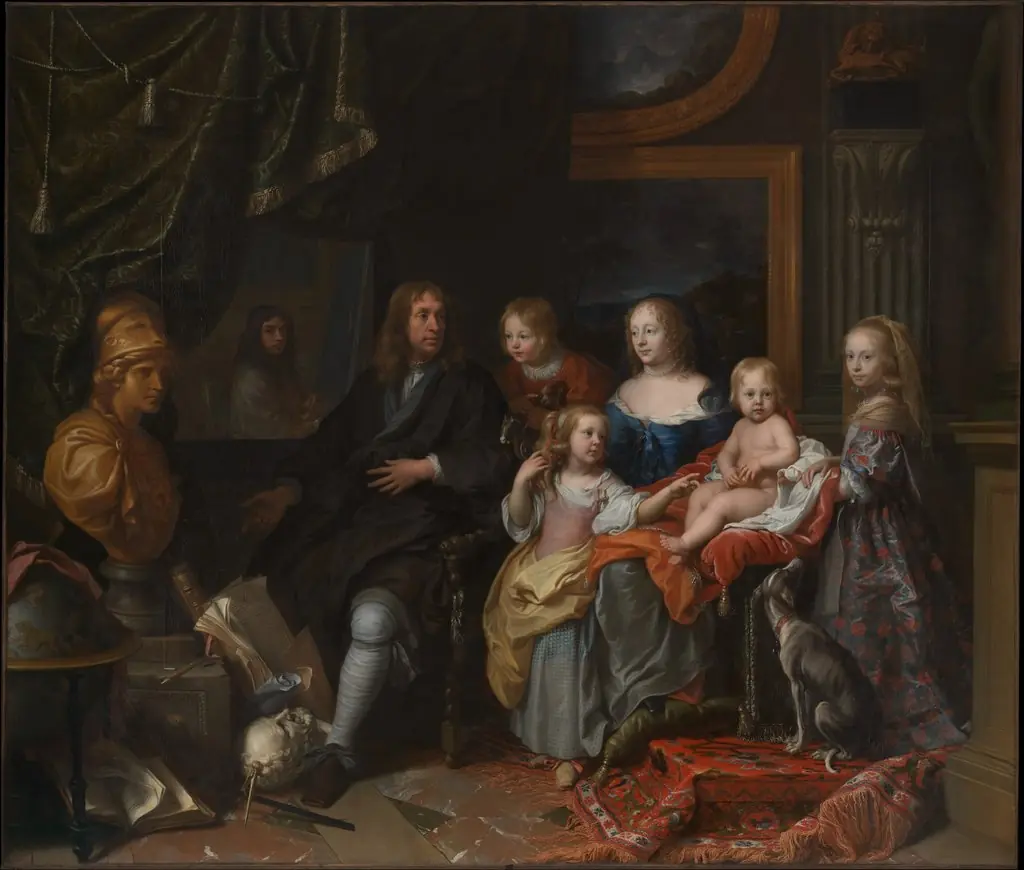 Everhard Jabach (1618–1695) and His Family
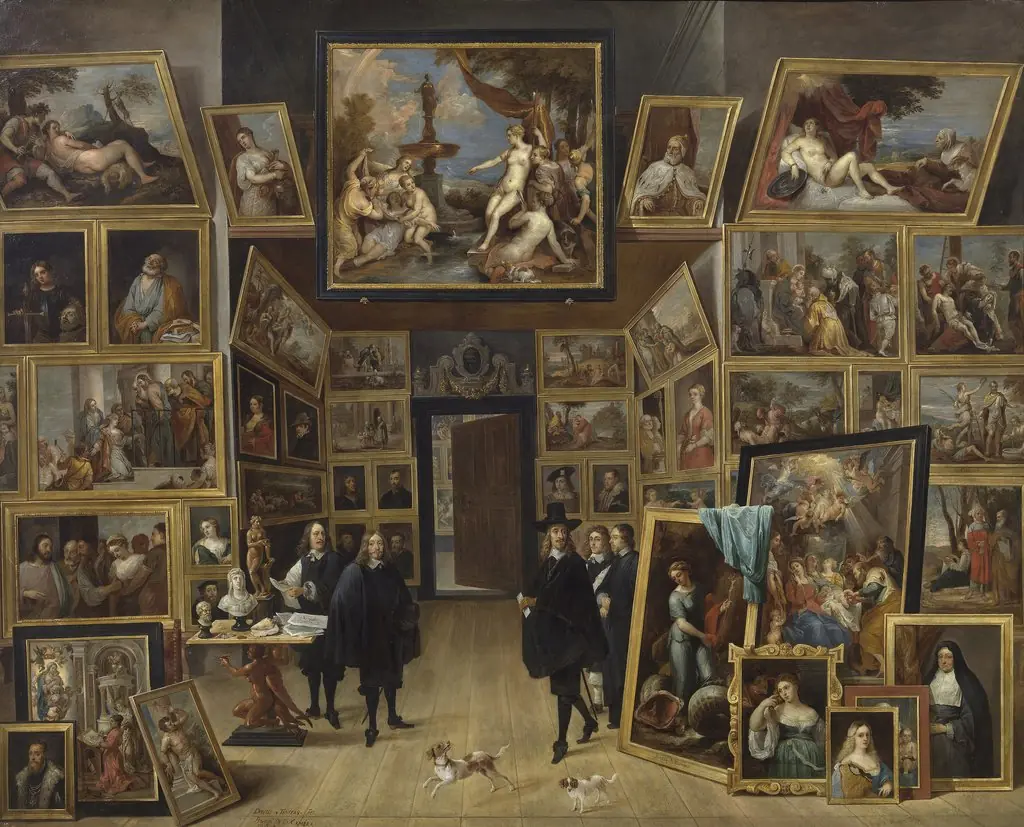 Archduke Leopold Wilhelm in his Gallery
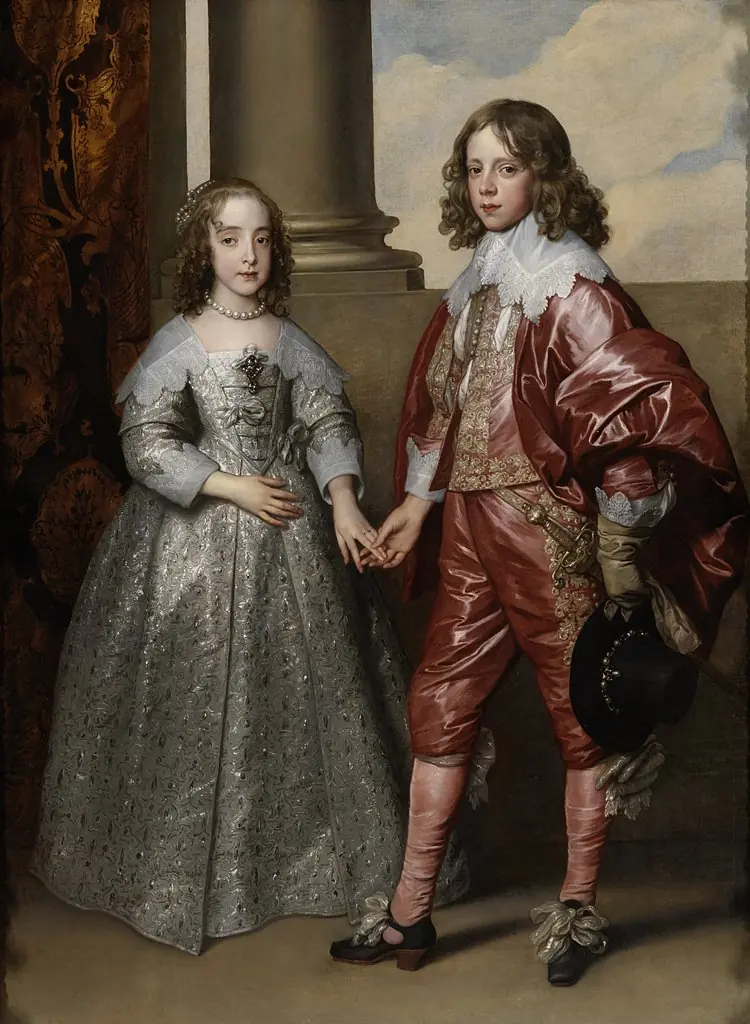 William II, Prince of Orange, and his Bride, Mary Stuart
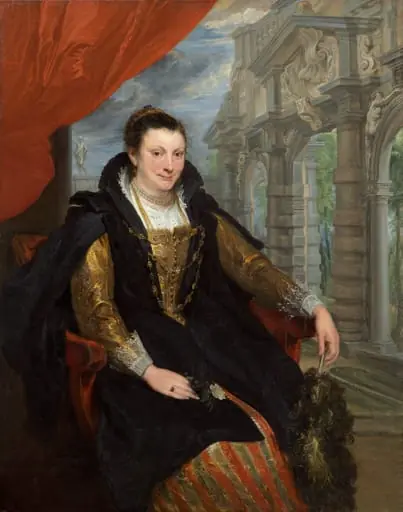 Isabella Brant
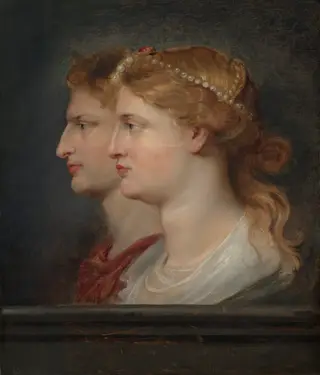 Agrippina and Germanicus
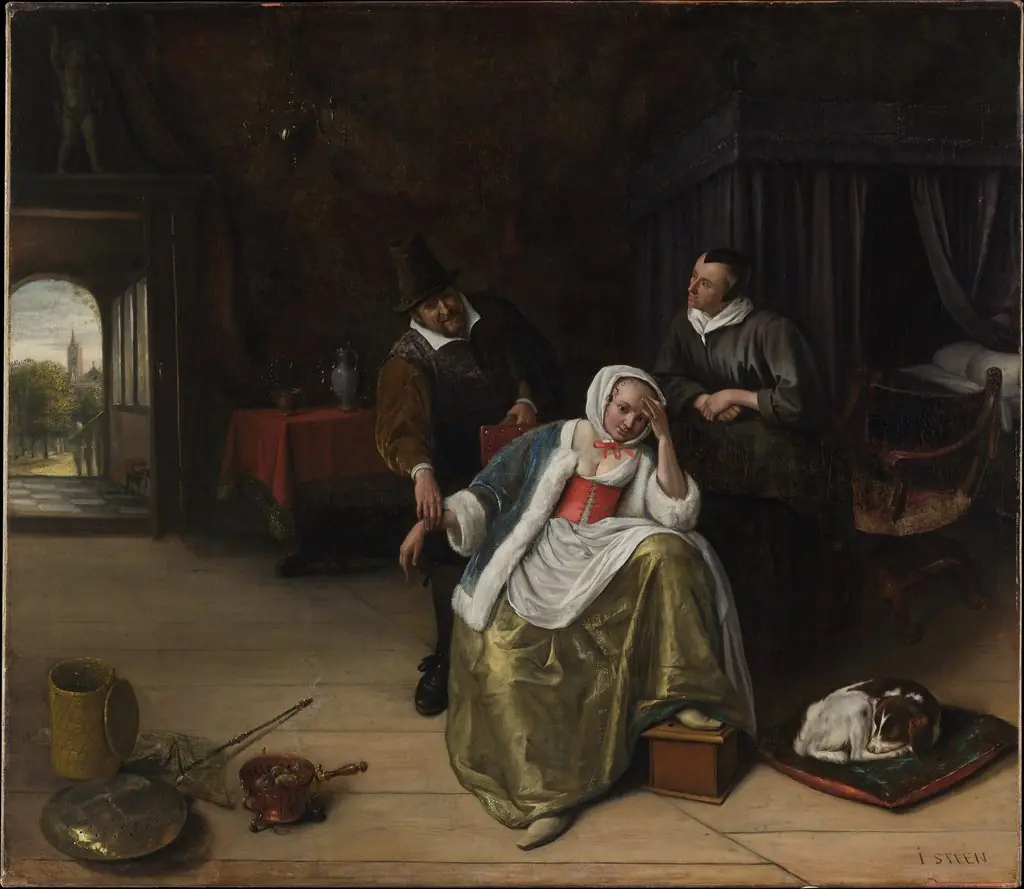 Paintings of physicians by Jan Steen
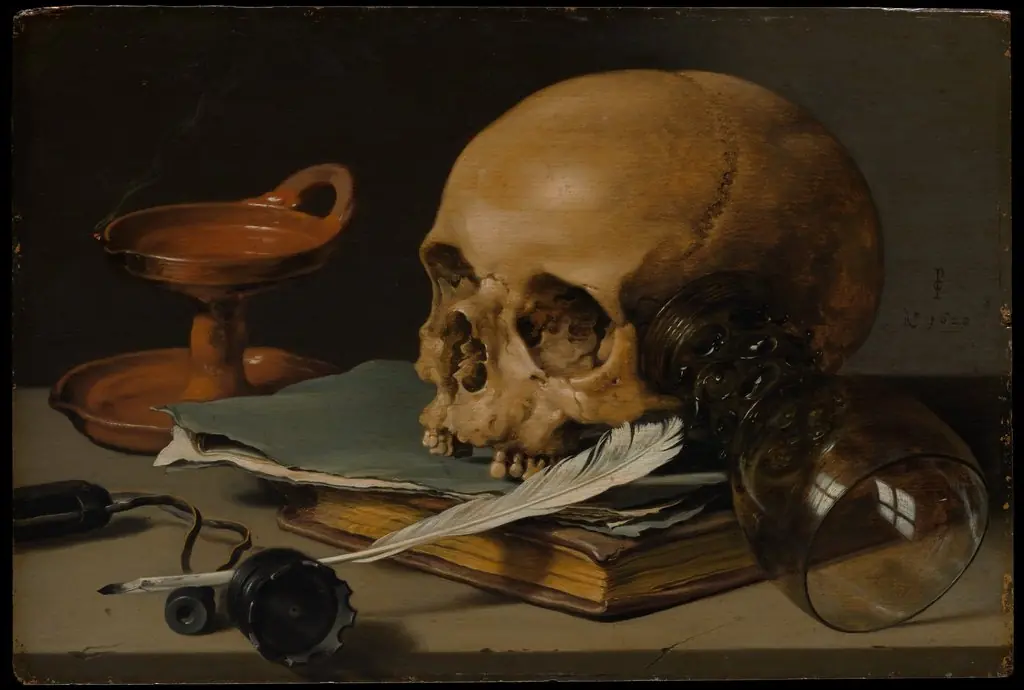 Still Life with a Skull and a Writing Quill
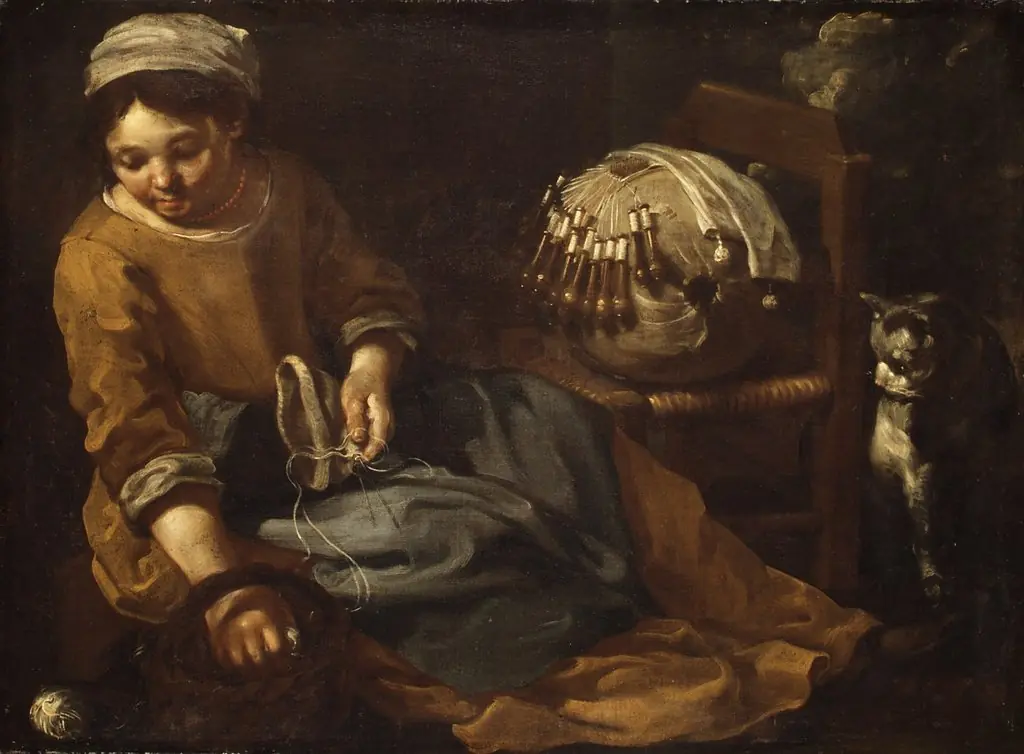 The Lacemaker
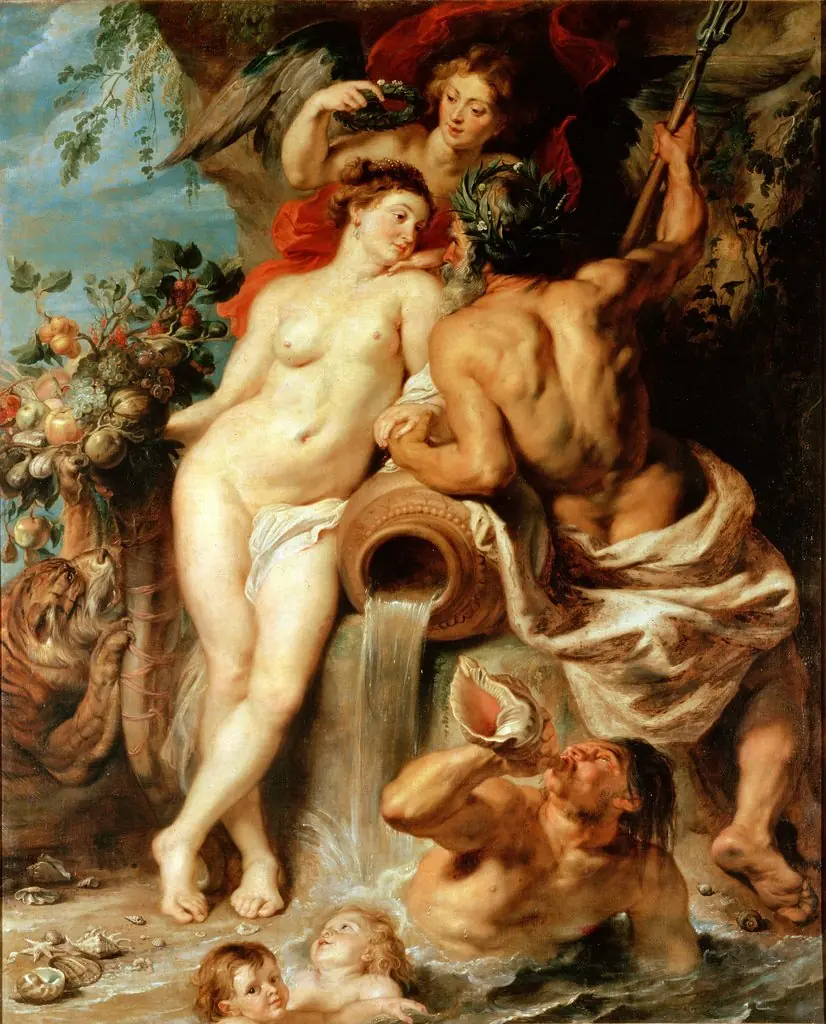 The Union of Earth and Water (Antwerp and the Scheldt)
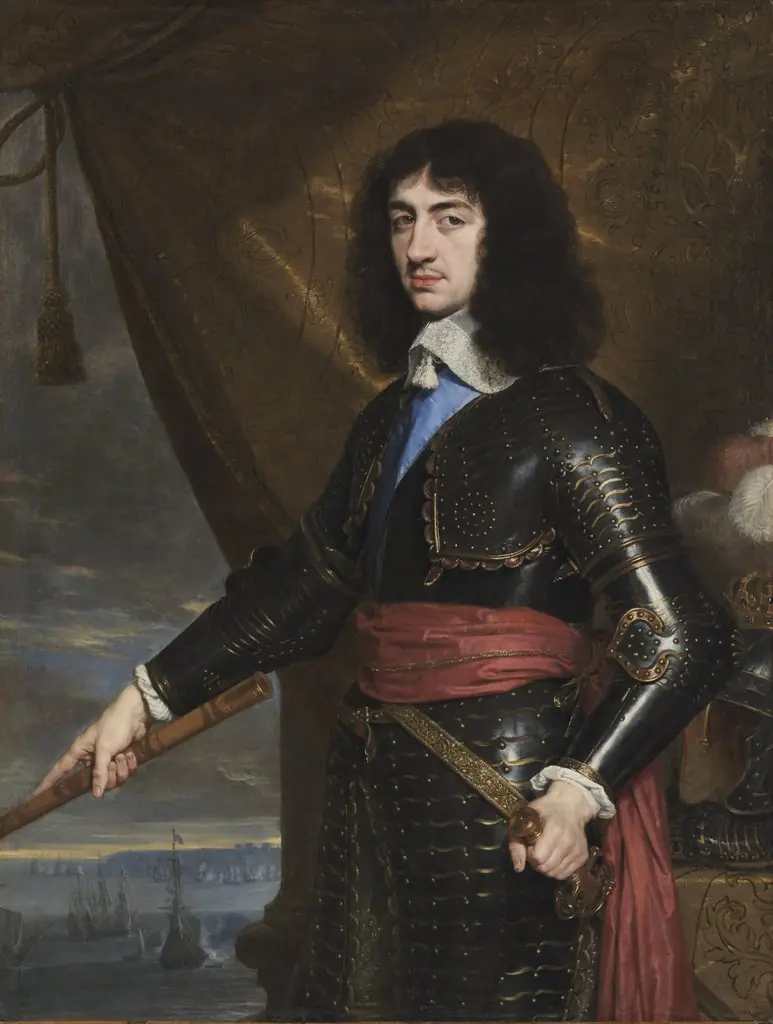 Portrait of King Charles II of England
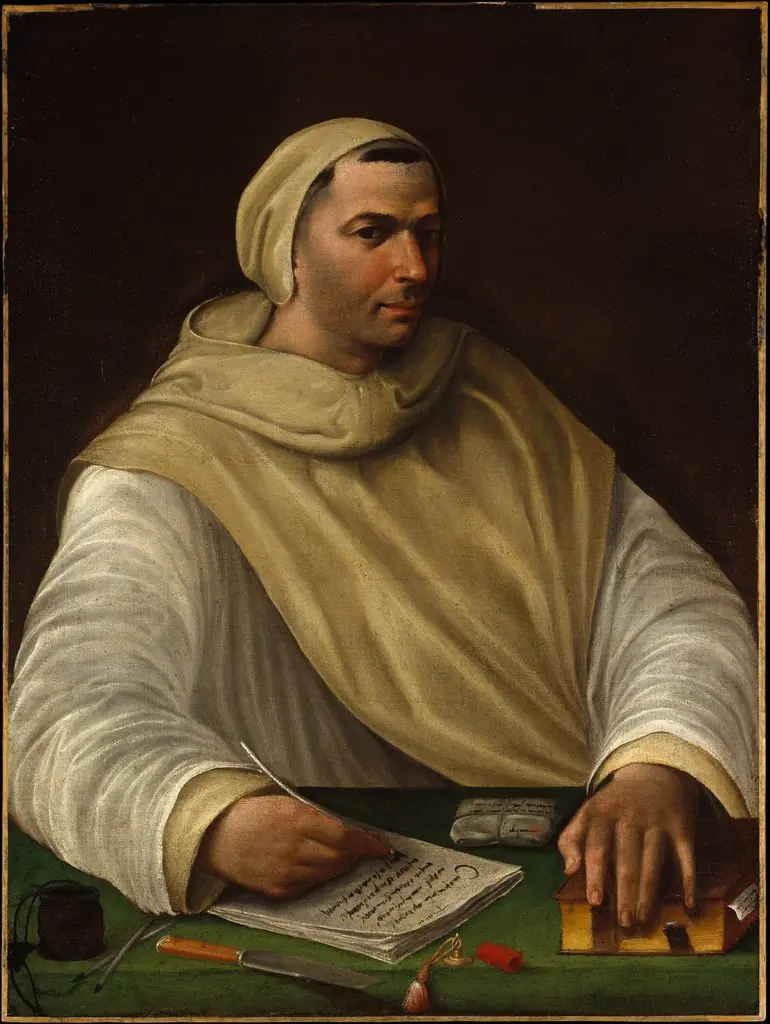 Portrait of an Olivetan Monk
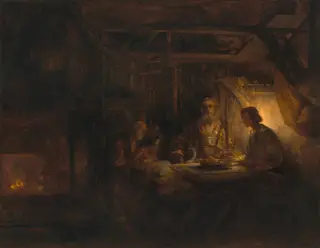 Philemon and Baucis
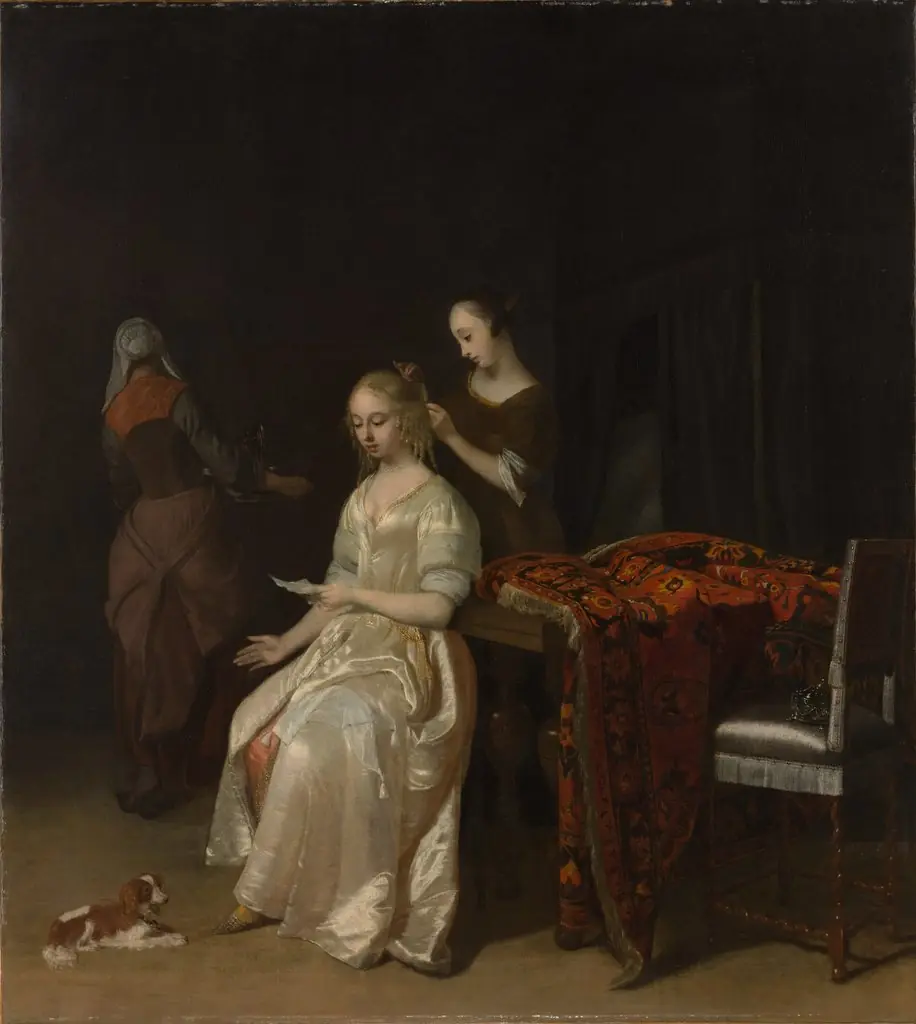 The Love Letter
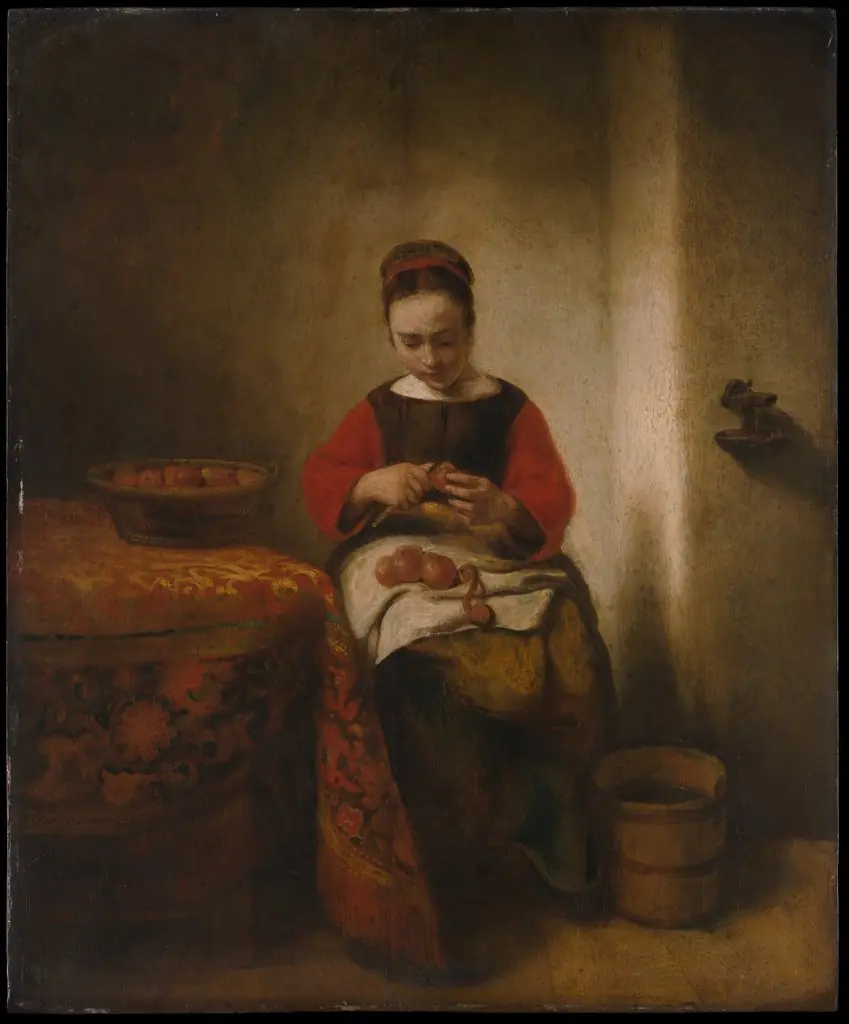 Young Woman Peeling Apples
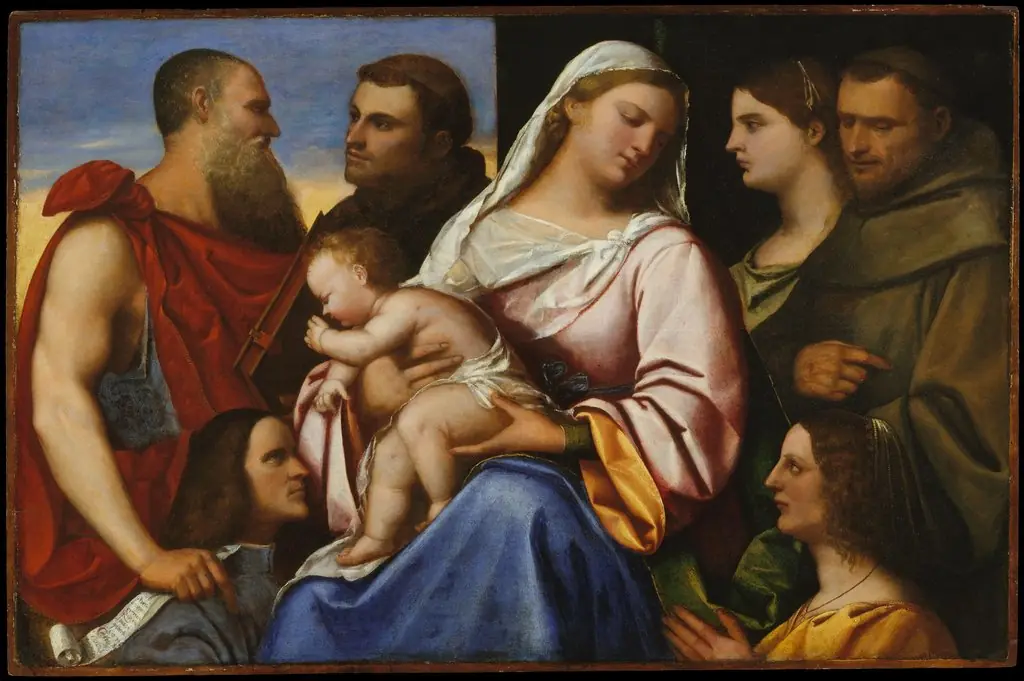 Madonna and Child with Saints and Donors
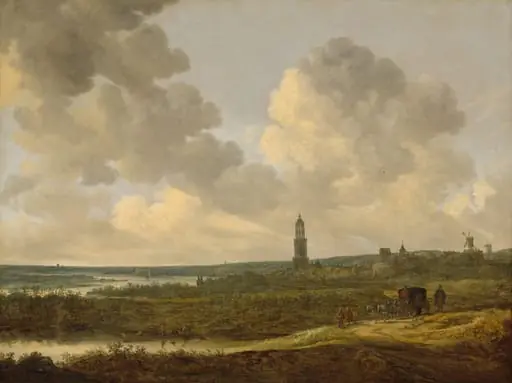 View of Rhenen
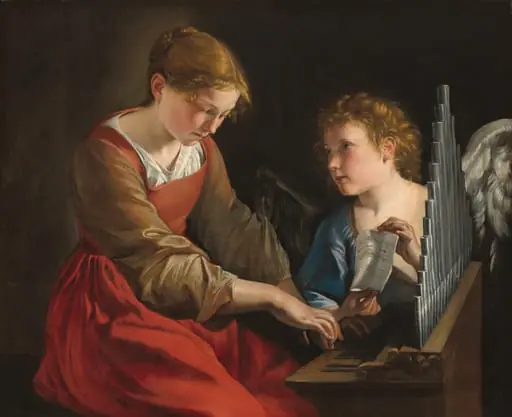 Saint Cecilia and an Angel
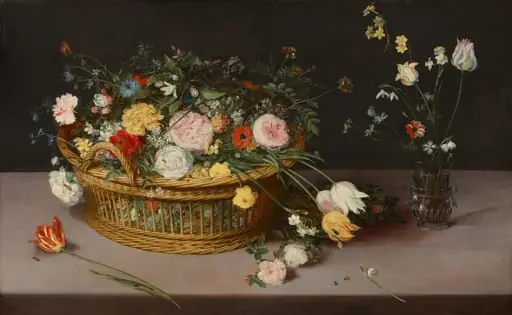 Flowers in a Basket and a Vase
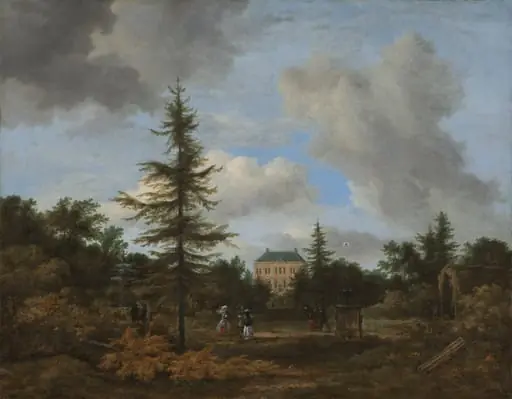 Country House in a Park
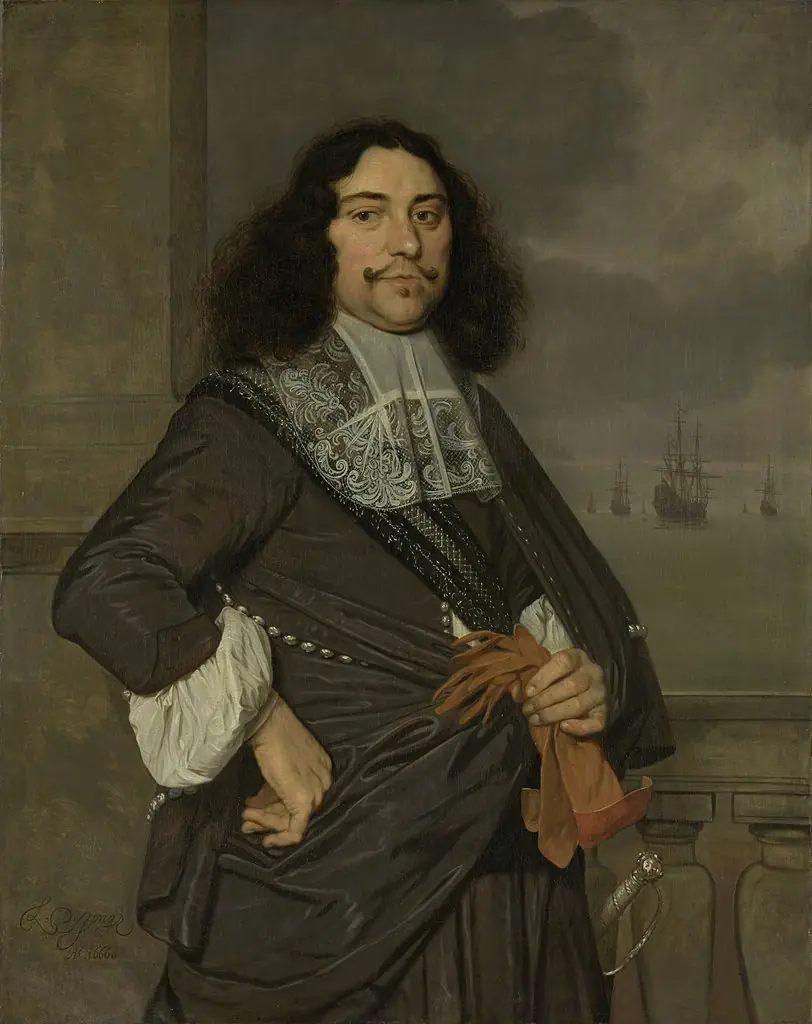 Portrait of Jan van Nes (1631-80). Vice admiral of Holland and West-Friesland
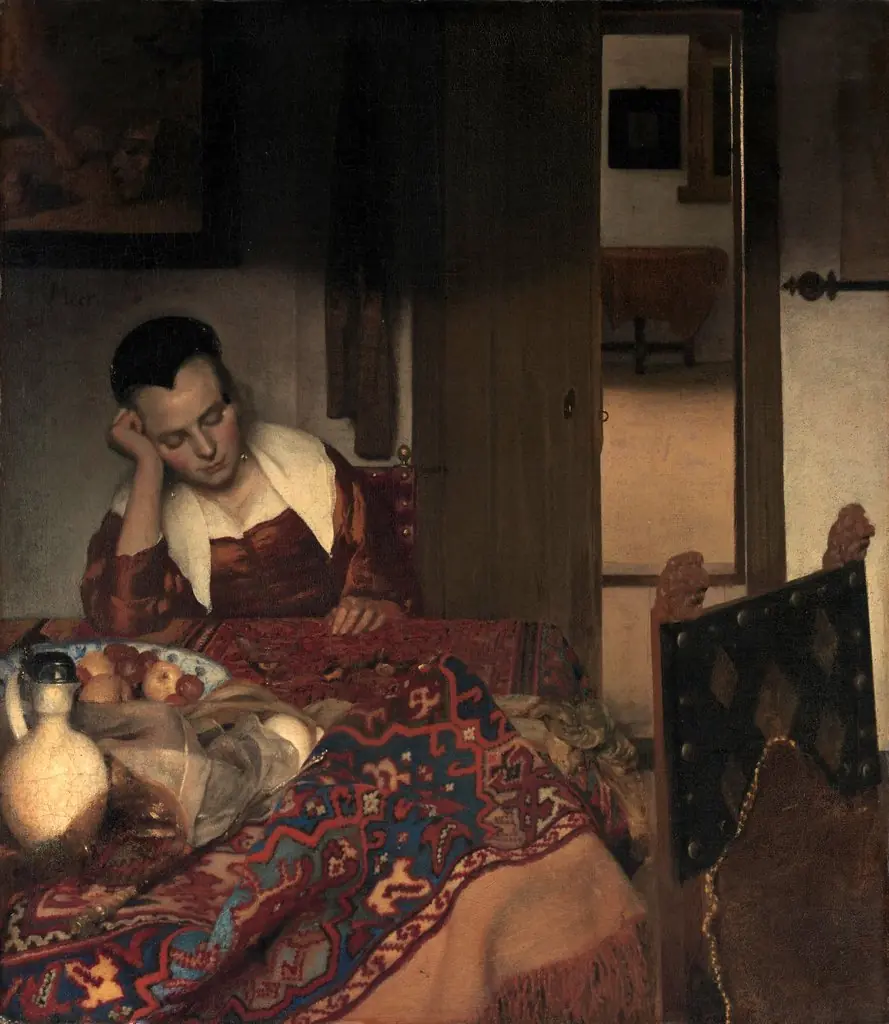 A Girl Asleep
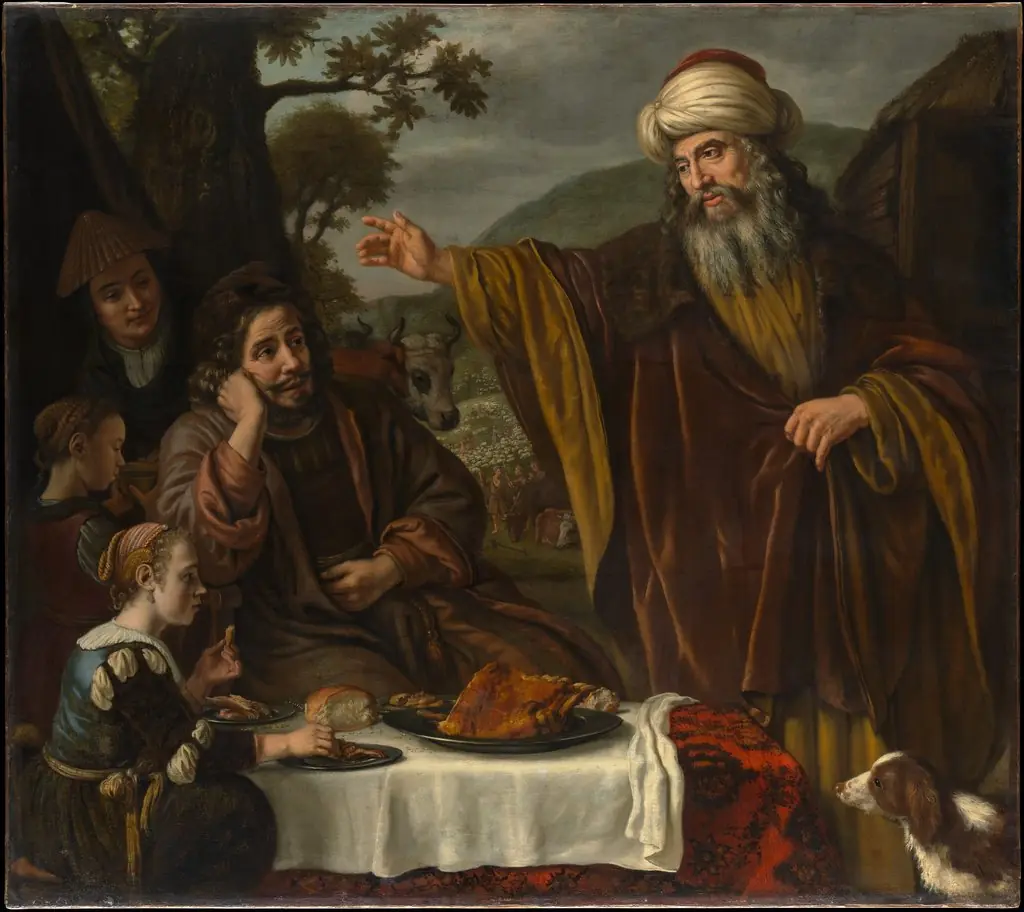 Abraham's Parting from the Family of Lot
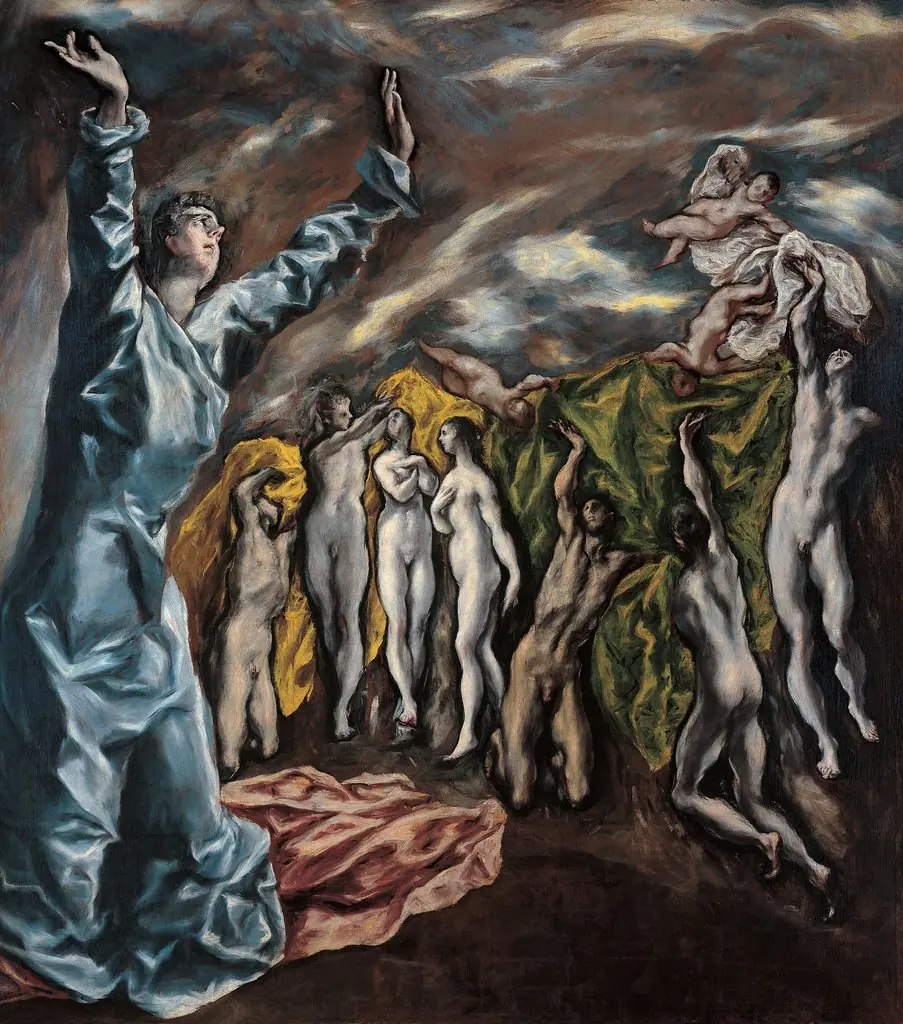 Opening of the Fifth Seal
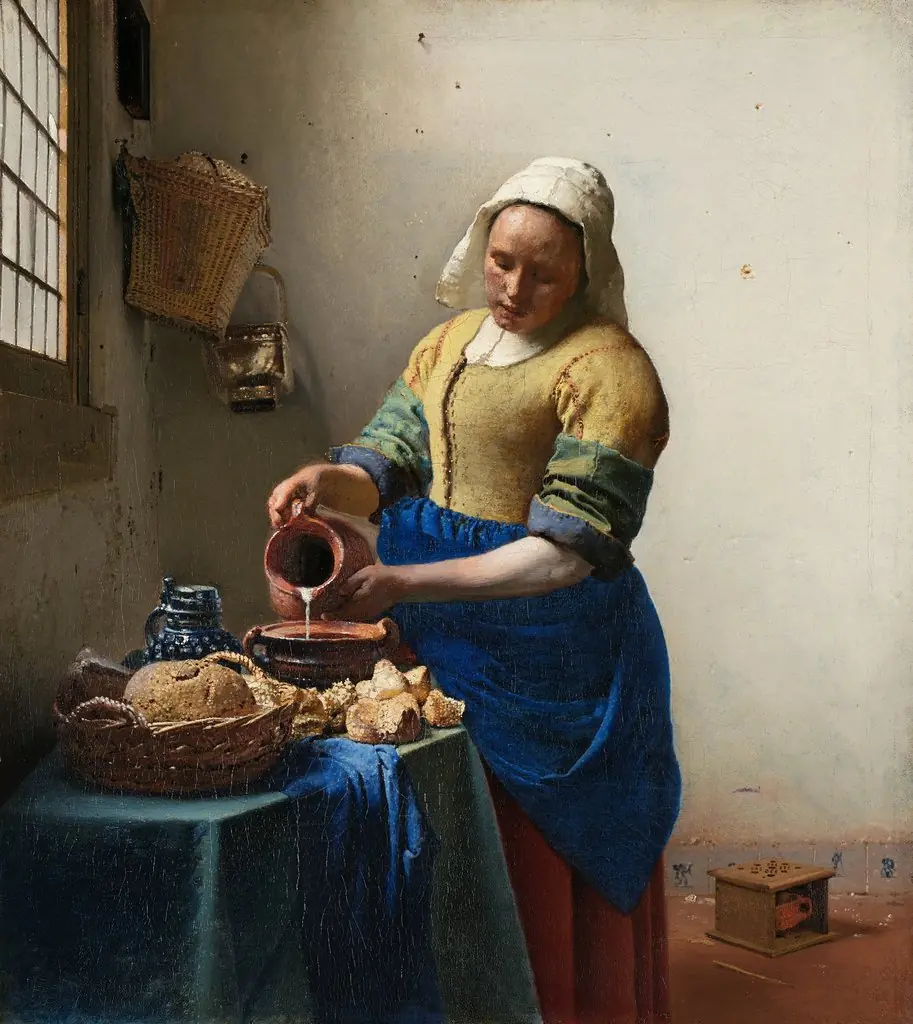 The Milkmaid
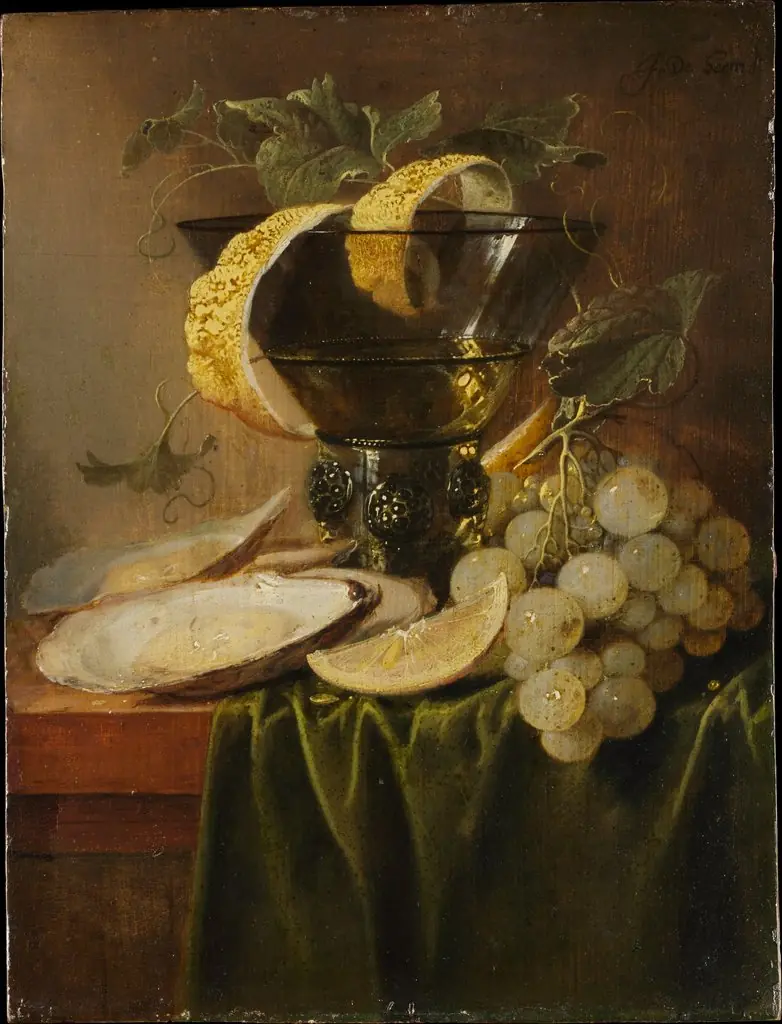 Still Life with a Glass and Oysters
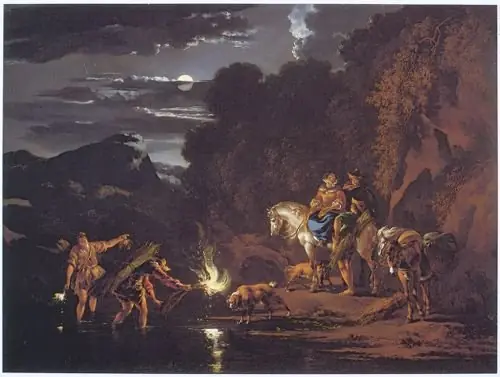 Moonlight Landscape with Crab Fishermen
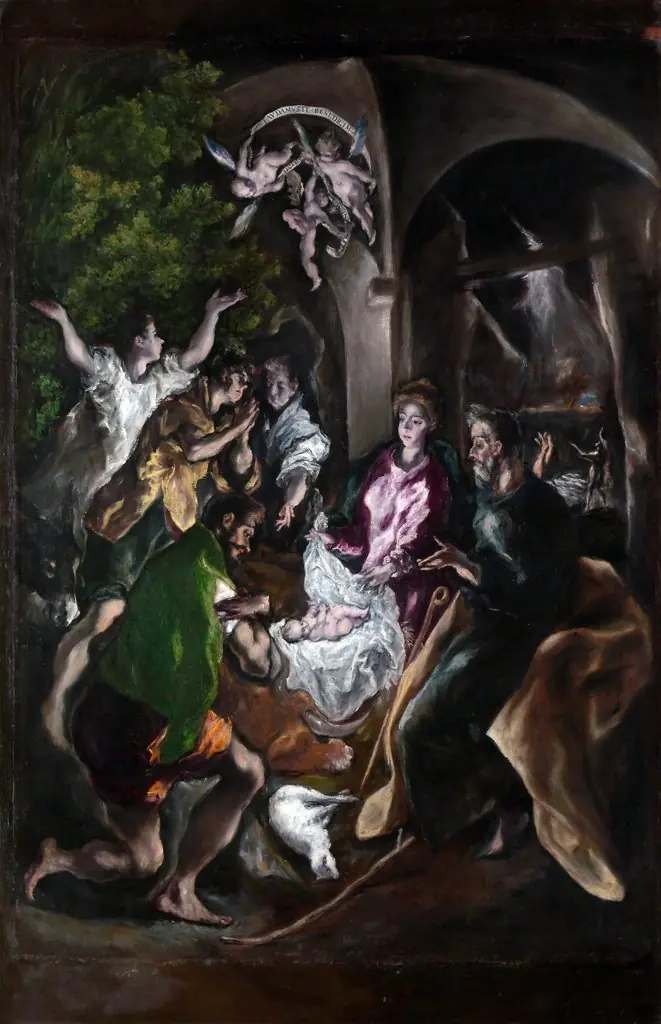 The Adoration of the Shepherds
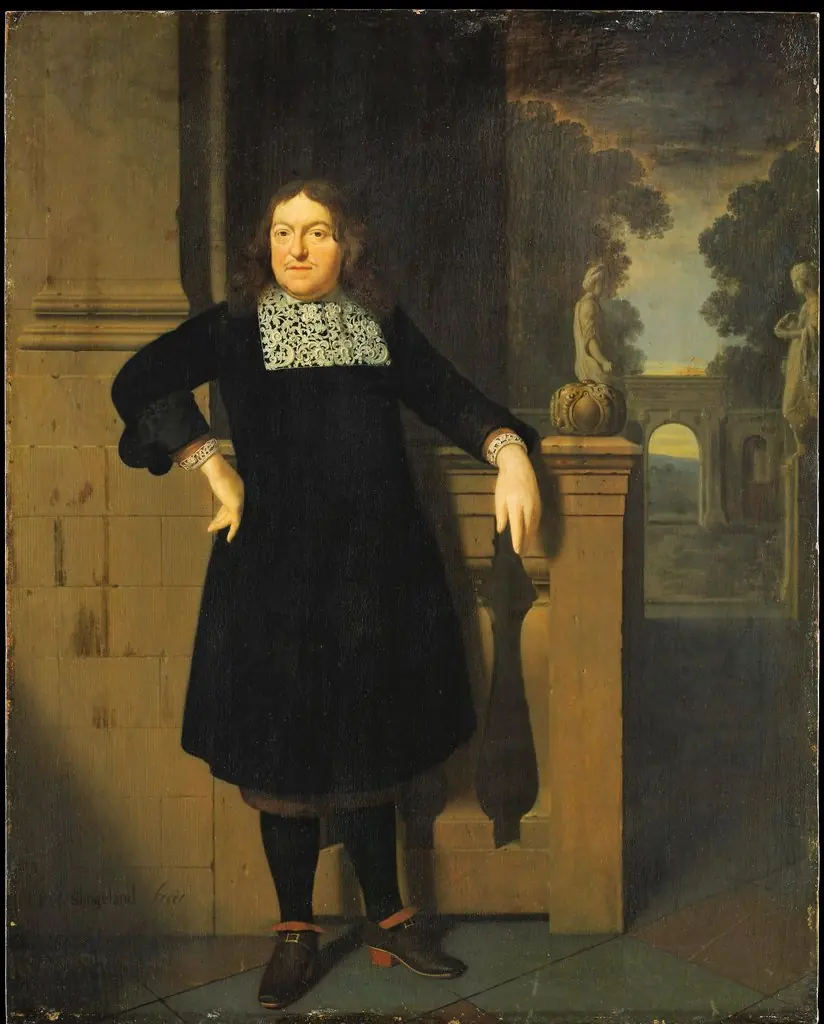 Portrait of Johan Hulshout (1623–1687)
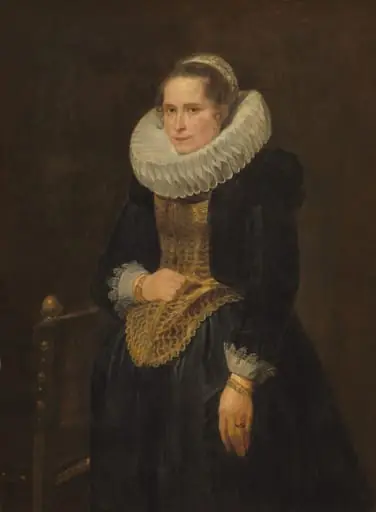 Portrait of a Flemish Lady
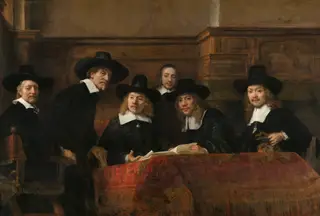 Syndics of the Drapers' Guild
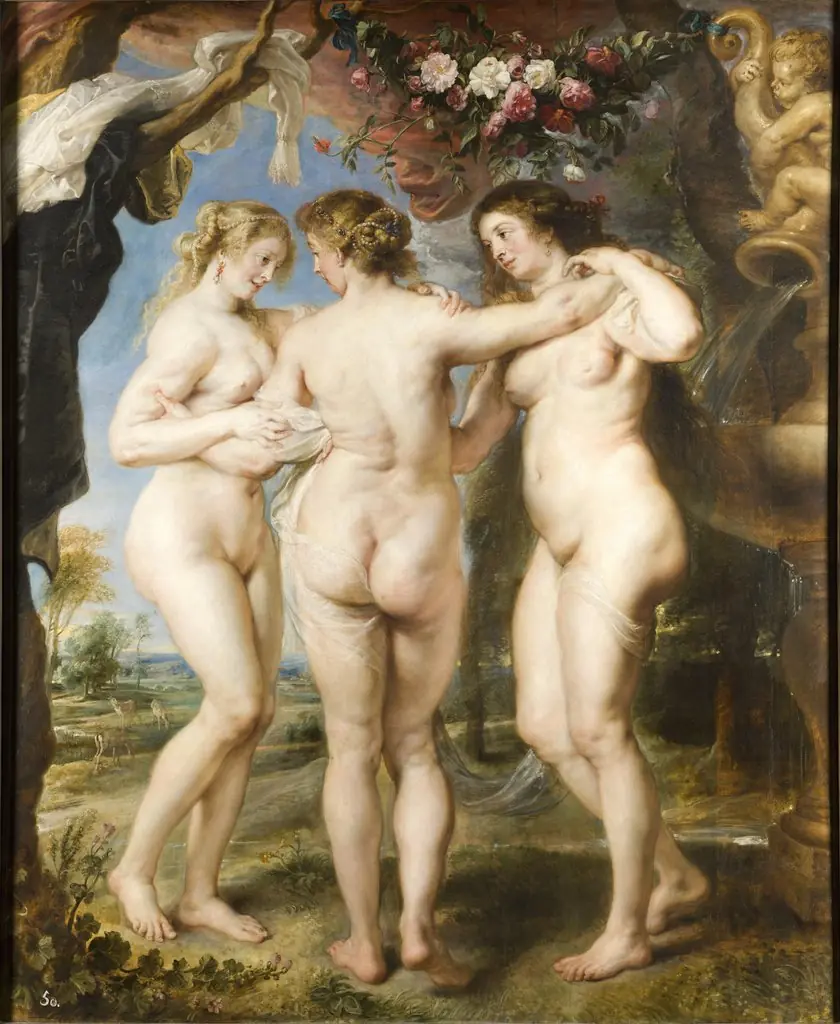 The Three Graces
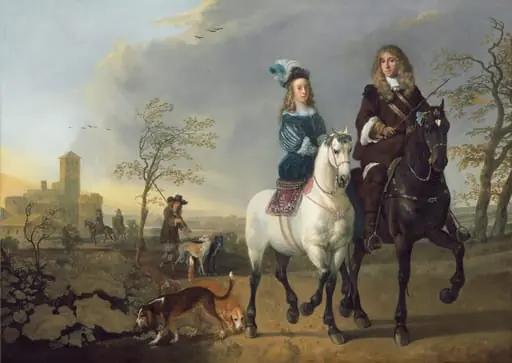 Lady and Gentleman on Horseback
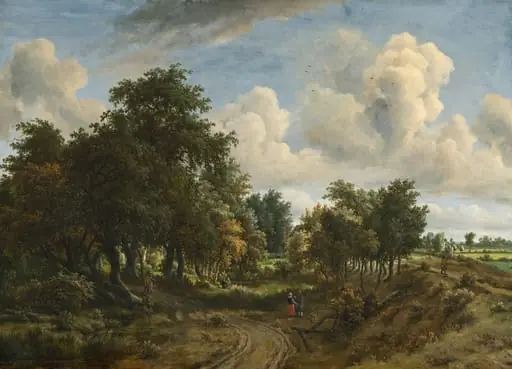 A Wooded Landscape
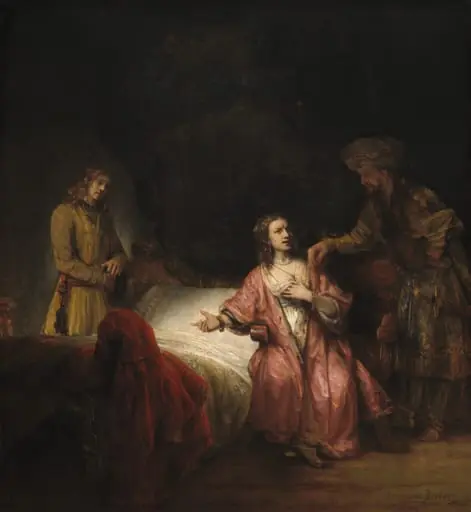 Joseph Accused by Potiphar's Wife
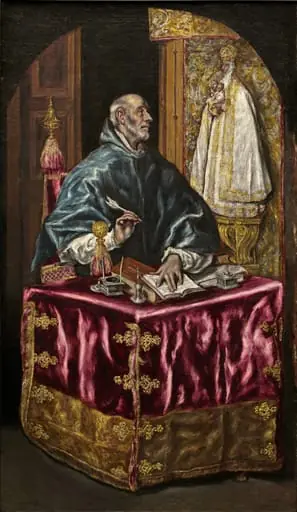 Saint Ildefonso
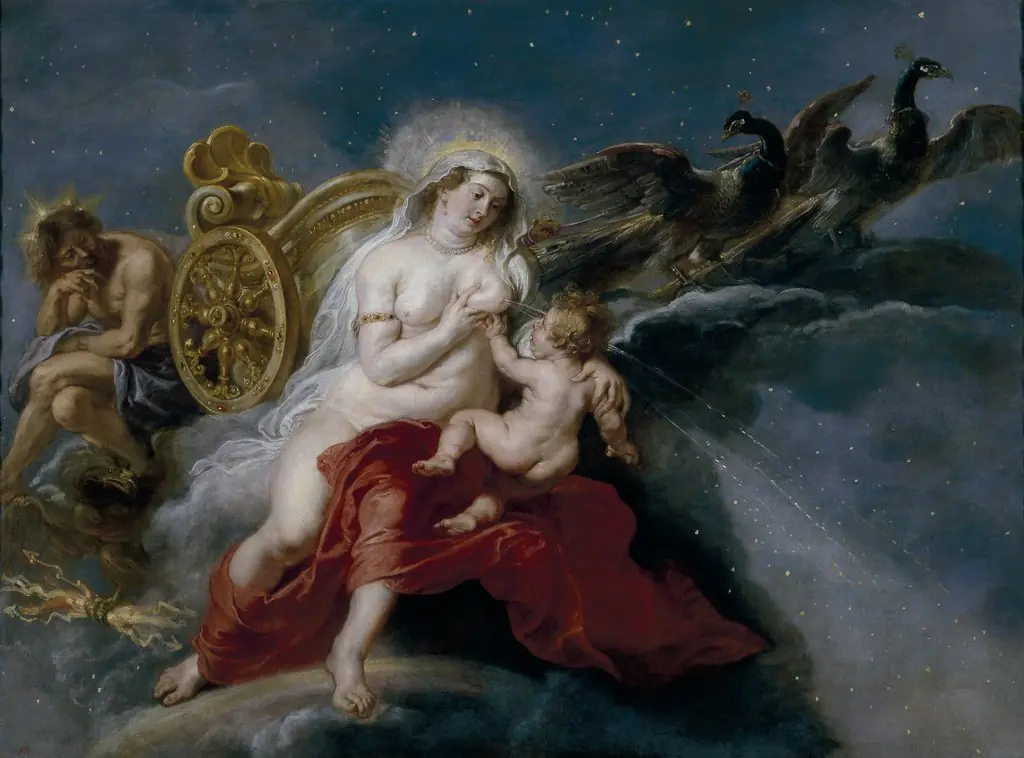 The Origin of the Milky Way
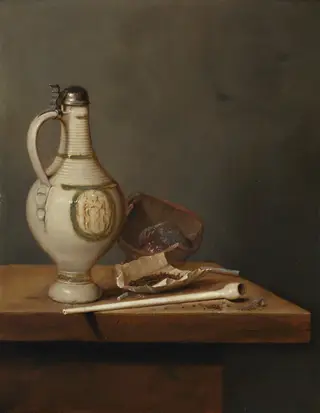 Still Life with Stoneware Jug and Pipe
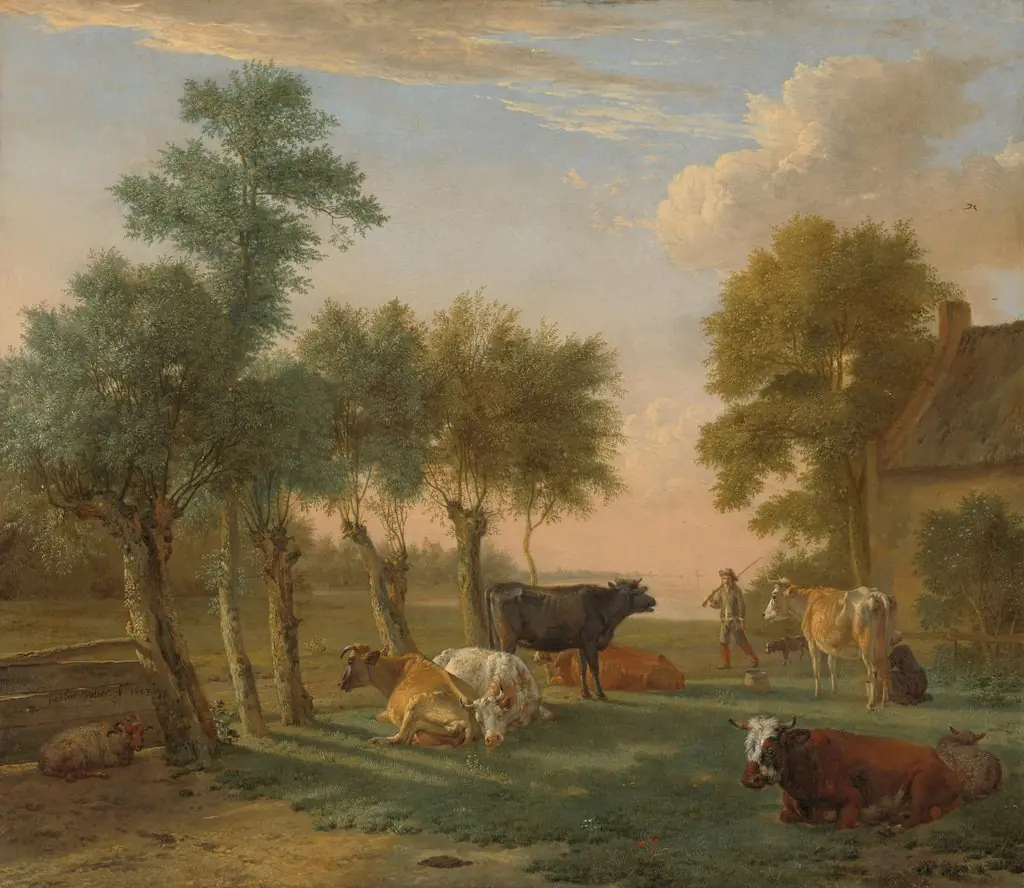 Cows in a Meadow near a Farm
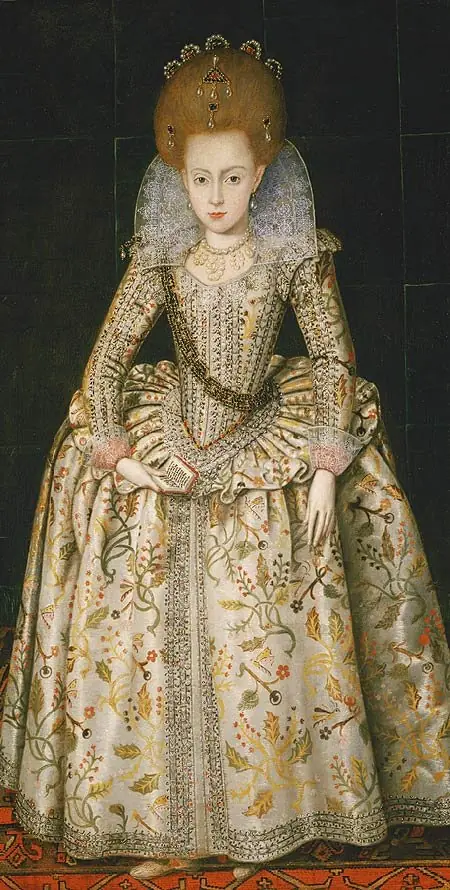 Princess Elizabeth (1596–1662), Later Queen of Bohemia
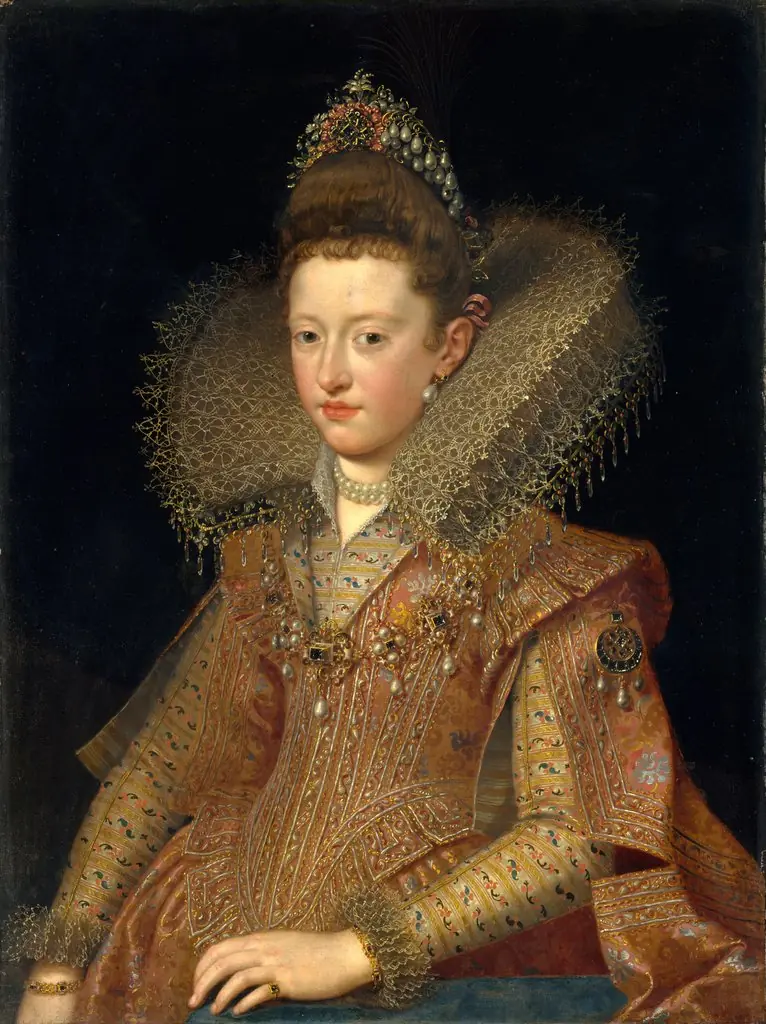 Margherita Gonzaga (1591–1632), Princess of Mantua
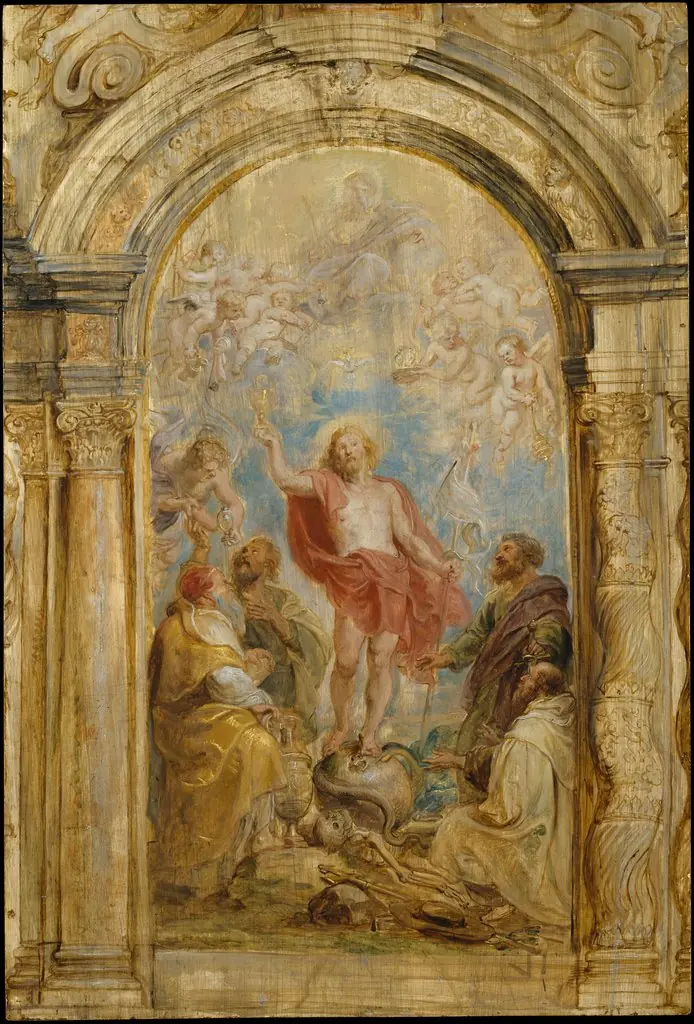 Glorification of the Eucharist
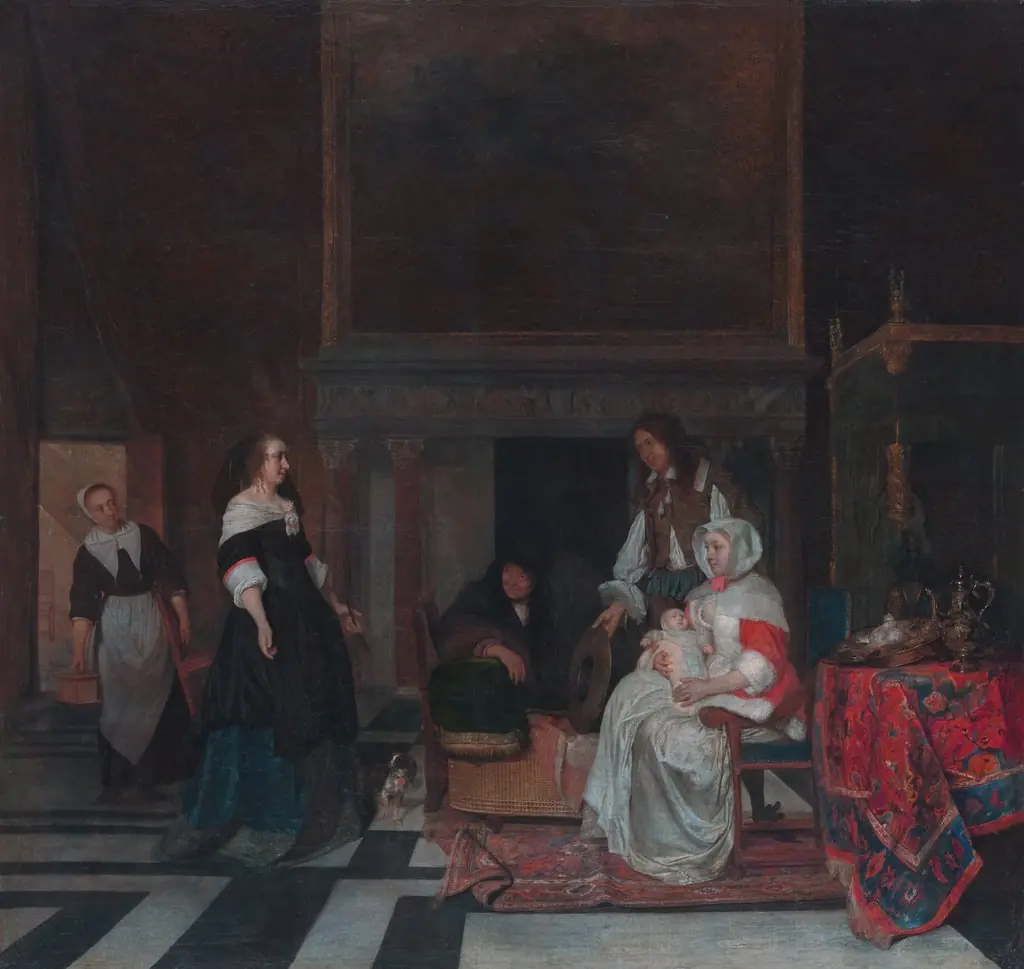 The Visit to the Nursery
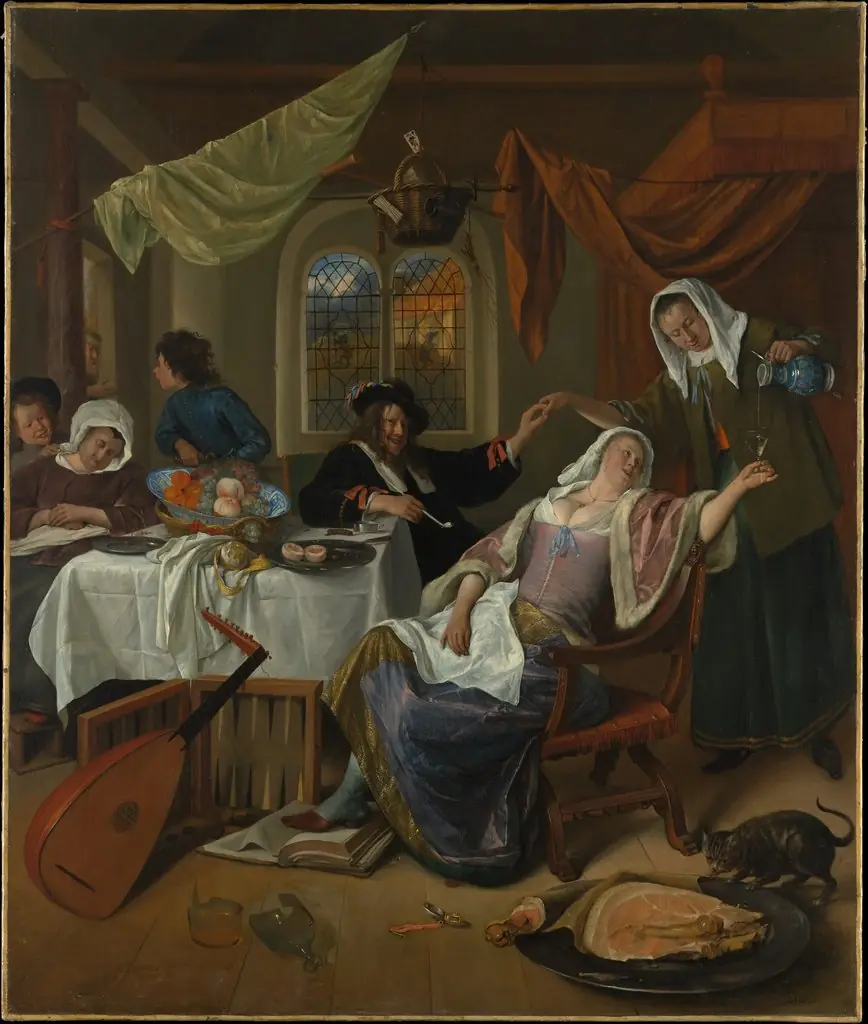 The Dissolute Household
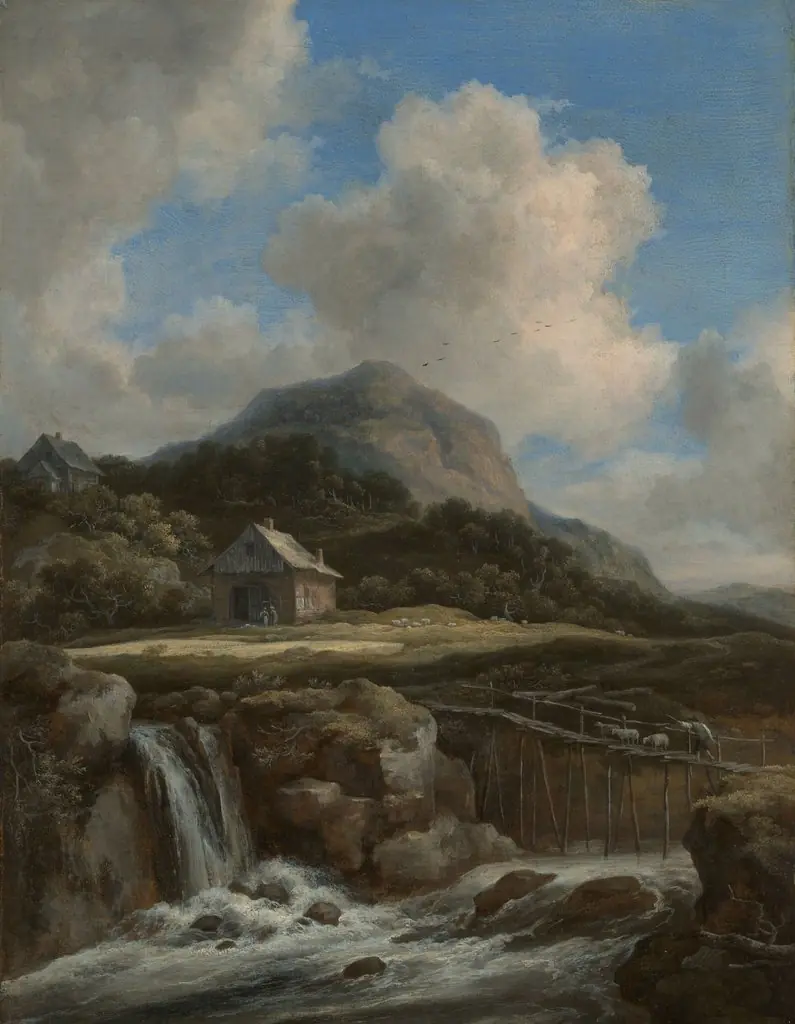 Mountain Torrent
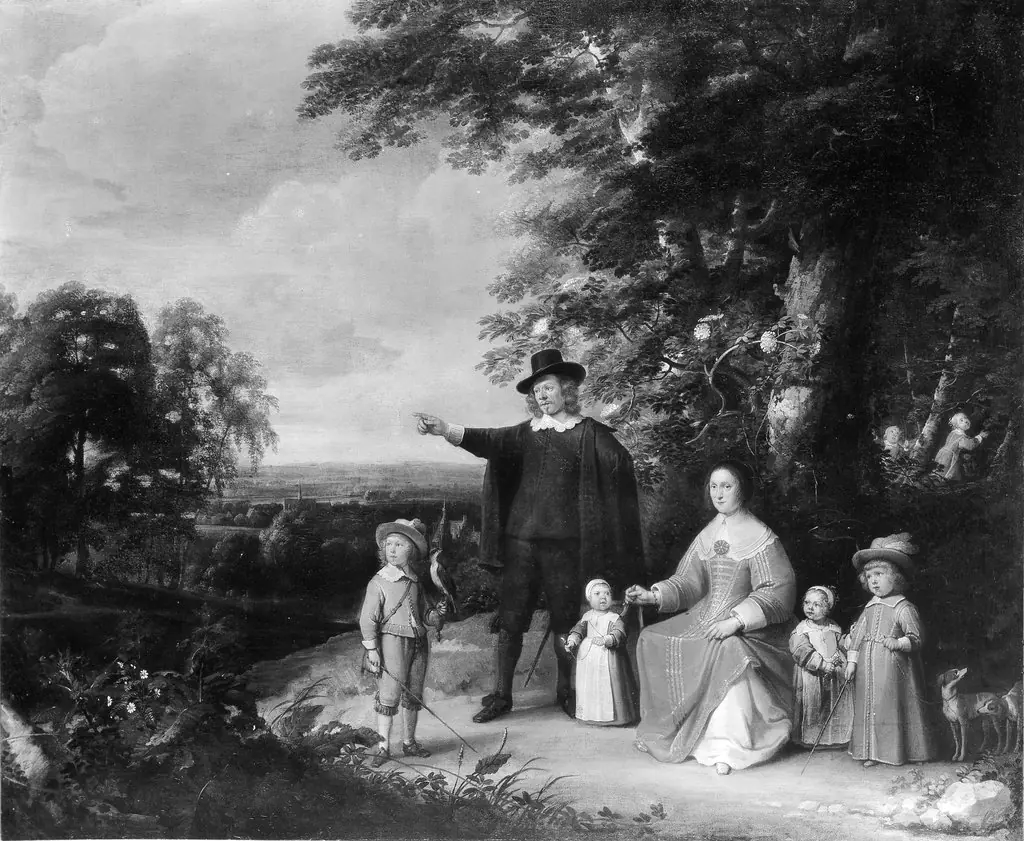 Family Group in a Landscape
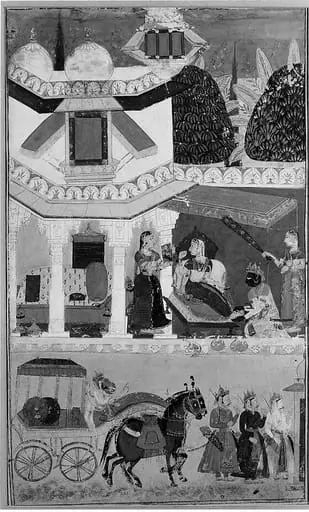 Untitled
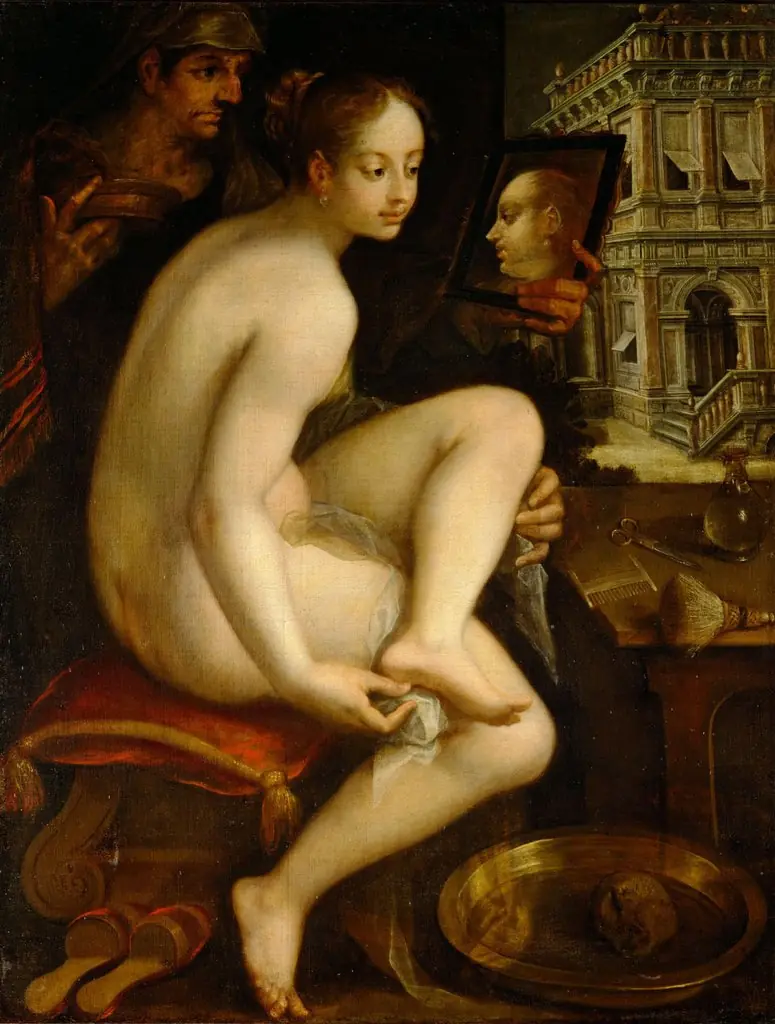 David and Bathsheba
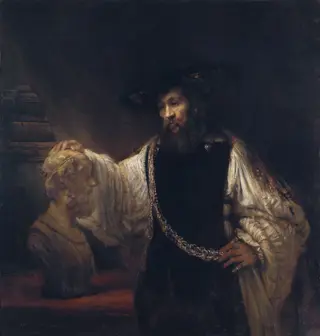 Aristotle with a Bust of Homer
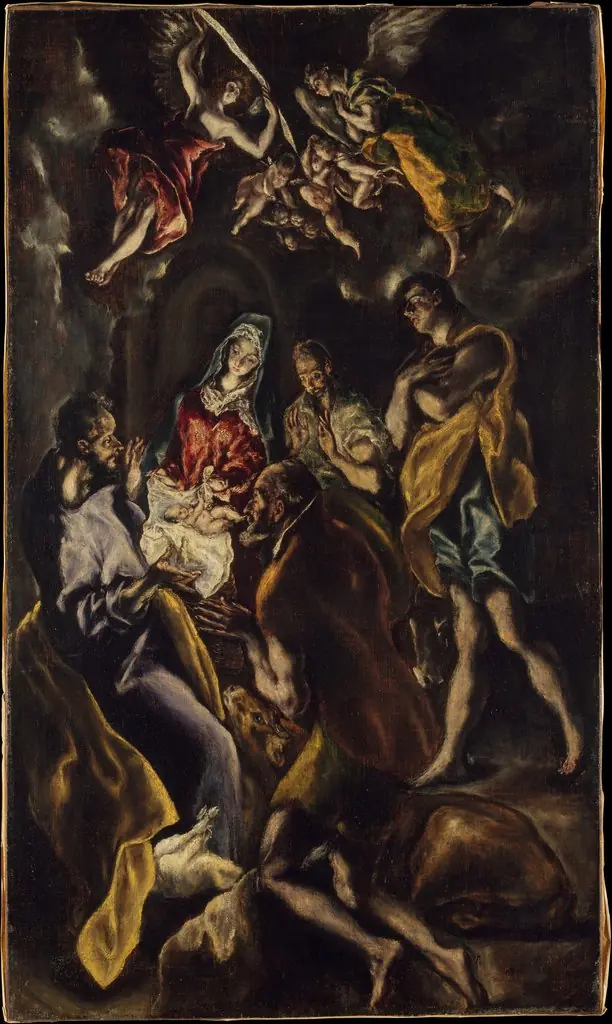 The Adoration of the Shepherds
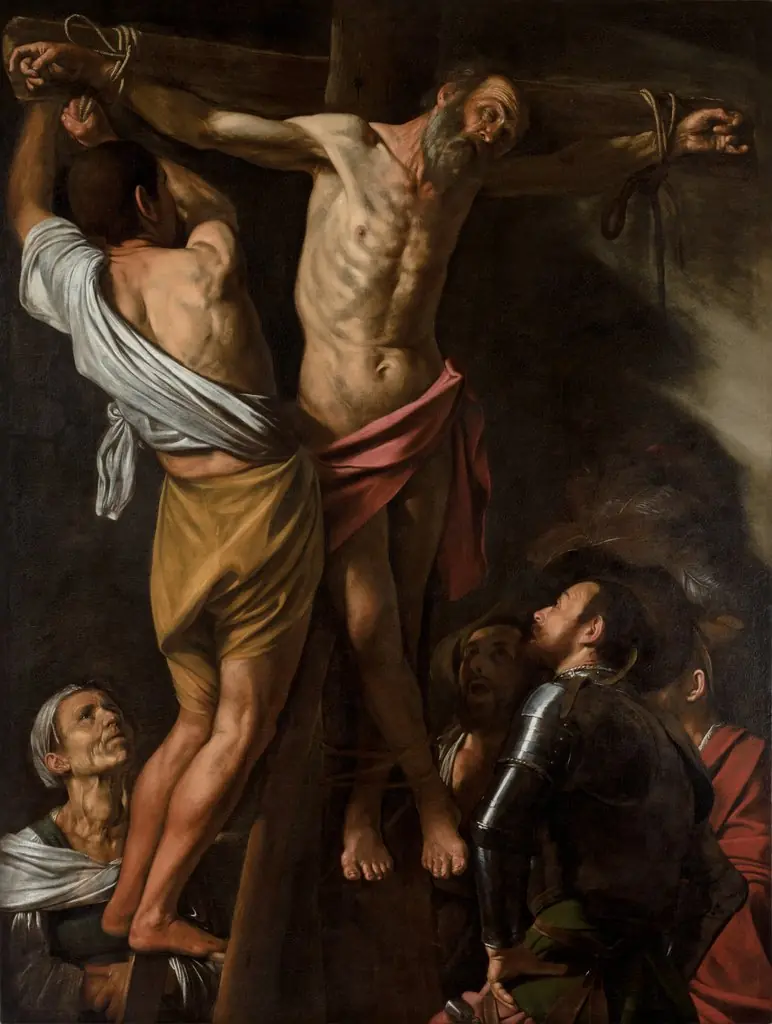 The Crucifixion of Saint Andrew
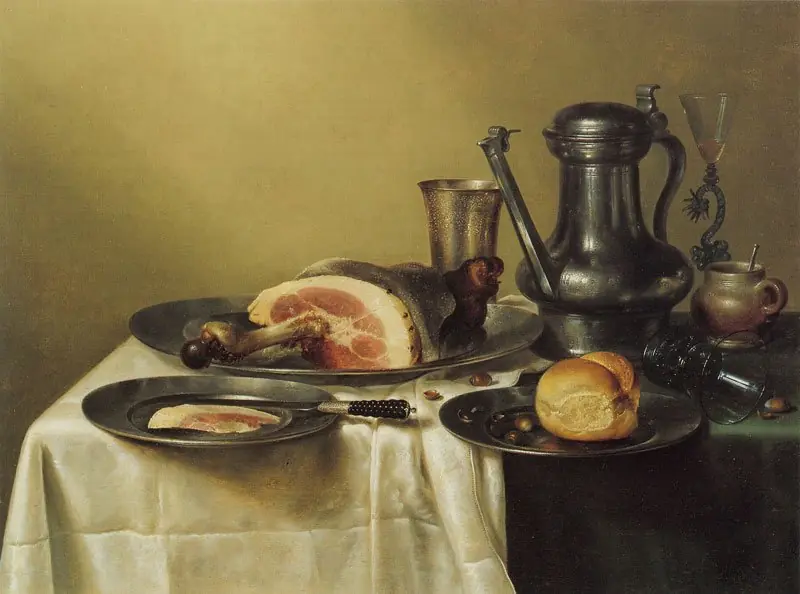 Laid Table with Ham and a Roll
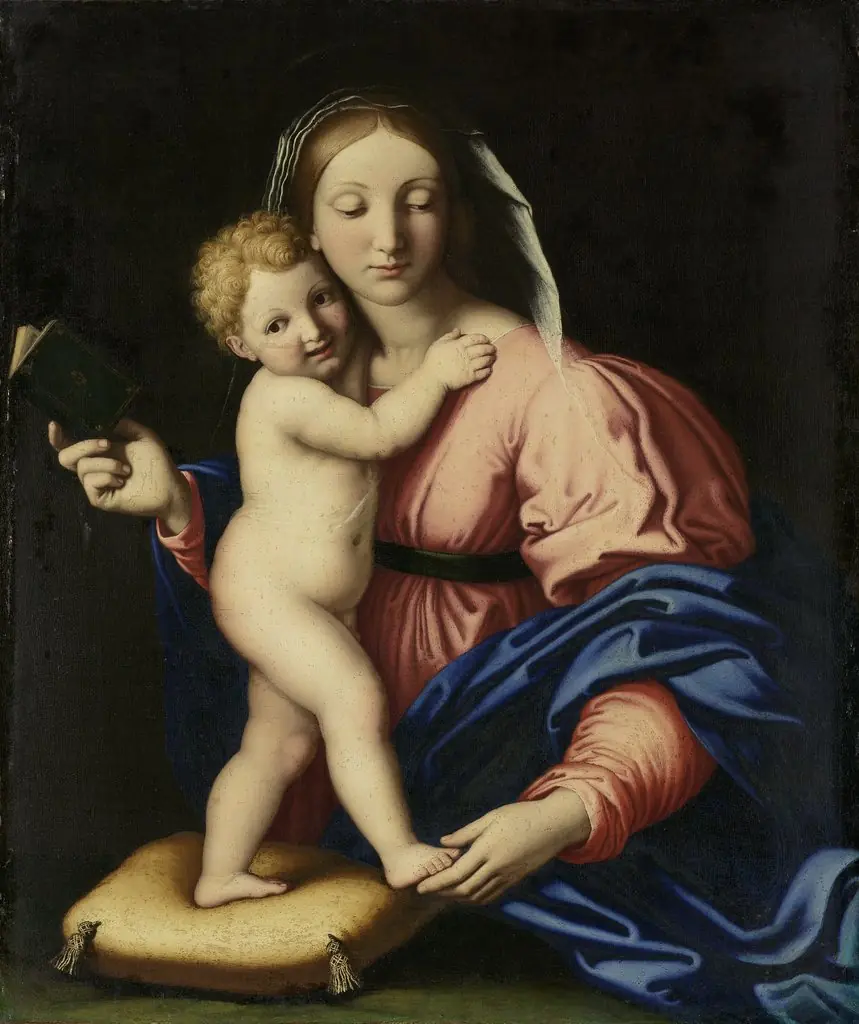 Virgin and Child
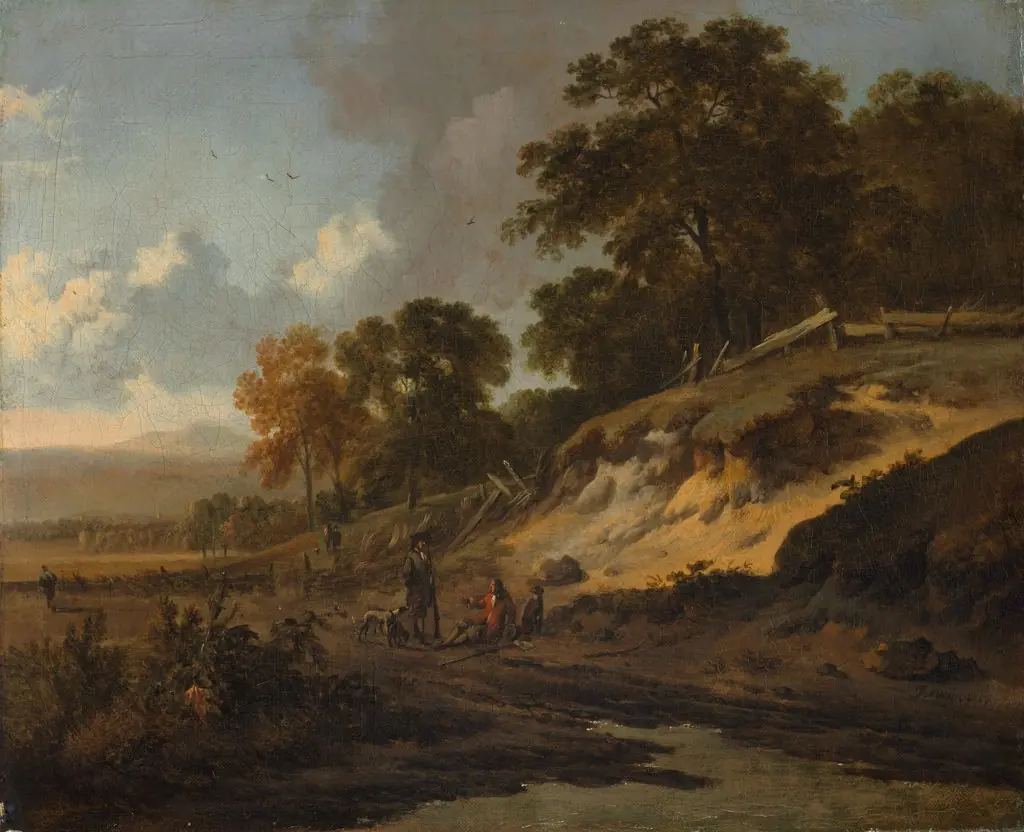 Landscape with Hunters
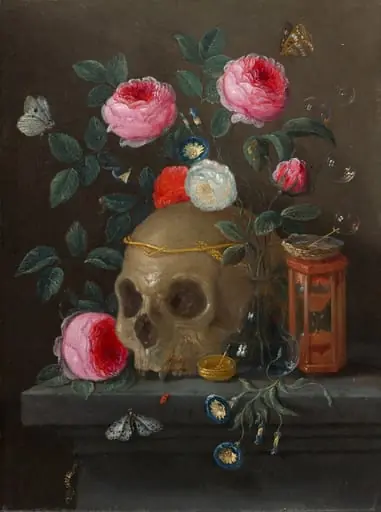 Vanitas Still Life
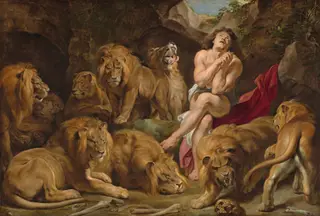 Daniel in the Lions' Den
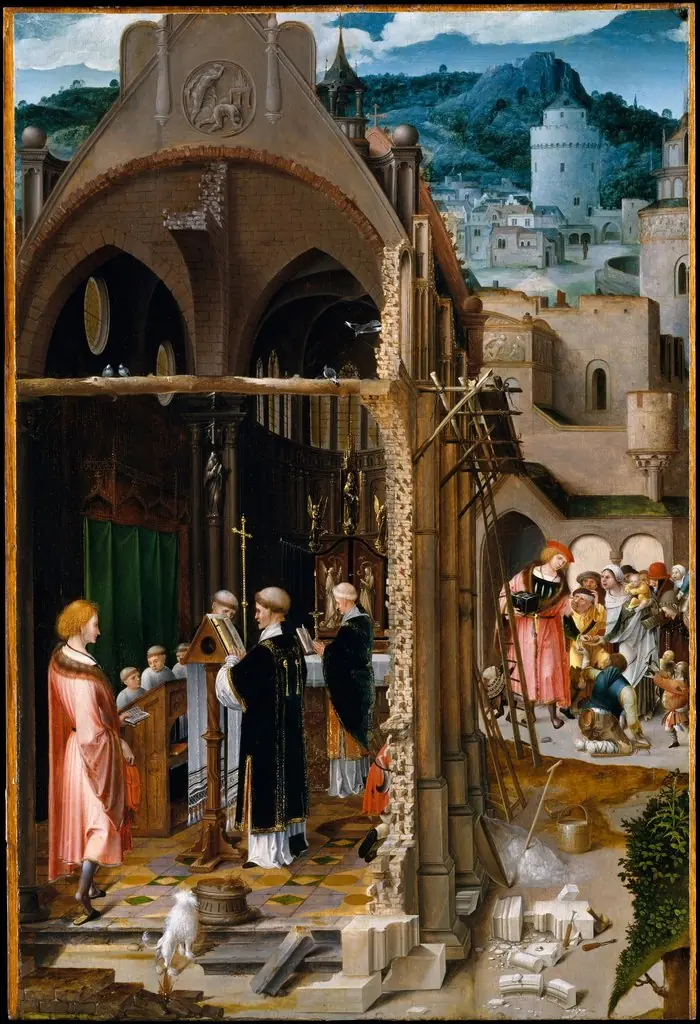 A Sermon on Charity (possibly the Conversion of Saint Anthony)
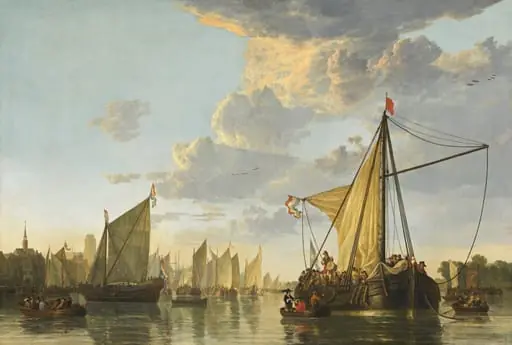 The Maas at Dordrecht
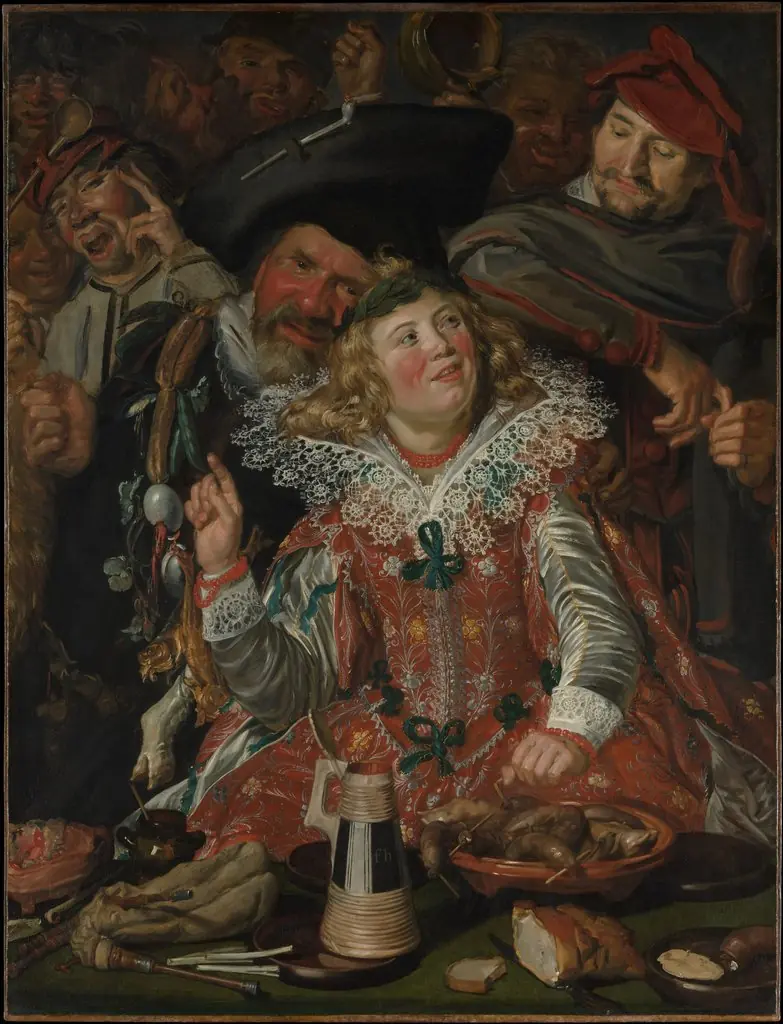 Merrymakers at Shrovetide
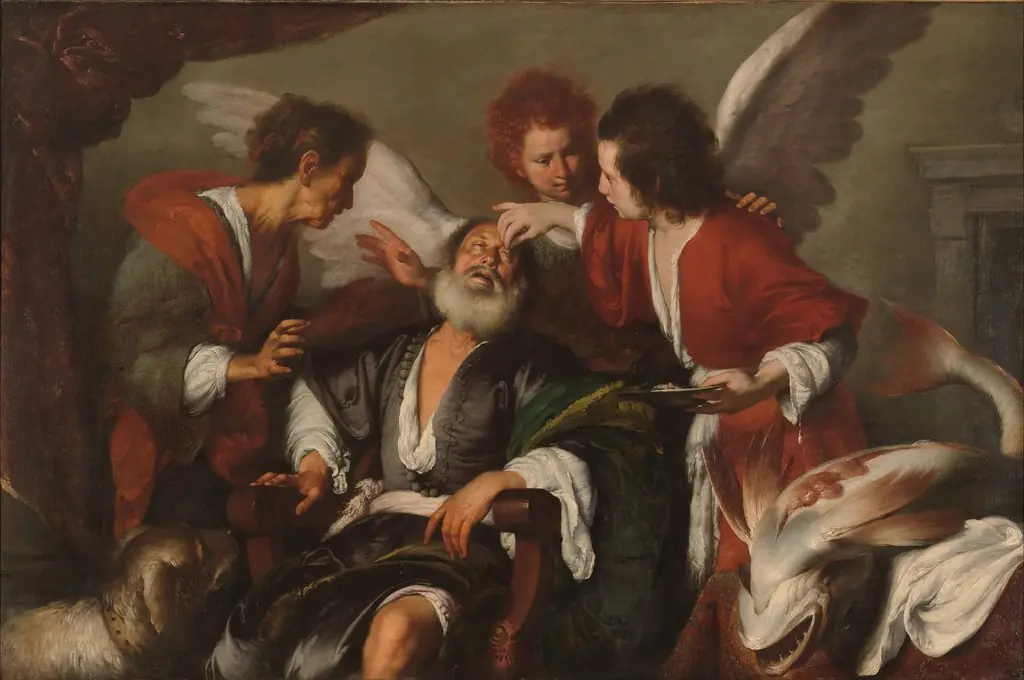 Tobias Curing His Father's Blindness
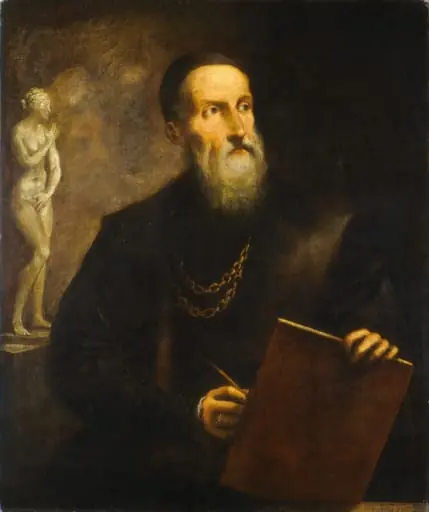 Imaginary Self-Portrait of Titian
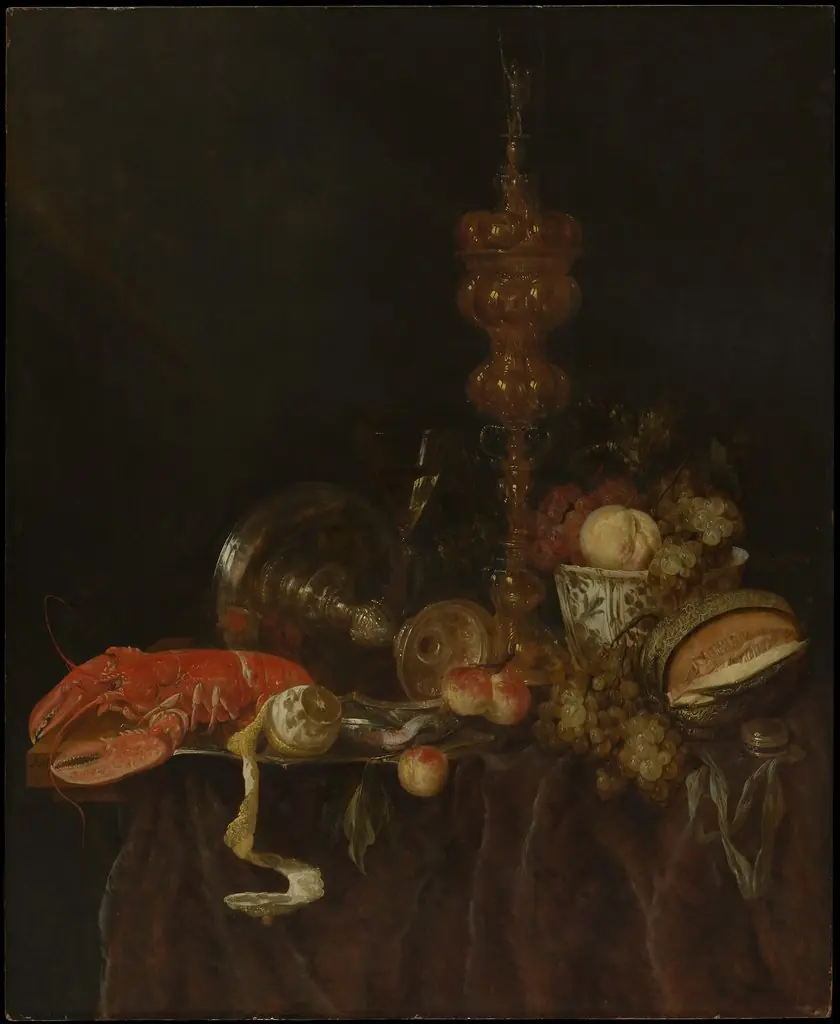 Still Life with Lobster and Fruit
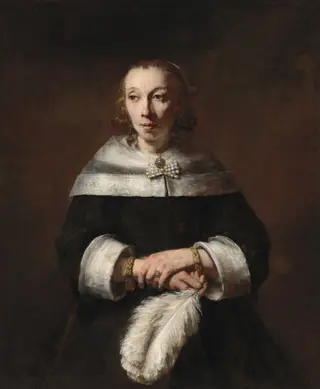 Portrait of a Lady with an Ostrich-Feather Fan
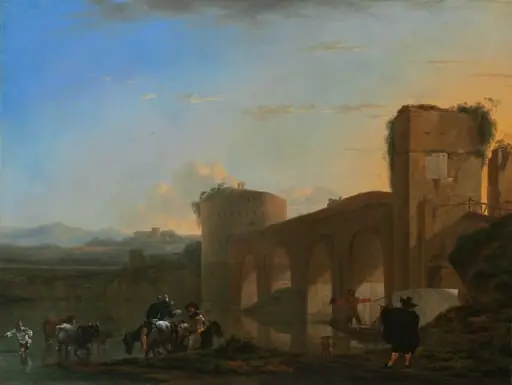 The Tiber River with the Ponte Molle at Sunset
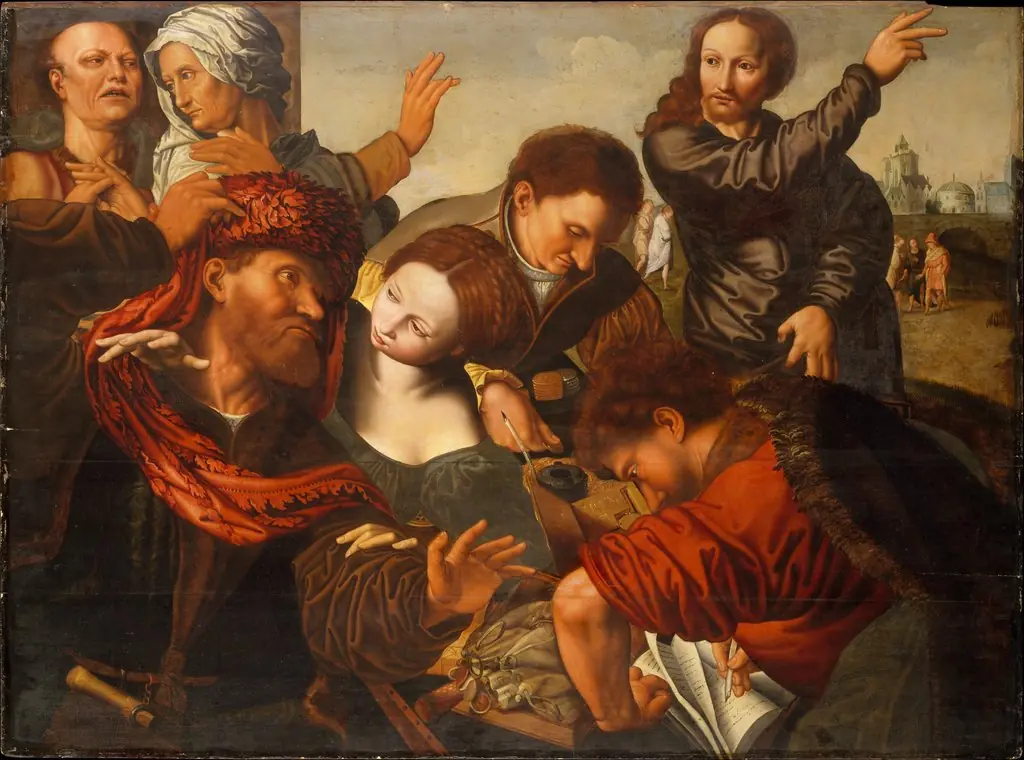 The Calling of Saint Matthew
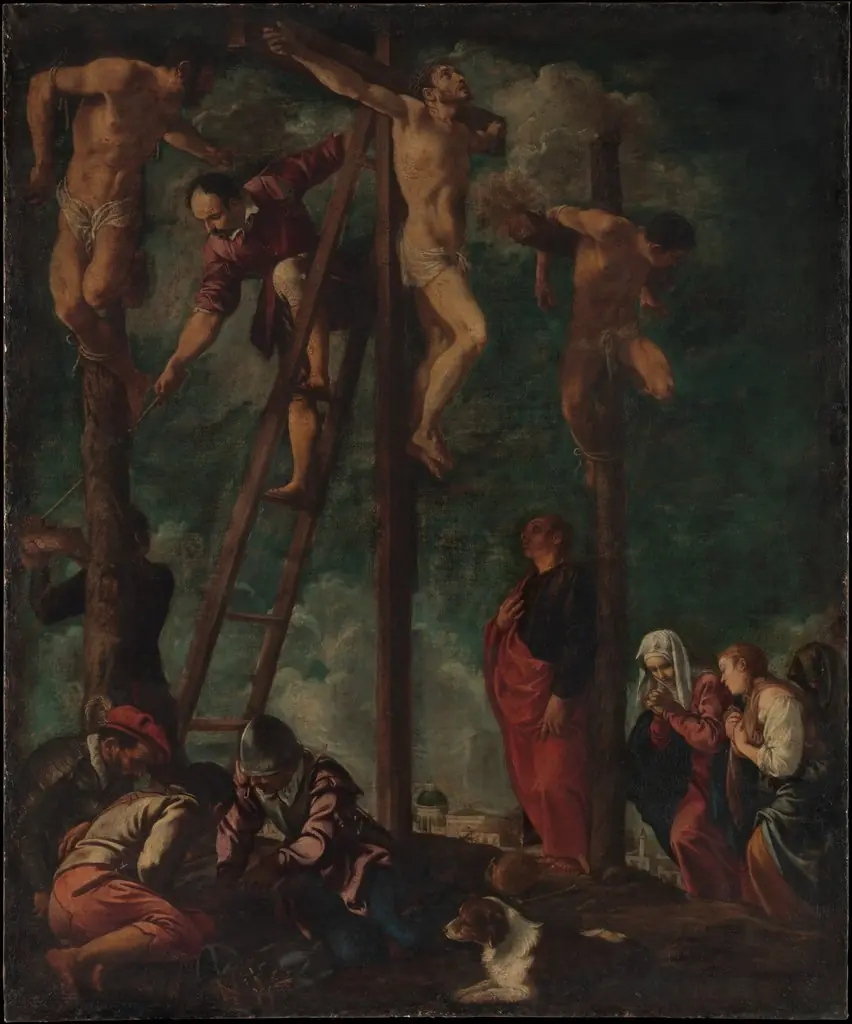 The Crucifixion
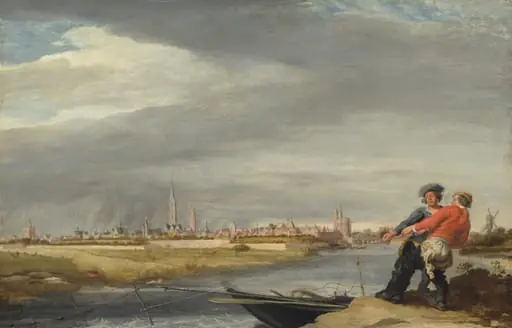 Hauling the Net
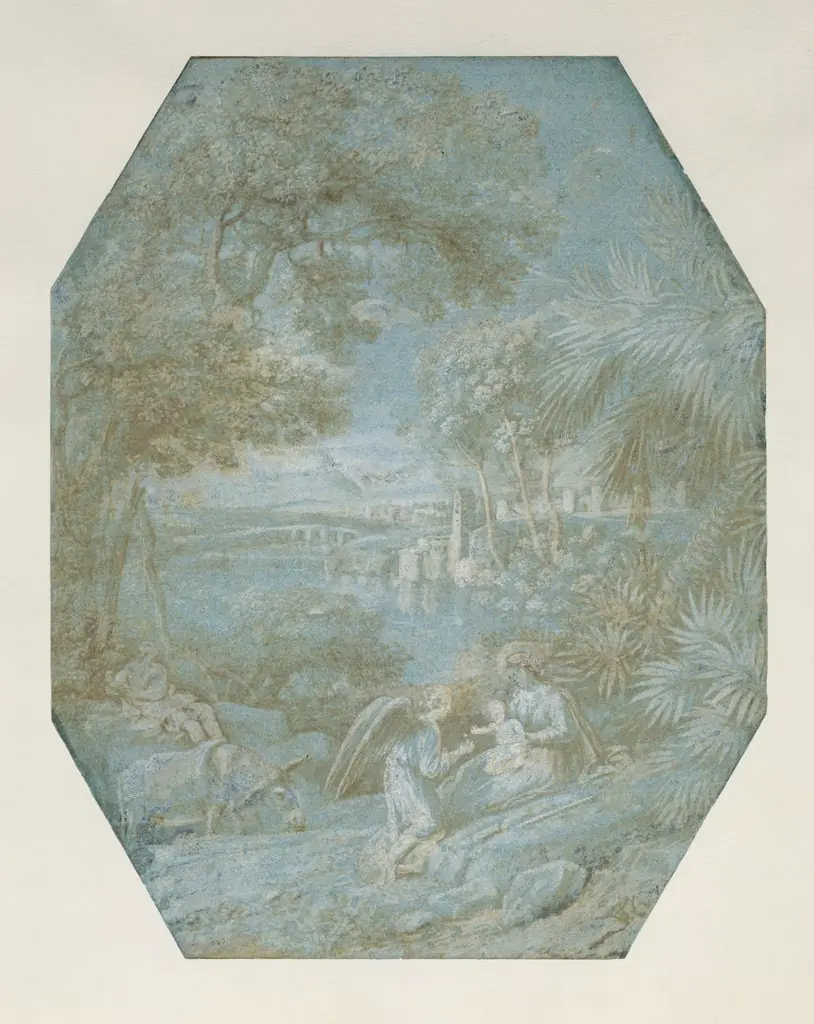 Landscape with the Rest on the Flight into Egypt
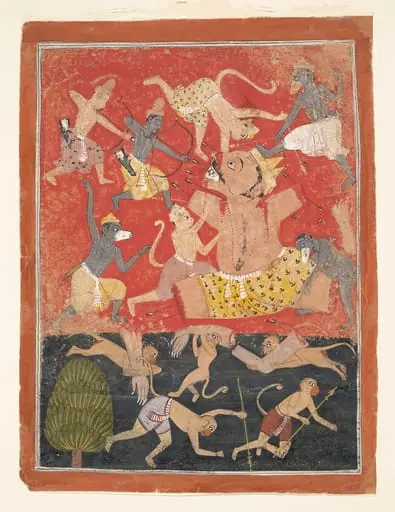 Untitled
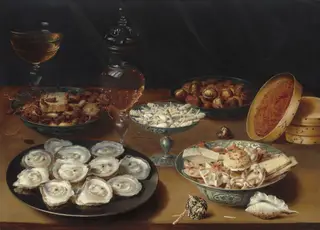 Dishes with Oysters, Fruit, and Wine
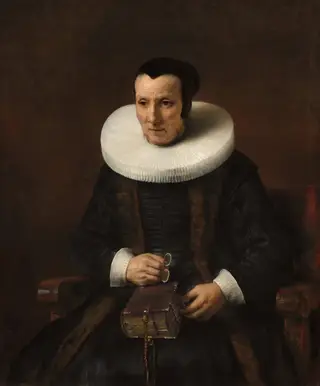 An Old Lady with a Book
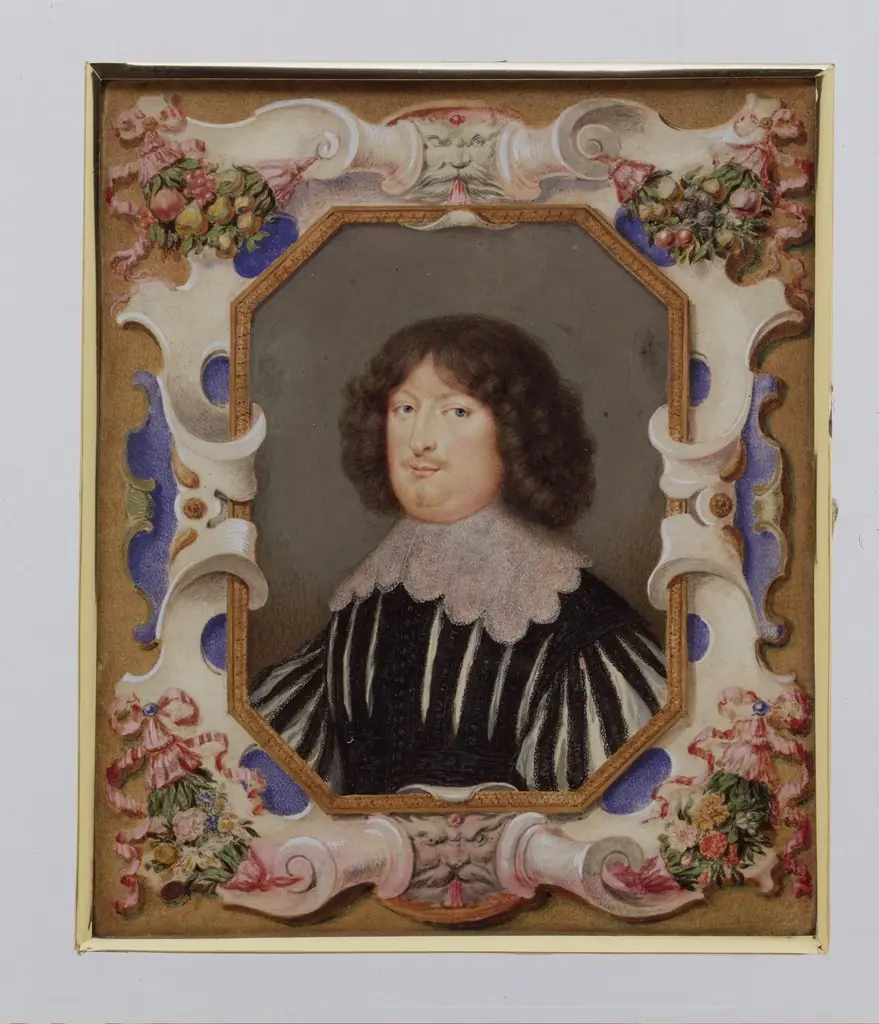 Portrait of a Man
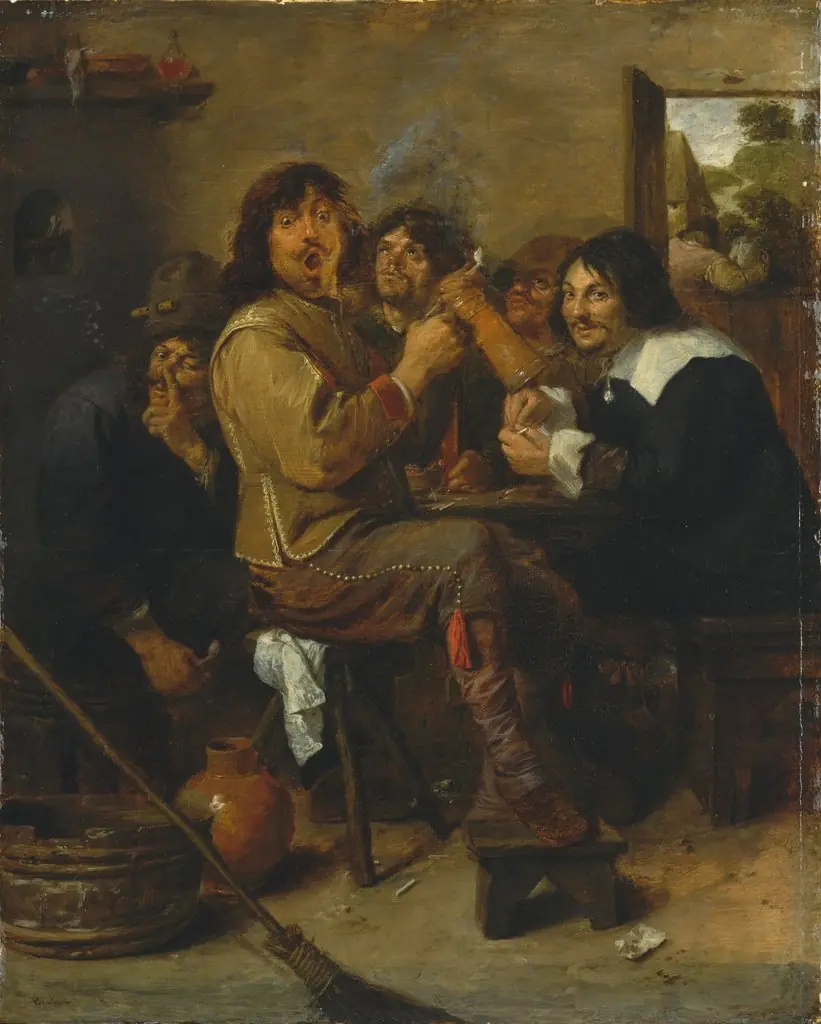 The Smokers by Adriaen Brouwer
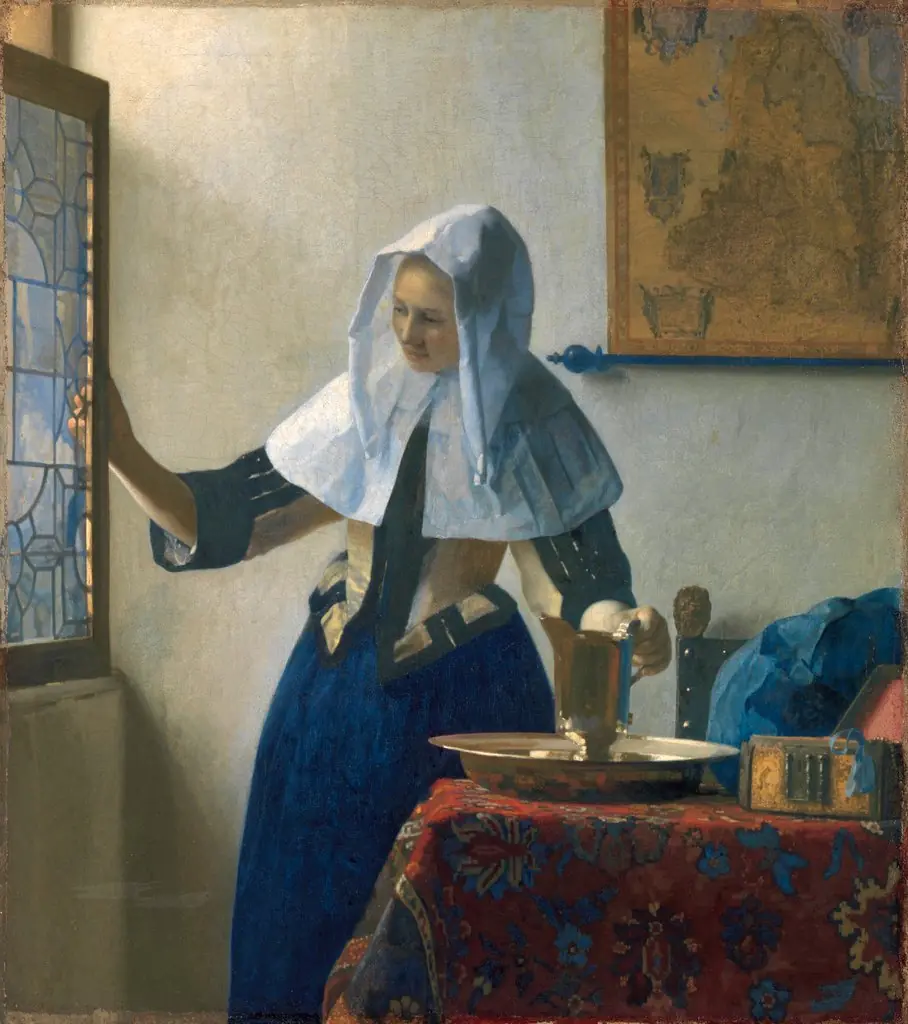 Woman with a Water Jug
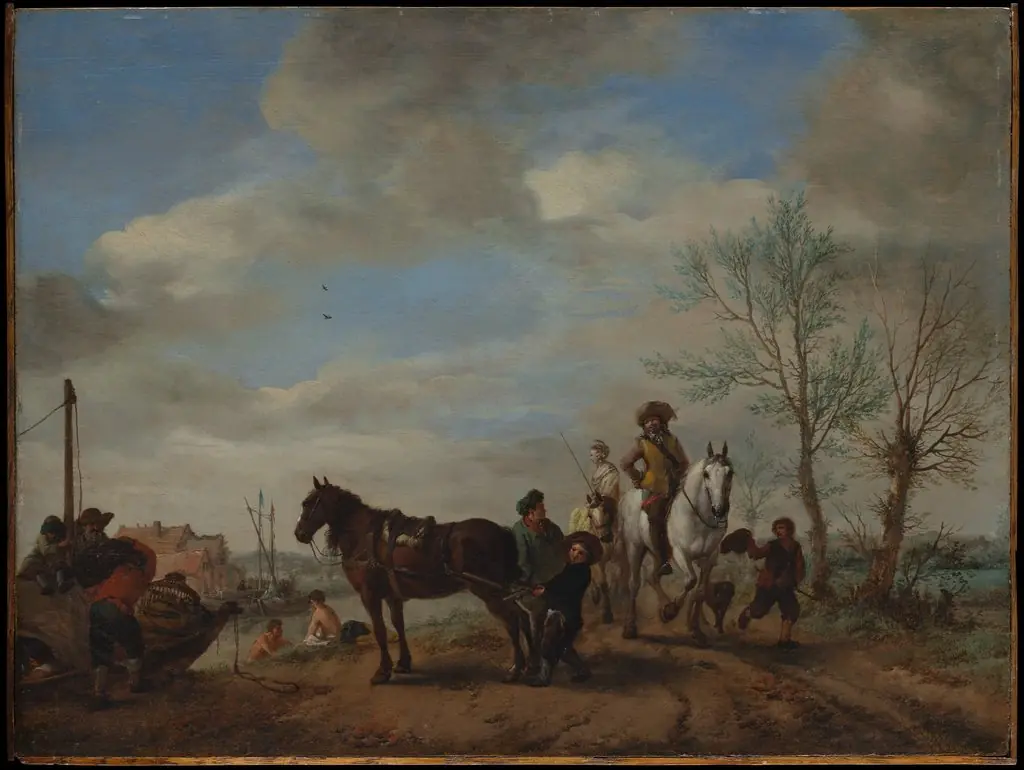 A Man and a Woman on Horseback
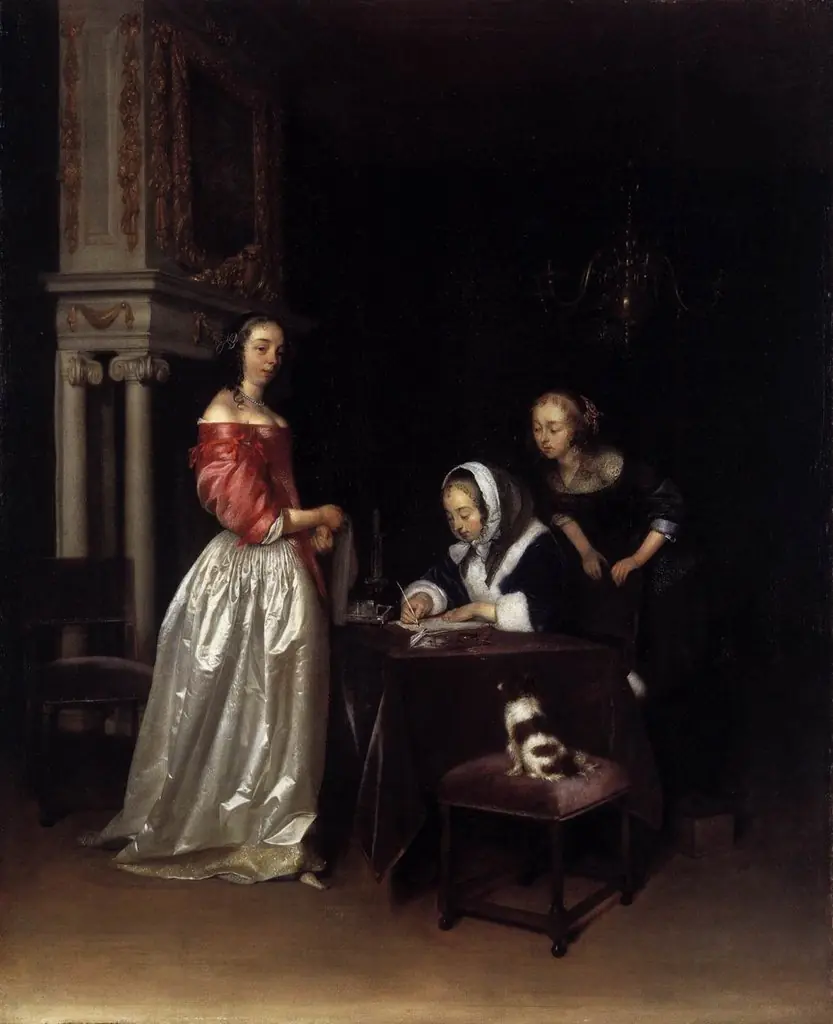 The Curious
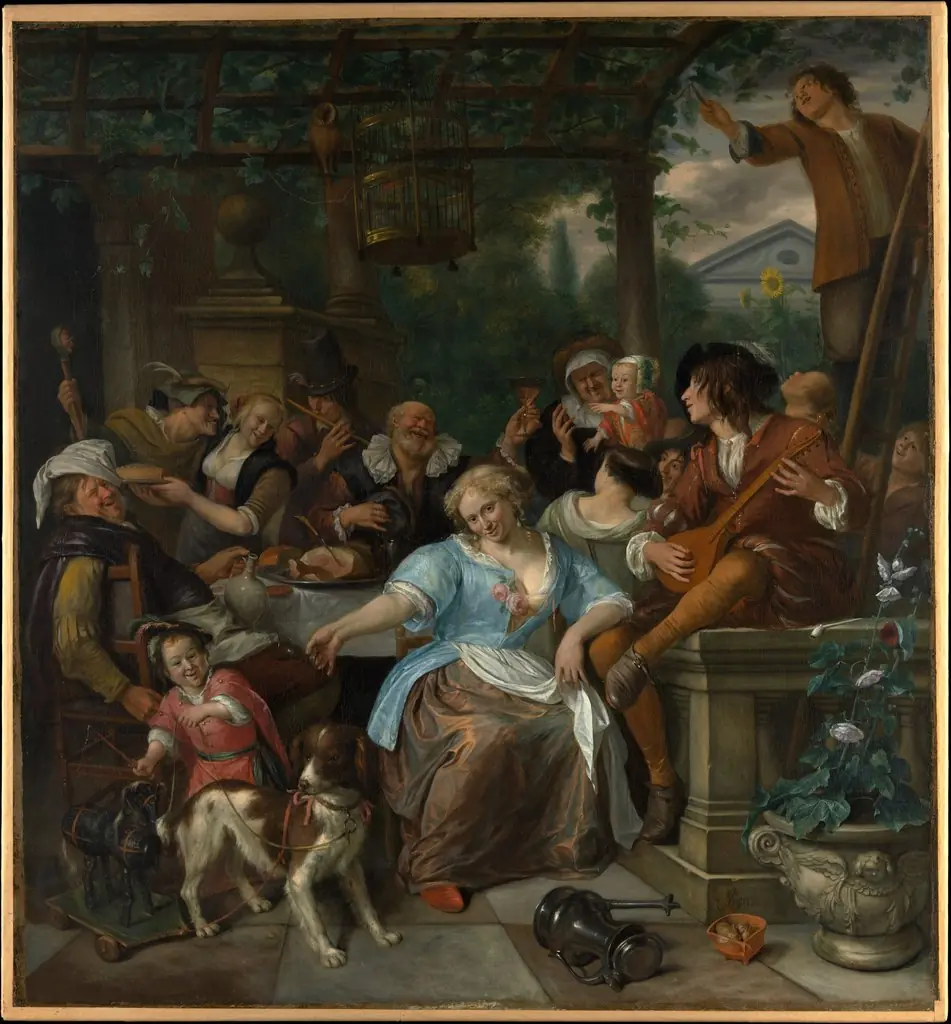 Merry Company on a Terrace
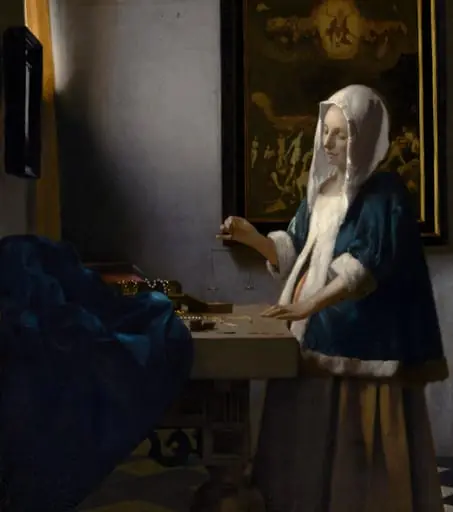 Woman Holding a Balance
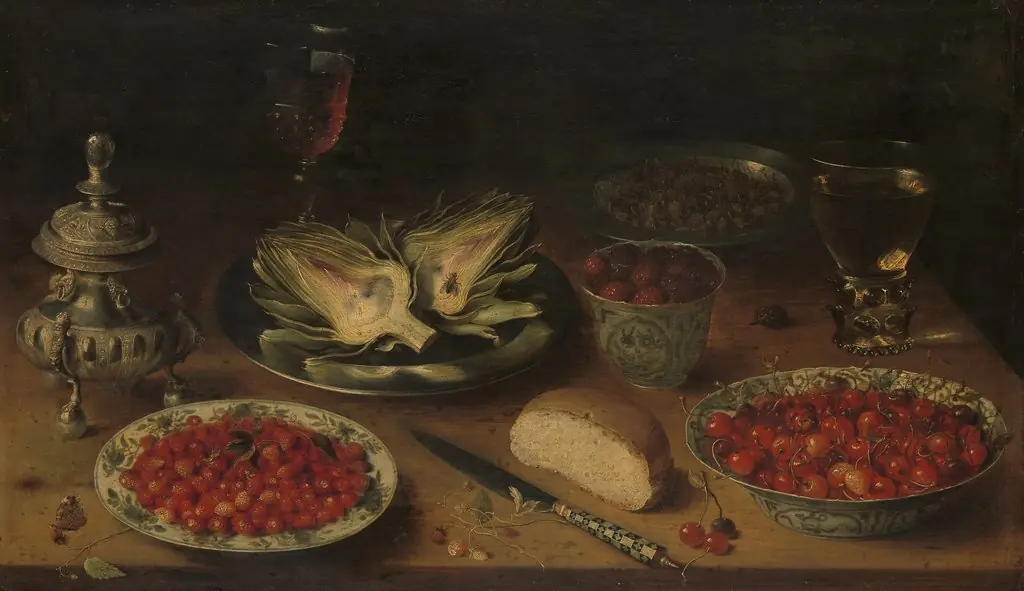 Still life with chinese porcelain, berries, and artichokes
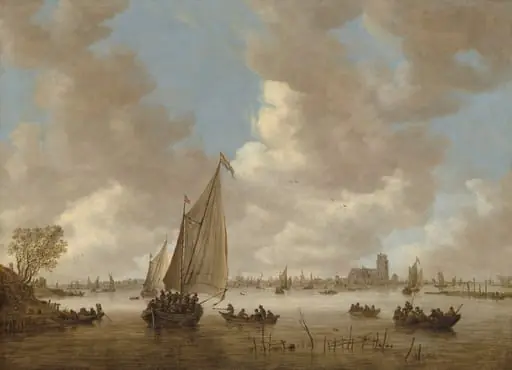 View of Dordrecht from the North
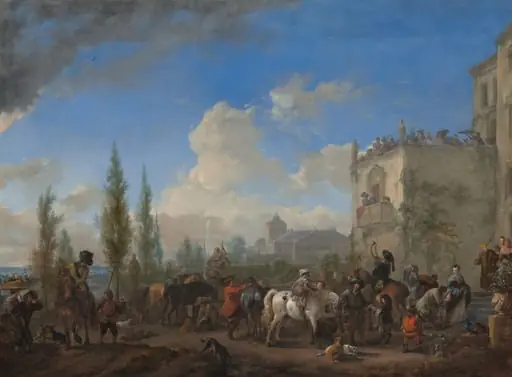 The Departure for the Hunt
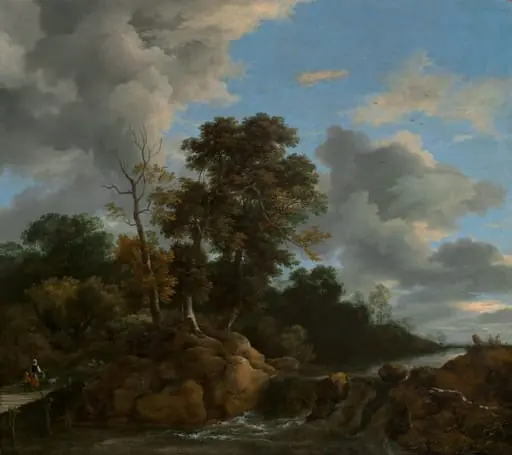 Landscape
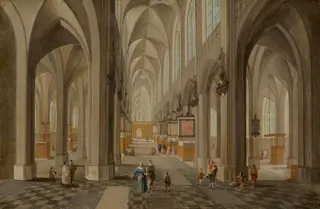 Antwerp Cathedral
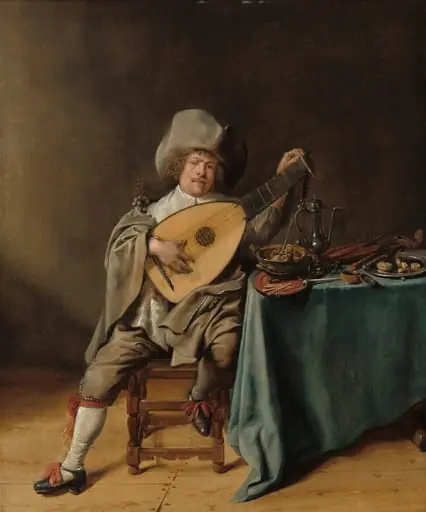 Self-Portrait as a Lute Player
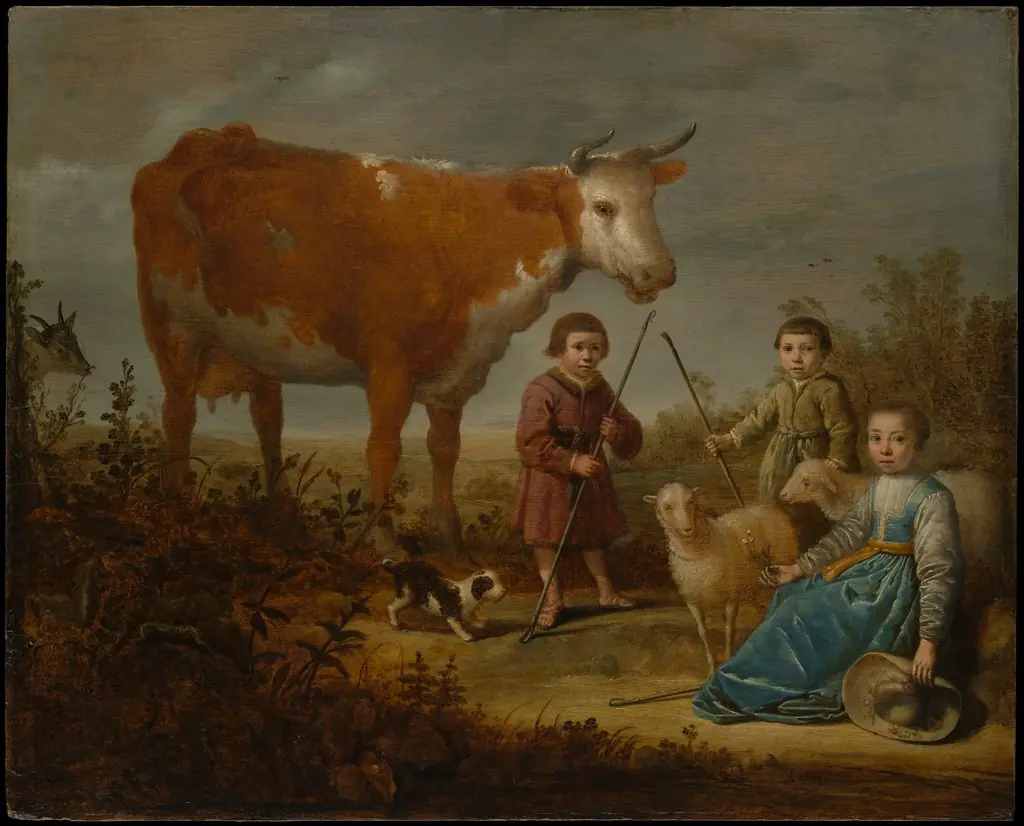 Children and a Cow
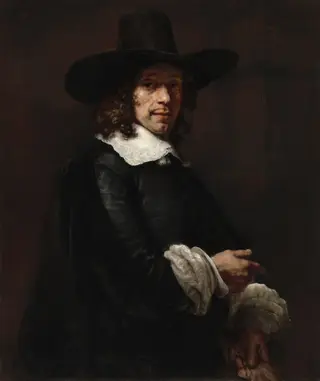 Portrait of a Gentleman with a Tall Hat and Gloves
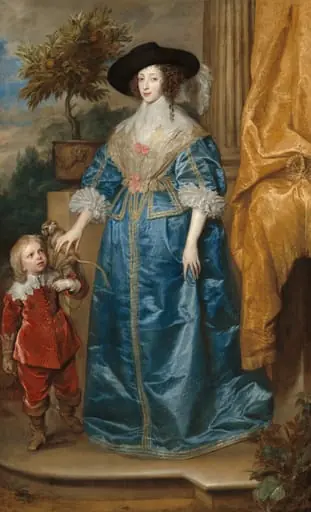 Queen Henrietta Maria with Sir Jeffrey Hudson
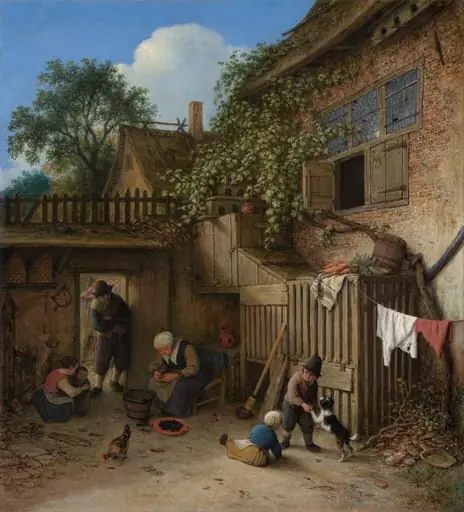 The Cottage Dooryard
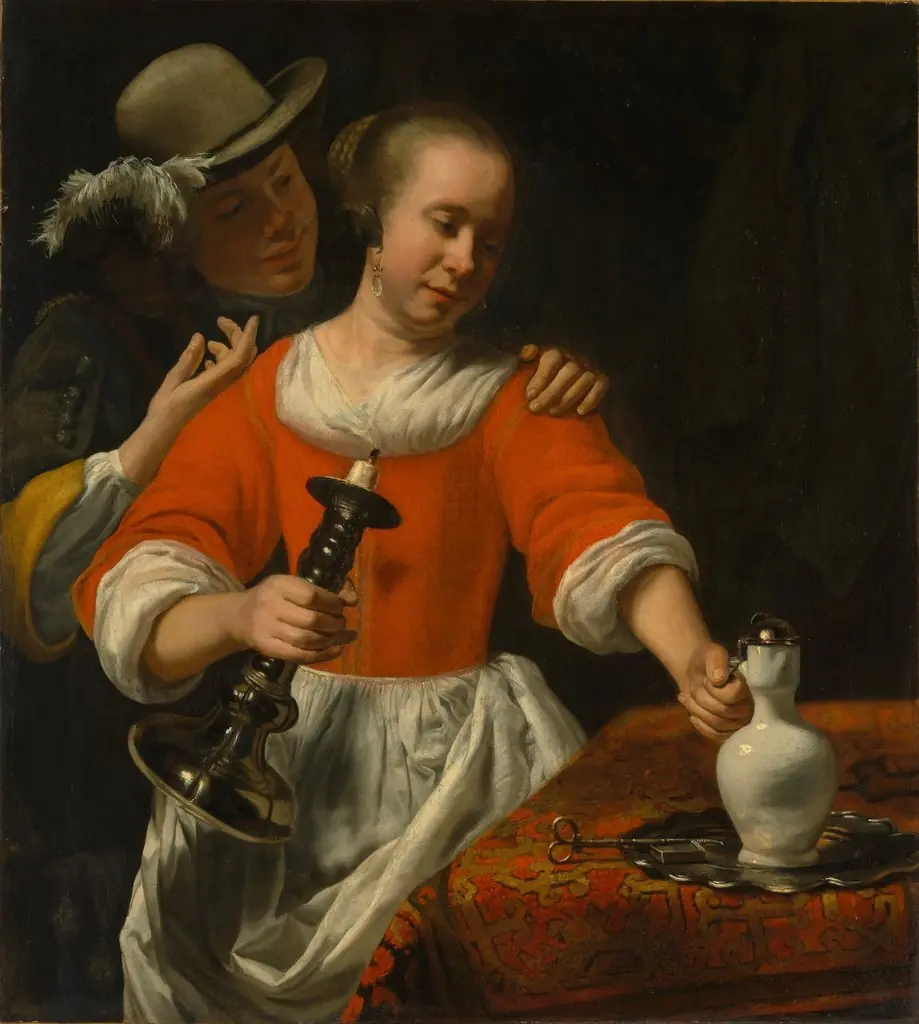 A Young Woman and a Cavalier
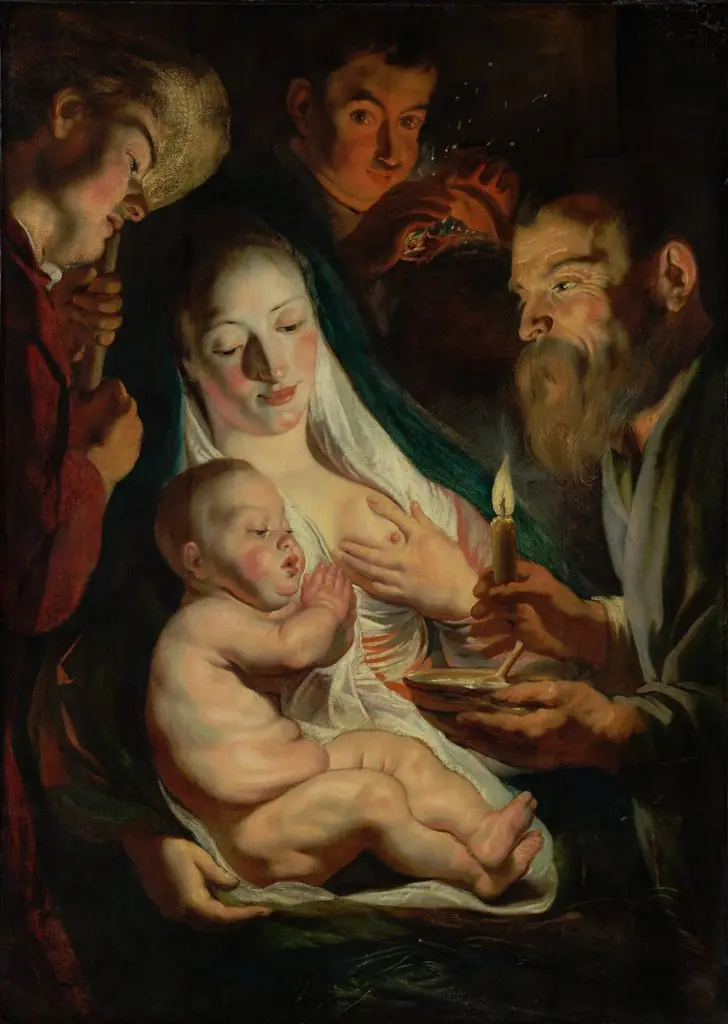 The Holy Family with Shepherds
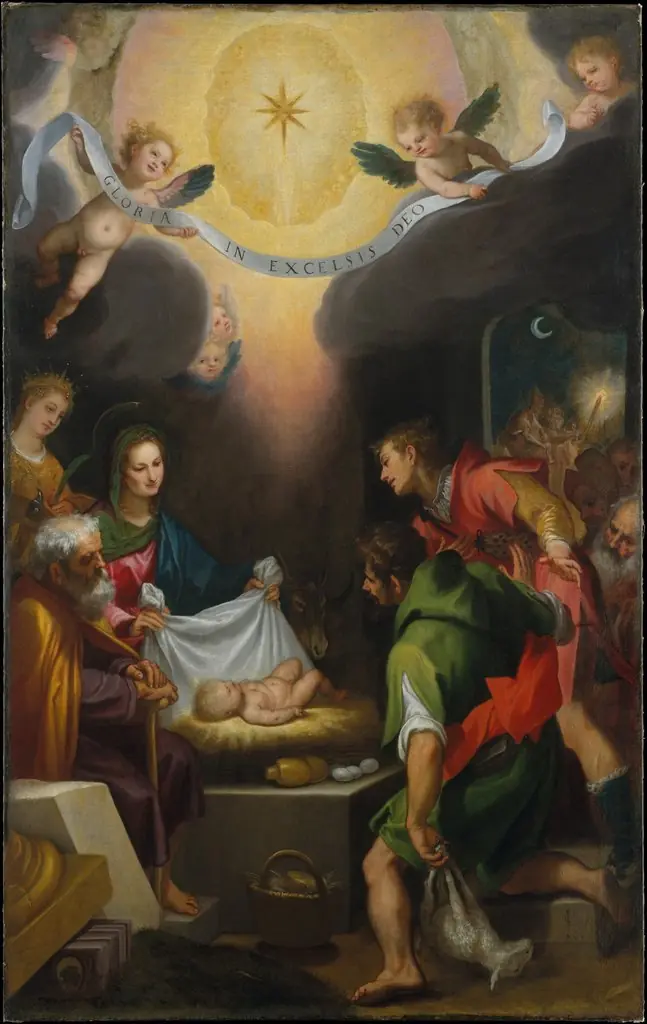 The Adoration of the Shepherds with Saint Catherine of Alexandria
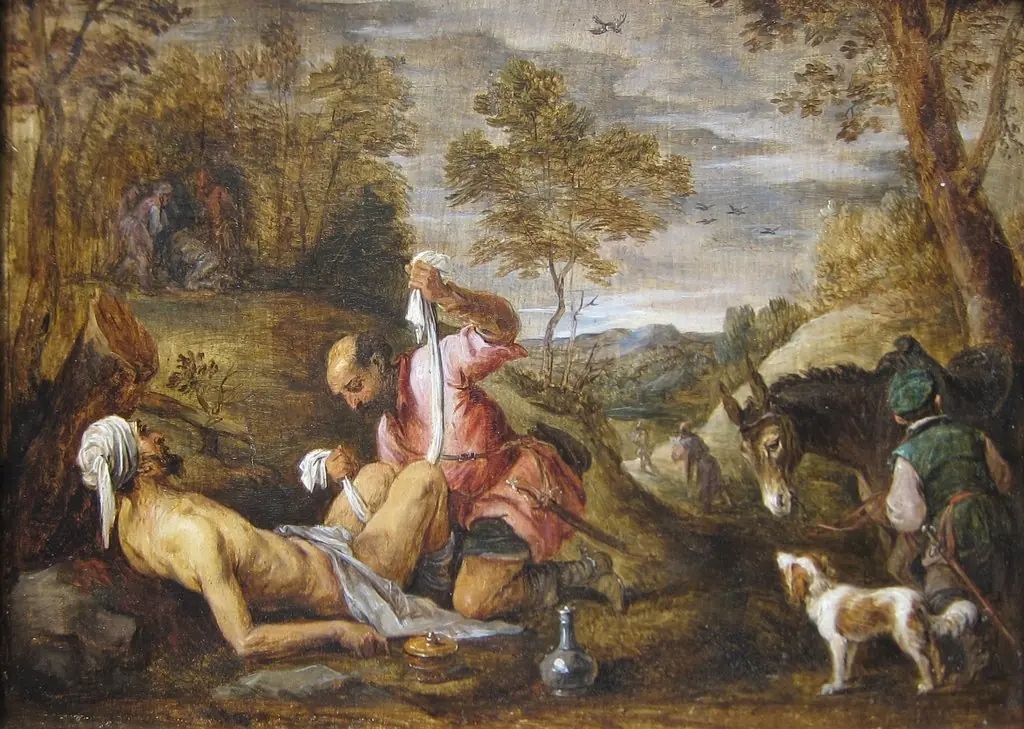 The Good Samaritan
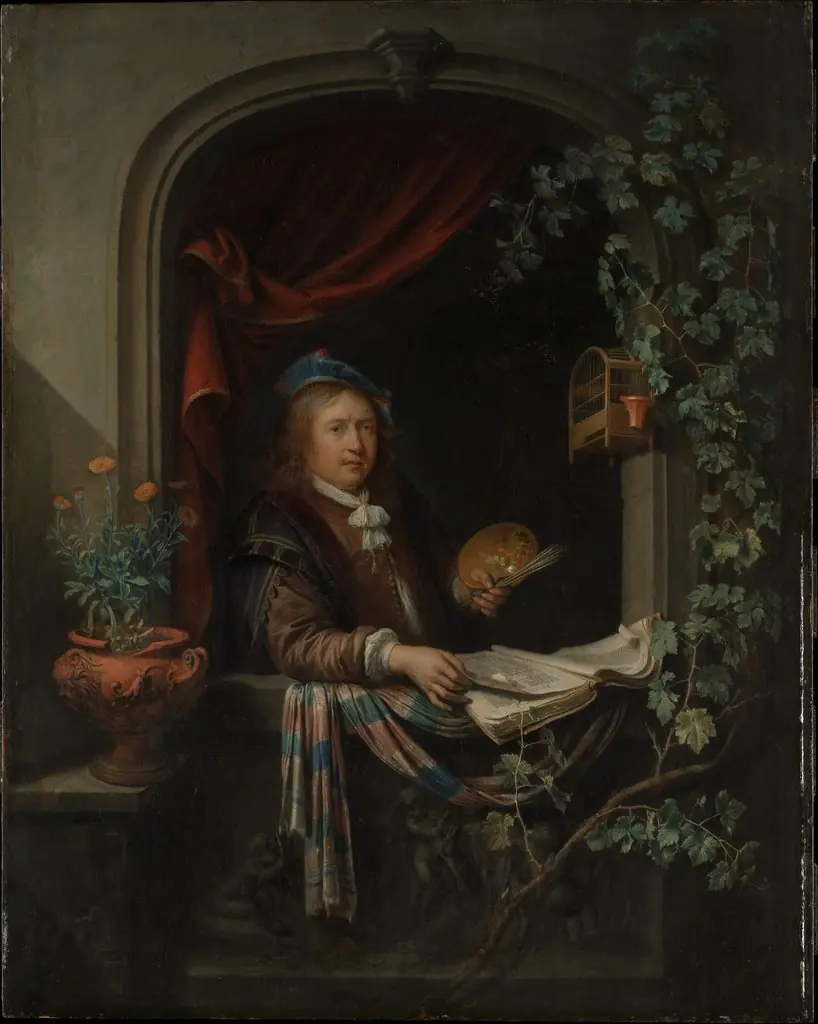 Self-Portrait
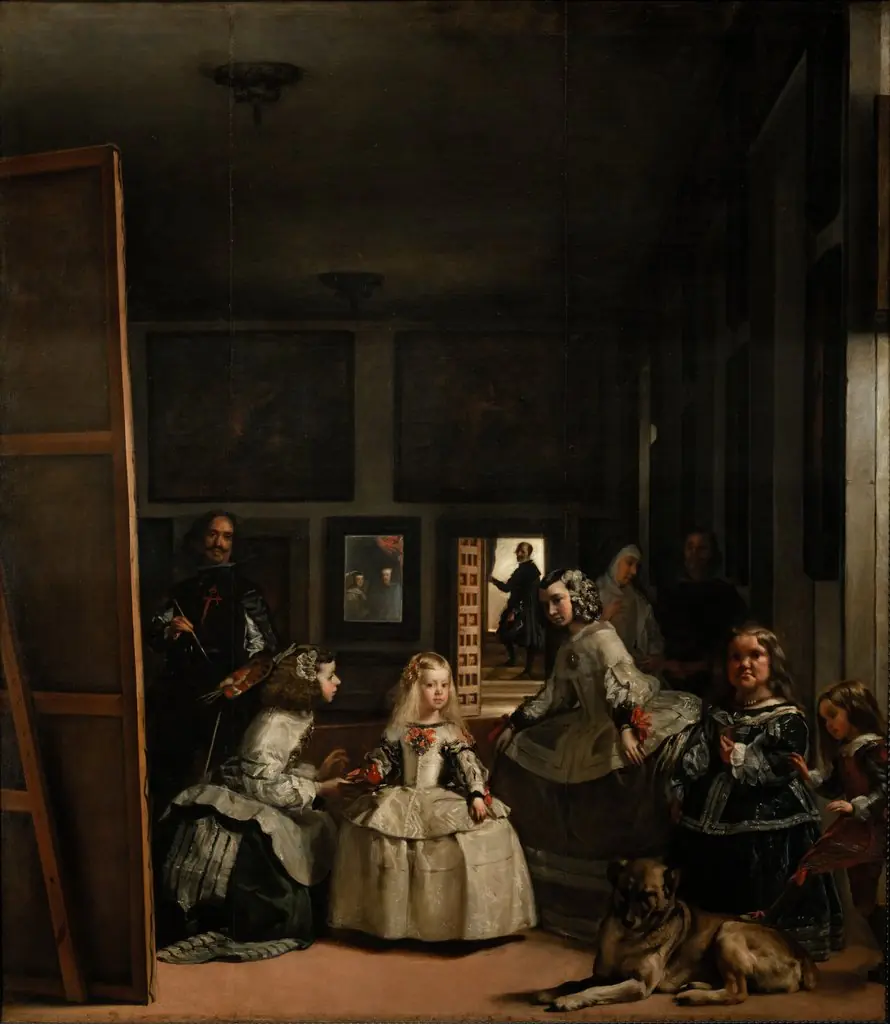 Las Meninas
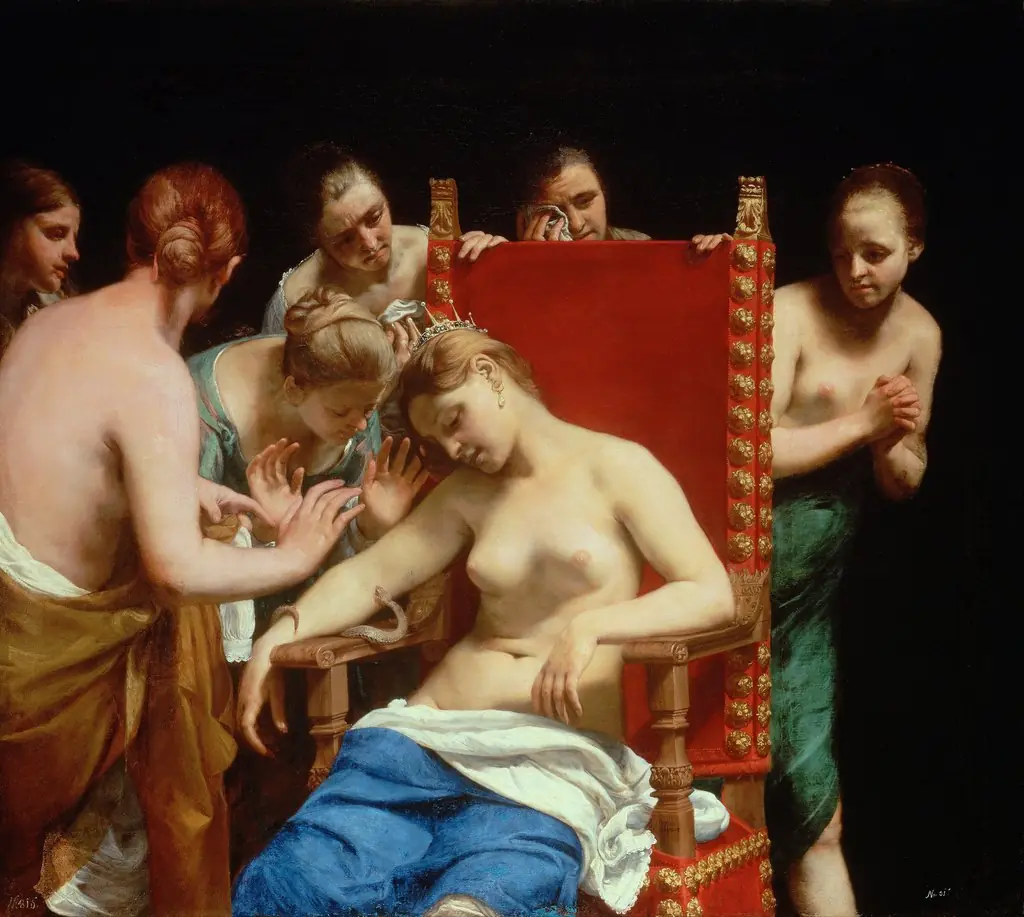 The Death of Cleopatra
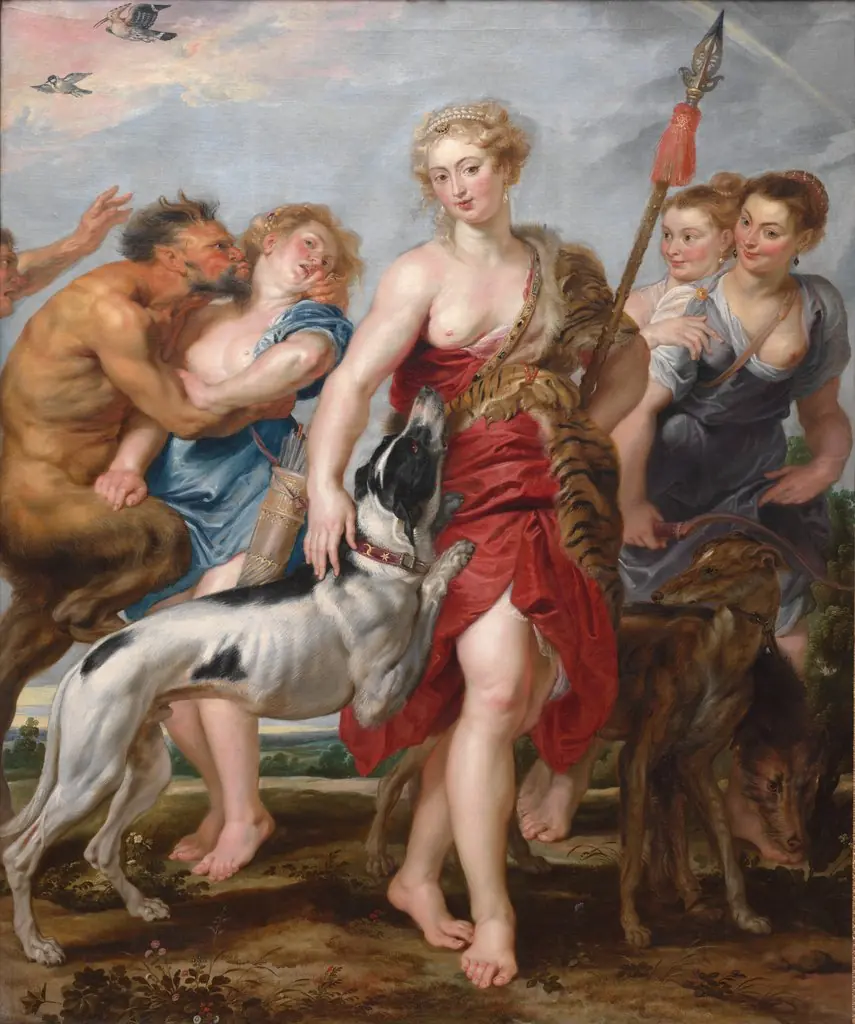 Diana and Her Nymphs Departing for the Hunt
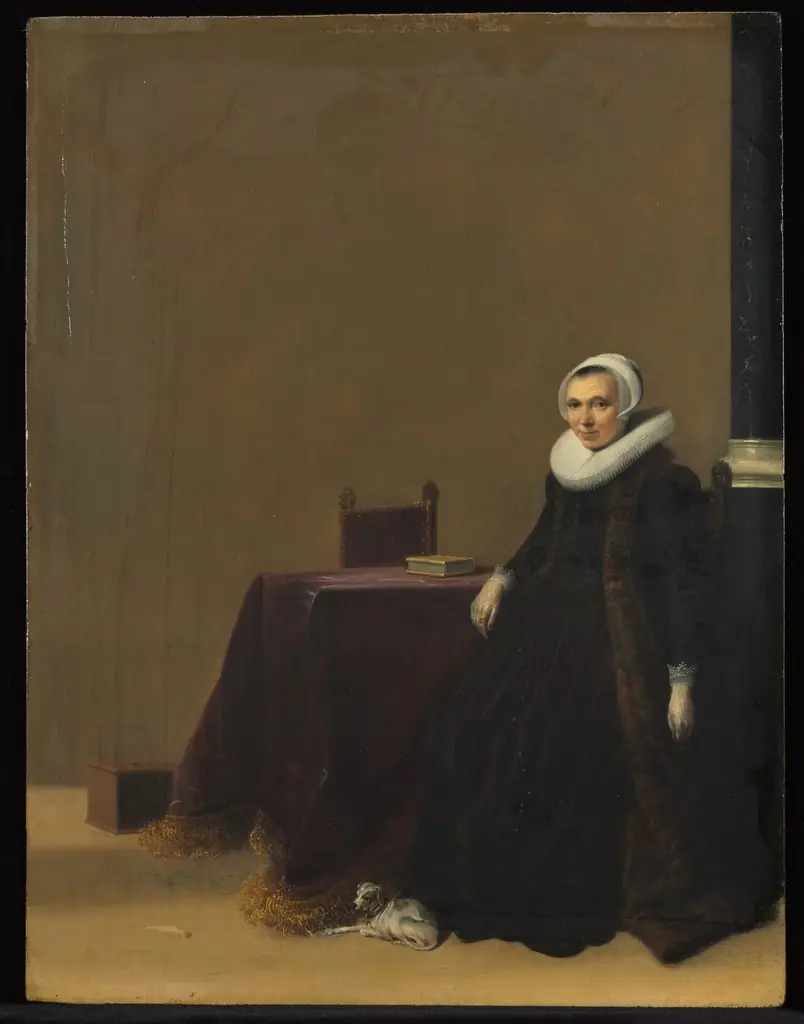 Portrait of a Woman with a Dog
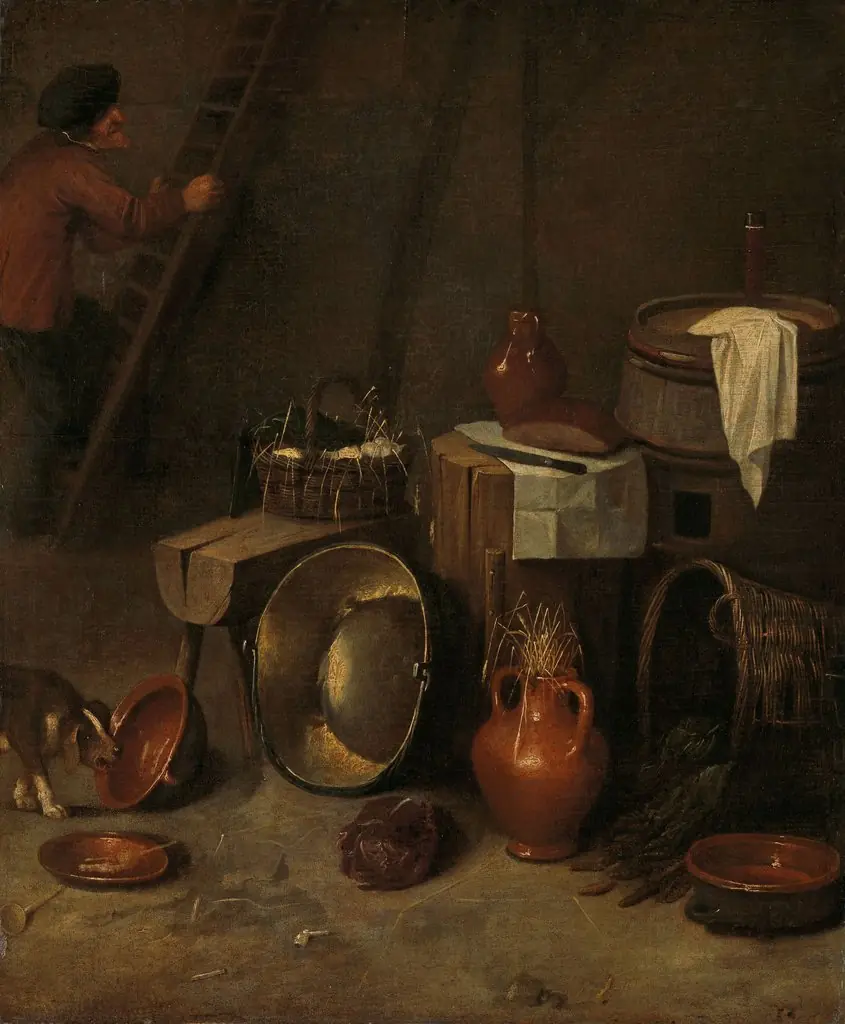 Still life in a stable
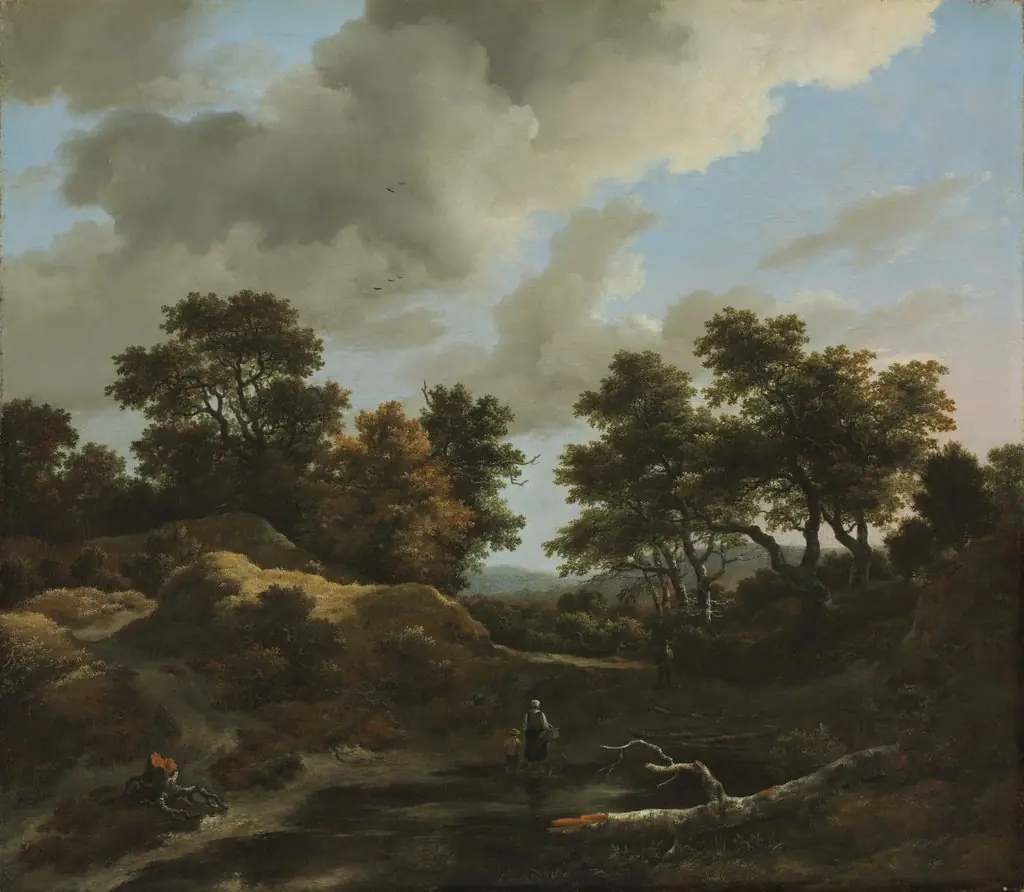 Wooded and Hilly Landscape
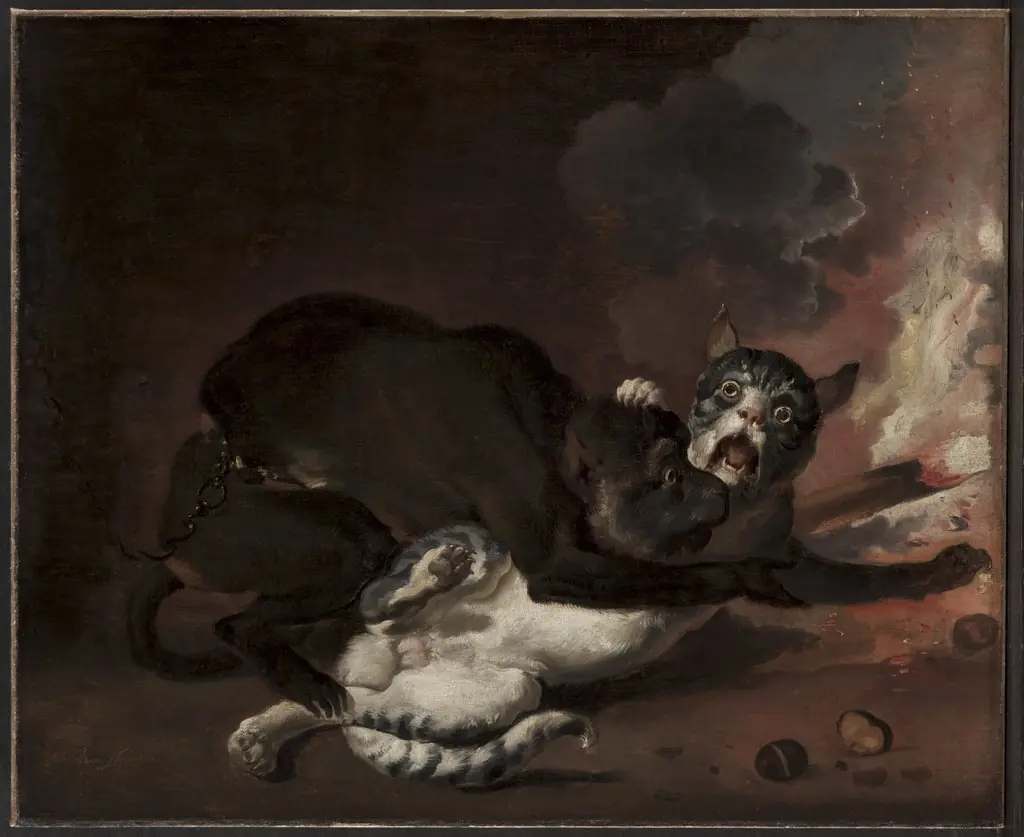 The Monkey and the Cat
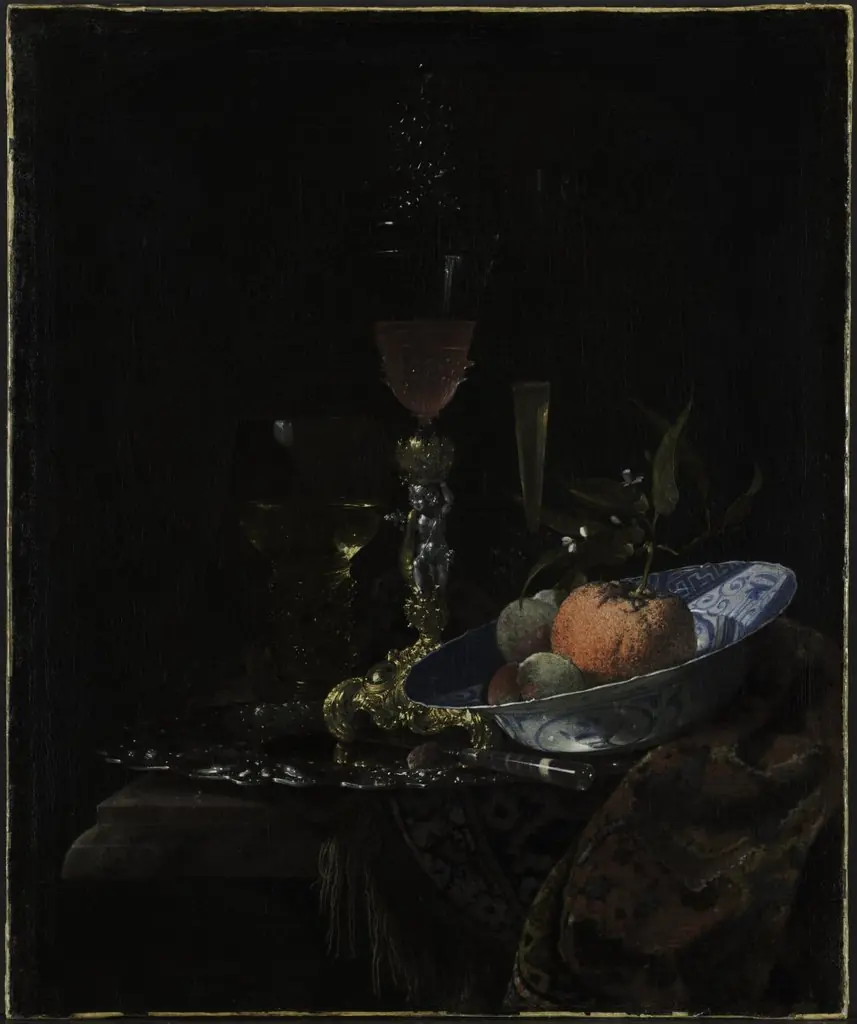 Wineglass and a Bowl of Fruit
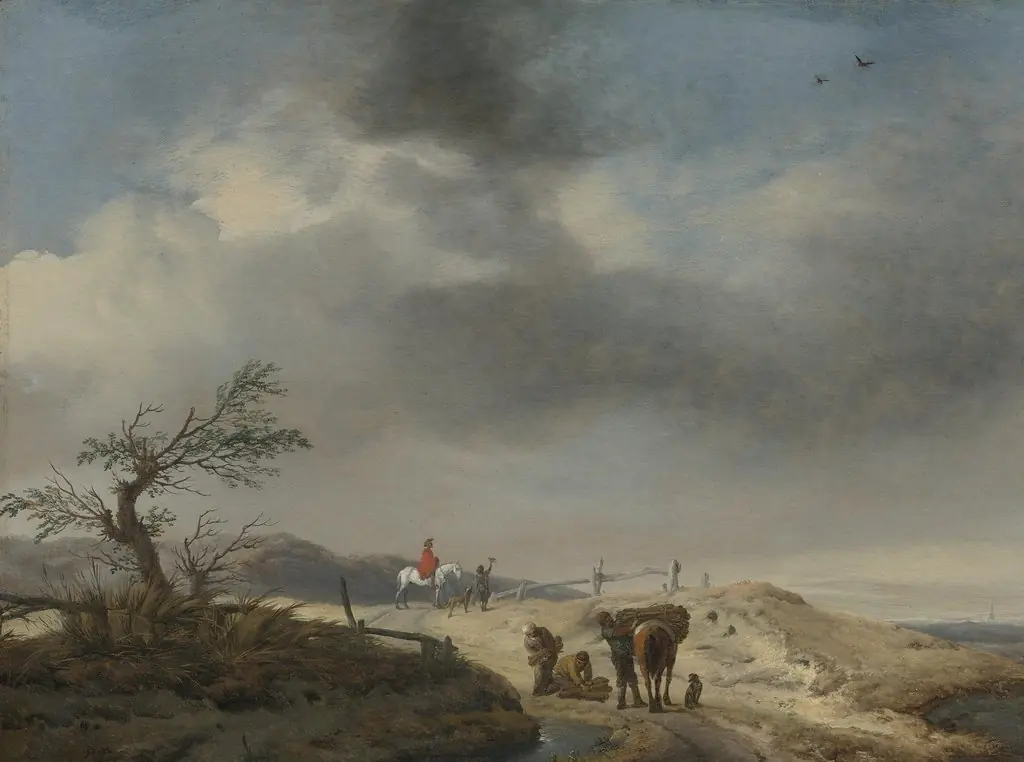 Dune Landscape with Figures
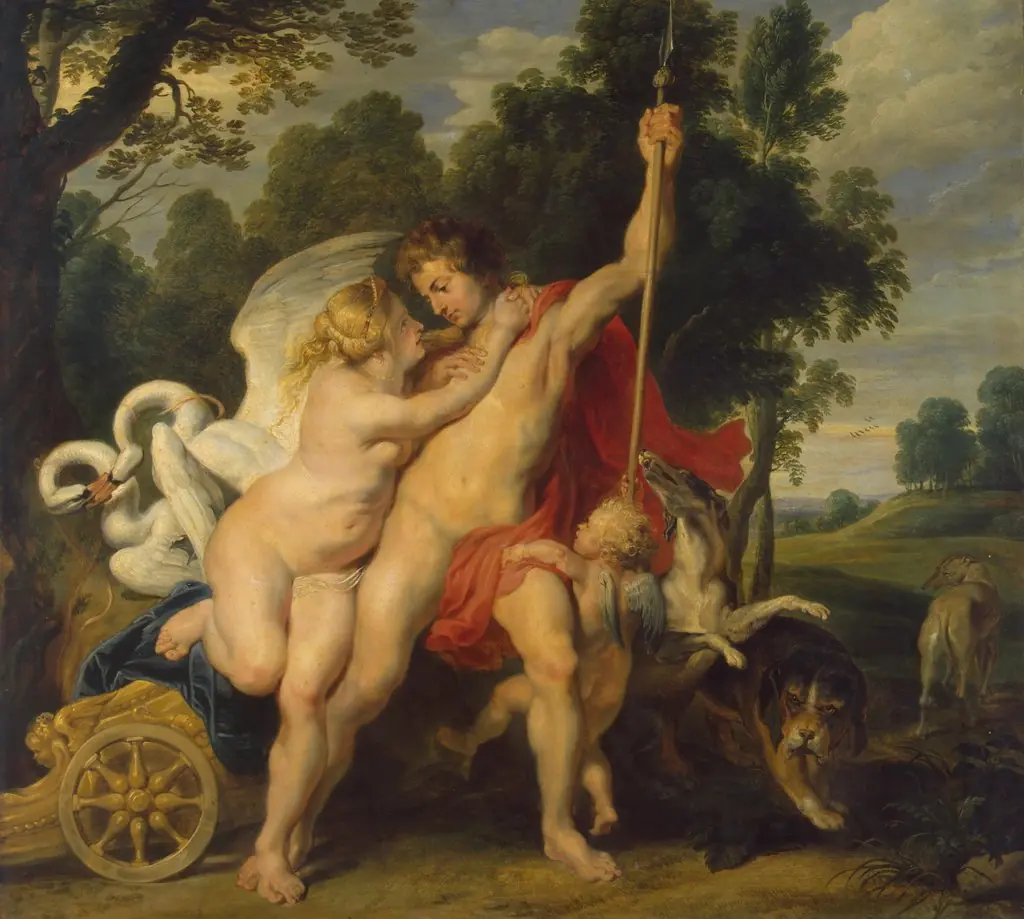 Venus and Adonis (Rubens, 1614)
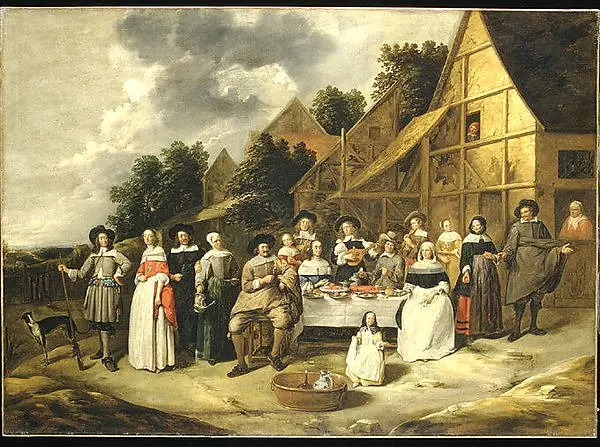 Group Portrait: A Wedding Celebration
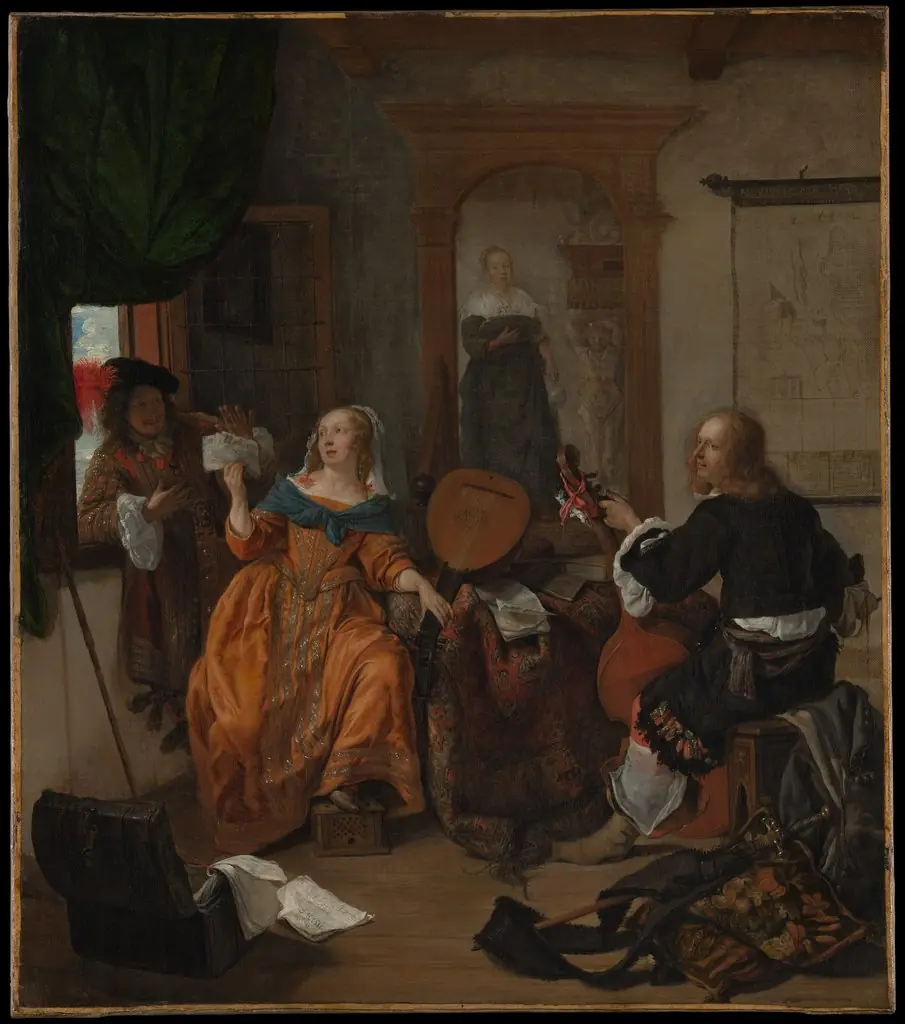 A Musical Party
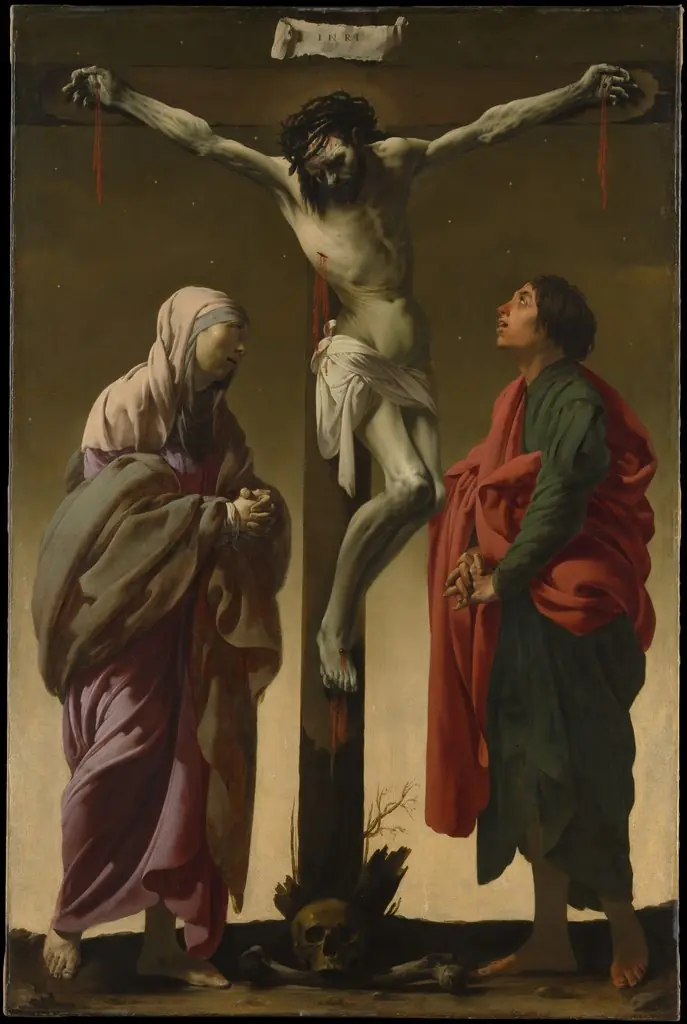 The Crucifixion with the Virgin and St John
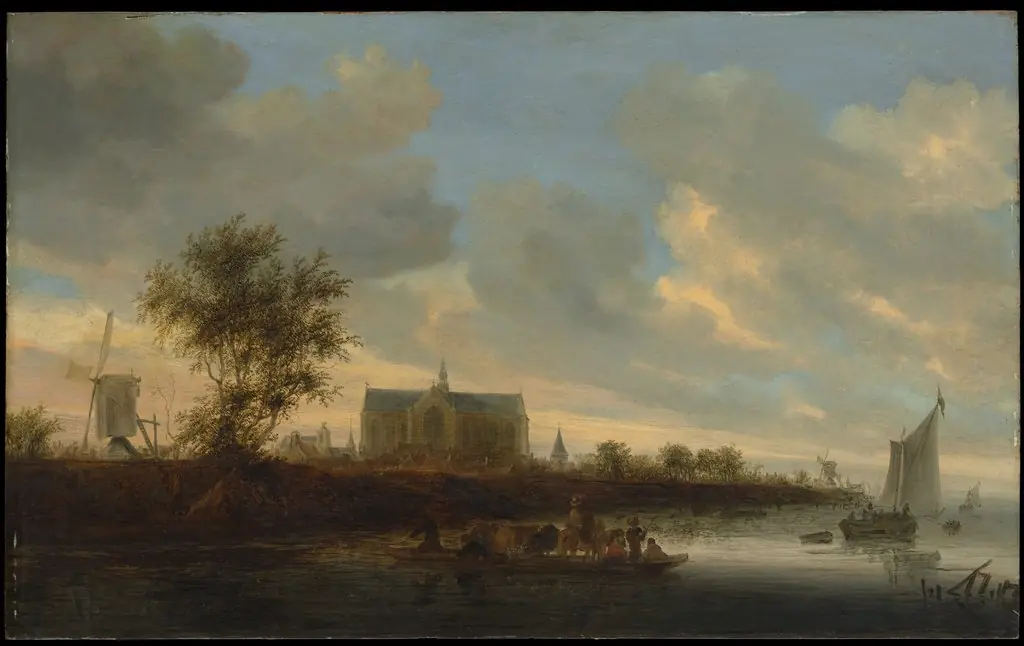 View of the Town of Alkmaar
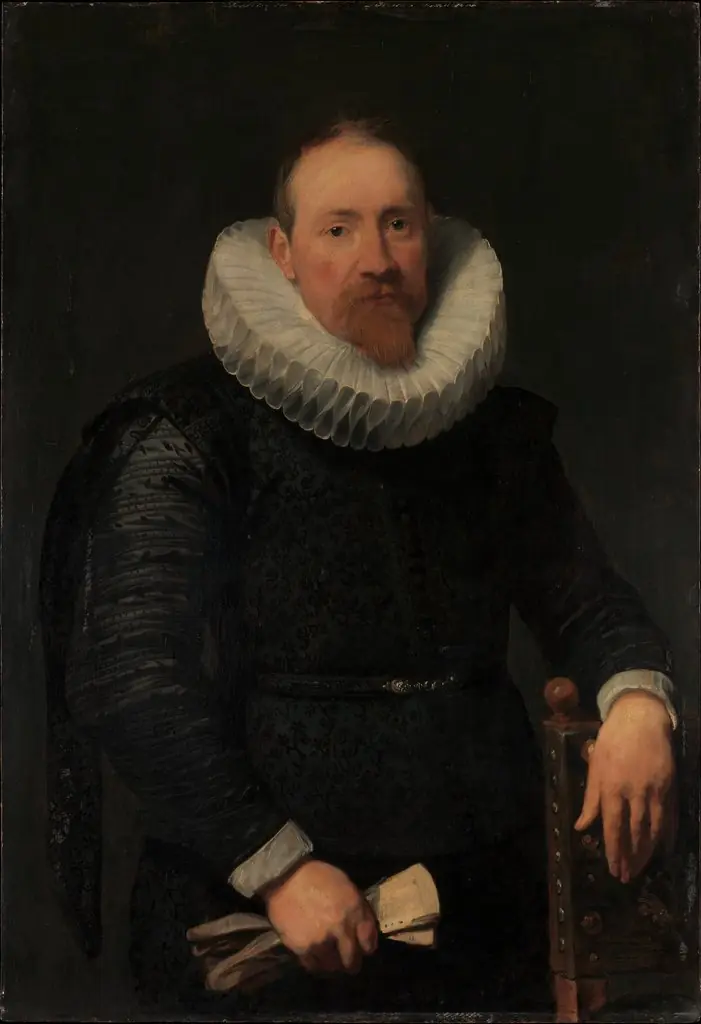 Portrait of a Man
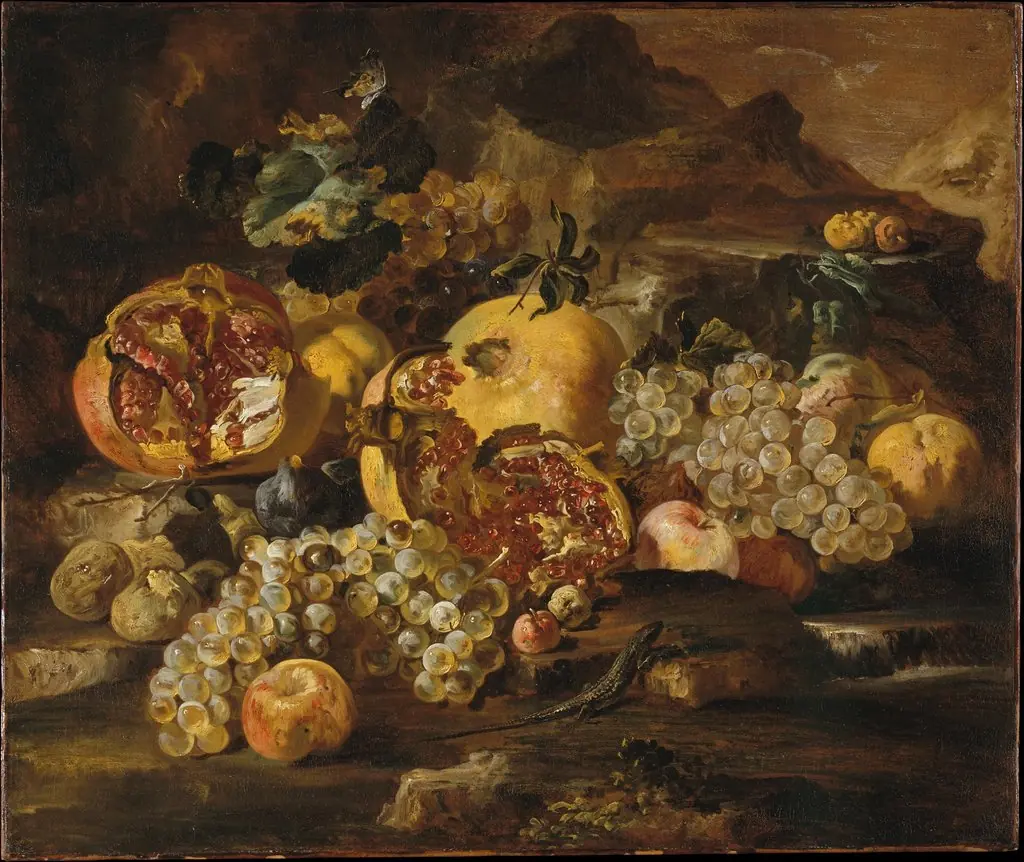 Pomegranates and Other Fruit in a Landscape
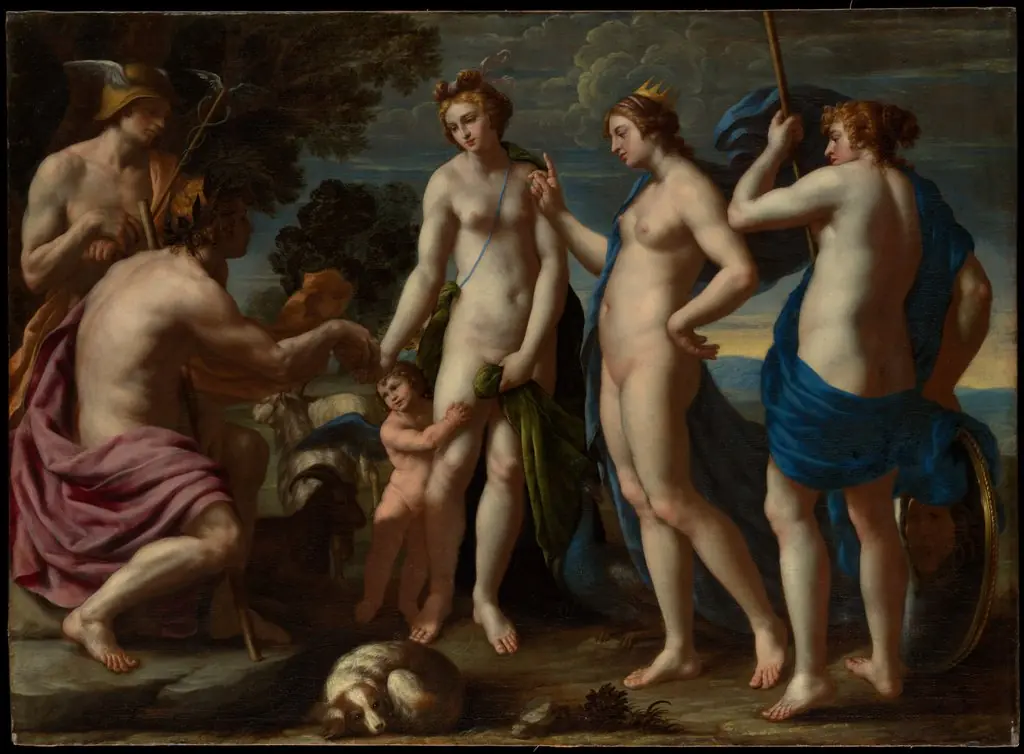 Judgment of Paris
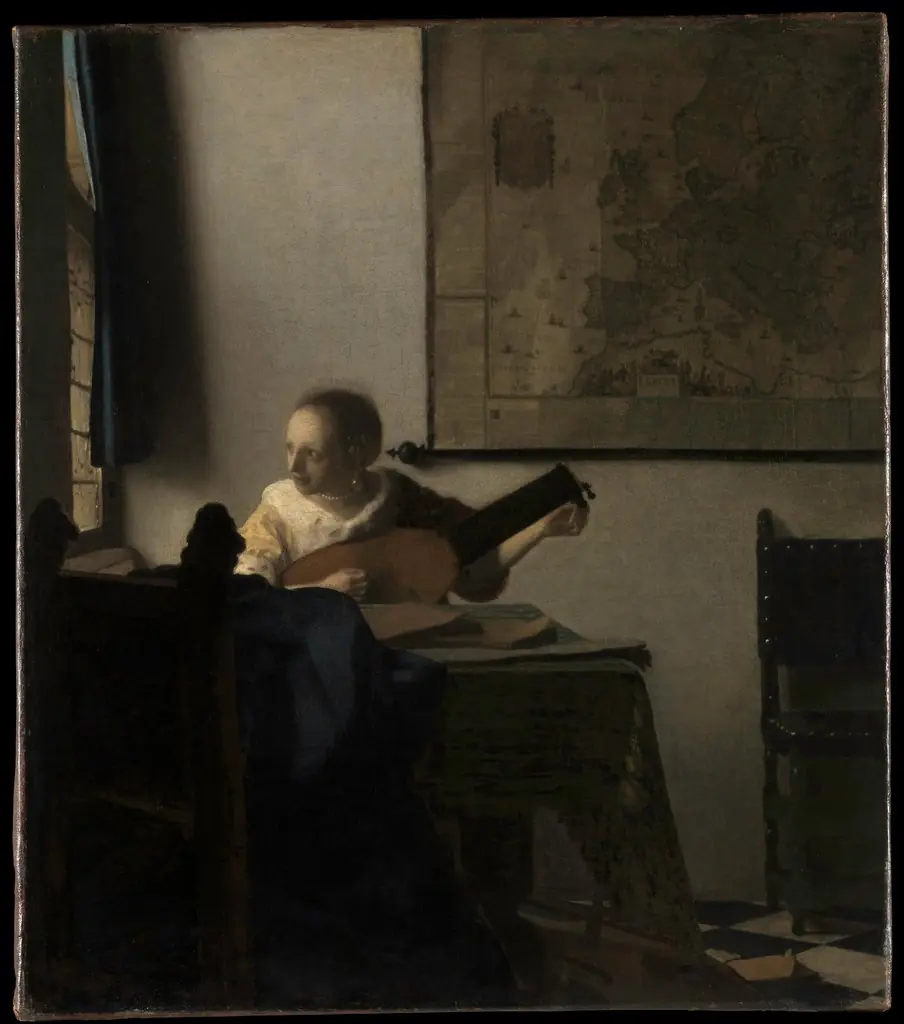 Woman with a Lute
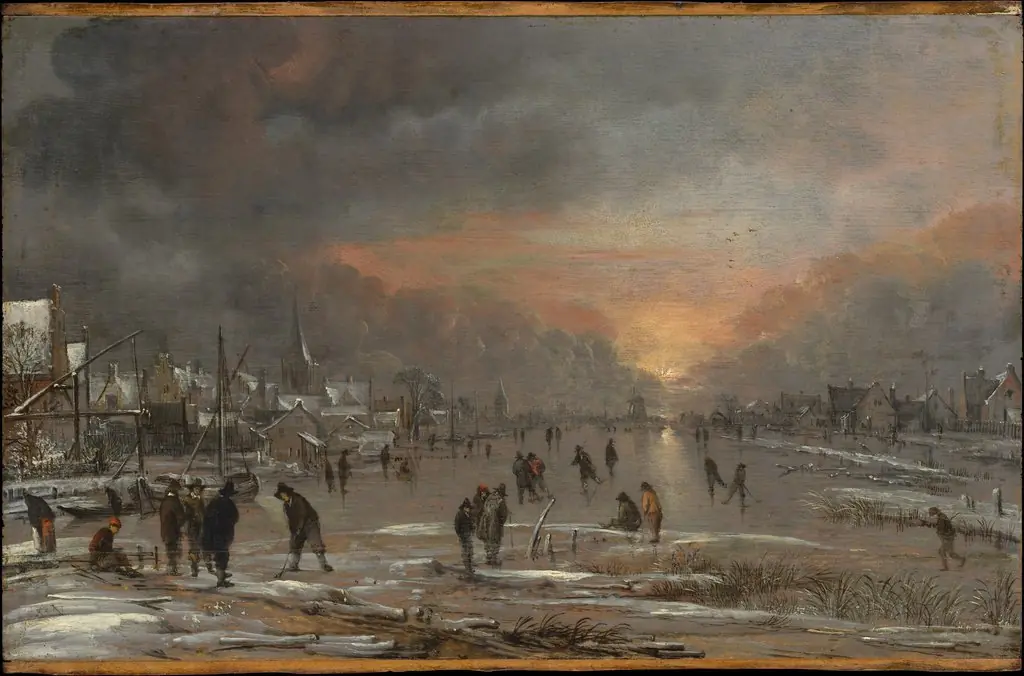 Sports on a Frozen River
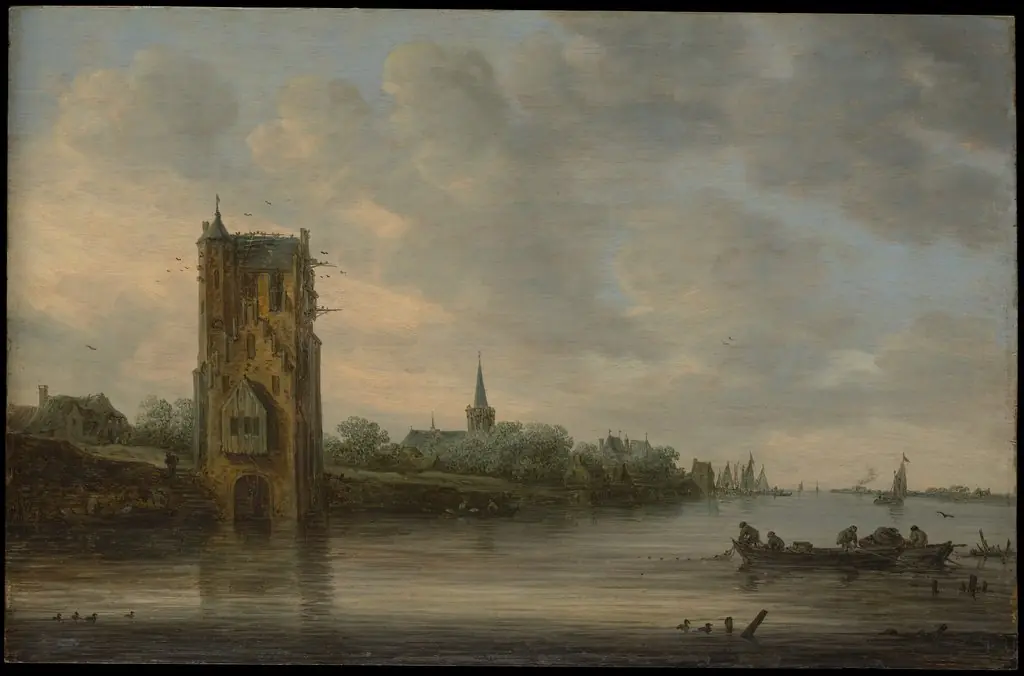 The Pelkus Gate near Utrecht
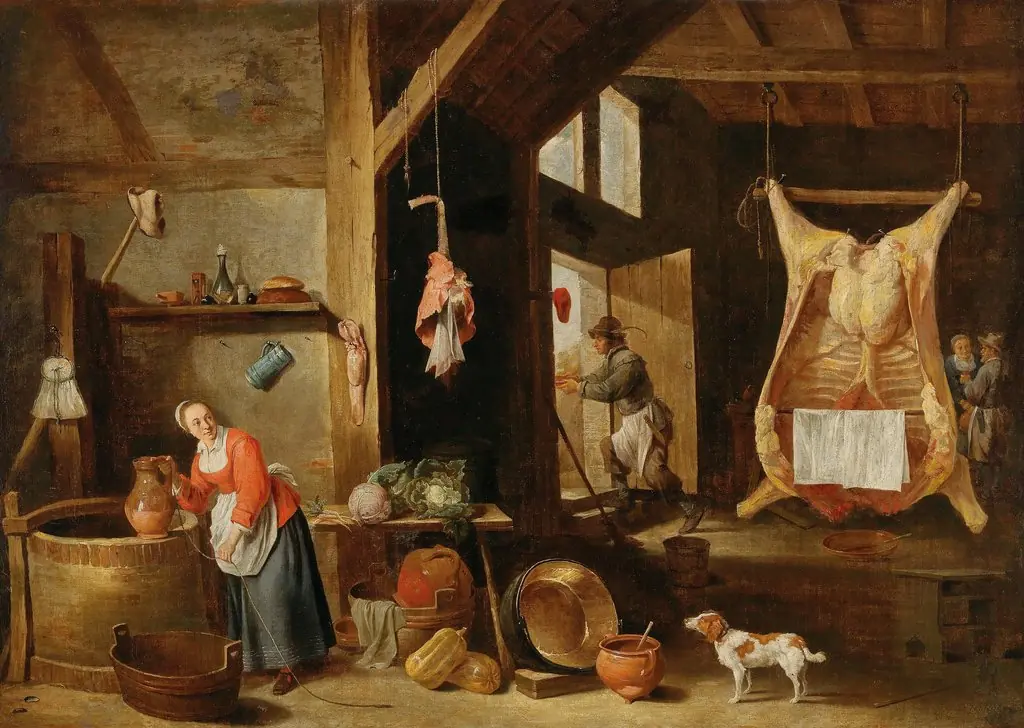 An interior of a barn with a scullery maid at a well
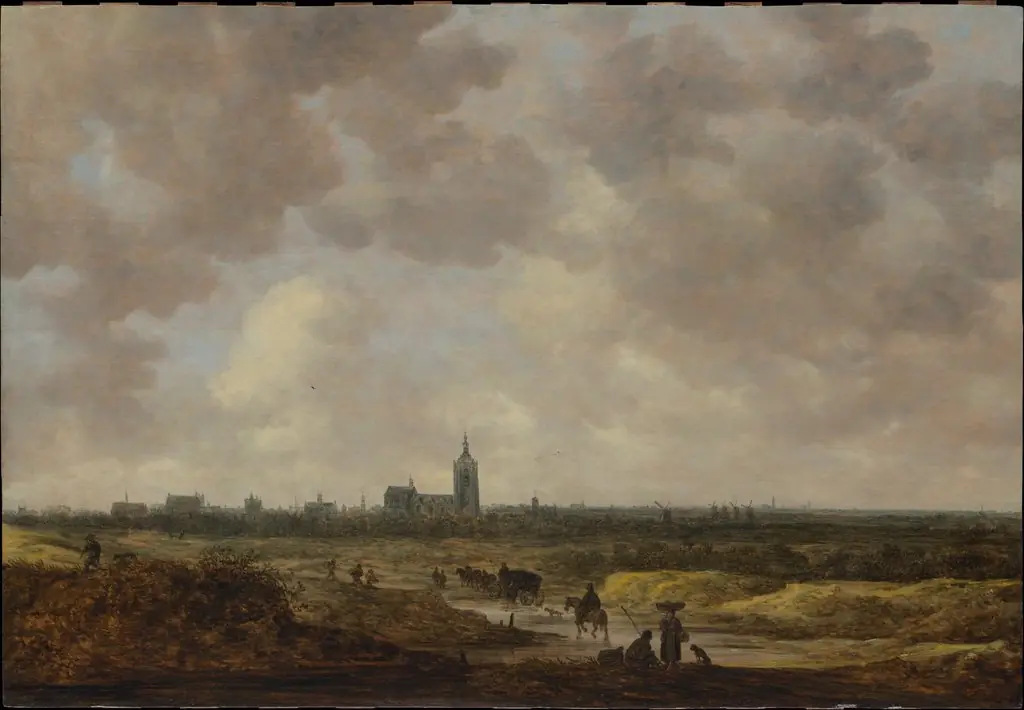 A View of The Hague from the Northwest
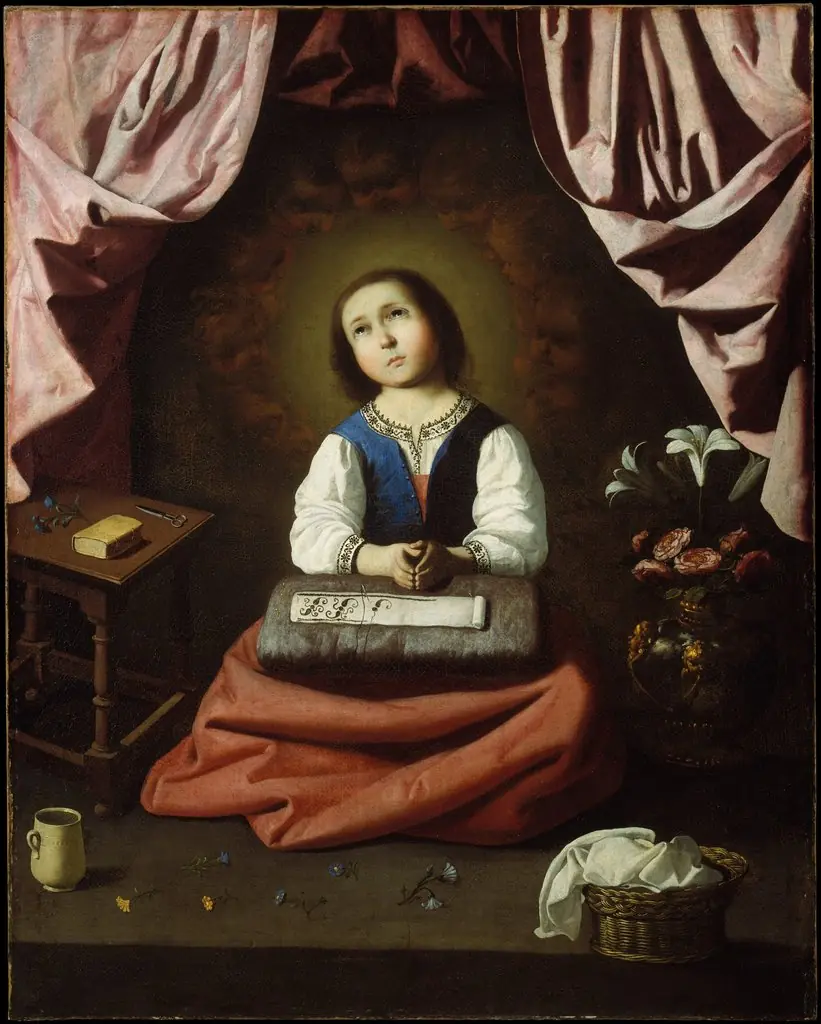 The Young Virgin
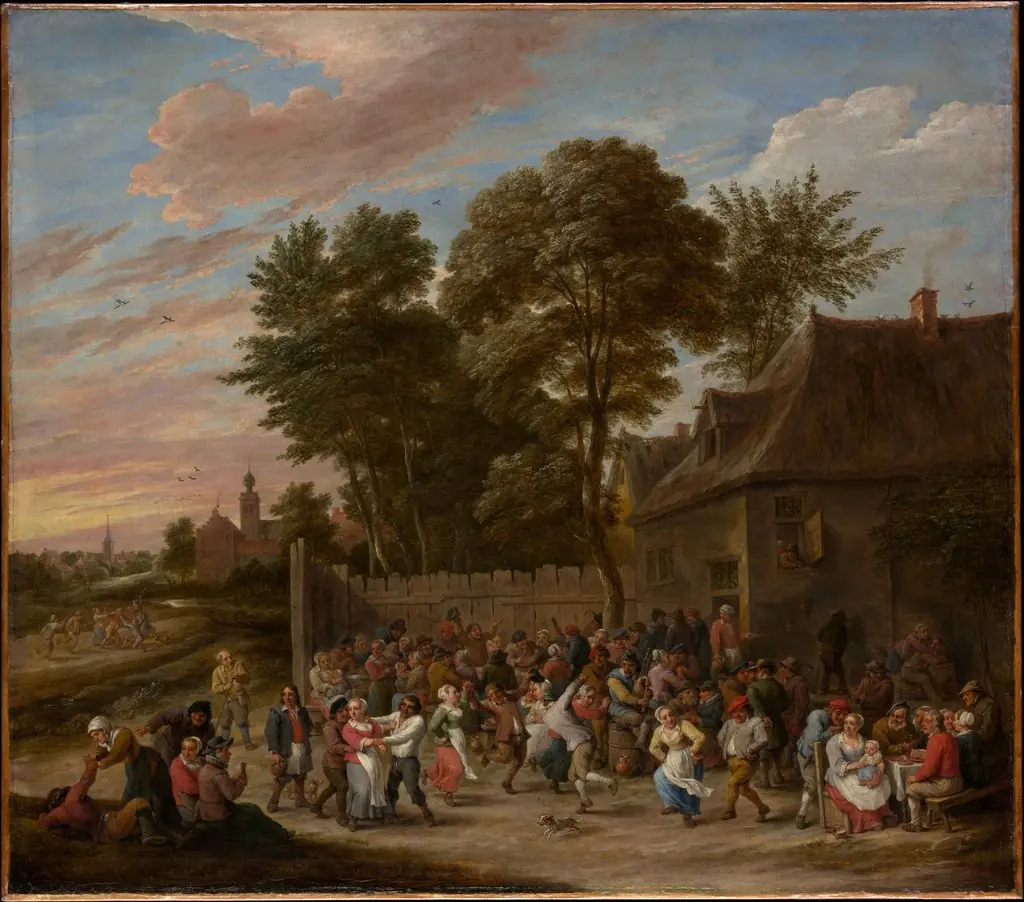 Peasants Dancing and Feasting
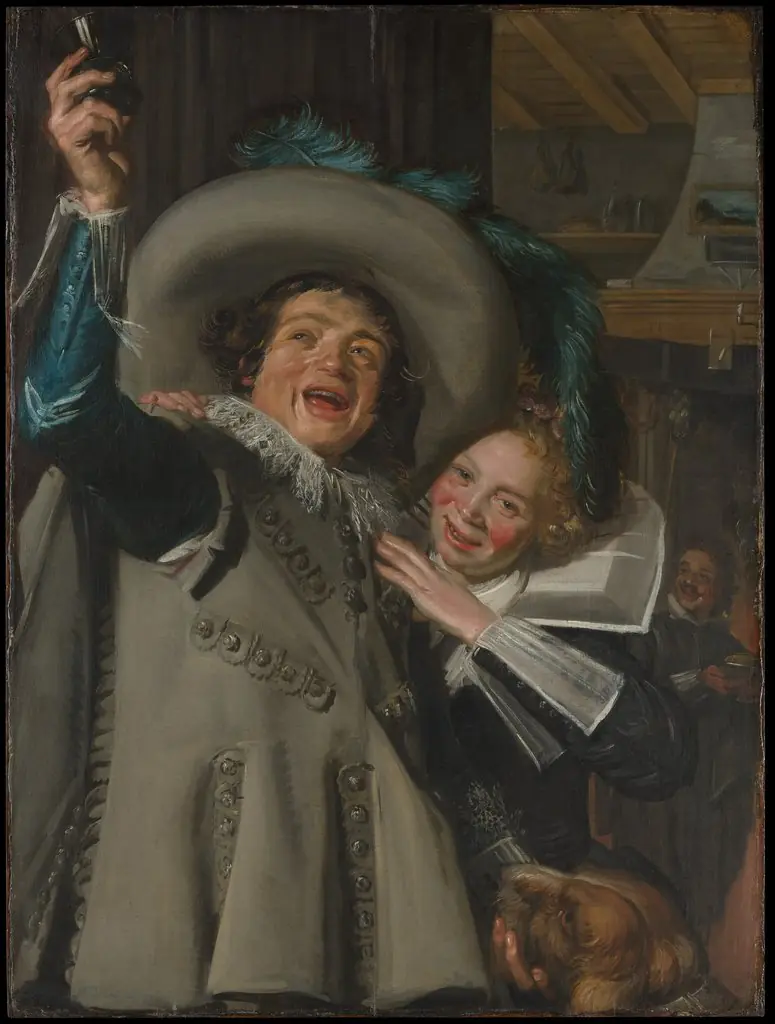 Young Man and Woman in an Inn
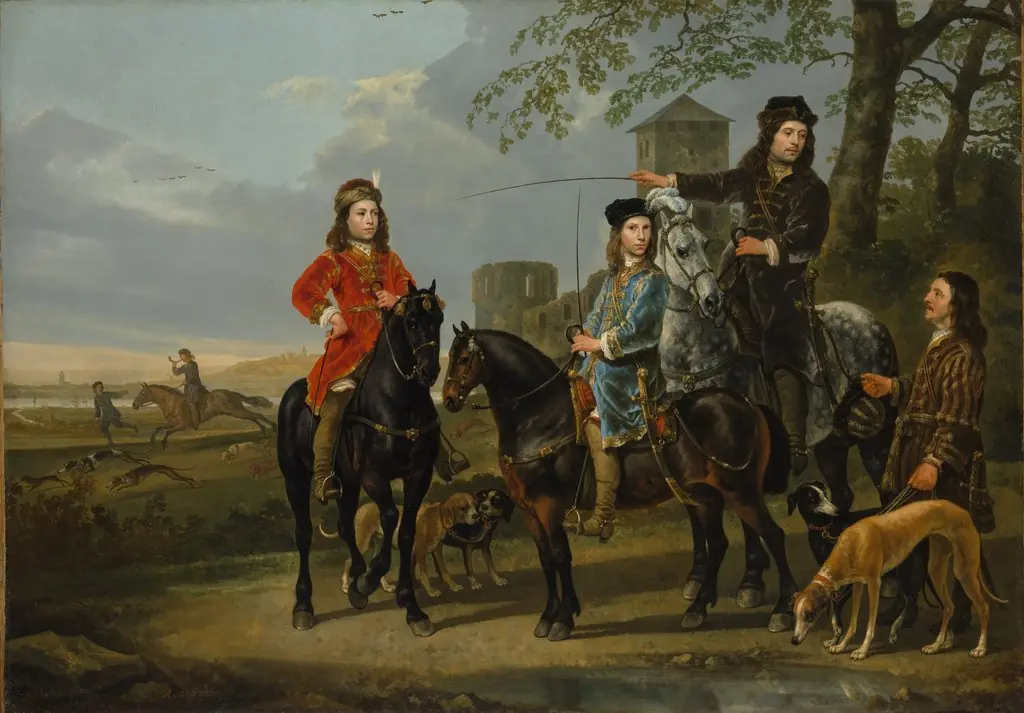 Equestrian Portrait of Cornelis (1639–1680) and Michiel Pompe van Meerdervoort (1638–1653) with Their Tutor and Coachman ("Starting for the Hunt")
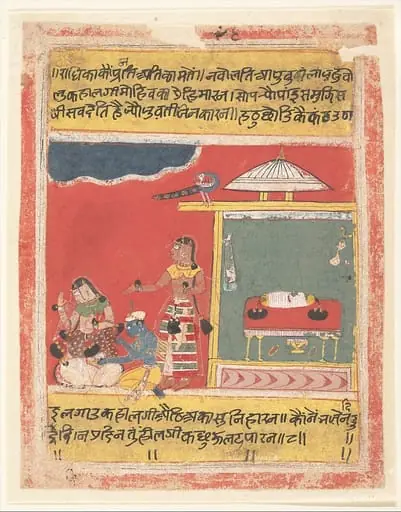 Untitled
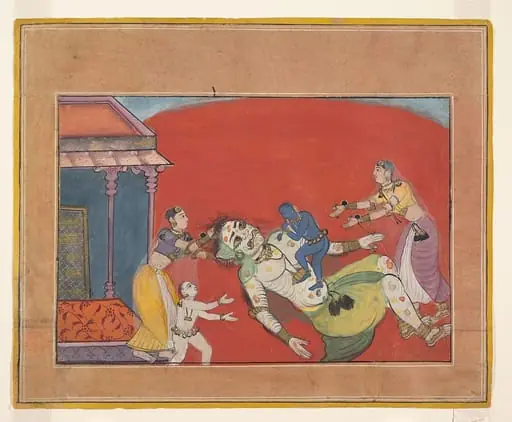 Untitled
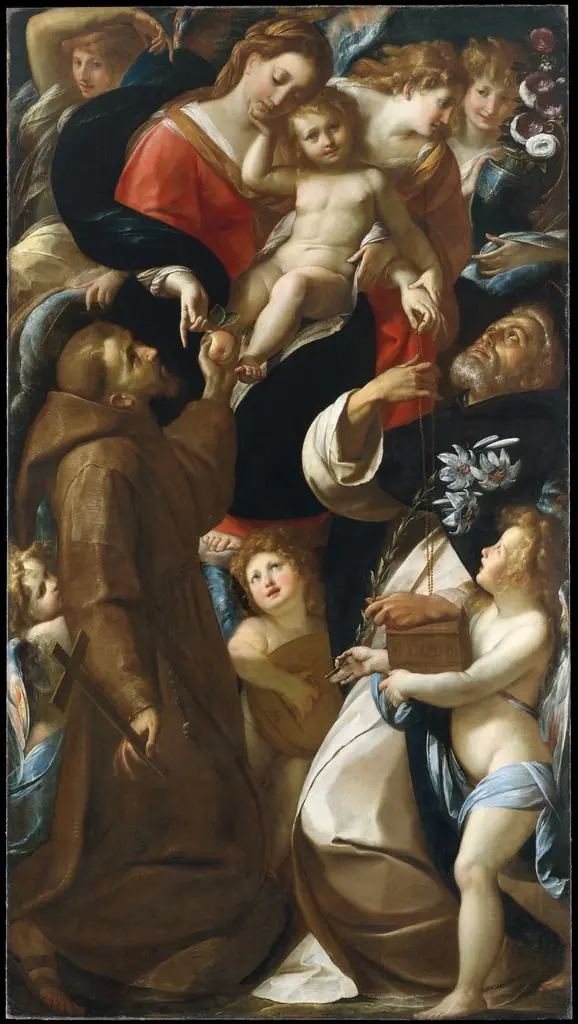 Madonna and Child with Saints Francis and Dominic and Angels
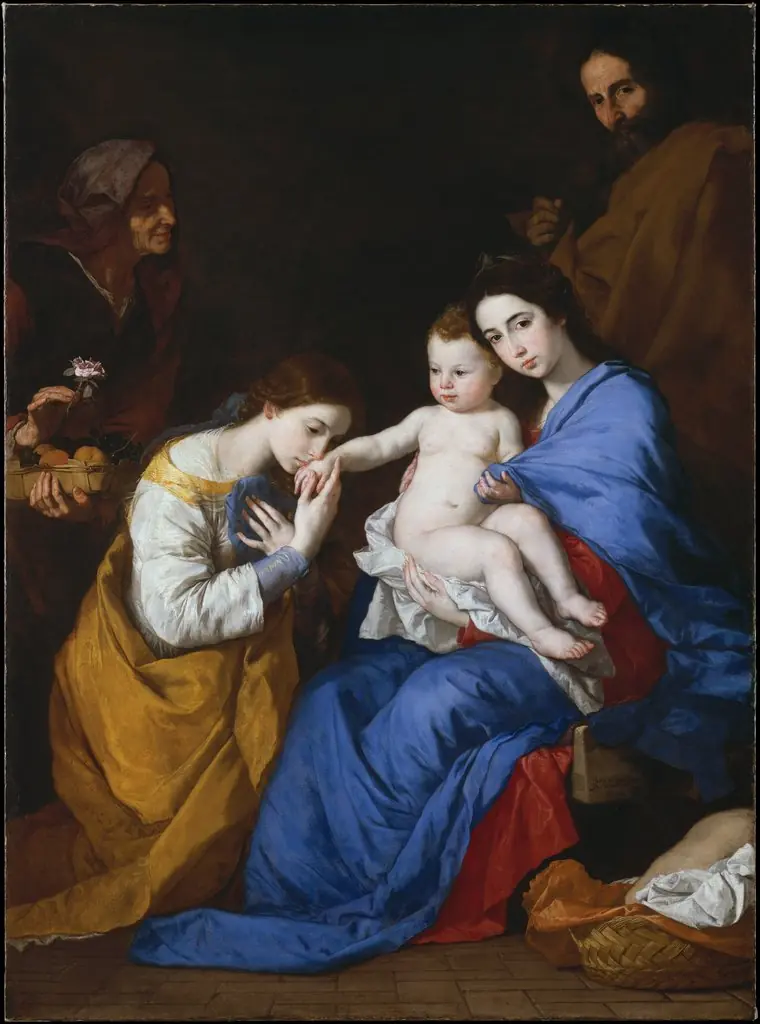 The Holy Family with Saints Anne and Catherine of Alexandria
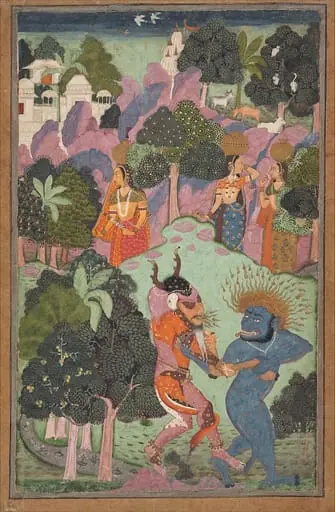 Untitled
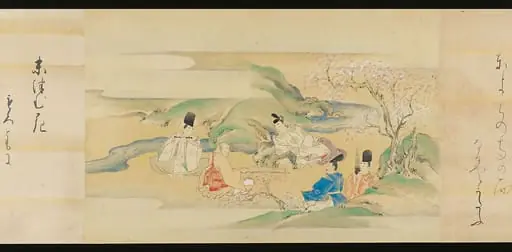 伝海北友雪筆 『源氏物語』 絵巻|The Tale of Genji
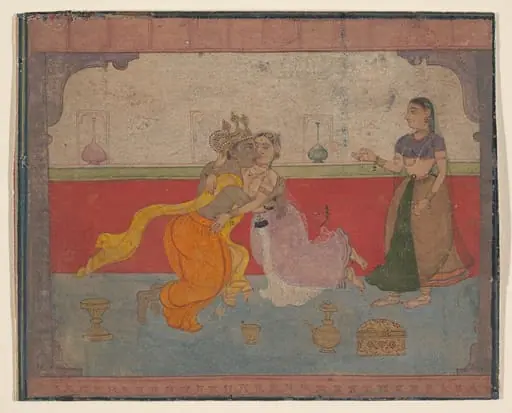 Untitled
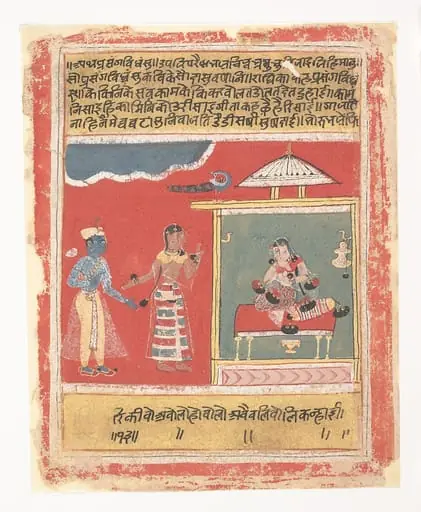 Untitled
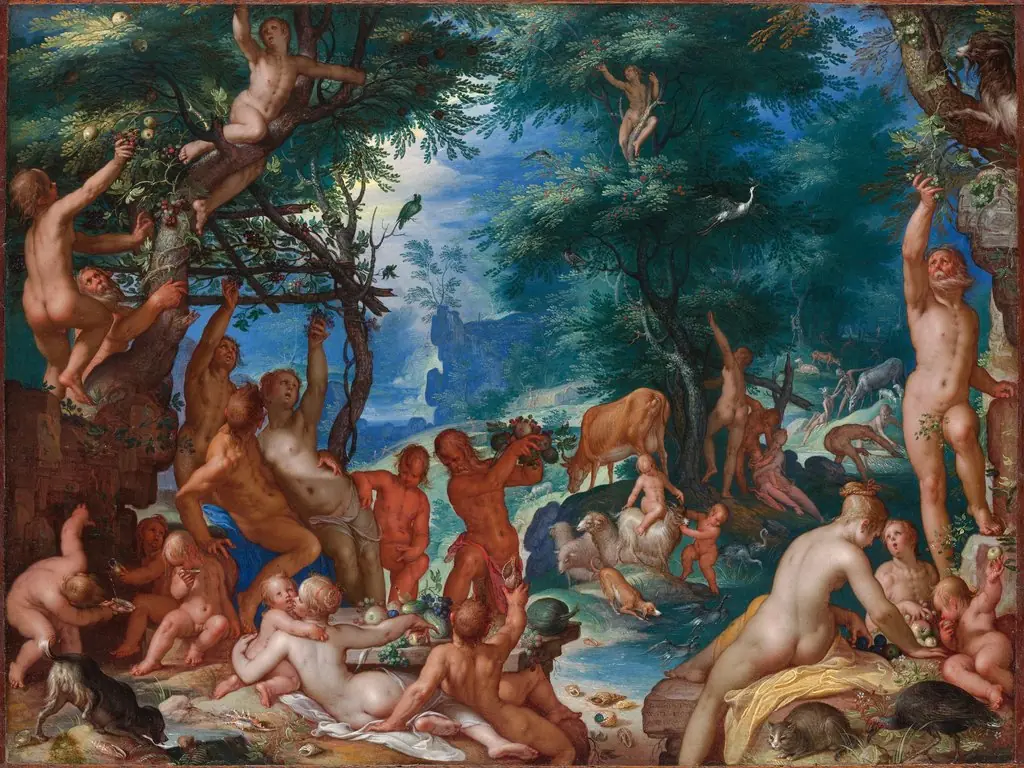 The Golden Age
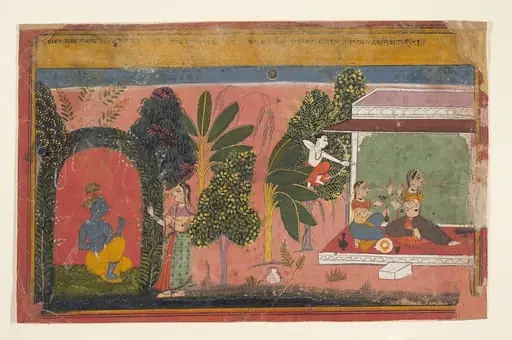 Untitled
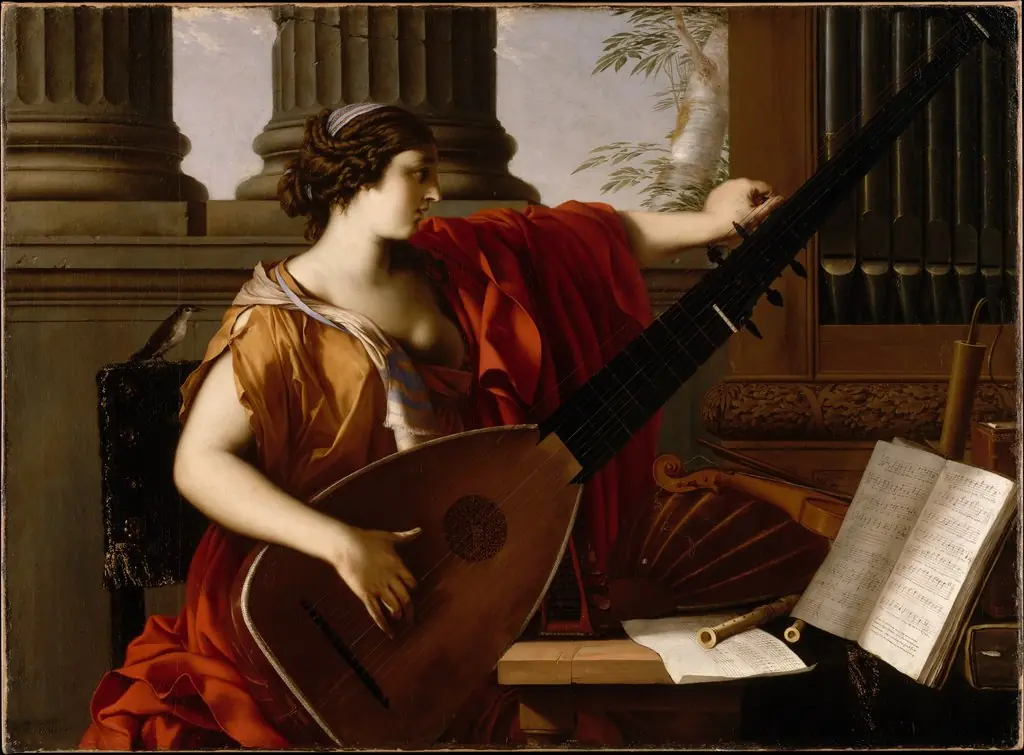 Allegory of Music
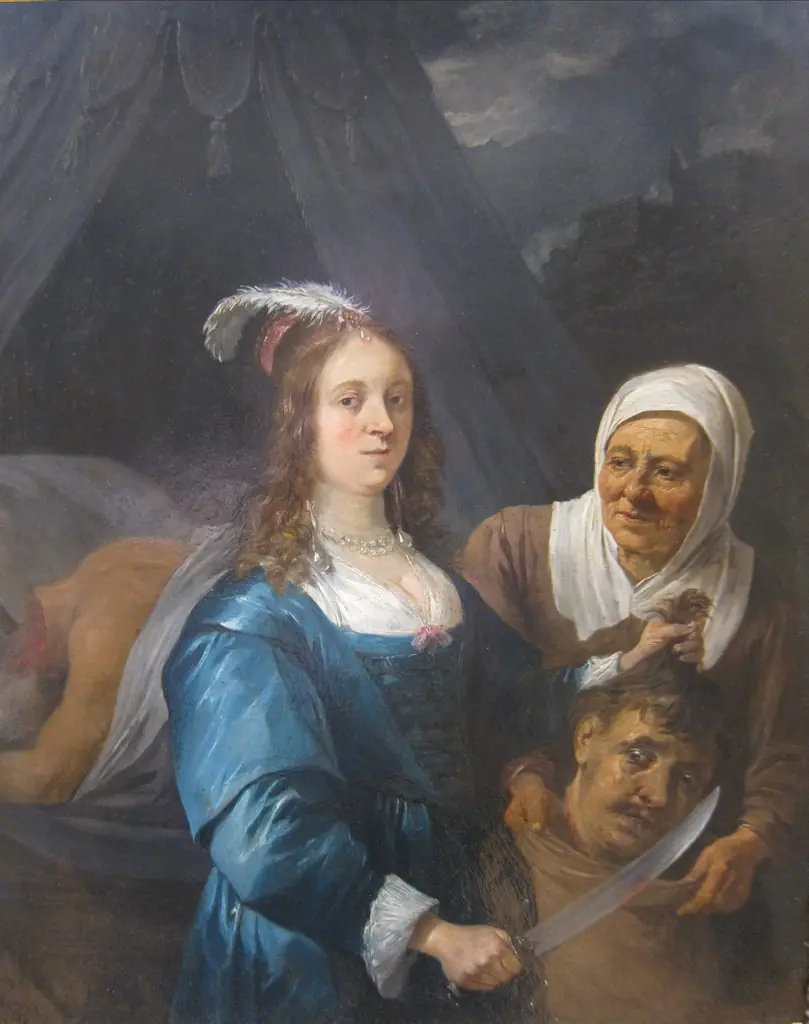 Judith with the Head of Holofernes
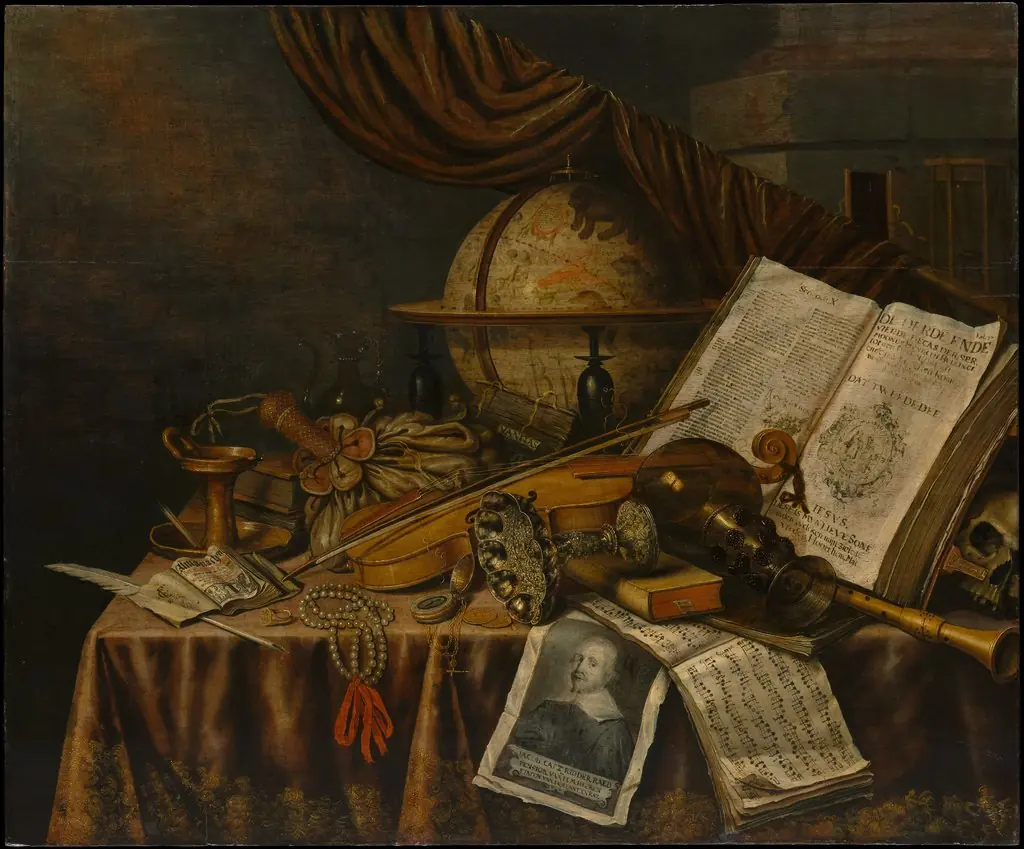 Vanitas Still Life
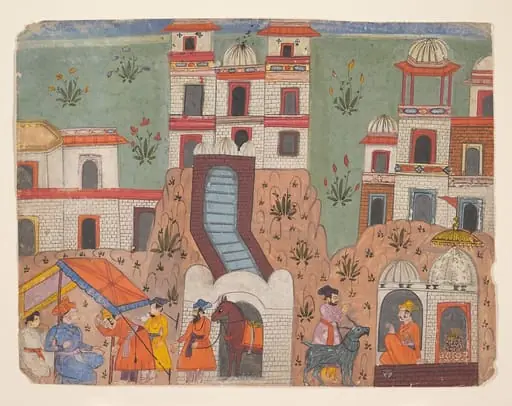 Untitled
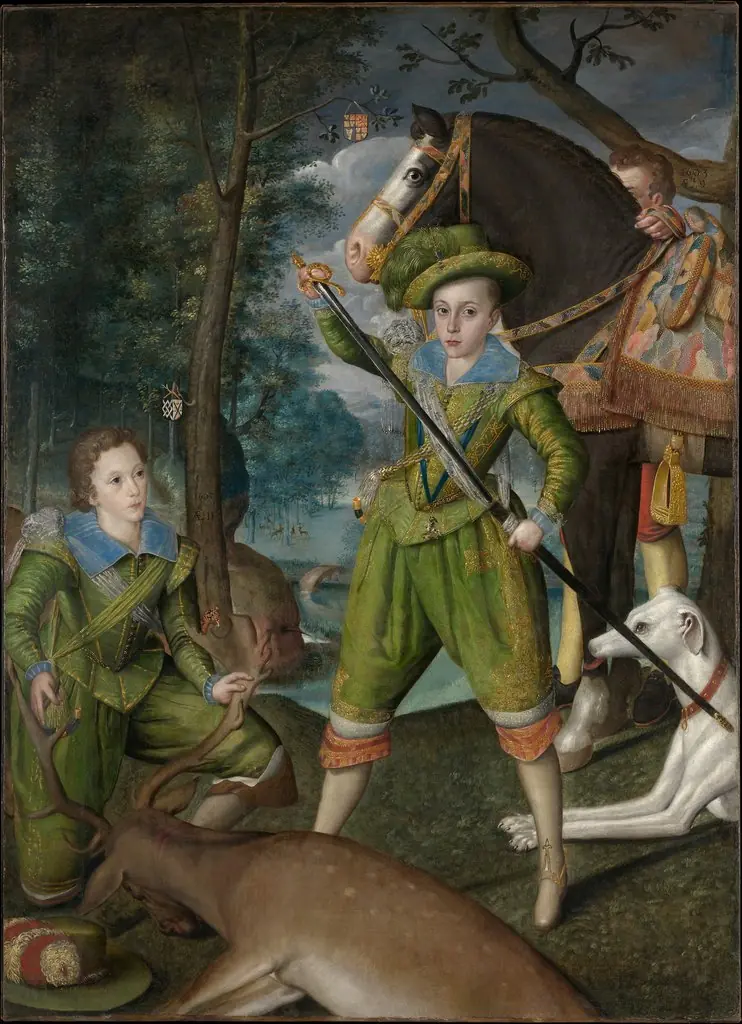 Henry Frederick (1594–1612), Prince of Wales, with Sir John Harington (1592–1614), in the Hunting Field
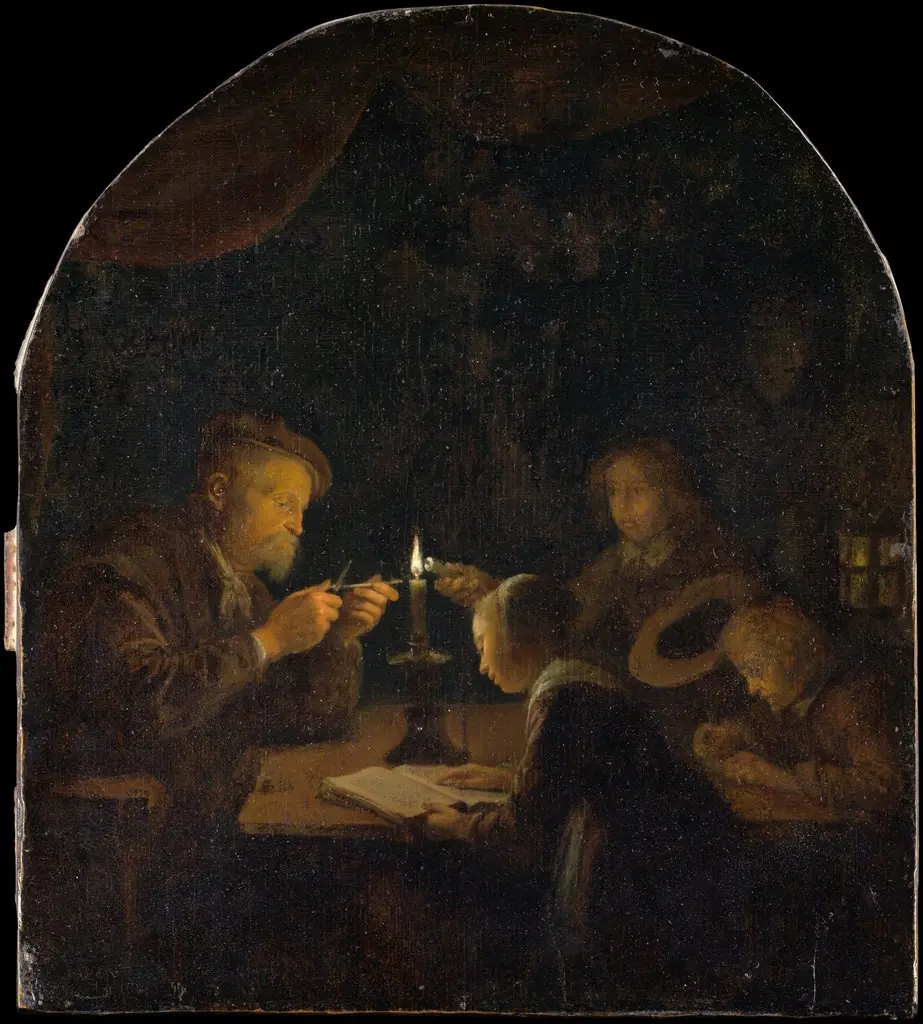 An Evening School
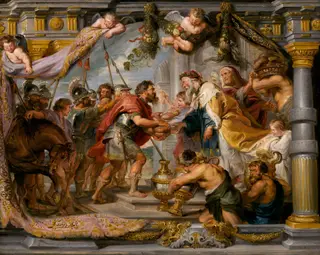 The Meeting of Abraham and Melchizedek
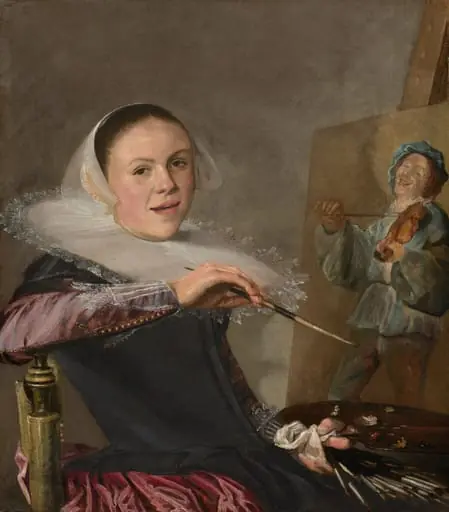 Self-Portrait
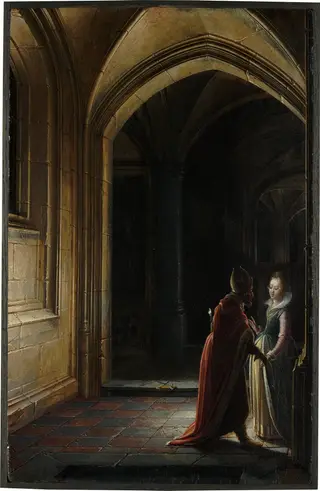 Esther and Mordecai
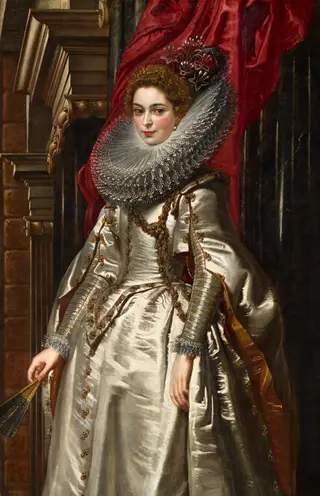 Marchesa Brigida Spinola Doria
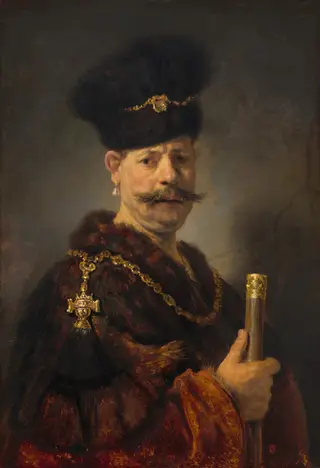 A Polish Nobleman
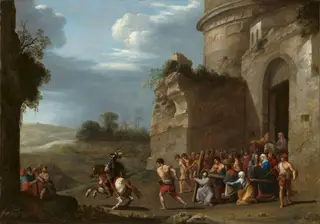 Christ Carrying the Cross
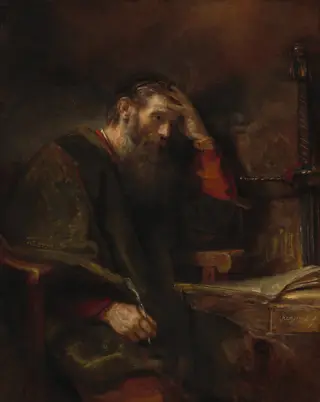 The Apostle Paul
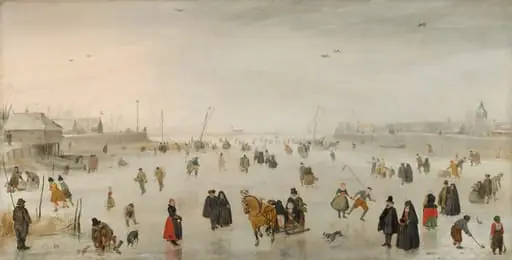 A Scene on the Ice
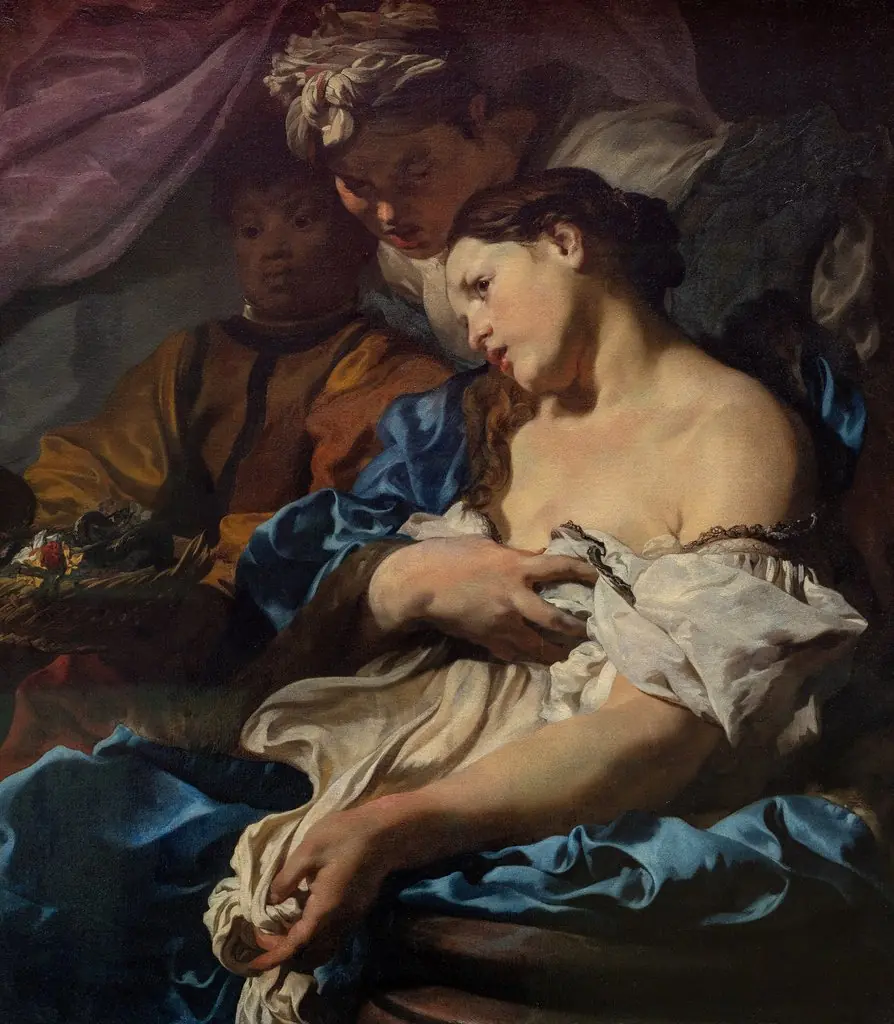 The Death of Cleopatra
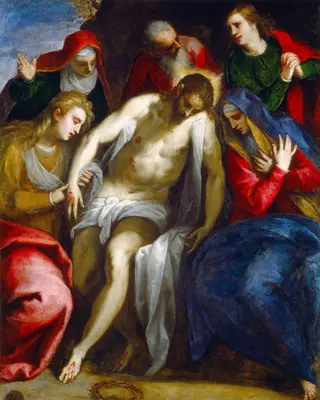 Lamentation
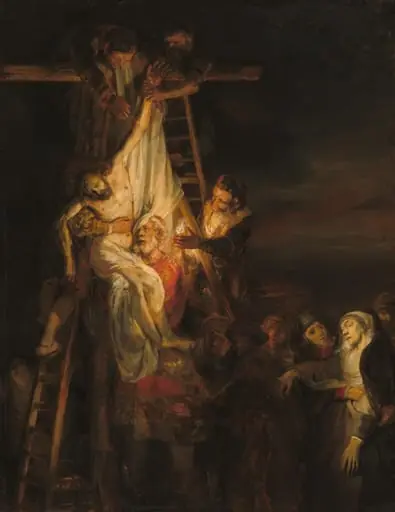 The Descent from the Cross
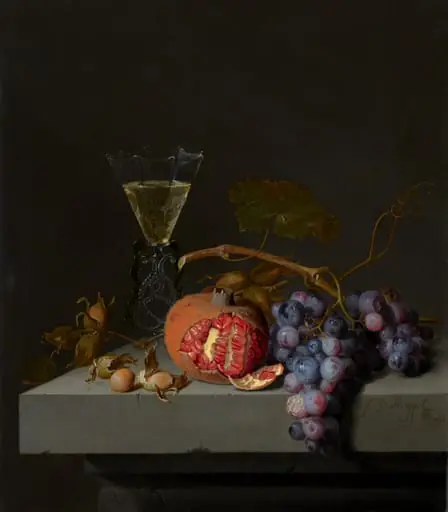 Still Life with Fruit
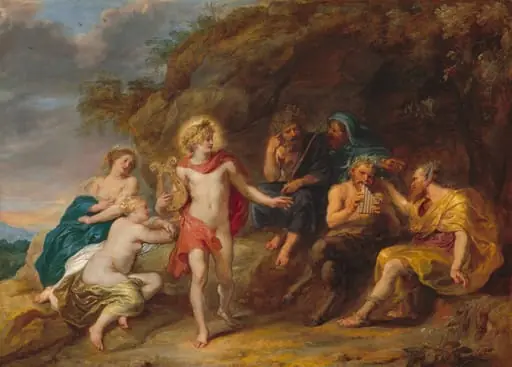 The Judgment of Midas
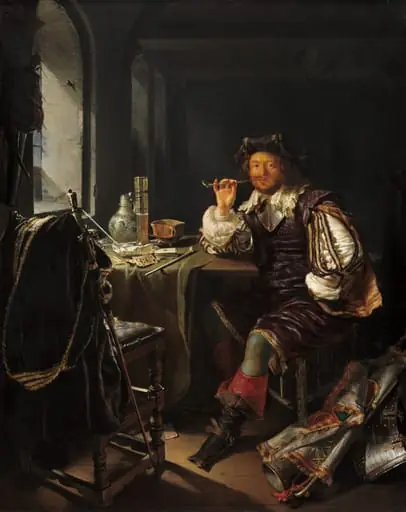 A Soldier Smoking a Pipe
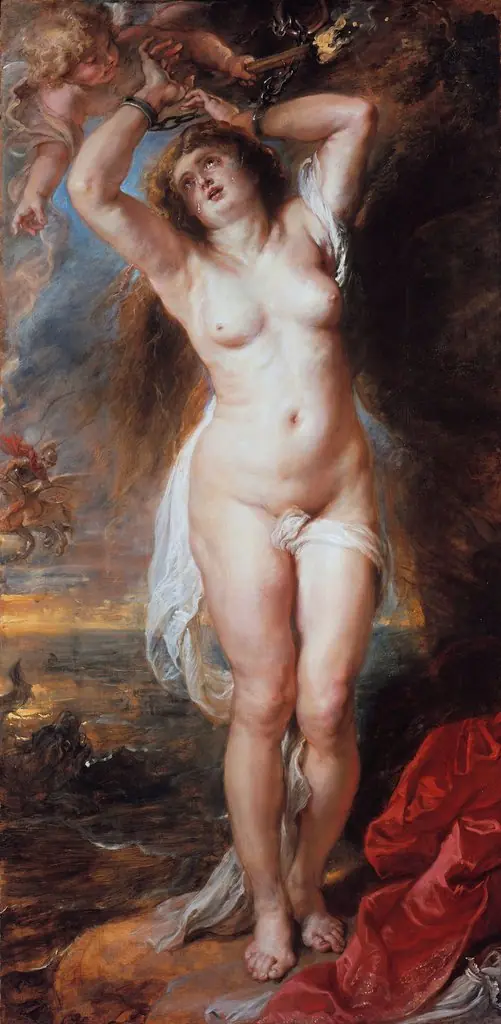 Perseus Freeing Andromeda
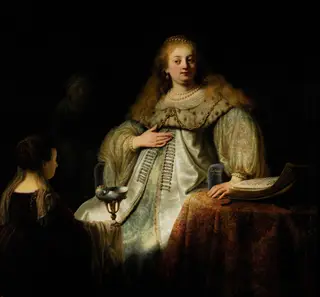 Judith at the Banquet of Holofernes
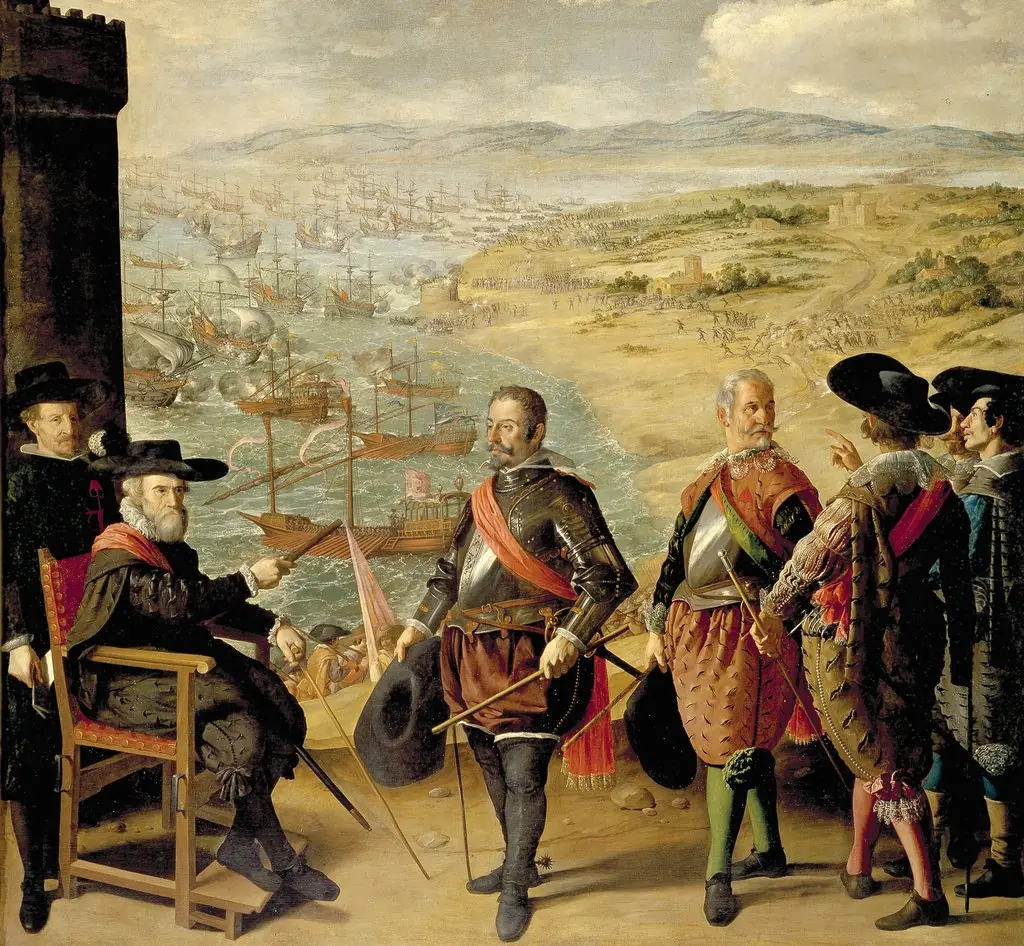 The Defense of Cadiz Against the English
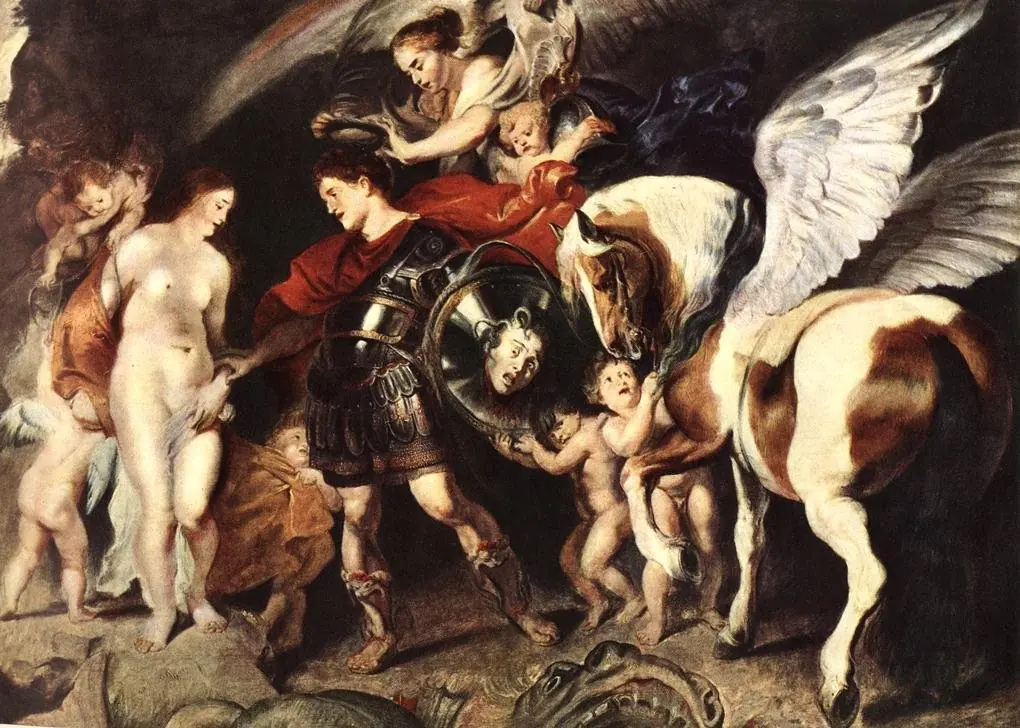 Perseus and Andromeda
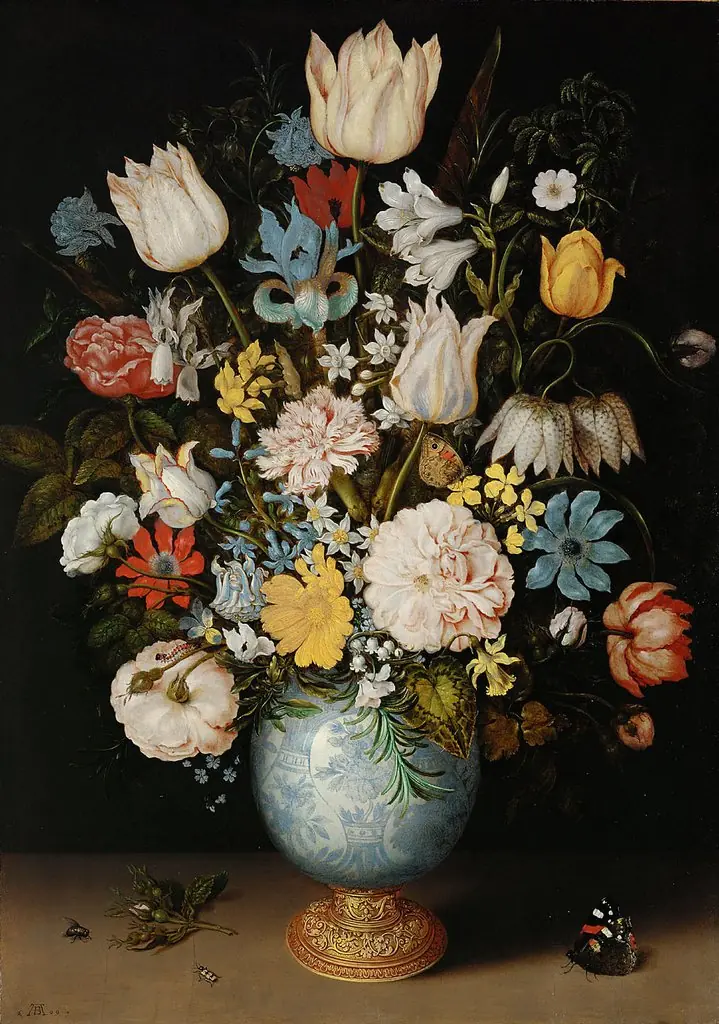 Flowers in a blue and white porcelain vase
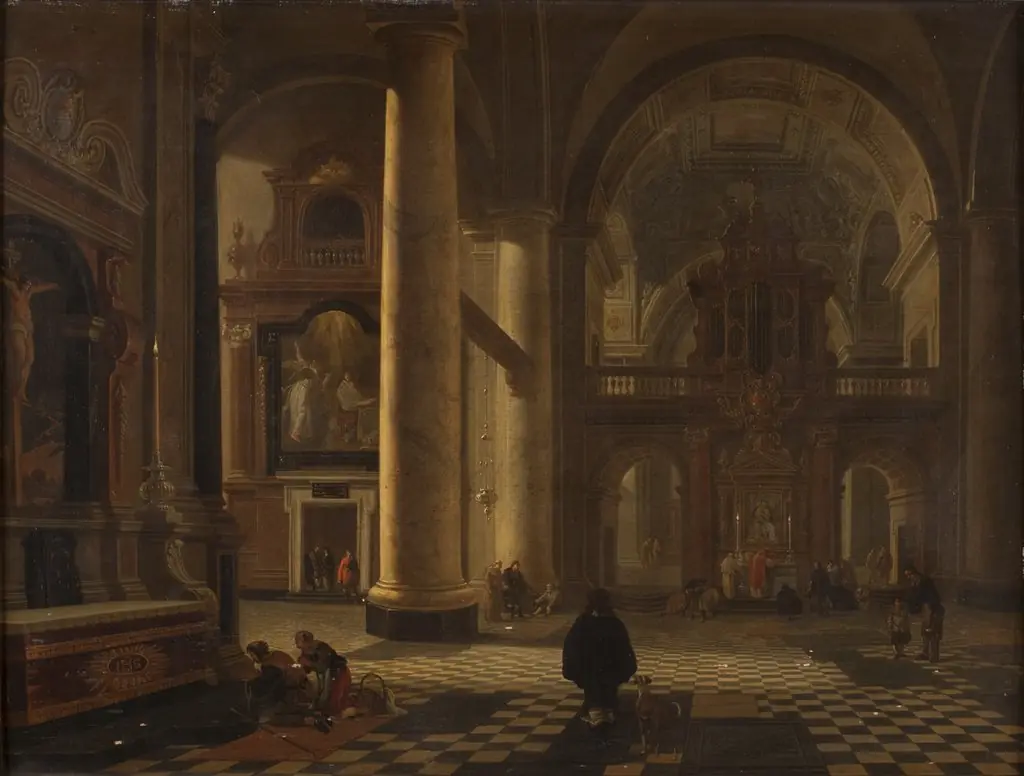 Interior of a Catholic Church
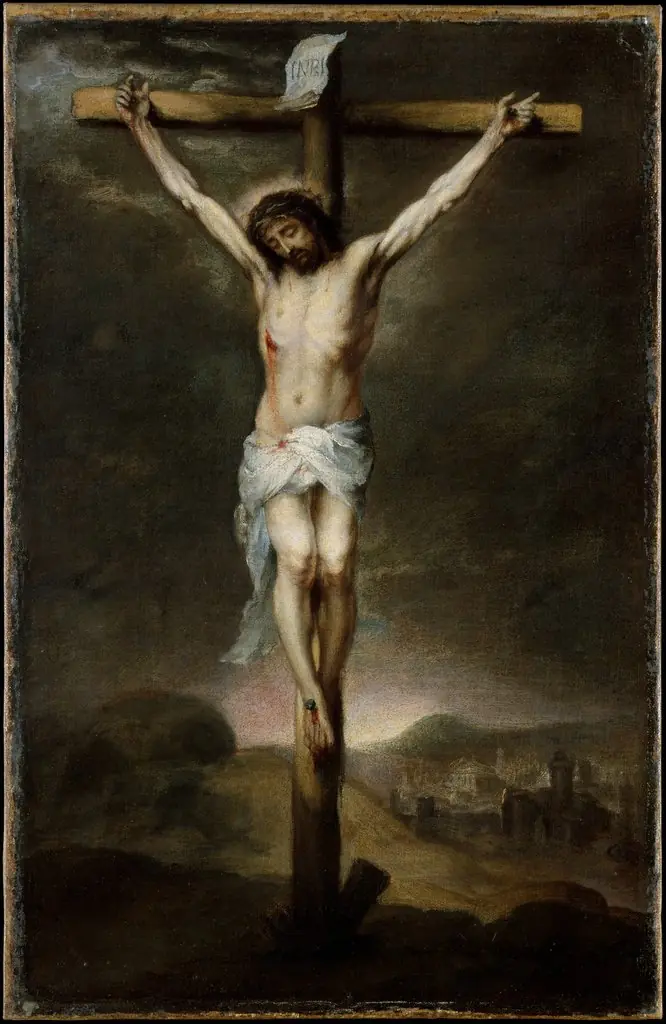 The Crucifixion
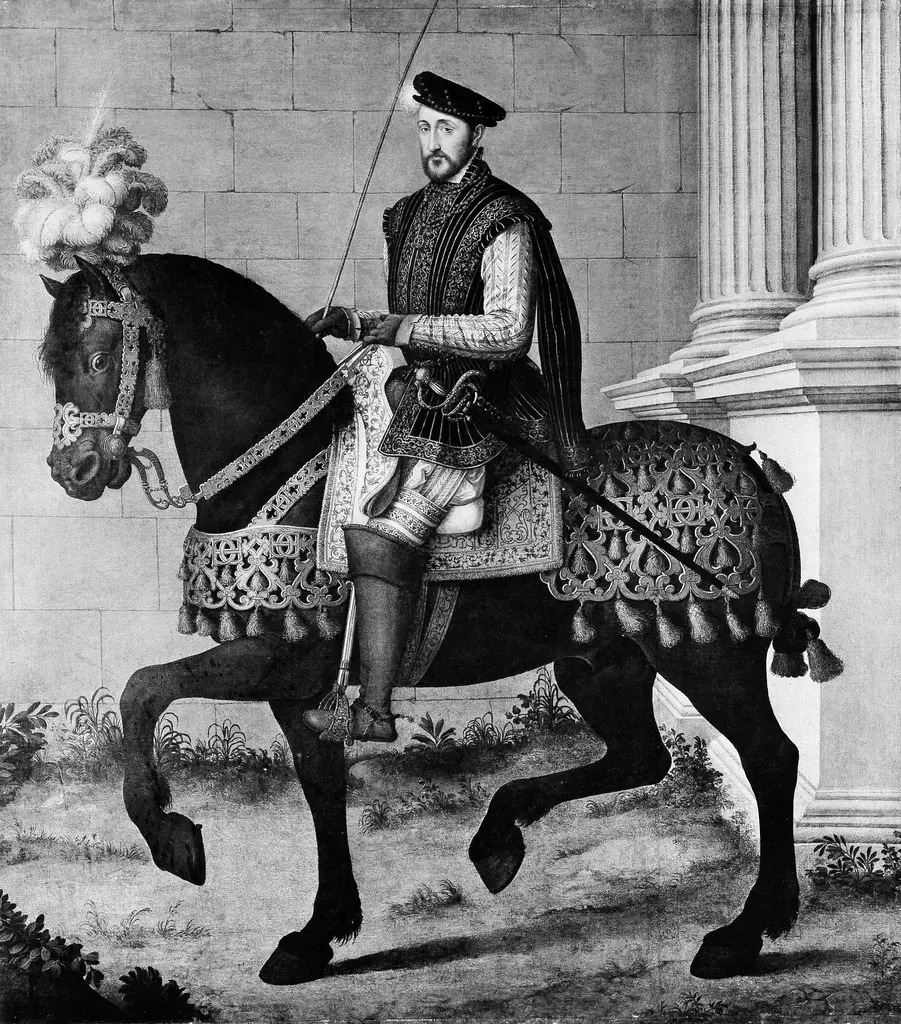 Henry II (1519–1559), King of France
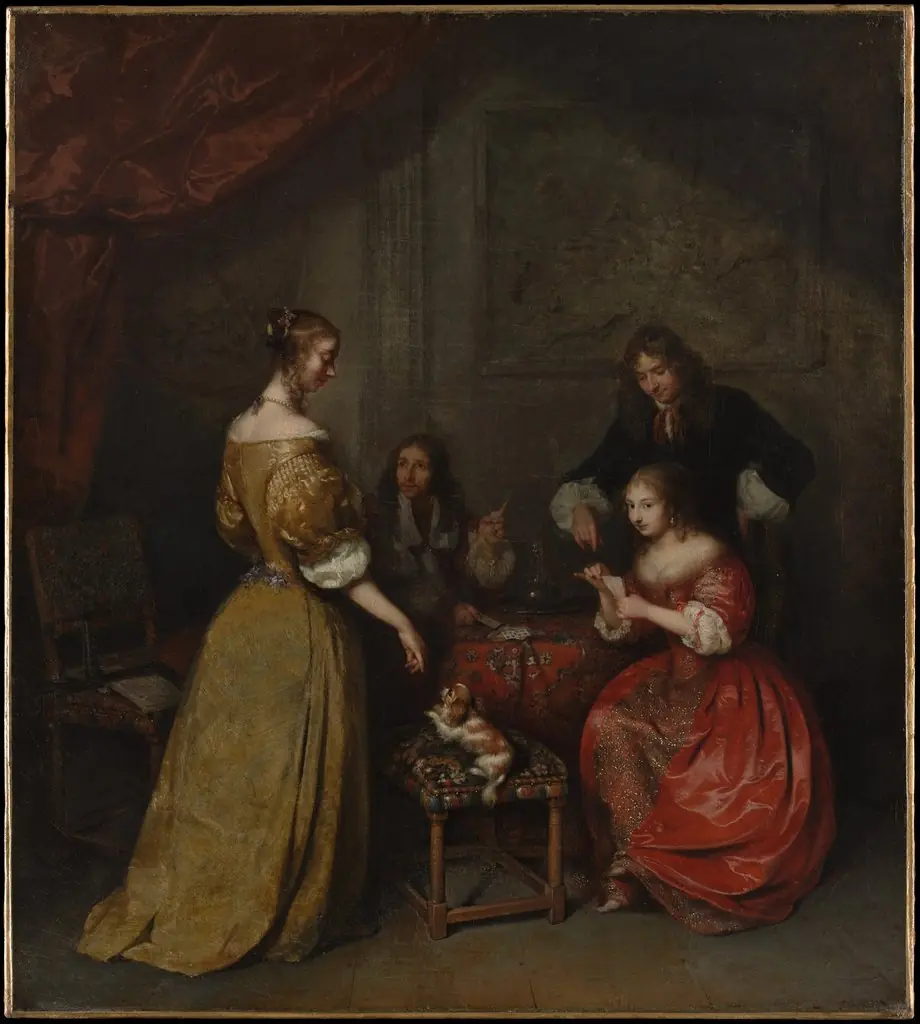 The Card Party
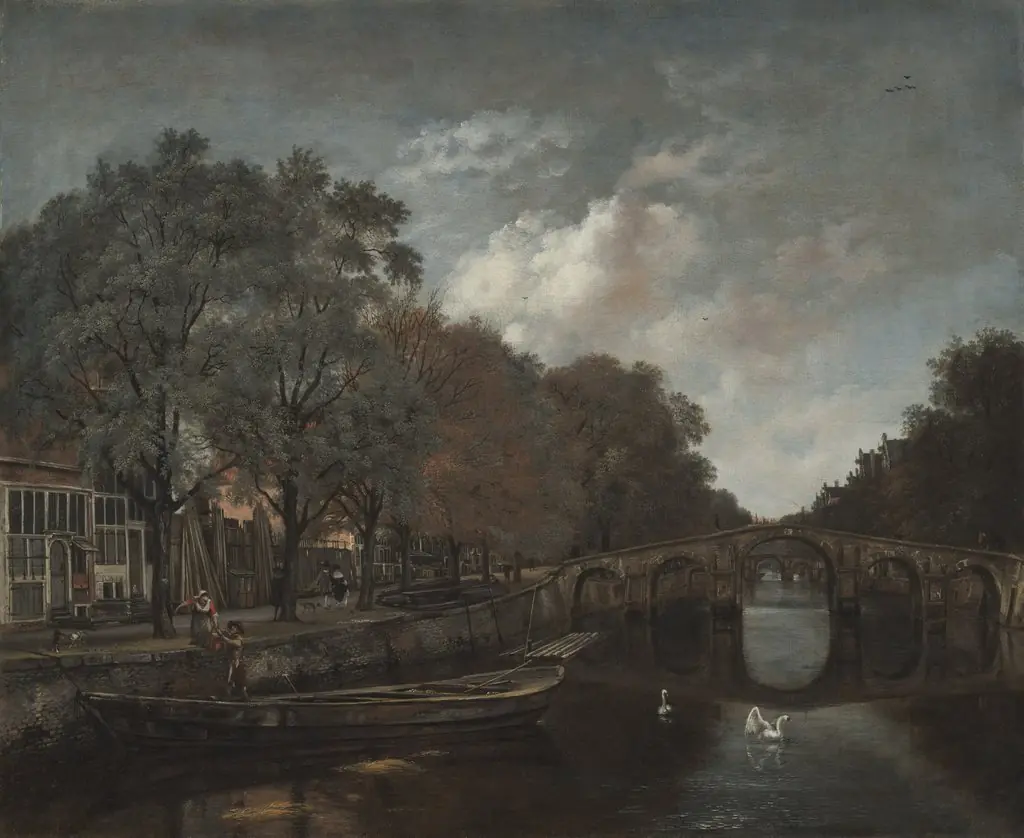 Herengracht, Amsterdam
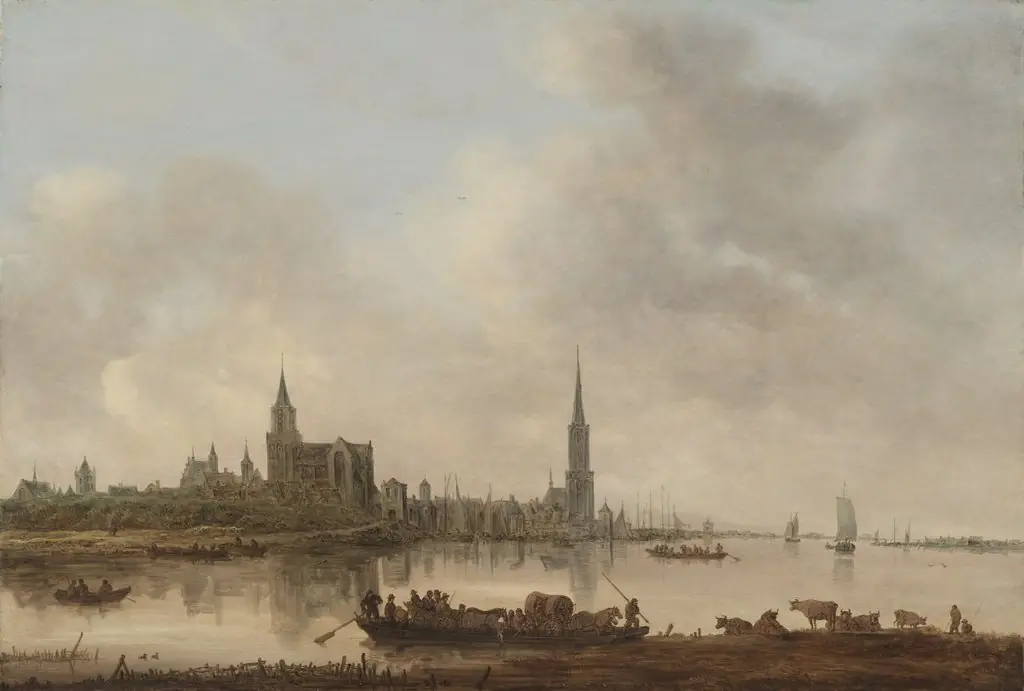 View of Emmerich
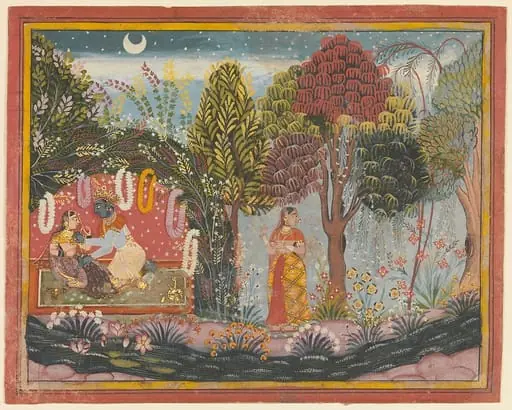 Untitled
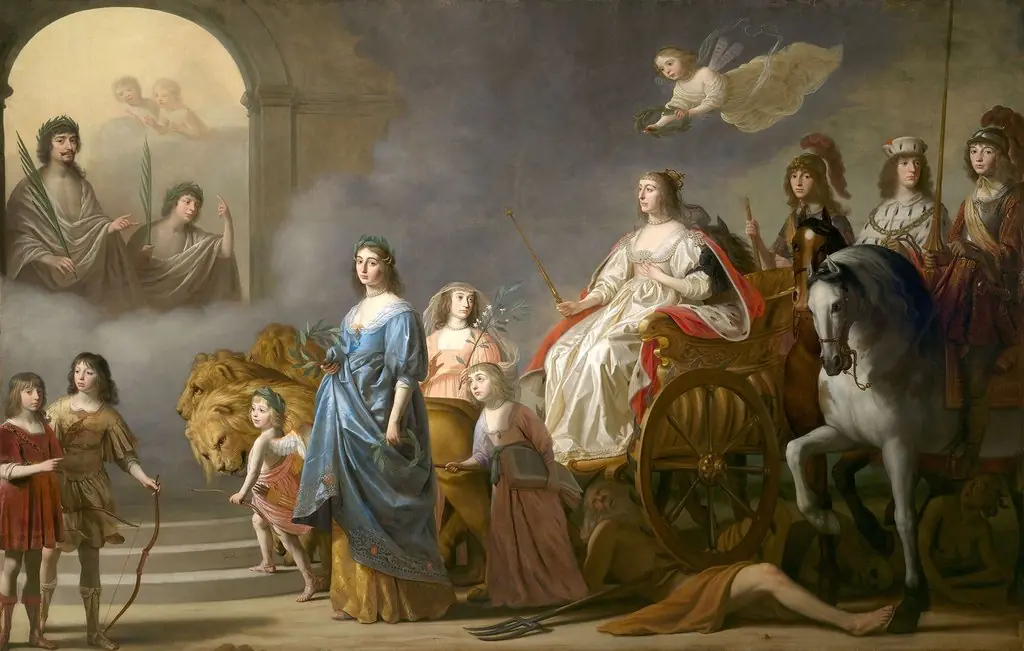 The Triumph of the Winter Queen: Allegory of the Just
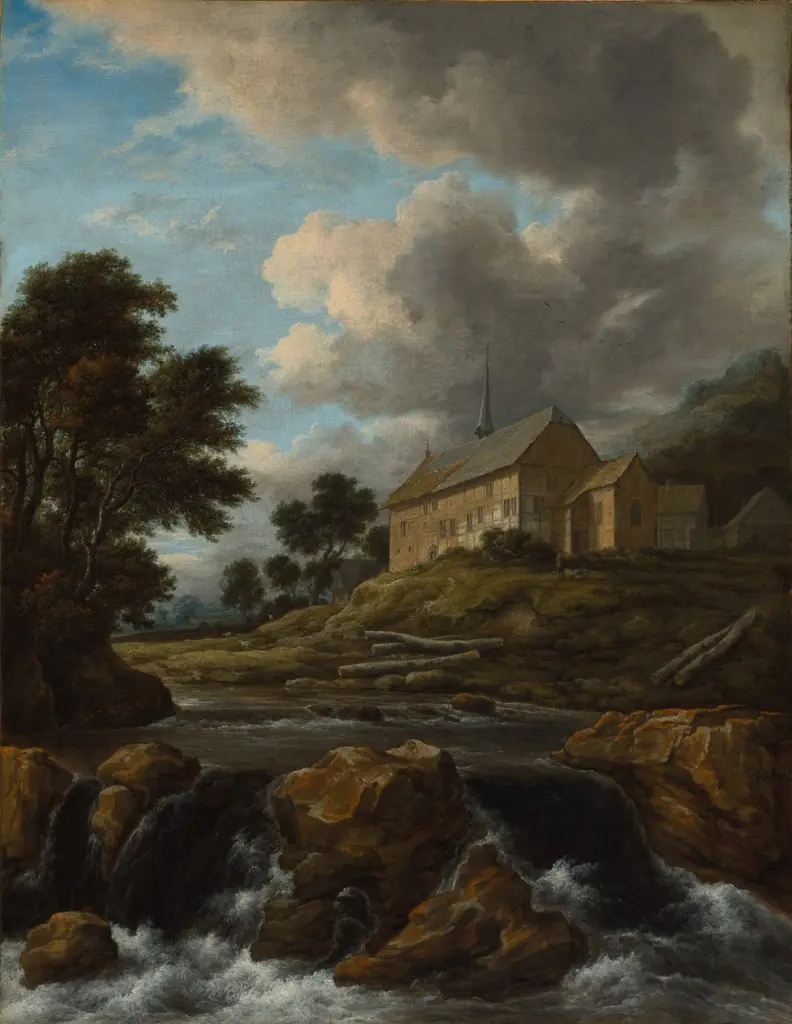 Landscape with a Church by a Torrent
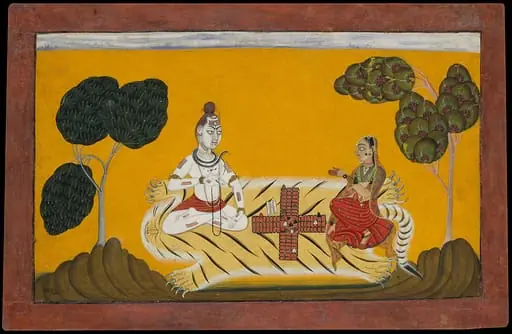 Untitled
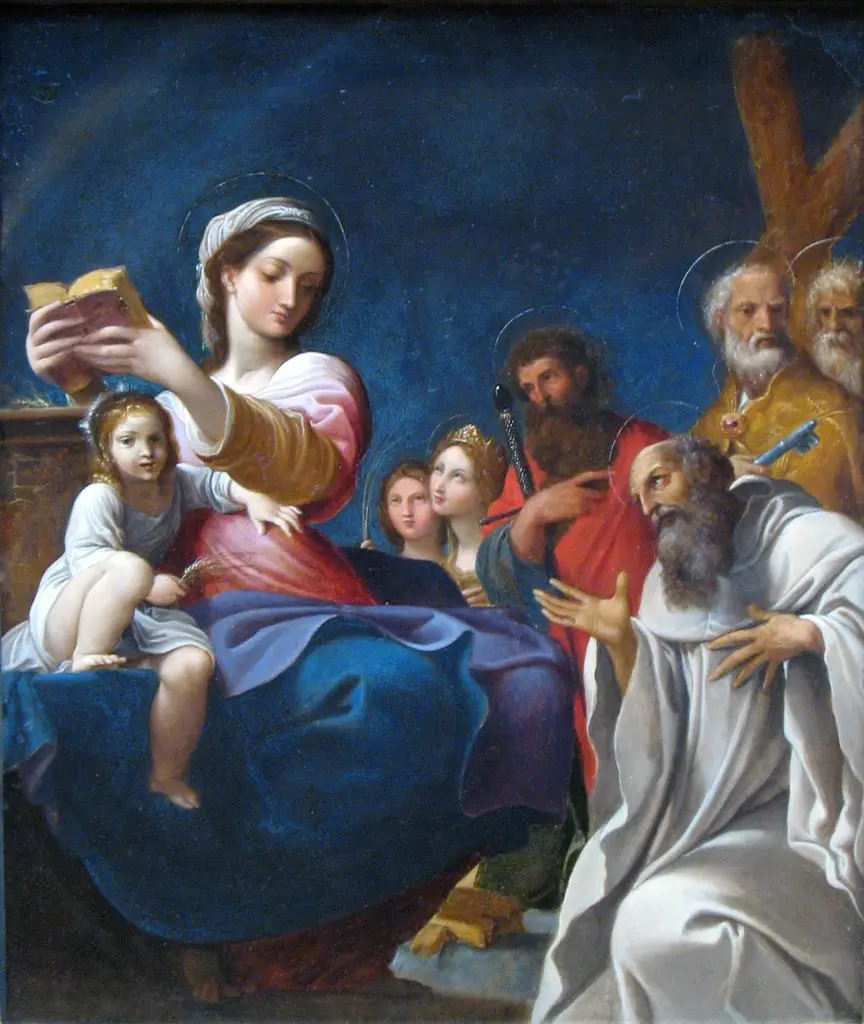 Madonna and Child with Saints
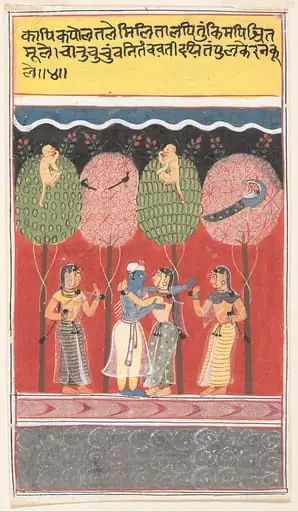 Untitled
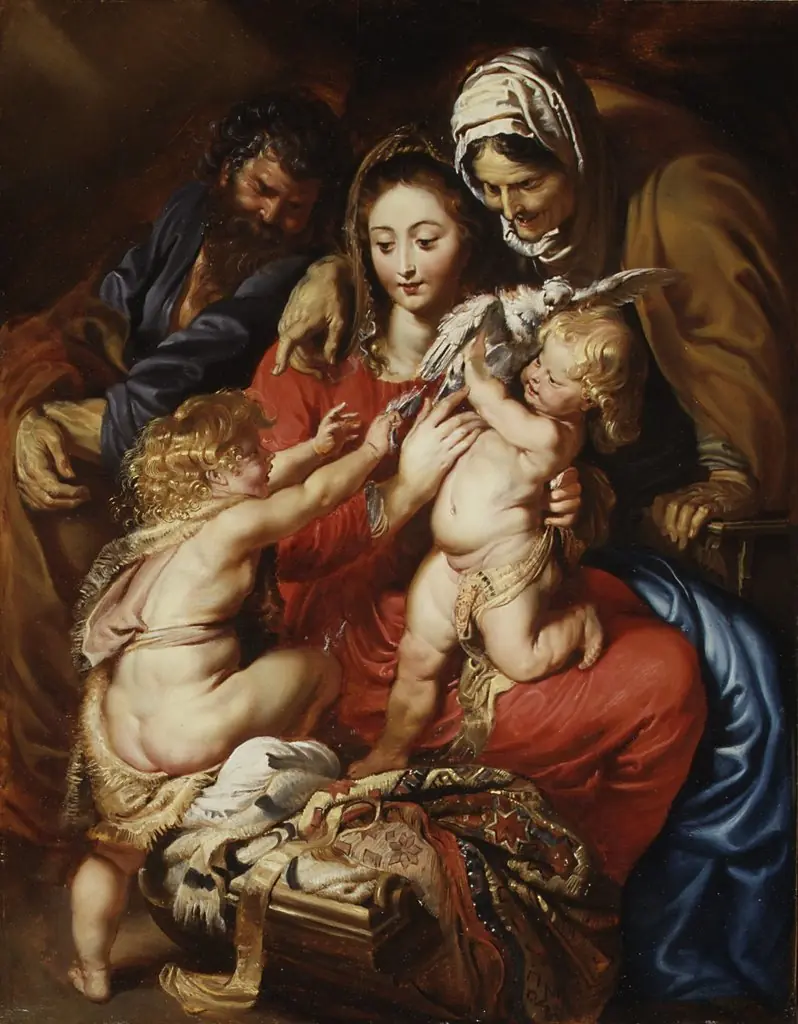 The Holy Family with Saint Elizabeth, Saint John, and a Dove
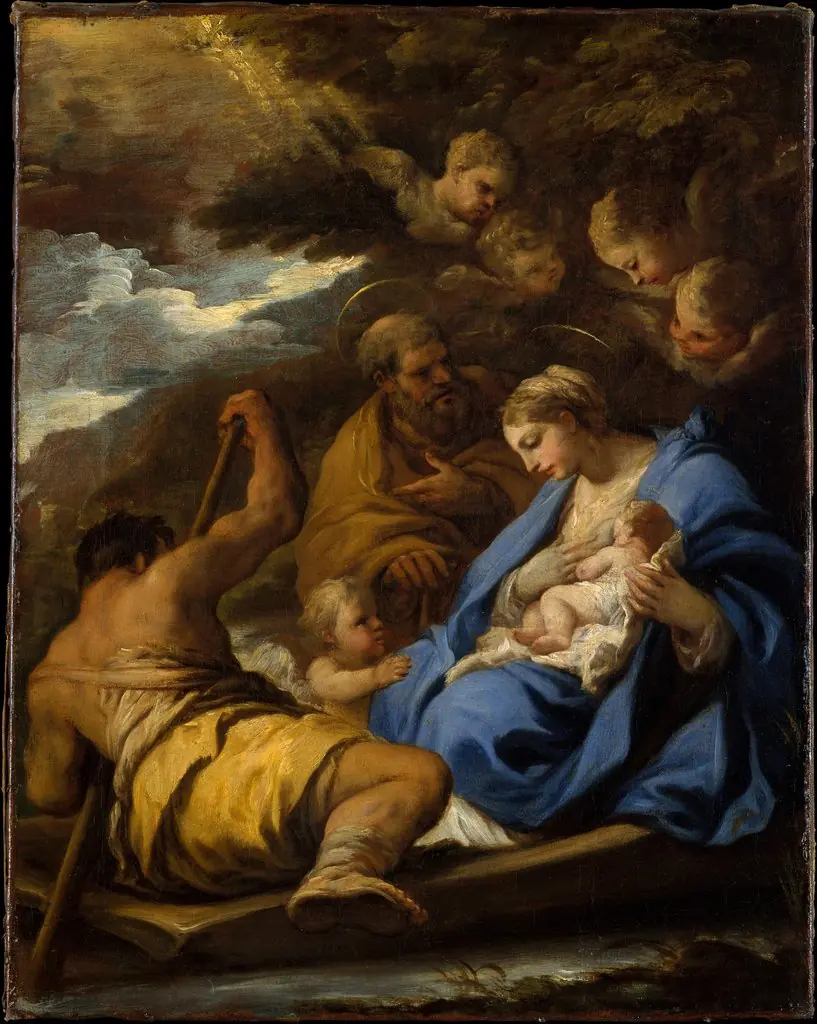 The Flight into Egypt
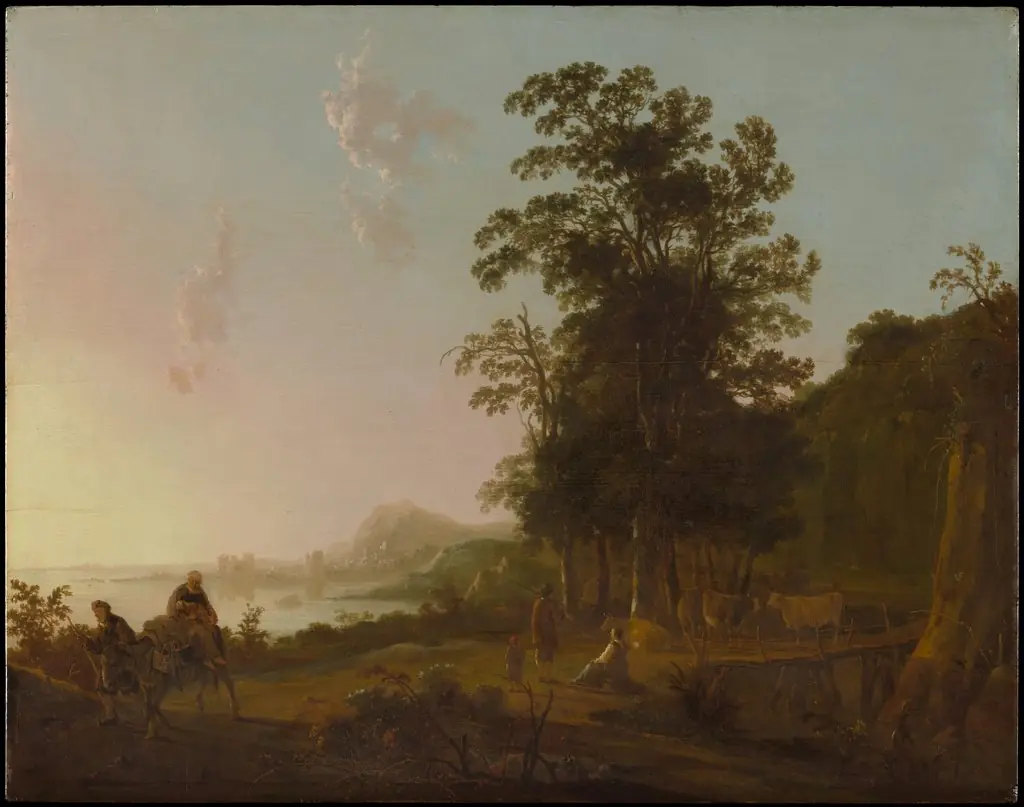 Landscape with the Flight into Egypt
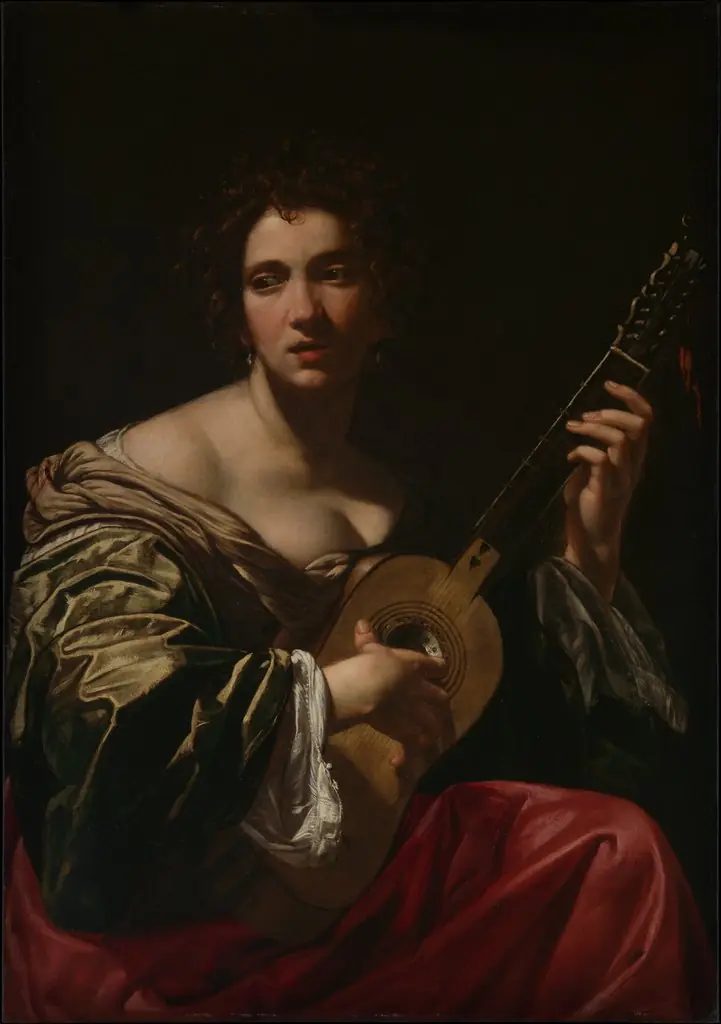 Woman Playing a Guitar
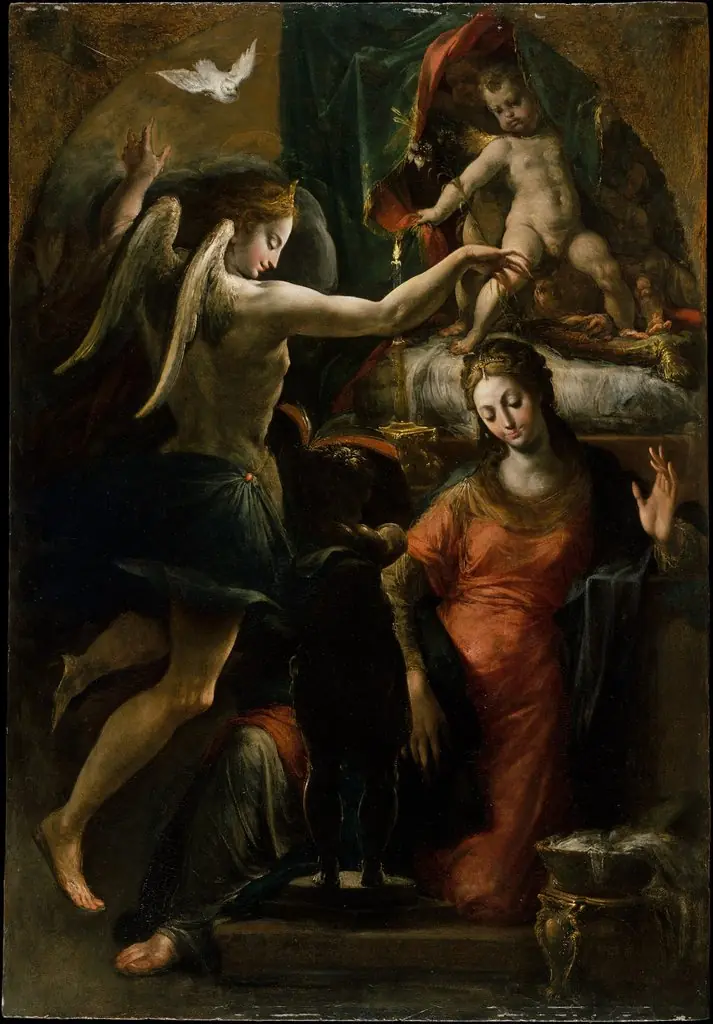 The Annunciation
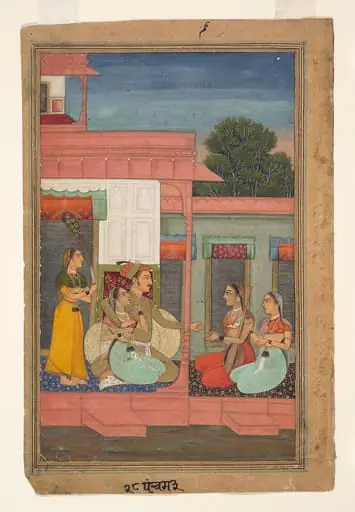 Untitled
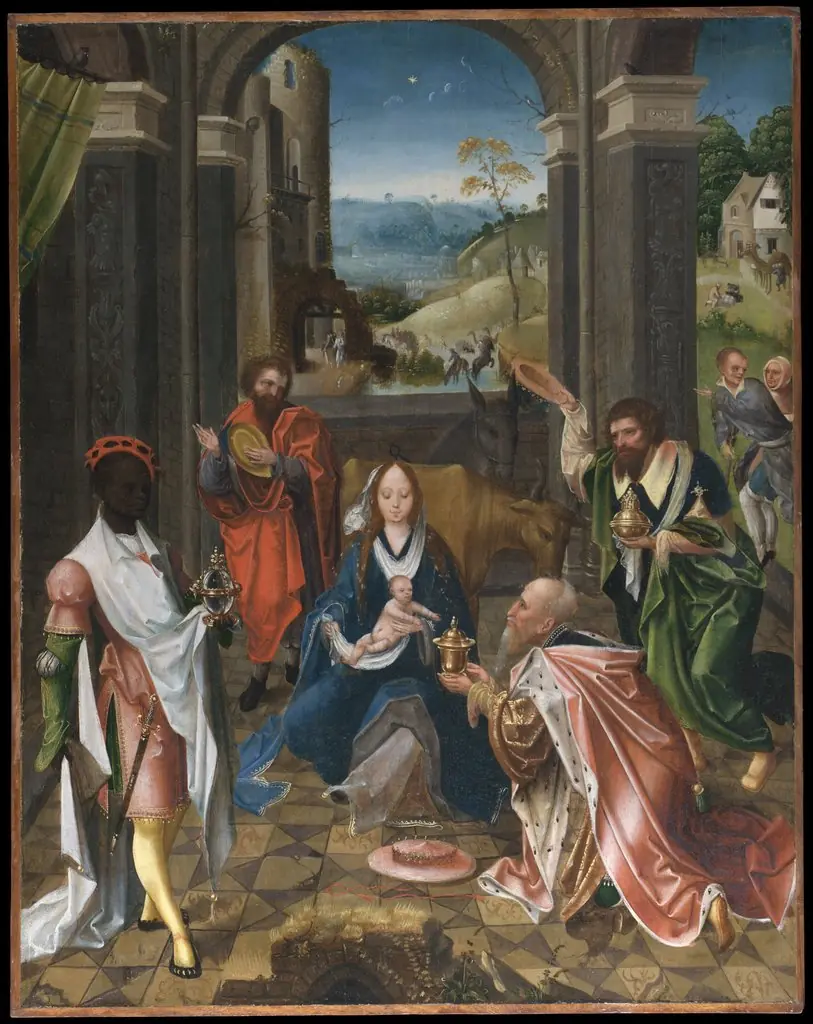 The Adoration of the Magi
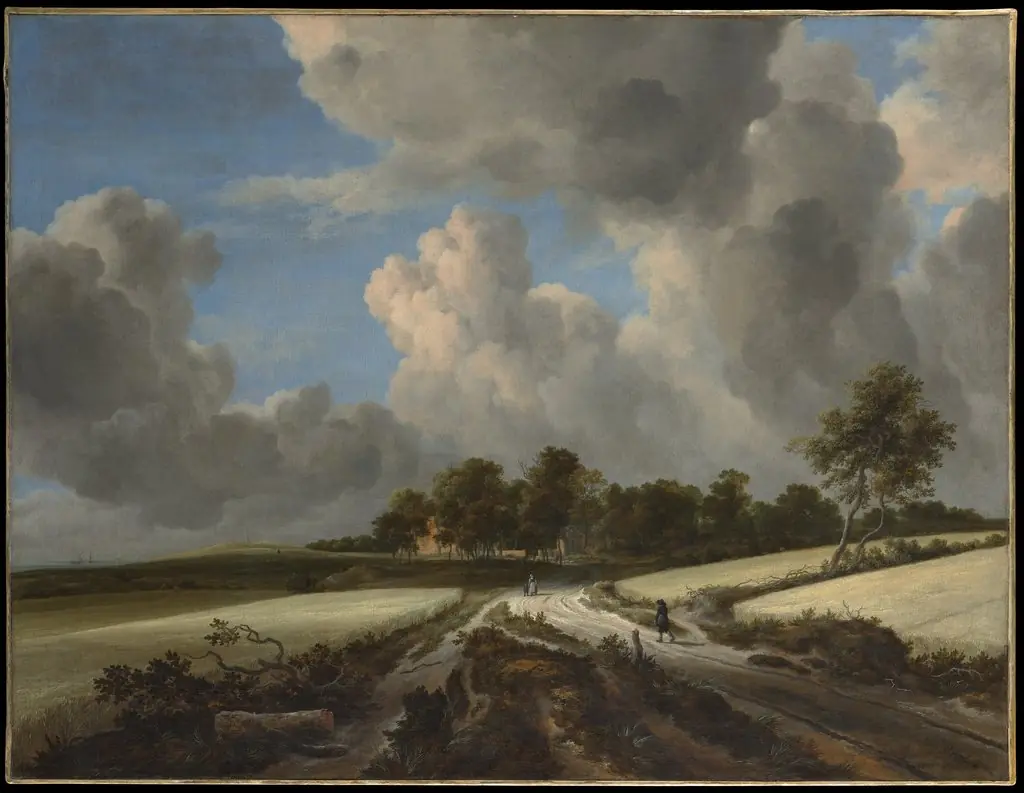 Wheat Fields
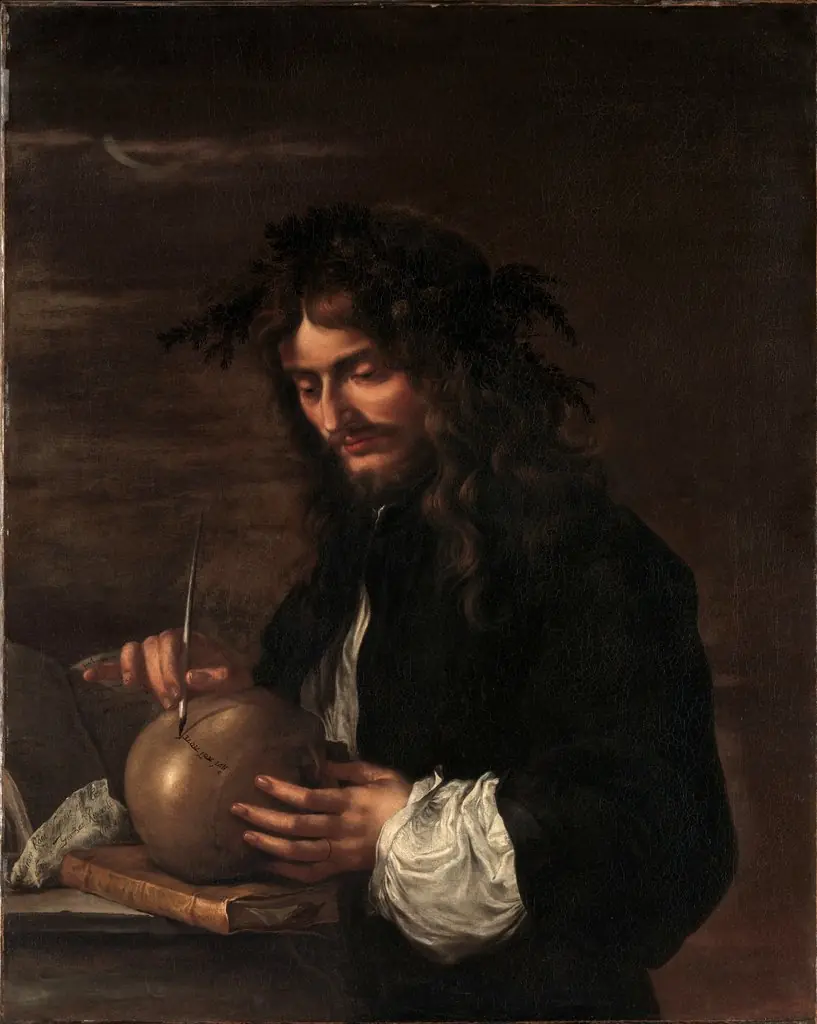 Self-Portrait
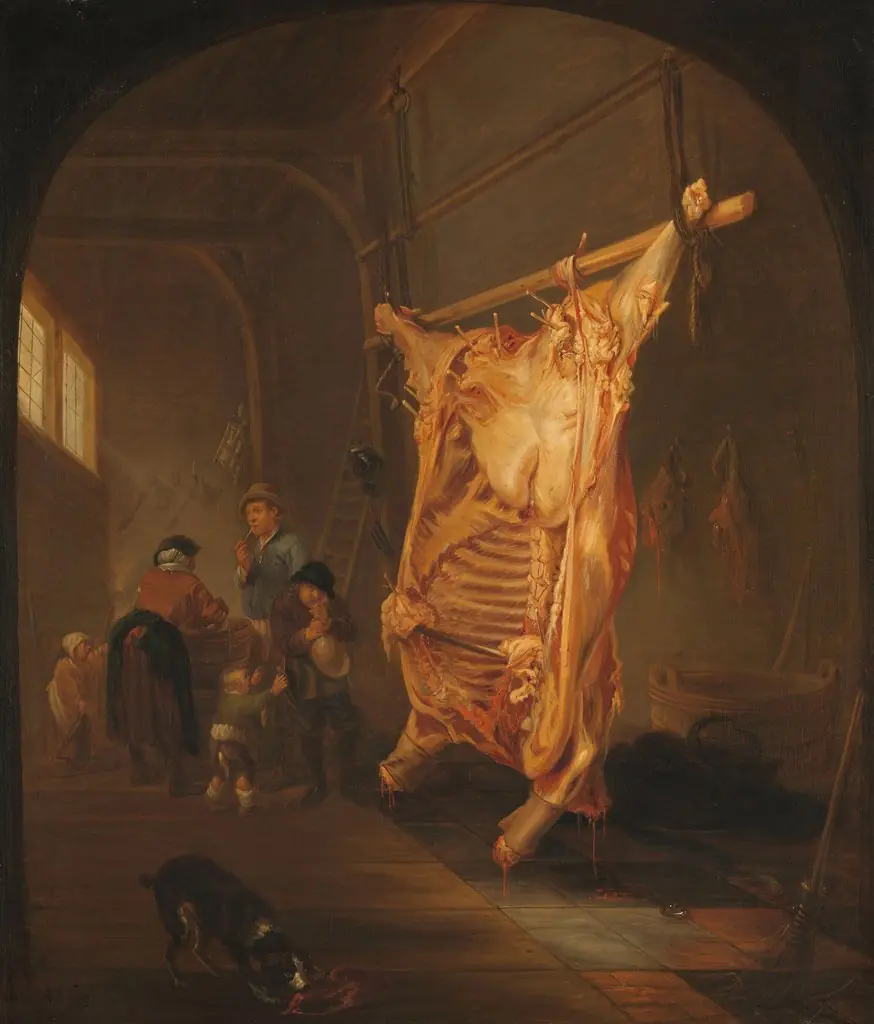 The slaughtered ox
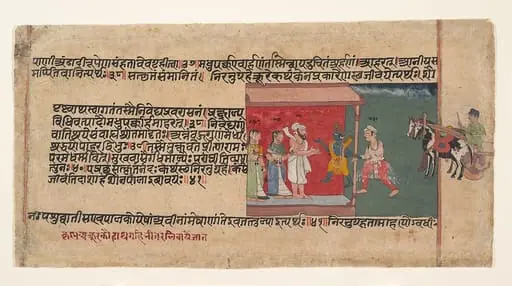 Untitled
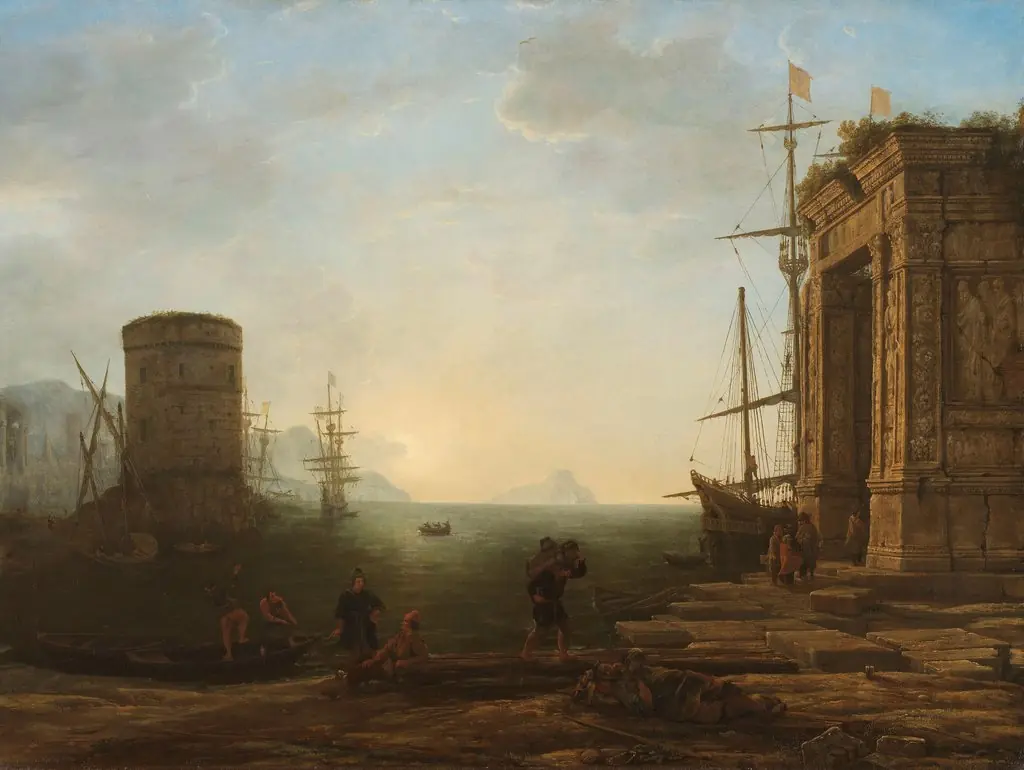 Harbour at Sunrise
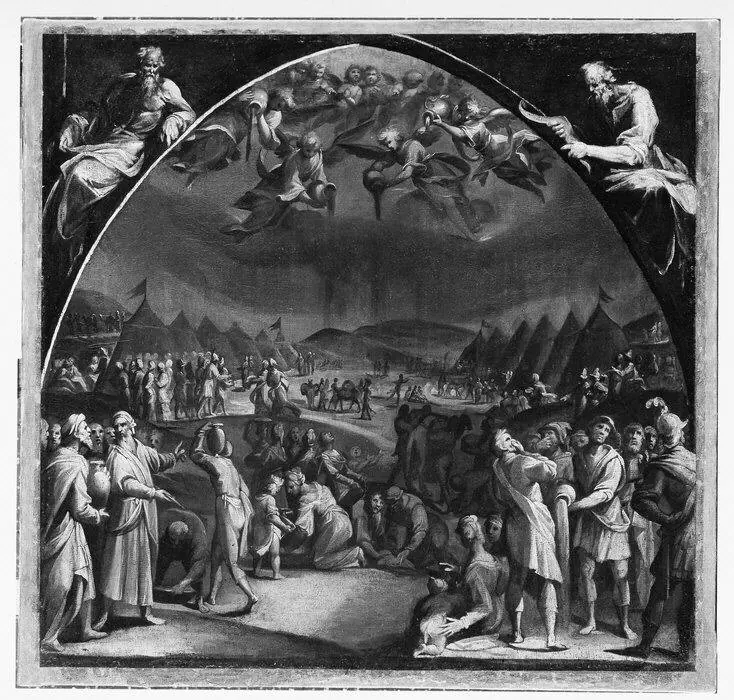 The Gathering of Manna
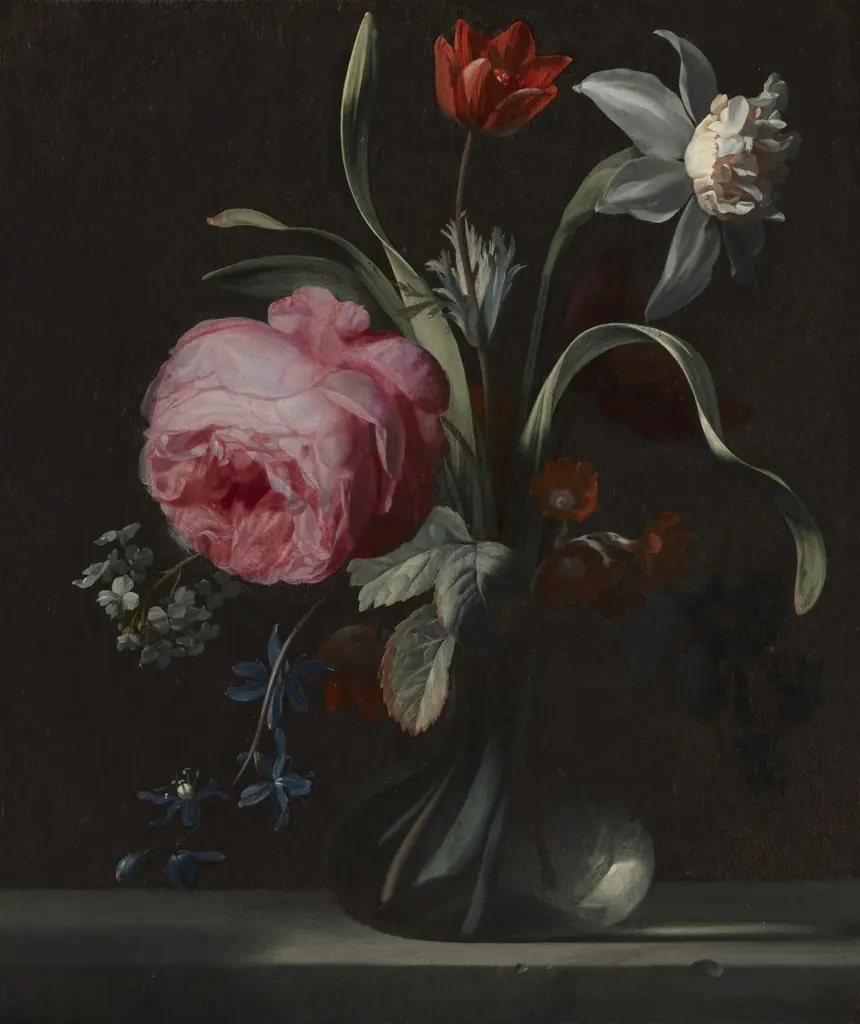 Flowers in a Vase
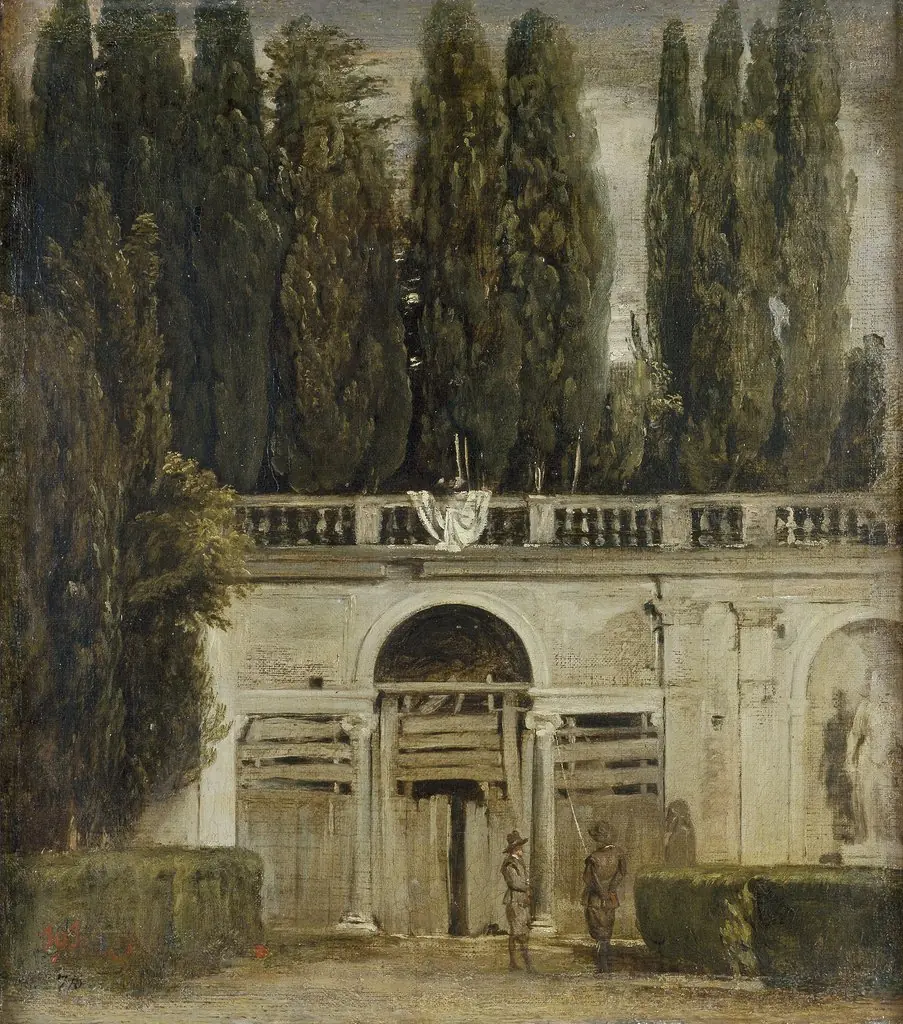 View of the Garden of the Villa Medici
Frequently asked questions
What is Baroque?
Baroque is an art period. The dominant style in European art from roughly 1600 to 1750, characterized by emotional intensity, dramatic lighting, and dynamic movement.
How many Baroque works does Artifact World Gallery have?
Artifact World Gallery holds 27,982 public-domain Baroque works, all free to view and download.
Who are the key Baroque artists?
Key Baroque artists in the collection include Paolo Veronese, Georges de La Tour and Johannes Vermeer.
When did Baroque take place?
Baroque dates from 1590–1750.
Where can I see Baroque works?
Baroque works in the collection are held by National Gallery of Art, Rijksmuseum and Cleveland Museum of Art.