Artwork
Portrait du marquis d’Havrincourt
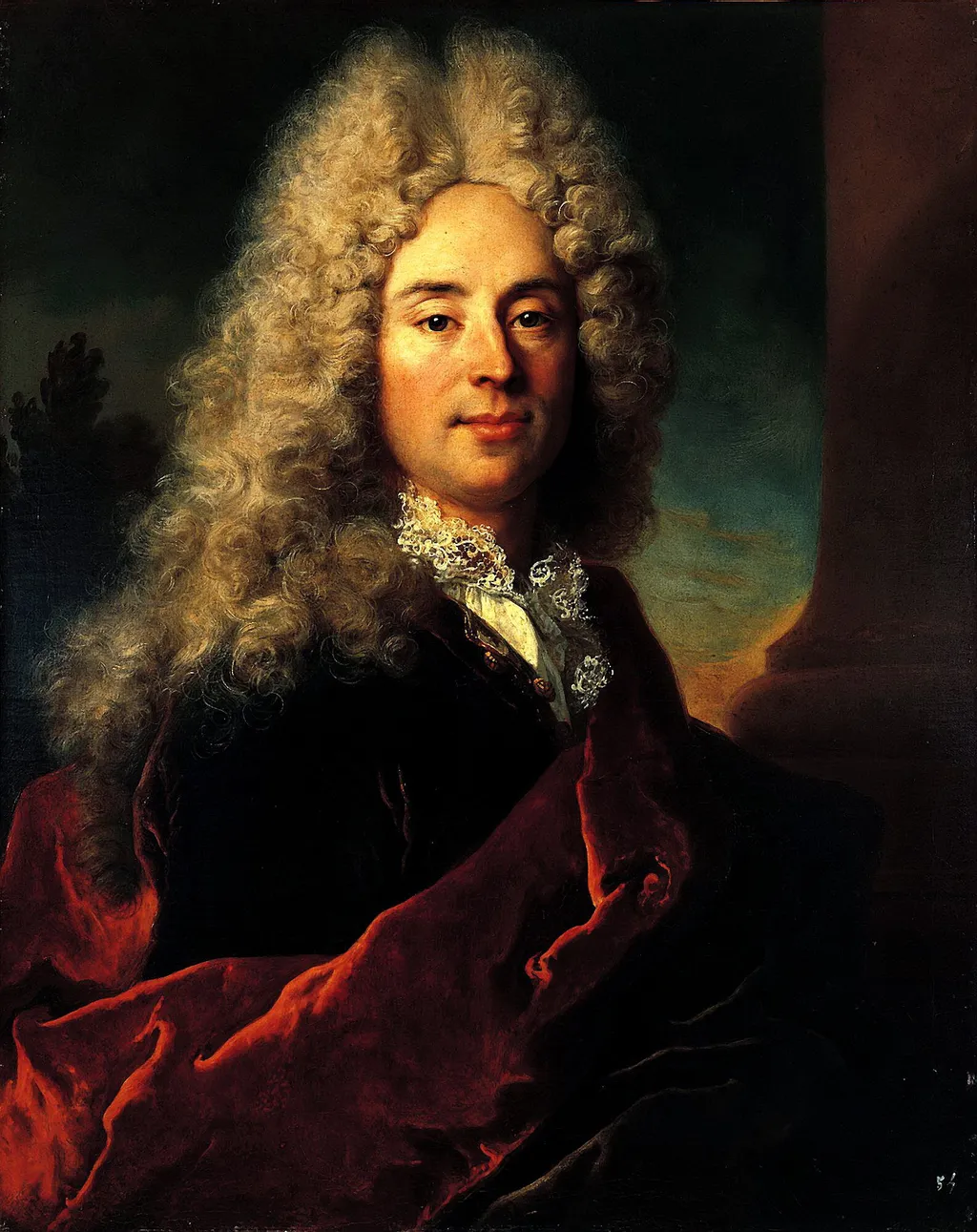
Portrait du marquis d’Havrincourt is an oil painting by the French Classical Baroque artist Nicolas de Largillière. It dates from 1713 and is held in the collection of the Norton Simon Museum.
About this work
Overview
Painted in 1713 by Nicolas de Largillière, this oil portrait captures the Marquis d’Havrincourt, a French nobleman of the early 18th century.
Painted in 1713 by Nicolas de Largillière, this oil portrait captures the Marquis d’Havrincourt, a French nobleman of the early 18th century. Largillière, a prominent figure in French portraiture, was known for his precise rendering of texture and form. The painting belongs to the Norton Simon Museum’s collection and exemplifies the refined elegance characteristic of French aristocratic portraiture during the transition from Baroque to Rococo.
Subject & Meaning
The marquis is depicted in formal dress, his posture composed and gaze steady, conveying dignity without ostentation. His dark red robe and white lace collar signal status, while the subdued background avoids distraction, focusing attention on his presence. The neutral expression reflects the era’s preference for restrained nobility, emphasizing social standing over emotional display. The portrait functions as a visual assertion of identity within the rigid hierarchies of the French court.
Technique & Style
Largillière employs careful chiaroscuro to model the figure, enhancing the three-dimensionality of the face and fabric. Brushwork is meticulous in rendering lace, hair, and the sheen of silk, yet remains fluid in the background, where faint landscape elements suggest depth without intrusion. The palette is rich but controlled, with warm tones in the robe contrasting against the cool darkness behind. His technique balances realism with a sense of formal composure typical of French academic portraiture.
History & Provenance
Commissioned during the reign of Louis XIV, the portrait reflects the enduring influence of courtly culture even as the monarchy’s power began to shift. It remained in private French collections until entering the Norton Simon Museum’s holdings in the 20th century. Its documented lineage supports its authenticity and underscores its role as a representative example of early 18th-century French elite portraiture.
Context
Largillière worked during a period when portraiture served both personal and political functions, affirming lineage and social rank. His position as director of the Académie de Peinture et de Sculpture placed him at the center of artistic authority. This portrait aligns with broader trends in French art that prioritized clarity, refinement, and the dignified representation of the aristocracy, even as stylistic trends began to soften toward Rococo sensibilities.
Legacy
Though less celebrated than some of his contemporaries, Largillière’s work preserved the visual language of French nobility with technical precision. This portrait contributes to the understanding of how aristocratic identity was constructed through art during the early Enlightenment. Its continued presence in a major museum collection ensures its role as a reference point for studying the evolution of French portraiture in the 18th century.
Own this work as a print
Artist & collection
Artist
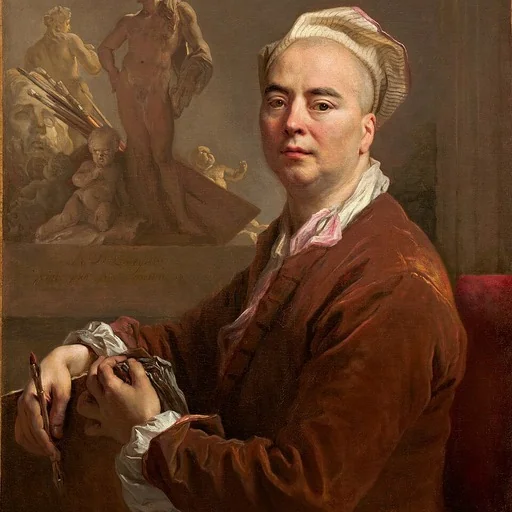
Nicolas de Largillière (French: ; baptised 10 October 1656 – 20 March 1746) was a French painter and draughtsman. From 1733 until 1735, he was director of the Académie de Peinture et de Sculpture.

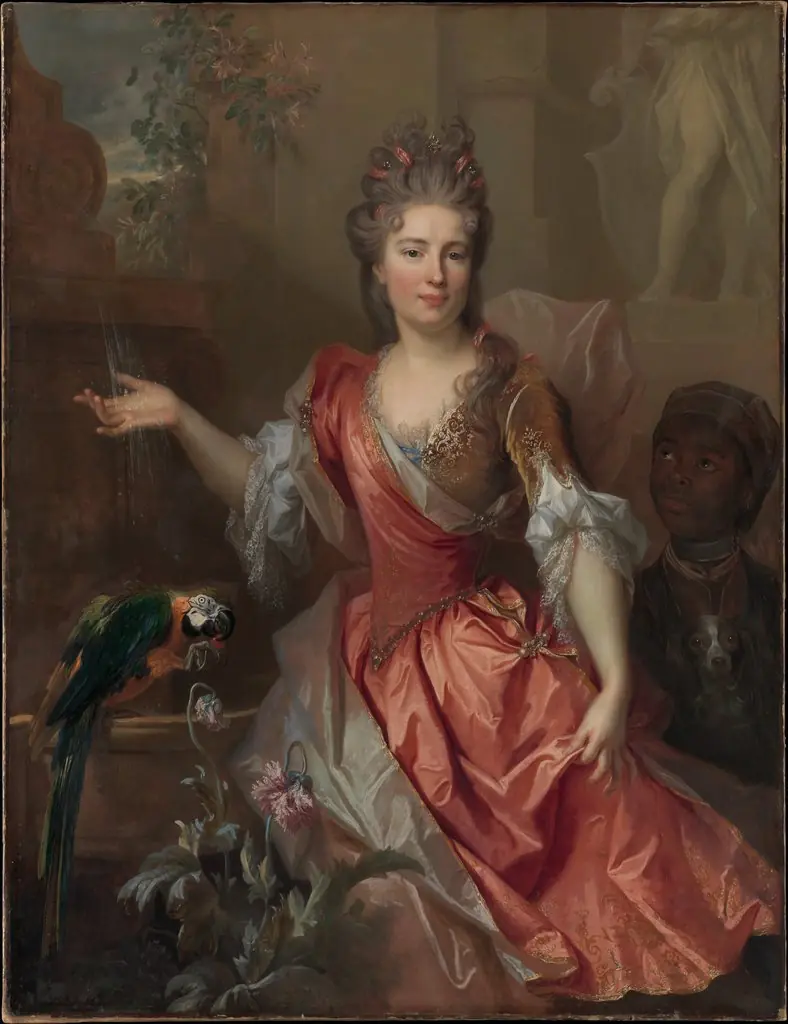 Portrait of a Woman, Possibly Madame Claude Lambert de Thorigny (Marie Marguerite Bontemps, 1668–1701)
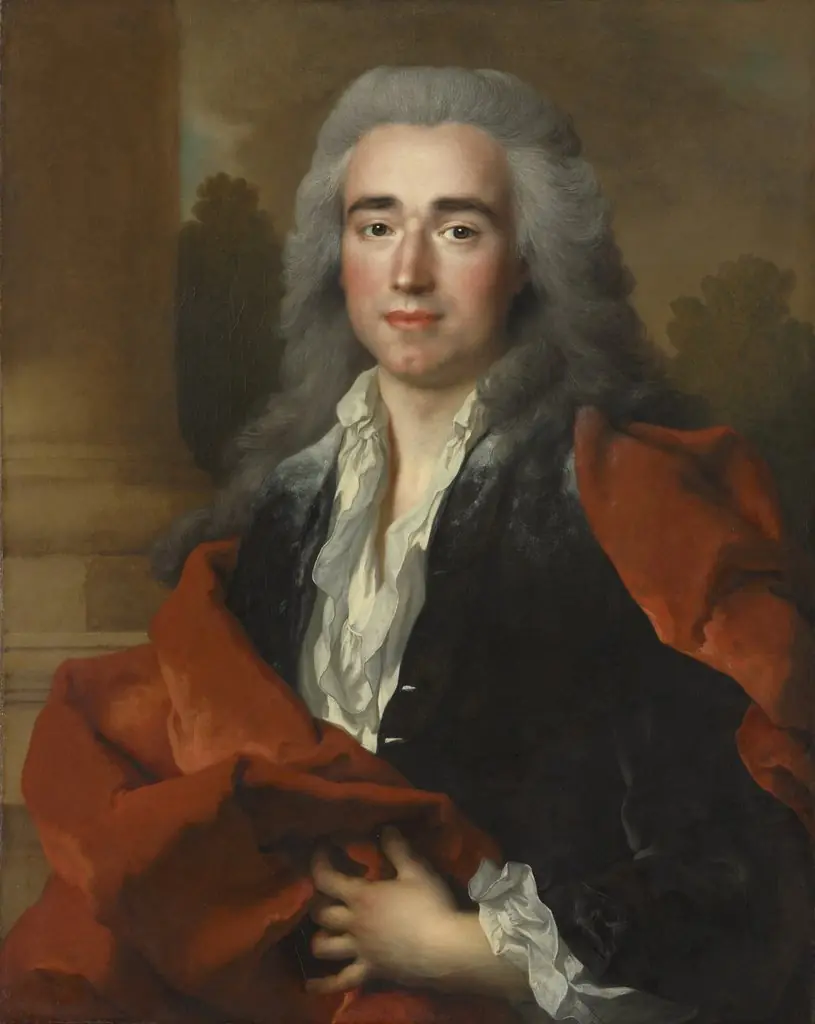 Portrait of Anne Louis Goislard de Montsabert, Comte de Richbourg-le-Toureil
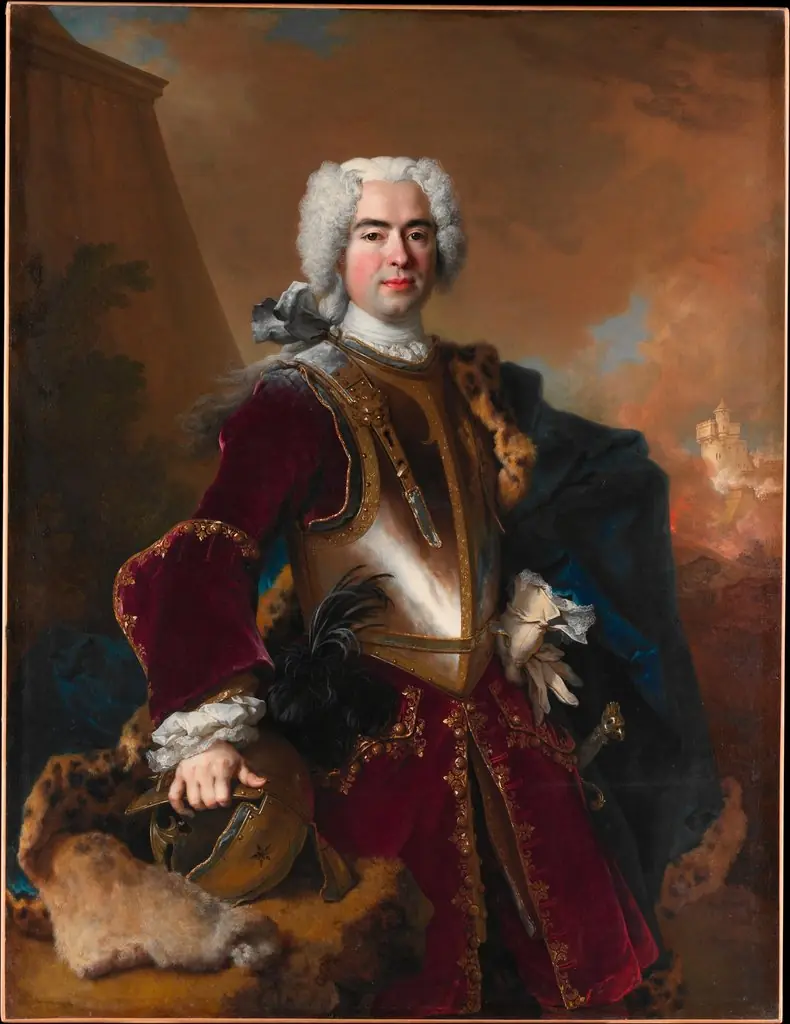 André François Alloys de Theys d'Herculais (1692–1779)
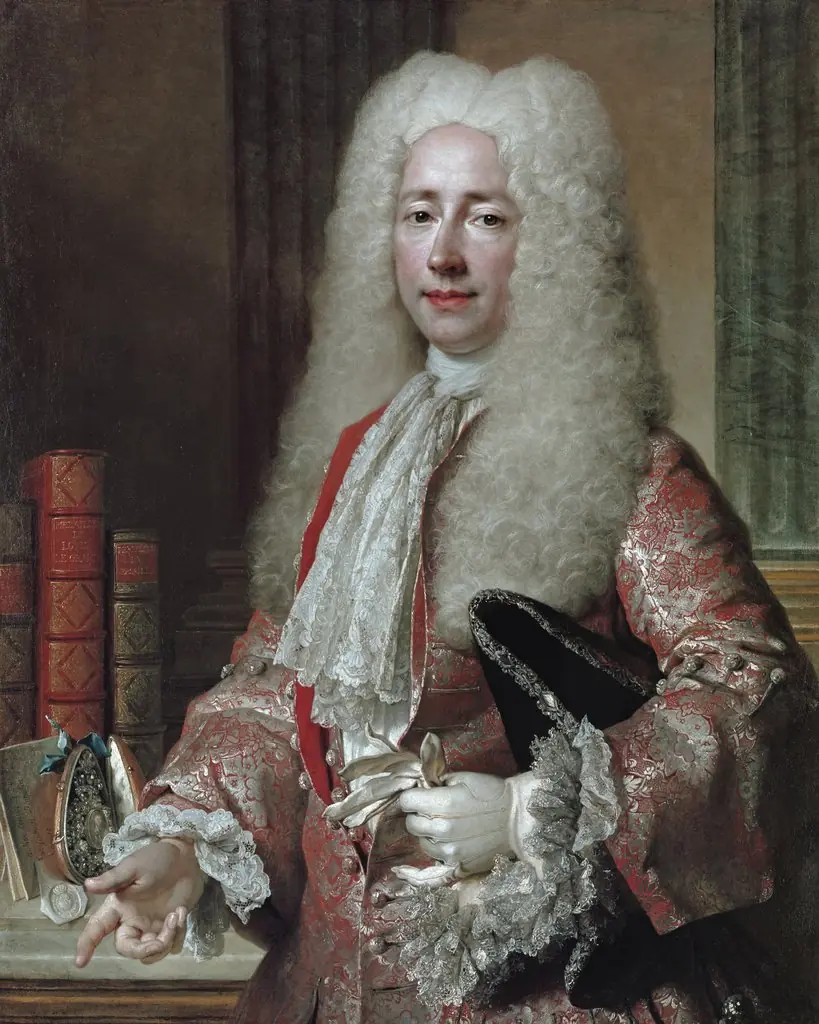 Portrait de Conrad Detlef, comte de Dehn
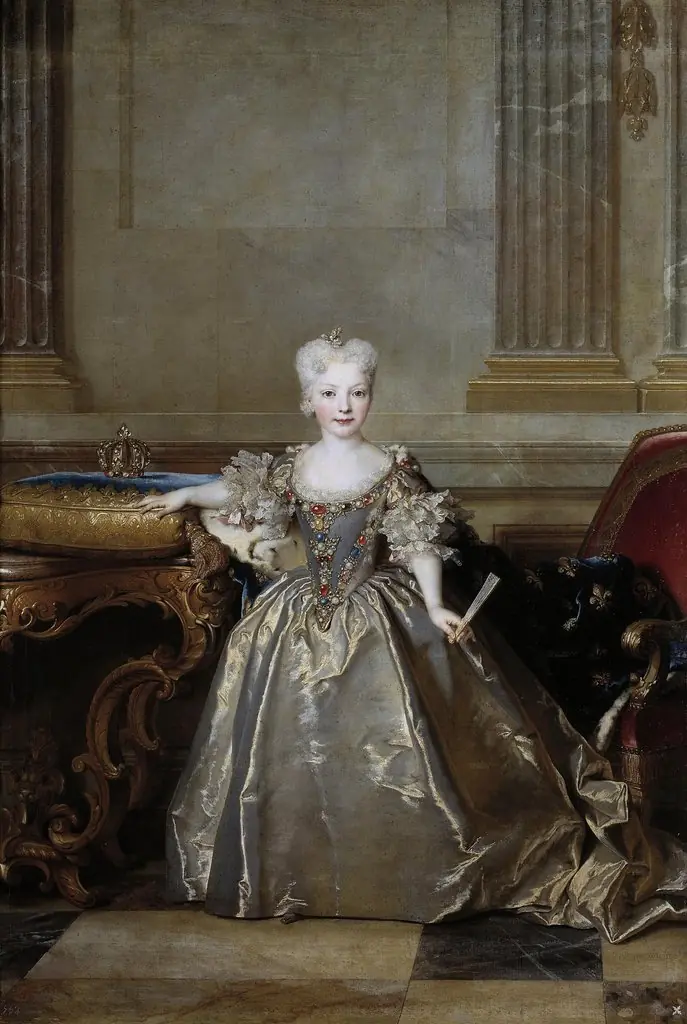 María Ana Victoria de Borbón y Farnesio
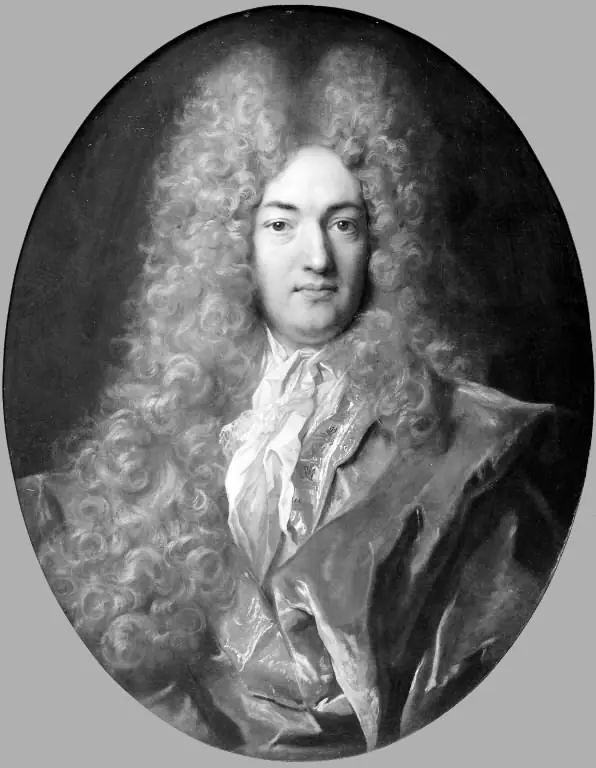 Portrait of a Man
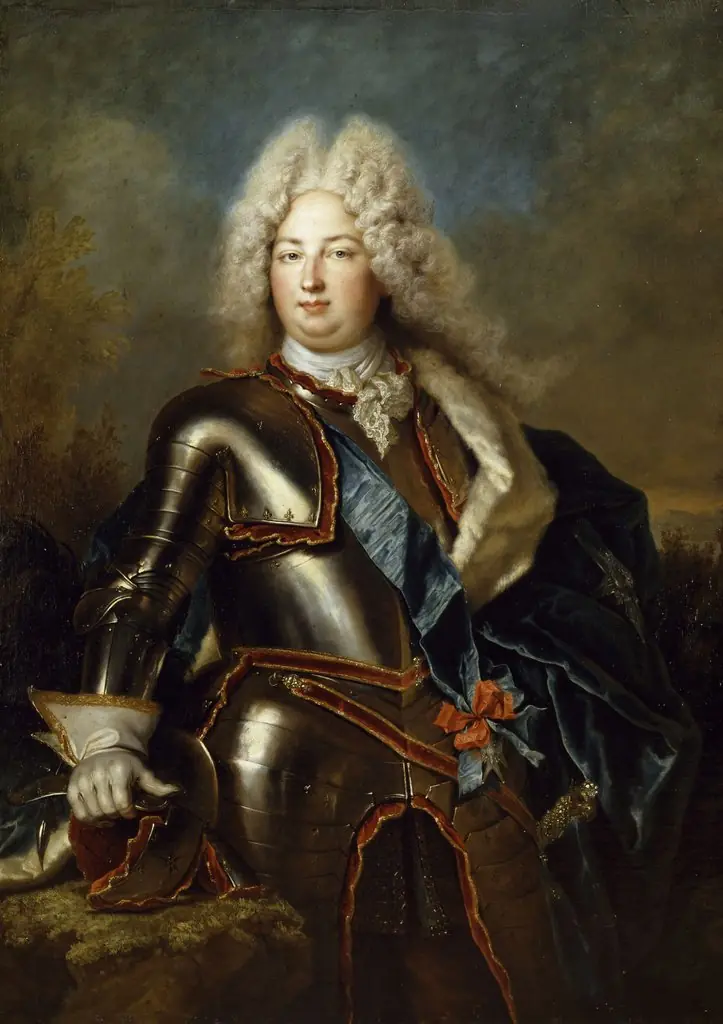 Charles of France, Duke of Berry
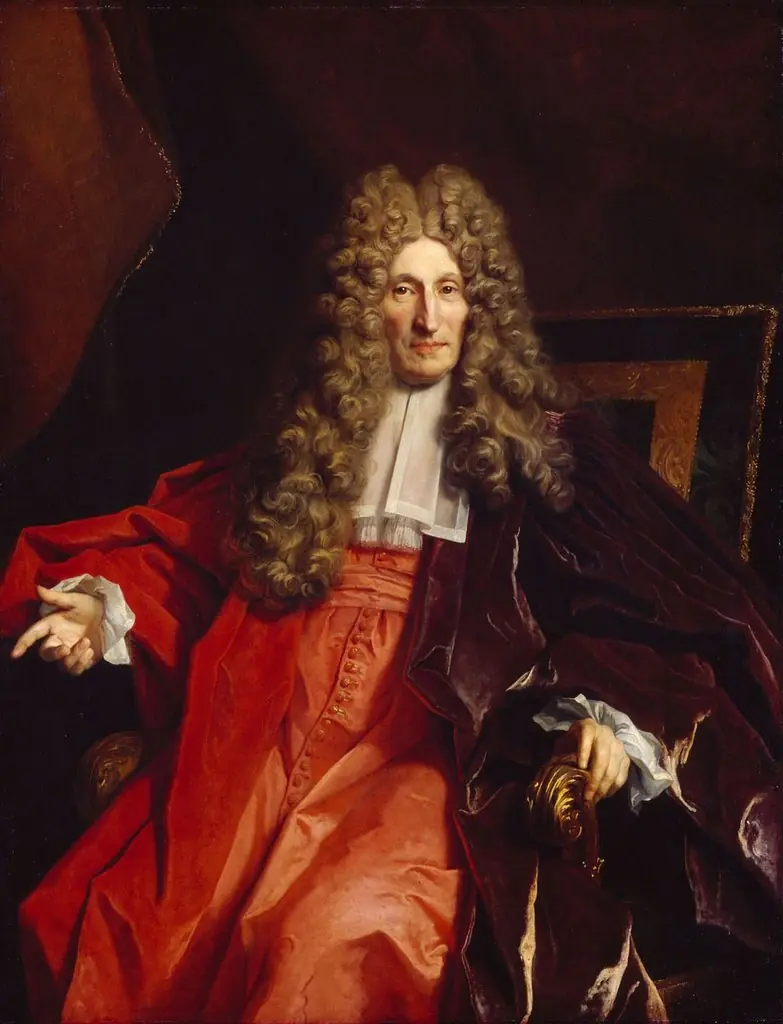 Charles Boucher, Herr von Orsay