Artwork
Portrait of a Woman, Possibly Madame Claude Lambert de Thorigny (Marie Marguerite Bontemps, 1668–1701)
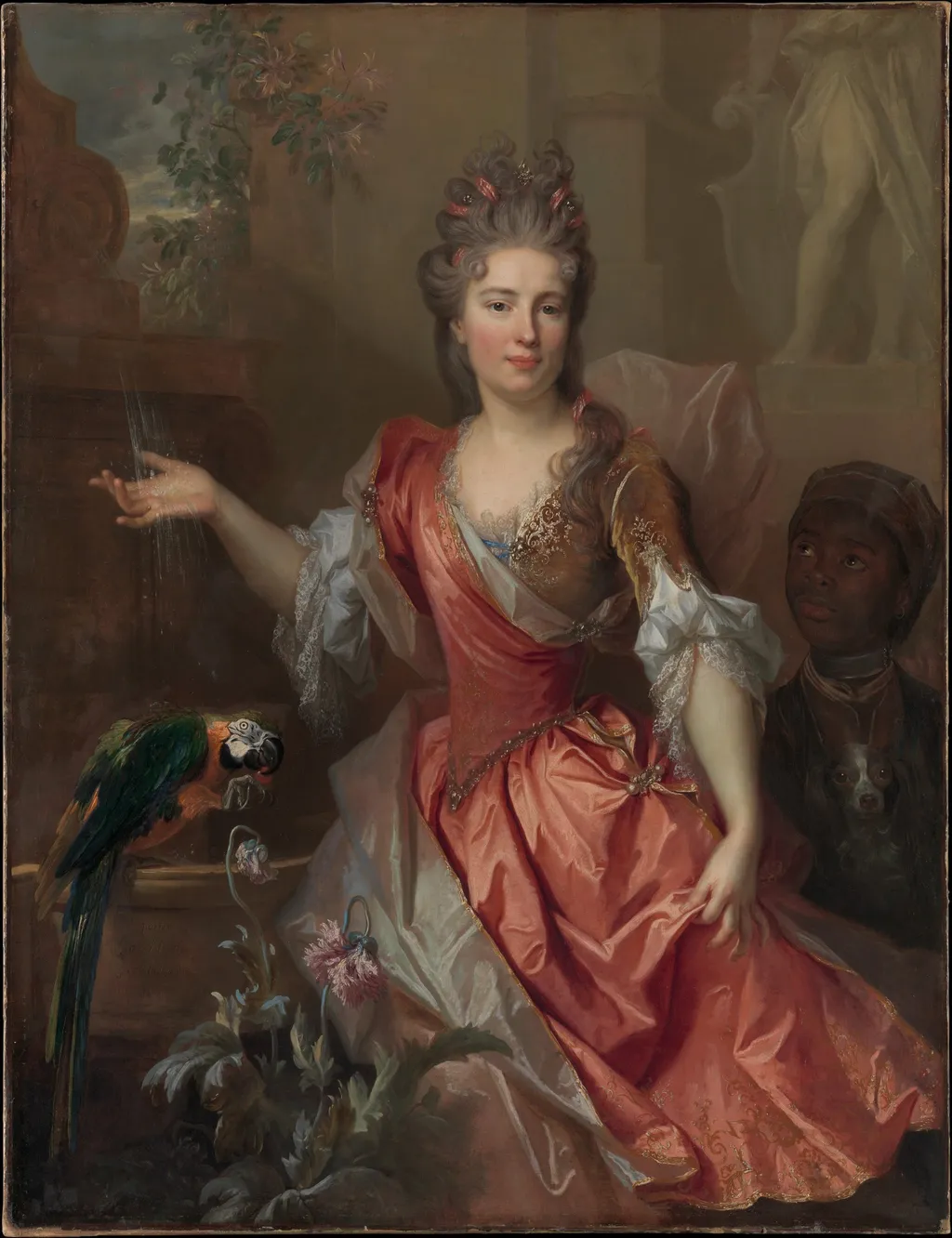
Portrait of a Woman, Possibly Madame Claude Lambert de Thorigny (Marie Marguerite Bontemps, 1668–1701) is an oil painting by the Rococo painting artist Nicolas de Largillière. It dates from 1698 and is held in the collection of the Metropolitan Museum of Art.
About this work
Technique & Style
The painting is held in the collection of the Metropolitan Museum of Art, where its condition has been maintained as part of the institution's stewardship.
The work is executed in oil paint on canvas, a standard support for late seventeenth-century French portraiture, and measures 139.7 by 106.7 centimeters in its vertical orientation. Largillière's handling reflects the polished, refined technique associated with his portrait practice of the 1690s, employing smooth, blended brushwork and carefully modeled flesh tones that lend the sitter a luminous, lifelike presence. The composition is enriched by carefully observed details of costume, accessories, and the accompanying figures and animals, a boy, a parrot, a dog, and a domestic worker, rendered with the same crisp, descriptive fidelity.
The painting is held in the collection of the Metropolitan Museum of Art, where its condition has been maintained as part of the institution's stewardship.
History & Provenance
The portrait was executed in 1698 by Nicolas de Largillière using oil on canvas, as recorded in the work's technical specifications. Its subject is identified as possibly Madame Claude Lambert de Thorigny. The painting has been part of the Metropolitan Museum of Art collection since its acquisition, where it remains on public display.
The work measures 139.7 cm by 106.7 cm, confirming its large-scale format. No earlier ownership records or commission details are documented in the available sources.
Overview
Painted in 1698, Nicolas de Largillière's Portrait of a Woman, Possibly Madame Claude Lambert de Thorigny, exemplifies the artist's mastery of the French Baroque portrait tradition. The work depicts Marie Marguerite Bontemps seated in an interior that opens onto a garden, a composition that balances domestic intimacy with aristocratic display. She wears a vibrant red dress and a blue necklace, her high, curled hair reflecting late 17th-century fashion.
In her hand, she holds a letter, a common attribute suggesting literacy and social connection. The composition is enriched by symbolic elements: a parrot perches on a ledge behind her, while a young Black attendant stands to her right, dressed in black. These figures, alongside the lush garden background, serve to underscore the sitter's wealth and global reach.
Largillière's technique is characterized by his fluid brushwork and rich color palette, particularly in the rendering of fabrics and skin tones. This portrait, created during the height of his career, demonstrates his ability to convey both the psychological presence of the sitter and the opulence of her status, securing his reputation as a leading portraitist of the French court and bourgeoisie.
Subject & Meaning
The central figure is depicted in a vibrant red gown, intricately embroidered with gold, and adorned with an elaborate coiffure and a blue necklace. Her posture appears both relaxed and composed, suggesting a woman of refinement and status. The presence of a parrot, a luxury item, and a young attendant, who stands attentively, further emphasizes the sitter's wealth and the structured nature of affluent households during this period.
Context
This portrait aligns with the stylistic conventions of late 17th-century European art, where depictions of individuals from the upper echelons of society often included symbols of their prosperity and refinement. The elaborate attire, the luxurious domestic setting, and the inclusion of a servant were common visual cues employed to communicate the sitter's elevated social position and personal taste to a contemporary audience.
Own this work as a print
Artist & collection
Artist
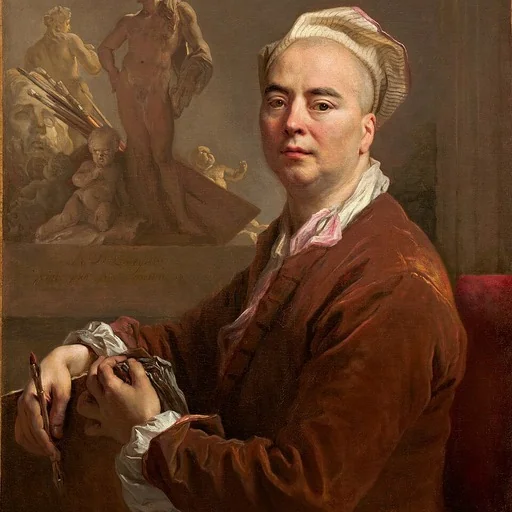
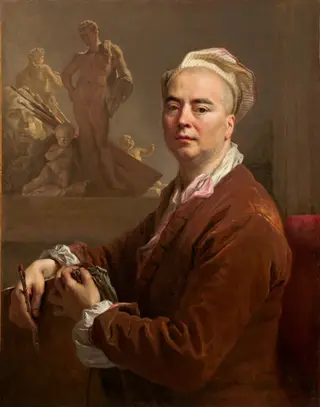
Nicolas de Largillière (French:; baptised 10 October 1656 – 20 March 1746) was a French painter and draughtsman. From 1733 until 1735, he was director of the Académie de Peinture et de Sculpture.

 Self-Portrait
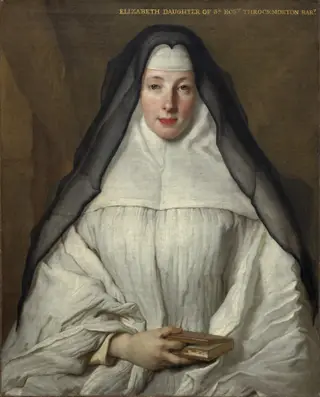 Elizabeth Throckmorton, Canoness of the Order of the Dames Augustines Anglaises
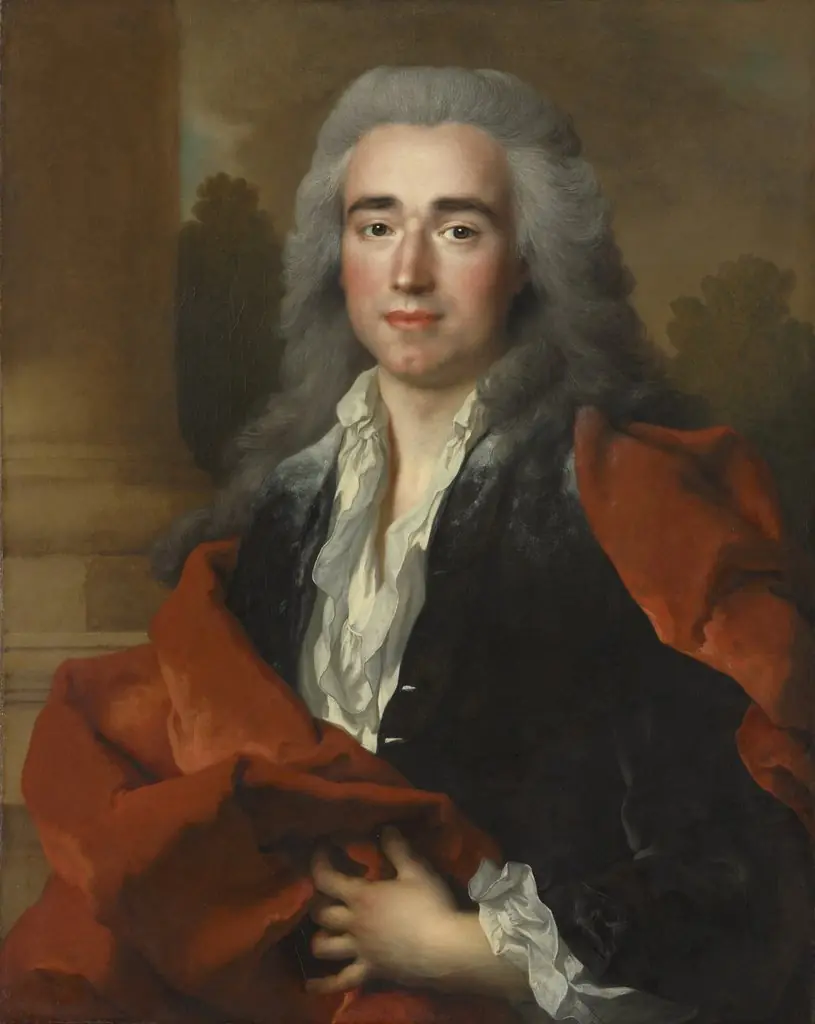 Portrait of Anne Louis Goislard de Montsabert, Comte de Richbourg-le-Toureil
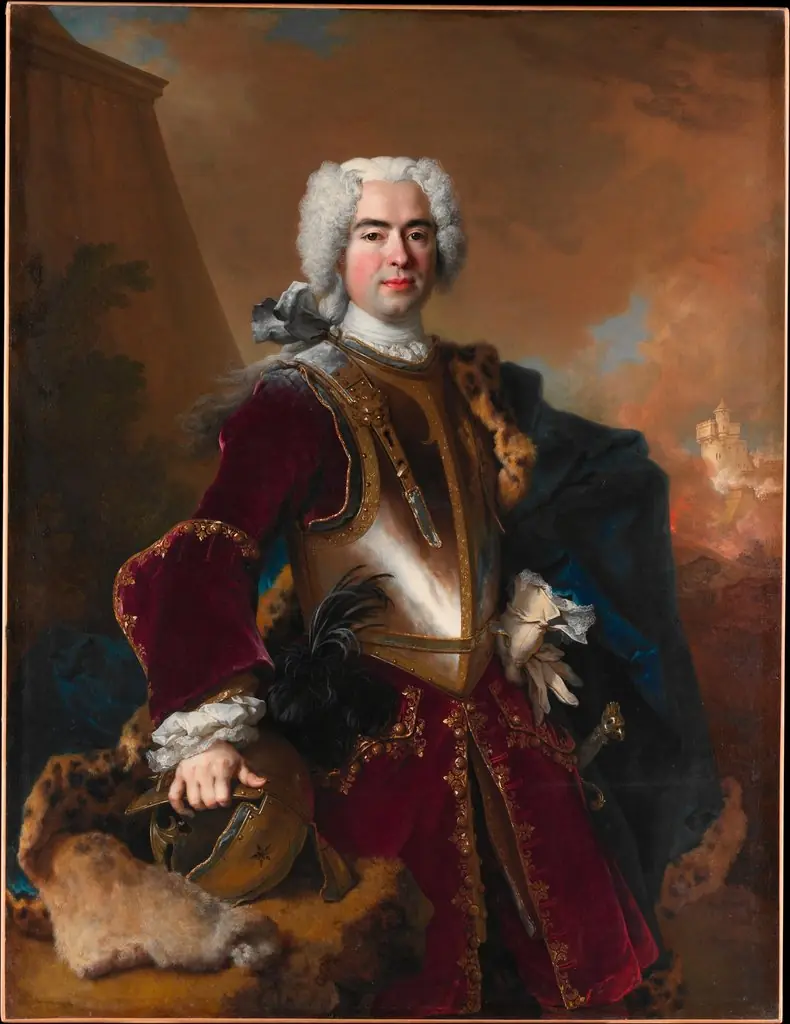 André François Alloys de Theys d'Herculais (1692–1779)
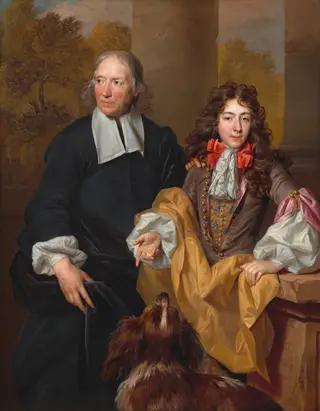 Portrait of a Young Man and His Tutor
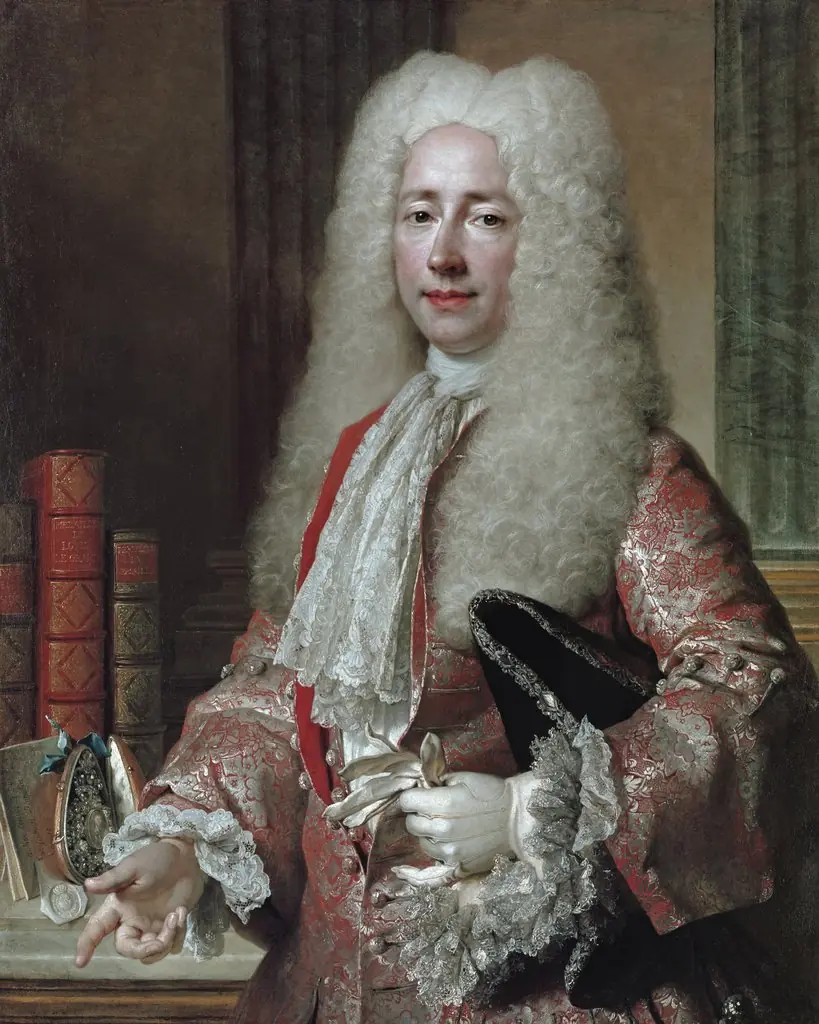 Portrait de Conrad Detlef, comte de Dehn
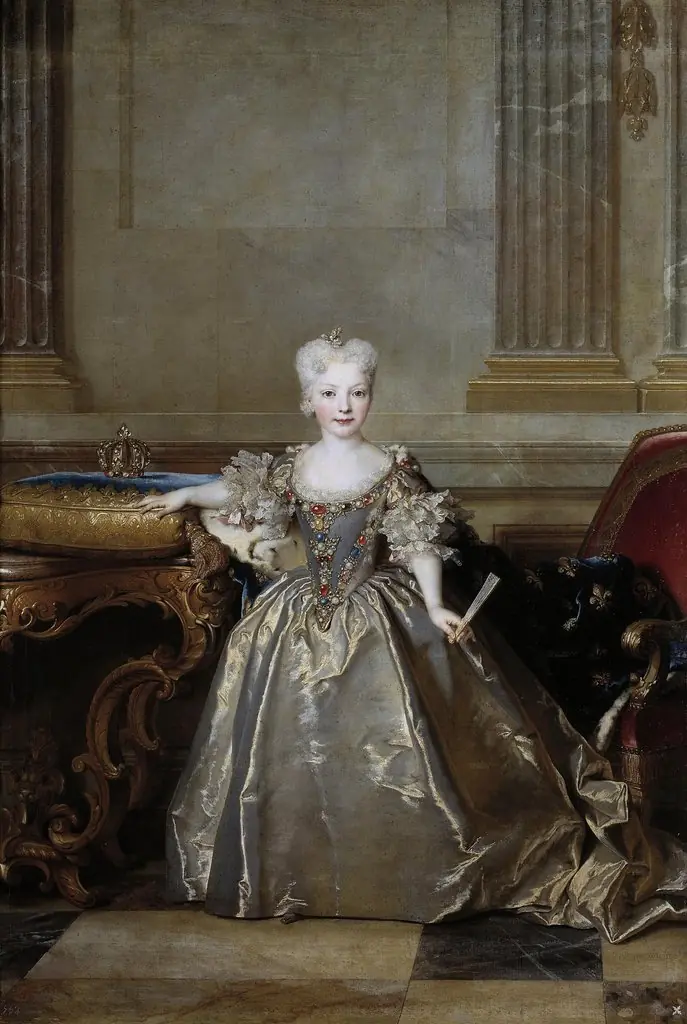 María Ana Victoria de Borbón y Farnesio
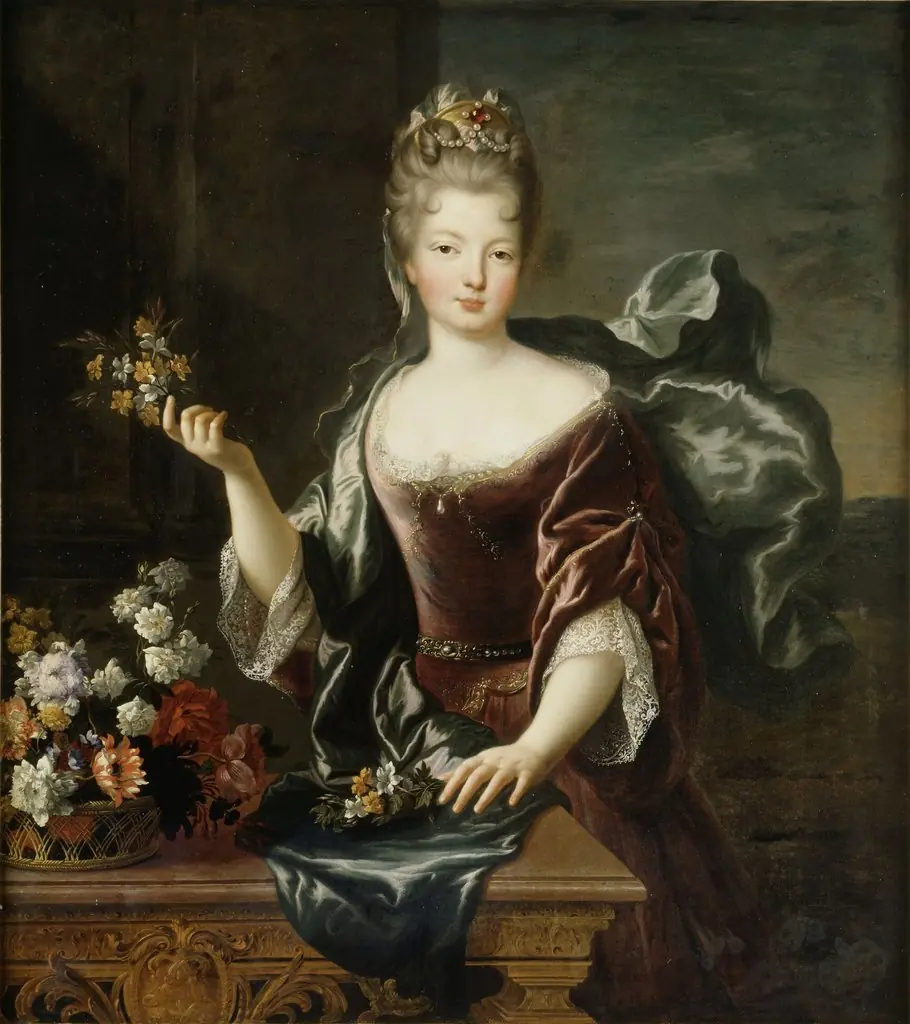 Françoise-Marie de Bourbon, Mademoiselle de Blois, Duchess of Orleans
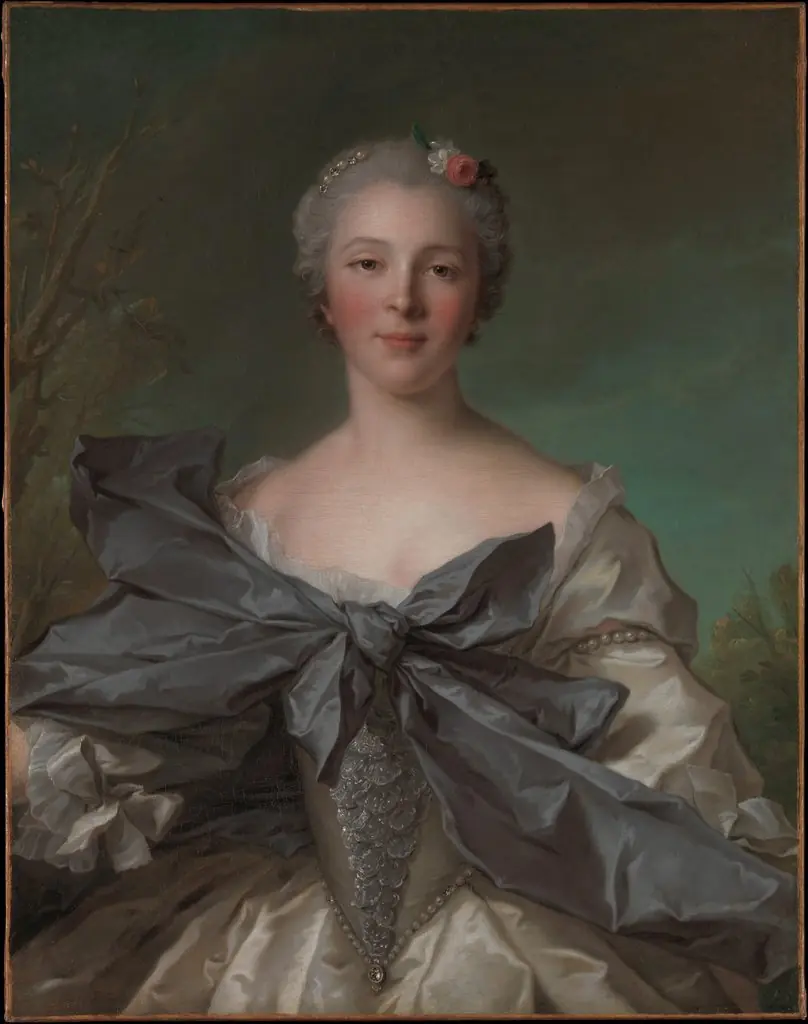 Marie Françoise de La Cropte de St. Abre, Marquise d'Argence
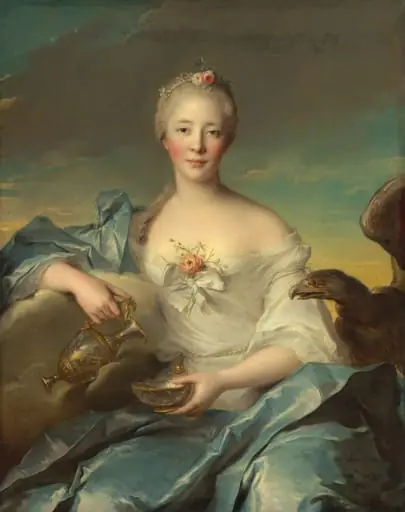 Madame Le Fèvre de Caumartin as Hebe
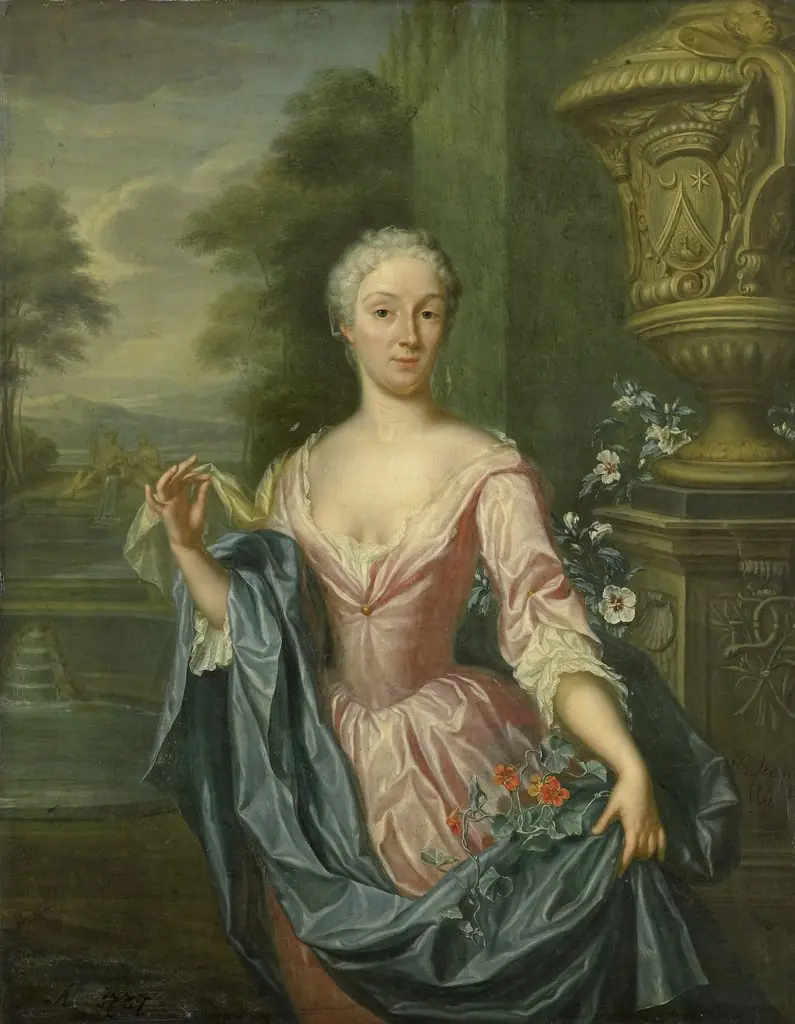 Portrait of Claudine van Royen (born 1712), Wife of Pieter Teding van Berkhout
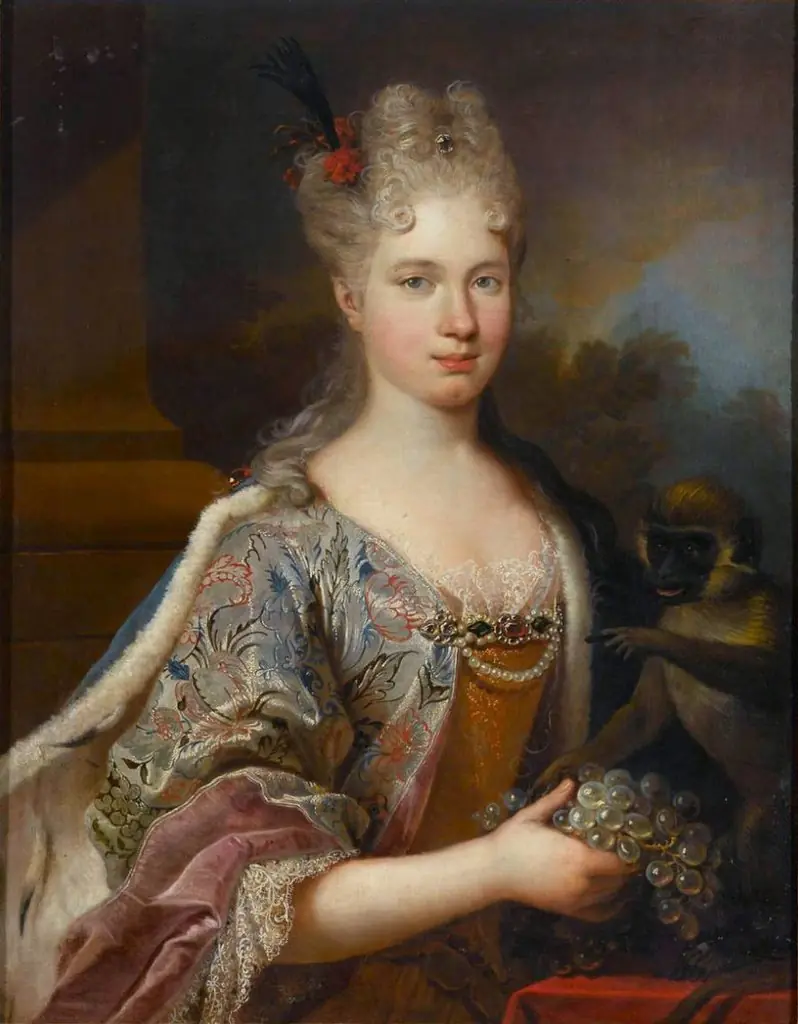 Princesse ou duchesse de France non identifiée de la fin du règne de Louis XIV
 Anna Constanze Gräfin von Cosel (1680-1765)
 Portrait of the Marquise d'Aguirandes
 Rouva Werner
 Princess Victoire of France - The Water
 Naisen muotokuva
 Madame de La Porte
- Portrait of Madame Marie-Henriette Berthelot de Pléneuf