Artwork
María Ana Victoria de Borbón y Farnesio
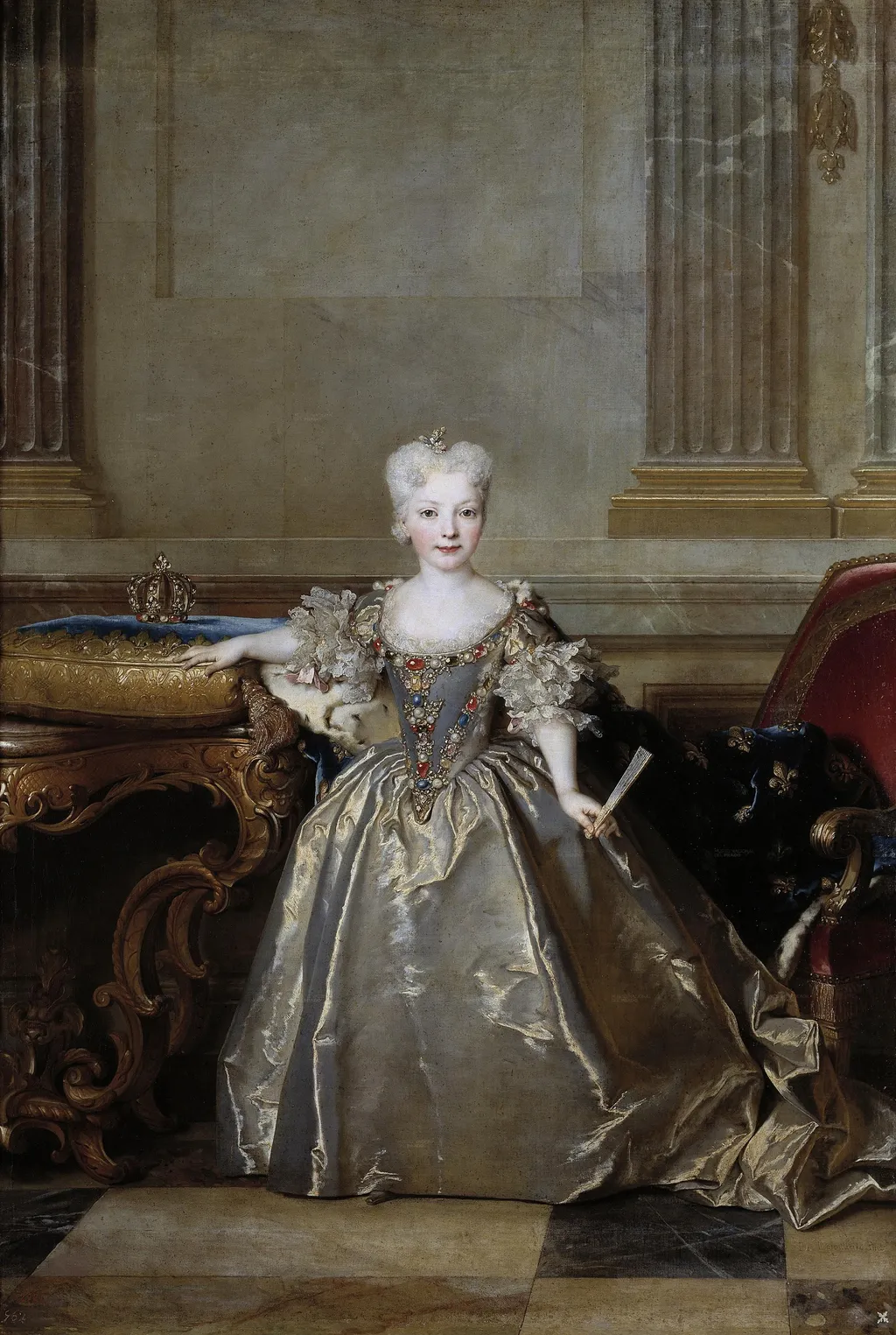
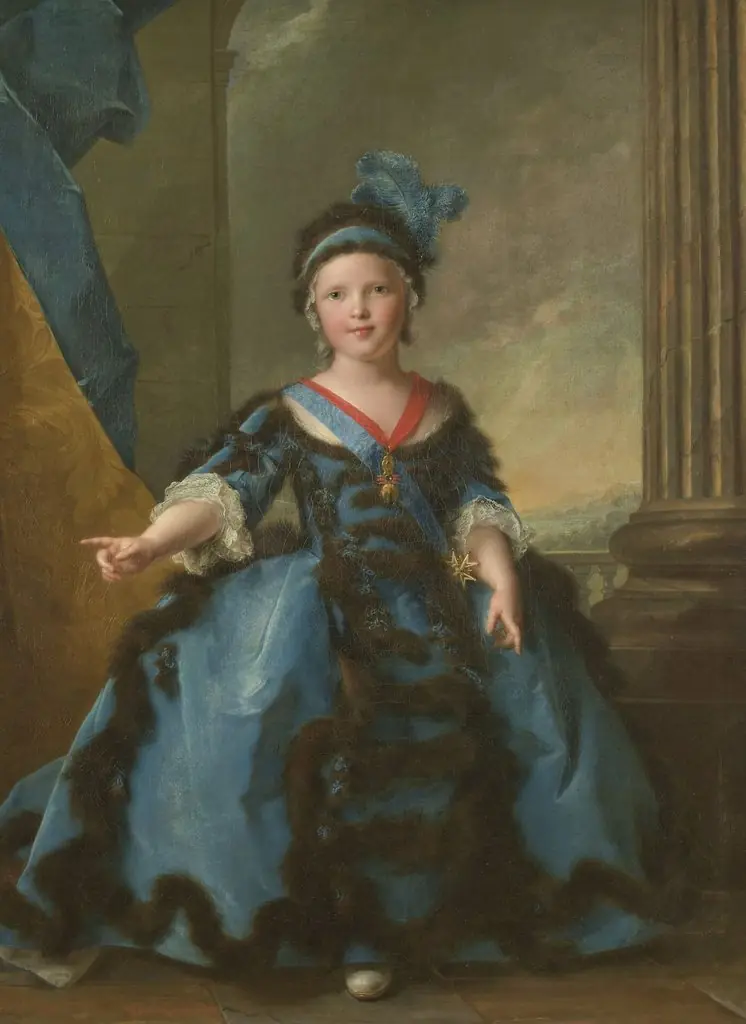
María Ana Victoria de Borbón y Farnesio is an oil painting by the Rococo painting artist Nicolas de Largillière. It dates from 1724 and is held in the collection of the Museo del Prado.
About this work
Subject & Meaning
A hand fan, another depicted element, functions as a courtly accessory associated with aristocratic refinement and ceremonial portraiture of the period.
The painting portrays María Ana Victoria de Borbón y Farnesio, an infant of the Spanish Bourbons, as a formal sitter rather than as a child at play. The iconography centers on symbols of dynastic rank and ceremonial status: a crown and a gemstone are included among the depicted attributes, signaling royal lineage and the wealth of the Spanish court. A hand fan, another depicted element, functions as a courtly accessory associated with aristocratic refinement and ceremonial portraiture of the period.
Together, these attributes frame the portrait as a statement of dynastic legitimacy and Bourbon prestige, presenting the young princess within the visual vocabulary of European royal representation. The combination of regalia and refined accessories indicates that the work was conceived less as a personal likeness than as an emblem of sovereign continuity and Habsburg-Bourbon heritage.
Technique & Style
The portrait is painted in oil on canvas, measuring 184 cm in height and 125 cm in width. Executed in 1724, the work depicts a hand fan, crown, and gemstone, reflecting the sitter's royal status. The surface shows typical handling of 18th‑century oil techniques, with fine brushwork used to render delicate details such as the fan and jeweled elements.
History & Provenance
The portrait of María Ana Victoria de Borbón y Farnesio was painted by Nicolas de Largillière in 1724, executed in oil on canvas. The work was created during the Spanish Bourbon court, where the sitter's family held central political and dynastic roles.
Provenance traces through successive Spanish monarchs. The painting was held by Philip V of Spain, passed to Charles III of Spain, and later entered the collection of Ferdinand VII of Spain. From these royal holdings it was transferred to the Museo del Prado, where it is currently held as part of the museum's collection.
The painting is part of the collection at the Museo del Prado, where it has been displayed in exhibitions focusing on 18th‑century Spanish court portraiture and on the artistic legacy of Nicolas de Largillière.
It entered the museum's inventory as accession number P00968.
Overview
Created in 1724 by the French court painter Nicolas de Largillière, this oil portrait presents the Spanish Infanta María Ana Victoria de Borbón y Farnesio. The composition places the young royal figure within an elaborately appointed interior, emphasizing her status through sumptuous attire and regal accessories. The work is part of the Prado Museum’s collection in Madrid.
Context
The painting reflects the cross‑cultural exchange between French artistic trends and Spanish court tastes during the early reign of Philip V. Largillière, a leading portraitist of the French aristocracy, was commissioned to depict a Spanish infanta, illustrating the diplomatic and familial ties that linked the two Bourbon branches.
Own this work as a print
Artist & collection
Artist
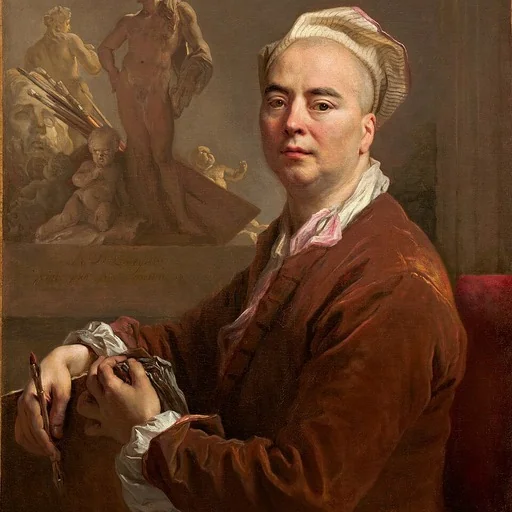
Nicolas de Largillière (French:; baptised 10 October 1656 – 20 March 1746) was a French painter and draughtsman. From 1733 until 1735, he was director of the Académie de Peinture et de Sculpture.

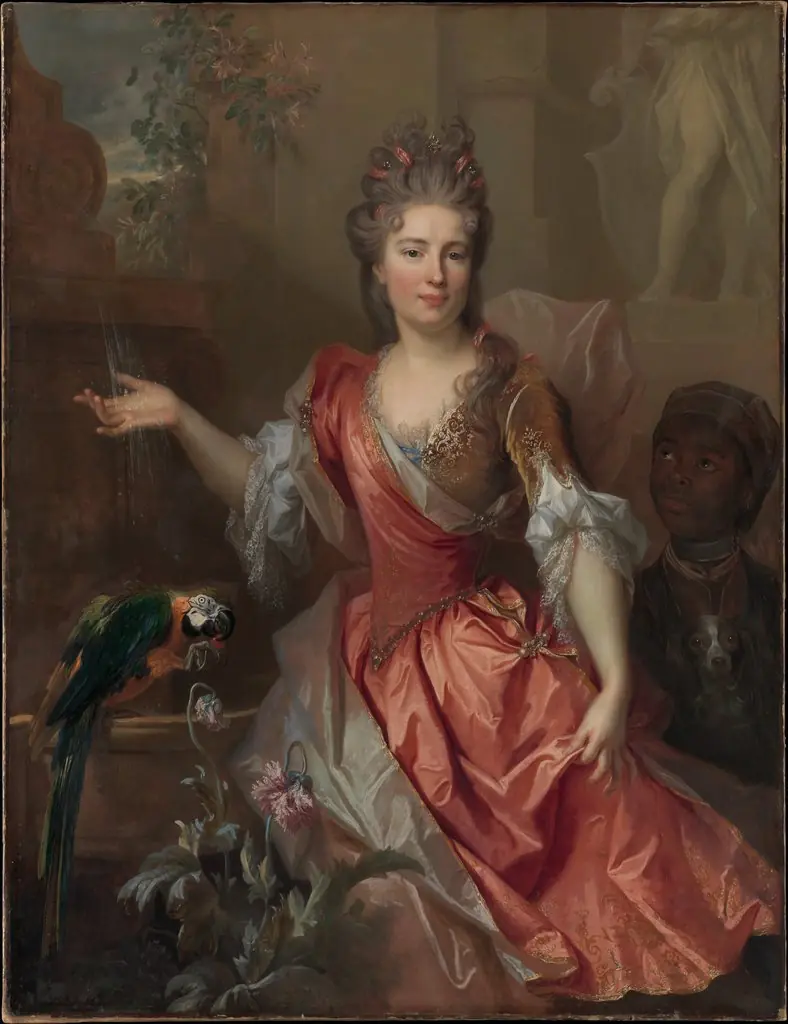 Portrait of a Woman, Possibly Madame Claude Lambert de Thorigny (Marie Marguerite Bontemps, 1668–1701)
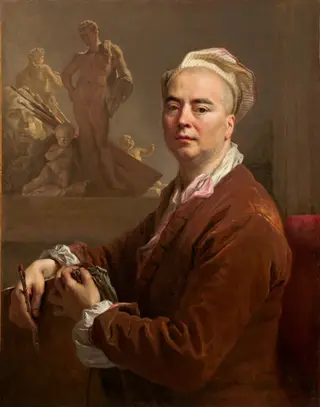 Self-Portrait
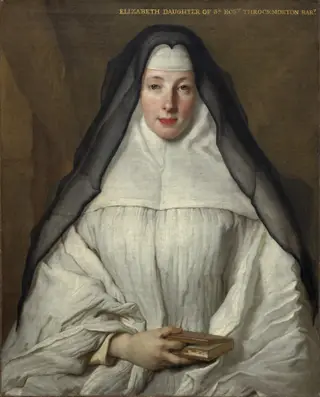 Elizabeth Throckmorton, Canoness of the Order of the Dames Augustines Anglaises
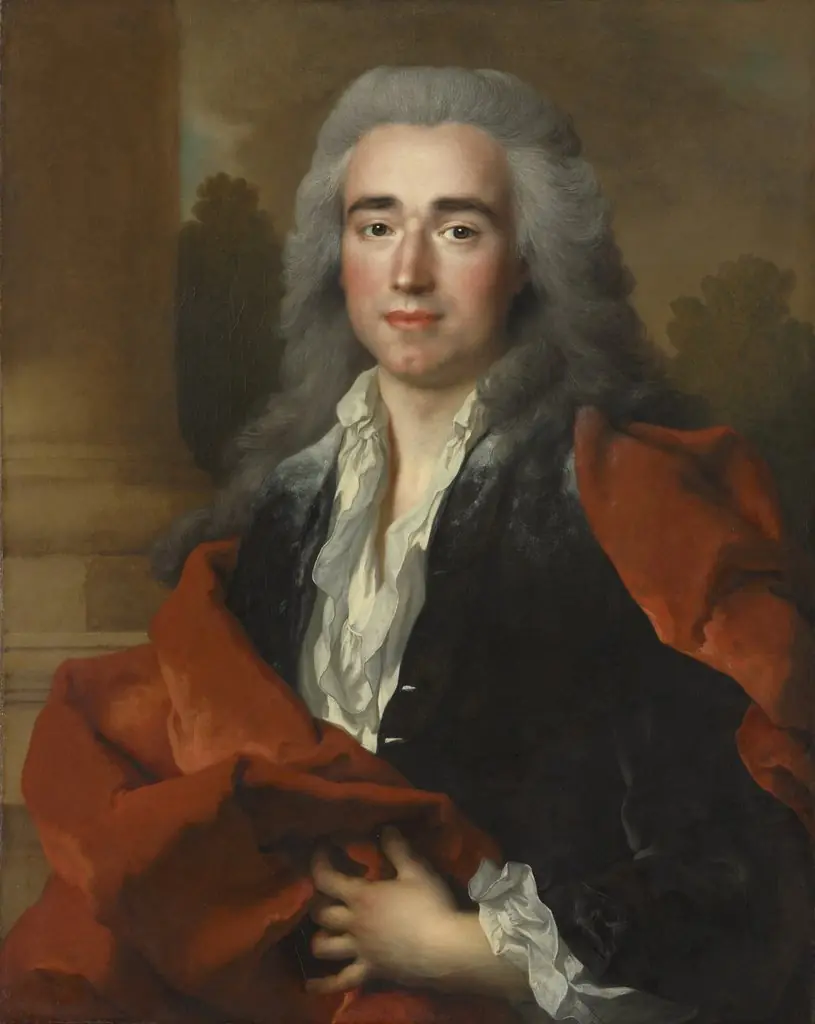 Portrait of Anne Louis Goislard de Montsabert, Comte de Richbourg-le-Toureil
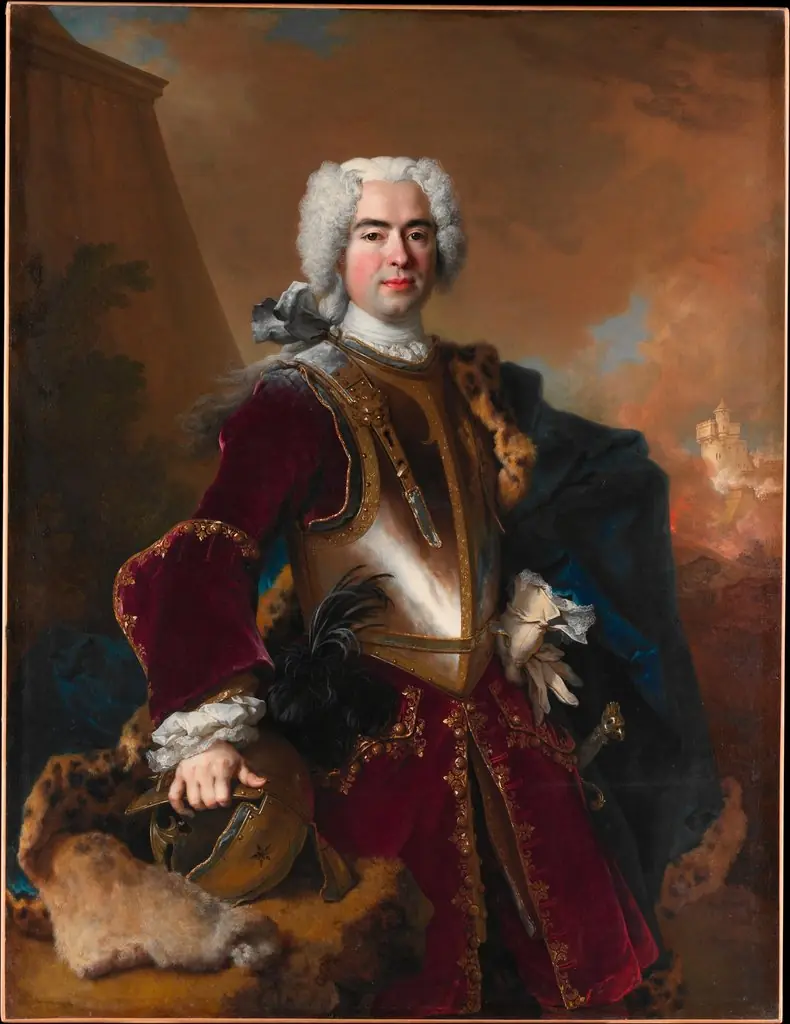 André François Alloys de Theys d'Herculais (1692–1779)
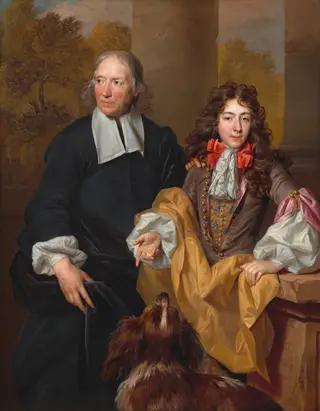 Portrait of a Young Man and His Tutor
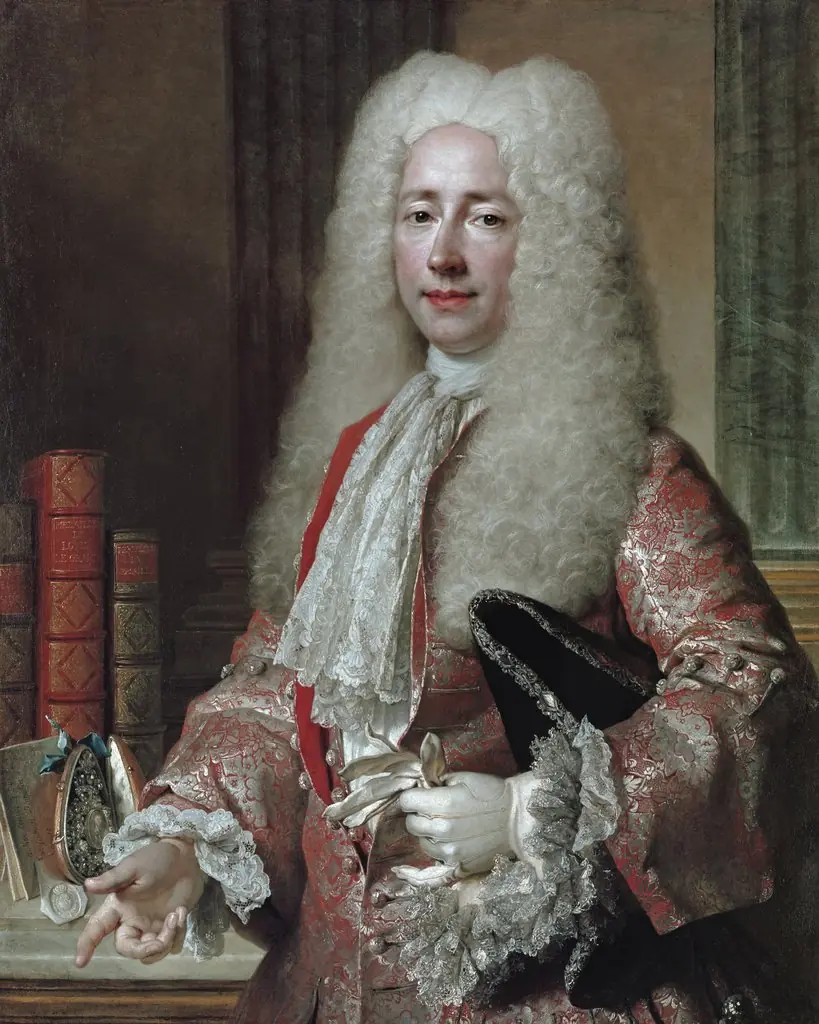 Portrait de Conrad Detlef, comte de Dehn
- The Queen Dowager Juliane Marie
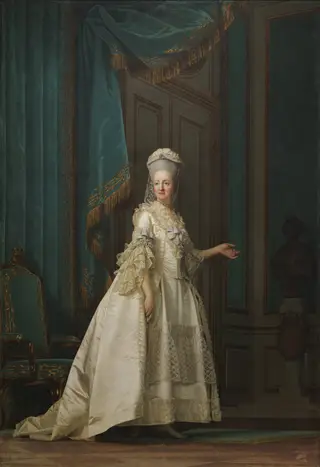
 The Dowager Queen Juliane Marie of Denmark
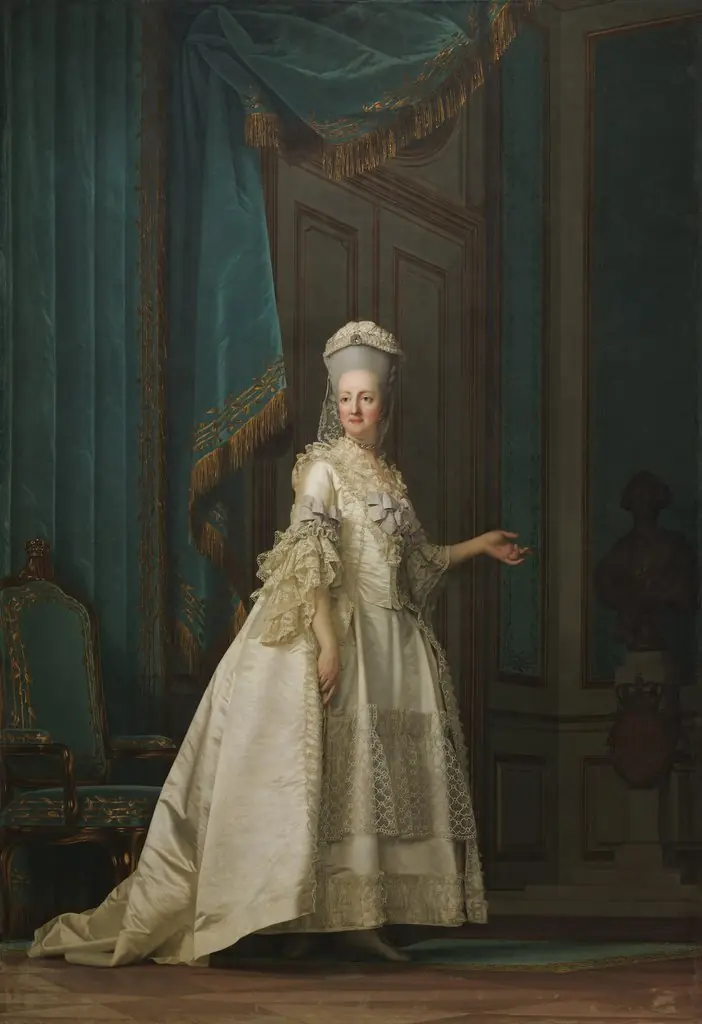 The Queen Dowager Juliane Marie
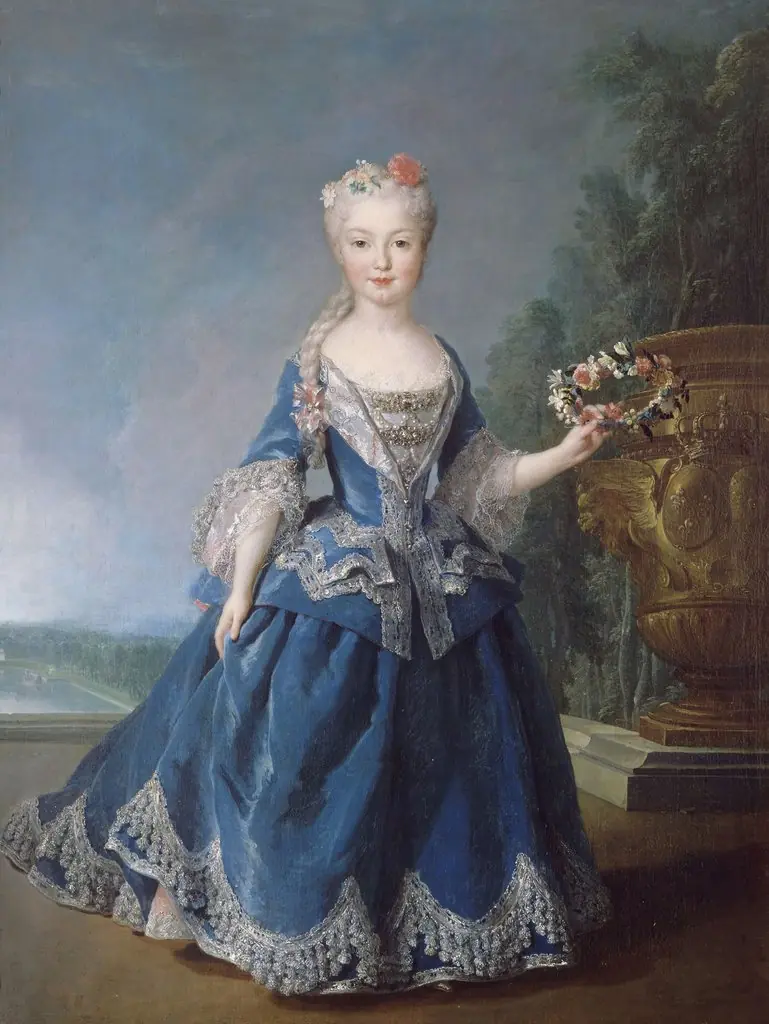 Portrait of Mariana Victoria of Spain (1718-1781)
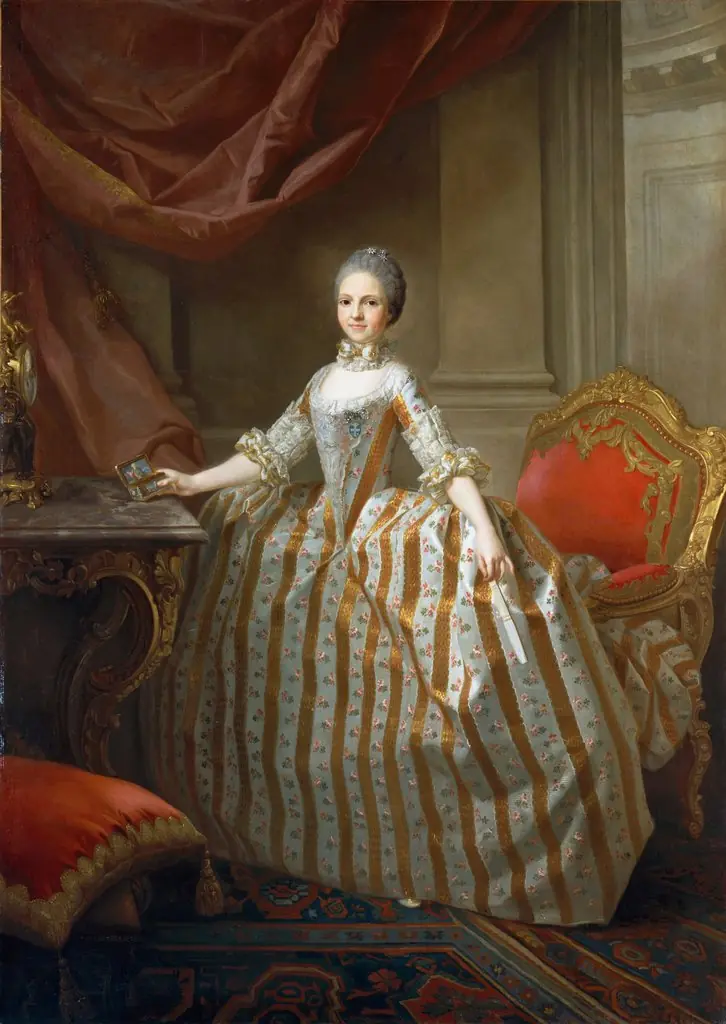 Maria Luisa of Parma (1751–1819), Later Queen of Spain
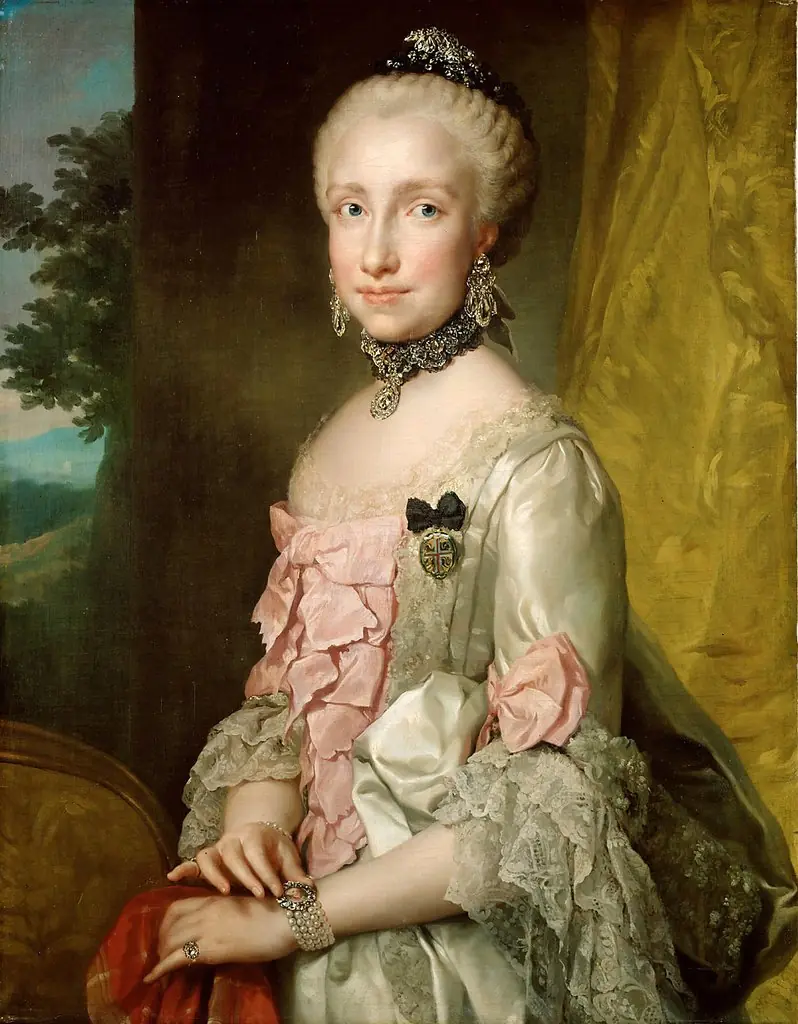 Portrait of Maria Luisa of Spain
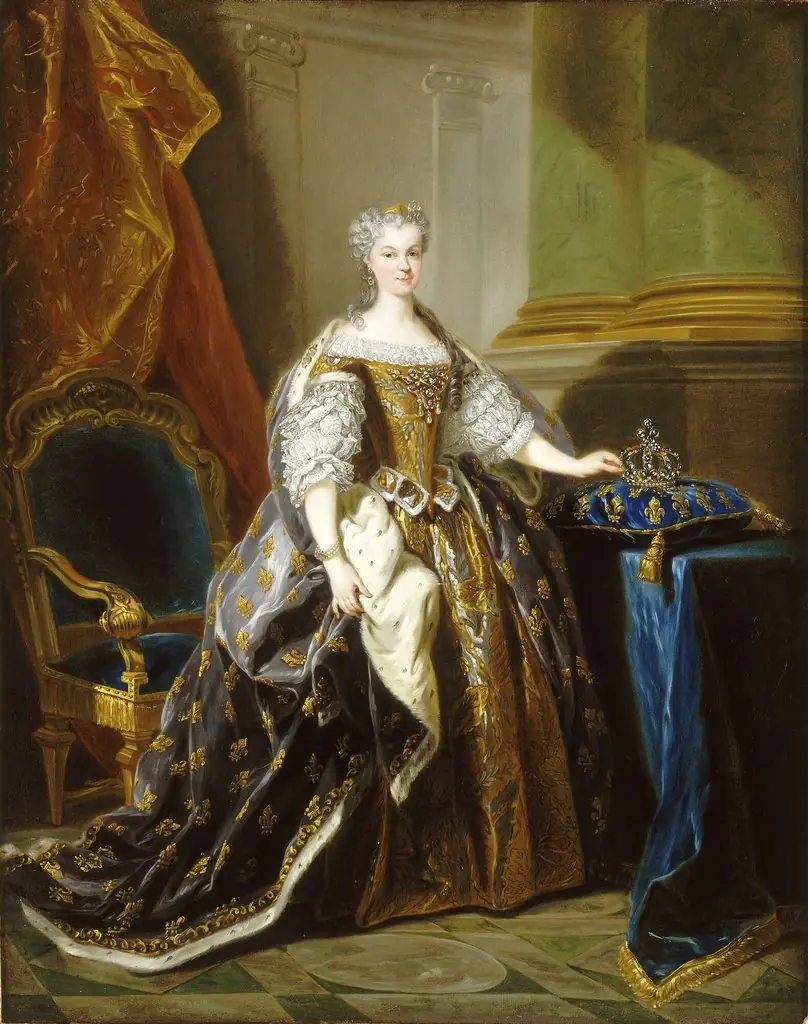 Portrait of Marie Leszczyńka.
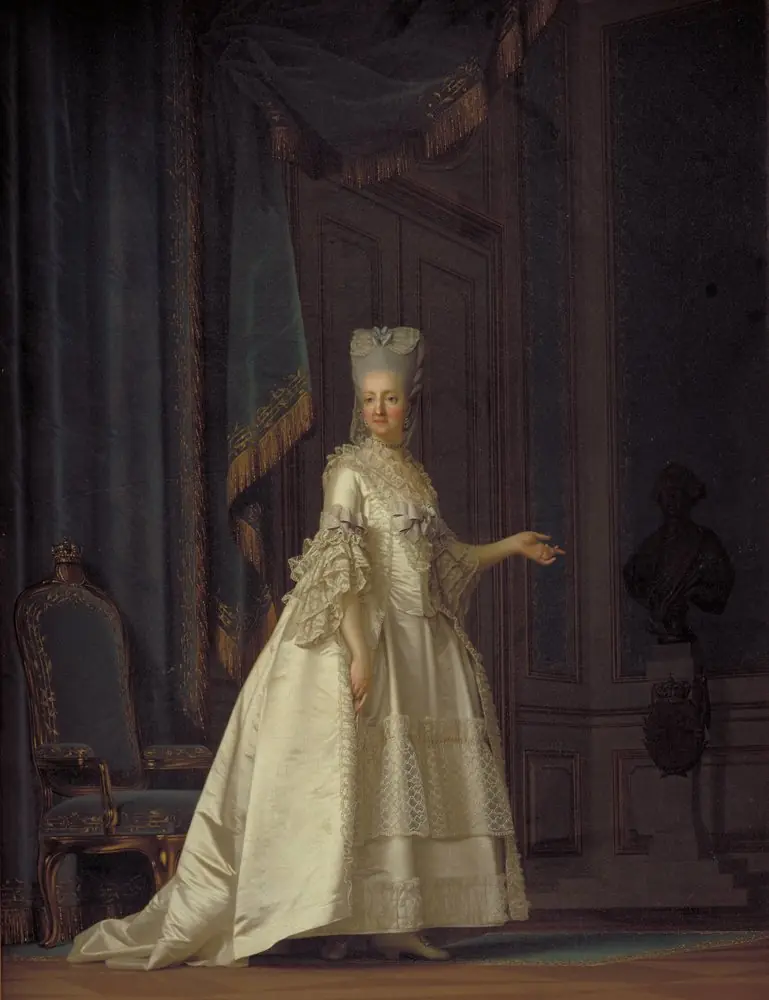 The Dowager Queen Juliane Marie of Denmark
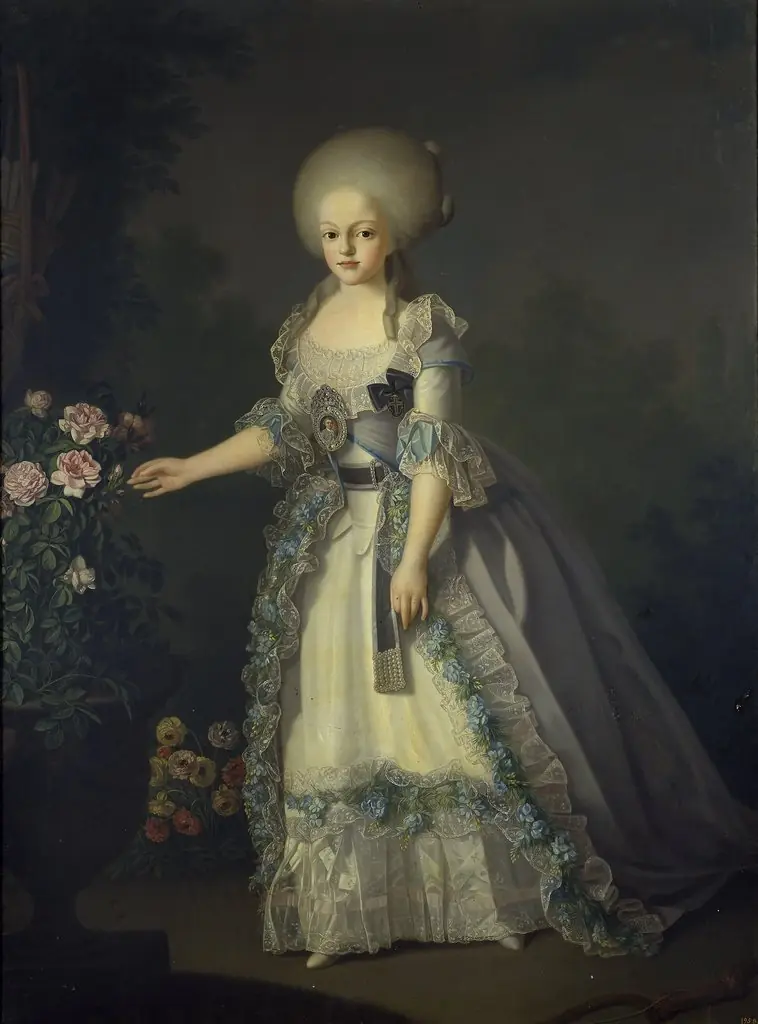 Carlota Joaquina infanta de España reina de Portugal
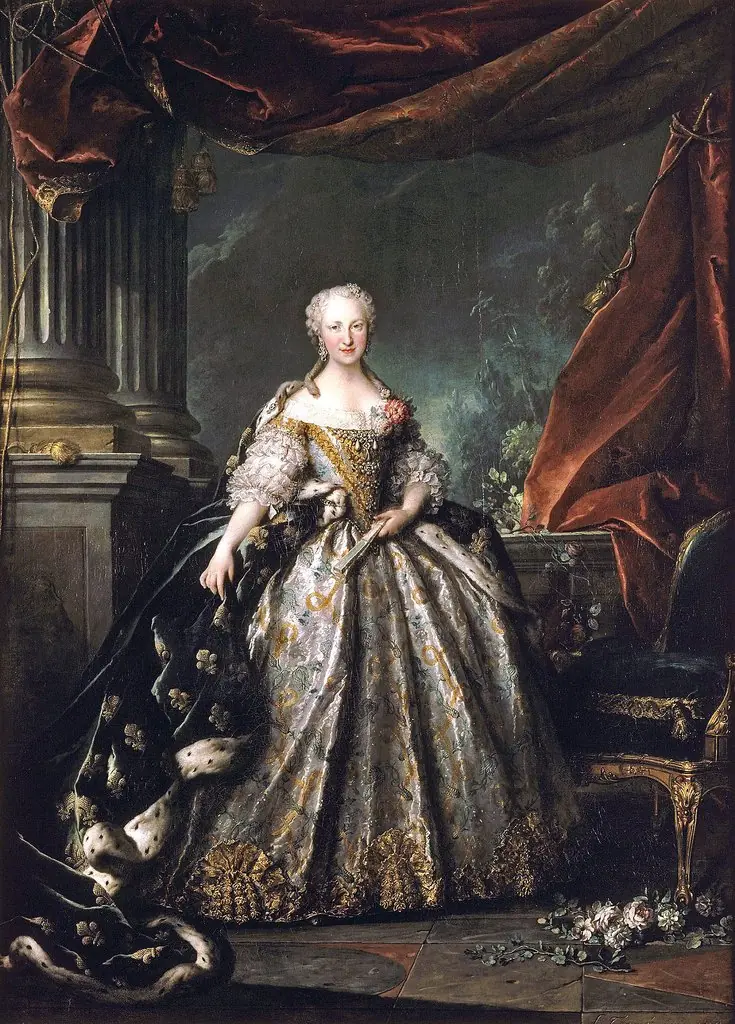 Marie-Thérèse-Raphaëlle, Infanta of Spain, Dauphine of France
 Maria Luisa of Spain, Holy Roman Empress
 Louis-Joseph-Xavier de France, Duke of Burgundy (1751–1761), son of Louis, Dauphin of France