Movement
French Classical Baroque
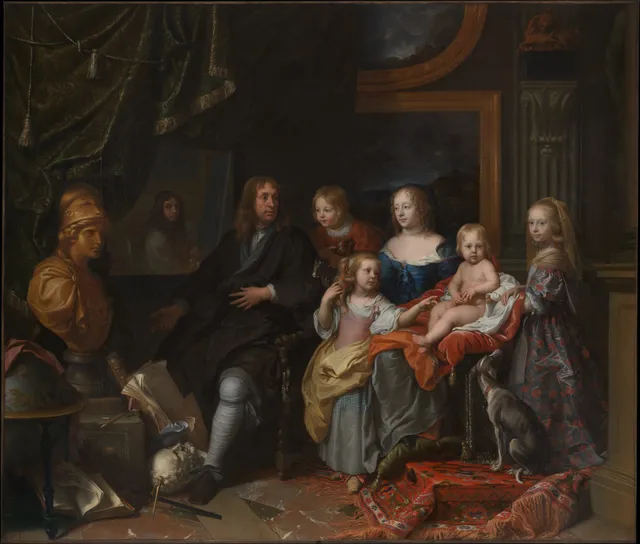
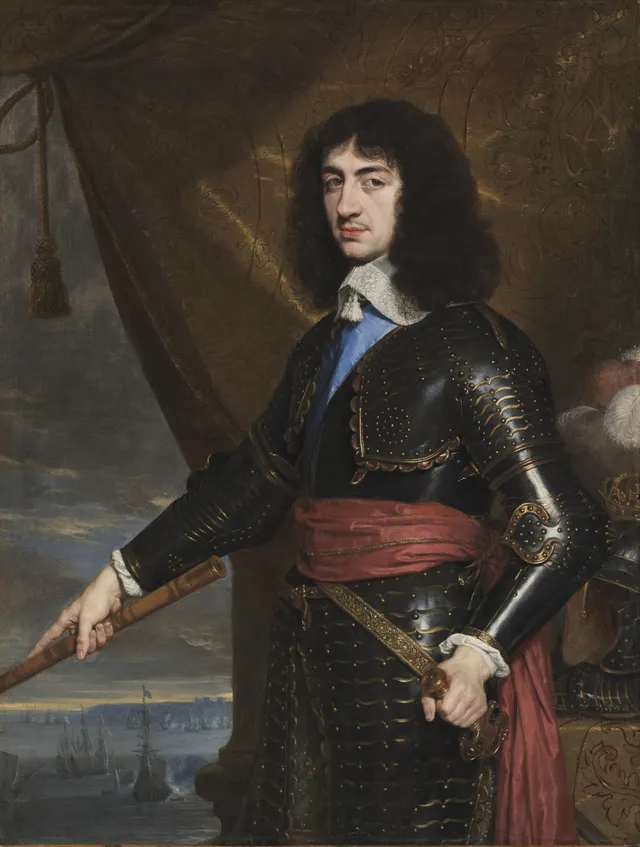
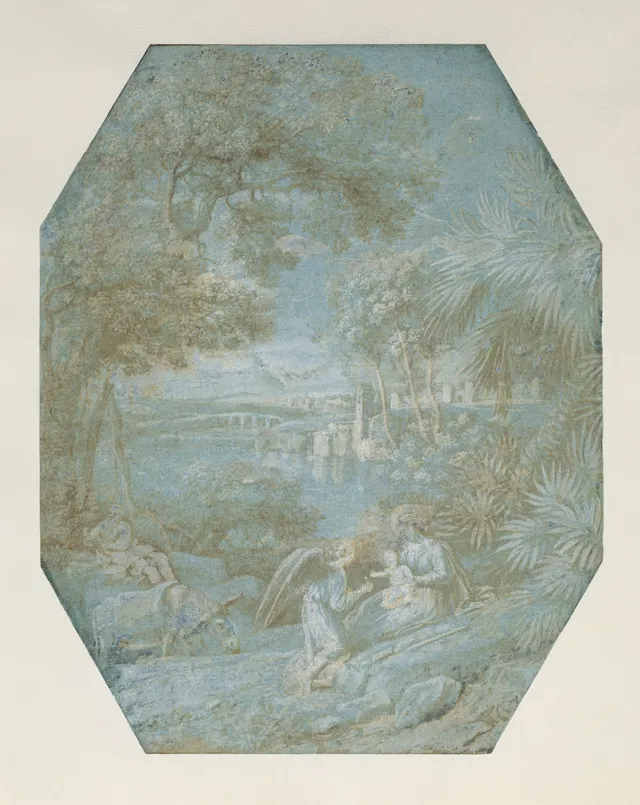
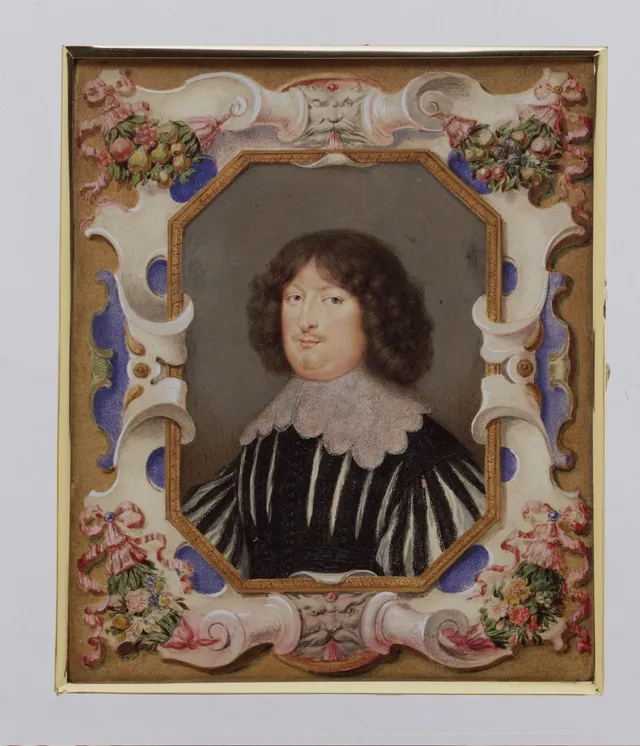
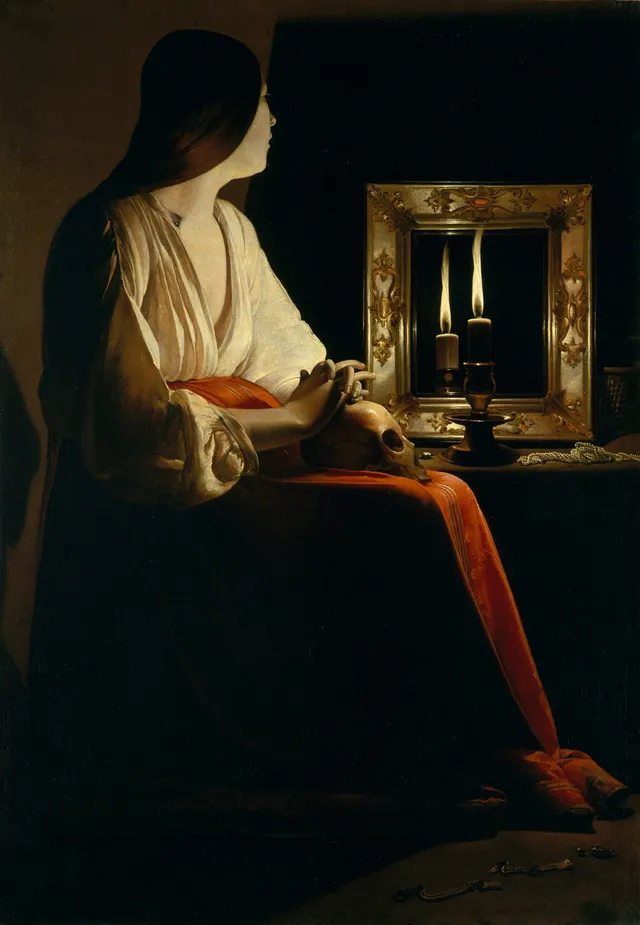
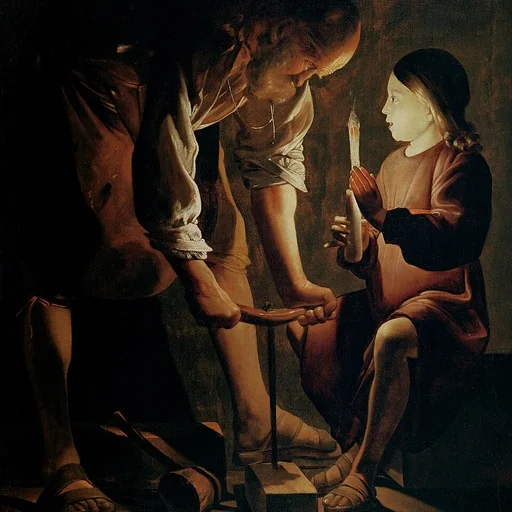
French Classical Baroque is an art movement of the 1620–1680 period. The gallery holds 563 works in this movement, including works by Georges de La Tour, Nicolas Bertin and Charles Le Brun. Browse French Classical Baroque paintings, portraits, pictures and artworks from the world's public-domain museum collections.
French Classical Baroque—often simply called French classicism—was the restrained, intellectually disciplined answer that 17th-century France gave to the theatrical exuberance of Italian Baroque. It took shape during the reign of Louis XIII and the early years of Louis XIV, the so-called Grand Siècle, as a centralizing monarchy and a culture steeped in Cartesian reason favoured order over excess. Simon Vouet (1590–1649) had imported the Italian Baroque idiom on his return from Rome in 1627, but a younger generation pulled the style toward sobriety, clarity, and the authority of Greco-Roman antiquity. The founding of the Académie royale de peinture et de sculpture in 1648 institutionalized these values, codified later in André Félibien's hierarchy of genres (1667), which crowned history painting above all others.
The style prizes balanced, legible composition, firm drawing, idealized figures, and subjects drawn from scripture, mythology, and ancient history. Its theorists championed line (disegno) over colour—the position of the "Poussinistes" against the "Rubénistes"—and pursued what Nicolas Poussin called the grande manière: a noble narrative told with the utmost clarity, free of distracting detail.
Poussin (1594–1665), a Norman who spent most of his career in Rome, is the movement's defining mind, the founder of the French classical tradition. His countryman Claude Lorrain (c. 1600–1682), also based in Rome, perfected the idealized, light-suffused classical landscape; our collection holds his Landscape with the Rest on the Flight into Egypt. Around them gathered a varied constellation: Georges de La Tour (1593–1652), whose Caravaggesque candlelit scenes—such as our Penitent Magdalen—achieve a hushed geometric stillness; Philippe de Champaigne (1602–1674), the austere portraitist tied to Jansenist Port-Royal; Laurent de La Hyre (1606–1656), a leading exponent of the cool, lucid "Parisian Atticism" of 1640–1660, represented here by his Allegory of Music; and Charles Le Brun (1619–1690), Louis XIV's all-powerful Premier Peintre, who directed Versailles and the Académie and painted our Everhard Jabach and His Family.
This disciplined classicism became the official language of French art, shaping the Académie's teaching for over a century. It tempered the Rococo that followed and supplied the direct foundation for the Neoclassicism of David and Ingres, securing Poussin's reason and harmony as a lasting French ideal.
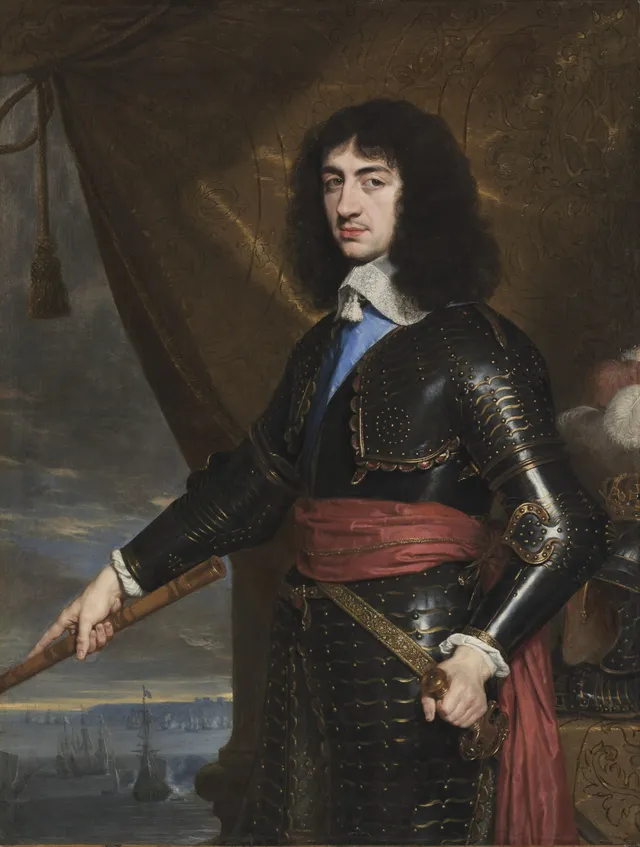
Key artists

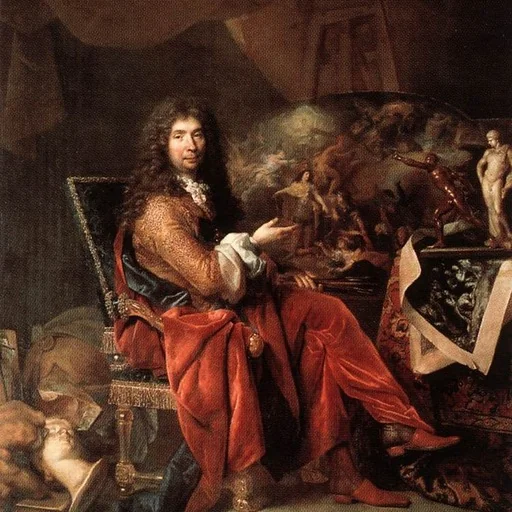
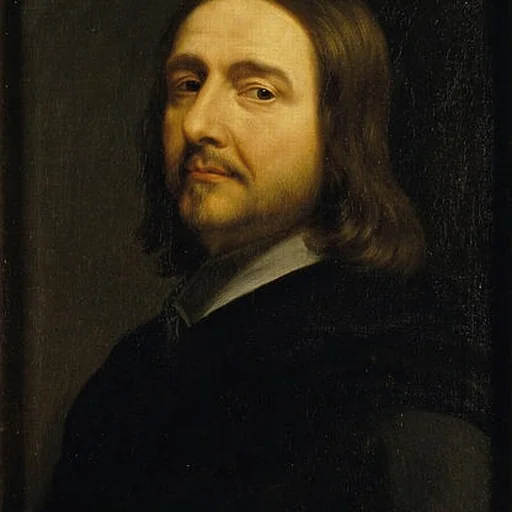
Works
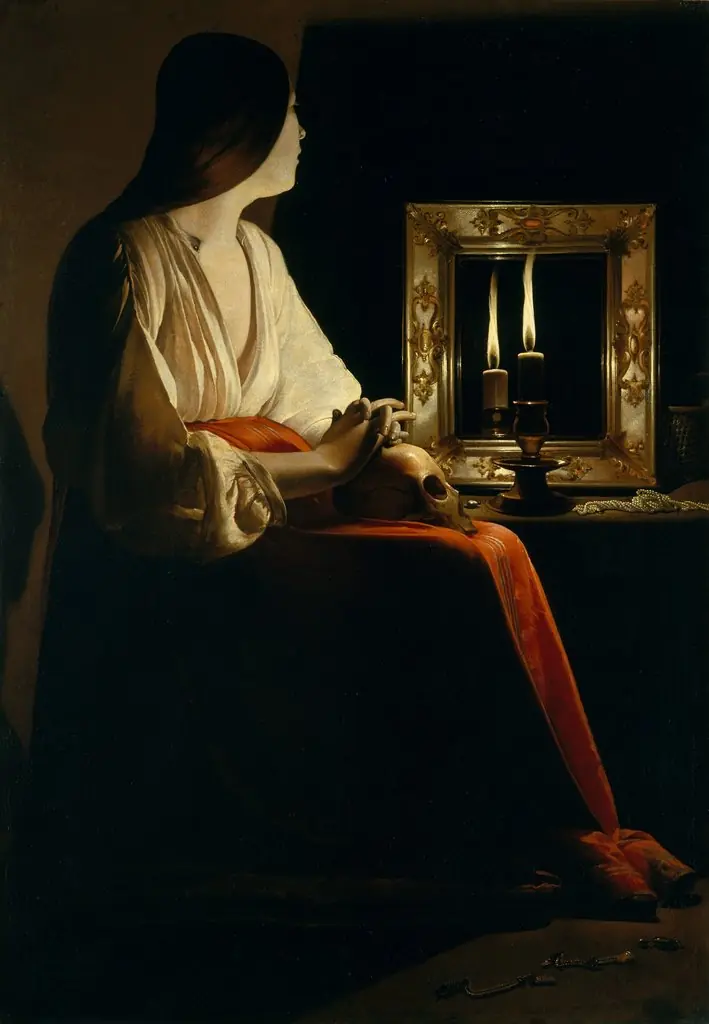 The Penitent Magdalen
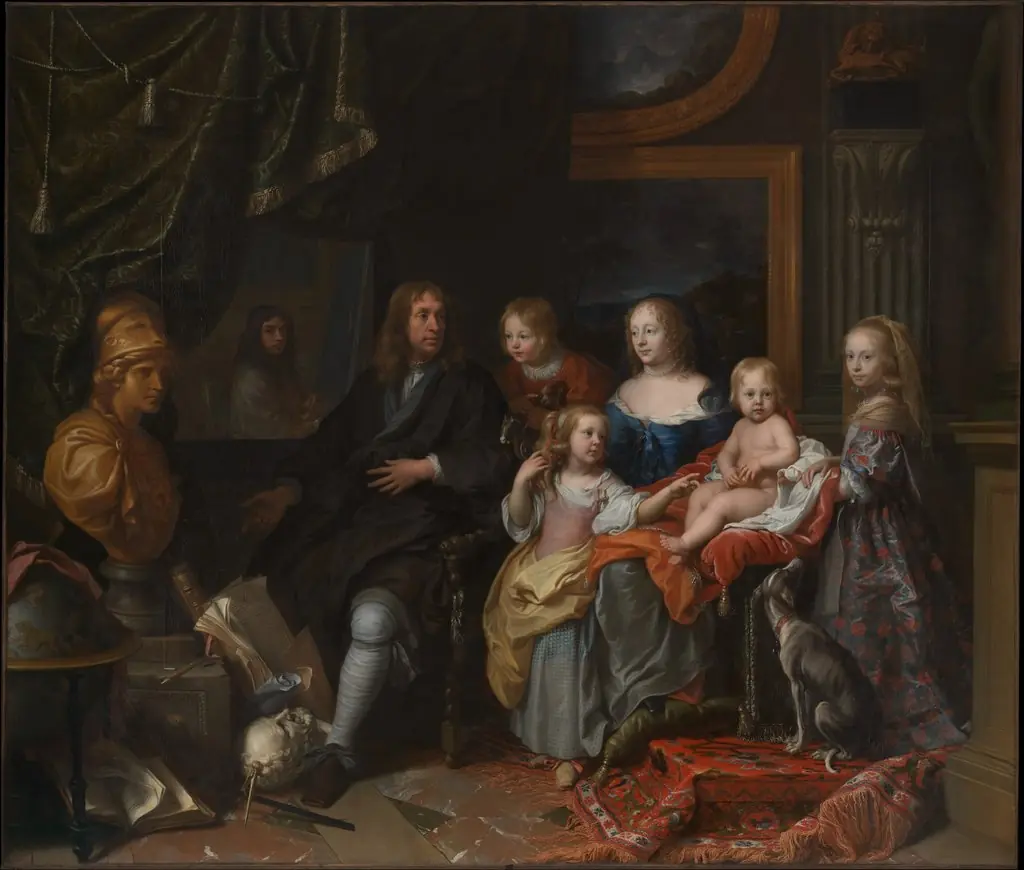 Everhard Jabach (1618–1695) and His Family
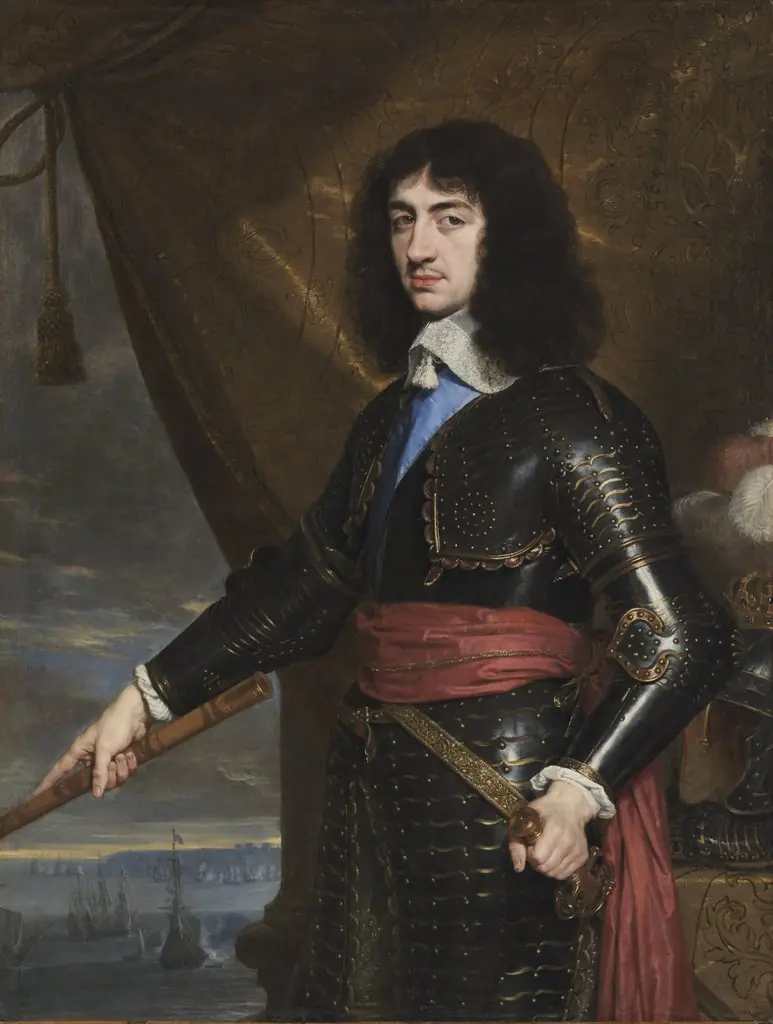 Portrait of King Charles II of England
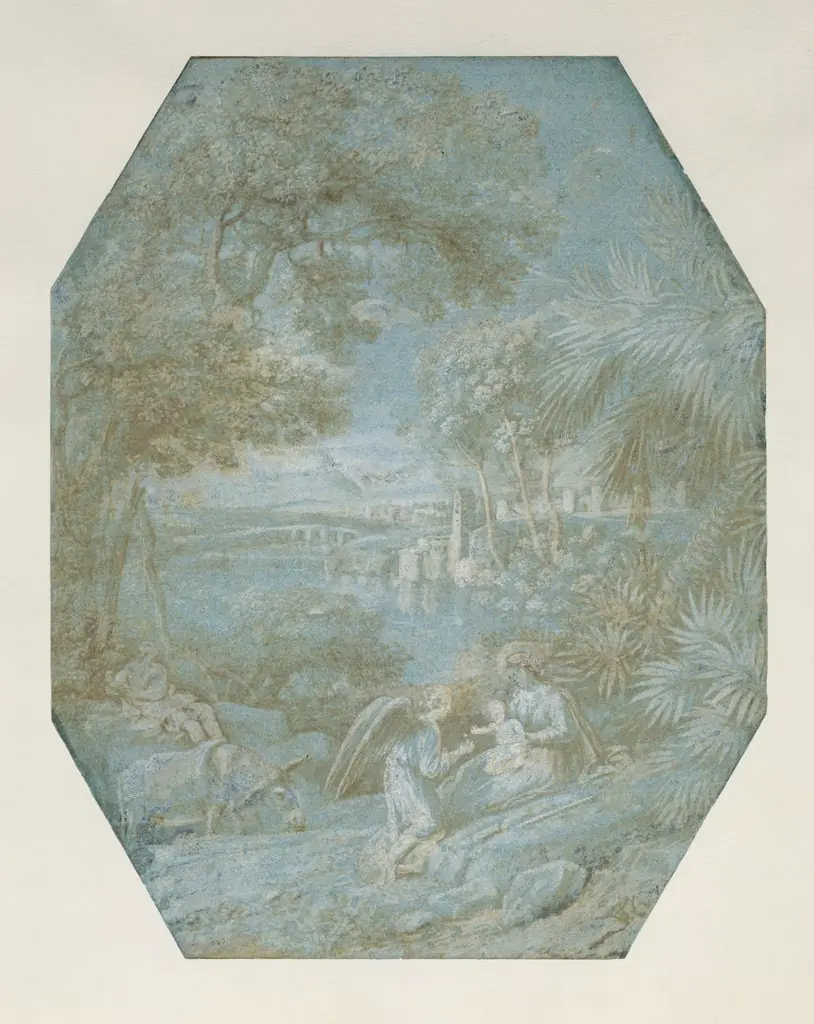 Landscape with the Rest on the Flight into Egypt
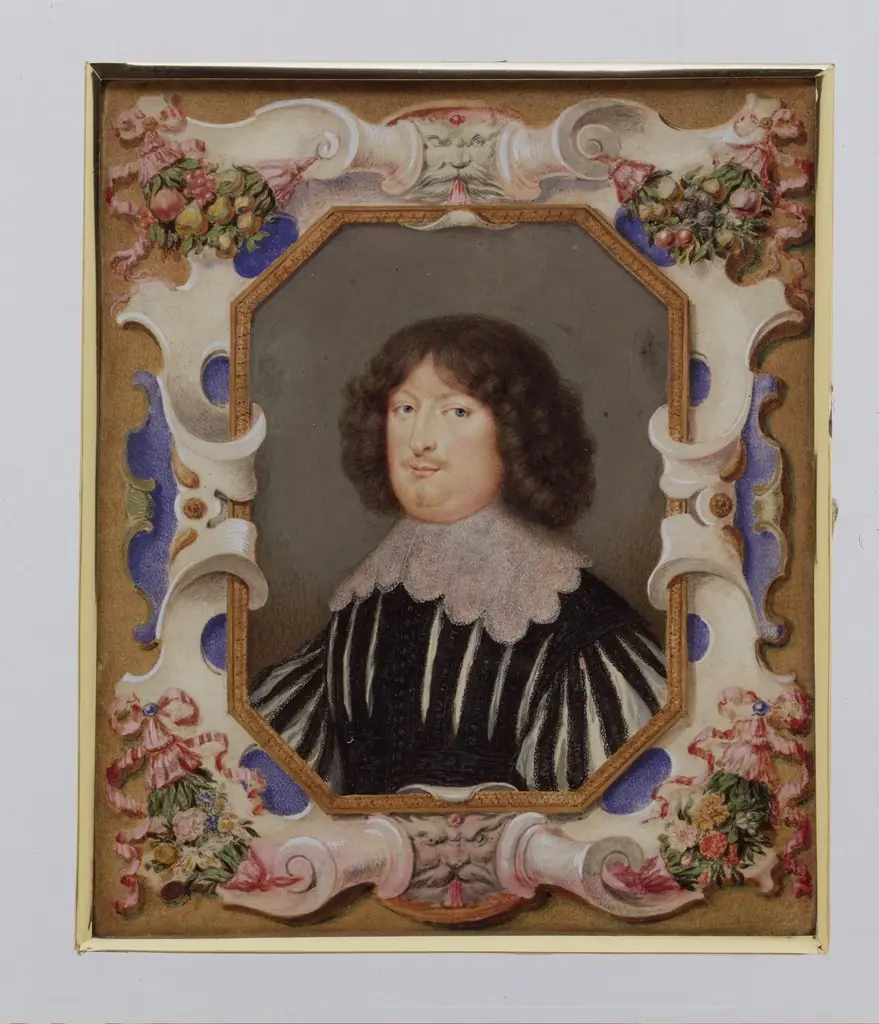 Portrait of a Man
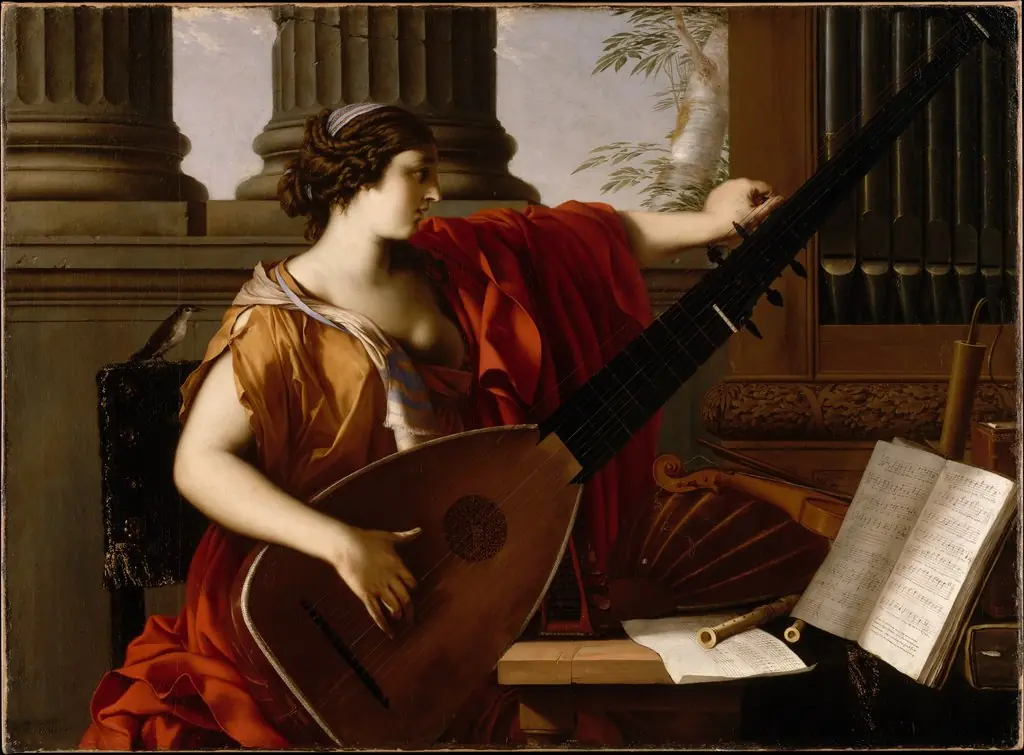 Allegory of Music
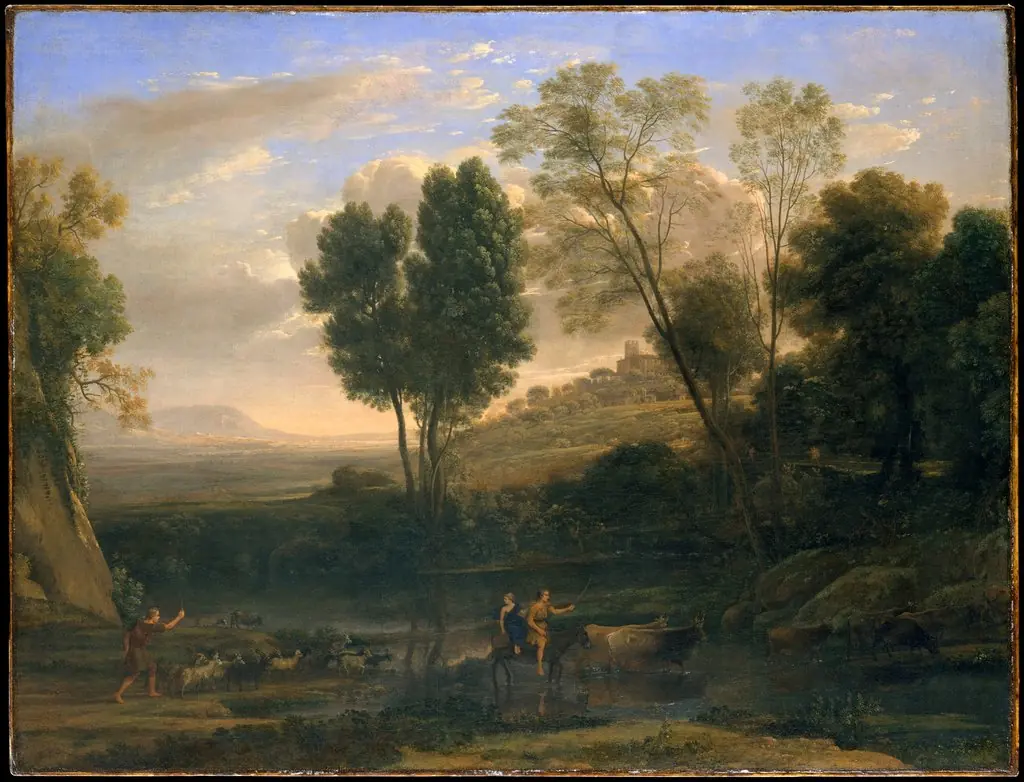 Sunrise
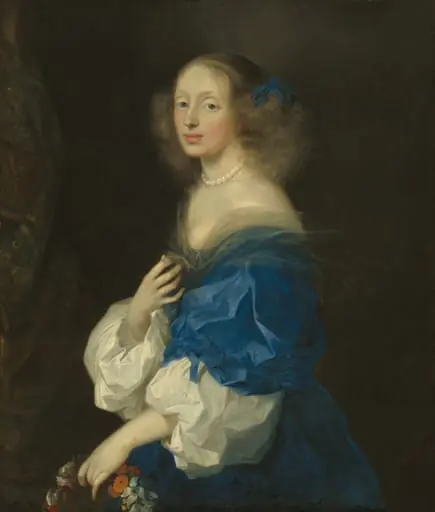 Countess Ebba Sparre
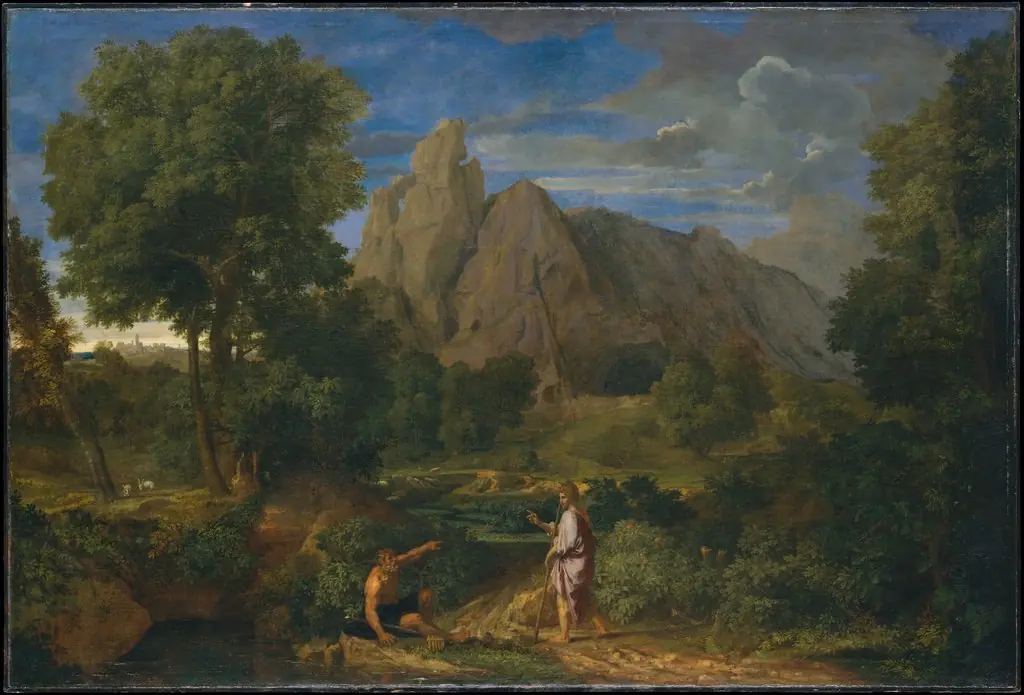 Mercury and Battus
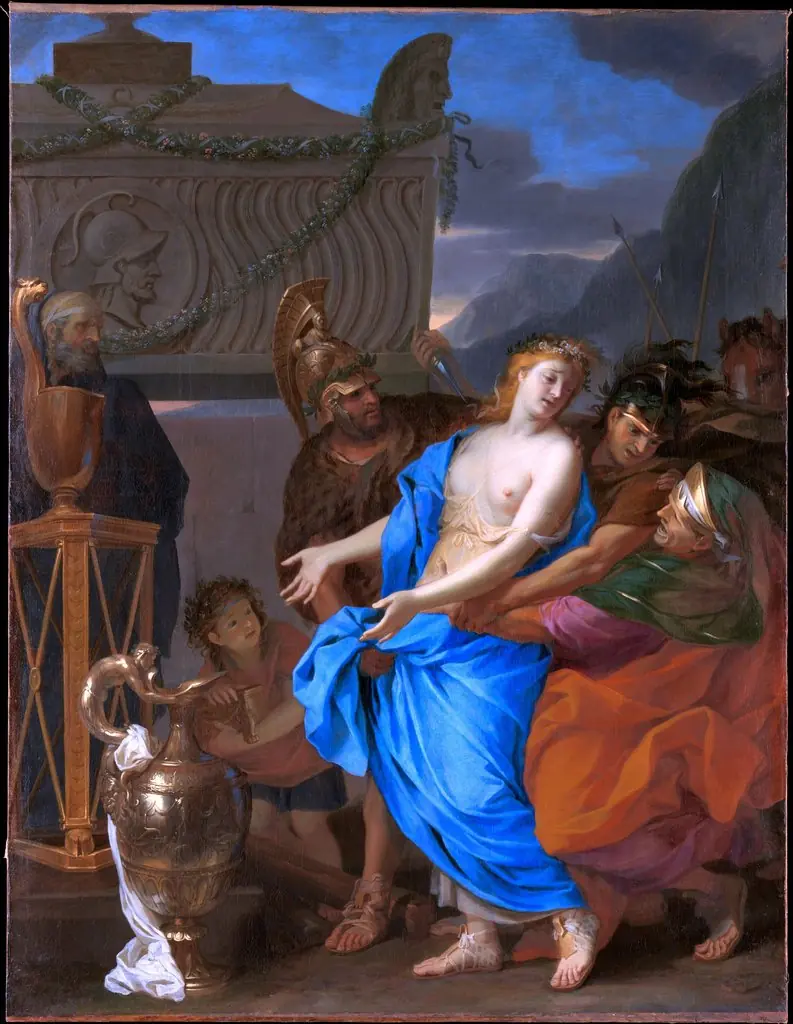 The Sacrifice of Polyxena
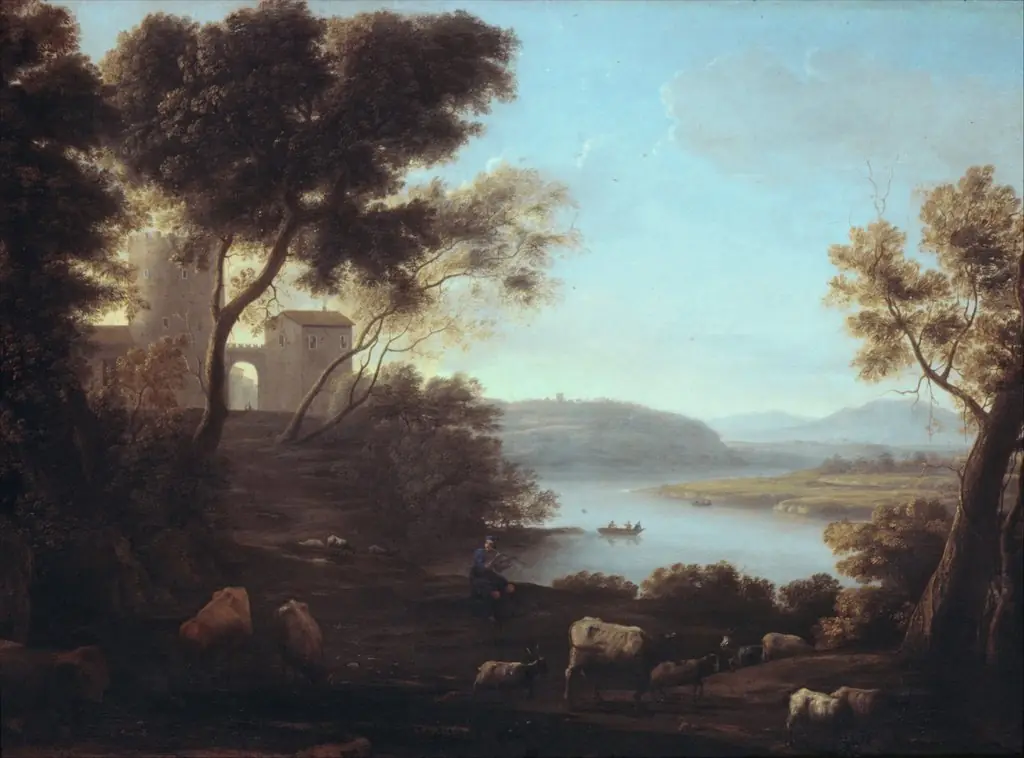 Pastoral Landscape: The Roman Campagna
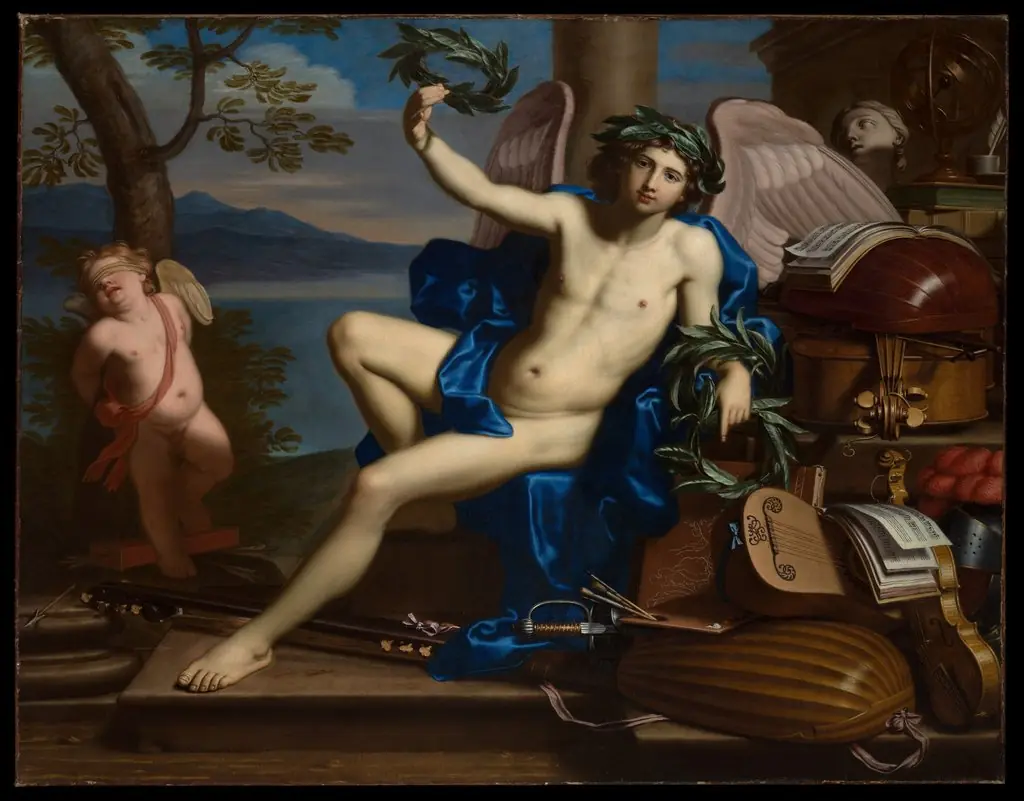 Allegory of Sacred and Profane Love
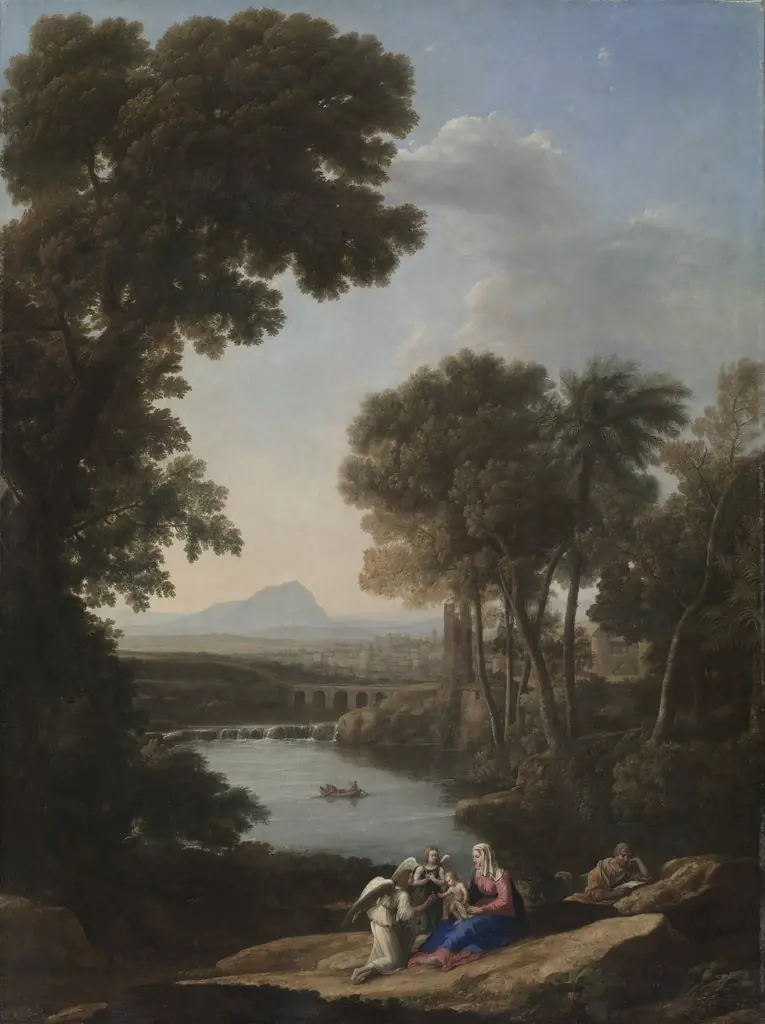 Rest on the Flight into Egypt
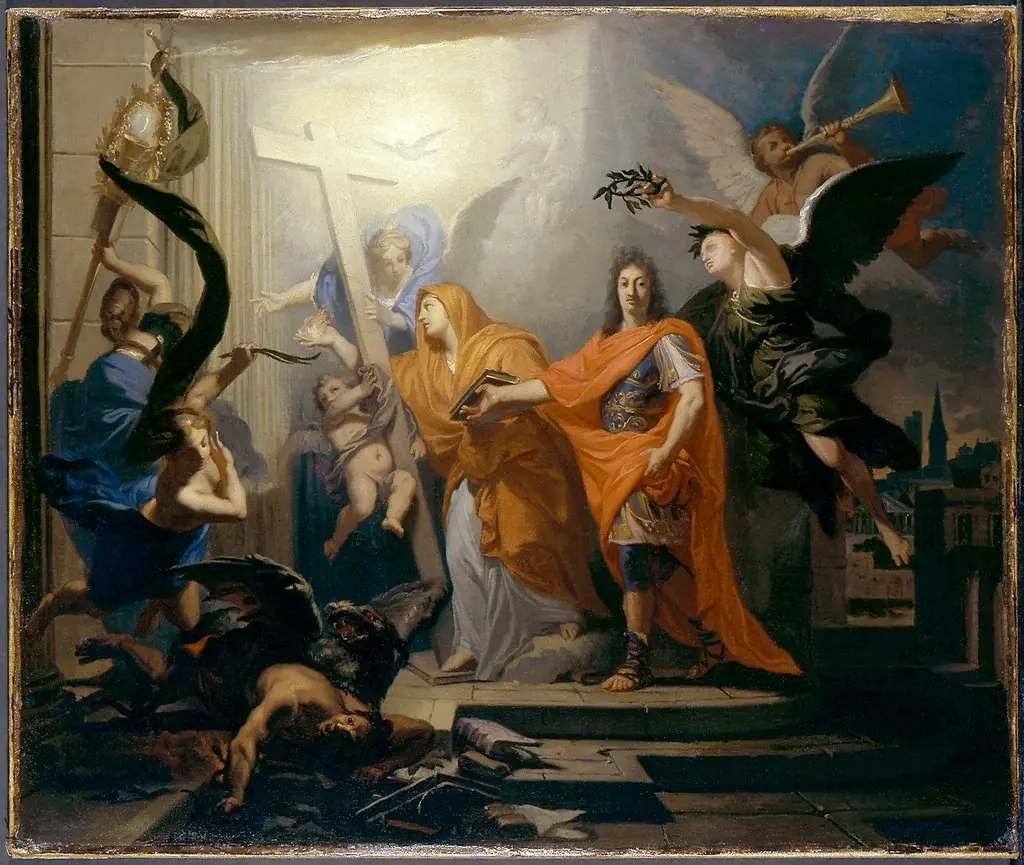 An Allegory, Probably of the Peace of Utrecht of 1713
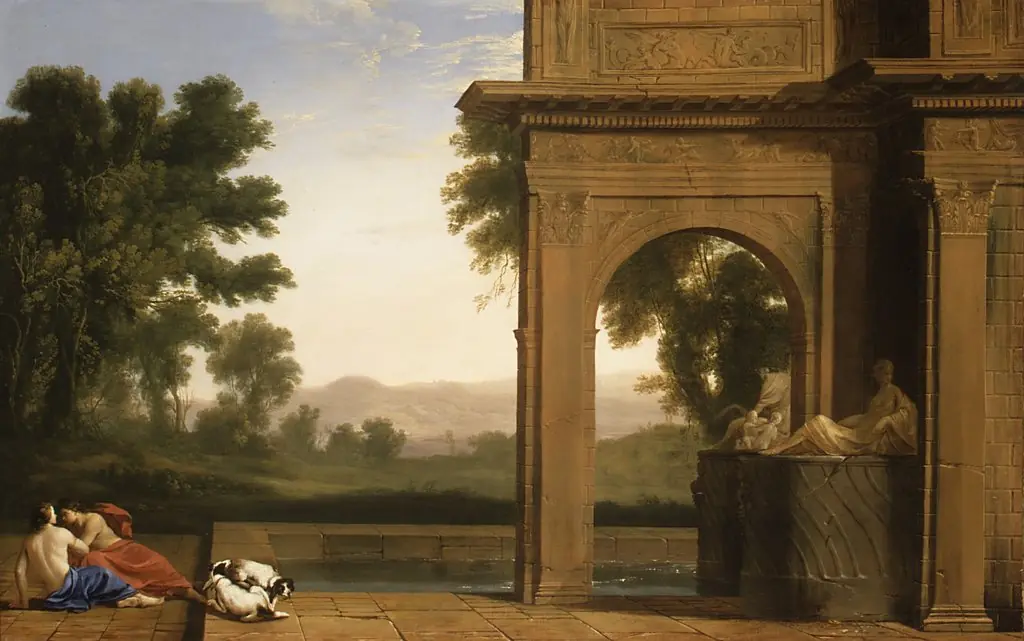 Classical Landscape with Figures
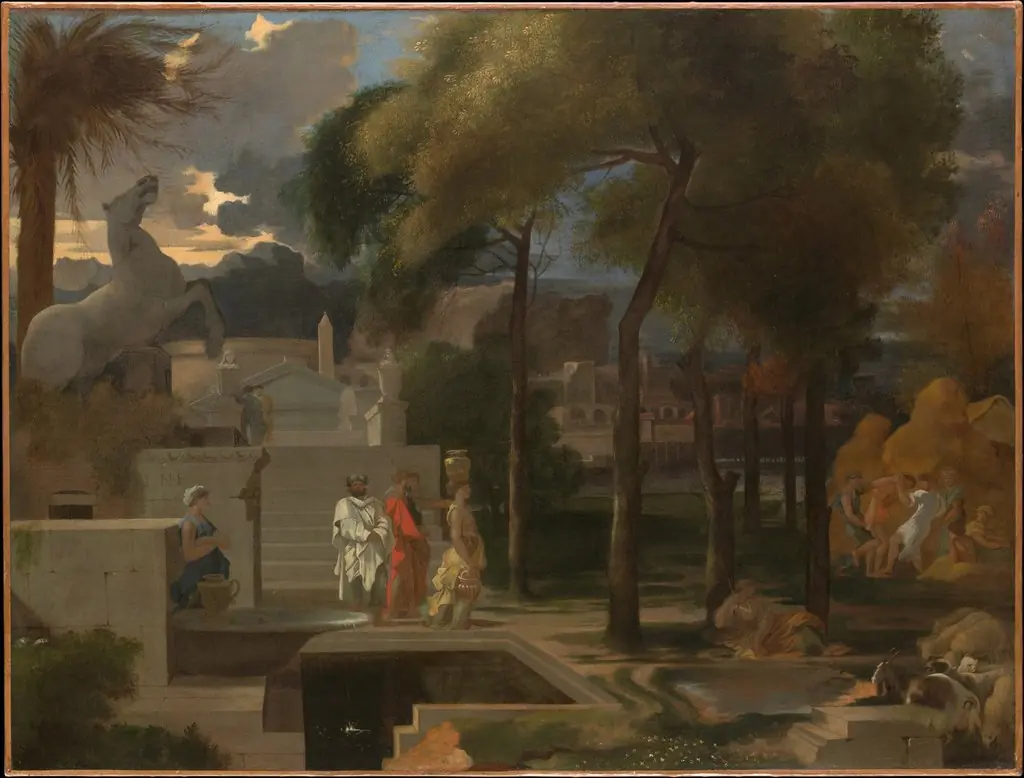 A Classical Landscape
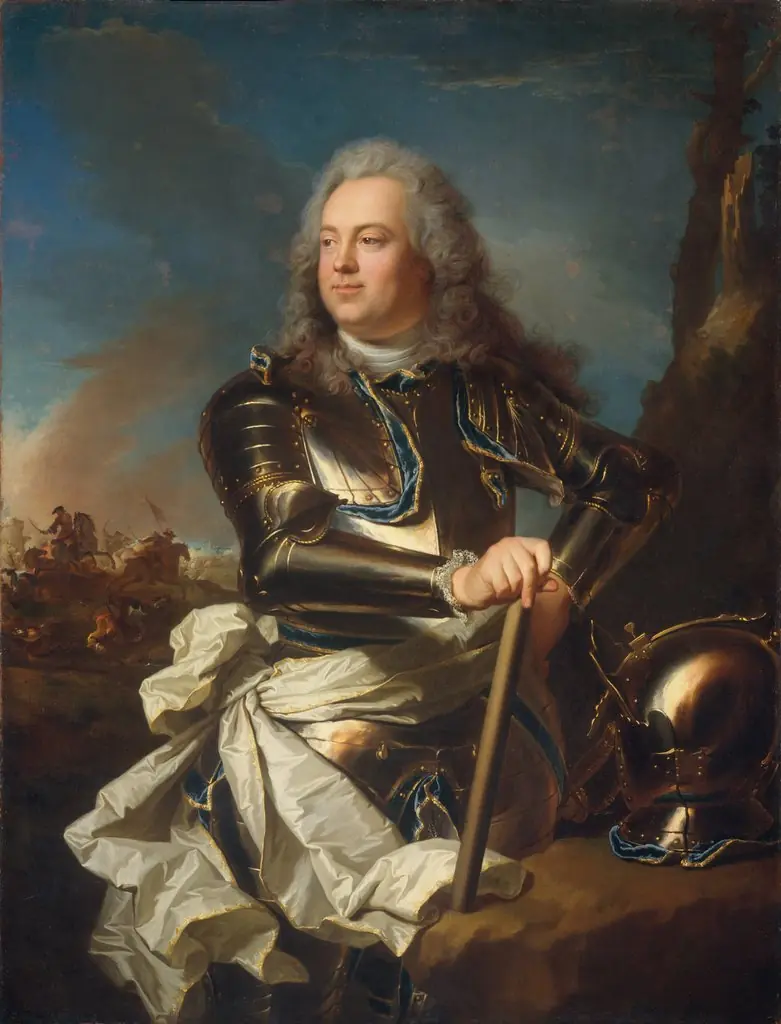 Portrait of a Military Officer
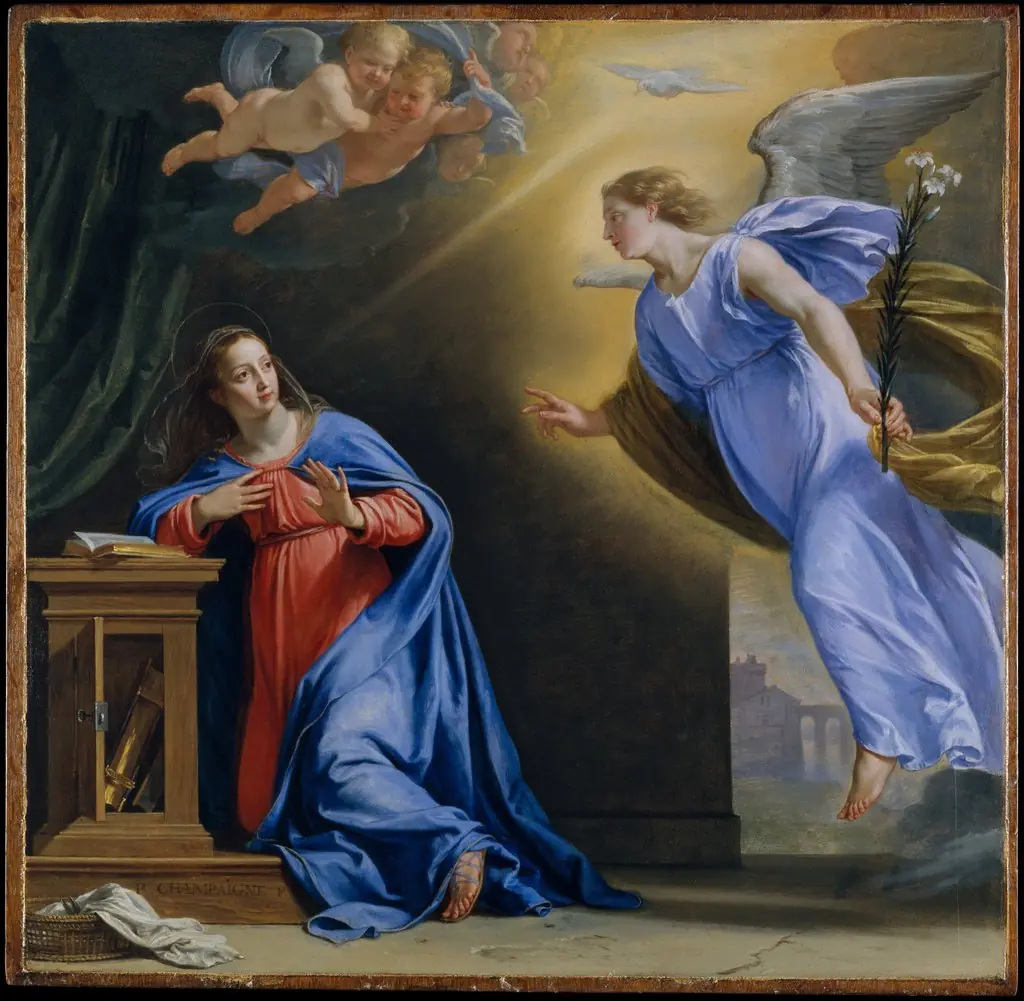 The Annunciation
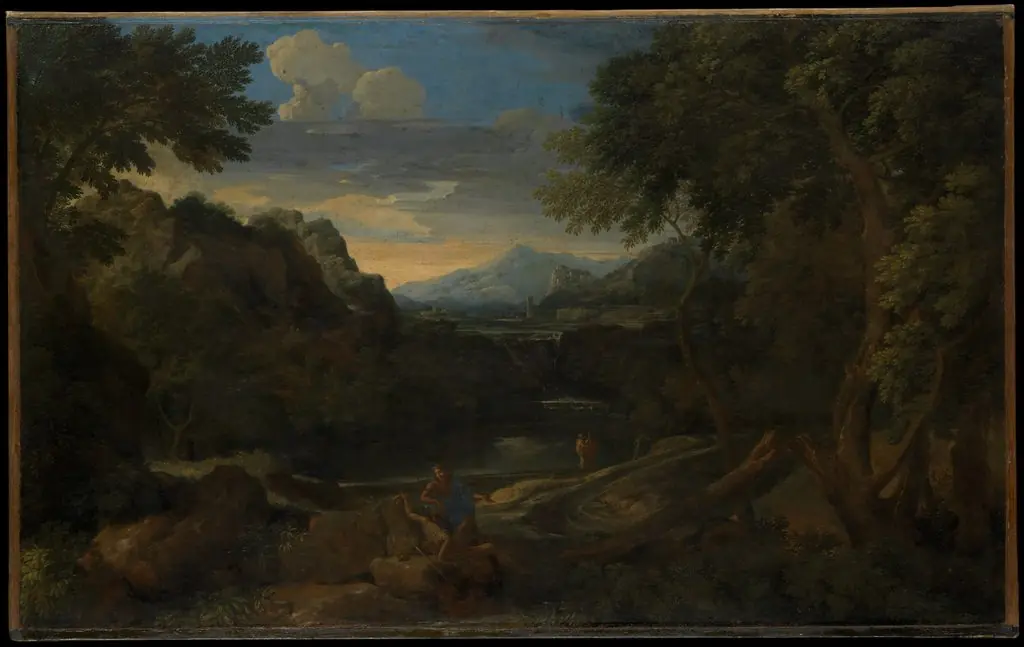 Imaginary Landscape
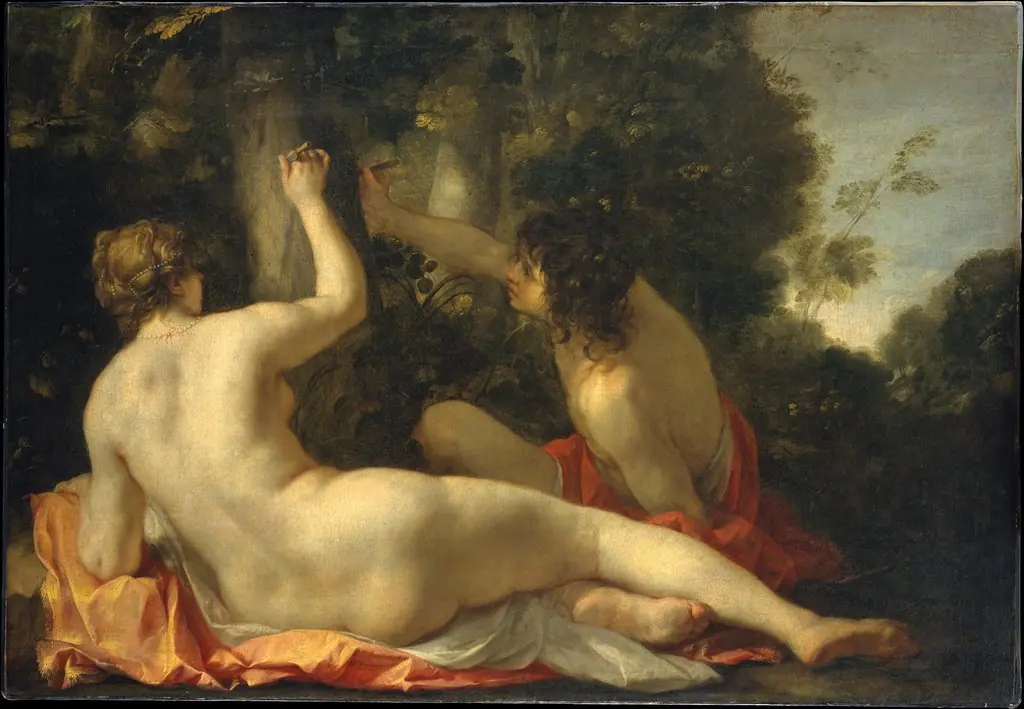 Angelica and Medoro
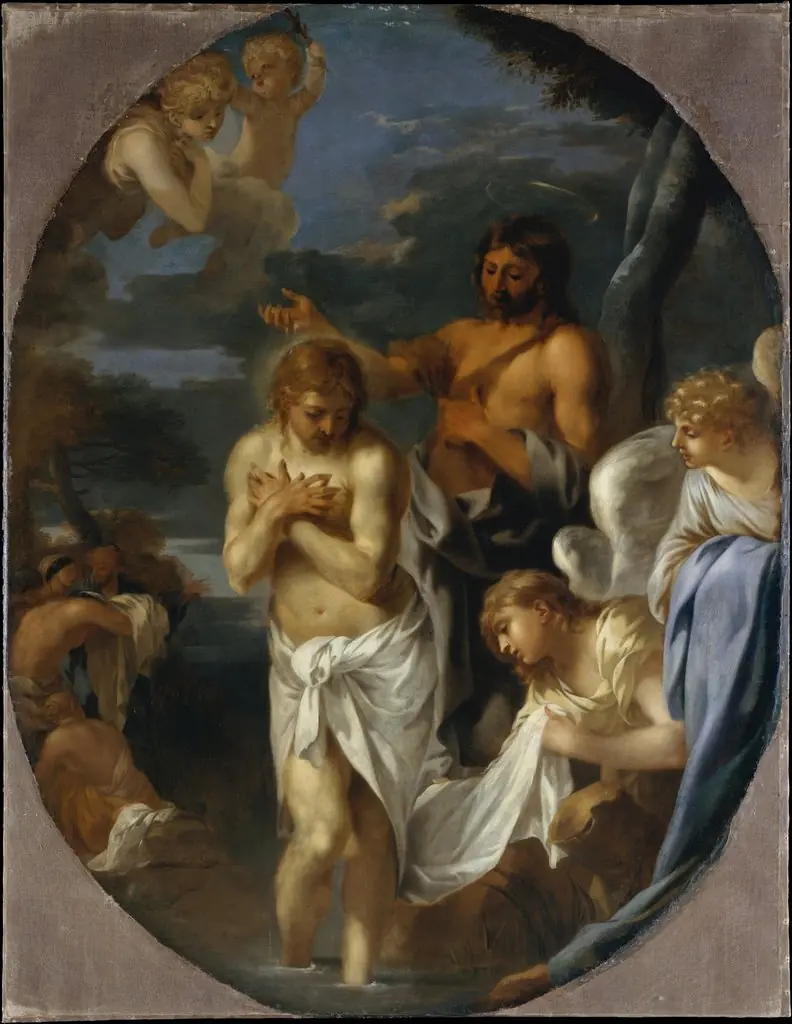 The Baptism of Christ
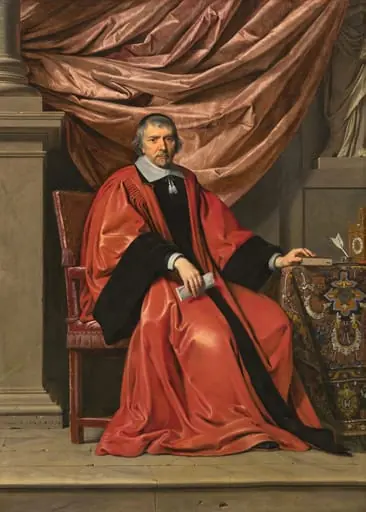 Omer Talon
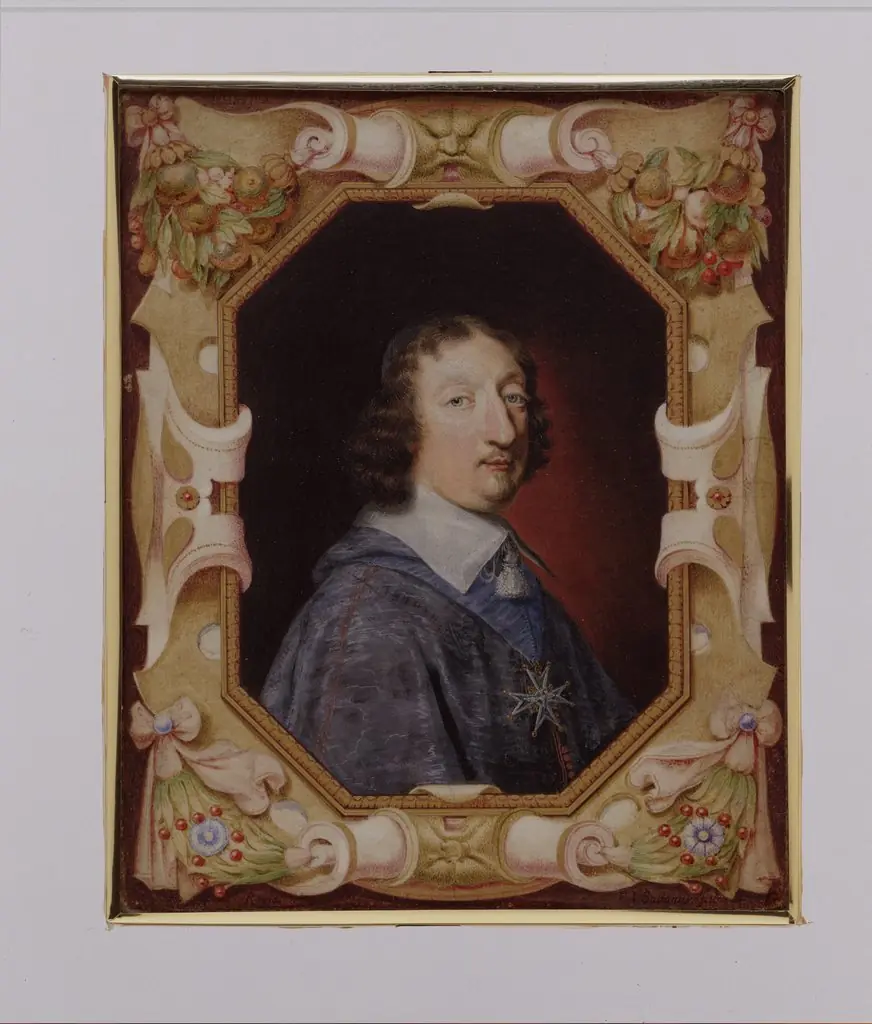 Gaspard de Daillon du Lude (ca. 1602–1676)
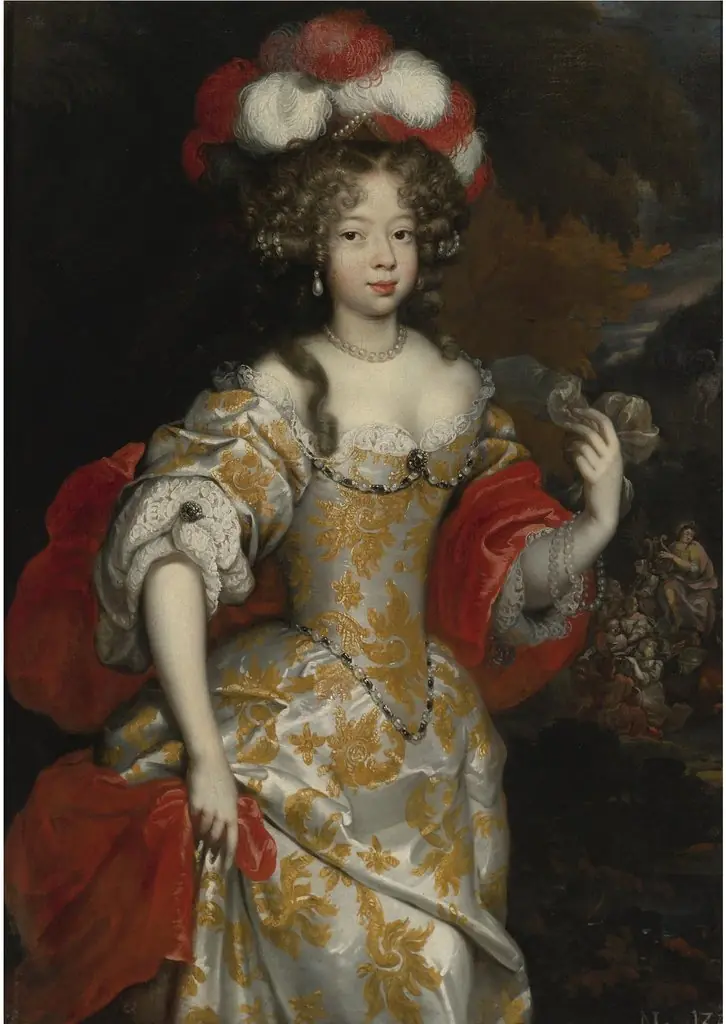 Portrait of Hortense Mancini
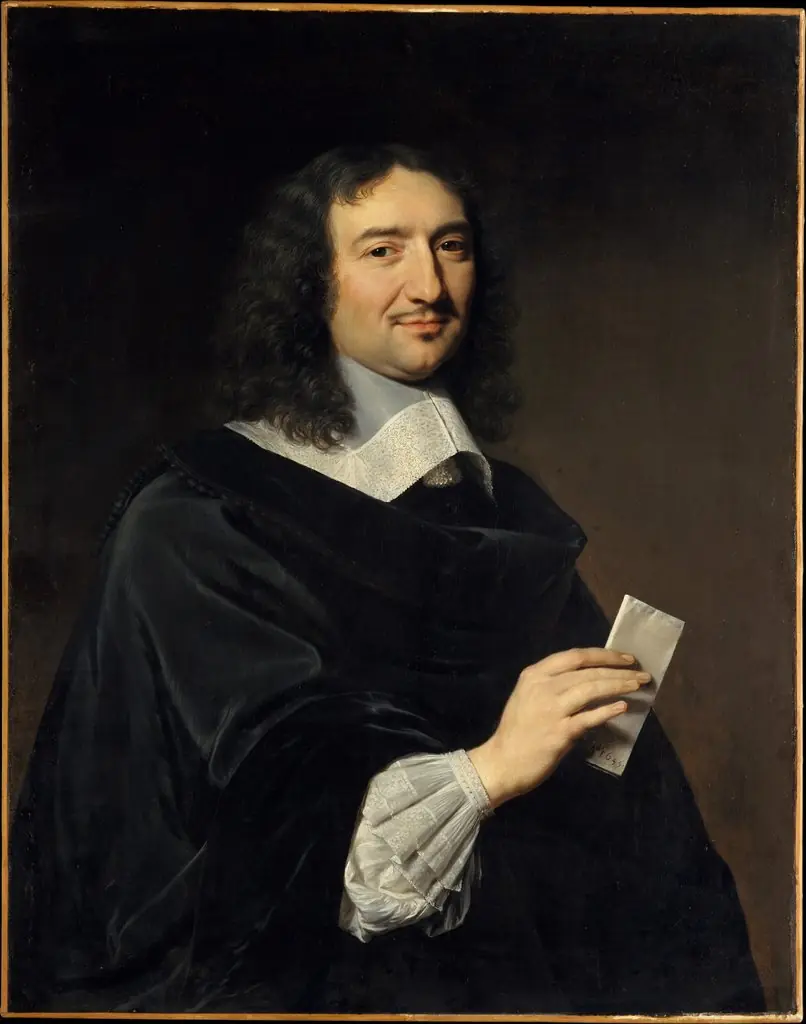 Jean-Baptiste Colbert (1619–1683)
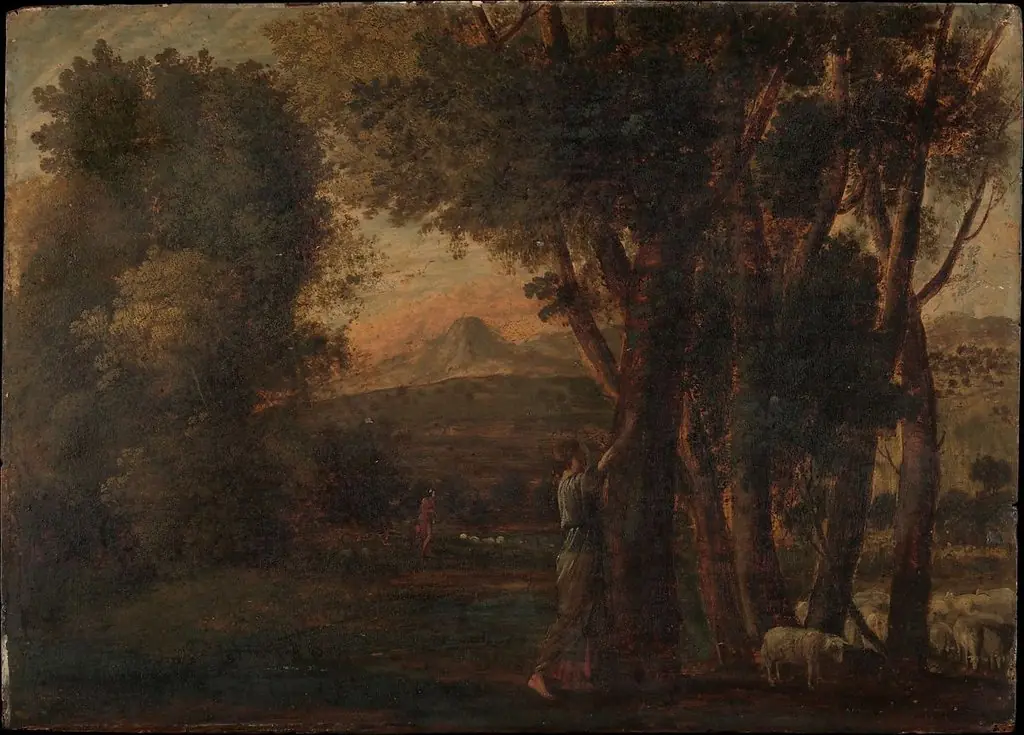 Landscape with Erminia
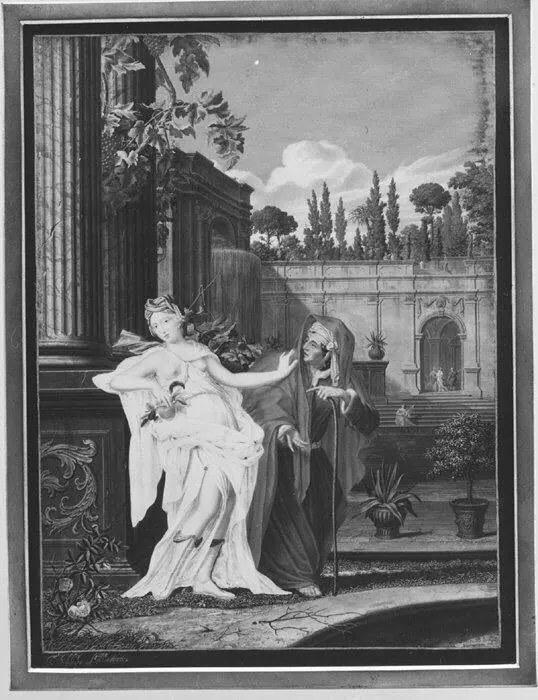 Vertumnus and Pomona
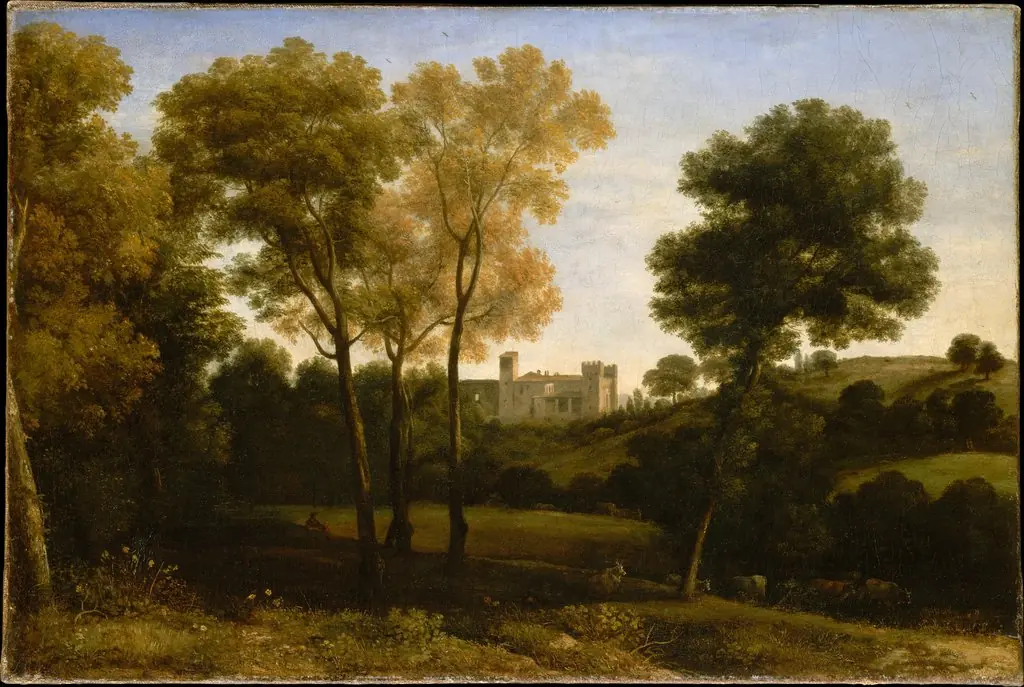 View of La Crescenza
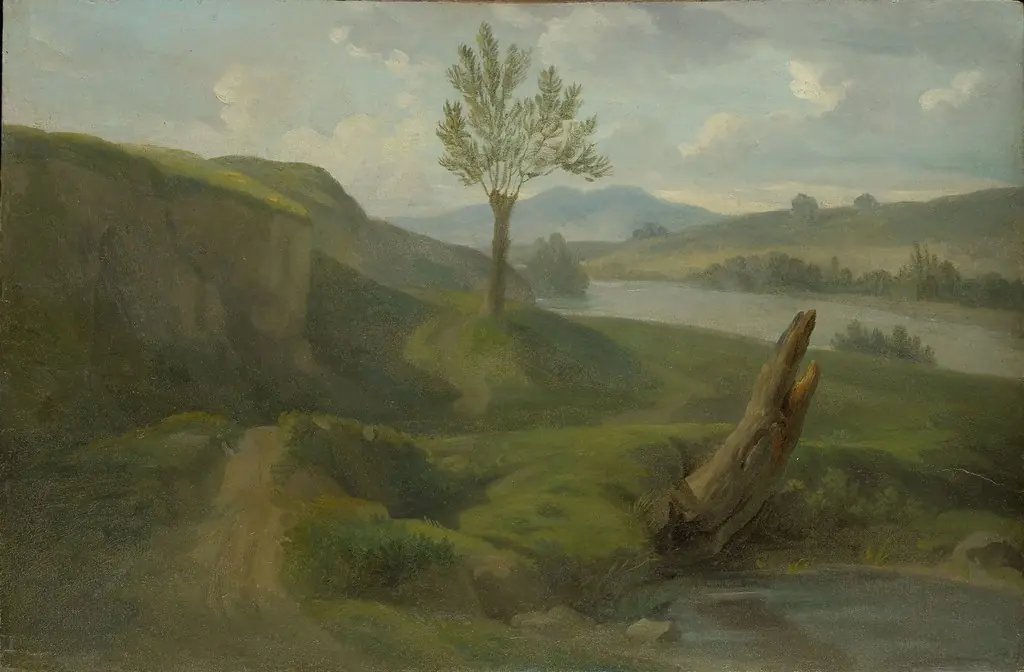 River Landscape
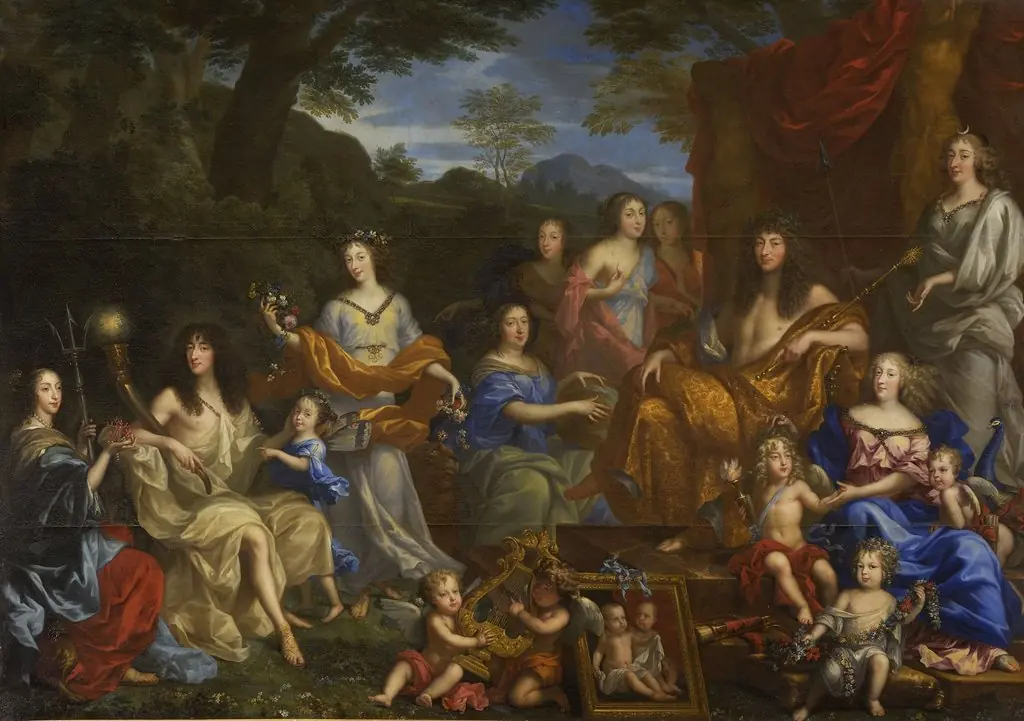 Mythological portrait of Louis XIV and the royal family
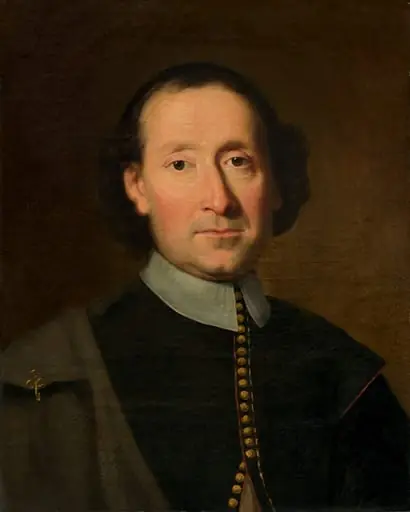 Portrait of a Man
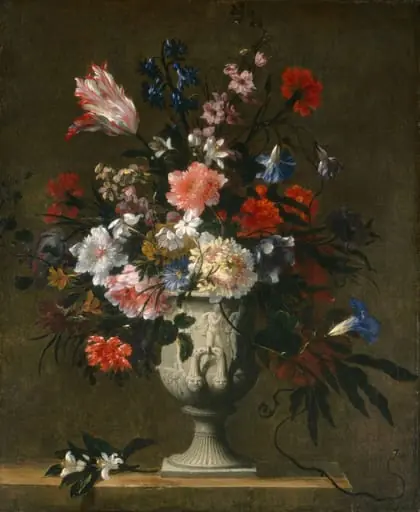 Flowers in a Classical Vase
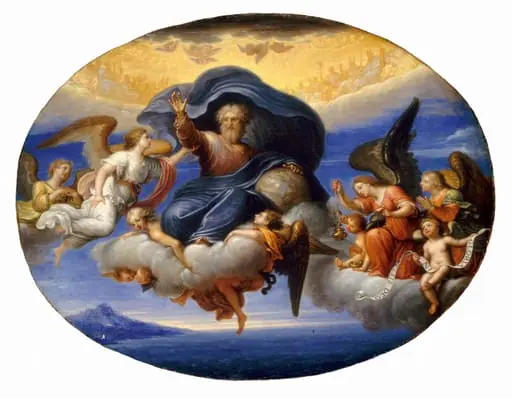 God the Father
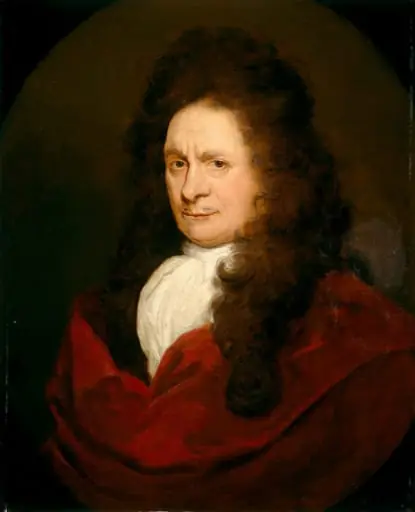 Portrait of a Man
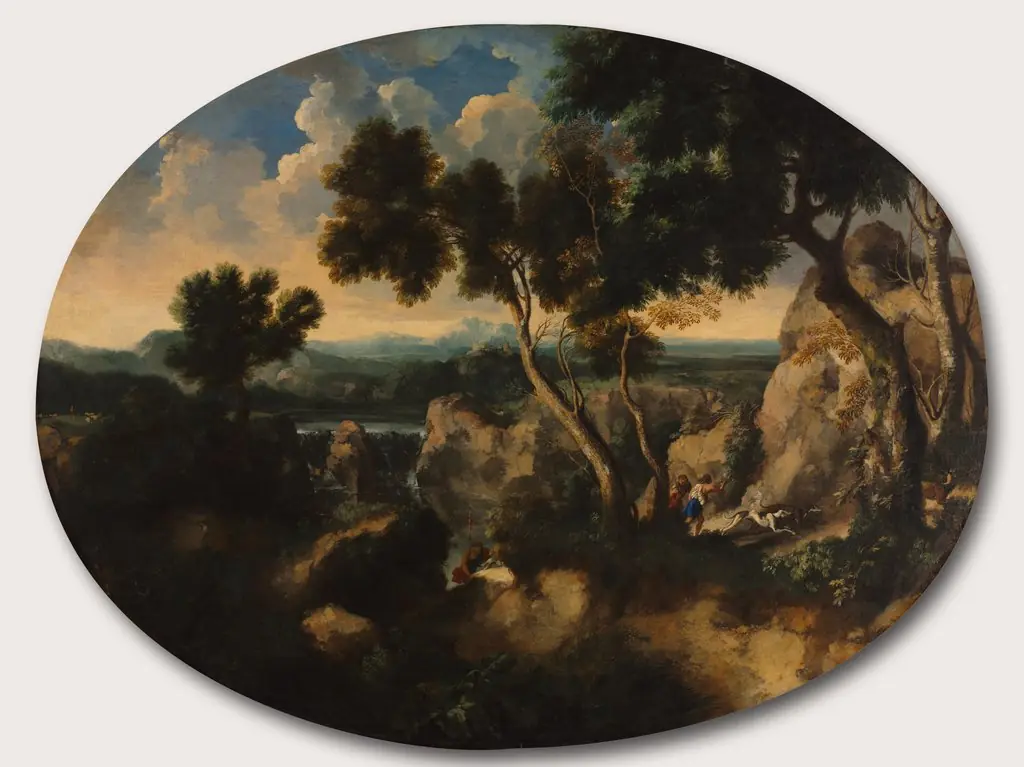 Rocky Landscape with Hunters
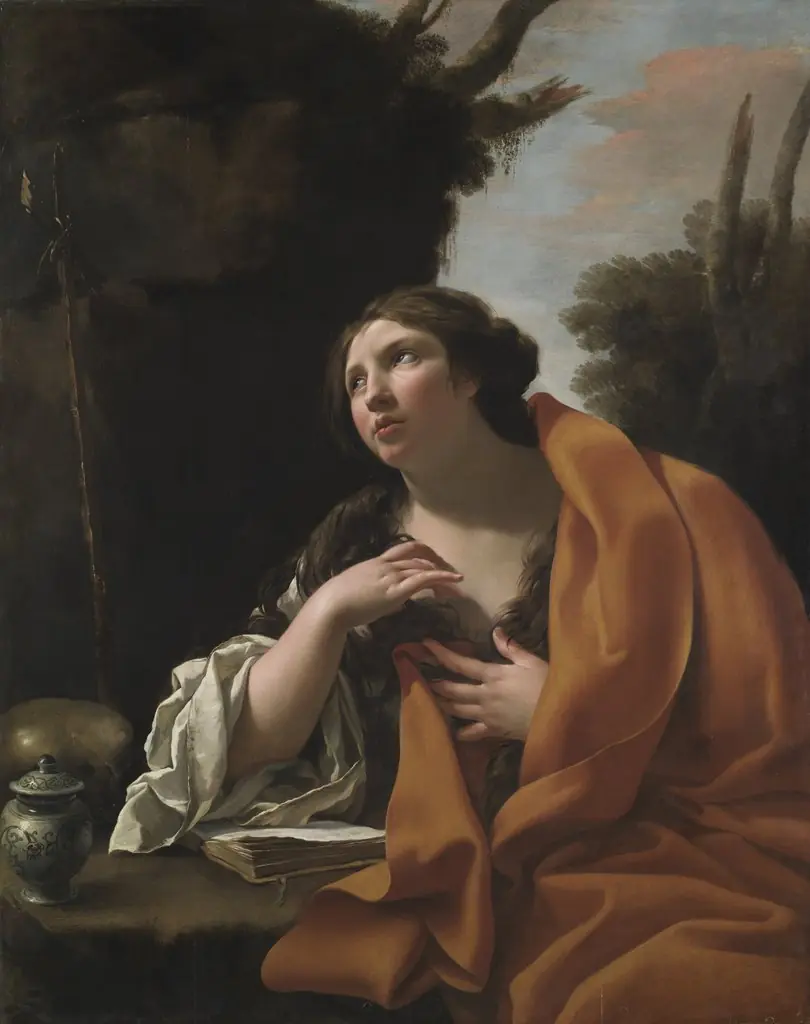 Saint Mary Magdalen
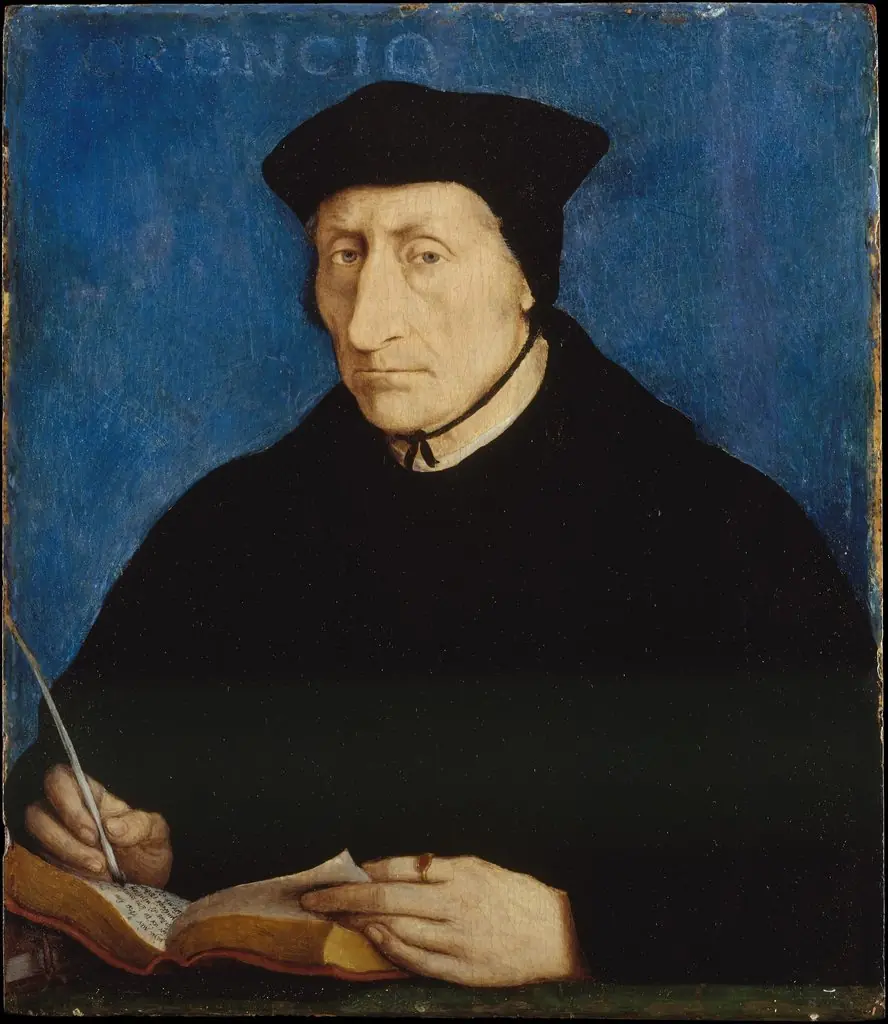 Guillaume Budé (1467–1540)
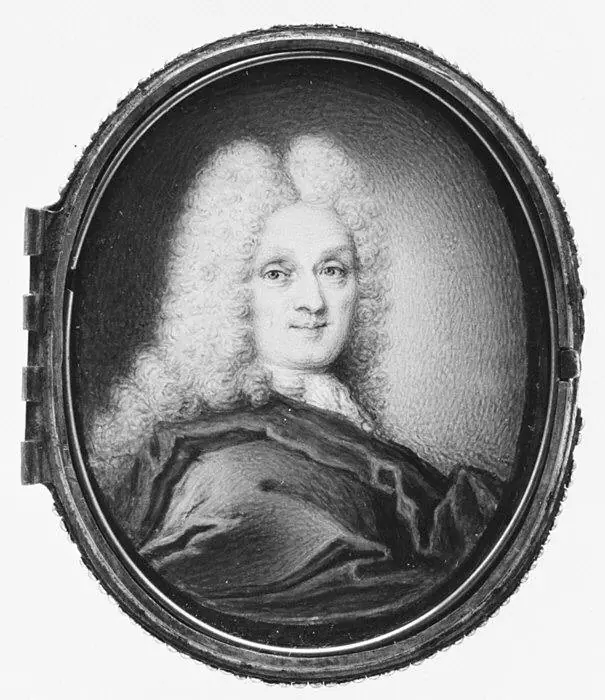 Portrait of a Man
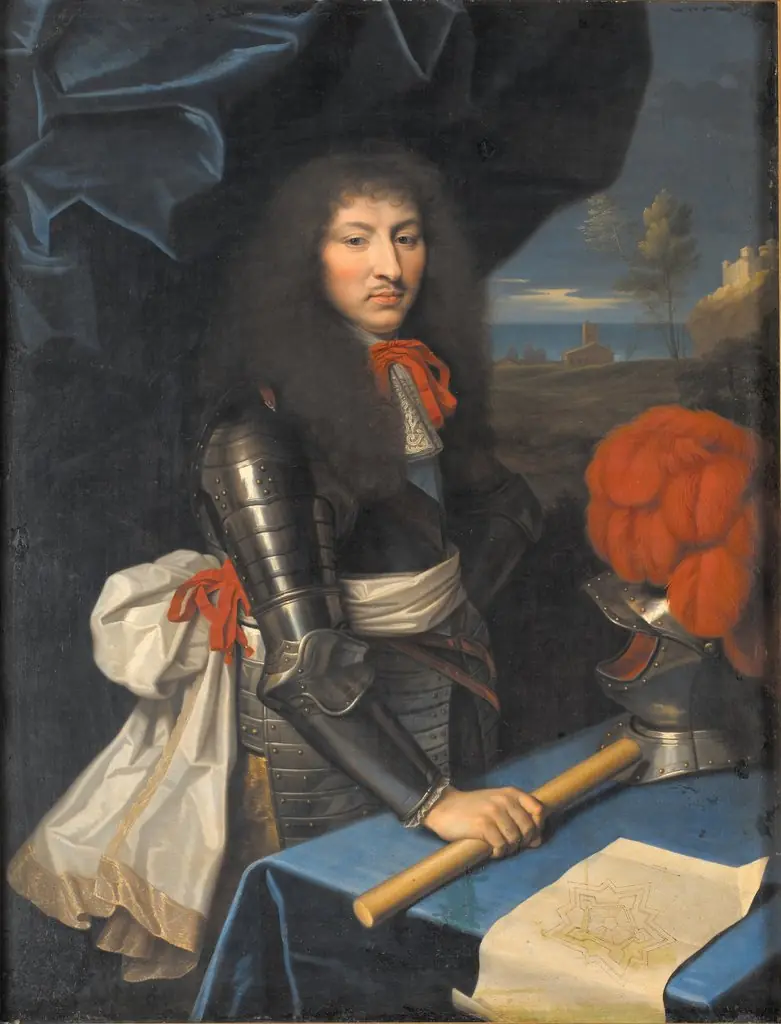 The Young Louis XIV
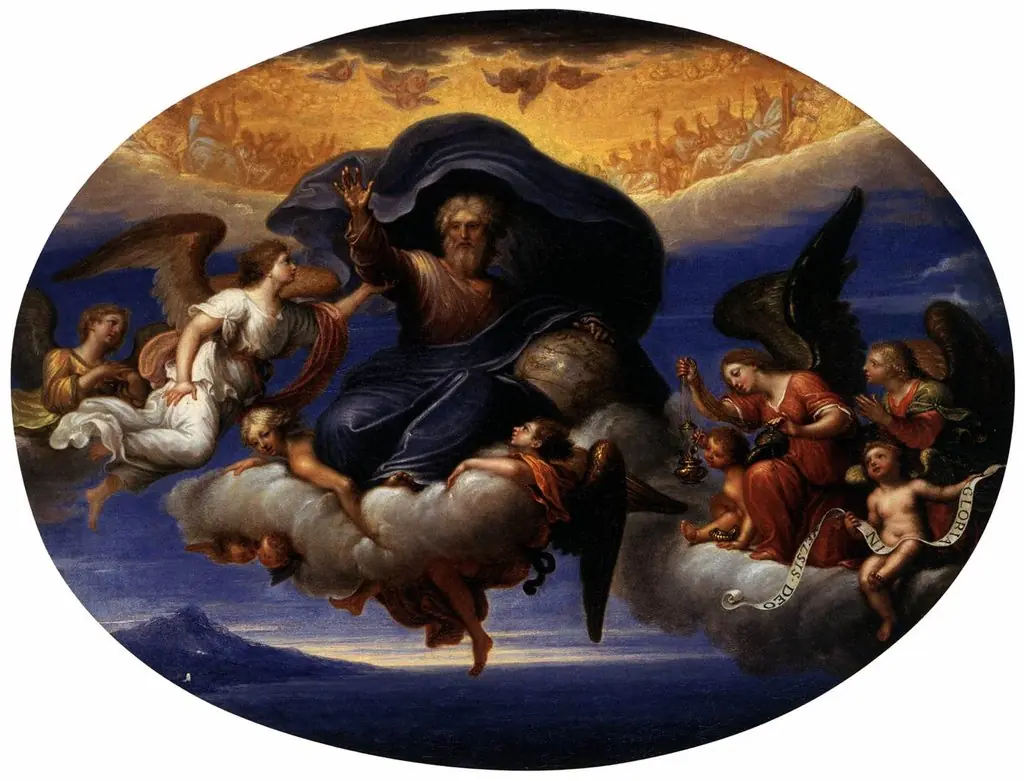 God the Father
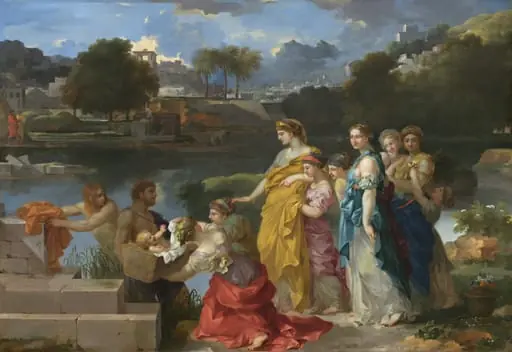 The Finding of Moses
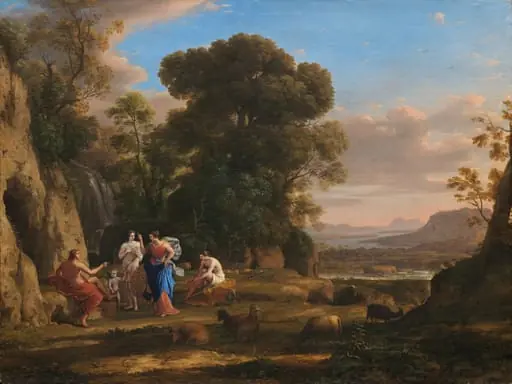 The Judgment of Paris
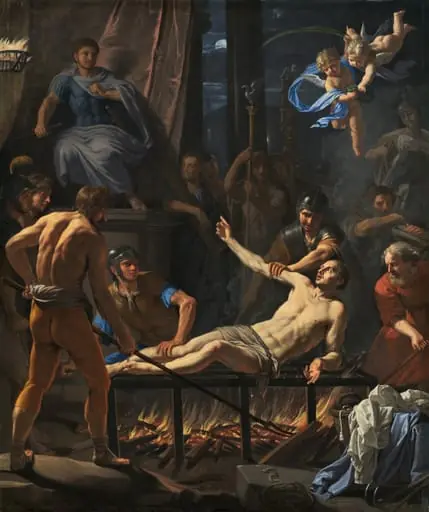 The Martyrdom of Saint Lawrence
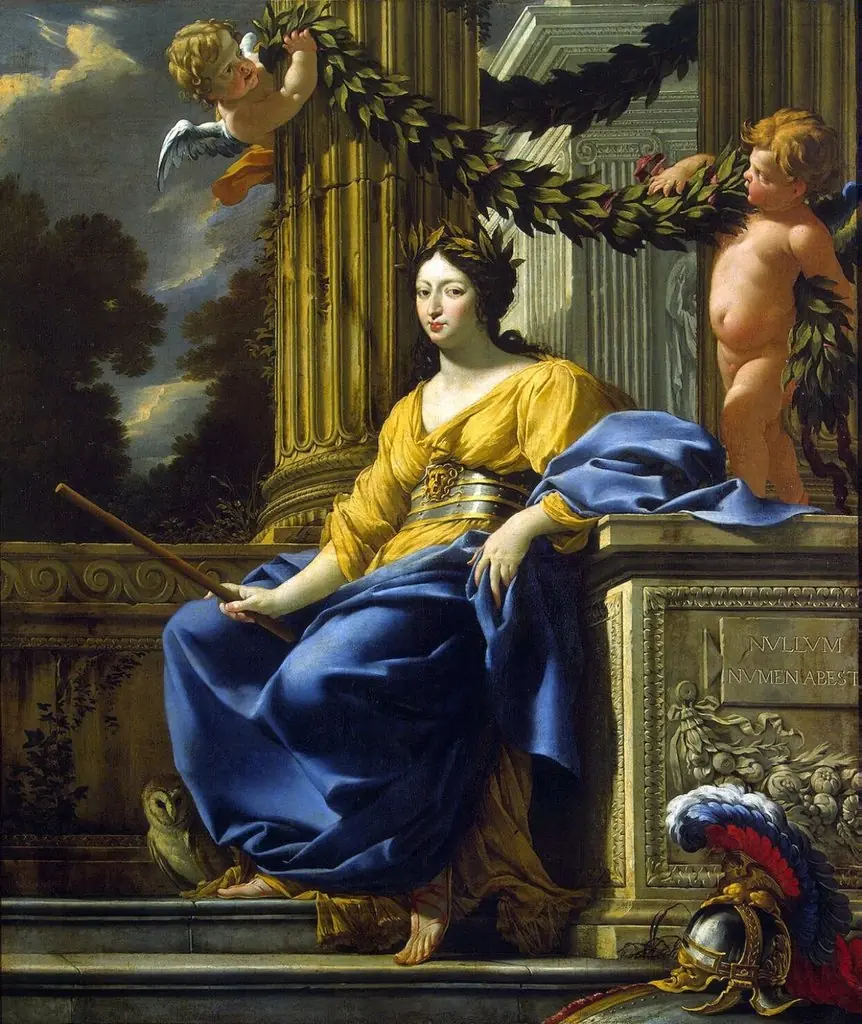 Allegorical Portrait of Anna of Austria as Minerva
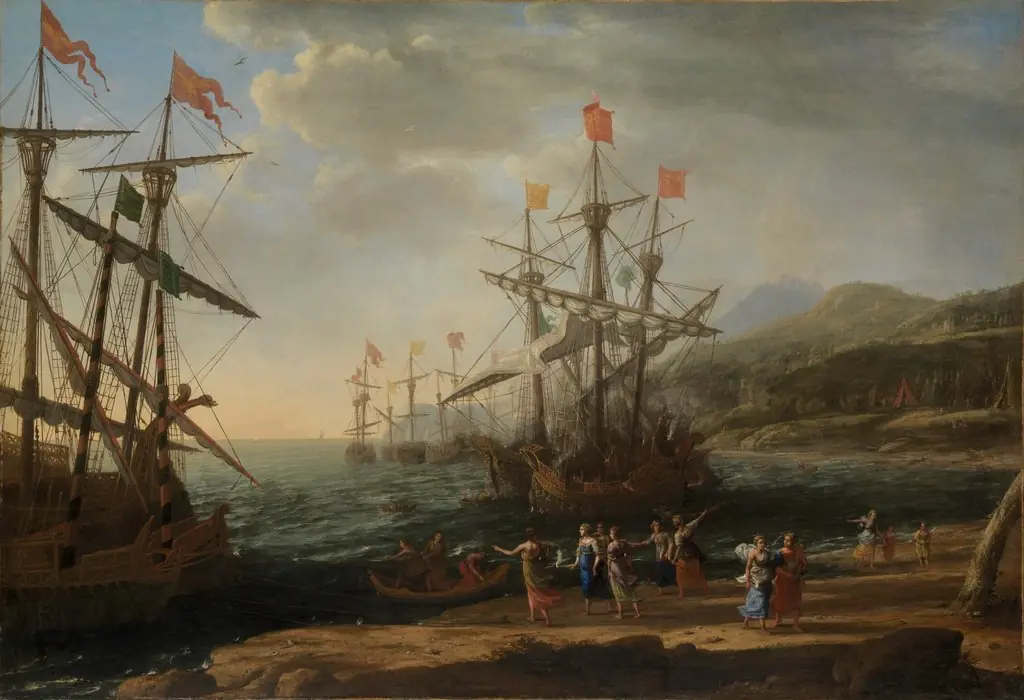 The Trojan Women Setting Fire to Their Fleet
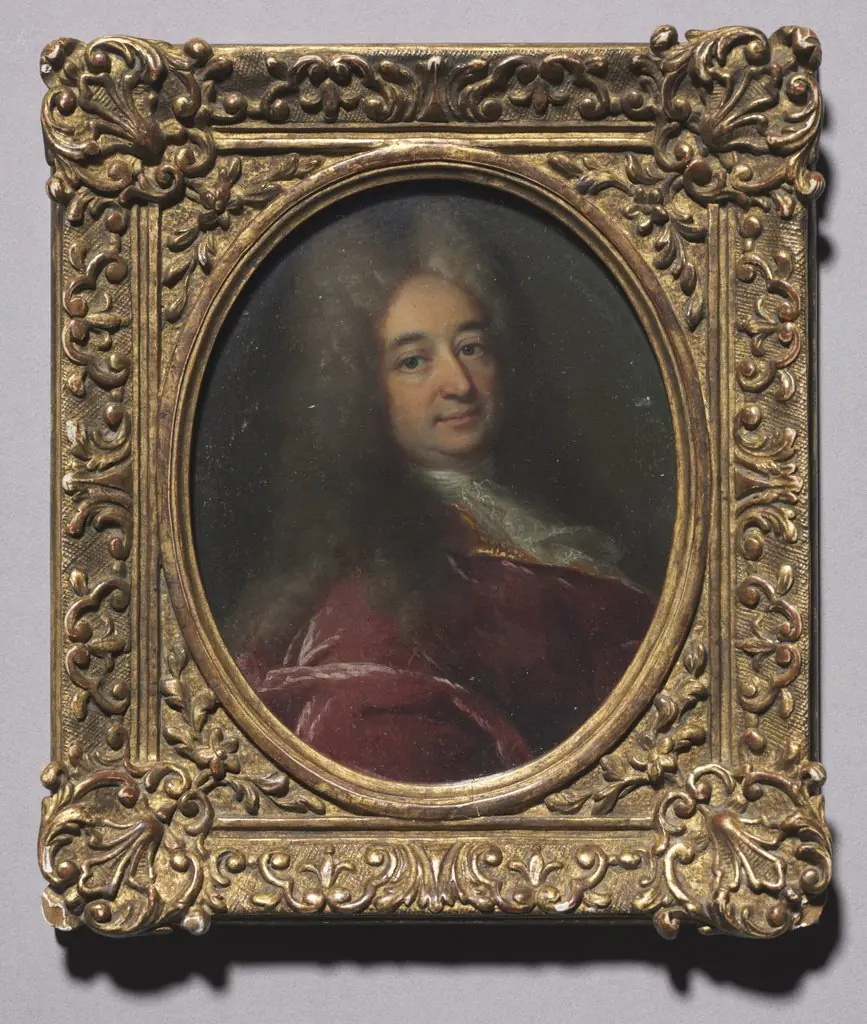 Portrait of Robert Levrac-Tournières
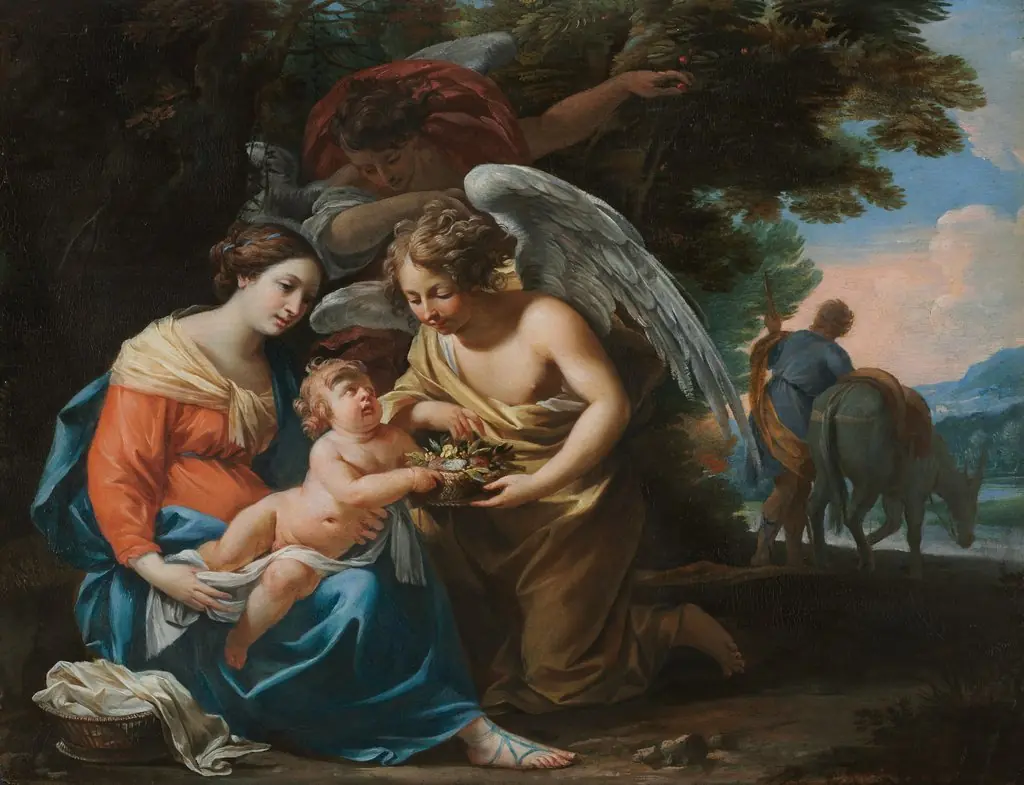 Rest on the Flight into Egypt
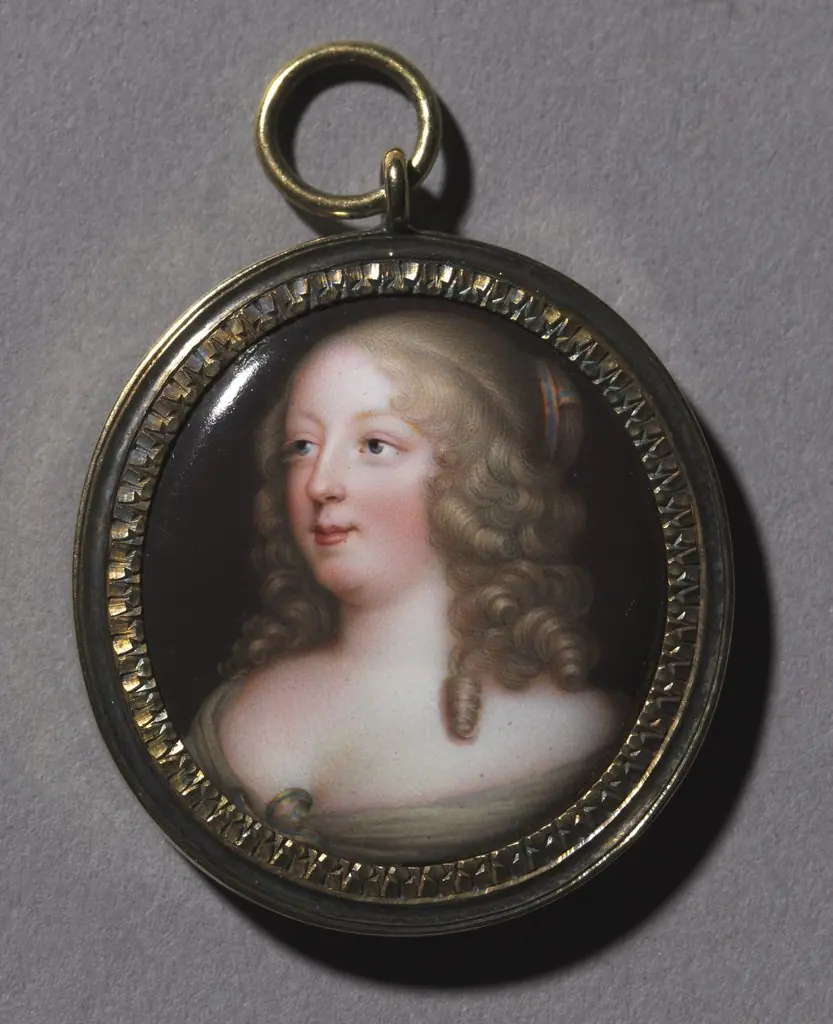 Portrait of a Woman
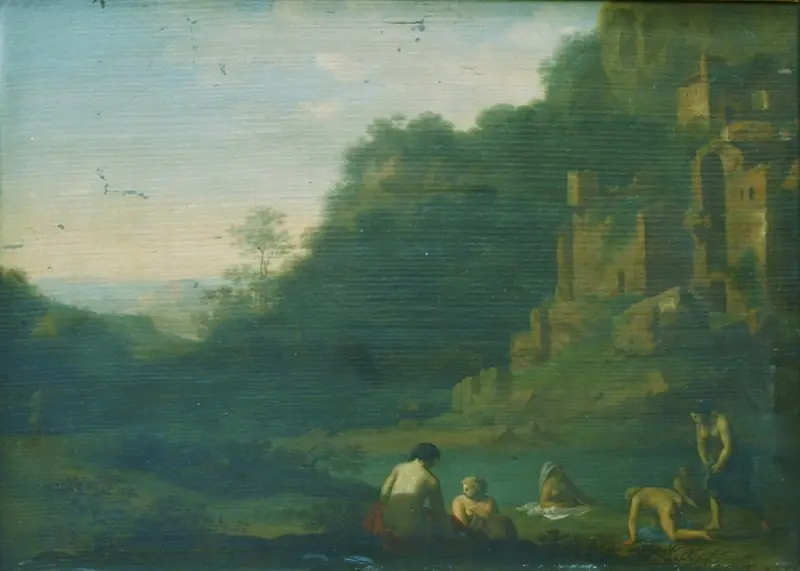 Bathing Nymphs
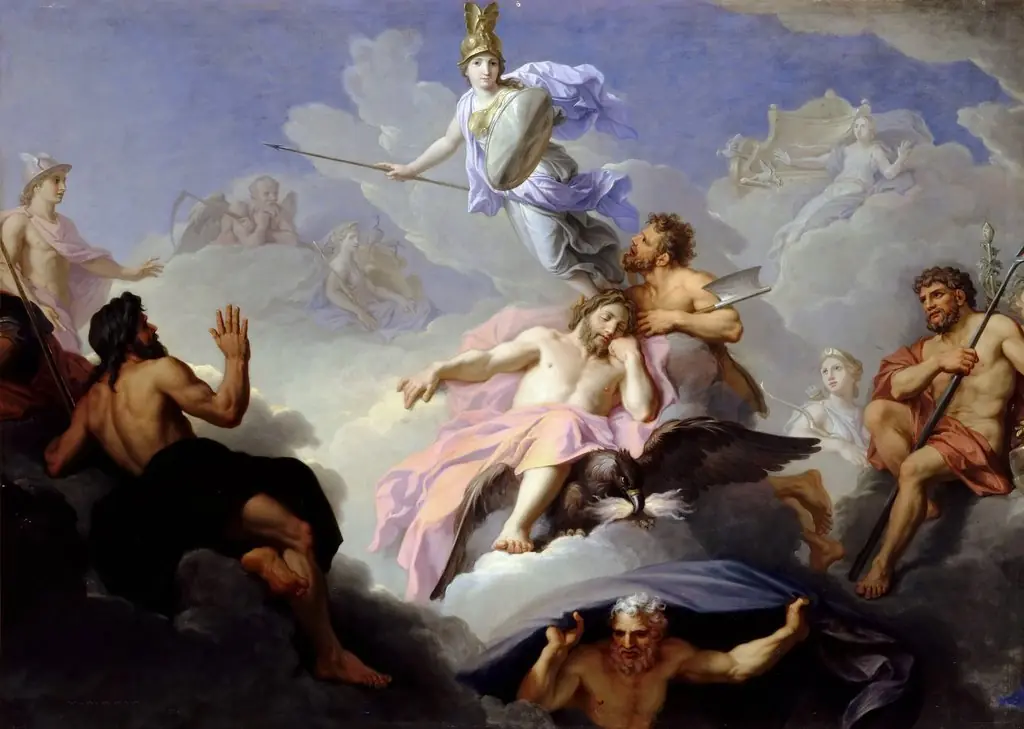 The Birth of Minerva
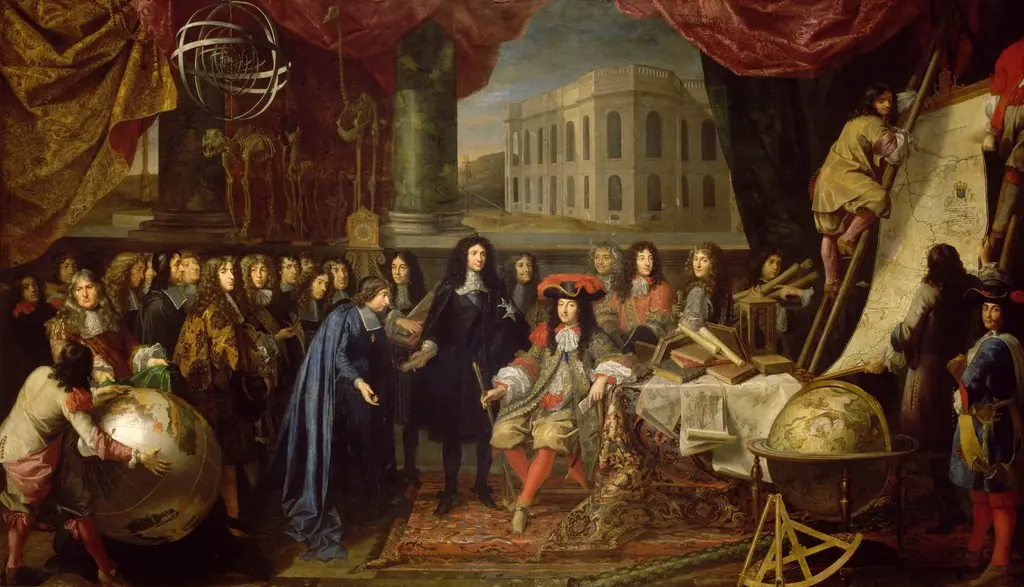 Establishment of the French Academy of Sciences and of Paris Observatory
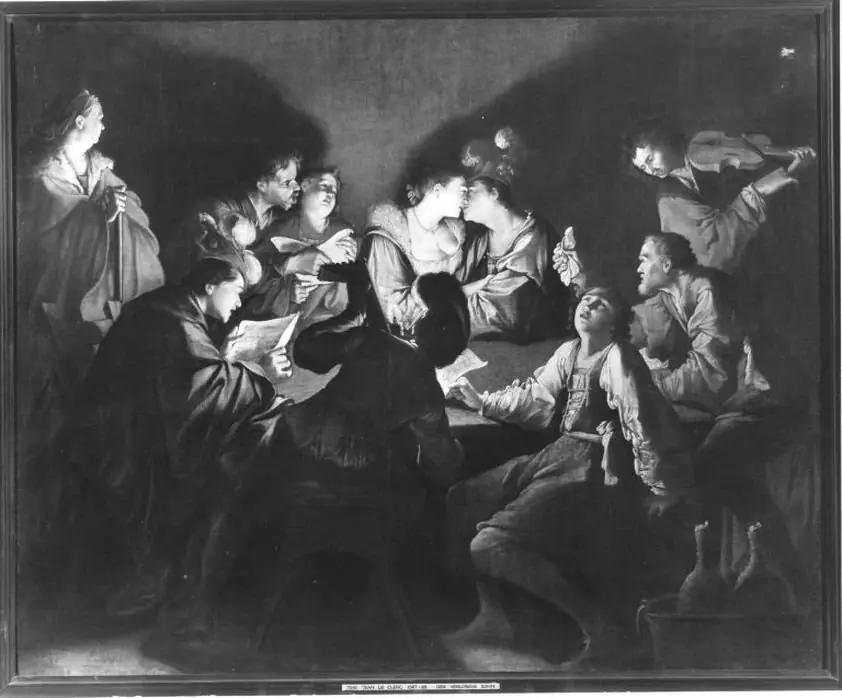 Singers
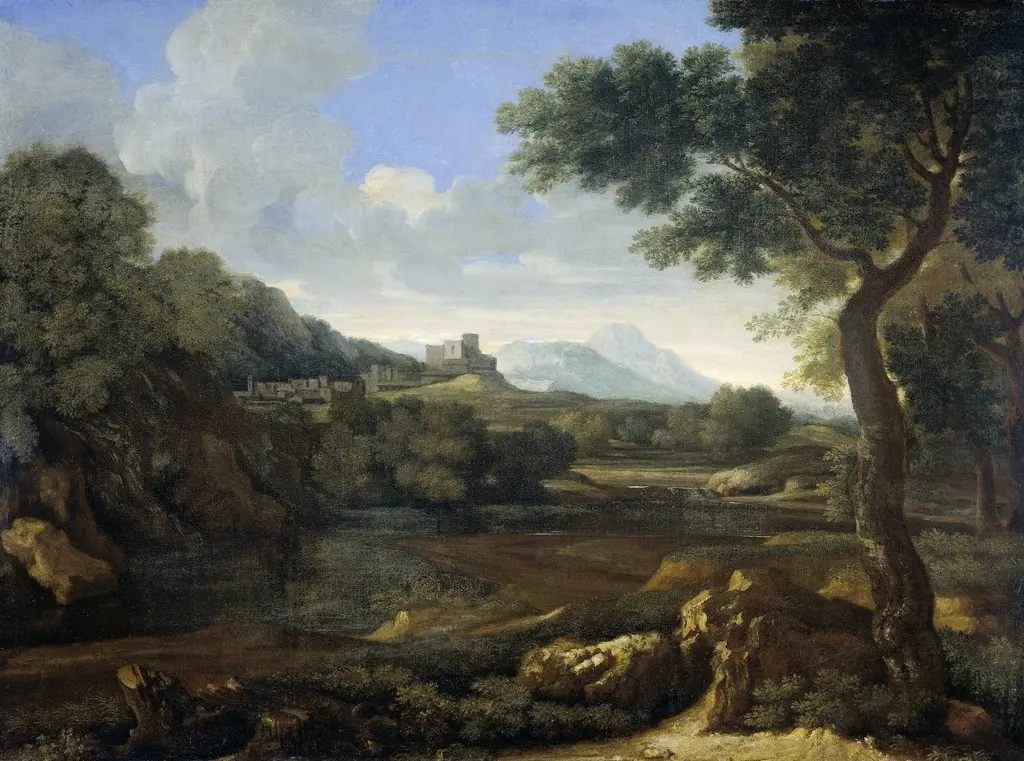 Landscape
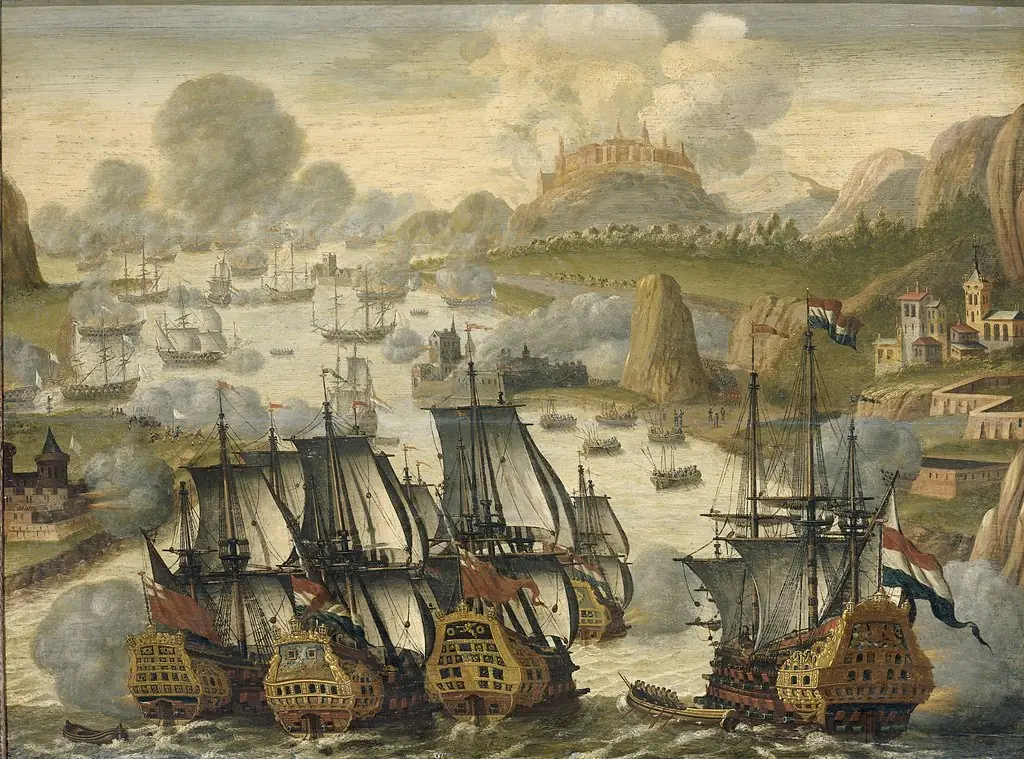 Naval Battle of Vigo Bay, 23 October 1702. Episode from the War of the Spanish Succession
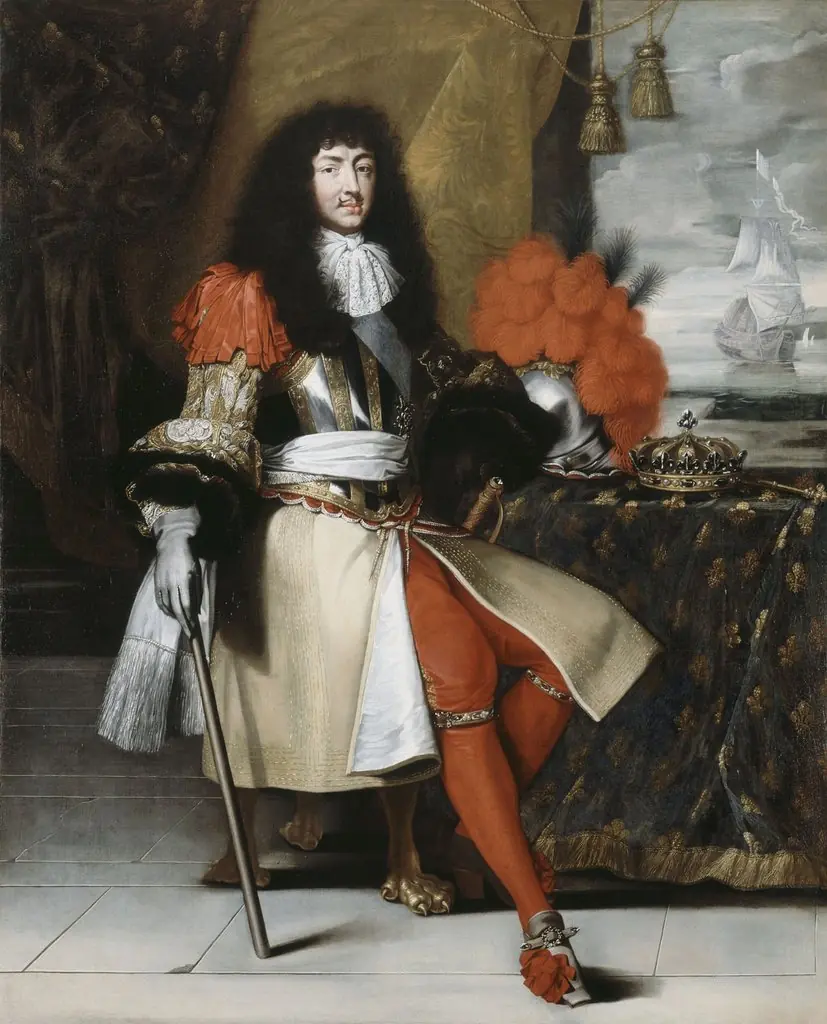 Portrait of Louis XIV of France
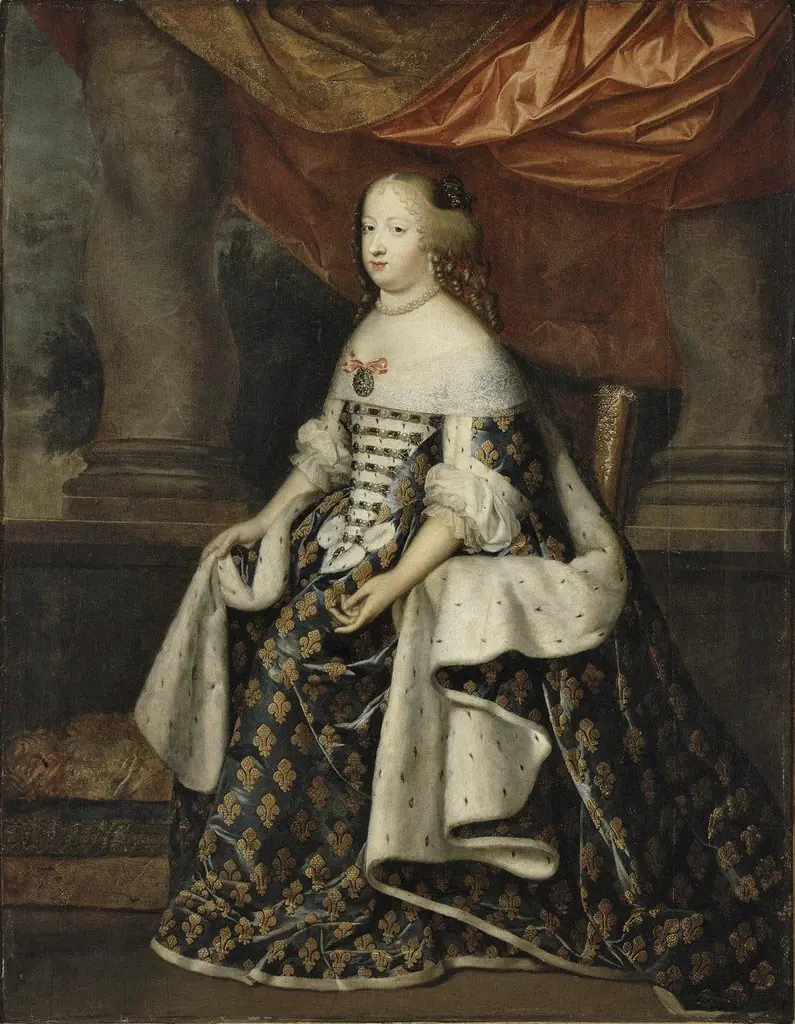 Marie Thérèse of Austria in Royal Costume
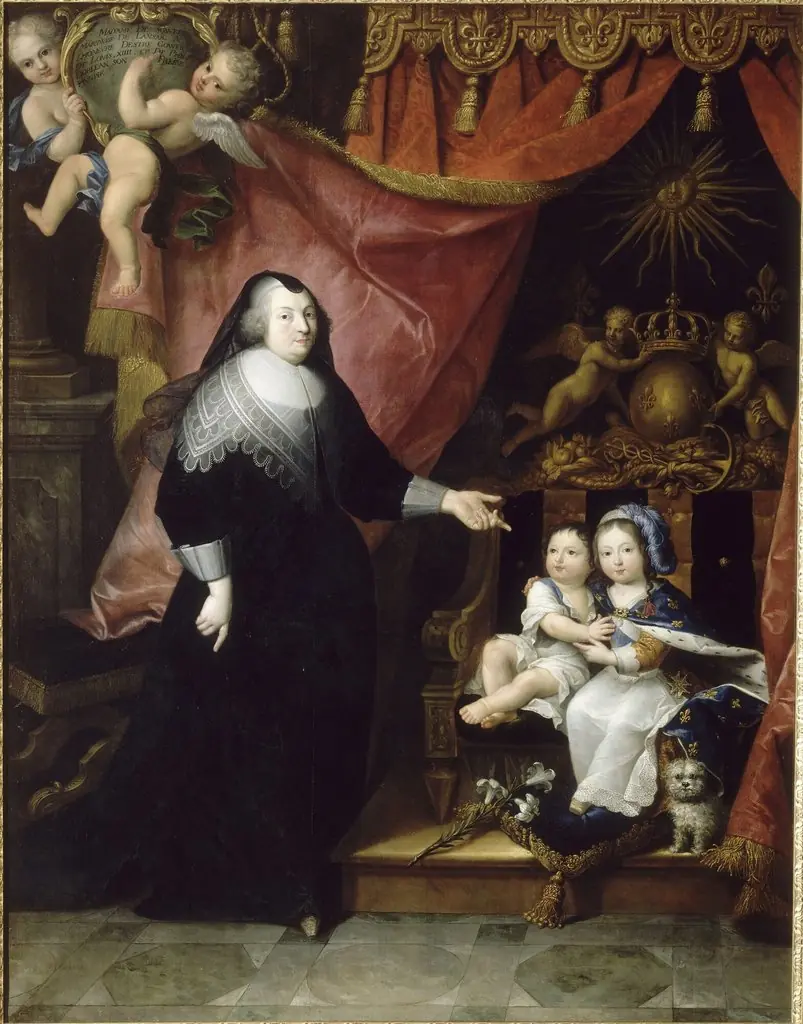 The young Louis XIV with his brother Philippe and his governess Françoise de Souvré, marquise de Lansac
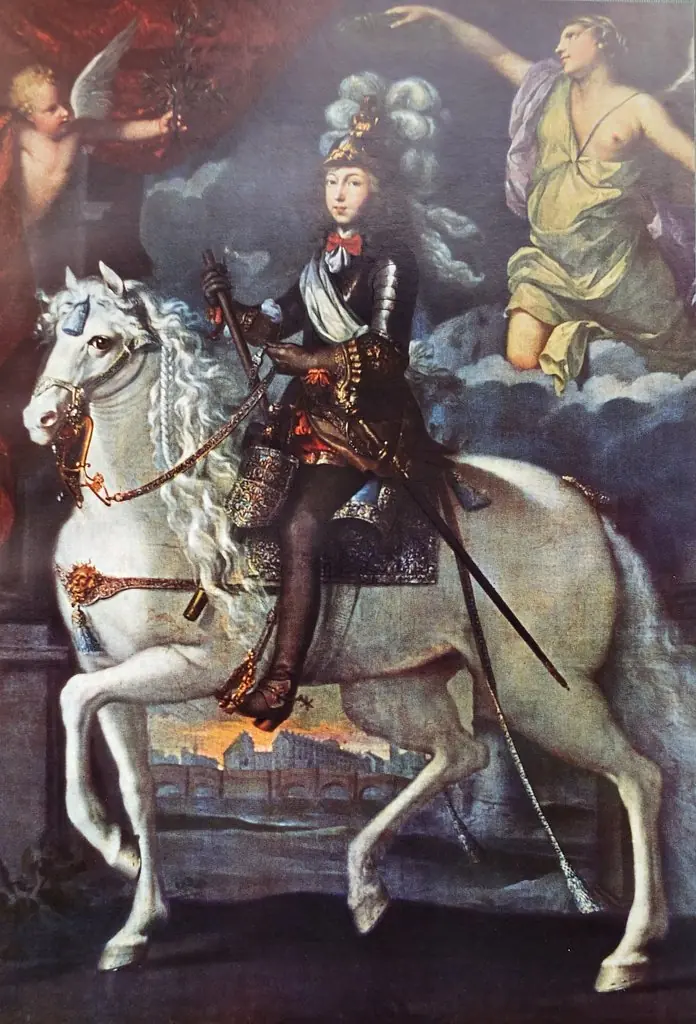 Louis XIV, King of France
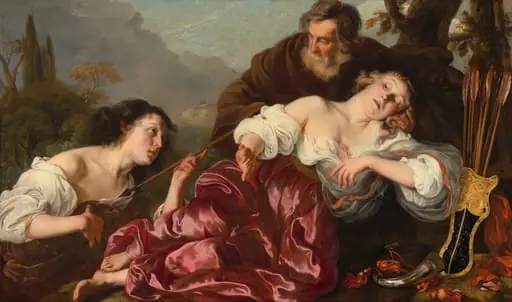 Silvio with the Wounded Dorinda
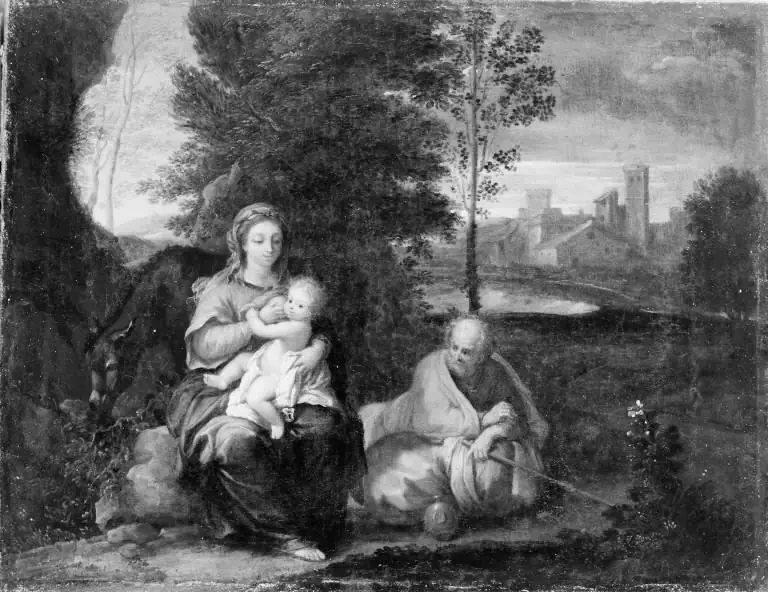 The Rest on the Fligth into Egypt
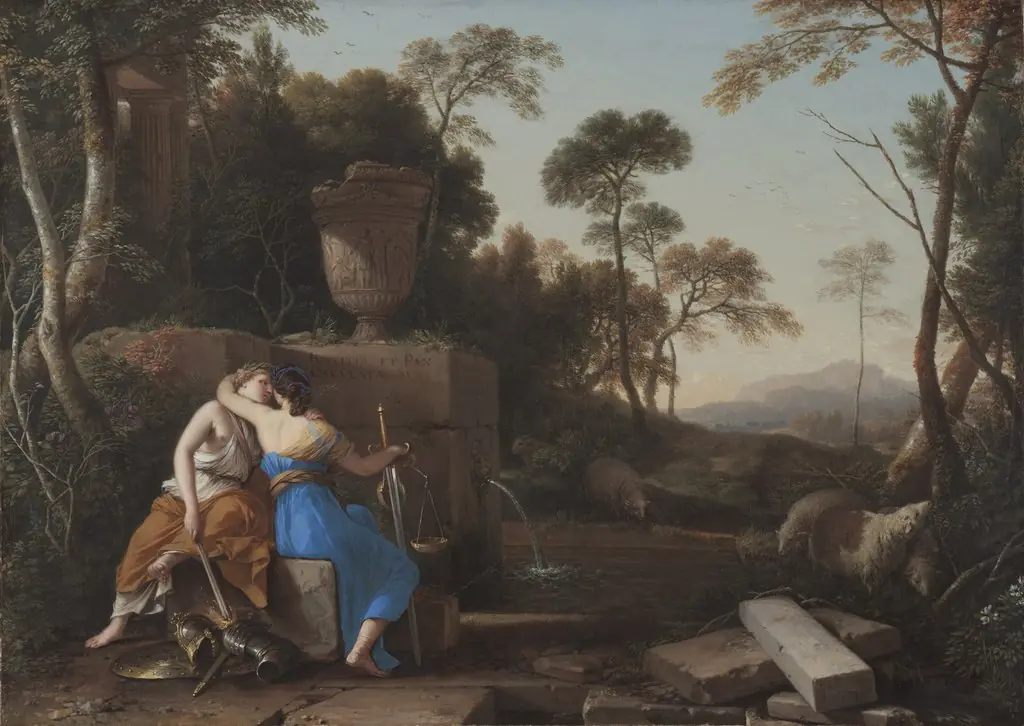 The Kiss of Peace and Justice
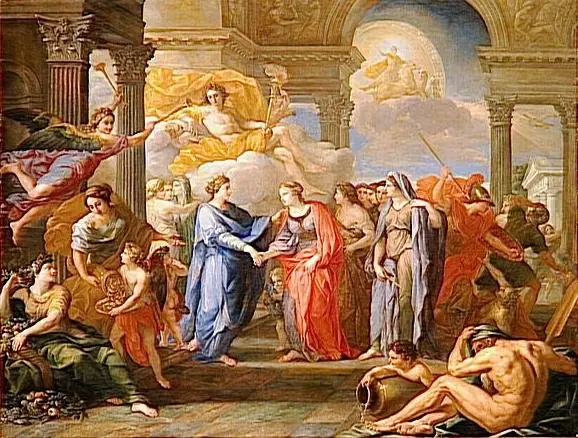 Allégorie de l'alliance du dauphin de France avec Marie-Anne-Victoire de Bavière
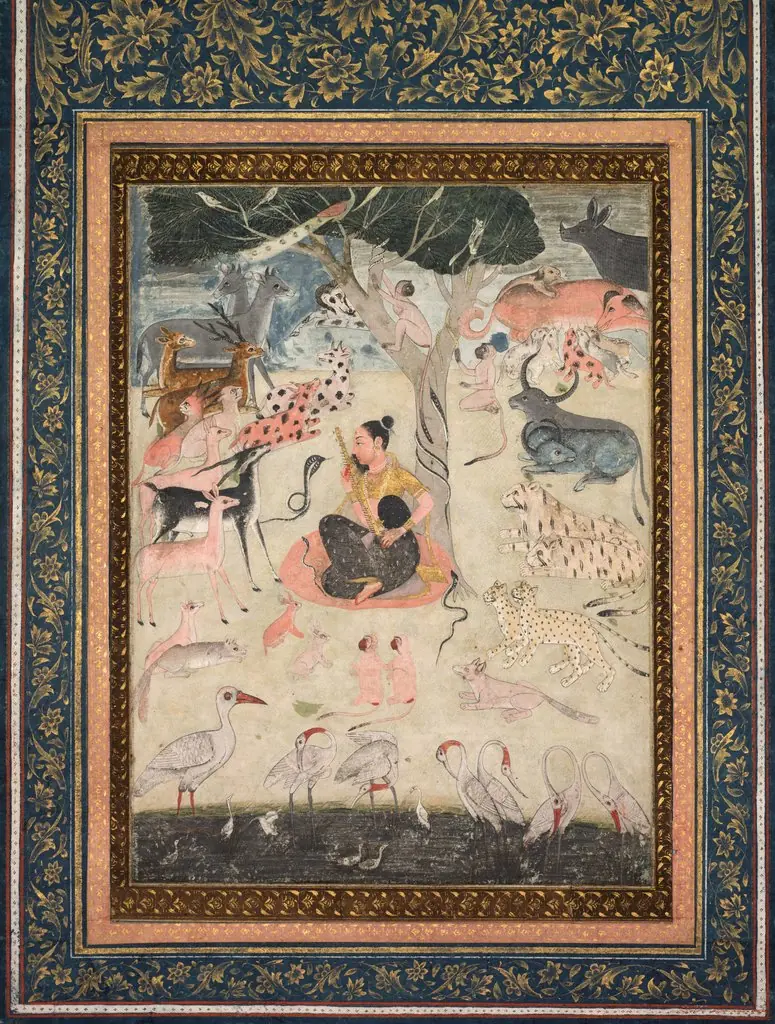 The Attractions of Music
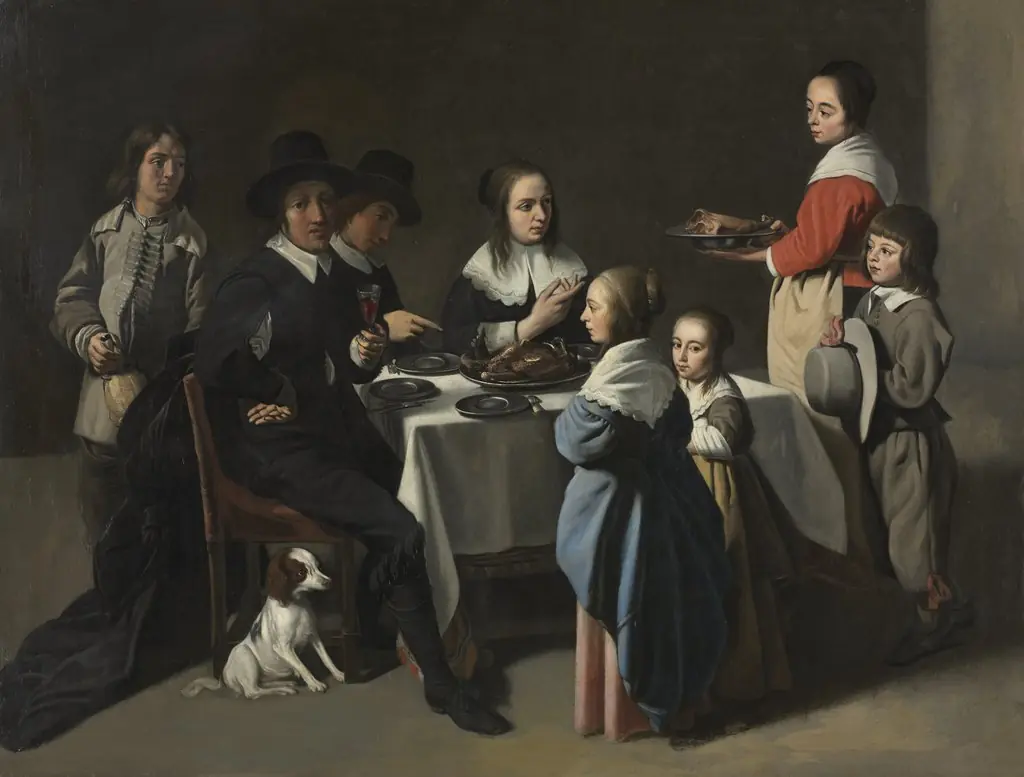 A Family Meal
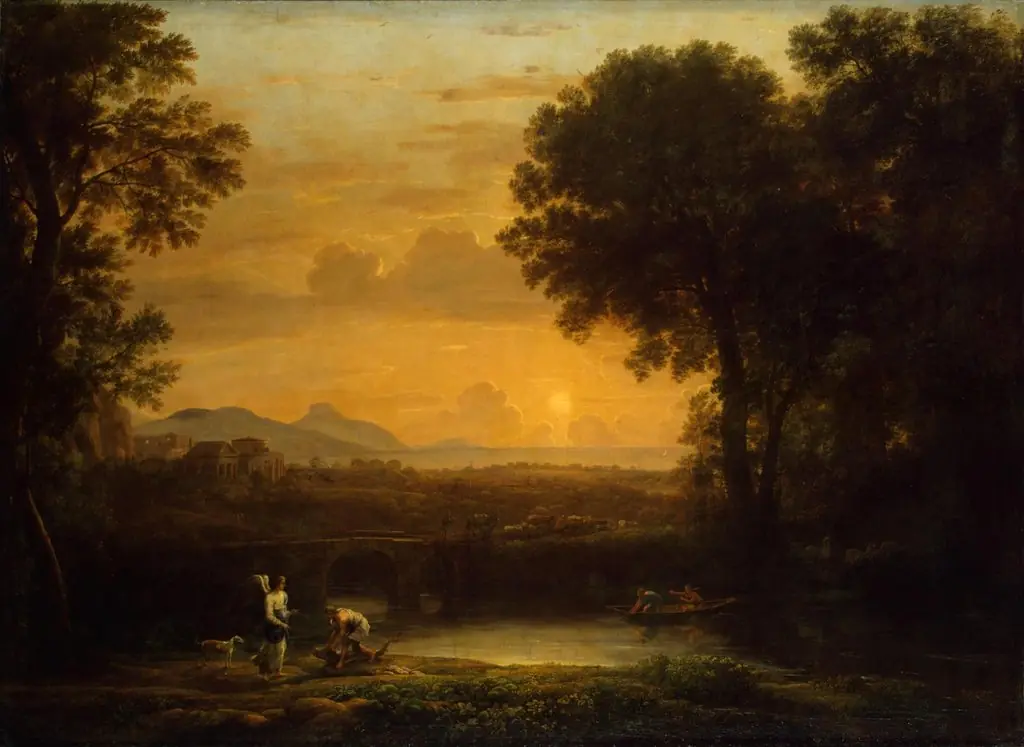 Landscape with Tobias and the Angel (Evening)
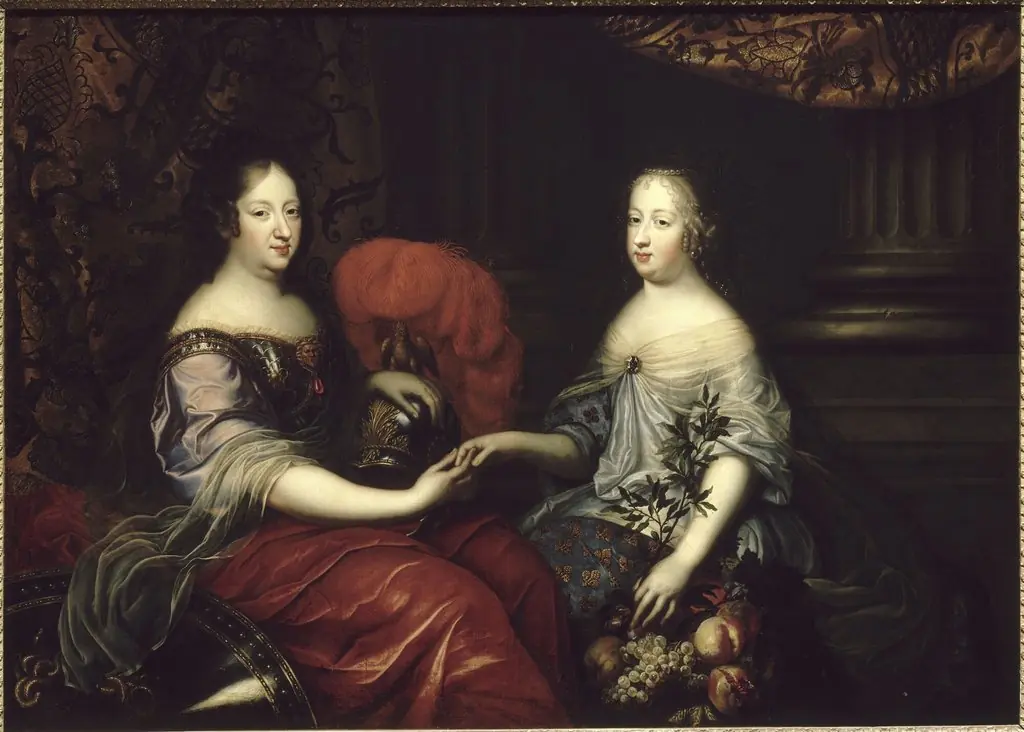 Anne of Austria and Marie-Thérèse of Austria, queens of France
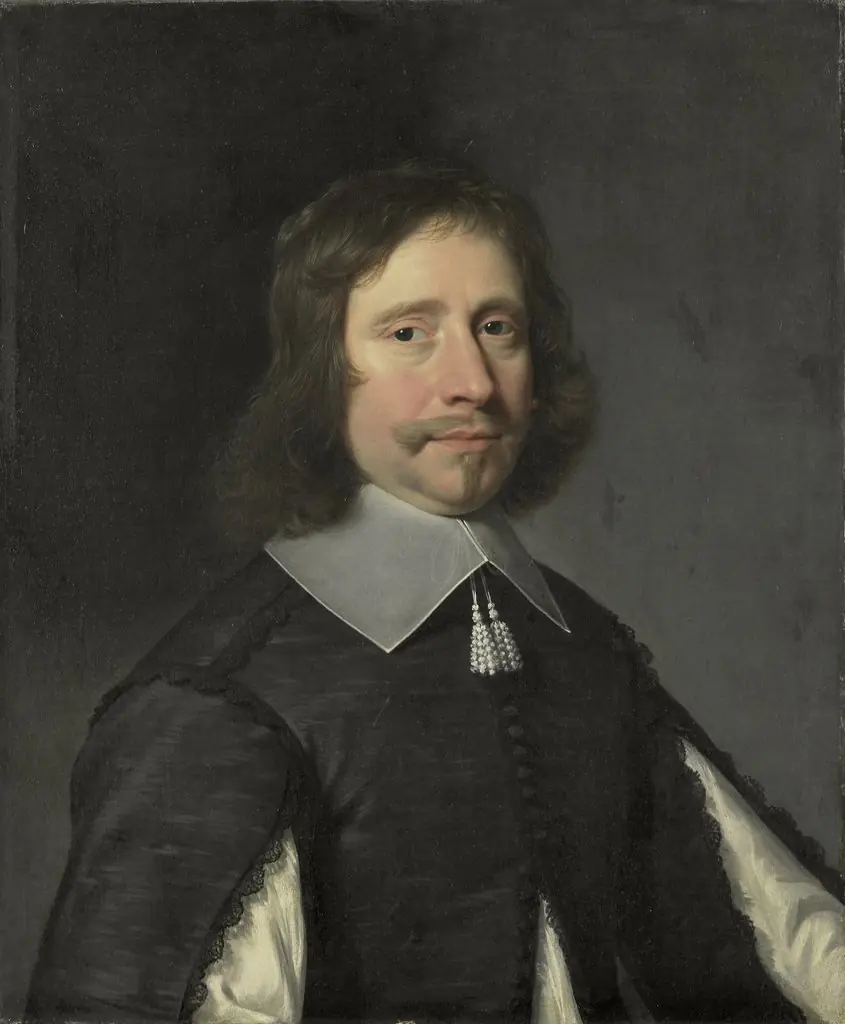 Portrait of a man, perhaps Philippe de la Trémoïlle (1596-?), count of Olonne
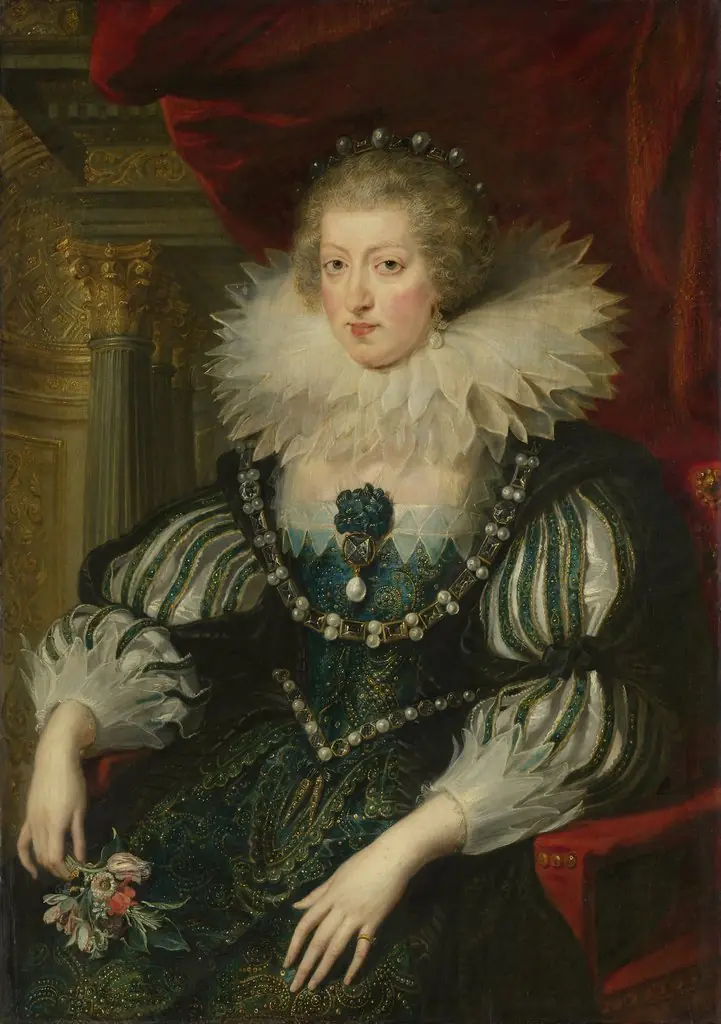 Anne of Austria (1601-66). Wife of Louis XIII, king of France
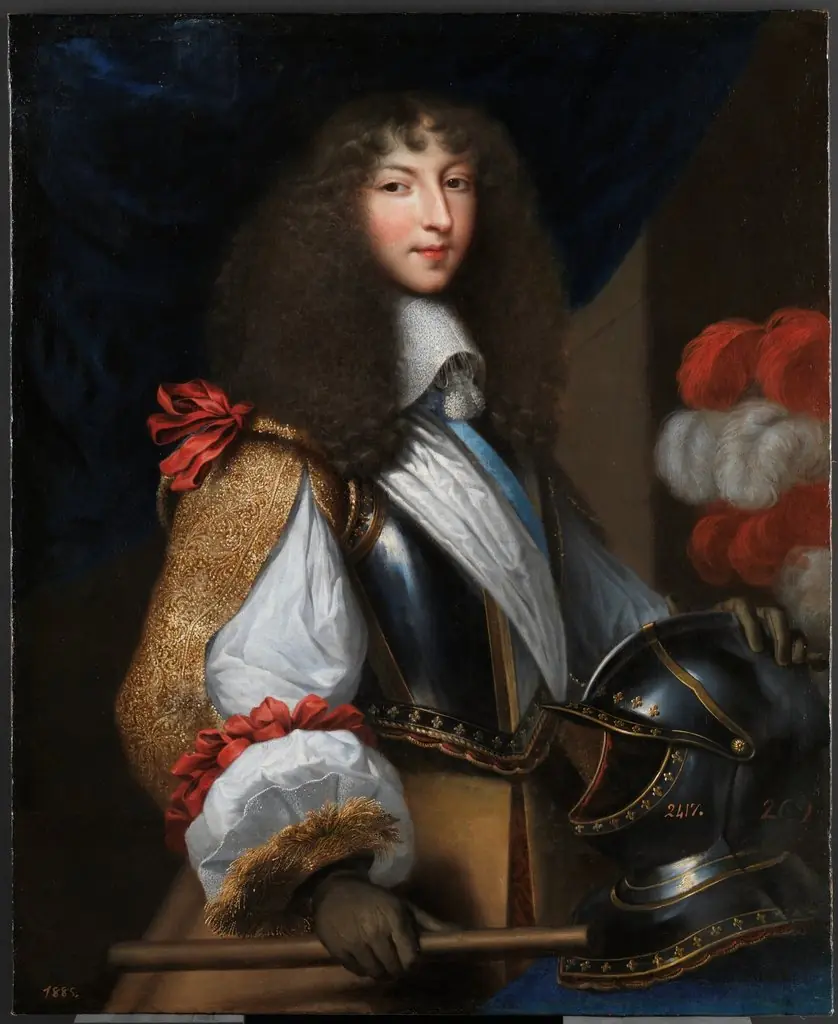 Louis XIV as a young man
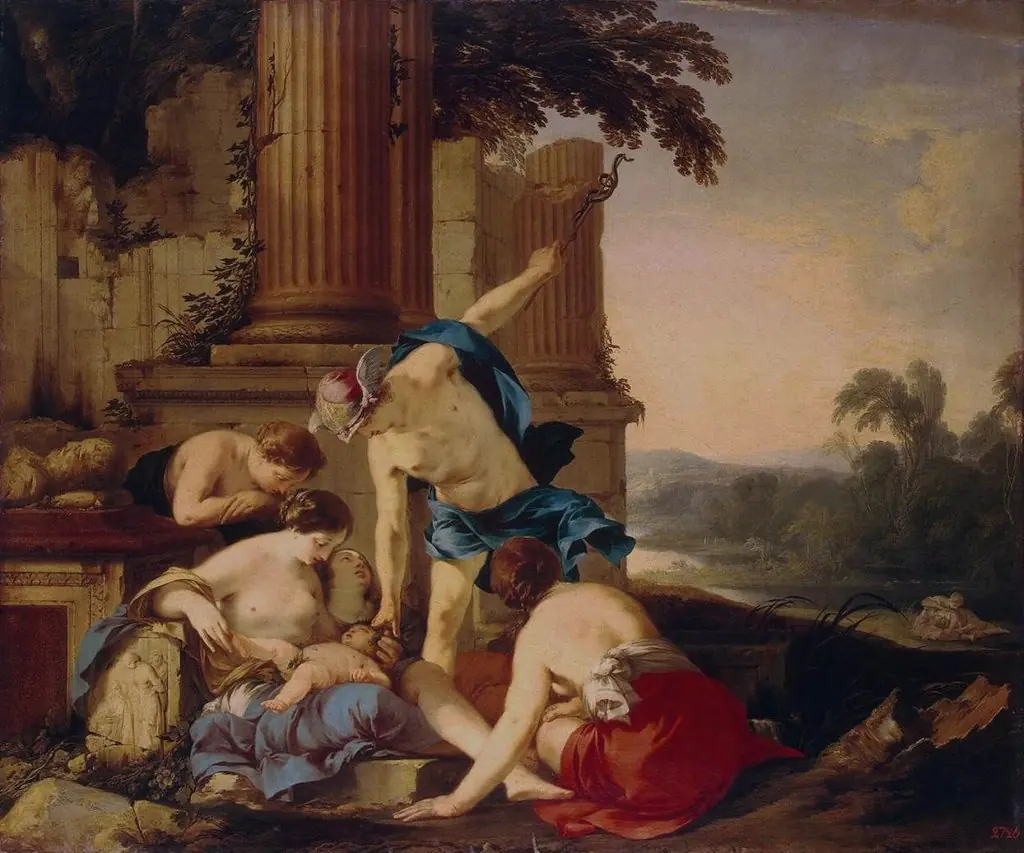 Mercury Takes Bacchus to be Brought up by Nymphs
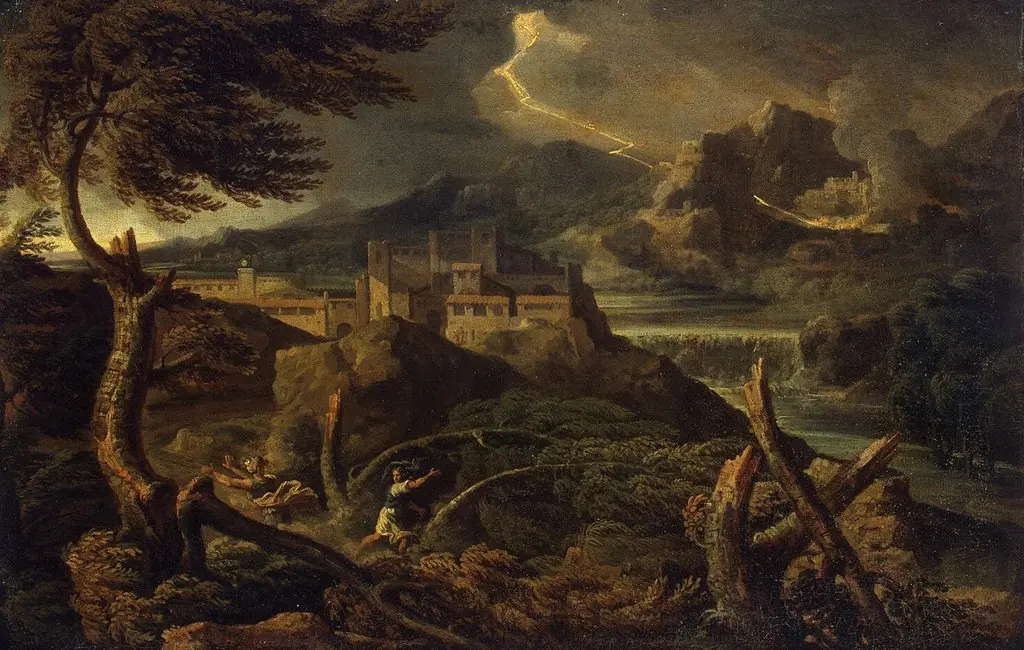 Landscape with Lightning
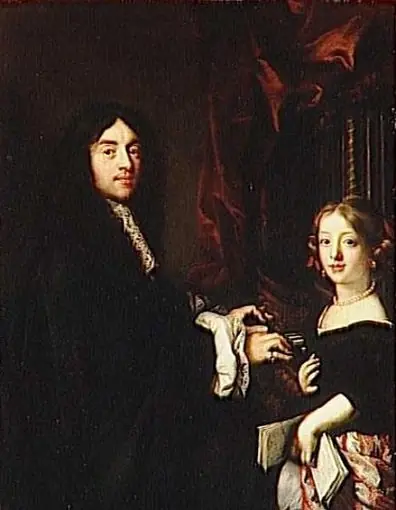 Charles Couperin and the second daughter of Claude Lefebvre
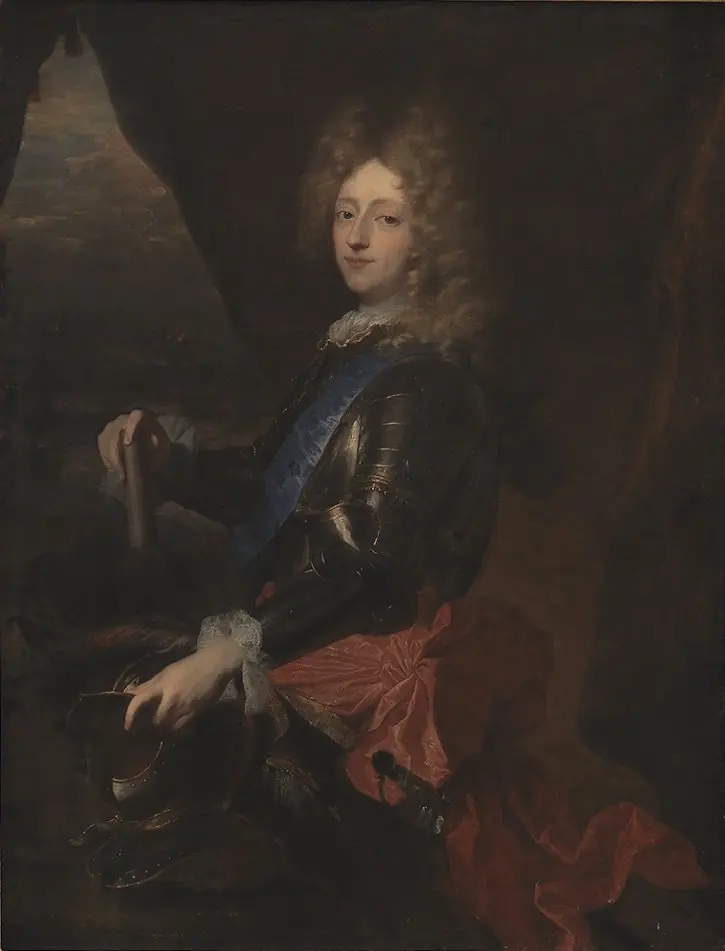 Portrait of King Frederik IV as Prince
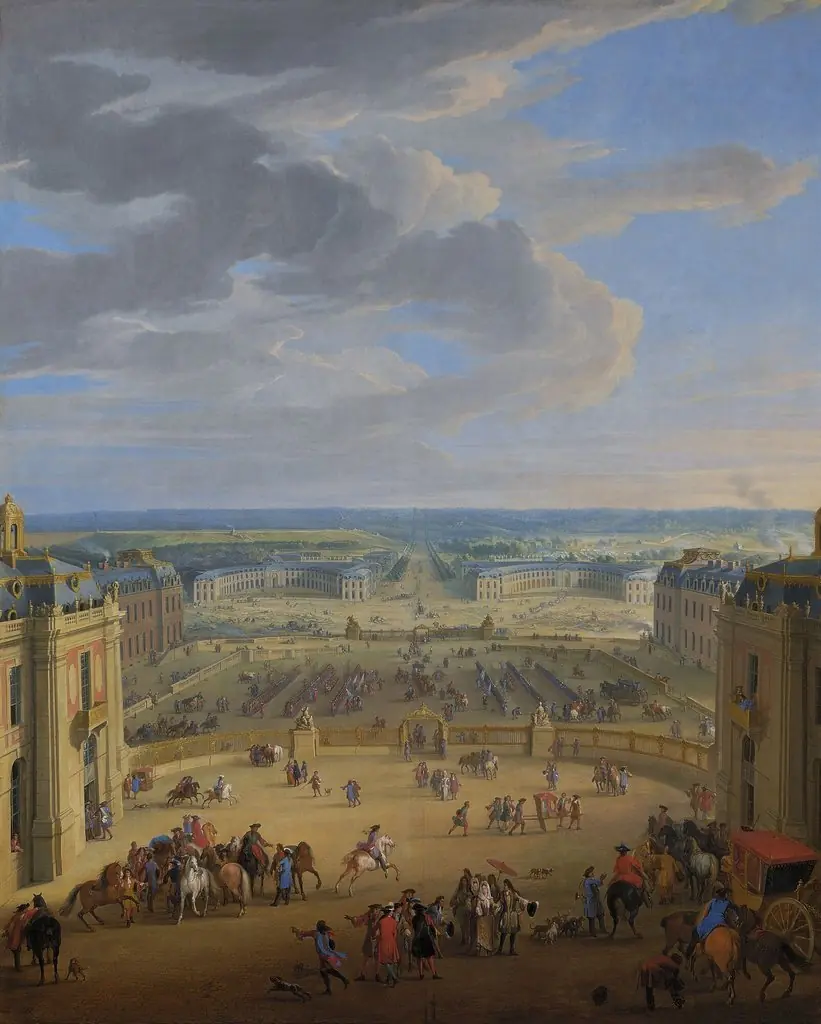 The Stables Viewed from the Château at Versailles
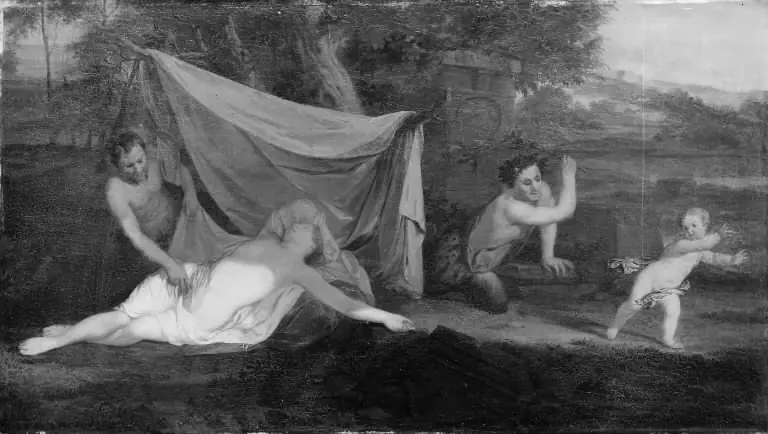 Faun and Nymph
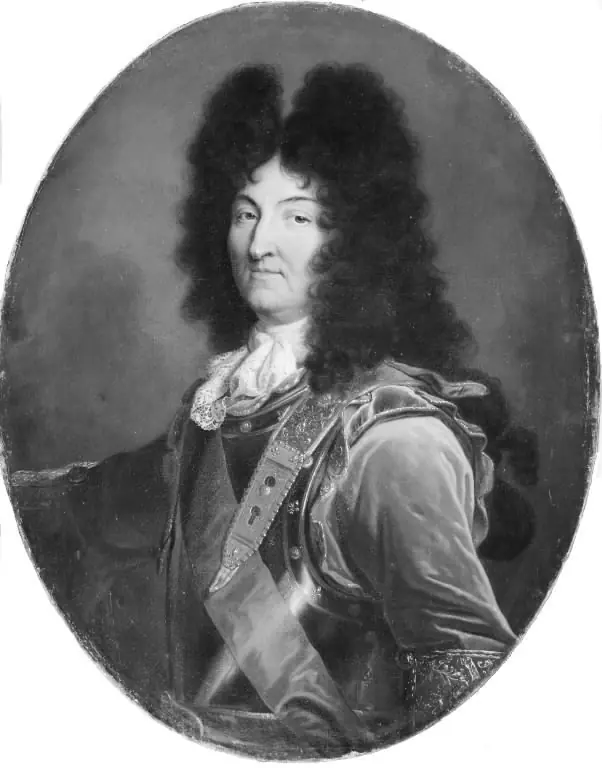 Portrait of Louis XIV
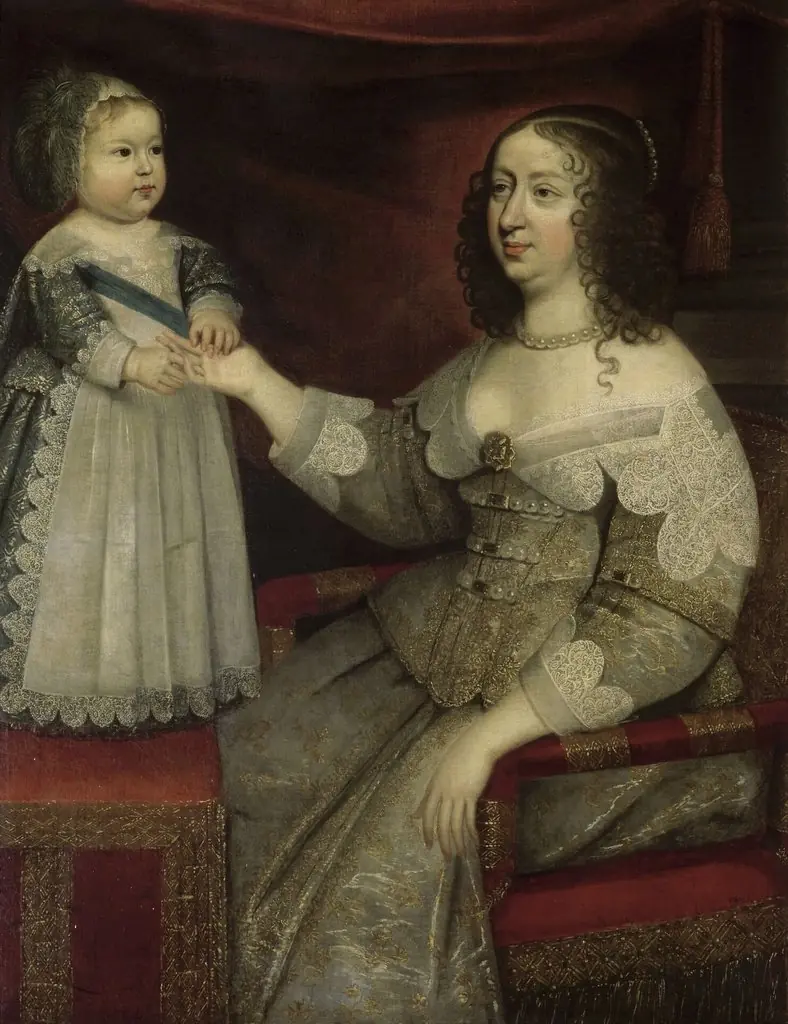 Louis XIV and Anne of Austria
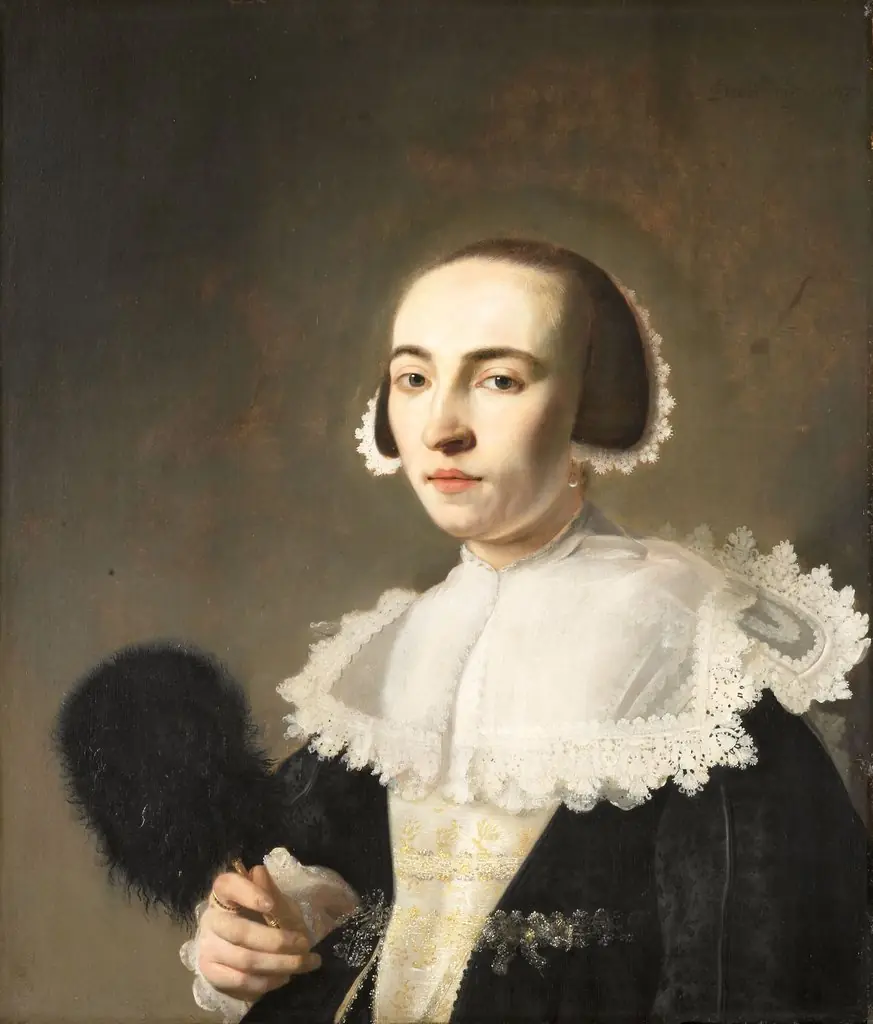 Portrait of a woman
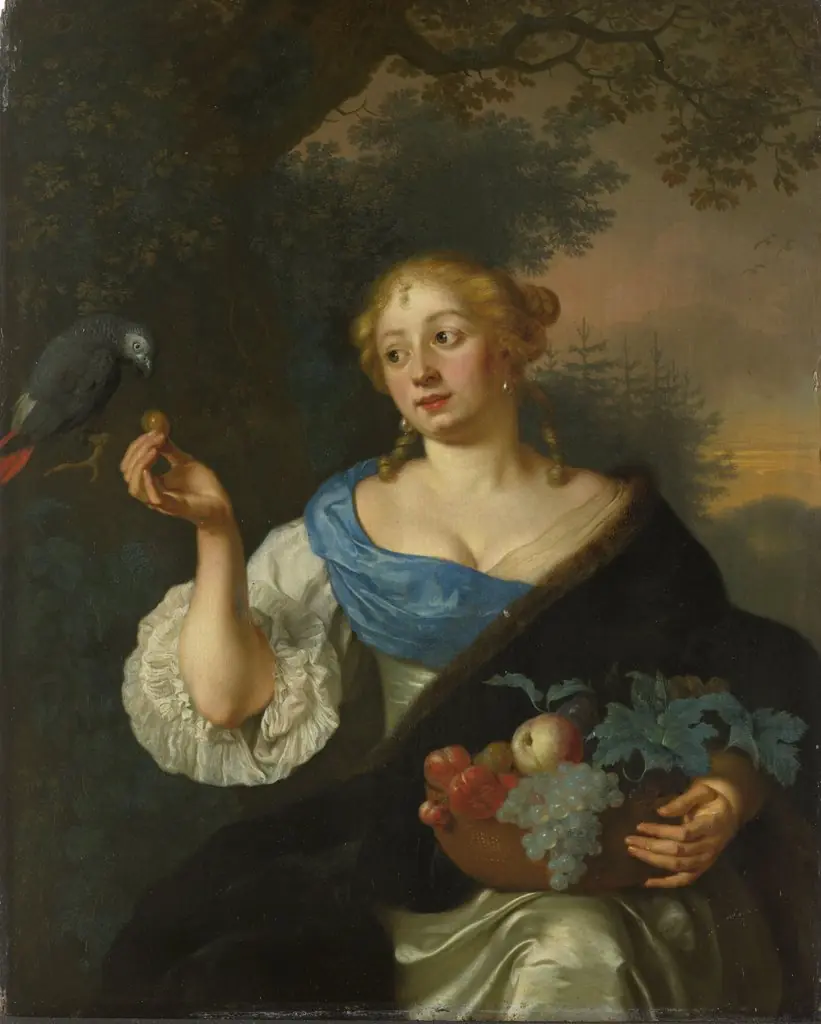 A young woman with a parrot
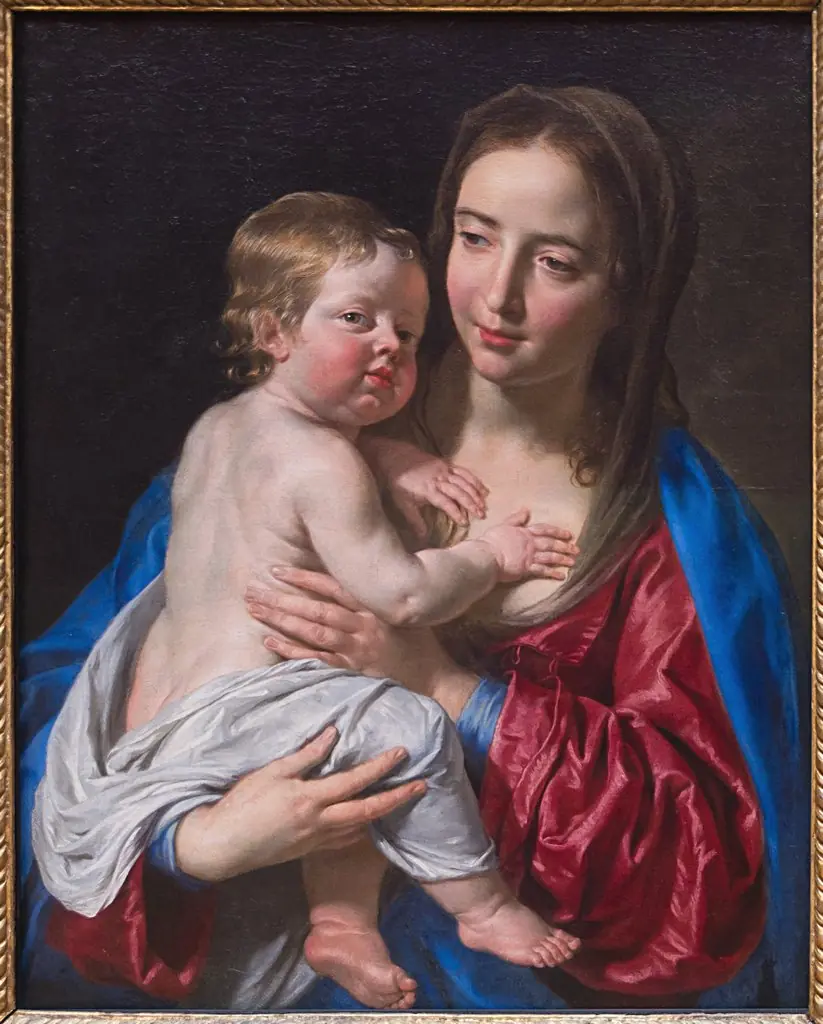 Madonna and Child
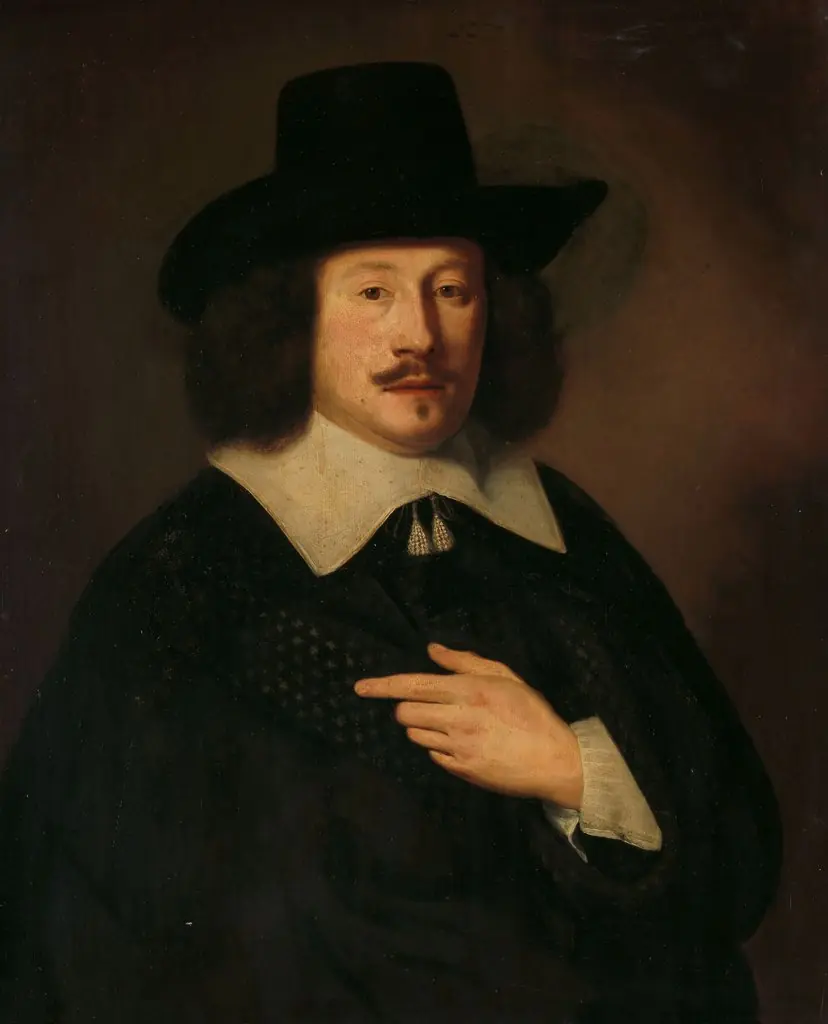 Portrait of a man
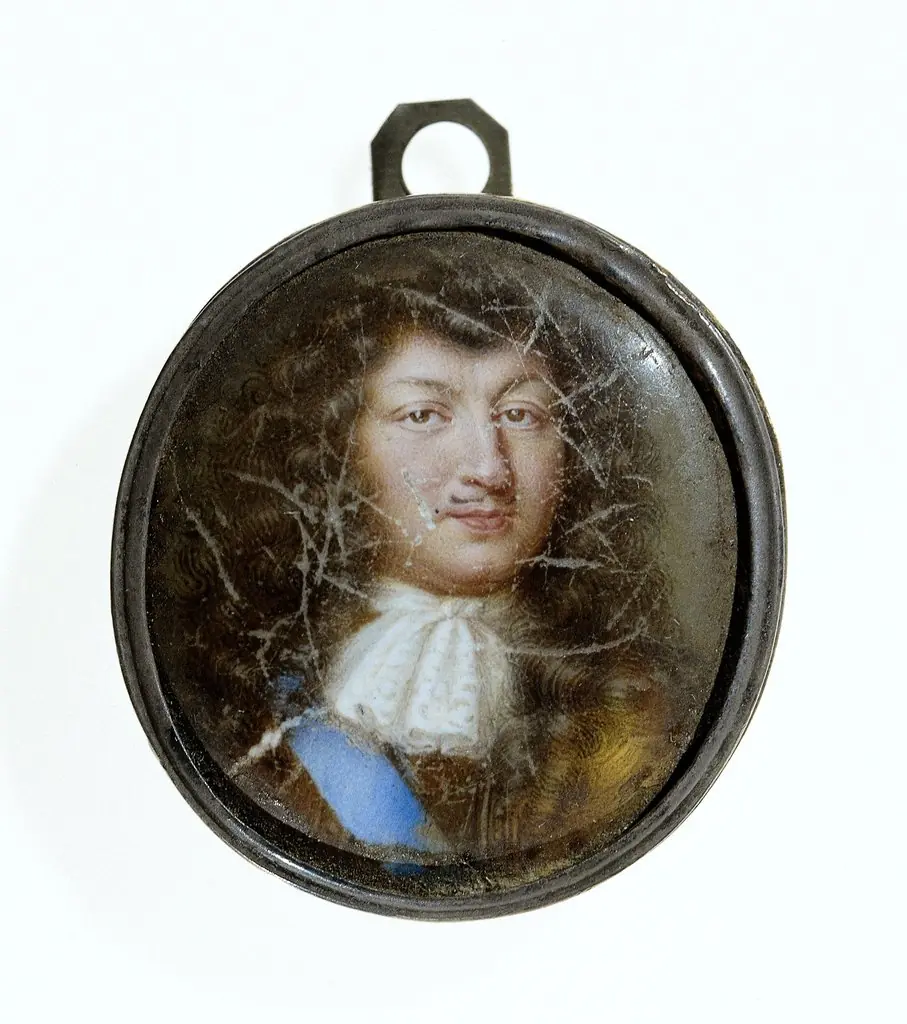 Portrait of Lodewijk XIV de Bourbon (1638-1715)
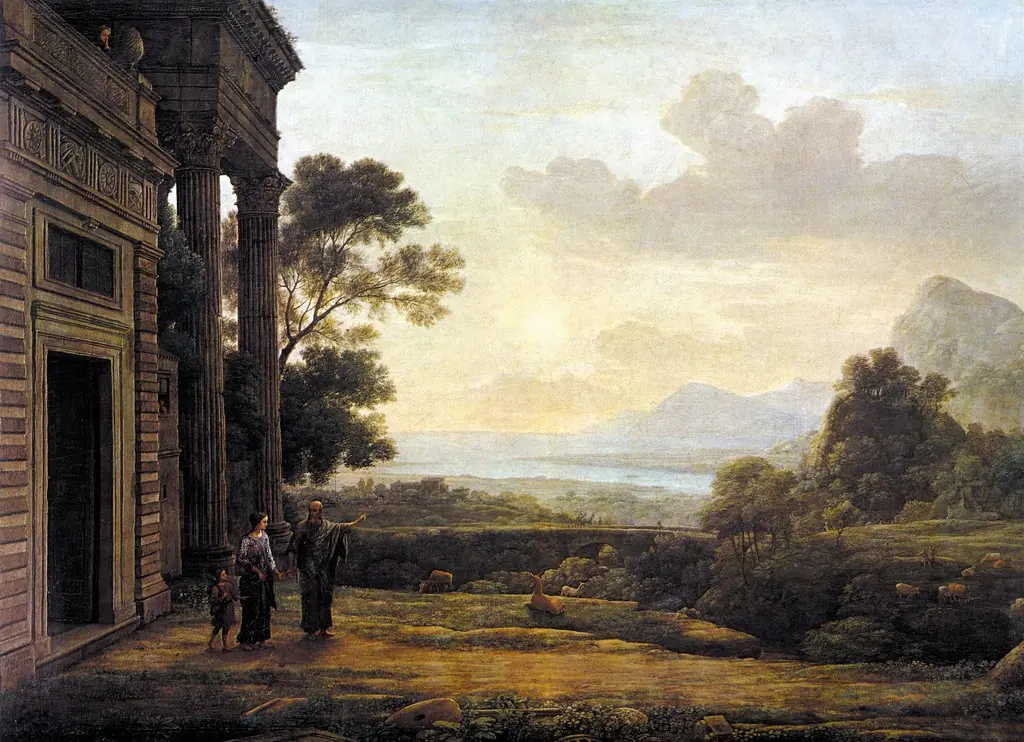 The Banishment of Hagar
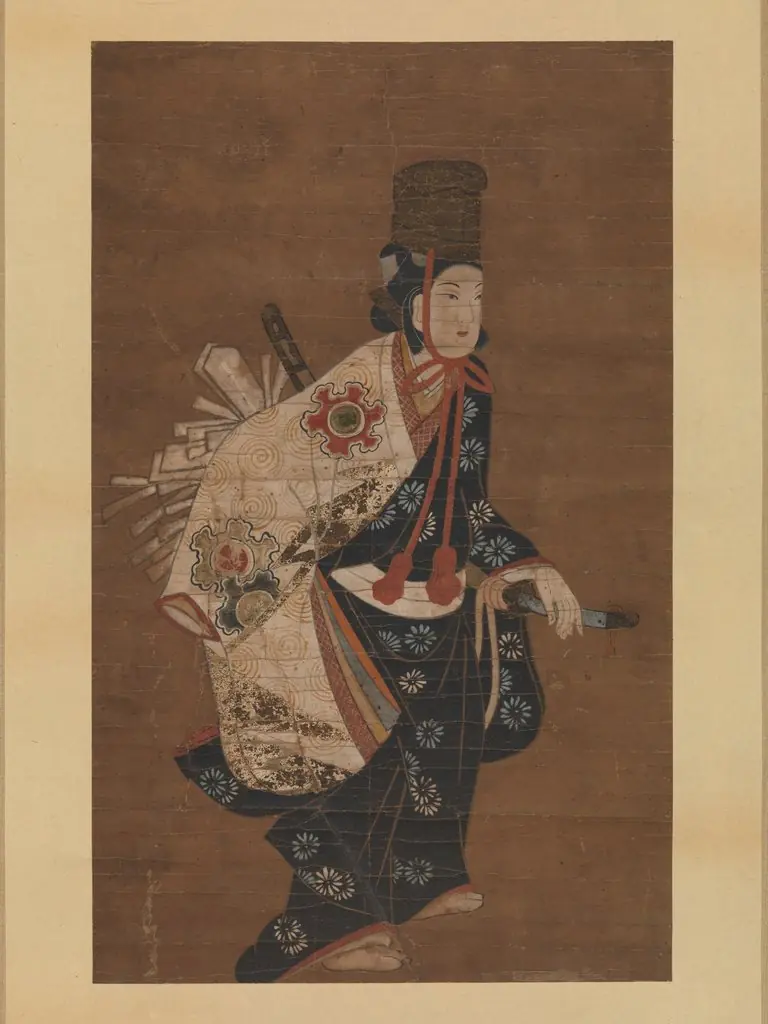 Dancer with a Sword
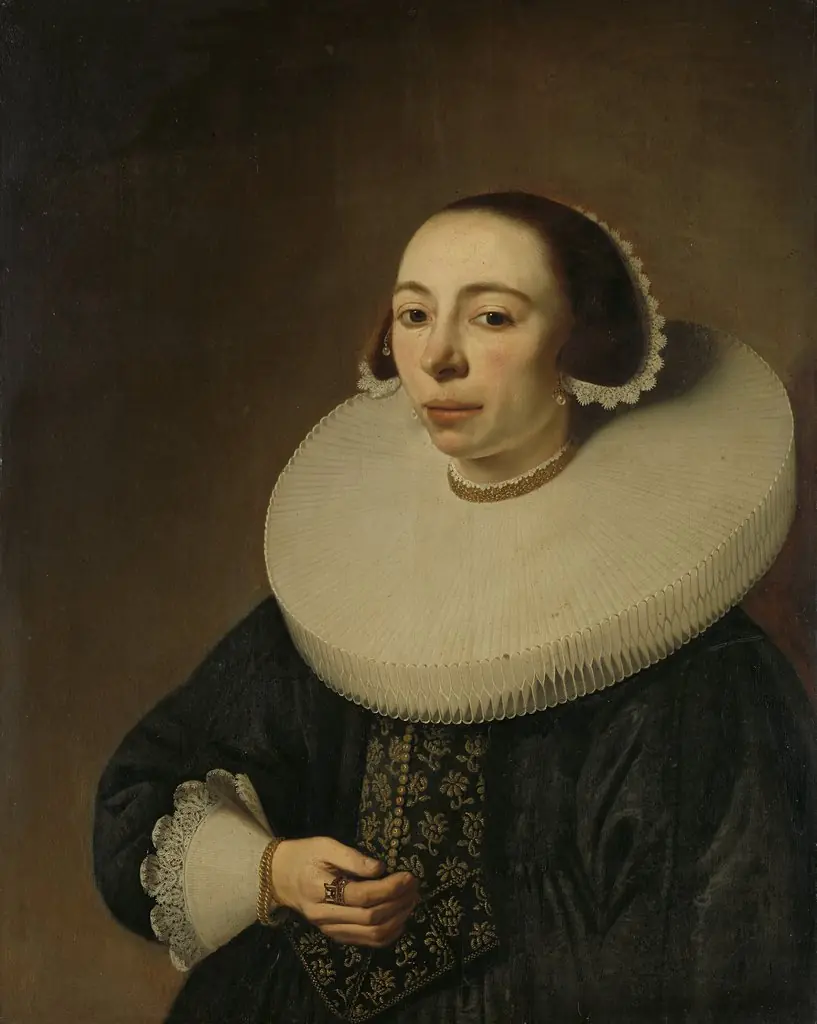 Portrait of a woman
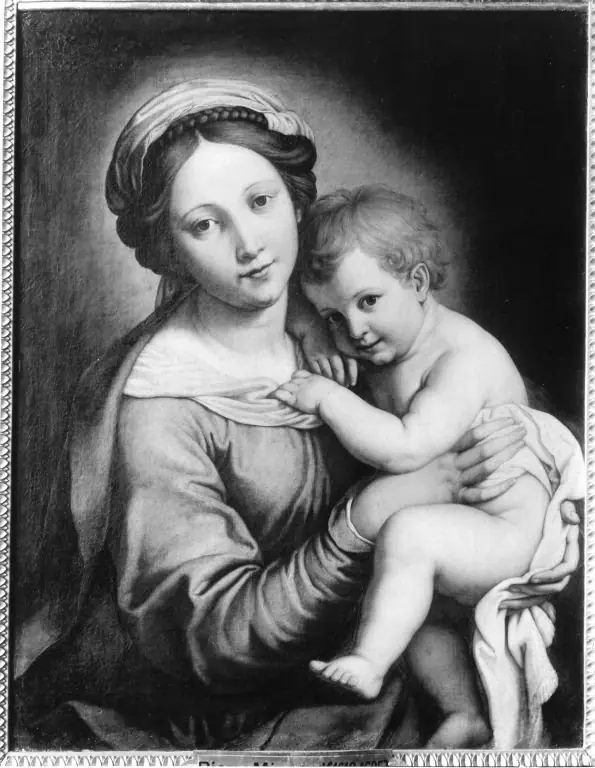 Maria mit dem Kinde
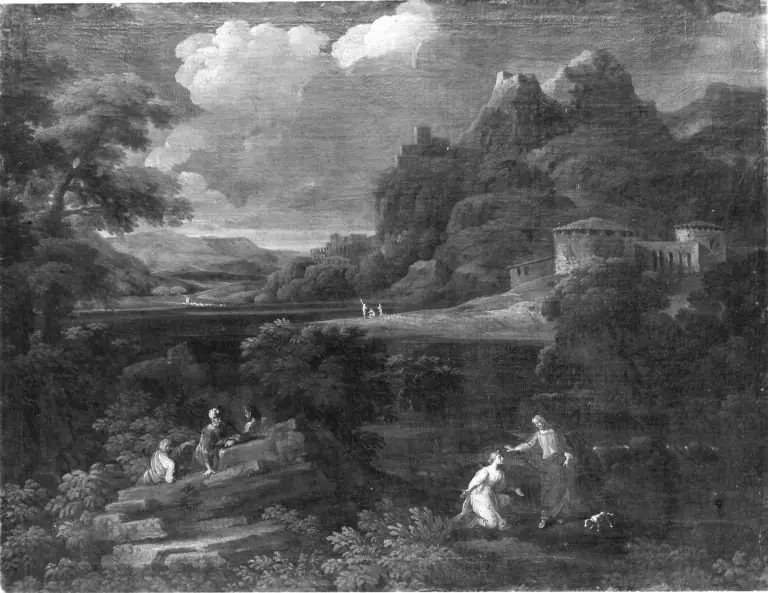 Landschaft mit Christus und Maria Magdalena (Noli me tangere) (Umkreis)
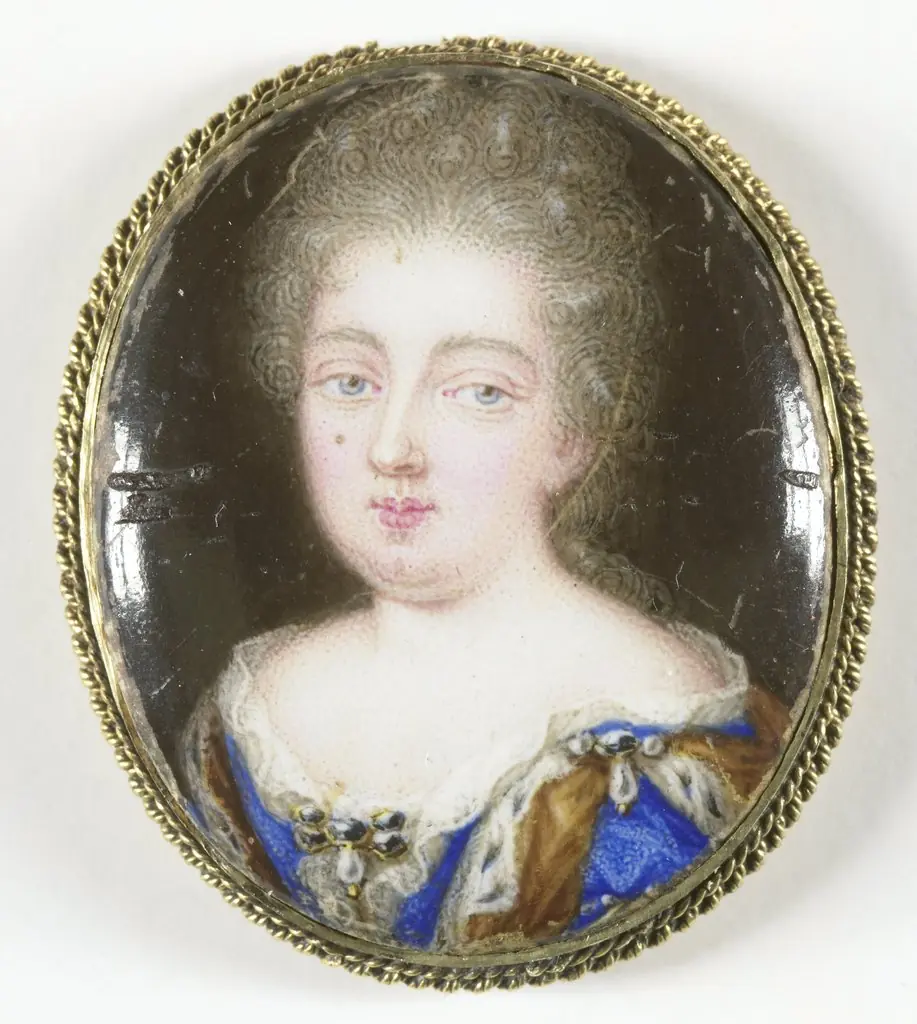 Portrait of an unknown woman
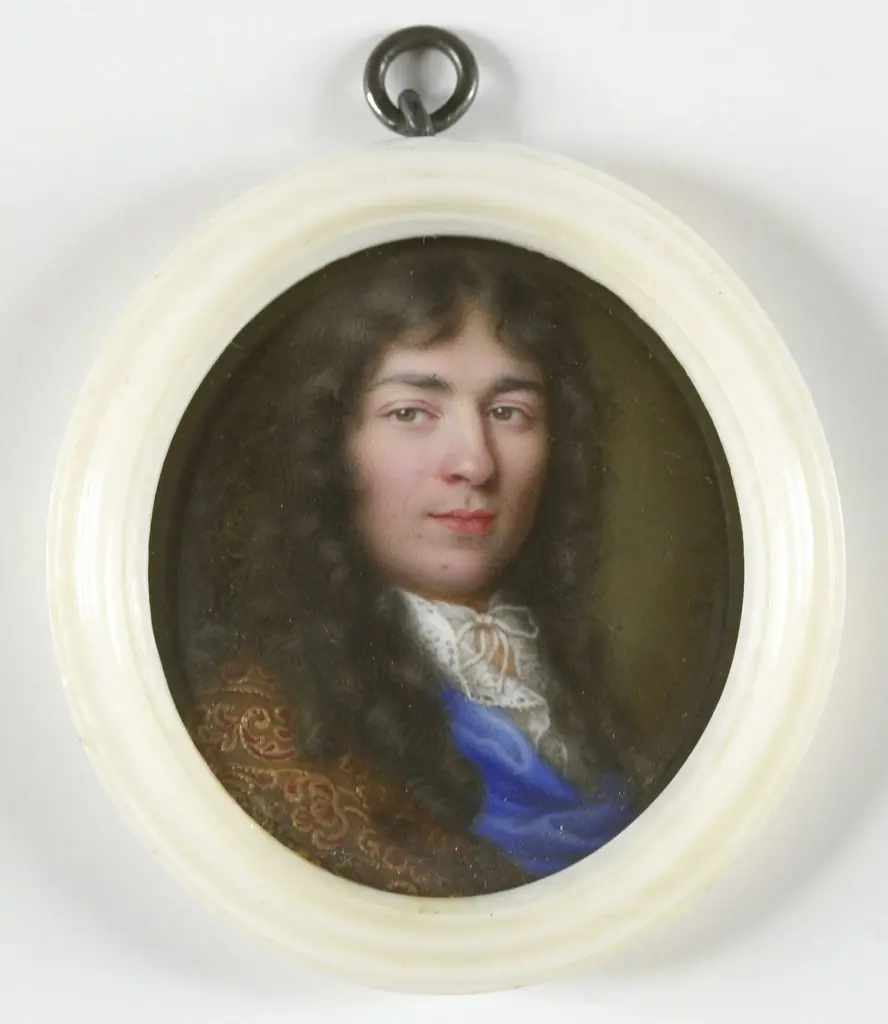 Portret van een man
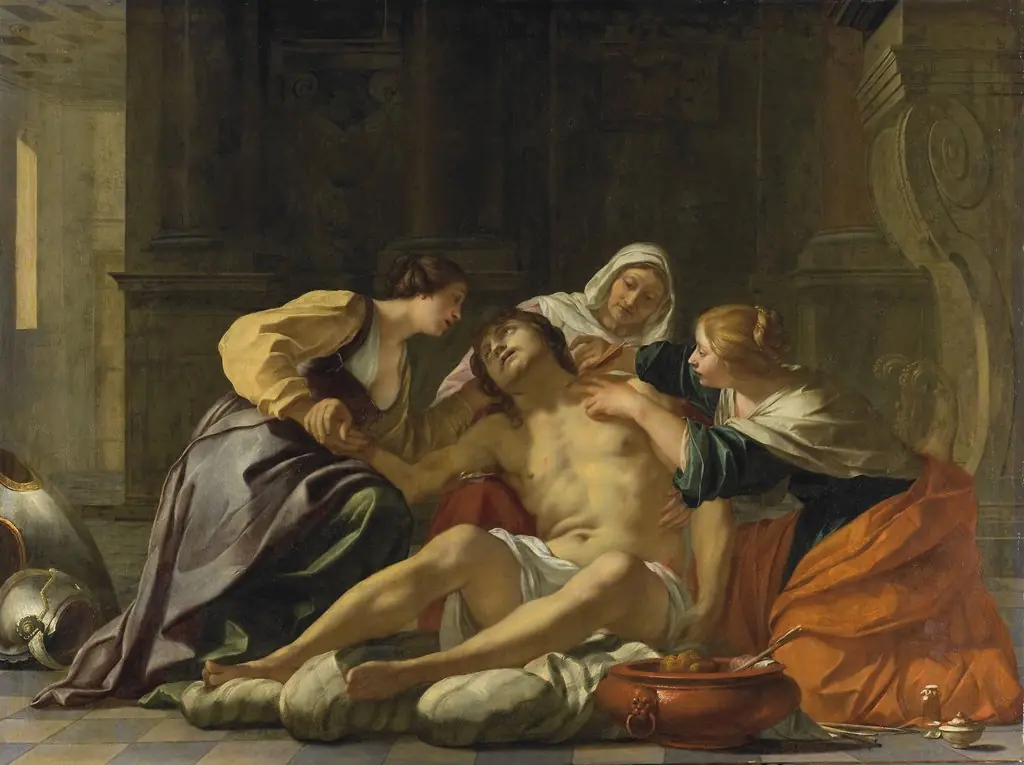 St Sebastian Nursed by Irene and her Helpers
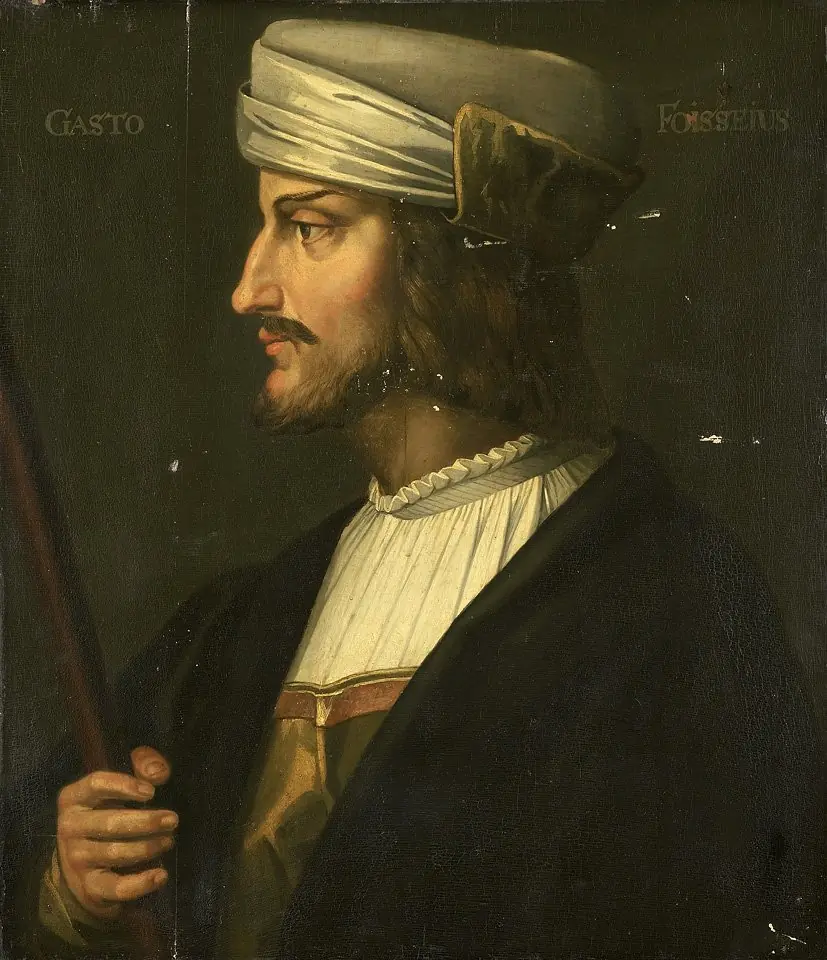 Portrait of Gaston de Foix, French Military Commander
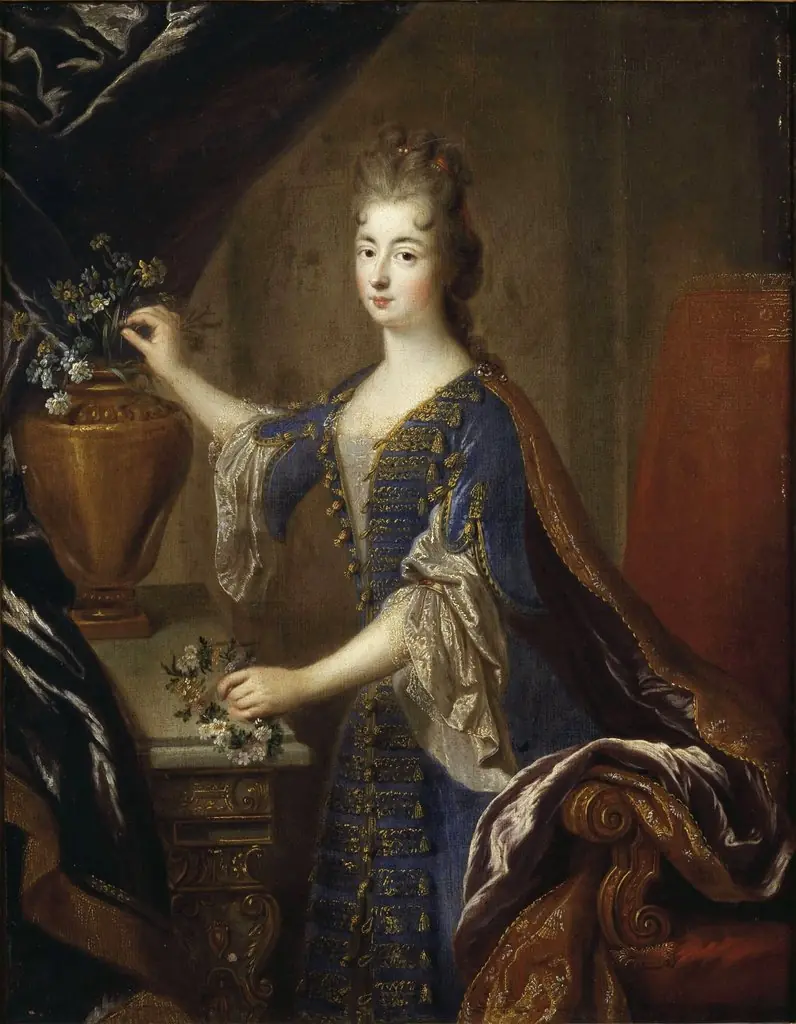 Marie-Anne de Bourbon, Princess of Conti (1666-1739)
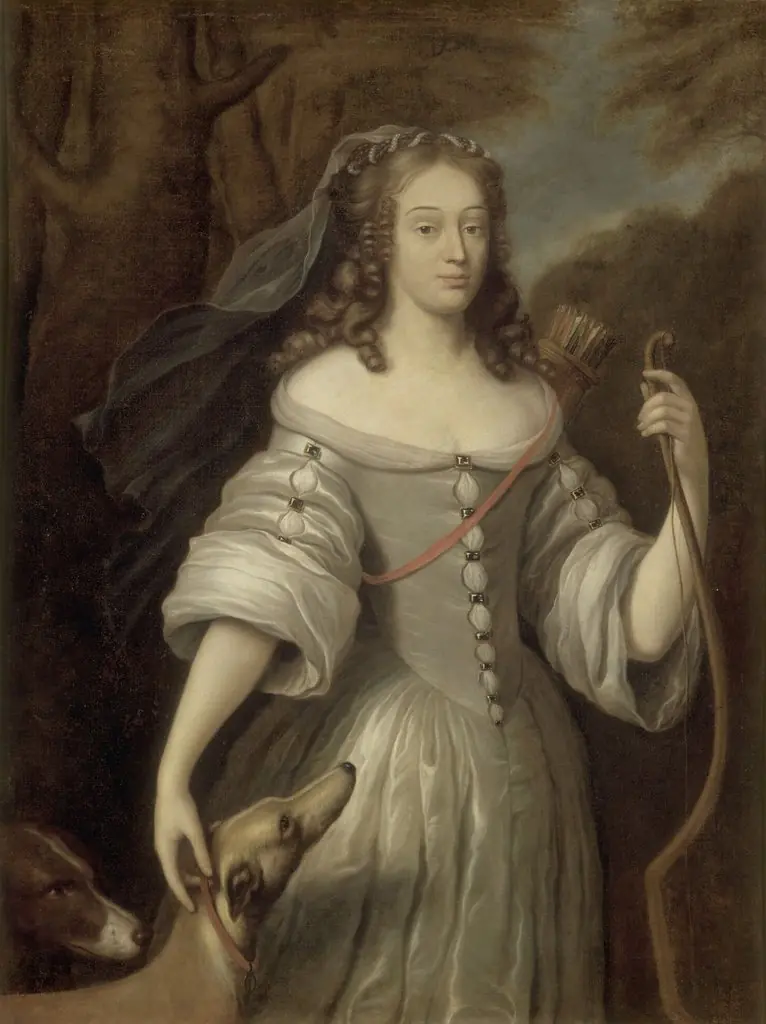 Presumed portrait of Louise-Françoise de La Baume Le Blanc, duchesse de La Vallière as Diana
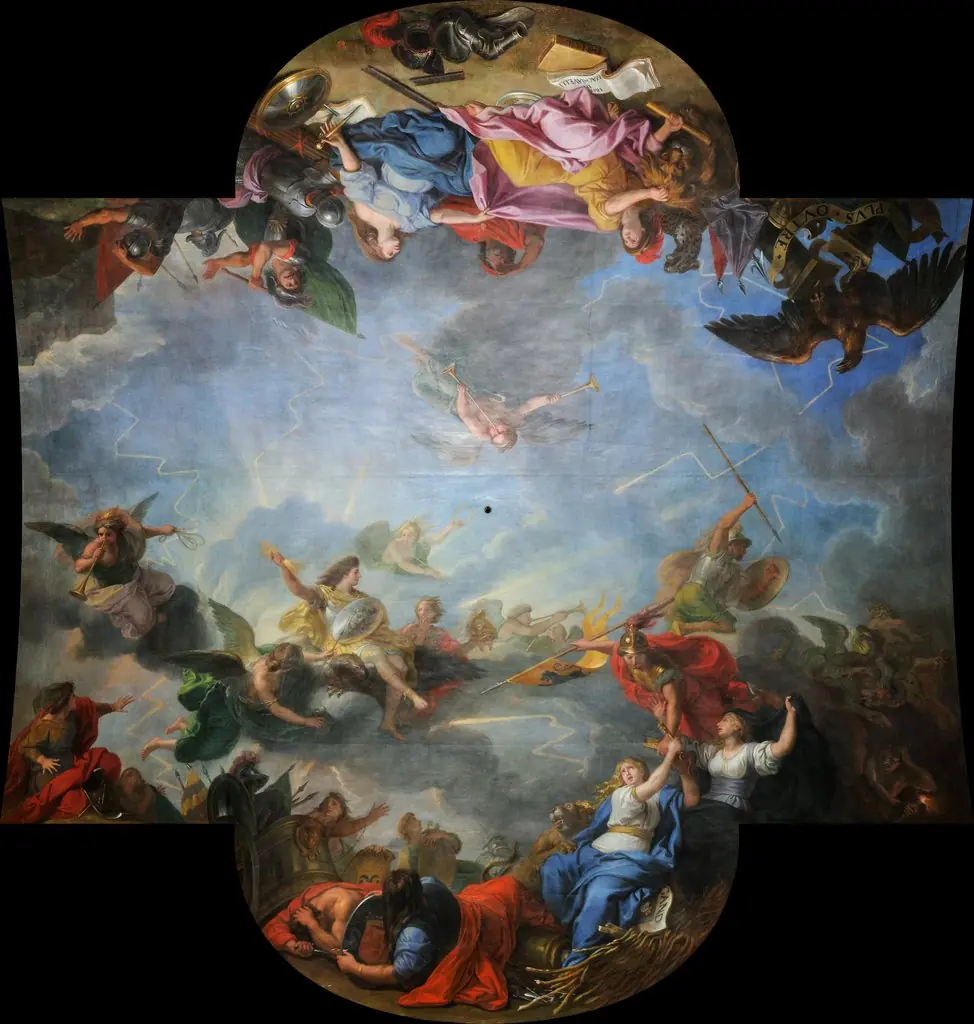 capture the citadel
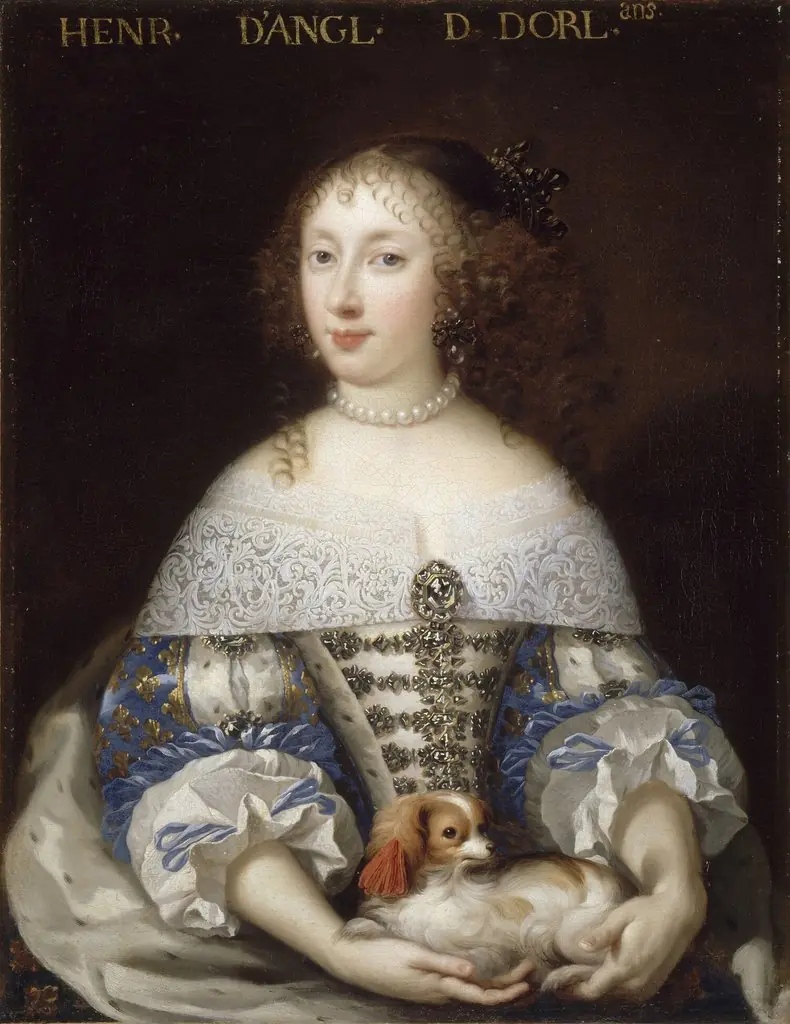 Henriette-Anne of England, Duchess of Orleans, known as Madame (1644-1670)
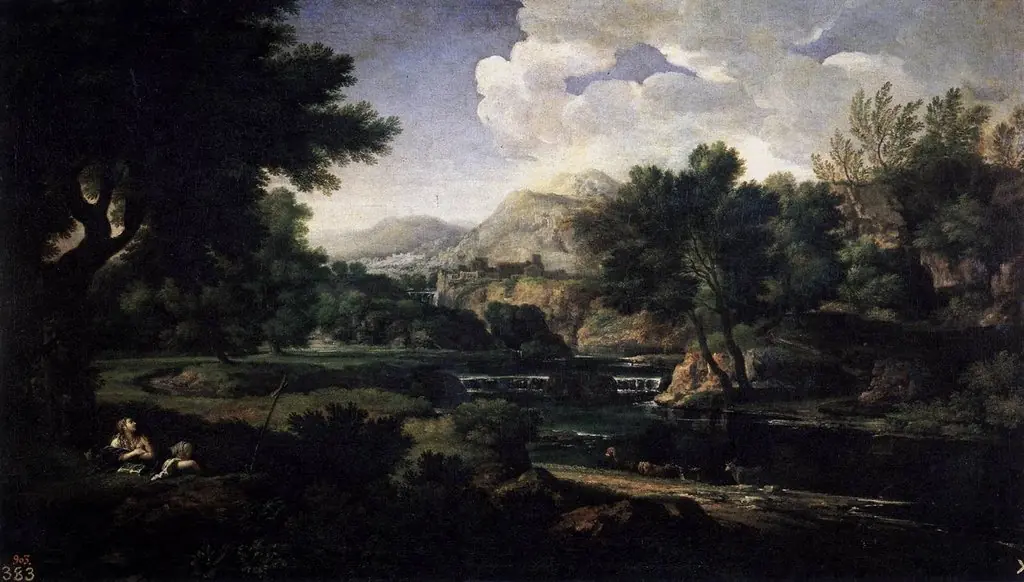 Landscape with Magdalen Worshipping the Cross
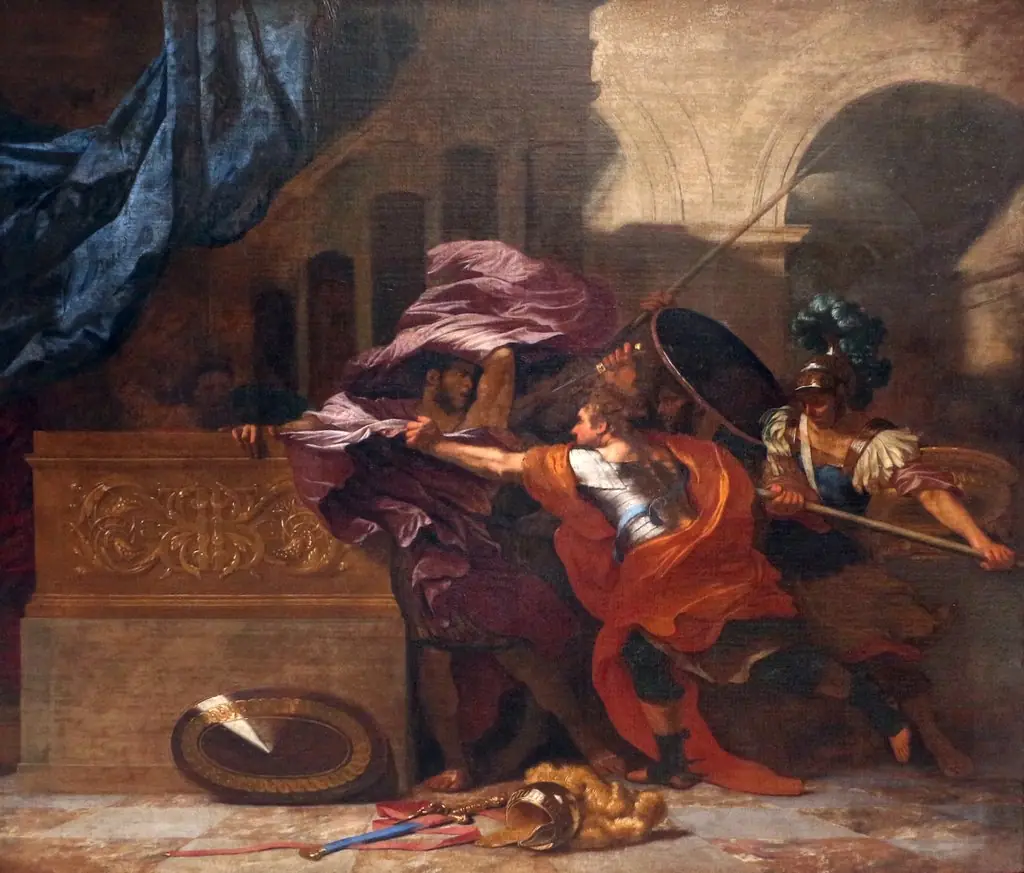 Death of Pyrrhus
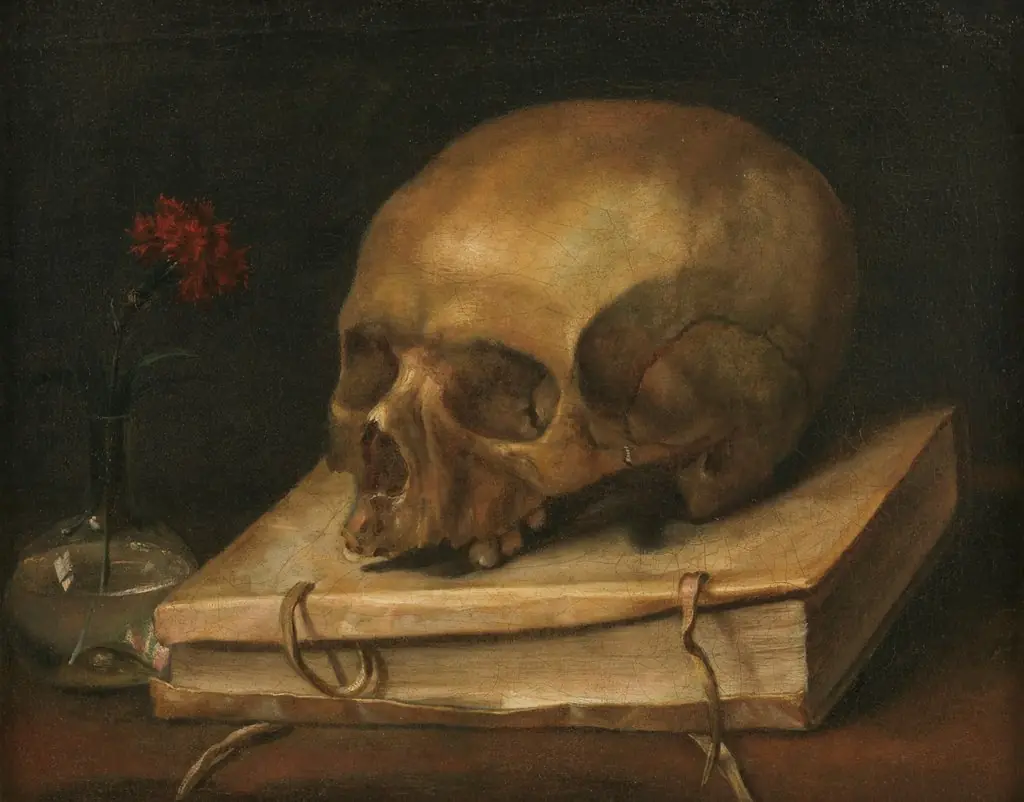 Vanitas
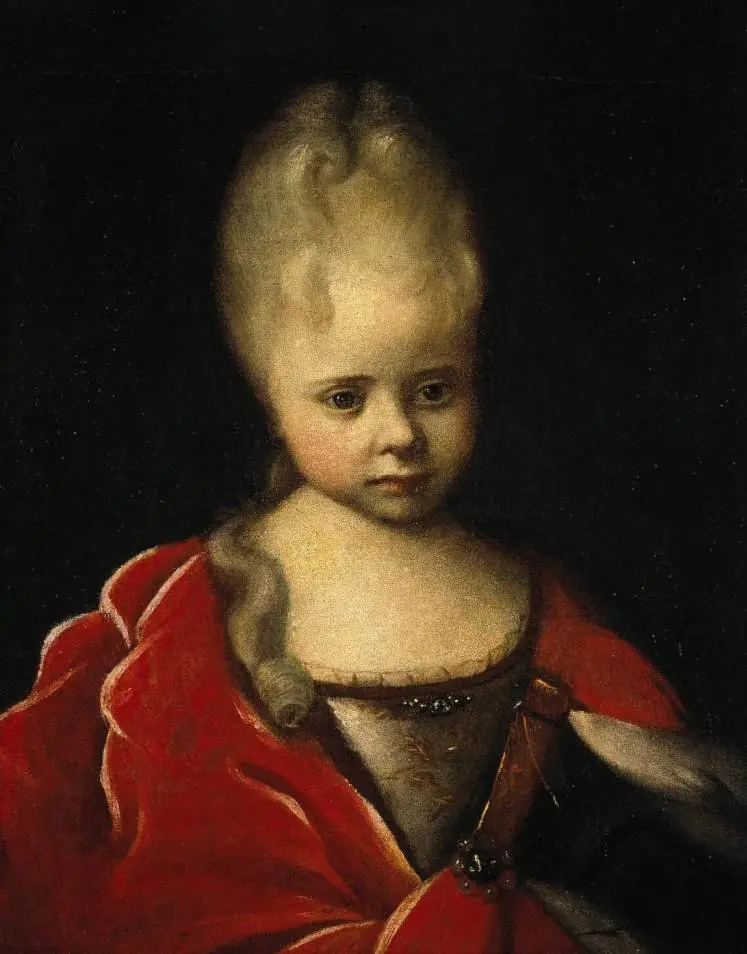 Portrait of Grand Duchess Yelizaveta Petrovna as a Child
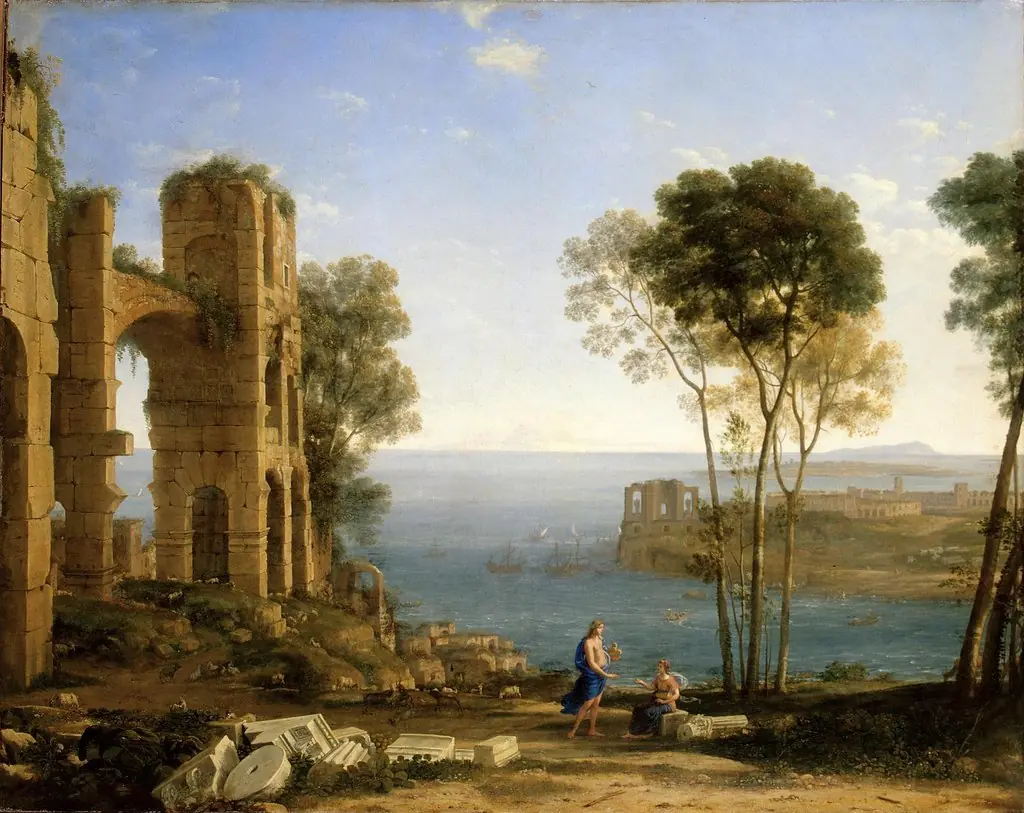 Coast View with Apollo and the Cumaean Sibyl
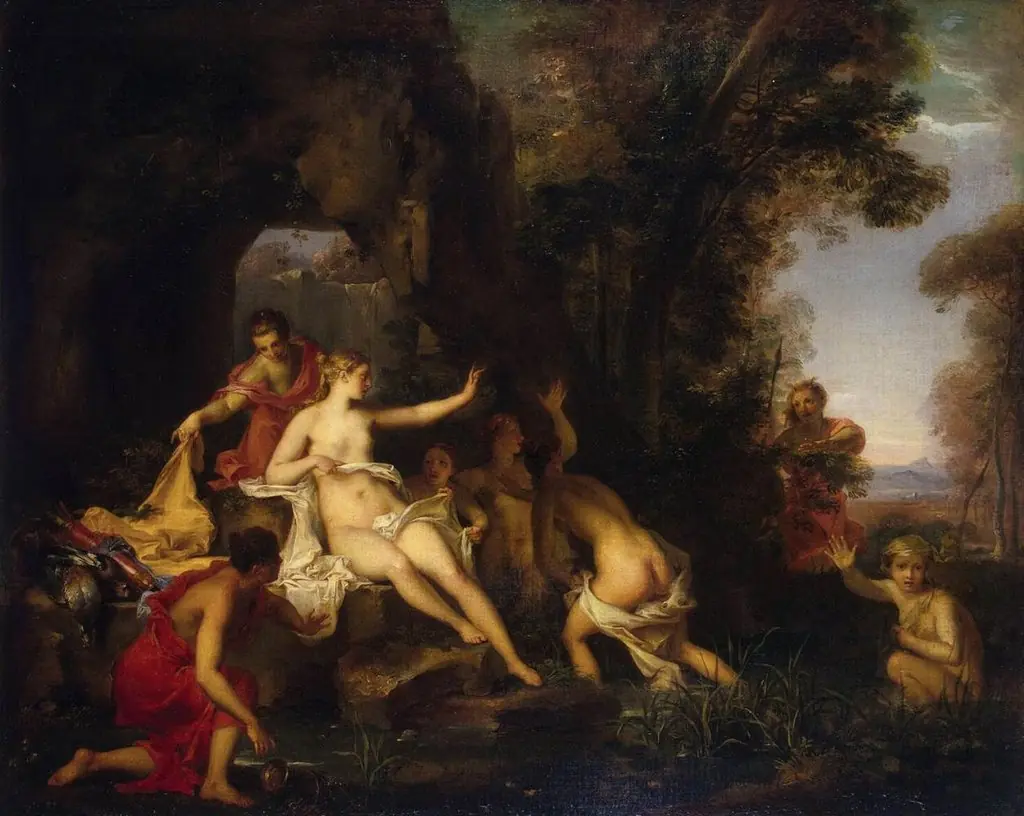 Diana and Actaeon
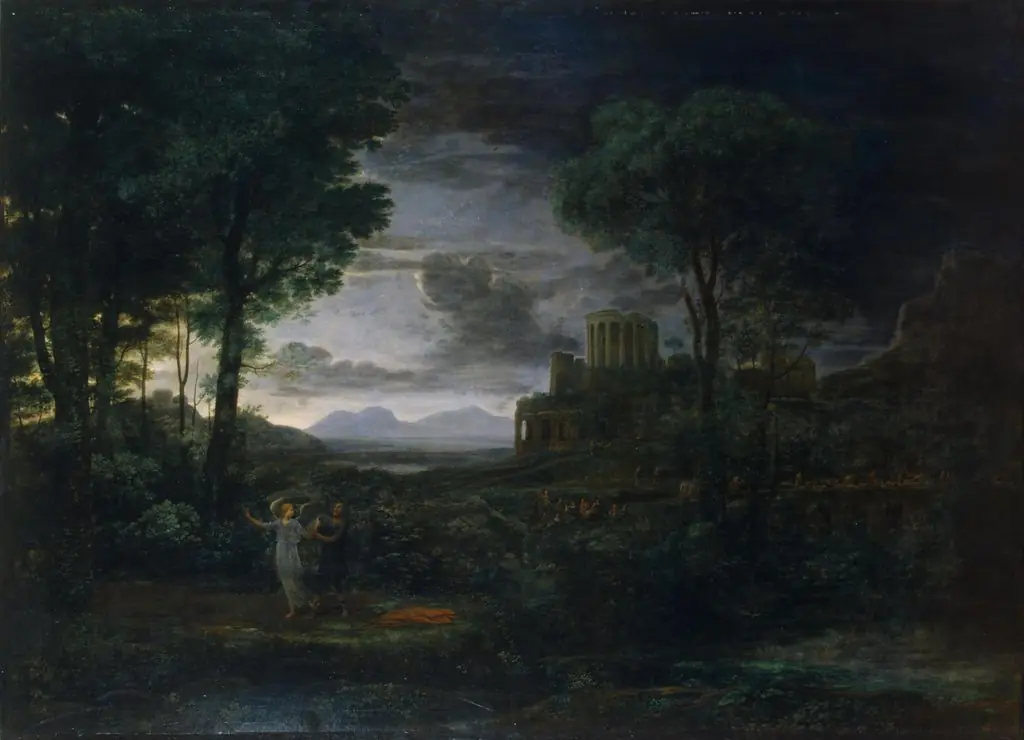 Landscape with Jacob Wrestling with the Angel (Night)
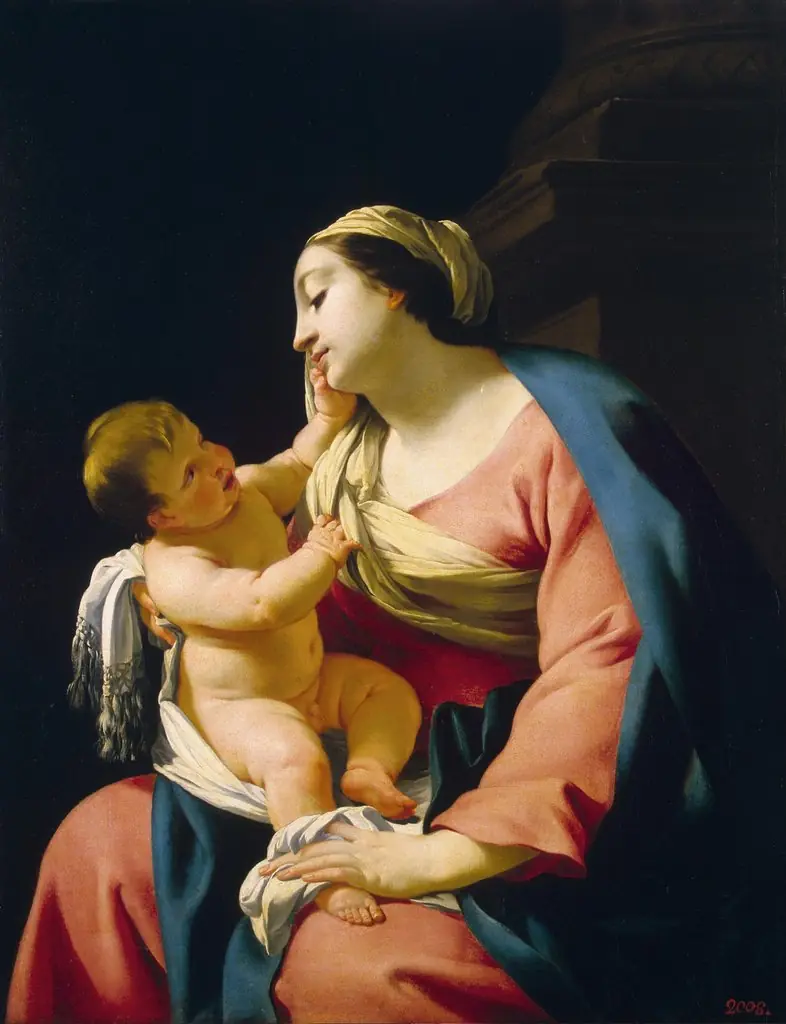 Madonna with Child
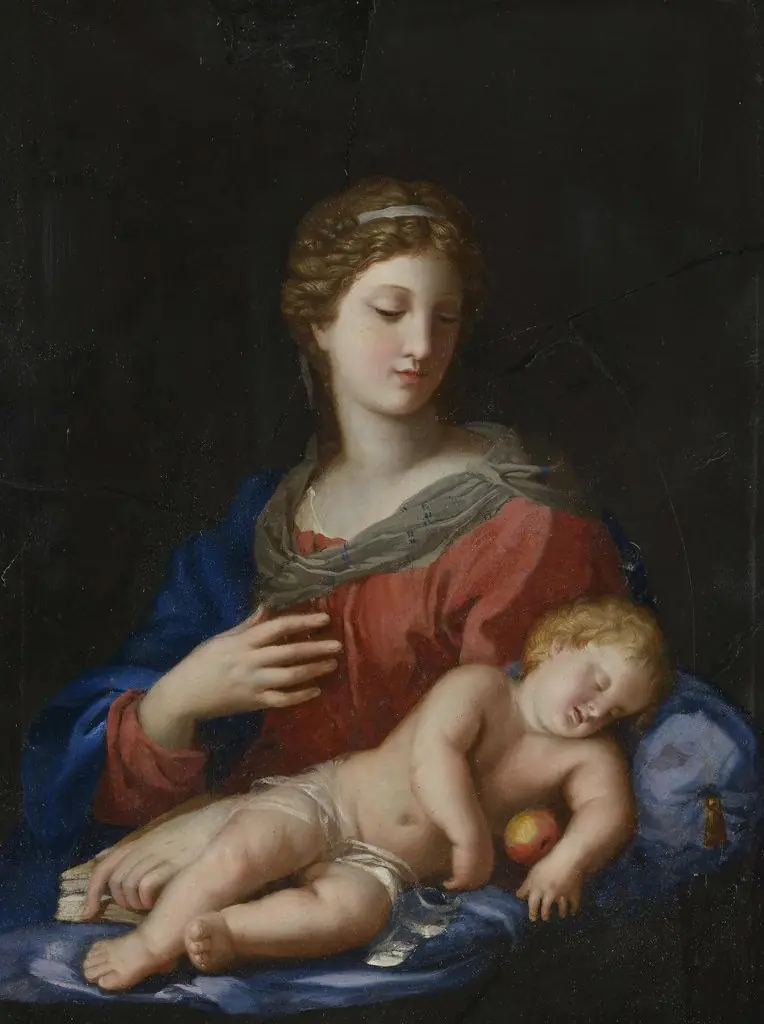 The Madonna and Child
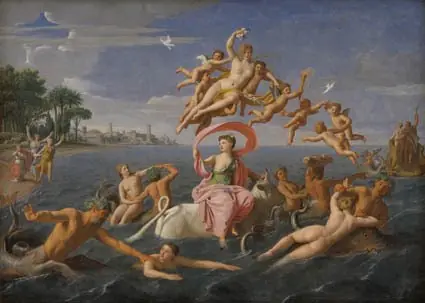 The Rape of Europe
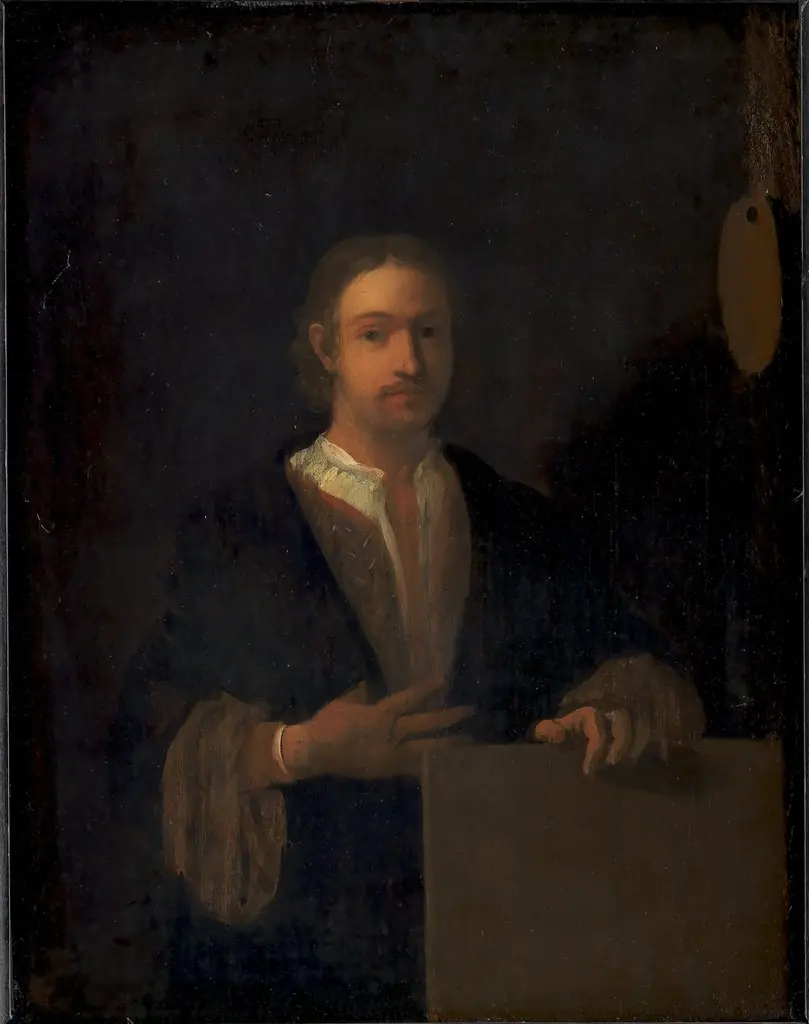 Self-Portrait
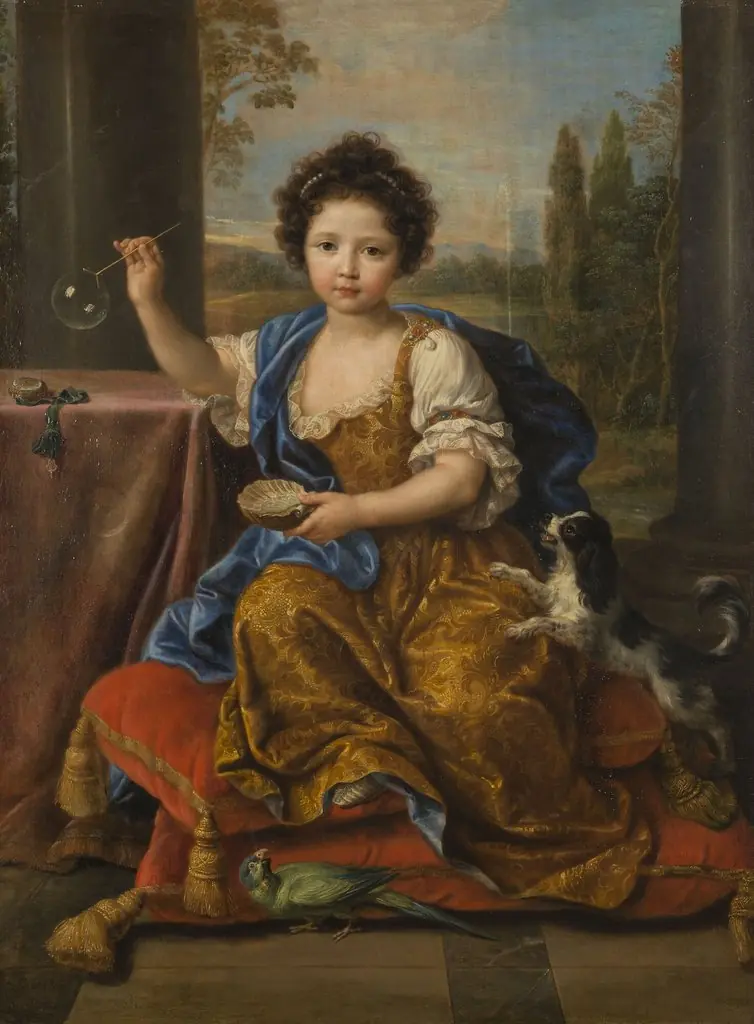 Louise-Marie de Bourbon (1674-1681)
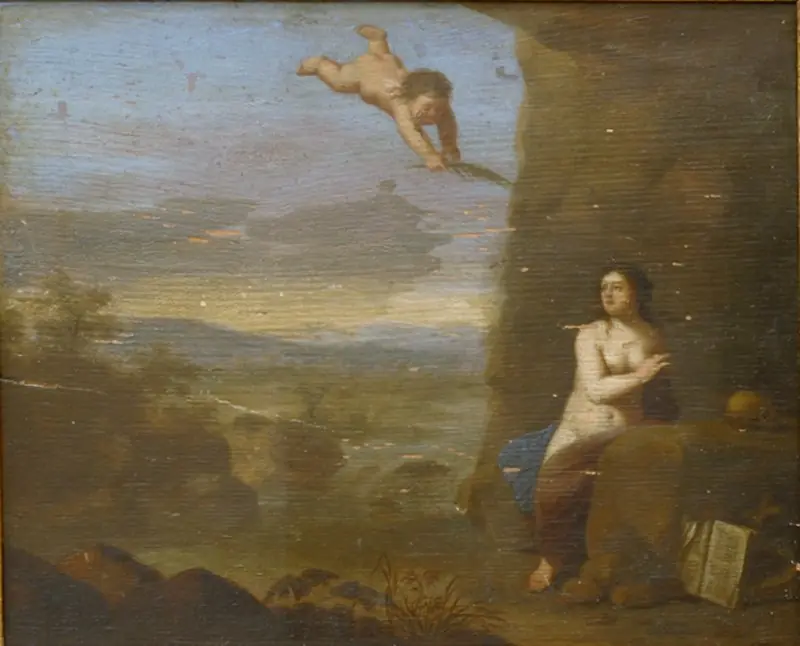 The Penitent Saint Mary Magdalene
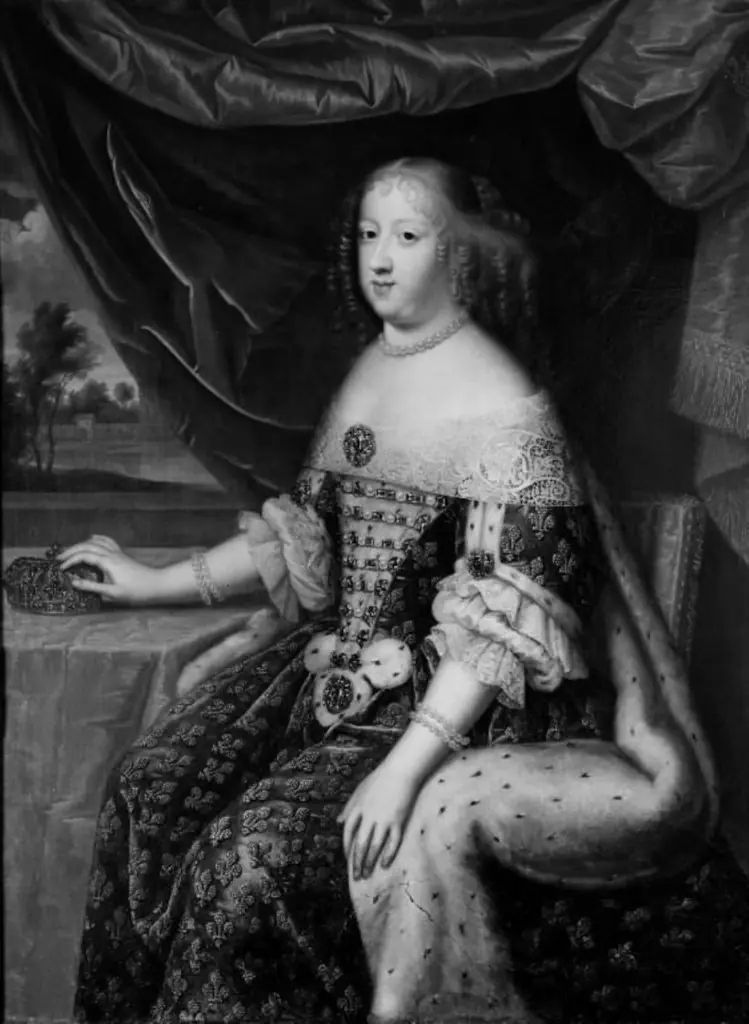 Queen Marie Thérèse of France (1638-1683)
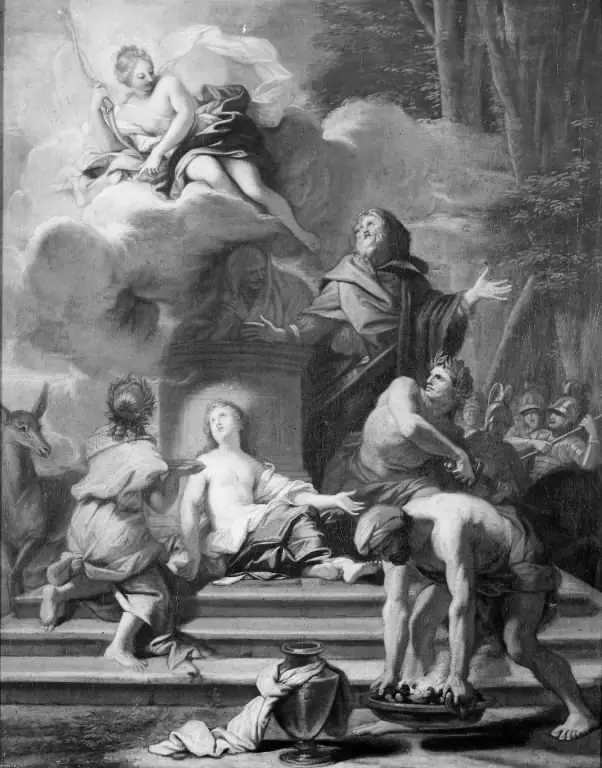 The Sacrifice of Iphigenia
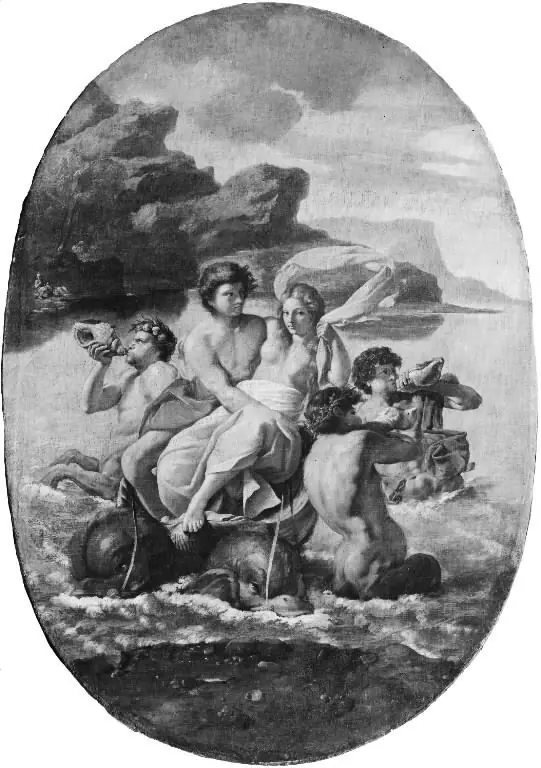 Acis and Galathea
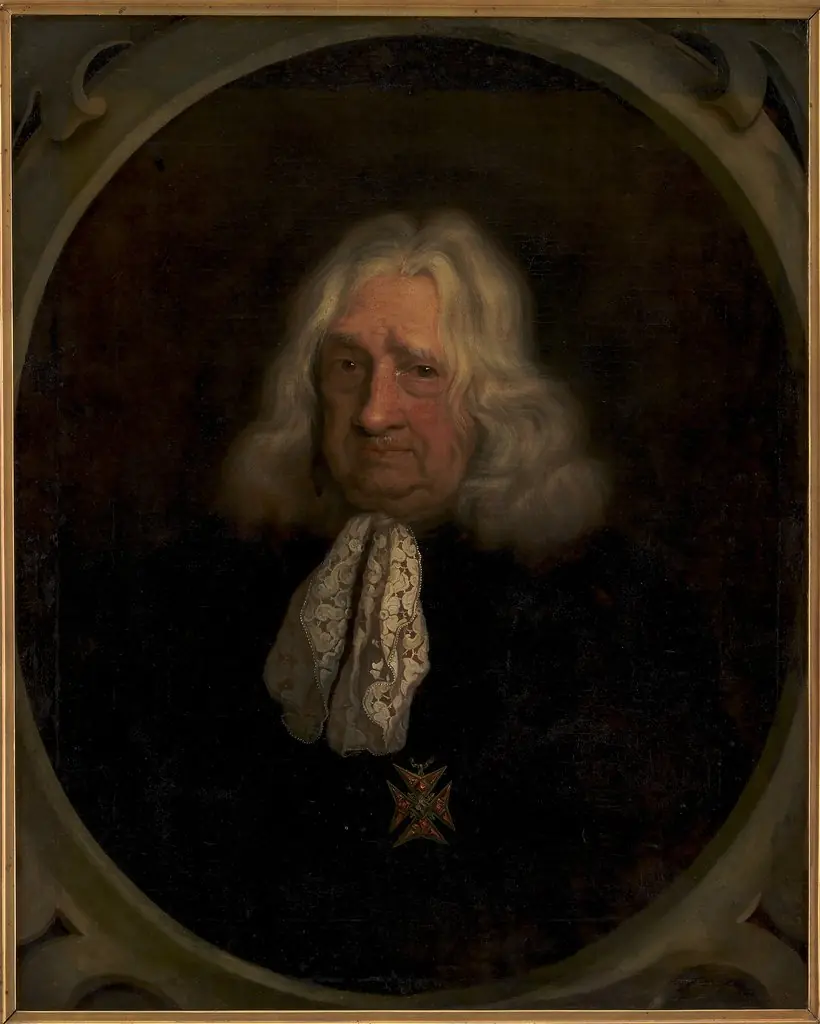 Jean Baptiste Tavernir
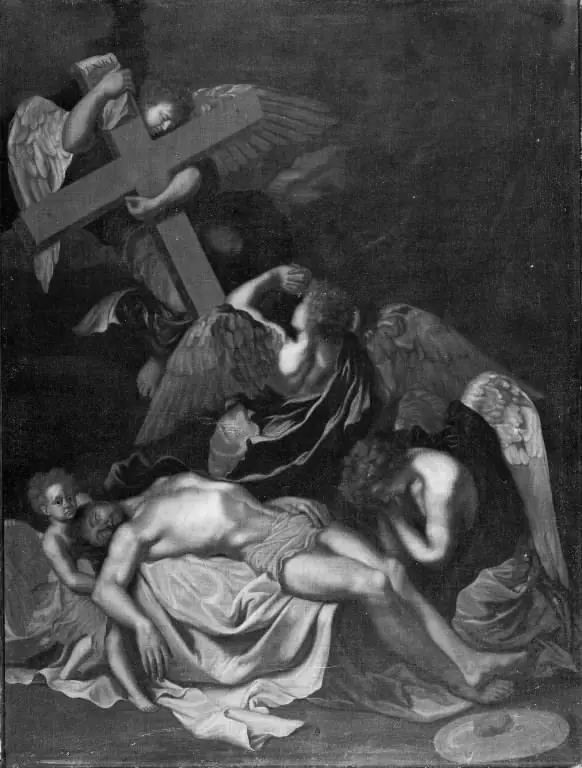 The Deposition
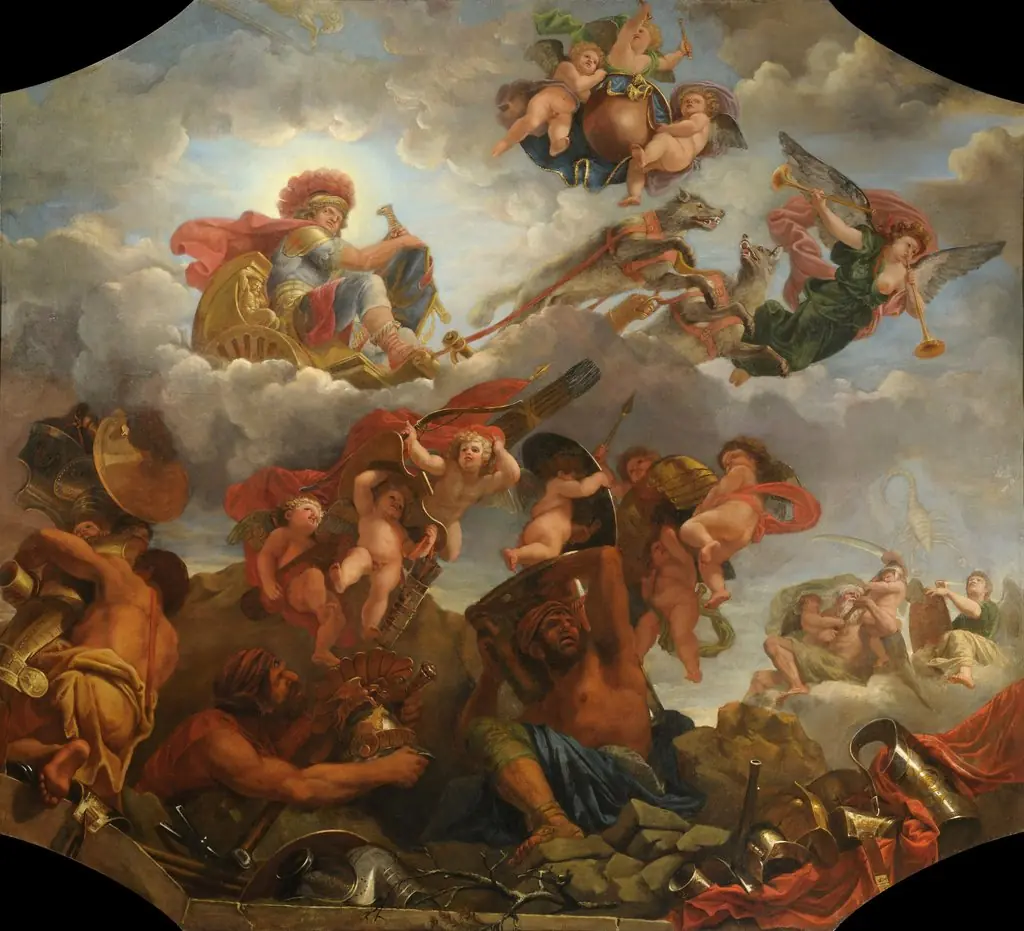 Mars on his chariot pulled by wolves
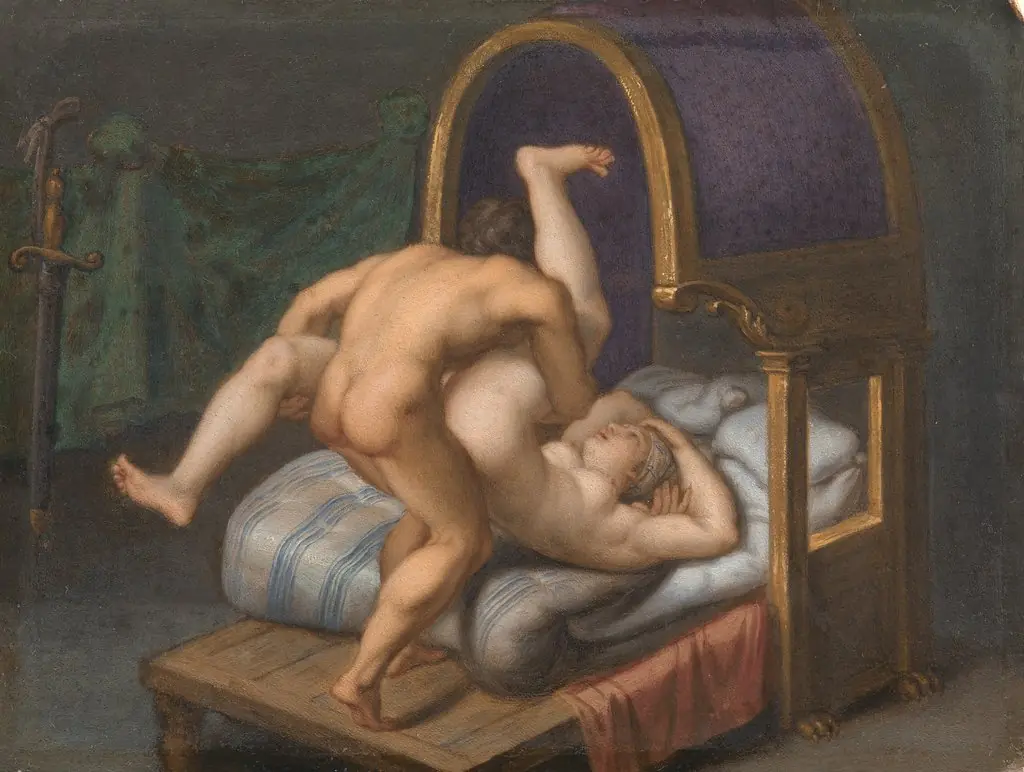 The Nymph Syrinx Pursued by Pan
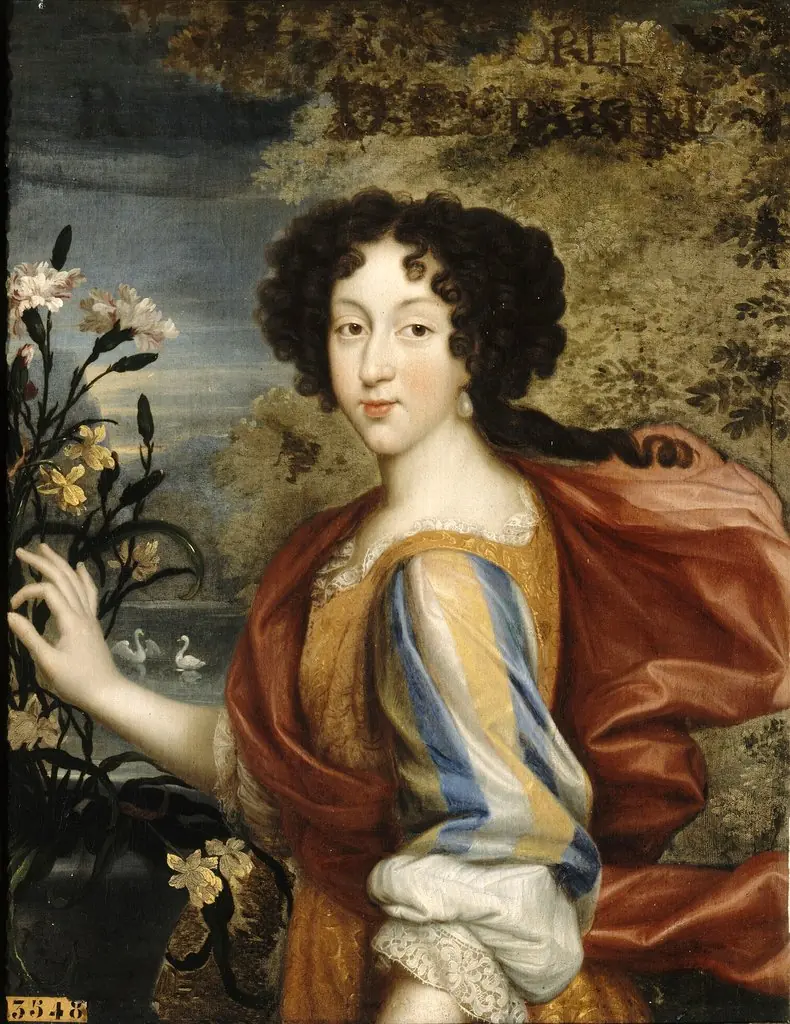 Portrait of Marie Louise d'Orléans (1662–1689)
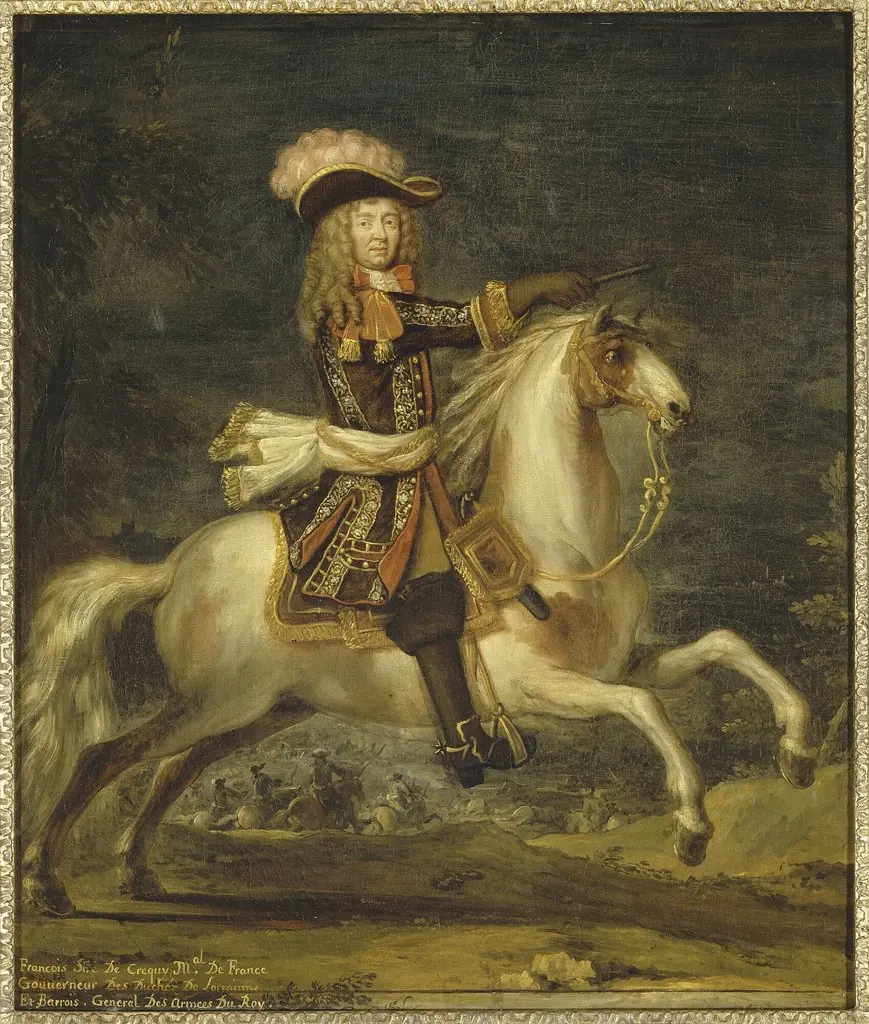 François de Blanchefort, Marquis de Créquy, Marshal of France
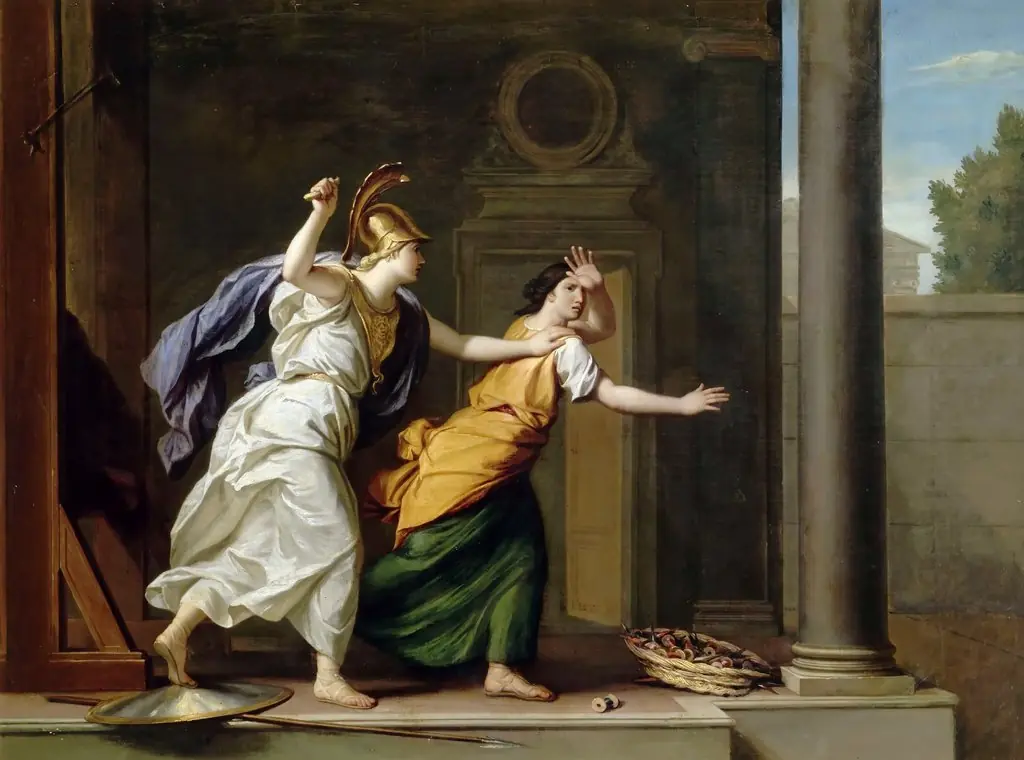 Minerva and Arachne
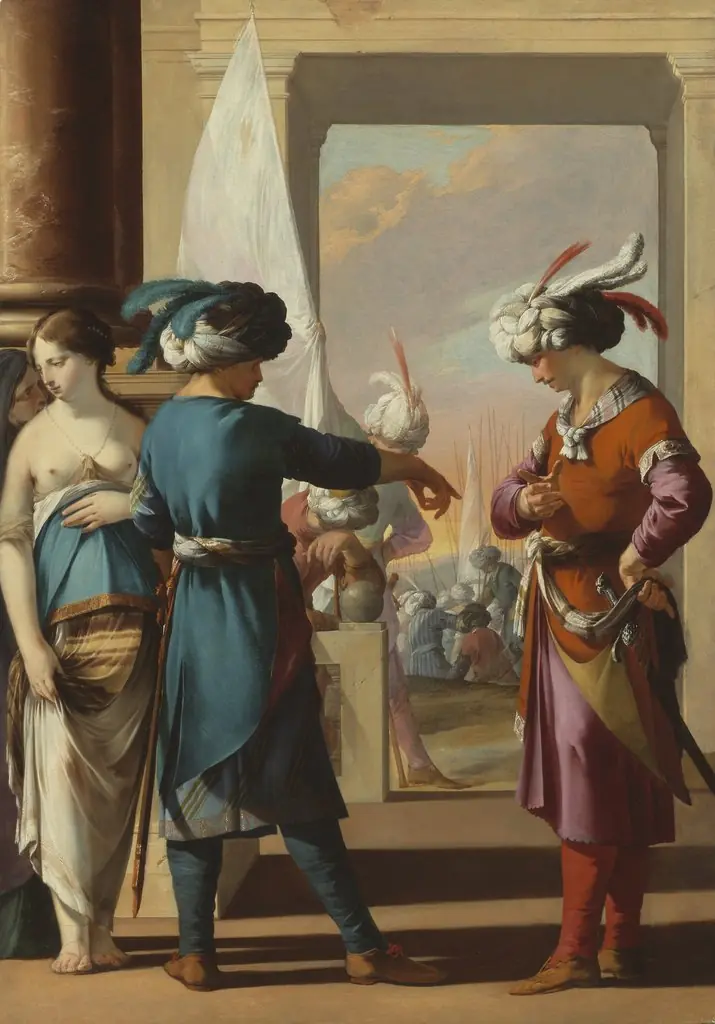 Panthea, Cyrus, and Araspas
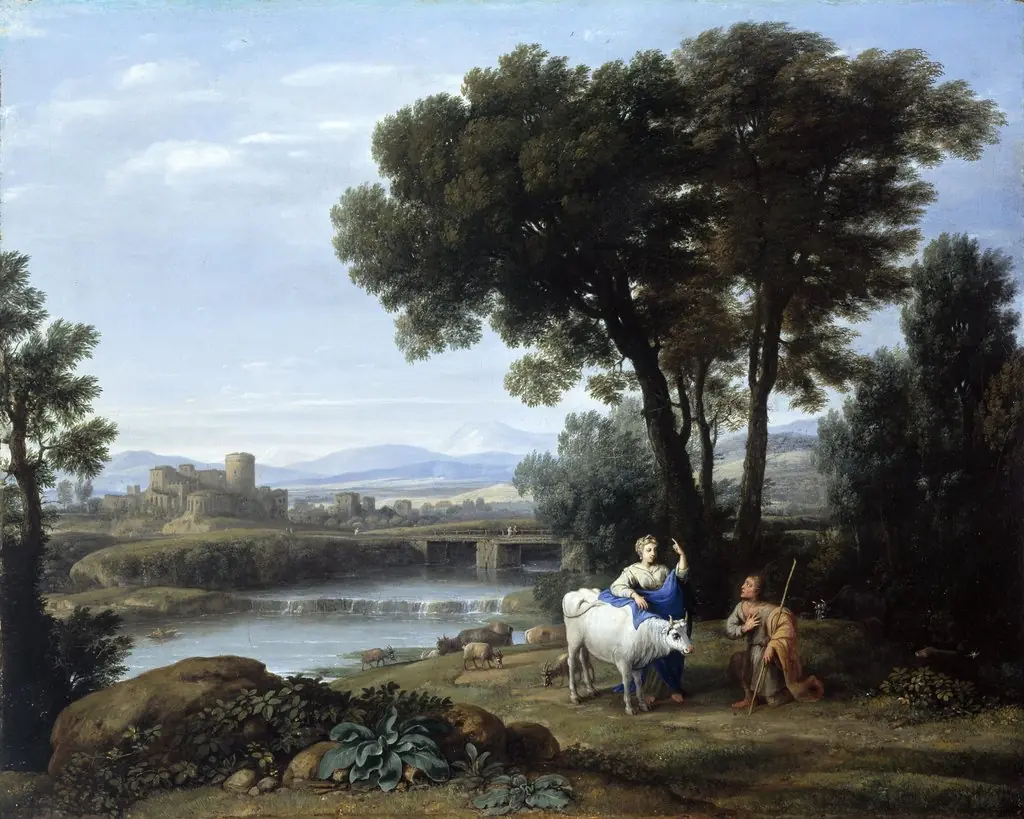 Juno Confiding Io to the Care of Argus
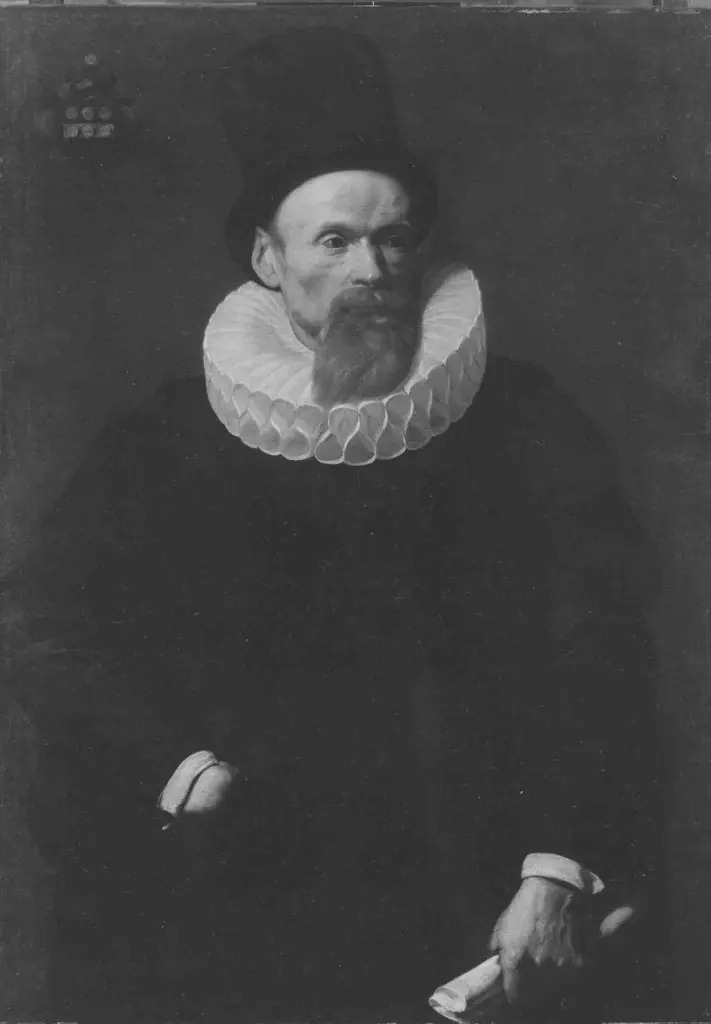 Portrait of a red-bearded man
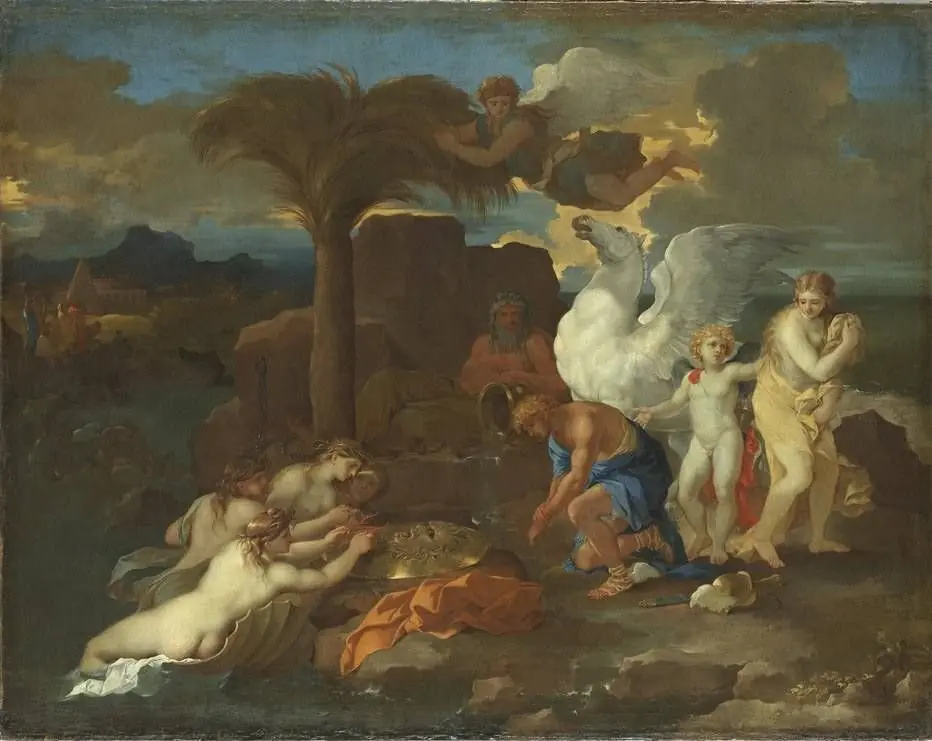 Die Befreiung der Andromeda
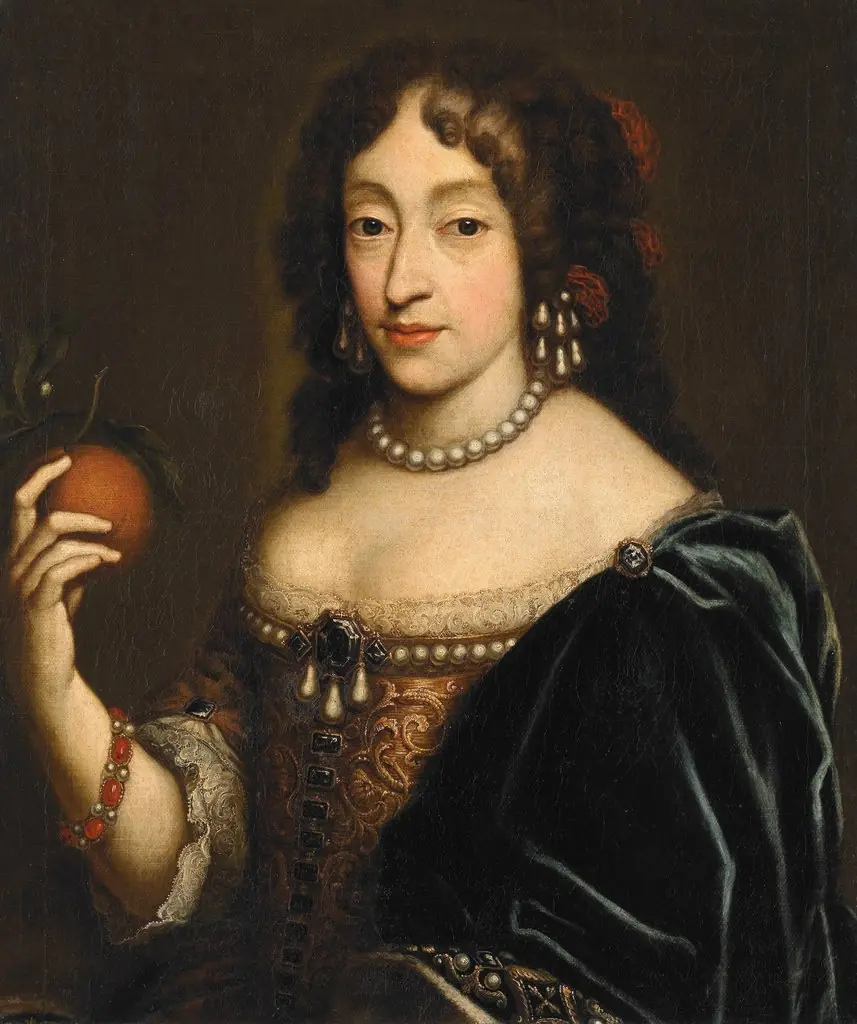 Bildnis der Henriette Adelaide von Savoyen
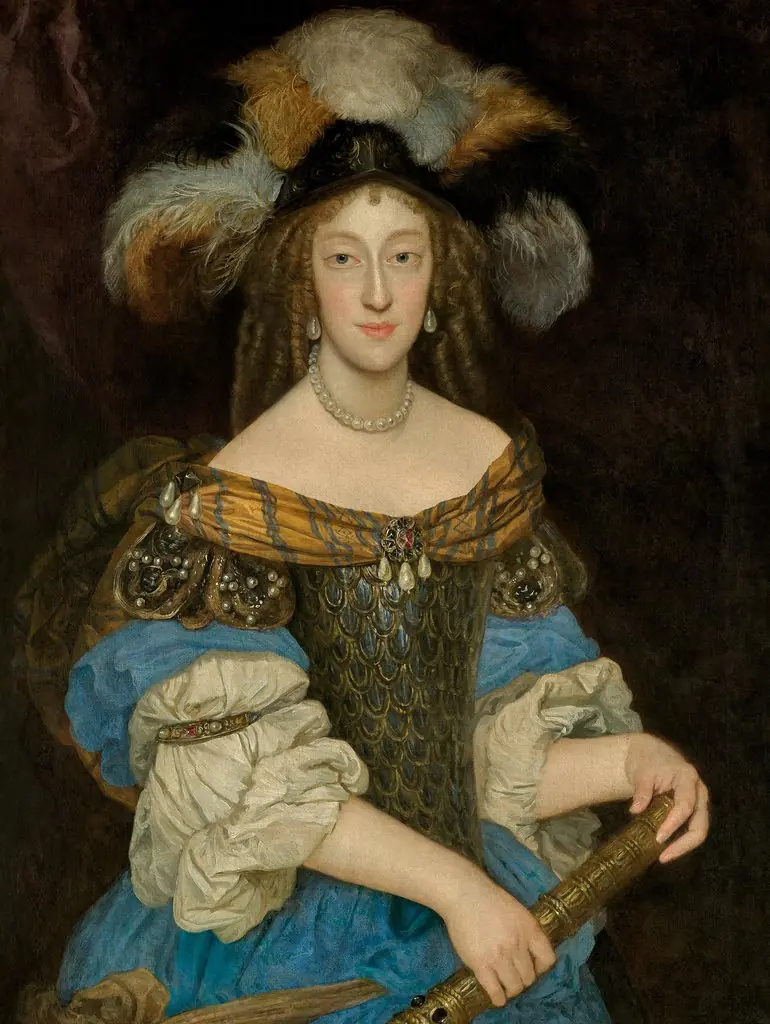 Henriette Adelaide (1636-1676)
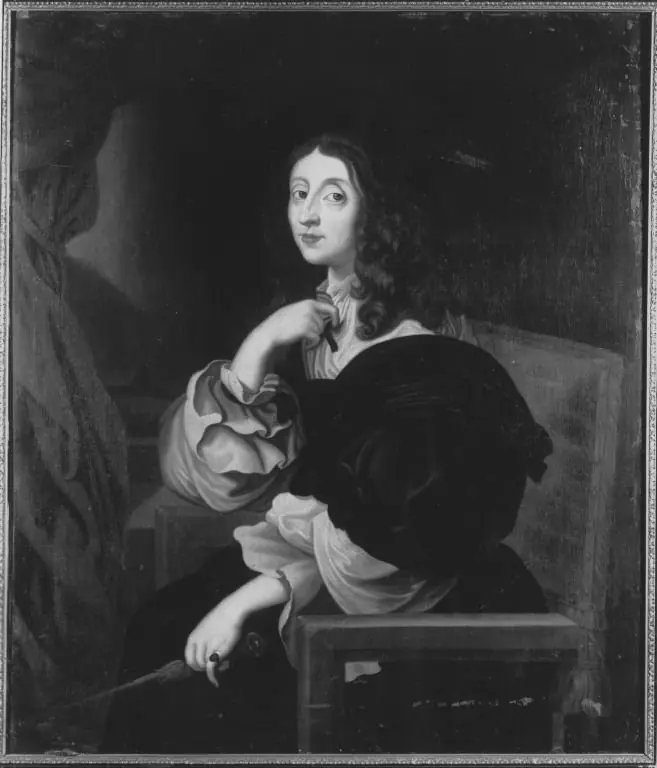 Königin Christina von Schweden (Kopie nach)
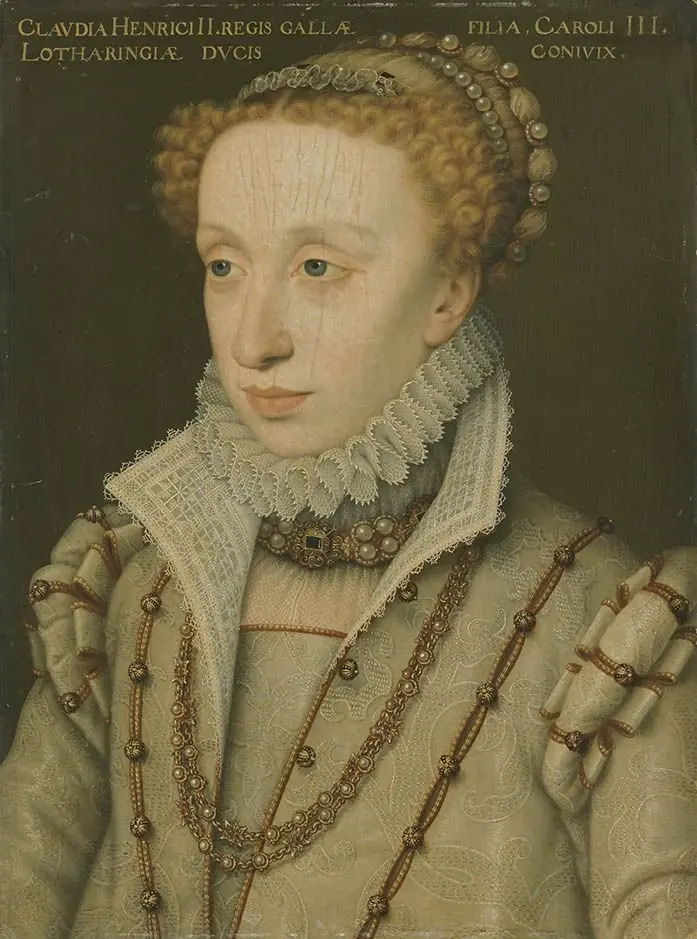 Portrait of Claudia de Valois (1547-1575)
 Selbstbildnis
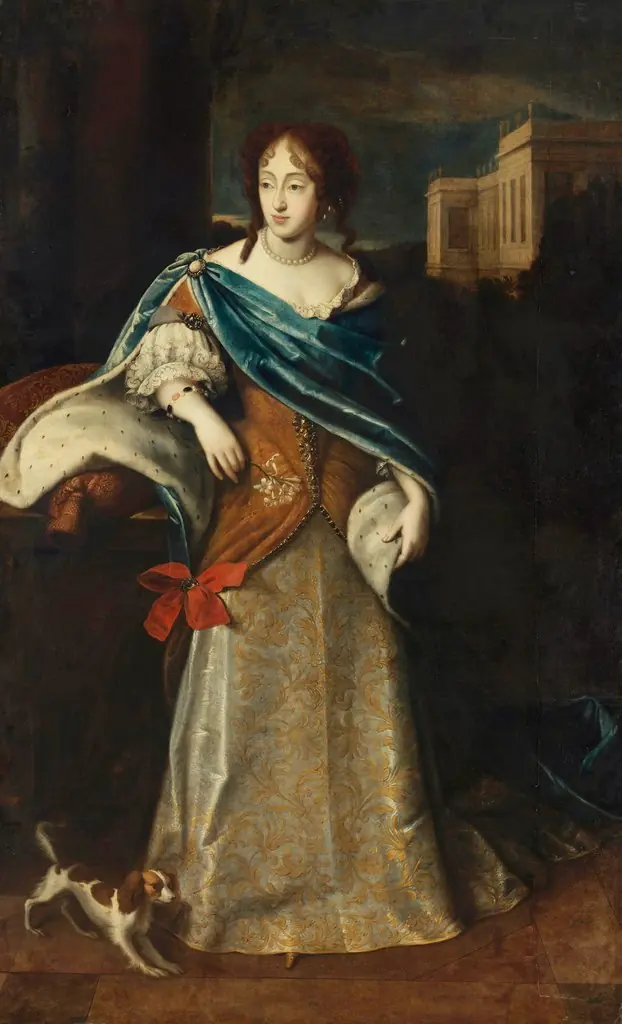 Henriette Adelaide
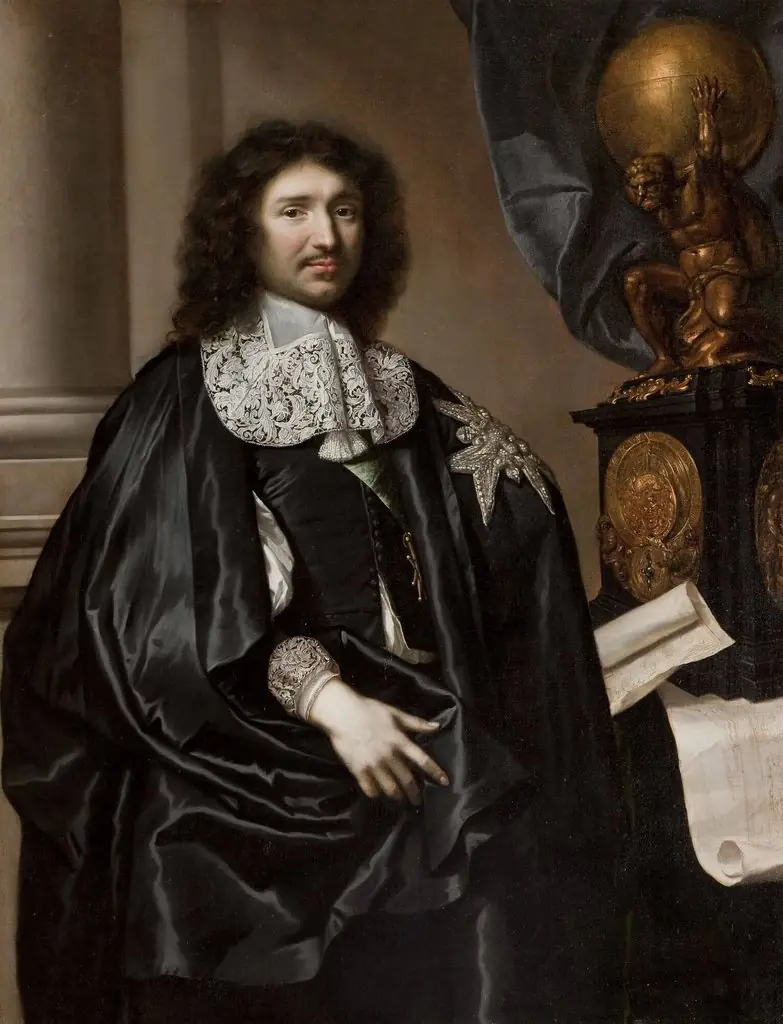 Portrait of Jean-Baptiste Colbert
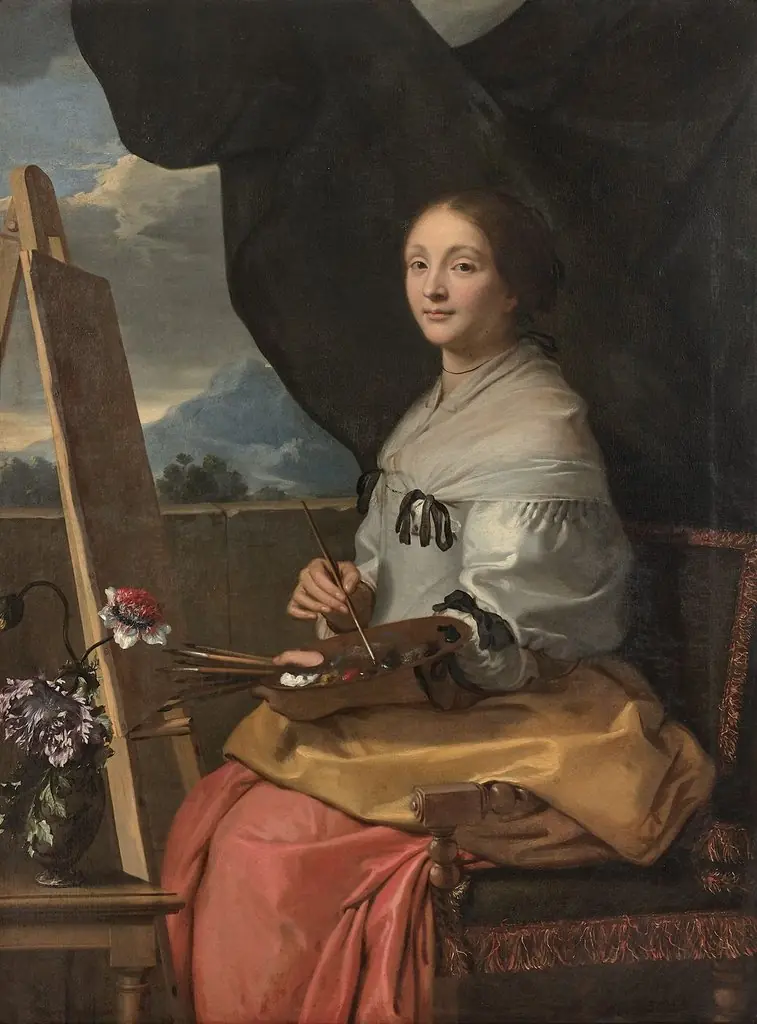 Portrait of Catherine Duchemin
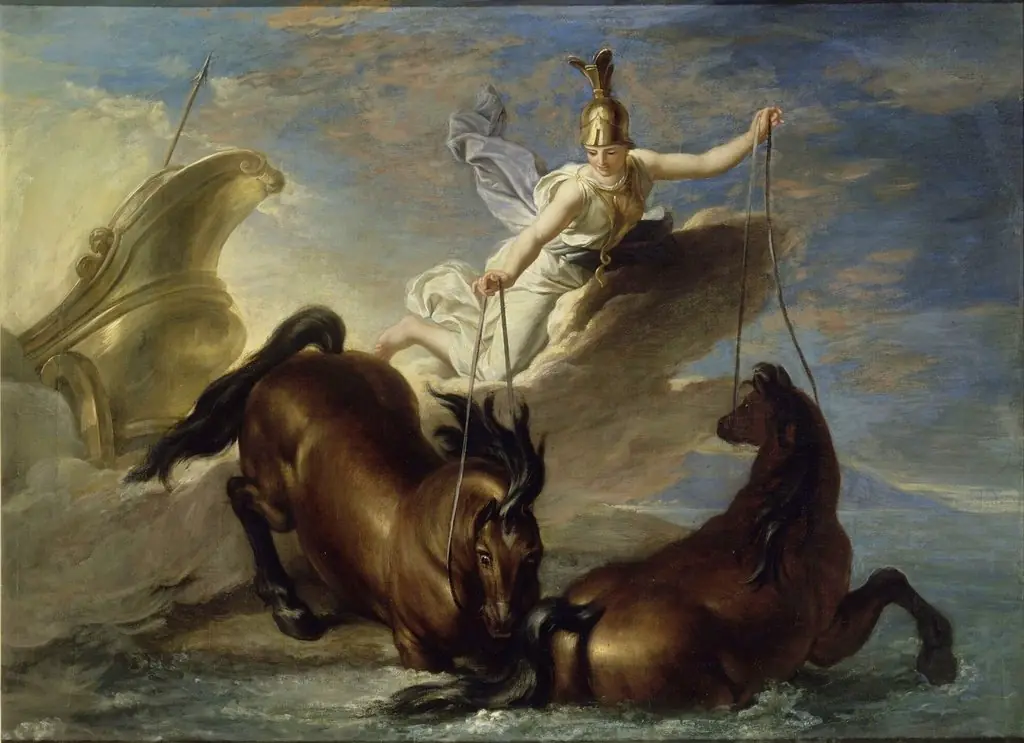 Story of Minerva - Minerva Watering her Horses into the Sea
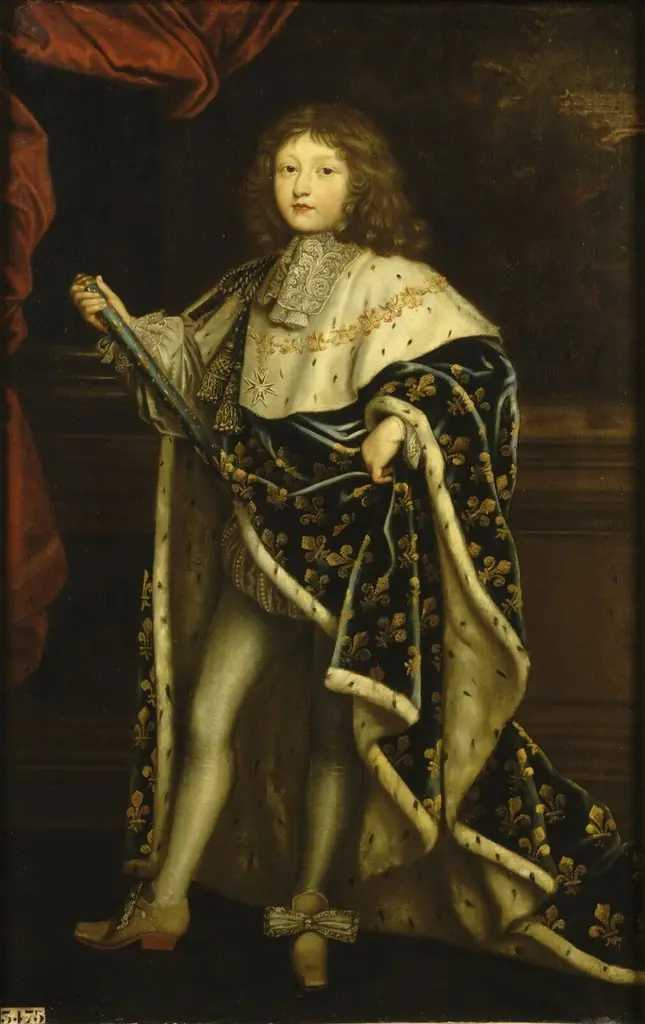 Louis XIV child in Coronation Robes
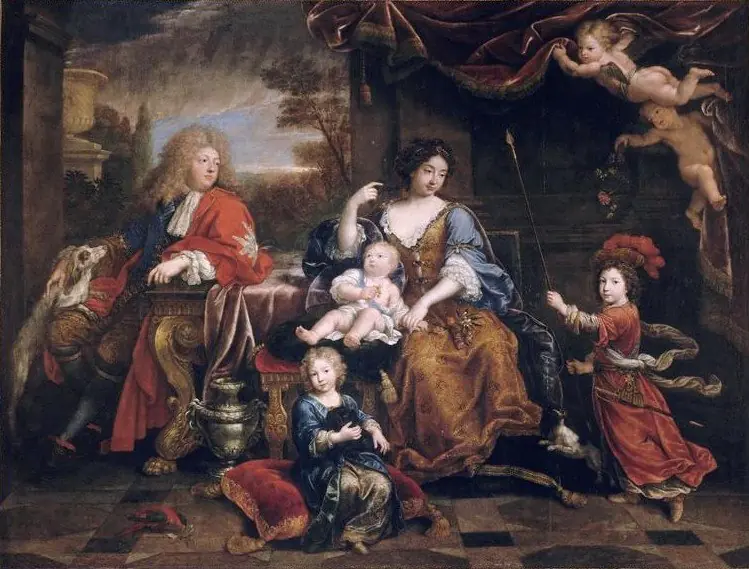 The family of the Grand Dauphin, Louis of France (1661-1711)
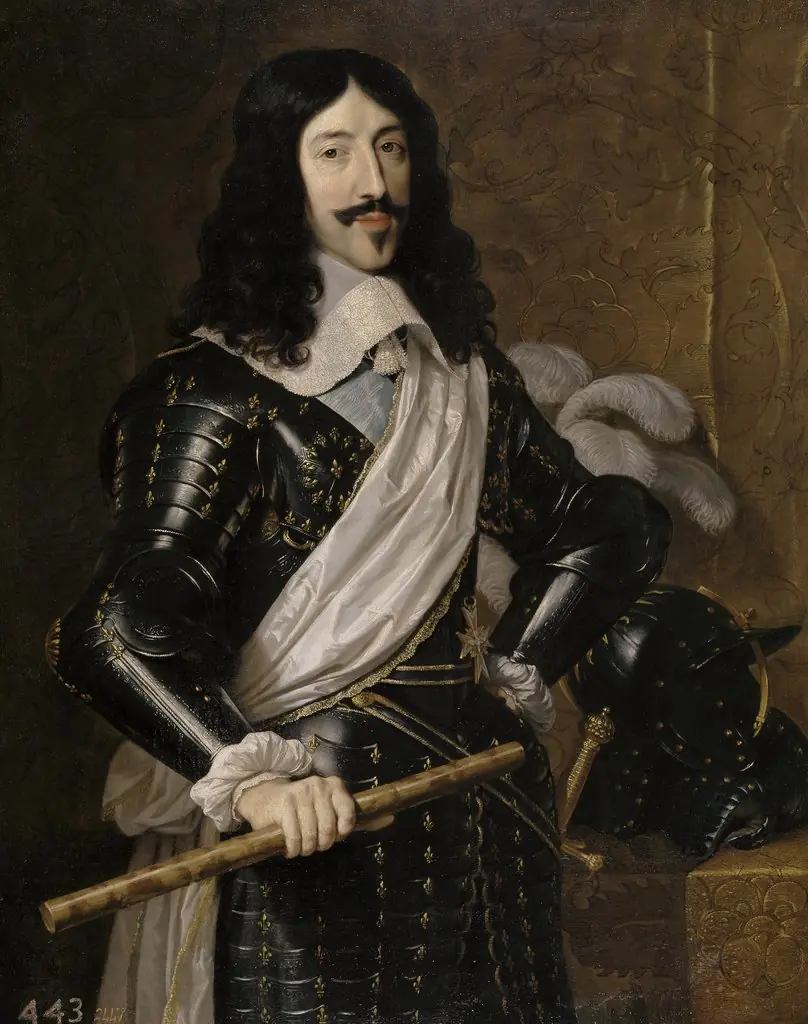 Louis XIII, King of France
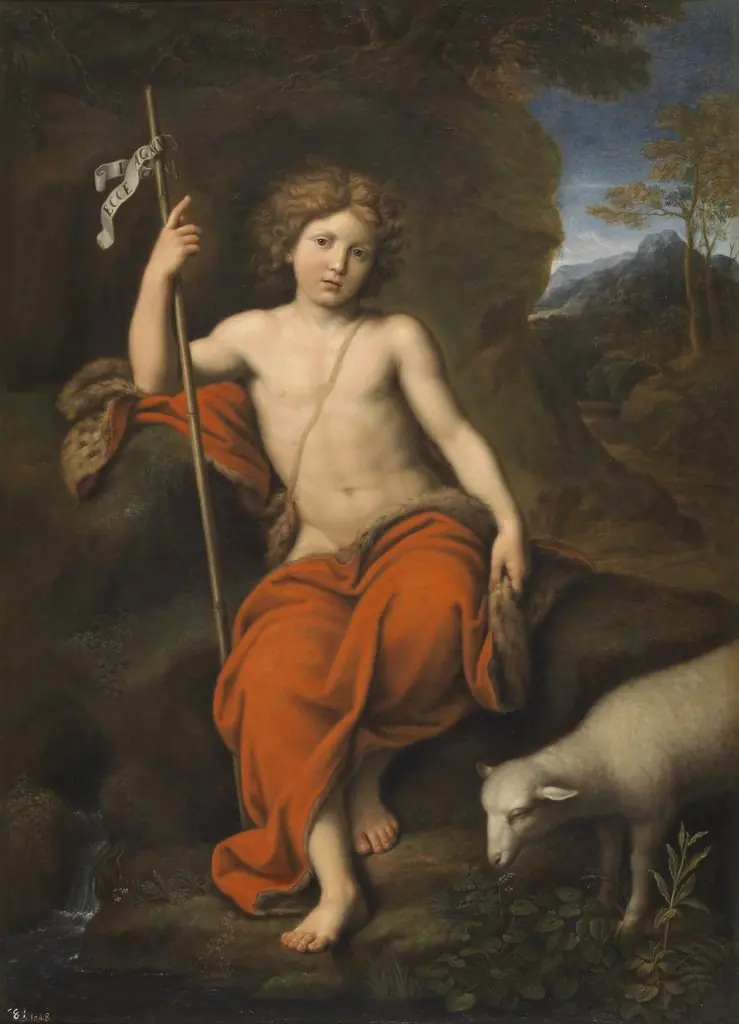 Saint John the Baptist
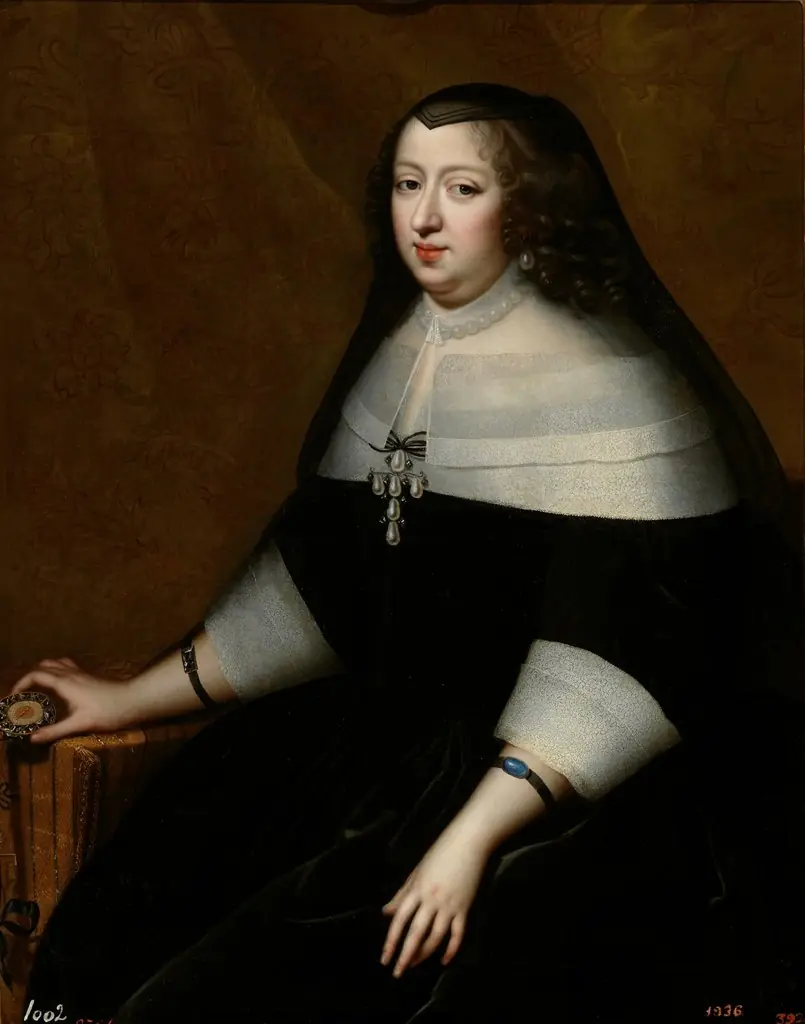 Anne of Austria, Queen of France
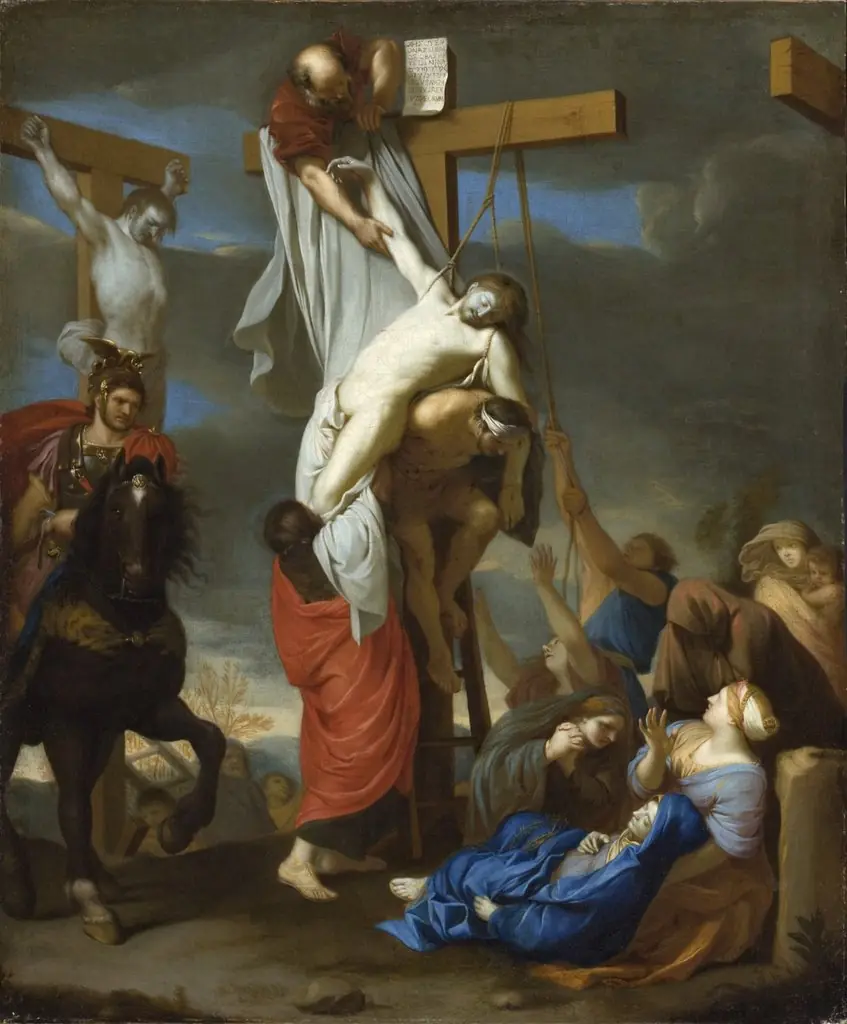 Descent from the Cross
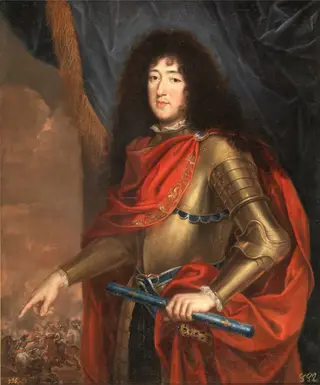 Phillip of France, I Duke of Orléans
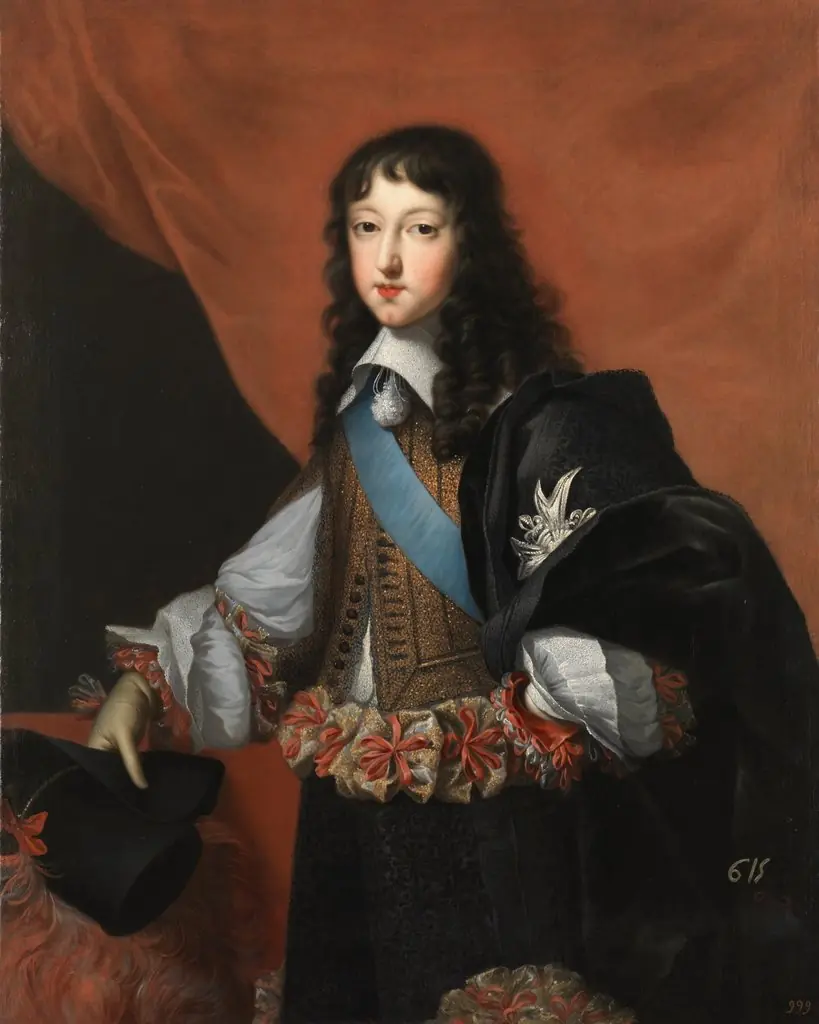 Phillip of France I Duke of Orléans
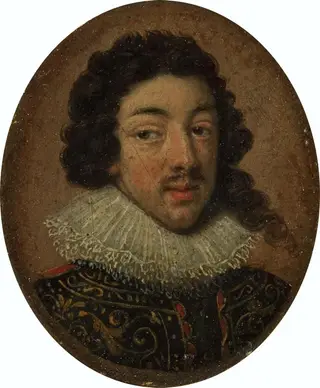 Portrait of Lodewijk XIII de Bourbon (1601-1643)
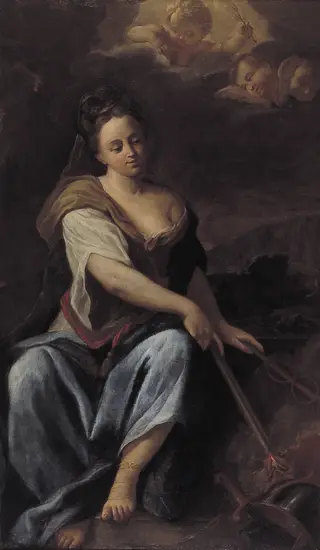 Peace Extinguishes the Flame of War
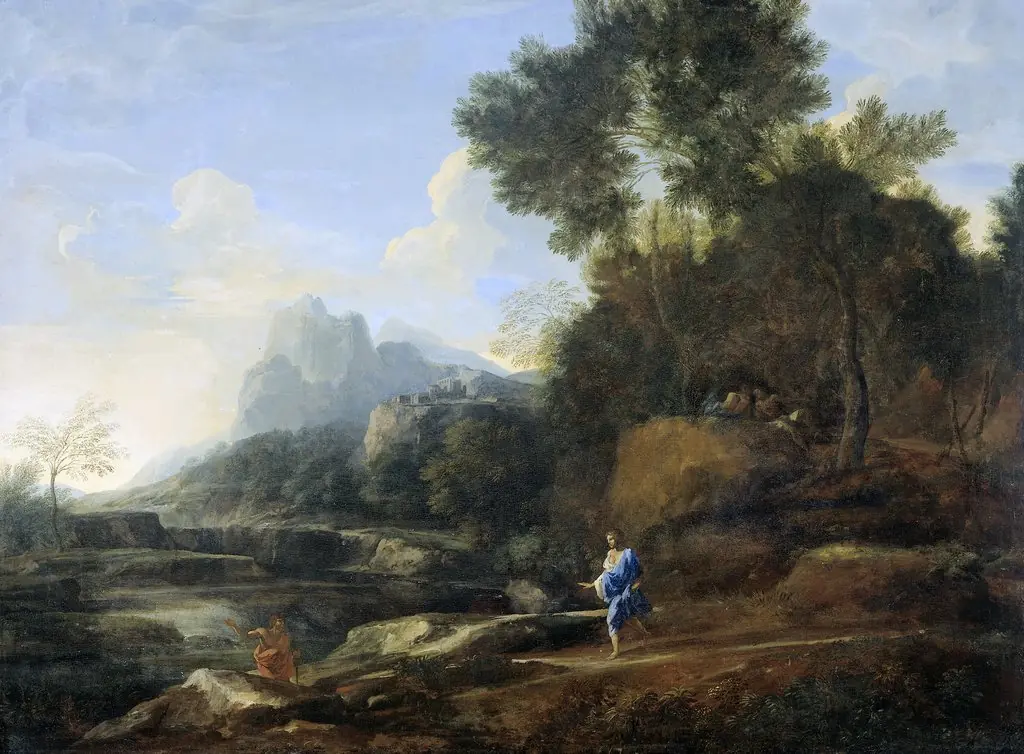 Italian Landscape
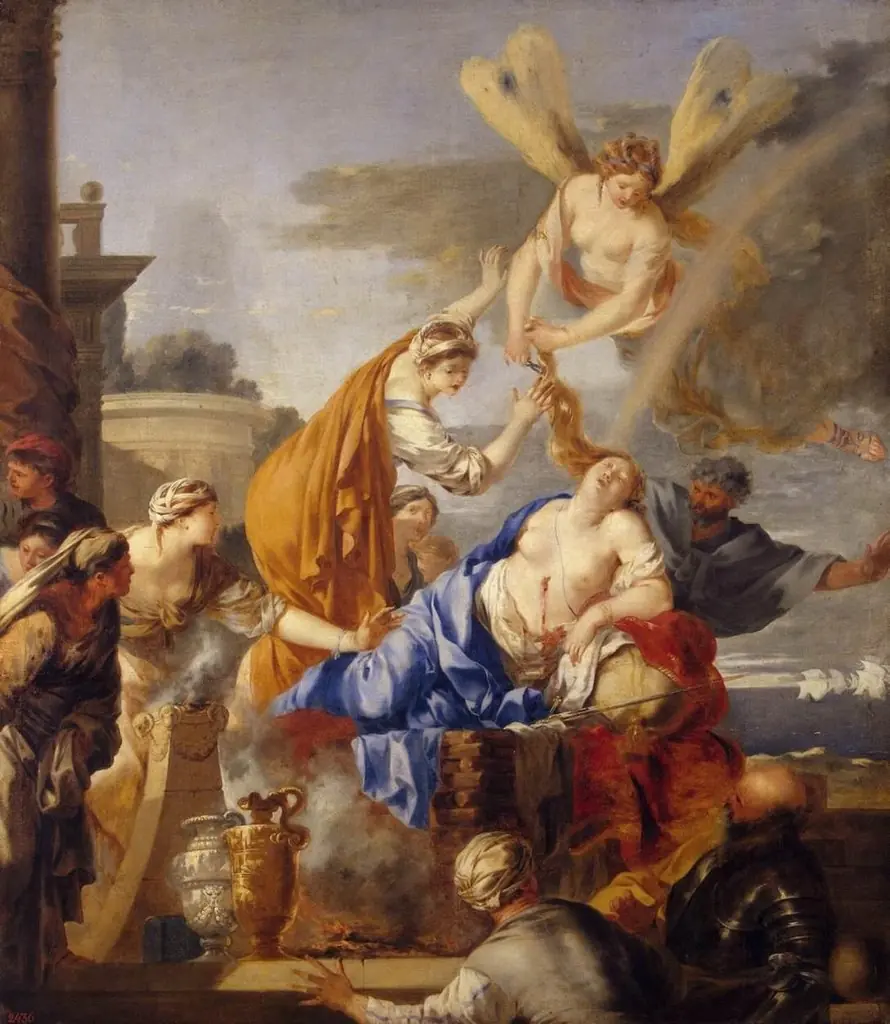 Death of Dido
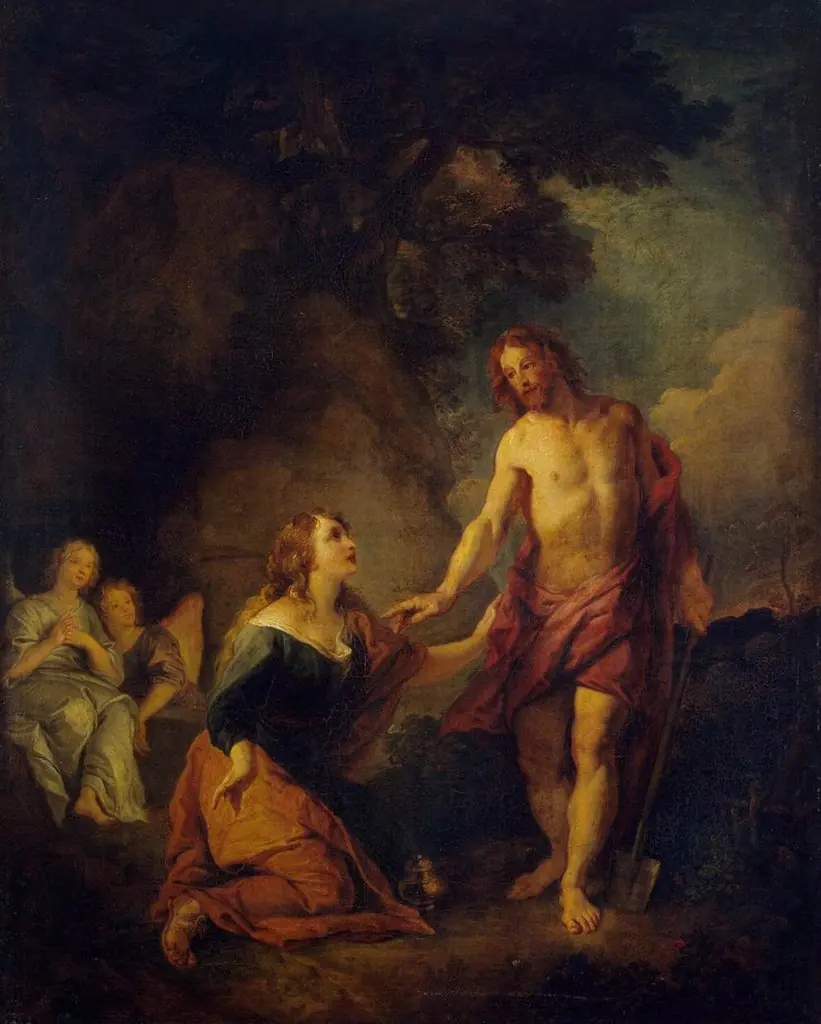 Christ Appearing to Mary Magdalene
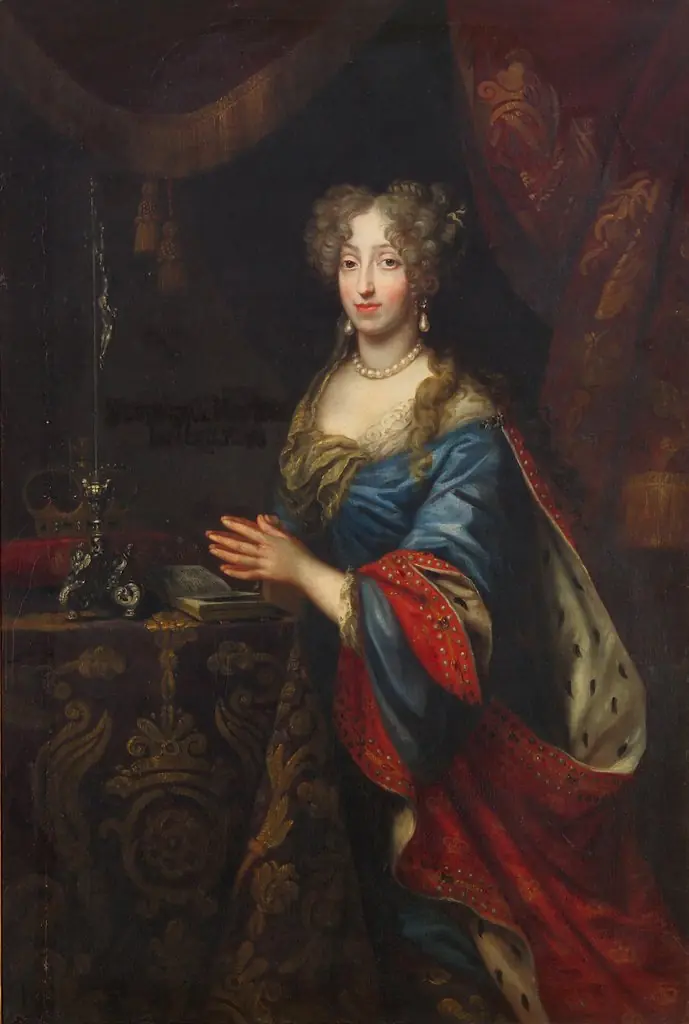 Archduchesse Maria Josepha of Habsburg (1653–1697)
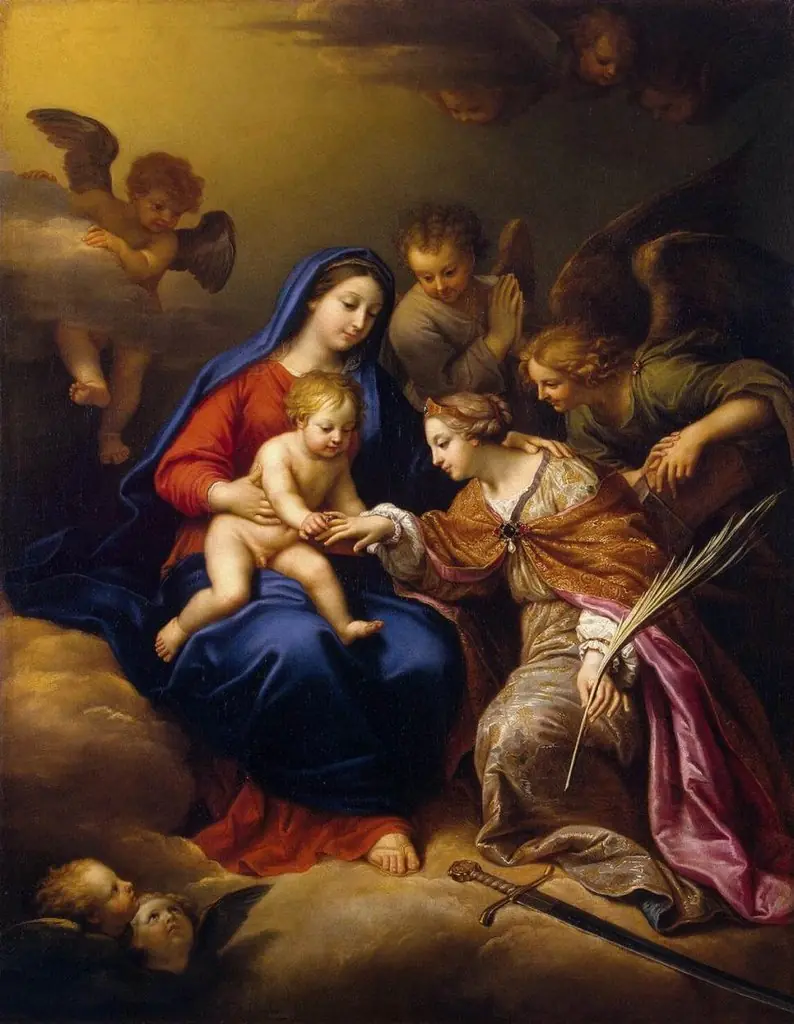 Le Mariage mystique de sainte Catherine (Mystic Marriage of St Catherine)
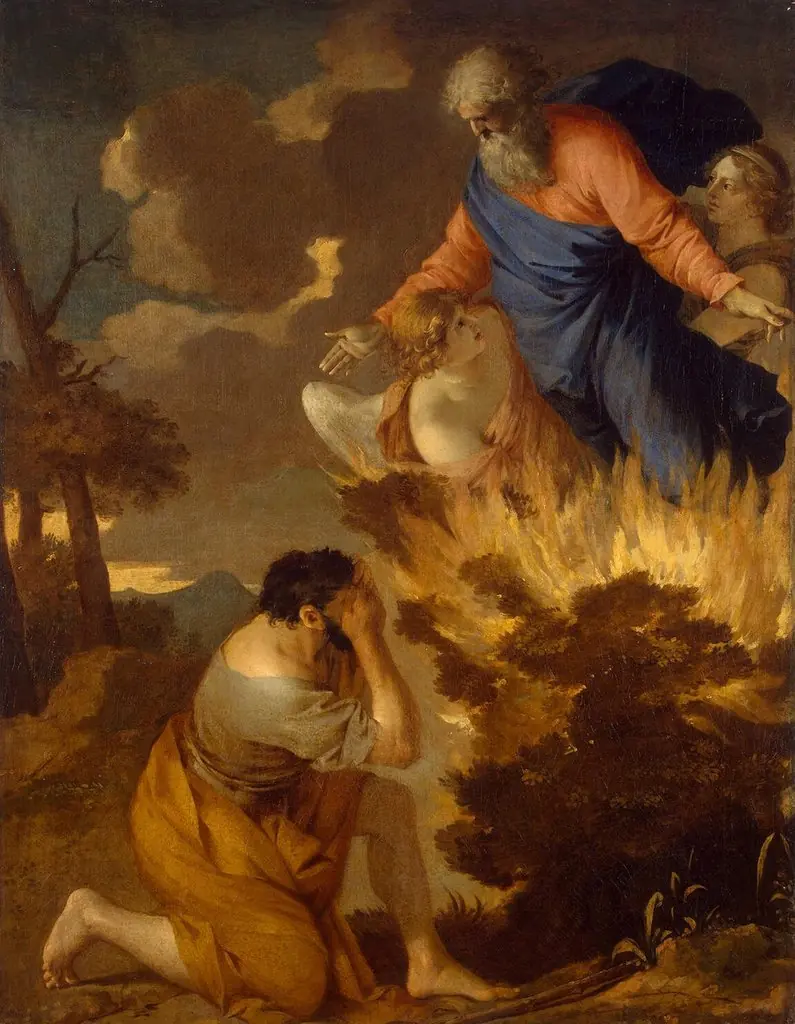 Moses and the Burning Bush
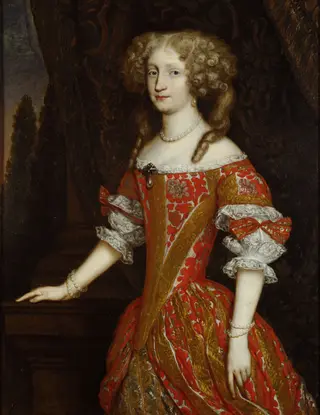 Eleonore Magdalena (1655-1720) von Pfalz - Neuburg, Kaiserin, Kniestück
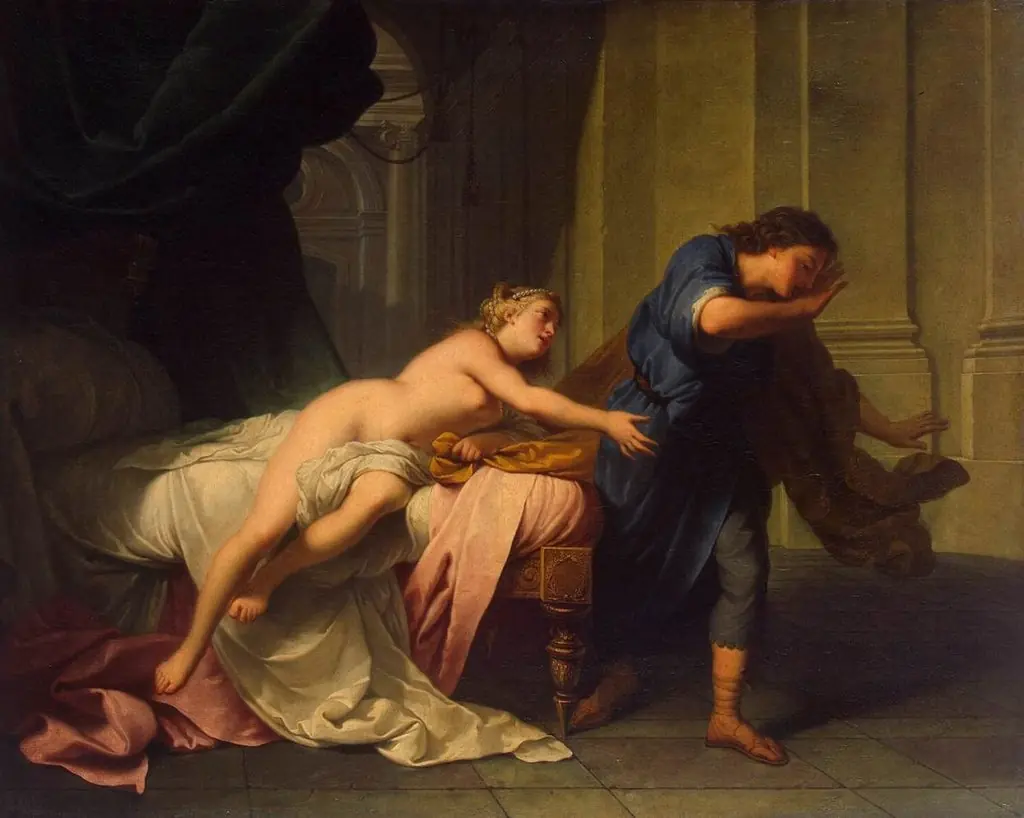 Joseph and Potiphar's Wife
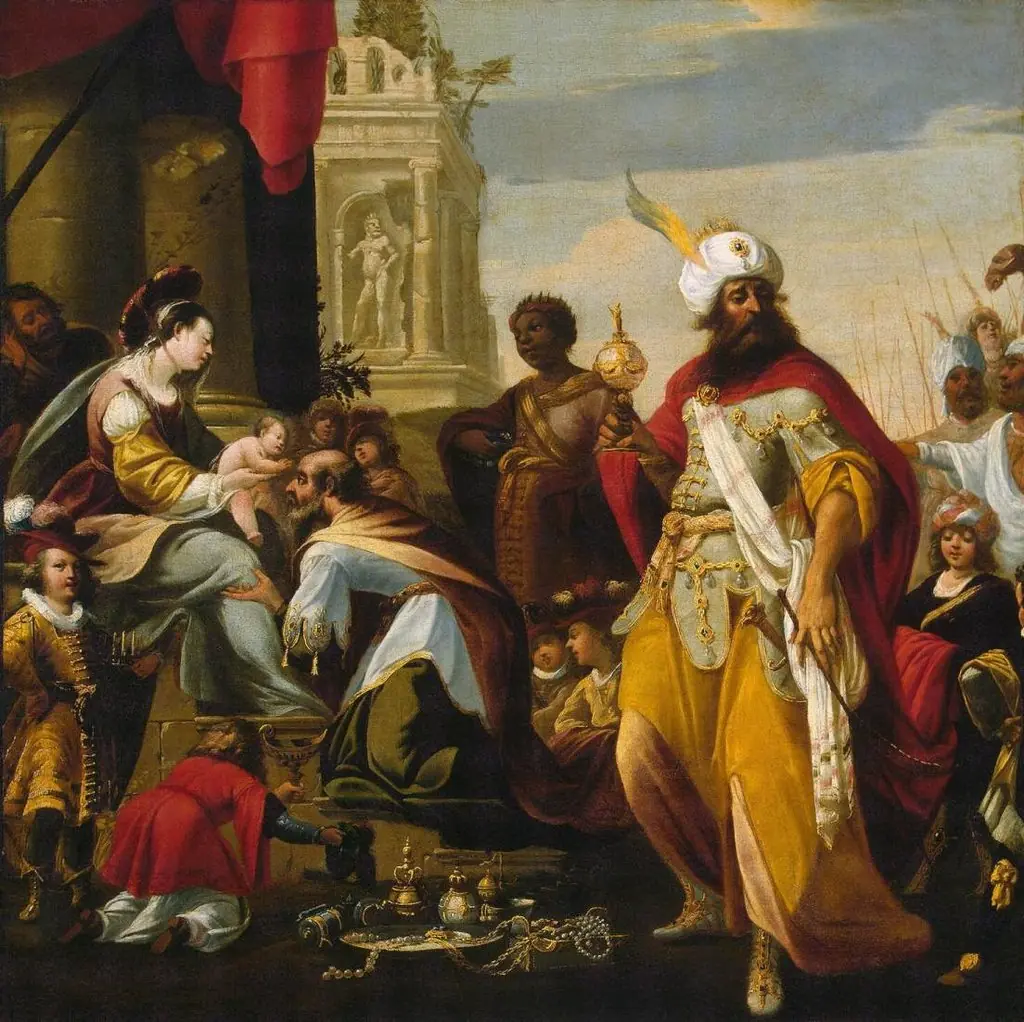 Adoration of the Magi
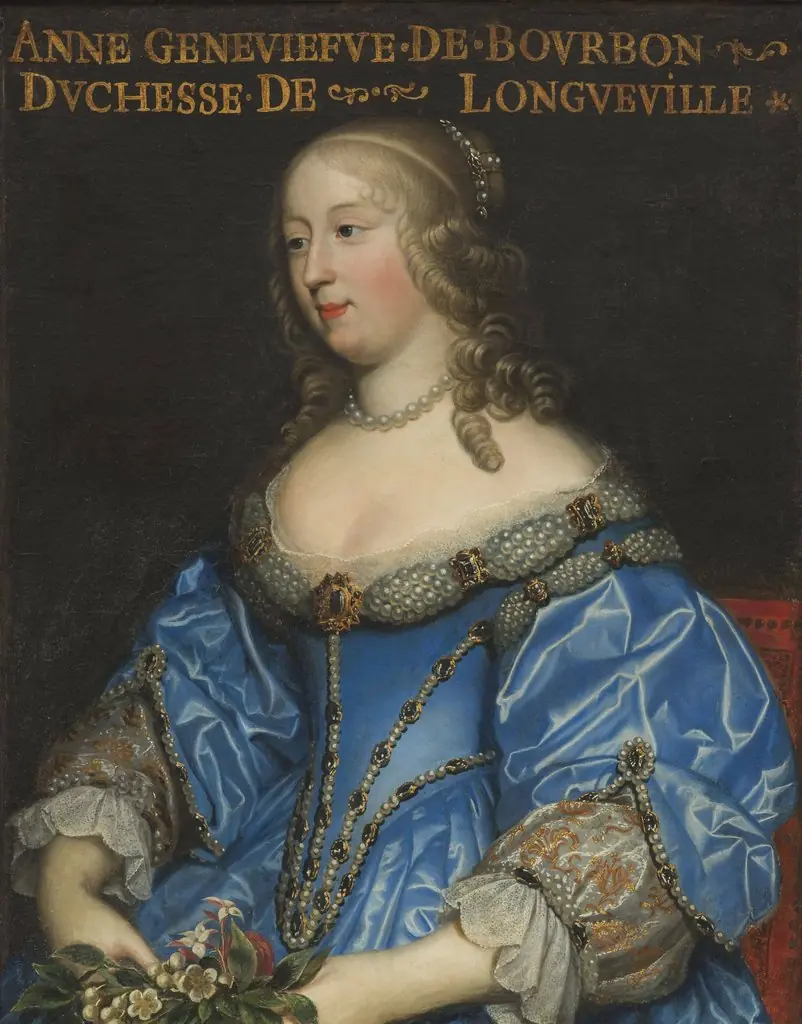 Anne-Genneviève de Bourbon-Condé, Duchess of Longueville
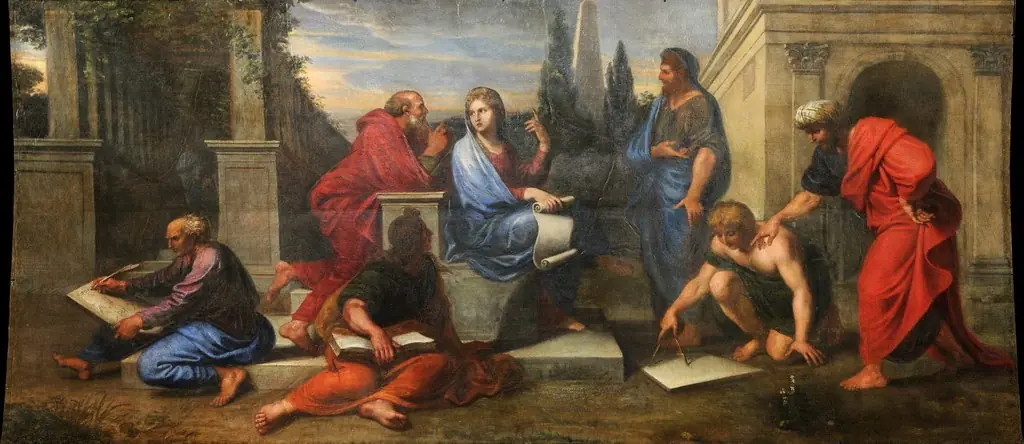 Aspasia surrounded by Greek philosophers
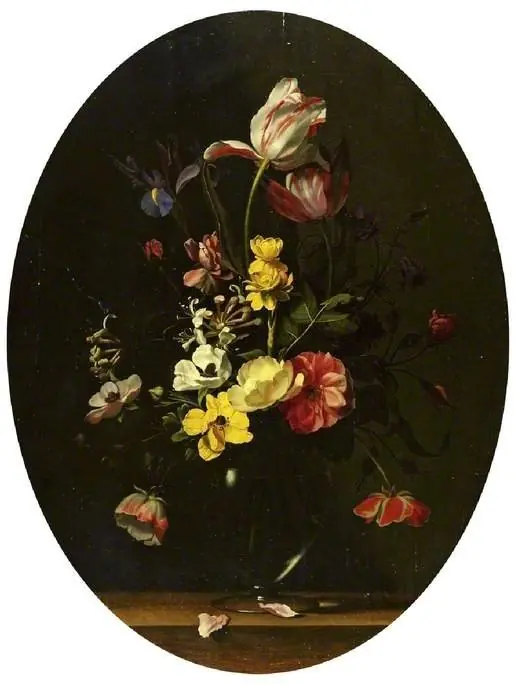 A vase of flowers
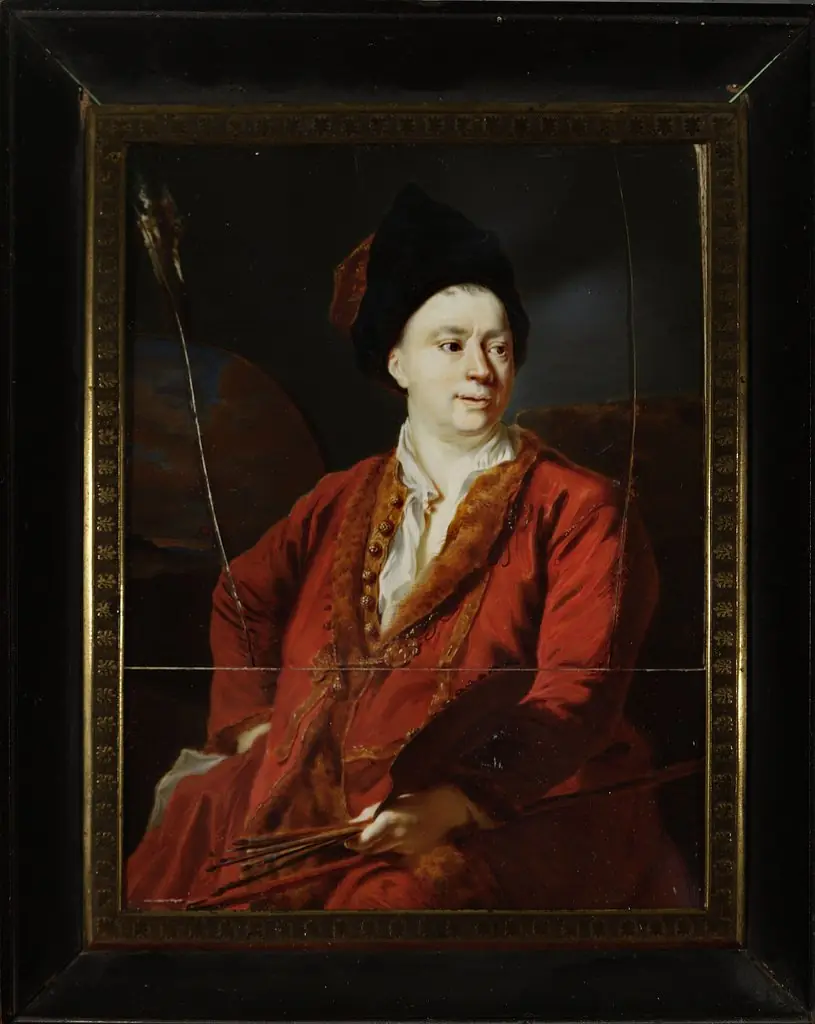 Portrait of Jean Baptiste Forest (1635–1712), painter
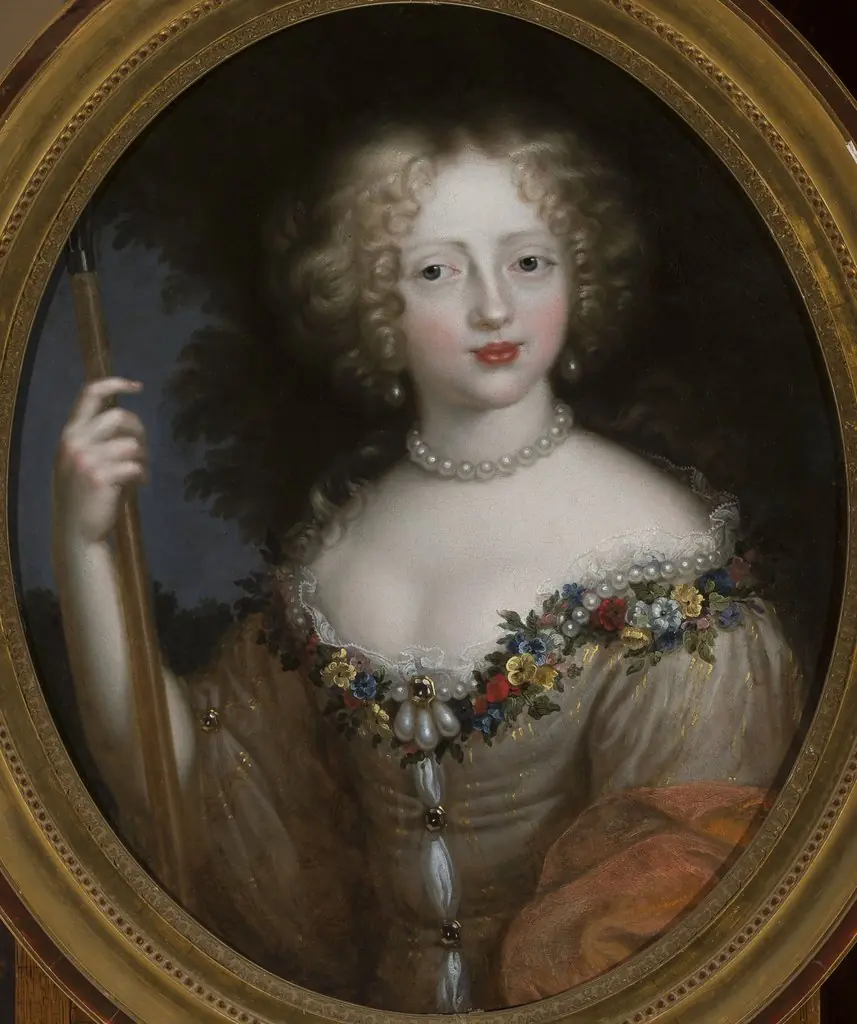 Portrait of a young woman
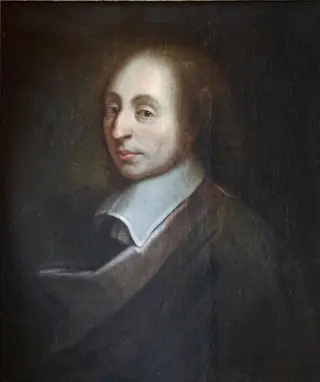 Blaise Pascal, philosopher and mathematician
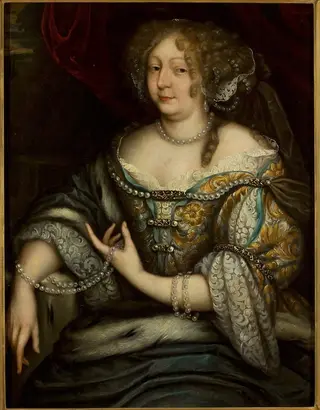 Portrait of Anna Eleonore of Stolberg-Wernigerode(1651–1690), princess of Anhalt-Koethen
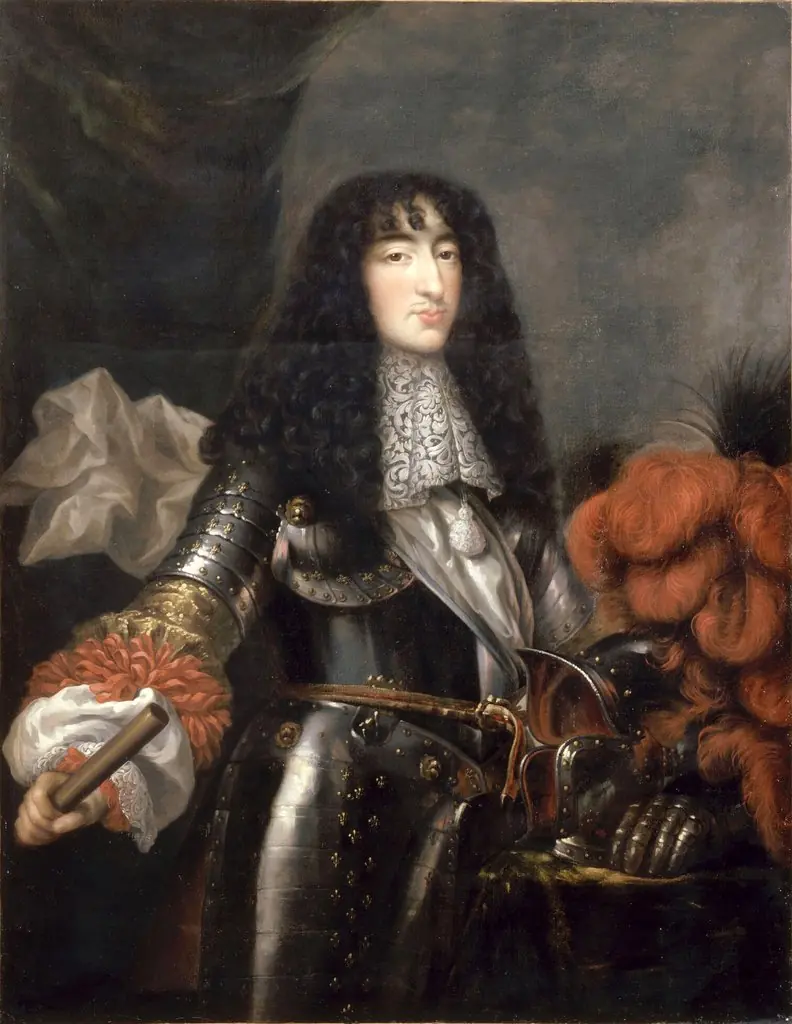 Philippe of France, Duke of Orleans
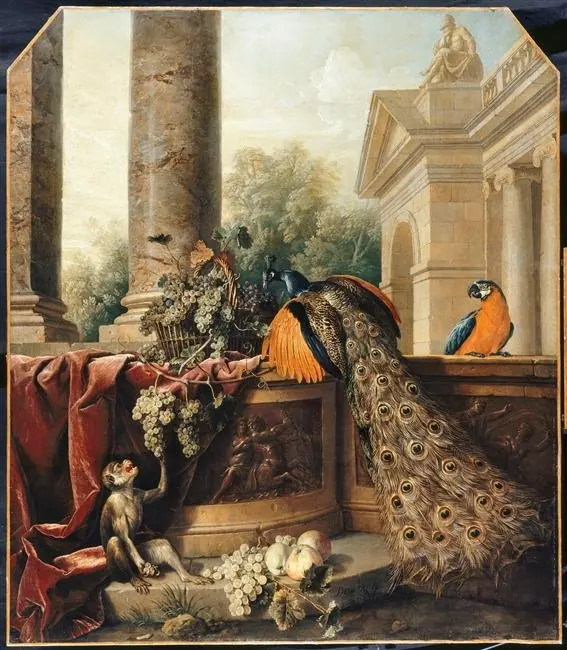 Still Life with a Peacock
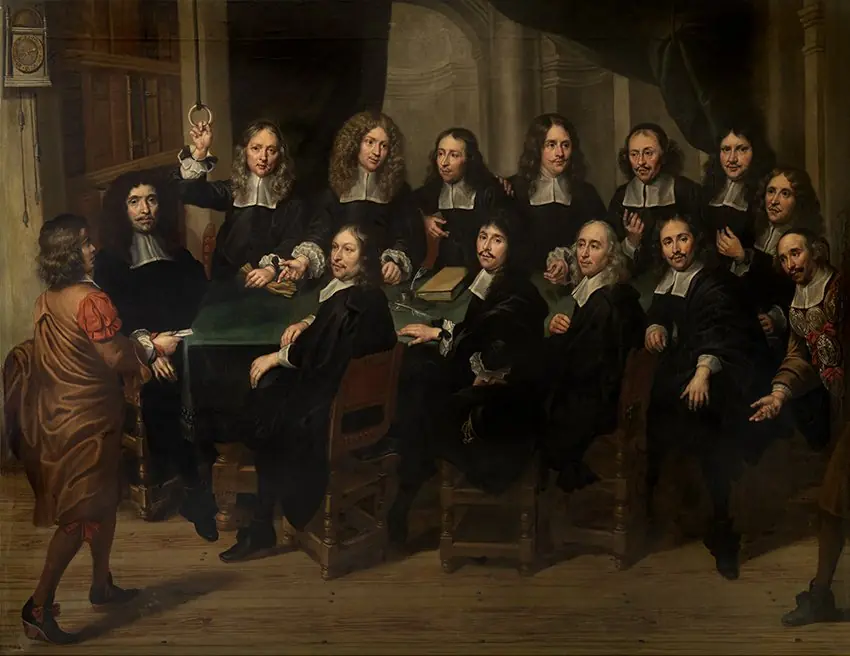 Het bestuur van het Brugse chirurgijnsambacht
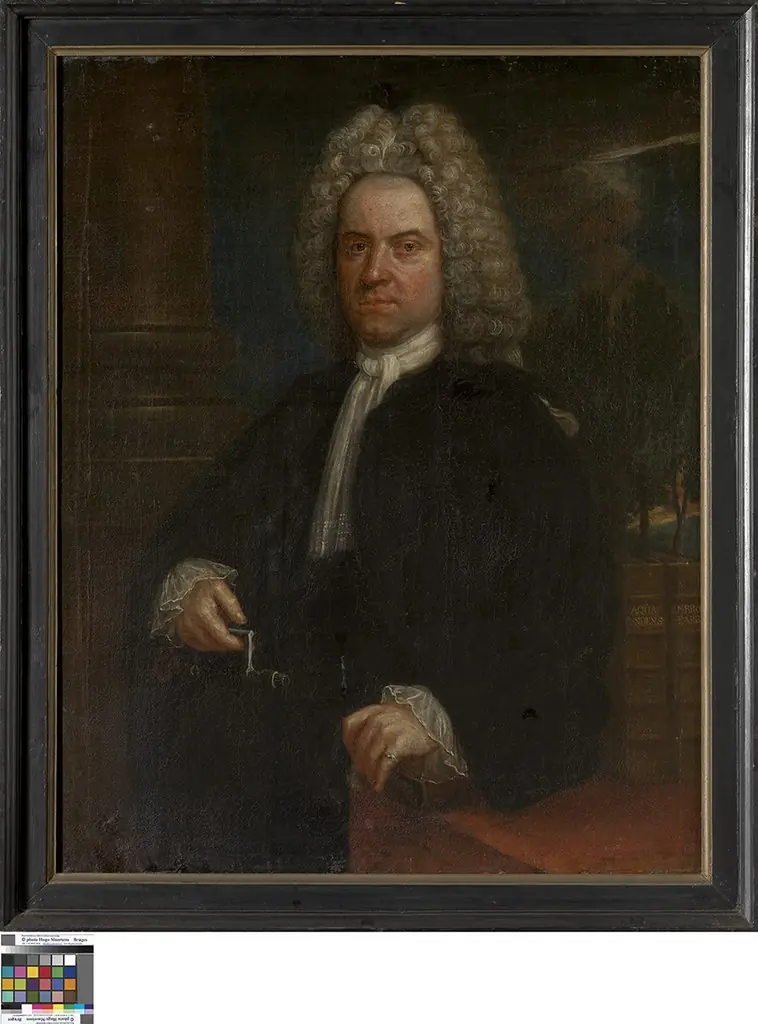 Portret van Joannes van Ockerhout
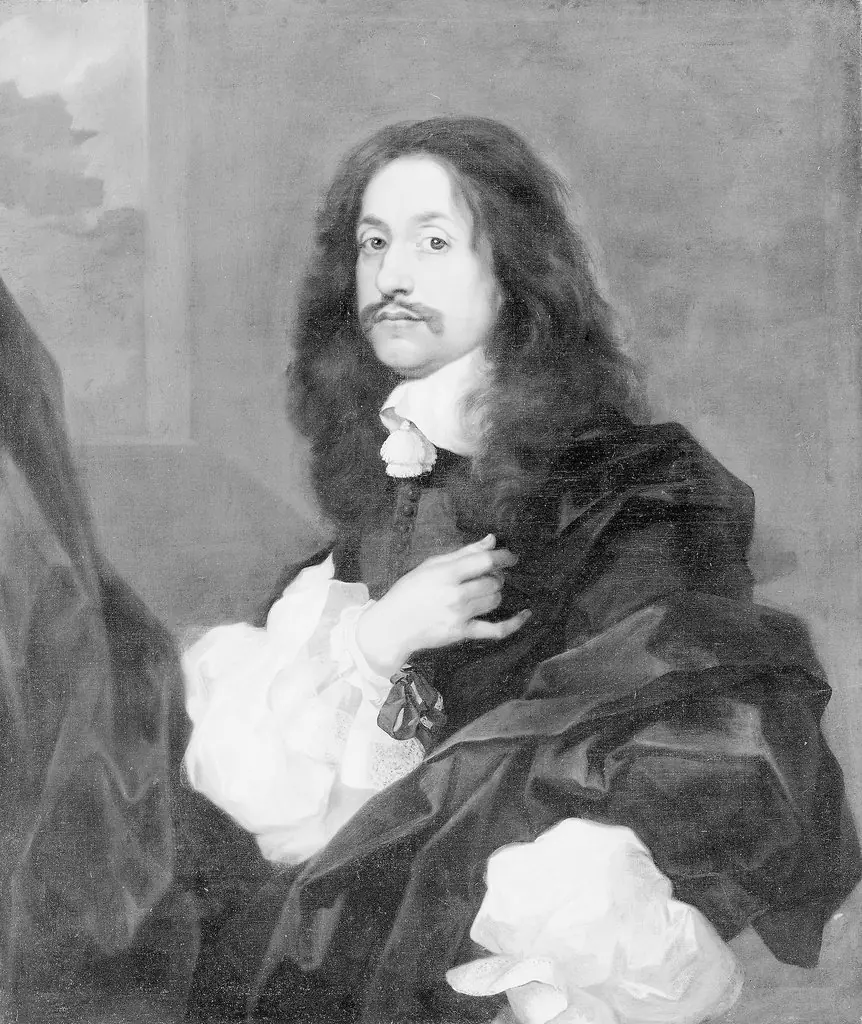 Portrait of a Man
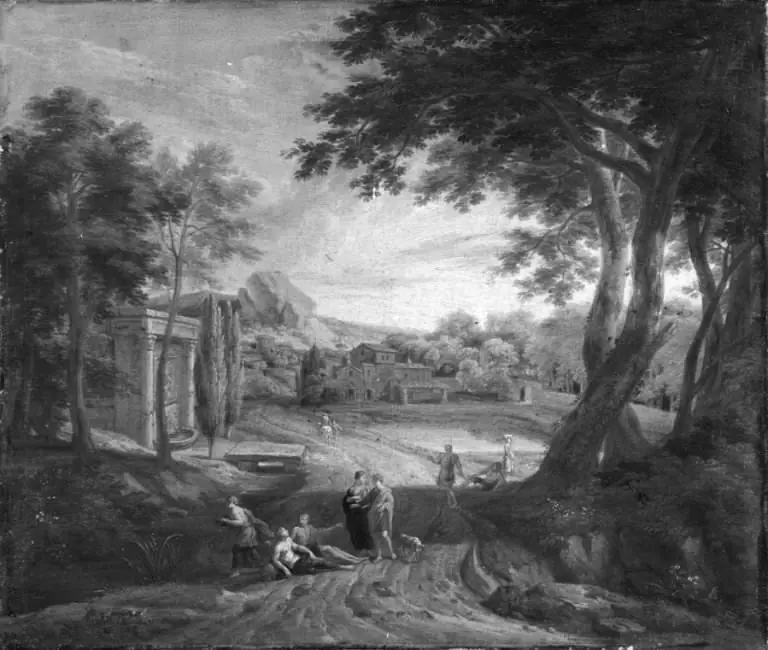 Arcadian Landscape
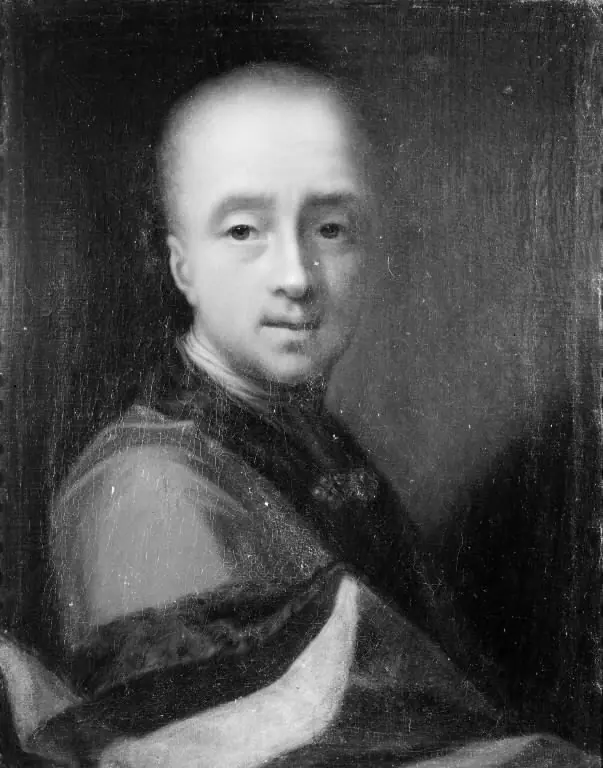 Portræt af en midaldrende mand
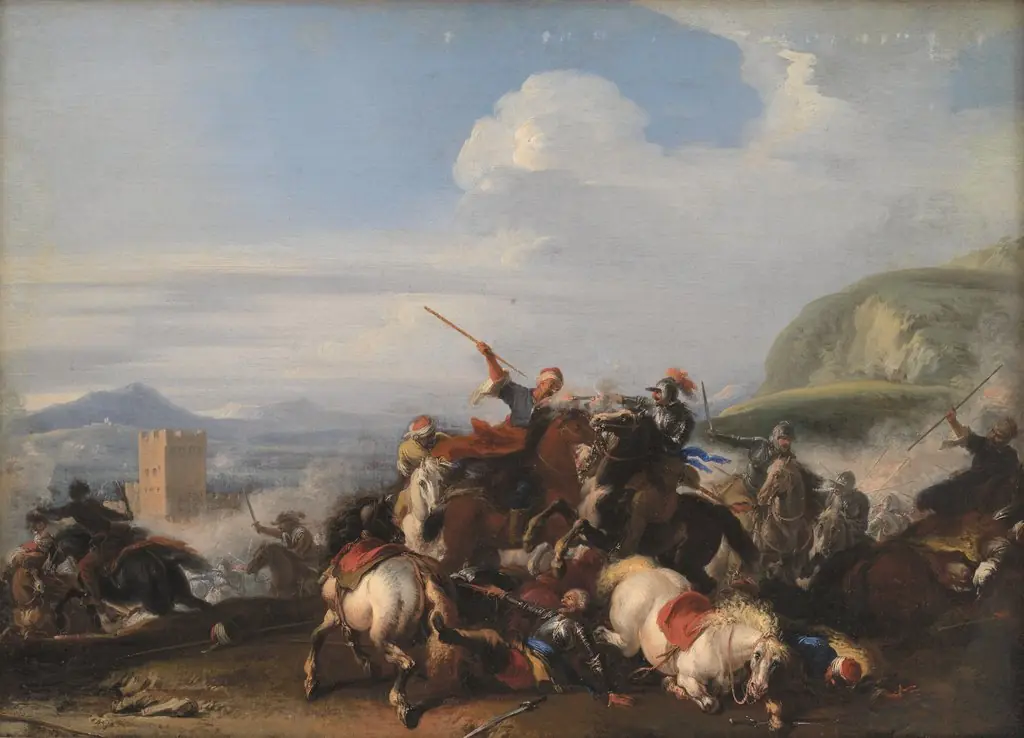 Battle Scene with Turkish Cavalry
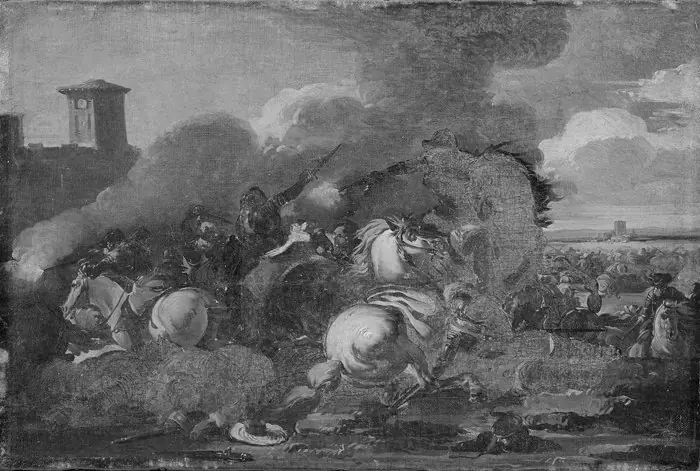 Battle Scene
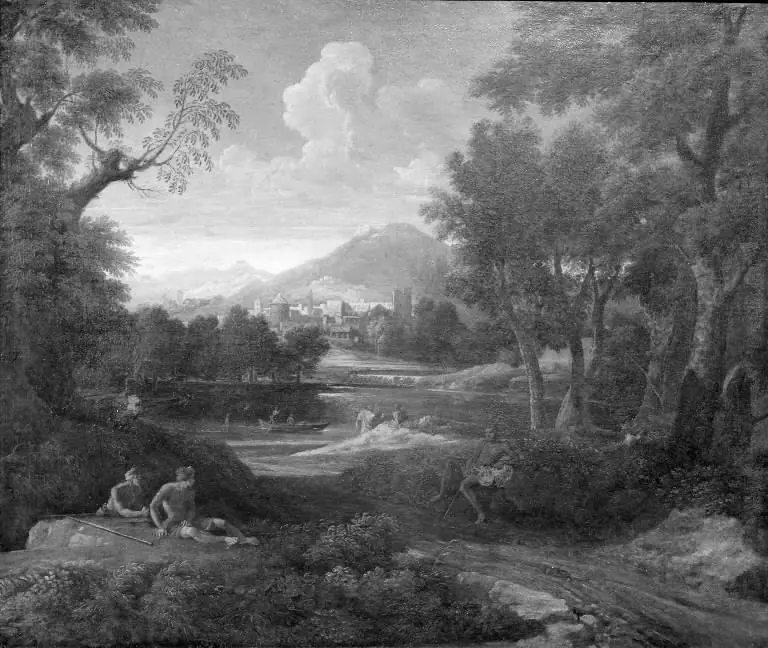 Arcadian Landscape
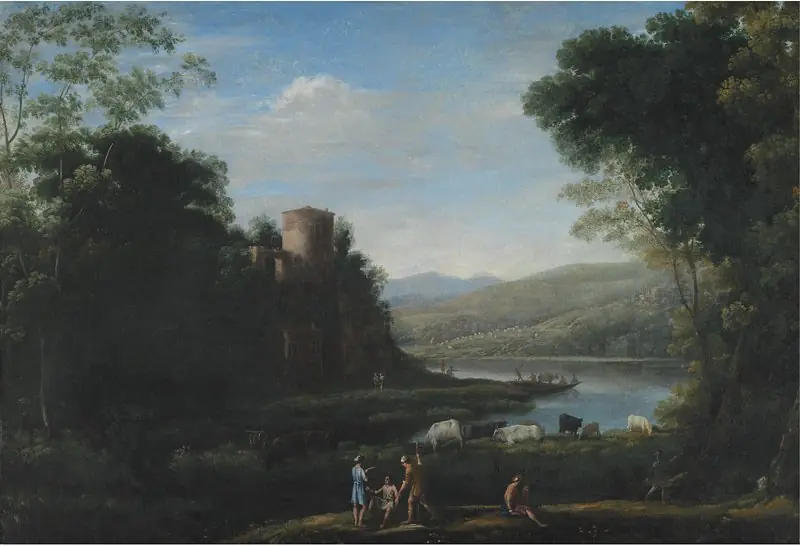 River Landscape with Herdsmen
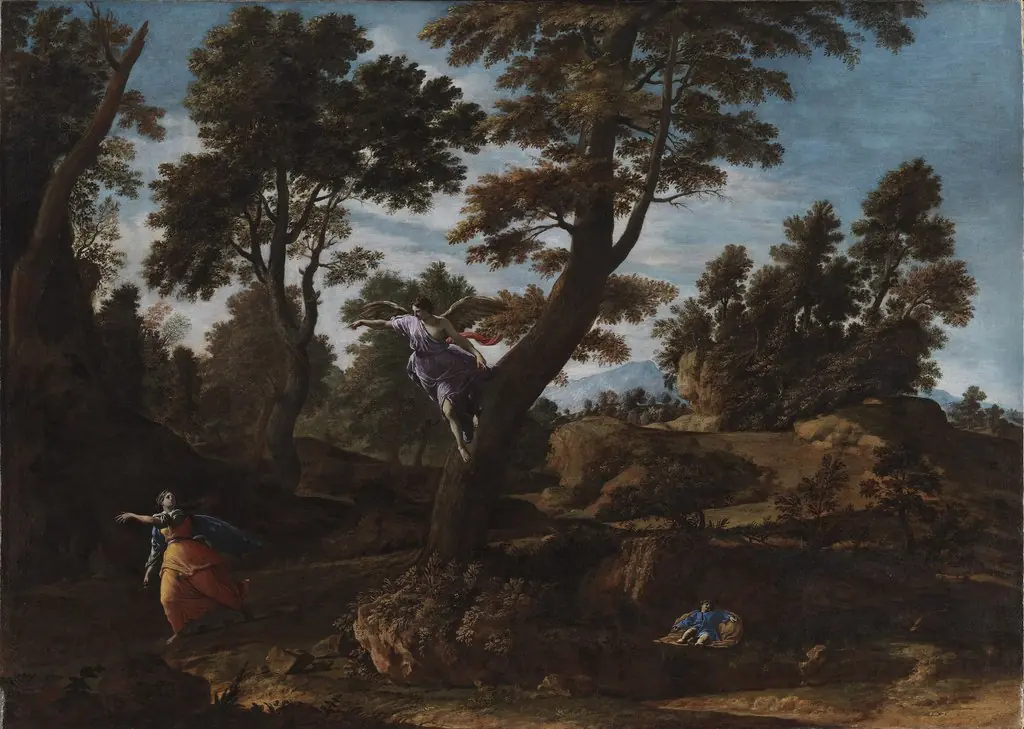 Landscape with the Angel Appearing to Hagar and Leading her to the Well
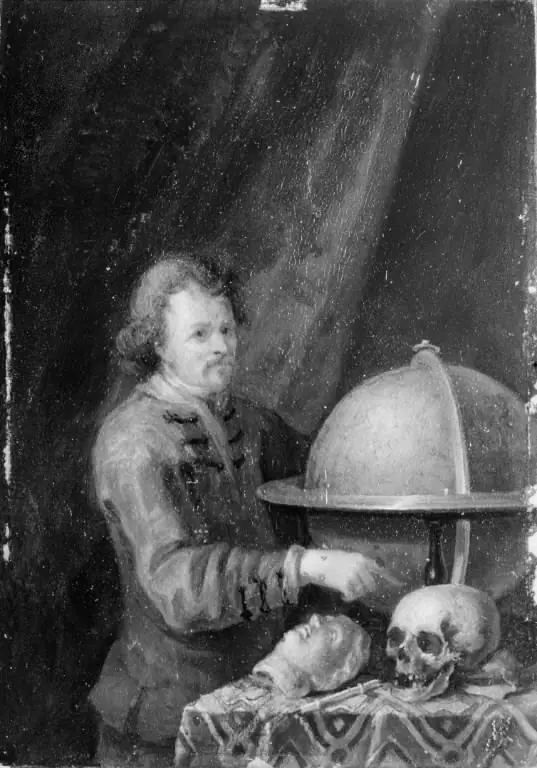 A Philosopher
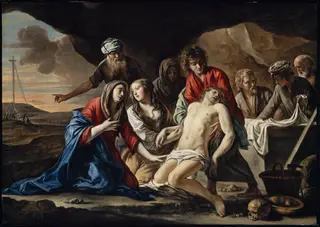 The Entombment of Christ
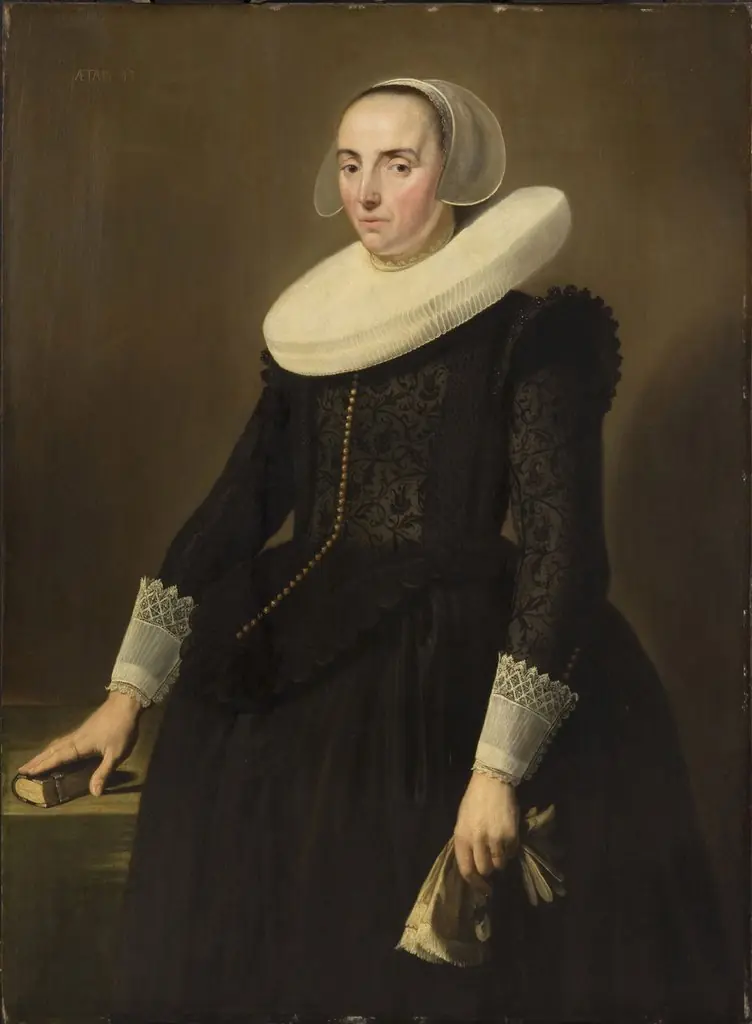 Portrait of Jeanne de Planque
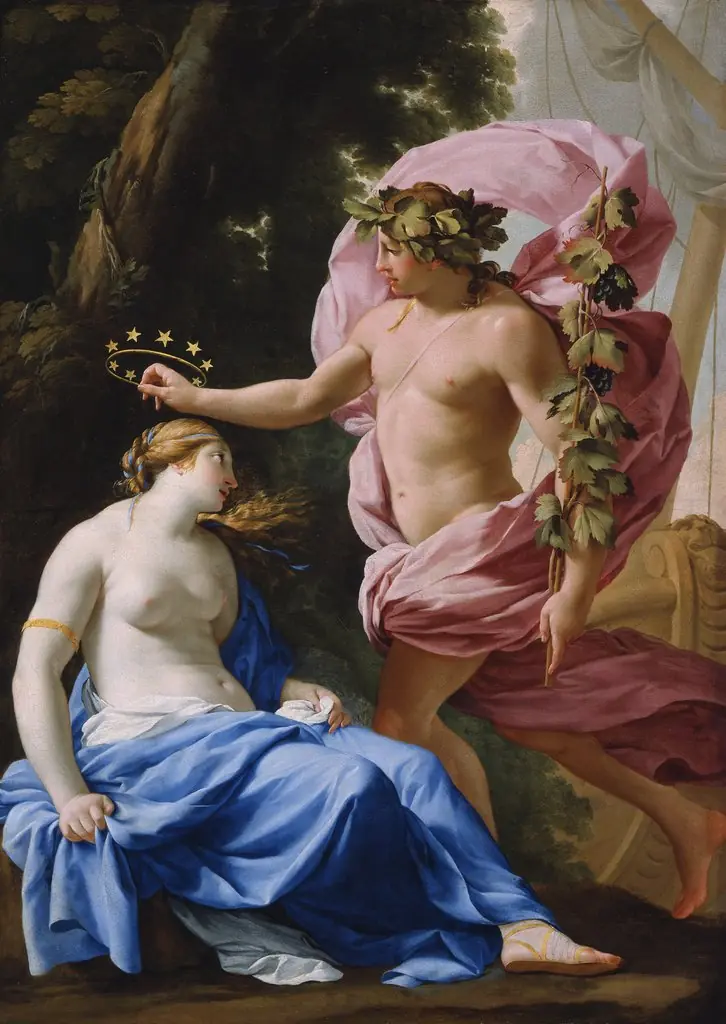 Bacchus and Ariadne
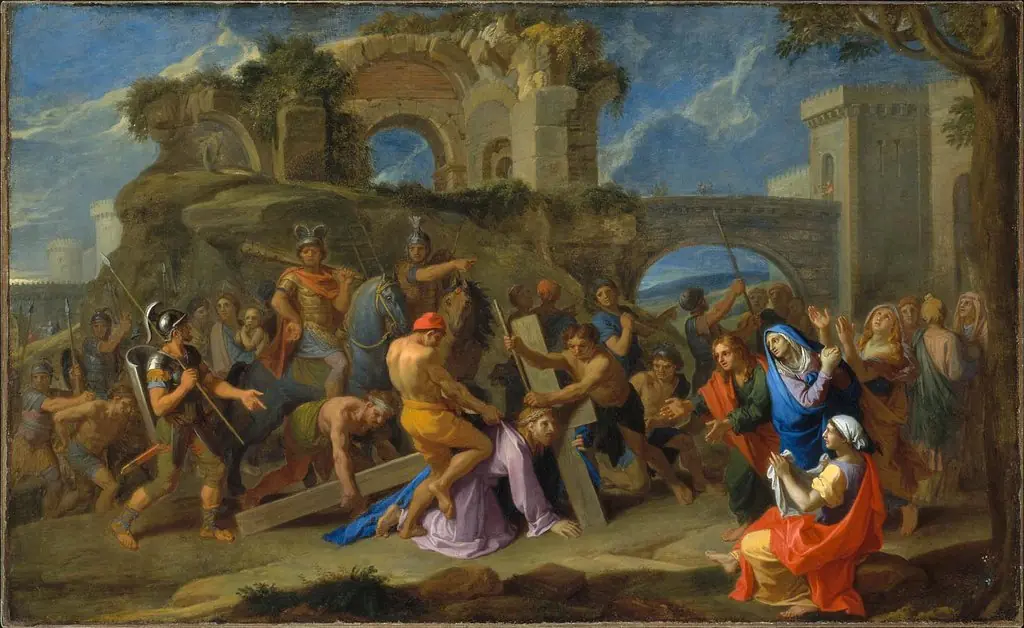 Christ Carrying the Cross
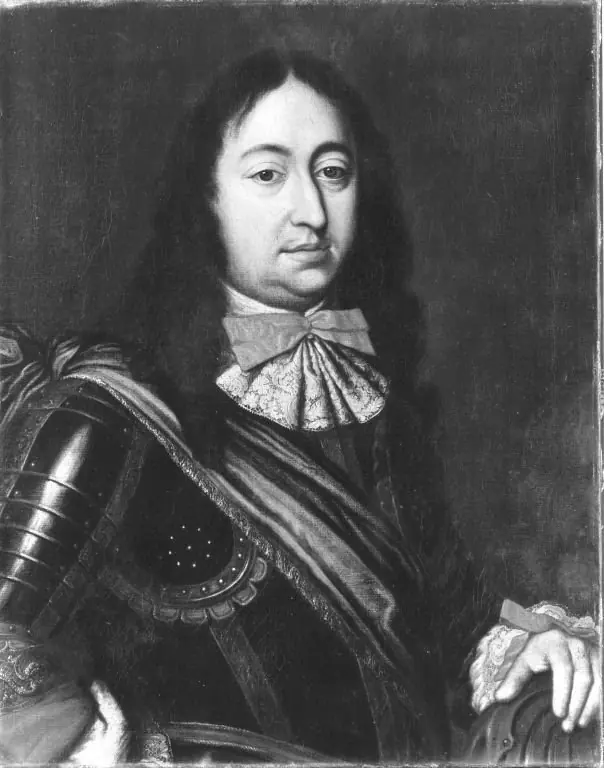 Ferdinand Maria von Bayern
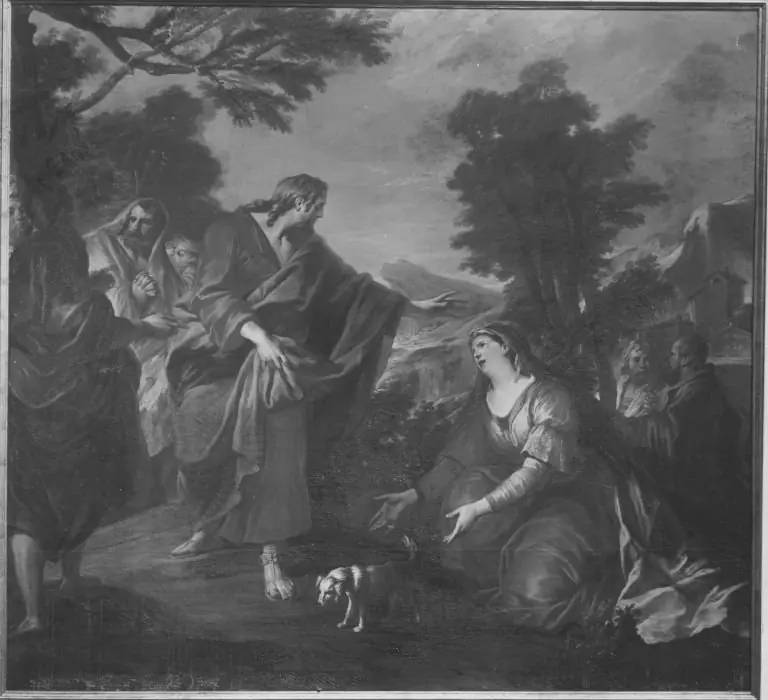 Christus und das kanaanitische Weib
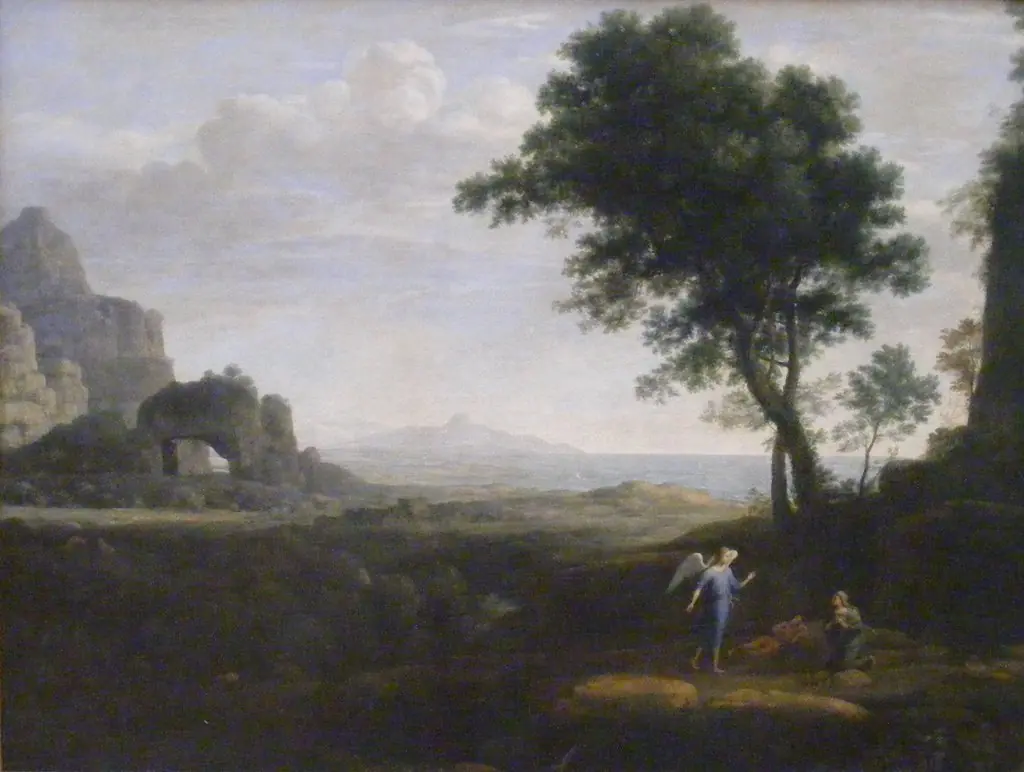 Hagar and Ismael in the desert
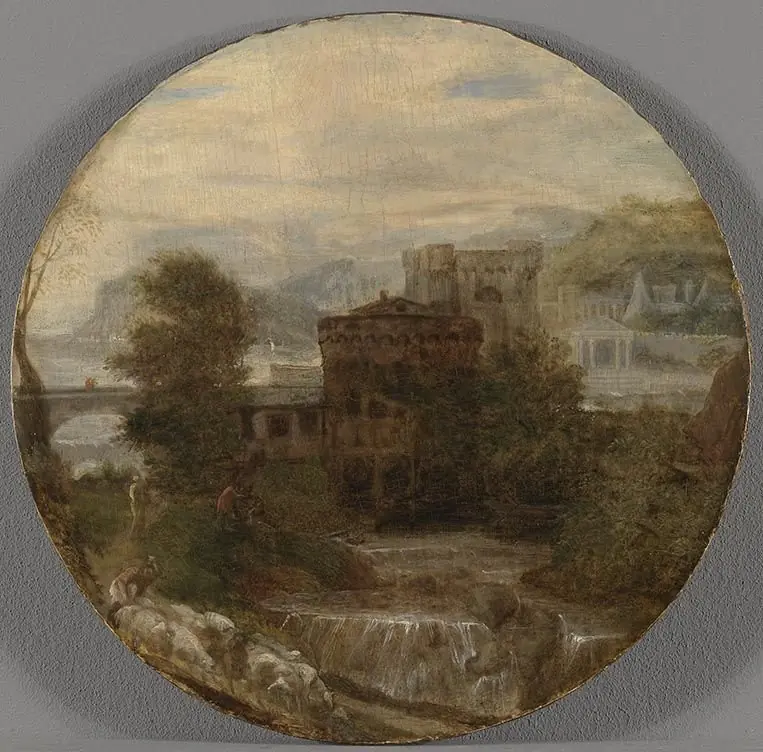 Landschaft (zugeschrieben)
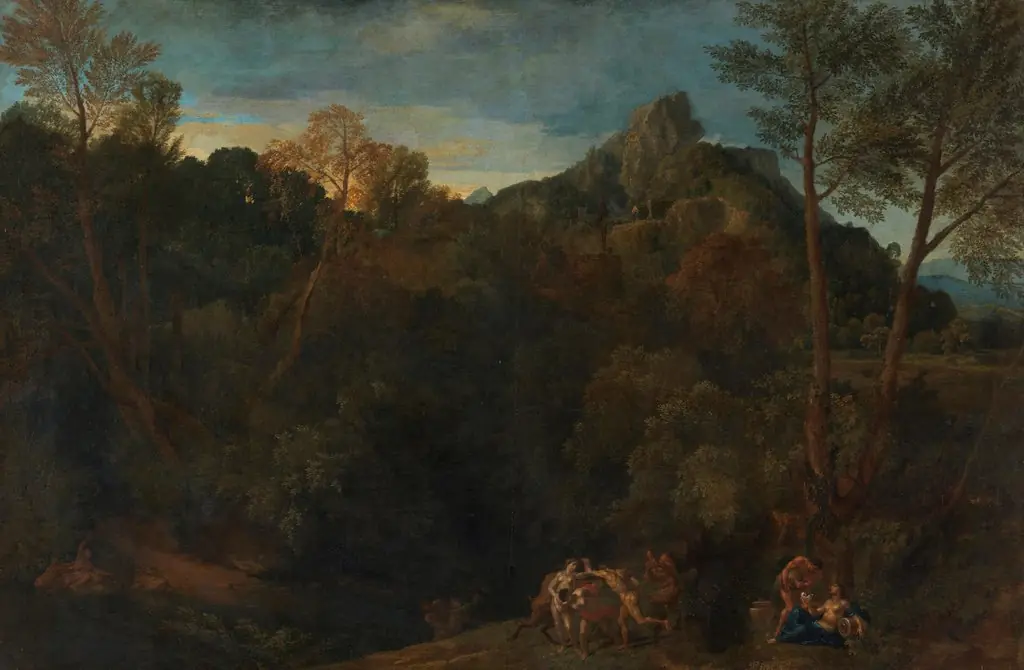 Landschaft
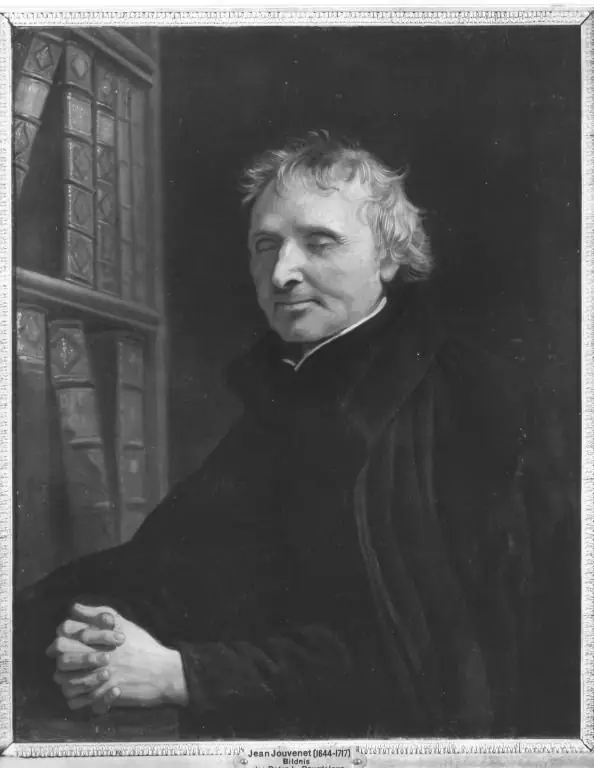 Portrait of Father Louis Bourdaloue
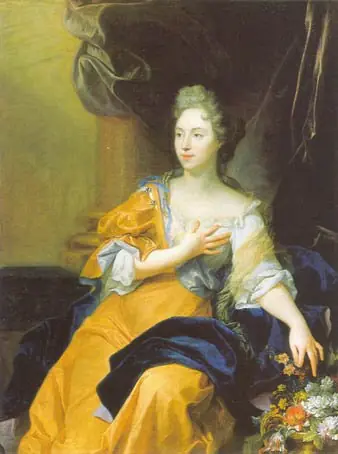 Portrait de Suzanne de Boubers de Bernâtre, épouse de Balthasar Keller
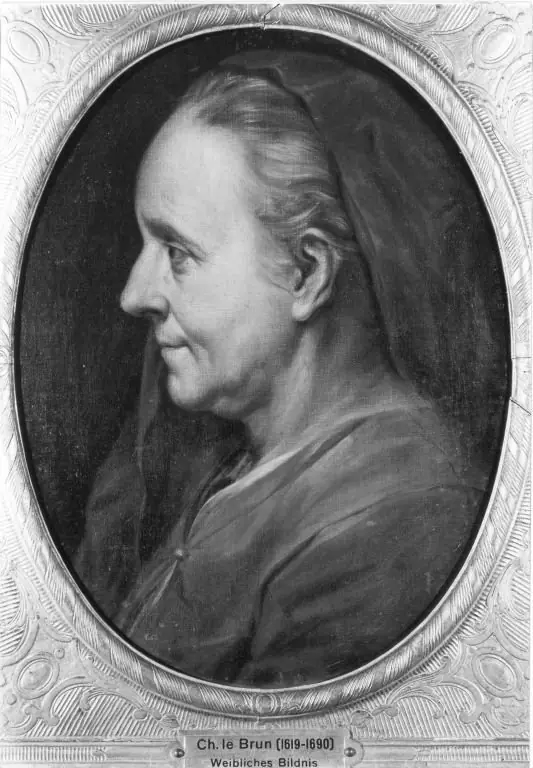 Brustbild einer bejahrten Frau
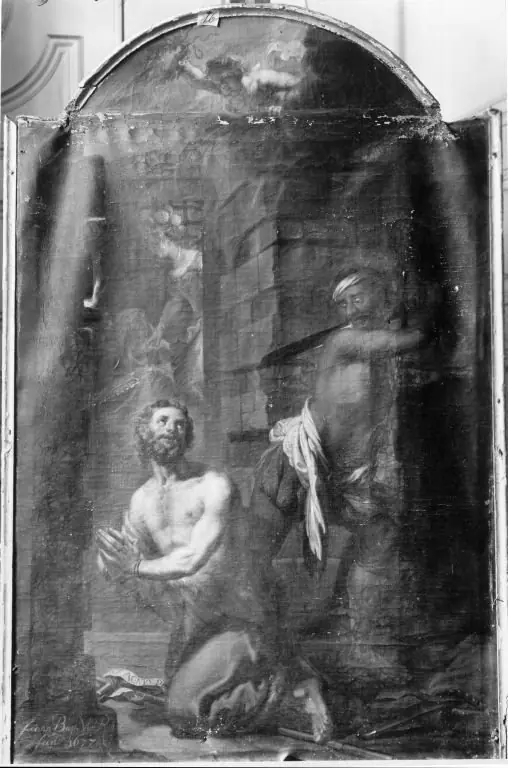 Enthauptung Johannes des Täufers
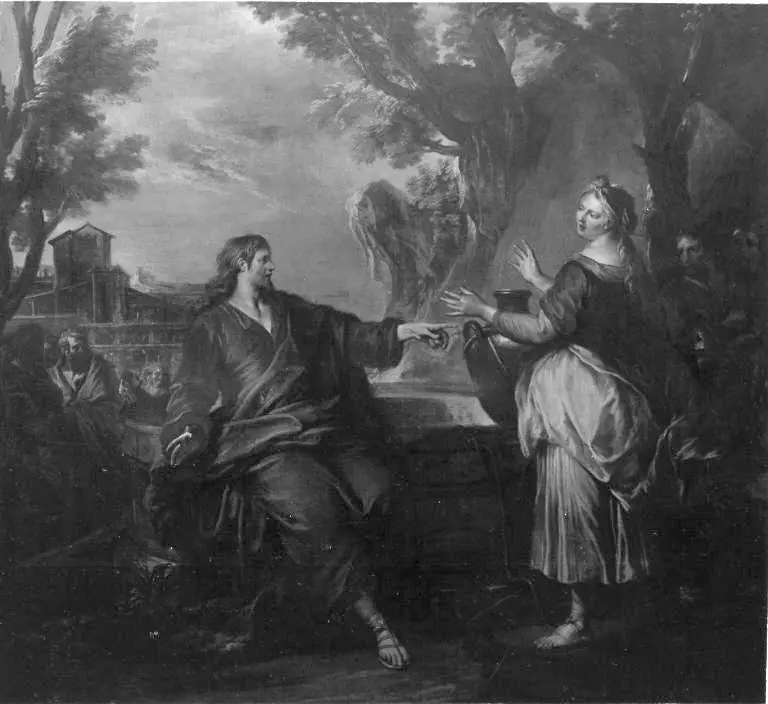 Christus und die Samariterin
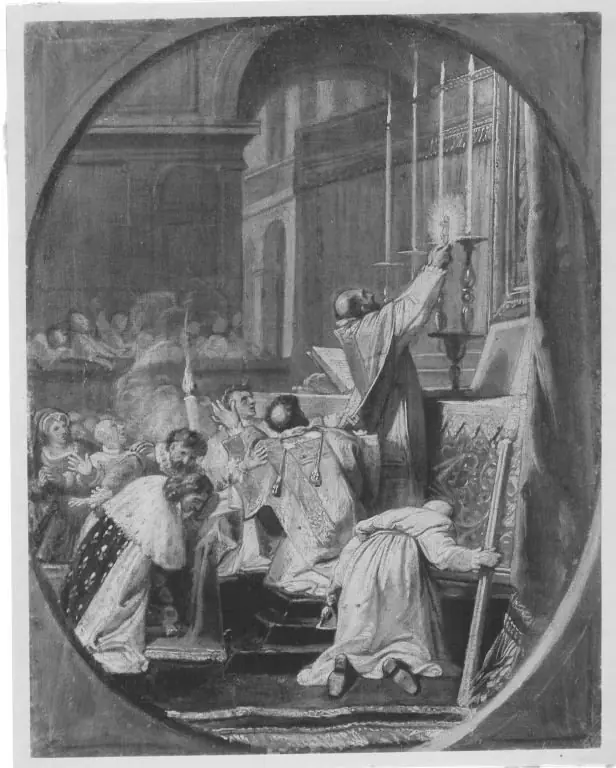 Ludwig IX. der Heilige
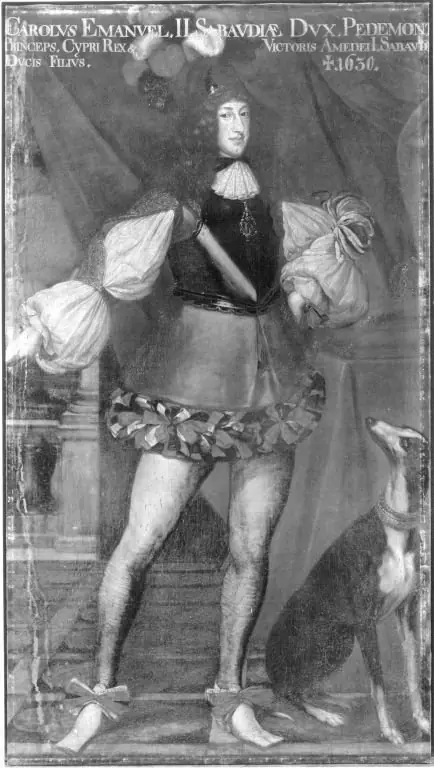 Karl Emanuel II., Herzog von Savoyen (?)
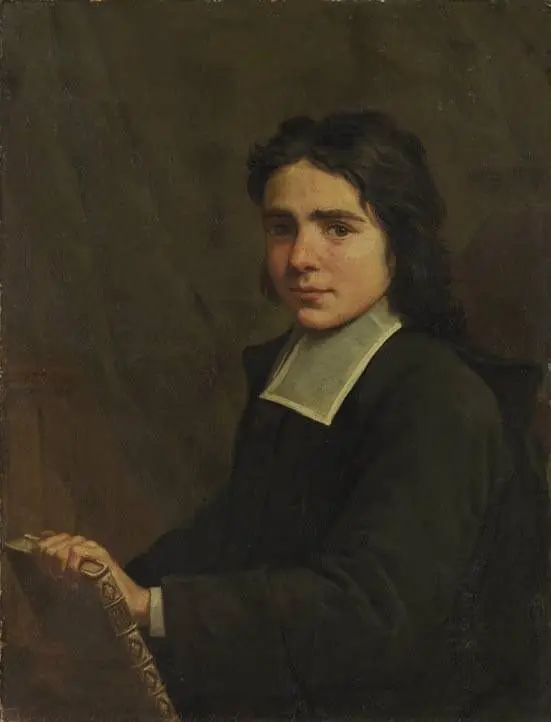 Claude-François Poullart des Places (1679-1709)
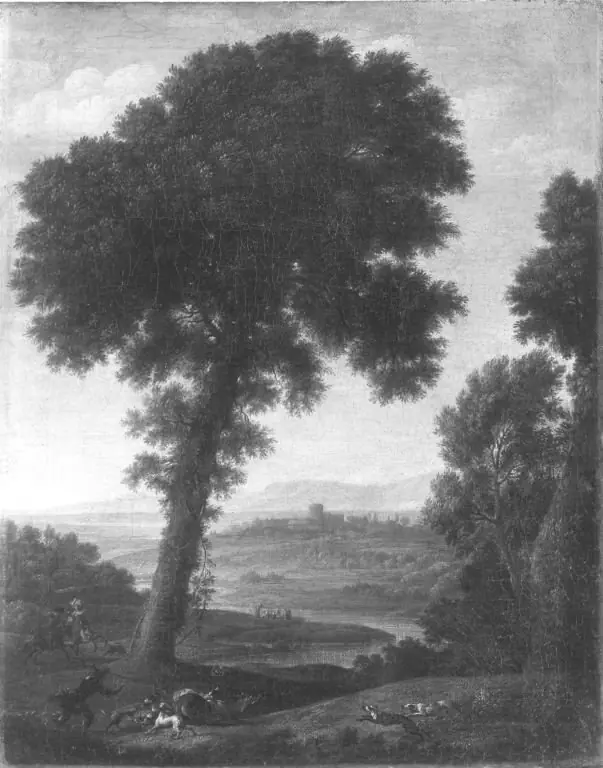 Landschaft italienischen Charakters (Kopie nach)
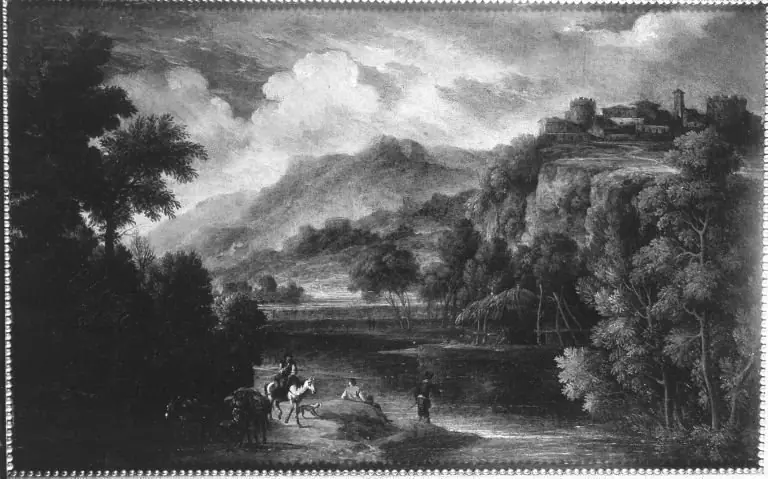 Landschaft (Umkreis)
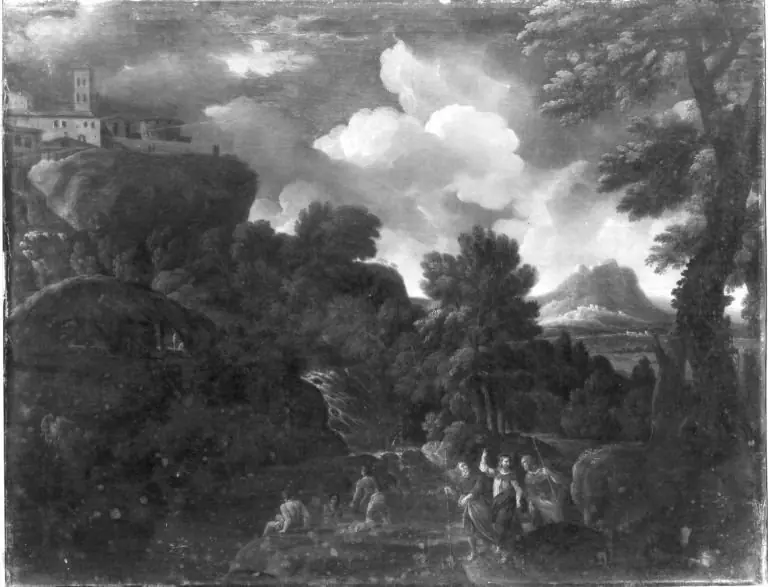 Landschaft mit Christus und den Emmaus-Jüngern (Umkreis)
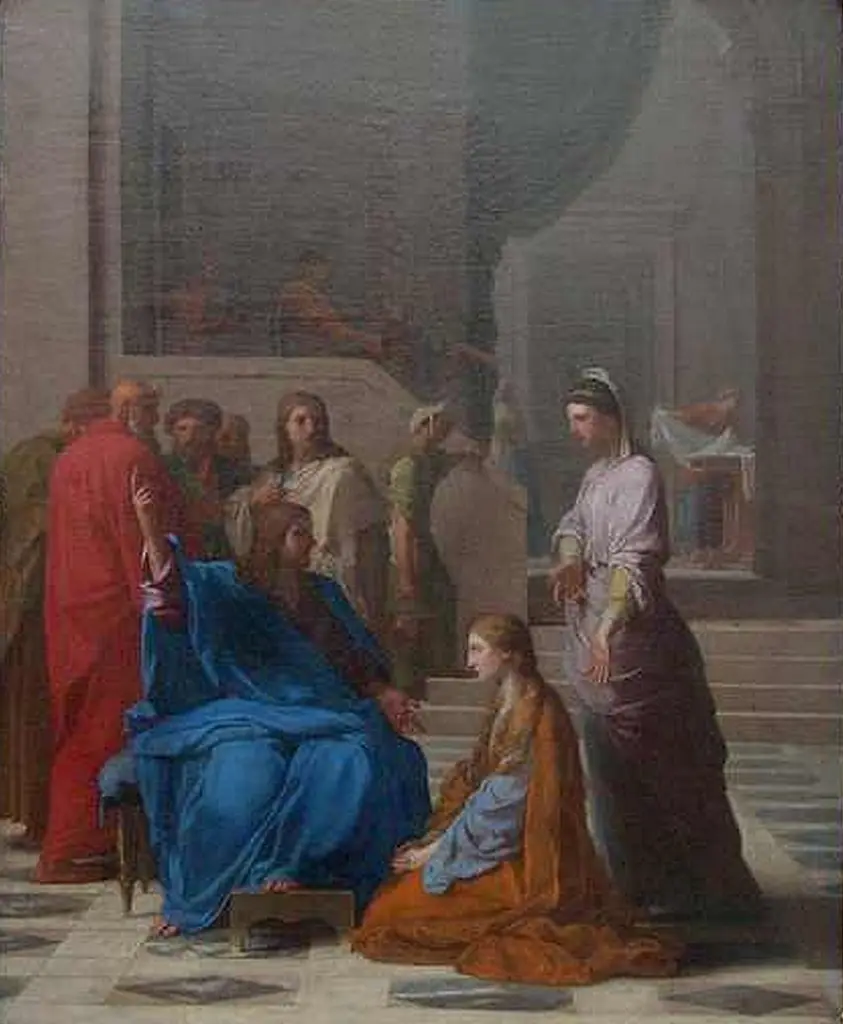 Christ in the House of Mary and Martha
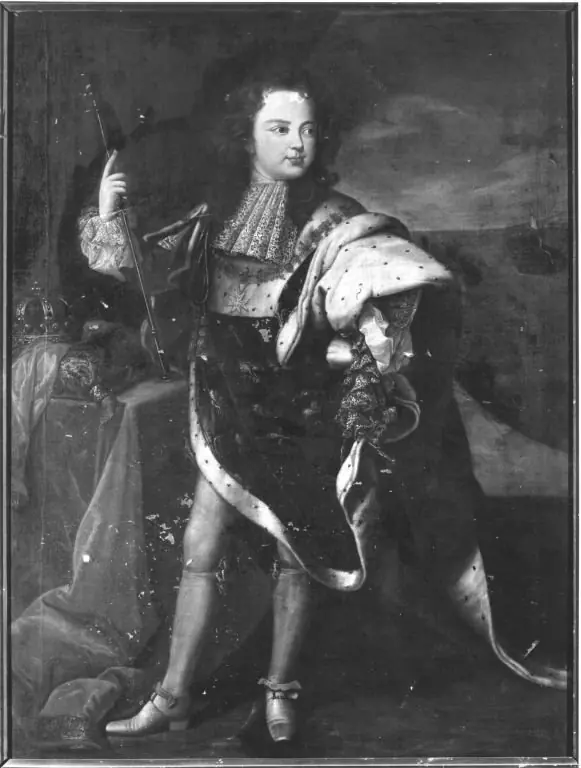 Knabenbildnis des Ludwig XV. als Dauphin
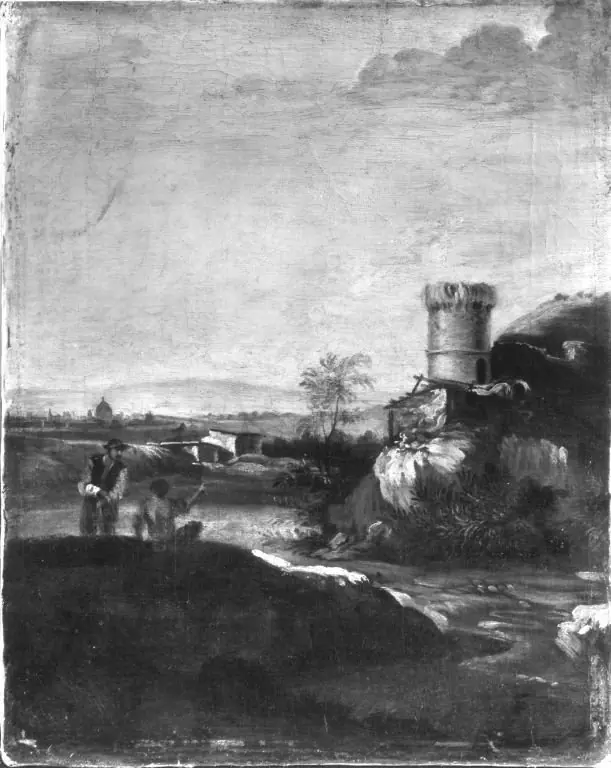 Landschaft italienischen Charakters (Umkreis)
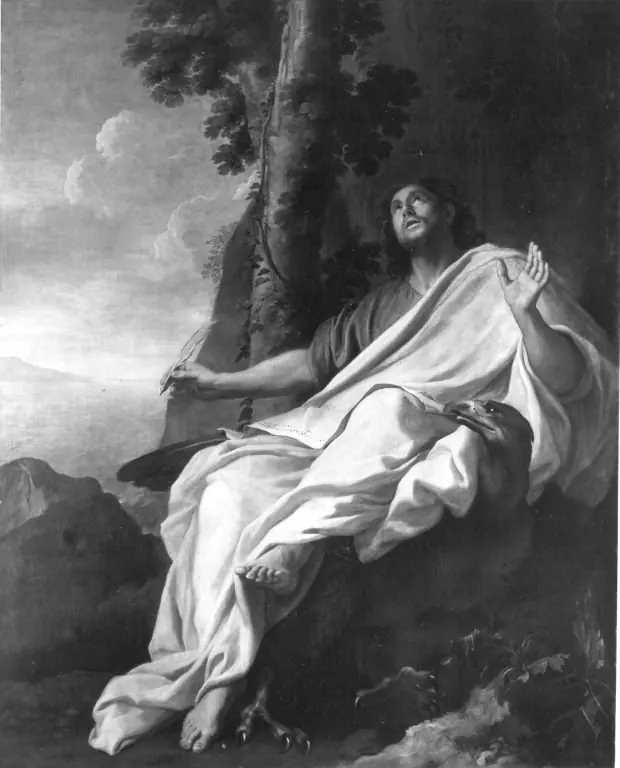 John at Patmos
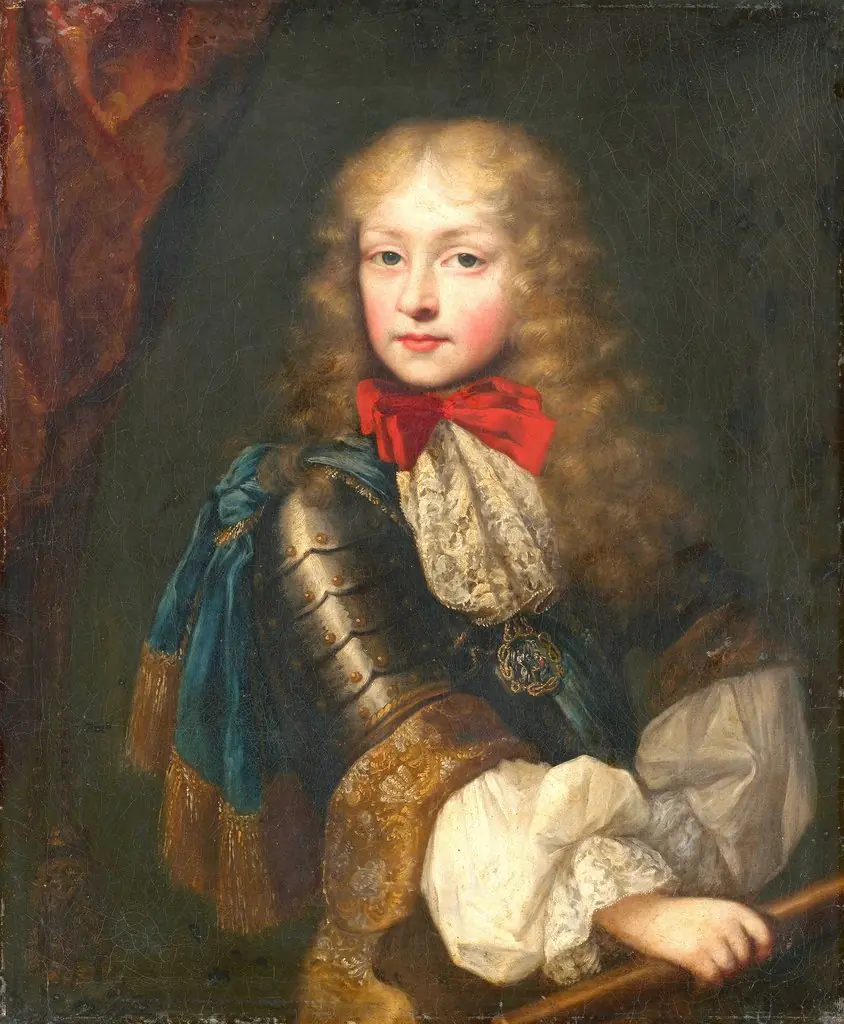 Kinderbildnis des Erbprinzen Viktor Amadeus II. von Savoyen
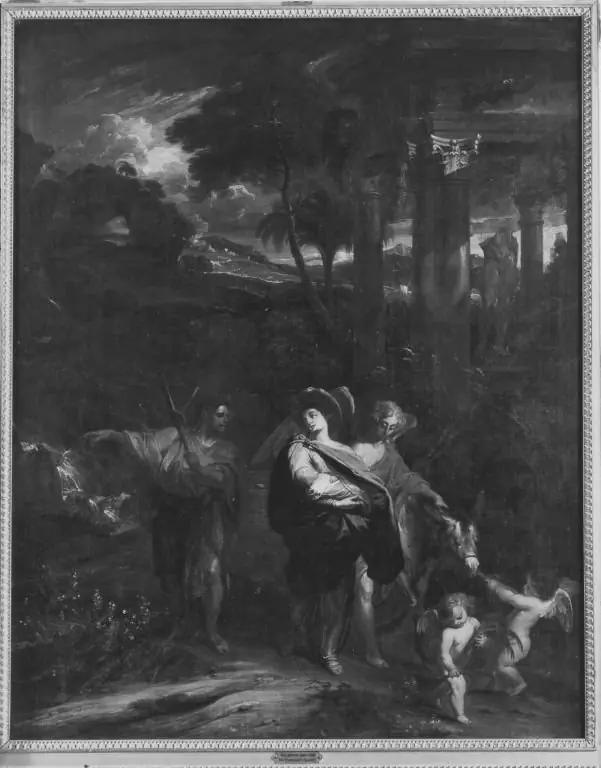 Flucht nach Ägypten
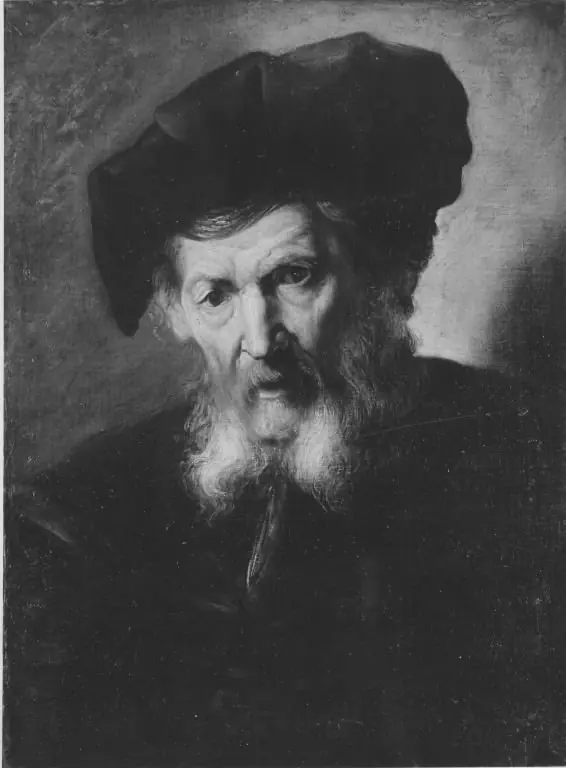 Bärtiger Greis mit Barett
 A Roman Lime Kiln
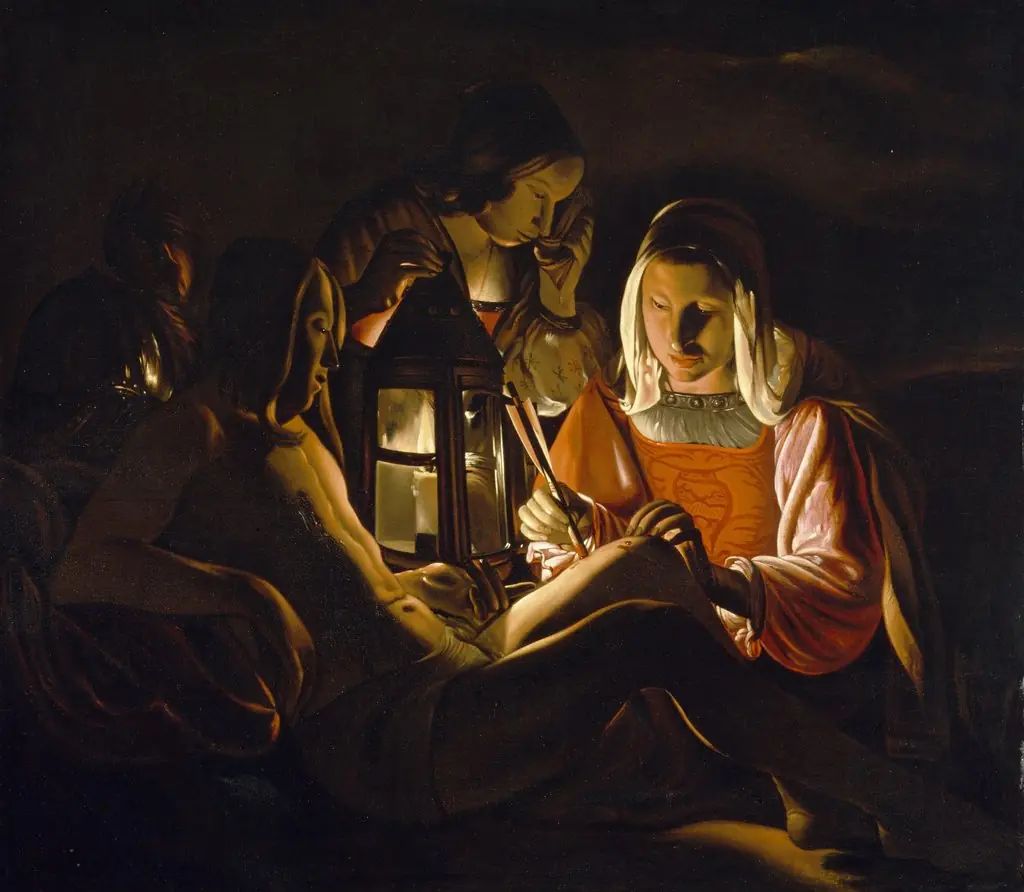 Saint Sebastian Nursed by Saint Irene
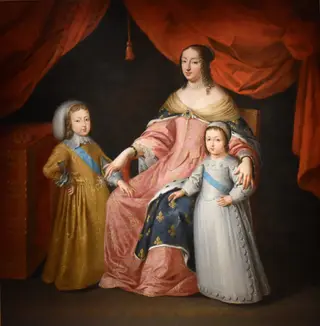 Anne of Austria with her children
Frequently asked questions
What is French Classical Baroque?
French Classical Baroque is an art movement. The restrained, orderly French answer to Italian Baroque exuberance in the 17th century.
How many French Classical Baroque works does Artifact World Gallery have?
Artifact World Gallery holds 563 public-domain French Classical Baroque works, all free to view and download.
Who are the key French Classical Baroque artists?
Key French Classical Baroque artists in the collection include Georges de La Tour, Nicolas Bertin and Charles Le Brun.
When did French Classical Baroque take place?
French Classical Baroque dates from 1620–1680.
Where can I see French Classical Baroque works?
French Classical Baroque works in the collection are held by Palace of Versailles, Bavarian State Painting Collections and Hermitage Museum.