Artwork
Painted Restoration of the Hathor-Head Frieze in the Tomb of Senenmut
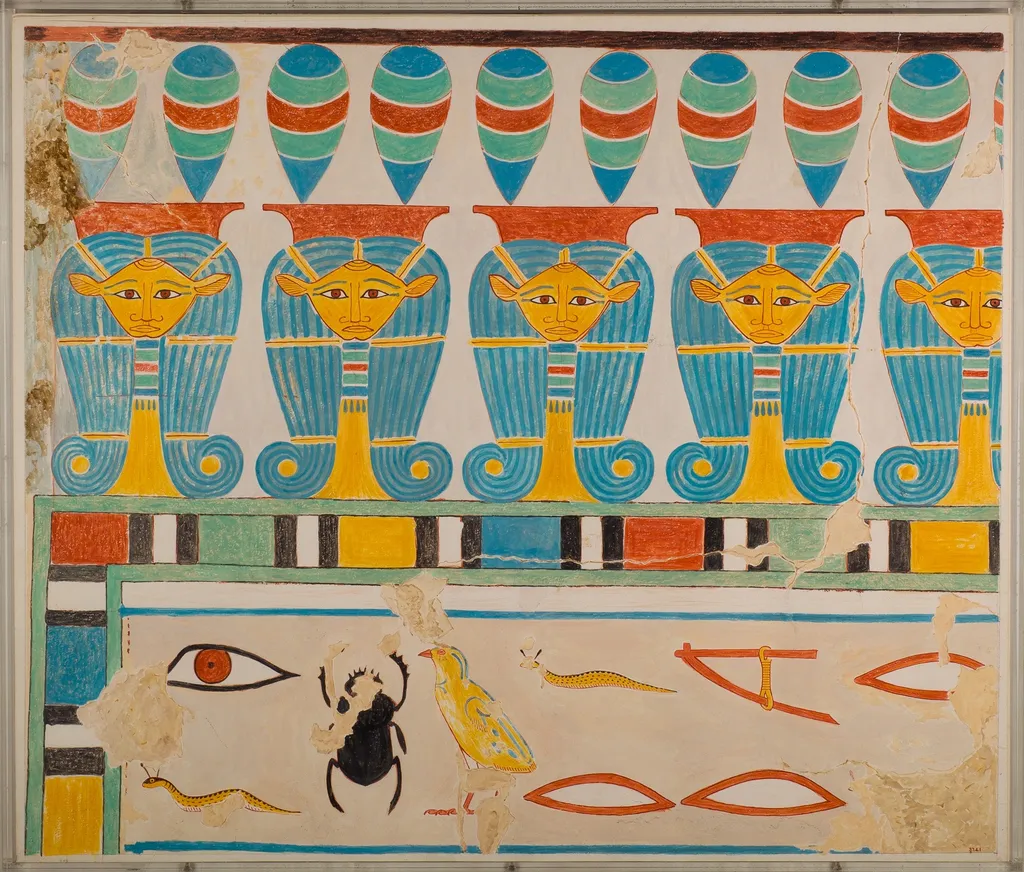
Painted Restoration of the Hathor-Head Frieze in the Tomb of Senenmut is an unspecified painting by Nina M. Davies. It dates from 1490 and is held in the collection of the Metropolitan Museum of Art. Around 1490, British Egyptologist and illustrator Nina M.
About this work
Subject & Meaning
The painted restoration depicts the goddess Hathor, whose image symbolizes joy, love, and maternal protection, reflecting her central role in Egyptian religious thought. The work is a modern reconstruction of the original decorative scheme from the tomb of the official Senenmut, aiming to preserve the visual and ritual significance of the frieze within the funerary context.
History & Provenance
The artwork is currently held in the collection of the Metropolitan Museum of Art, where it is cataloged under the accession number 37.
The work titled Painted Restoration of the Hathor-Head Frieze in the Tomb of Senenmut was created in 1479 by the artist Nina M. Davies. This piece serves as a facsimile and restoration of the original Hathor frieze located within the Tomb of Senenmut (TT 71). The creation history is defined by its function as a recorded restoration of the ancient tomb's decoration.
The artwork is currently held in the collection of the Metropolitan Museum of Art, where it is cataloged under the accession number 37.4.1.
The facsimile is held by the Metropolitan Museum of Art, where it forms part of the museum's collection of Nina M. Davies's documentation work from Egyptian tombs. Its accession number is 37.4.1, as recorded in the Wikidata entry for the work.
No exhibition history beyond its inclusion in the Metropolitan Museum of Art's holdings is documented in the available sources.
Overview
Around 1490, British Egyptologist and illustrator Nina M. Davies produced a painted restoration of a fragment from the Hathor-head frieze in the tomb of Senenmut. The work, now part of the Metropolitan Museum of Art’s collection, reconstructs a portion of the original wall decoration that featured the goddess Hathor and her attendant figures.
Technique & Style
Davies employed a careful, hand‑painted approach that mirrors the ancient palette of blues, yellows, reds and greens. The figures are arranged in orderly rows, each clothed in striped garments of blue and yellow, while a patterned border below incorporates a black beetle, a yellow bird and a snake rendered in the same vivid hues, echoing the rhythmic geometry of the original Egyptian mural.
Context
The original frieze belonged to the tomb of Senenmut, a high‑ranking official under Pharaoh Hatshepsut in the 15th century BCE. Hathor’s presence in tomb art reflects her role as a guide for the deceased, and the repetitive, regimented arrangement of her attendants underscores the Egyptian emphasis on order and protection in the afterlife.
Legacy
Davies’s restoration remains a valuable reference for Egyptologists studying the visual language of New Kingdom funerary art. By reproducing the colors and motifs with scholarly precision, the piece aids contemporary viewers in visualizing the lost original and contributes to ongoing research on the iconography of Hathor and her cult.
Artist & collection
Artist
The Egyptologists Nina M. Davies (6 January 1881 – 21 April 1965) and Norman de Garis Davies (1865–5 November 1941) were a married couple of illustrators and copyists who worked in the early and mid-twentieth century…

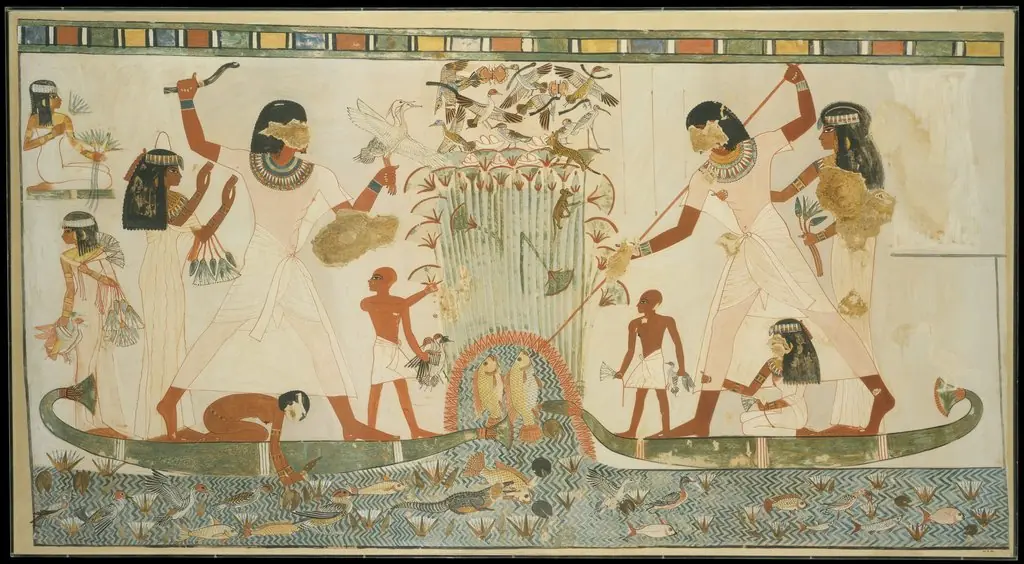 Menna and Family Hunting in the Marshes, Tomb of Menna
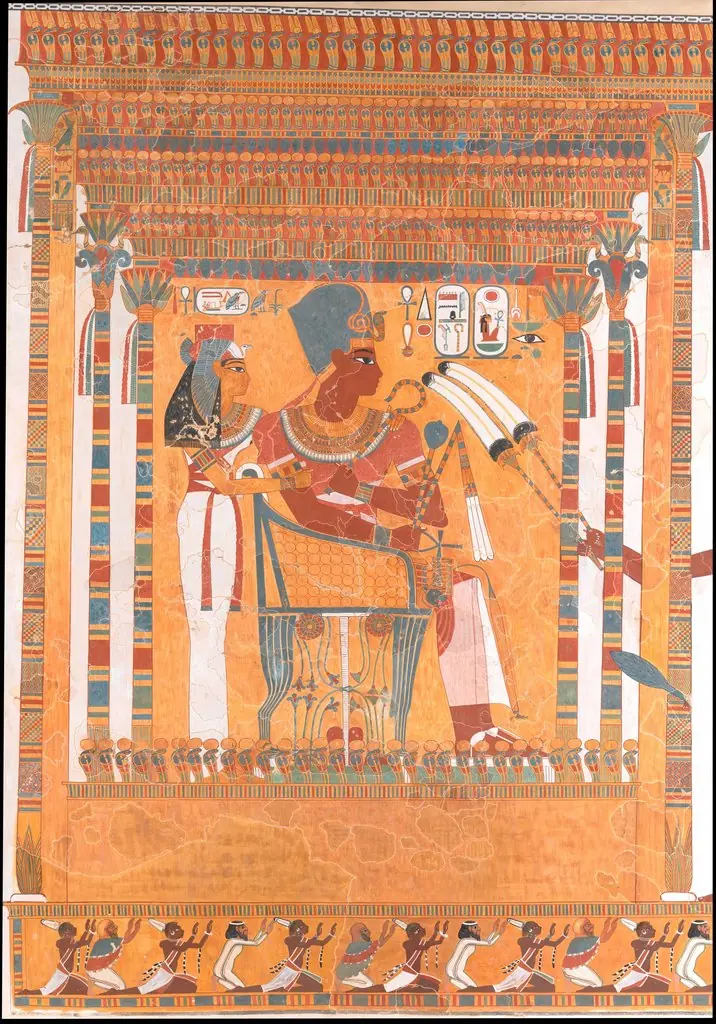 Amenhotep III and his Mother, Mutemwia, in a Kiosk
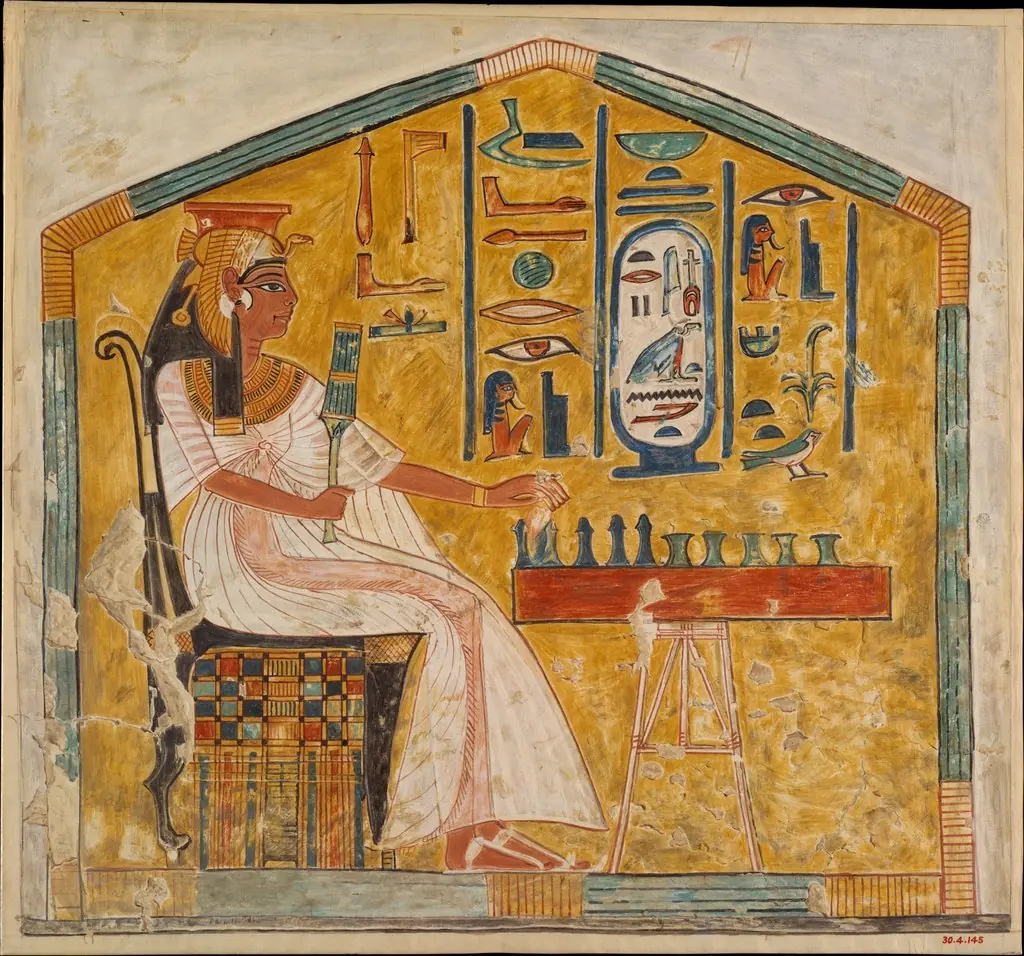 Queen Nefertari Playing Senet
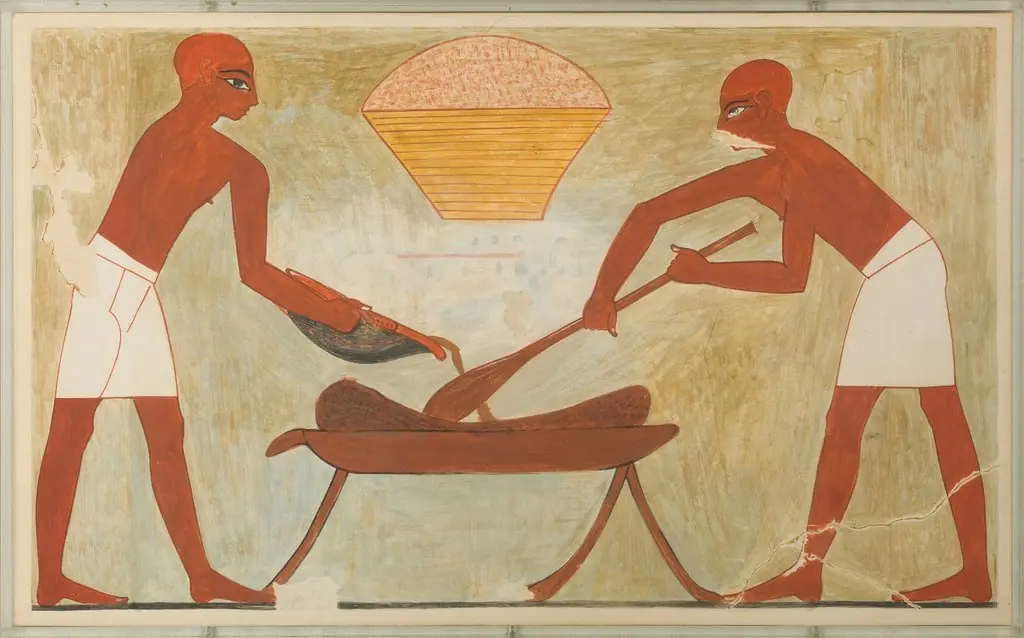 Preparing Dough, Tomb of Rekhmire
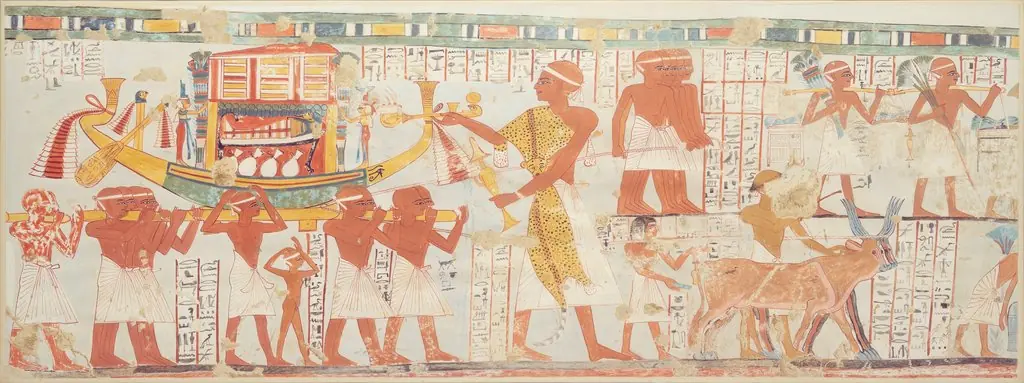 Nakhtamun's Funeral Procession, Tomb of Nakhtamun
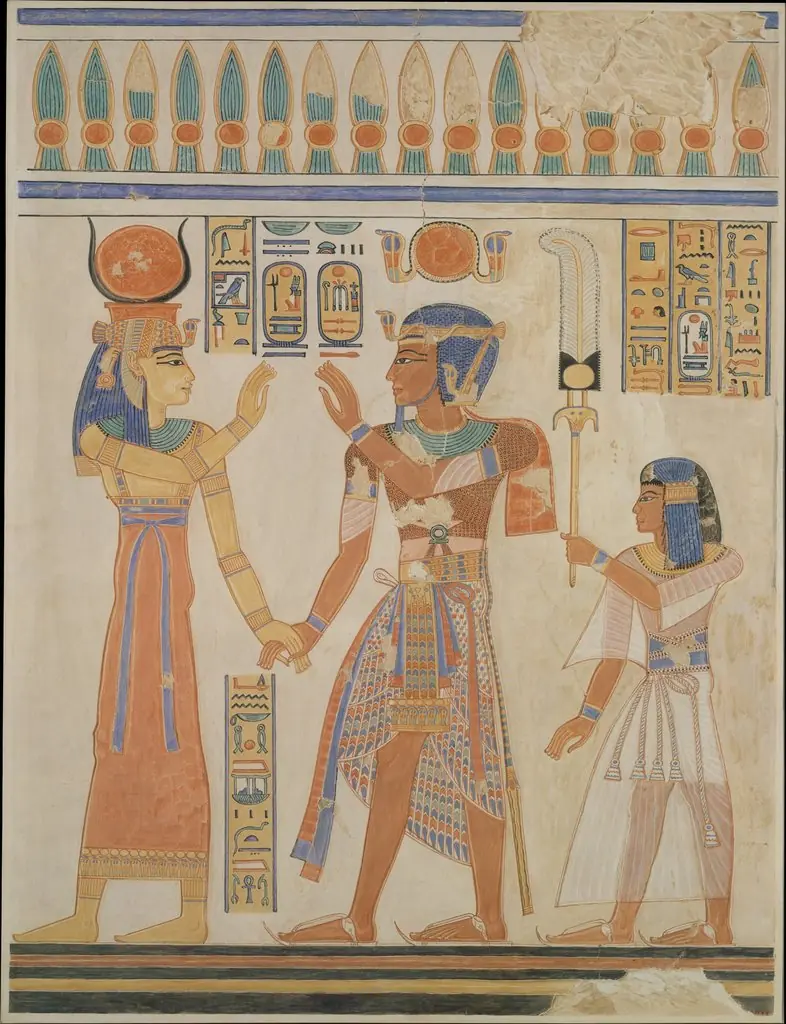 Ramesses III and Prince Amenherkhepeshef before Hathor
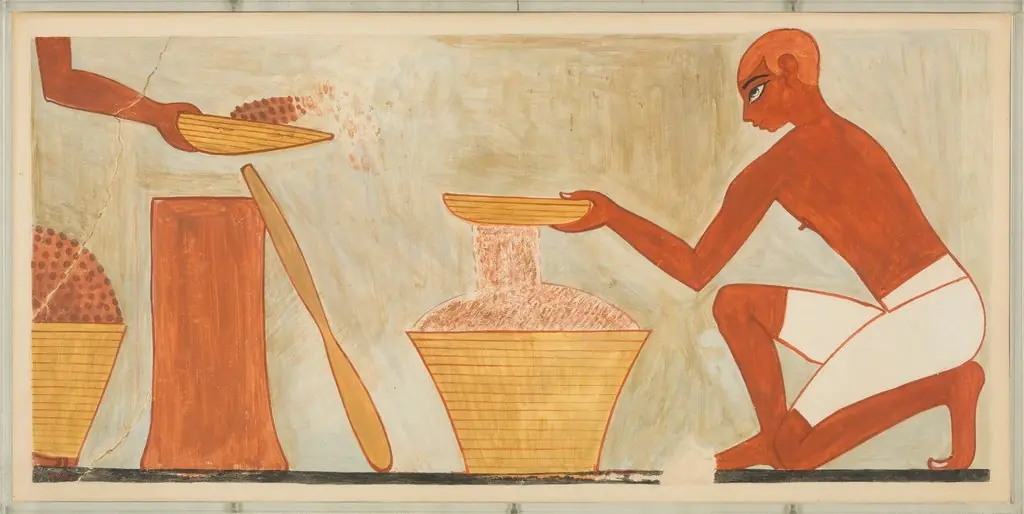 Sifting Meal, Tomb of Rekhmire
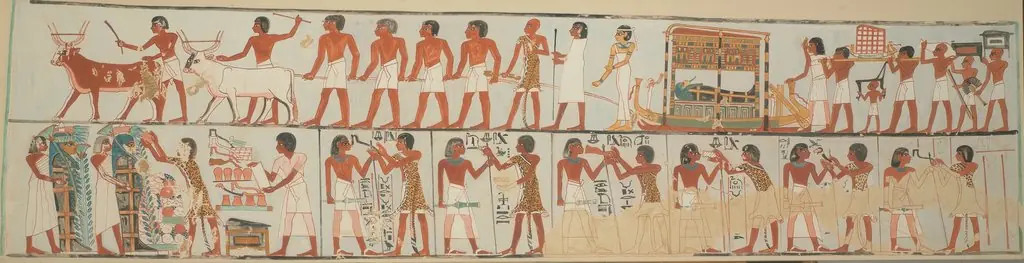 Funeral Procession, Tomb of Pairy
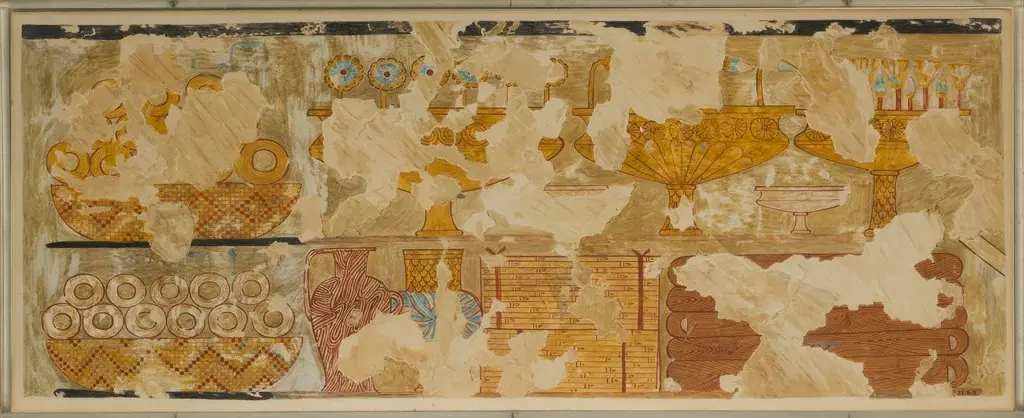 Gifts from Western Asia, Tomb of Rekhmire
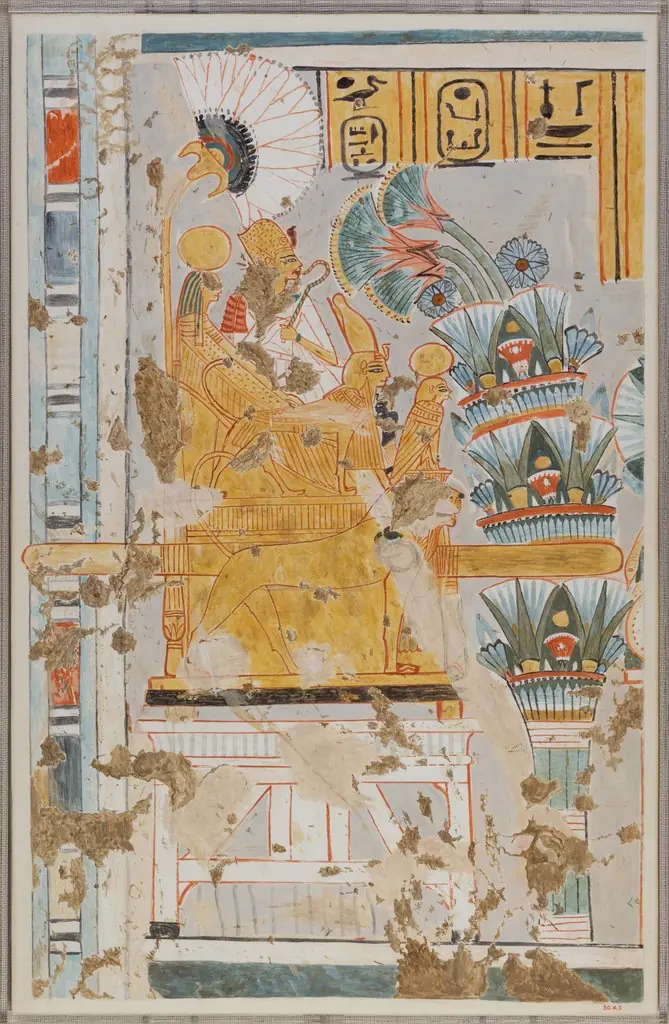 Statue of Deified Amenhotep I
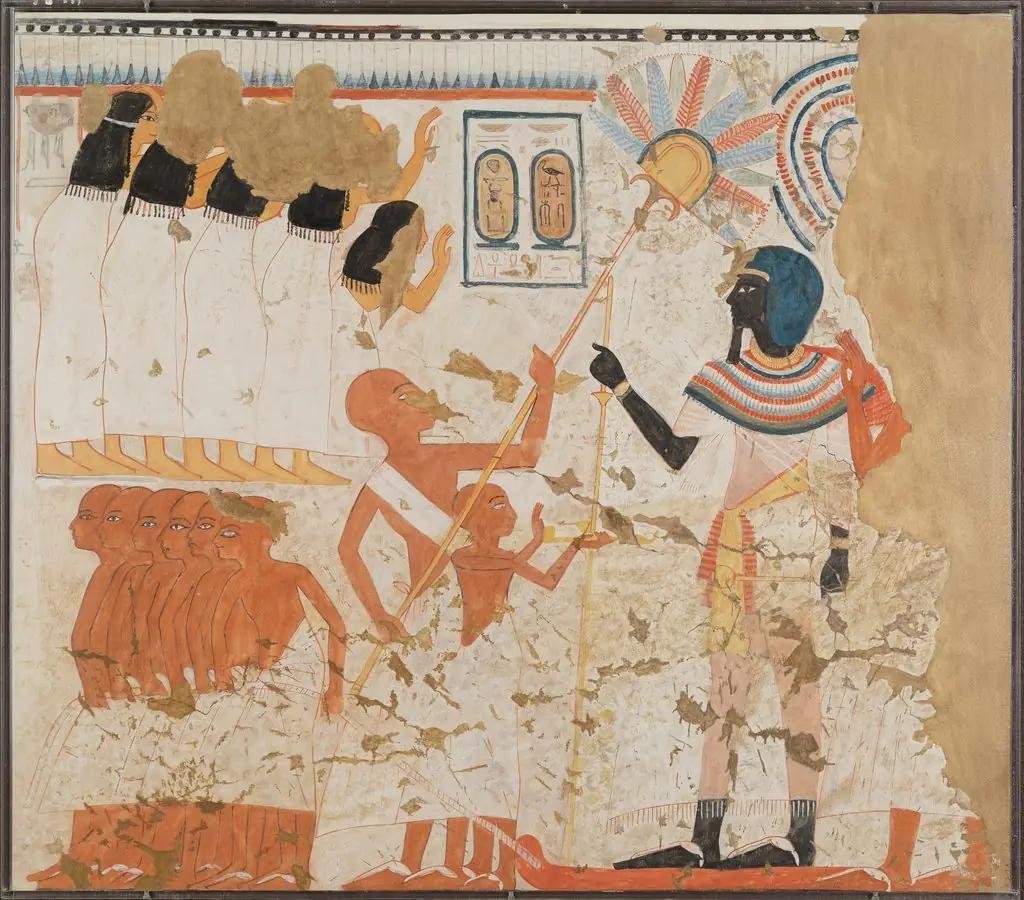 Dragging a Statue of Thutmose I
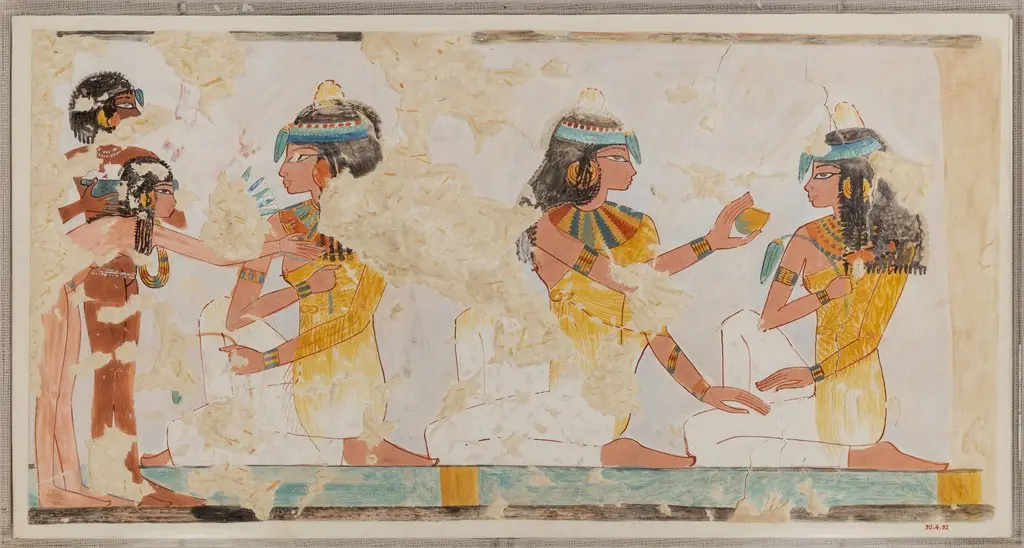 Women at a Banquet
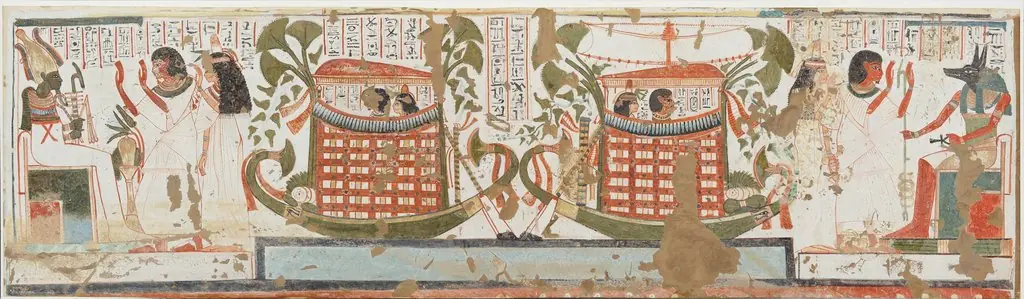 Userhat and Wife Visit Abydos, Tomb of Userhat
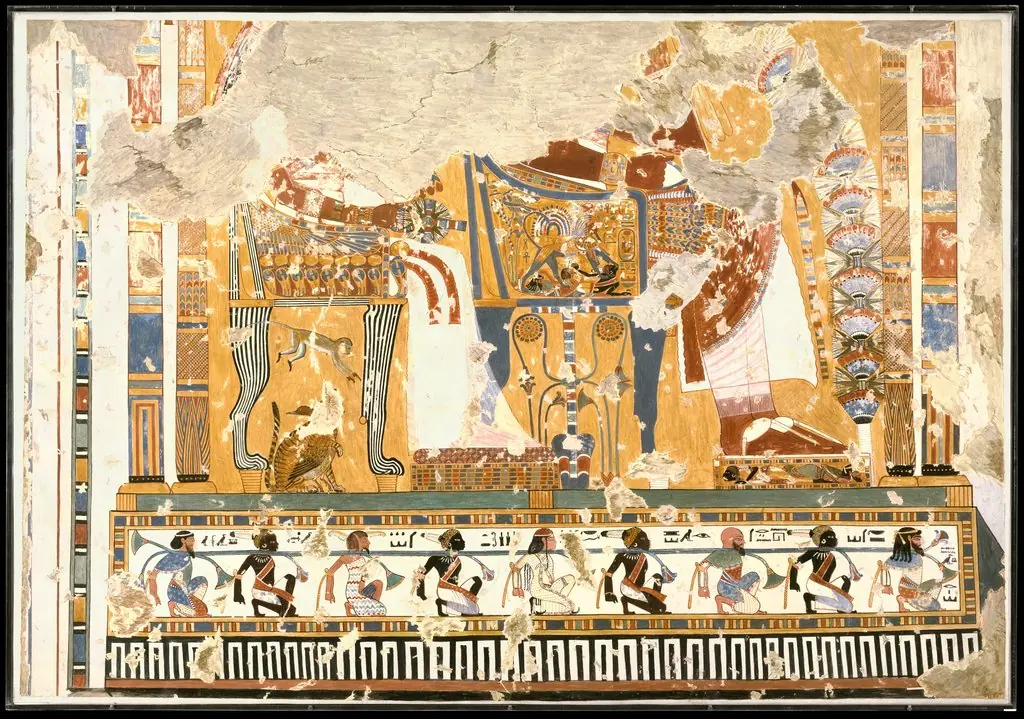 Amenhotep III and Queen Tiye Enthroned Beneath a Kiosk, Tomb of Anen
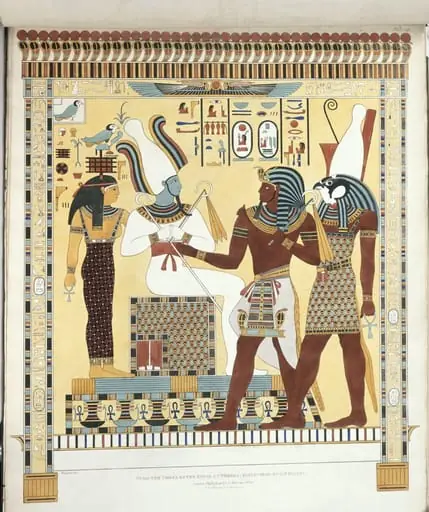 Plates Illustrative Of The Researches And Operations Of G. Belzoni In Egypt And Nubia
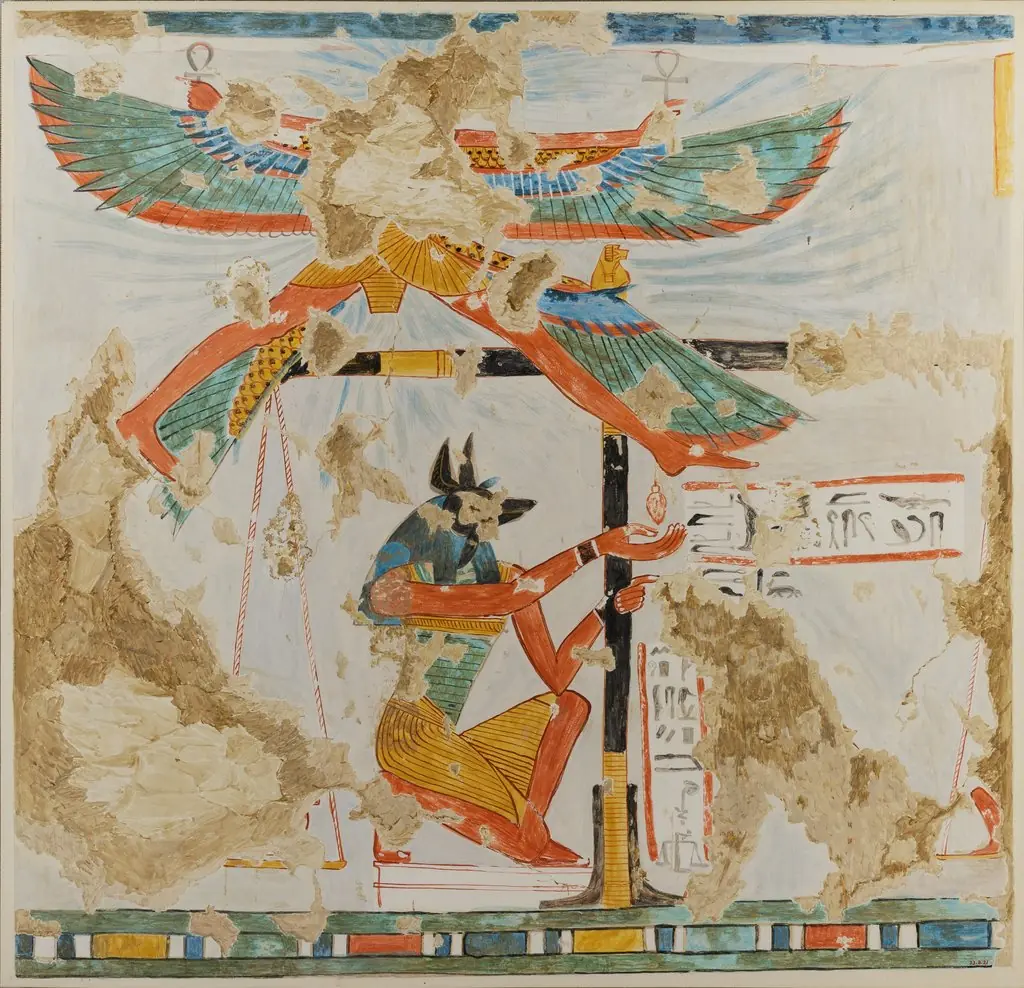 Anubis Weighing the Heart, Tomb of Nakhtamun
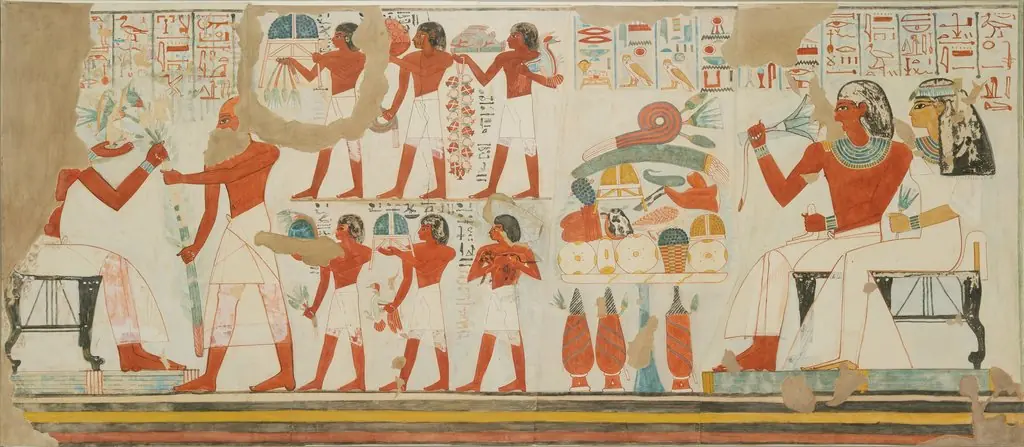 Offerings Made to the Deceased and his Wife, Tomb of Djehutyemheb