Subject
Fish
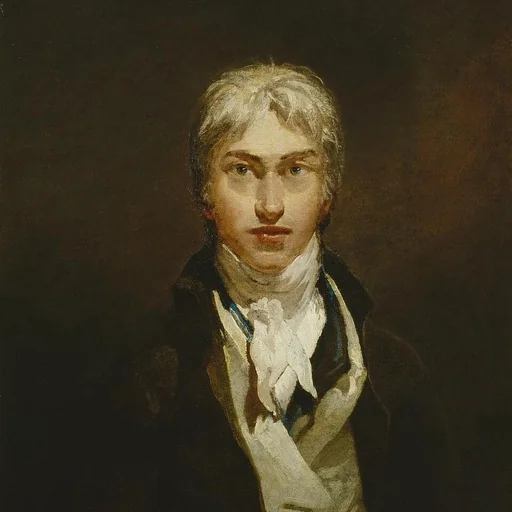
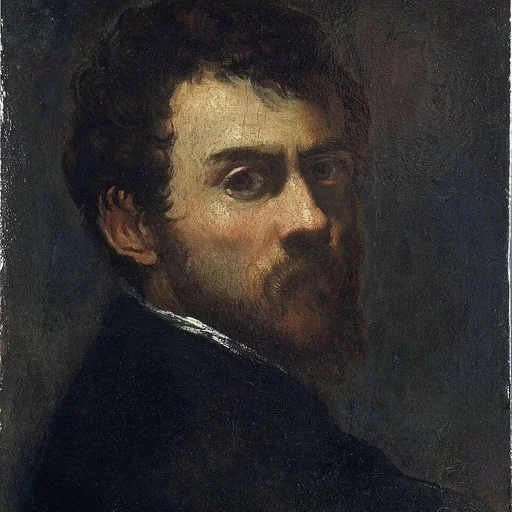
Fish is a subject in art. The gallery holds 155 works in this subject in art, including works by Gustave Courbet, François Boucher and Joseph Mallord William Turner.
Fish are among the oldest subjects in art, painted long before they carried any settled meaning. In New Kingdom Egypt, tomb-chapel walls show the deceased fishing and fowling in the papyrus marshes: in the tomb of Menna (TT69) at Thebes, made under Amenhotep III around 1400–1352 BCE, the Scribe of the Fields spears two large tilapia from a reed skiff. The choice was not casual—tilapia, which shelter their young in their mouths, were emblems of regeneration, and the marsh itself evoked the first creation and the hope of rebirth. The Met holds Nina de Garis Davies's meticulous twentieth-century facsimile of this scene, part of the great campaign that copied Egypt's fragile painted tombs.
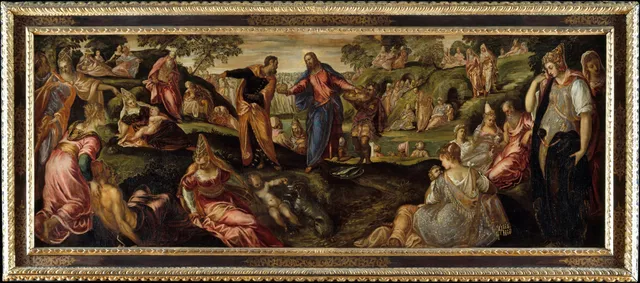
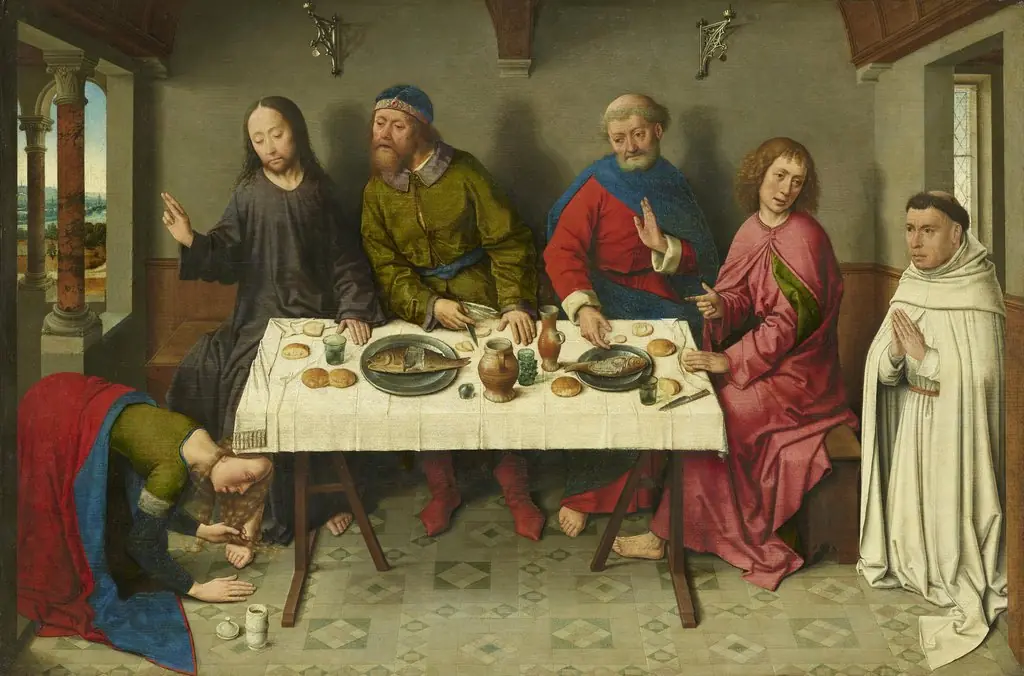
For early Christians the fish became code. By the late second century the Greek word ICHTHYS was read as an acrostic for "Jesus Christ, Son of God, Saviour," and the motif—often paired with bread and a cup—was carved on catacomb slabs, lamps and rings, a discreet sign among the persecuted. Scripture supplied scenes painters returned to for centuries: the miraculous draught, the calling of fishermen-apostles, and the feeding of the multitude, as in Jacopo Tintoretto's dramatically lit Miracle of the Loaves and Fishes. The healing fish of the Book of Tobit underlies Bernardo Strozzi's Tobias Curing His Father's Blindness.
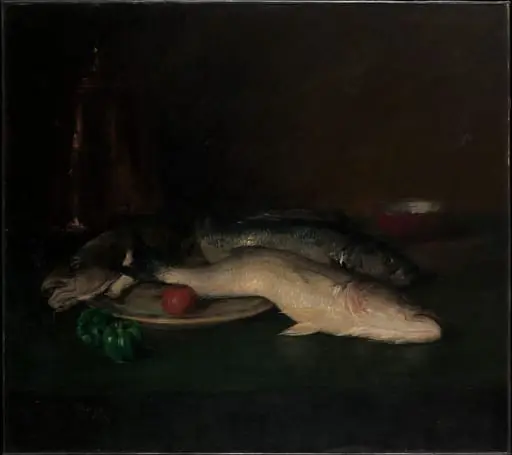
Fish also anchored the secular still life. In sixteenth-century Antwerp, Pieter Aertsen and his nephew Joachim Beuckelaer invented the monumental market and kitchen picture, heaping glistening catch in the foreground; the Flemish masters Frans Snyders and Adriaen van Utrecht later swelled this into the lavish pronkstilleven, while Dutch specialists such as Willem Ormea and Jacob Gillig devoted whole careers to scaly, silvery still lifes prized as feats of observation.
In the modern era the fish returned to drama and danger. John Singleton Copley's Watson and the Shark (1778) turned a real 1749 shark attack in Havana harbour into history-painting spectacle, and Winslow Homer's The Gulf Stream (1899) set a lone fisherman adrift among circling sharks—an image of human endurance against nature, freighted with the Caribbean's colonial and slave-trade history.
Key artists
Iconography & meaning
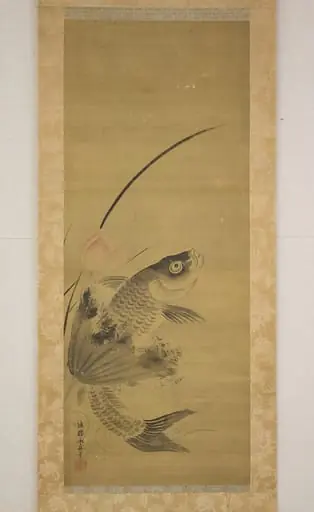
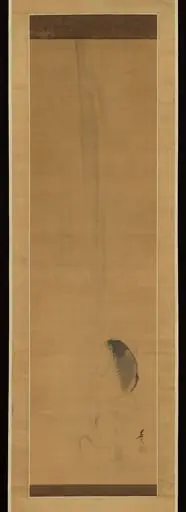
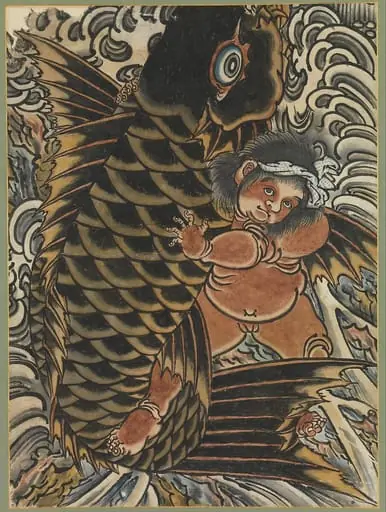
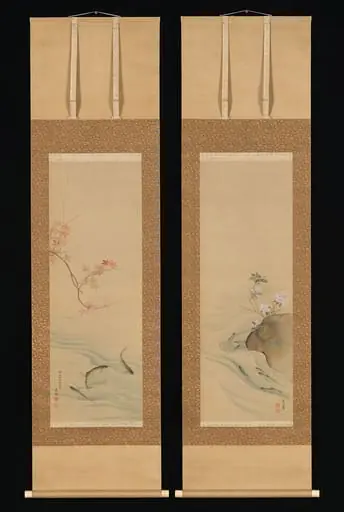
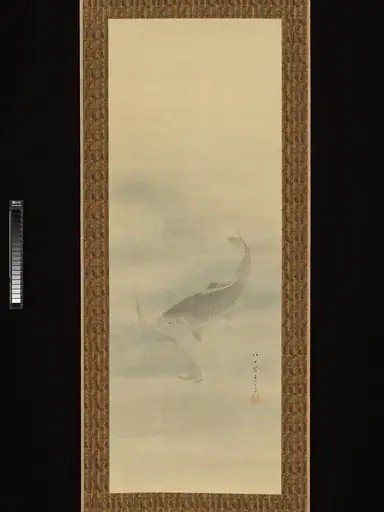
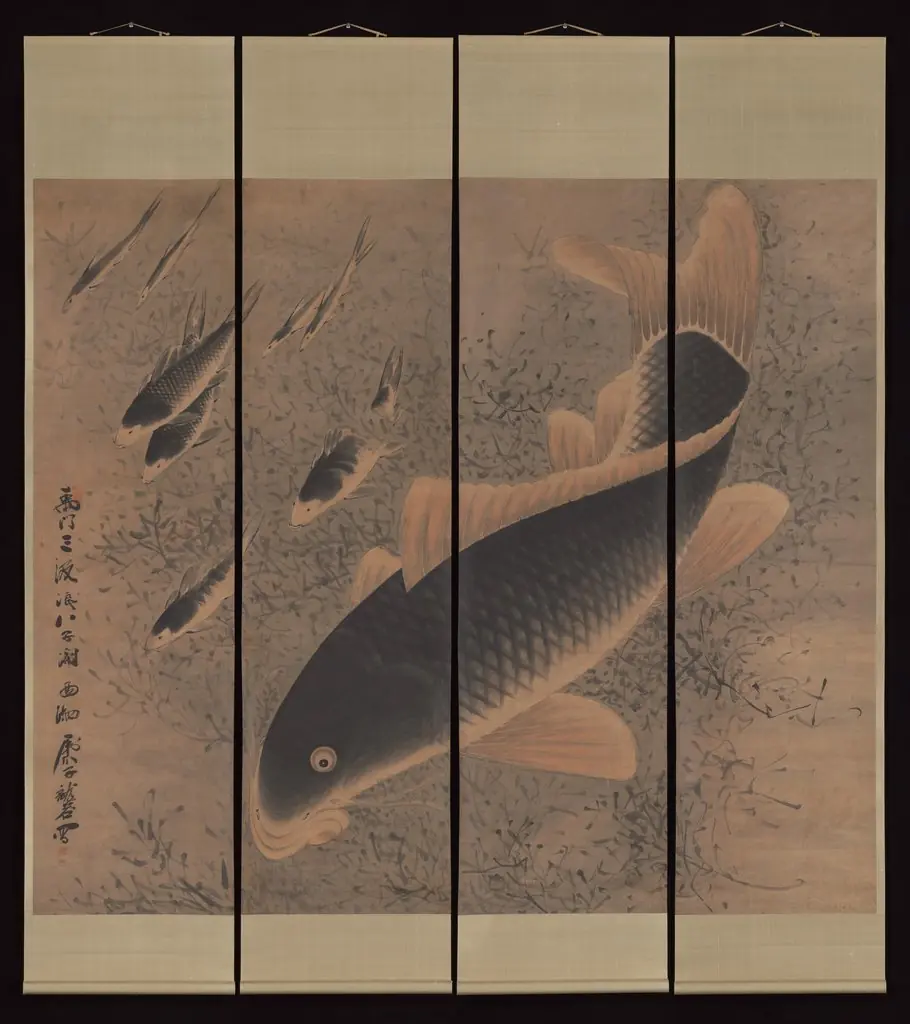
The iconography of fish in art is extraordinarily rich and culturally specific. In Christian art, the fish became an early symbol of Christ and the faith itself, derived from the Greek acronym ichthys (ΙΧΘΥΣ), and appears in scenes such as The Miracle of the Loaves and Fishes. The biblical story of Tobias curing his father's blindness with the help of a fish, depicted in works such as Tobias Curing His Father's Blindness, gave the creature medicinal and redemptive associations. In East Asian traditions, particularly in Chinese and Japanese art, the carp (koi) symbolizes perseverance, transformation, and good fortune, often depicted swimming upstream or in association with lotus flowers. Buddhist and Hindu traditions have also employed fish as symbols of fertility and abundance. In secular contexts, fish have carried meanings related to mortality and the transience of life in vanitas still lifes, while in modern and contemporary art they have served as vehicles for exploring color, movement, and the boundaries between representation and abstraction.
Across movements & periods
The treatment of fish in art has evolved considerably across movements and periods, reflecting changing technologies of representation, scientific understanding, and cultural priorities. In ancient and medieval art, fish appeared primarily within religious or funerary contexts, as in Egyptian tomb paintings or early Christian catacomb imagery. The Renaissance and Baroque periods saw the emergence of the still life as an independent genre, with artists such as Clara Peeters and Jean-Baptiste-Siméon Chardin producing meticulously observed fish still lifes that demonstrated both technical virtuosity and, increasingly, symbolic depth. The eighteenth and nineteenth centuries brought heightened naturalism and, with the rise of plein-air painting and Impressionism, new attention to the effects of light and atmosphere on water and aquatic life. Winslow Homer's watercolors of leaping trout and pike exemplify this trend toward dynamic, observed naturalism. Japanese woodblock prints by artists such as Katsushika Hokusai and Totoya Hokkei offered alternative compositional models that influenced Western artists, particularly through flattened perspective and bold contour. In the twentieth century, Fauvism, Expressionism, and abstraction transformed fish into pretexts for chromatic and formal experimentation. Henri Matisse's 1912 Goldfish, with its simultaneous front and overhead perspectives and its deployment of complementary colors, represents a decisive modernist reworking of the motif. Contemporary practice continues this diversity, encompassing photorealistic depiction, conceptual engagement with marine ecology, and the fusion of traditional East Asian ink techniques with modernist abstraction.
Notable depictions
Certain depictions of fish have achieved particular canonical status. Winslow Homer's Leaping Trout (1889) and Pike, Lake St. John (1897) are celebrated for their dynamic naturalism and mastery of watercolor. Japanese masters produced iconic images: Katsushika Hokusai's Two Carp (1831) and Totoya Hokkei's Head of a Salmon (c. 1820), the latter a woodblock print in the collection of The Metropolitan Museum of Art. Ohara Koson's Carp and other works exemplify the Japanese tradition of depicting these fish with bright tones and tranquil atmosphere. In European modernism, Henri Matisse's Goldfish (1912), an oil on canvas measuring 140 by 98 centimeters, stands as a landmark of Fauvist colorplitical exploration; purchased by Sergei Shchukin in 1912, it has resided at the Pushkin Museum in Moscow since 1948 and features in the AP Art History curriculum. Paul Klee's The Goldfish (1925) offers a contrasting modernist interpretation. Gustave Courbet's The Trout (1871) and works by Chardin such as Still Life With Cat and Fish (1728) remain touchstones of the naturalistic tradition. Salvador Dalí's Dream Caused by the Flight of a Bee around a Pomegranate a Second Before Awakening (1943-1945) incorporates fish into surrealist dream imagery, while Man Ray's Pisces (1938) abstracts the motif. The collection also holds significant works by George Caleb Bingham, Claude Monet, Édouard Manet, and Joaquín Sorolla, among others.
Legacy
The legacy of fish in art extends beyond individual masterpieces to encompass broader patterns of cultural influence and contemporary relevance. The motif has proved remarkably adaptable, sustaining artistic interest from ancient religious symbolism through modernist formal innovation to current environmental concerns. Joy Adamson's marine paintings, over 700 works held by the National Museums of Kenya, demonstrate how fish imagery can serve conservation consciousness, documenting species such as the devil firefish (Pterois volitans), trumpet fish (Aulostomus chinensis), lagoon triggerfish, and Moorish idol while raising awareness of marine ecosystems. Contemporary artists continue to draw on established symbolic vocabularies, the carp tradition in East Asian art remaining particularly vital, as in the work of H.H. Dorje Chang Buddha III, whose Dragon Carp Frolic in a Lotus Pond combines freehand and fine brushwork in a contemporary reworking of classical themes. The persistence of fish in art educational contexts, Matisse's Goldfish being a prominent example, ensures the motif's continued transmission to new generations of viewers and makers. Meanwhile, the intersection of fish imagery with questions of sustainability, evident in discussions of marine ornamentation and consumption, suggests that the subject retains its capacity to engage pressing contemporary issues even as it maintains its long-established aesthetic and symbolic functions.
Works
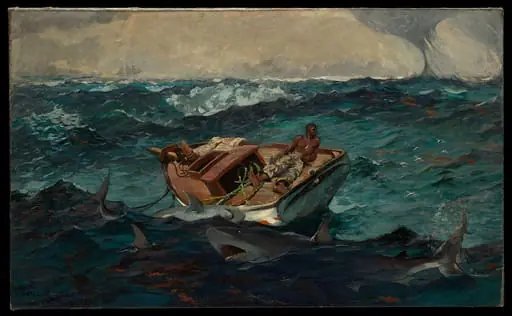 The Gulf Stream
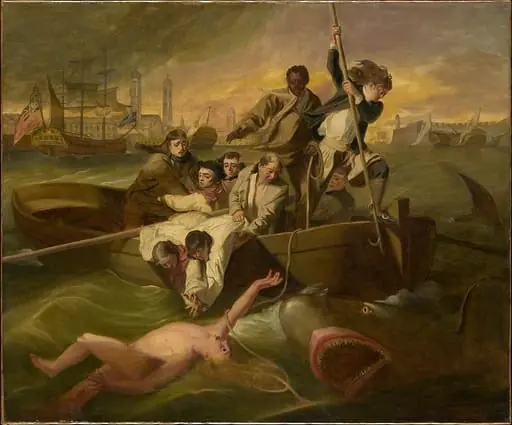 Watson and the Shark
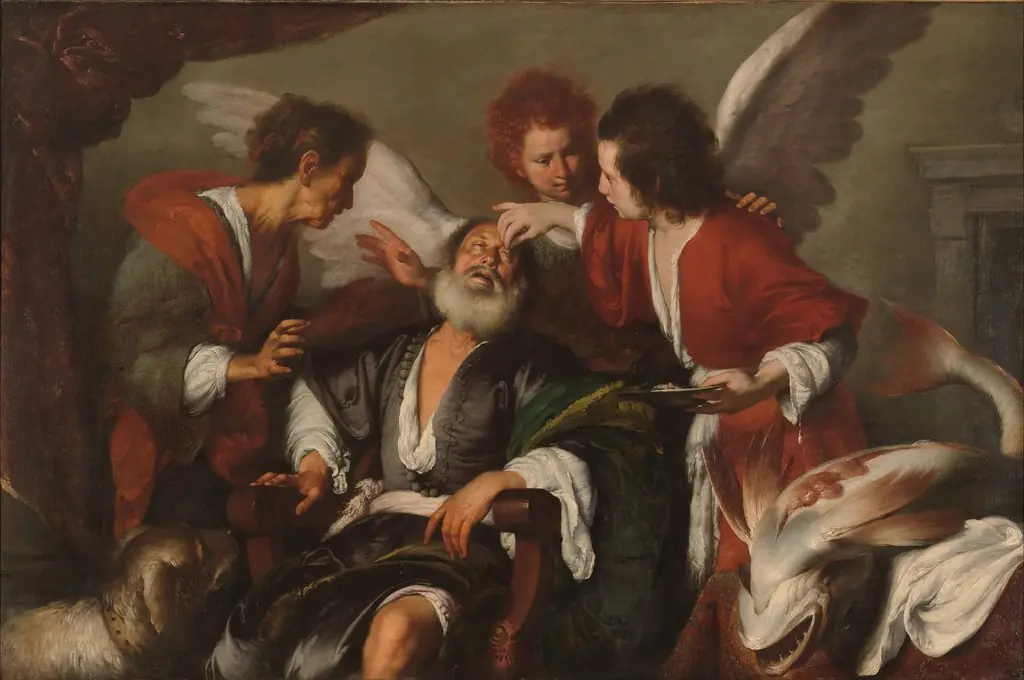 Tobias Curing His Father's Blindness
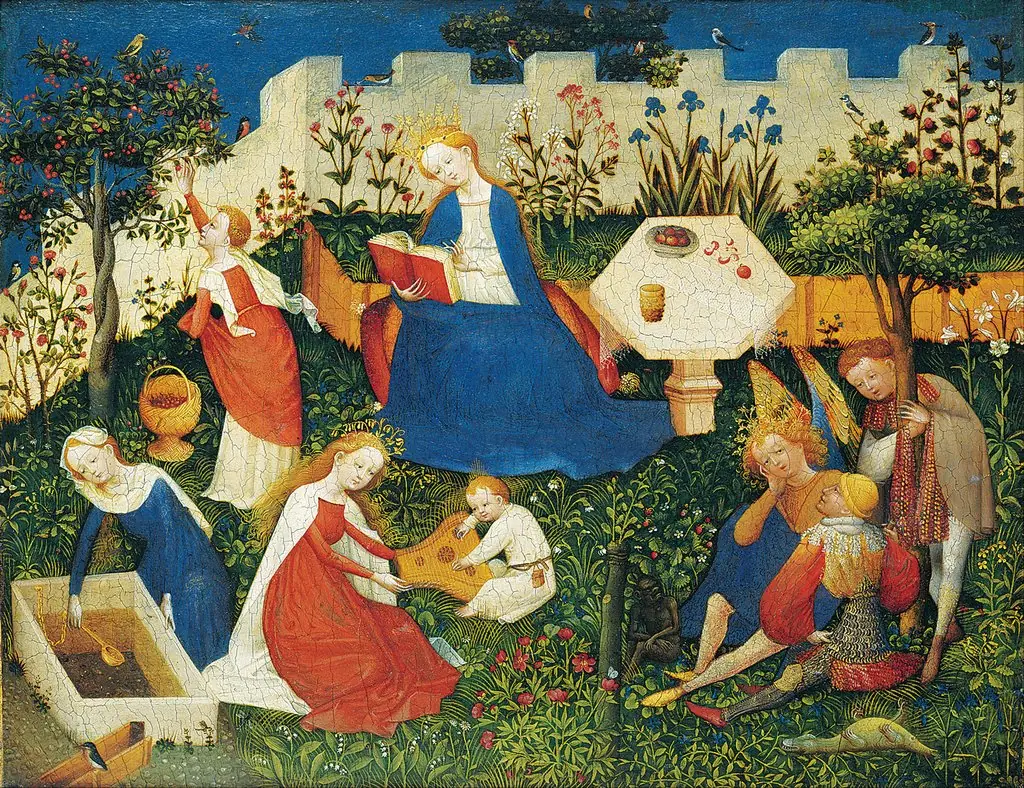 Paradiesgärtlein
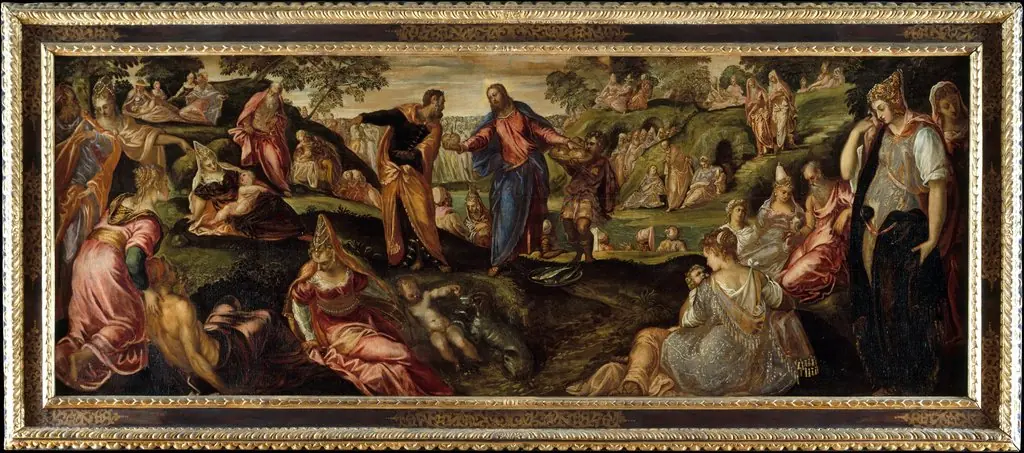 The Miracle of the Loaves and Fishes
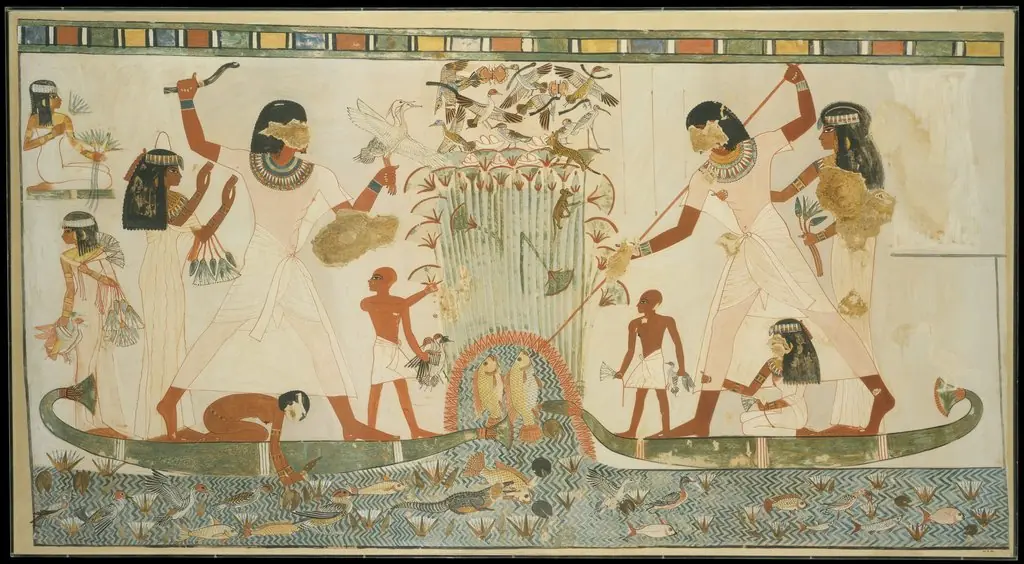 Menna and Family Hunting in the Marshes, Tomb of Menna
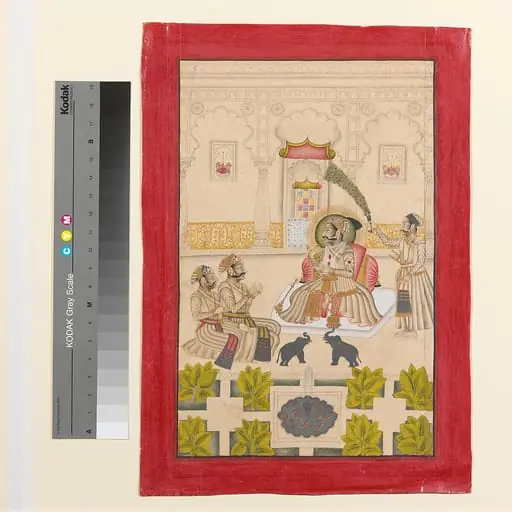 Untitled
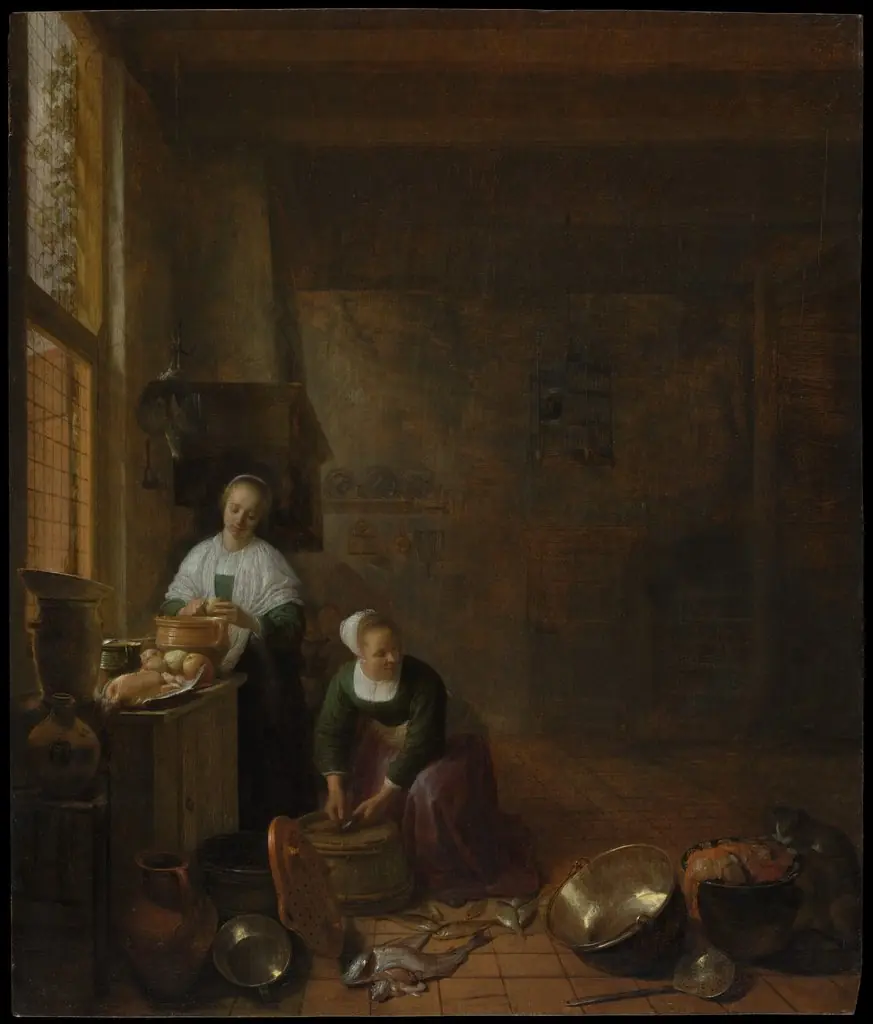 A Kitchen
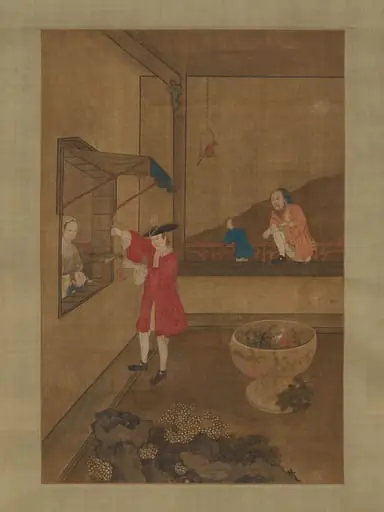 Untitled
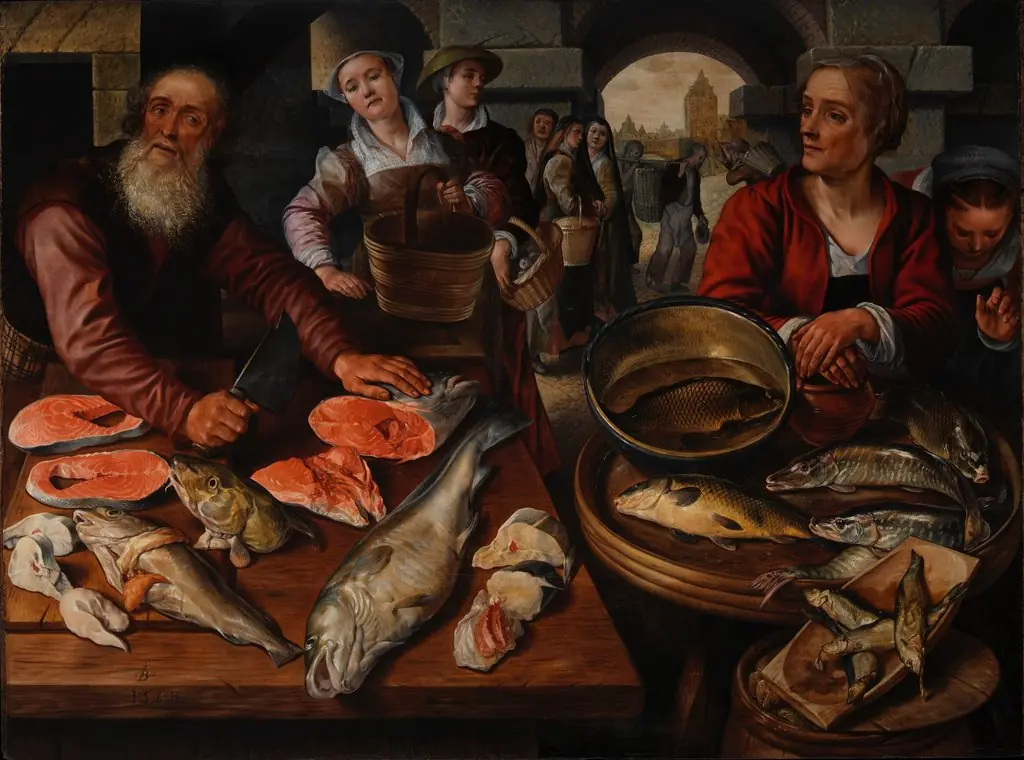 Fish Market
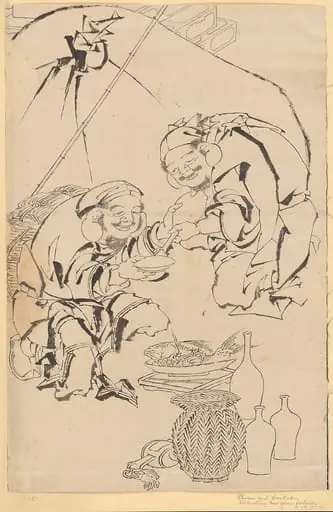 Untitled
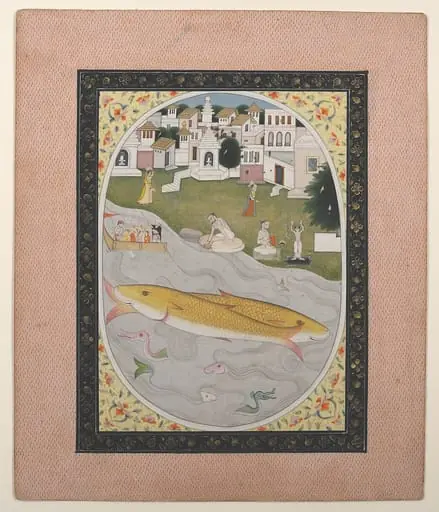 Untitled
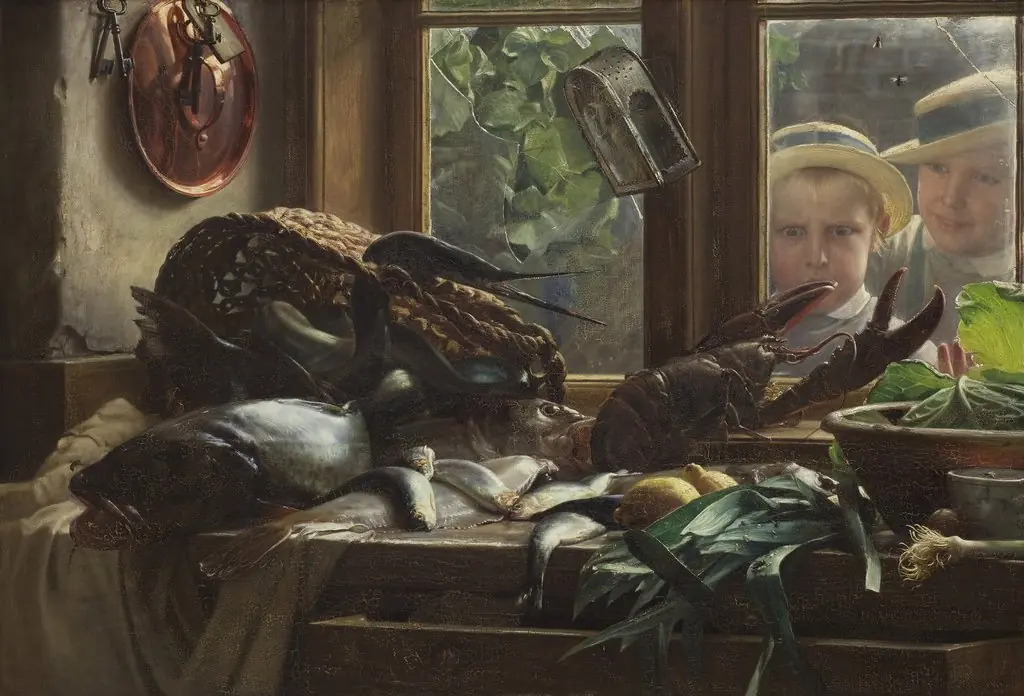 Still Life with Fish
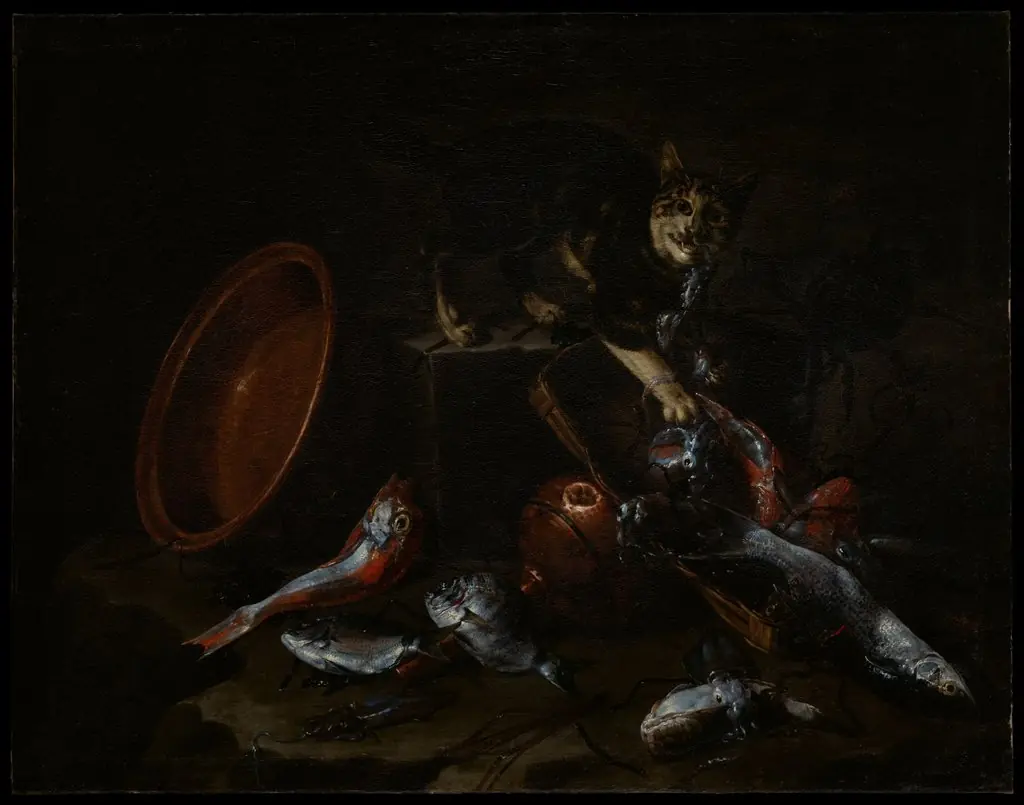 A Cat Stealing Fish
 Untitled
 Untitled
 Christ in the house of the Pharisee Simon
 Still Life: Fish
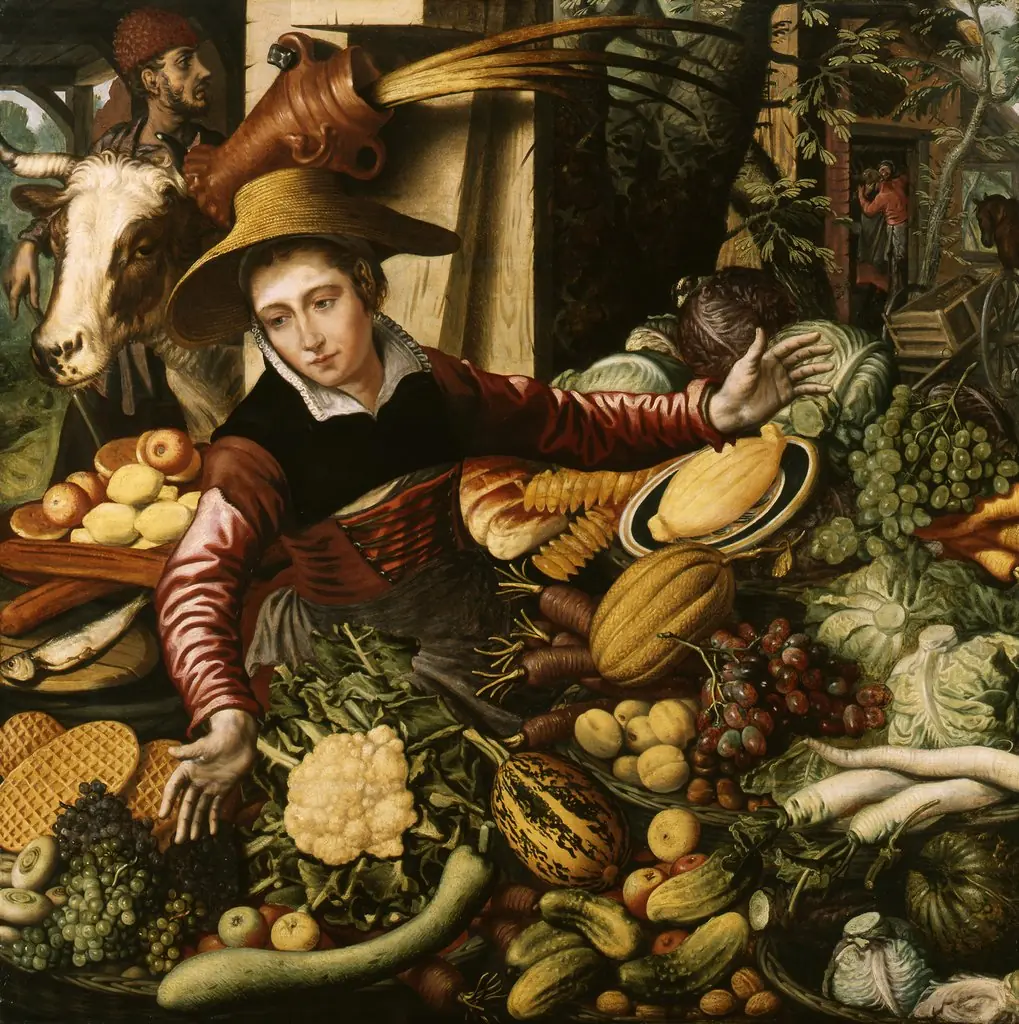 Market Woman at the Vegetable Stall
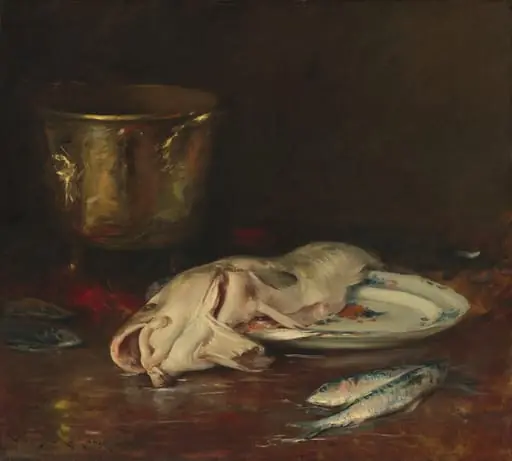 An English Cod
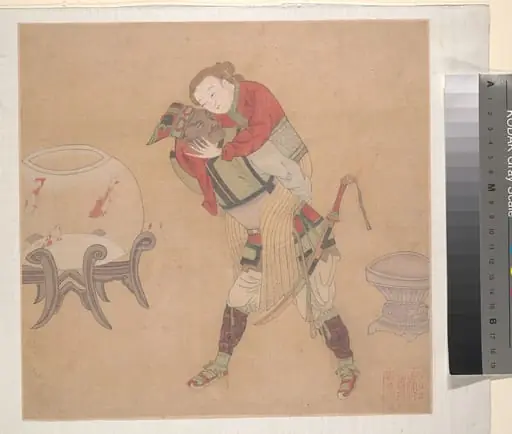 Untitled
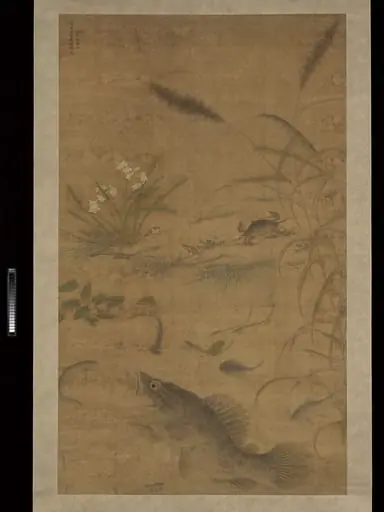 一鱖禾蟹圖|Flowers, fish, and crabs
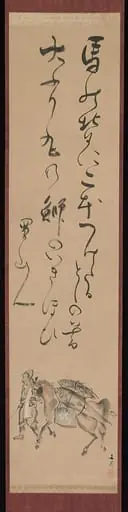 Untitled
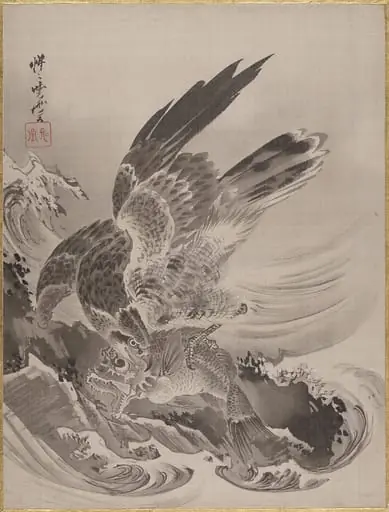 Untitled
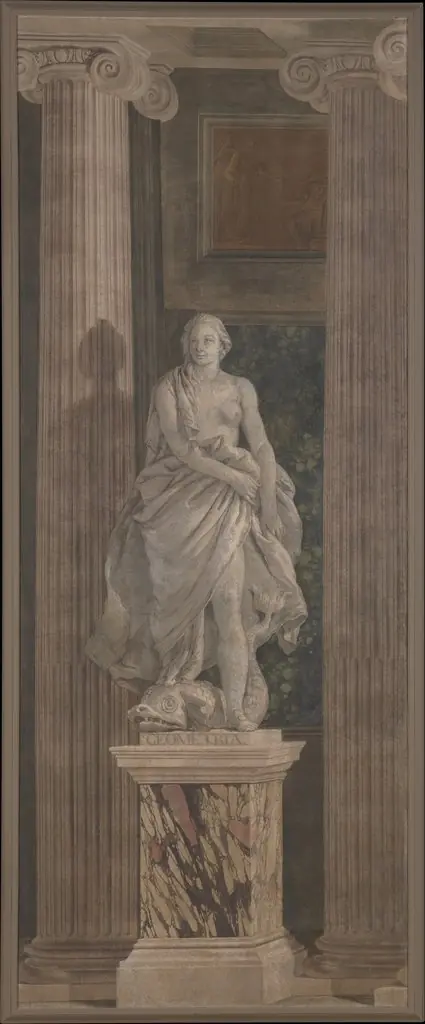 Geometry
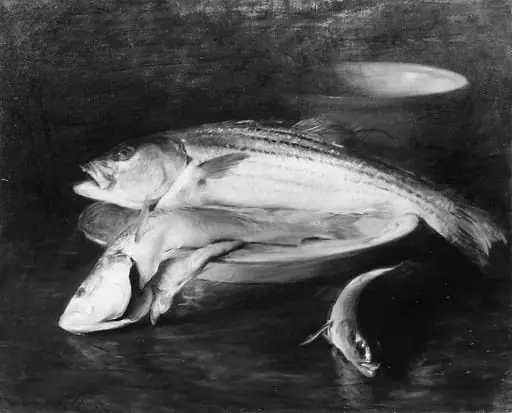 Fish
Fish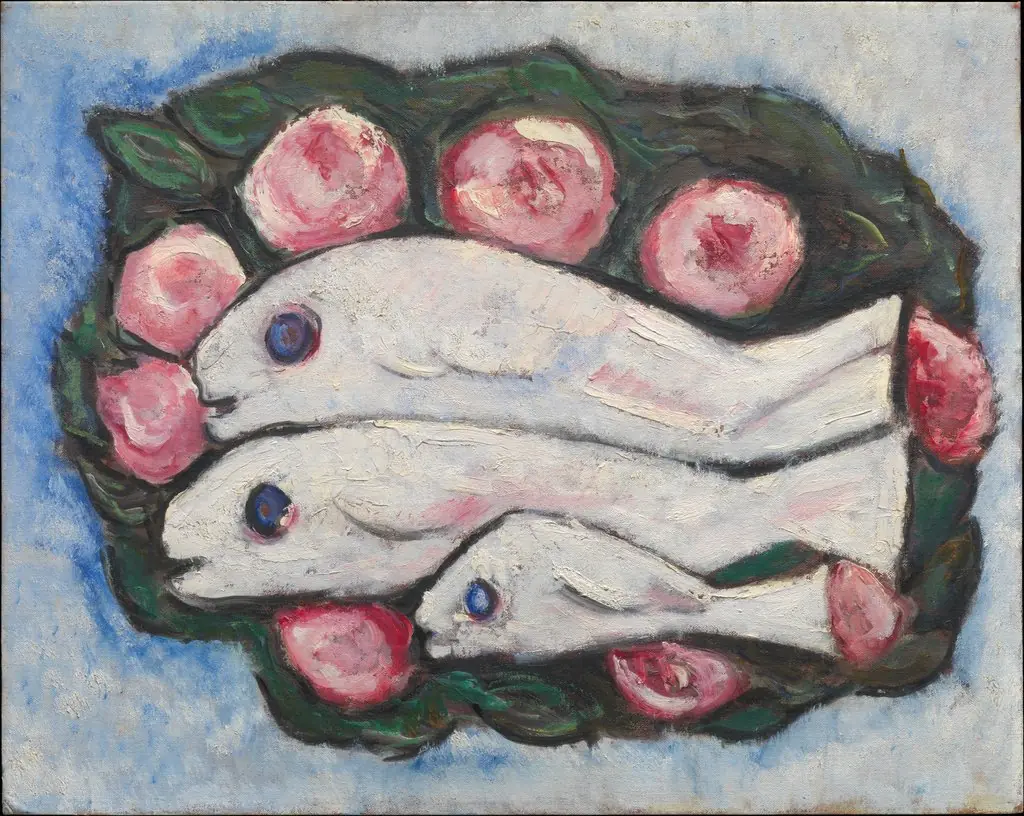 Banquet in Silence
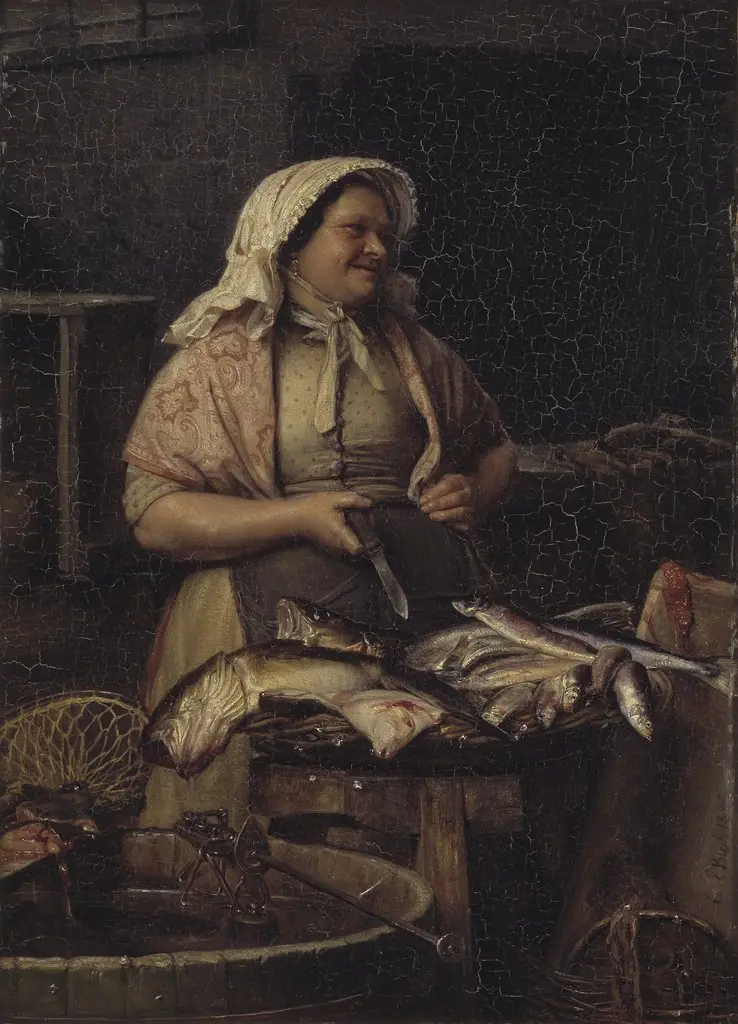 A Fishwife
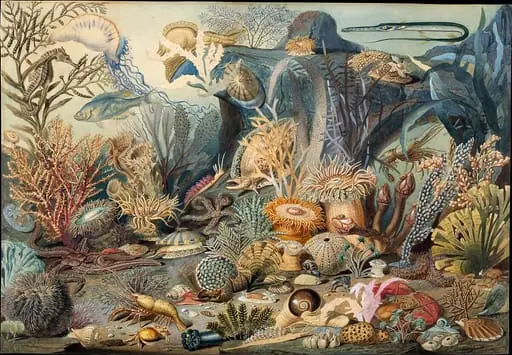 Ocean Life
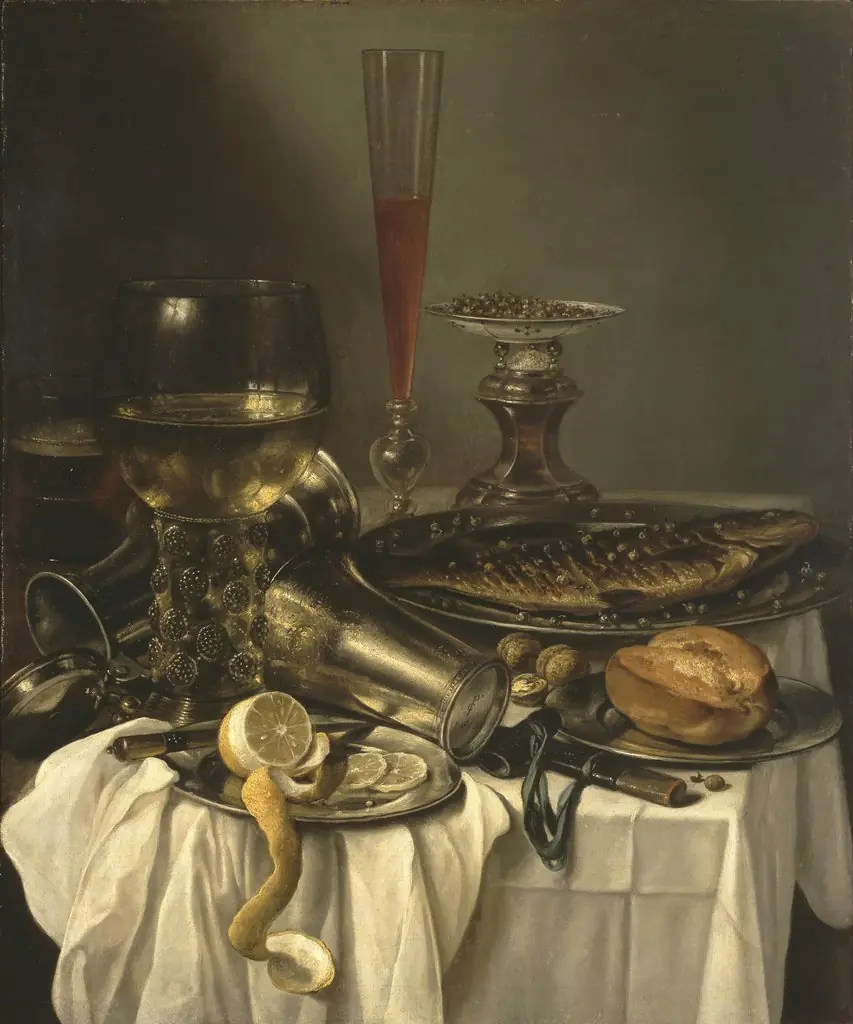 Breakfast with Fish
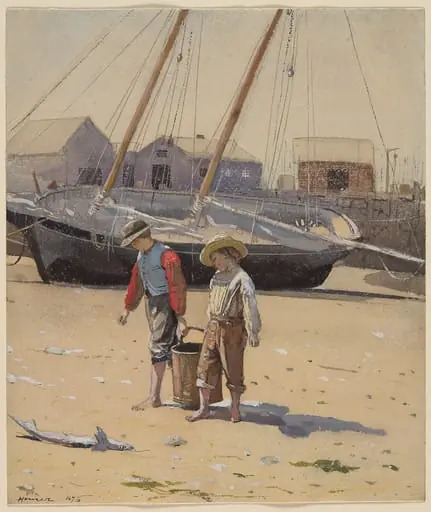 A Basket of Clams
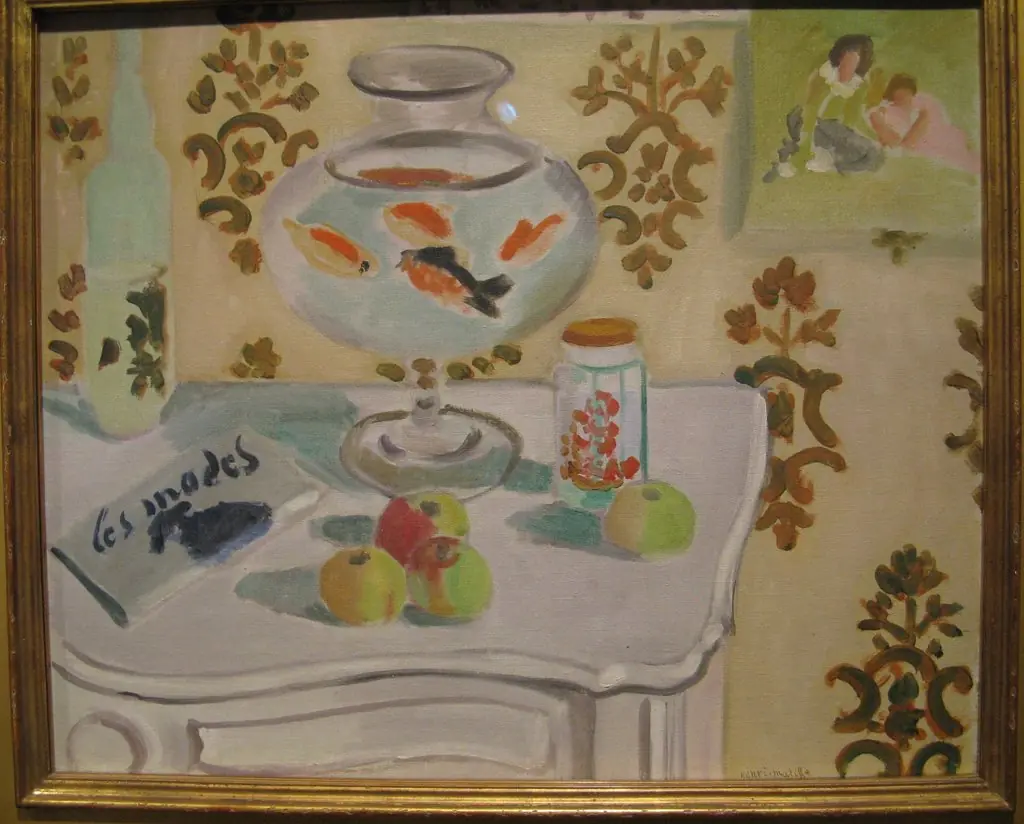 The Goldfish Bowl
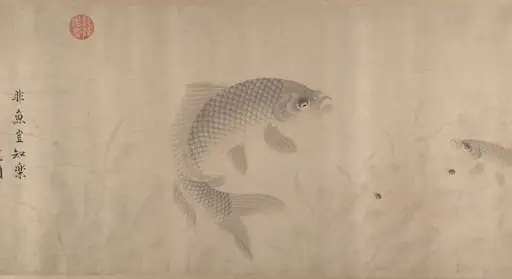 元 周東卿 魚樂圖 卷|The Pleasures of Fishes
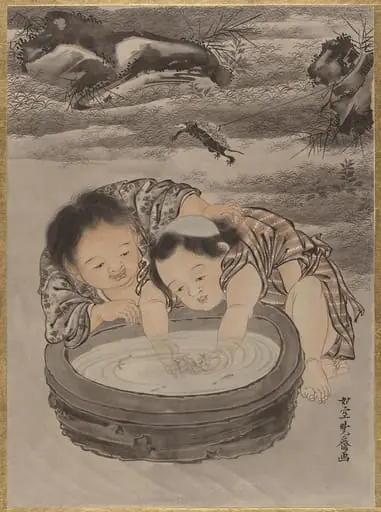 Untitled
 A Housewife Instructing her Maid
 Untitled
 Untitled
 Untitled
 Untitled
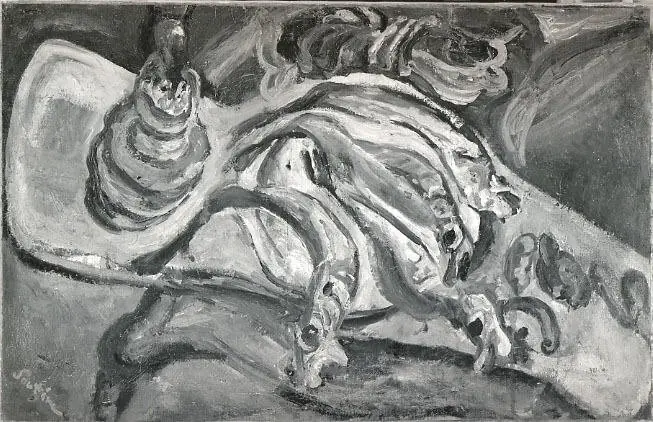 Still Life with Fish
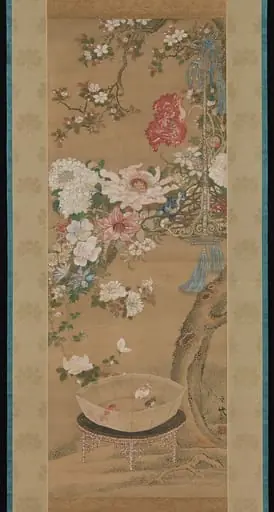 Untitled
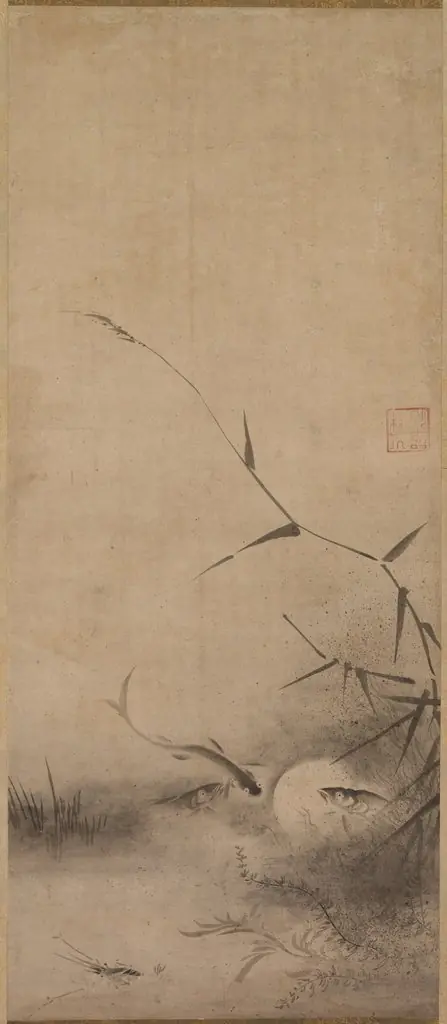 Fish and Seaweed
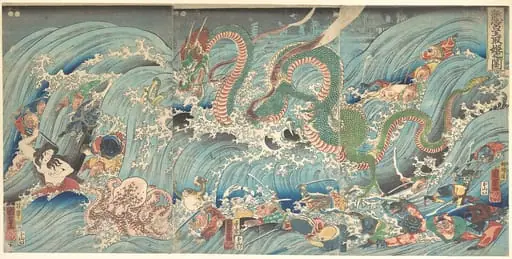 Ryugu Tamatori Hime no su|Recovering the Stolen Jewel from the Palace of the Dragon King
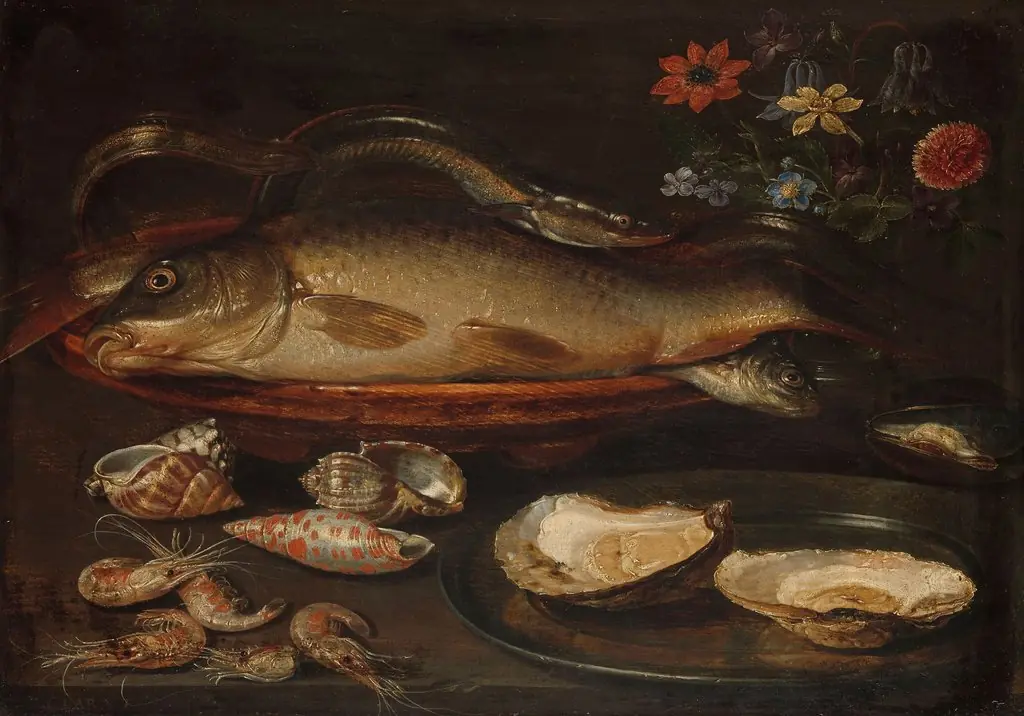 Still life with fish, oysters and shrimps
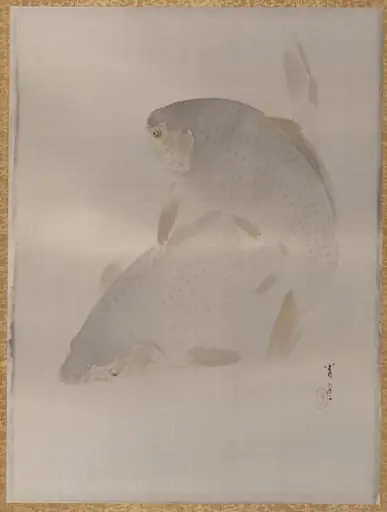 Untitled
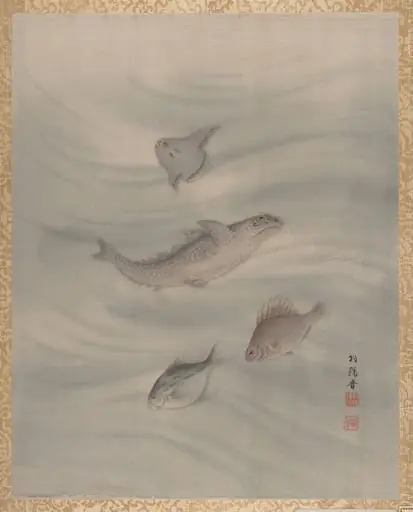 Untitled
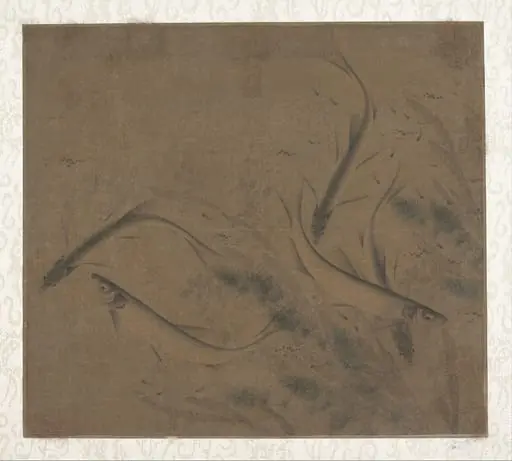 宋 傳 趙克敻 藻魚圖 冊頁|Fish at play
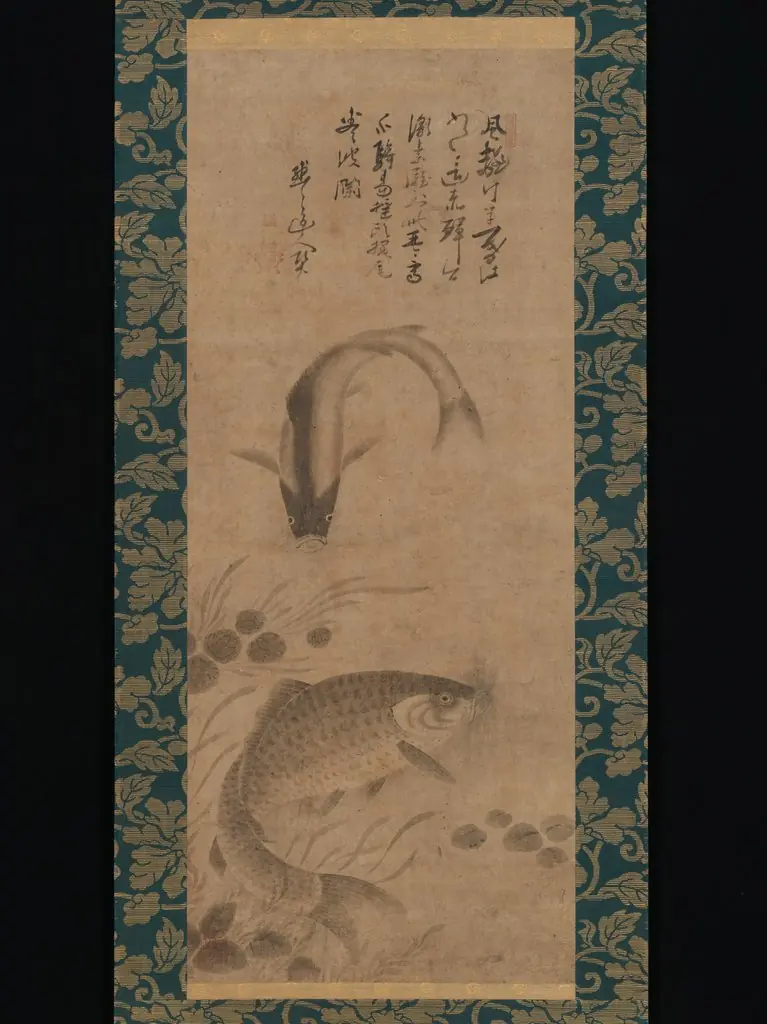 Carp and Waterweeds
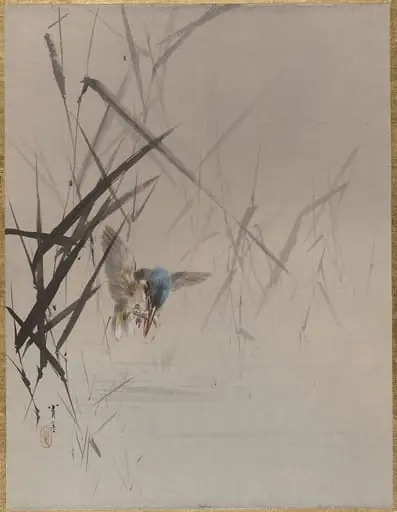 Untitled
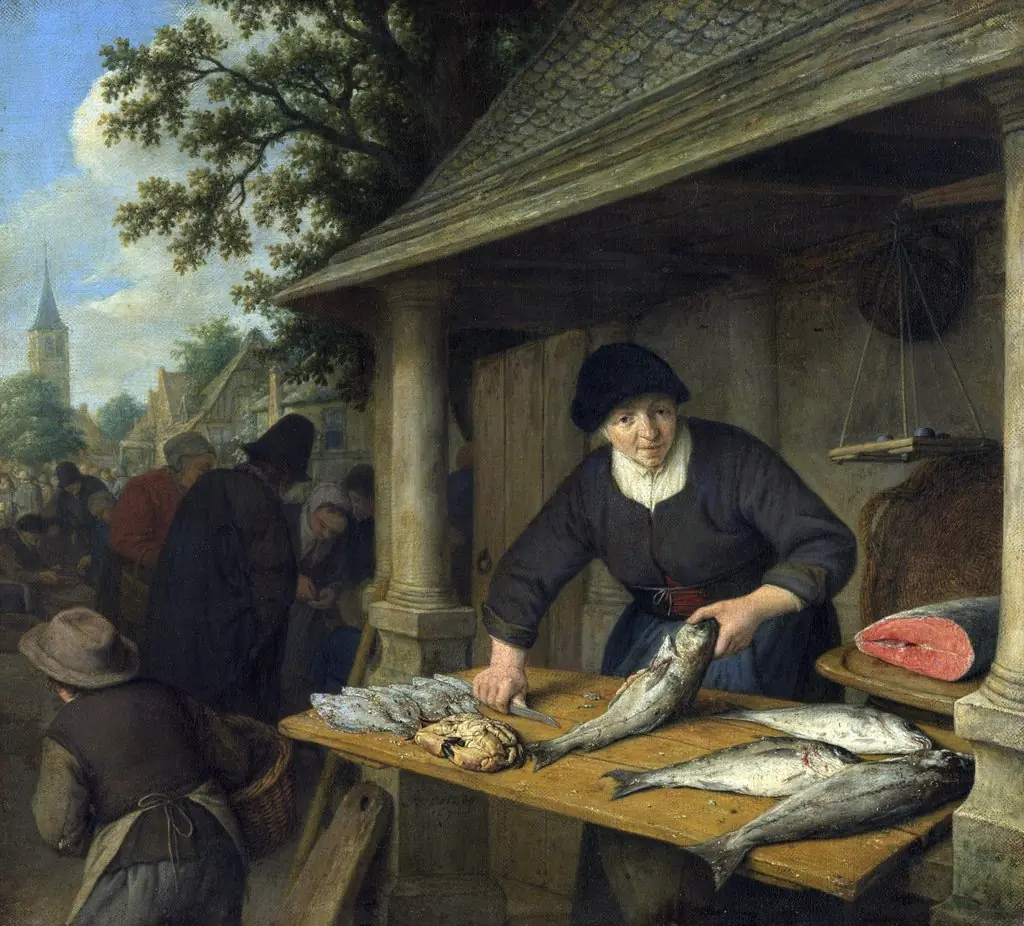 The fishwife
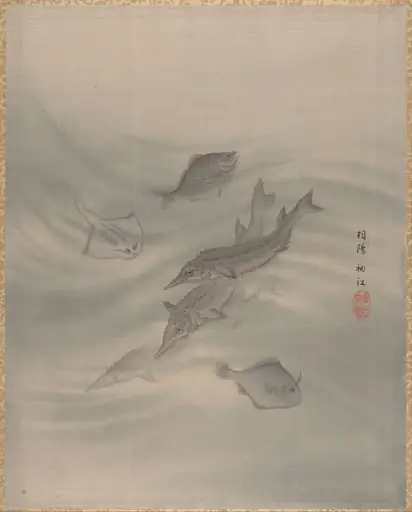 Untitled
 Untitled
 Carp
Carp Untitled
 Untitled
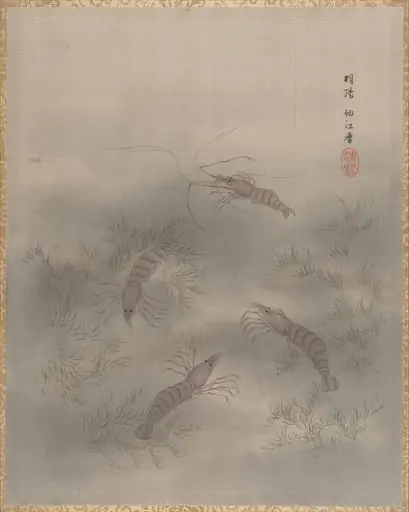 Untitled
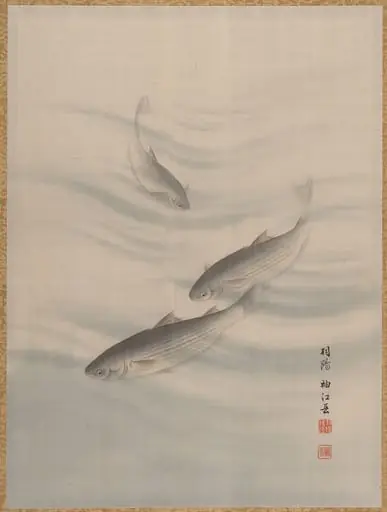 Untitled
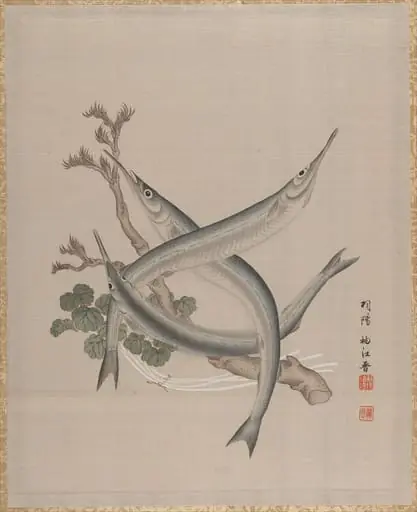 Untitled
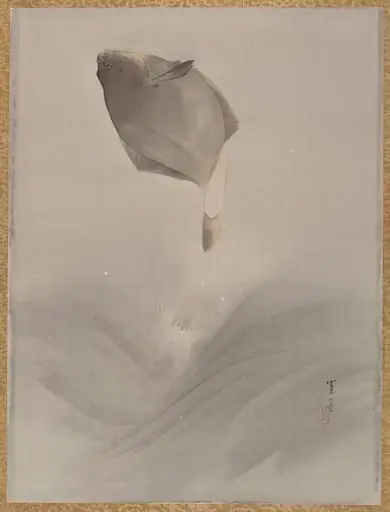 Untitled
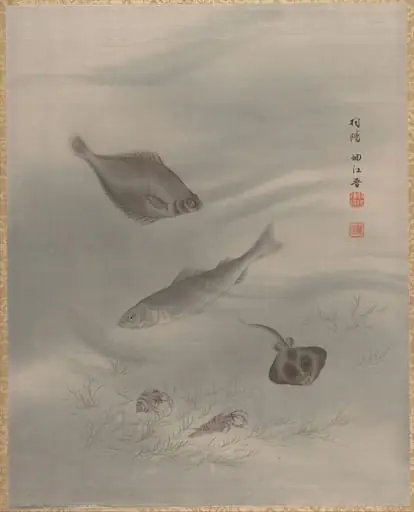 Untitled
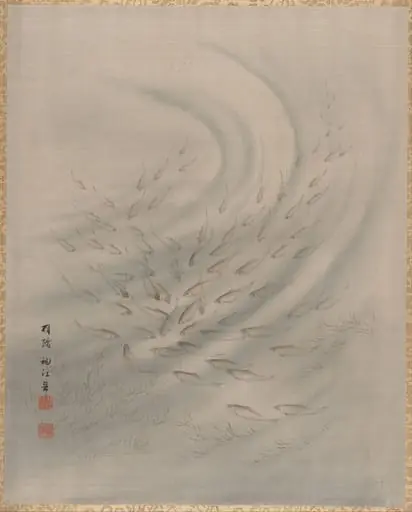 Untitled
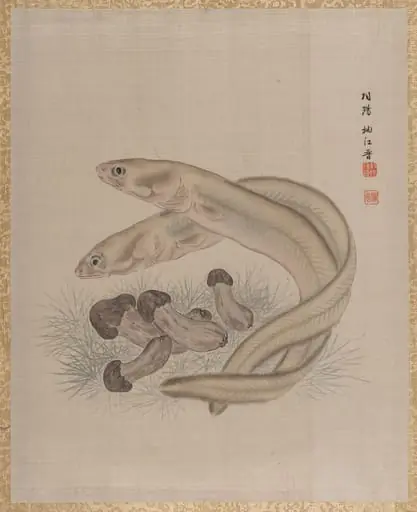 Untitled
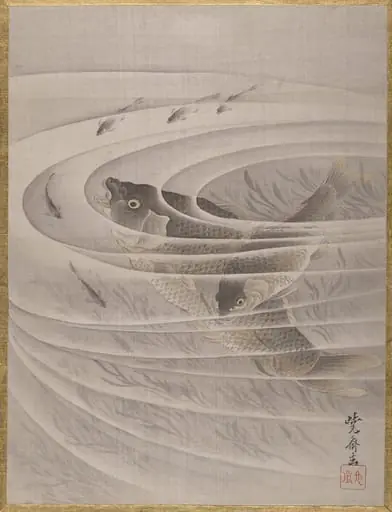 Untitled
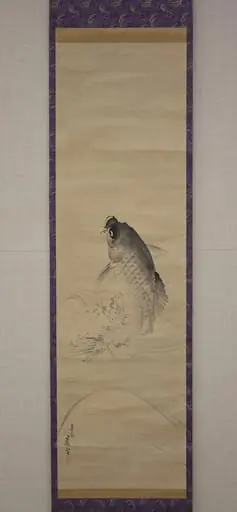 鯉図|Carp
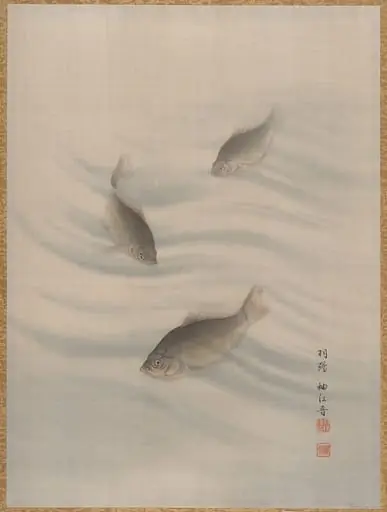 Untitled
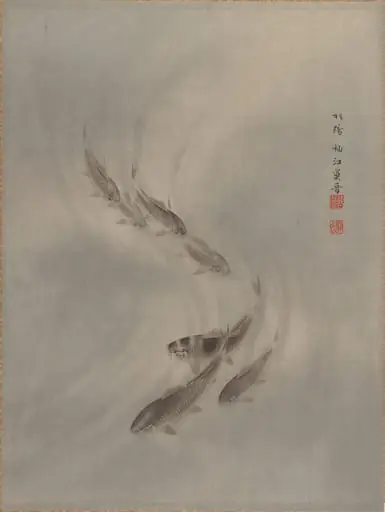 Untitled
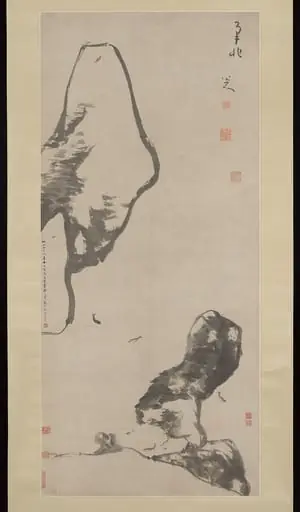 清 八大山人(朱耷) 魚石圖 軸|Fish and rocks
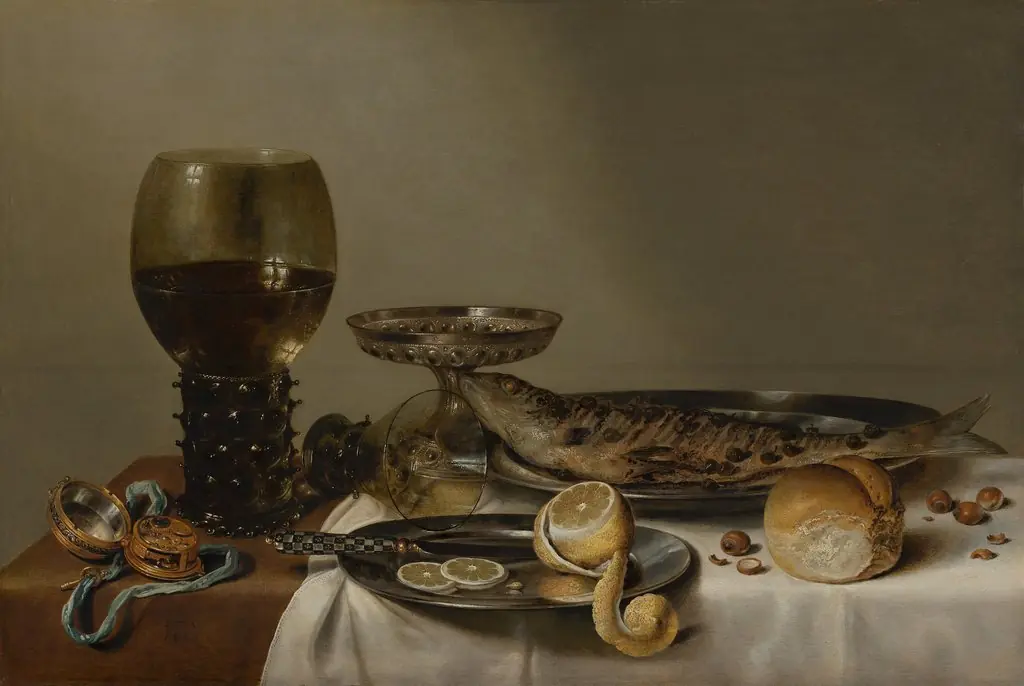 Still Life with a Roemer and a Watch
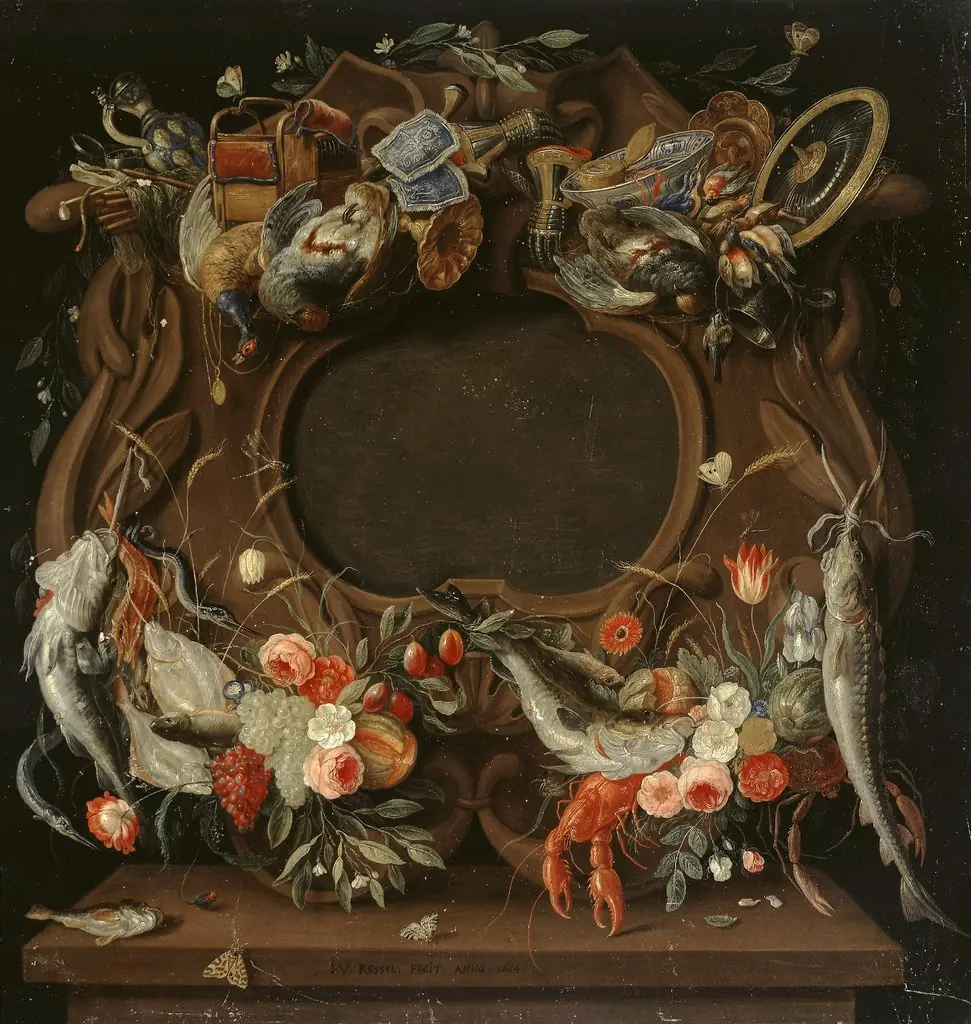 Medallion's Frame with an Allegorical Depiction of the Four Elements
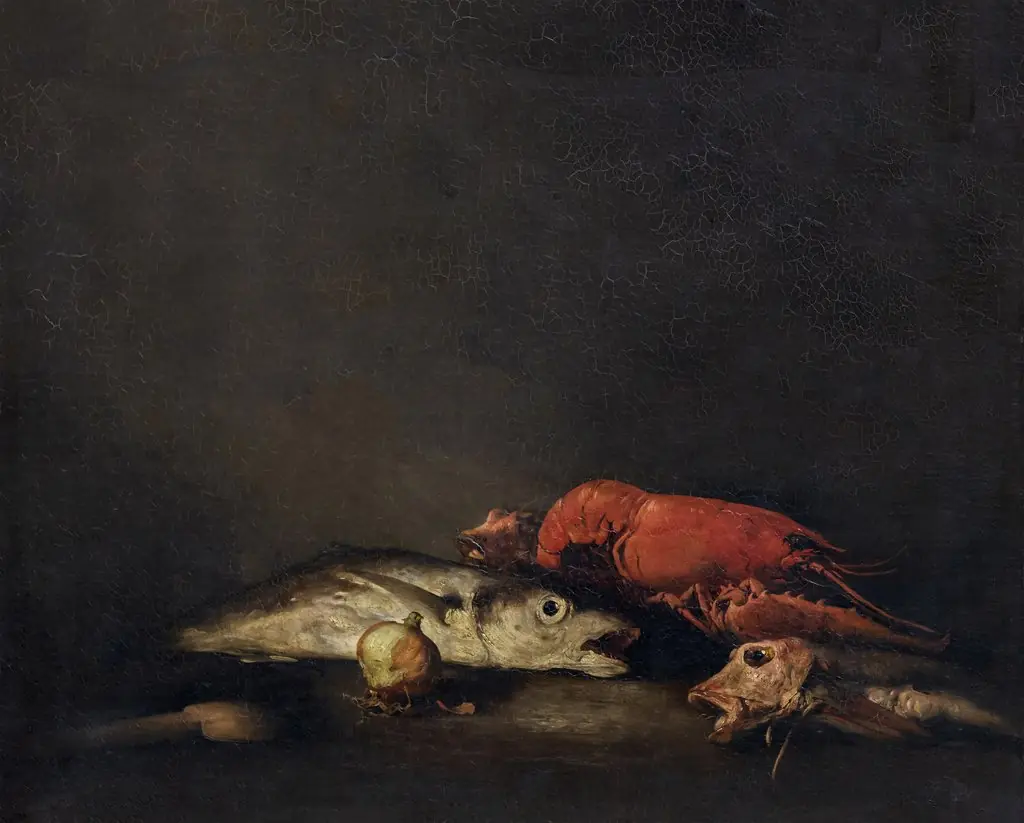 Stilleven met vissen en een kreeft
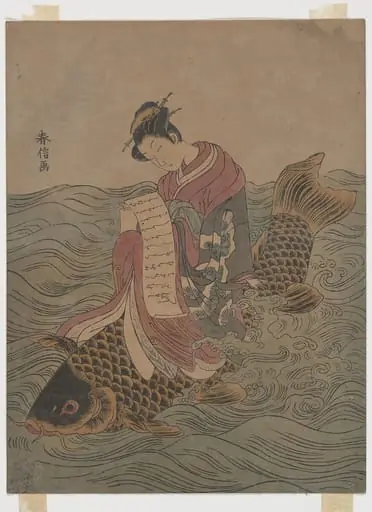 Untitled
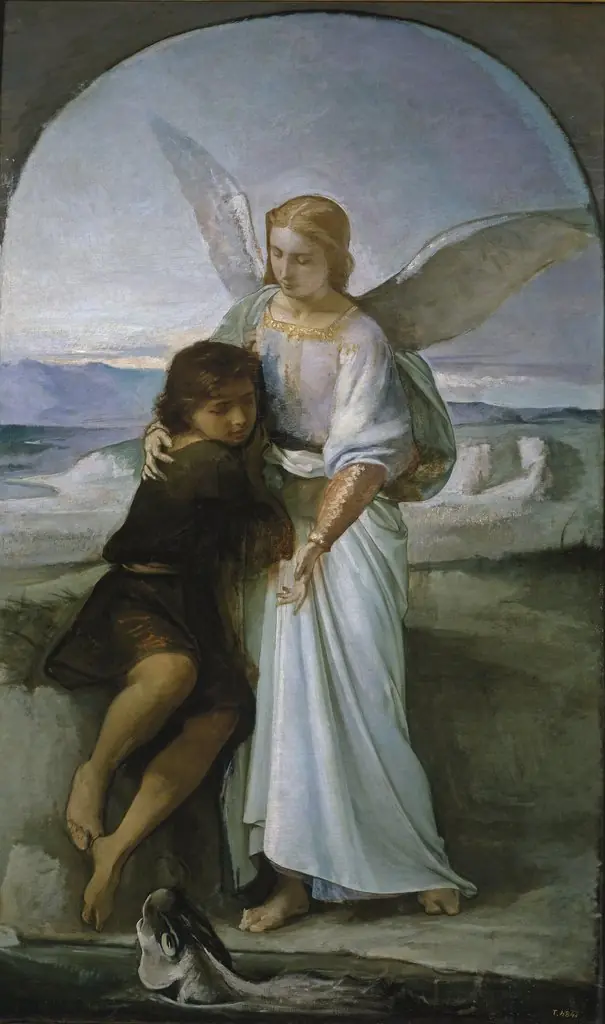 Tobias and the Angel
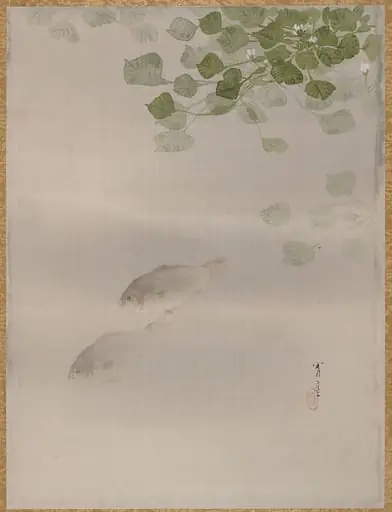 Untitled
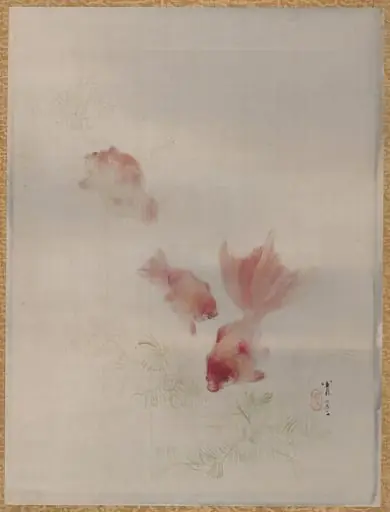 Untitled
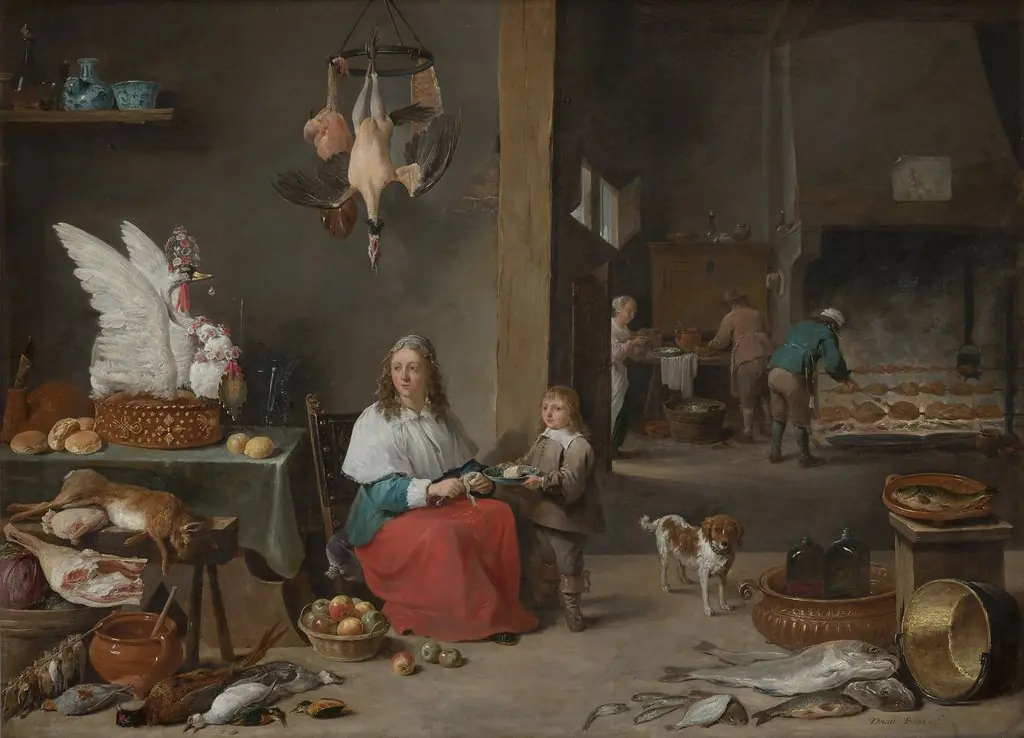 The Fat Kitchen
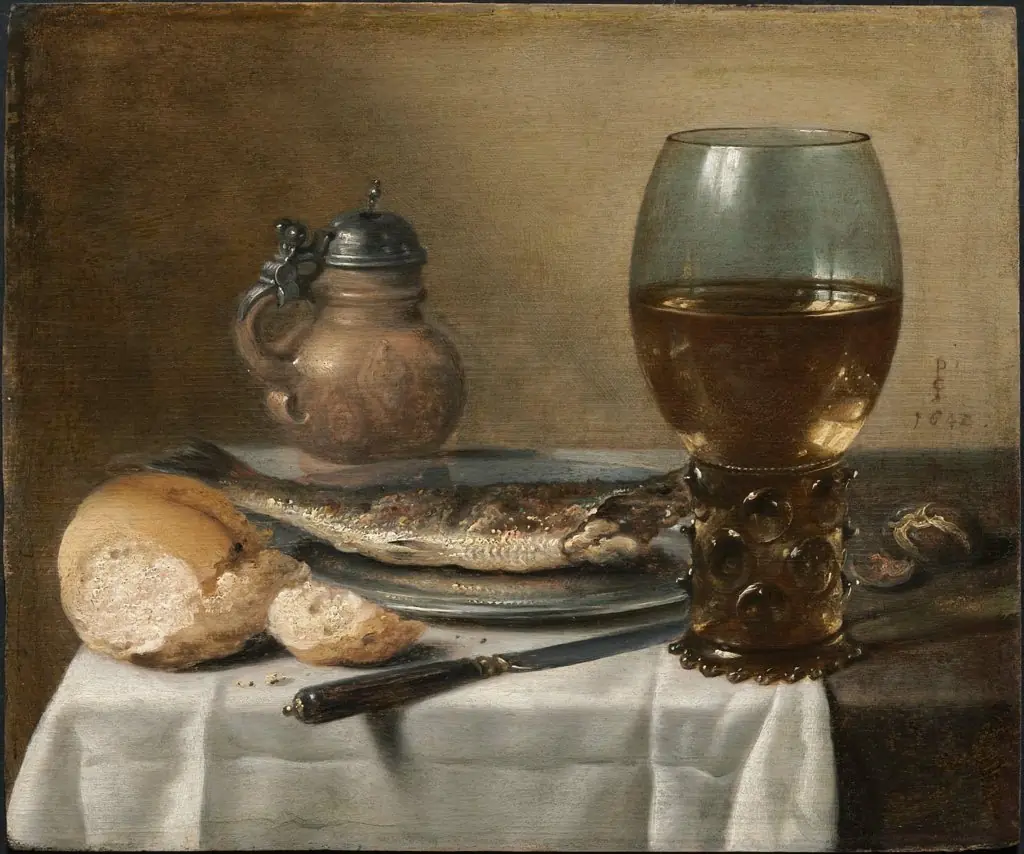 Still Life with Stoneware Jug, Wine Glass, Herring, and Bread
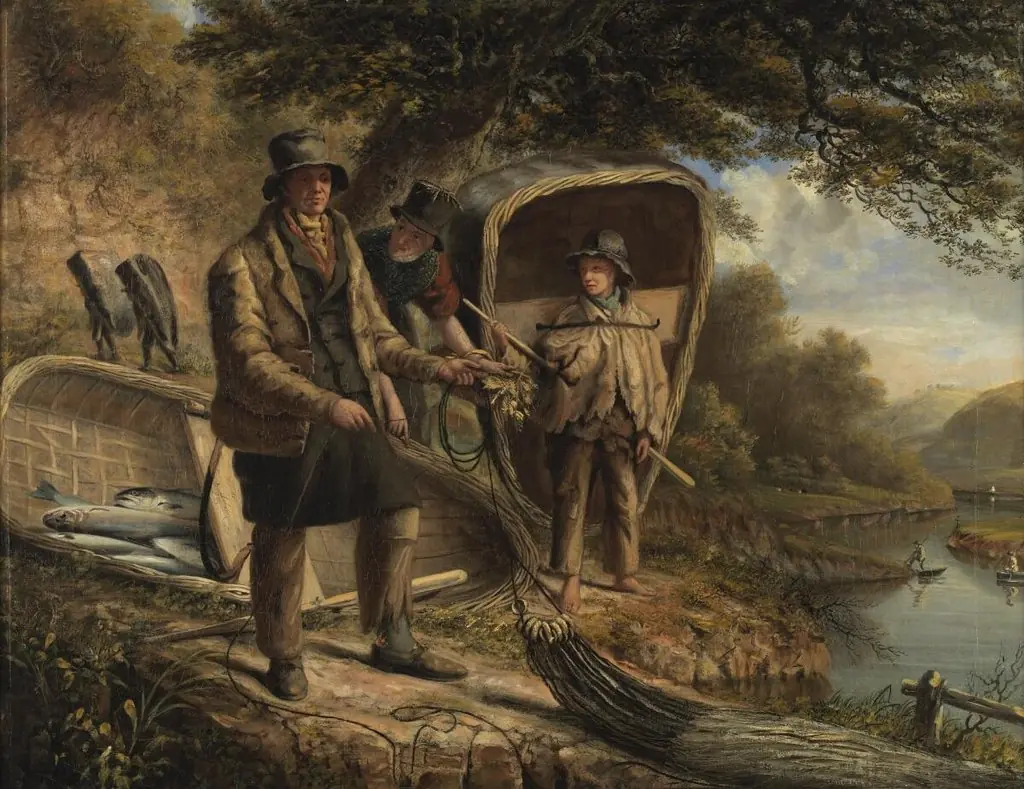 Salmon netting in Wales
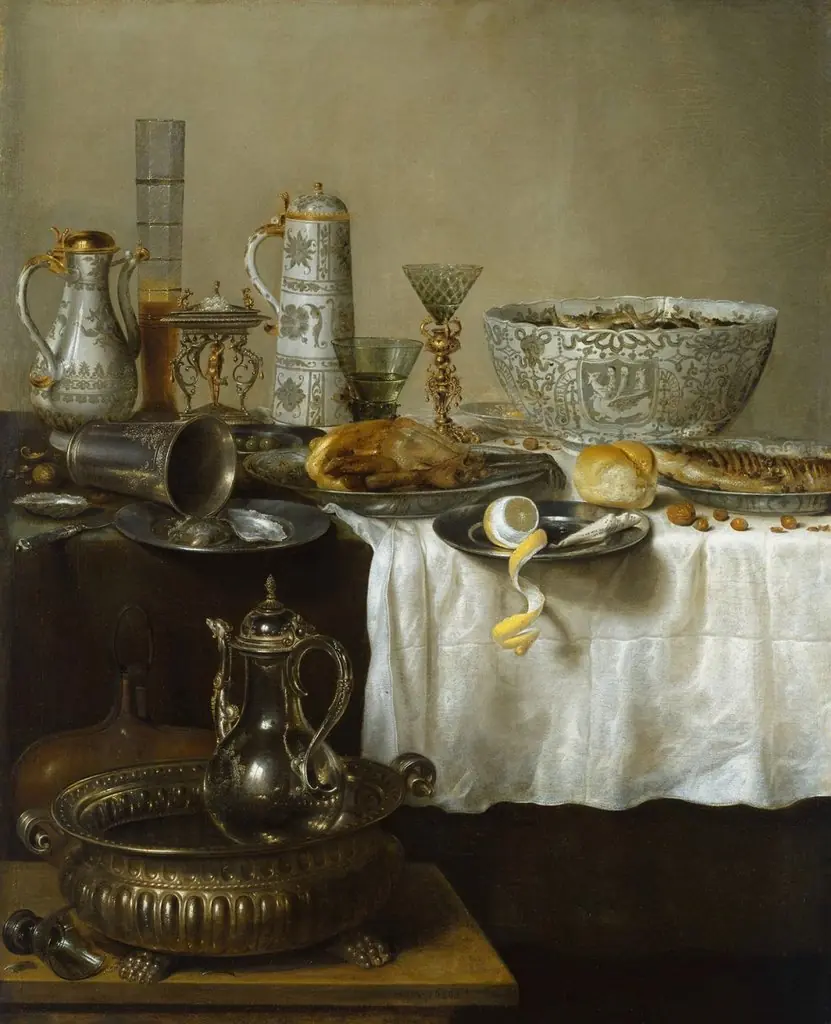 Sumptuous still life
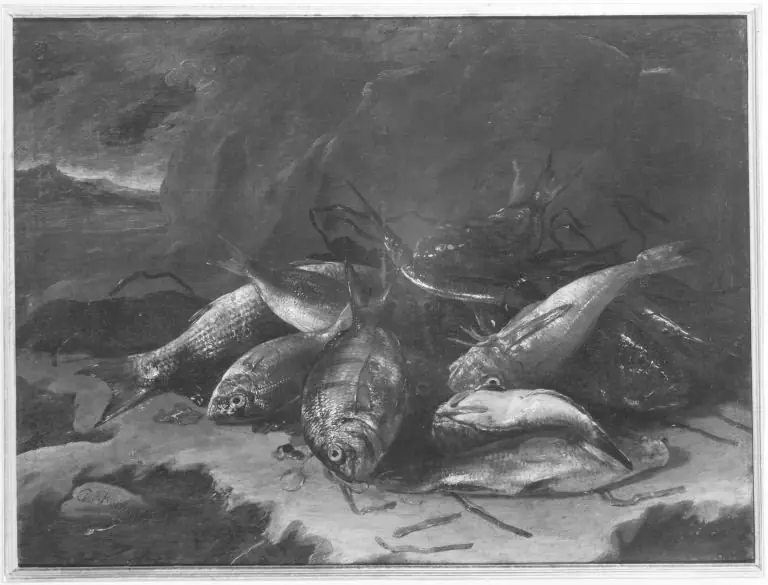 Fischstillleben
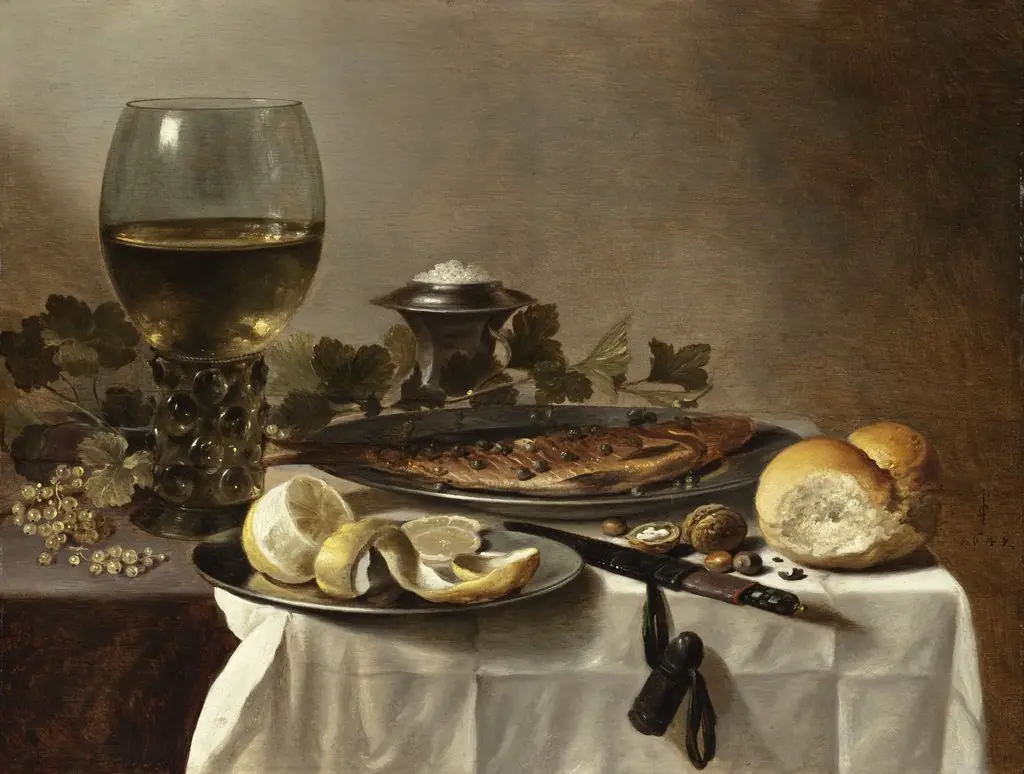 Still Life with Herring, Wine and Bread
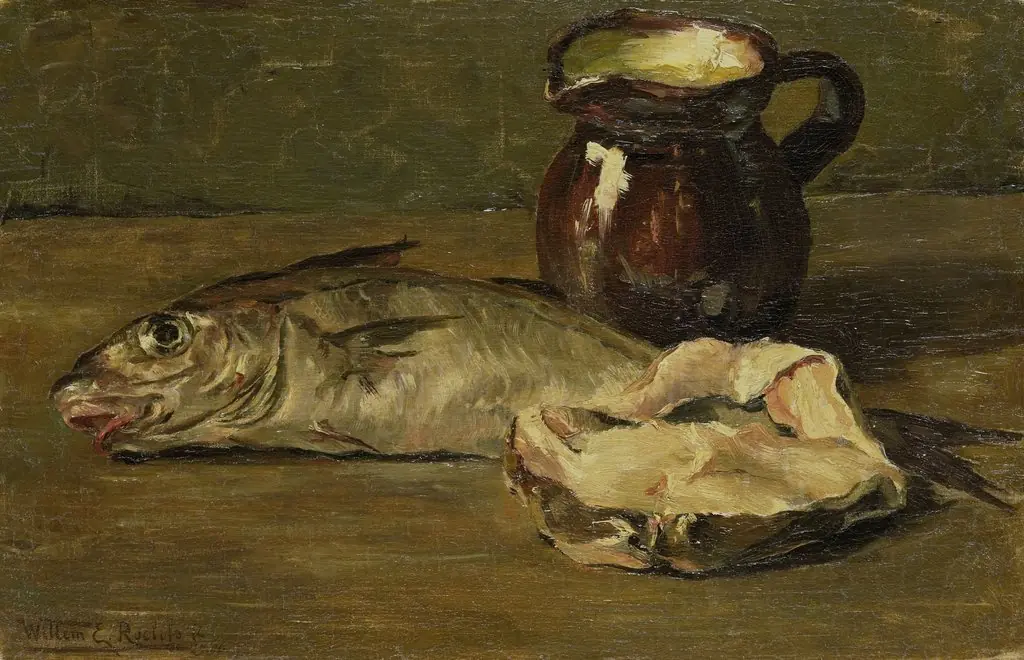 Stilleven met kabeljauw
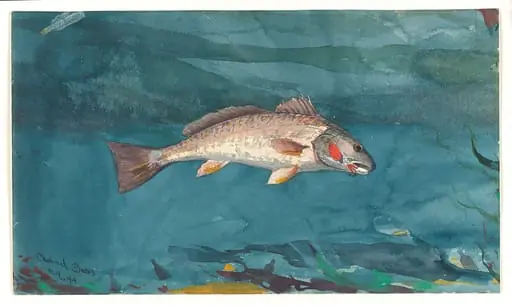 Channel Bass
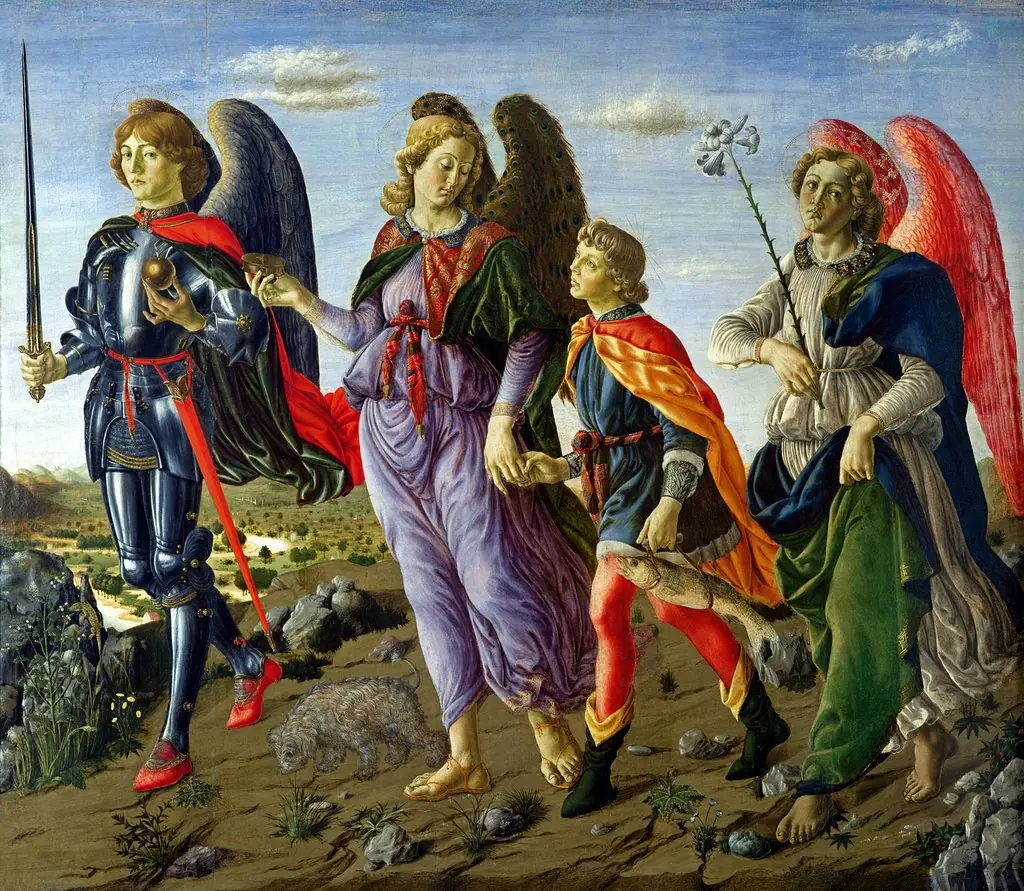 Three Archangels with Tobias
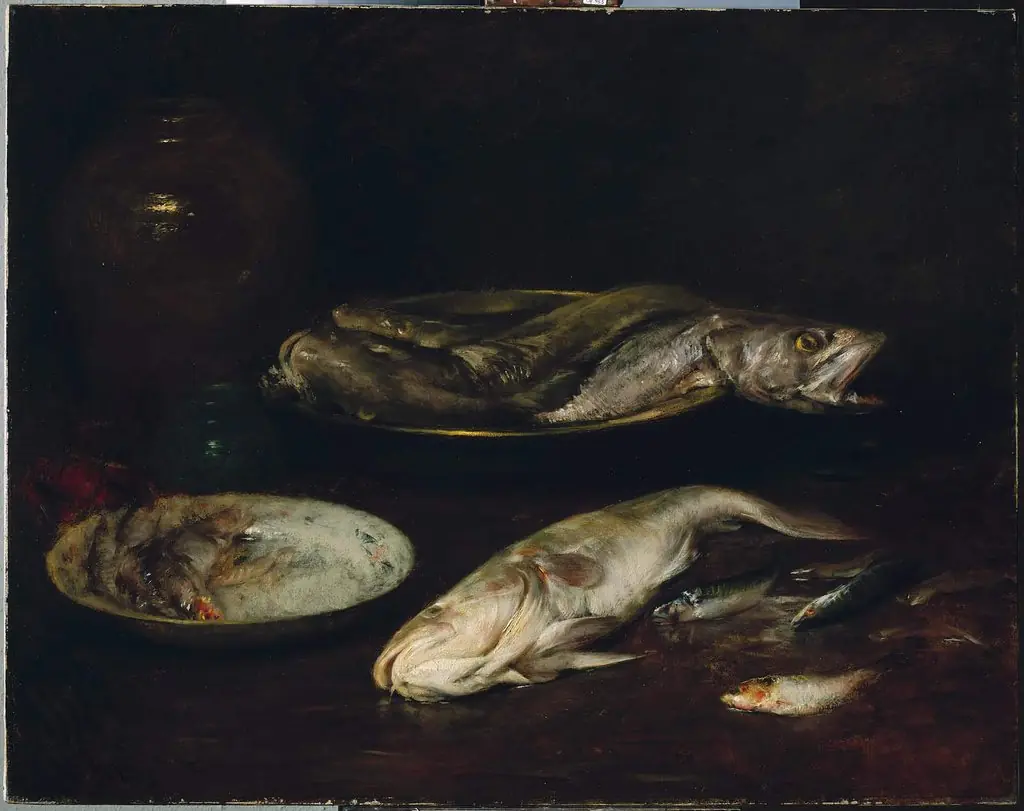 Still Life - Fish
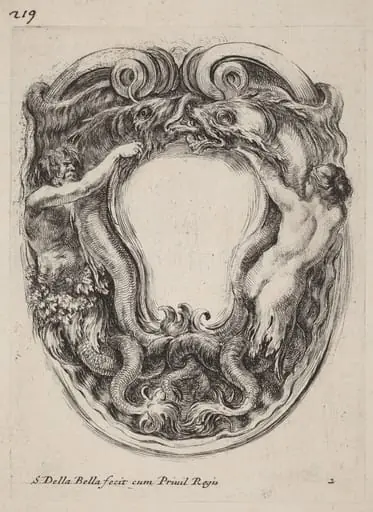 Cartouche Supported by Triton and Siren
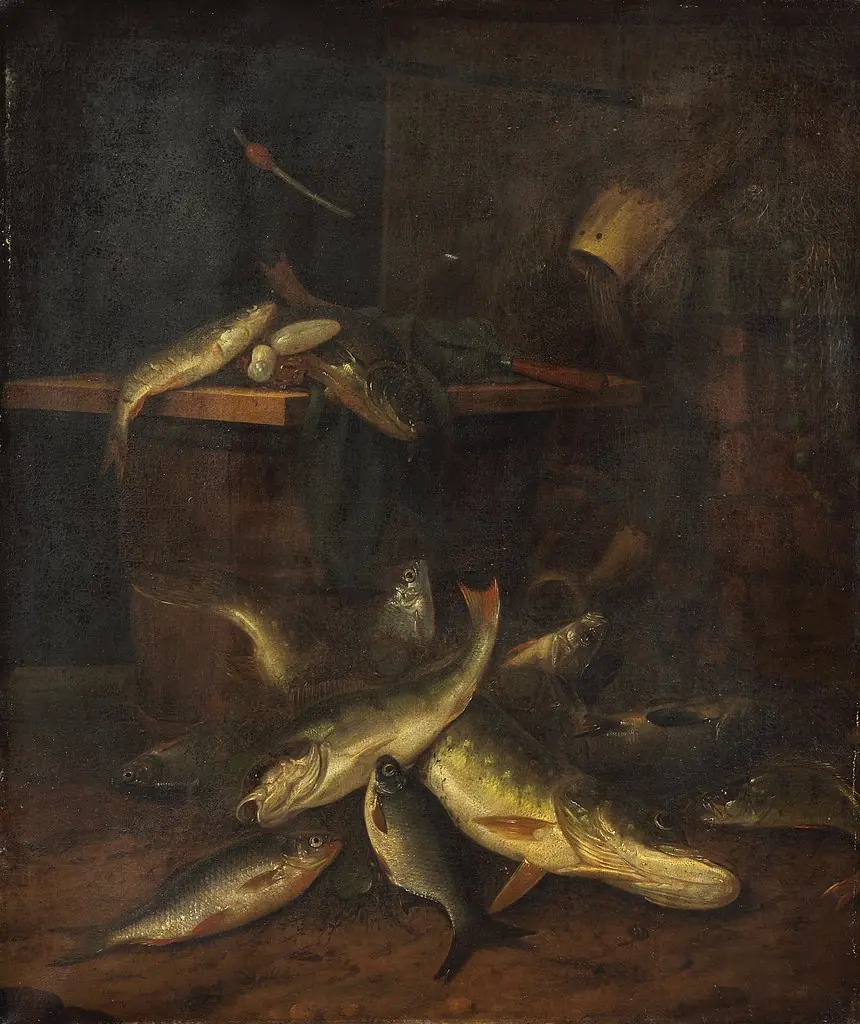 Fish still life
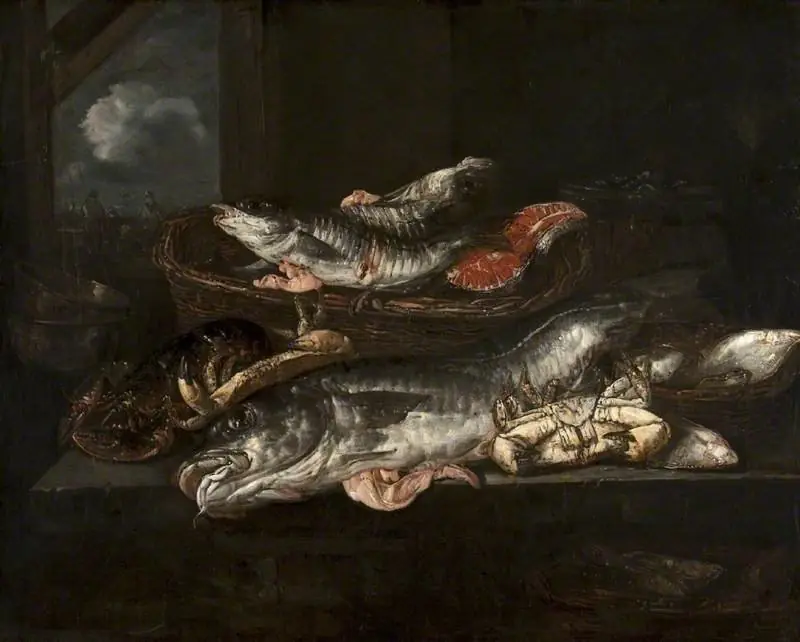 Still Life: Haddock, Plaice, Crabs and Lobster
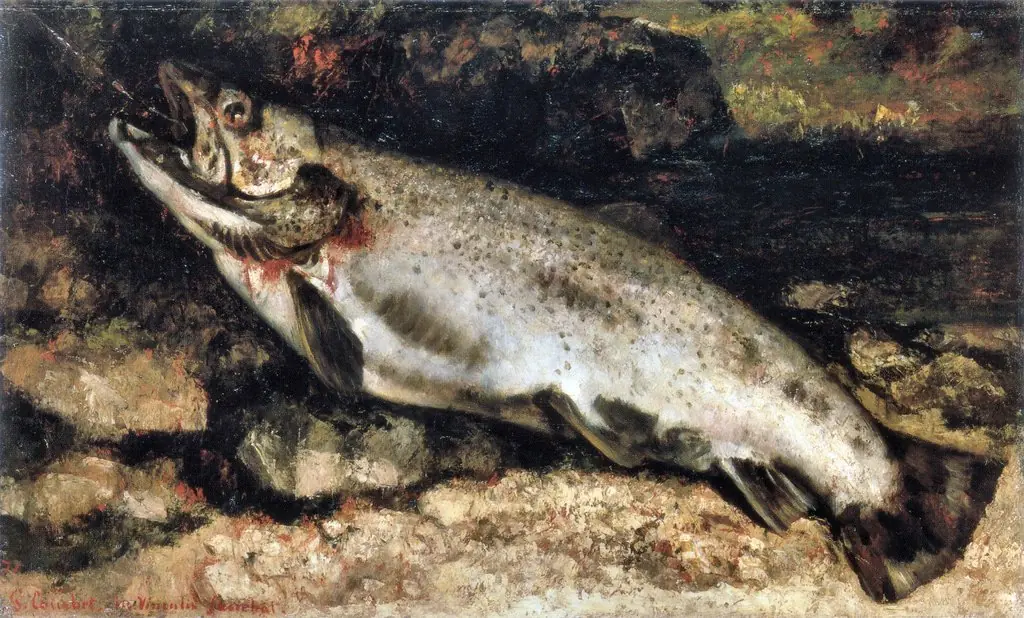 Trout
Trout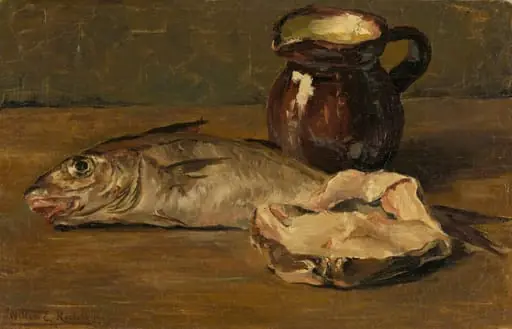 Untitled
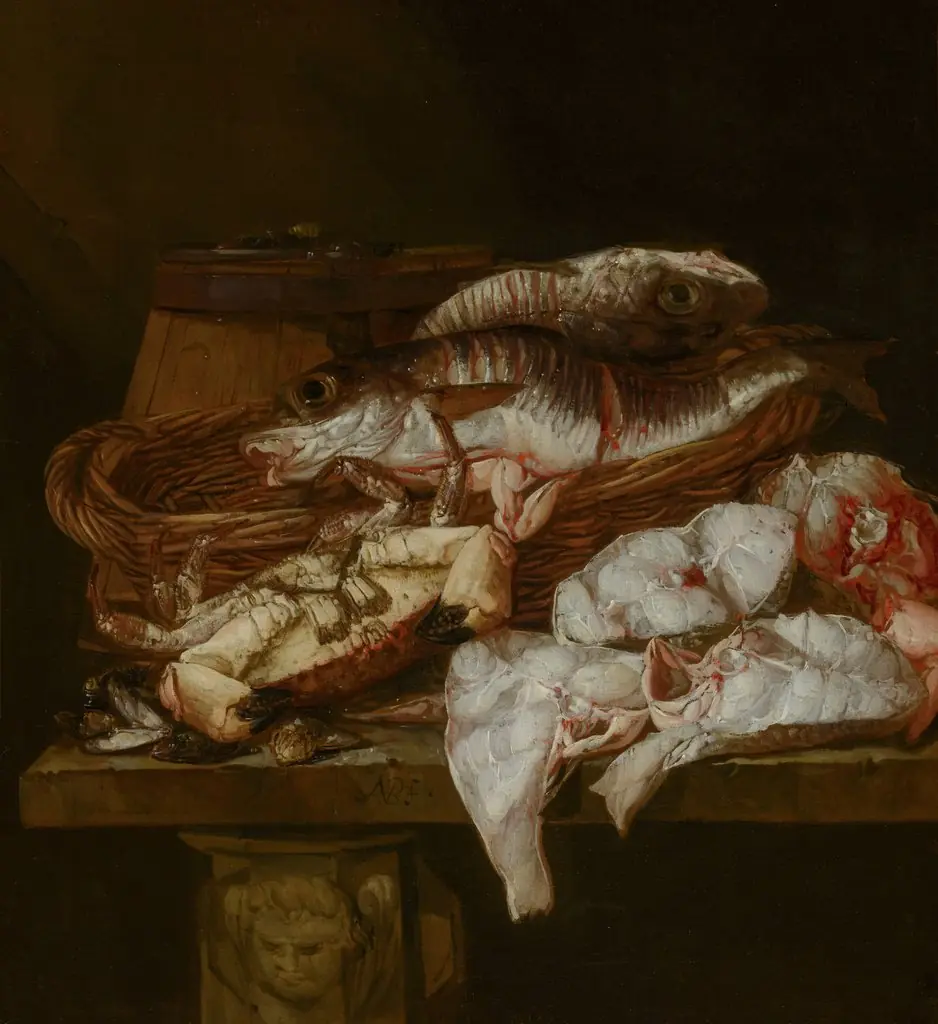 Still Life with Seafood
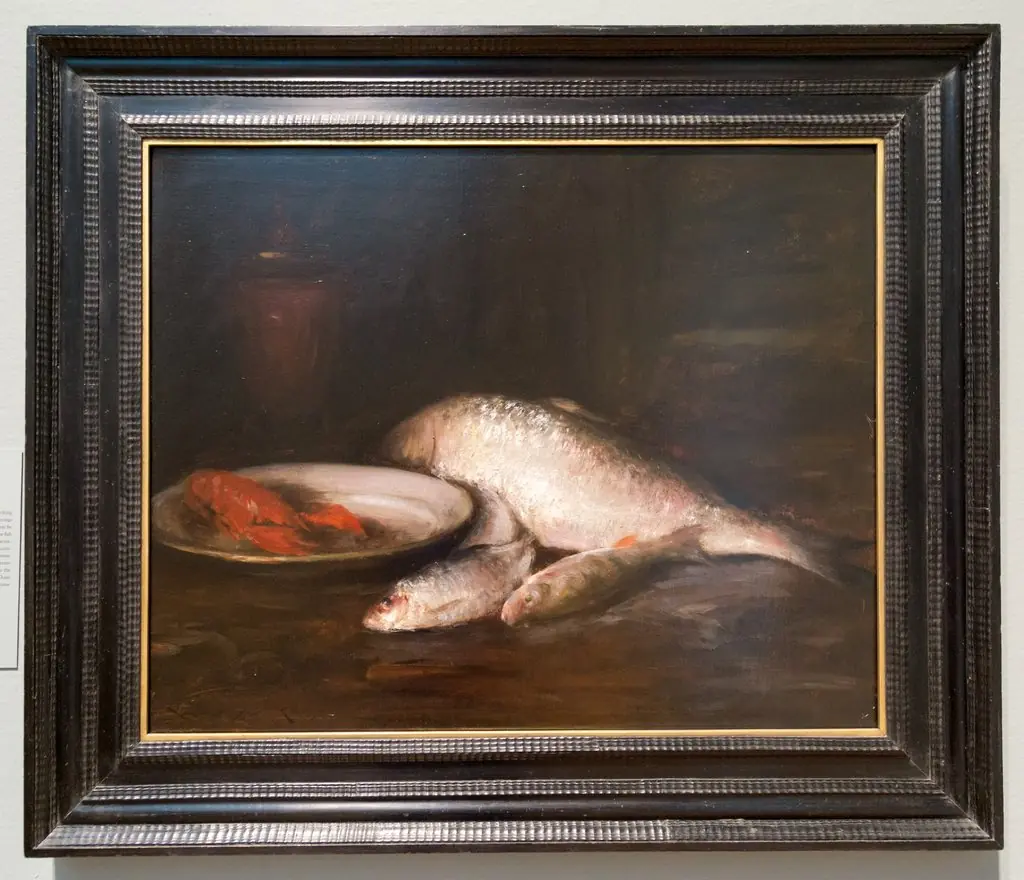 North River Shad
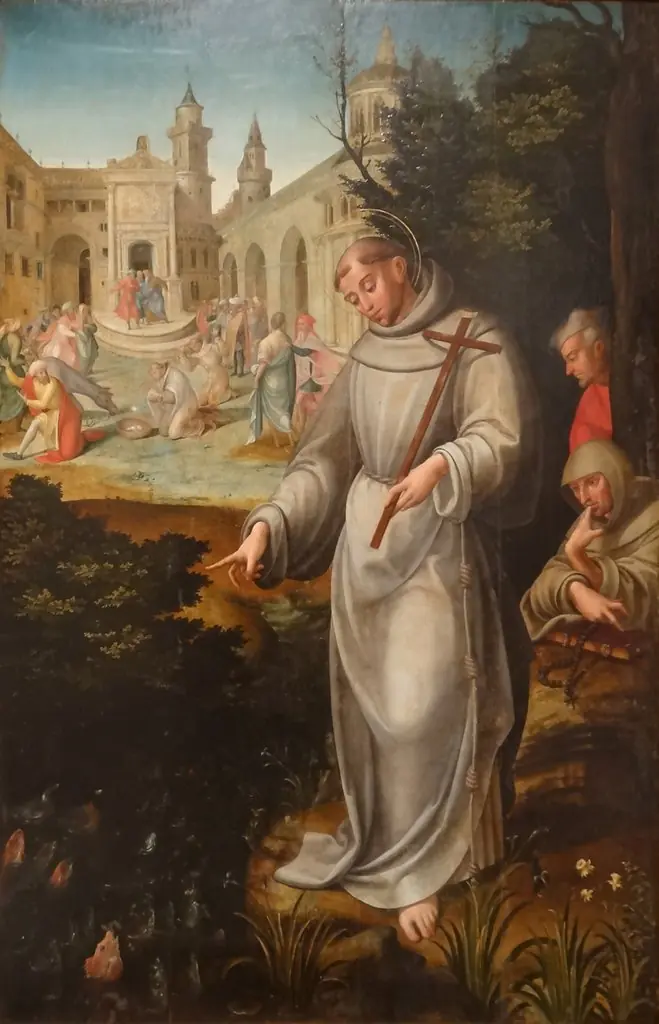 Saint Anthony preaching to the fishes
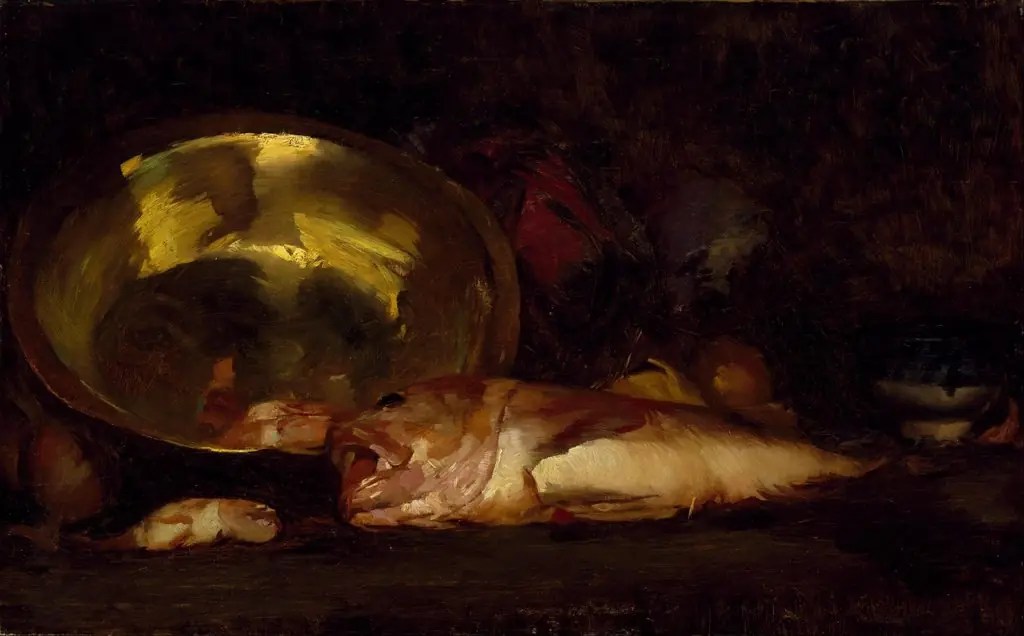 Still Life
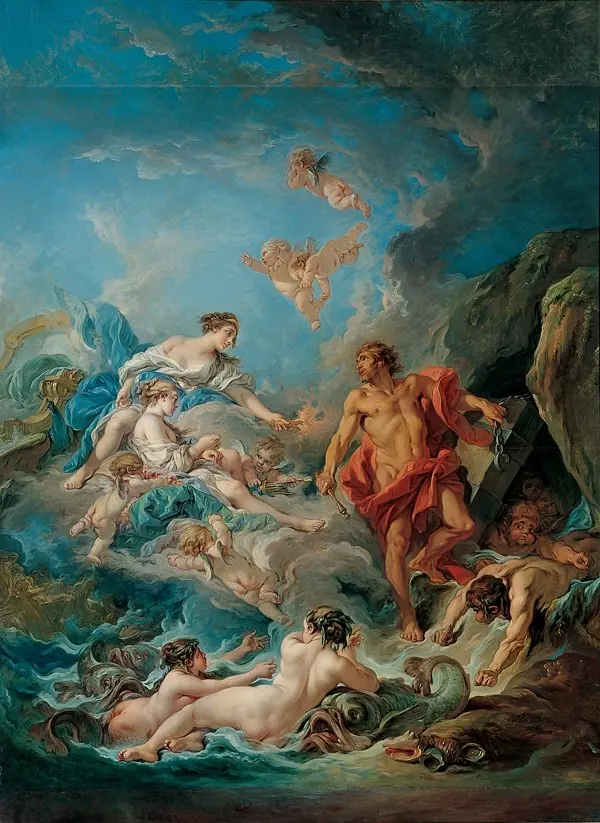 Juno Asking Aeolus to Release the Winds
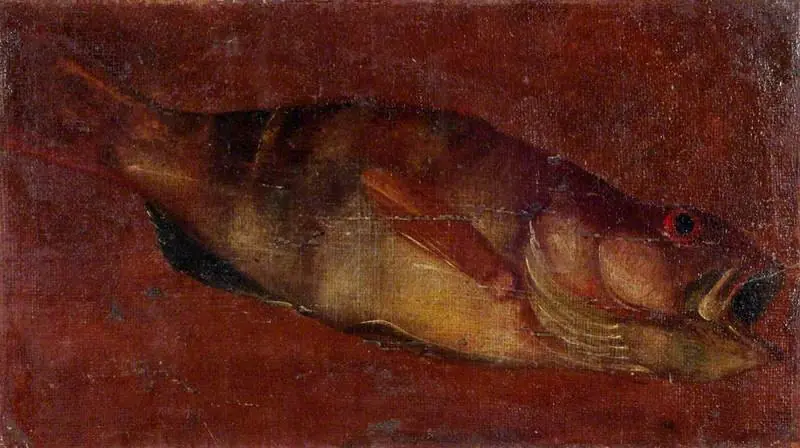 Study of a Fish
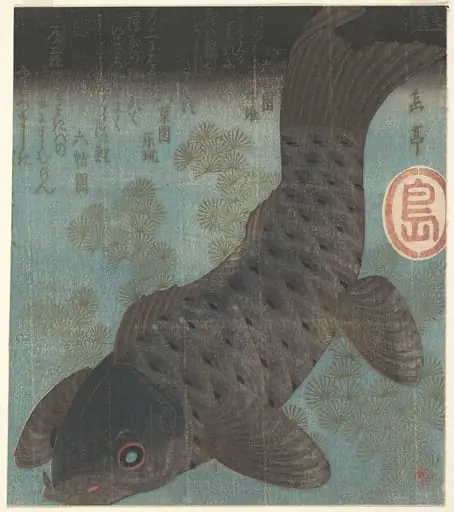 Untitled
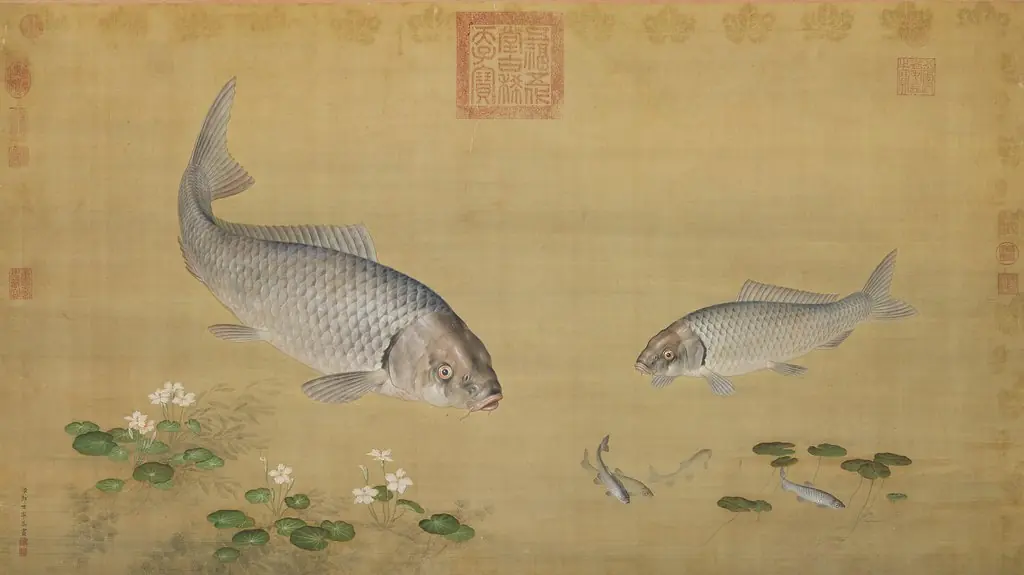 Aquatic Plants and Fish
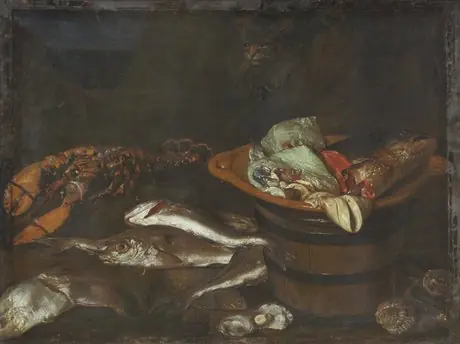 Still life. fishes
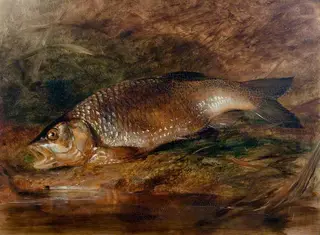 Chub
Chub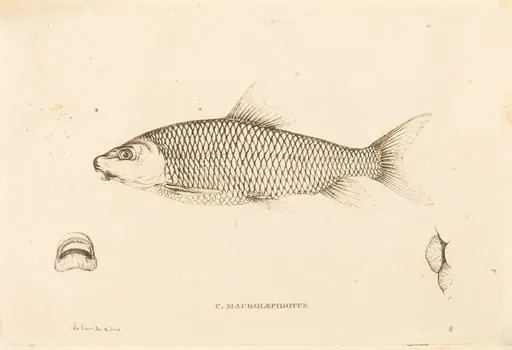 C. Macrolepidotus
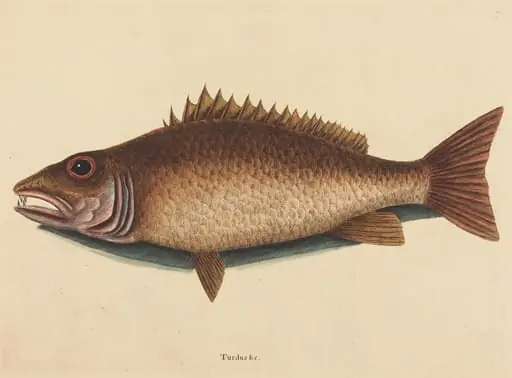 The Mangrove Snapper (Labrus griseus)
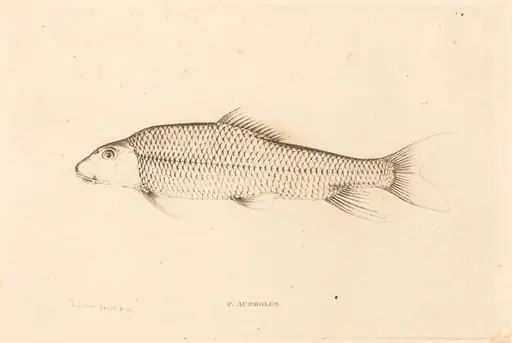 C. Aureolus
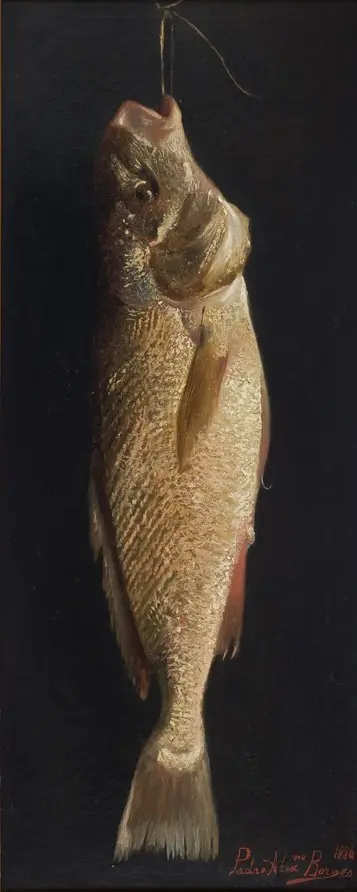 Fish
Fish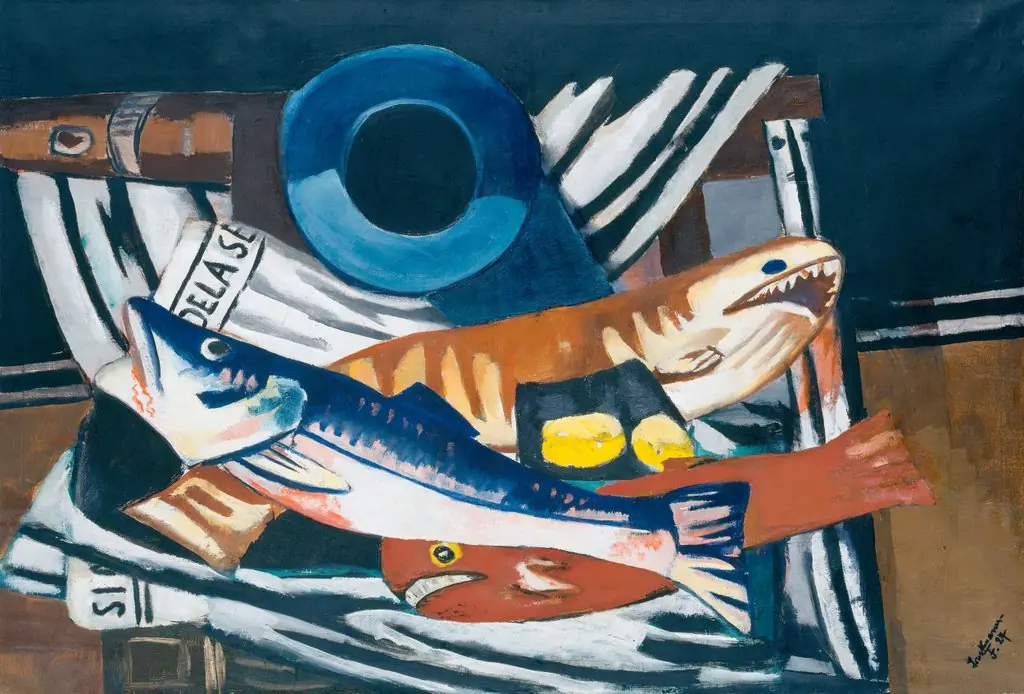 Large Still-Life with Fish
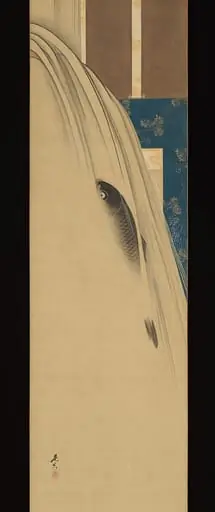 Untitled
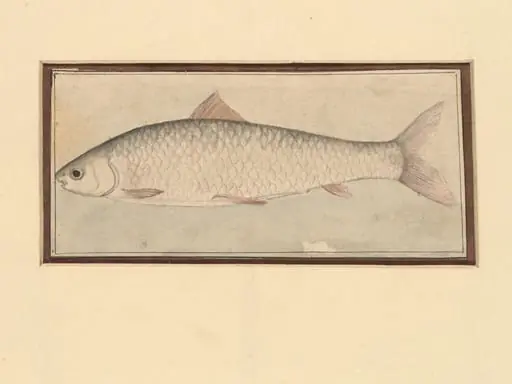 A fish
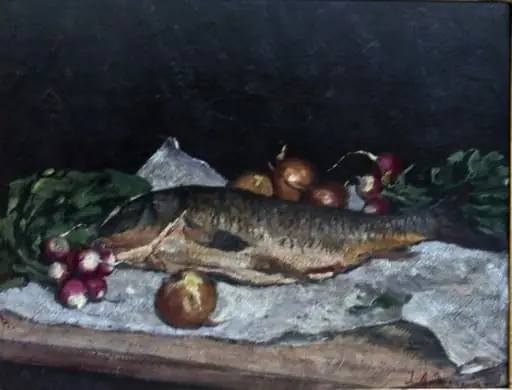 Natură statică
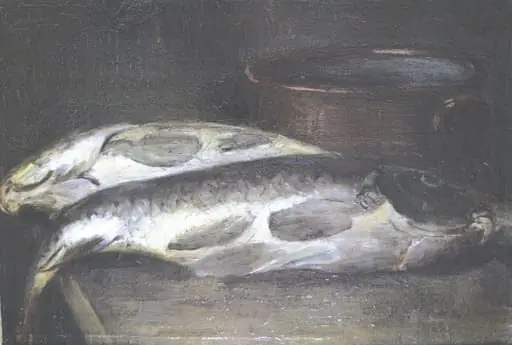 Natură statică cu pești
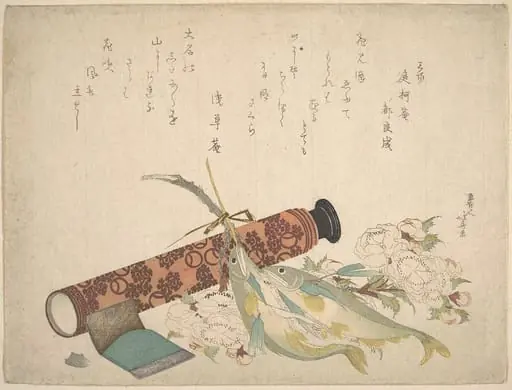 Untitled
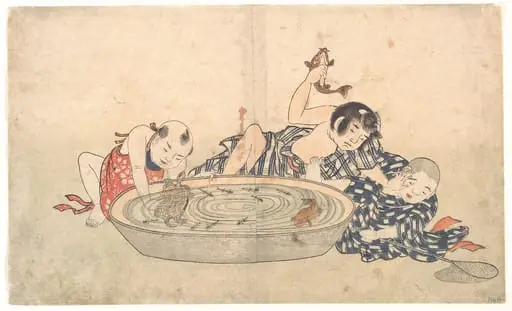 Untitled
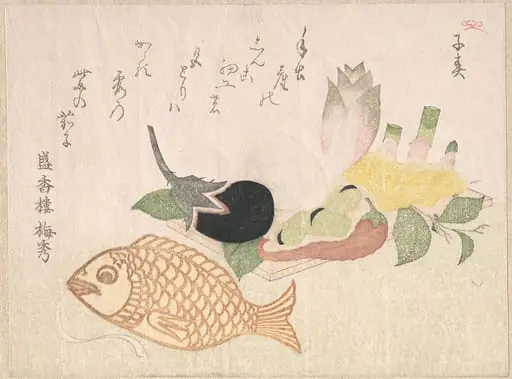 Untitled
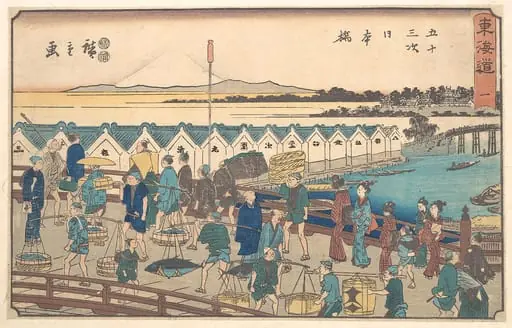 東海道五十三次 日本橋|Nihon bashi
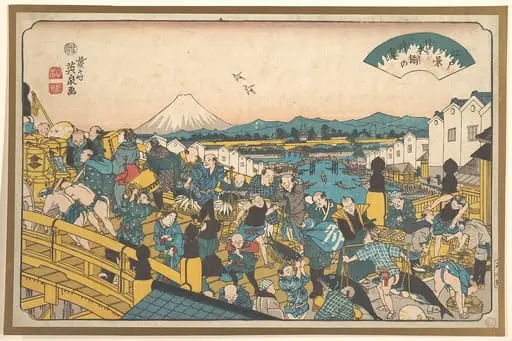 Untitled
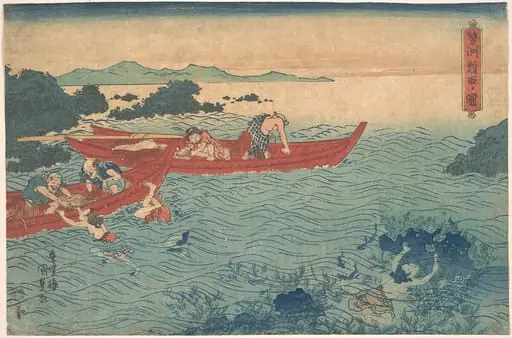 Untitled
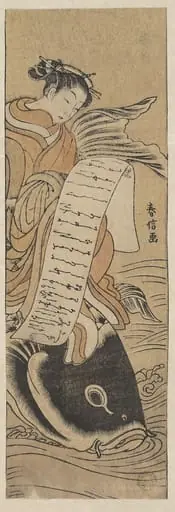 Untitled
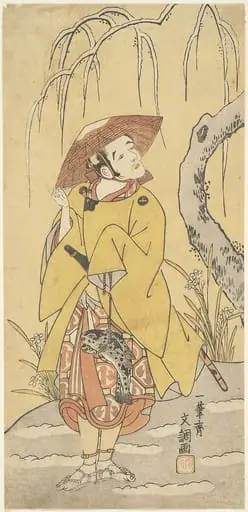 Untitled
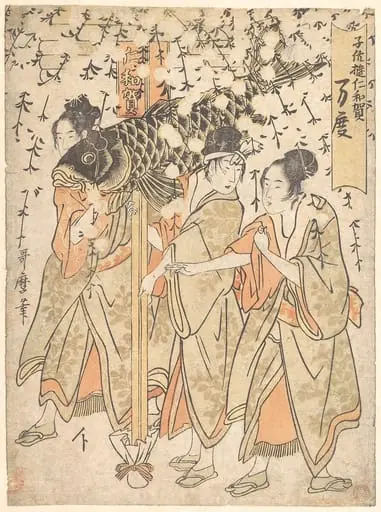 Mando|子供遊に和賀 万度|Lantern Float
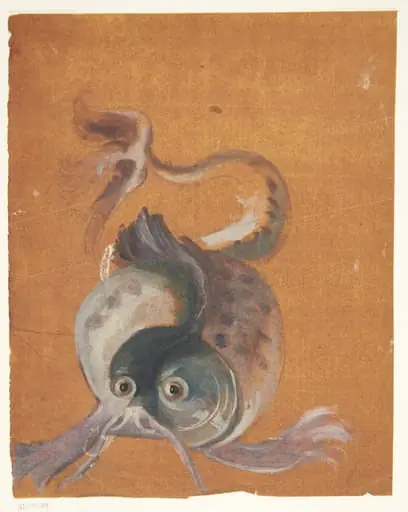 Sæl
Sæl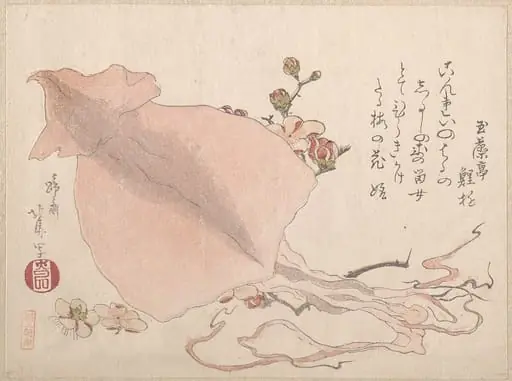 Untitled
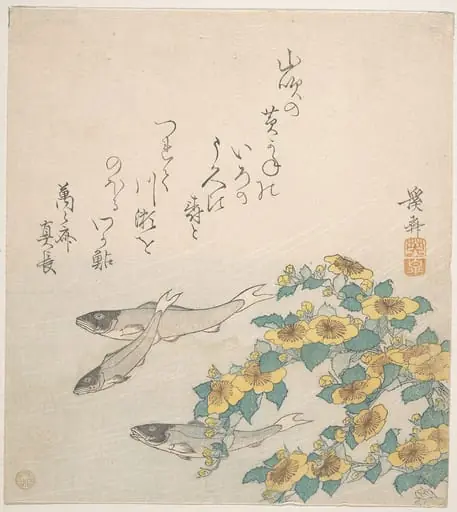 Untitled
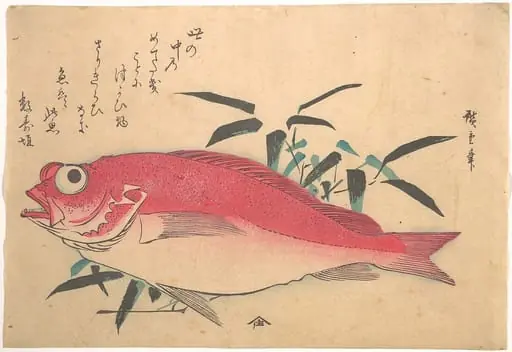 魚づくし|Medetai Fush and Sasaki Bamboo, from the series Uozukushi (Every Variety of Fish)
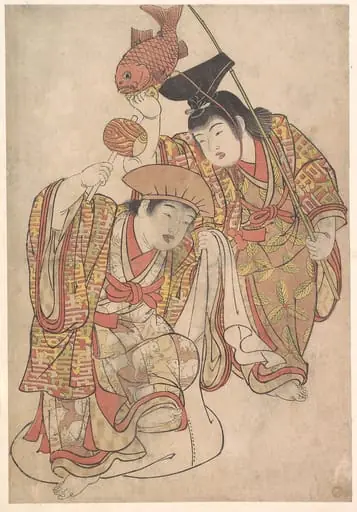 Untitled
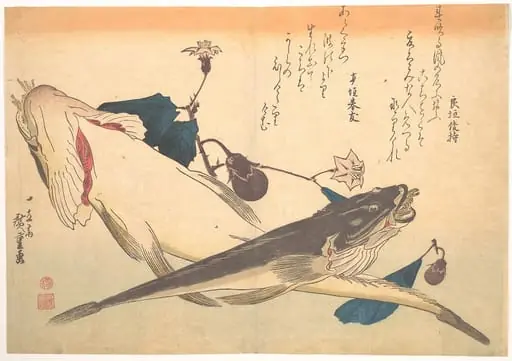 魚づくし こちに茄子|Kochi Fish with Eggplant, from the series Uozukushi (Every Variety of Fish)
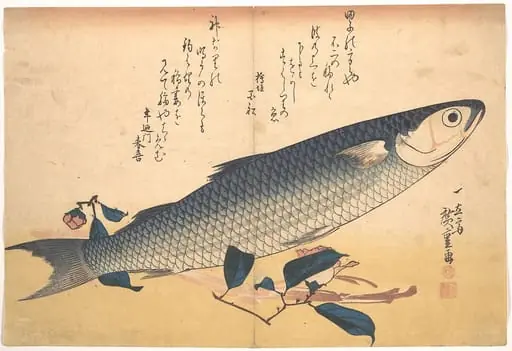 魚づくし ぼらにうど|Bora Fish with Camellia, from the series Uozukushi (Every Variety of Fish)
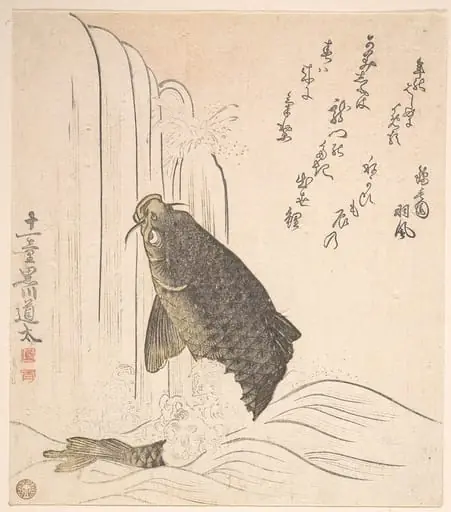 Untitled
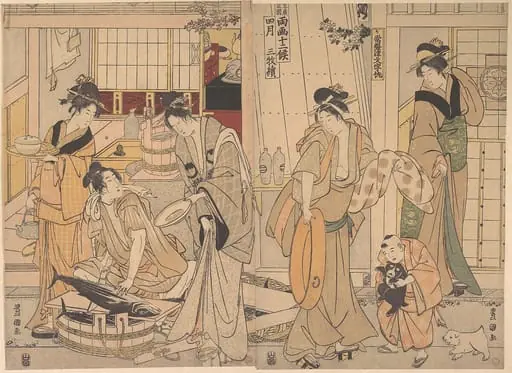 Untitled
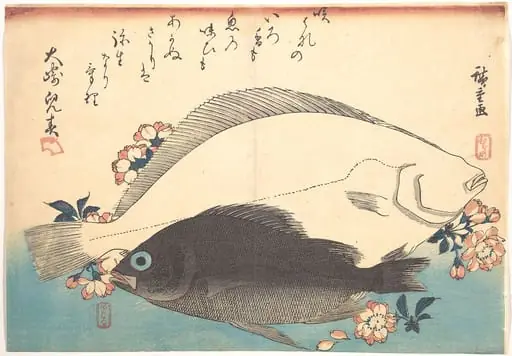 魚づくし ひらめ めばるに桜|Hirame and Mebaru Fish with Cherry Blossoms, from the series Uozukushi (Every Variety of Fish)
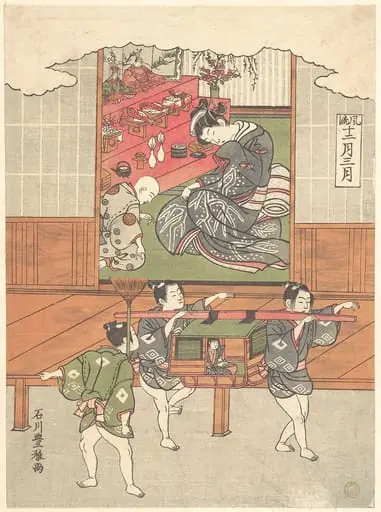 Hina no Sekku|The Festival of Dolls (Third Month)
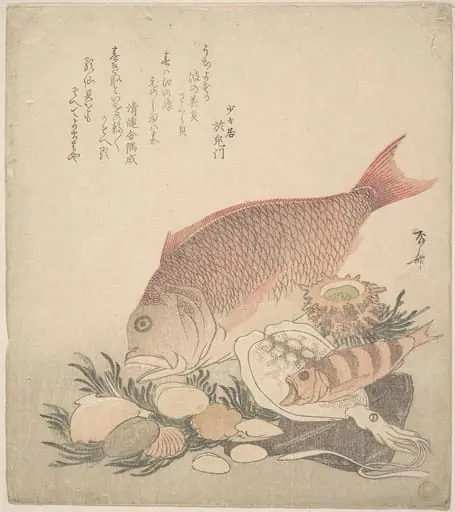 Untitled
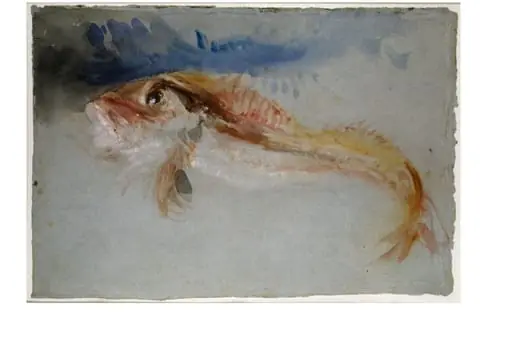 A Gurnard
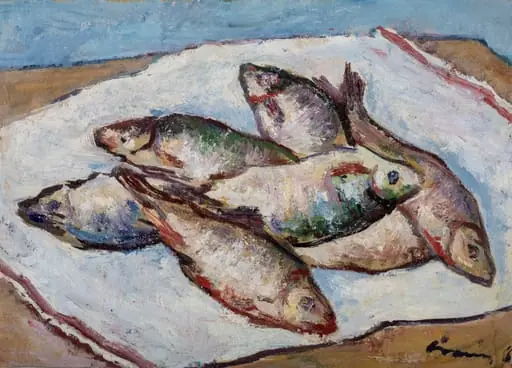 Natură statică cu pești
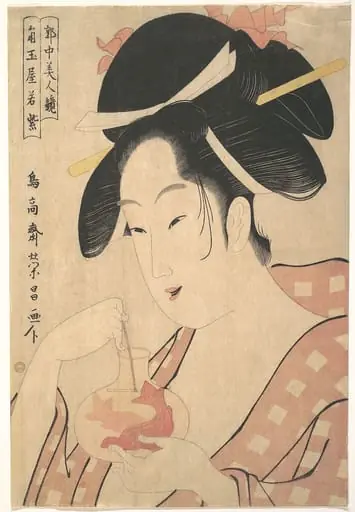 Untitled
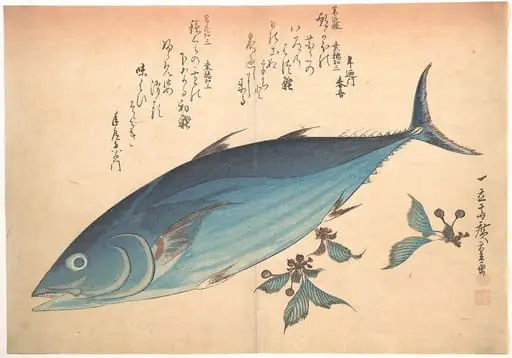 魚づくし 鰹に桜|Katsuo Fish with Cherry Buds, from the series Uozukushi (Every Variety of Fish)
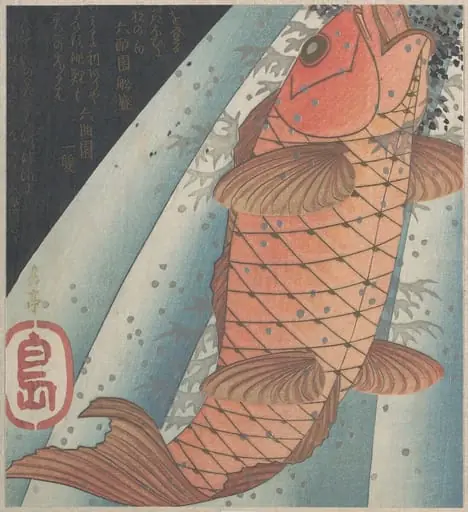 鯉の滝登り|Red Carp Ascending a Waterfall
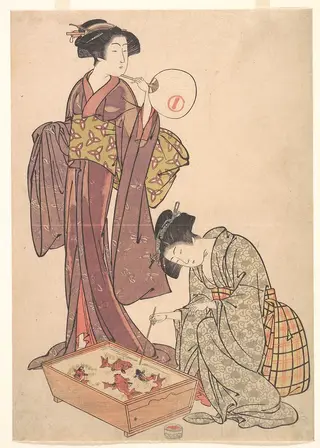 Untitled
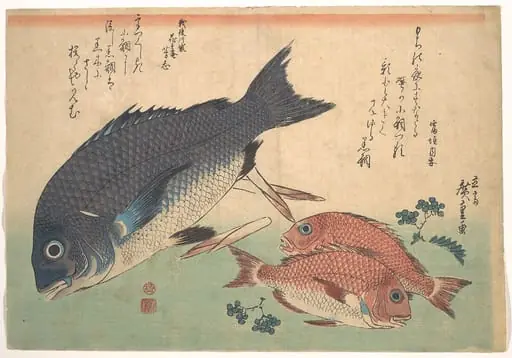 魚づくし 黒鯛 小鯛に山椒|Kurodai and Kodai Fish with Bamboo Shoots and Berries, from the series Uozukushi (Every Variety of Fish)
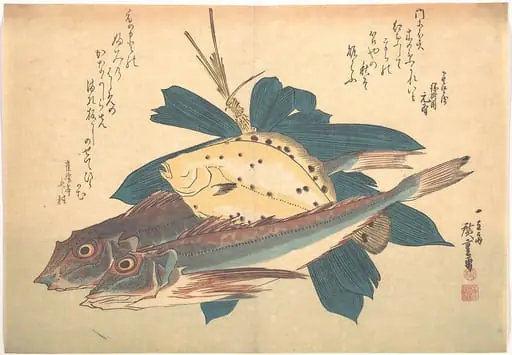 魚づくし かれい かながしらに笹|Kanagashira and Karei Fish, from the series Uozukushi (Every Variety of Fish)
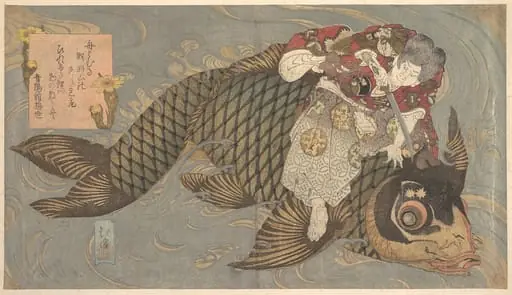 Untitled
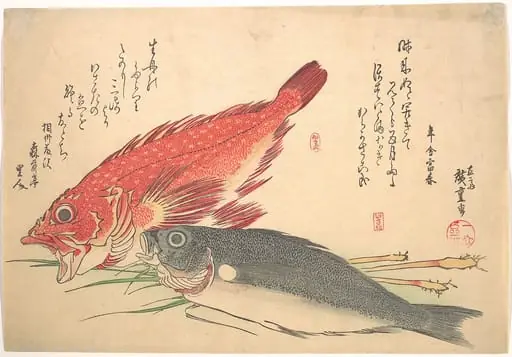 魚づくし かさご いさきに生姜|Isaki and Kasago Fish, from the series Uozukushi (Every Variety of Fish)
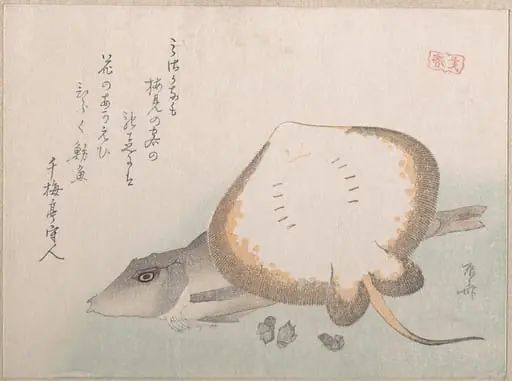 Untitled
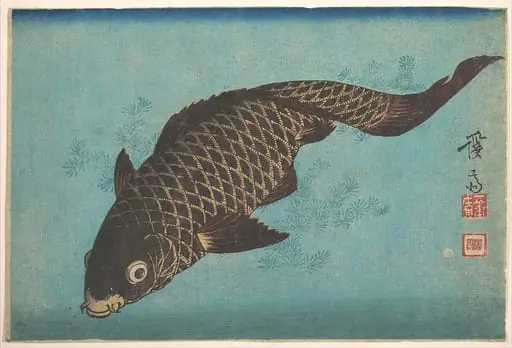 Untitled
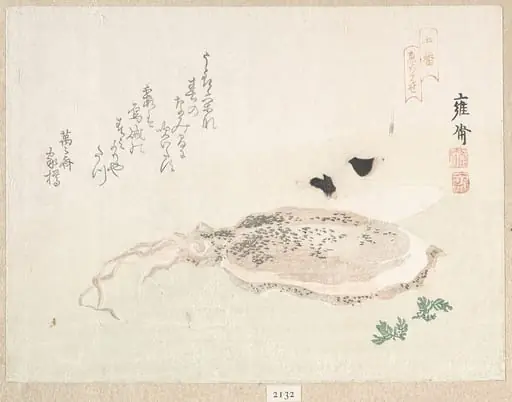 Untitled
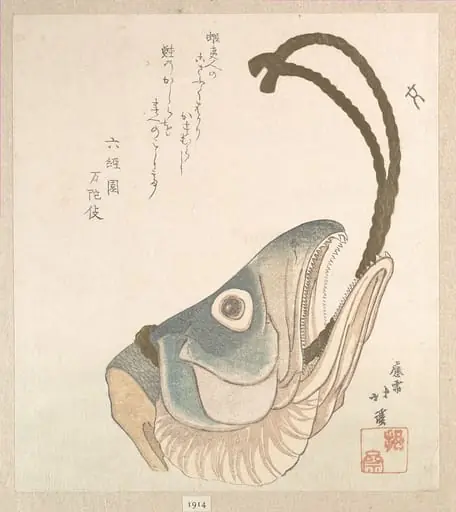 鮭頭|Head of a Salmon
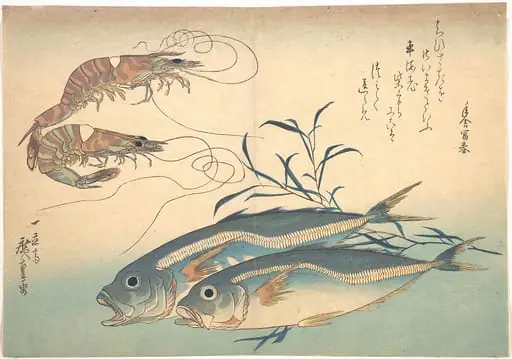 魚づくし 車海老 鯵にたで|Aji Fish and Kuruma-ebi, from the series Uozukushi (Every Variety of Fish)
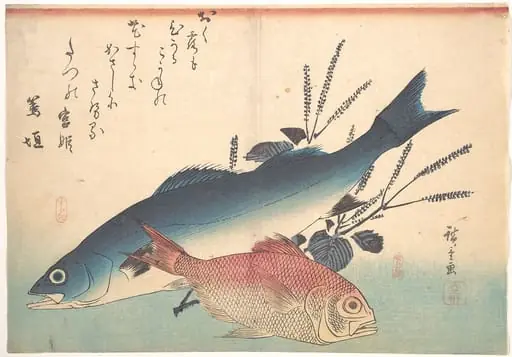 魚づくし いなだ ふぐに梅|Suzuki and Kinmedai Fish from the series Uozukushi (Every Variety of Fish)
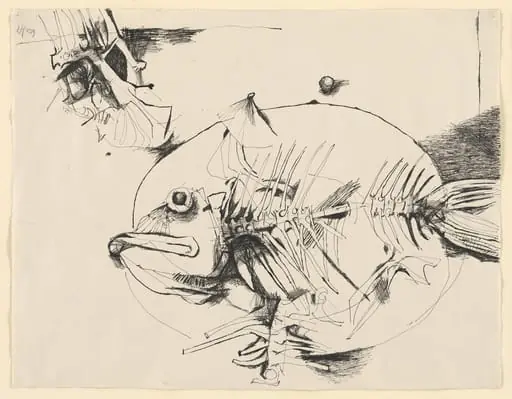 Untitled
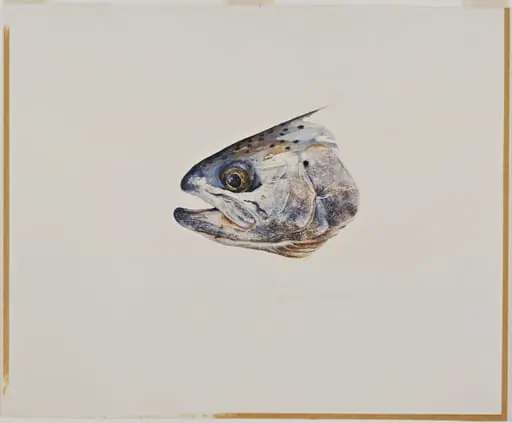 Untitled
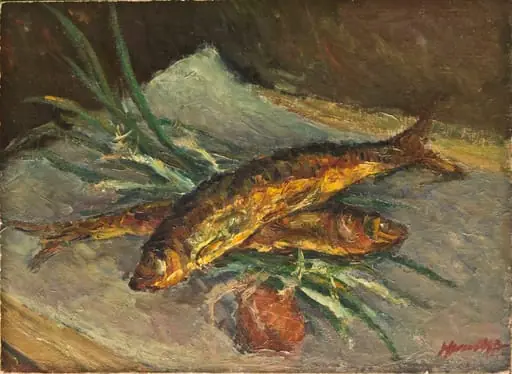 Scrumbii
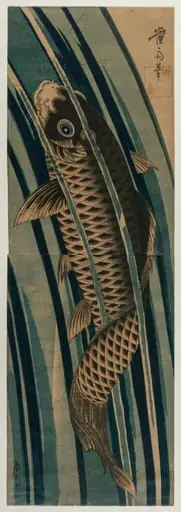 Carp Ascending a Waterfall
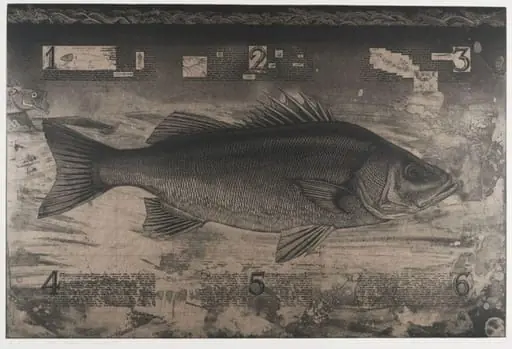 Sushi-Maru II Hira Suzuki
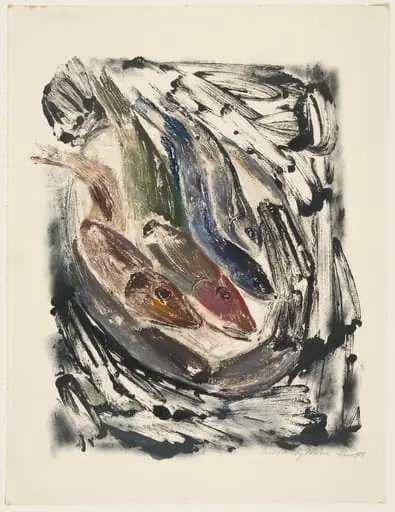 Untitled
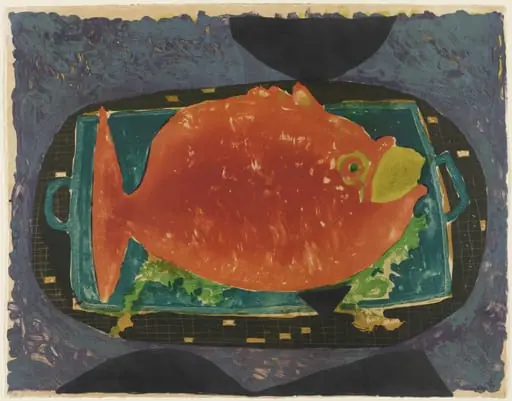 Untitled
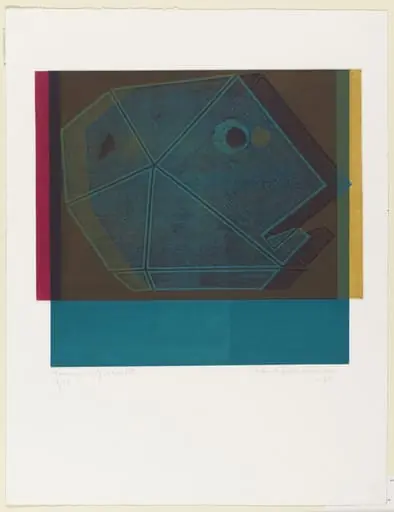 Untitled
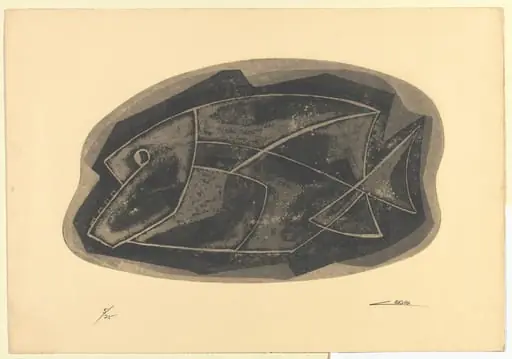 Untitled
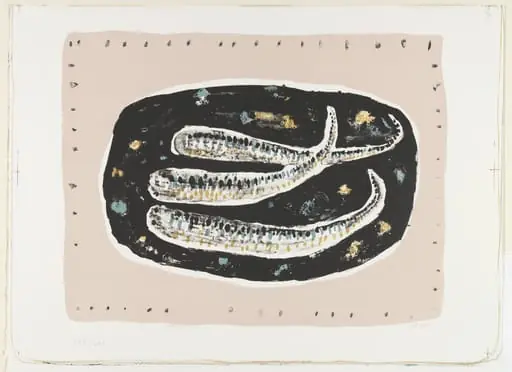 Untitled
Frequently asked questions
What is Fish?
Fish is a subject in art. family name
How many Fish works does Artifact World Gallery have?
Artifact World Gallery holds 155 public-domain Fish works, all free to view and download.
Who are the key Fish artists?
Key Fish artists in the collection include Gustave Courbet, François Boucher and Joseph Mallord William Turner.
Where can I see Fish works?
Fish works in the collection are held by Metropolitan Museum of Art, Museum of Modern Art and National Gallery of Art.