Artwork
The Slave Ship Ransomed
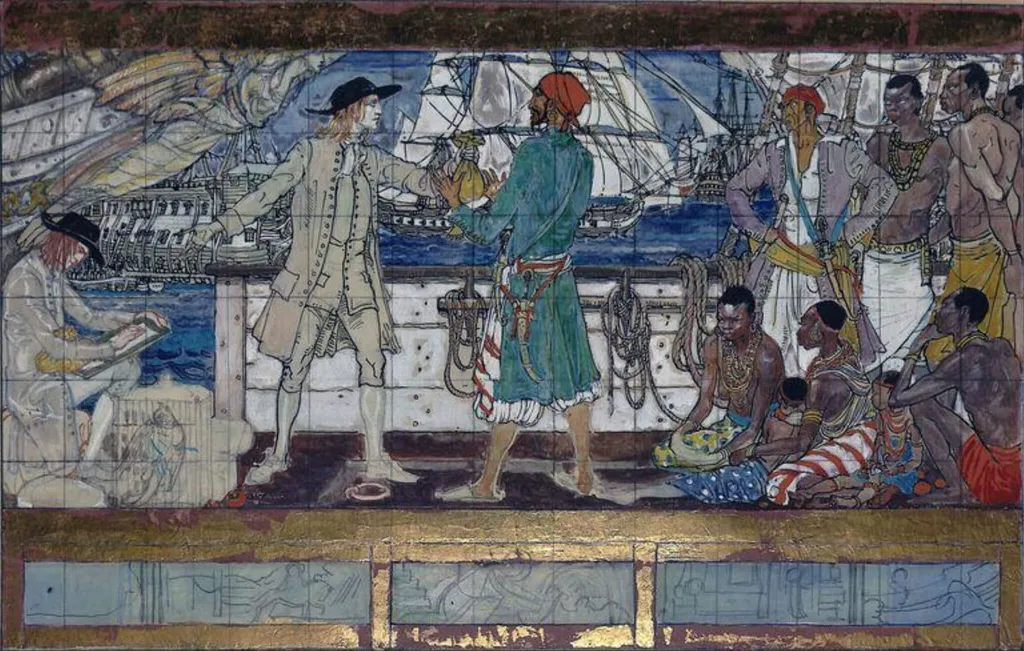
The Slave Ship Ransomed is a watercolor work on paper by the Impressionist artist Violet Oakley. It dates from 1914 and is held in the collection of the Victoria and Albert Museum.
About this work
Overview
The piece belongs to a larger series commissioned between 1911 and 1920, intended to depict themes of national unity and moral progress.
This watercolor study by Violet Oakley was created as a preparatory work for a mural commissioned for the Pennsylvania State Capitol. Executed in pen, pencil, and watercolor, it served to refine composition and figure placement before the final mural was executed. The piece belongs to a larger series commissioned between 1911 and 1920, intended to depict themes of national unity and moral progress.
Subject & Meaning
The scene depicts a ship’s deck during the transatlantic slave trade, focusing on a moment of negotiation or exchange. A figure in white, possibly an official or intermediary, holds a rope, while another in green gestures toward seated, weary individuals below. The composition suggests a transaction, perhaps ransom or release, highlighting human agency amid systemic oppression, aligning with the series’ theme of moral preservation.
Technique & Style
Oakley employed layered watercolor with bold, flat tones and precise ink outlines to define forms and spatial relationships. The palette favors muted blues, browns, and off-whites, now faded with time. Figures are arranged densely along the deck, constrained by the ship’s hull, creating a sense of claustrophobia. The brushwork is deliberate, balancing narrative clarity with decorative flatness typical of early 20th-century mural studies.
History & Provenance
Commissioned as part of the Pennsylvania State Capitol’s decorative program, the mural series was intended for the Senate Chamber. This watercolor study predates the final mural and reflects Oakley’s process of developing narrative scenes through sequential sketches. The work remained in institutional hands, later entering the collection of the Victoria and Albert Museum, where it is preserved as a key example of American mural preparation.
Context
Oakley’s work emerged during a period when public buildings in the U.S. were being adorned with historical and allegorical murals. Her focus on moral themes, such as emancipation and justice, reflected Progressive Era ideals. Unlike many contemporaries, she emphasized marginalized voices, positioning enslaved individuals as central figures rather than background elements, challenging prevailing visual narratives of the time.
Legacy
The watercolor study endures as a document of Oakley’s commitment to narrative integrity and social conscience in public art. Though the final mural may have been less widely seen, this preparatory work reveals her methodical approach and attention to human dignity. It remains a significant artifact in the history of American muralism and the representation of slavery in early 20th-century art.
Artist & collection
Artist
Violet Oakley filled large sheets of paper with flowing watercolors of dramatic scenes.

 The 'Revenge' Leaving Plymouth to Meet the Armada
 Africa
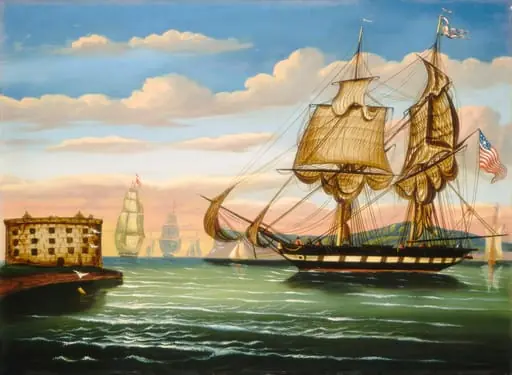 Bay of New York, Sunset
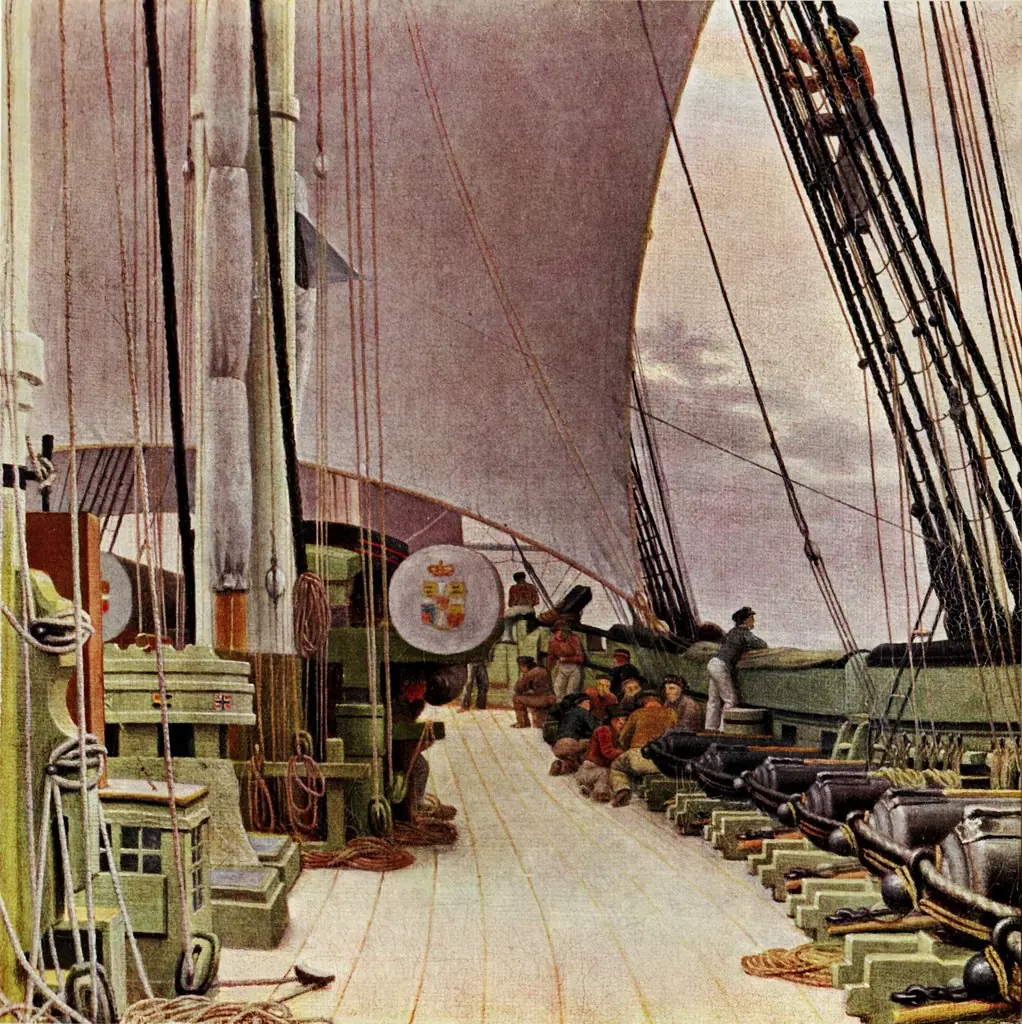 The Starboard Battery and the Deck of the Corvette "Najaden"
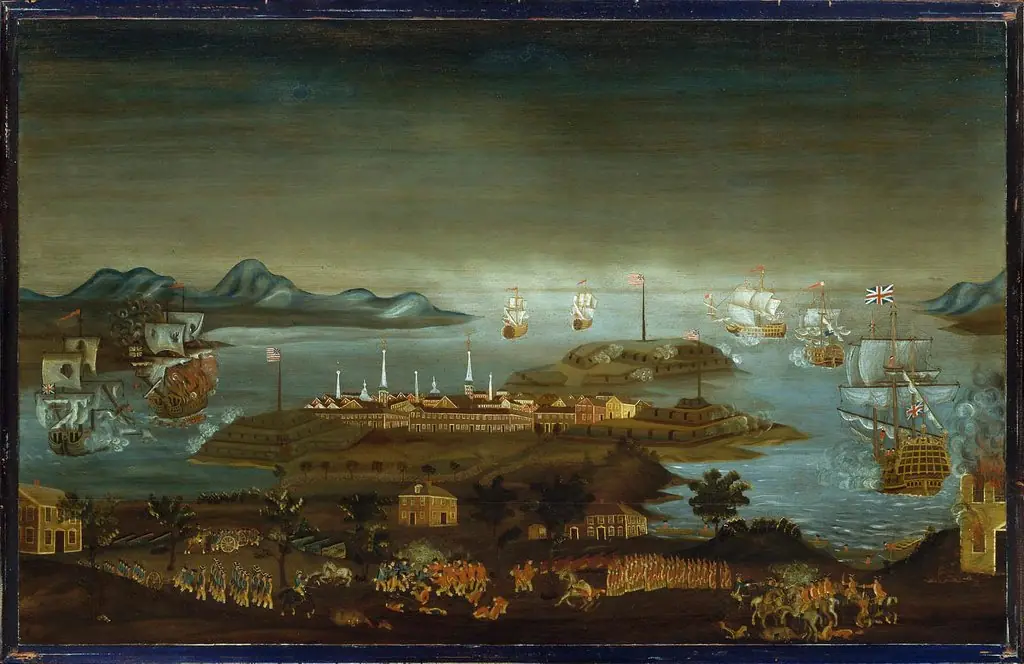 The Battle of Bunker Hill
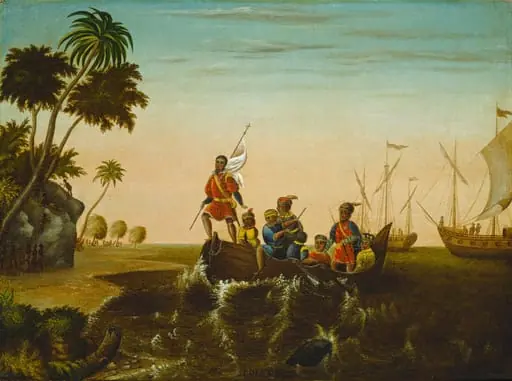 The Landing of Columbus
 America
 Warfare Emperor Charles V against Tunis (1535): Taking La Goletta
 「横浜交易西洋人荷物運送之圖」|“Yokohama Trade: Westerners Loading Cargo”
 Men from Punt Carrying Gifts, Tomb of Rekhmire
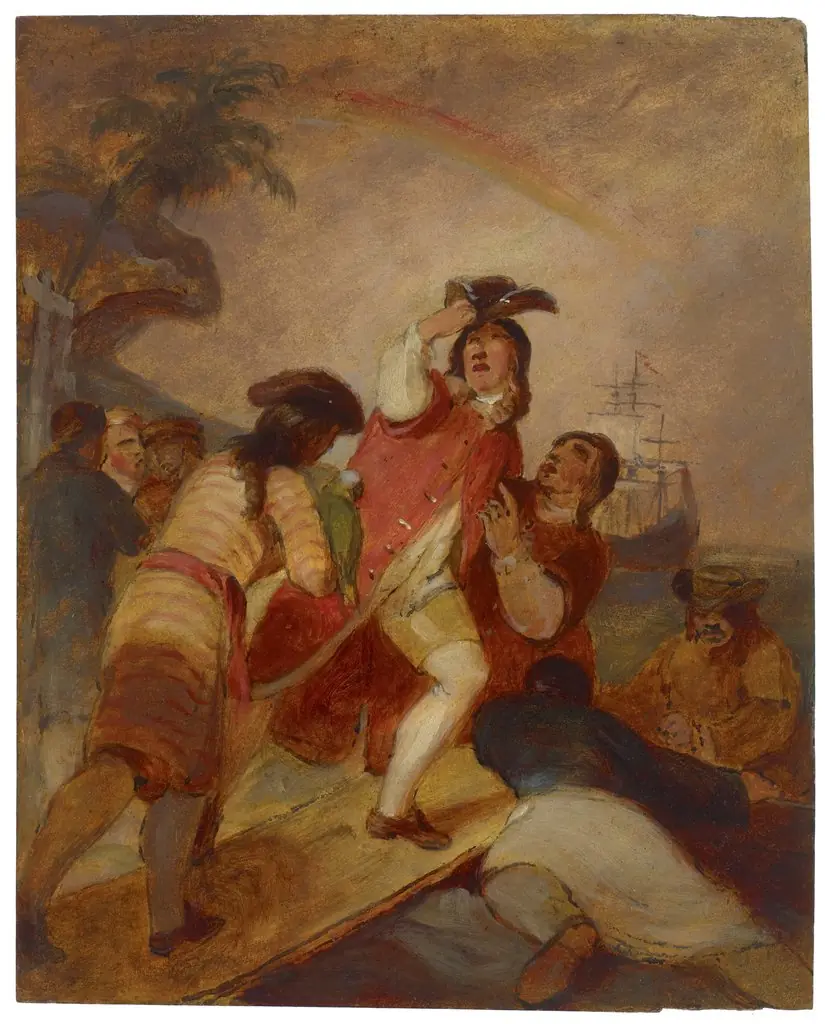 Robinson Crusoe and His Man Friday Leave the Island
- Slave Trade