Artwork
Objects on a Table
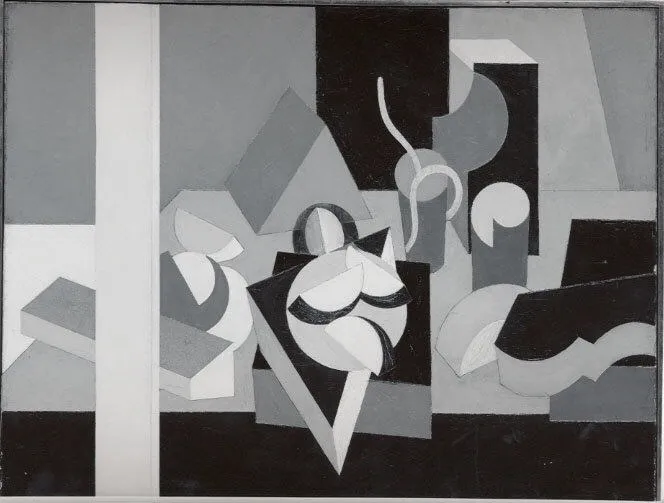
Objects on a Table is an oil painting by Patrick Henry Bruce. It dates from 1920 and is held in the collection of the Metropolitan Museum of Art.
About this work
History & Provenance
The painting is in the collection of the Metropolitan Museum of Art, New York, where it is accessioned as part of the museum’s holdings.
Objects on a Table is an oil painting by Patrick Henry Bruce dated to 1920. The work is held in the collection of the Metropolitan Museum of Art, where it remains located. No further details regarding commission, prior ownership, or intermediate provenance are documented in the available sources.
The painting was created in 1920 and entered the Metropolitan Museum of Art's collection, where it is currently held. The sources do not provide information on a commissioning party, acquisition circumstances, or earlier owners.
The painting is in the collection of the Metropolitan Museum of Art, New York, where it is accessioned as part of the museum’s holdings.
It has been exhibited at the Metropolitan Museum of Art as part of its permanent collection displays of modernist works.
Legacy
Objects on a Table has been recognized as a significant example of early American modernism, influencing discussions of abstraction in the 1920s and contributing to the reevaluation of domestic subjects in art history. Its presence in the Metropolitan Museum of Art has cemented its reputation as a representative work of Bruce's mature style, often cited in scholarship on American still-life painting.
Overview
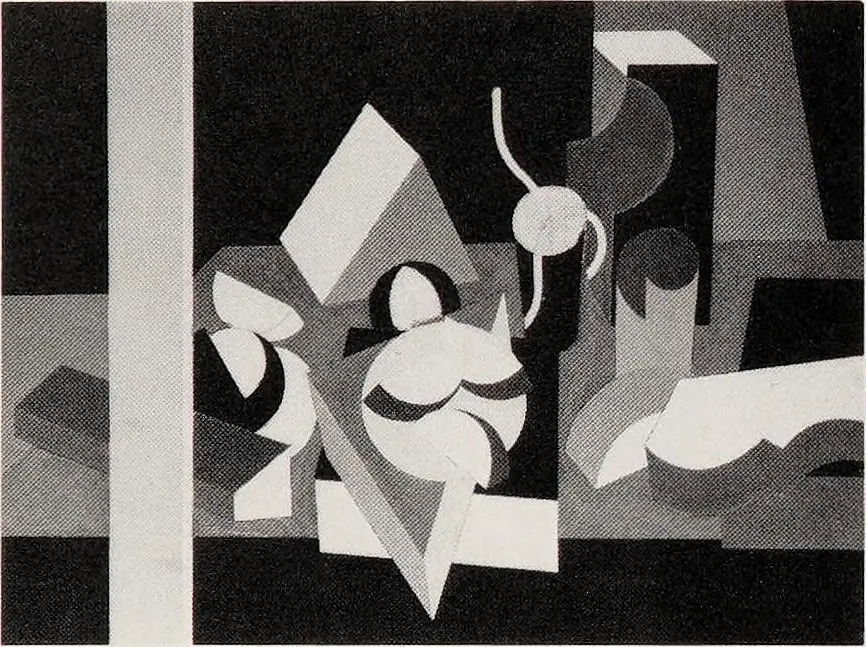
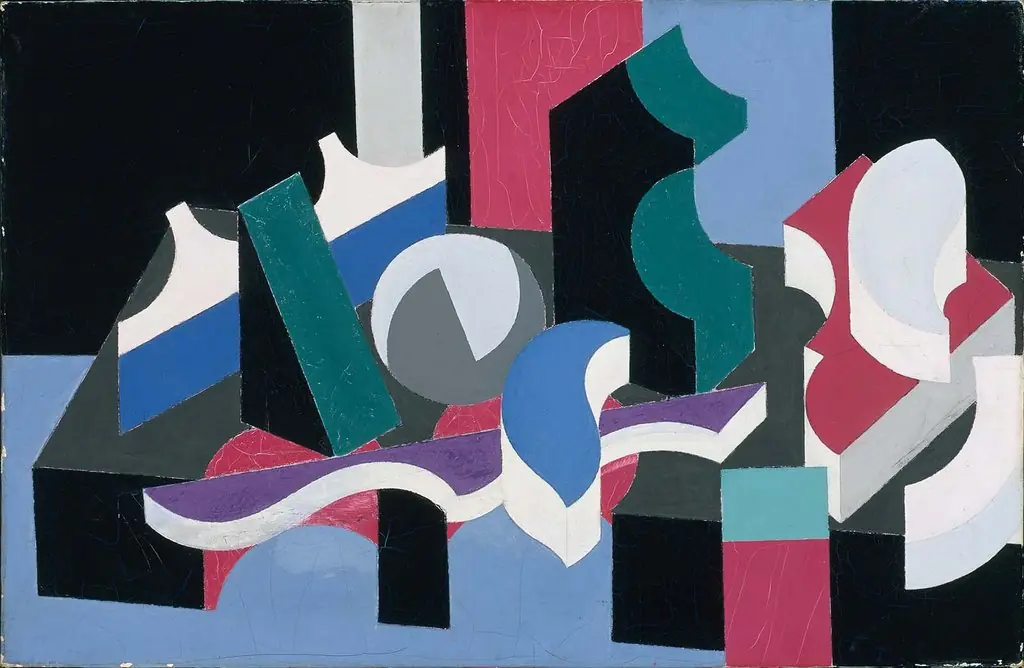
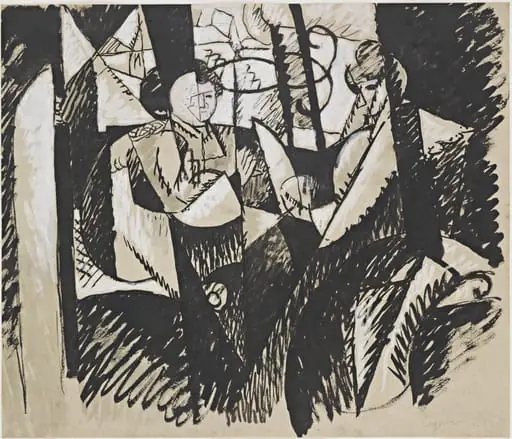
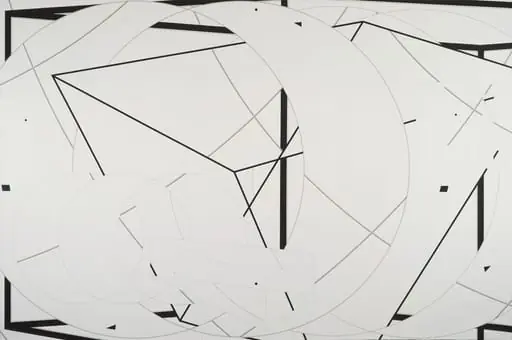
Patrick Henry Bruce’s 1920 oil on canvas, titled Objects on a Table, is part of the Metropolitan Museum of Art’s collection. The work presents a tabletop arrangement rendered in a stark, abstract manner, focusing on the interplay of shape and contrast rather than detailed representation.
Subject & Meaning
The composition features a bottle, a glass, and a folded piece of cloth, each reduced to simplified geometric silhouettes. By stripping the objects of narrative detail, the painting invites viewers to consider the formal relationships between forms, light, and shadow rather than a literal still‑life story.
Technique & Style
Bruce employs flat, sharply defined planes outlined in bold black lines, creating a graphic quality reminiscent of early modernist experiments. The palette oscillates between near‑white highlights and deep black tones, generating a high‑contrast visual rhythm that emphasizes the two‑dimensionality of the surface.
Context
At a time when most still‑life painters adhered to naturalistic rendering, Bruce’s reduction of everyday objects to geometric elements aligned with broader abstract tendencies emerging in American art. His approach reflects an early engagement with the principles that would later define Precisionism and other modernist movements.
Artist & collection