Artwork
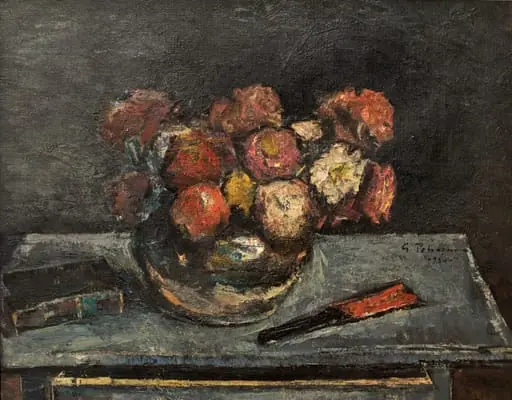
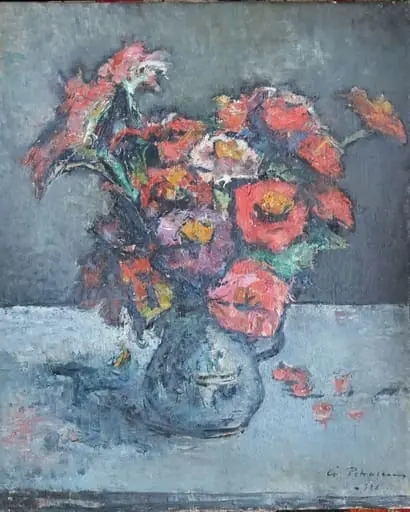
Flori
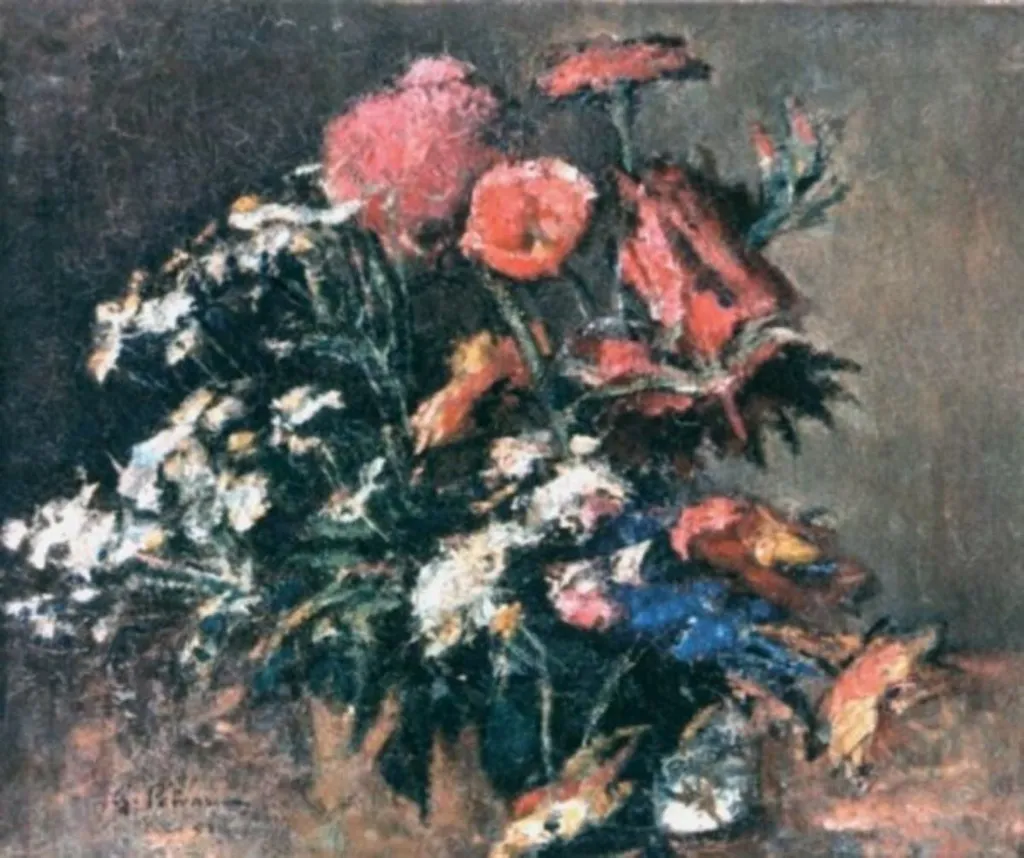
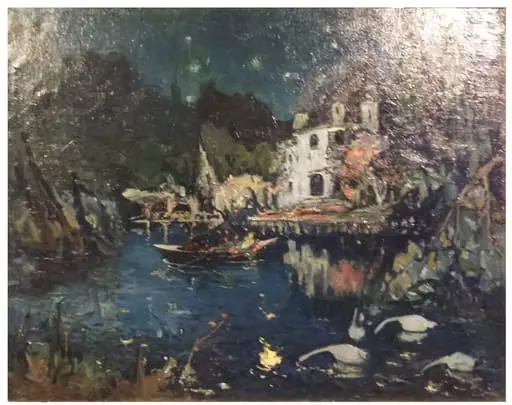
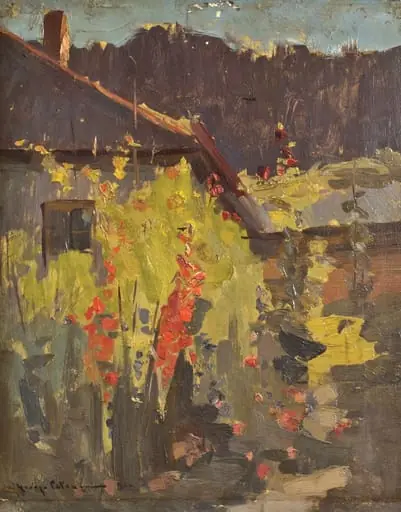
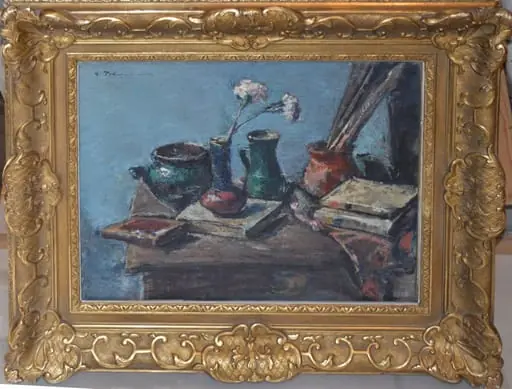
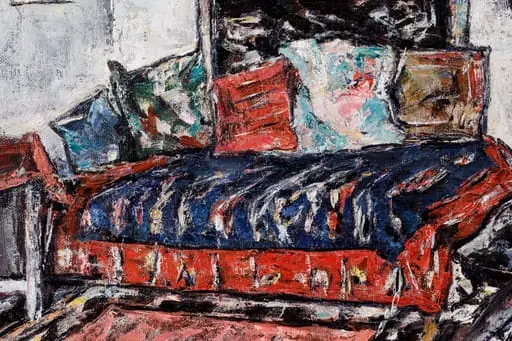
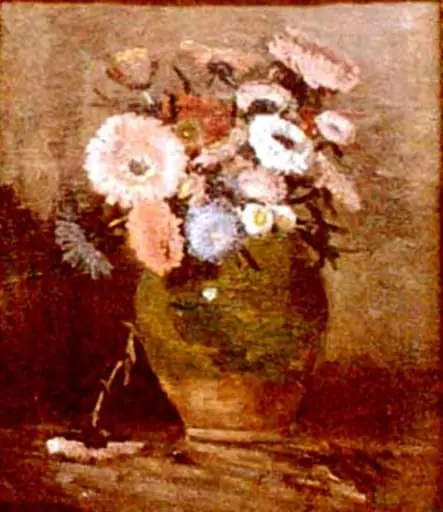
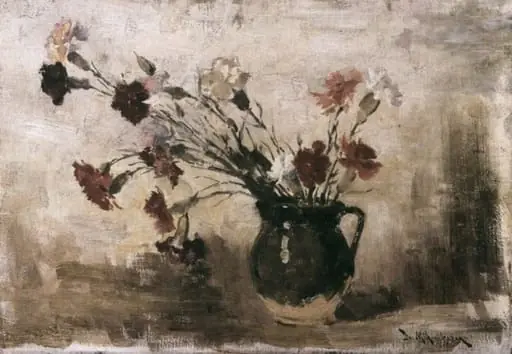
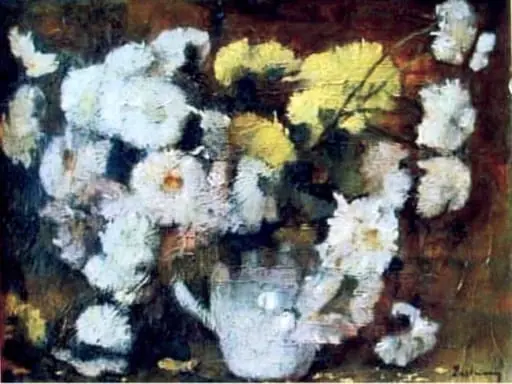
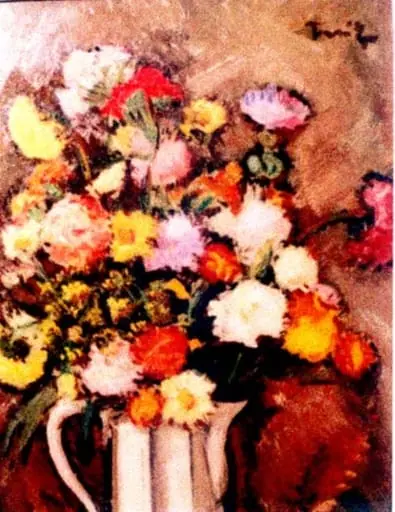
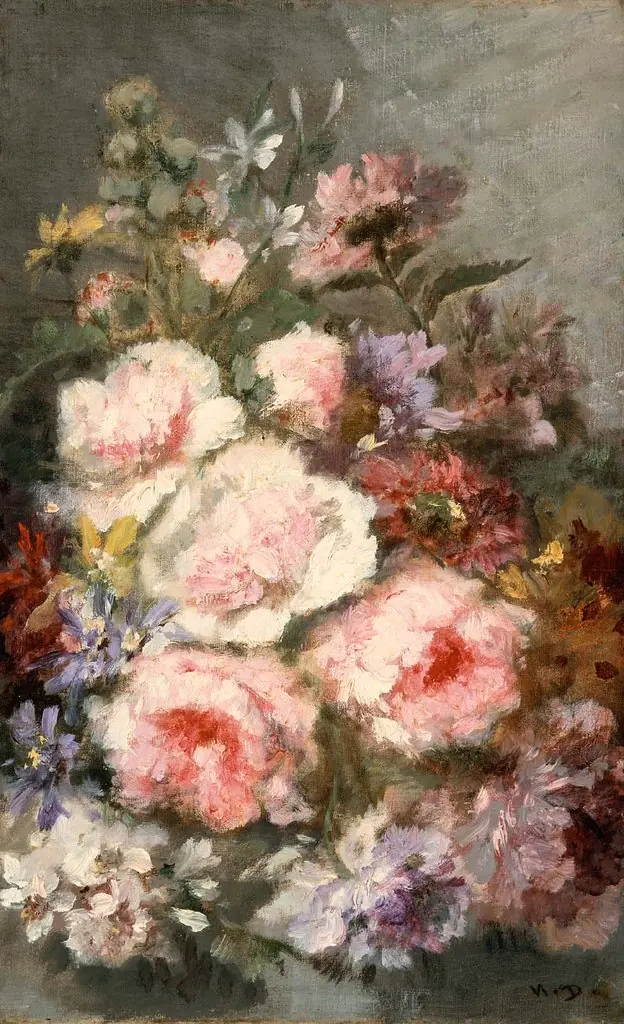
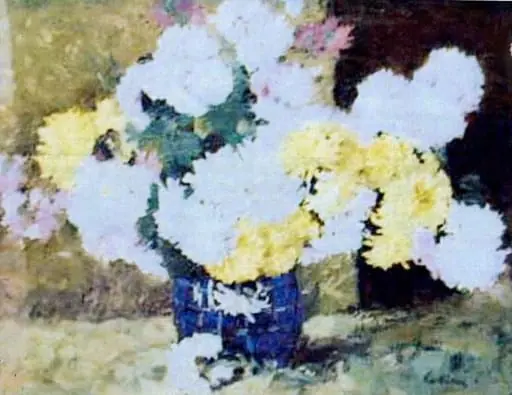
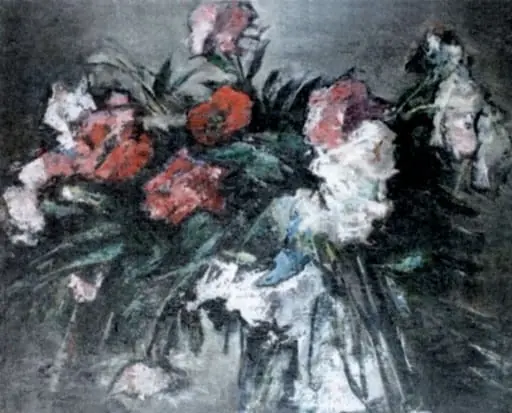
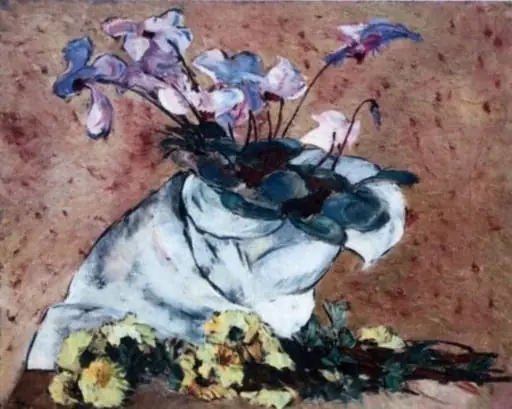
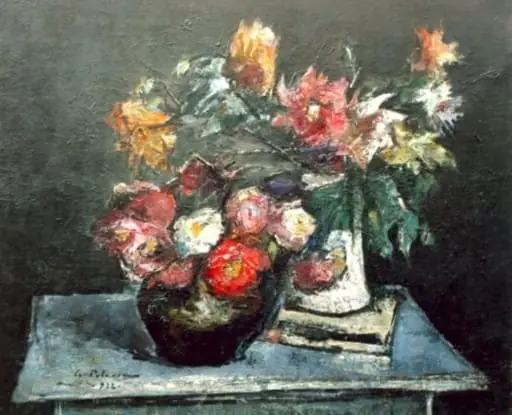
Flori is an unspecified painting by the Romanesque artist Gheorghe Petrașcu. It dates from 1921 and is held in the collection of the National Museum of Art of Romania.
About this work
Overview
Though sometimes associated with broader European traditions, his work resists easy categorization within movements like Romanesque.
Gheorghe Petrașcu, a Romanian painter born in 1872, completed Flori in 1921. Though sometimes associated with broader European traditions, his work resists easy categorization within movements like Romanesque. The painting presents a quiet, intimate moment: a woman in a dark headscarf holds a single white flower near her chest. Its subdued palette and restrained composition reflect Petrașcu’s focus on ordinary life rendered with emotional stillness.
Subject & Meaning
The subject is a woman, her identity unspecified, holding a solitary white flower. The gesture is tender but untheatrical, suggesting personal reflection rather than symbolic declaration. The flower, the only point of light in the composition, may imply fragility, memory, or quiet resilience.
Petrașcu avoids narrative clarity, inviting contemplation rather than interpretation, aligning with his broader interest in unadorned human presence.
Technique & Style
Petrașcu employs subtle chiaroscuro to model form with soft transitions between light and shadow. The woman’s face and hands emerge gently from dim surroundings, their realism achieved through careful gradation, not sharp detail. Brushwork is restrained, avoiding flourish; texture is suggested rather than emphasized. The dark headscarf absorbs light, heightening the flower’s luminosity and anchoring the composition in quiet contrast.
History & Provenance
Created in 1921, Flori belongs to Petrașcu’s mature period, following years of study and recognition in Romania. He received state honors during his lifetime and was elected to the Romanian Academy in 1936. Posthumous exhibitions at the Paris International Exhibition and Venice Biennale affirmed his standing, though Flori itself has no documented public exhibition history prior to recent scholarly attention.
Context
In early 20th-century Romania, artists like Petrașcu navigated between academic traditions and emerging modern sensibilities. While contemporaries explored bold abstraction or nationalist themes, he turned inward, depicting private moments with psychological nuance. His focus on light, silence, and unremarkable subjects aligned more with Northern European realism than with prevailing regional trends.
Legacy
Petrașcu’s legacy lies in his quiet, persistent exploration of everyday humanity. Flori exemplifies his refusal of spectacle, favoring emotional resonance over dramatic effect. Though less known internationally than some peers, his work influenced later Romanian painters who valued introspection and tonal subtlety. His paintings remain in public collections, studied for their restraint and sensitivity to light and mood.
Artist & collection
Artist
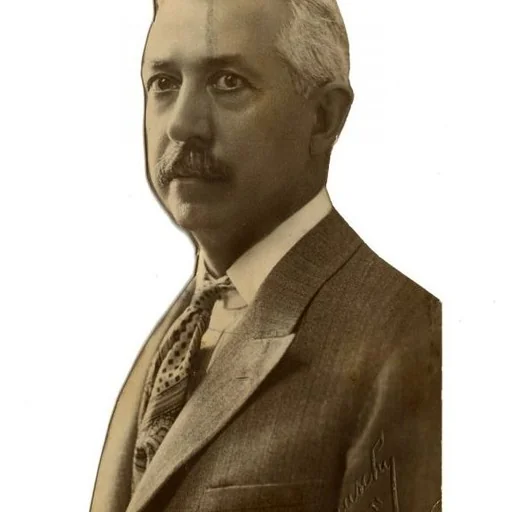
Gheorghe Petrașcu (Romanian pronunciation:; 20 November 1872, Tecuci – 1 May 1949, Bucharest) was a Romanian painter.