Artwork
Street Scene, Place Clichy
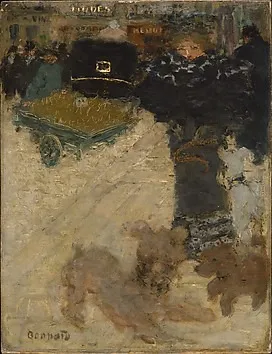
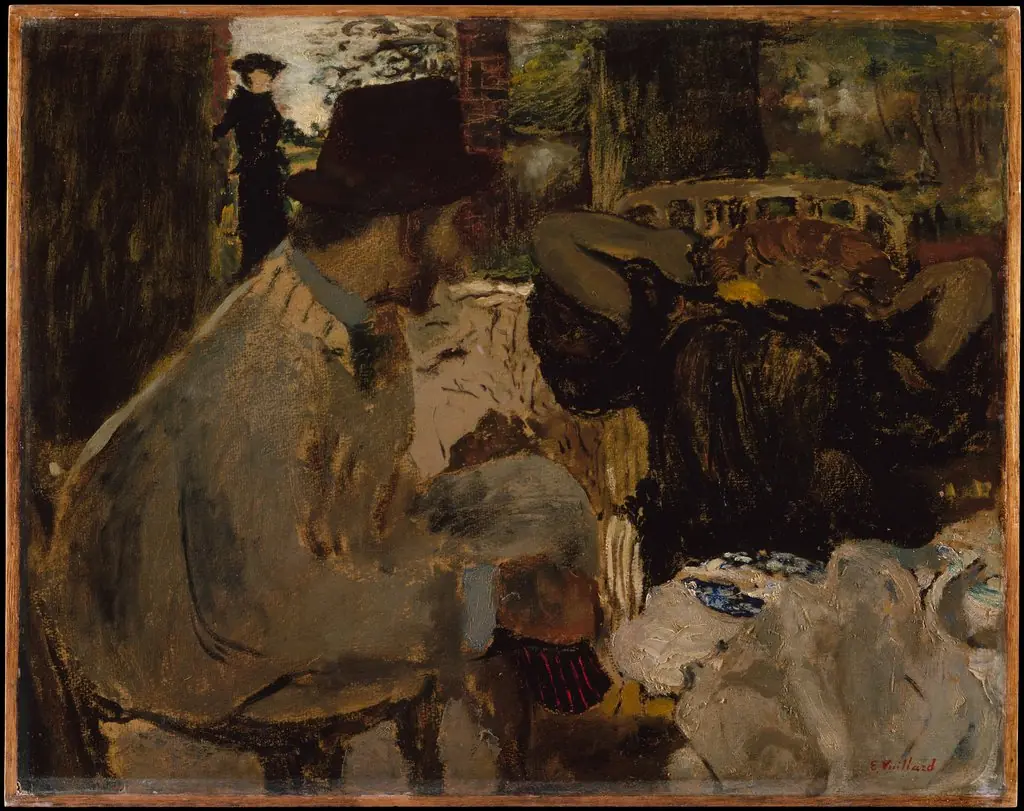
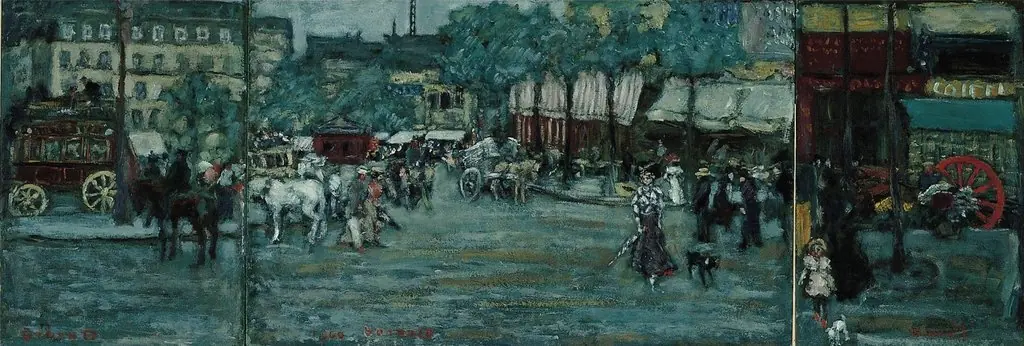
Street Scene, Place Clichy is an oil painting by the Post-Impressionist artist Pierre Bonnard. It dates from 1898 and is held in the collection of the Metropolitan Museum of Art.
About this work
Subject & Meaning
The painting is thus both a record of a specific Parisian site and a meditation on the rhythms of modern city experience.
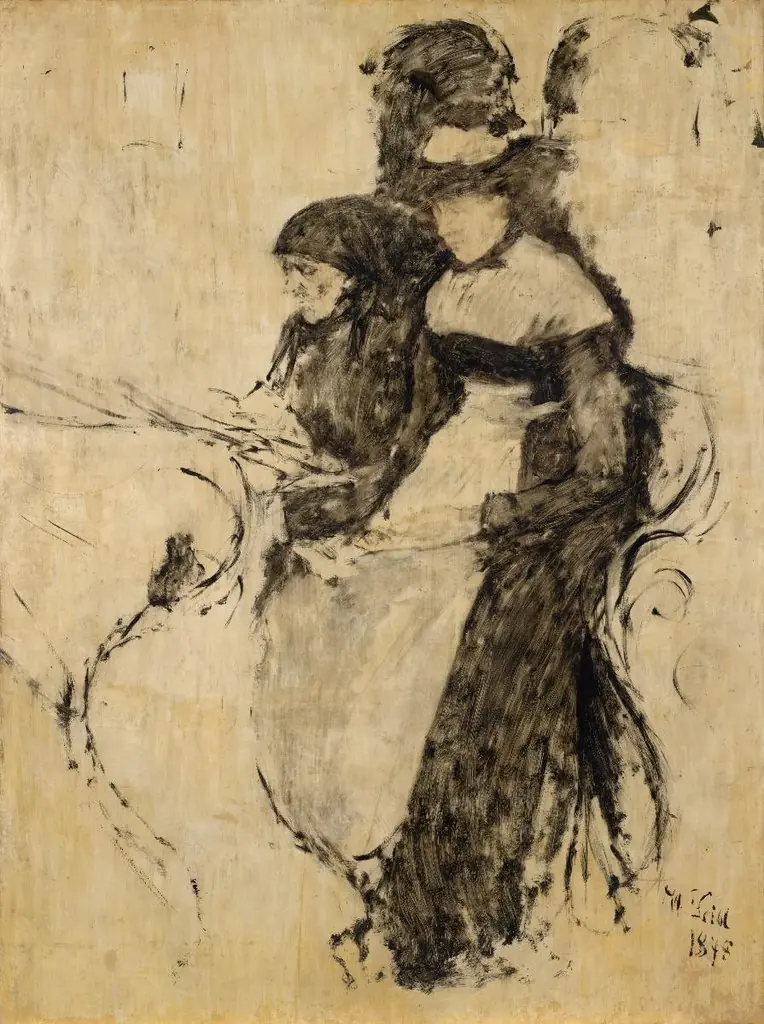
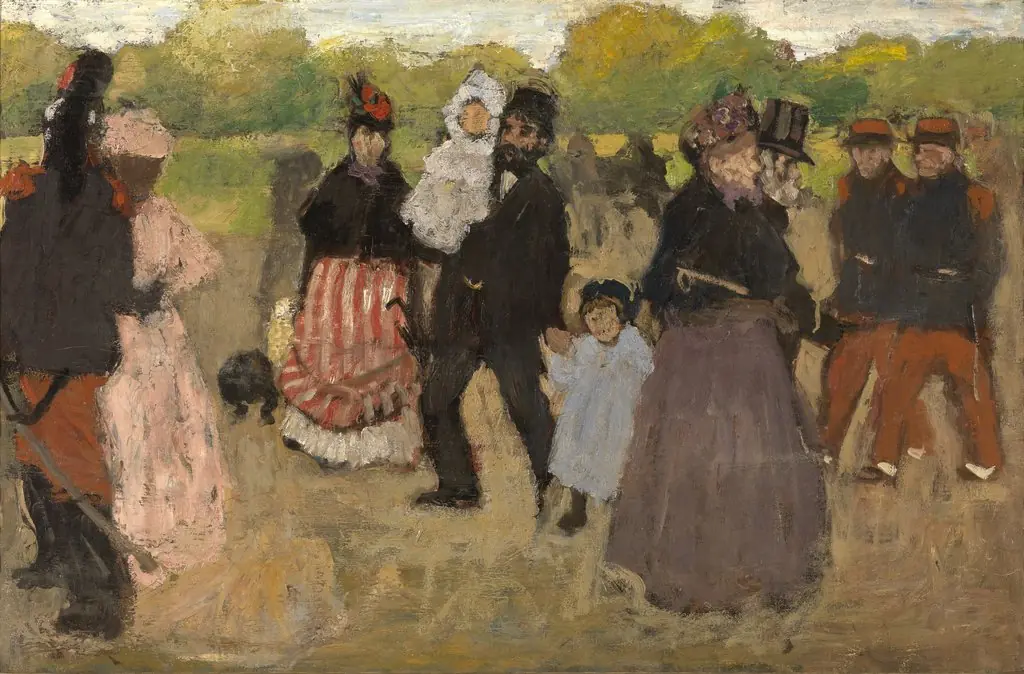
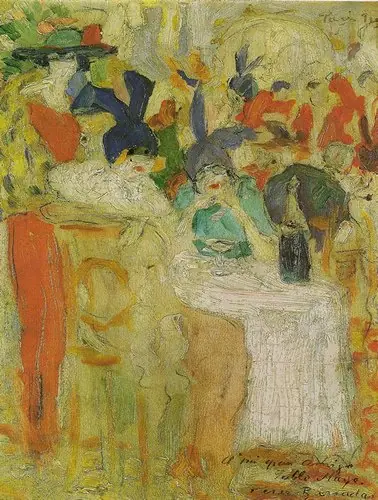
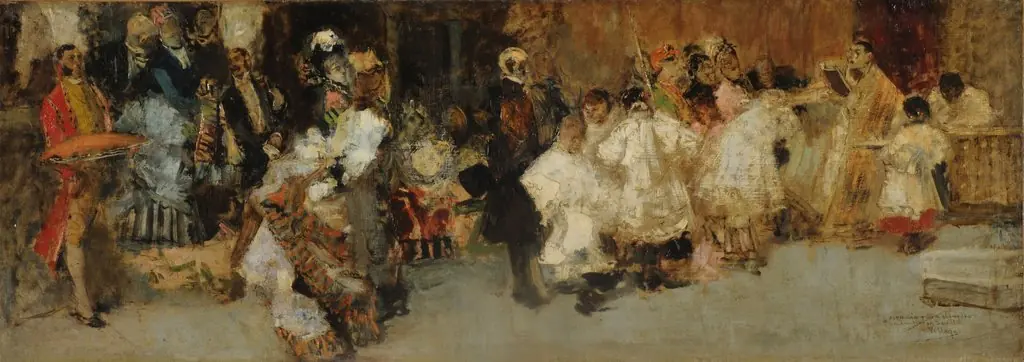
Pierre Bonnard's 1898 oil painting Street Scene, Place Clichy depicts an everyday Parisian thoroughfare populated by human figures and a dog, capturing the bustle of an urban intersection. The work belongs to Bonnard's series of Place Clichy views, in which he repeatedly explored the same Haussmann-era junction near his studio, treating the modern street as a subject worthy of serious pictorial attention. Rather than monumentalizing the location, Bonnard renders ordinary pedestrians, passing traffic, and a dog as fleeting presences within a carefully composed urban stage, reflecting the Nabis circle's interest in the poetry of contemporary life.
The painting is thus both a record of a specific Parisian site and a meditation on the rhythms of modern city experience.
Technique & Style
Executed in 1898, Pierre Bonnard's Street Scene, Place Clichy is an oil painting created on a panel support. The work depicts a bustling urban environment featuring human figures, a dog, and the surrounding street architecture. As a piece from the artist's early career, the application of oil paint on panel reflects the material choices typical of his output during this period.
The composition focuses on the observation of daily life within the specific locale of Place Clichy, capturing the movement of people and animals within the public space.
History & Provenance
Street Scene, Place Clichy (1898) was painted by Pierre Bonnard in oil on panel. It entered the collection of Jacques Gelman, whose ownership is documented in the Gelman Collection's exhibition history. The painting was later included in Twentieth-Century Modern Masters: The Jacques and Natasha Gelman Collection, which traces its provenance through the Gelman holdings before its acquisition by the Metropolitan Museum of Art, New York, where it is currently located. No specific accession or inventory number is published in the available sources.
Legacy
Street Scene, Place Clichy, painted by Pierre Bonnard in 1898, entered the Jacques and Natasha Gelman collection and was later featured in the exhibition Twentieth-Century Modern Masters at the Metropolitan Museum of Art. Its inclusion in a major institutional collection and a high-profile survey has helped sustain Bonnard's reputation as a key figure of early modernism and supports ongoing scholarship on his treatment of urban space and everyday street life as a representative example of his synthesis of color and modern subject matter.
Overview
Pierre Bonnard's 'Street Scene, Place Clichy' (1898) captures a fleeting moment of Parisian urban life during the height of the Belle Époque. Executed in oil paint, the work centers on a dark horse-drawn carriage with a distinct yellow interior, occupied by a solitary figure. In the immediate foreground, a dog anchors the composition, while pedestrians animate the background, creating a sense of bustling movement.
The painting reflects Bonnard's transition from his earlier Nabi period, characterized by flat patterns and decorative color, toward a more observational approach to modern cityscapes. Rather than idealizing the scene, Bonnard employs a fragmented perspective and a vibrant, light-infused palette to convey the transient atmosphere of the Place Clichy. The composition avoids traditional linear perspective, instead using overlapping figures and the carriage to structure the space.
This work exemplifies the artist's interest in capturing the ephemeral effects of light and the rhythm of daily existence in late 19th-century Paris, marking a significant step in his development as a chronicler of modern life.
Artist & collection
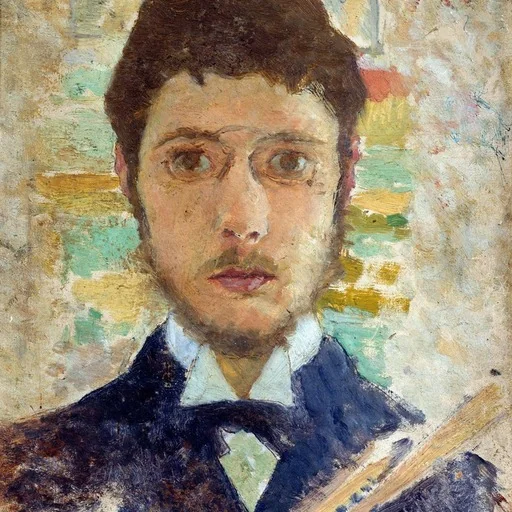
Artist
Pierre Bonnard was a French painter, illustrator and printmaker, known especially for the stylized decorative qualities of his paintings and his bold use of color.