Artwork
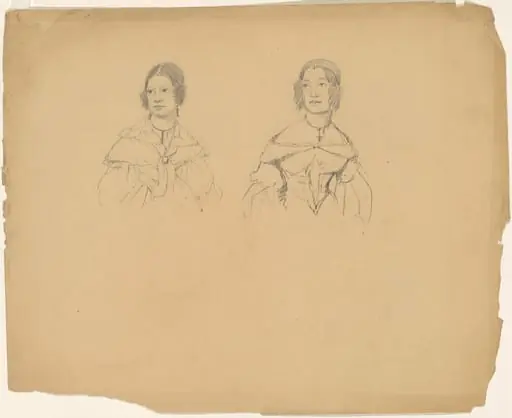
Study of Two Young Women [recto]
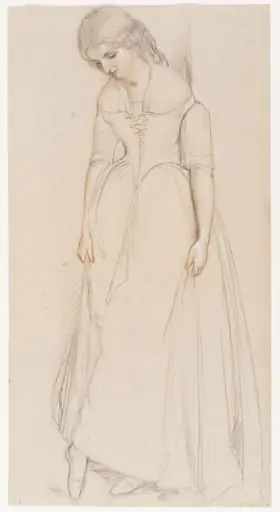
![Study of Two Young Women [recto], by Valentine Cameron Prinsep, graphite, 1871](https://artifactworldgallery.com/img/valentine-cameron-prinsep--study-of-two-young-women-recto--3dfeb354d436ea17-w1024.webp)
Study of Two Young Women [recto] is a graphite drawing by the Pre-Raphaelite artist Valentine Cameron Prinsep. It dates from 1871 and is held in the collection of the National Gallery of Art.
About this work
Overview
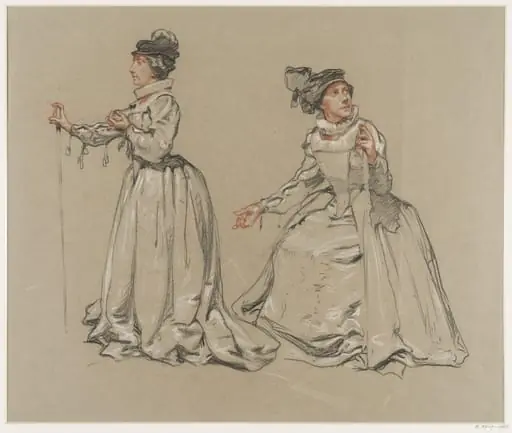
Created in 1871 by Valentine Cameron Prinsep, this graphite drawing on wove paper captures two young women standing side by side, oriented to the right.
Created in 1871 by Valentine Cameron Prinsep, this graphite drawing on wove paper captures two young women standing side by side, oriented to the right. Executed with delicate linear precision and soft tonal gradations, the work functions as a preparatory study, emphasizing form and posture over detailed facial expression. The restrained medium and quiet composition reflect a focus on presence rather than narrative.
Subject & Meaning
The two figures, dressed in long gowns with full sleeves and hair pinned in low buns, stand in still, parallel poses. Their faces are lightly rendered, avoiding individualized features, which invites a generalized sense of introspection. The absence of overt emotion or context suggests an interest in quiet dignity and the subtle poetry of everyday stillness, common in academic figure studies of the period.
Technique & Style
Prinsep employed graphite to achieve a range of soft contrasts, using fine hatching and smudging to suggest volume in fabric and form. The wove paper’s smooth surface enhances the clarity of line while allowing subtle tonal transitions. The lack of heavy shading preserves a lightness in the figures, aligning with 19th-century academic traditions that valued restraint and anatomical clarity over dramatic effect.
History & Provenance
The drawing is part of Prinsep’s broader practice of figure studies, likely made during his time in London or while traveling. It was not intended for public exhibition but served as a reference for larger compositions. Its survival reflects its value to the artist as a working document, preserved within his personal archive before entering institutional collections.
Context
Produced during the later Victorian era, the work aligns with academic drawing practices that prioritized the human form as a subject of disciplined observation. While Romanticism emphasized emotion, this study reflects a more reserved, classical approach favored in art schools, where studies of the figure were foundational to training and compositional development.
Legacy
As a representative example of 19th-century academic draftsmanship, the drawing illustrates the importance of preparatory work in the artistic process. Though not widely exhibited, it contributes to understanding how artists like Prinsep cultivated form and presence through disciplined, observational drawing, influencing pedagogical methods in British art institutions.
Own this work as a print
Artist & collection
Artist
Valentine Cameron Prinsep (1838–1904) was an artist, born in Kolkata.

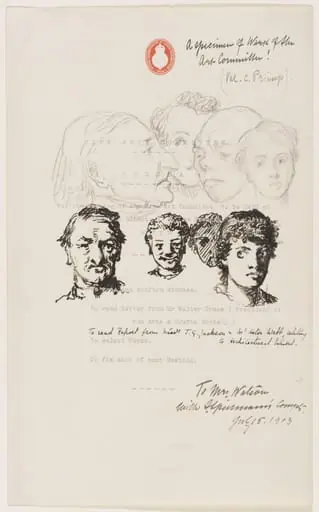
![Figure Studies [verso], by Valentine Cameron Prinsep](https://artifactworldgallery.com/img/valentine-cameron-prinsep--figure-studies-verso--ecadfdfaae5c079d-w320.webp)