Artwork
Portrait of Mary Baring Compton, later Fifth Marchioness of Northampton
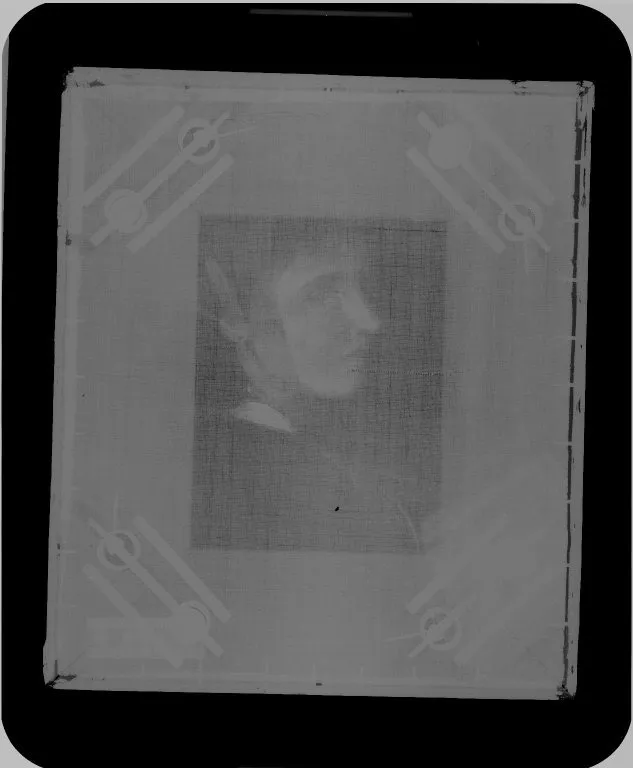
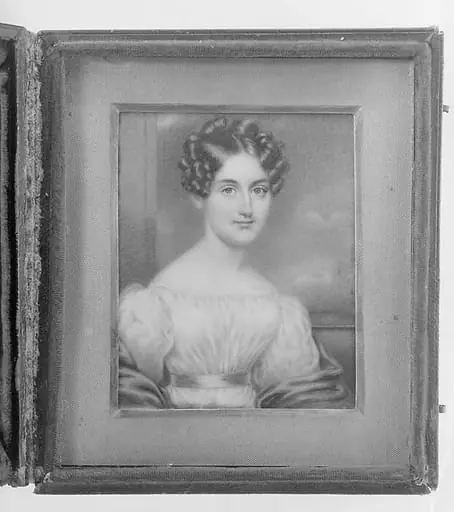
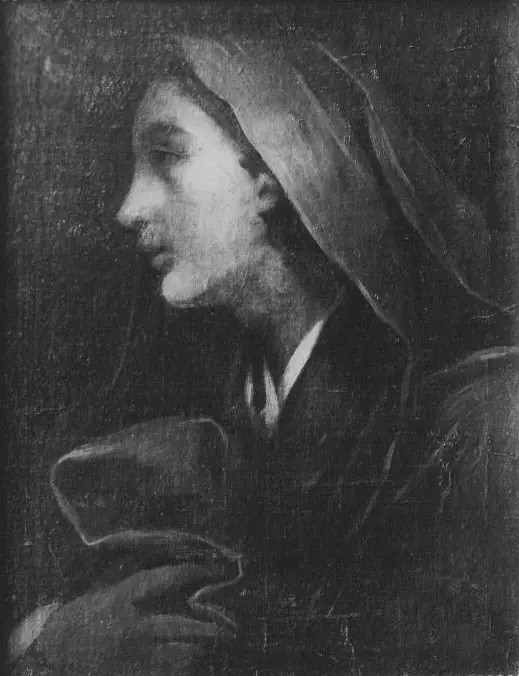
Portrait of Mary Baring Compton, later Fifth Marchioness of Northampton is an oil painting by the Pre-Raphaelite artist Valentine Cameron Prinsep. It dates from 1890 and is held in the collection of the Brooklyn Museum.
About this work
To learn more about this style of portraiture, explore the works of artist Valentine Cameron Prinsep.
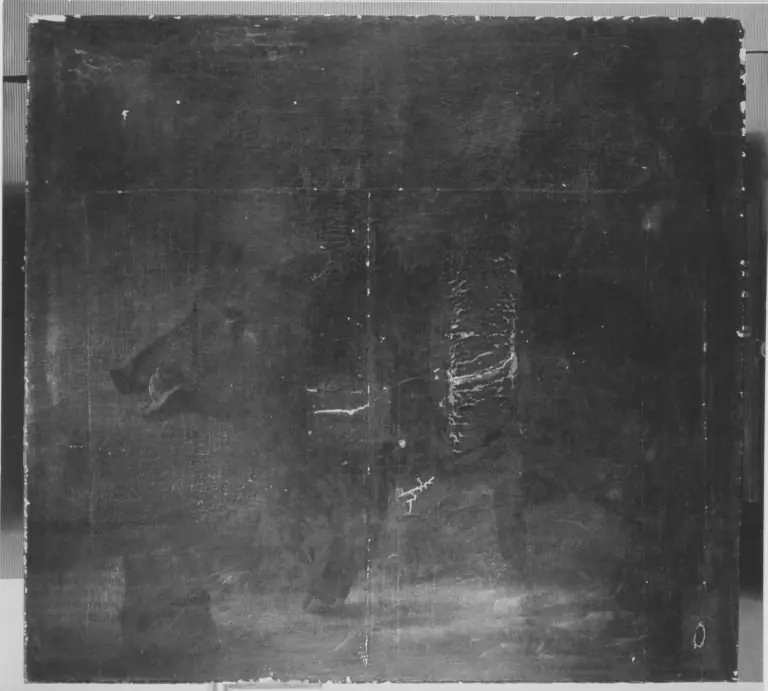
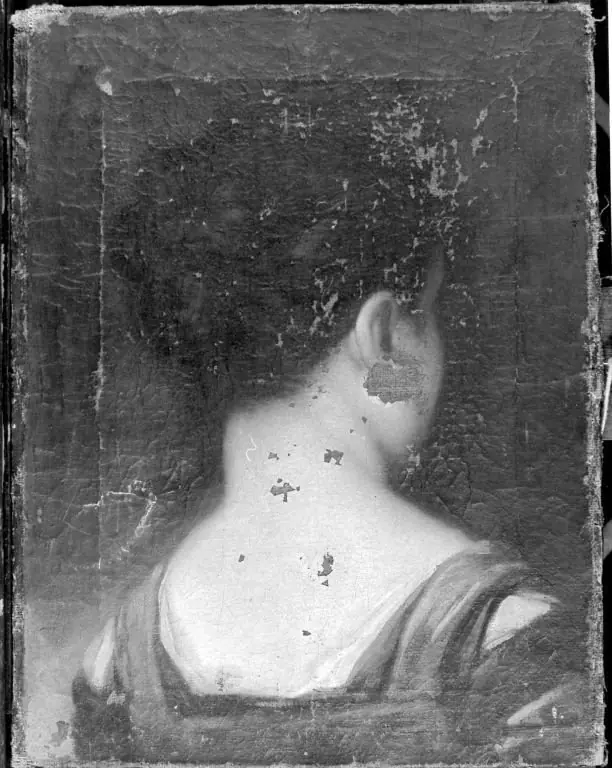
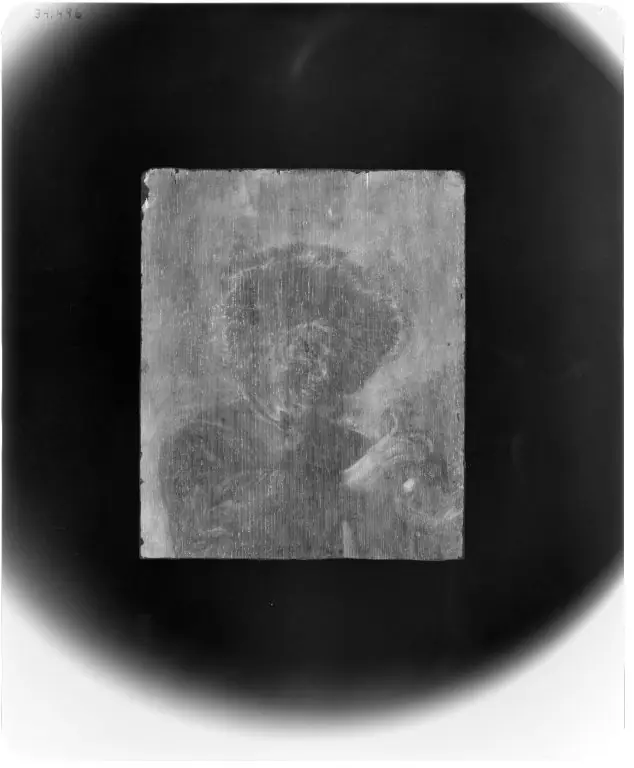
The image presents a black-and-white photograph of a painting, which appears to be a portrait. The subject is a woman with dark hair, wearing a dark dress with a white collar. Her face is blurred, making it difficult to discern any distinct features.
The painting is set against a dark background, which adds to the overall somber tone of the image. The woman's attire and hairstyle suggest that the painting may be from the 19th century.
To learn more about this style of portraiture, explore the works of artist Valentine Cameron Prinsep.
Overview
This oil painting, completed in 1890 by Valentine Cameron Prinsep, depicts Mary Baring Compton, who later became the Fifth Marchioness of Northampton. The work is part of the Brooklyn Museum’s collection and exemplifies late Victorian portraiture. Though the available photographic record is in black and white, the original painting conveys a restrained elegance through its tonal composition and formal composition.
Subject & Meaning
Mary Baring Compton, a member of the British aristocracy, is portrayed with quiet dignity. Her dark attire and high white collar reflect the mourning customs of the era, possibly indicating personal loss or adherence to formal dress codes. The lack of overt symbolism or elaborate setting suggests an emphasis on social presence rather than narrative, typical of aristocratic portraiture in the late 19th century.
Technique & Style
Prinsep employs a muted palette and soft brushwork to render the subject’s form against a deep, indistinct background. The face is rendered with deliberate ambiguity, avoiding sharp detail in favor of atmospheric suggestion. This approach aligns with the aesthetic trends of the time, where emotional restraint and tonal harmony were valued over dramatic realism or psychological intensity.
History & Provenance
The painting was commissioned during Mary Baring Compton’s lifetime and remained within family circles before entering the Brooklyn Museum’s collection. Its transition to an American institution reflects broader patterns of 19th-century art acquisition by U.S. collectors seeking European works. The museum’s records confirm its acquisition in the early 20th century, though exact provenance details prior to that remain limited.
Context
Prinsep, a member of the Pre-Raphaelite circle, often painted society figures with a blend of romanticism and realism. This portrait reflects the influence of both academic tradition and the quieter, more introspective tendencies emerging in late Victorian portraiture. Unlike grand ceremonial portraits, this work emphasizes subtlety, aligning with shifting ideals of femininity and private identity among the upper classes.
Legacy
The portrait stands as a modest but representative example of Prinsep’s later work, illustrating his ability to convey social status through restraint. While not widely exhibited, it contributes to scholarly understanding of how aristocratic women were visually framed in the decades before modernism. Its preservation in a major American museum ensures continued access for study and comparative analysis.
Artist & collection
Artist
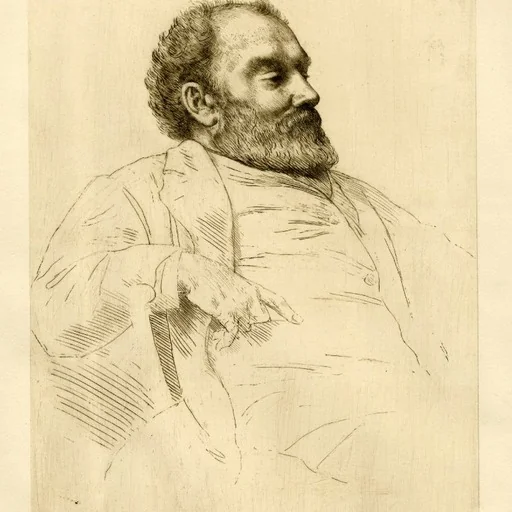
Valentine Cameron Prinsep (1838–1904) was an artist, born in Kolkata.

![Study of Two Young Women [recto], by Valentine Cameron Prinsep](https://artifactworldgallery.com/img/valentine-cameron-prinsep--study-of-two-young-women-recto--3dfeb354d436ea17-w320.webp)
![Figure Studies [verso], by Valentine Cameron Prinsep](https://artifactworldgallery.com/img/valentine-cameron-prinsep--figure-studies-verso--ecadfdfaae5c079d-w320.webp)