Artwork
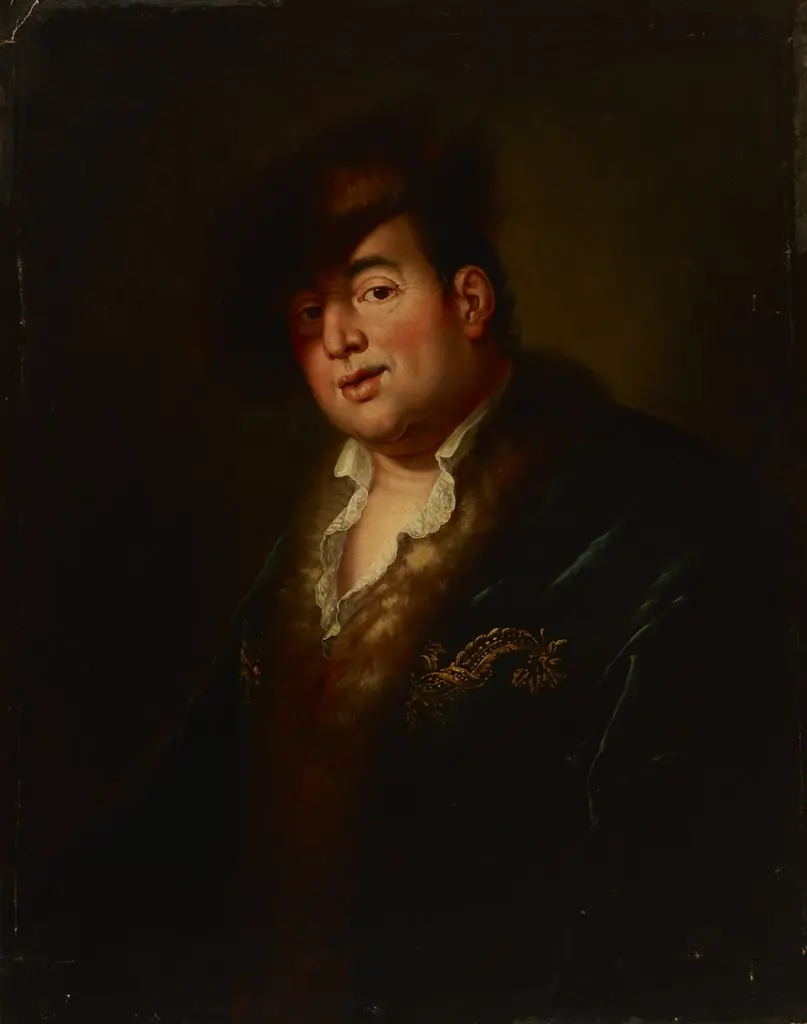
Portrait of Johann Melchior Dinglinger
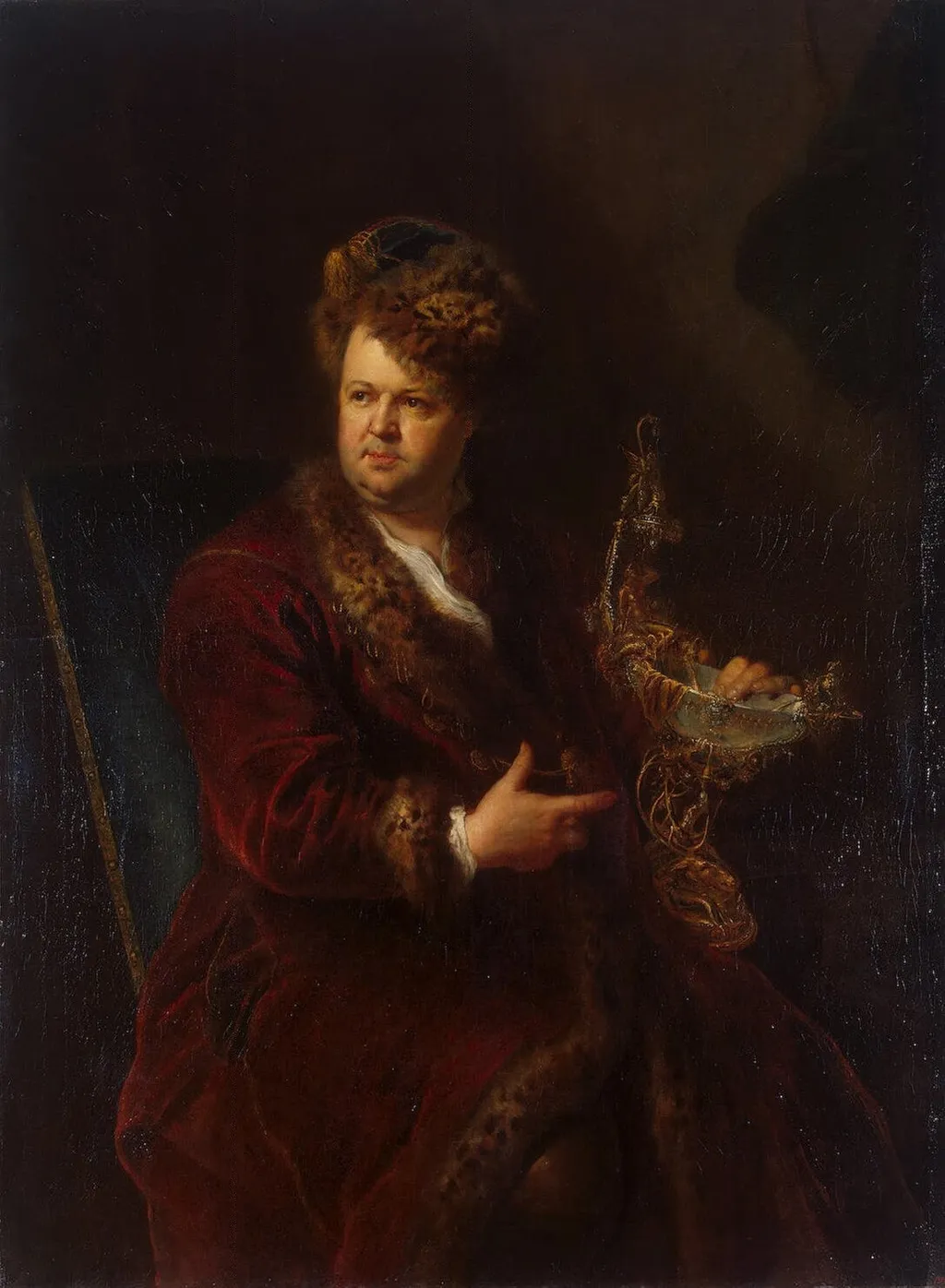
Portrait of Johann Melchior Dinglinger is an oil painting by the Rococo painting artist Antoine Pesne. It dates from 1721 and is held in the collection of the Hermitage Museum.
About this work
Subject & Meaning
Antoine Pesne's 1721 portrait presents him holding a tazza, a shallow ornamental drinking vessel, a direct reference to his professional mastery as a goldsmith.
The painting portrays Johann Melchior Dinglinger, the celebrated German goldsmith and court jeweler. Antoine Pesne's 1721 portrait presents him holding a tazza, a shallow ornamental drinking vessel, a direct reference to his professional mastery as a goldsmith. The inclusion of fur in the composition further signals his elevated status and the prestige associated with his craft at the German court.
Together, the tazza and fur function as attributes that identify the sitter and communicate his standing: the vessel showcases the refined metalwork for which Dinglinger was renowned, while the fur garment marks his rank within the court hierarchy. The portrait thus operates both as a likeness and as a visual statement of professional identity and social position.
Technique & Style
Executed in 1721, this portrait is an oil painting on canvas measuring 149 cm in height and 110 cm in width. The work depicts Johann Melchior Dinglinger alongside specific attributes, including a tazza and elements of fur, which serve as key iconographic components within the composition. Created in Germany, the piece exemplifies the portrait genre through its representation of the subject and these associated objects.
History & Provenance
The portrait of Johann Melchior Dinglinger was painted by Antoine Pesne in 1721. It depicts the sitter holding a tazza and wearing fur, indicating his status or profession.
The work entered the collection of the Hermitage Museum, where it remains housed today. Its dimensions are 149 cm in height and 110 cm in width.
Legacy
The portrait has been featured in exhibitions that highlight Russian imperial luxury, such as Jewels! The Glitter of the Russian Court, underscoring its role in illustrating the intersection of art and material culture. Its presence in the Hermitage Museum's collection has contributed to scholarly discussions on 18th-century German portraiture and the representation of aristocratic subjects in Central European art circles.
Overview
Antoine Pesne’s 1721 oil portrait presents Johann Melchior Dinglinger, a prominent court jeweller, in a formal pose. The work is part of the State Hermitage Museum’s collection and exemplifies early‑18th‑century portraiture in a restrained, yet richly detailed manner.
Context
The painting reflects the courtly culture of early‑Georgian Europe, where portraiture served both as personal commemoration and as a visual record of professional achievement. Pesne’s work aligns with contemporary French‑influenced portrait styles that emphasized elegance and controlled lighting.
Artist & collection
Artist
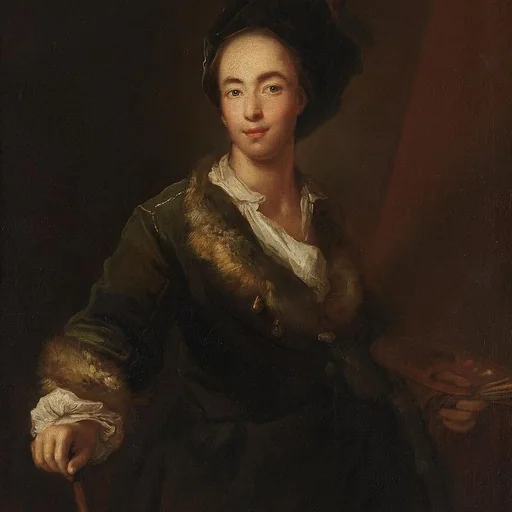
Antoine Pesne (French pronunciation: ) (29 May 1683 – 5 August 1757) was a French-born court painter of Prussia.

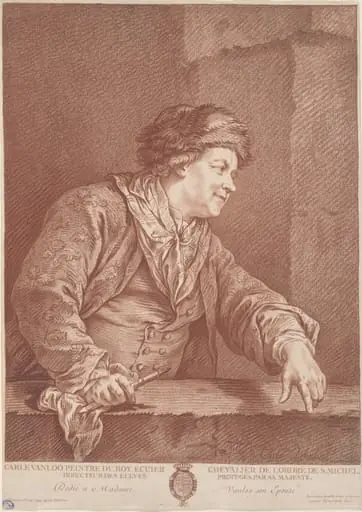 Carle Van Loo
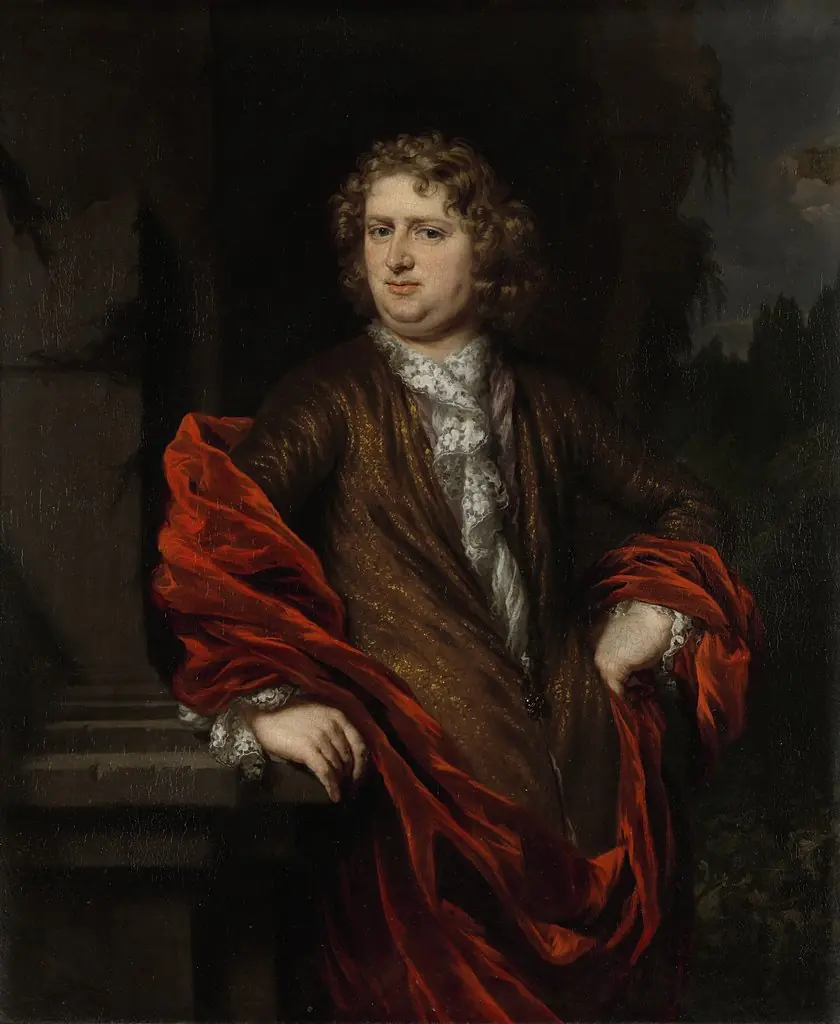 Portrait of Pieter Groenendijk
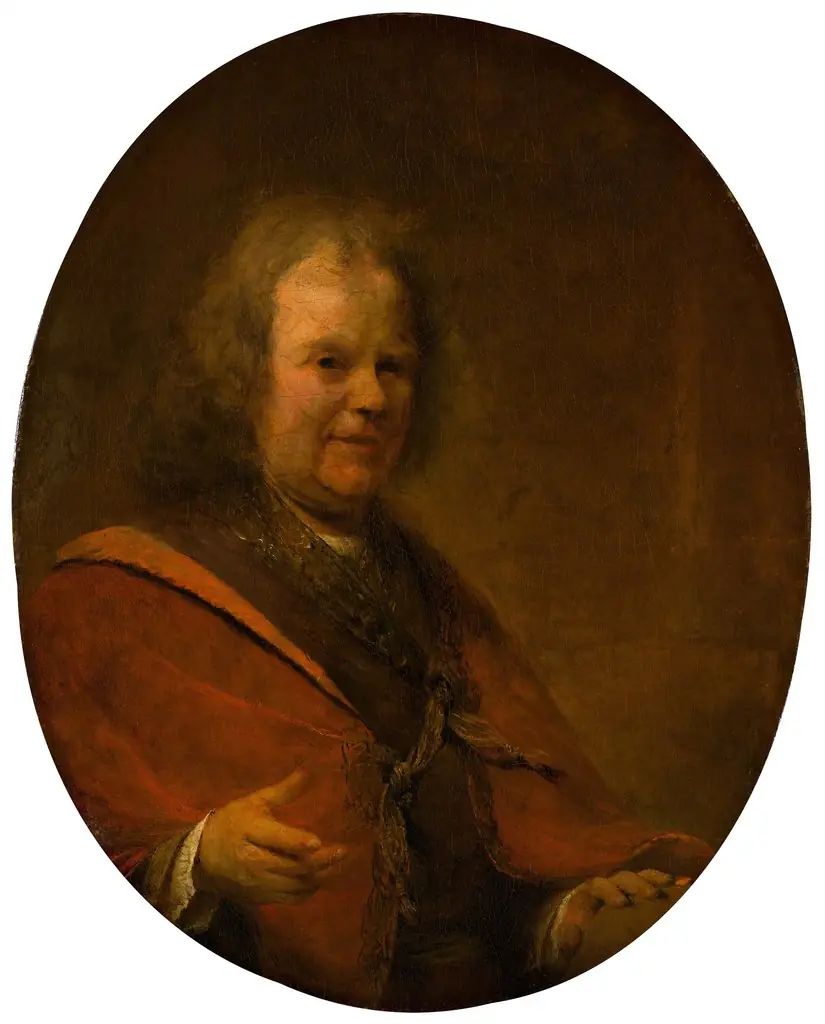 Portrait of Herman Boerhaave (1688-1738)
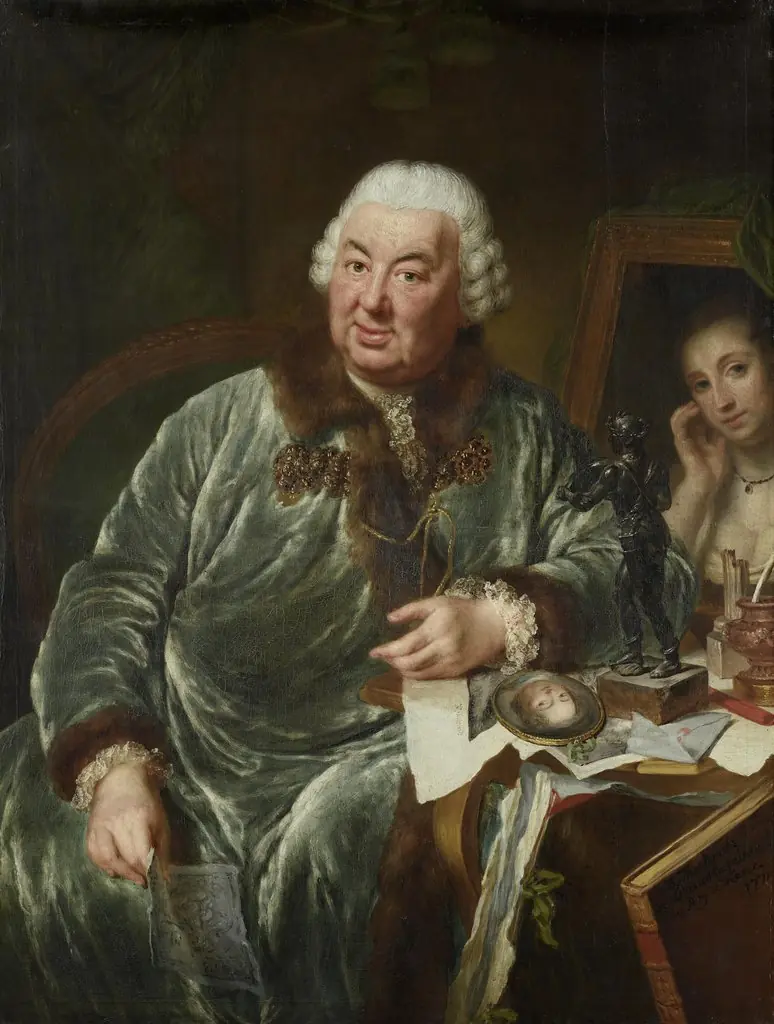 Portrait of Johann Julius von Vieth und Golßenau (1713-1784), Saxonian politician and art collector
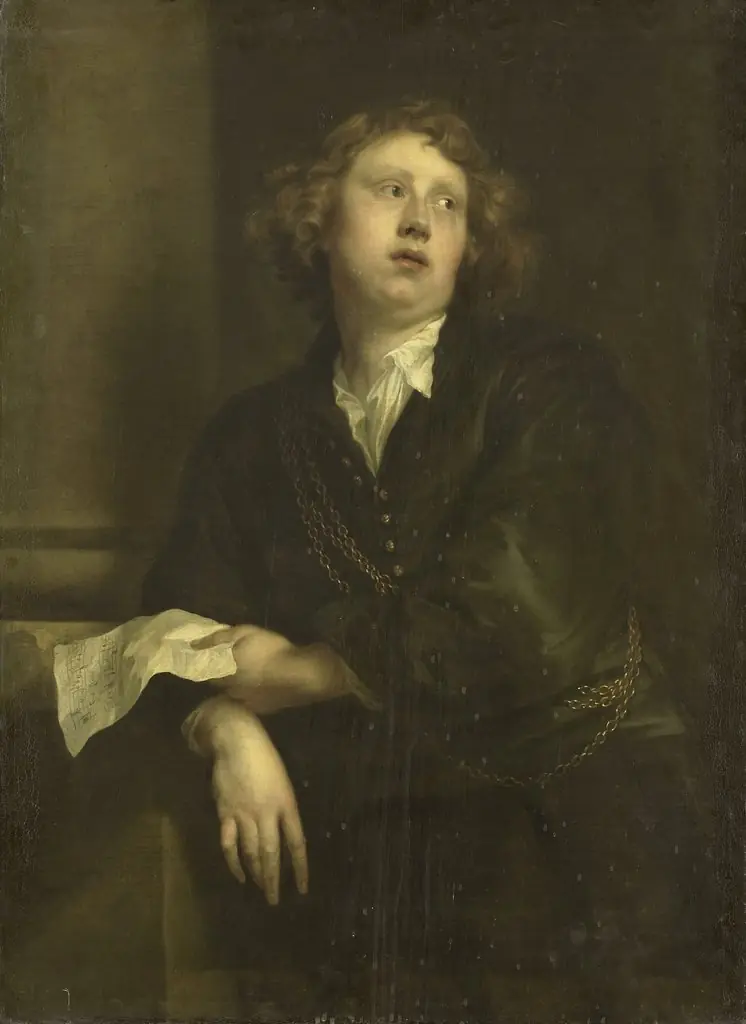 portrait of Henricus Liberti (1628-61). Composer and organist
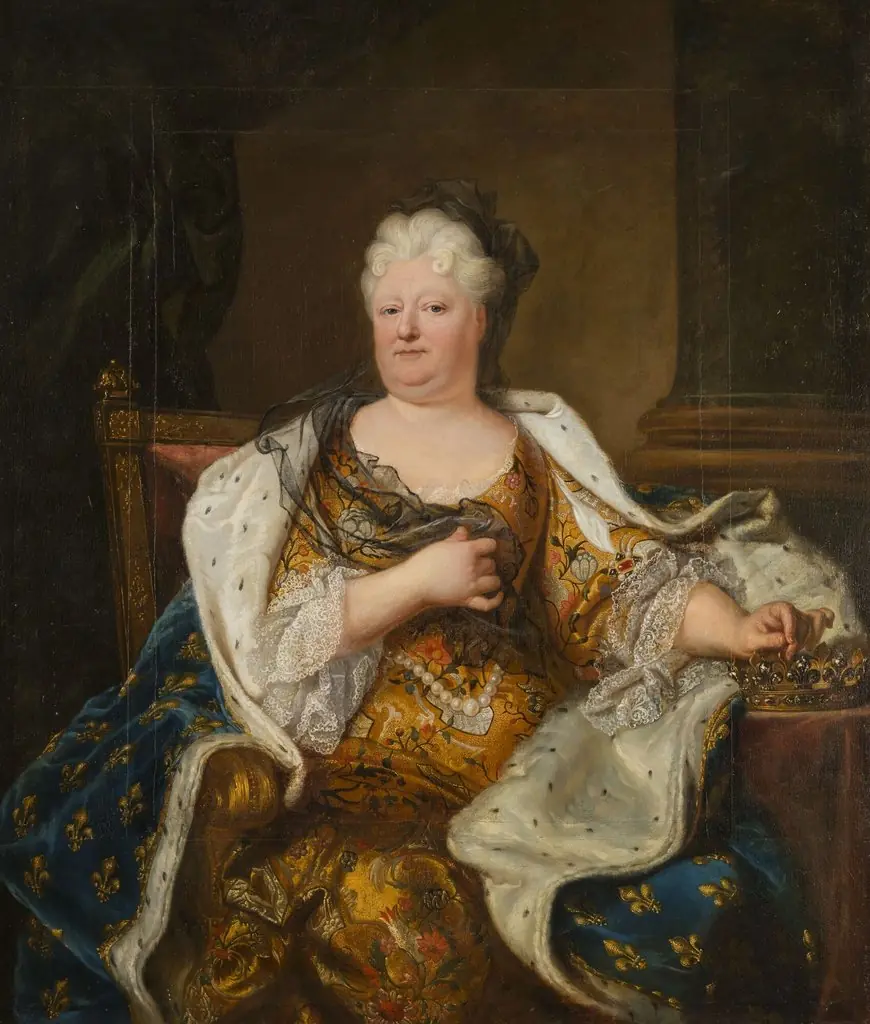 Elizabeth Charlotte, Princess Palatine
 Bildnis eines Mannes in ungarischer Tracht (Imre Graf Tökölyi?)
 Portrait of P.I. Vyrubov