Artwork
Portrait of Johann Ludwig Hektor Duke of Isolani
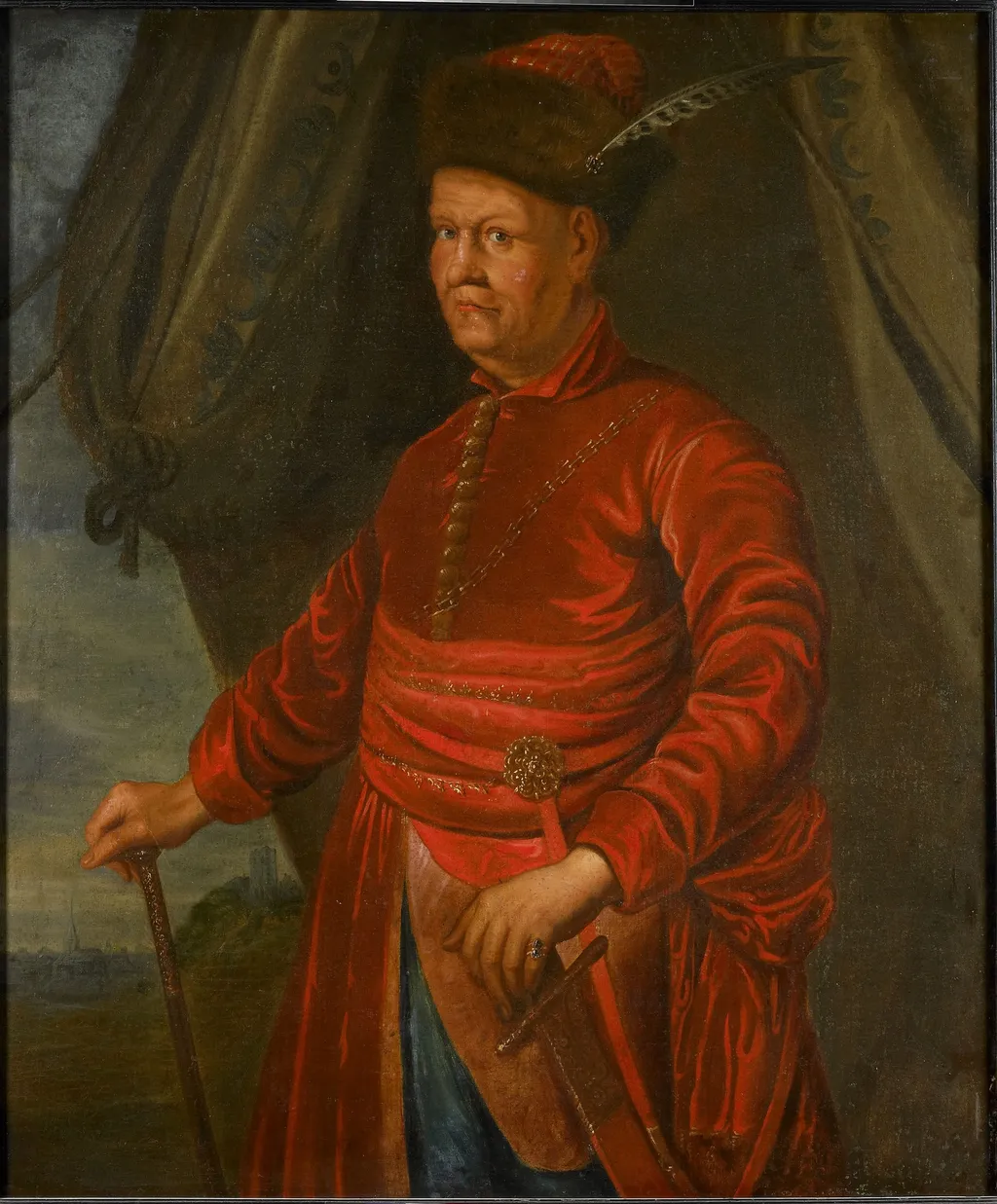
Portrait of Johann Ludwig Hektor Duke of Isolani is an oil painting by the Rococo painting artist Unknown. It dates from 1750 and is held in the collection of the Rijksmuseum. The work is an oil painting portraying a man dressed in a vivid red military coat edged with gold trim.
About this work
Technique & Style
The painting is executed in oil on canvas, measuring 124 cm in height and 100 cm in width.
The painting is executed in oil on canvas, measuring 124 cm in height and 100 cm in width. The handling demonstrates the refined brushwork typical of mid-18th-century portraiture, with careful attention to the rendering of facial features and the texture of the sitter’s costume. The composition is structured around a three-quarter view of the duke, conveyed with a restrained palette and subtle modulation of light to define volume and presence.
The condition appears stable overall, with no overt structural damage reported; the canvas support and oil medium remain consistent with the work’s dated attribution to 1750.
History & Provenance
The Portrait of Johann Ludwig Hektor, Duke of Isolani, was created in 1750 as an oil painting on canvas. The work is attributed to an anonymous artist from the Southern Netherlands. Originally part of a private collection, the portrait is currently held by the Rijksmuseum in Museum Helmond. The painting measures 124 cm in height and 100 cm in width.
Overview
The work is an oil painting portraying a man dressed in a vivid red military coat edged with gold trim. He holds a dark walking stick, and a feather adorns his black hat. The figure’s expression is solemn, set against a deep, unadorned background that heightens the contrast of the red attire.
Subject & Meaning
The sitter is identified as Johann Ludwig Hektor, Duke of Isolani, whose rank and attire suggest a high‑ranking military or court position. The formal pose, the weapon‑like staff, and the decorative feather convey authority and status, while the restrained facial expression implies a dignified, perhaps contemplative, demeanor.
Context
The composition reflects the conventions of aristocratic portraiture in which clothing and accessories signal rank. The use of a dark background to isolate the subject aligns with contemporary practices aimed at emphasizing the sitter’s individuality and social standing.
Artist & collection









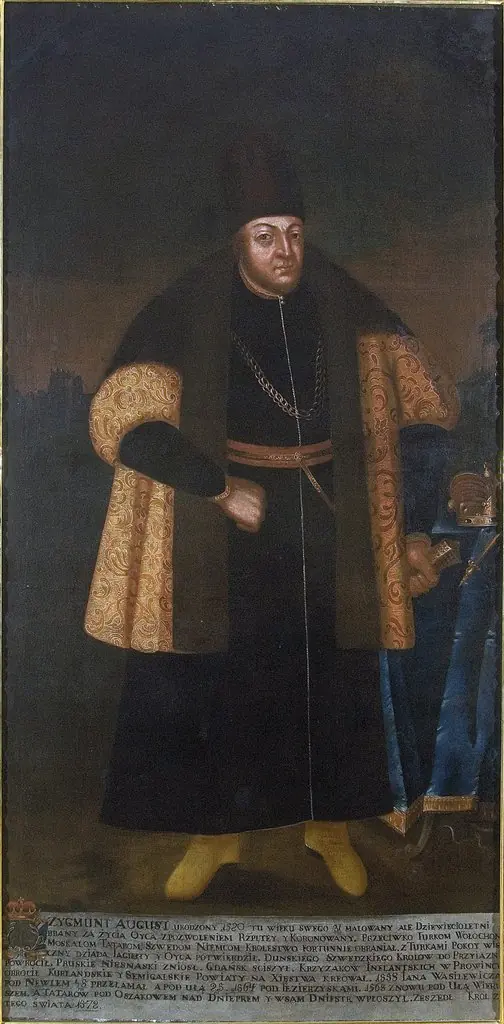
- Portrait of king Sigismund II Augustus (1520–1572)
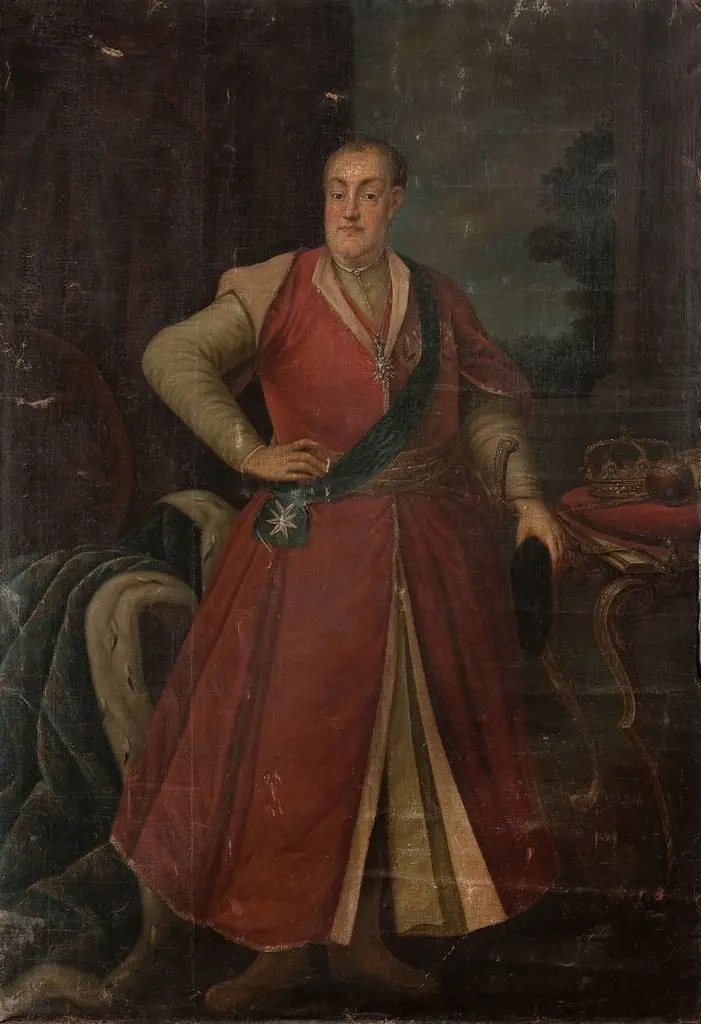 Portrait of Augustus III (1696–1763), King of Poland
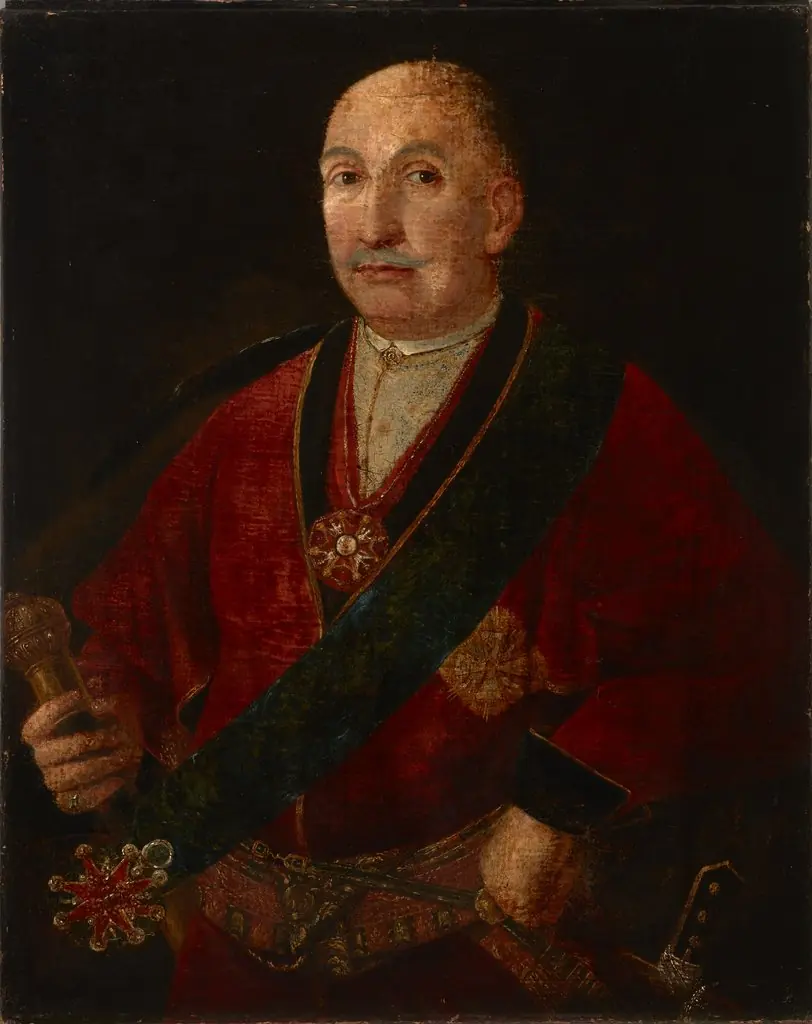 Portrait of Stanislaw Kostka Dembinski, Castellan of Wojnice (1708-1781)
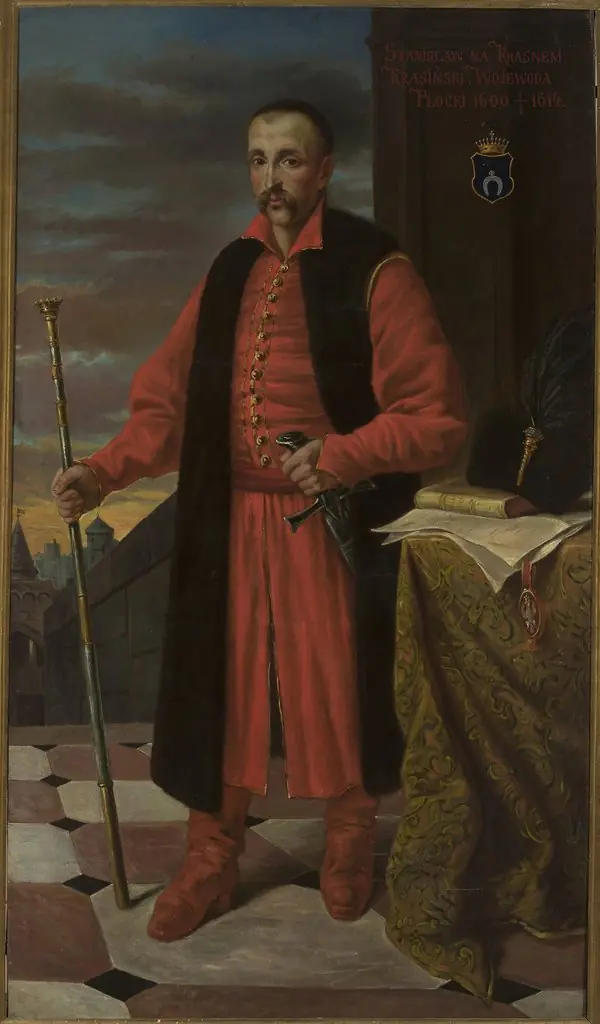 Portrait of Stanisław Krasiński (1558–1617), voivode of Płock
 Portrait of an unknown man
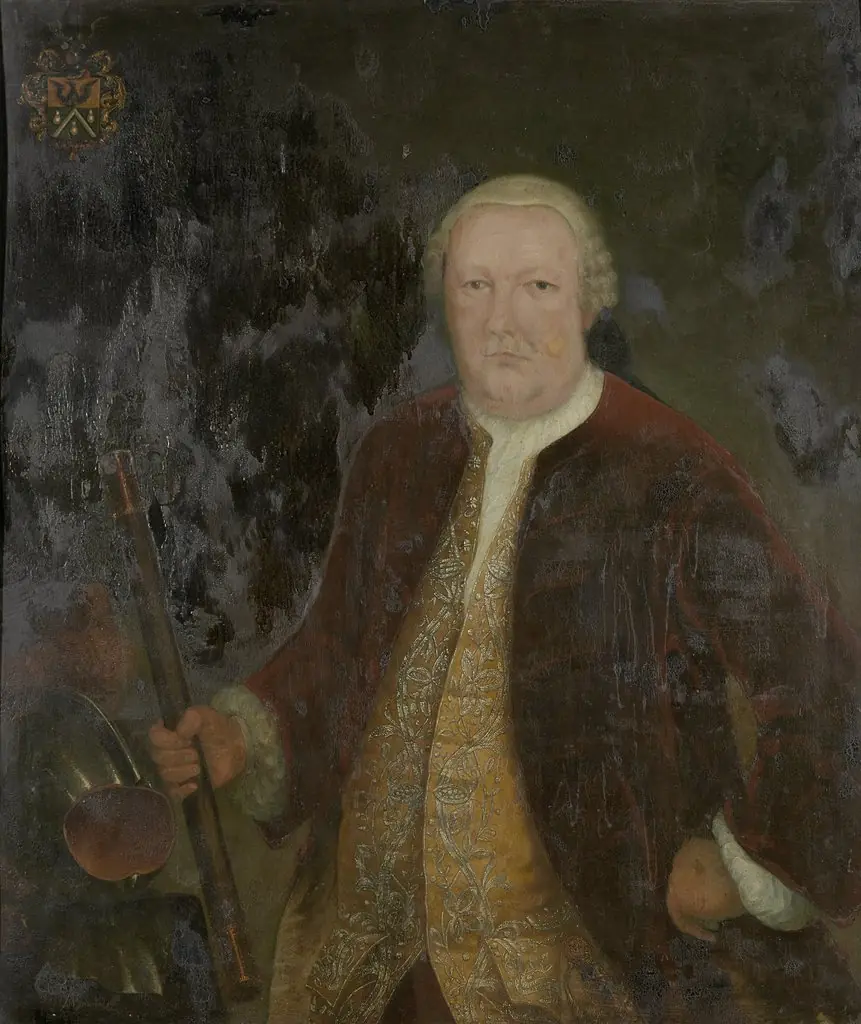 Portrait of Petrus Albertus van der Parra, Governor-General of the Dutch East India Company
 Măcelarul sibian Georg Hinzmann
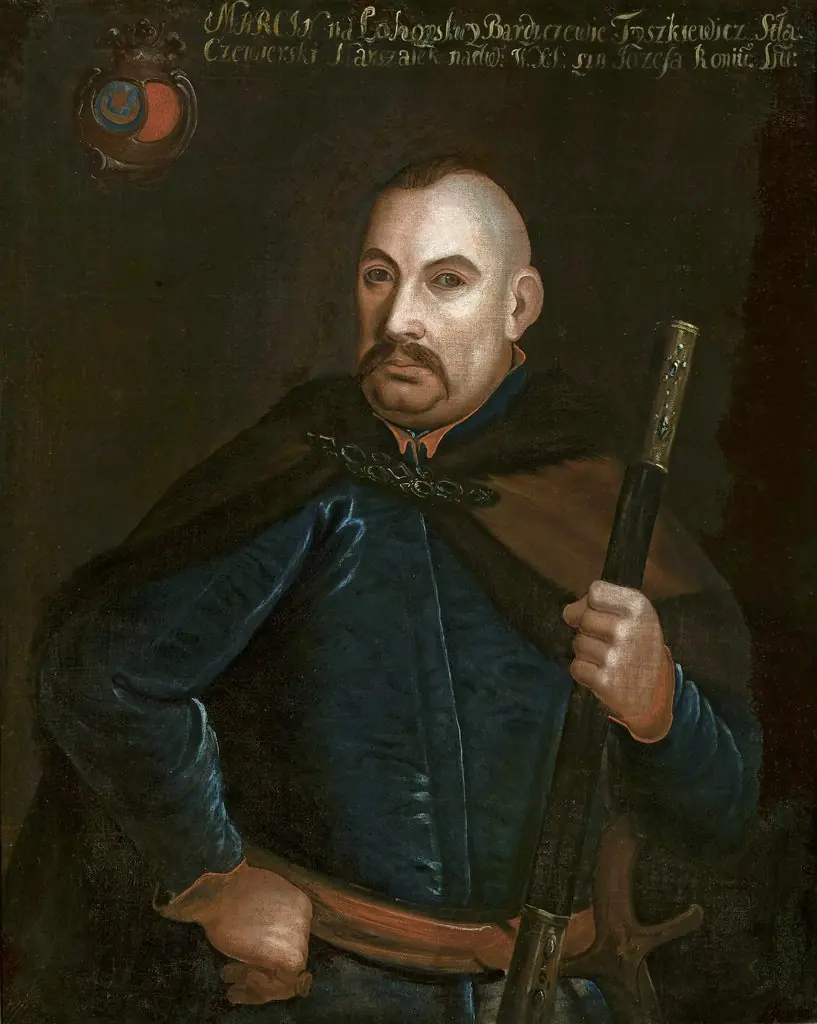 Portrait of Marcin Tyszkiewicz, Leliwa coat of arms (?–after 1631), court marshal of the Grand Duchy of Lithuania
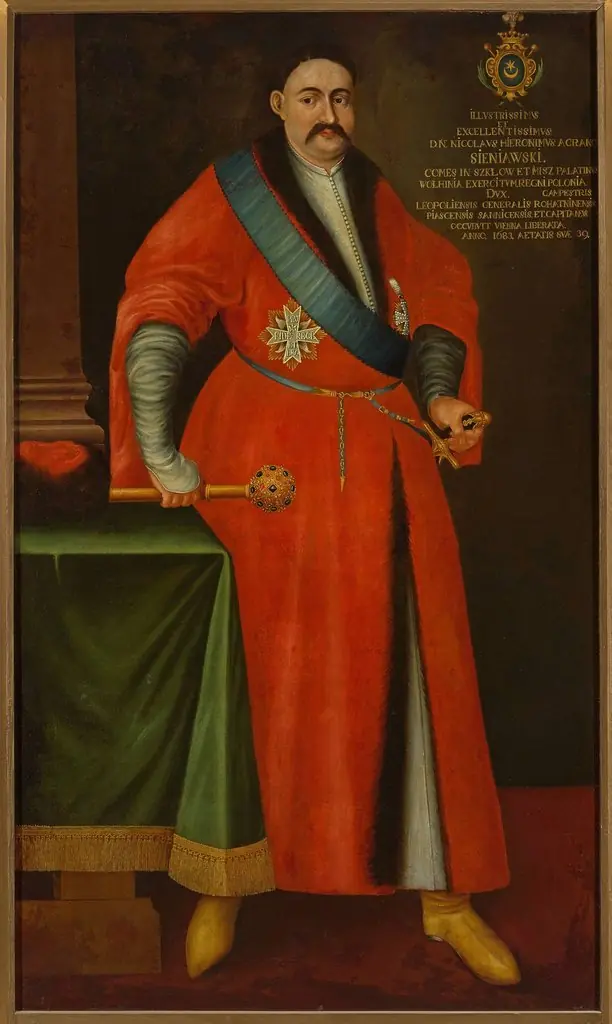 Portrait of Mikołaj Hieronim Sieniawski (d. 1683)
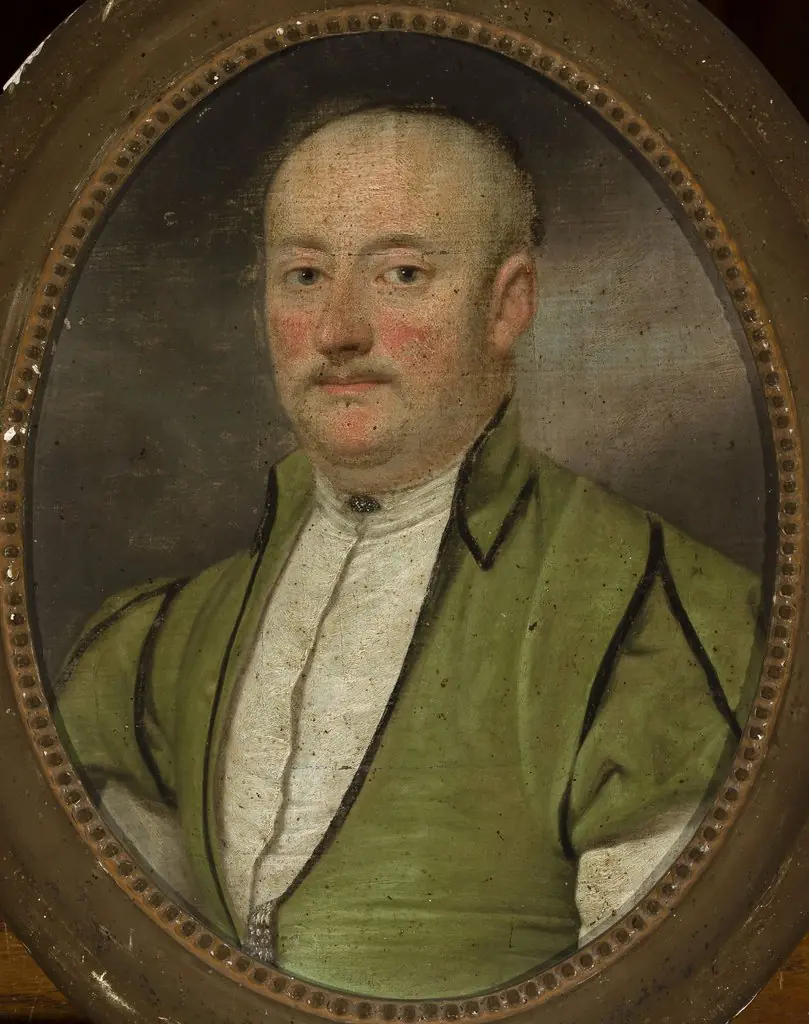 Portrait of Karol Węgliński
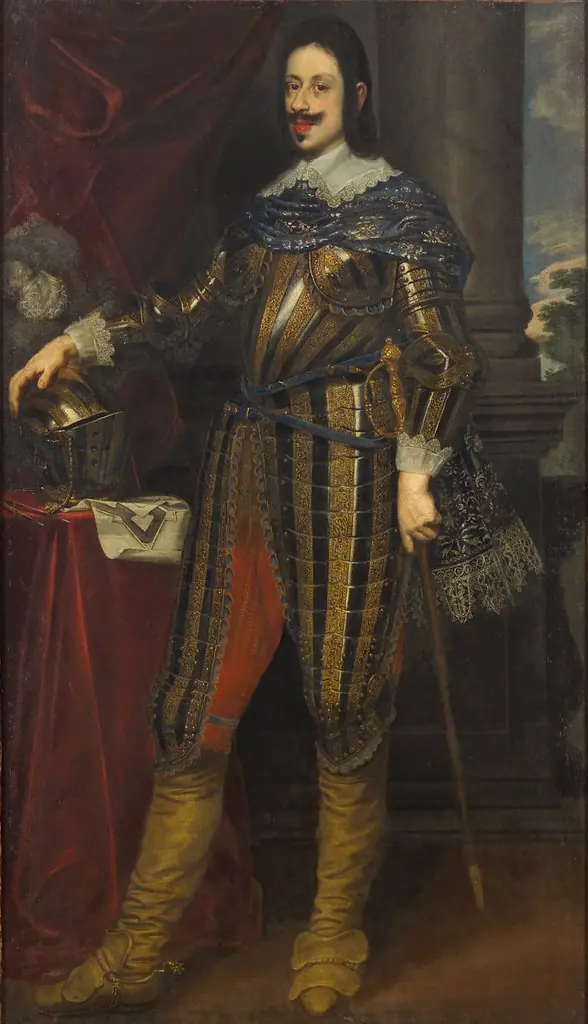 Grand-duke Ferdinand II of Tuscany (1610-1670) in Armour
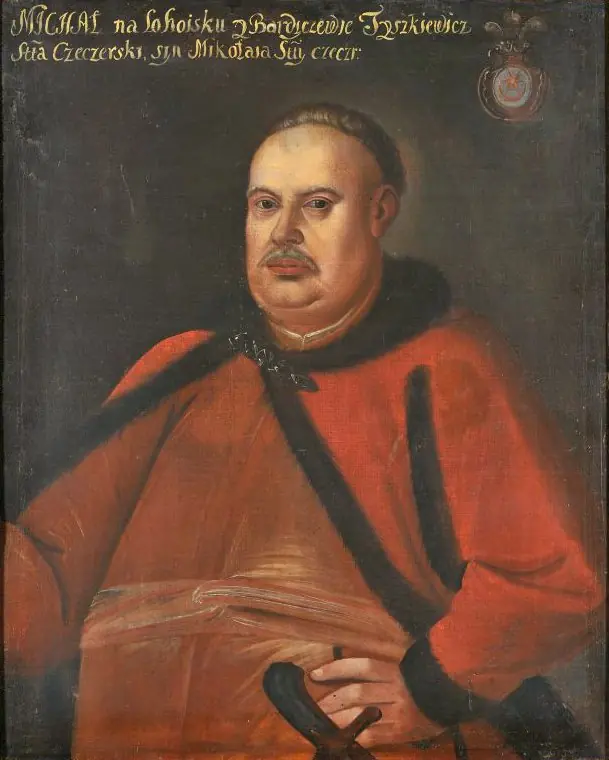 Portrait of Michał Tyszkiewicz, Leliwa coat of arms (?–before 1703), starosta of Chachersk