Artwork
Storm in the Skerries. "The Flying Dutchman"
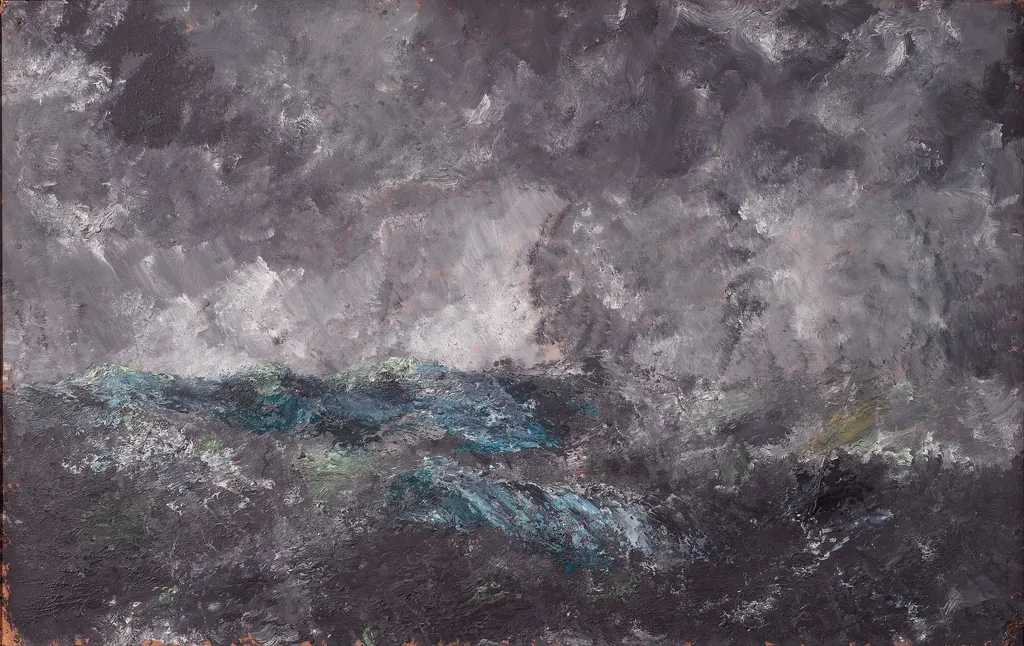
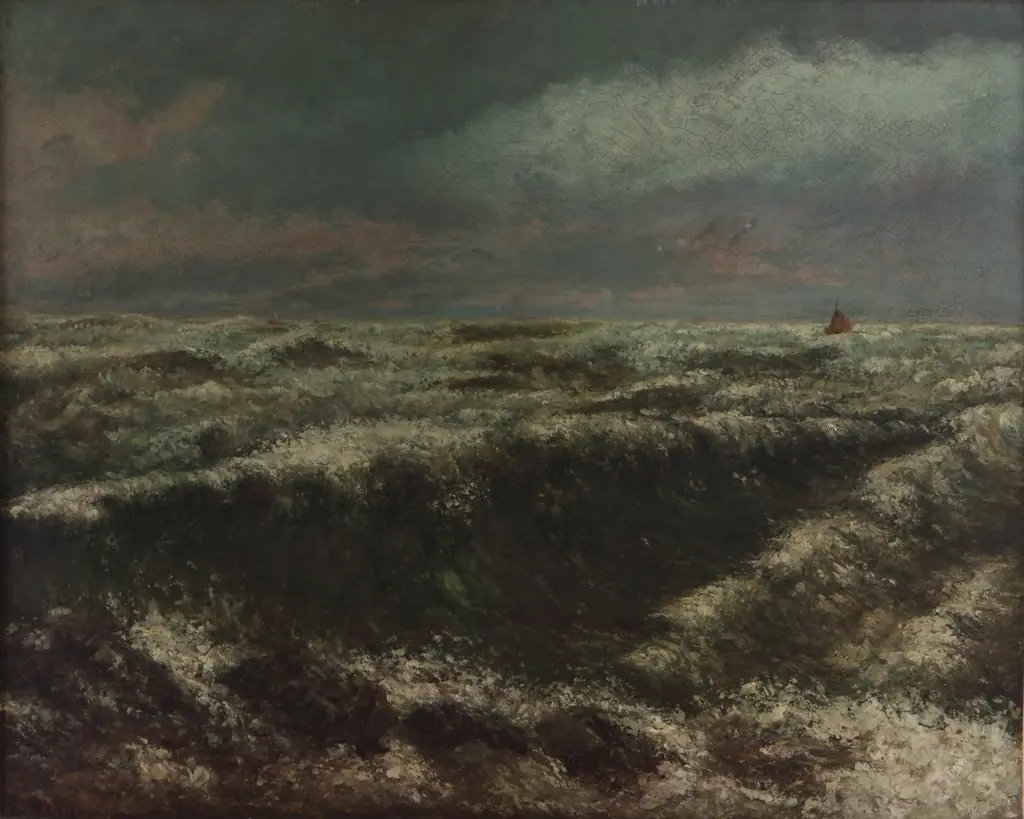
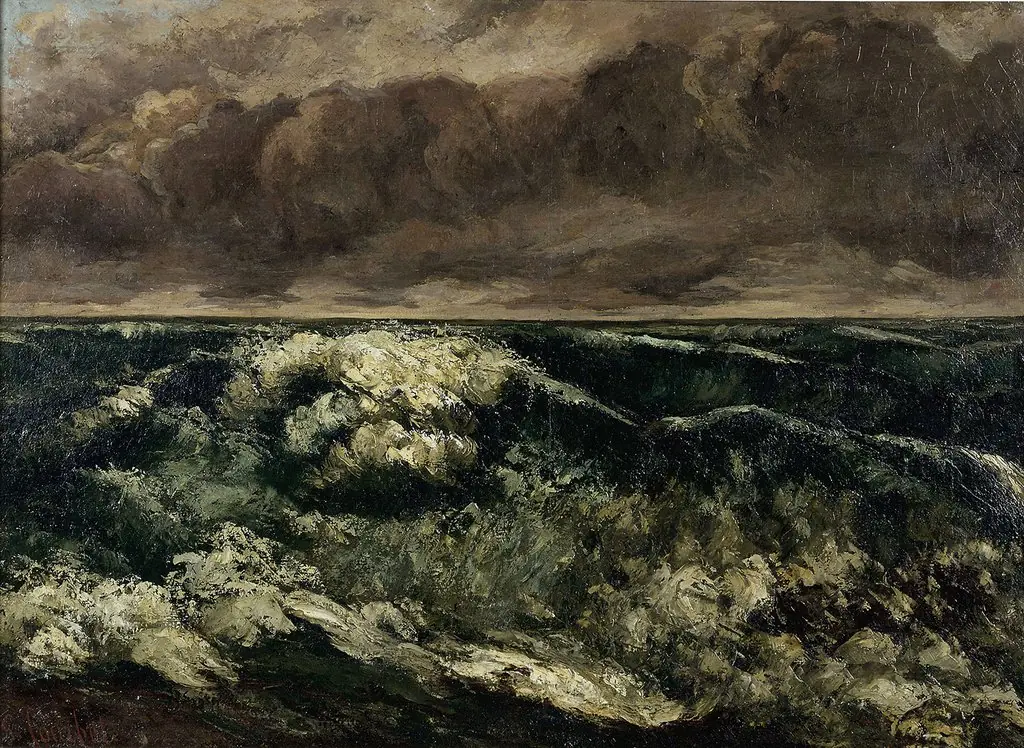
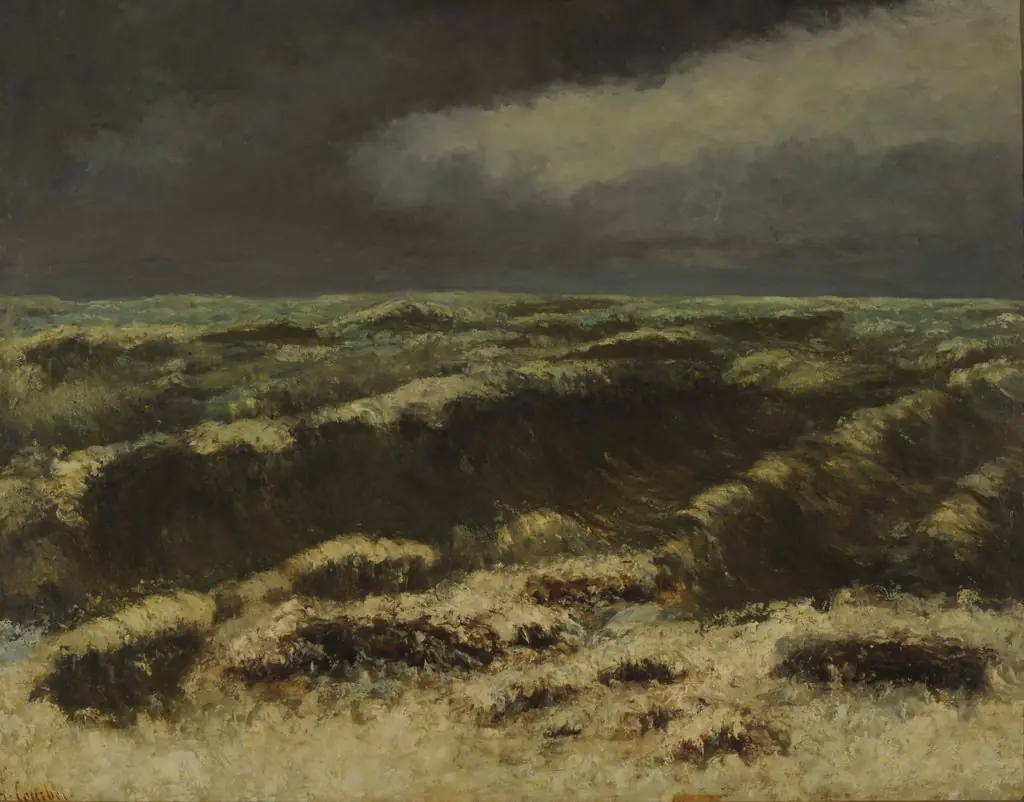
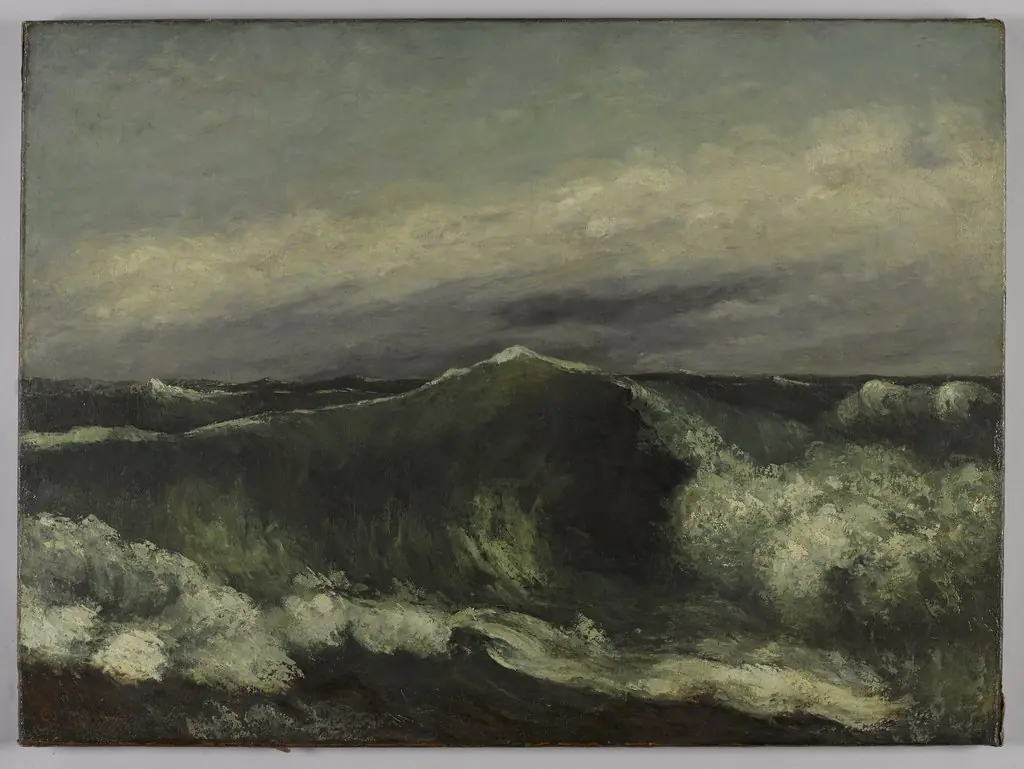
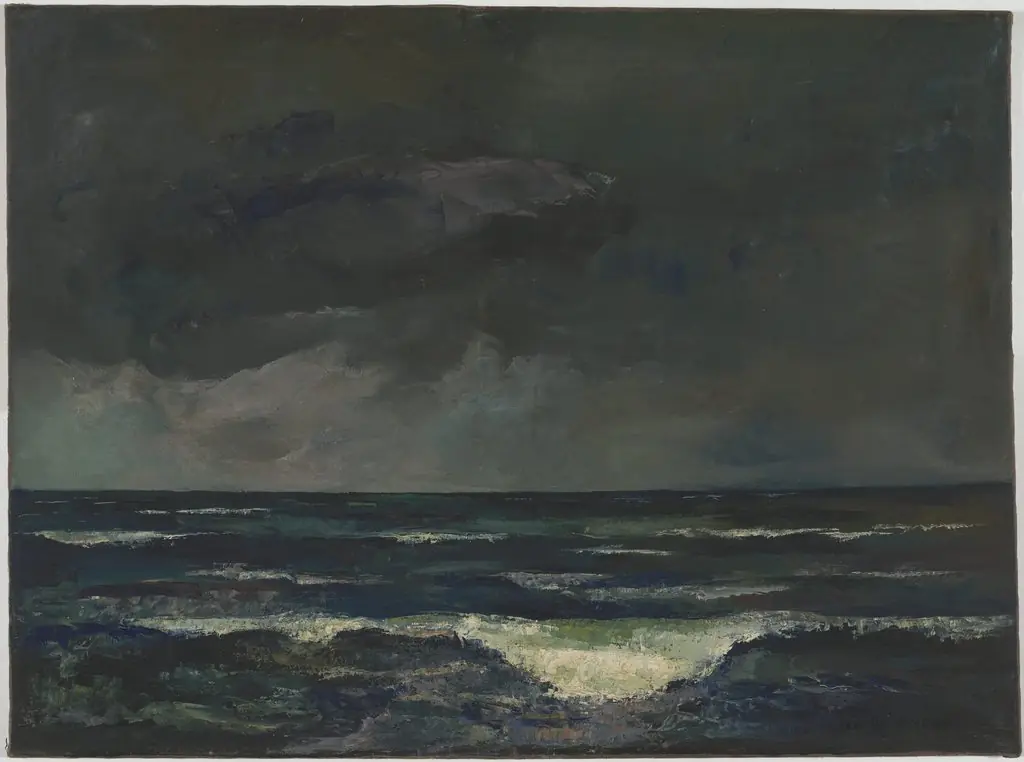
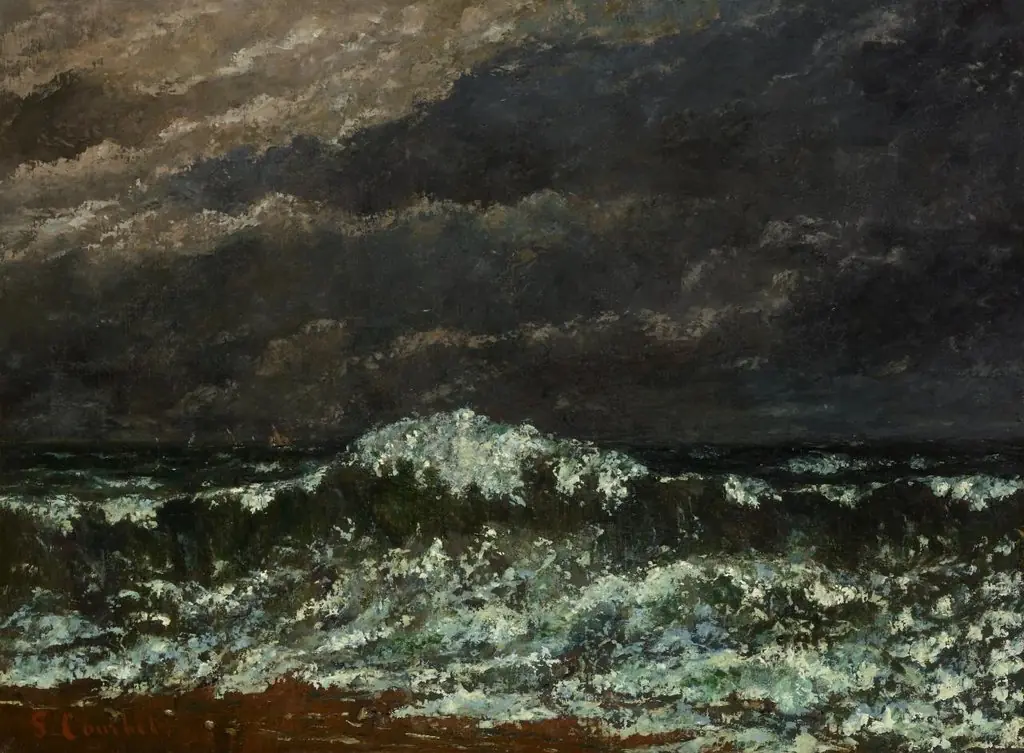
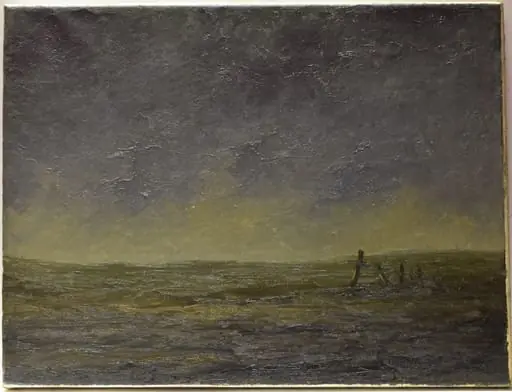
Storm in the Skerries. "The Flying Dutchman" is an unspecified painting by the Symbolist artist August Strindberg. It dates from 1896 and is held in the collection of the Statens Museum for Kunst.
About this work
Overview
Strindberg, primarily known as a writer, turned to painting during a period of intense personal and artistic exploration.
Painted in 1896 by August Strindberg, Storm in the Skerries. 'The Flying Dutchman' captures a violent seascape off the Swedish coast. The work is part of the collection at Statens Museum for Kunst in Copenhagen. Strindberg, primarily known as a writer, turned to painting during a period of intense personal and artistic exploration. This piece reflects his interest in nature’s elemental forces and the psychological weight of landscape.
Subject & Meaning
The painting evokes the legend of the Flying Dutchman, a ghost ship doomed to sail forever, but without depicting the vessel explicitly. Instead, the storm itself becomes the central figure, a symbol of inner turmoil and existential dread. The turbulent waves and oppressive sky suggest a world in flux, where natural chaos mirrors emotional instability. The absence of human presence deepens the sense of isolation and inevitability.
Technique & Style
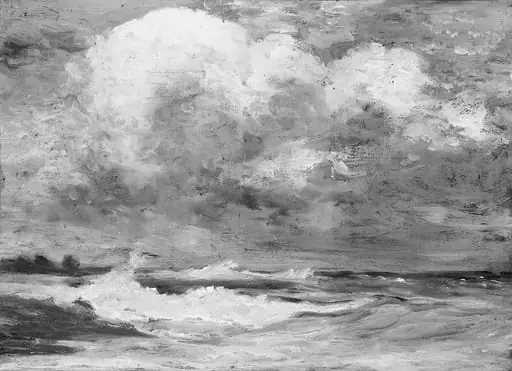
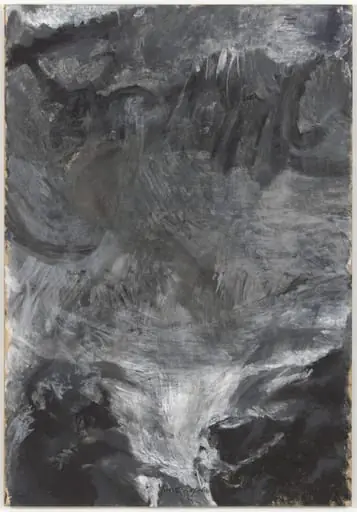
Strindberg applied paint with vigorous, visible brushwork, creating a tactile surface that mimics the movement of wind and water. Layers of dark blue, white, and muted green in the sea contrast with the swirling grays and faint pinks of the sky. The composition lacks clear horizons, pulling the viewer into the vortex of the storm. His approach leans toward expressionism, prioritizing emotional resonance over topographical accuracy.
History & Provenance
Created during Strindberg’s years of self-imposed exile and artistic experimentation, the painting was likely made in Sweden before entering Danish public collection. It was acquired by Statens Museum for Kunst in the early 20th century, where it has remained since. Its attribution to Strindberg is well-documented, though it was not widely exhibited until later, when interest in his visual art grew alongside his literary reputation.
Context
In the 1890s, Strindberg was deeply influenced by Symbolism and emerging modernist ideas, rejecting realism in favor of subjective experience. His paintings from this period often responded to his readings in science, mysticism, and Scandinavian folklore. Storm in the Skerries aligns with a broader European trend of artists using nature to express psychological states, paralleling contemporaries like Munch and van Gogh.
Legacy
Though Strindberg’s paintings were overshadowed by his literary output during his lifetime, Storm in the Skerries is now recognized as a key example of his visual language. It contributes to the understanding of how writers engaged with modernist aesthetics beyond text. The work continues to be studied for its fusion of personal anguish and natural sublime, influencing later interpretations of Nordic expressionism.
Own this work as a print
Artist & collection
Artist
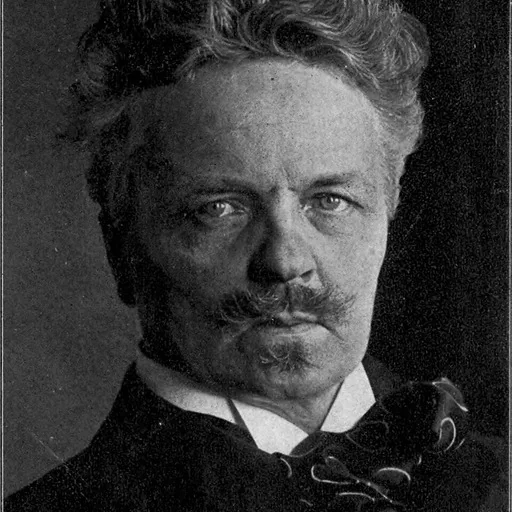
Johan August Strindberg (; Swedish:; 22 January 1849 – 14 May 1912) was a Swedish playwright, novelist, poet, essayist, and painter.