Movement
Symbolism
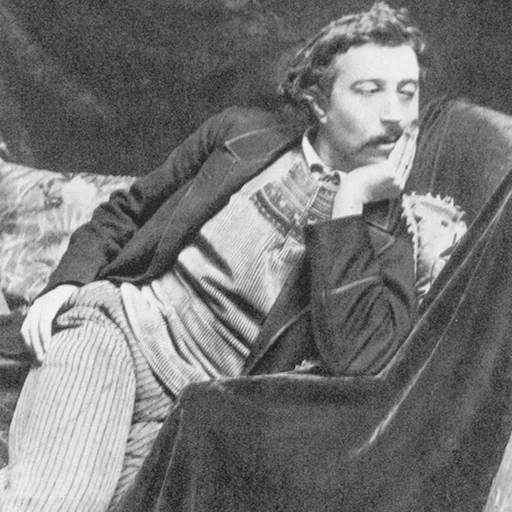
Symbolism is an art movement dating from 1857. The gallery holds 404 works in this movement, including works by Arnold Böcklin, Paul Gauguin and Gustave Moreau. Browse Symbolism paintings, portraits, pictures and artworks from the world's public-domain museum collections.
Symbolism emerged in France in the 1880s as a reaction against the materialism of the age and the literal-mindedness of Realism and Naturalism. Though it began as a literary current, it acquired a name and a creed when the Greek-born poet Jean Moréas published his "Symbolist Manifesto" in the Paris newspaper Le Figaro on 18 September 1886. Symbolists held that art should not describe the visible world but suggest absolute truths through metaphor, allusion, and the charged image. Rooted in French, Russian, and Belgian milieus and steeped in mysticism, dream, and Decadent literature, the movement prized suggestion and nuance over direct statement.
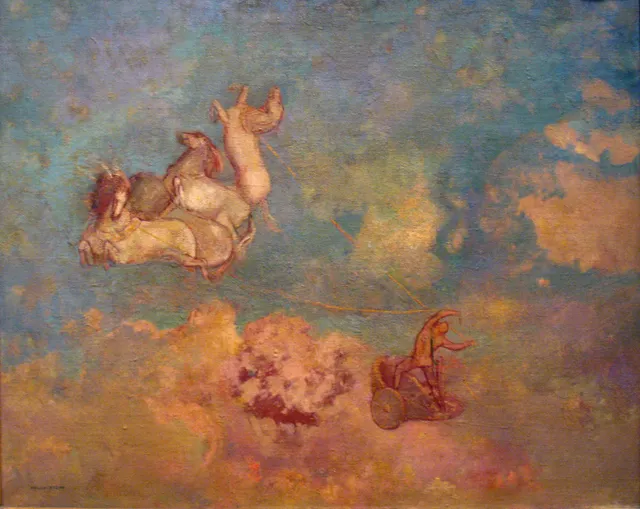
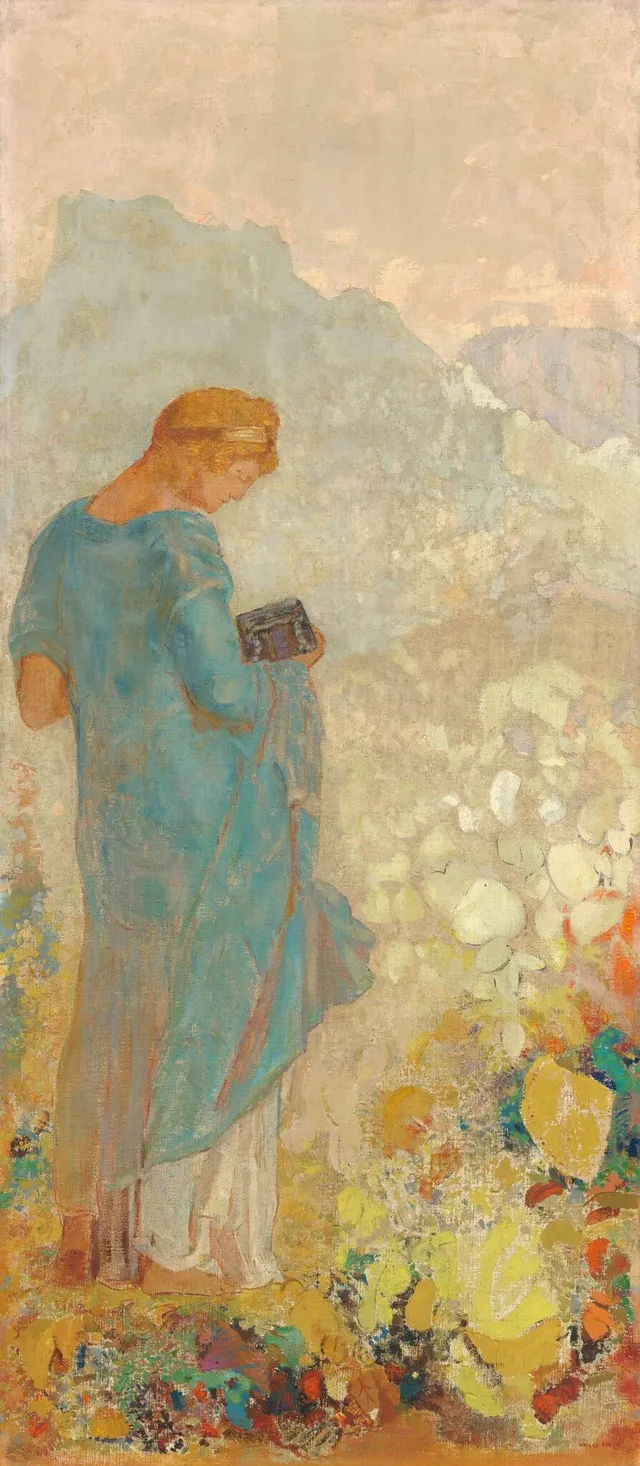
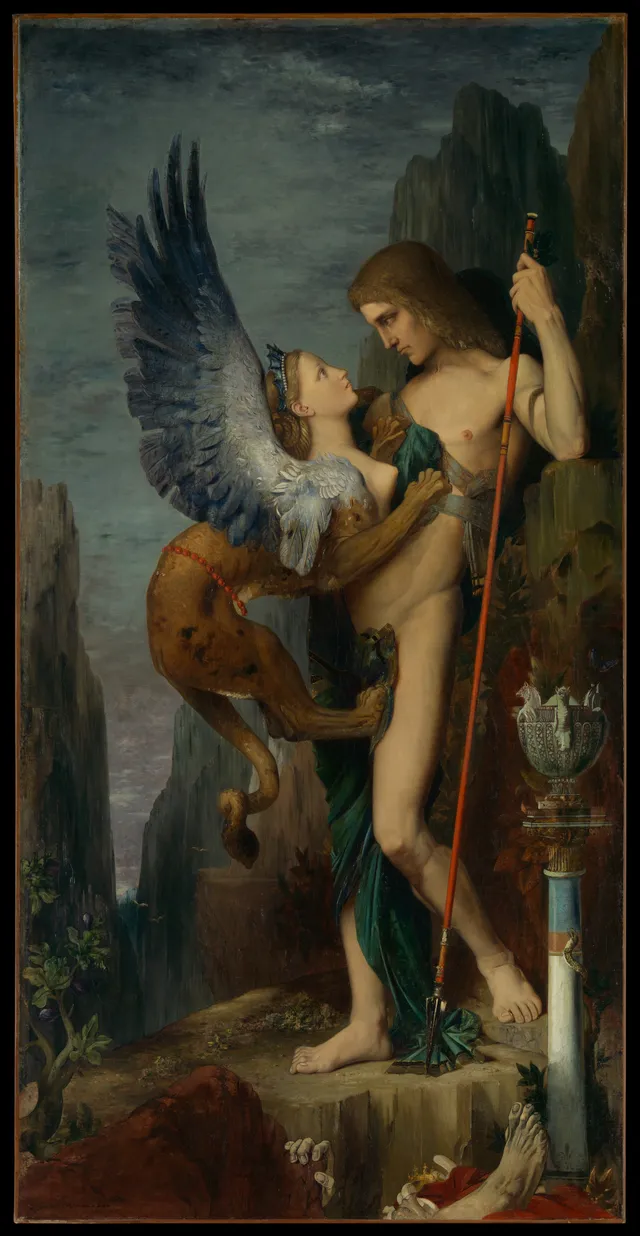
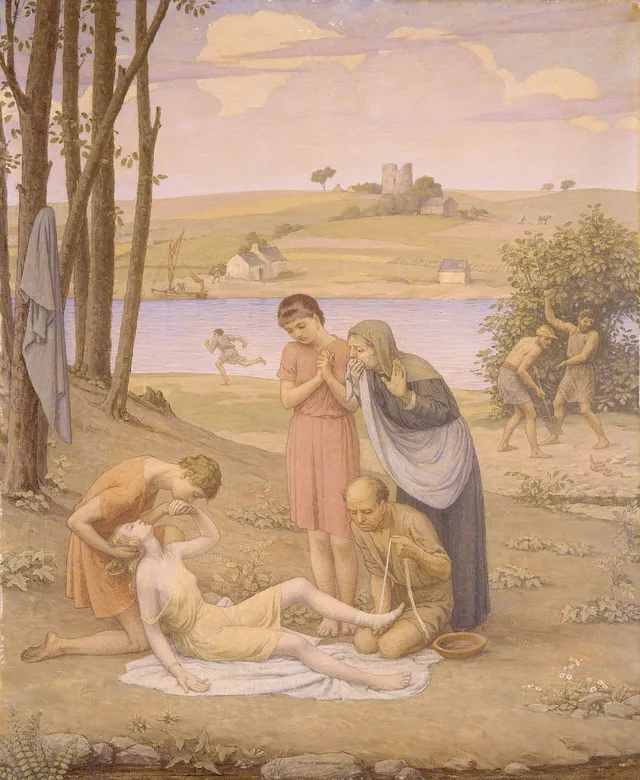
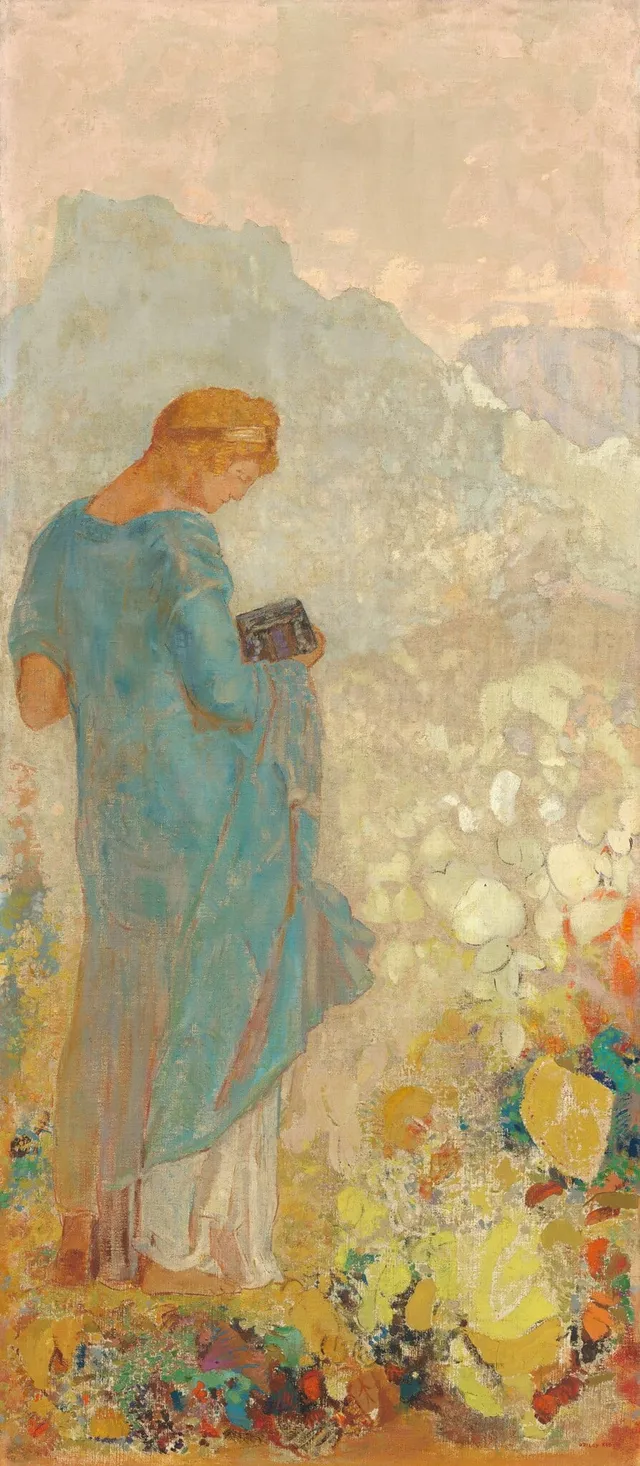
In painting this translated into dreamlike, often deliberately ambiguous imagery drawn from myth, legend, religion, and the inner life. Symbolist canvases favour the morbid and the erotic, the spiritual and the macabre, rendered through evocative colour and atmospheric, anti-naturalistic space rather than careful observation. Three painters are usually held to embody the aesthetic: Gustave Moreau, whose jewel-like Oedipus and the Sphinx (1864) caused a sensation at the Salon; Odilon Redon, who conjured floating heads, eyes, and fantastical creatures in works such as Pandora and The Chariot of Apollo; and Pierre Puvis de Chavannes, whose pale, flatly modelled murals — among them Inter artes et naturam — pointed toward decorative abstraction.
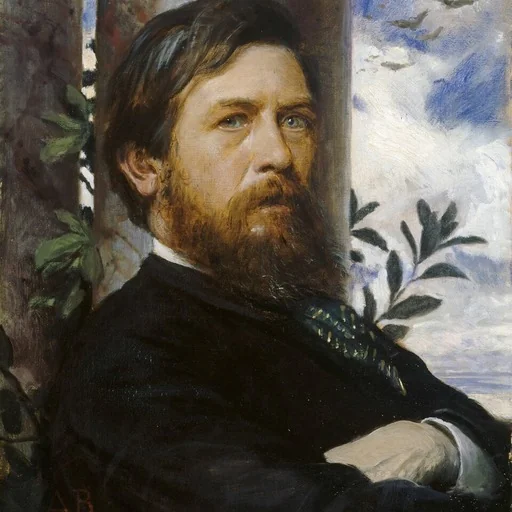
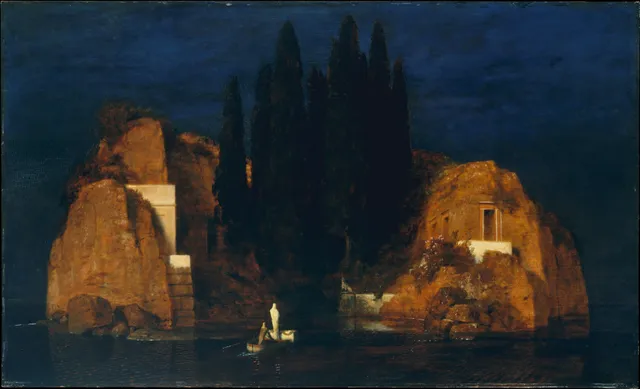
The tendency was international. In central Europe its leading figure was the Swiss painter Arnold Böcklin, whose haunting Isle of the Dead (first version 1880) he repeated in several variants. Across Europe artists endowed objects and figures with private, symbolic meaning, turning away from the everyday toward vision and reverie.
Symbolism proved enormously fertile. Puvis and Gauguin shaped Les Nabis, the circle of Maurice Denis and Paul Sérusier who carried flat colour and decorative form toward modernism. Böcklin and Redon, with their oneiric imagery, were claimed as forerunners by the Surrealists, including Dalí, Ernst, and de Chirico. Standing between Romanticism, which it extended, and Realism, against which it rebelled, Symbolism helped open the path from nineteenth-century academic painting to twentieth-century abstraction and the unconscious.
Key artists

Works
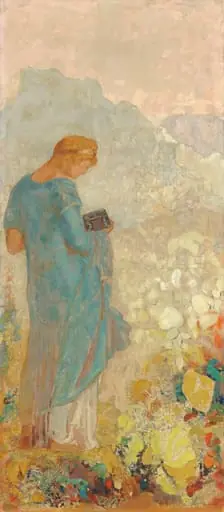 Pandora
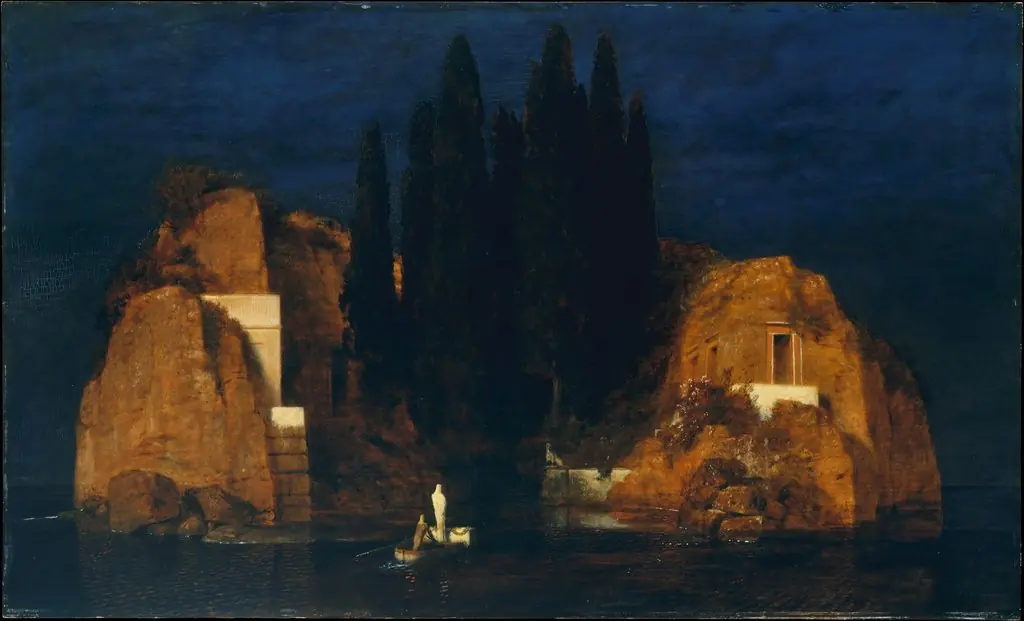 Isle of the Dead
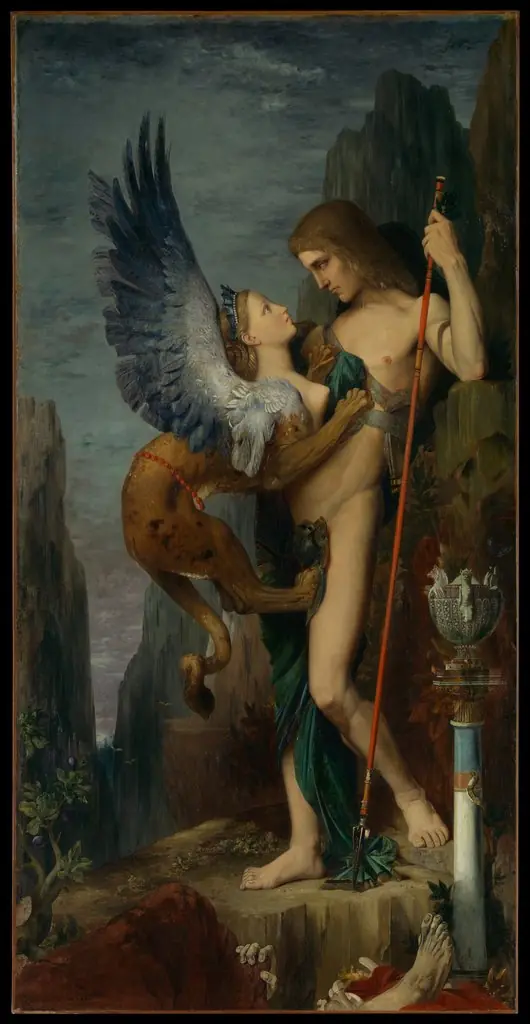 Oedipus and the Sphinx
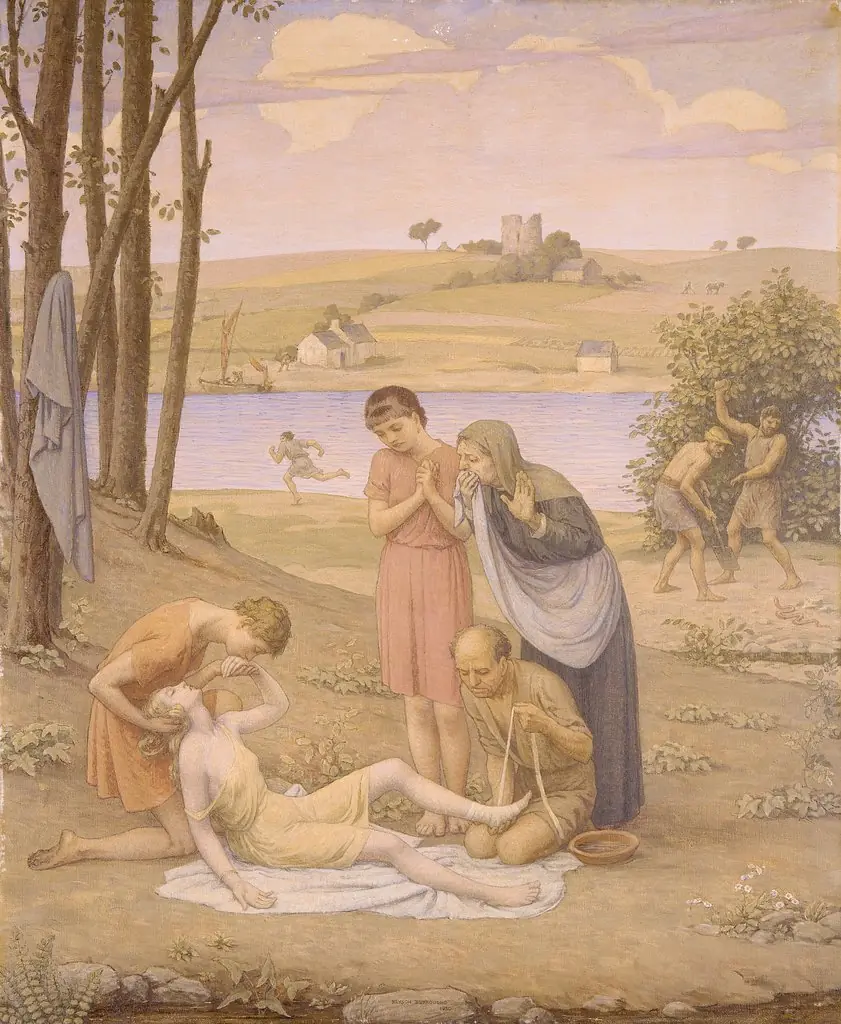 Eurydice Bitten by the Snake
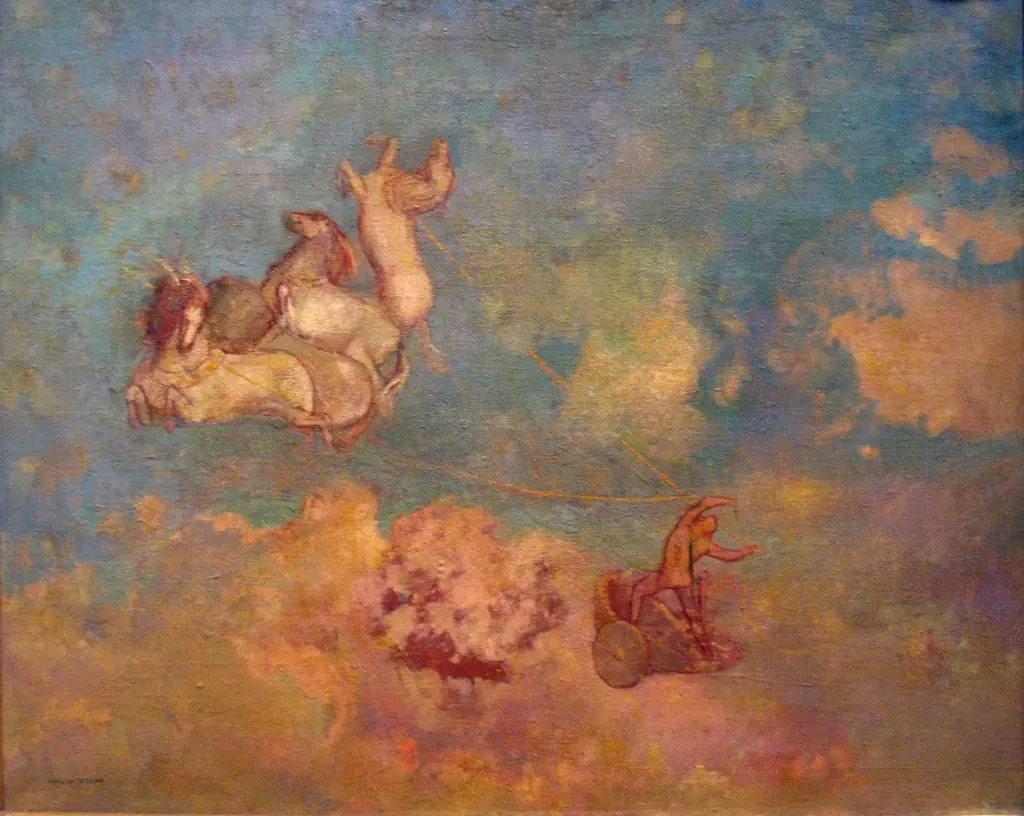 The Chariot of Apollo
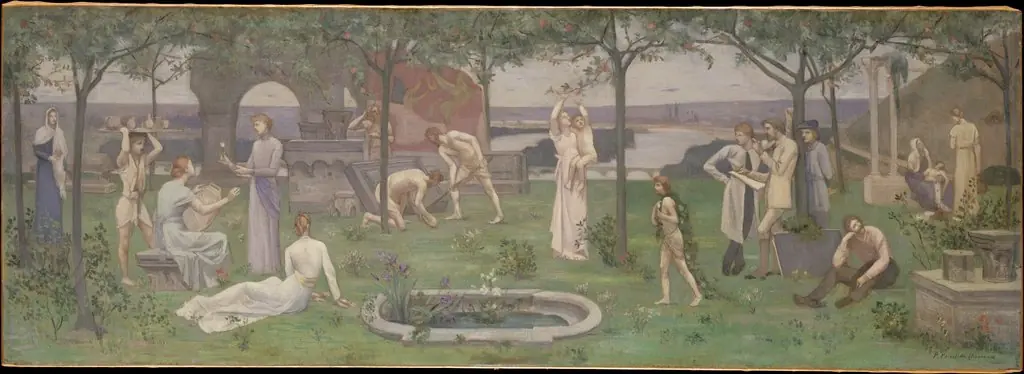 Inter artes et naturam (Between Art and Nature)
 Unicorns (Legend—Sea Calm)
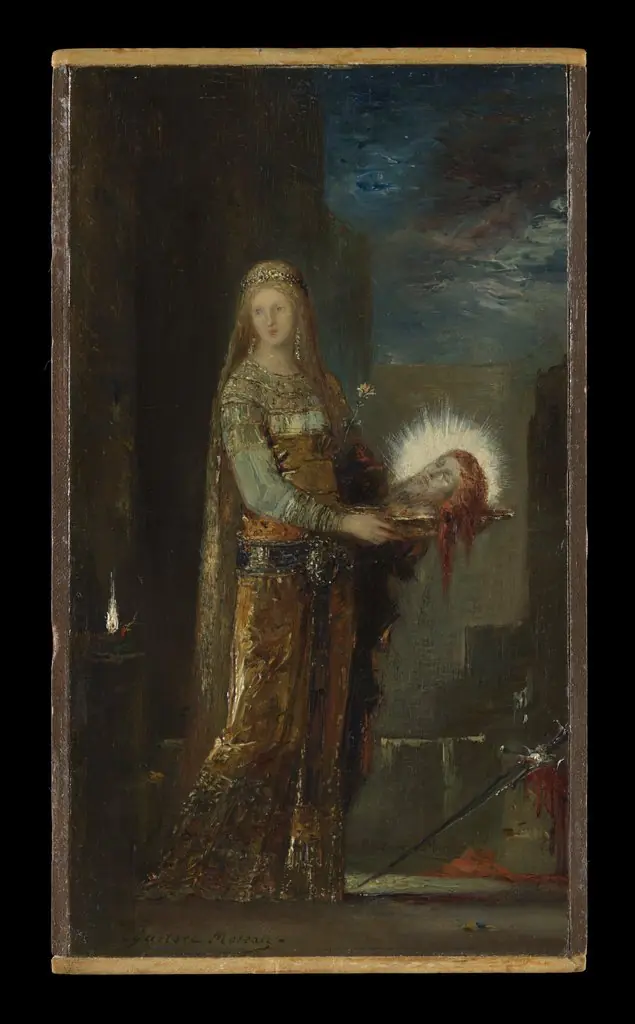 Salome with the Head of John the Baptist
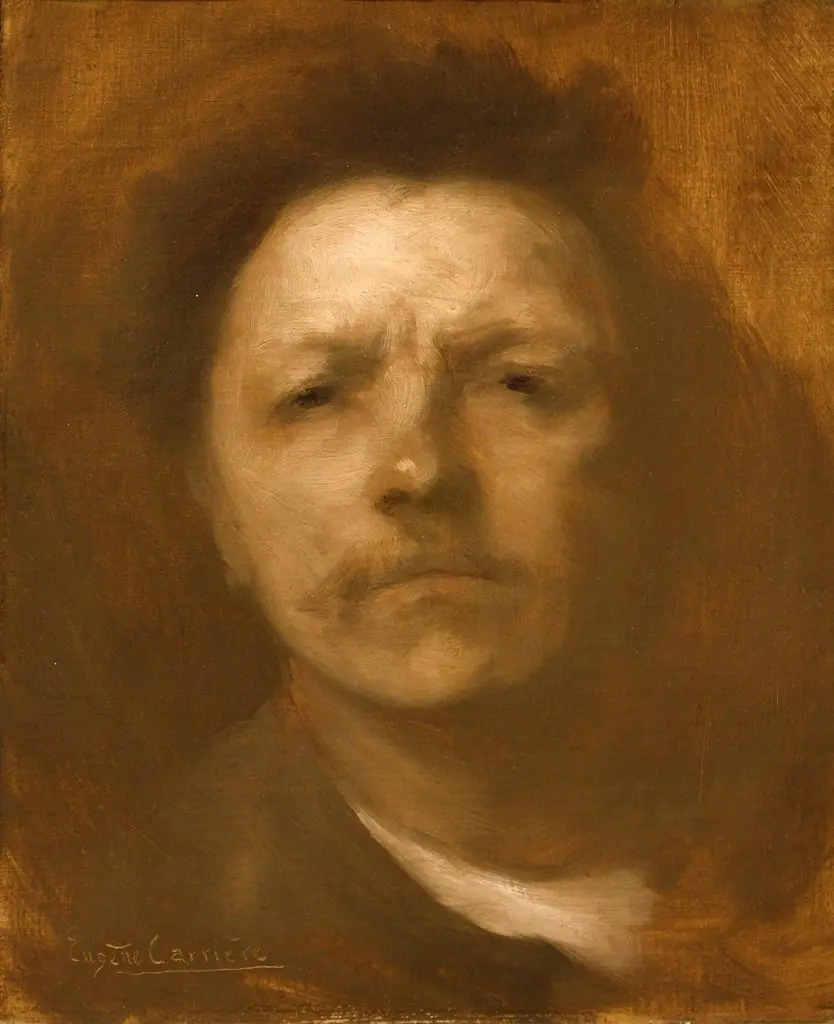 Self-Portrait
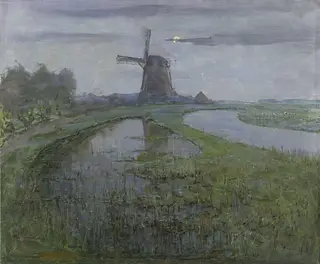
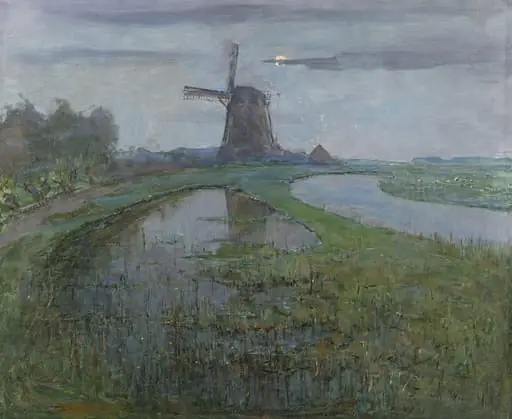 Oostzijdse Mill along the River Gein by Moonlight
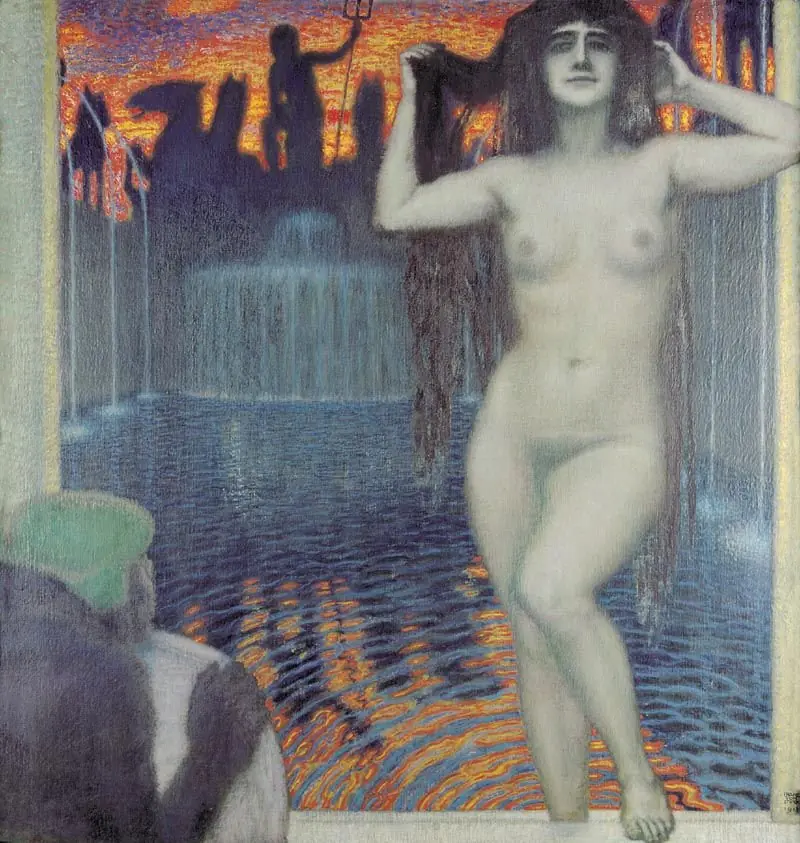 Bathsheba
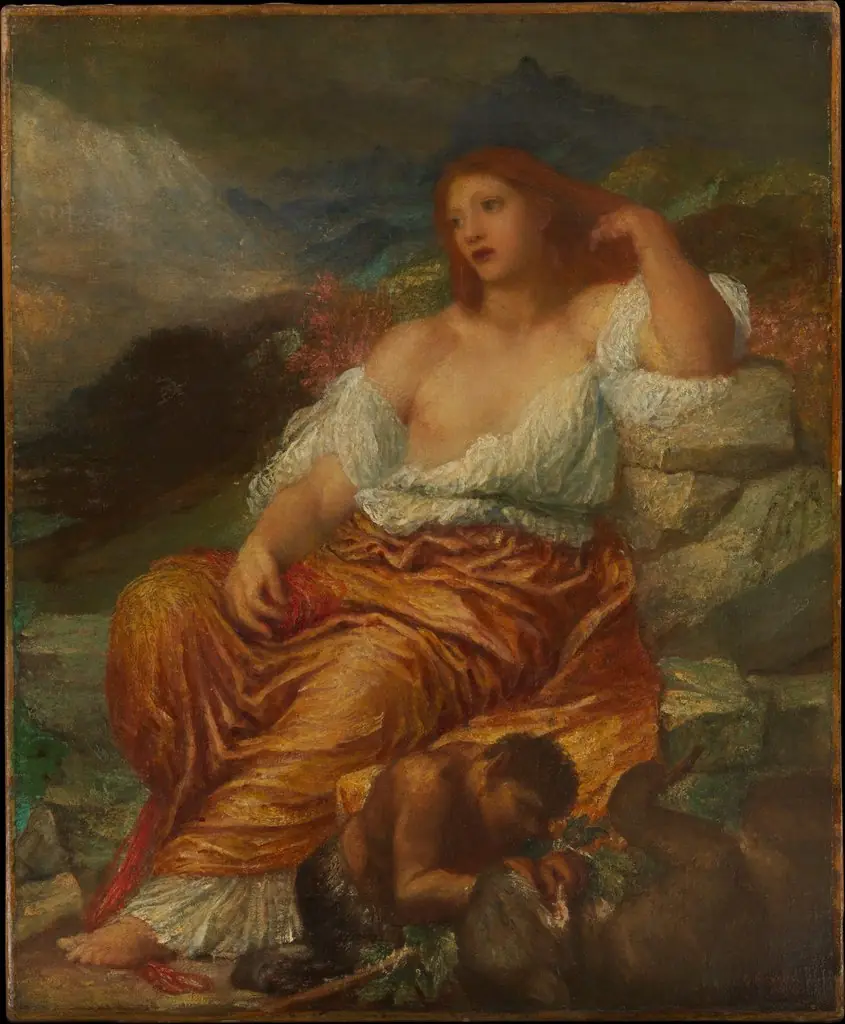 Ariadne
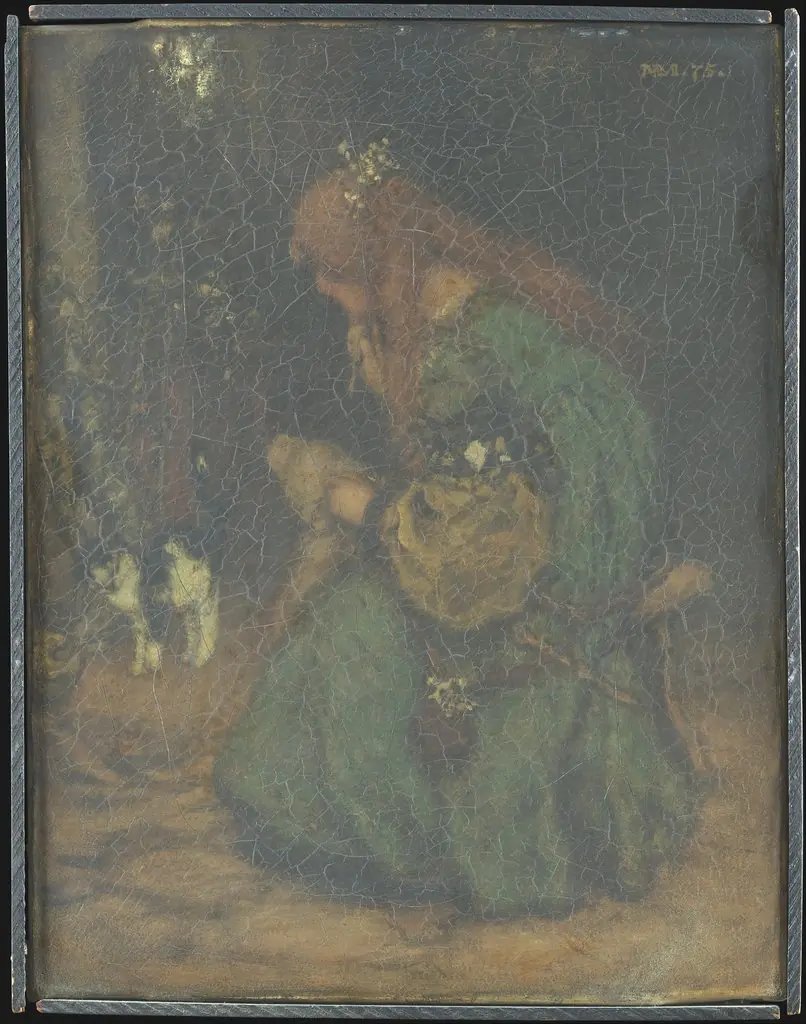 Reverie
 Girdle of Ares
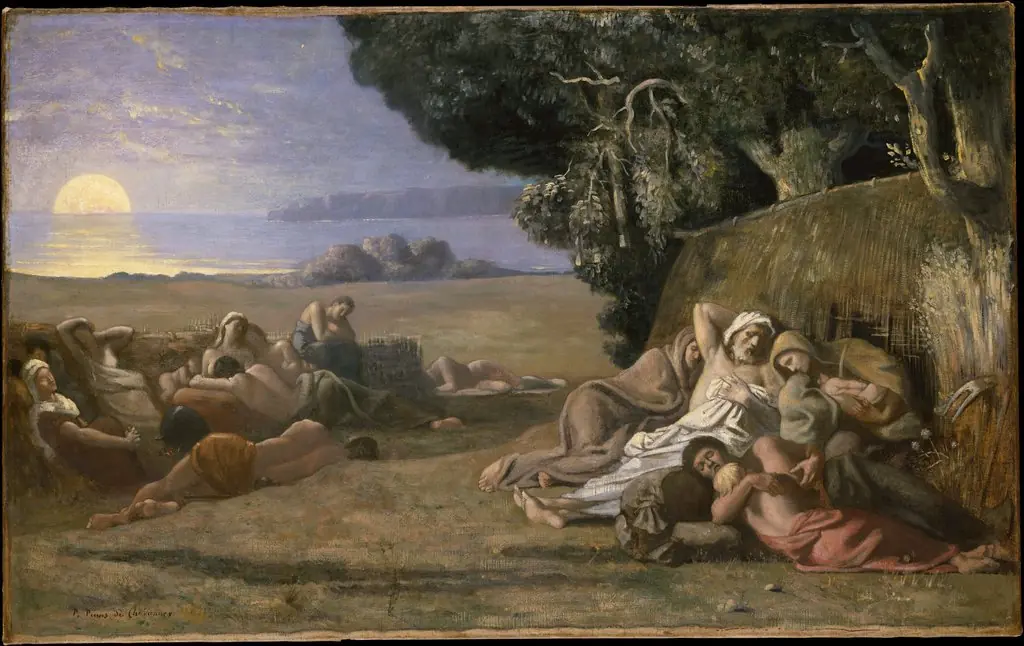 Sleep
Sleep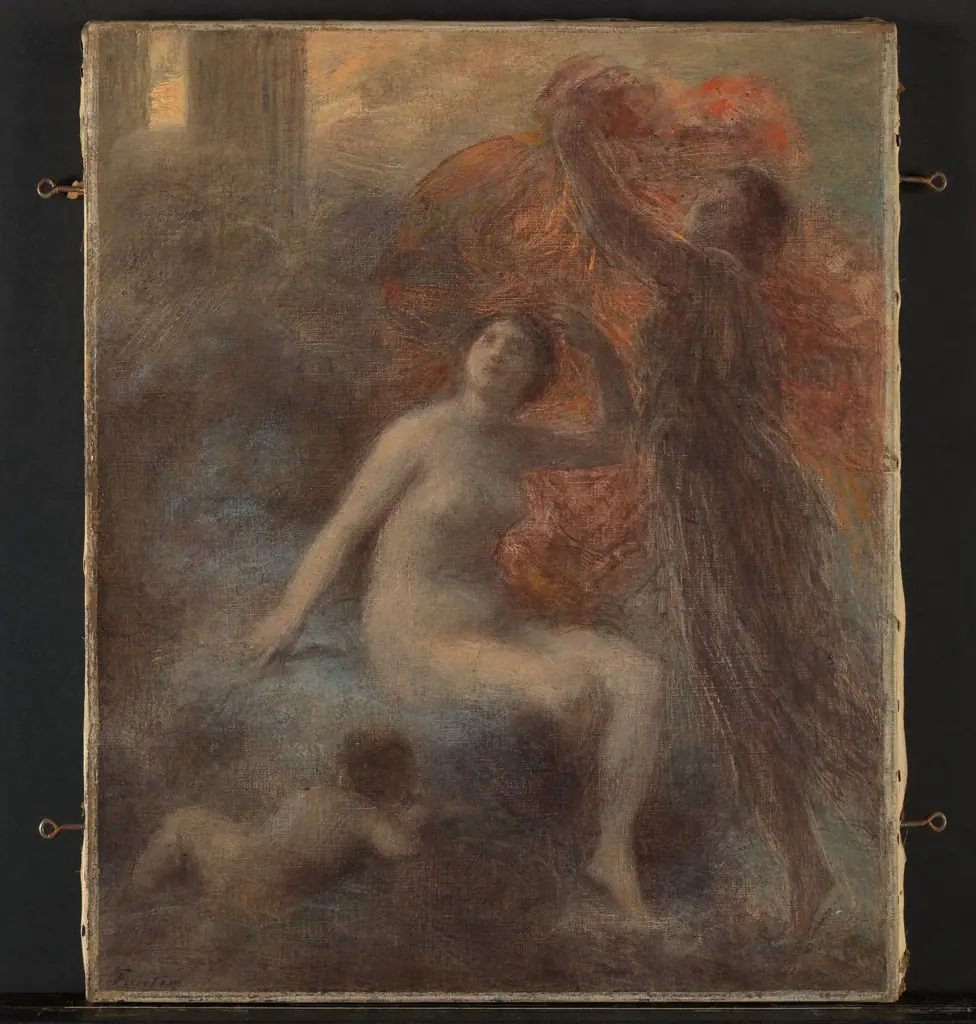 The Palace of Aurora
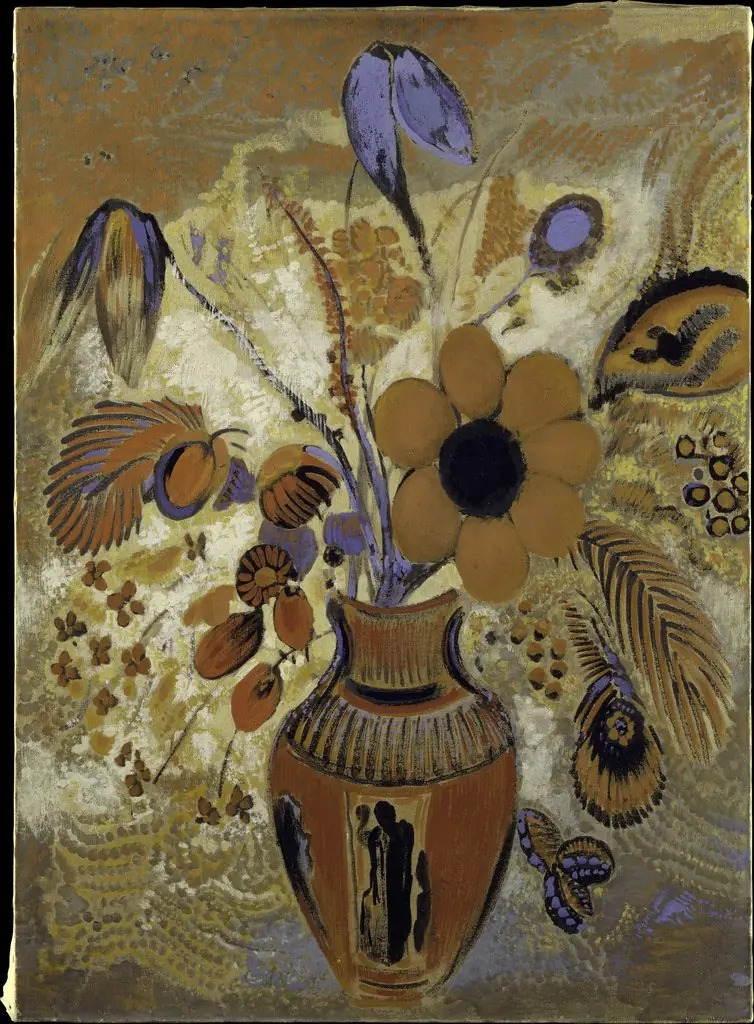 Etruscan Vase with Flowers
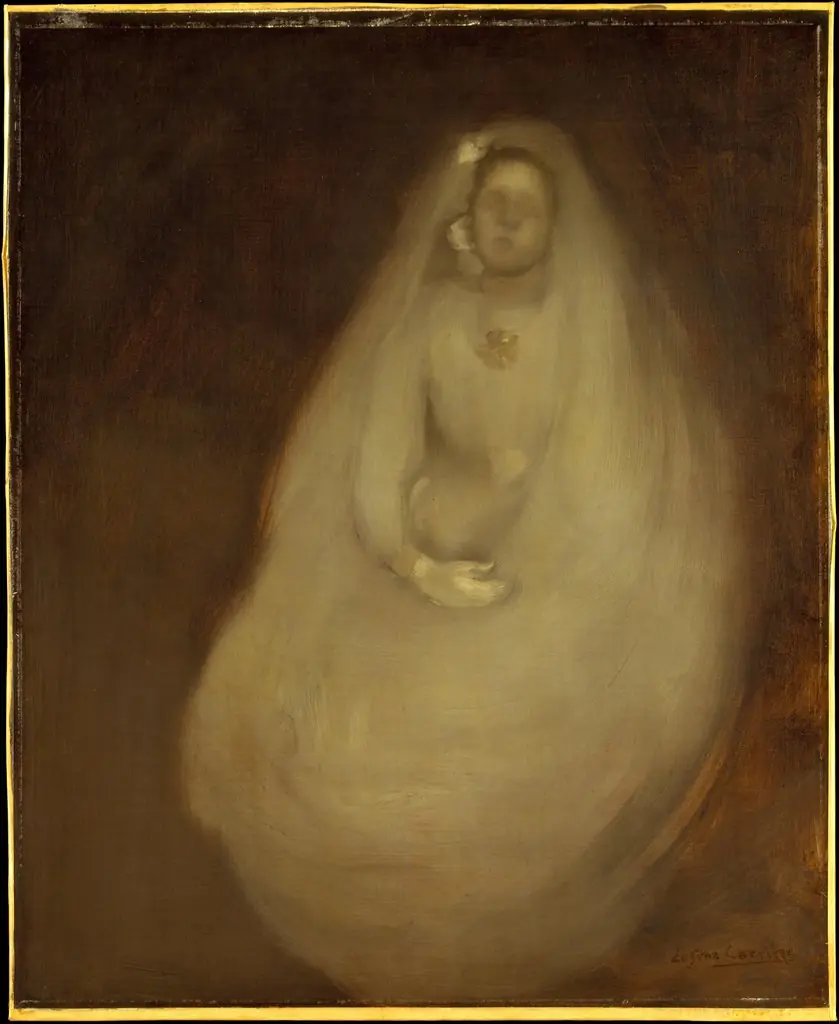 The First Communion
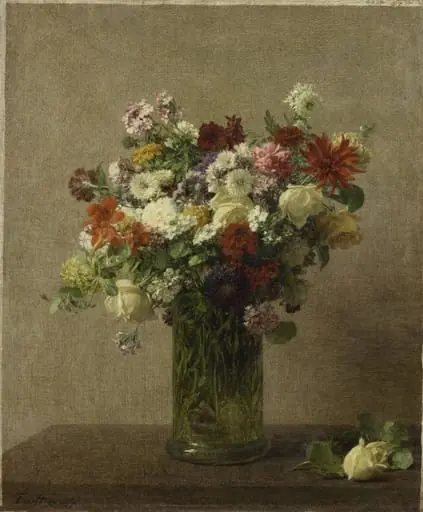 Flowers from Normandy
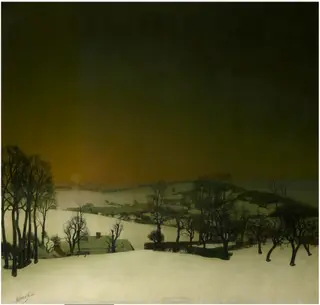
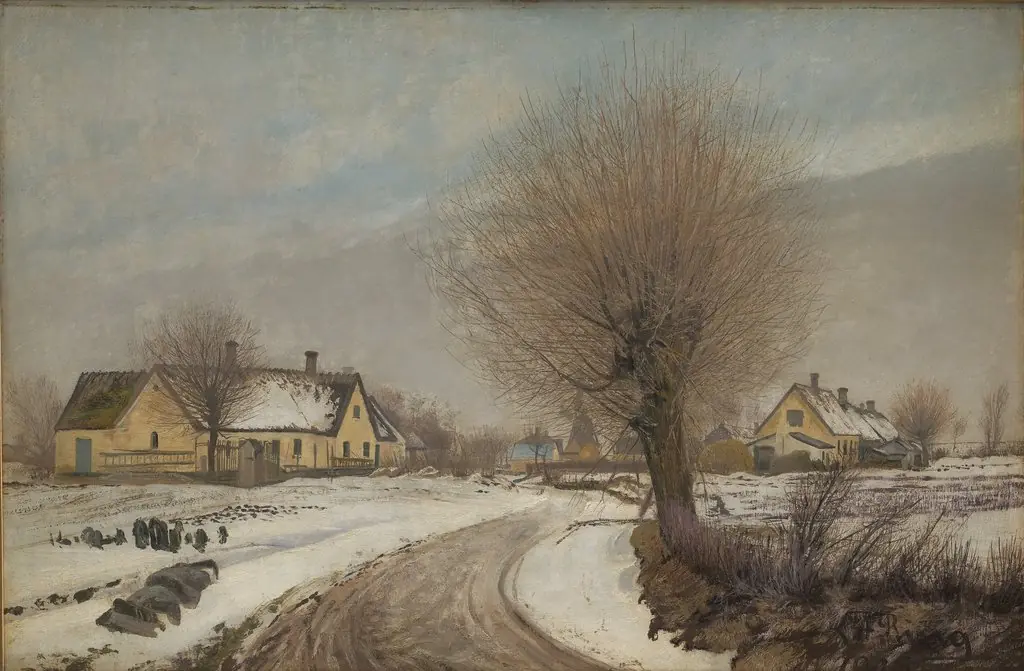 A Sealand Village. Winter
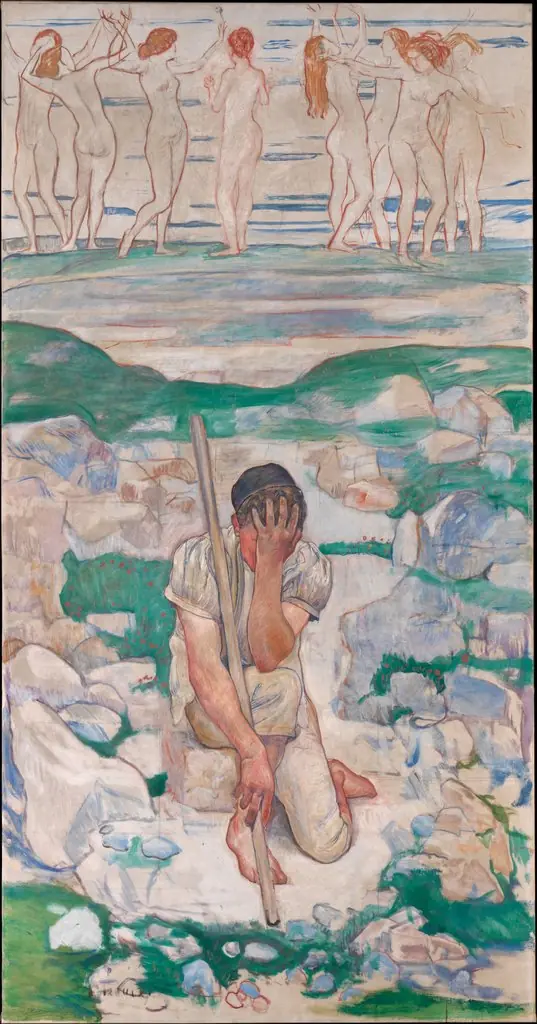 The Dream of the Shepherd (Der Traum des Hirten)
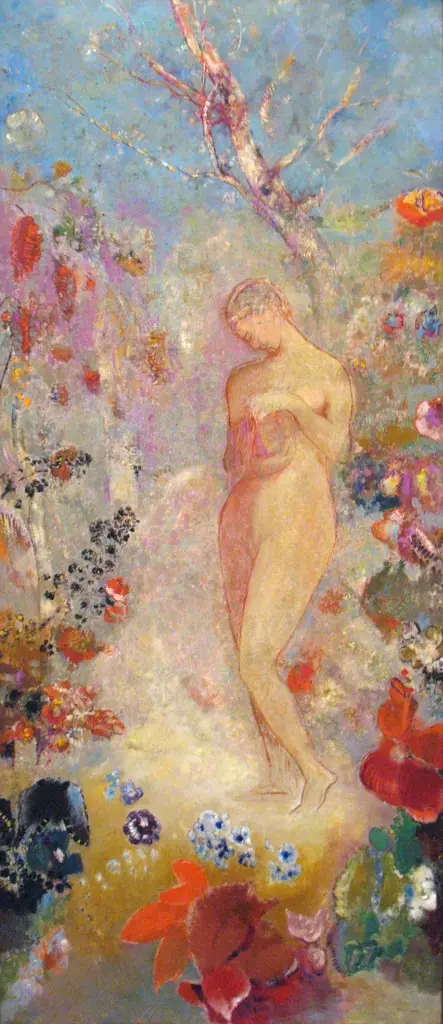 Pandora
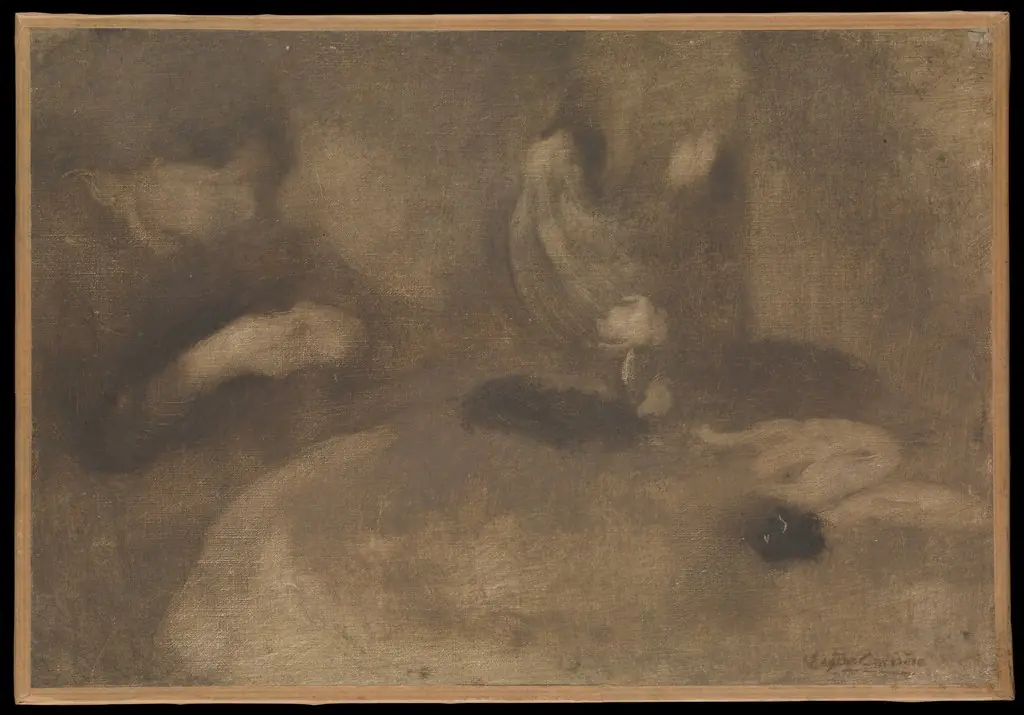 Women Sewing at a Table
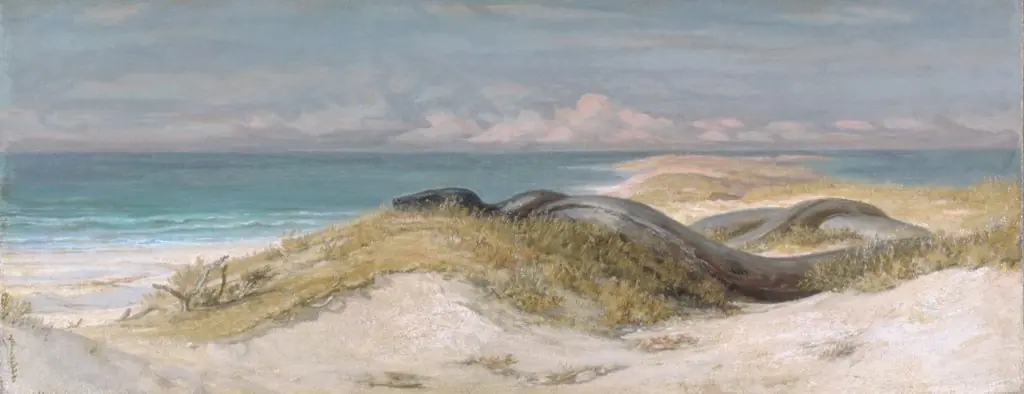 Lair of the Sea Serpent
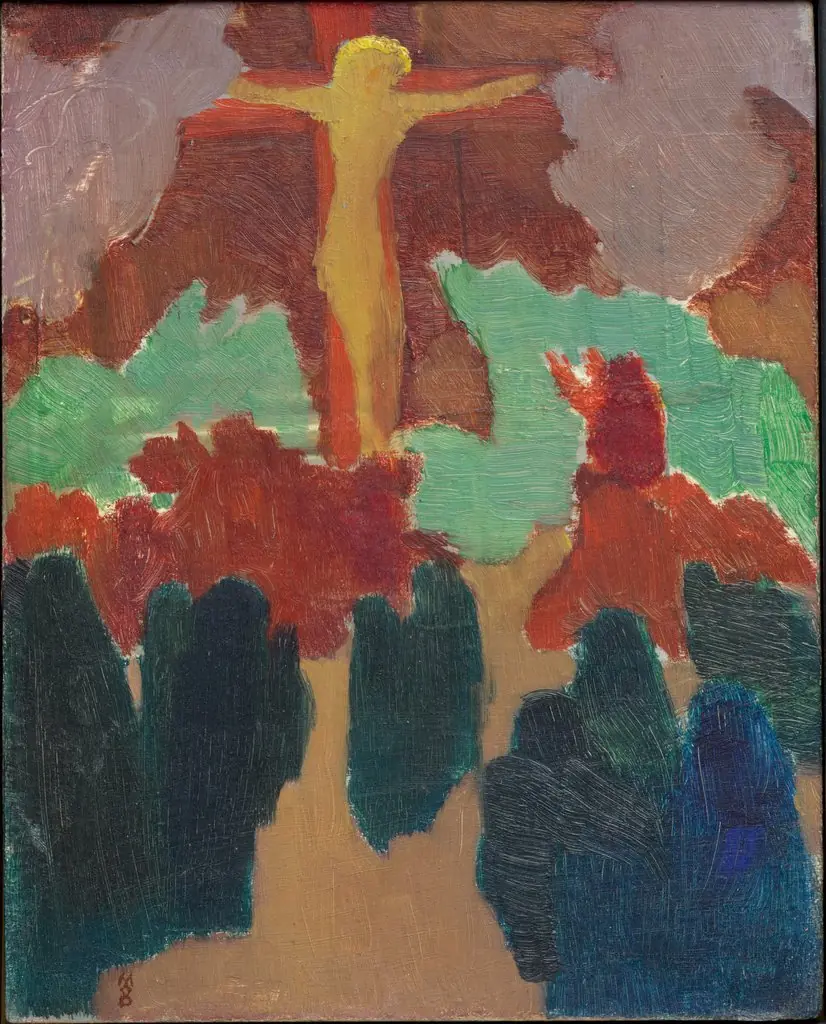 The Orange Christ
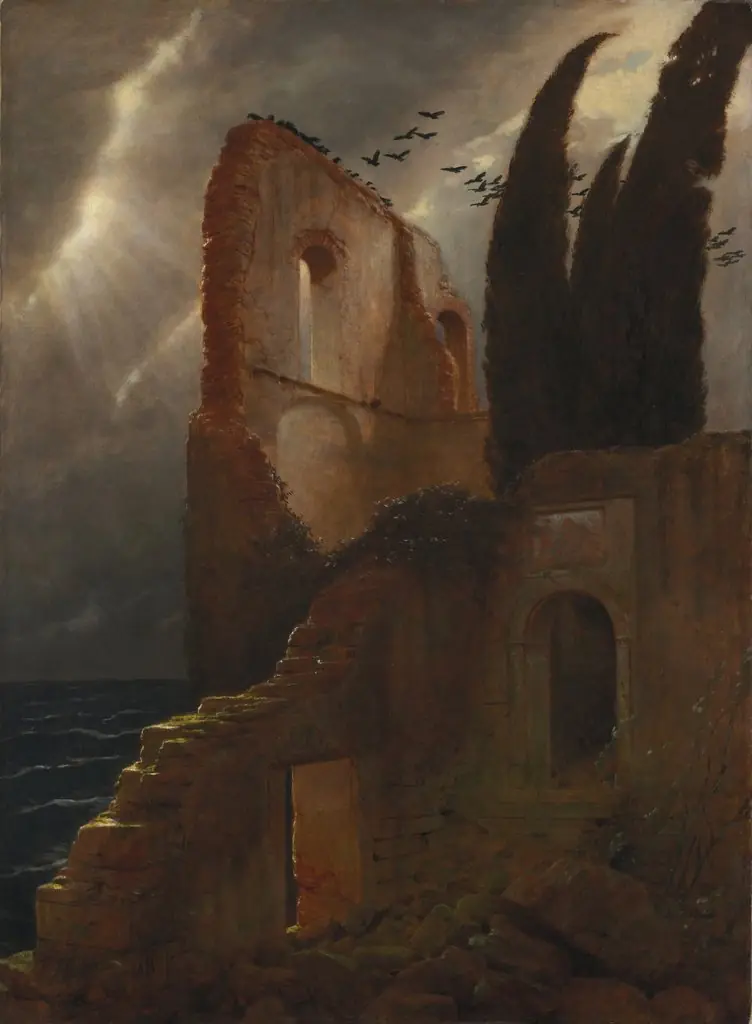 Ruin by the Sea
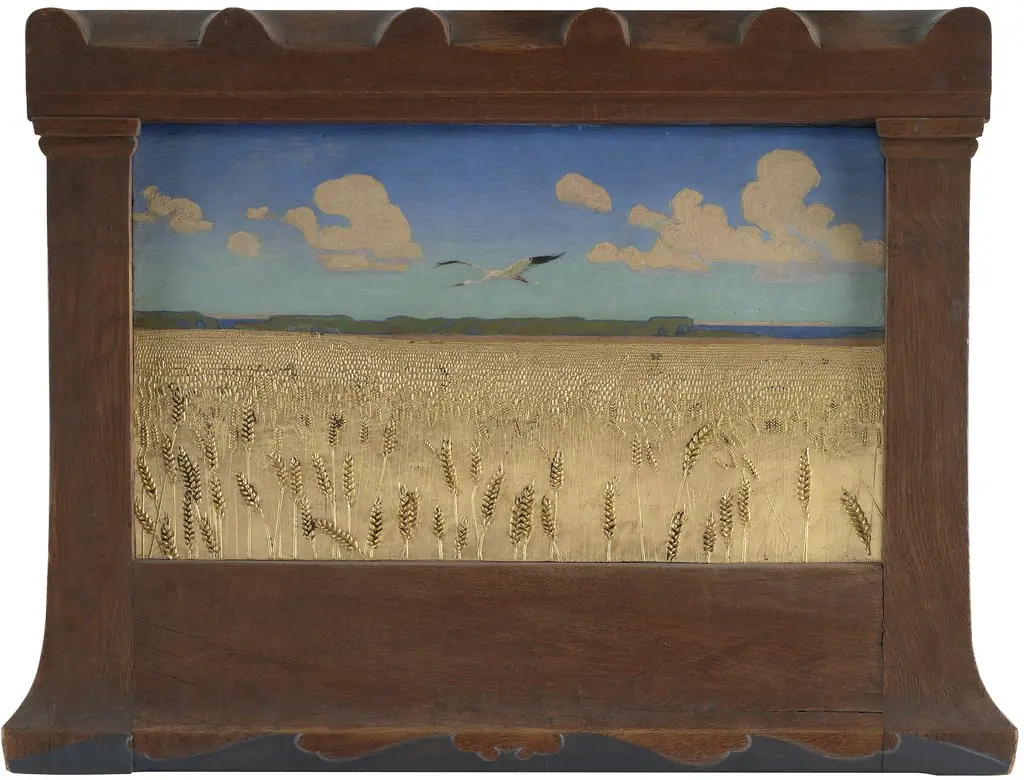 Danish Landscape
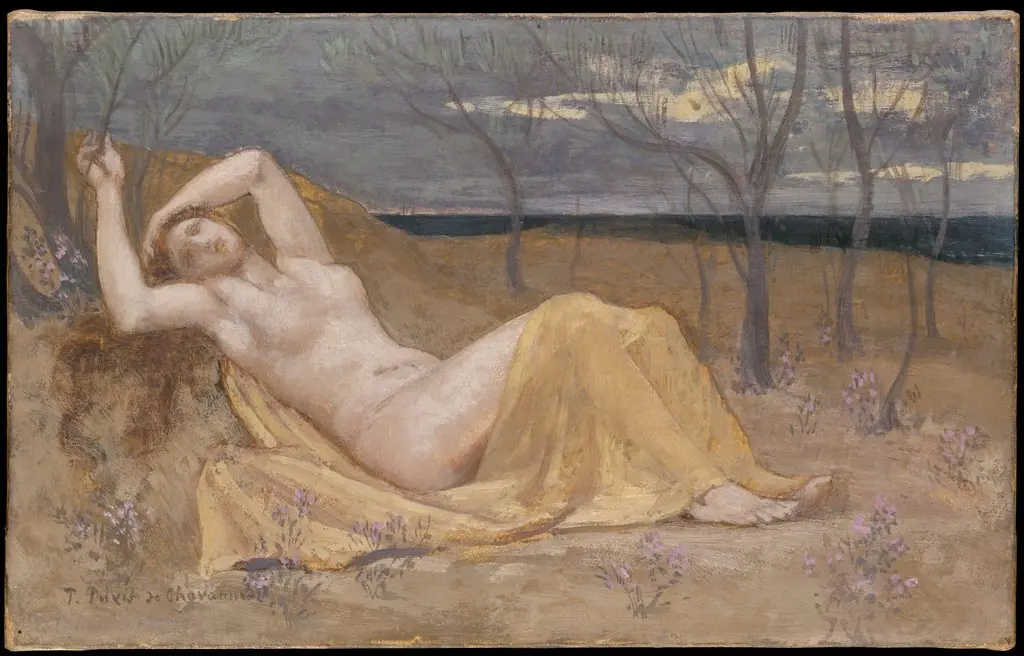 Tamaris
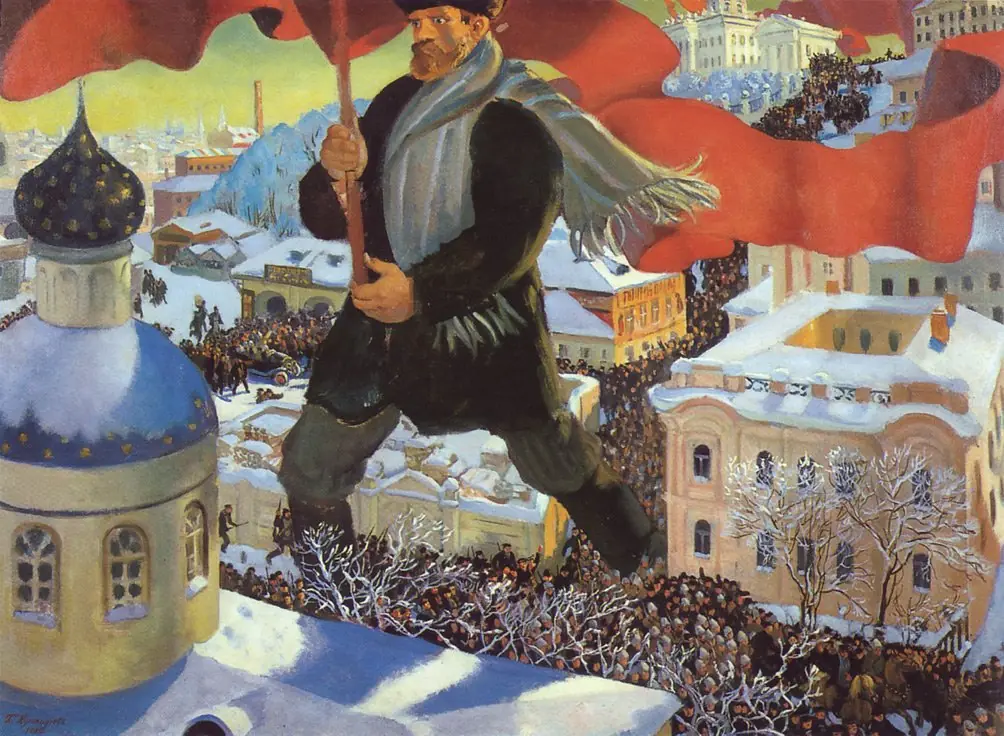 Bolshevik
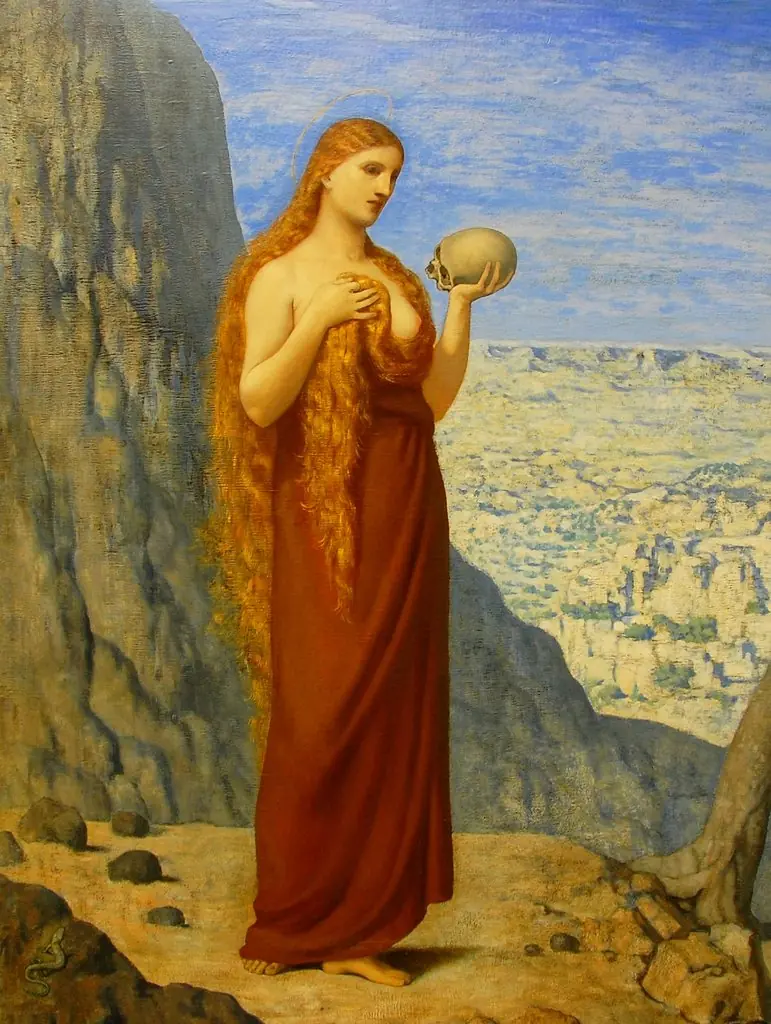 Mary Magdalene in the Desert
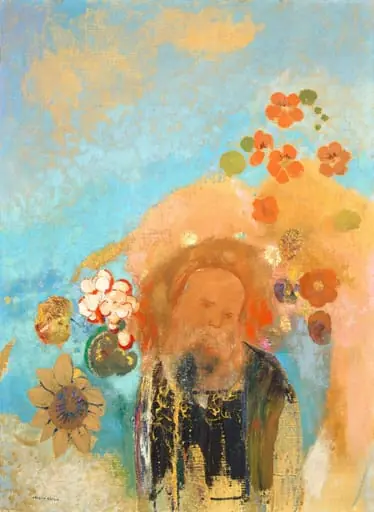 Evocation of Roussel
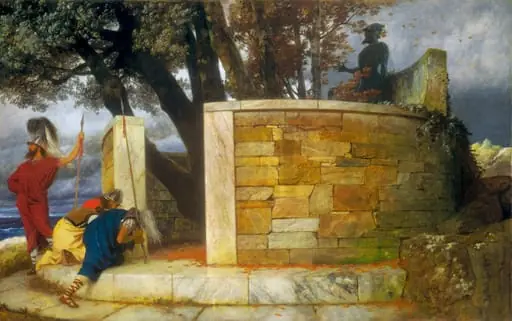 The Sanctuary of Hercules
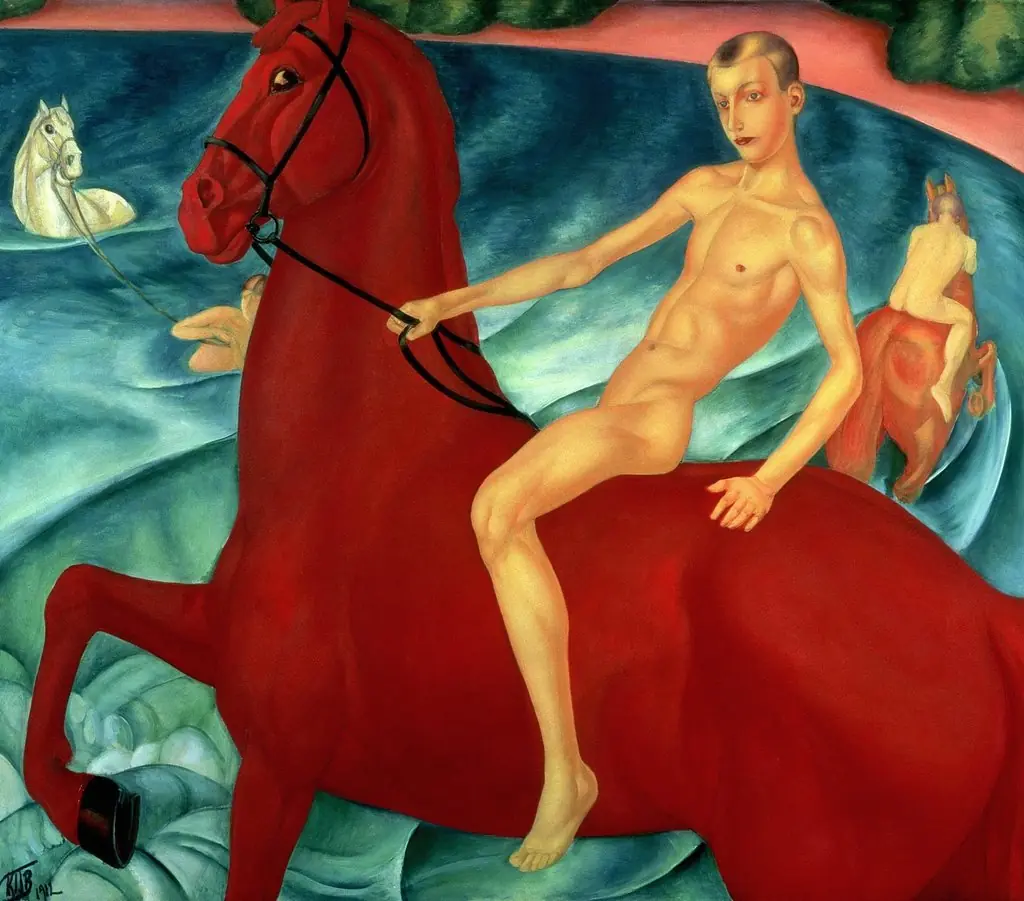 Bathing the Red Horse
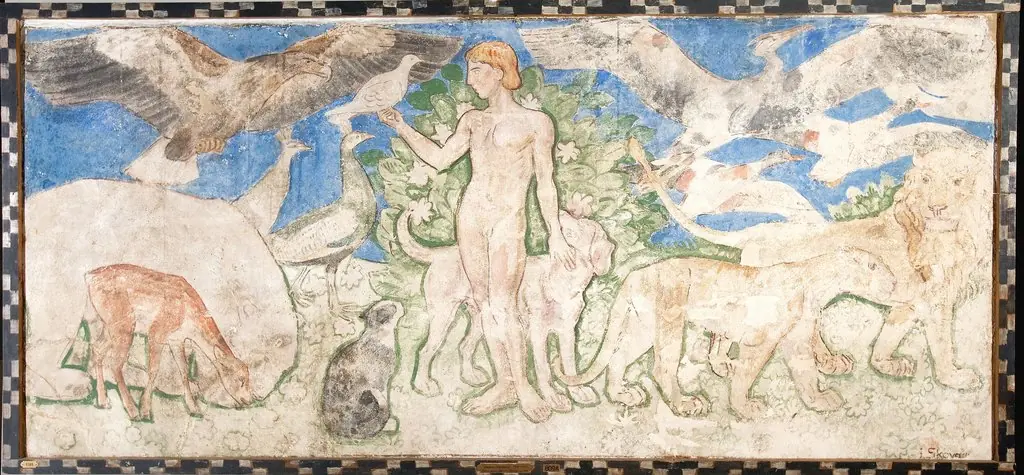 Adam Naming the Animals
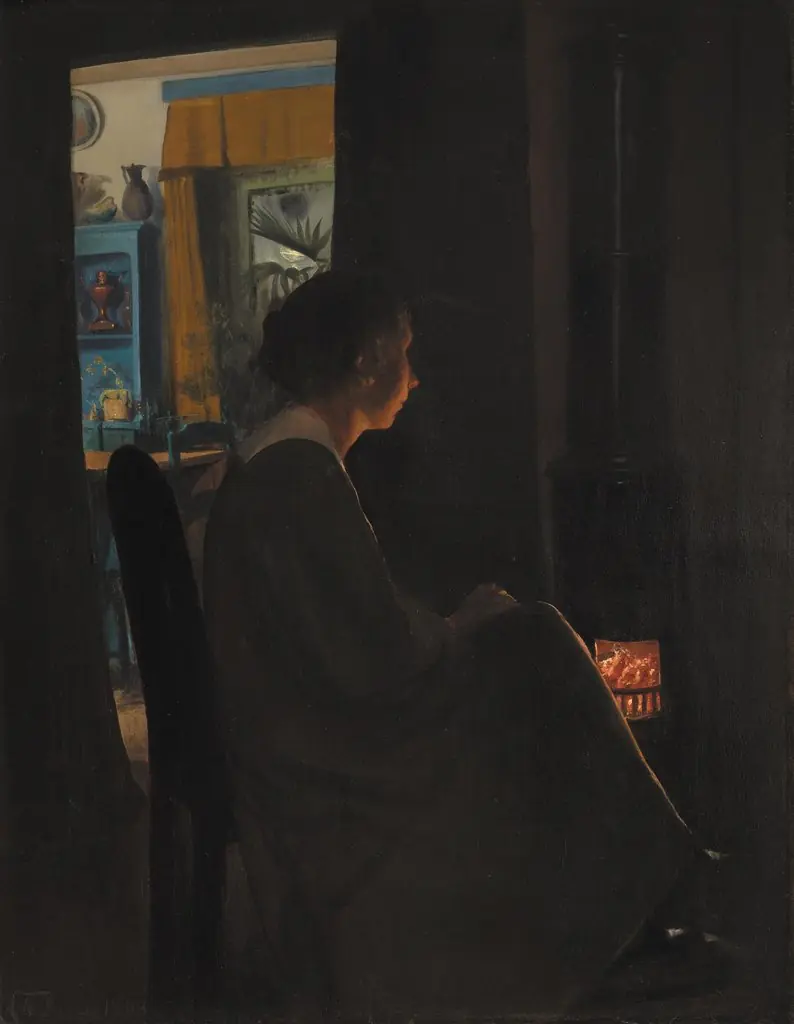 Twilight. The Artist's Wife
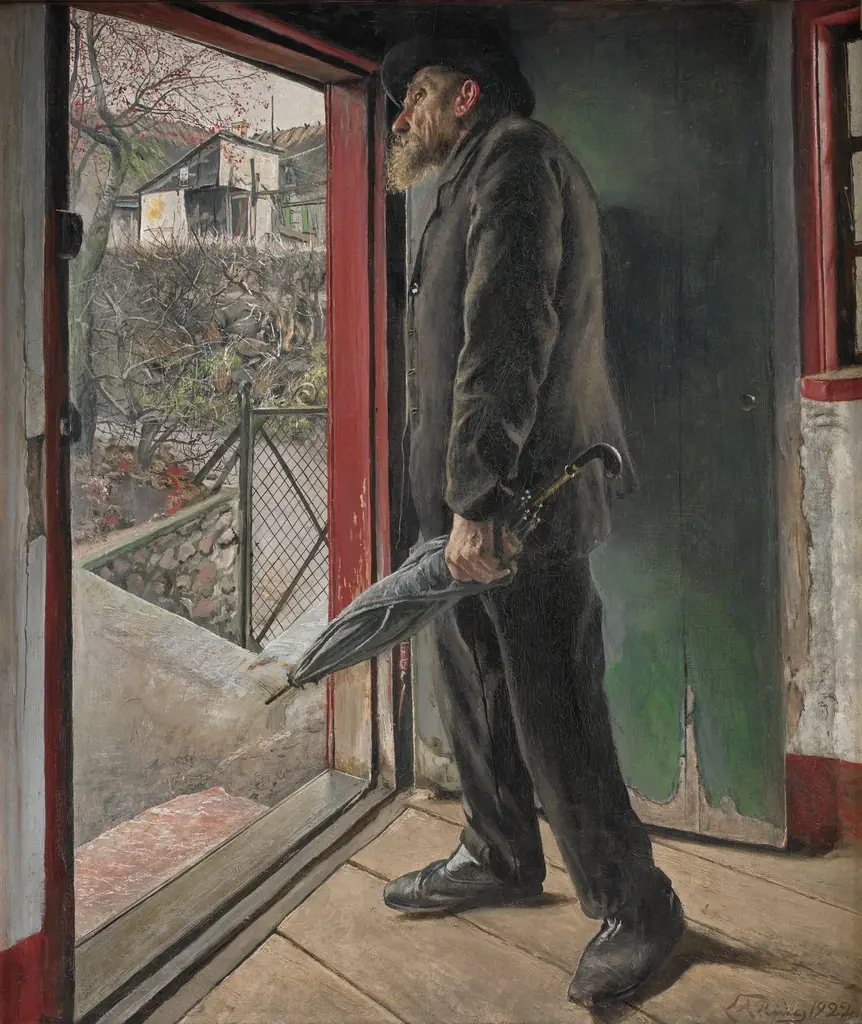 Has it Stopped Raining?
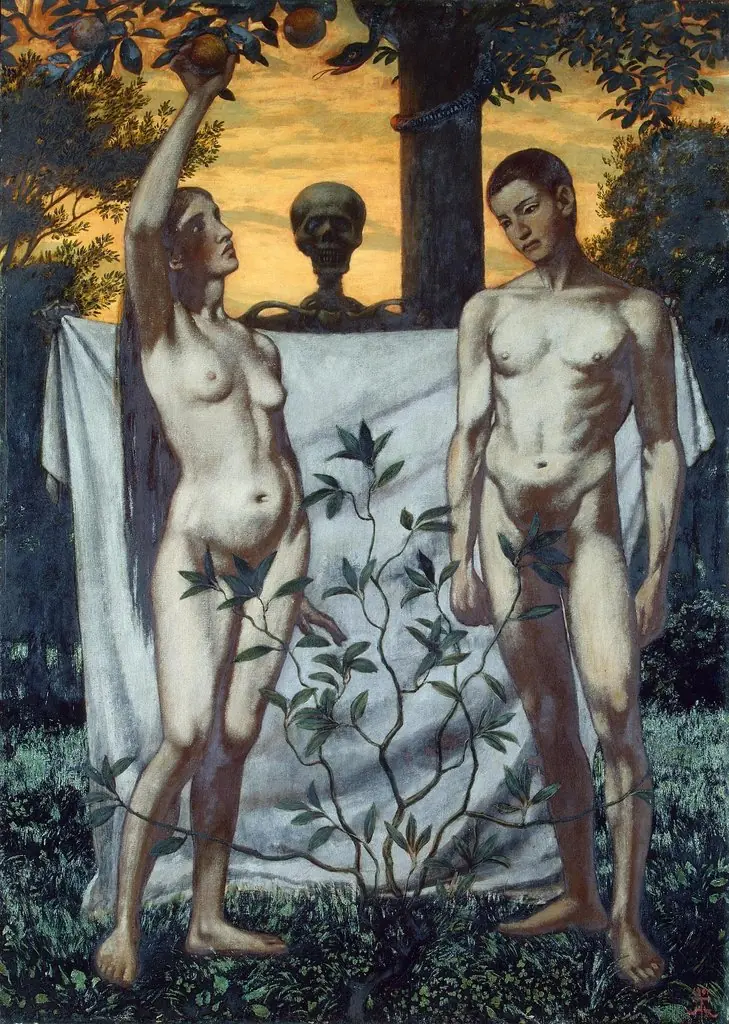 Adam and Eve
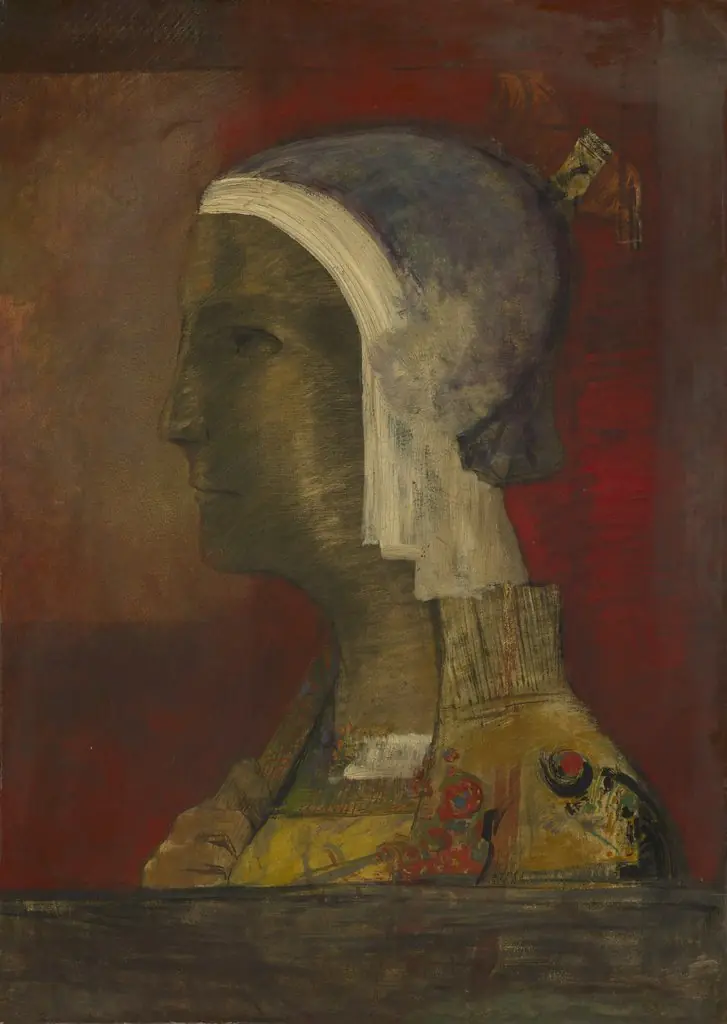 Symbolic Head
 Hermes and the Infant Dionysus
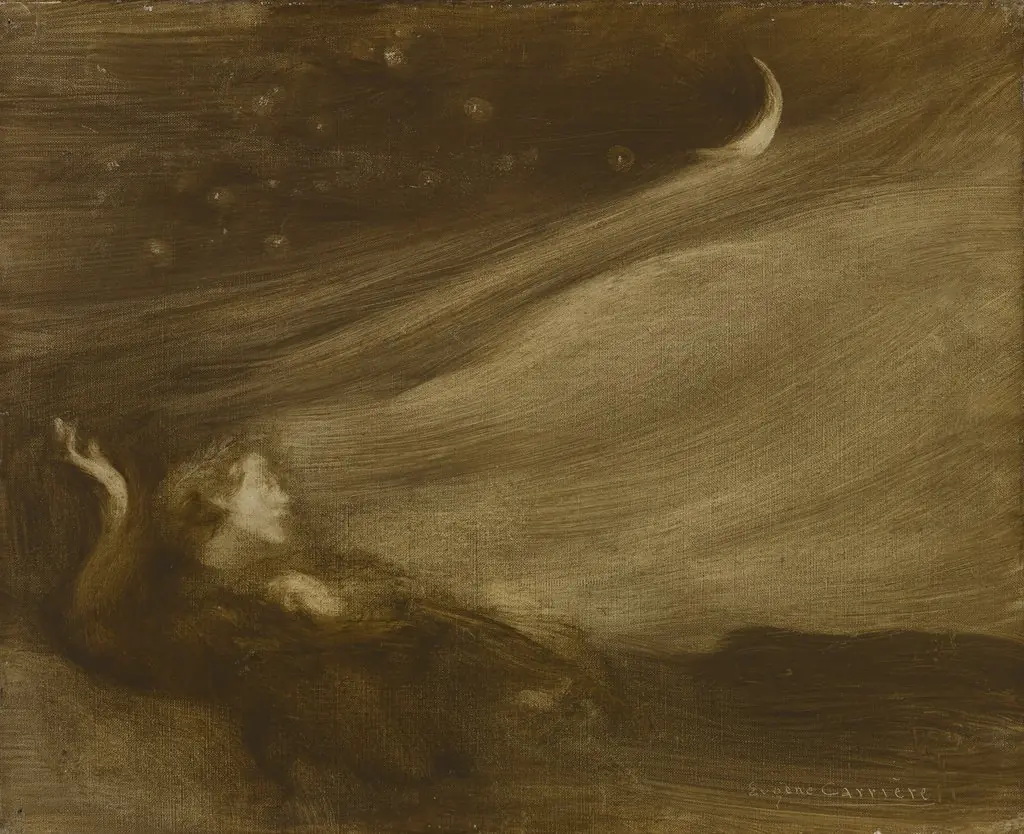 The Contemplator
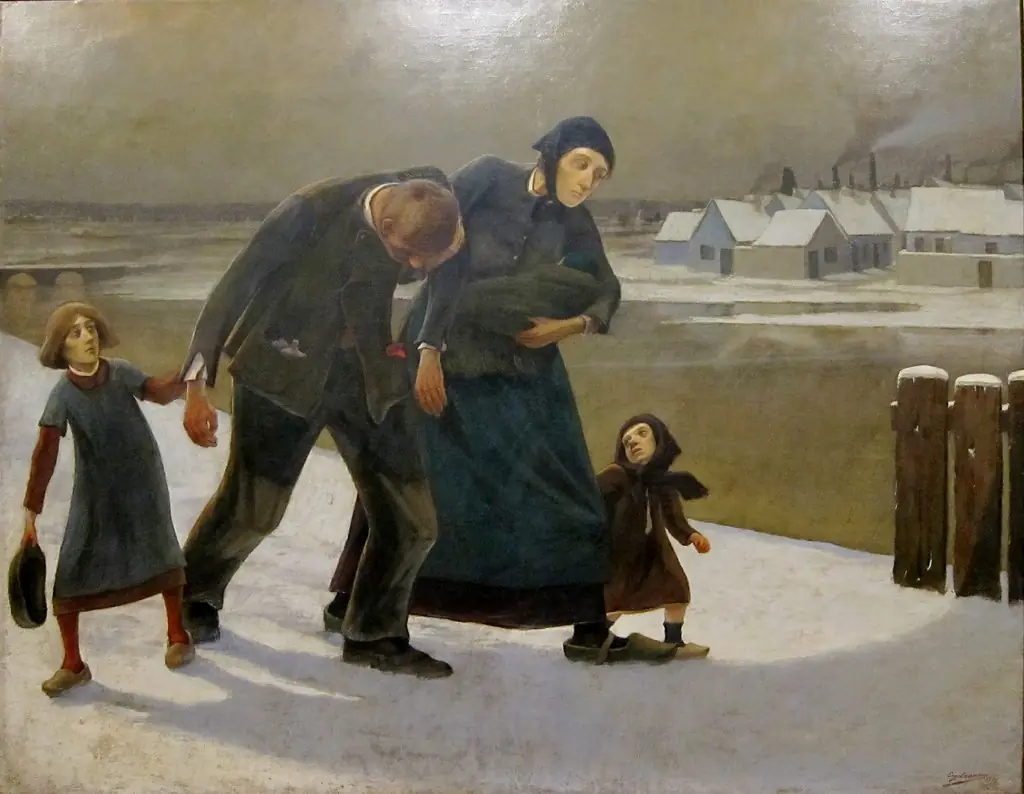 The Drunkard
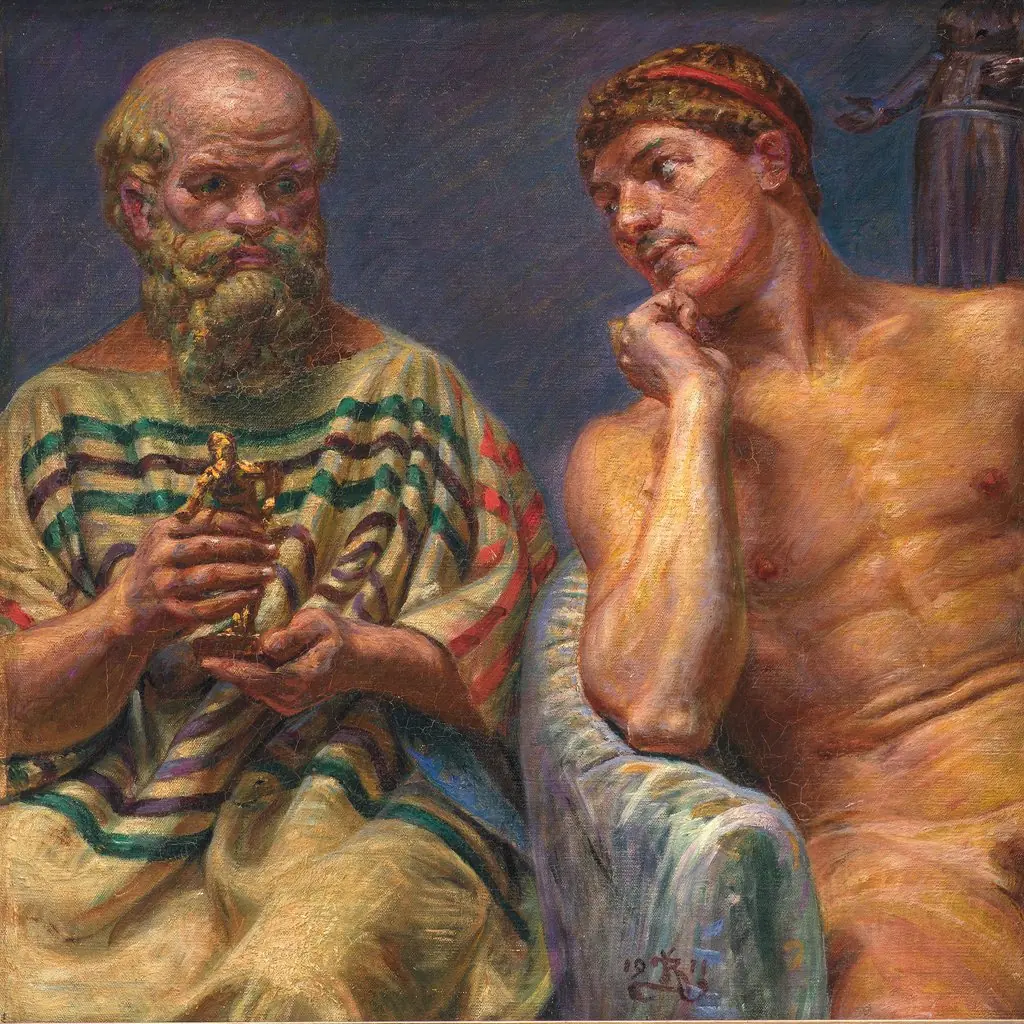 Socrates and Alcibiades
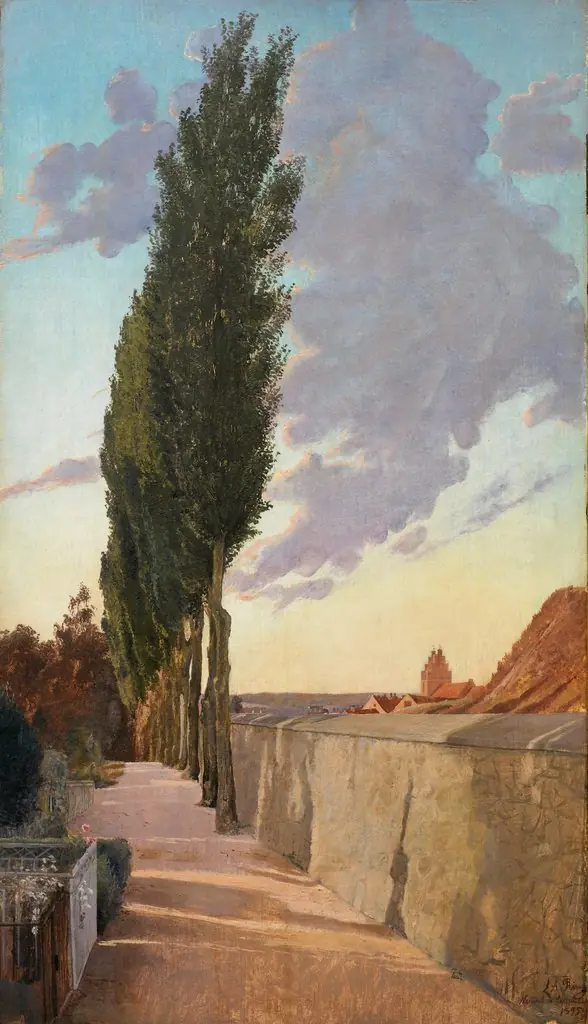 Landscape with Poplars. September Evening
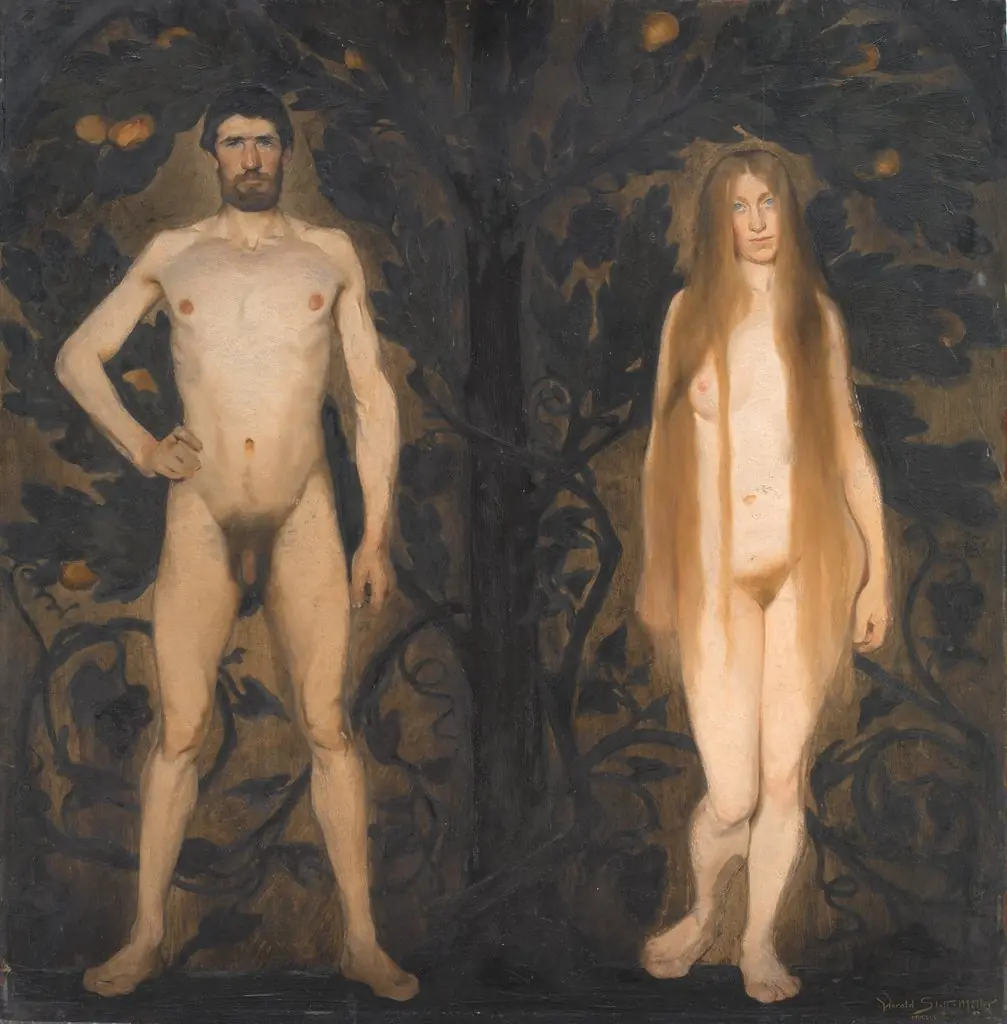 Adam and Eve
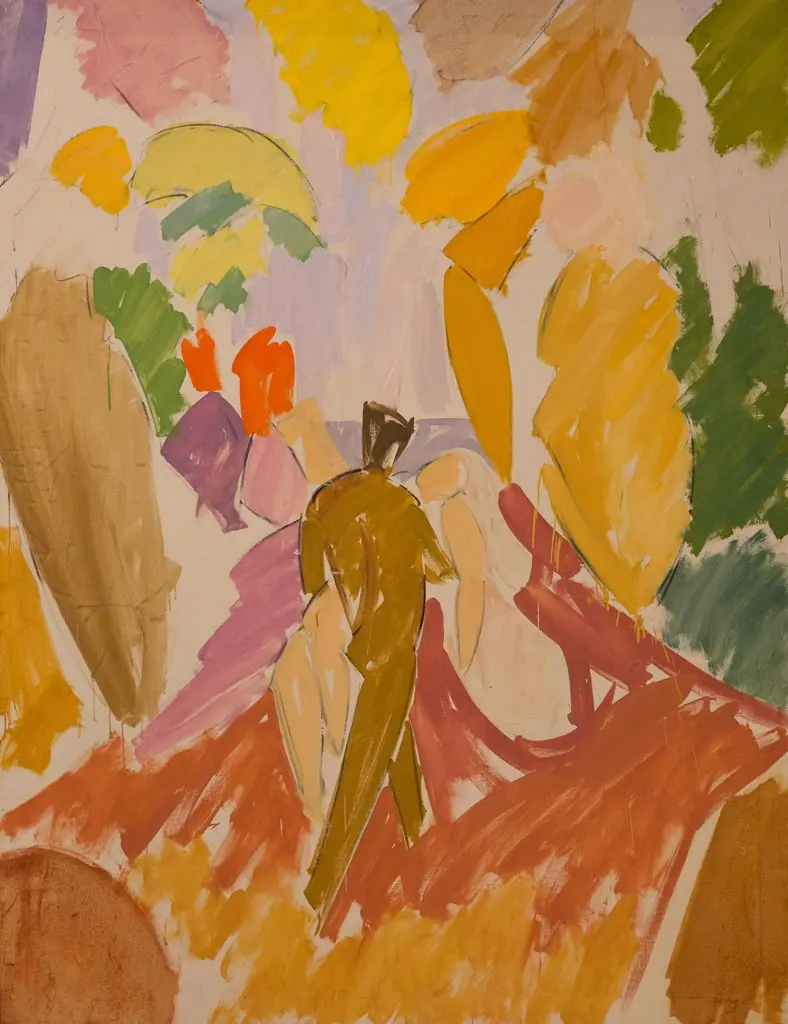 Faun and Nymph
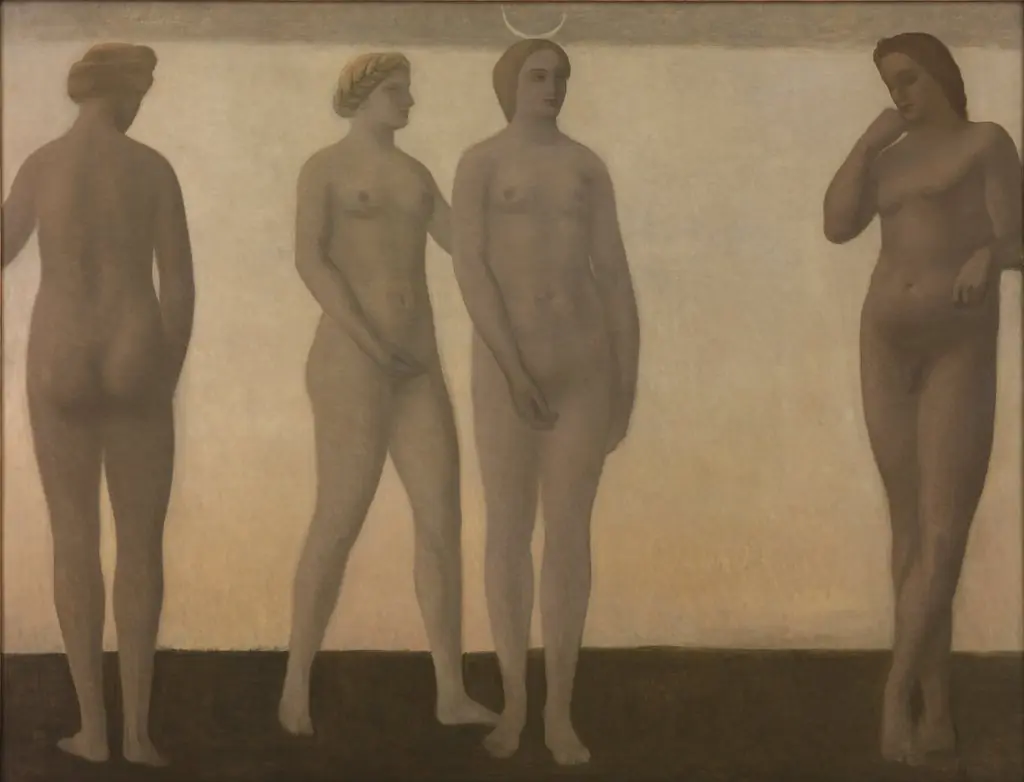 Artemis
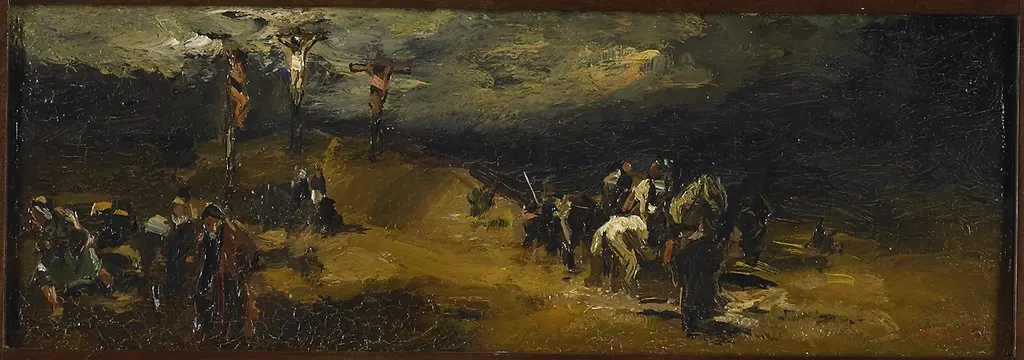 Crucifixion of Christ
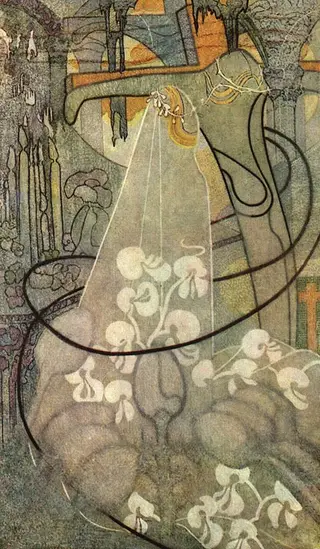
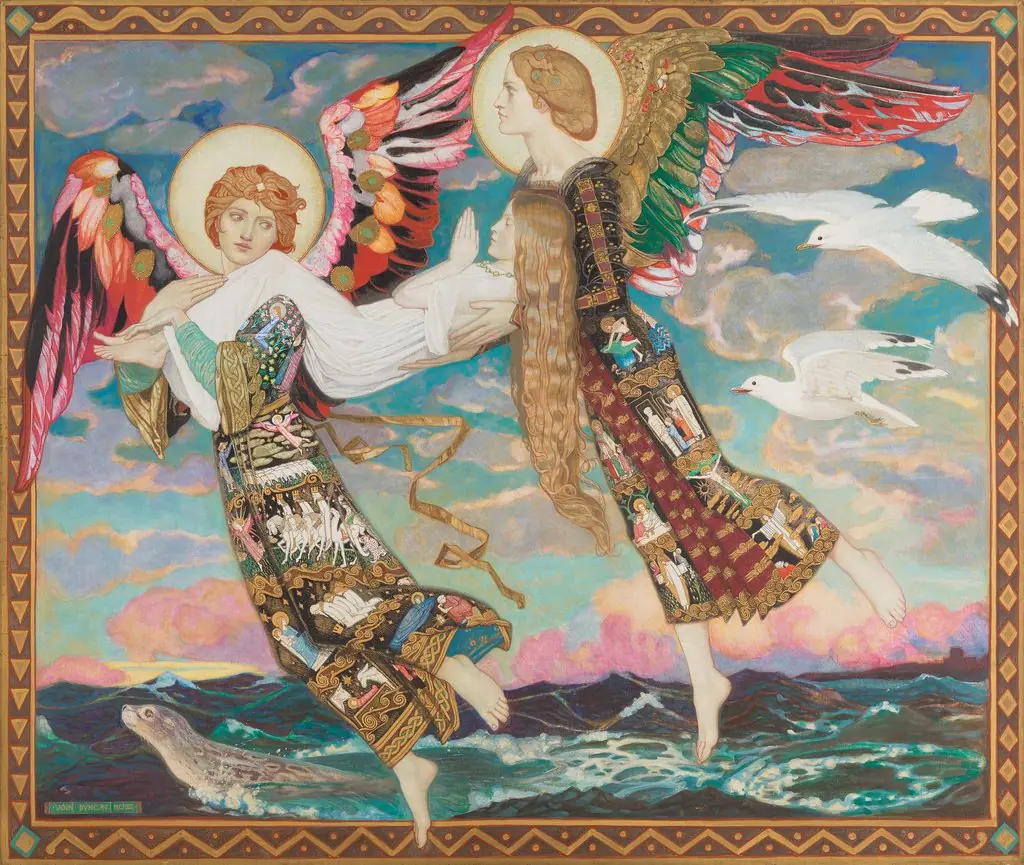 Saint Bride
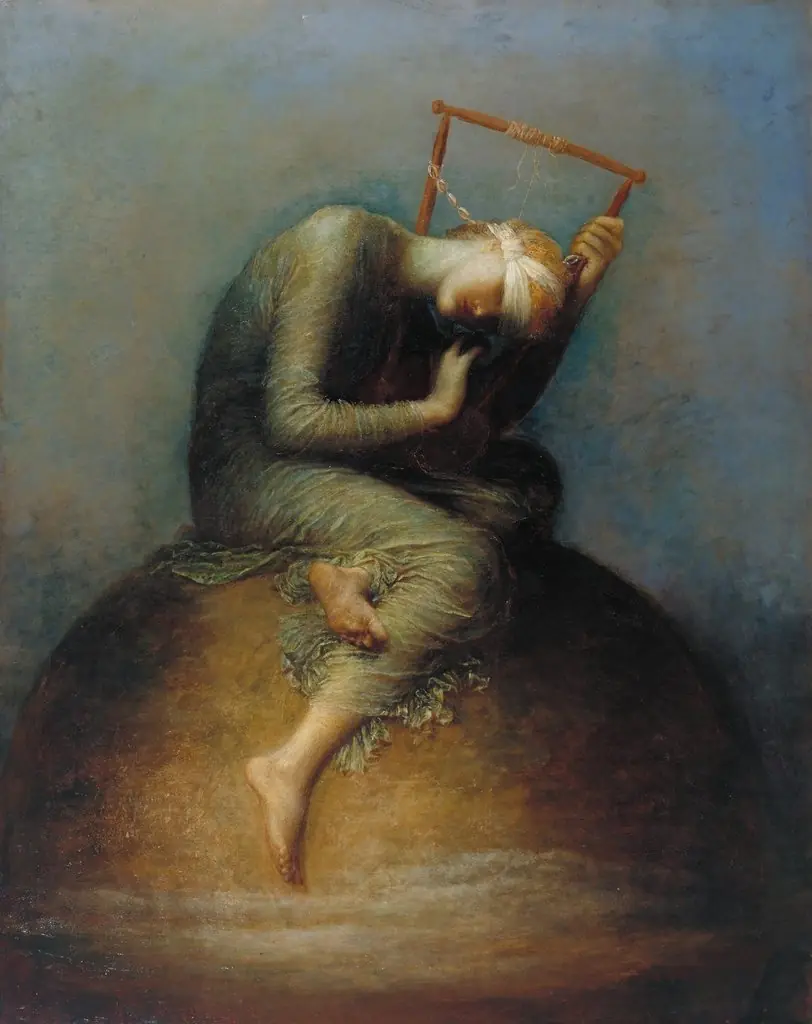 Hope
Hope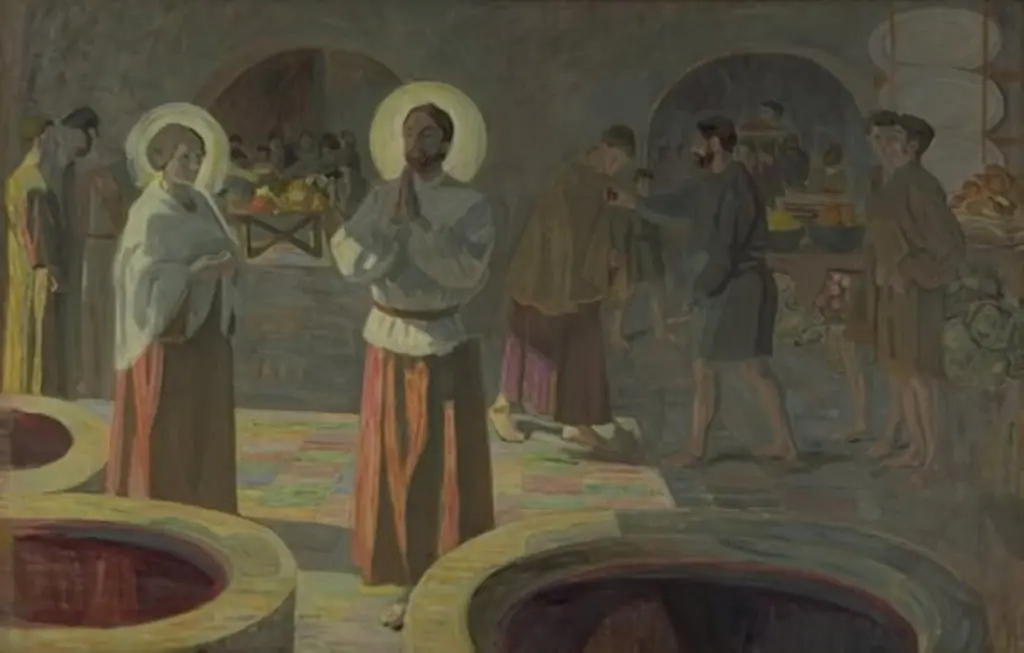 The Wedding at Cana
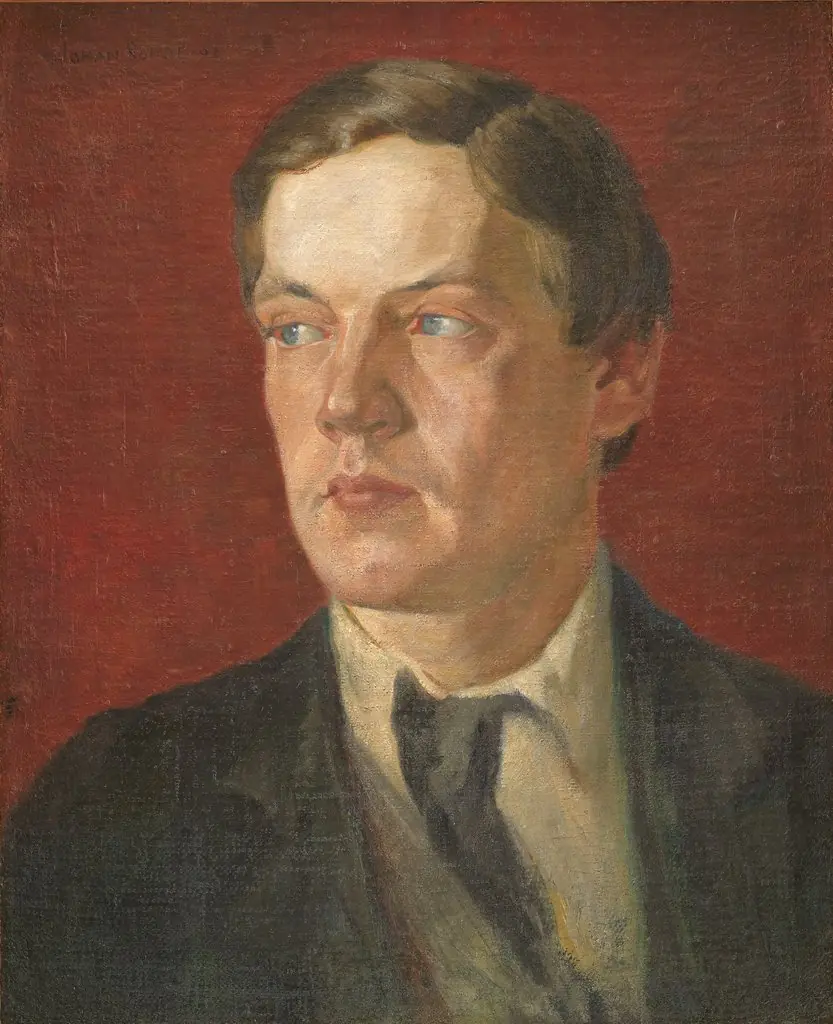 Portræt af den svenske maler Gustaf Wolmar
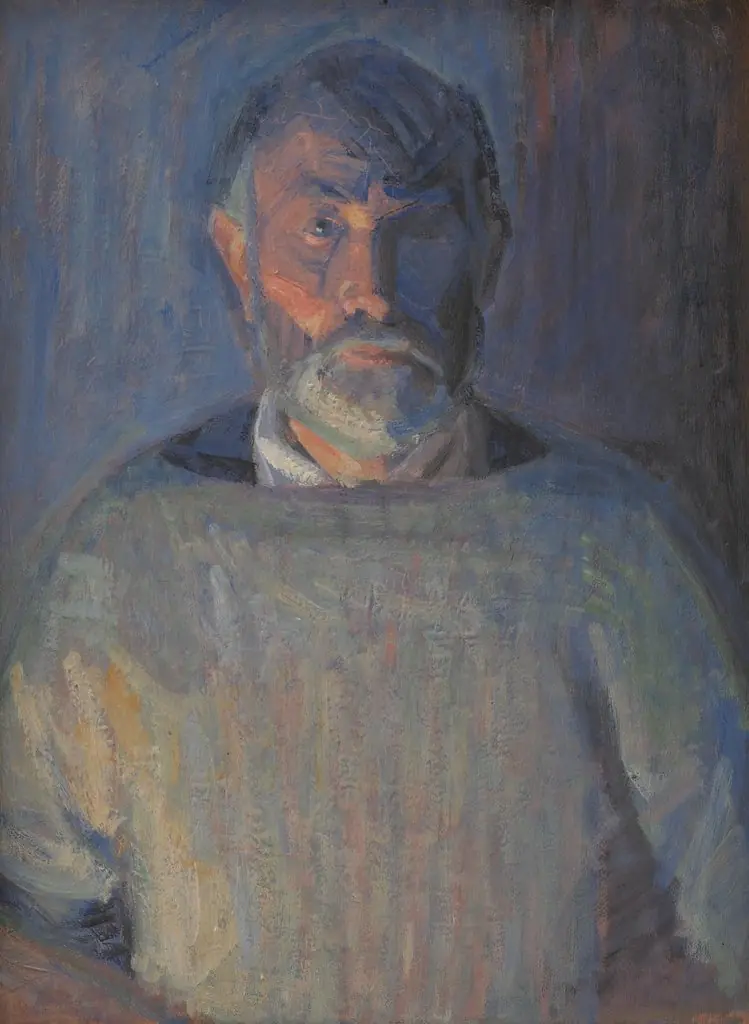 Portrait of the Artist. Lamplight
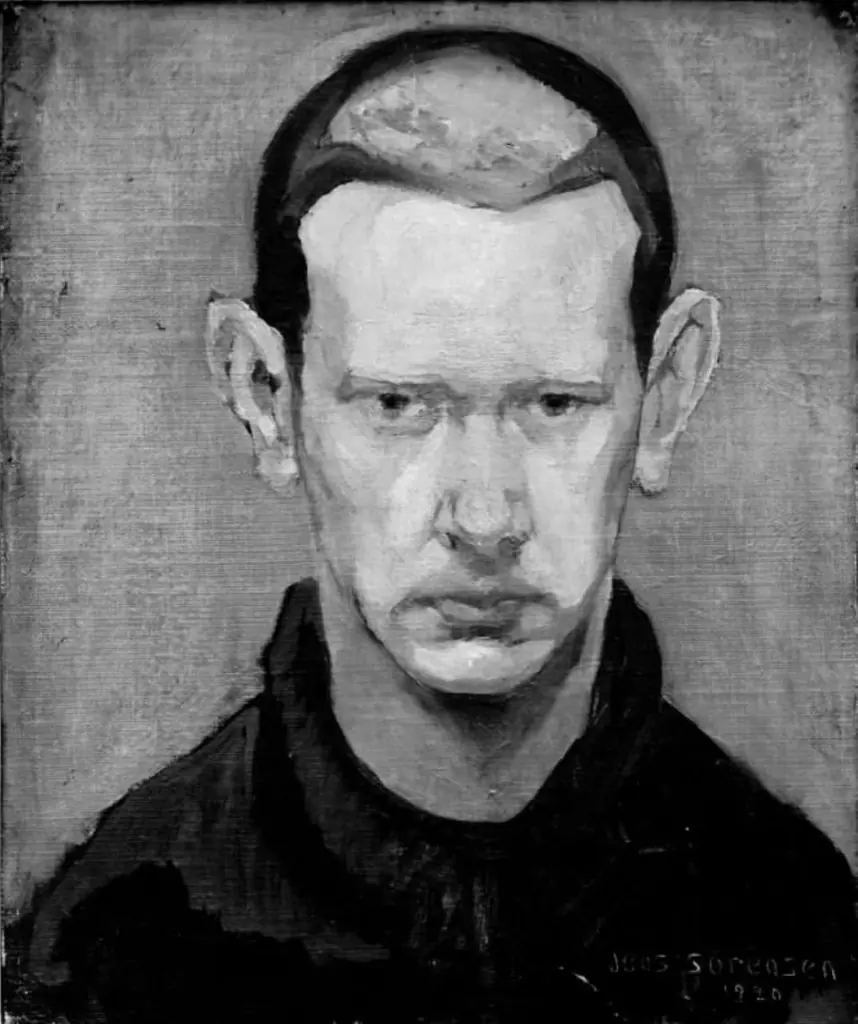 Self-Portrait
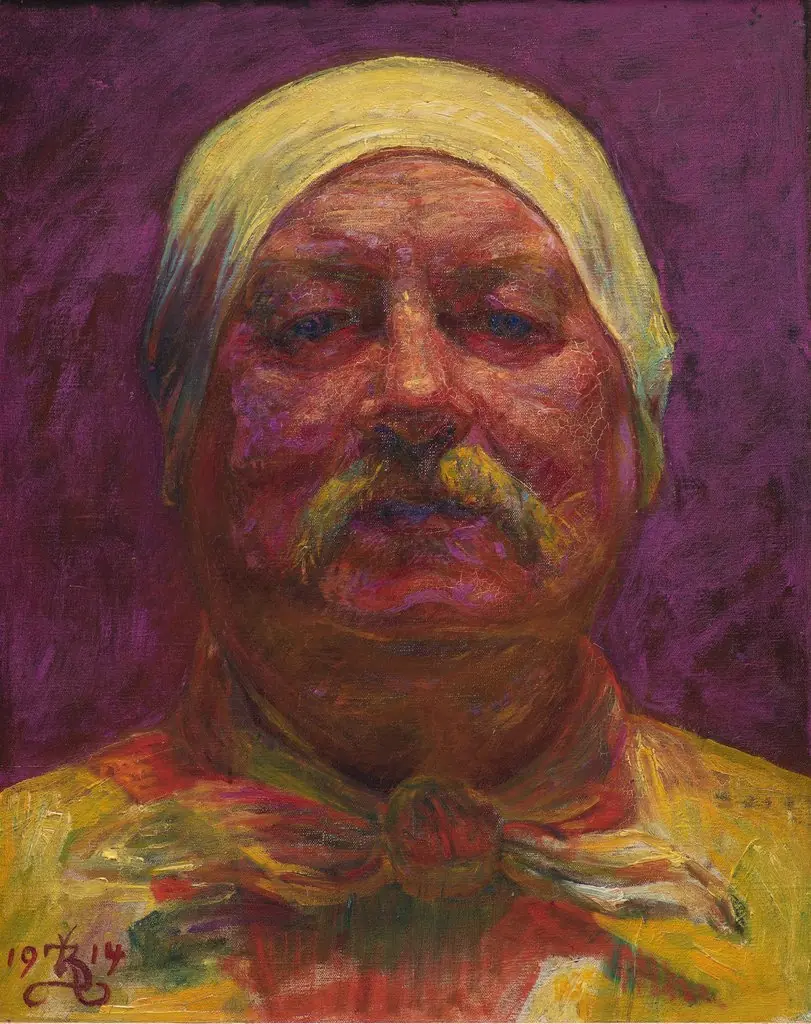 Self-portrait by Lamplight
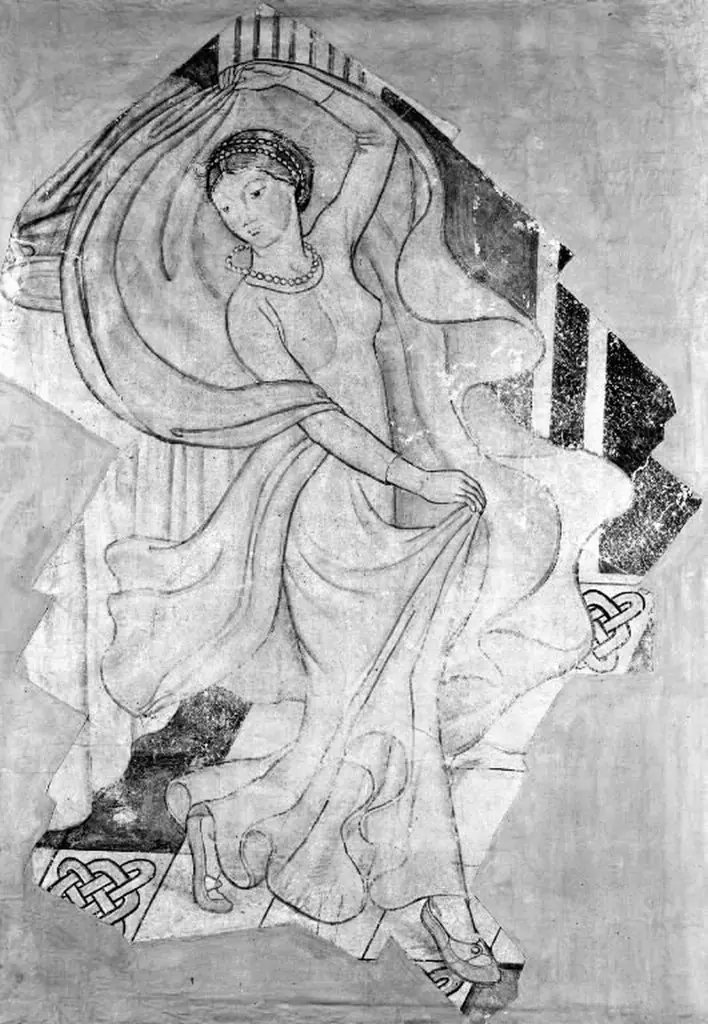 Salome
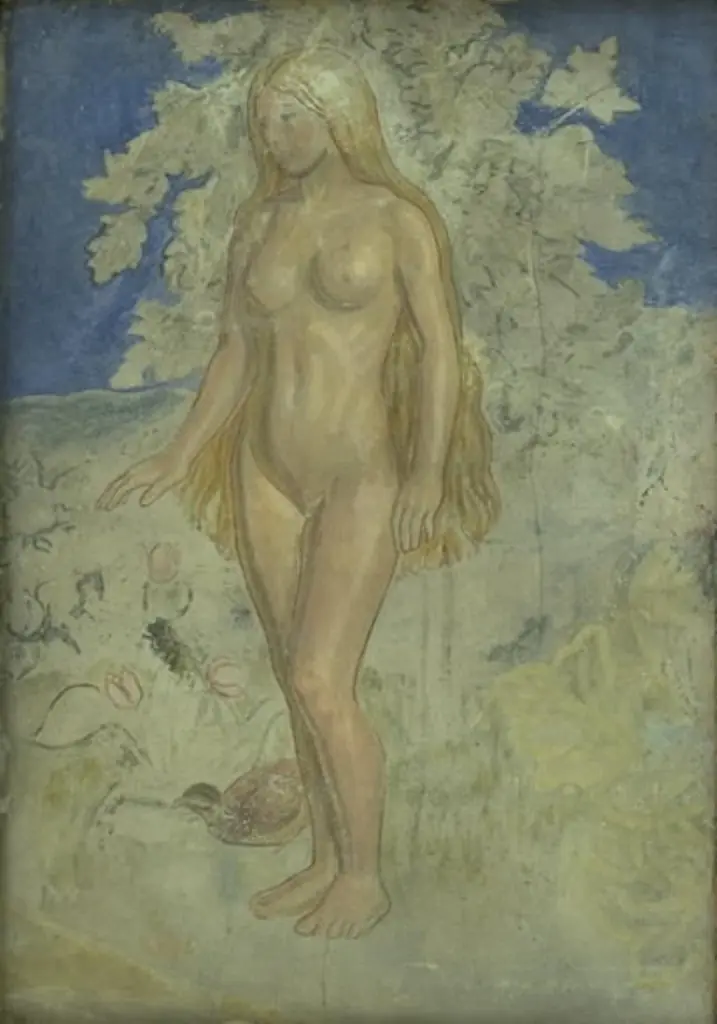 Eva
Eva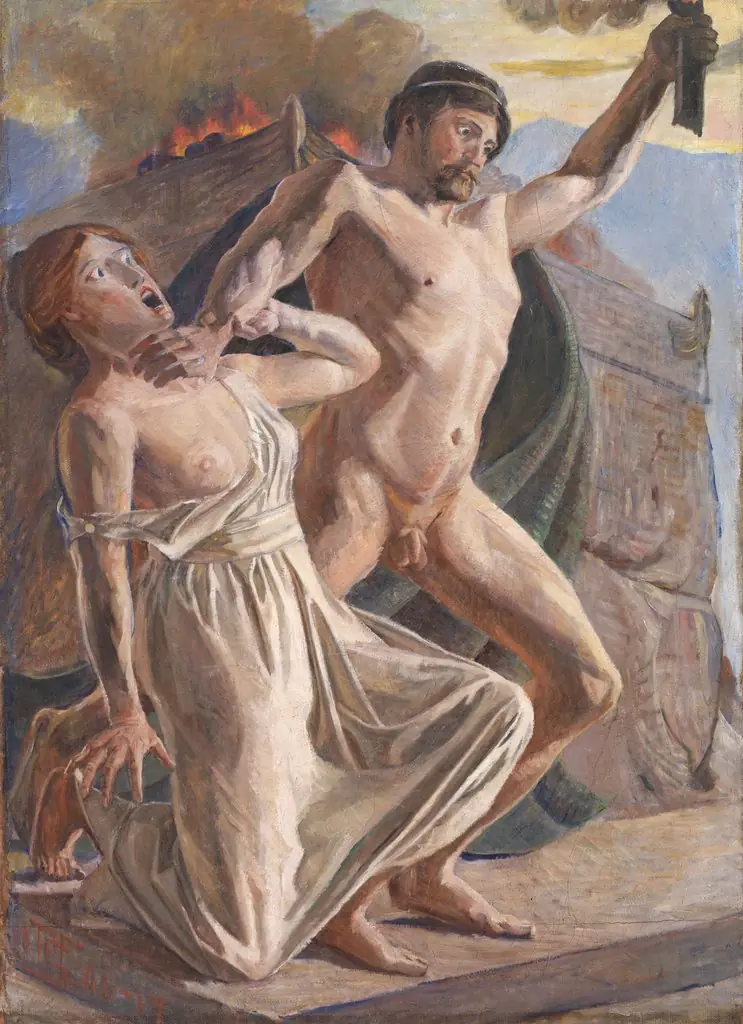 Prometheus raner ilden
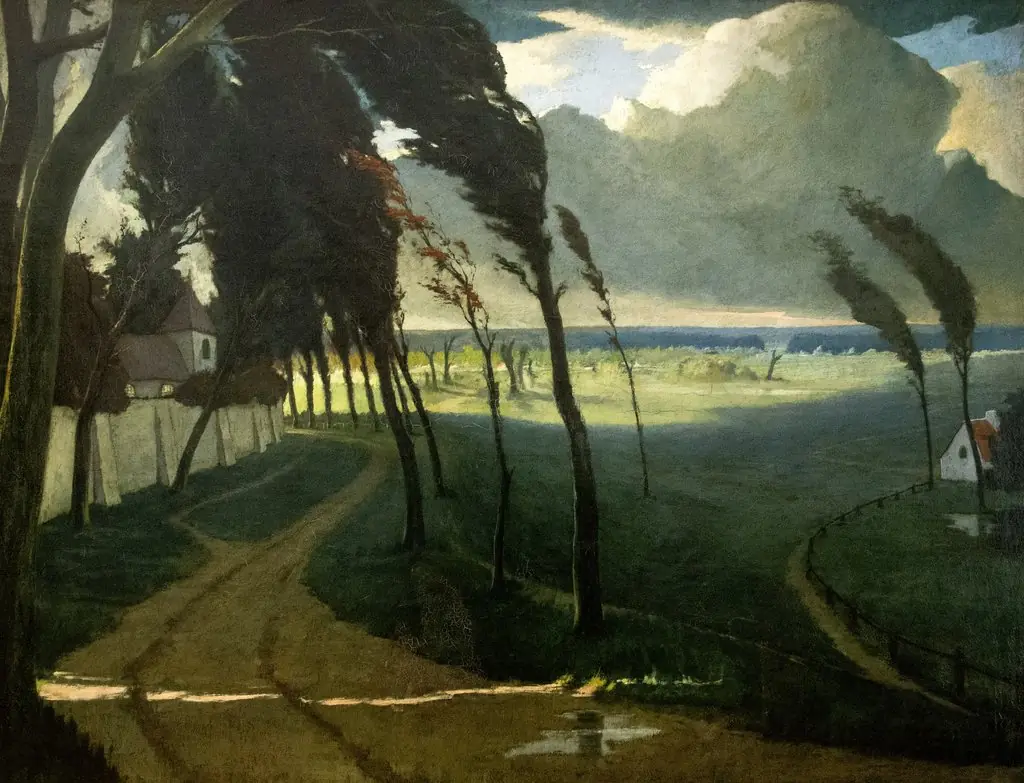 Storm
Storm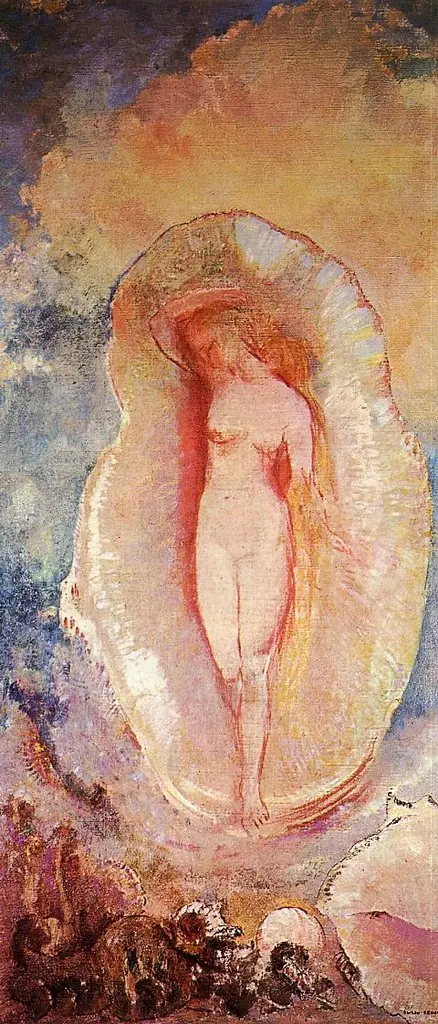 The Birth of Venus
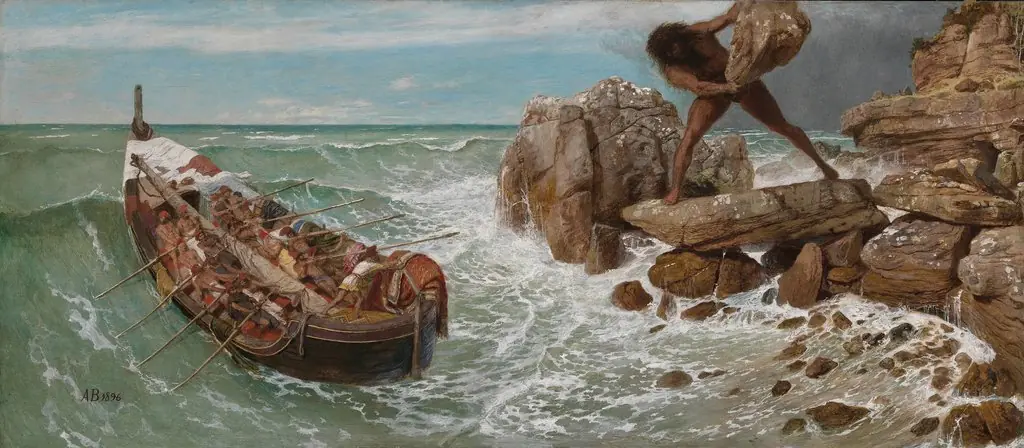 Odysseus and Polyphemus
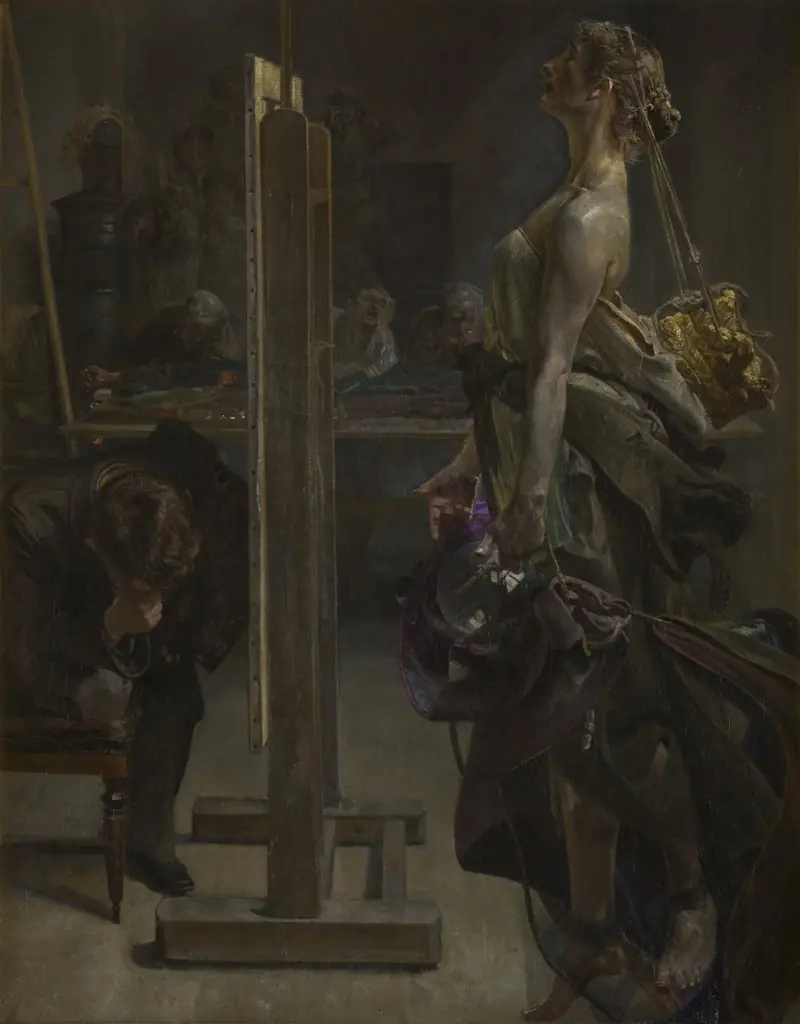 Painter's inspiration
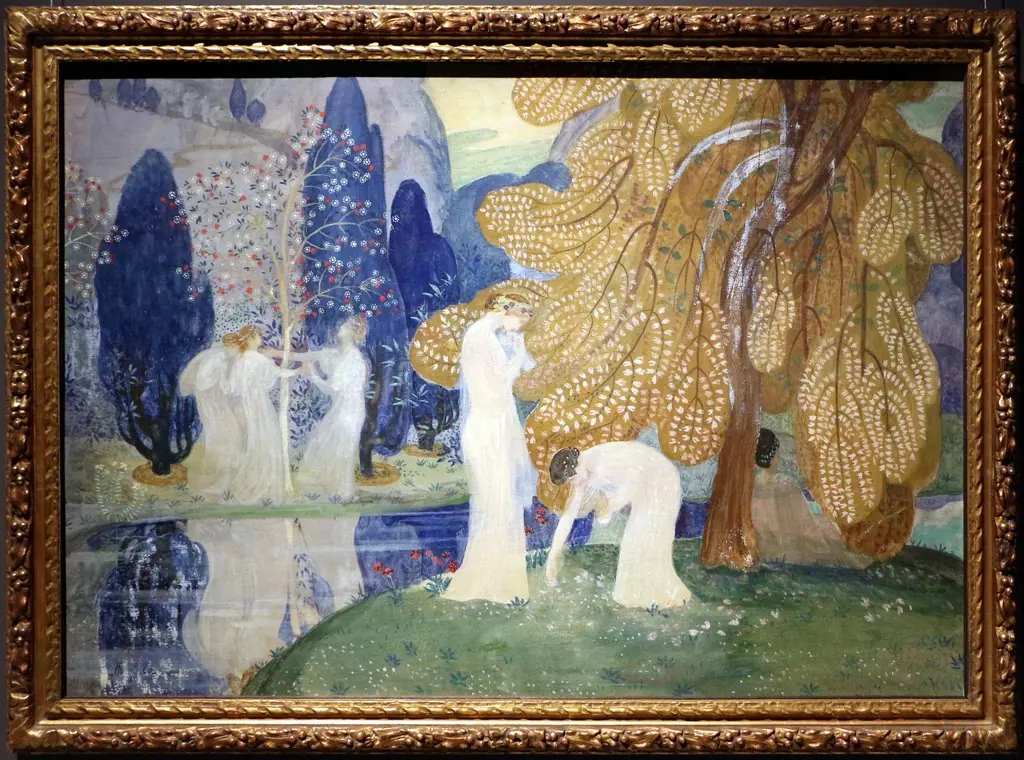 Dancing Nymphs
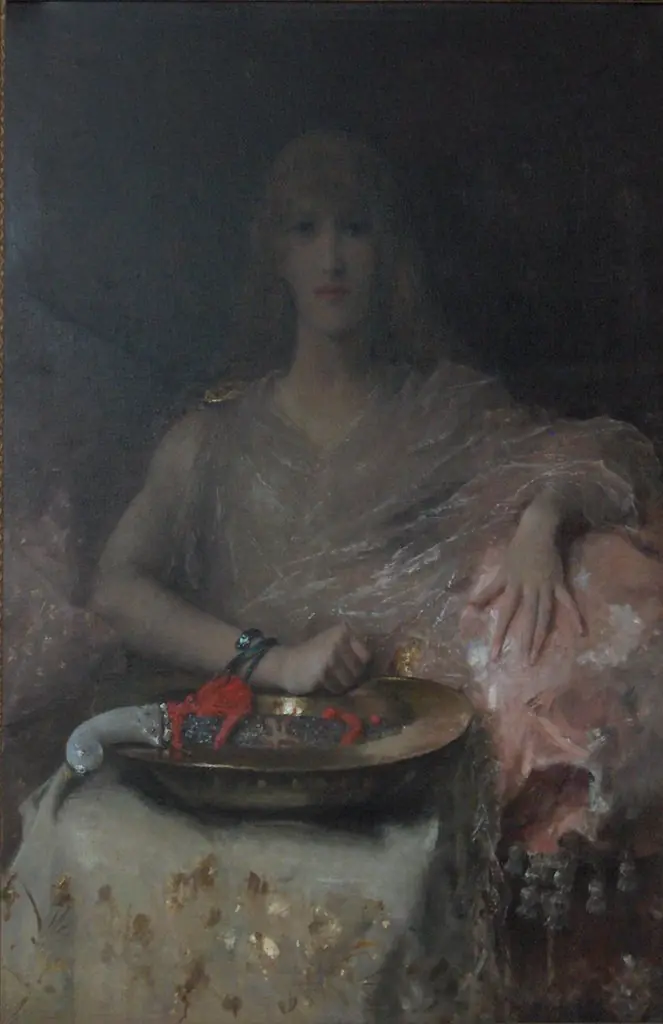 Salomé
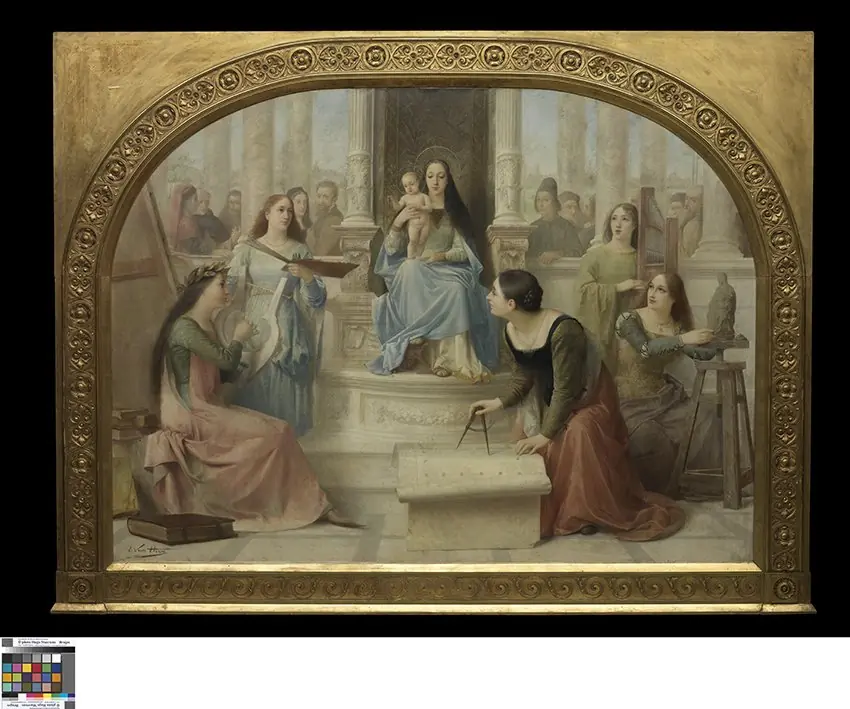 The Virgin inspires the Arts
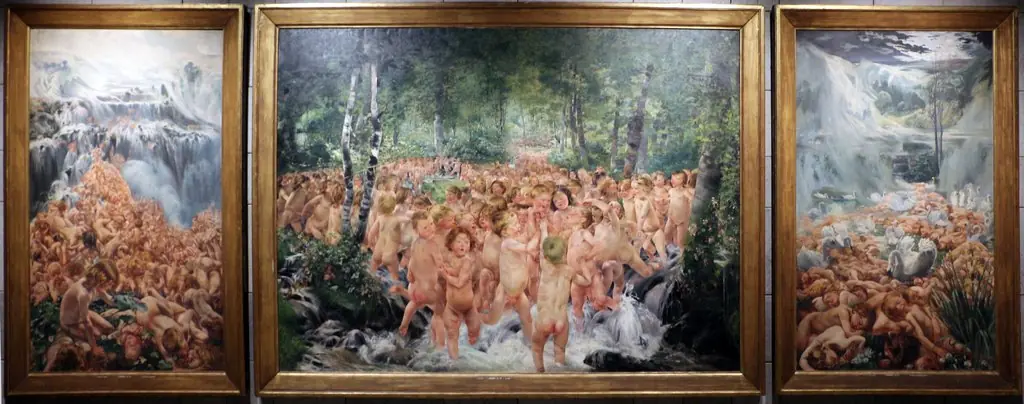 The Stream
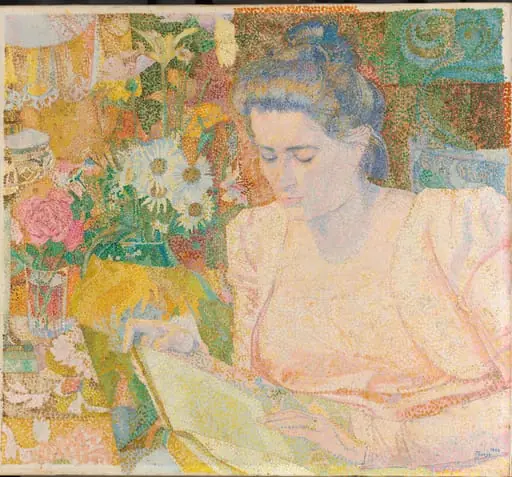 Portrait of Marie Jeanette de Lange
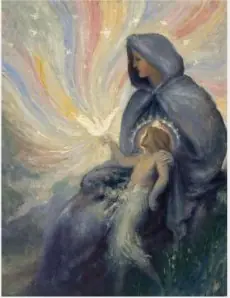 The Virgin and Child
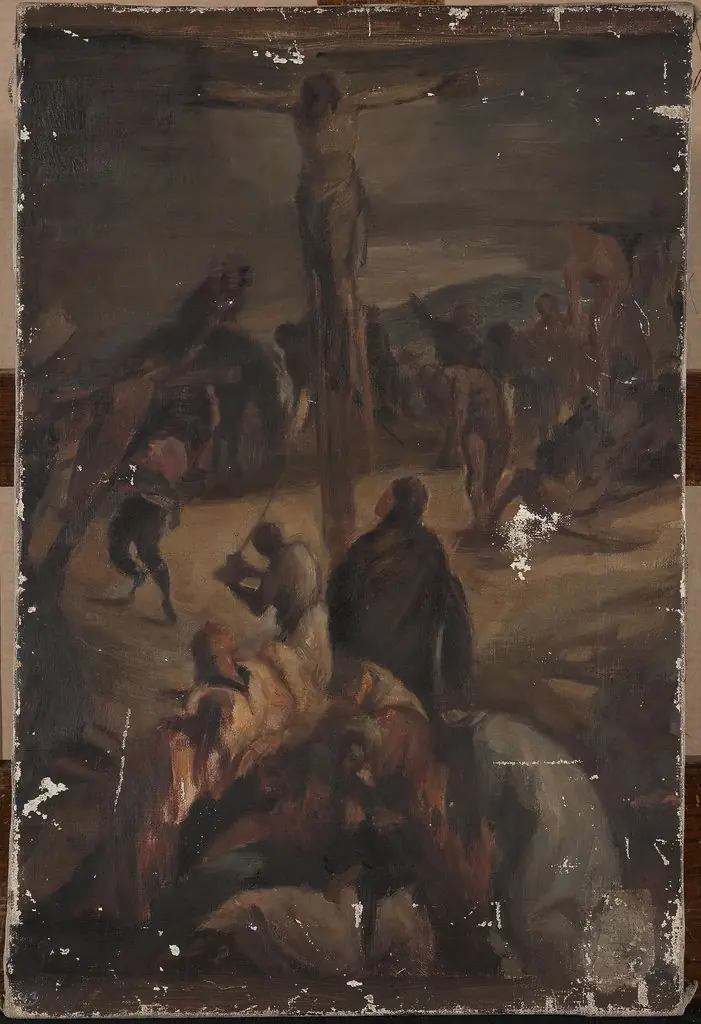 Golgotha
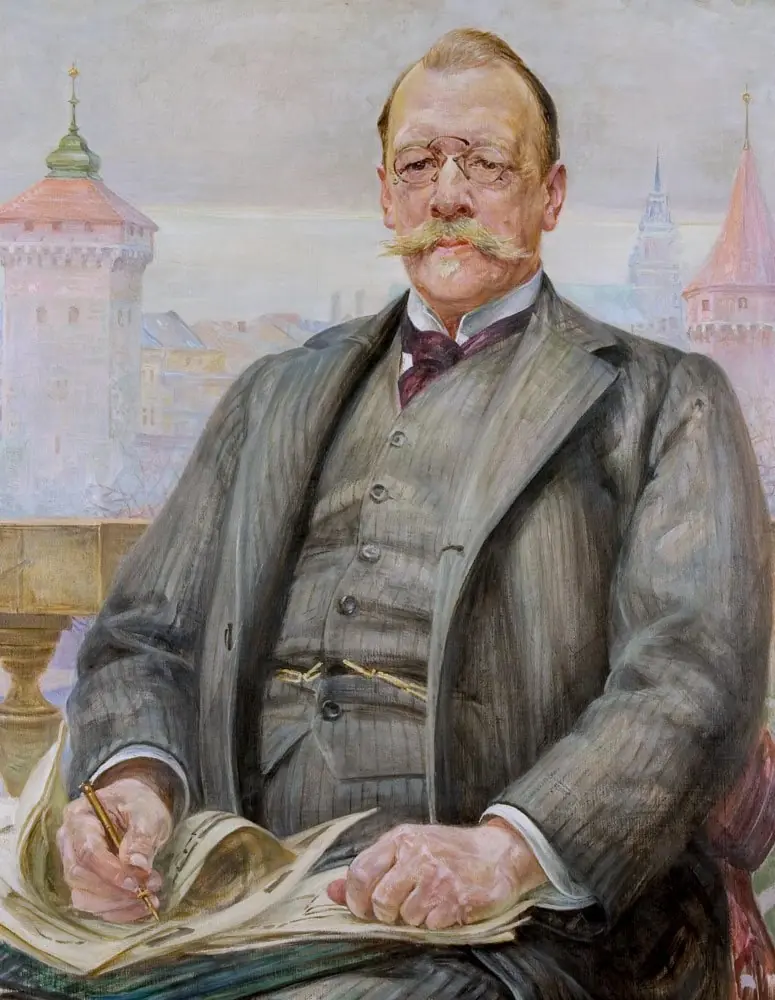 Portret Stanisława Tomkowicza
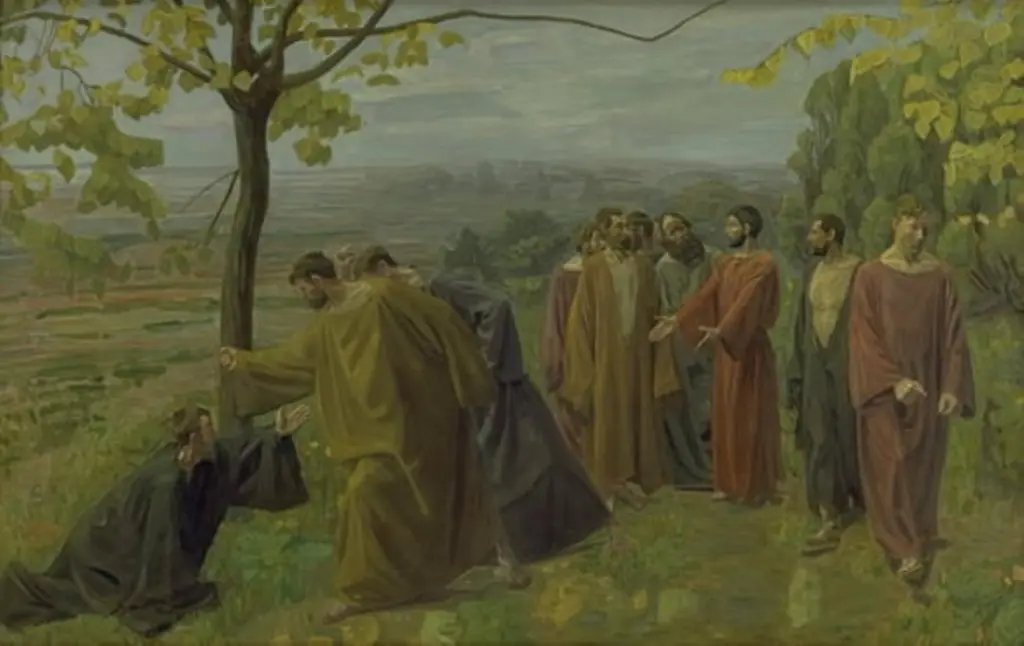 The Blind Man at the Wayside Implores Jesus to Show Mercy
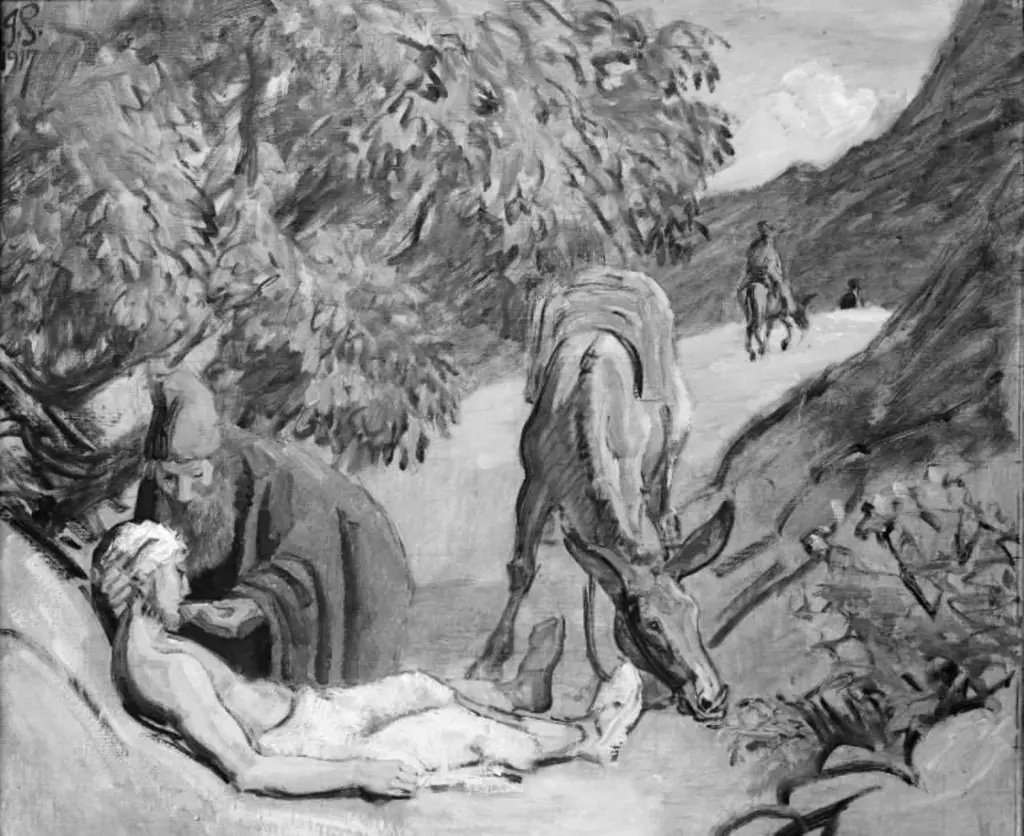 Den barmhjertige samaritan
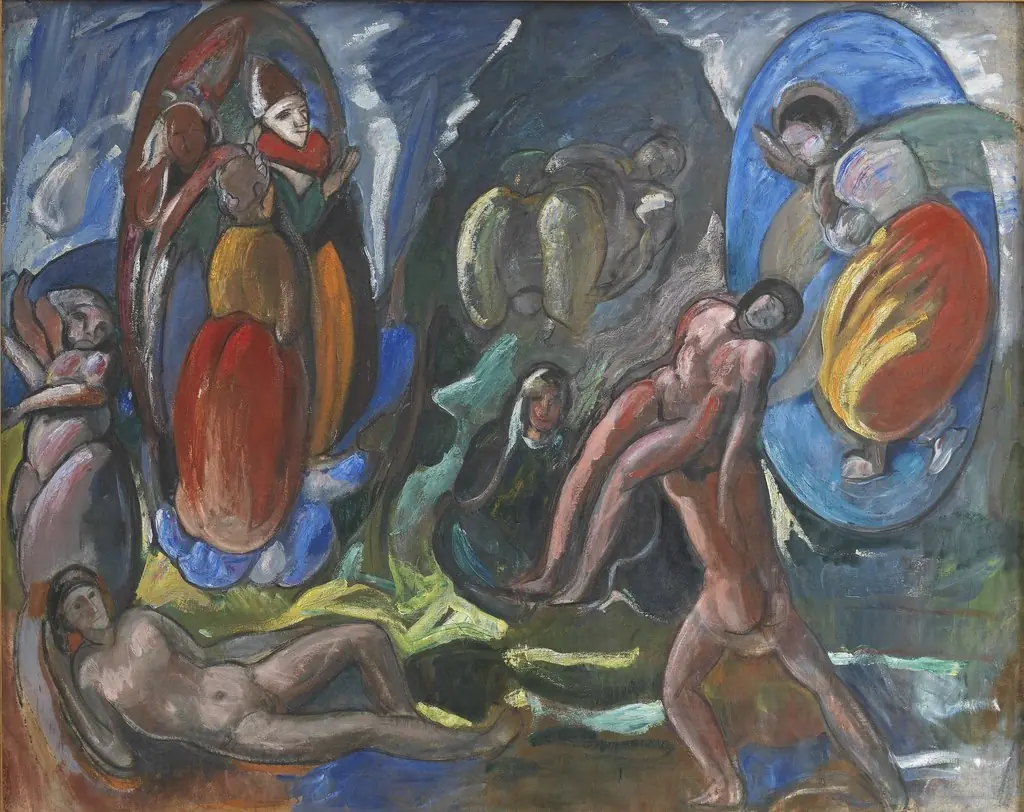 The Creation of Eve. Composition. Opus II
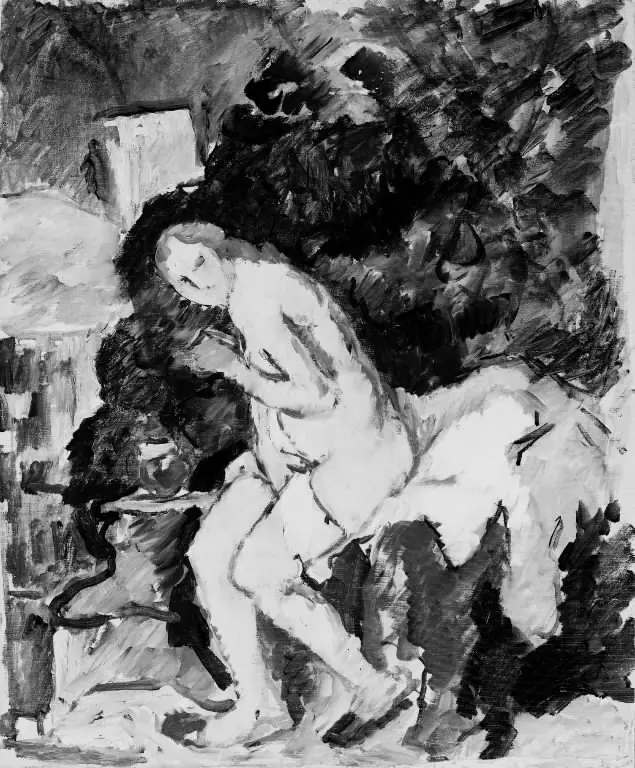 Susanna
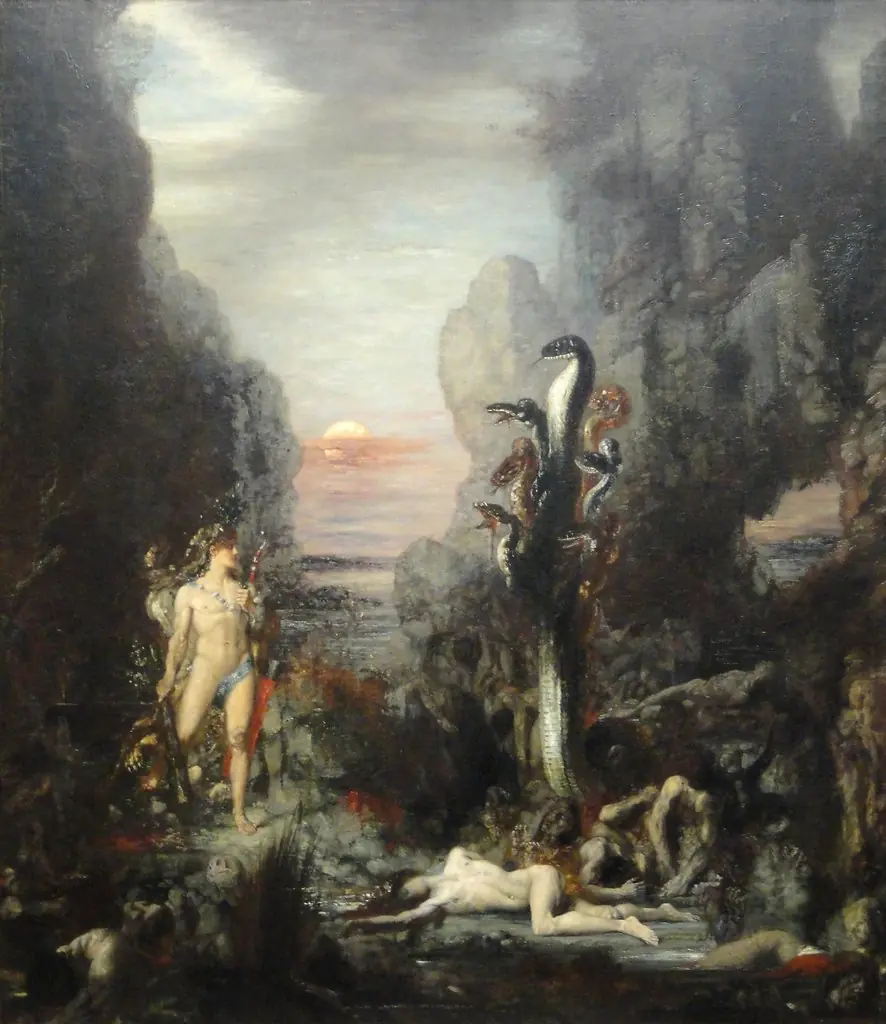 Hercules and the Lernaean Hydra
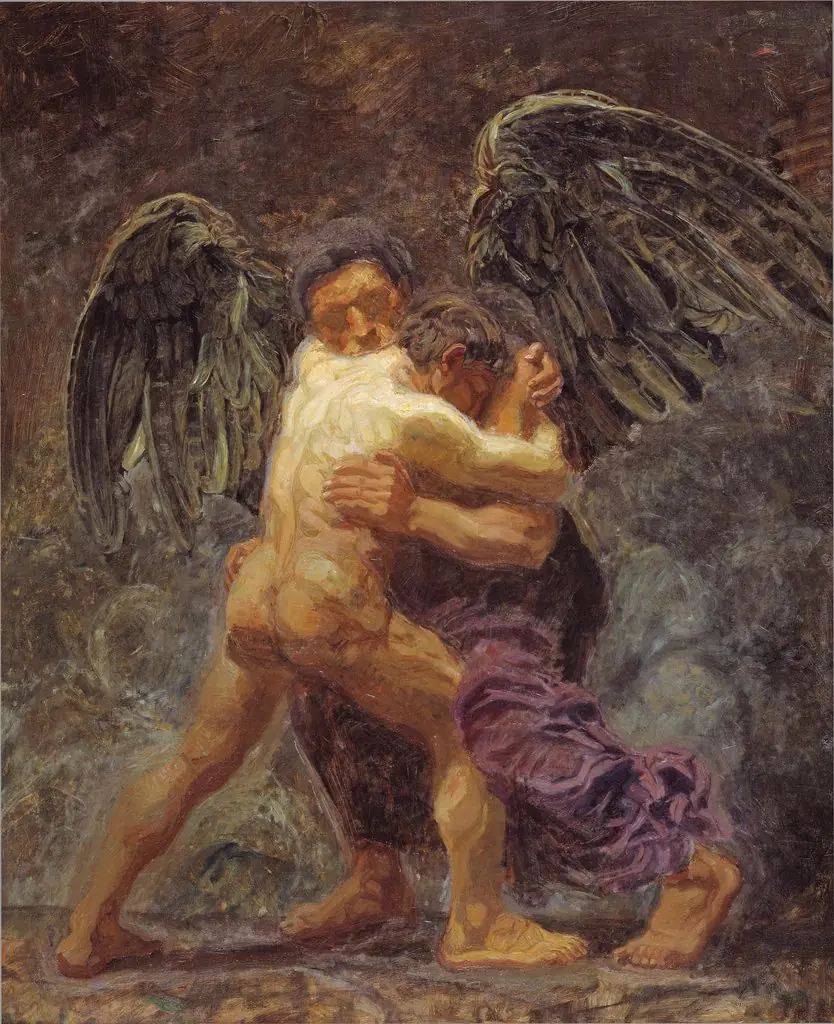 Jacob Wrestling with the Angel
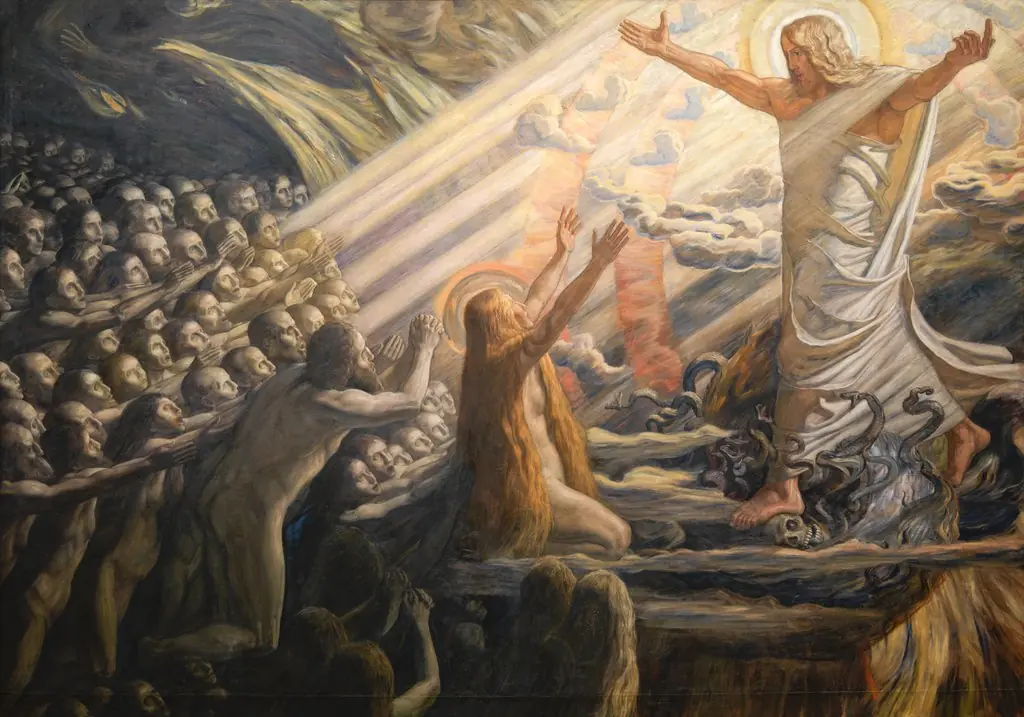 Christ in the Realm of the Dead
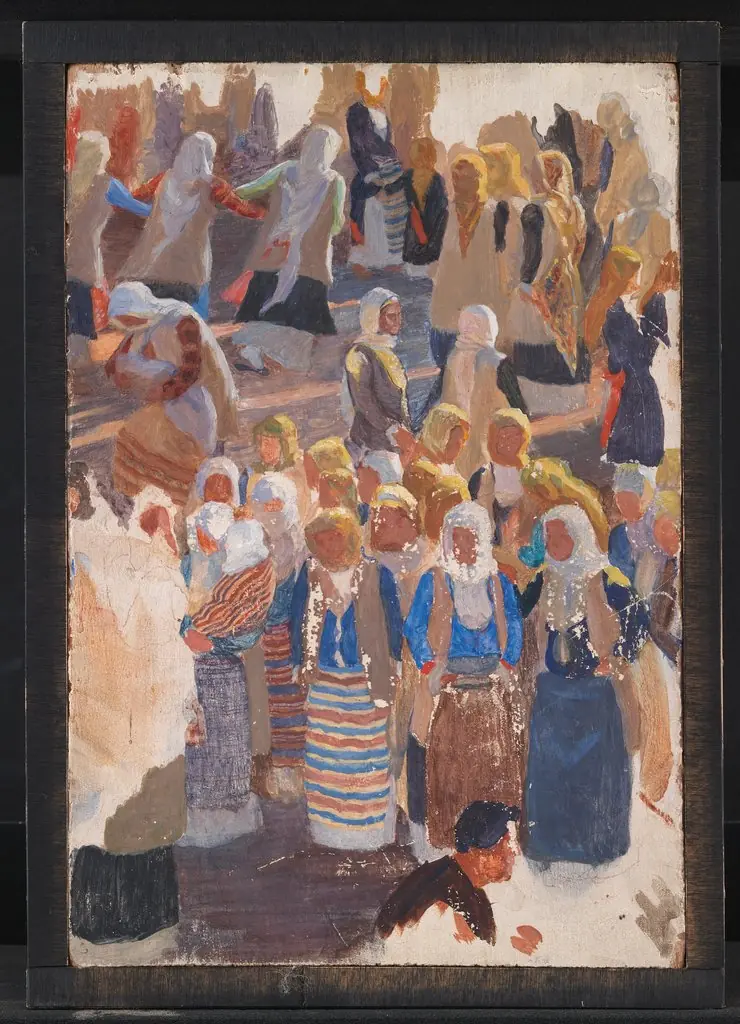 Grupper af dansende kvinder. Megara
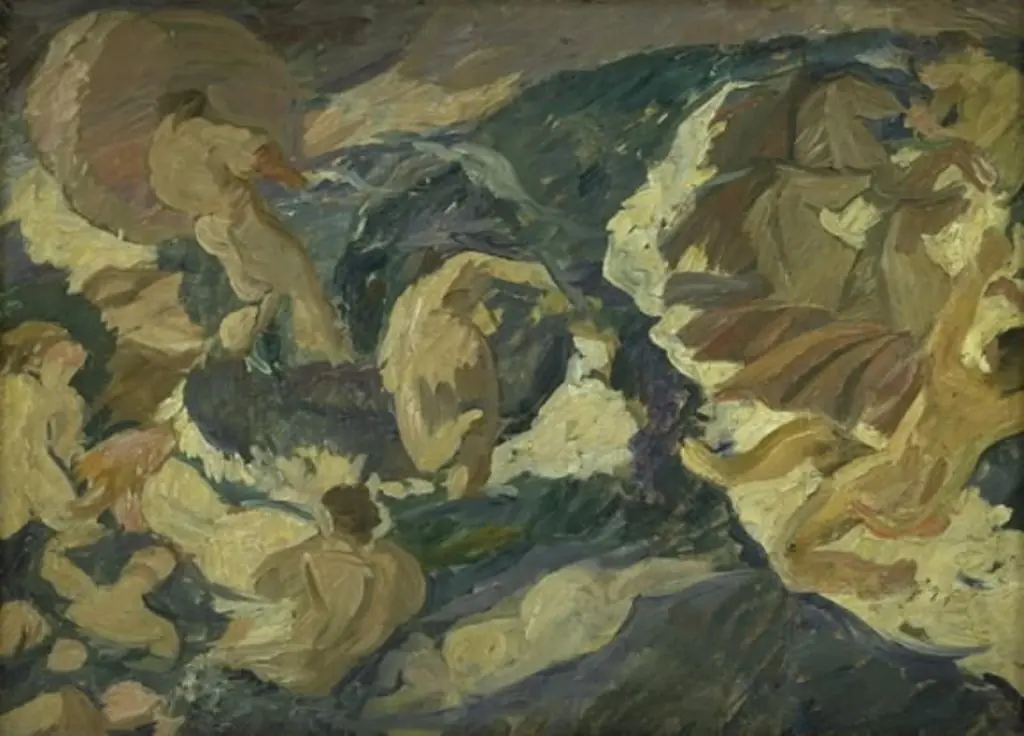 Poseidon Rushing over the Sea Surrounded by Nereids and Tritons
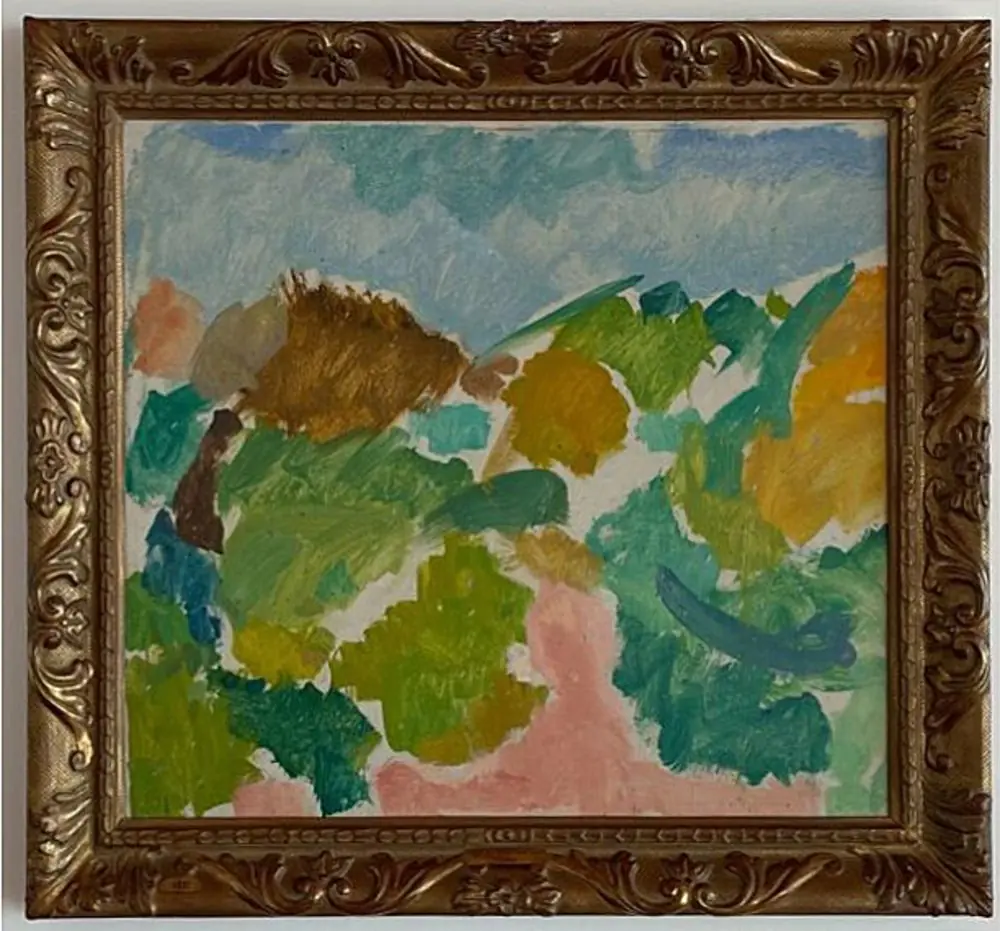 Landscape
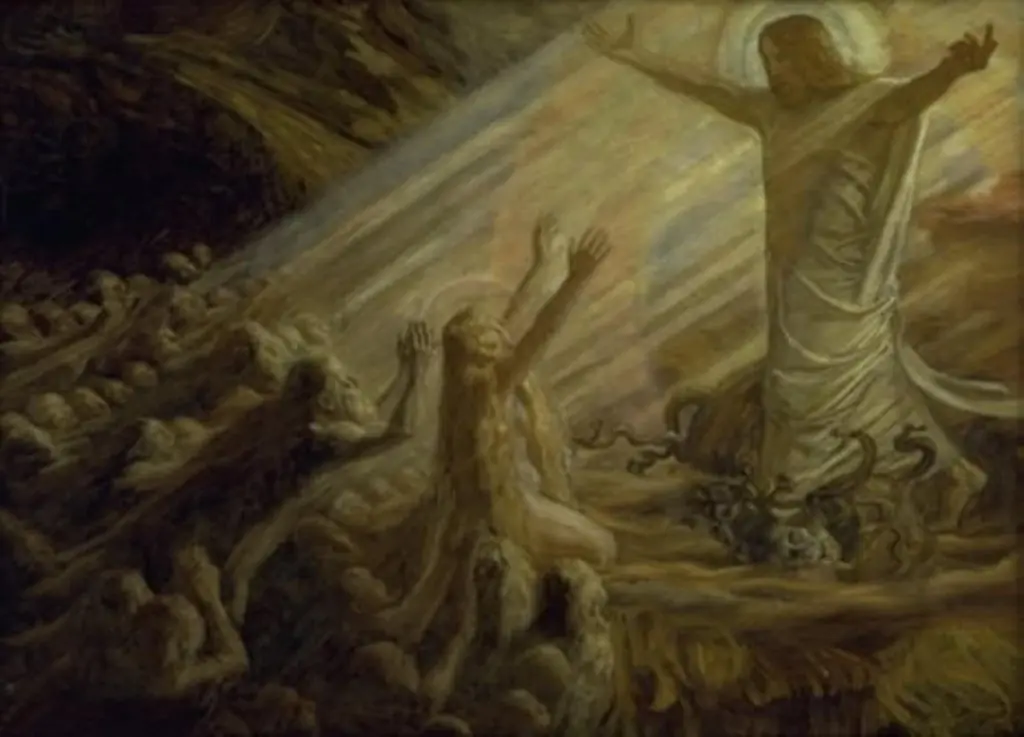 Christ in the Realm of the Dead. Study
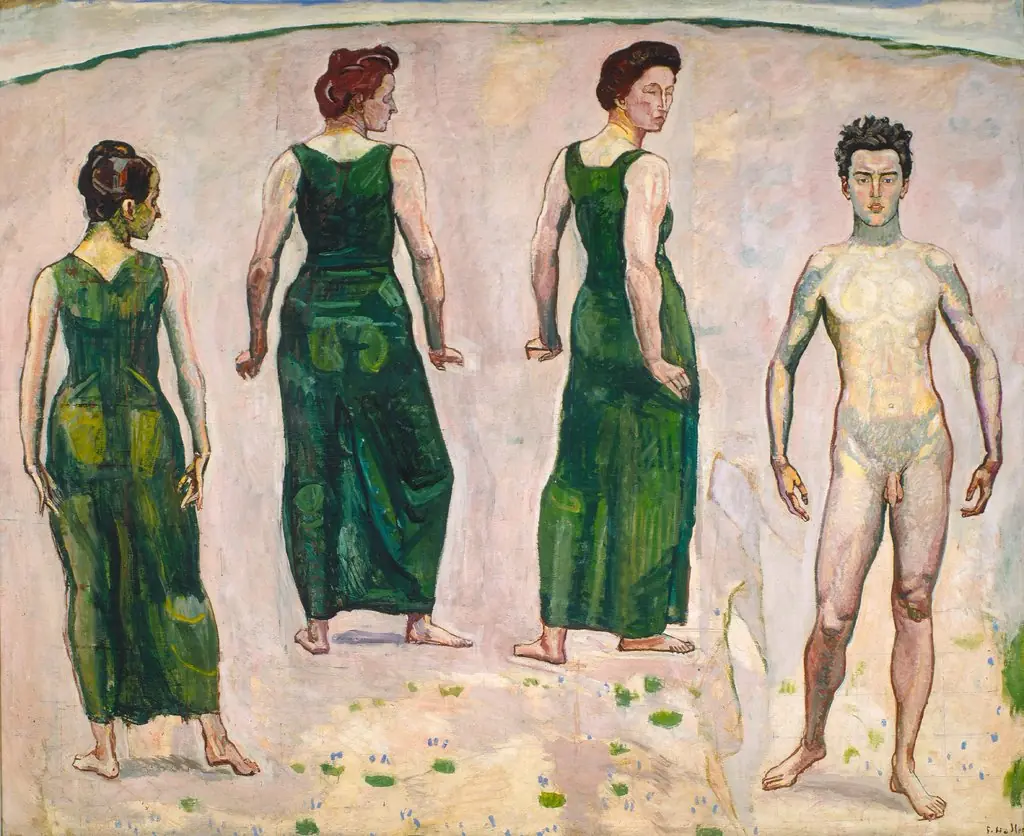 The Adored Youth
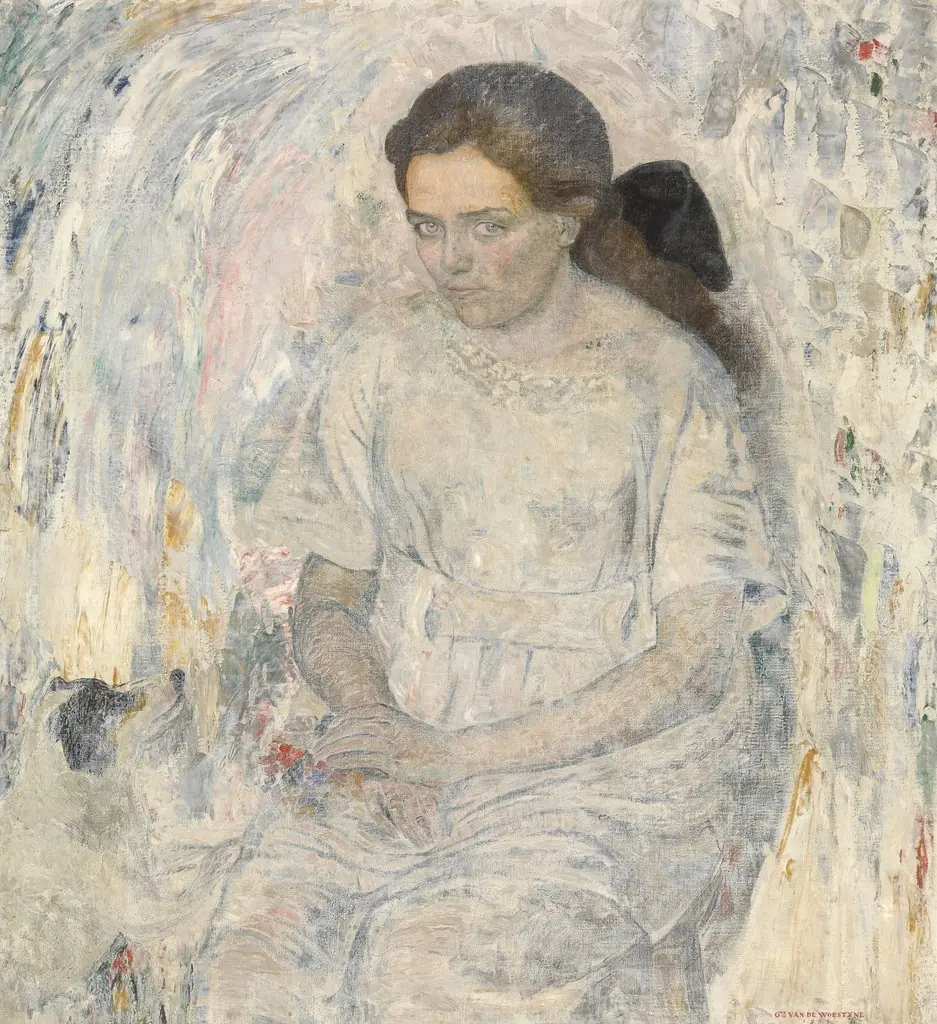 Adrienne
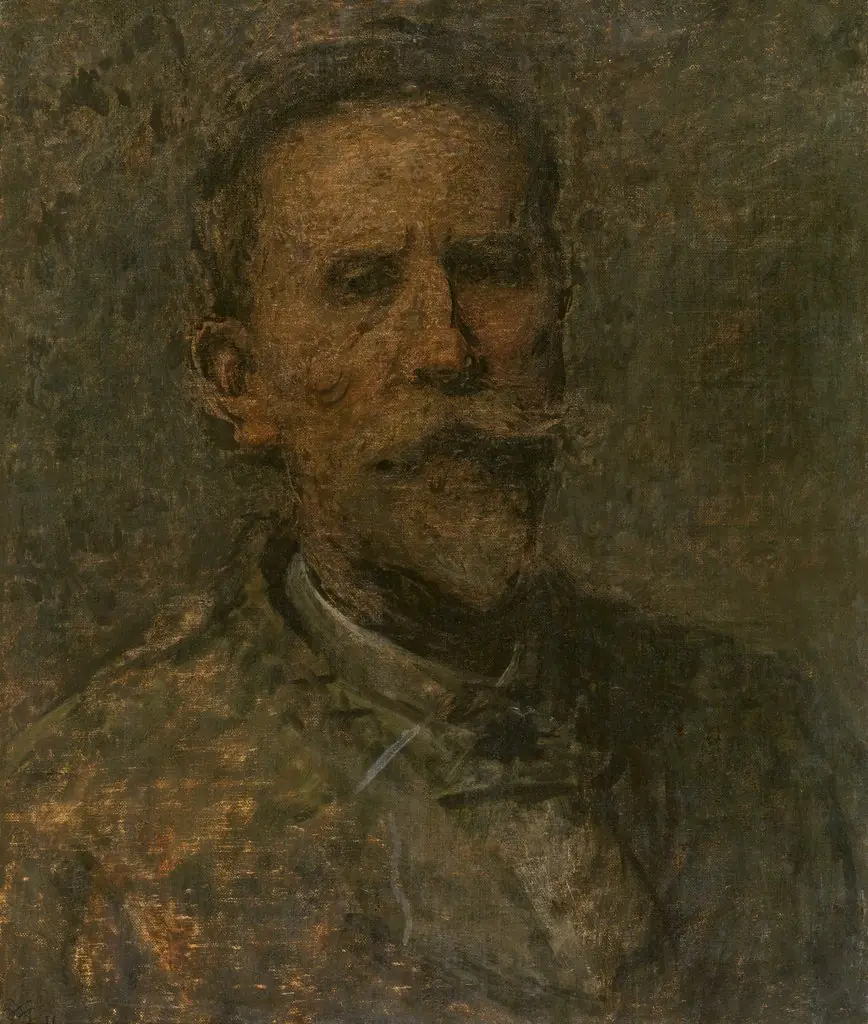 Self Portrait
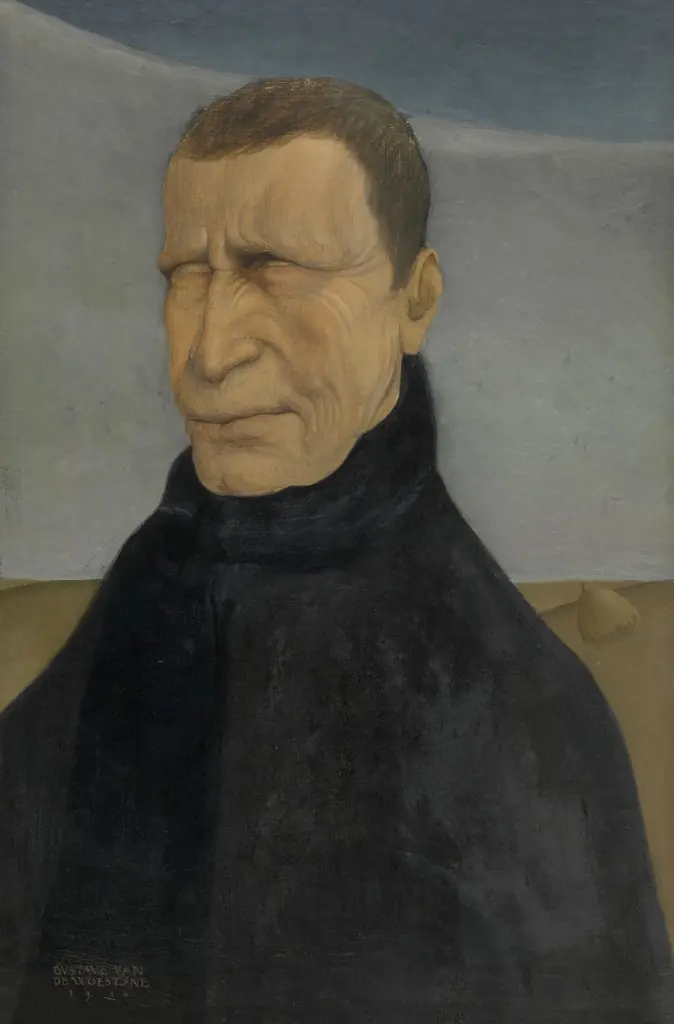 The blind man
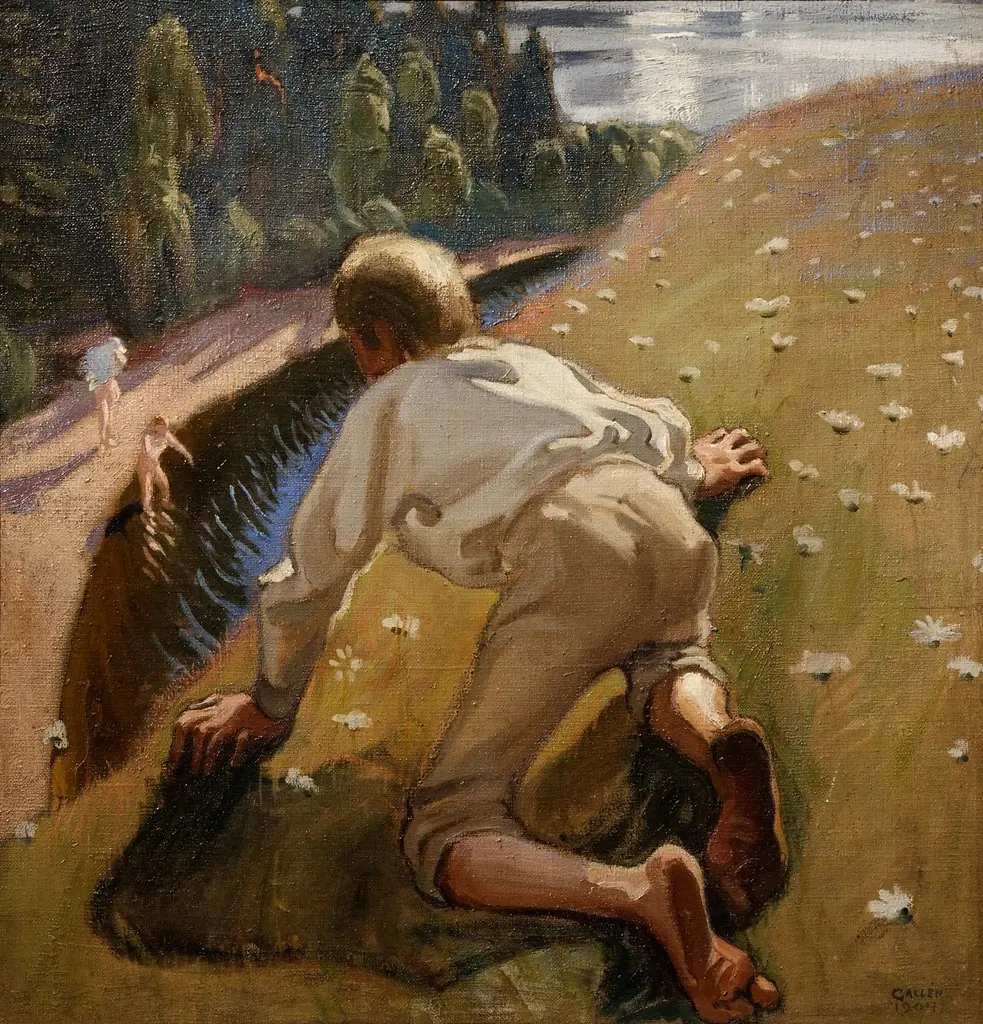 Young faun
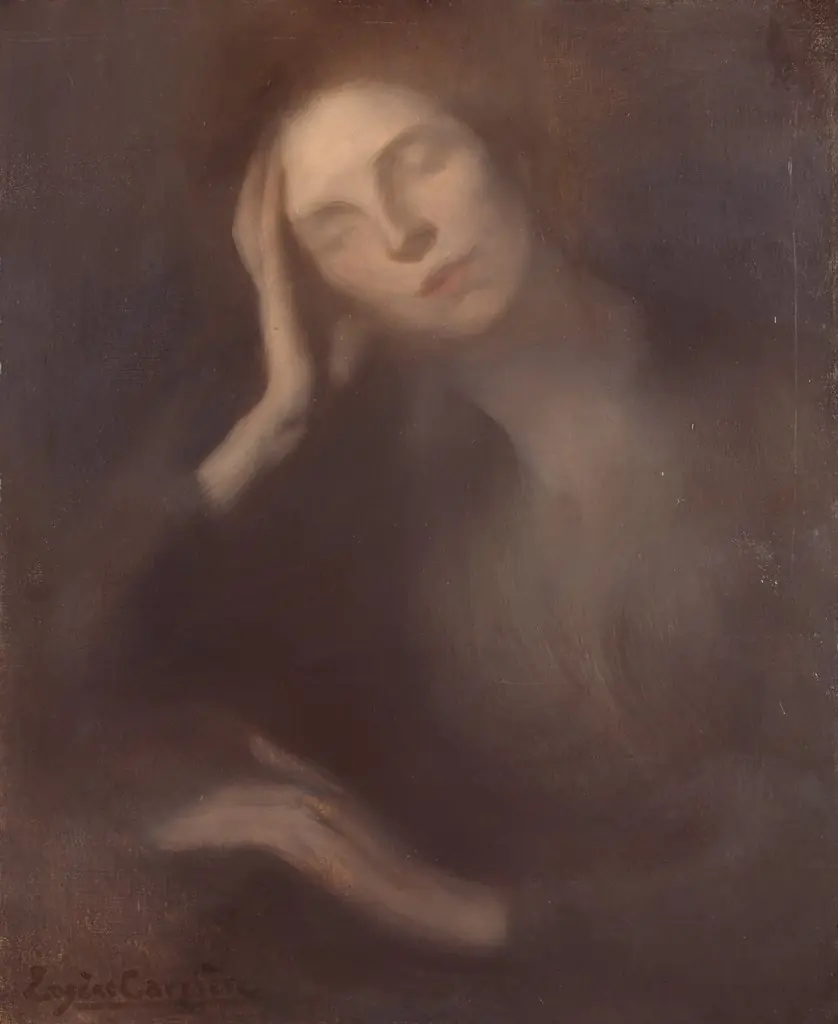 Woman Leaning on a Table
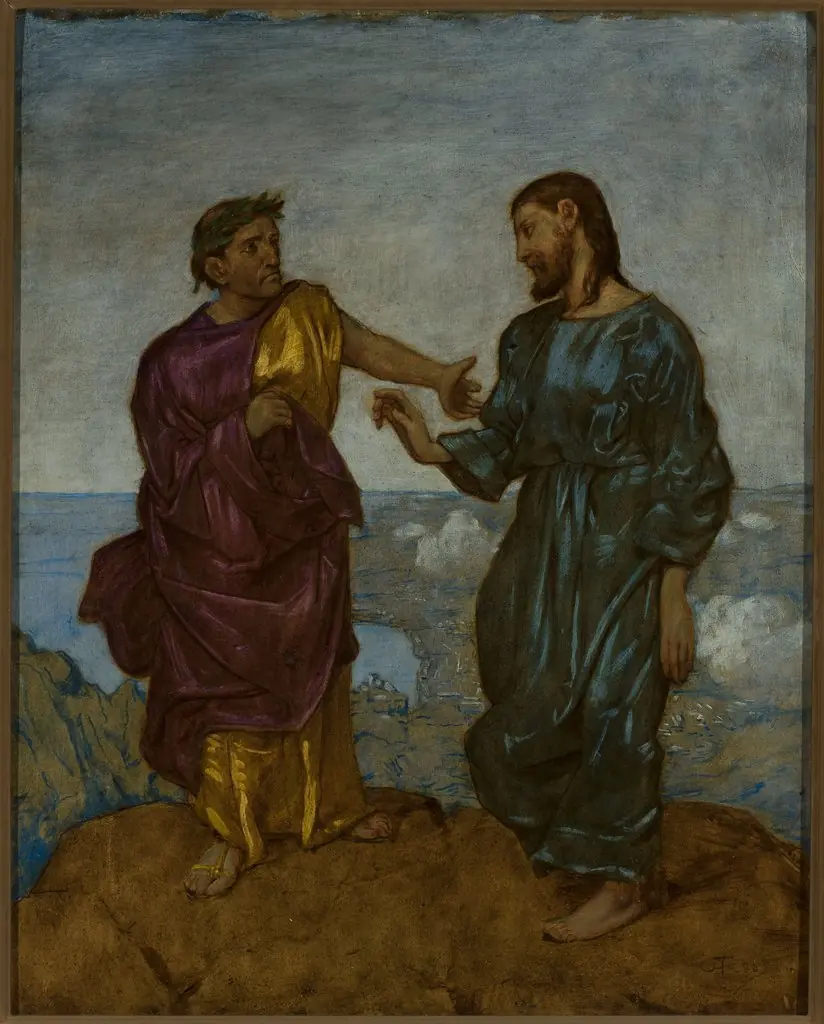 Temptation of Christ
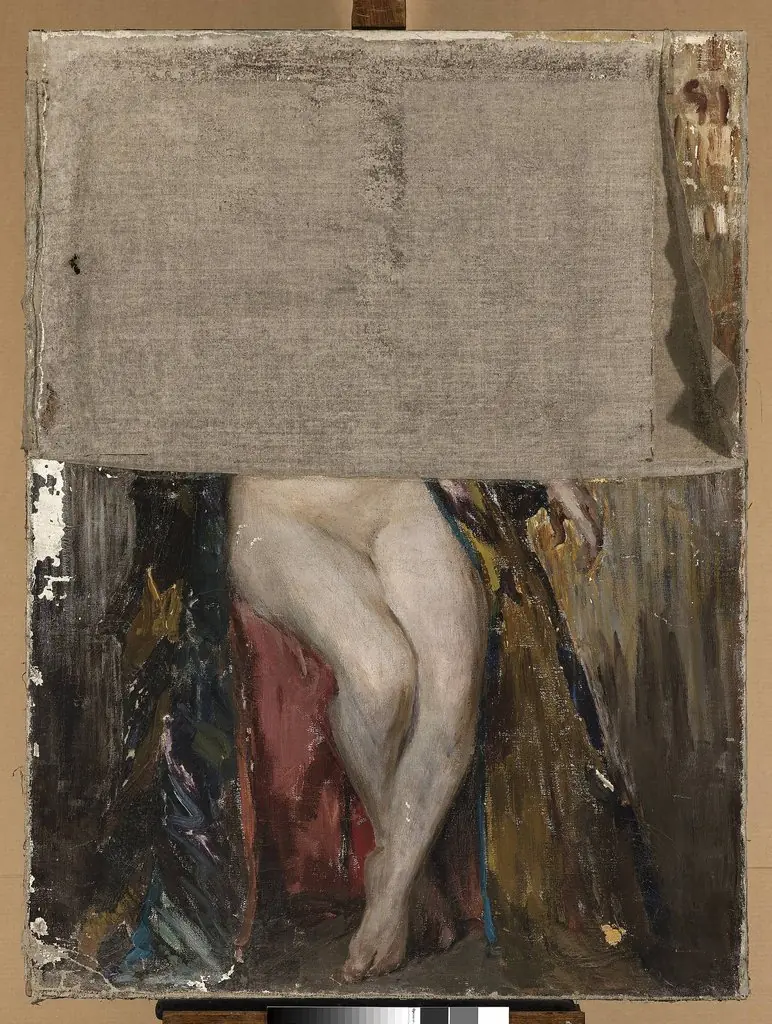 Lust – female nude
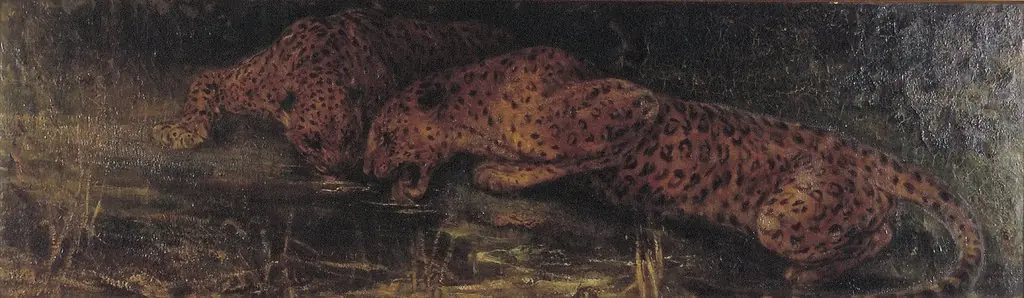 Two drinking panthers, called 'Thirst'
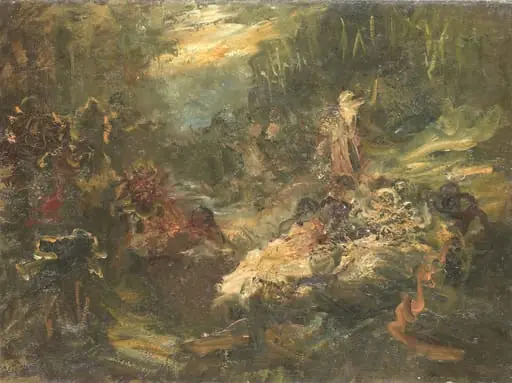 Untitled
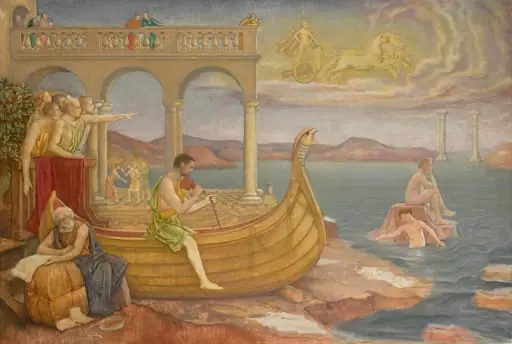 The Building of the 'Argo'
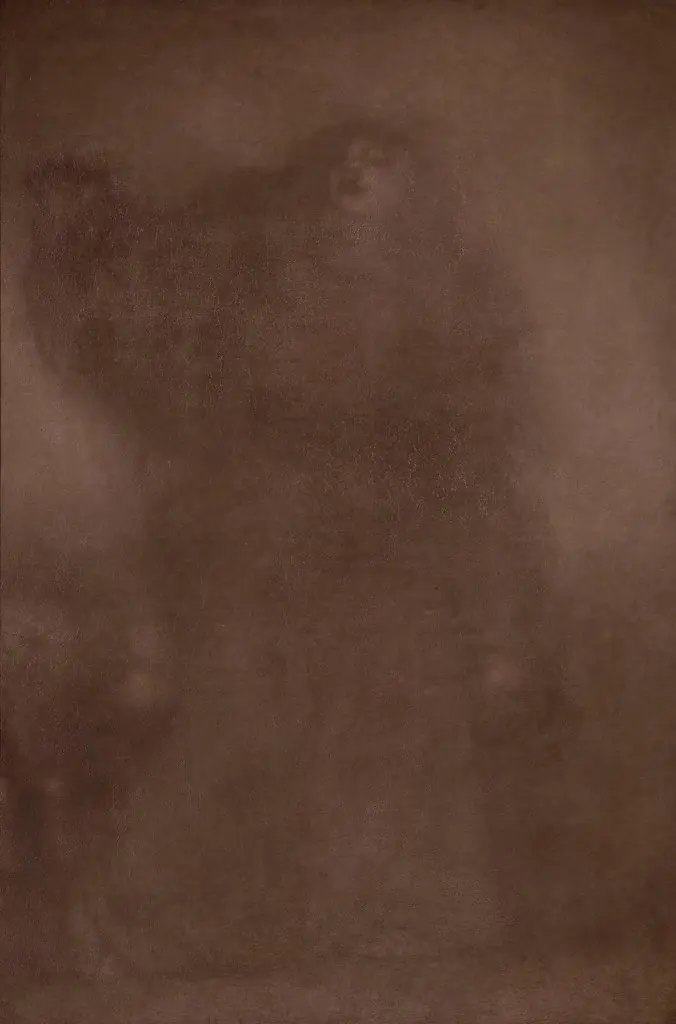 Shepherdess, known as ‘Monumental Conception of Humanity’
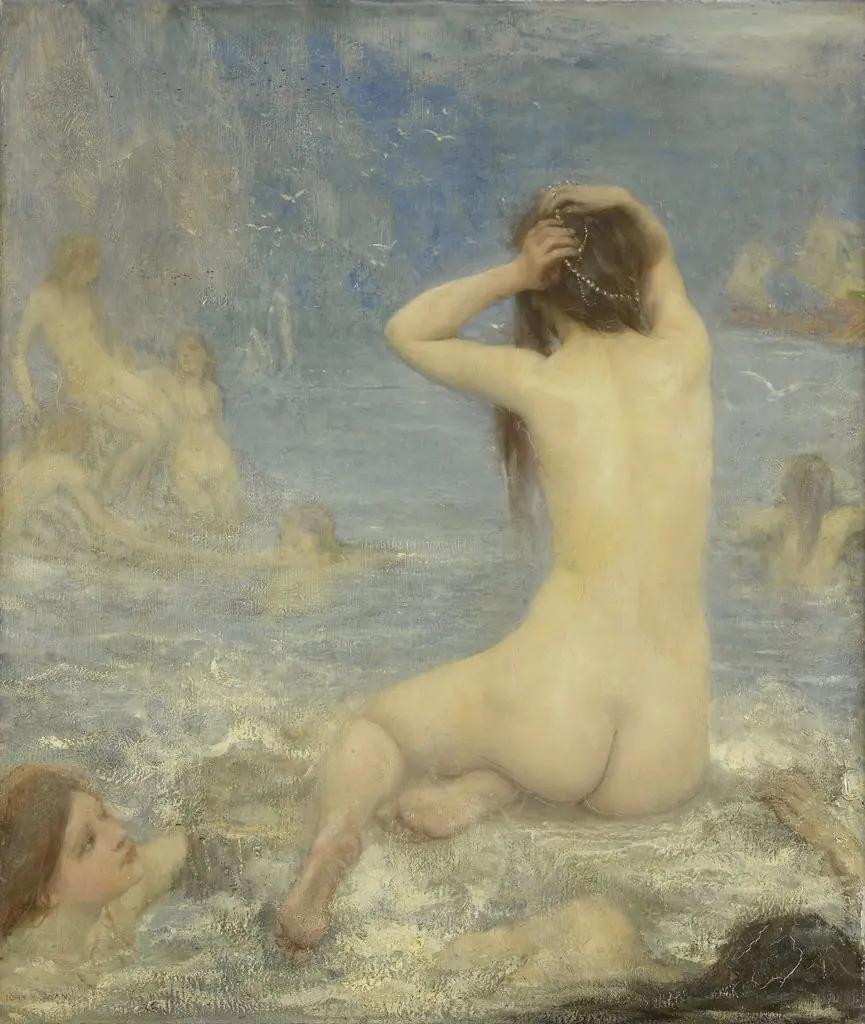 The Sirens
 Kop van een vrouw, genaamd 'A fair beauty'
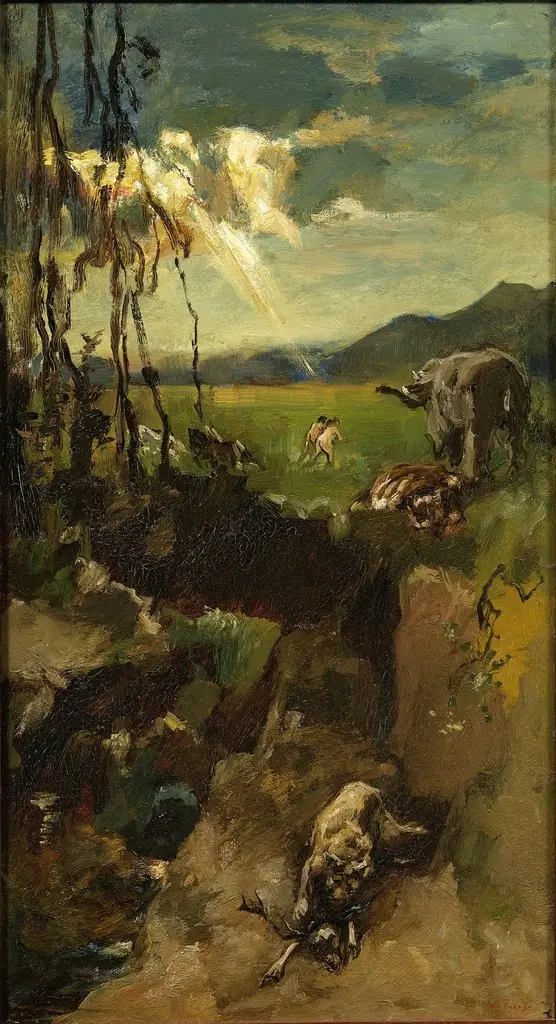 De verdrijving uit het paradijs
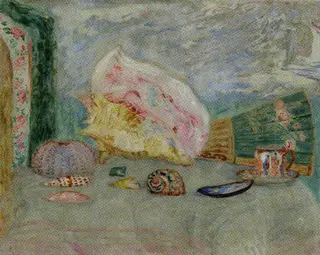 Still Life with Sea Shells
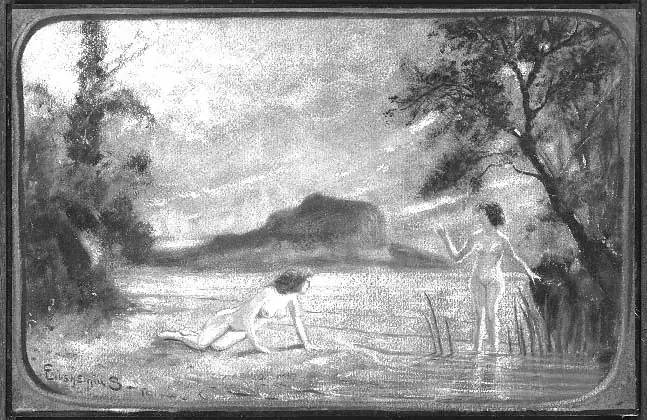 The Startled Nymphs
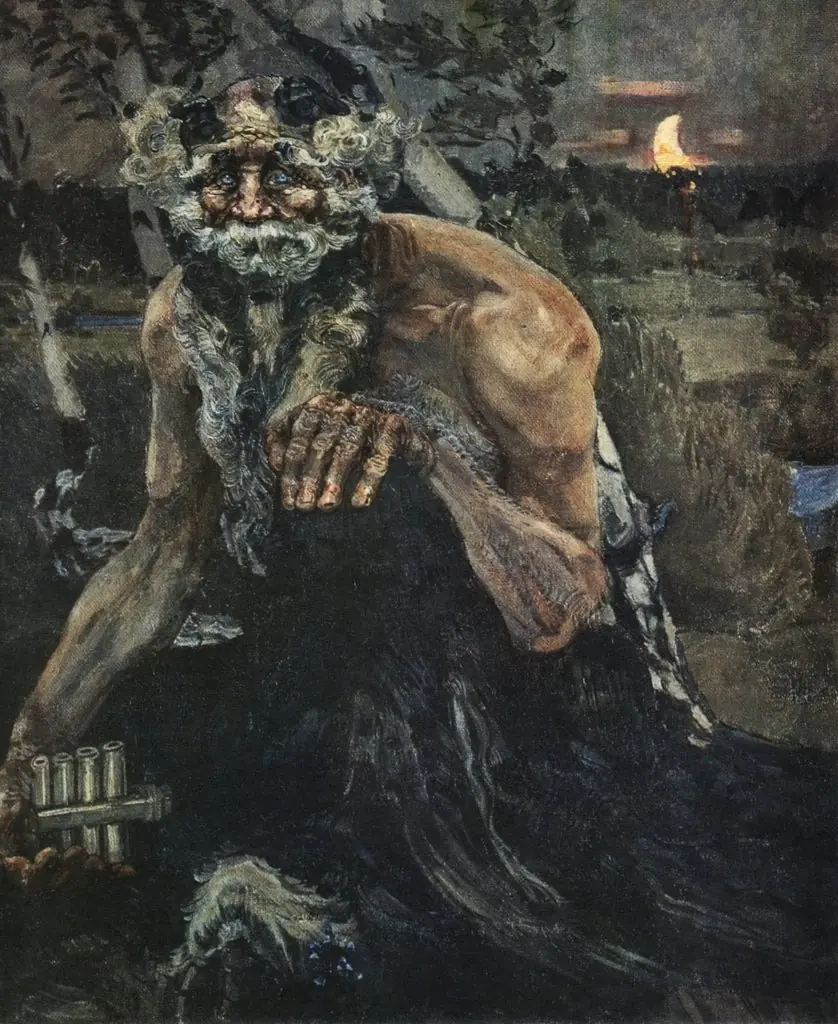 Pan
Pan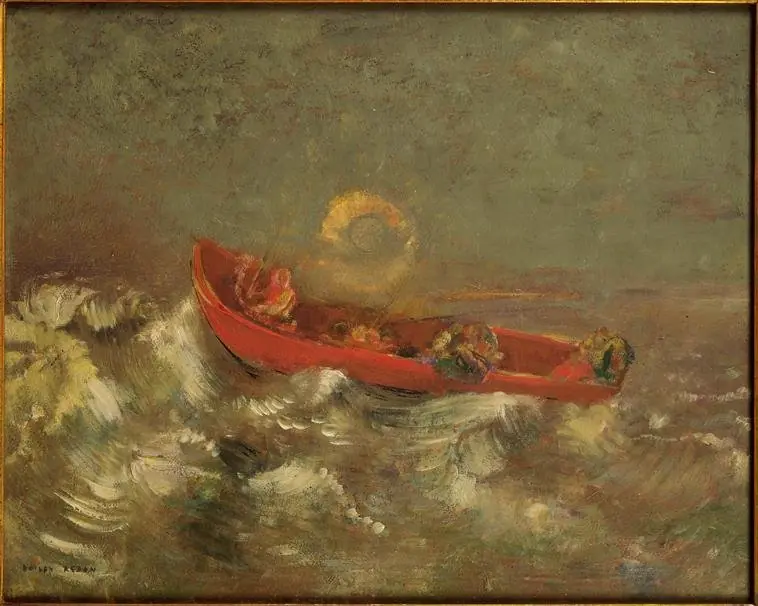 La Barque rouge
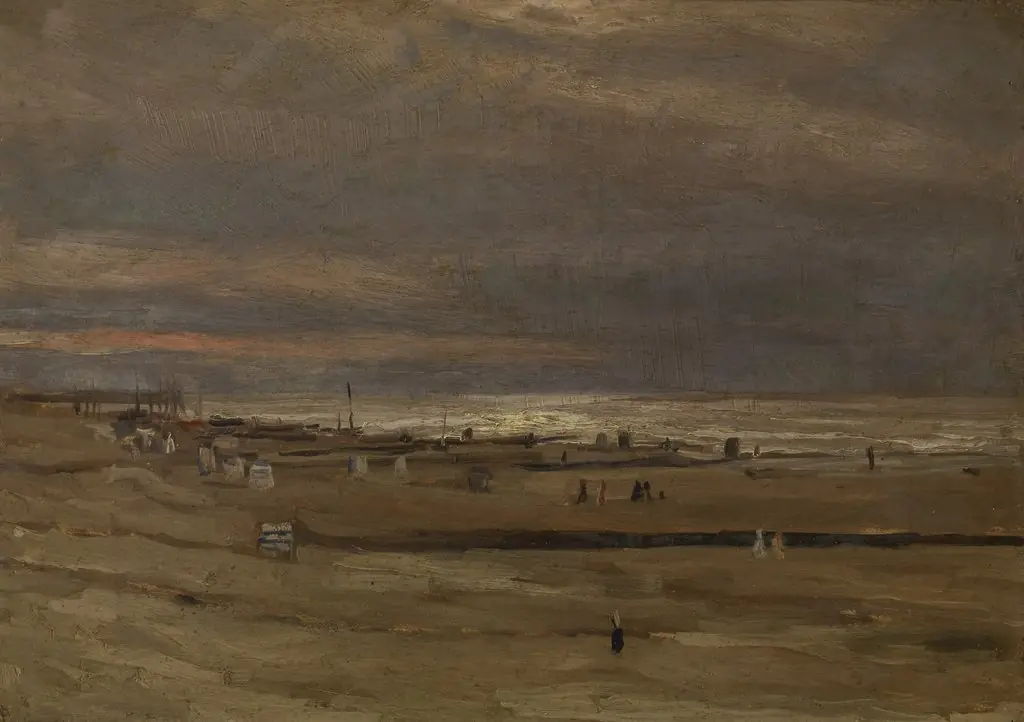 Strand
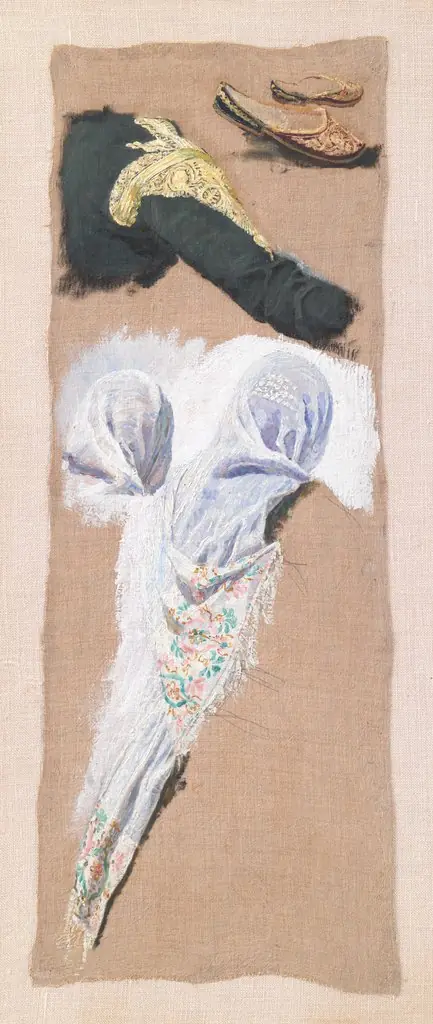 Dragtstudier. Megara
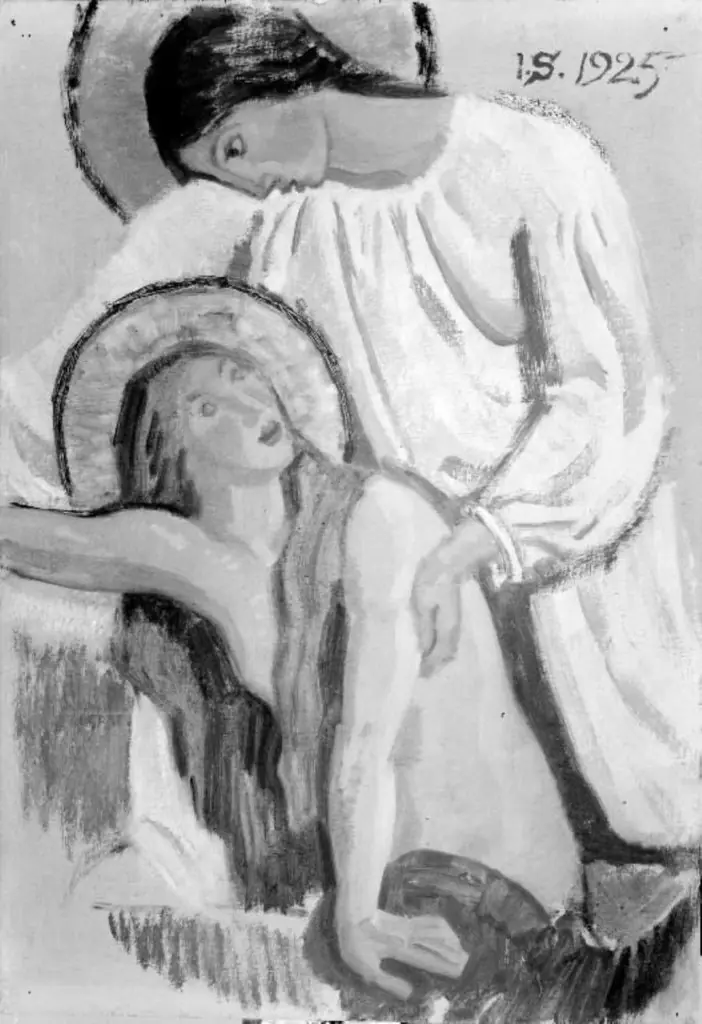 Dommedagsscene
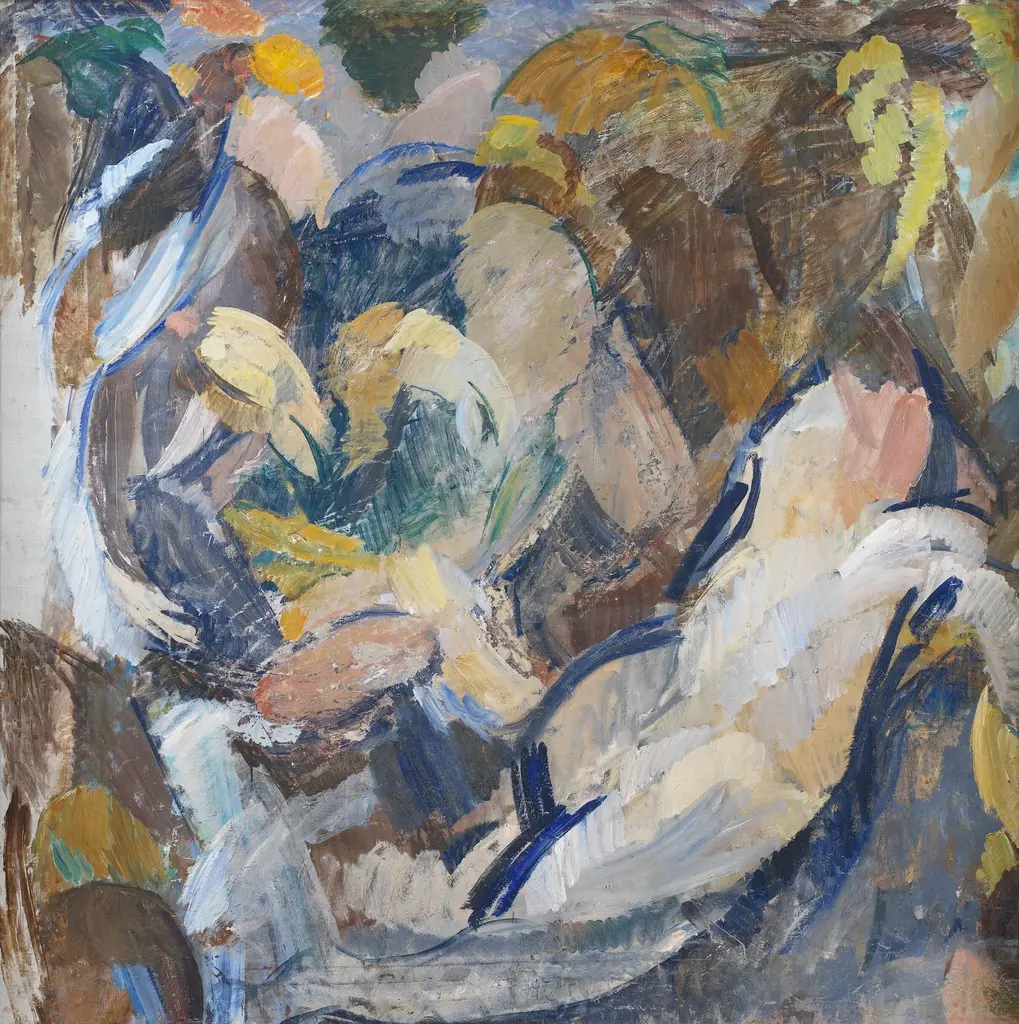 Romantic Fantasy
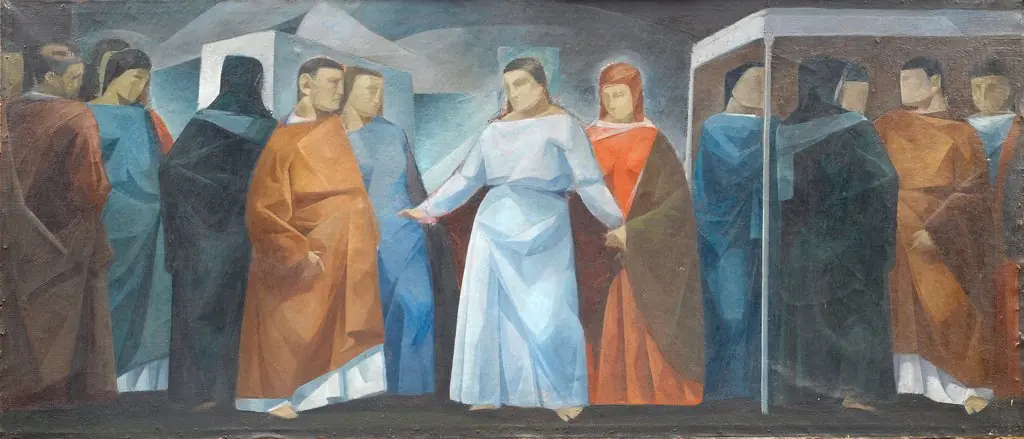 The Heavenly Wedding. Emmanuel Sweborg: Amore Conjugiali
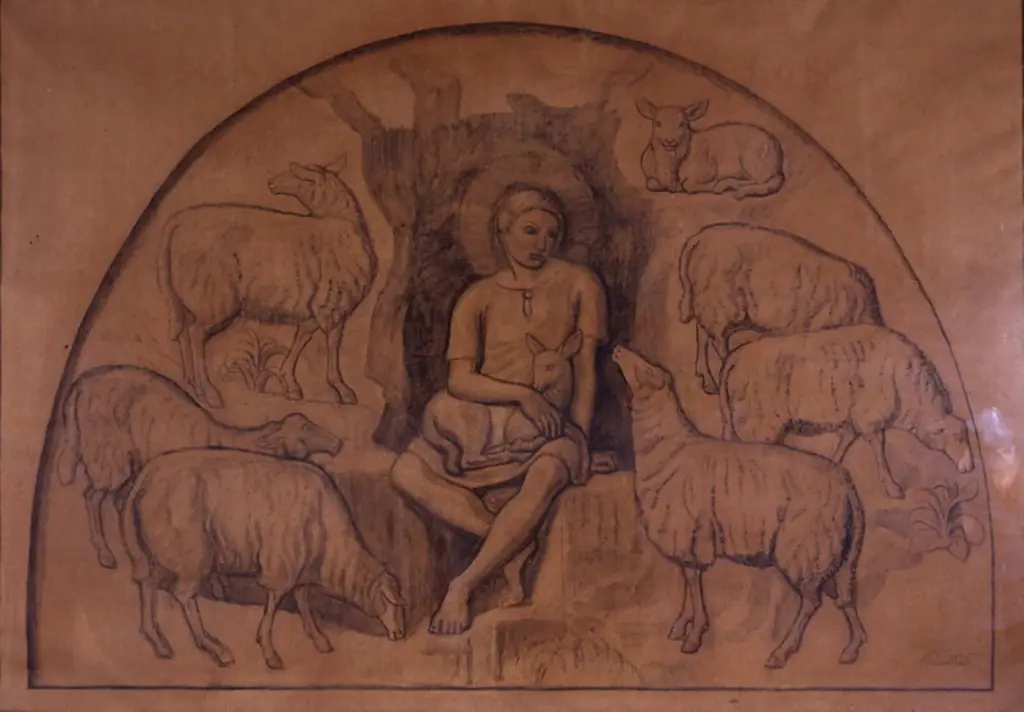 Den gode hyrde
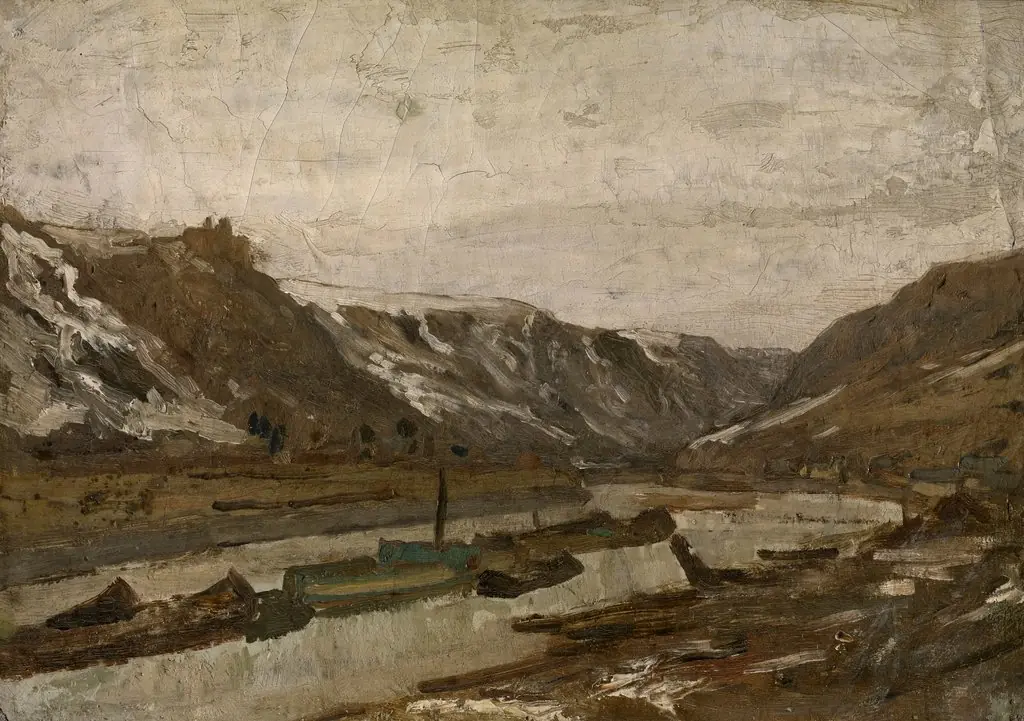 Barges in Dinant
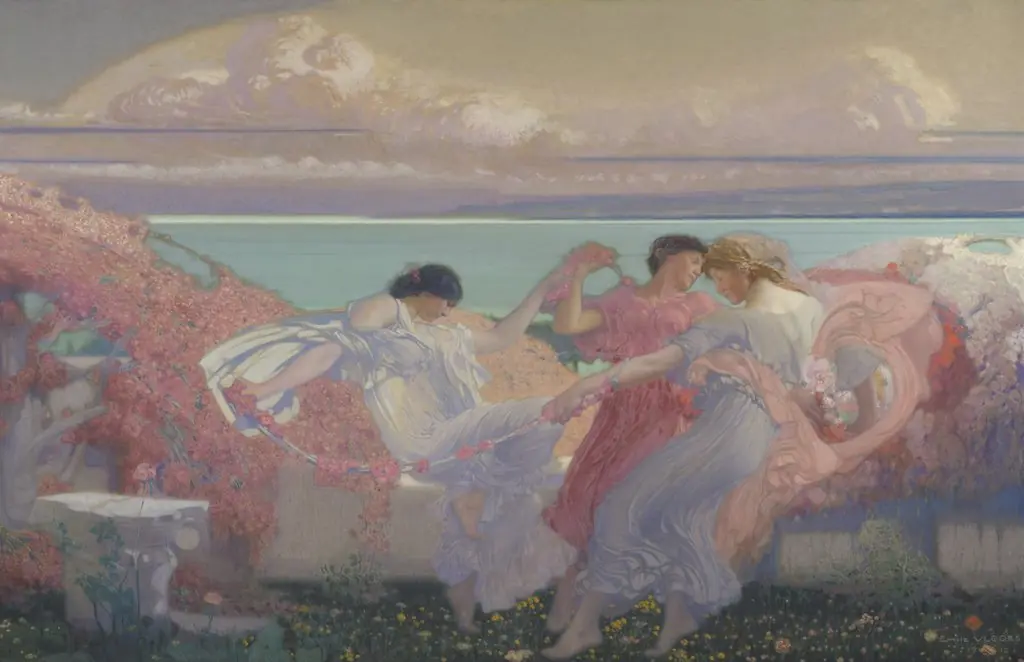 A Choral Dance
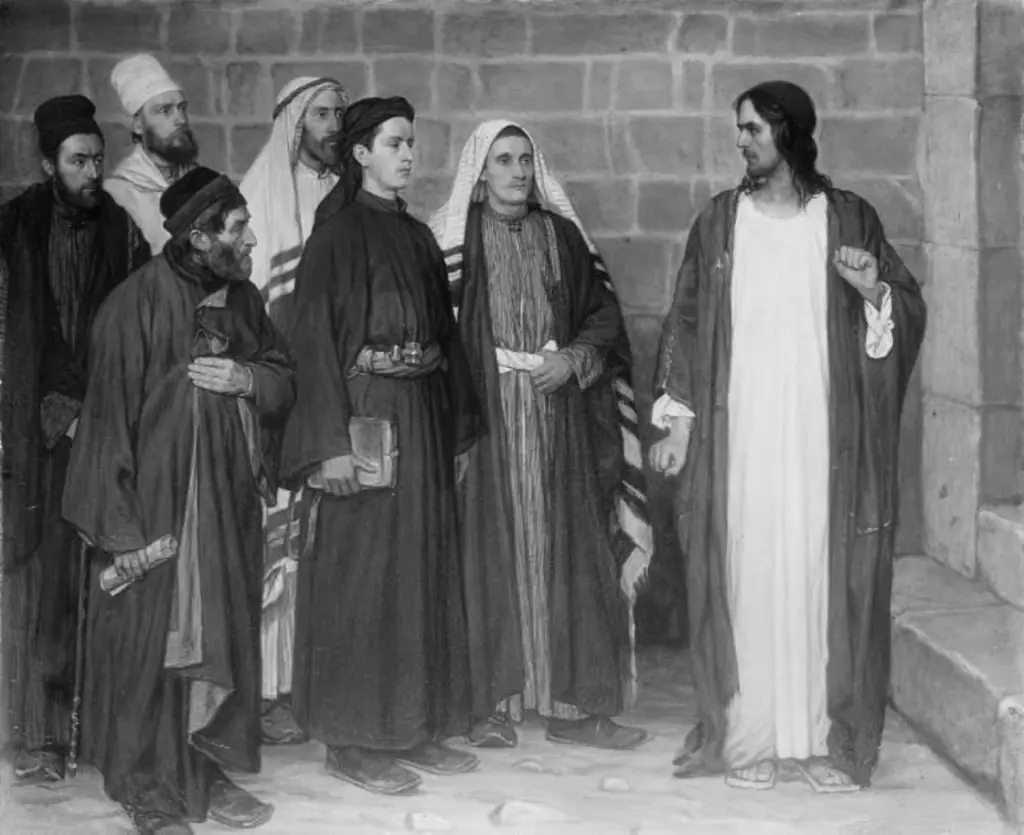 Ve Eder I skriftkloge
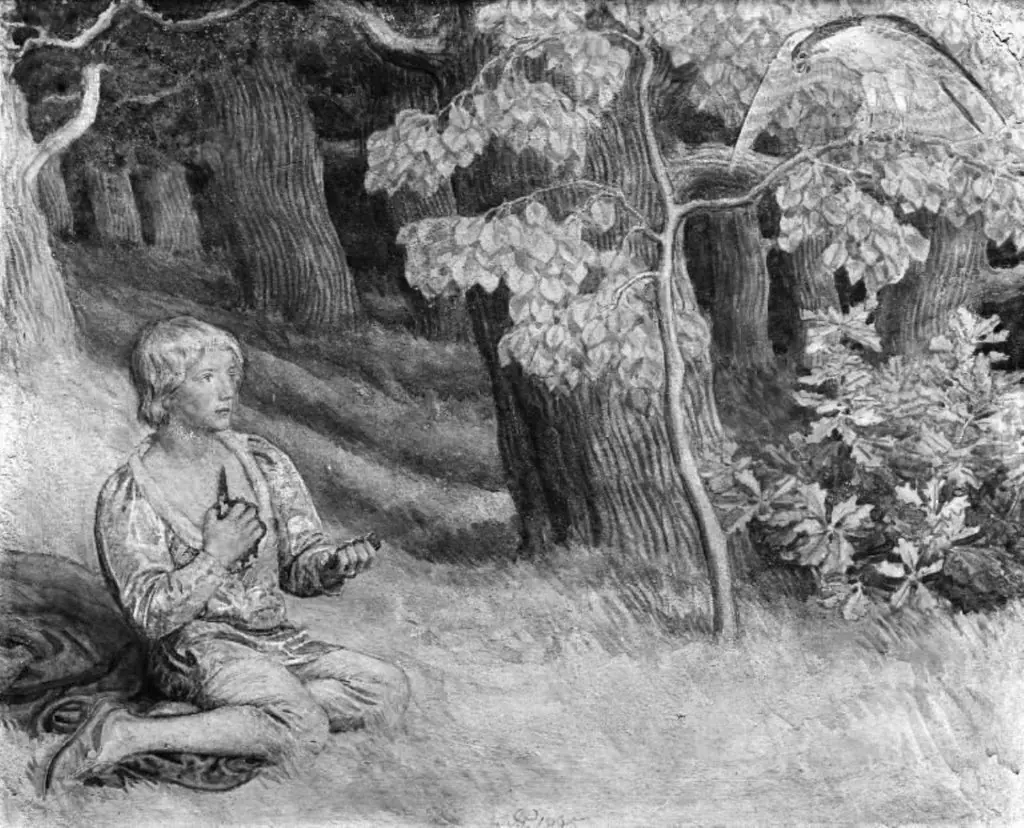 Jomfru i fugleham
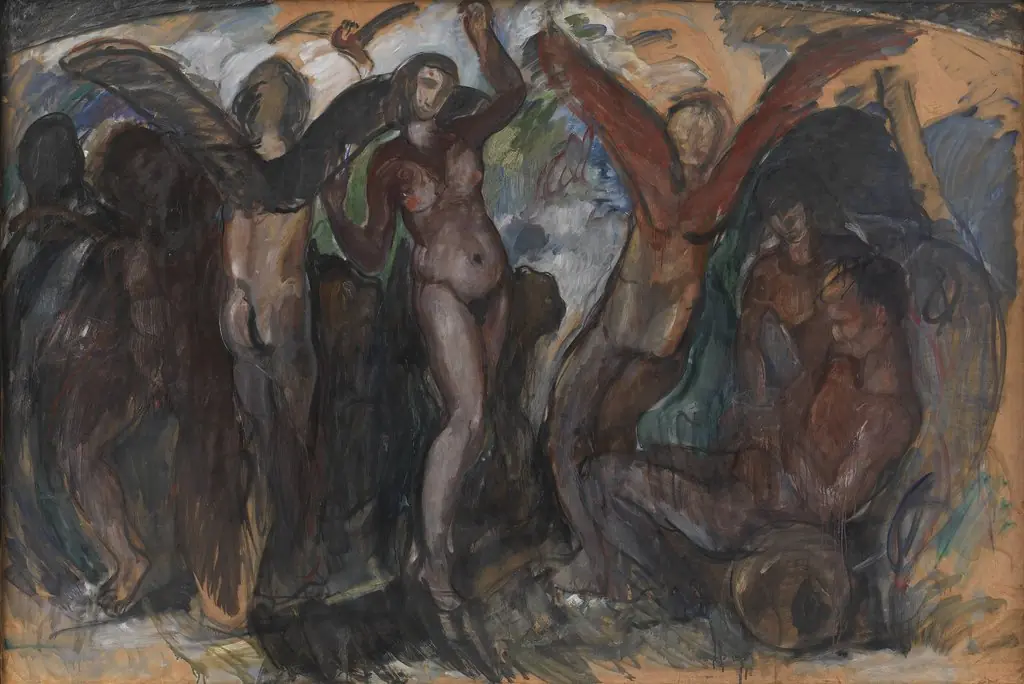 Figure Composition with Bacchants
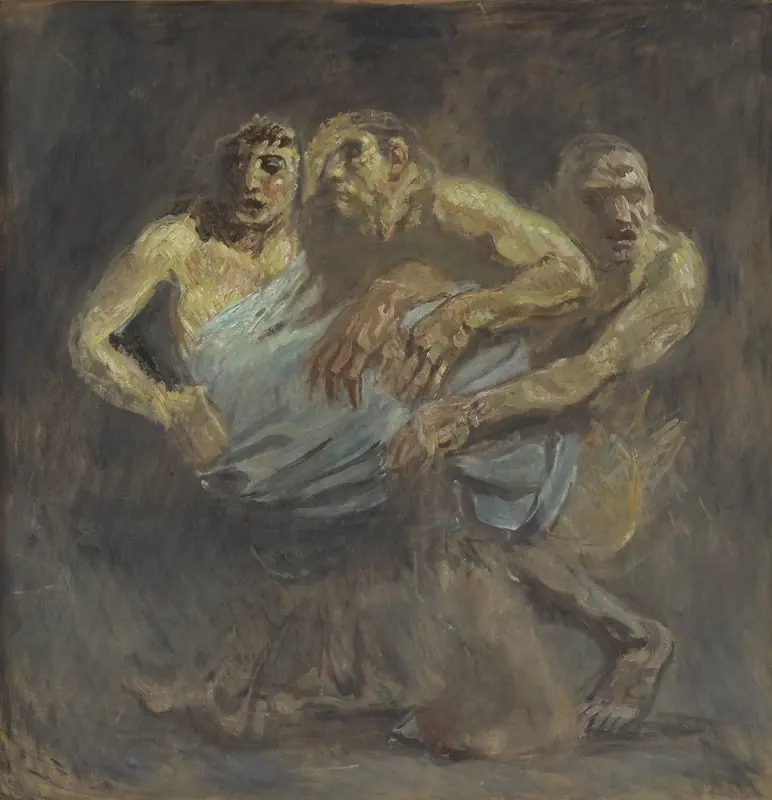 Susanna
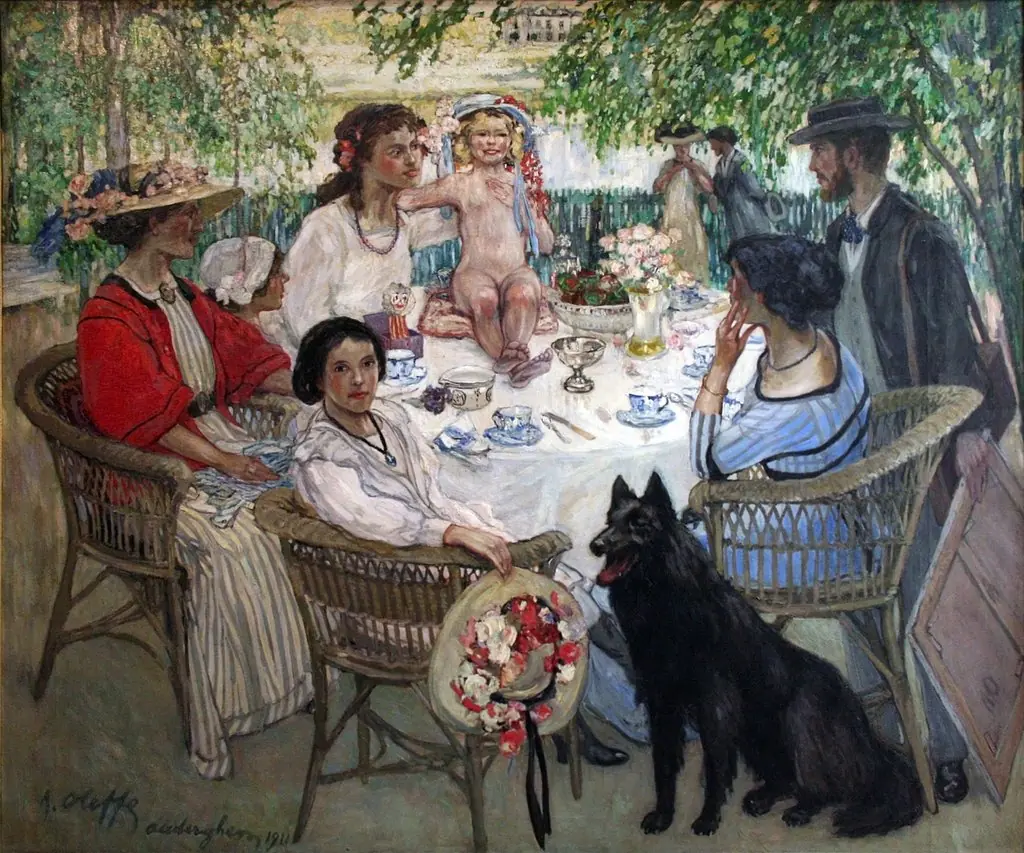 Spring
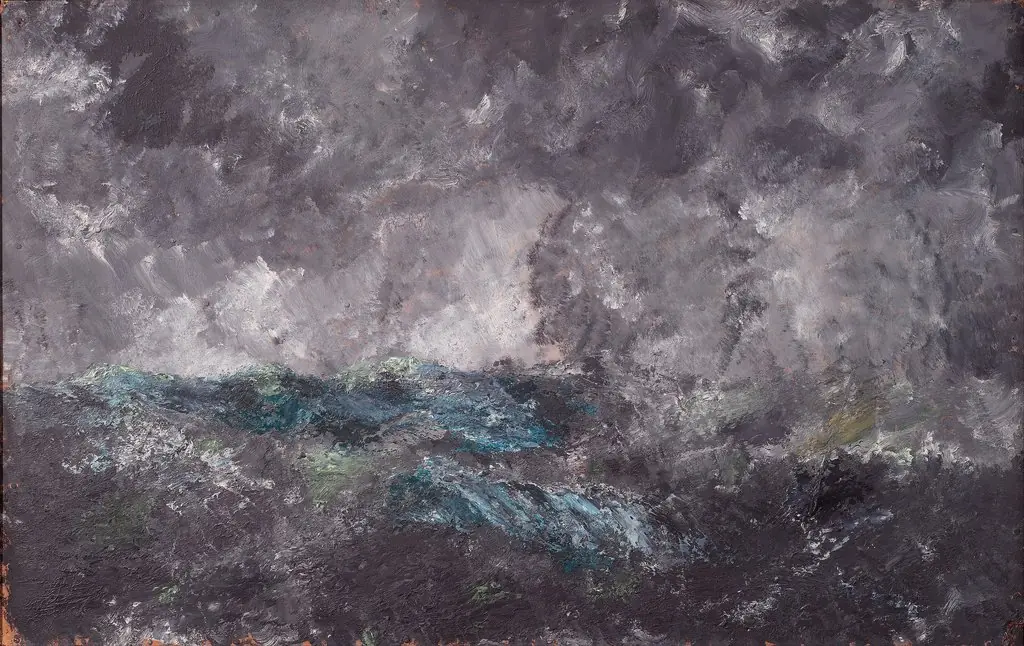 Storm in the Skerries. "The Flying Dutchman"
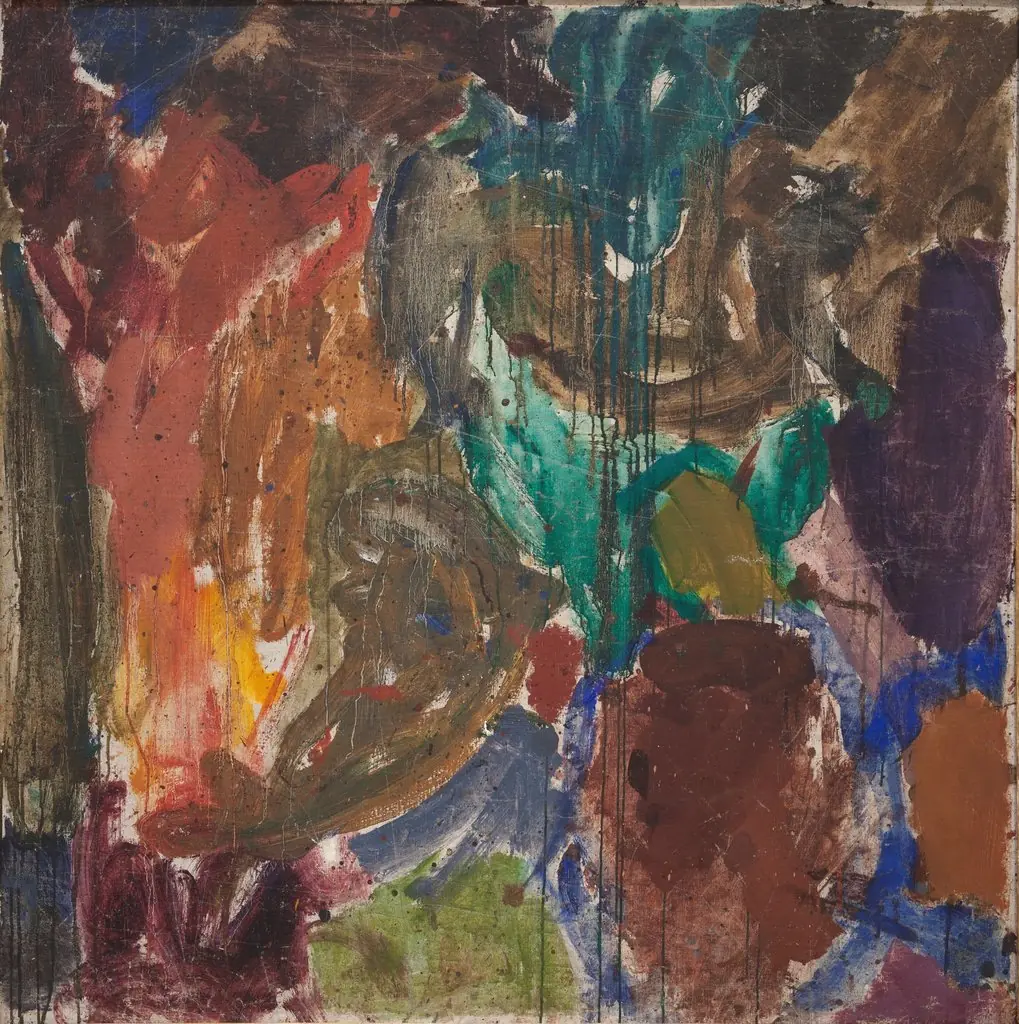 Dante and Vergil in the Underworld
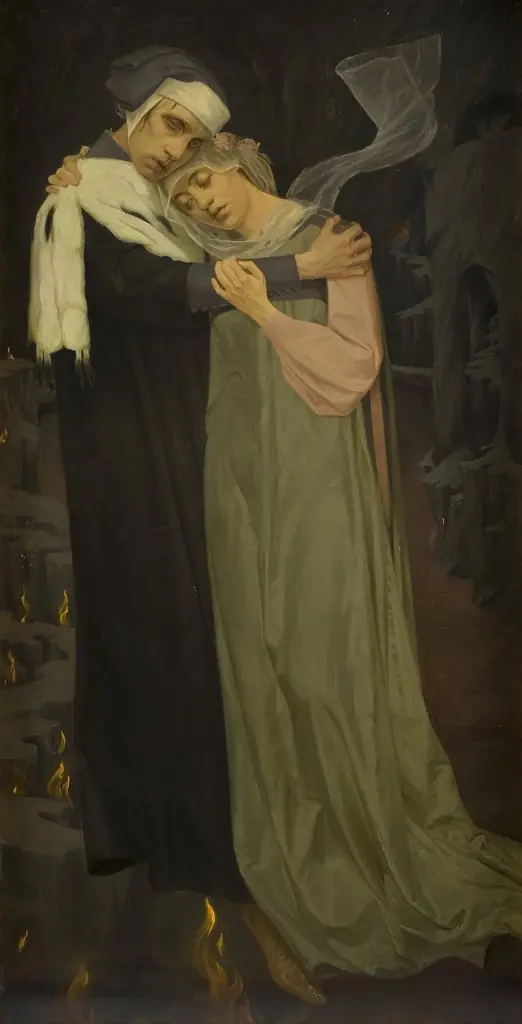 Paolo and Francesca
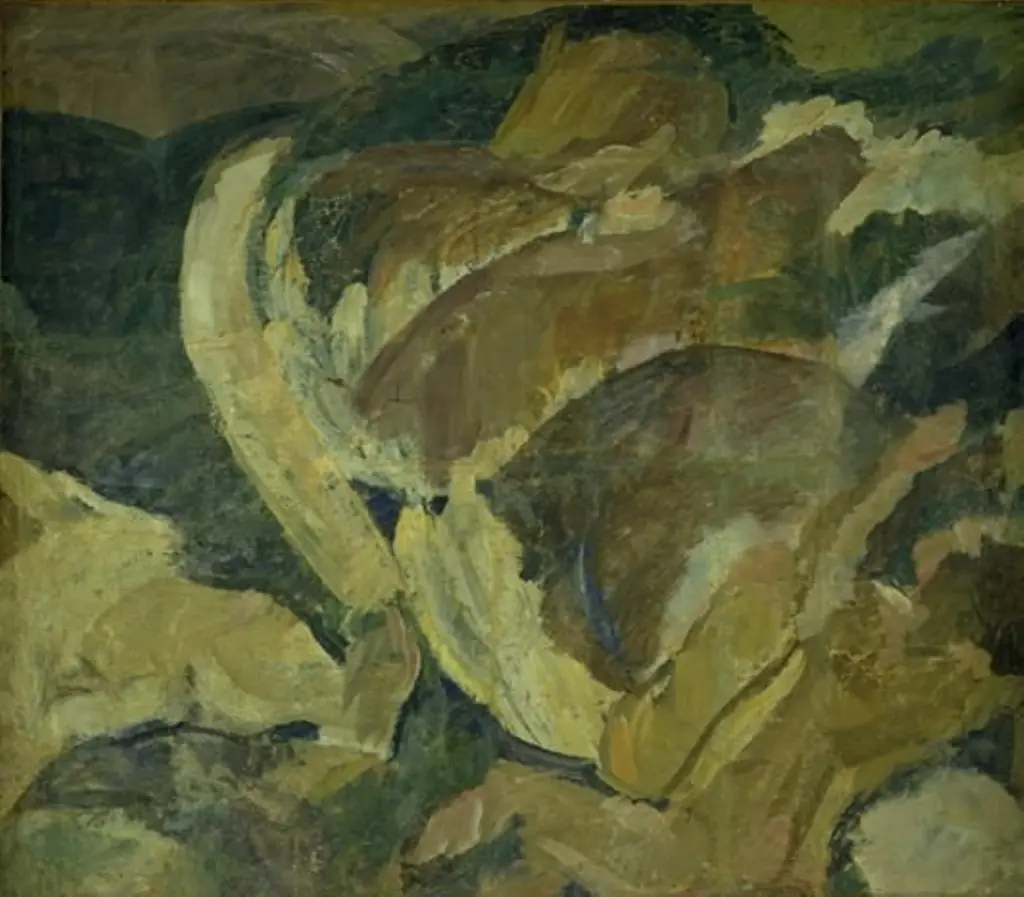 Nereids and Tritions
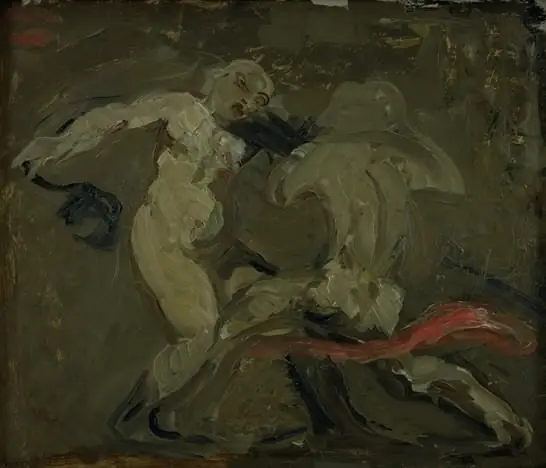 Two Witches Fighting
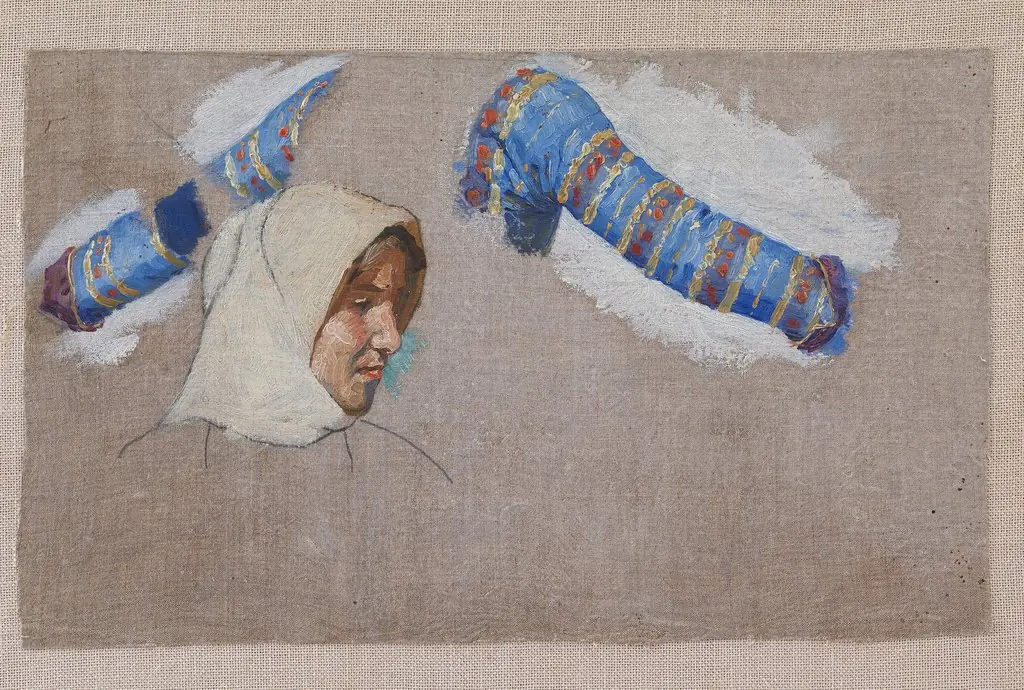 Dragtstudier og studie af et kvindehovede. Megara
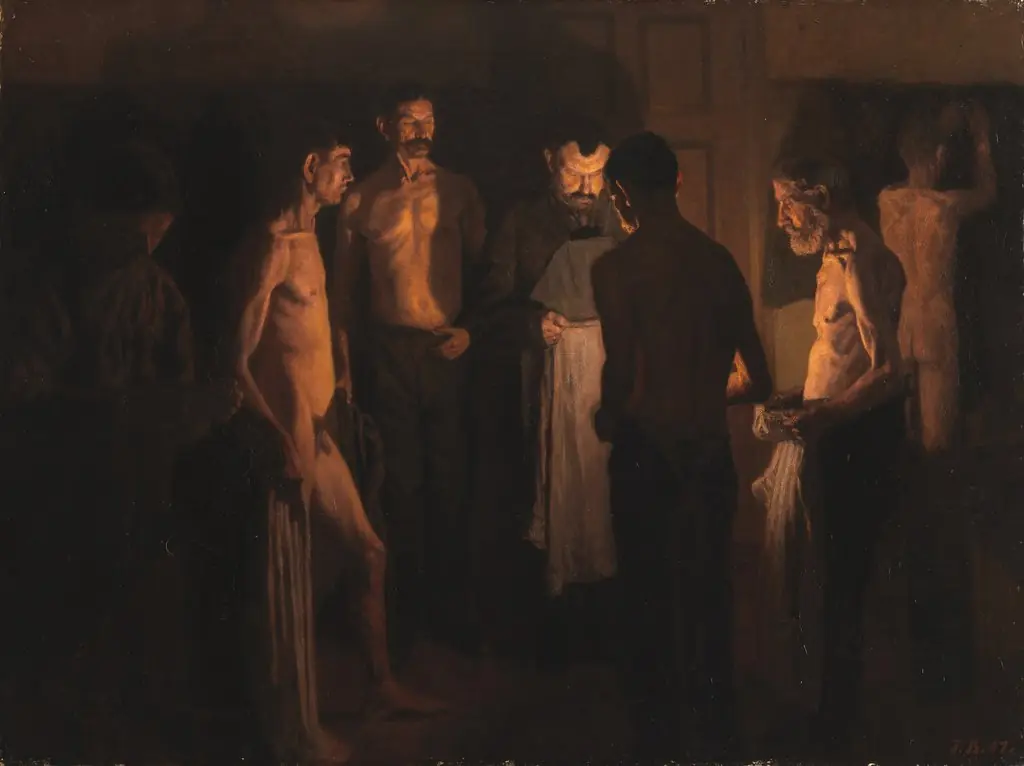 Bedtime at the Shelter
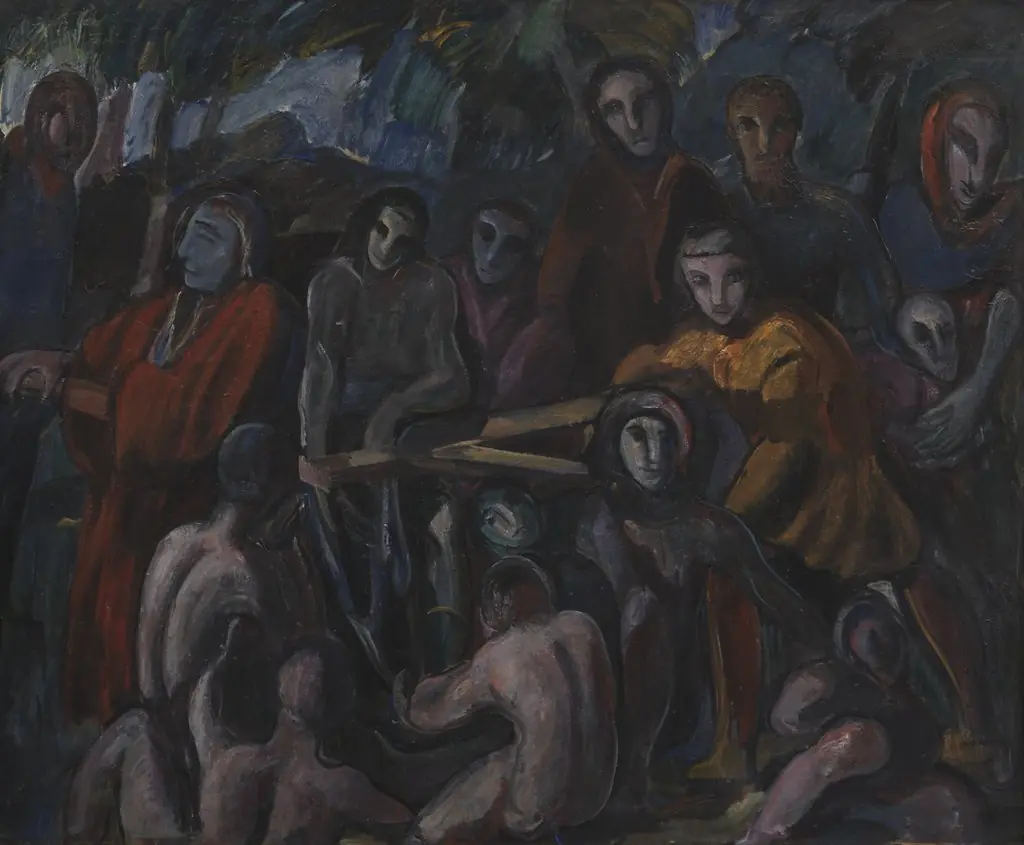 The Road to Golgatha
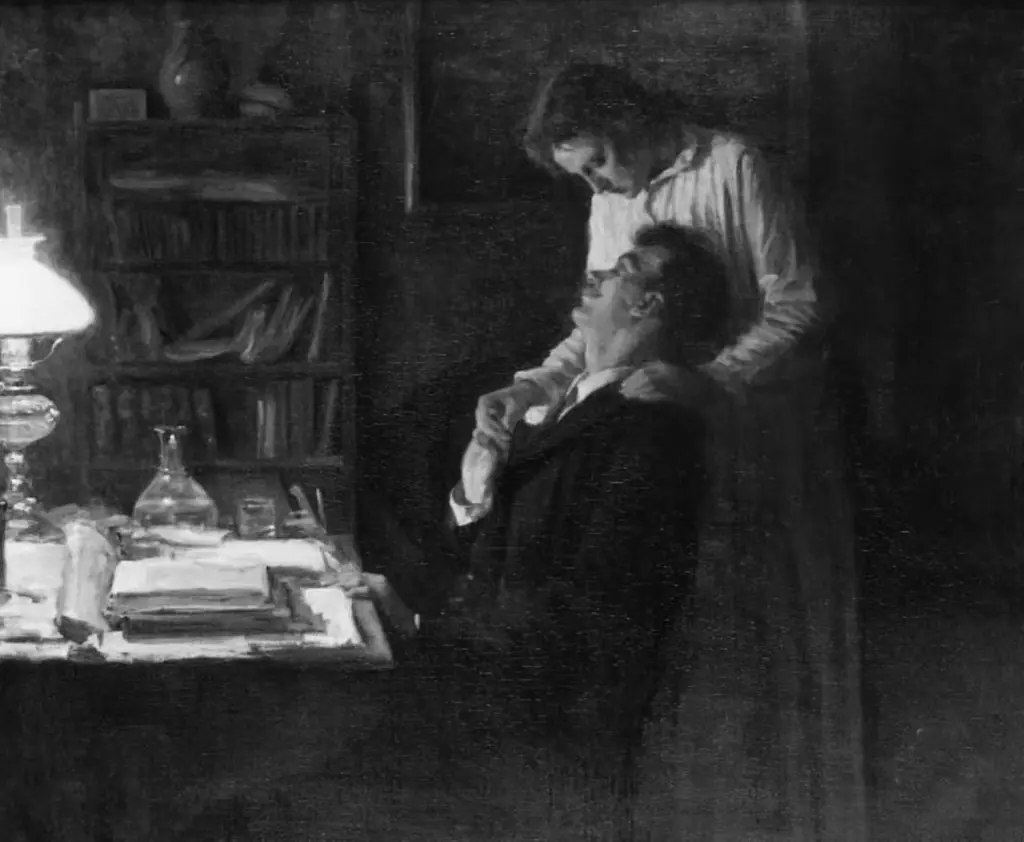 Over midnat
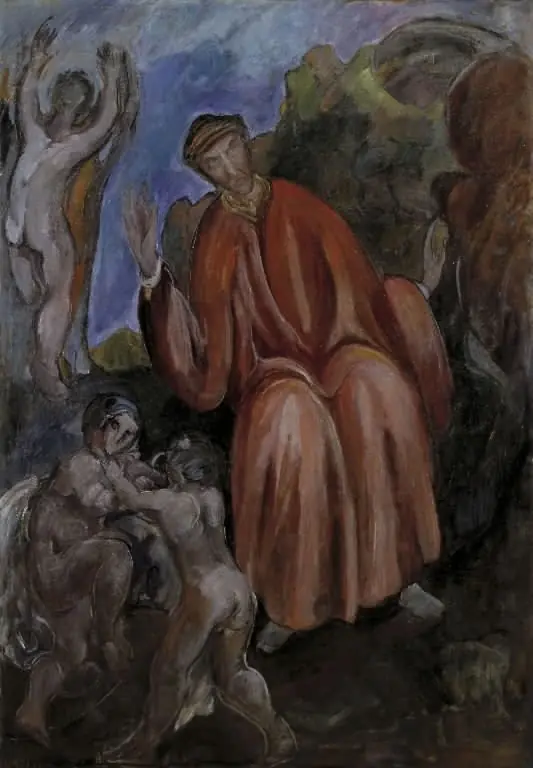 Dante. Prophets, Opus I
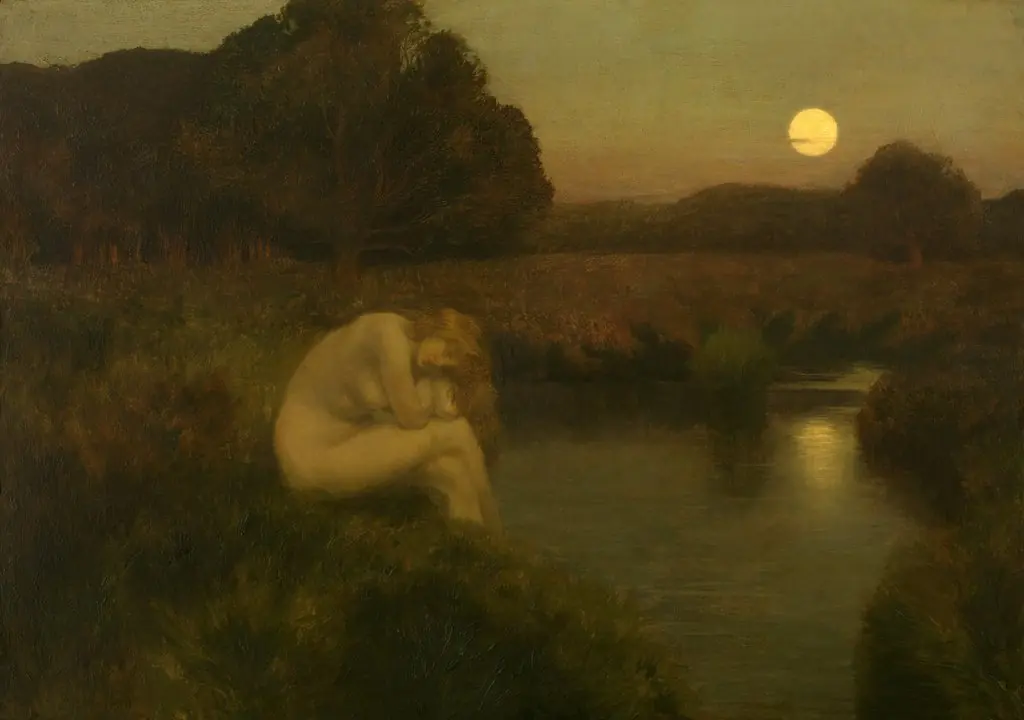 At Nightfall
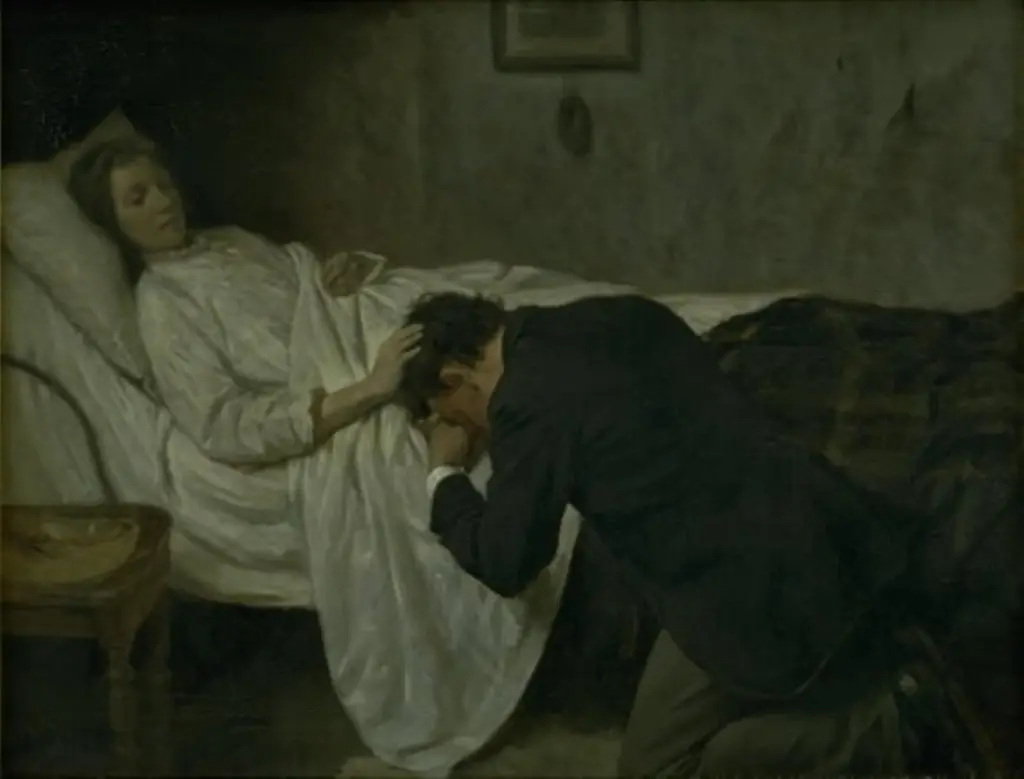 En tilgivelse
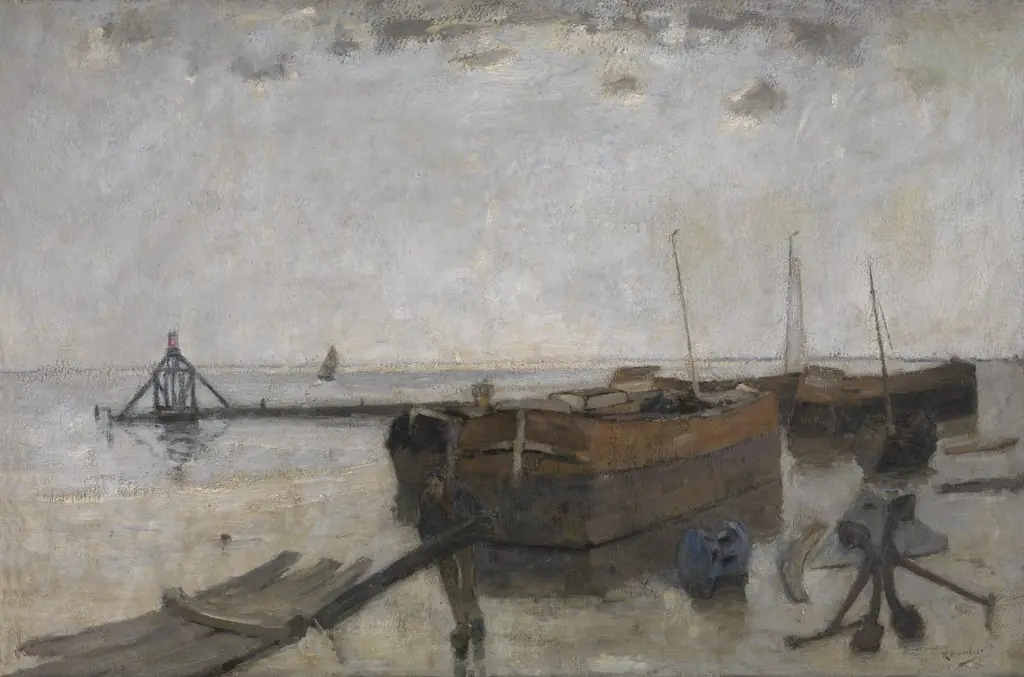 The Cemetery
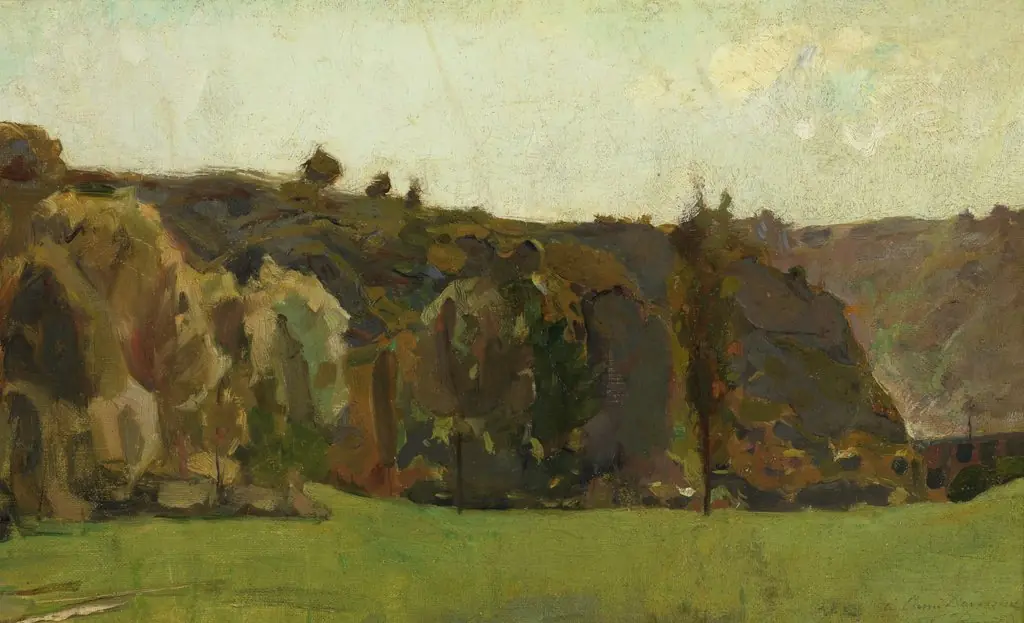 Landscape in the Ardennes
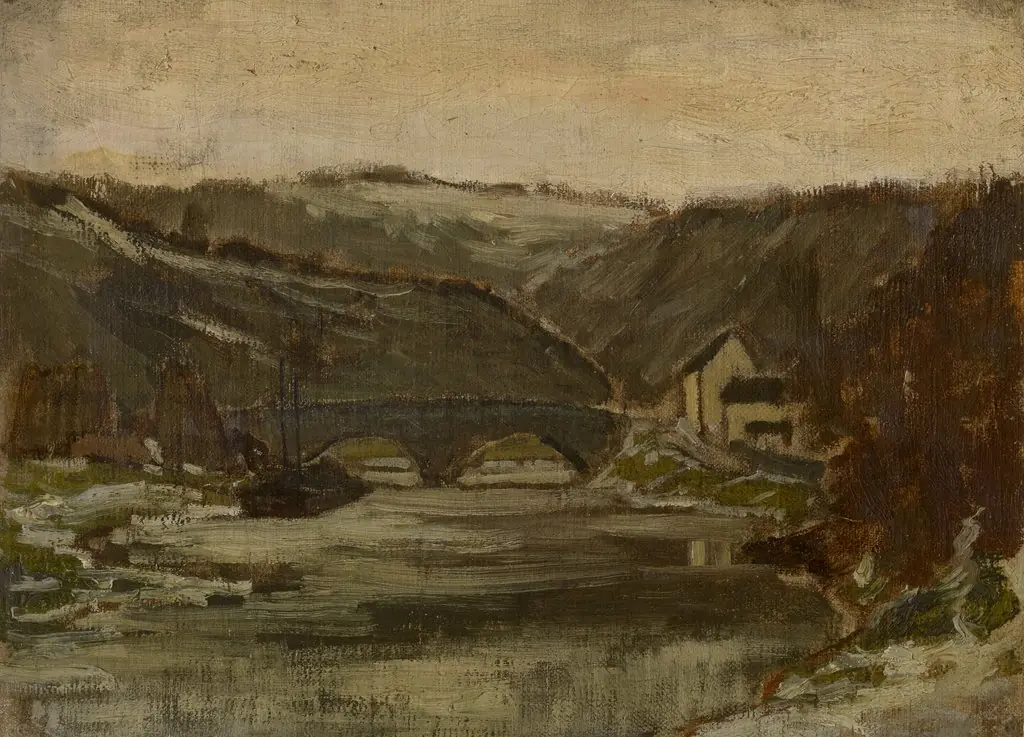 Bridge over the River Lesse
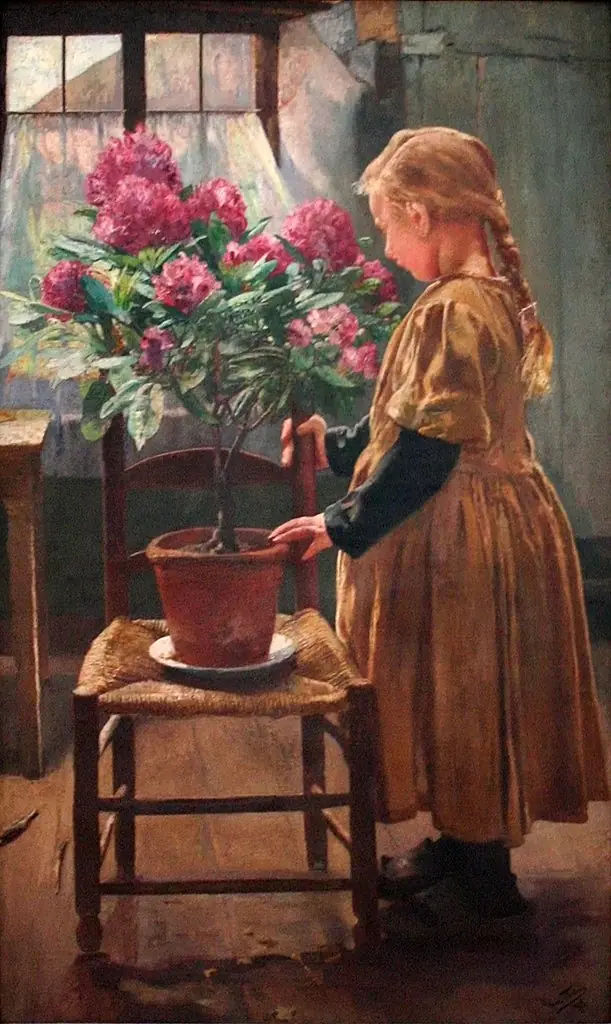 Gabrielle Frederic, the Artist's Daughter
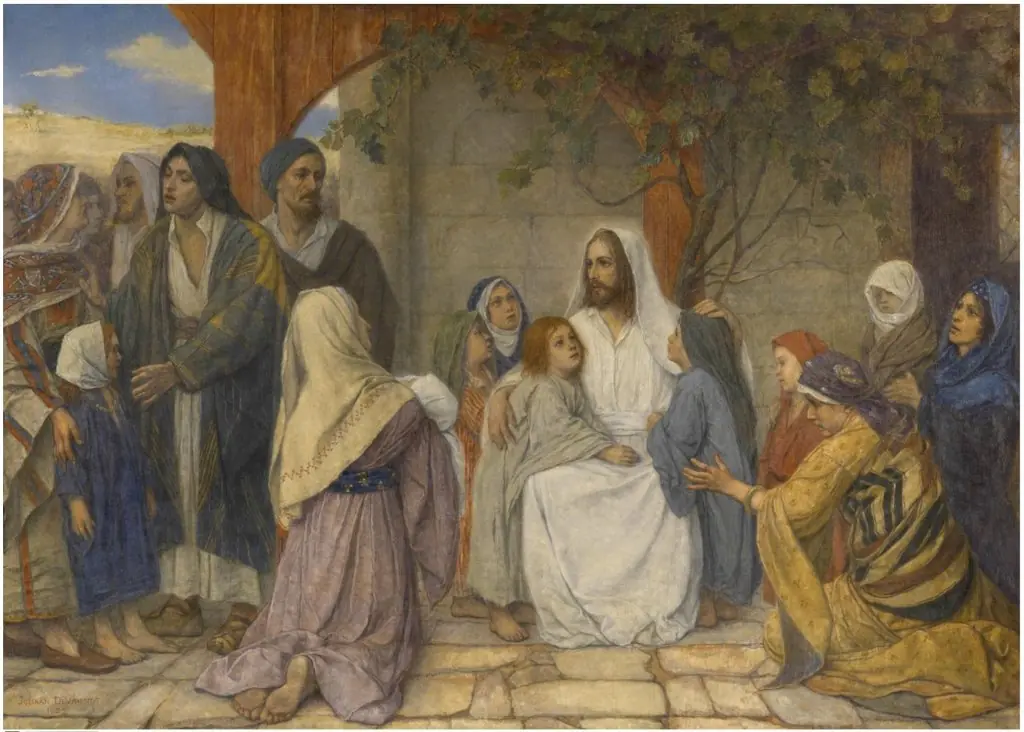 Suffer the Little Children come to Me
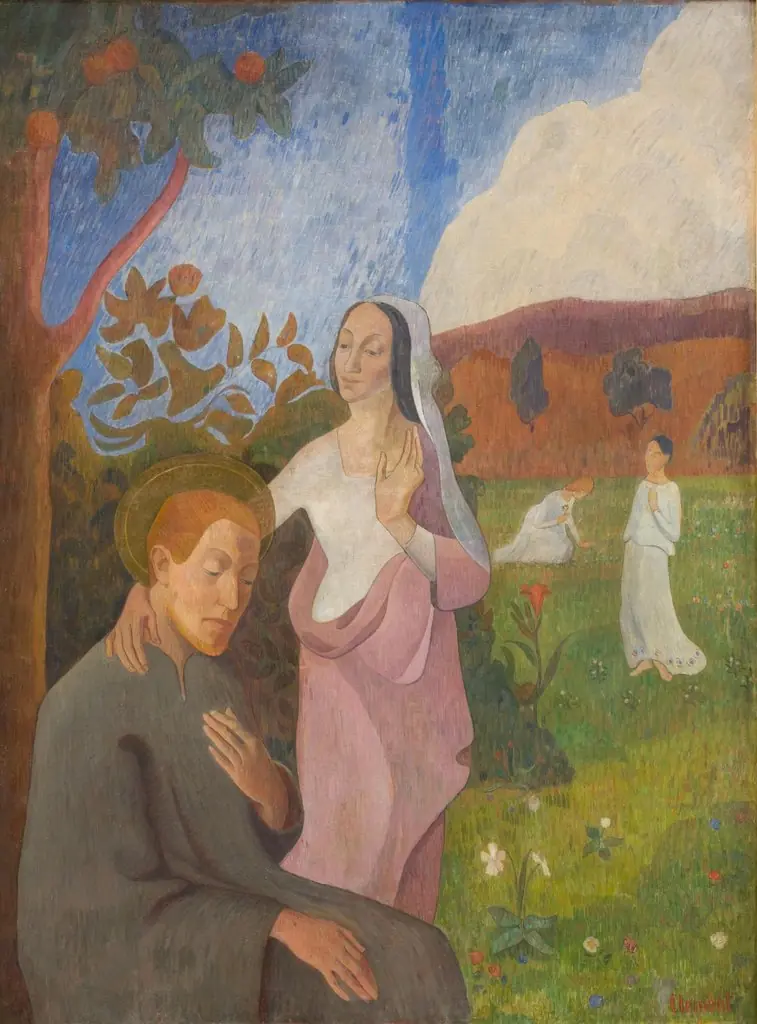 Decorative Picture. The Vision of Saint Francis with the Three White Virgins
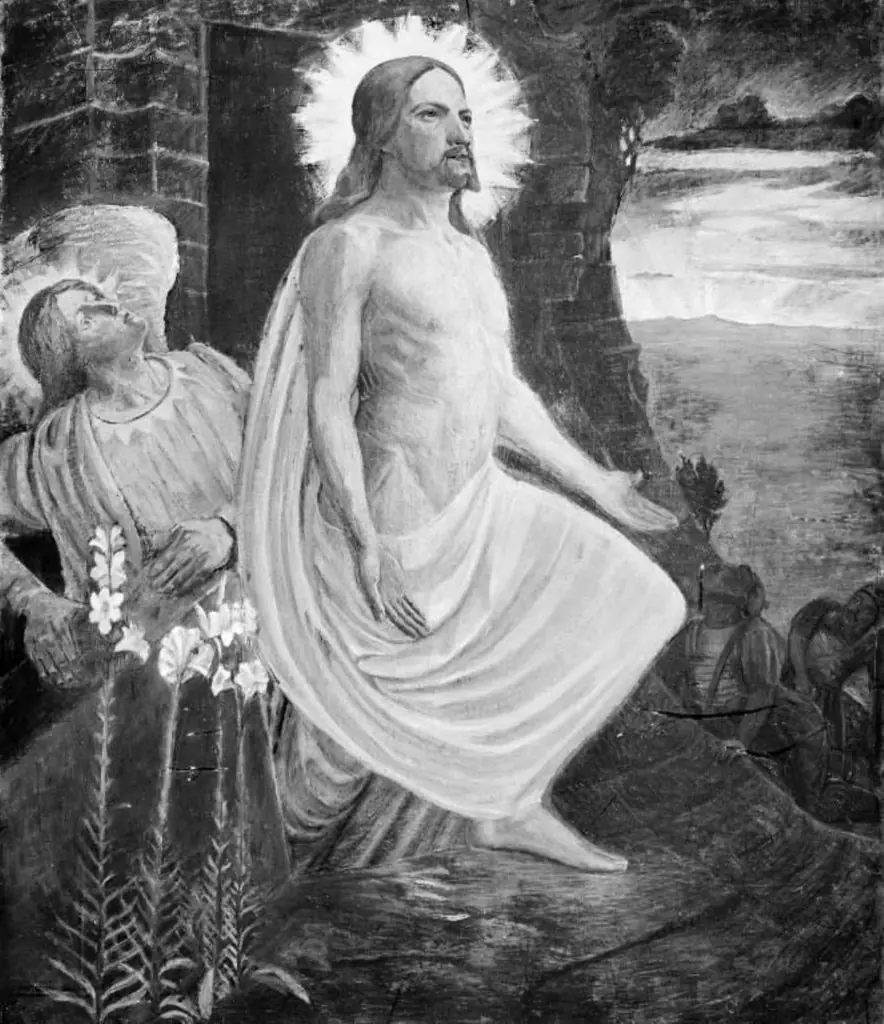 Påskemorgen. Kristi opstandelse
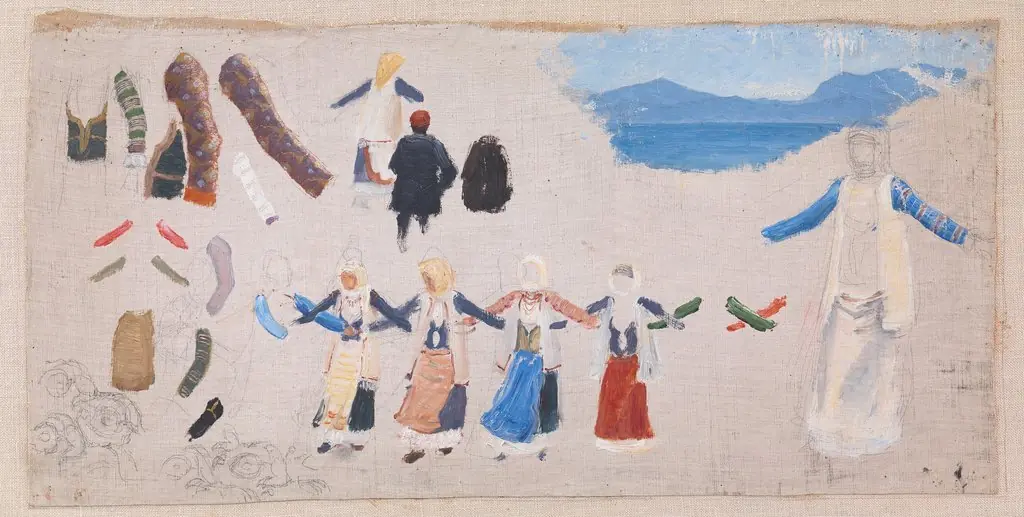 Dansende kvinder, dragtdetailler og et landskab
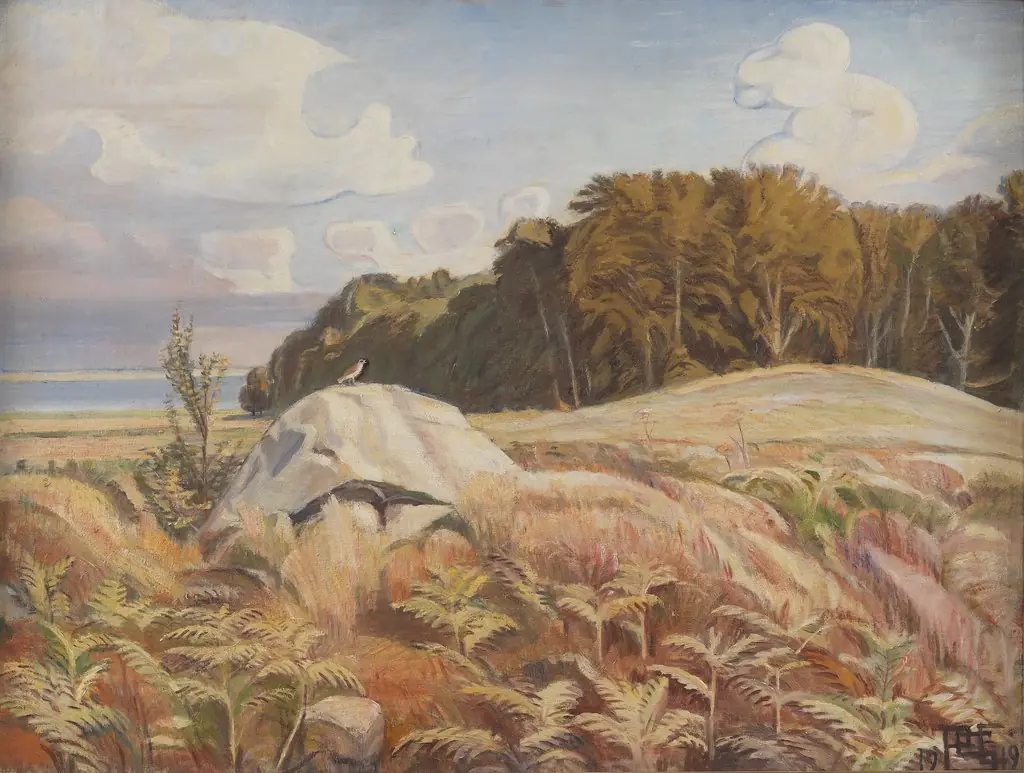 Stendysse i udkanten af skoven. Dyrnæs
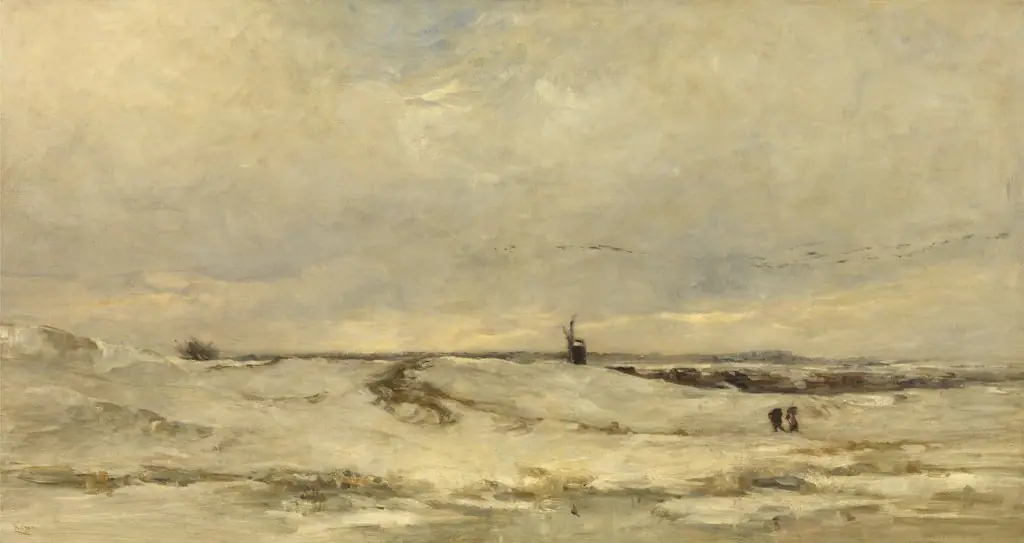 Snow
Snow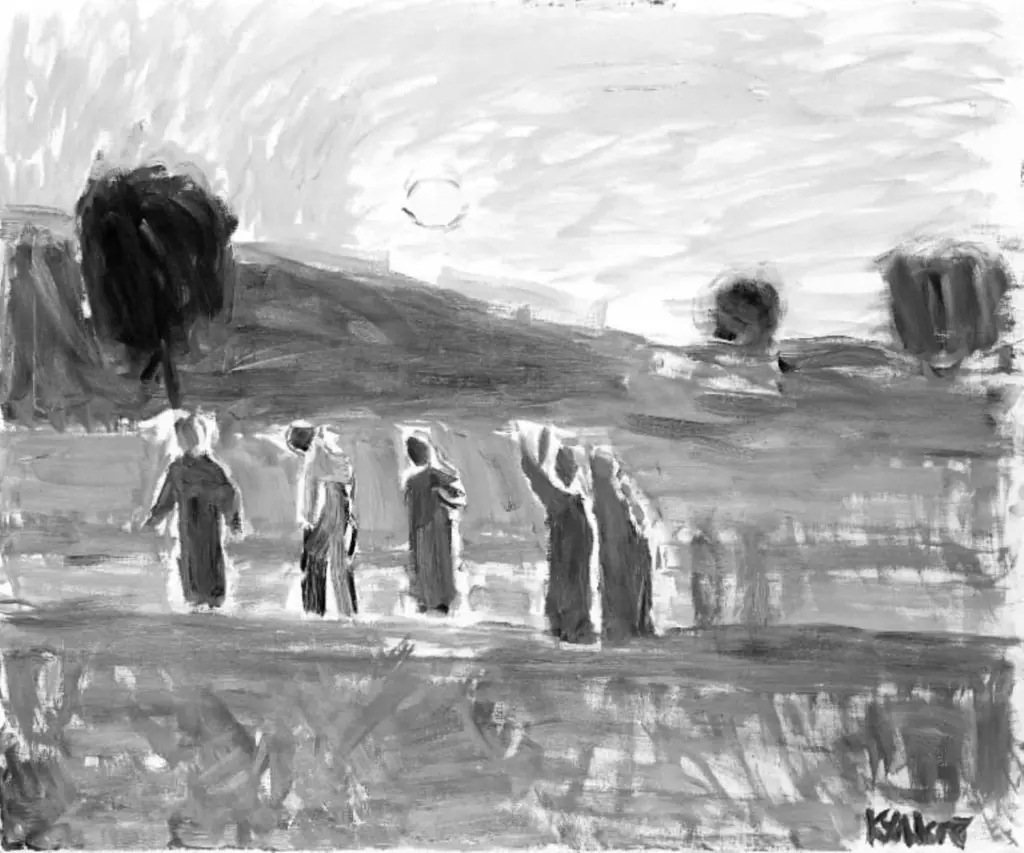 The Road
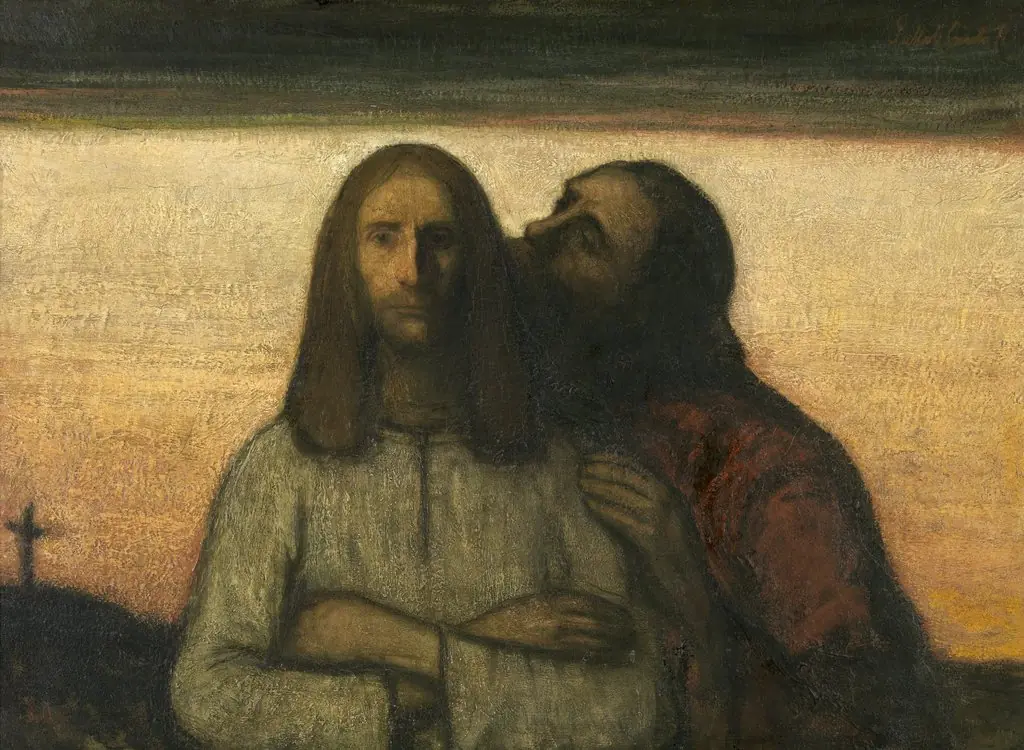 The Kiss of Judas
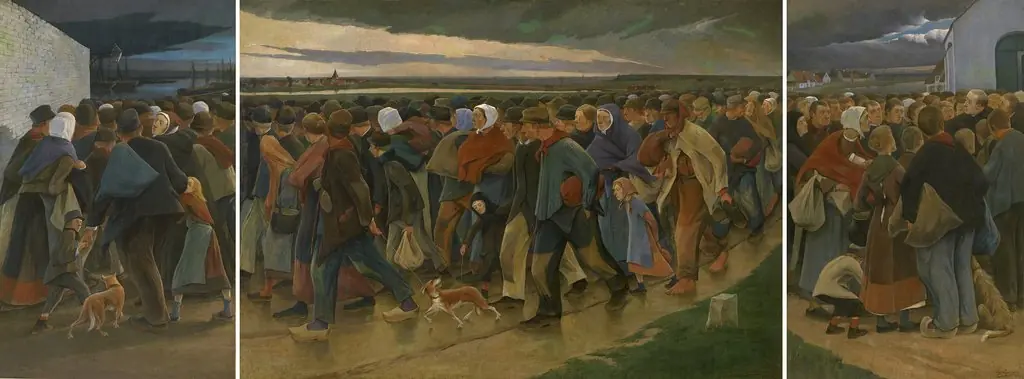 Emigrants
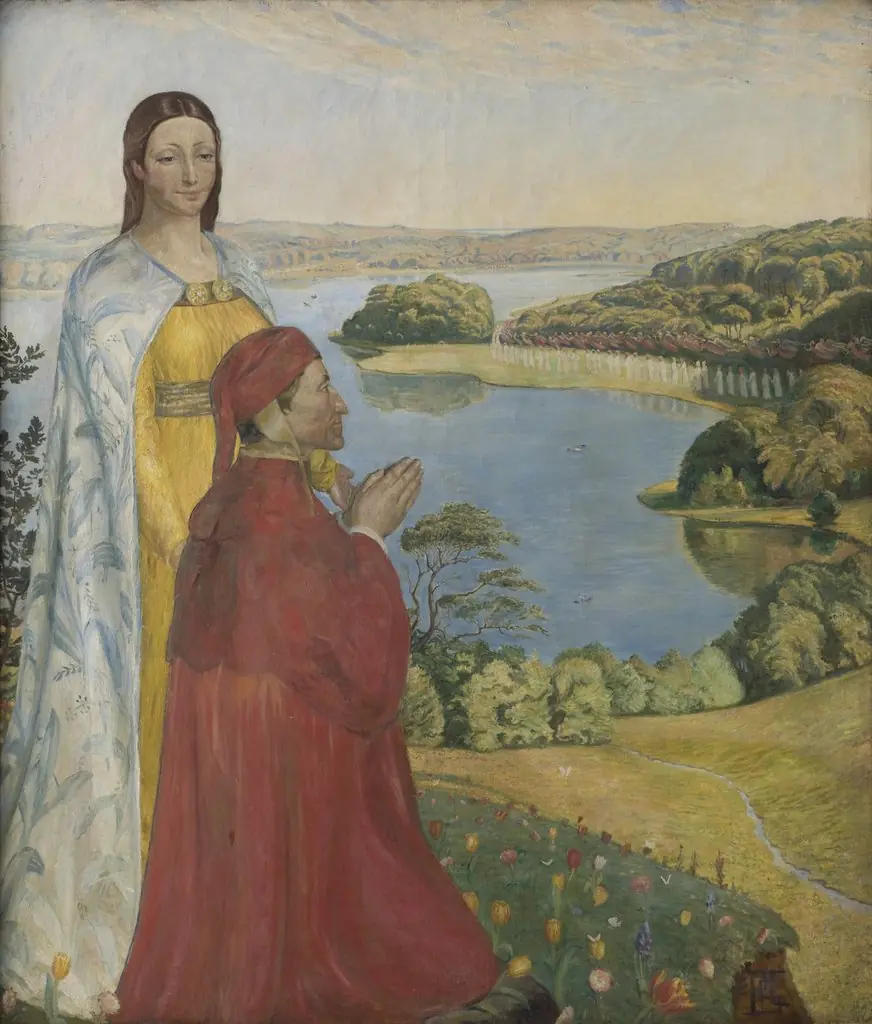 Dante and Beatrice in Paradise
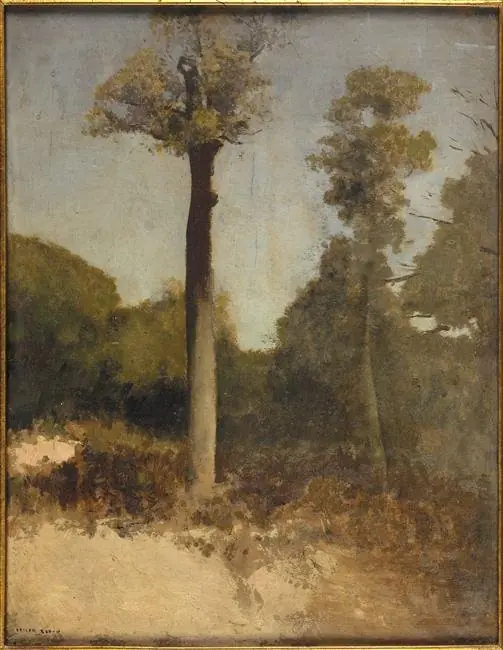 L'Arbre
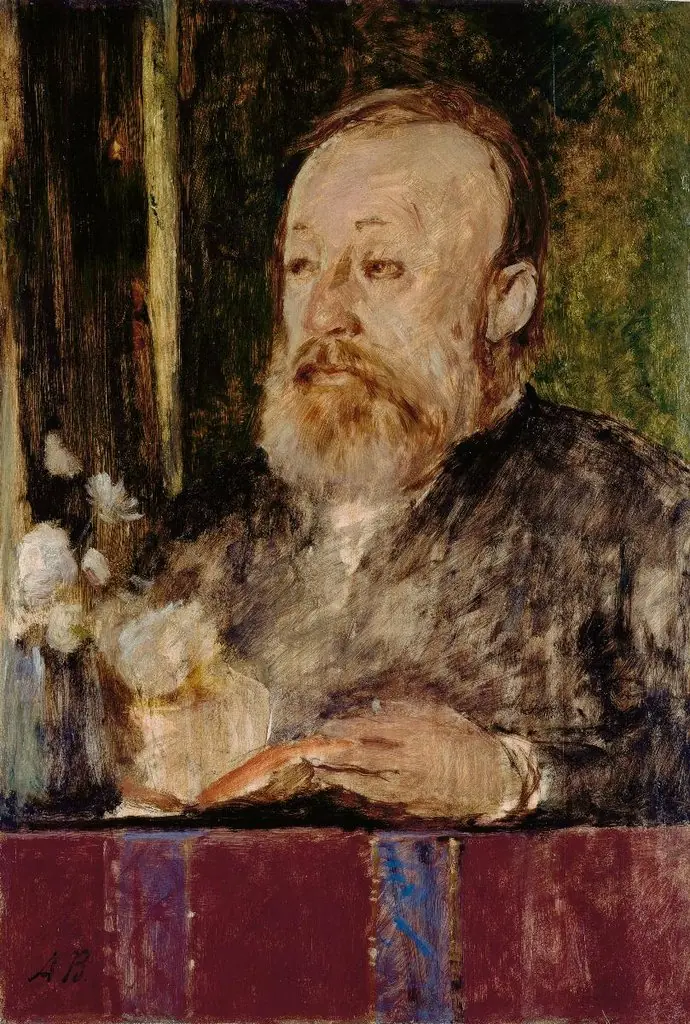 Portrait of Gottfried Keller
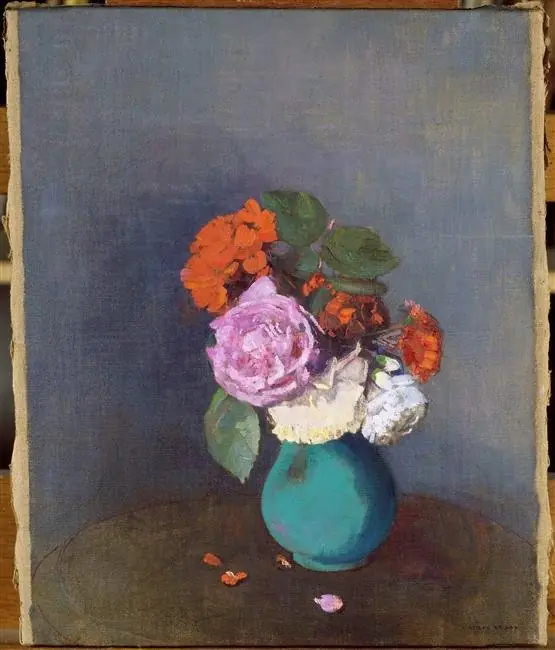 Fleurs
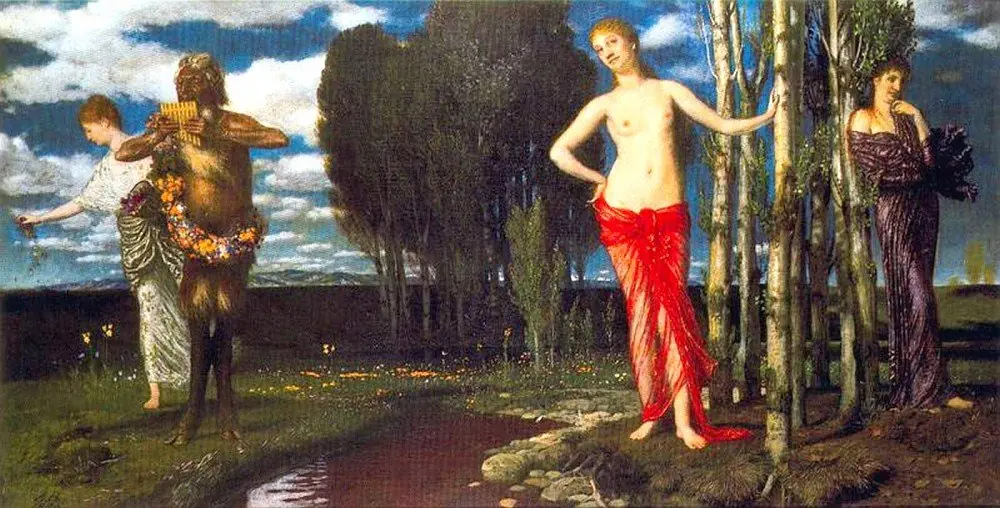 Spring Awakening
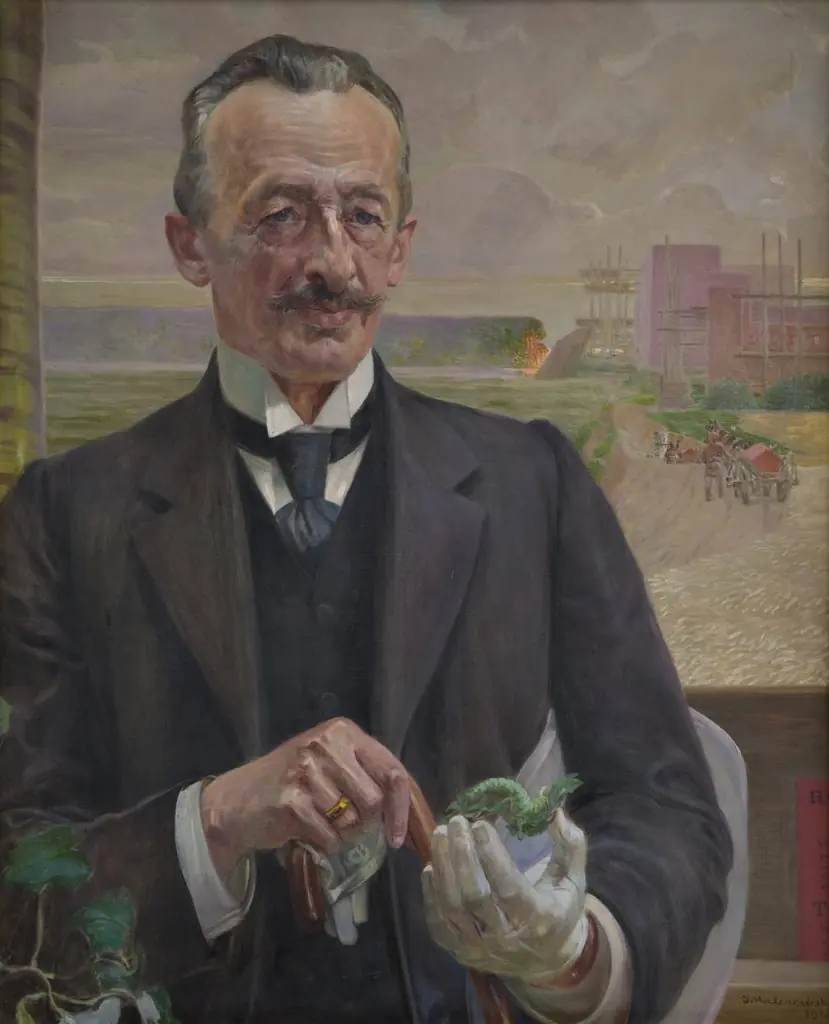 Portrait of Józef Sare, Vice-President of the City of Krakow
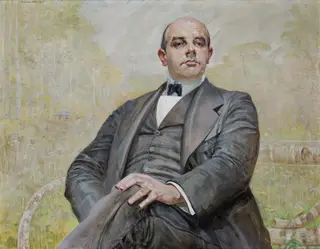 Portrait of Edward Maurizio
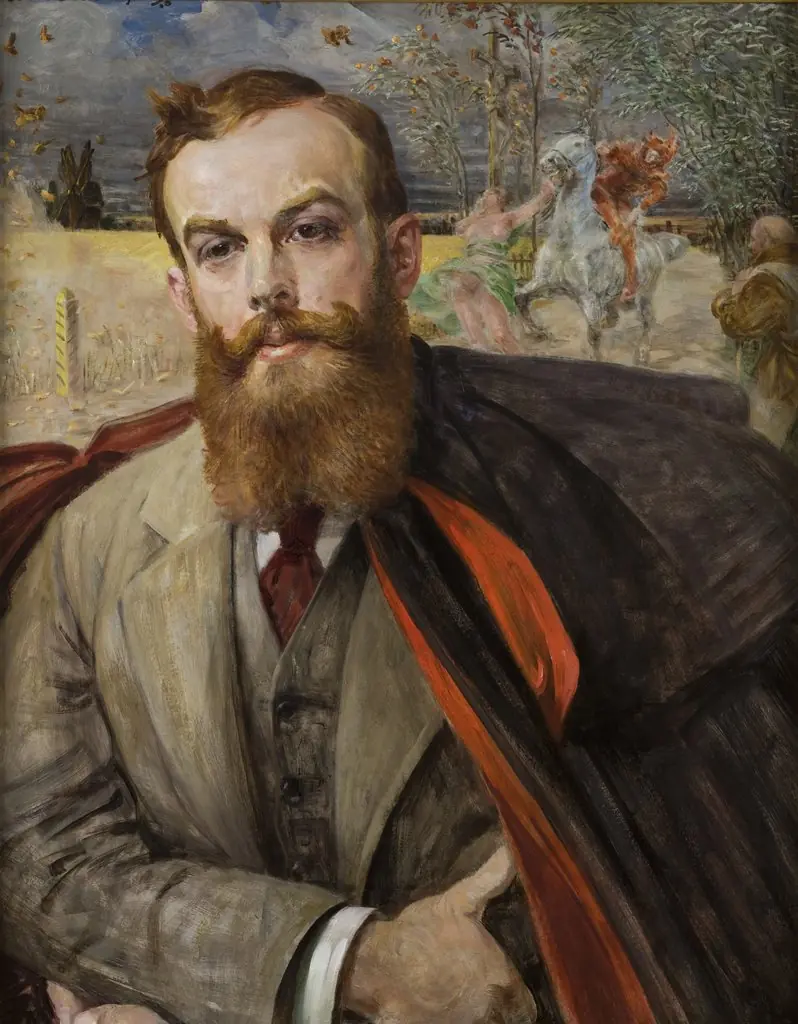 Portrait of Adam Łada-Cybulski
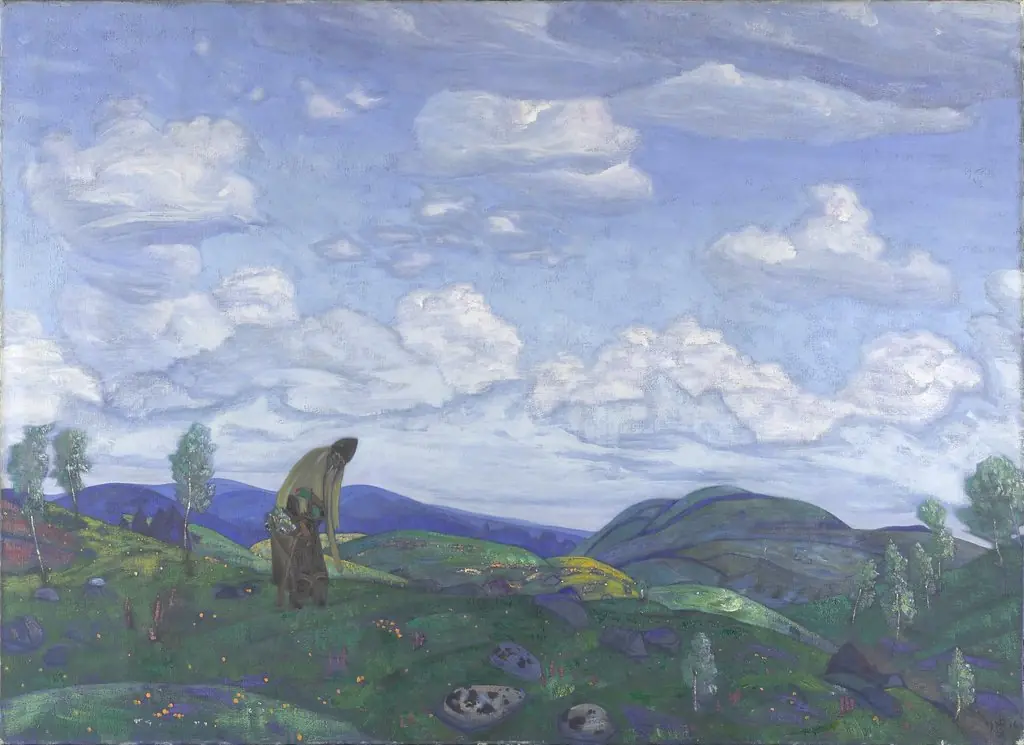 Saint Pantaleon
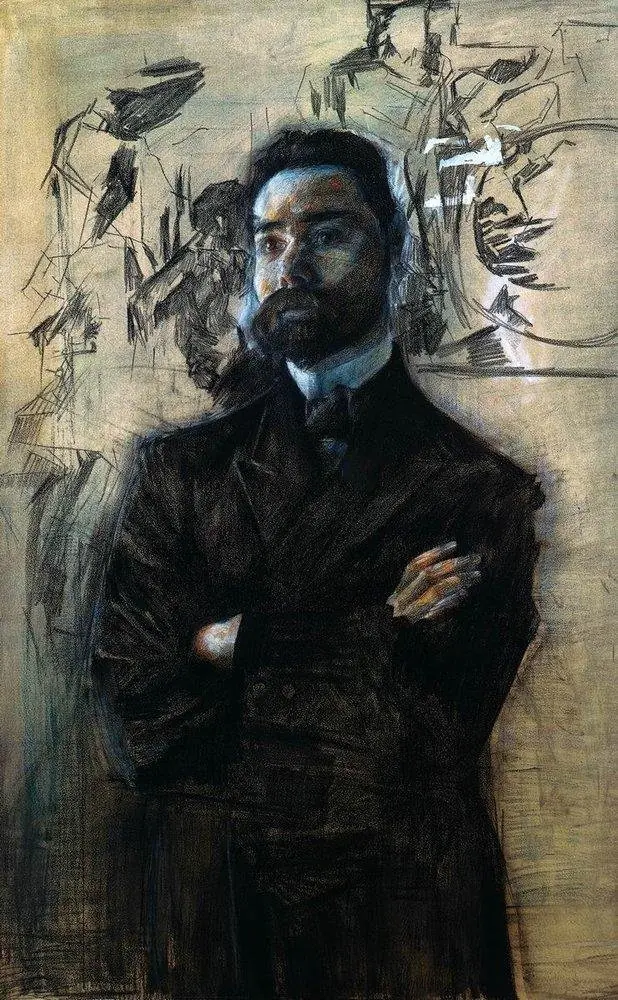 Valery Bryusov
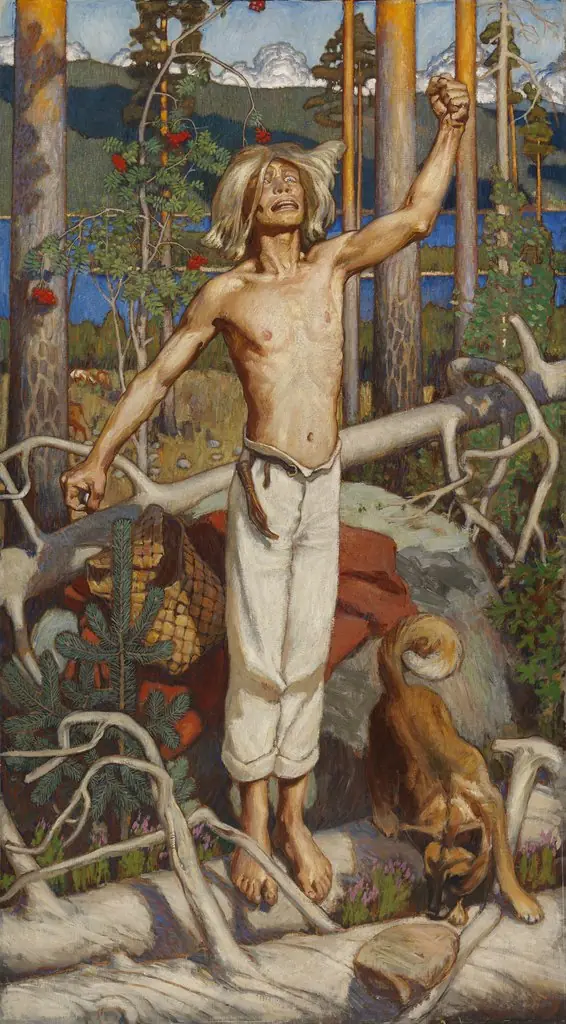 Kullervo Cursing
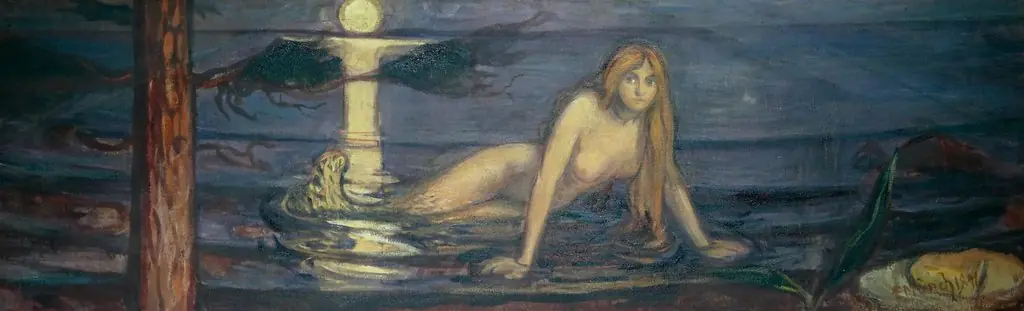 The Mermaid
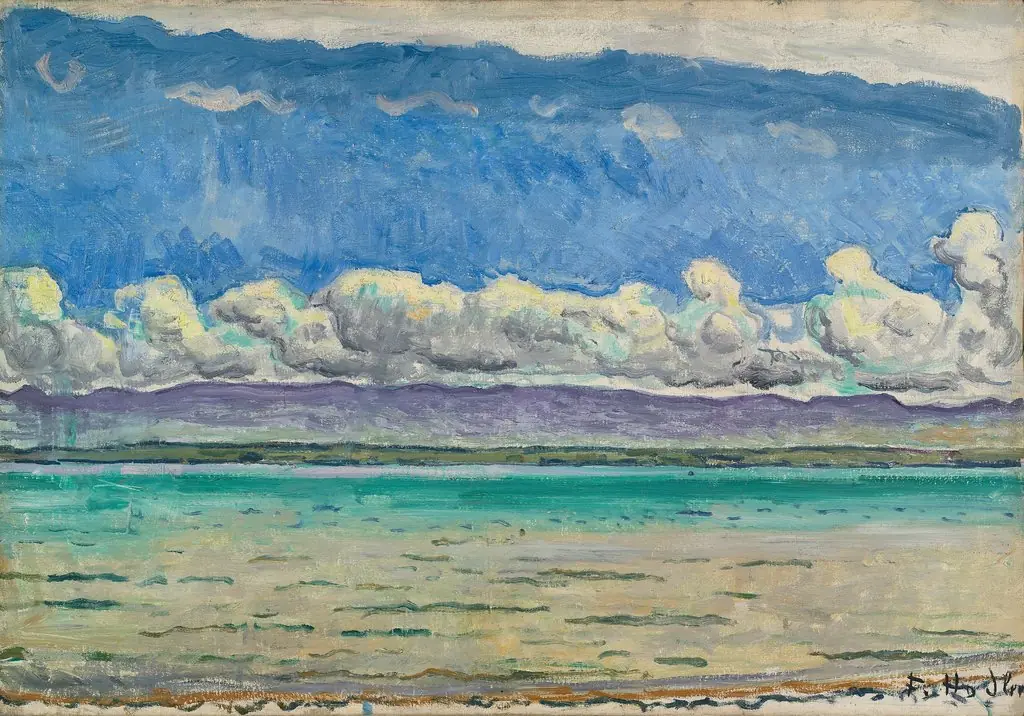 Lake
Lake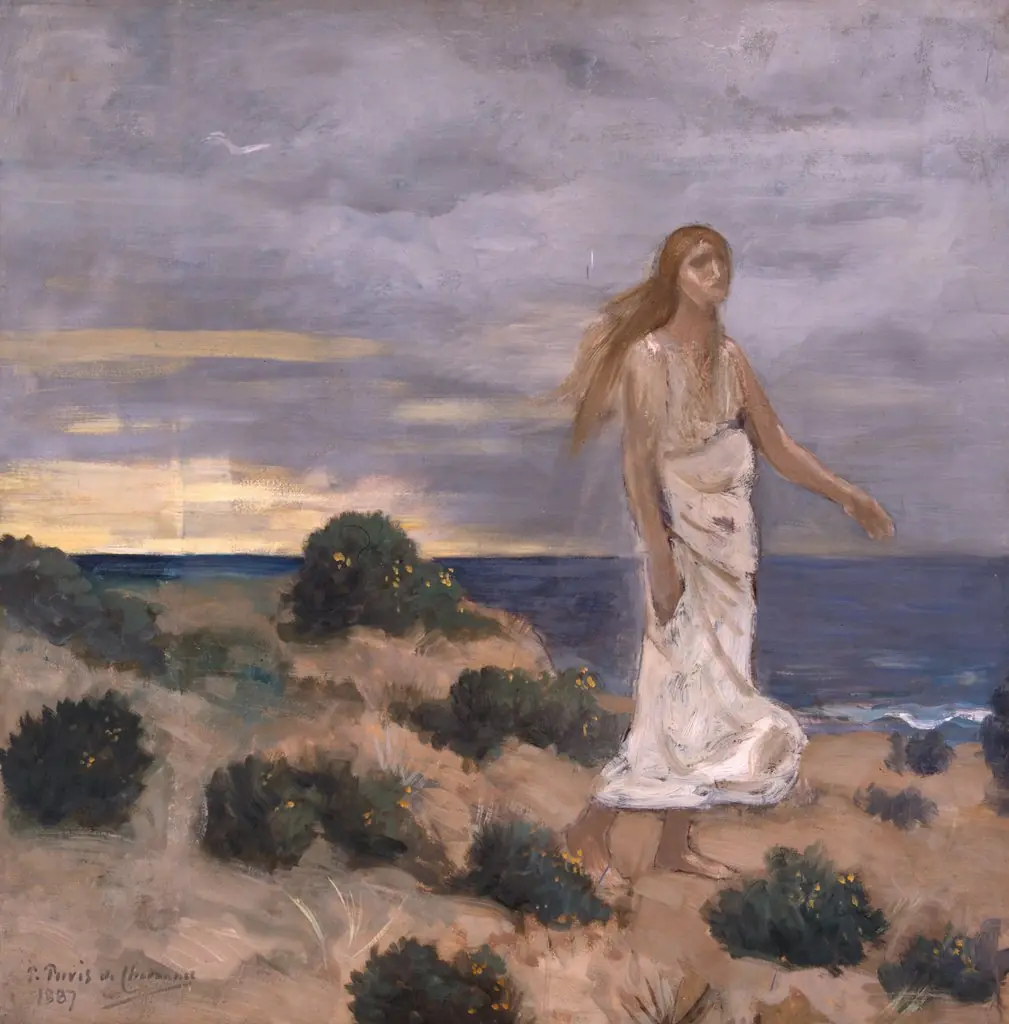 Woman on the Beach
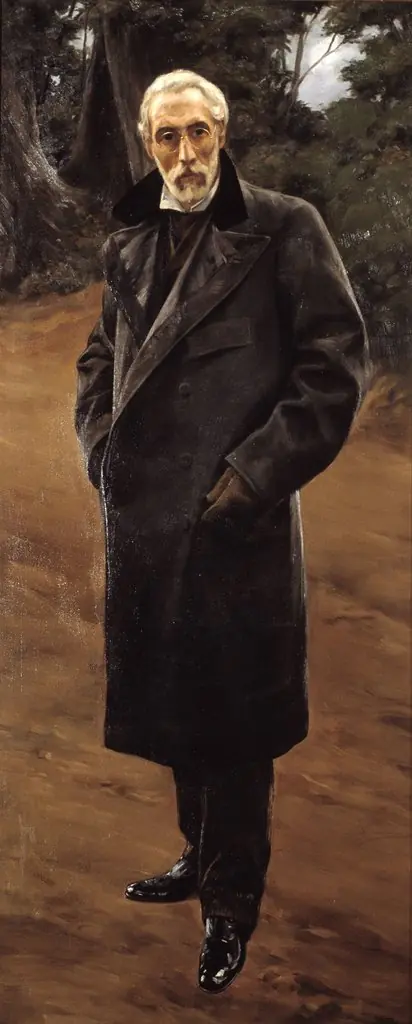 Self-portrait
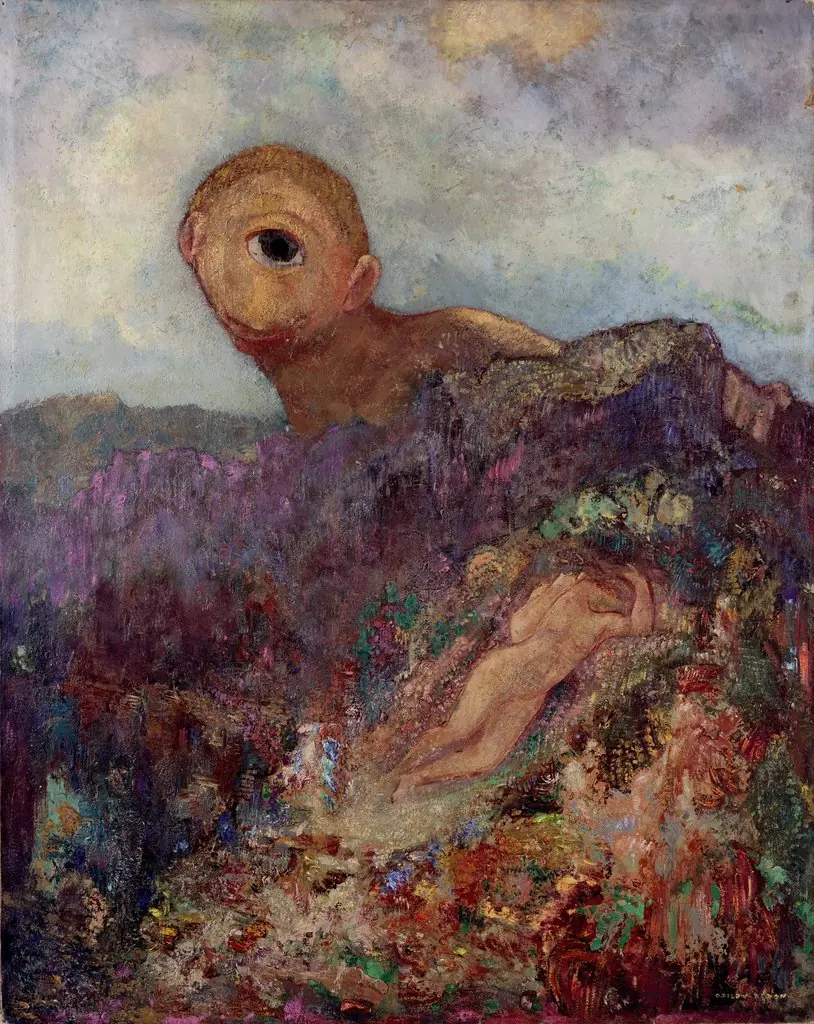 The Cyclops
 Study of a fabric from the 16th century
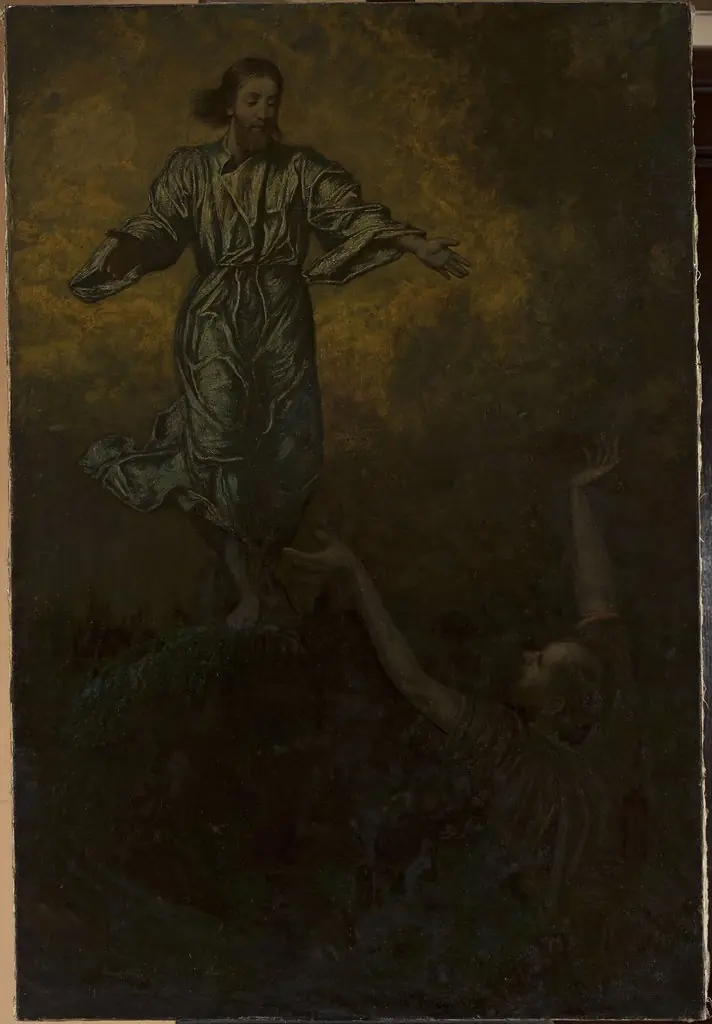 Christ and Saint Peter
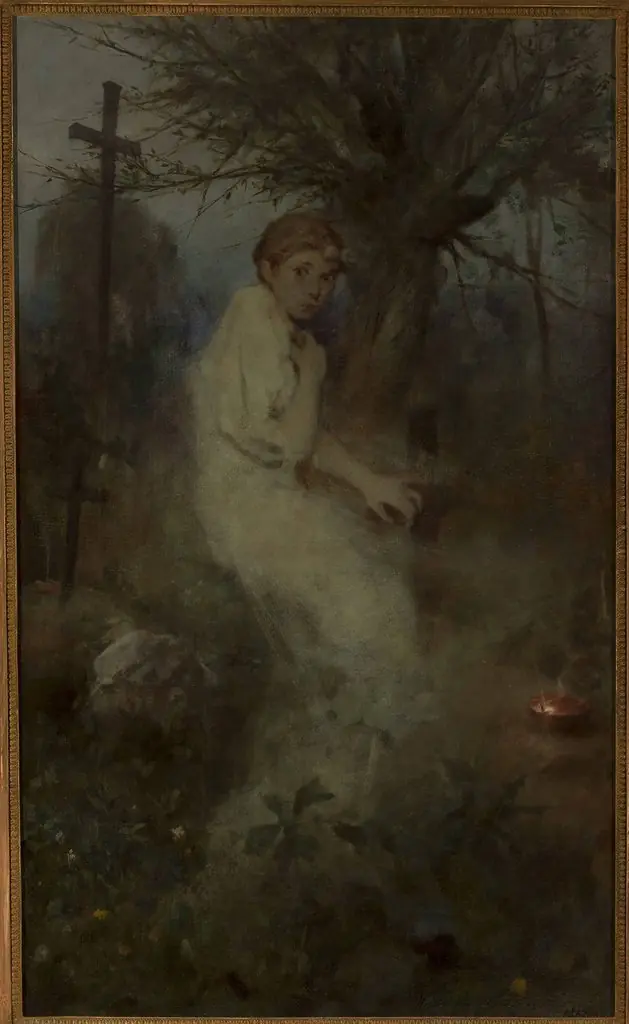 All Souls’ Day, part one of the triptych
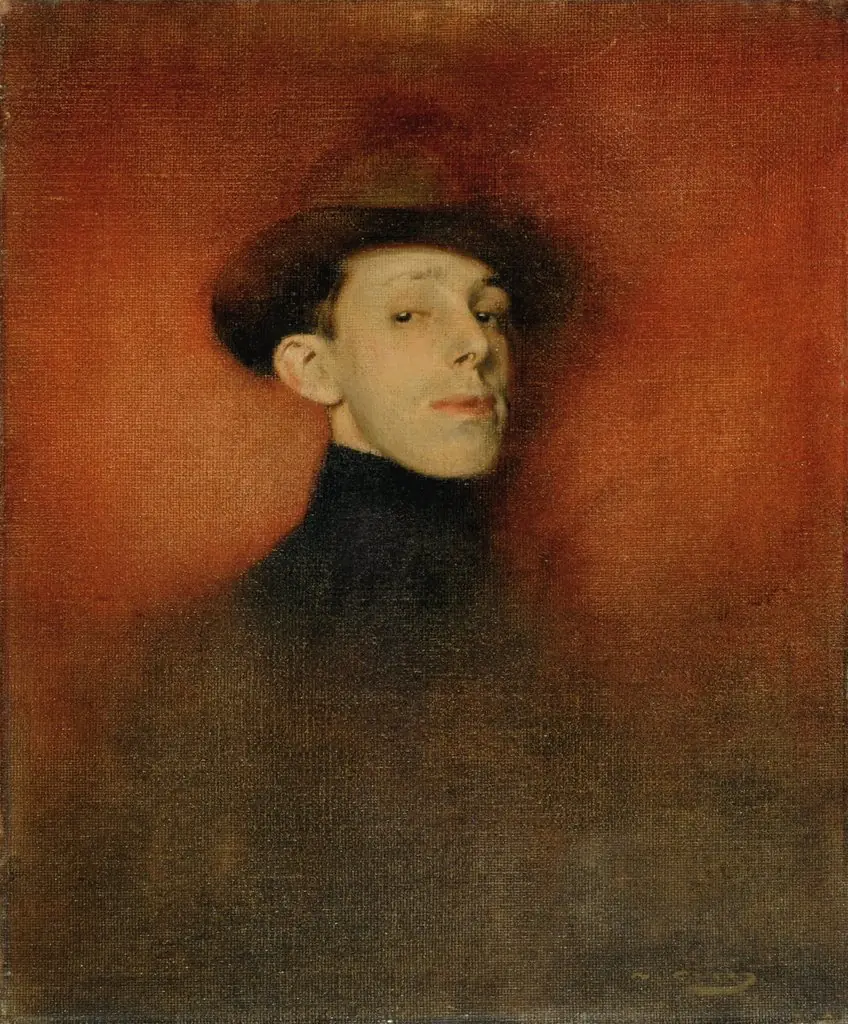 Alfonso XIII, Rey de España
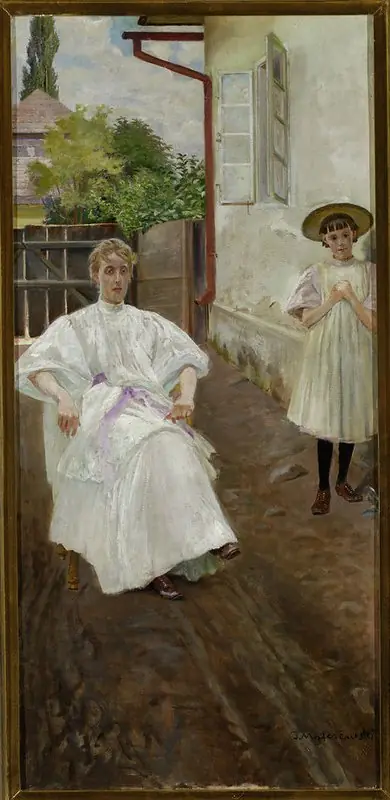 In front of the houe – artist’s wife and daughter
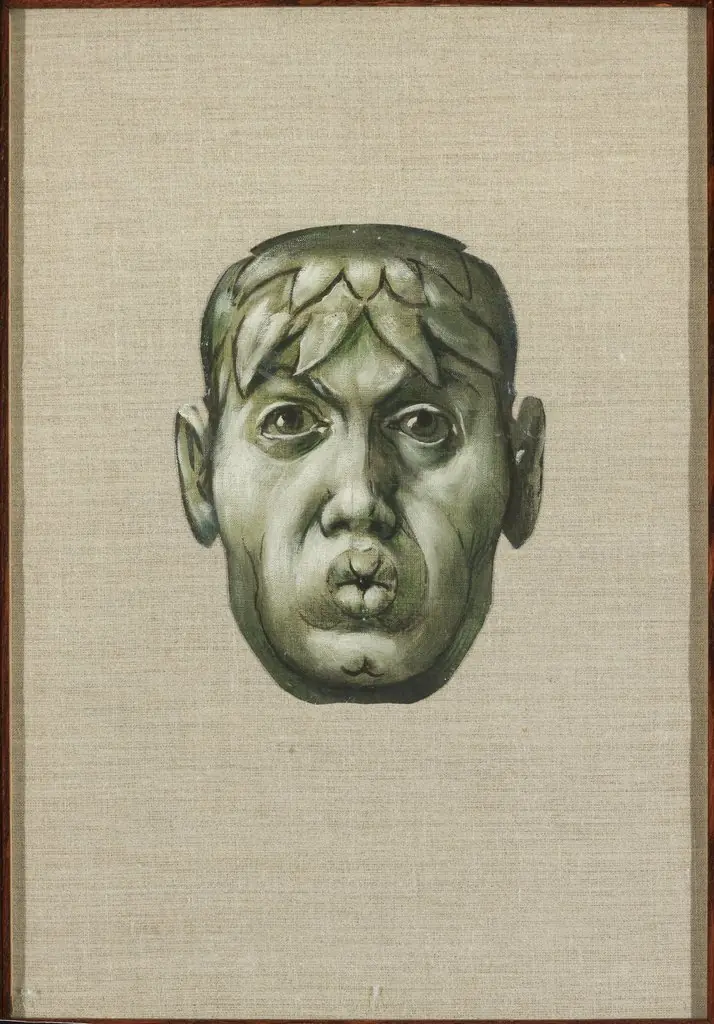 Blowing mask
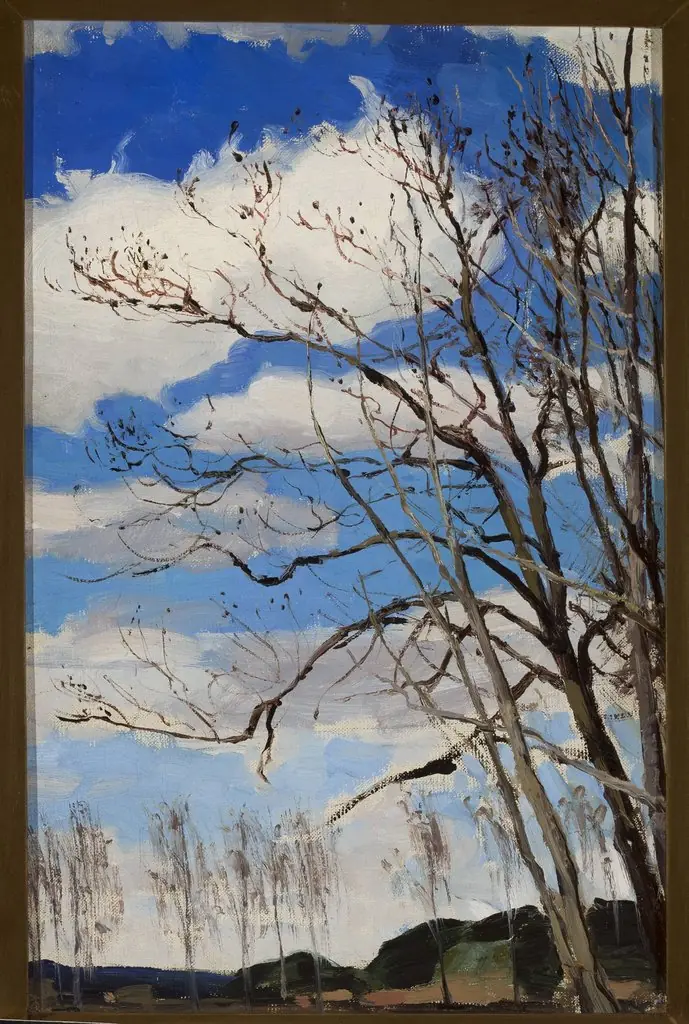 Trees against the sky
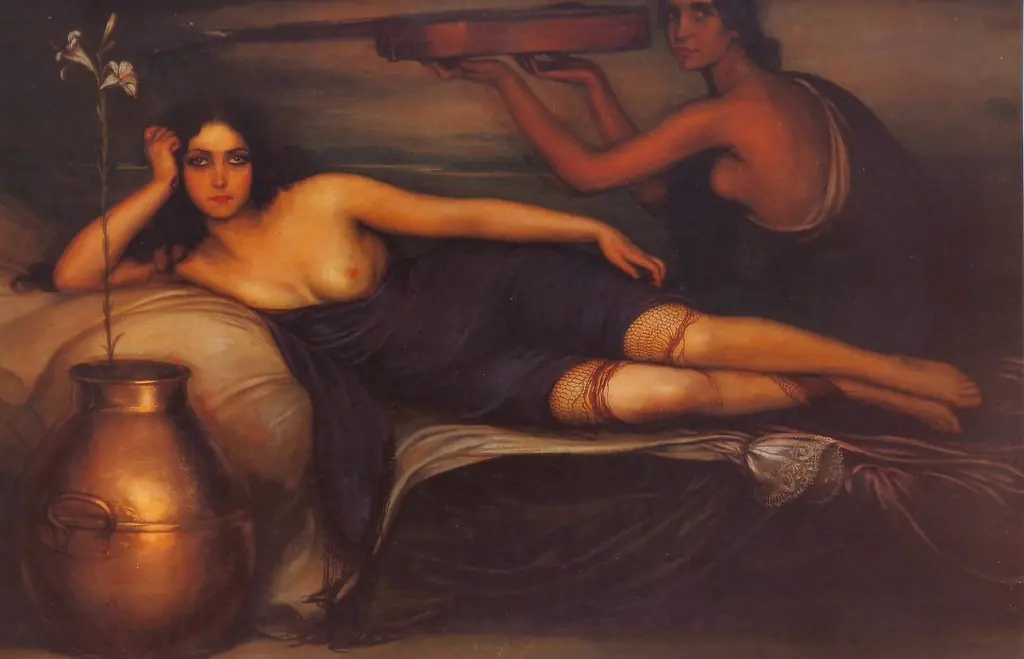 Musidora
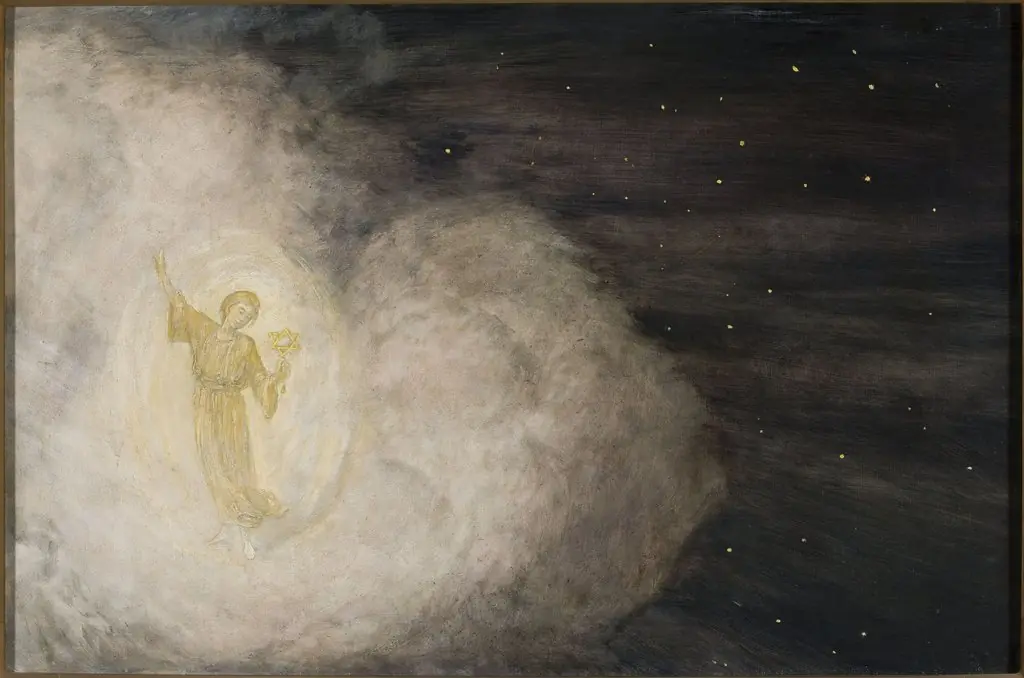 Angel with the star of Bethlehem
 Woman indoors
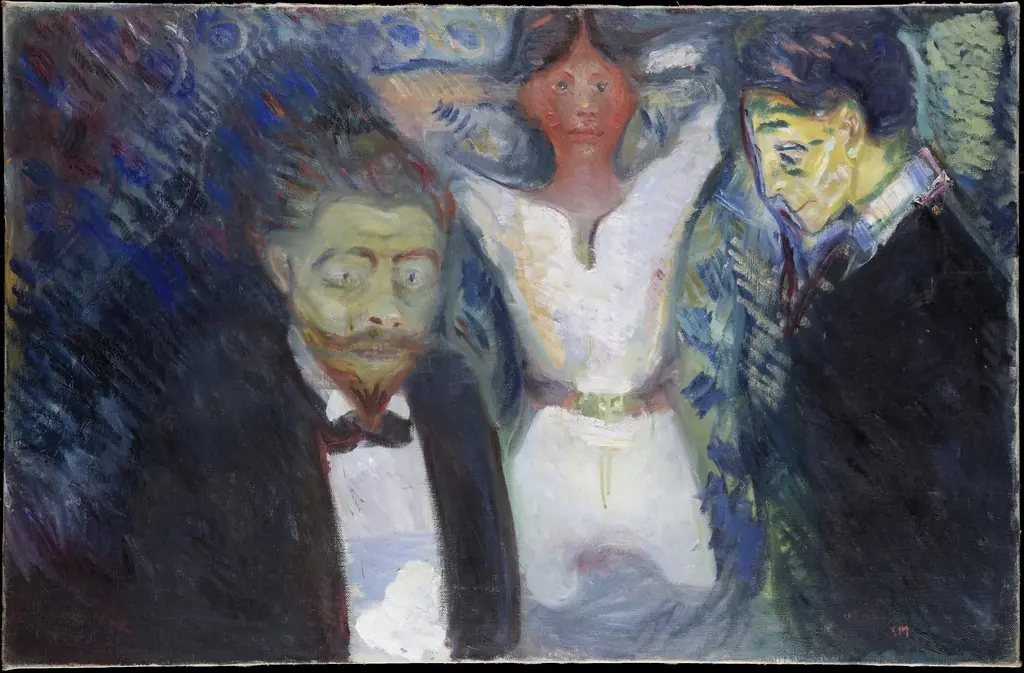 Jealousy
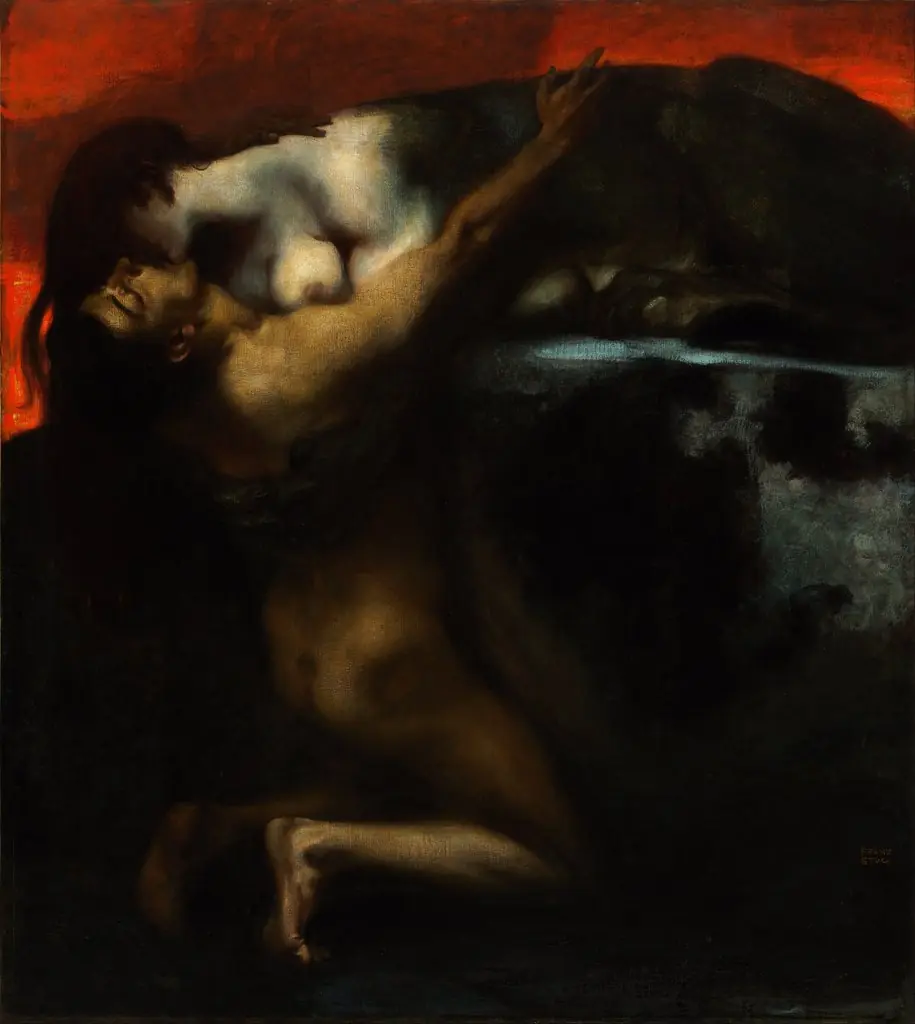 The Kiss of the Sphinx
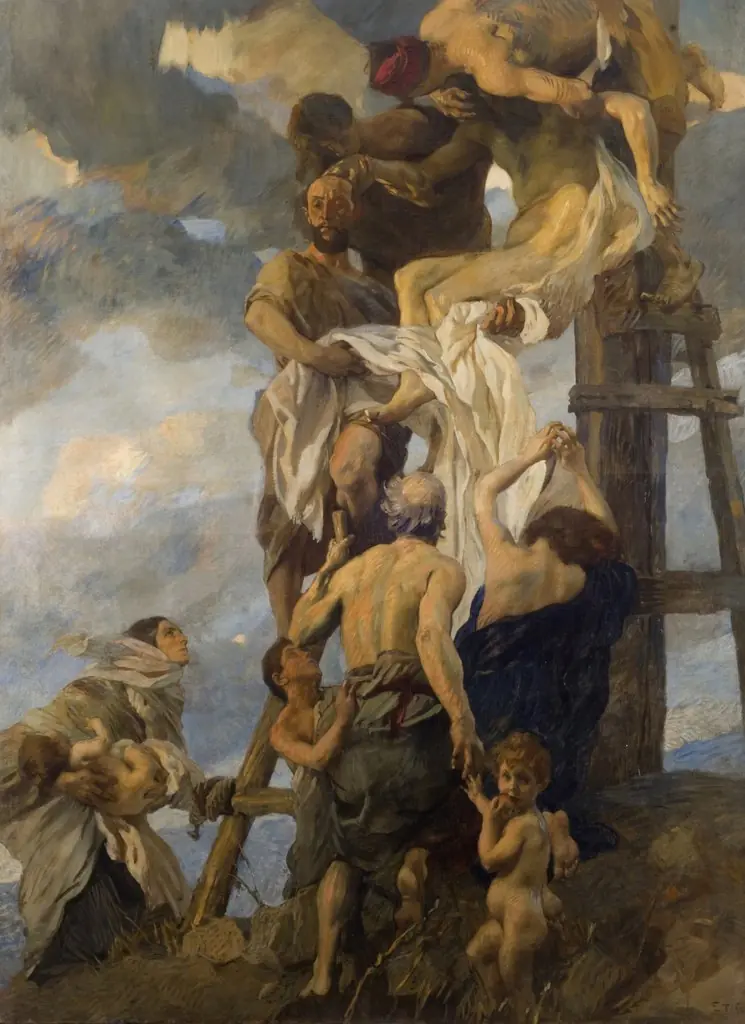 Descent from the cross
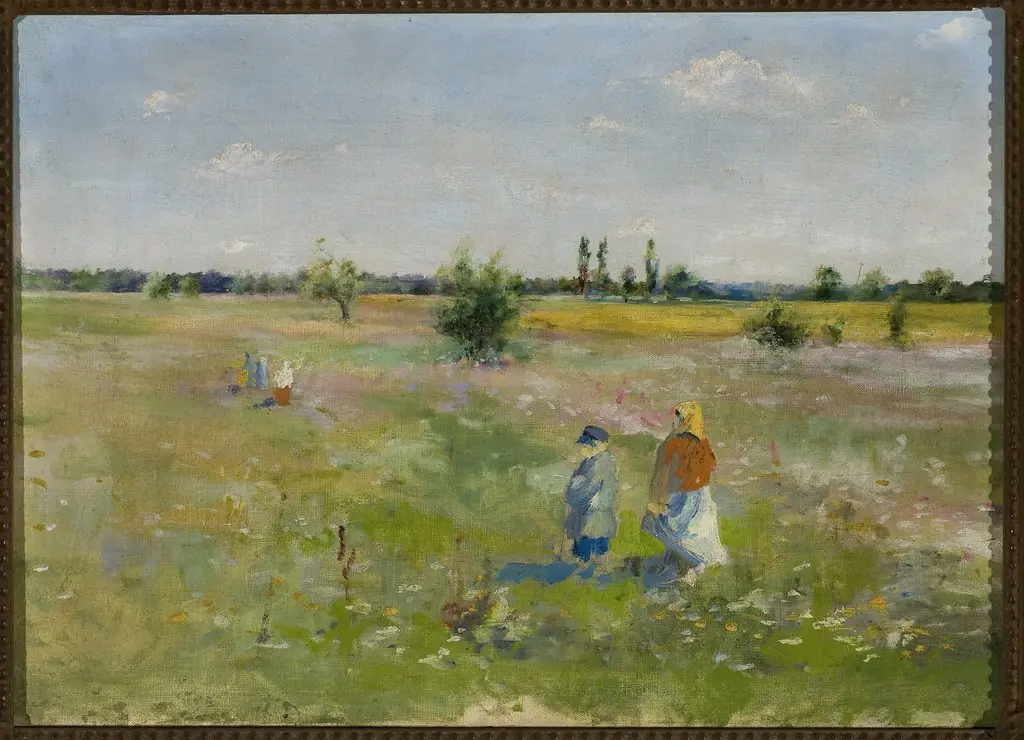 In the meadow
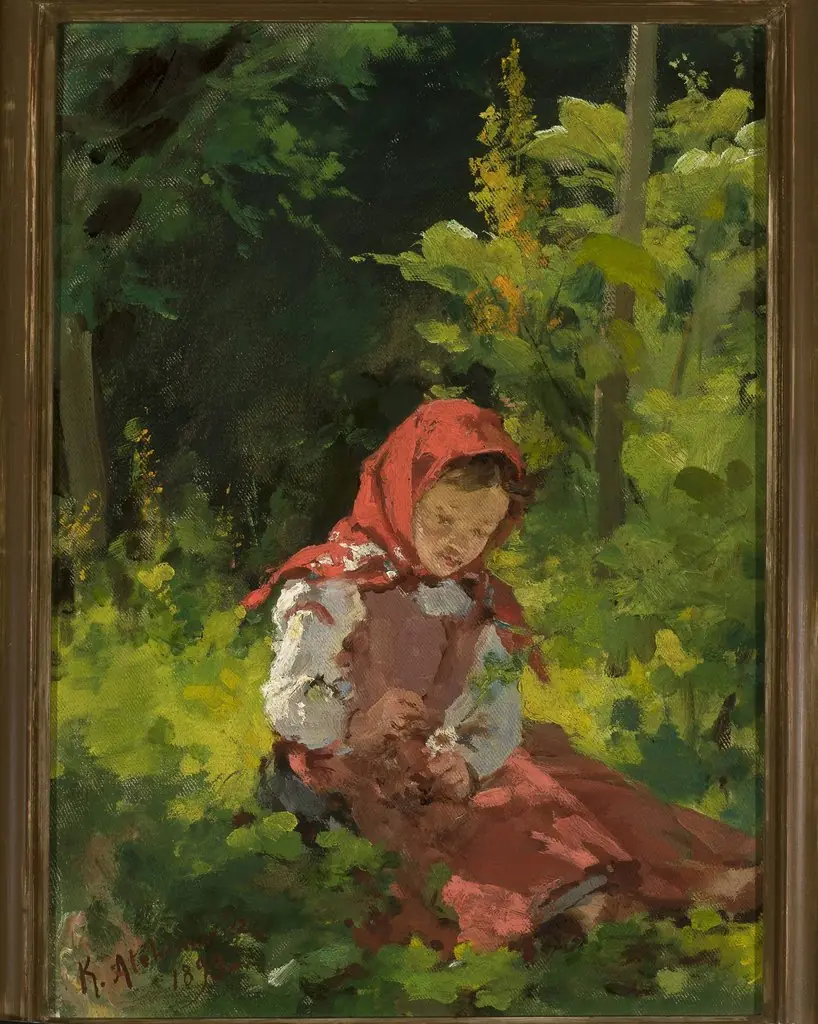 Girl in a forest
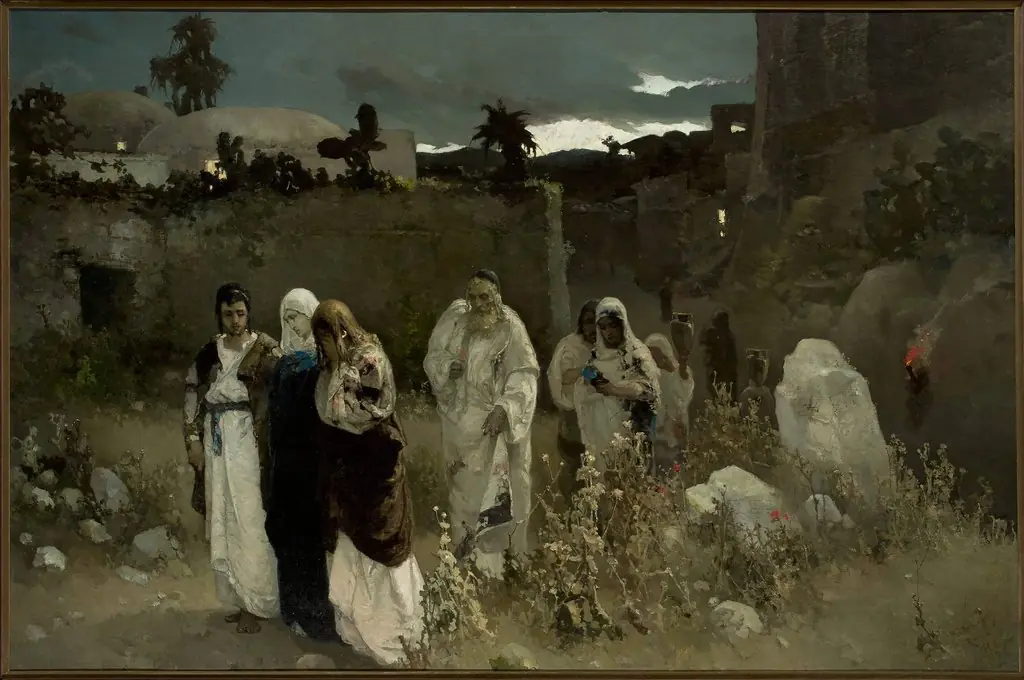 The Three Marys at the Tomb
 In front of the Dragon’s Den – figure for the fairy tale
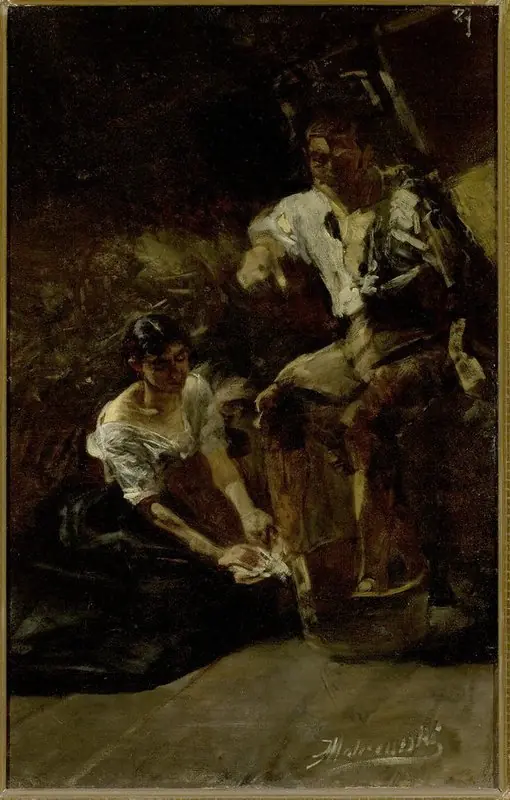 Foot washing (Siberian scene)
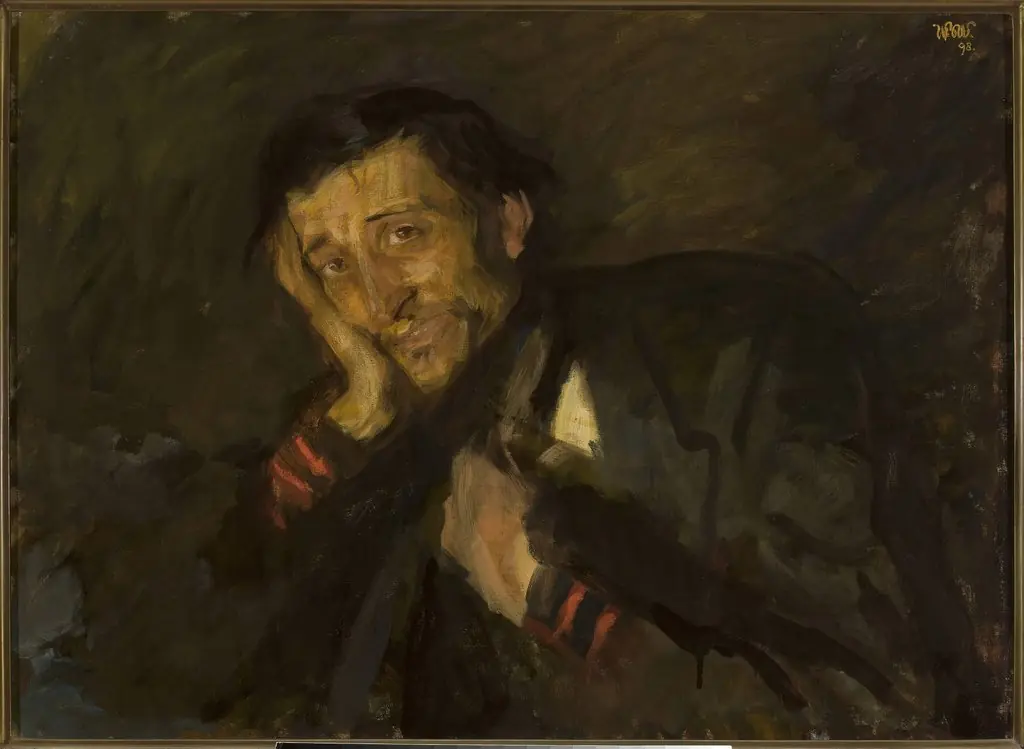 Consumptive
 A Glimpse into Hell, or Fear
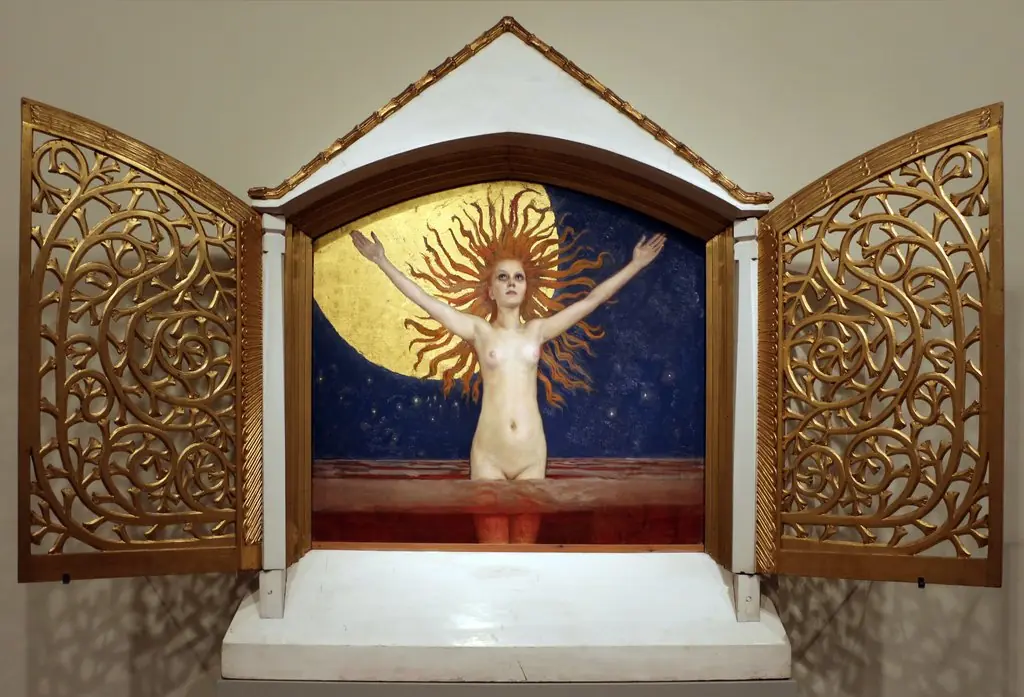 Ad Astra
 Nacht in Venetië
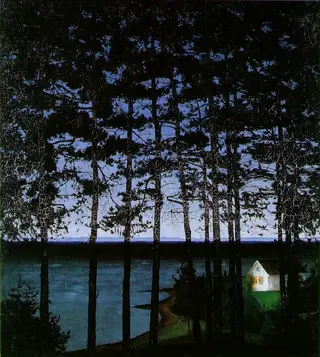 Fisherman's Cottage
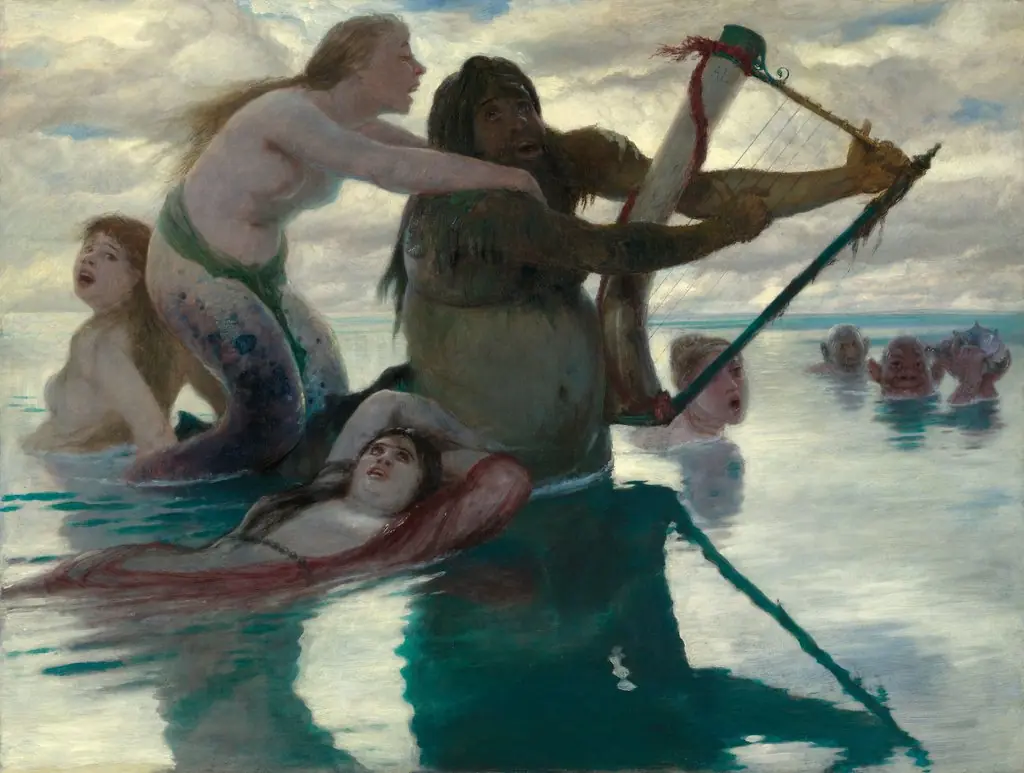 In the Sea
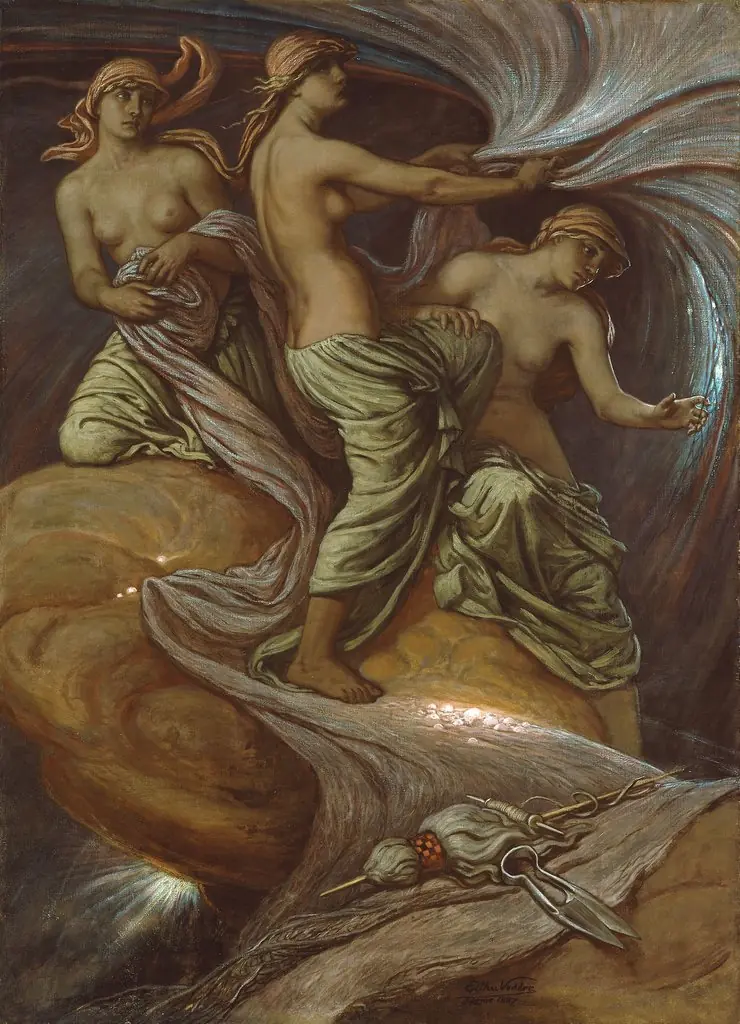 The Fates Gathering in the Stars
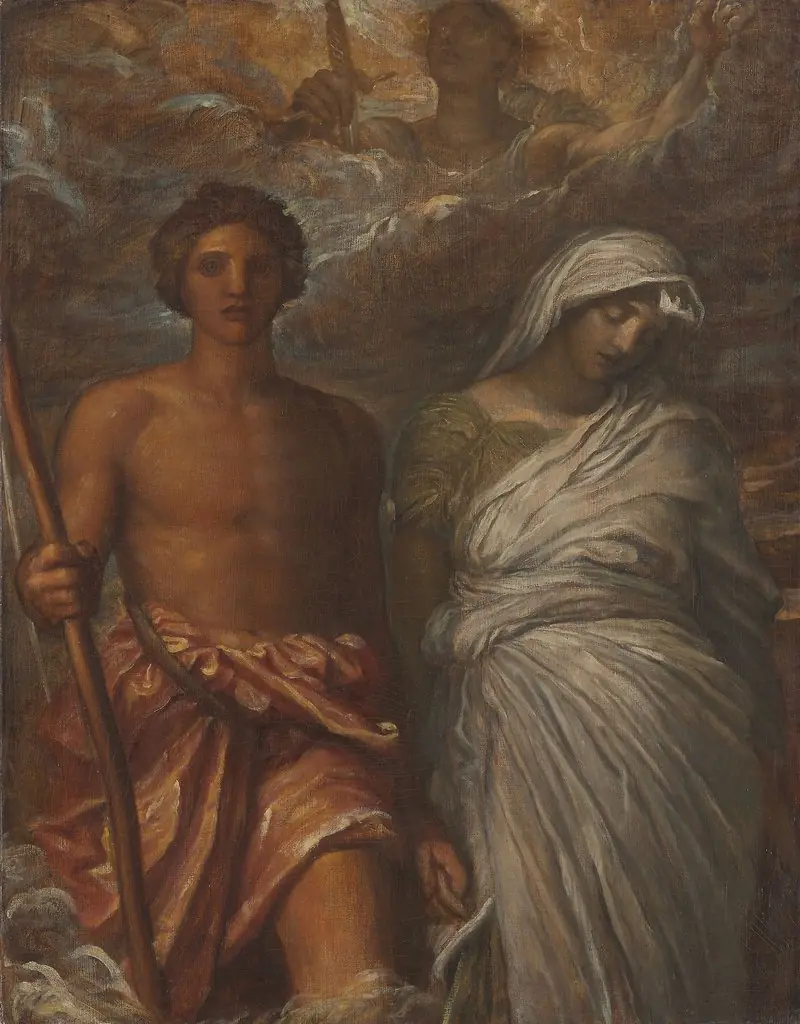 Time, Death and Judgment
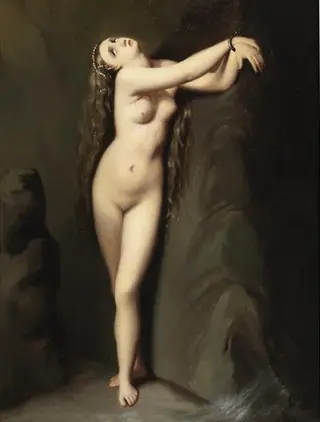 Andrómeda
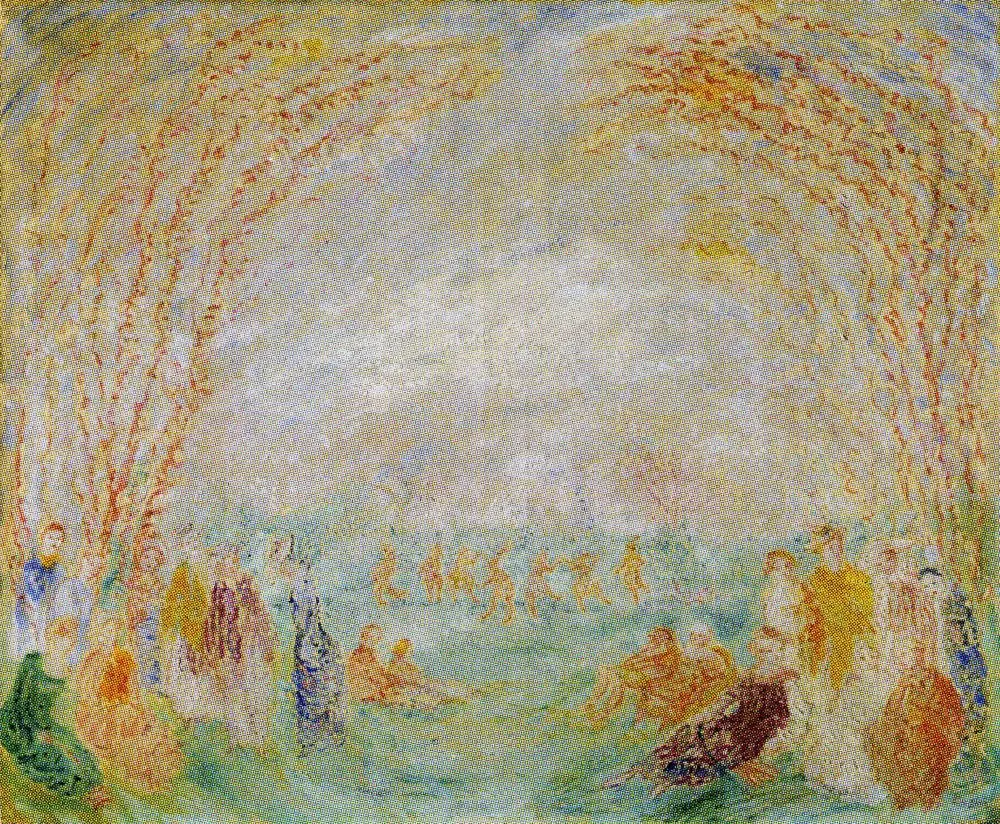 Le Ballet Féerique (Le Jardin D'Amour)
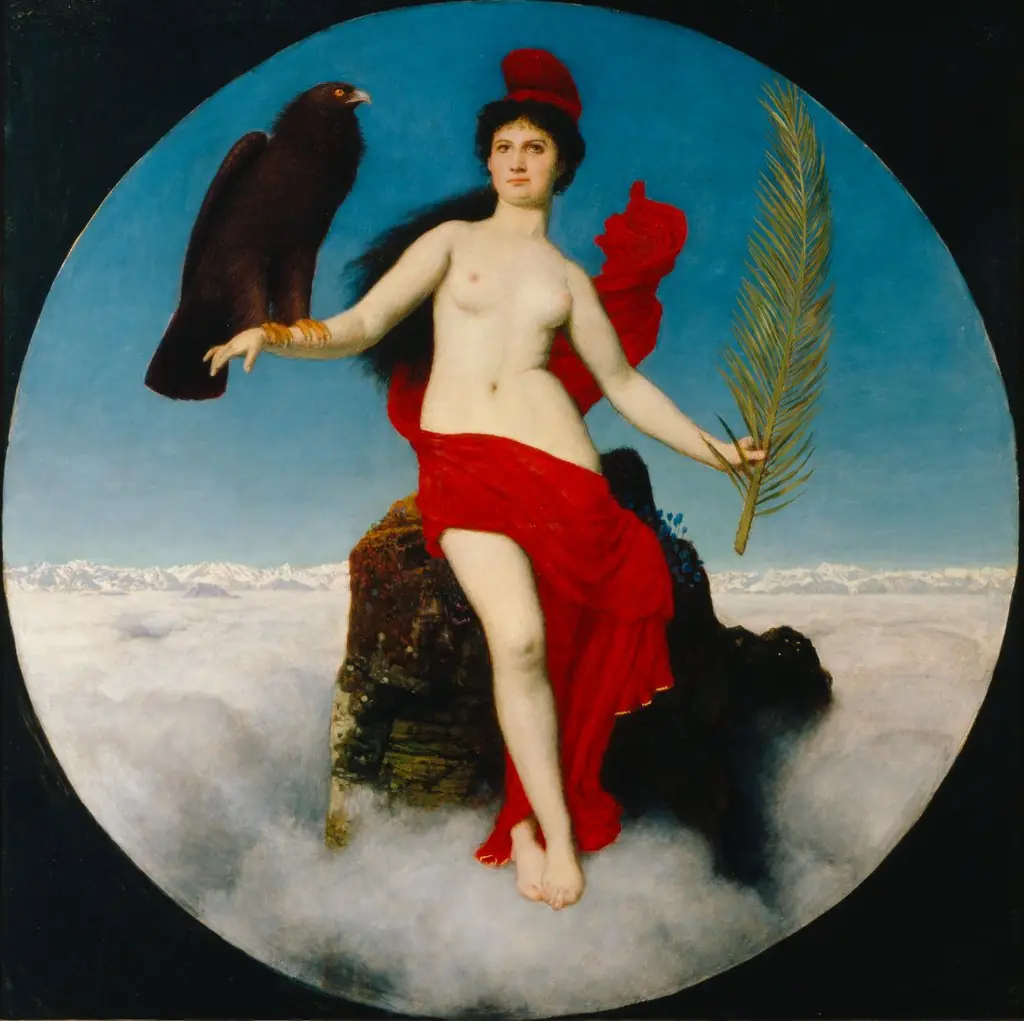 Freedom (Helvetia)
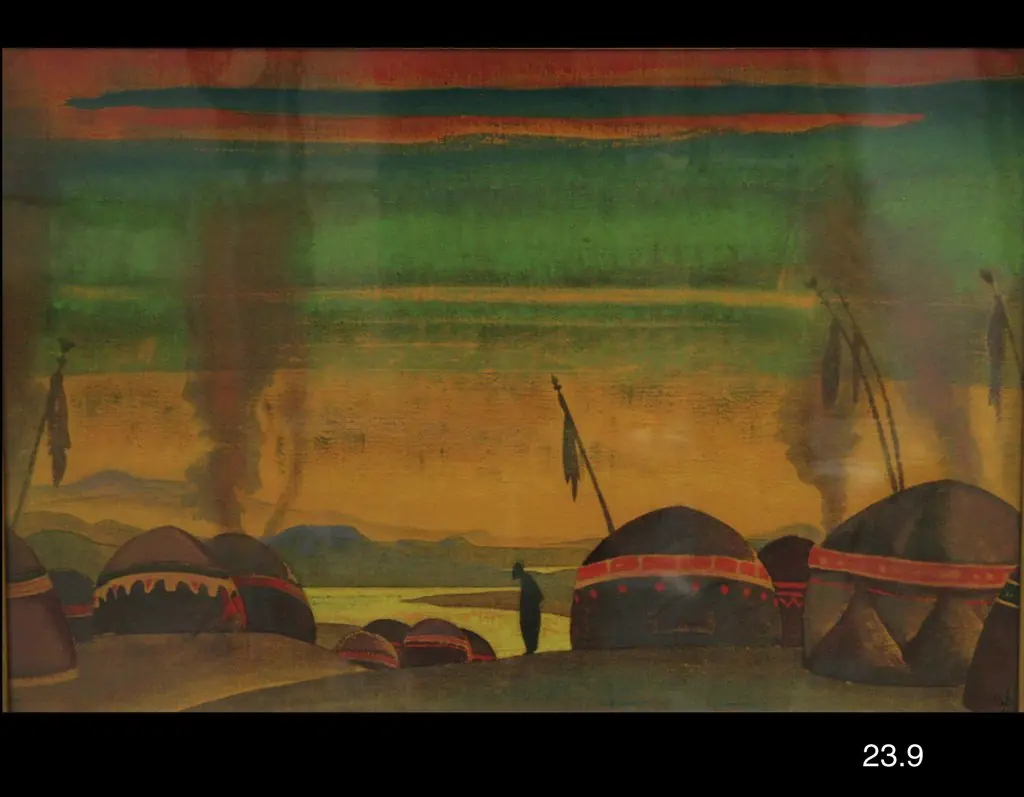 The Polovetzky Camp
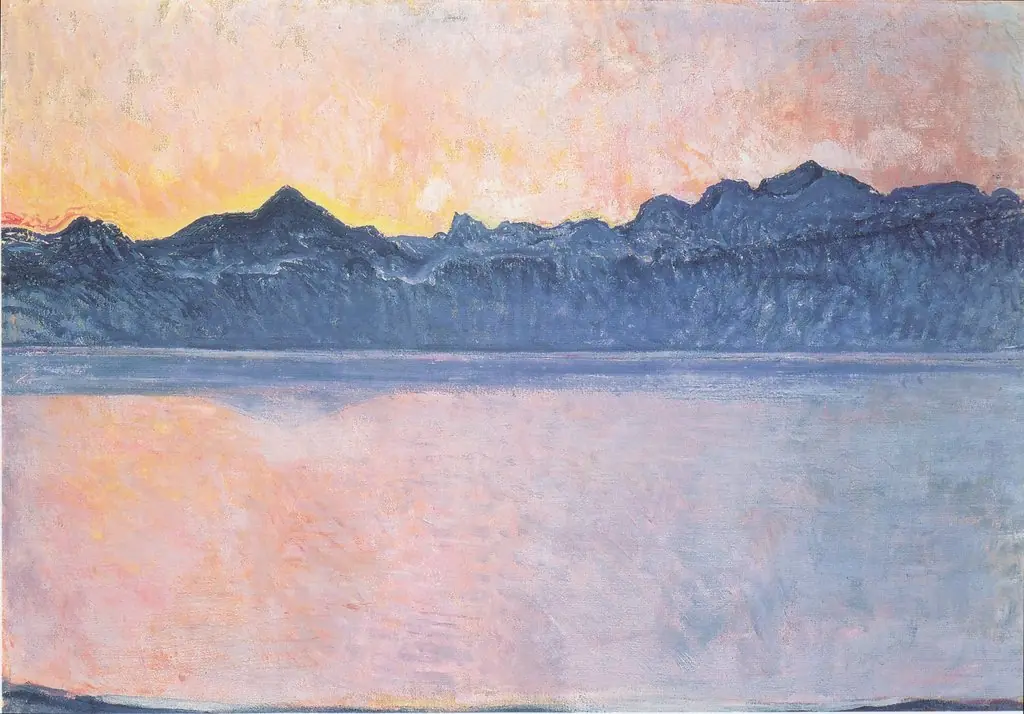 Genfersee mit Mont-Blanc im Morgenlicht
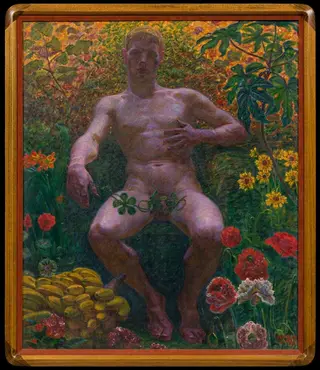 Adam in The Garden of Eden
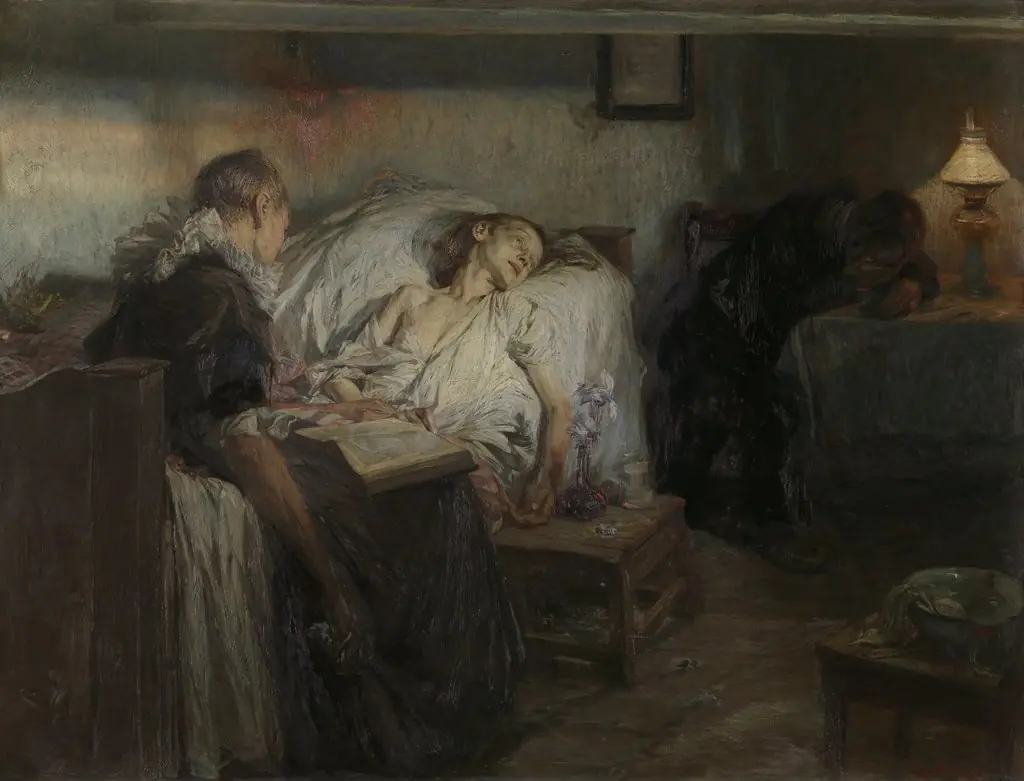 Death is Near
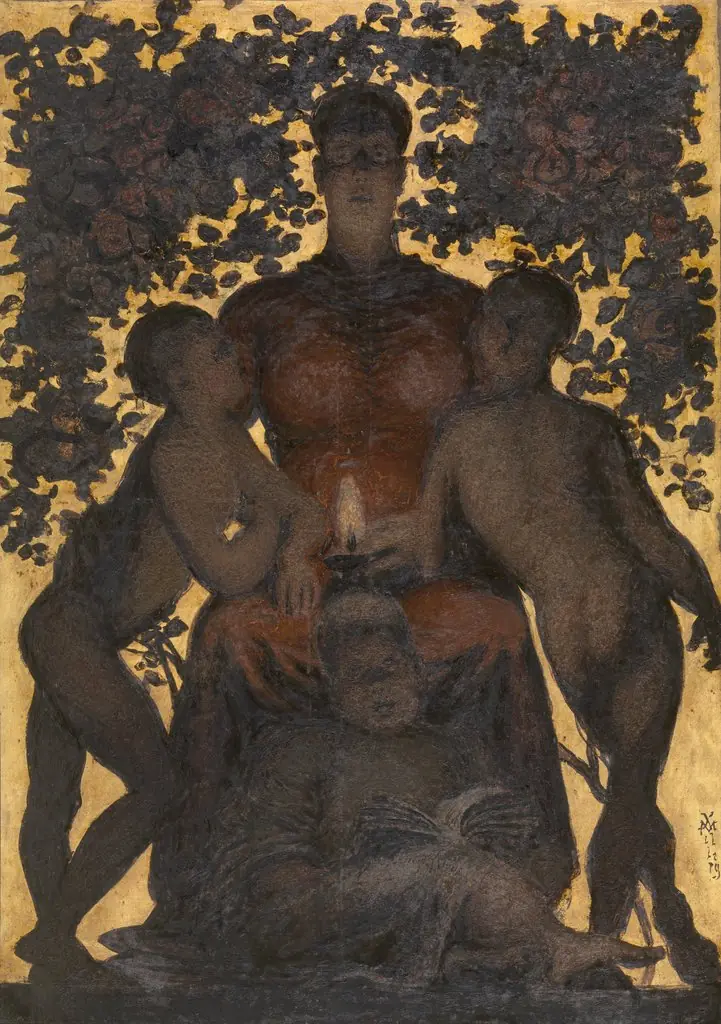 Motherly Upbringing
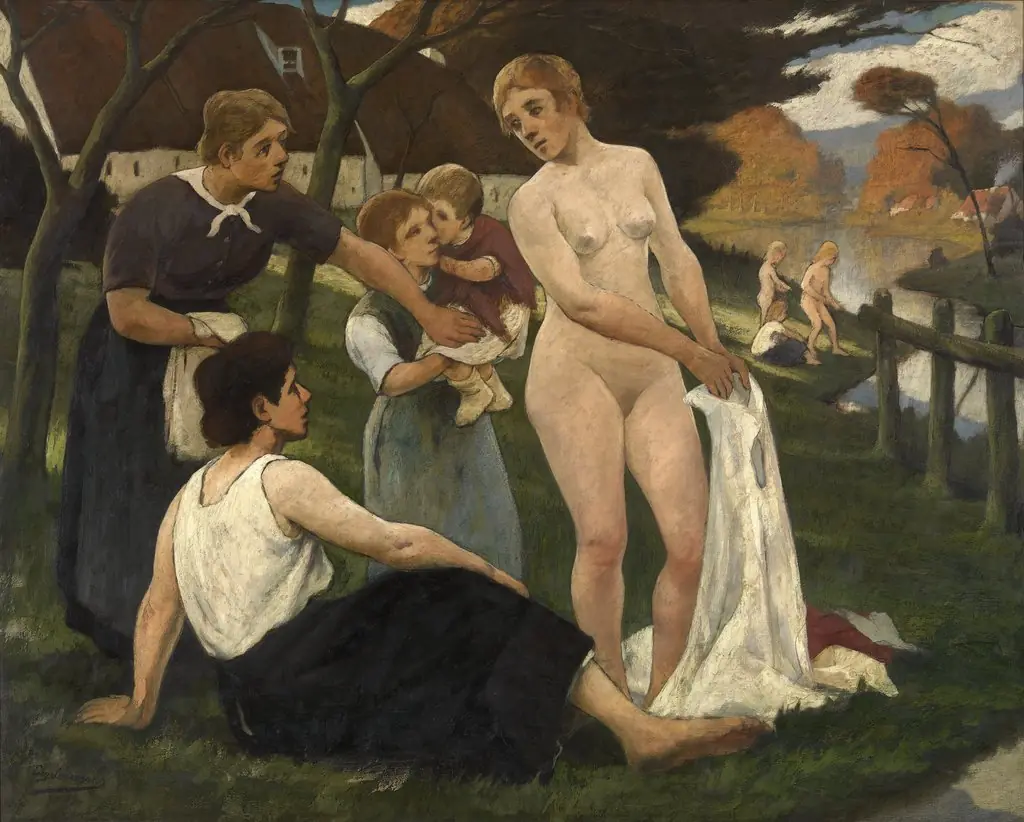 Oasis
Oasis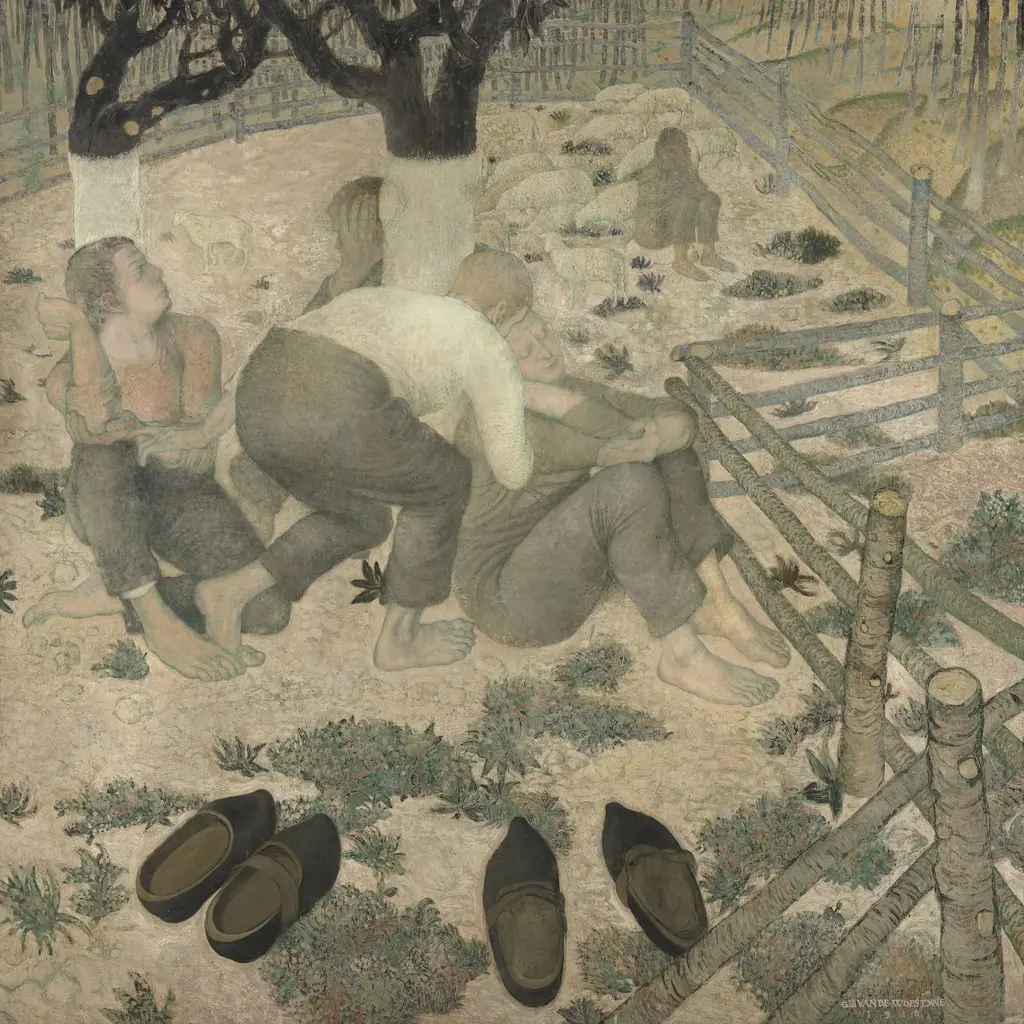 The Sleepers
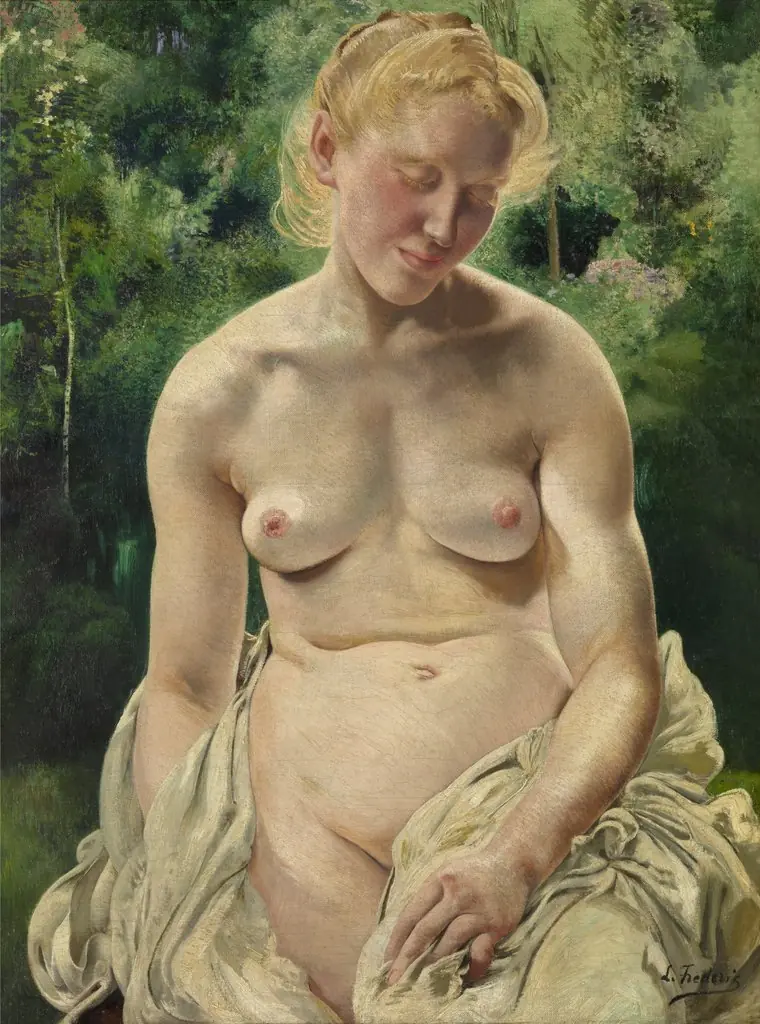 Timidity
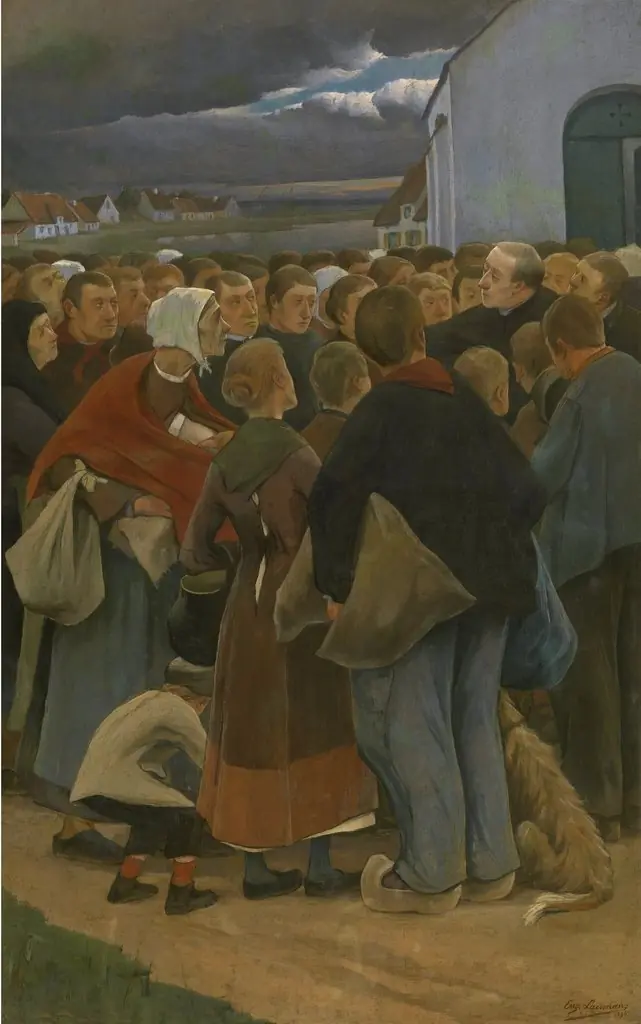 Emigrants - To the port
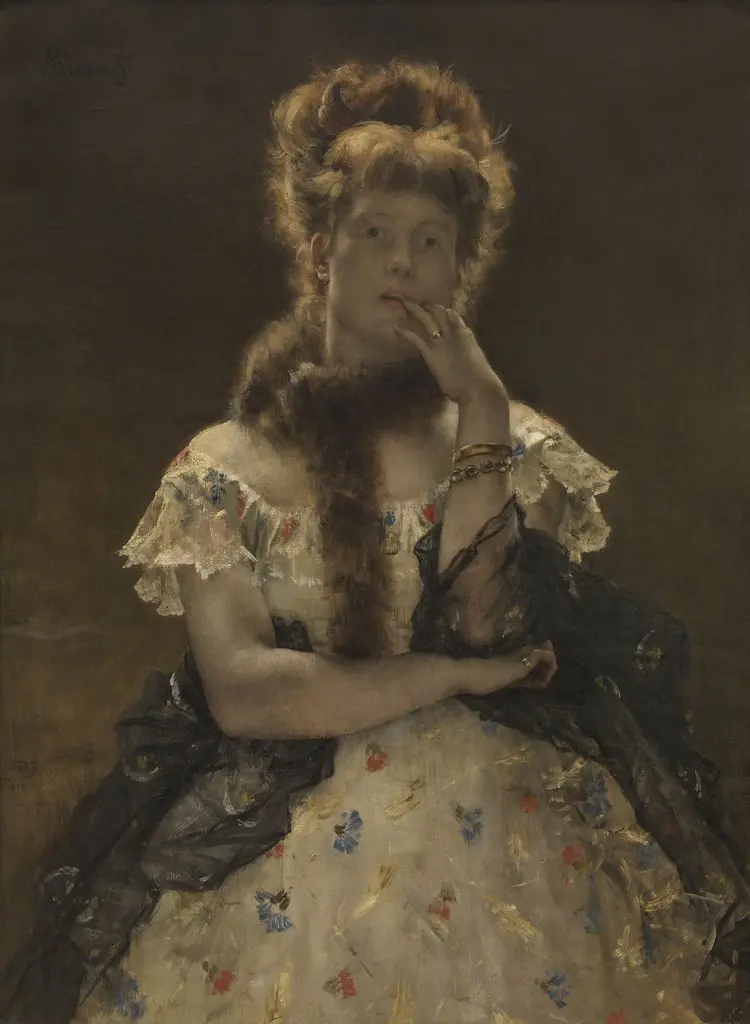 The Parisian Sphinx
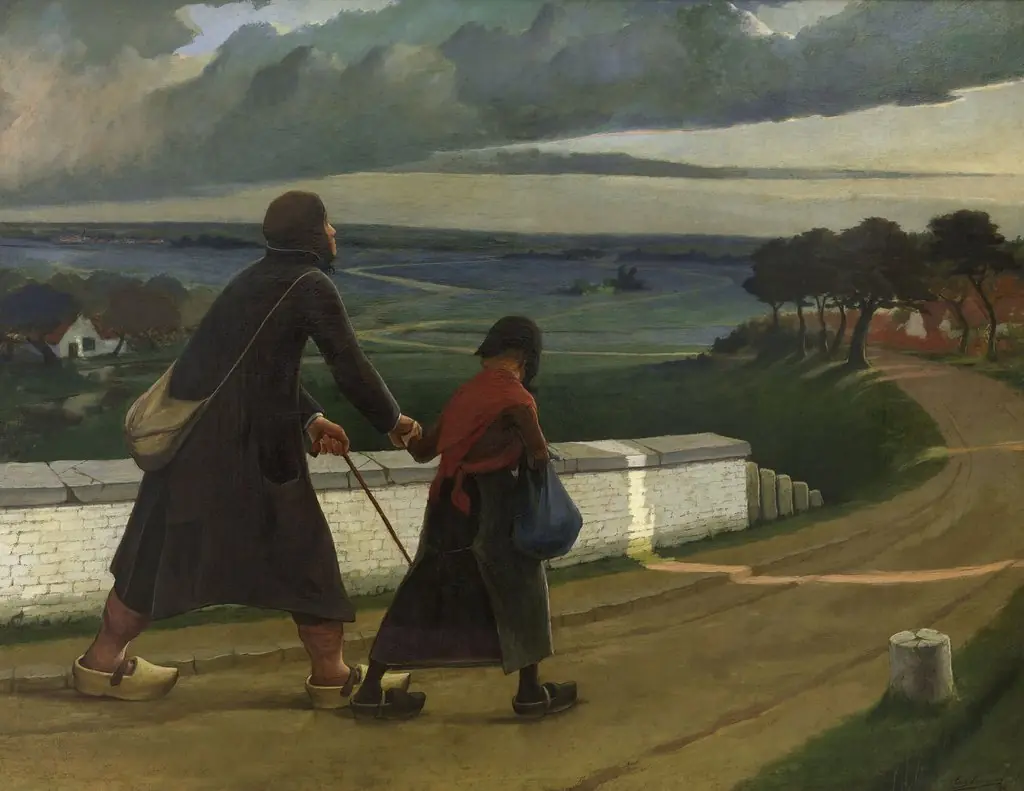 The blind one
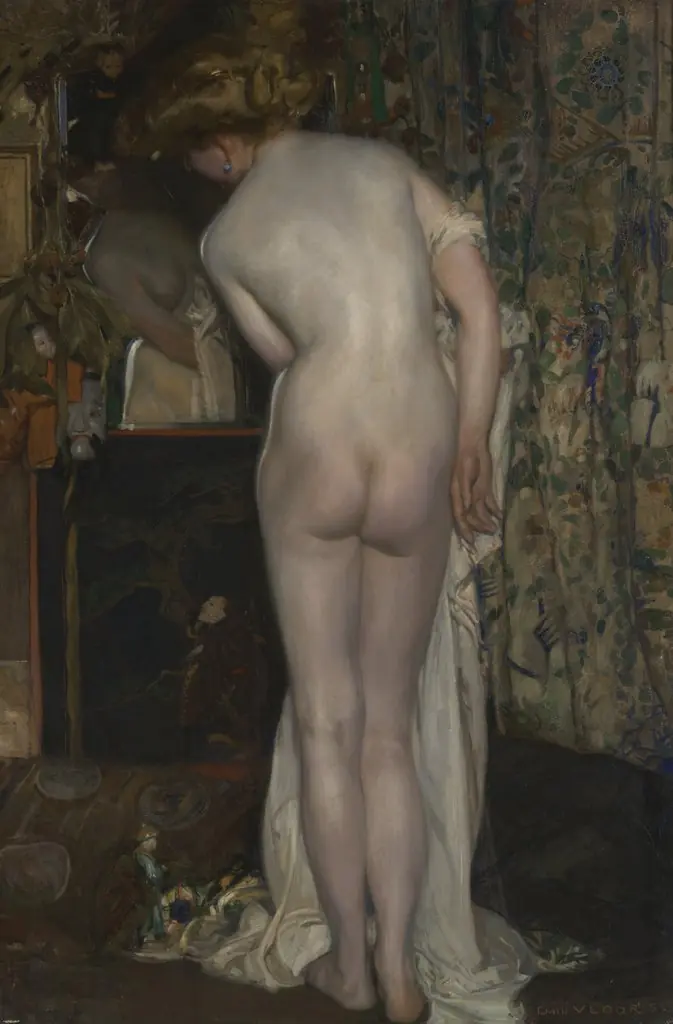 The Mirror
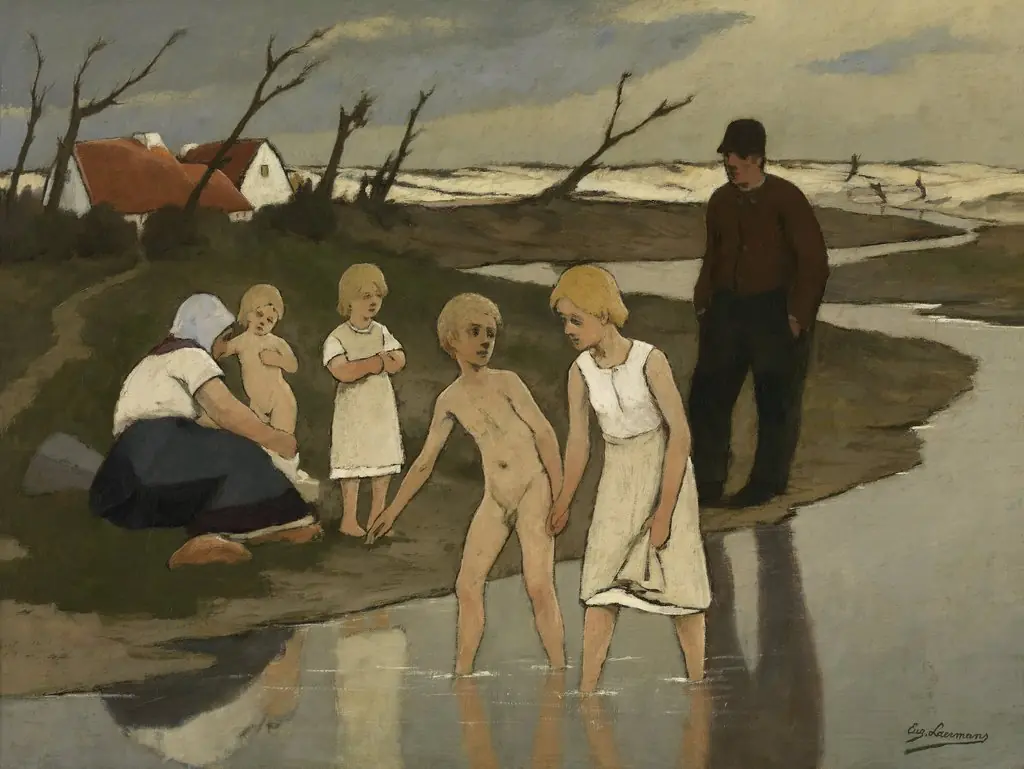 Bathing children
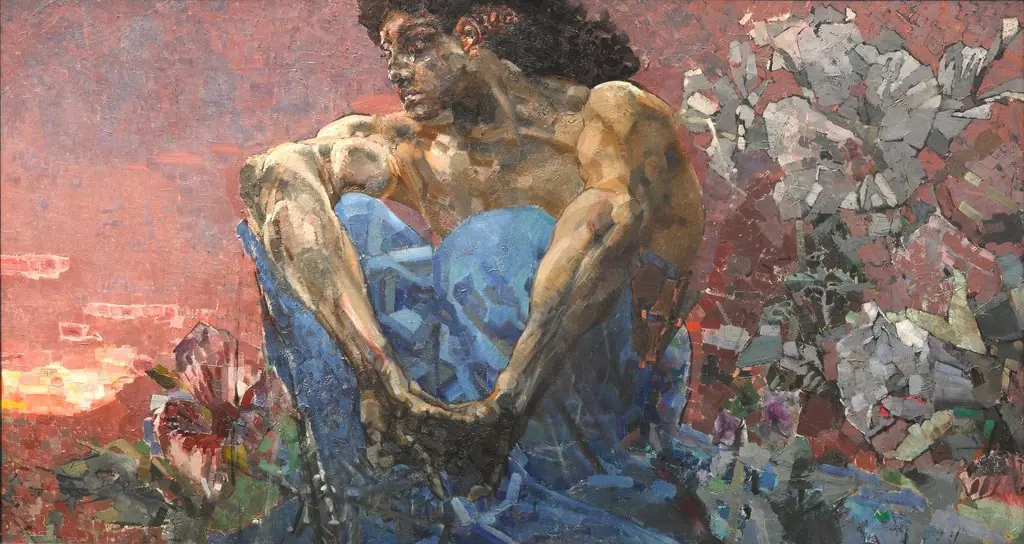 The Demon Seated
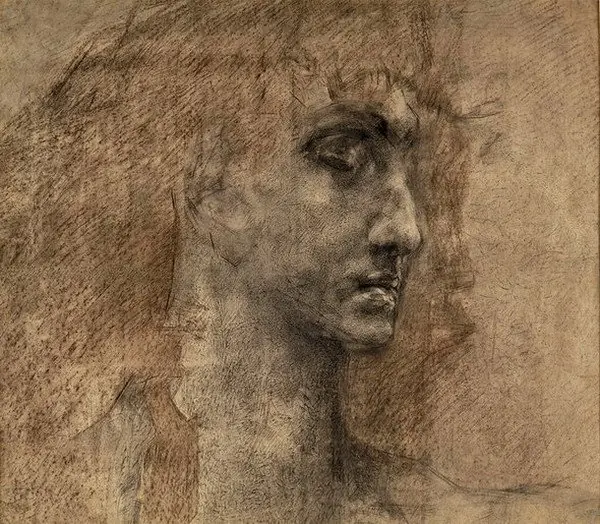 Goals of the demon
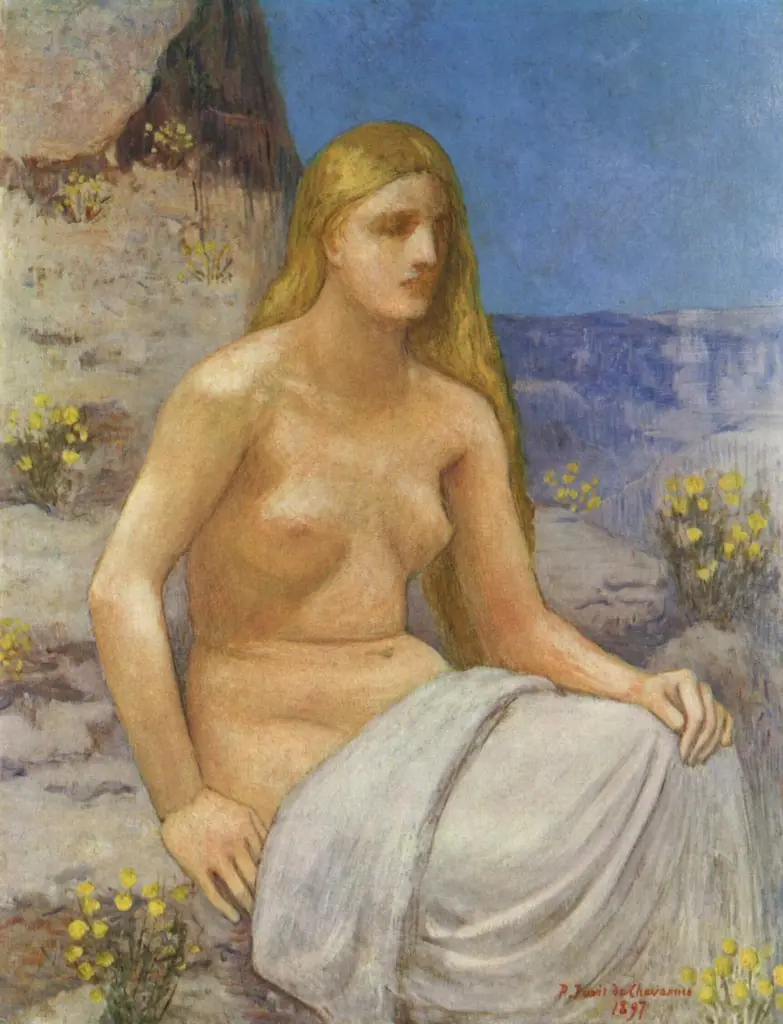 Mary Magdalene
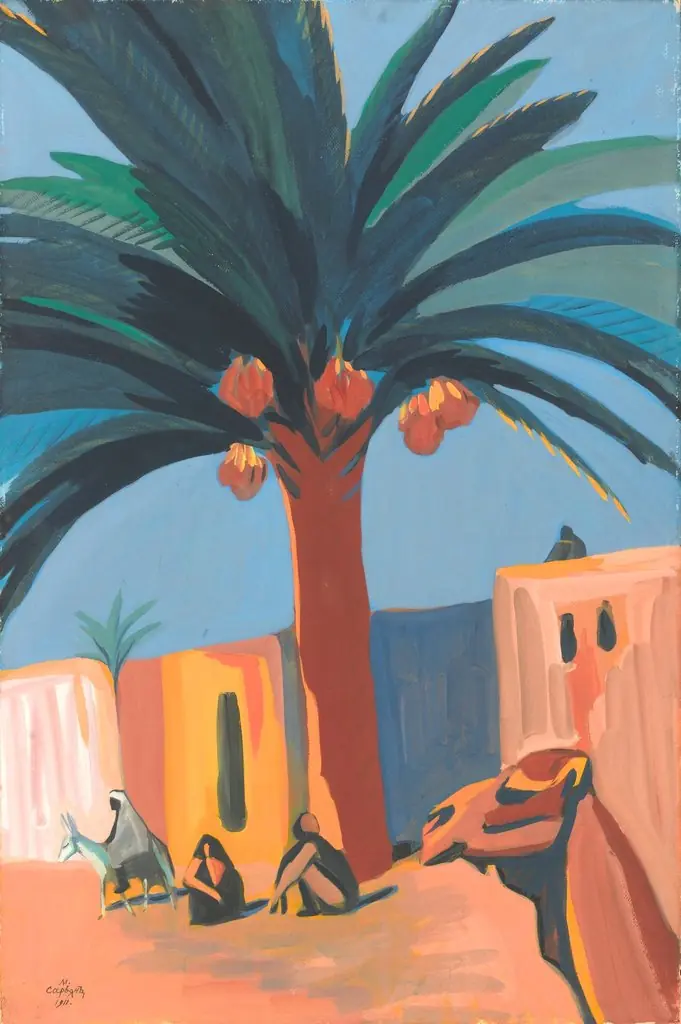 Date Palm. Egypt
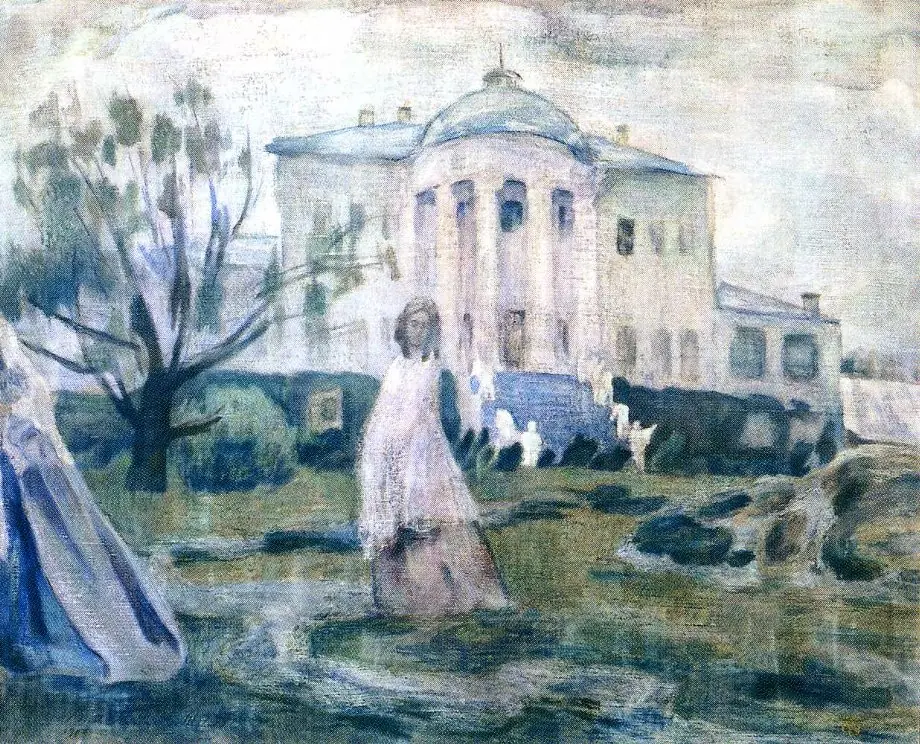 Phantoms
Groups & collectives
Learn this movement
-
 Featured in the course Pre-Raphaelites Seven rebels who painted backwards to escape the Victorian present.
 -
 Featured in the course Color & Light From the glowing haze of Luminism to the fractured beams of Pointillism, trace how painters dissolved the world into light.
 -
 Featured in the course Mythology in Art From Botticelli's modesty to Boucher's boudoir, tracing how European masters reinvented the gods for five centuries.
Frequently asked questions
What is Symbolism?
Symbolism is an art movement. A late-19th-century movement in France, Belgium, and Russia that rejected Realism's surface description for art that evoked inner states — dreams, myths, spirituality — through veiled, allusive imagery.
How many Symbolism works does Artifact World Gallery have?
Artifact World Gallery holds 404 public-domain Symbolism works, all free to view and download.
Who are the key Symbolism artists?
Key Symbolism artists in the collection include Arnold Böcklin, Paul Gauguin and Gustave Moreau.
When did Symbolism take place?
Symbolism dates from around 1857.
Where can I see Symbolism works?
Symbolism works in the collection are held by Statens Museum for Kunst, Kunsthaus Zürich and Royal Museum of Fine Arts Antwerp.