Artwork
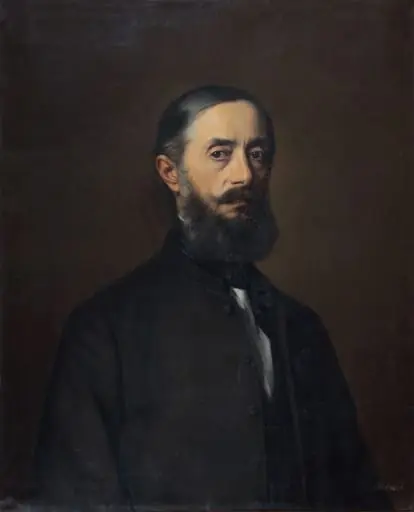
Rahl, Karl - Bild: Ölgemälde, Portrait von Georg Herwegh
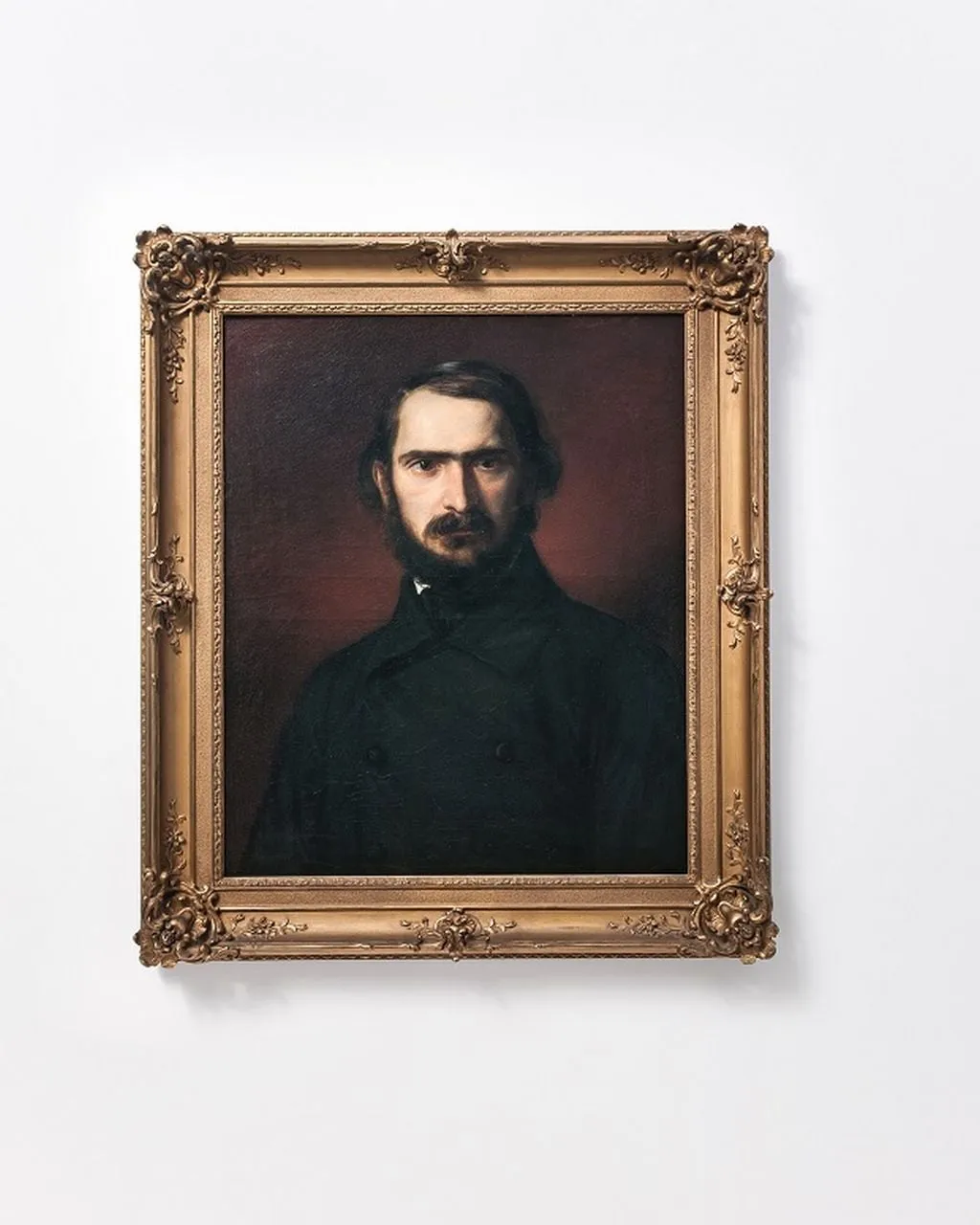
Rahl, Karl - Bild: Ölgemälde, Portrait von Georg Herwegh is an unspecified painting by the Biedermeier artist Carl Rahl. It dates from 1845 and is held in the collection of the Poets and City Museum Liestal. Karl Rahl painted this oil portrait of Georg Herwegh in 1845.
About this work
Overview
The composition centers on Herwegh’s face and upper torso, rendered with precise detail against a deep, unbroken background.
Karl Rahl painted this oil portrait of Georg Herwegh in 1845. It is part of the collection at the Museum of Ethnography. The composition centers on Herwegh’s face and upper torso, rendered with precise detail against a deep, unbroken background.
The subject’s expression is calm yet penetrating, and the lighting emphasizes his features without dramatic contrast. The frame, richly carved and gilded, complements the portrait’s formal tone.
Subject & Meaning
Georg Herwegh, a German poet and revolutionary, is depicted with quiet intensity. His dark beard and high-collared coat reflect the somber dress of politically engaged intellectuals of the time. The direct gaze and stillness suggest resolve rather than aggression, aligning with his public role as a critic of authoritarianism.
The portrait avoids symbolic elements, focusing instead on presence and character, reinforcing his identity as a thinker rather than a figurehead.
Technique & Style
Rahl employed a restrained chiaroscuro to model Herwegh’s face, using soft transitions between light and shadow to define structure without theatricality. The brushwork is precise, particularly in the rendering of facial hair and the texture of the coat. The background is uniformly dark, eliminating distractions and anchoring attention on the sitter. The palette is muted, dominated by blacks, grays, and pale skin tones, enhancing the portrait’s solemnity.
History & Provenance
The portrait was completed in 1845, during Herwegh’s period of exile following his involvement in the 1848 revolutions. It remained in private hands before entering the Museum of Ethnography’s collection. The painting’s journey reflects the displacement of German liberal intellectuals in the mid-19th century.
Its preservation in an ethnographic institution, rather than an art museum, hints at its cultural significance beyond aesthetics.
Context
In the 1840s, portraits of political dissidents often served as quiet acts of solidarity. Rahl, known for his academic training, avoided romanticized heroism in favor of psychological realism. Herwegh’s image circulated among exile communities, functioning as both personal memento and political emblem. The portrait’s restraint contrasts with more flamboyant depictions of revolutionaries, reflecting a preference for dignity over spectacle.
Legacy
The portrait endures as a record of a critical voice in 19th-century German intellectual life. Its formal simplicity and emotional restraint have influenced later depictions of political figures in portraiture. While not widely exhibited, it remains a key visual reference for scholars studying the intersection of art and dissent. The Museum of Ethnography’s stewardship underscores its role as a cultural artifact tied to identity and resistance.
Artist & collection
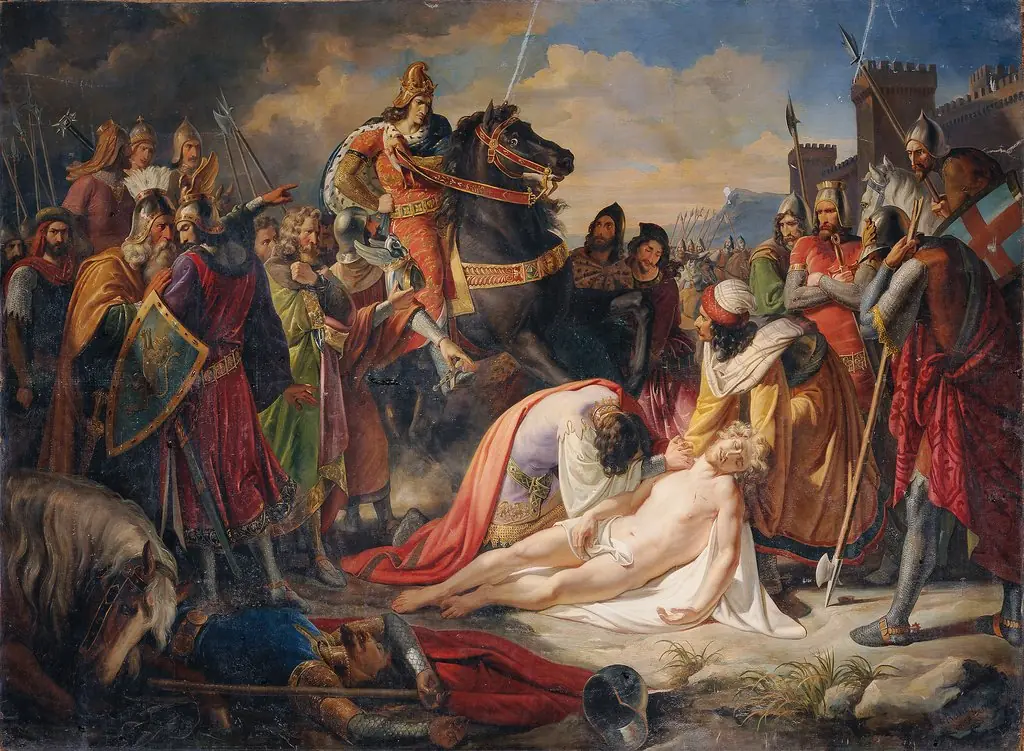
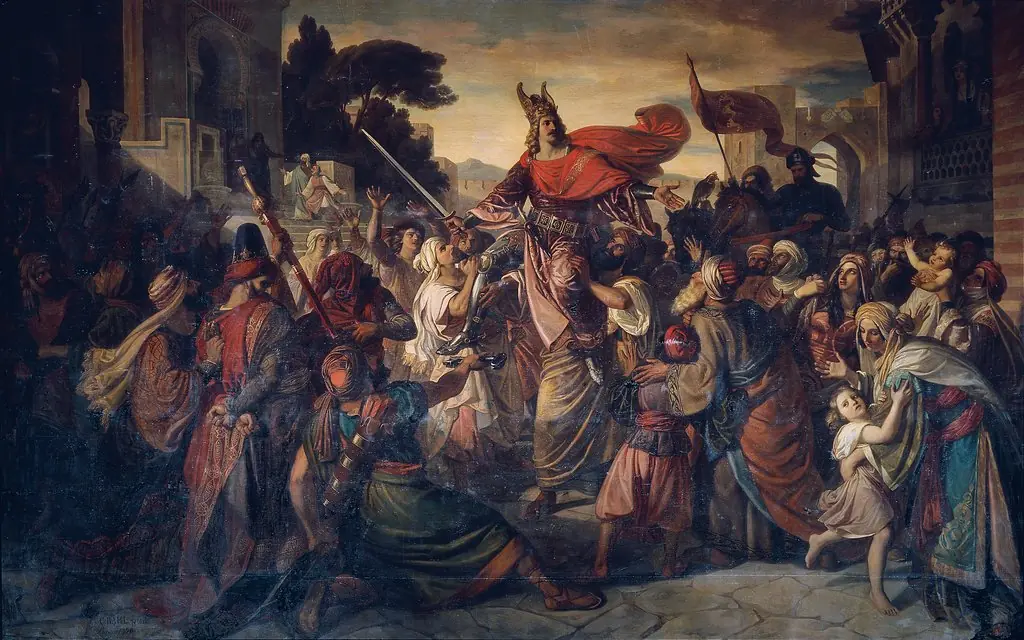
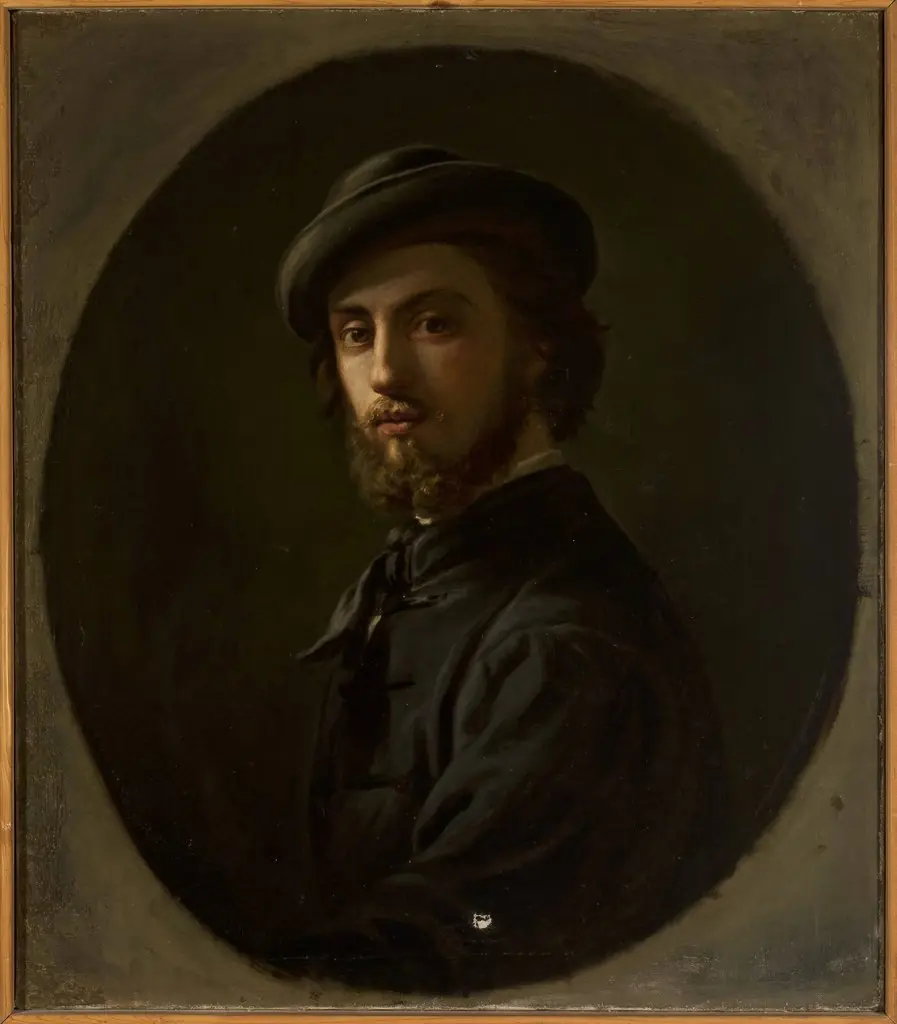
- Self-portrait as a young man
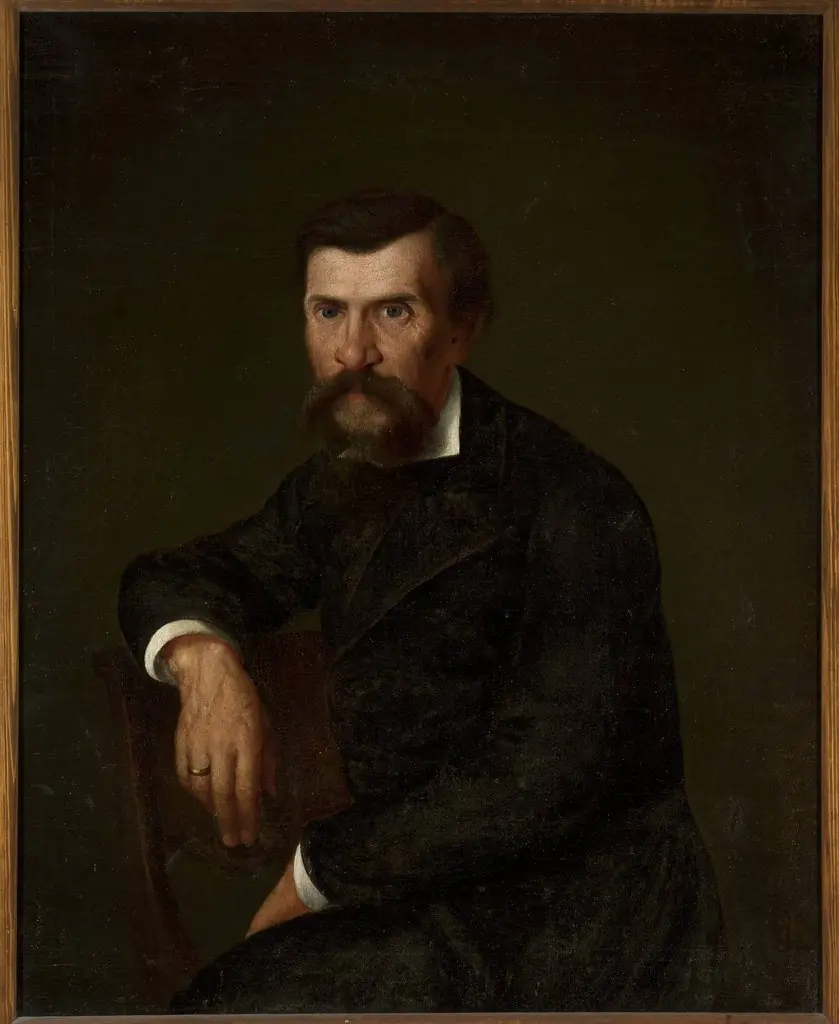 Portrait of Bonifacy Krupski (1822–1903)
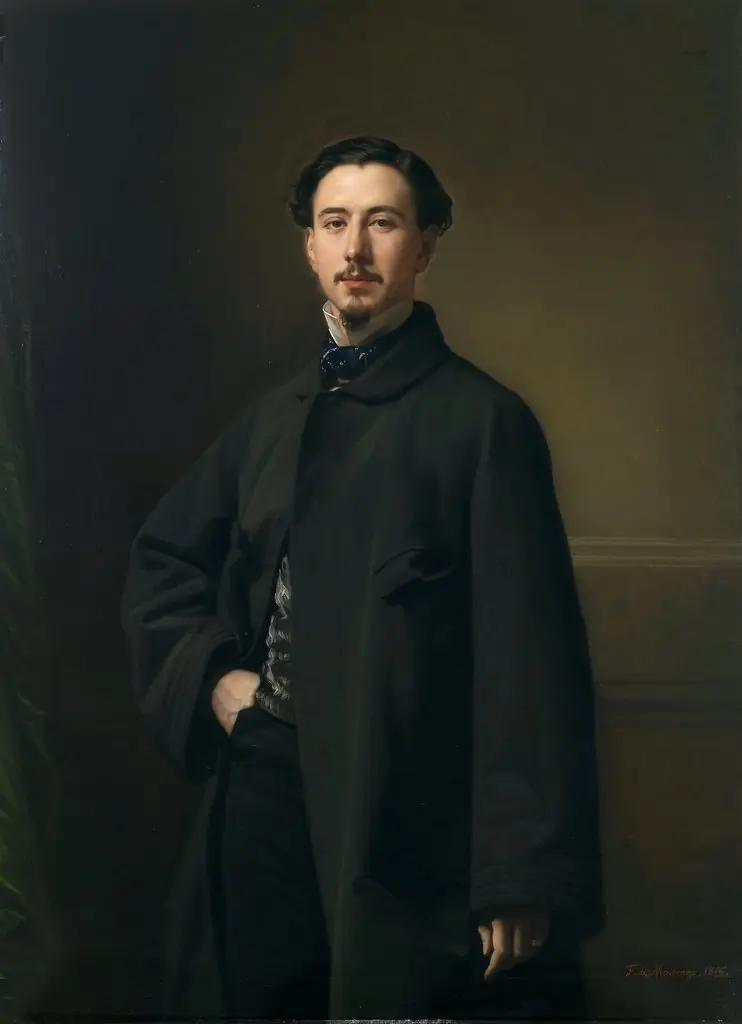 Jaime Girona y Agrafel
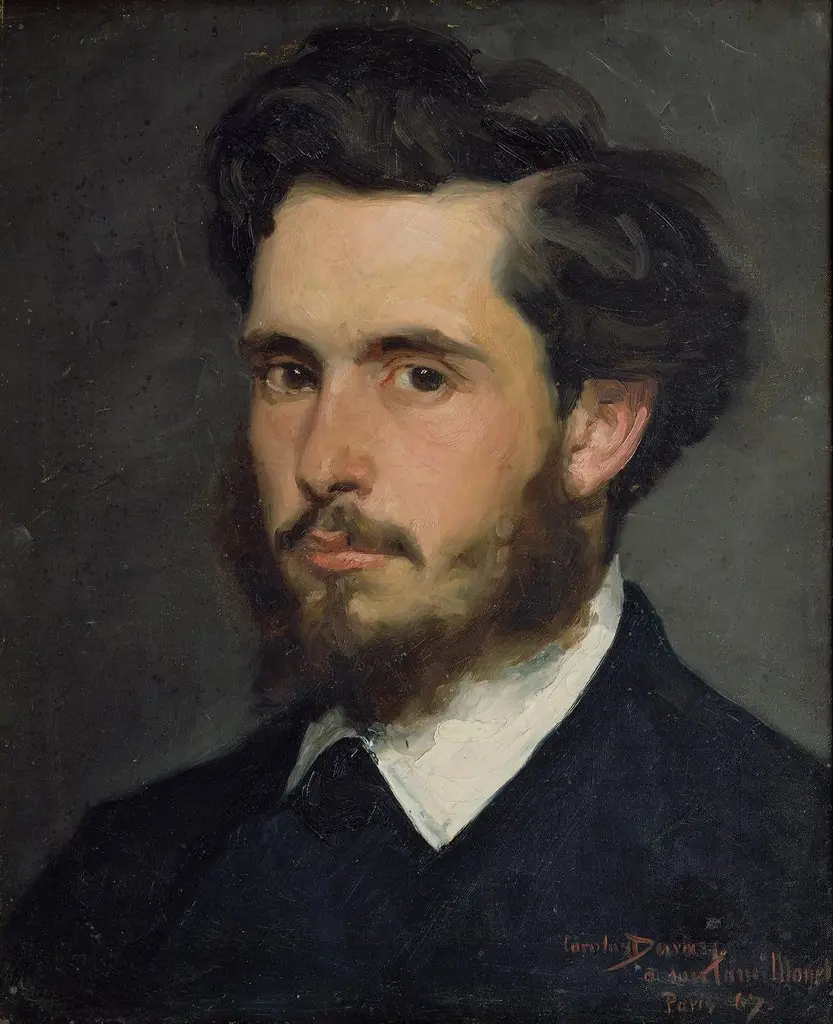 Portrait de Claude Monet
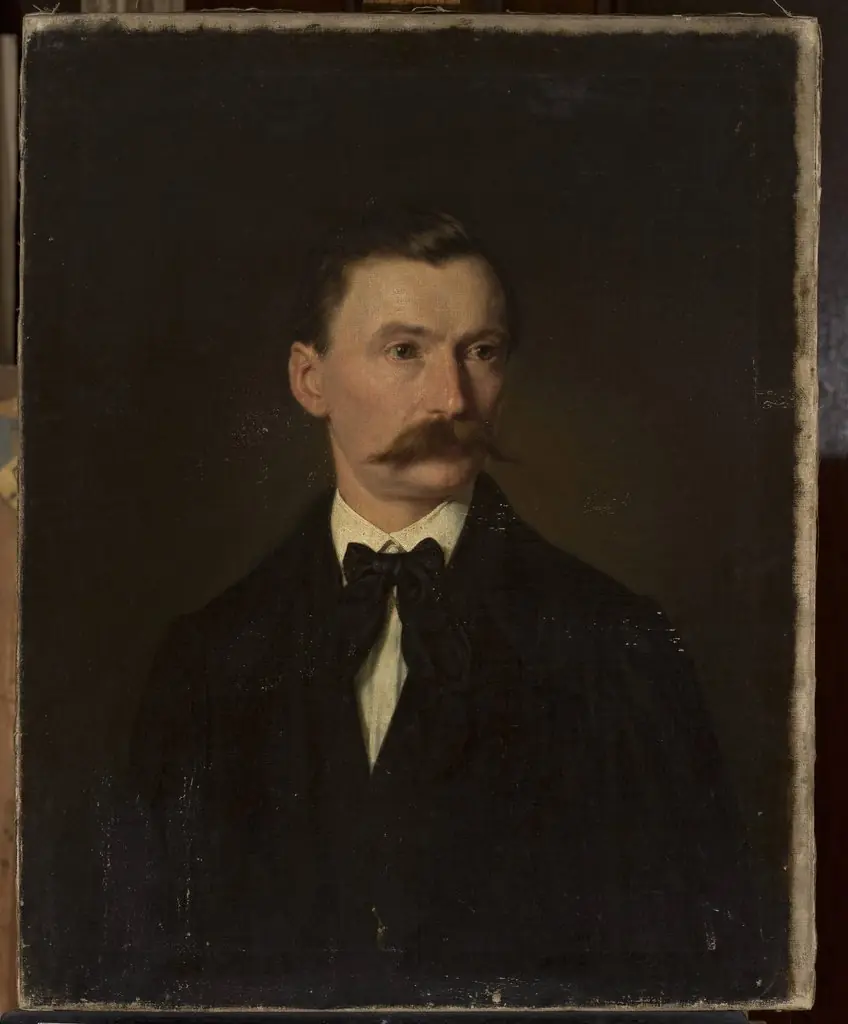 Self-portrait
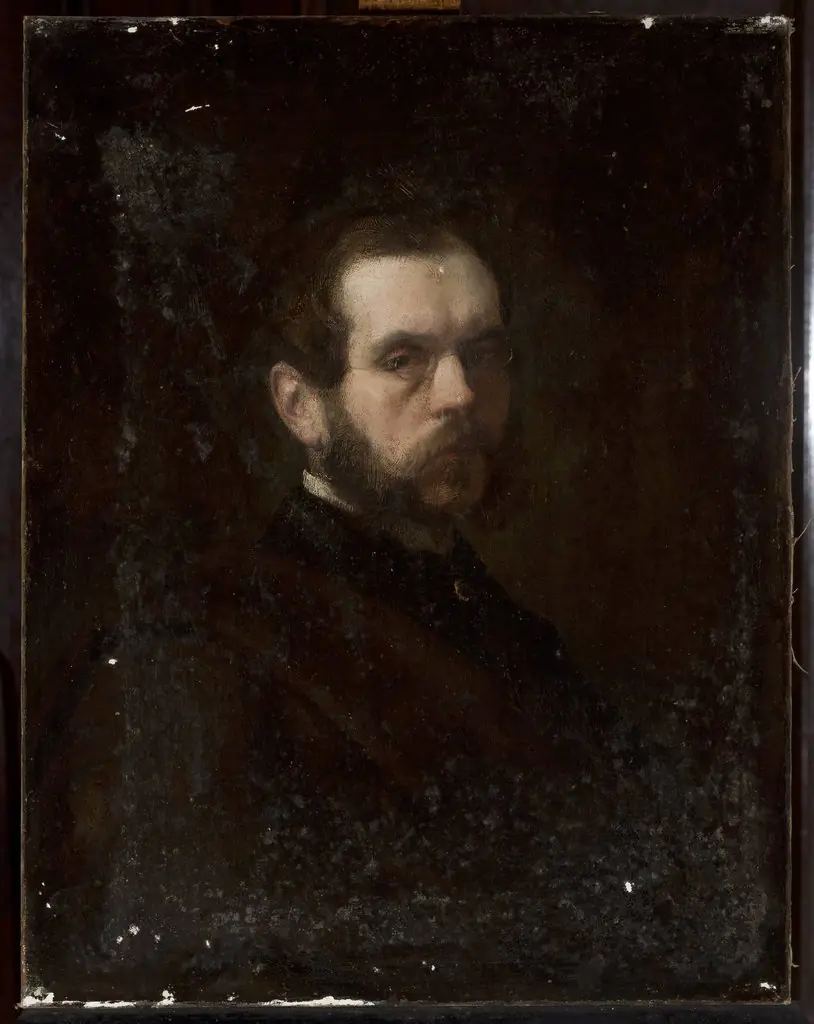 Portrait of a man
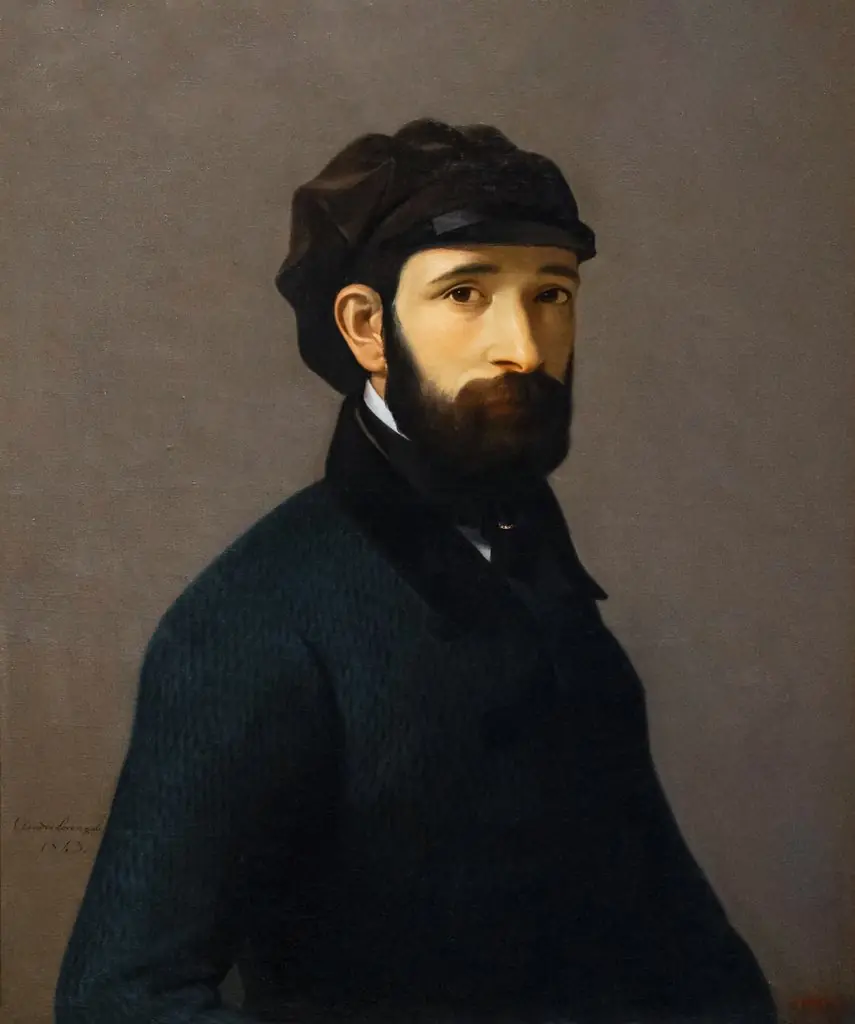 Self-portrait
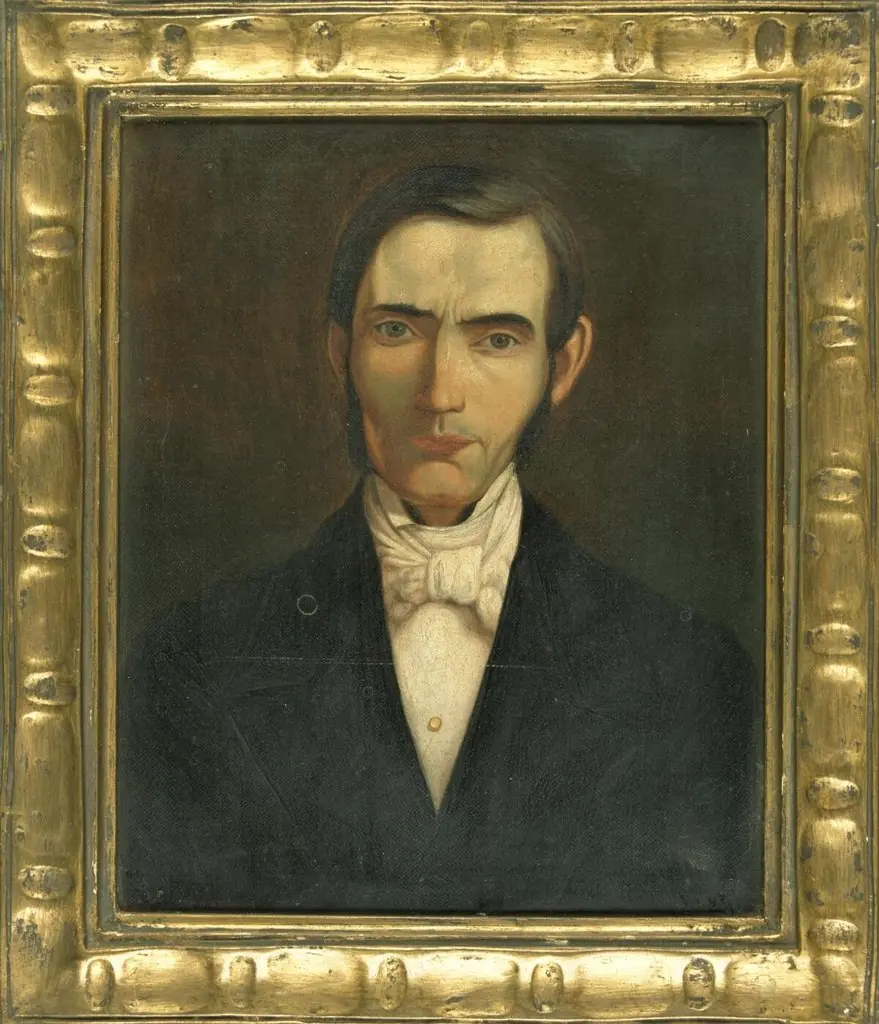 W. M. Williams
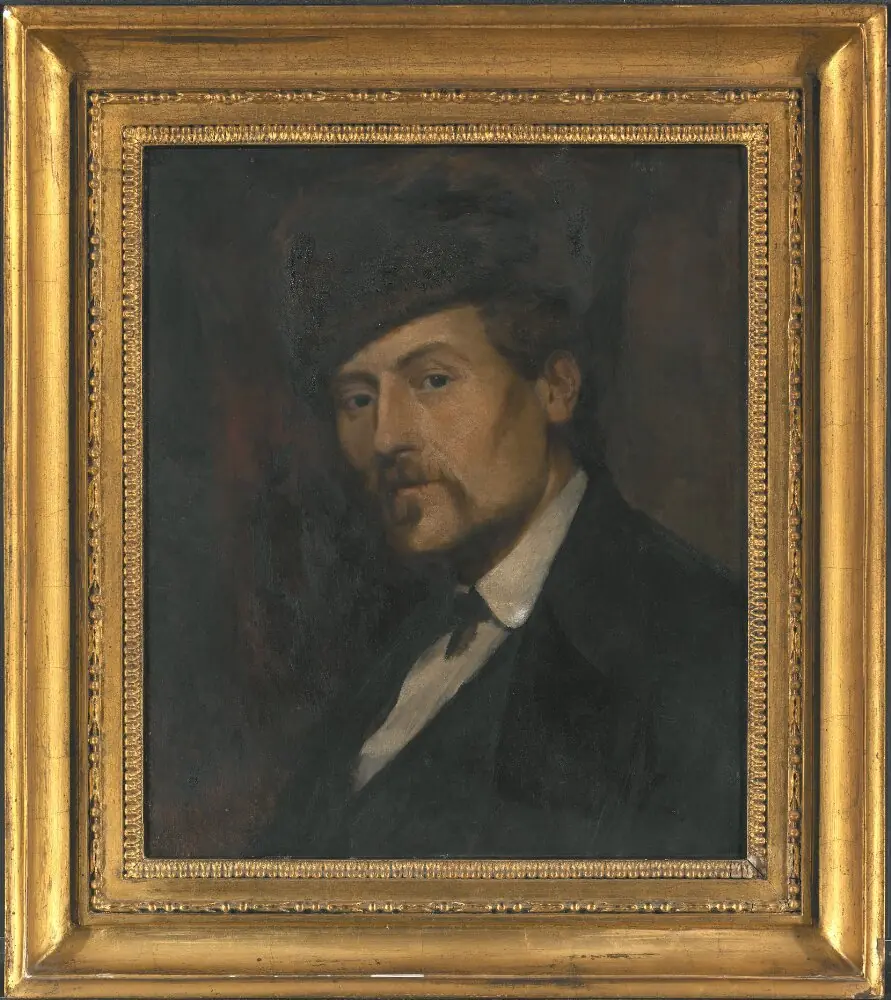 Edvard Perséus (1841-1890), konstnär, tecknare, hovintendent, gift med Agnes Claesson
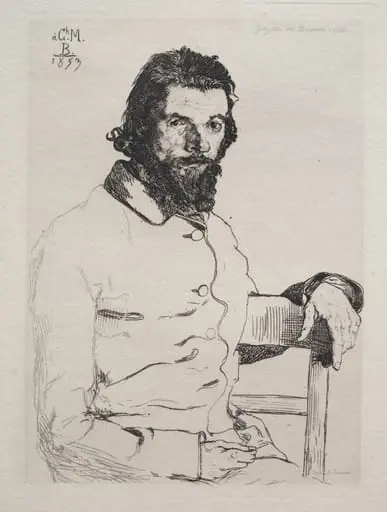 Charles Méryon
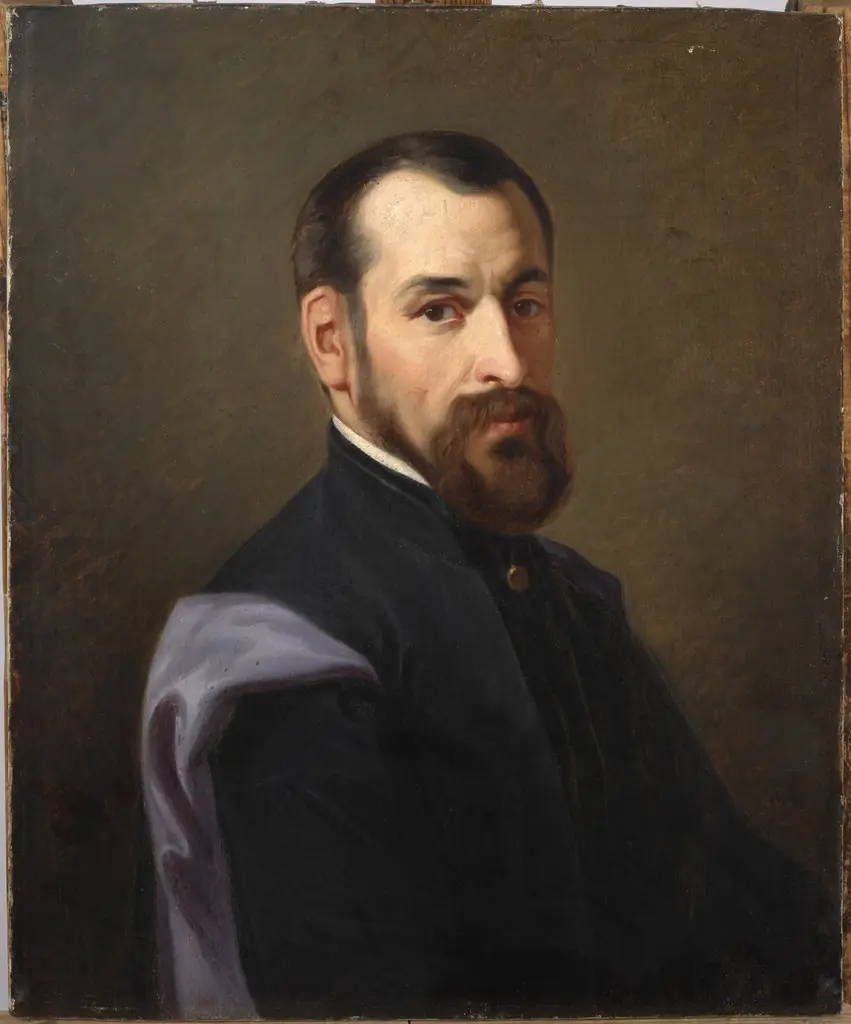 Portrait of Prince Witold Adam Czartoryski (1822–1865)
 Autoportret