Artwork
Ataúlfo
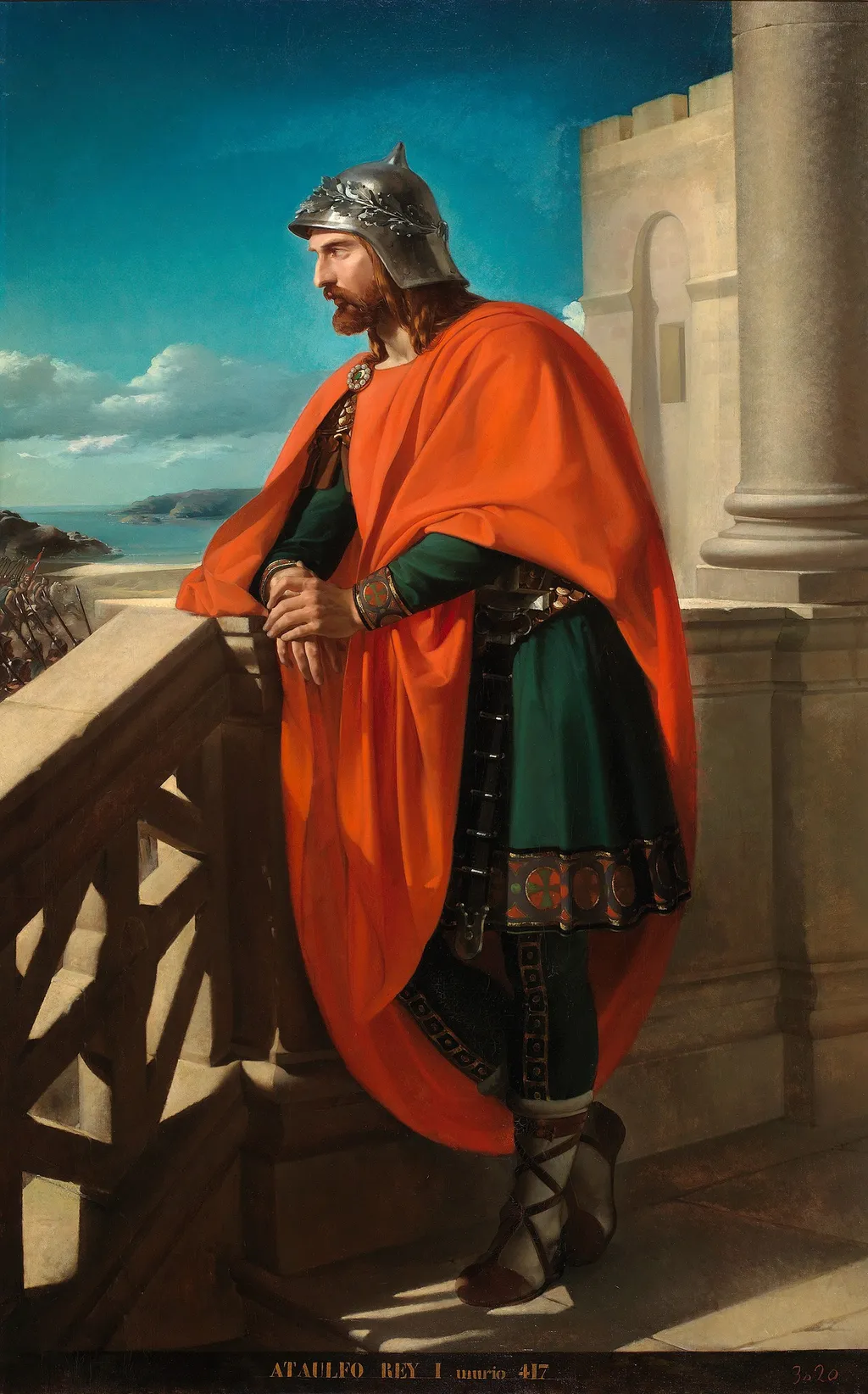
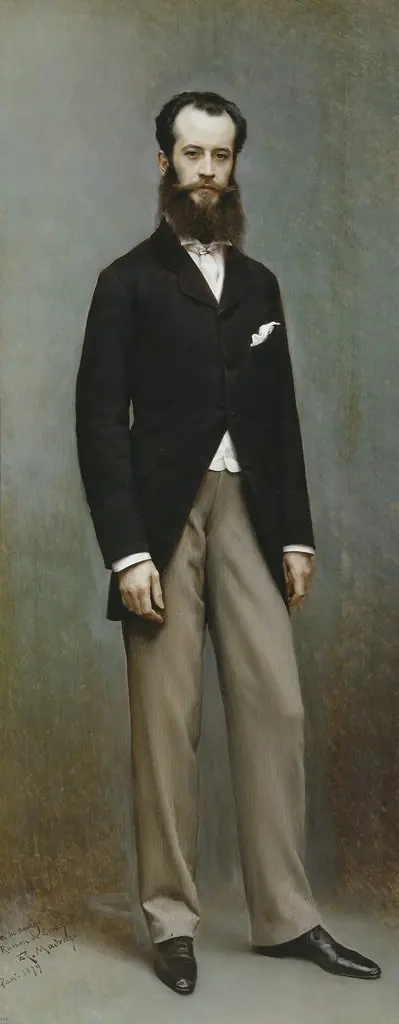
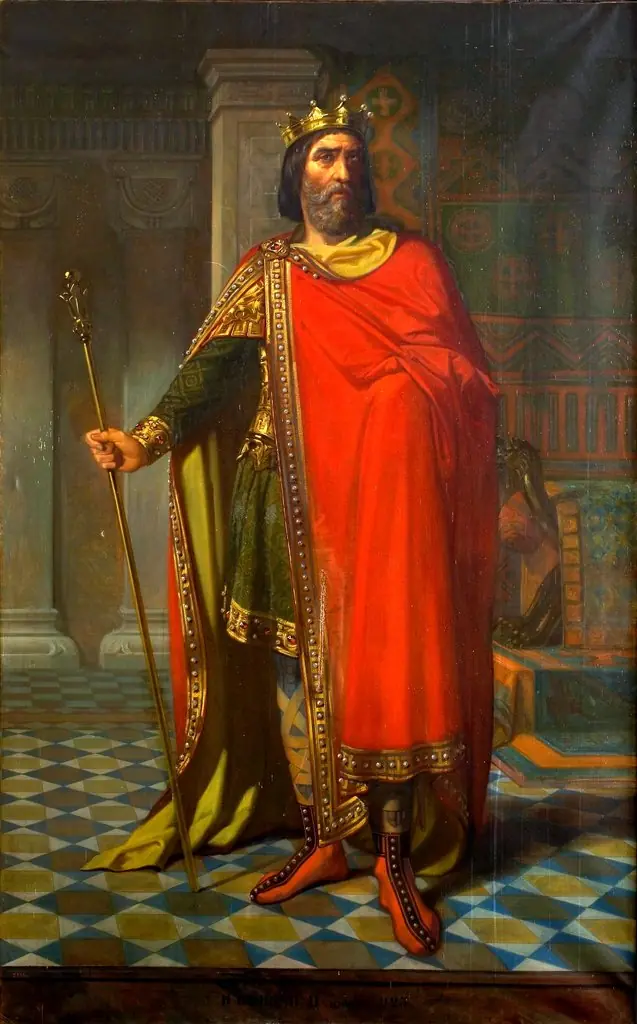
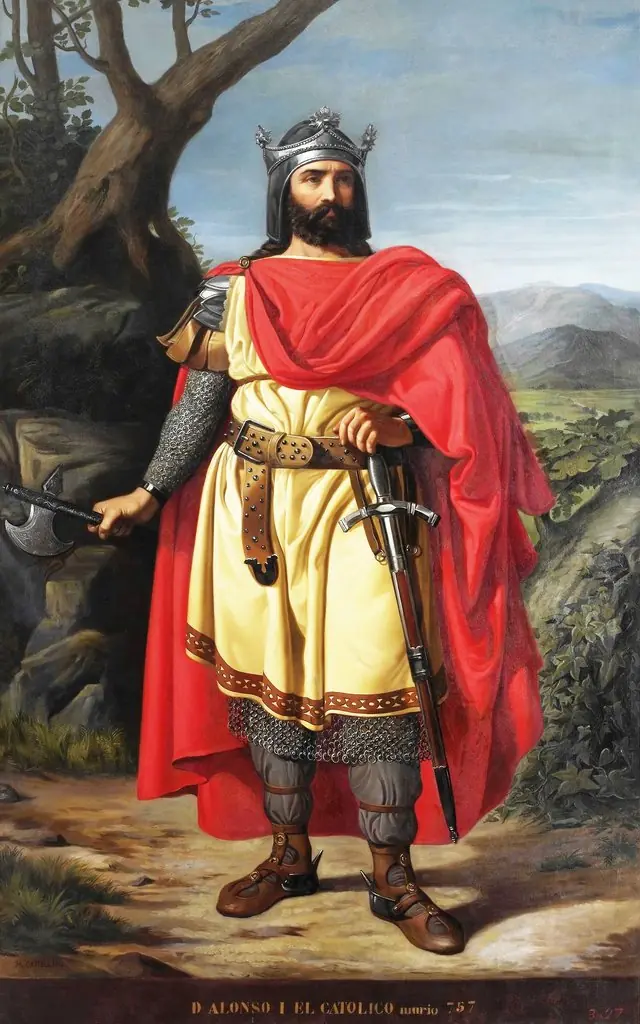
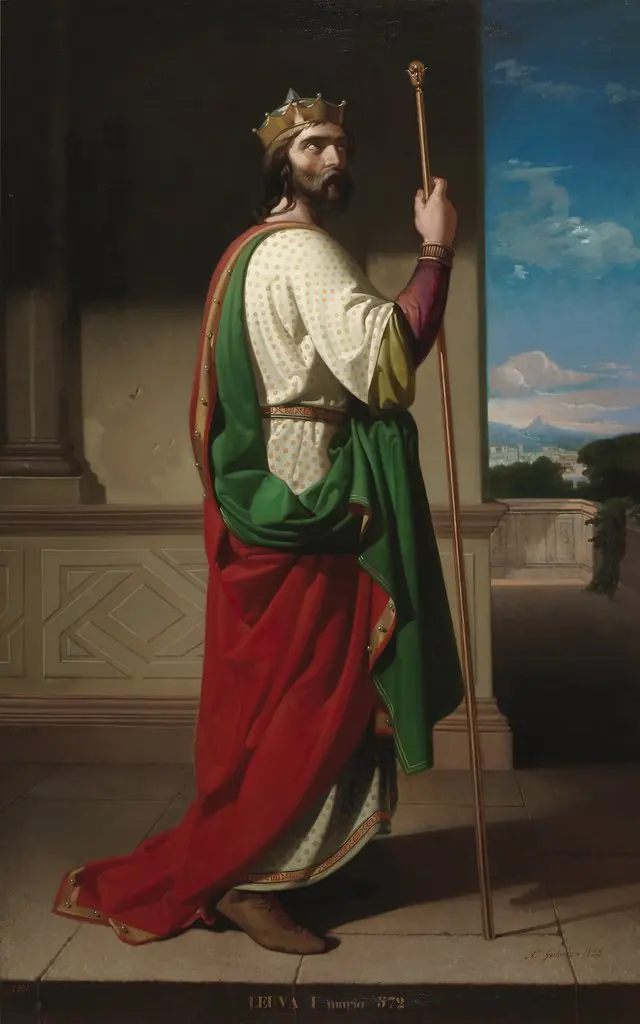
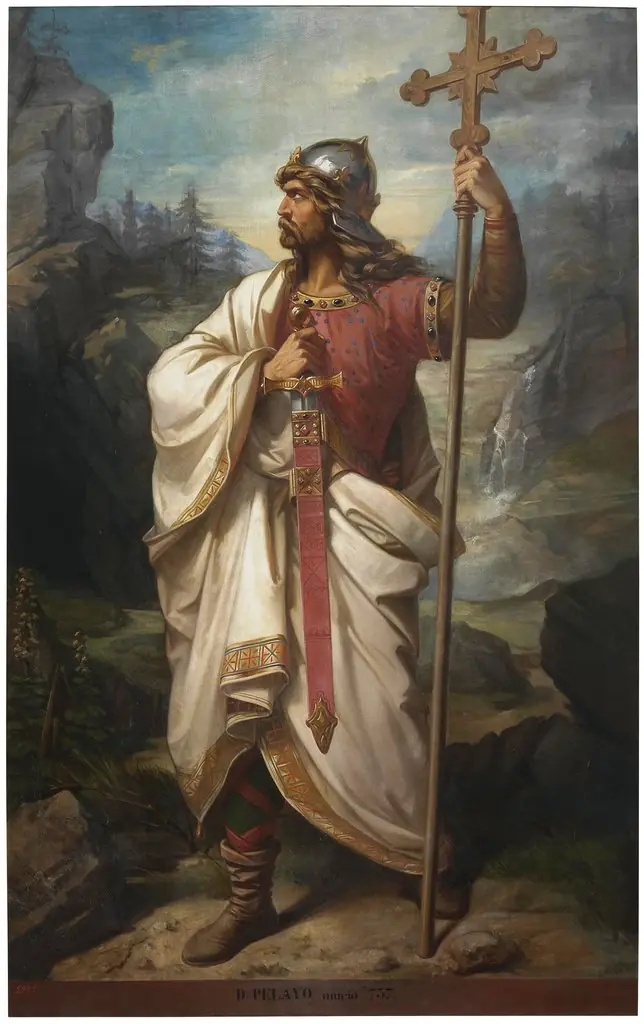
Ataúlfo is an oil painting by the Realist artist Raimundo de Madrazo y Garreta. It dates from 1858 and is held in the collection of the Museo del Prado.
About this work
Subject & Meaning
The painting depicts the historical figure Ataúlfo, a Visigothic king, portrayed through specific martial attributes that define his iconography.
The painting depicts the historical figure Ataúlfo, a Visigothic king, portrayed through specific martial attributes that define his iconography. The work features a sword and a combat helmet, elements that symbolize his status as a warrior and ruler. Created in 1858 by Raimundo de Madrazo y Garreta, the composition uses these objects to represent the martial identity and authority of the subject rather than focusing on a narrative scene or portrait of the figure's face.
The inclusion of these weapons serves as the primary visual language to communicate the character's power and historical role.
Technique & Style
Ataúlfo is an oil painting executed on canvas by Raimundo de Madrazo y Garreta in 1858. The work is held in the collection of the Museo del Prado. Its physical dimensions are 224.5 cm in height and 141.5 cm in width, giving it a tall, vertical format suited to its subject matter.
The composition depicts a sword and a combat helmet, consistent with a martial or historical theme rendered in oil on canvas.
No further details regarding handling, condition, or specific stylistic qualities are documented in the available sources.
History & Provenance
The painting Ataúlfo was created by Raimundo de Madrazo y Garreta in 1858. Executed in oil on canvas, the work measures 224.5 cm in height and 141.5 cm in width. It currently resides in the collection of the Museo del Prado. The subject matter depicts a sword and a combat helmet.
The painting Ataúlfo by Raimundo de Madrazo y Garreta is held in the collection of the Museo del Prado in Madrid. Created in 1858, the work is an oil on canvas depicting a sword and combat helmet. While the source confirms its location within the museum, it does not provide a specific inventory or accession number for the piece. The available records do not list any exhibition history for this artwork.
Overview
Ataúlfo is an 1858 oil painting by Spanish artist Raimundo de Madrazo y Garreta, a member of the renowned Madrazo family of artists. The work features a figure standing on a stone balcony, set against a cityscape and sea under a partly cloudy sky.
Context
While the broader cultural or literary context of Ataúlfo's subject is not specified, the painting reflects Madrazo's inclination towards detailed, realistic depictions of figures within defined settings, a characteristic of his genre and portrait works.
Legacy
As part of the Museo del Prado's collection, Ataúlfo contributes to the institution's showcase of 19th-century Spanish Realism, though its individual impact or influence on the broader art historical landscape is not distinctly outlined in available information.
Own this work as a print
Artist & collection
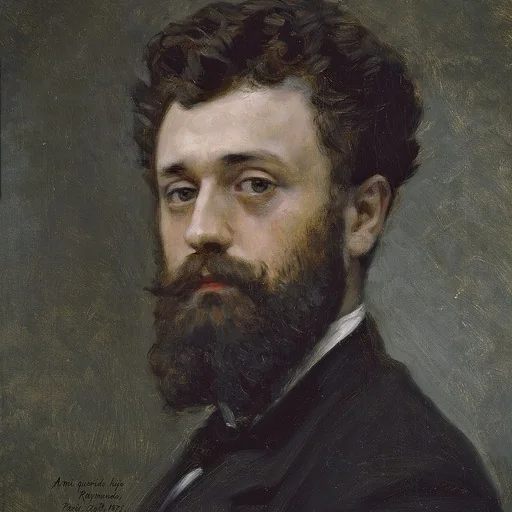
Artist
Raimundo de Madrazo y Garreta (24 July 1841 – 15 September 1920) was a Spanish painter from the Madrazo family of artists who worked in the Realistic style, although his later work shows signs of Rococo and Japanese influence.