Artwork
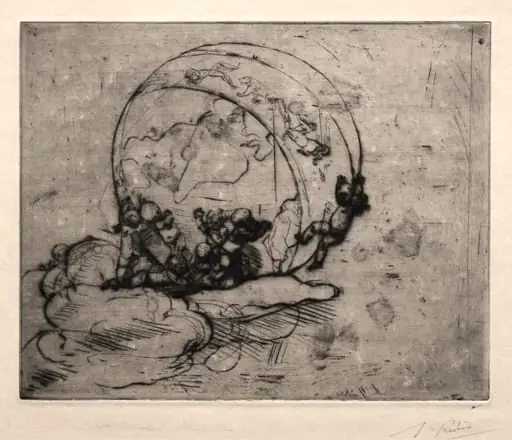
Les Amours Conduisant le Monde (Love Turning the World)
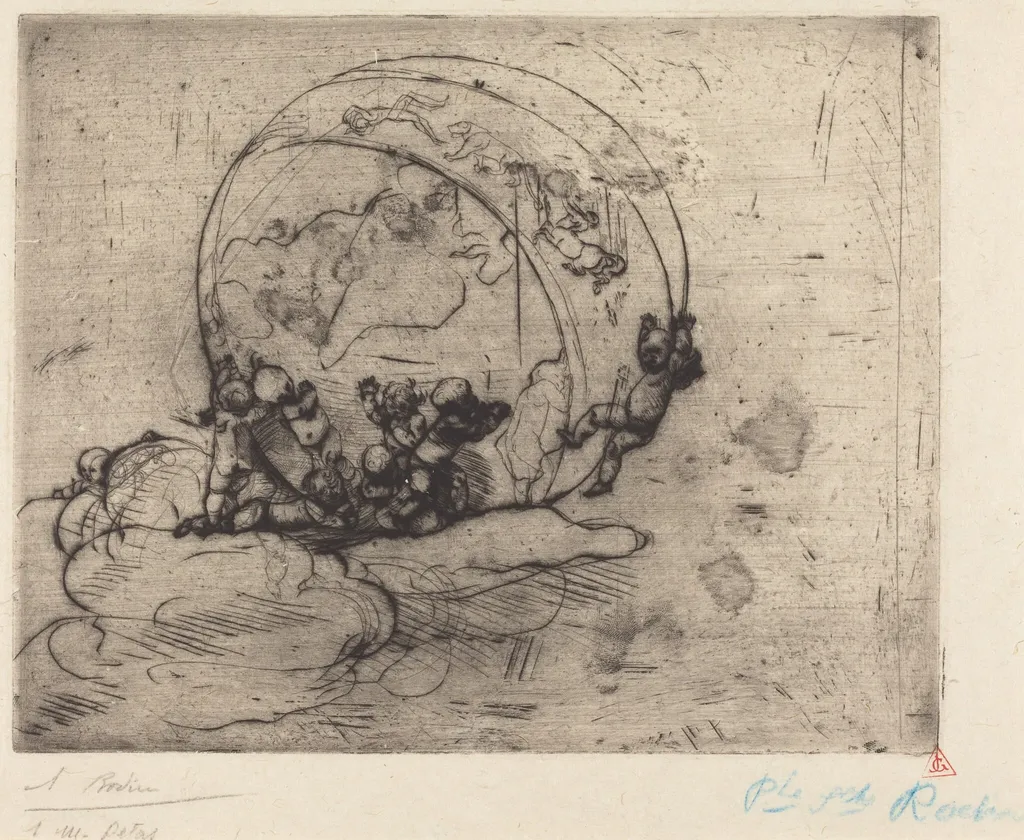
Les Amours Conduisant le Monde (Love Turning the World) is an ink print by the Impressionist artist Auguste Rodin. It dates from 1881 and is held in the collection of the National Gallery of Art.
- Inscription
- Inscribed:recto: at bottom right in blue pencil: [?] Rodin; at lower left in graphite in later hand [?]: 1 Rodin / 1 M. Petas; at bottom left in graphite in later hand: [indecipherable]; verso: at bottom center in graphite in later hand: 7427; at bottom right in graphite in later hand Ep [indecipherable] 9a
- Markings
- Marked:recto: Jules Gerbeau (Lugt 1166); verso: none
About this work
Overview
Les Amours Conduisant le Monde (Love Turning the World) is a drypoint print on China paper created by Auguste Rodin in 1881. The work showcases Rodin's innovative approach to form and visual representation.
Subject & Meaning
The print depicts a winged figure representing Love, standing with a globe, guiding it with one hand. The figure's stance conveys a mix of power and tenderness, embodying the theme of love's influence over the world.
Technique & Style
The drypoint technique used here involves scratching lines into a plate to create sharp, velvety shadows. The resulting print features textured, expressive lines that evoke Rodin's sculptural style, with the figure's muscles rippling under soft folds of drapery.
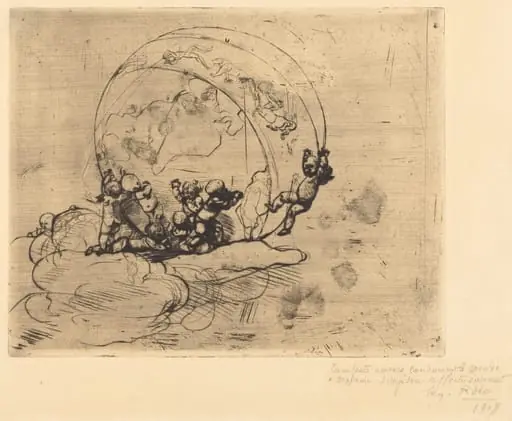
Own this work as a print
Artist & collection
Artist
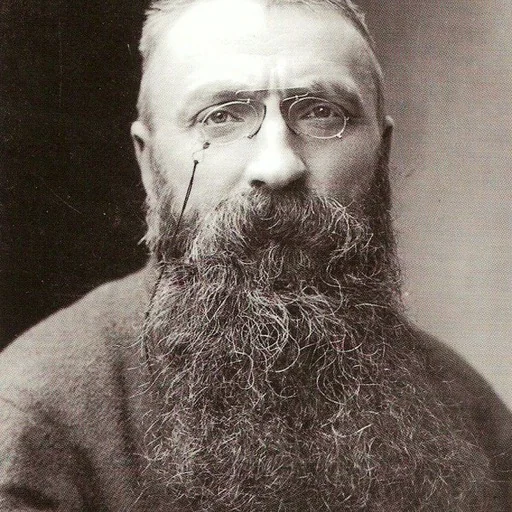
François Auguste René Rodin (; French:; 12 November 1840 – 17 November 1917) was a French sculptor generally considered the founder of modern sculpture.

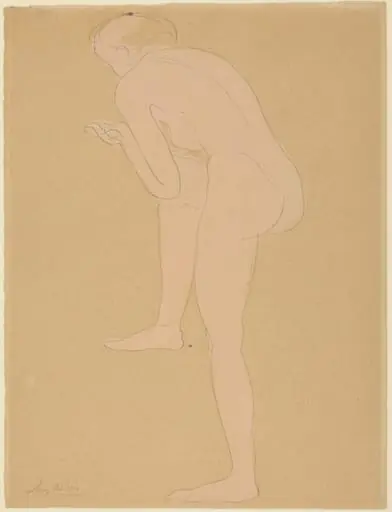
 Cupids Leading the World
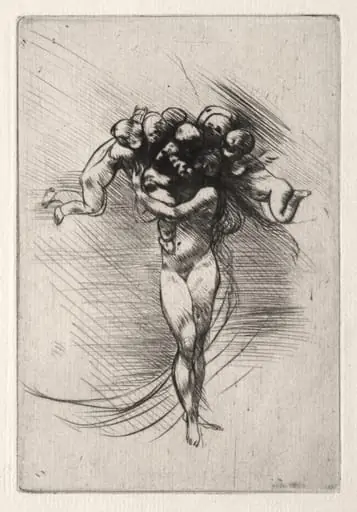 Le Printemps
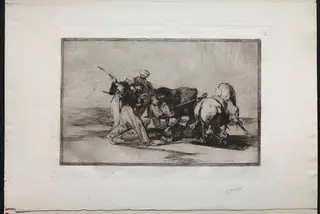 Bullfights: The Moors Settled in Spain, Giving Up the Superstitions of the Qur’an, Adopted this Art of Hunting, and Spear a Bull in the Open
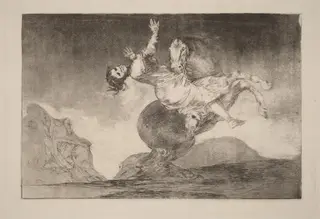 El caballo raptor (The Horse-Abductor)
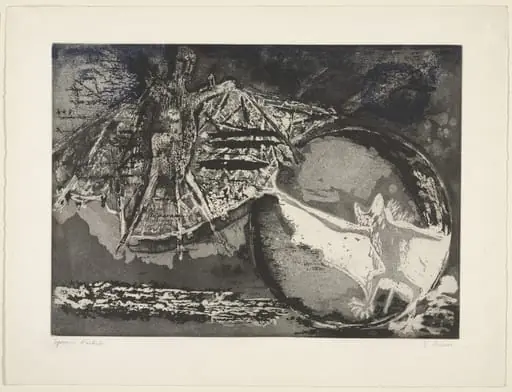 Untitled
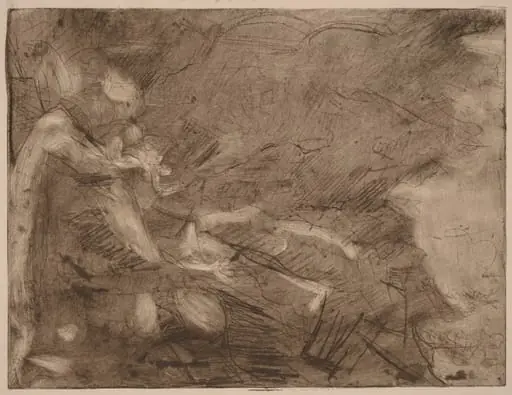 Mountain Stream with Bathers
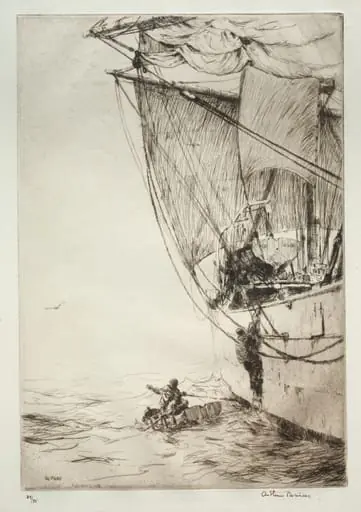 The Pilot
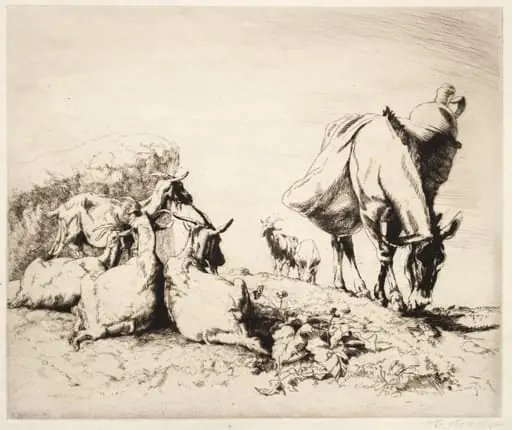 A Roadside in Spain
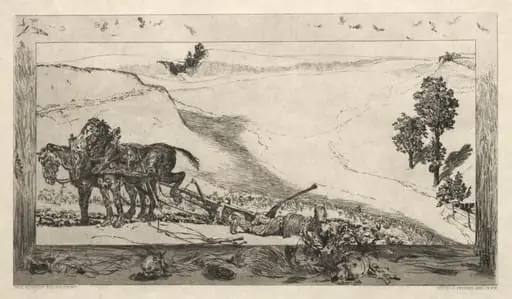 Vom Tode I (Opus II, 1889) No. 7
 On Stage I
 The British Lion
- Les Amours Conduisant le Monde (Love Turning the World)