Movement
Abstract Expressionism
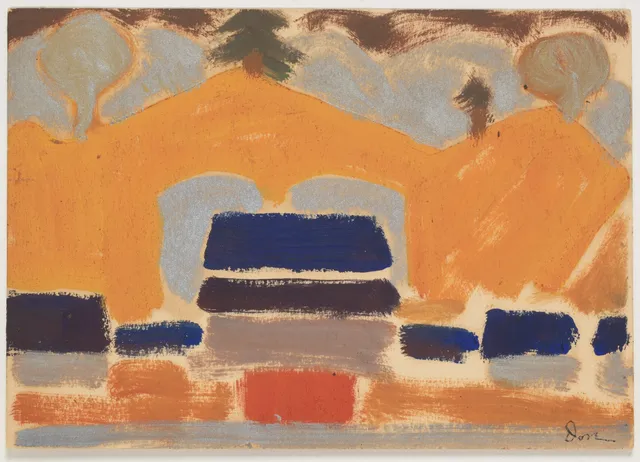
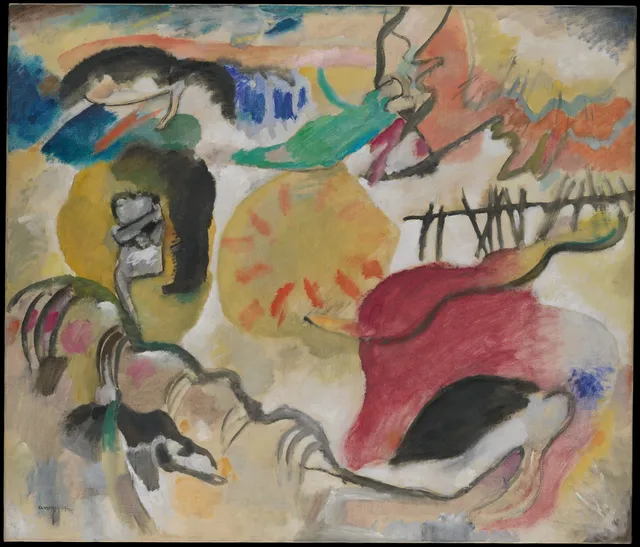
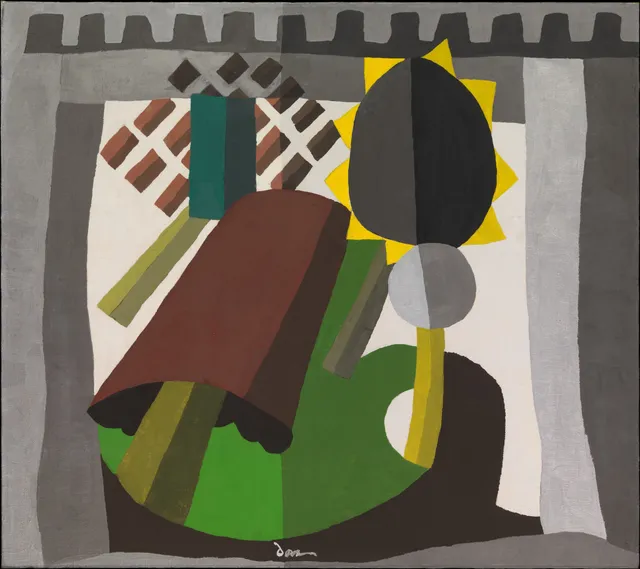
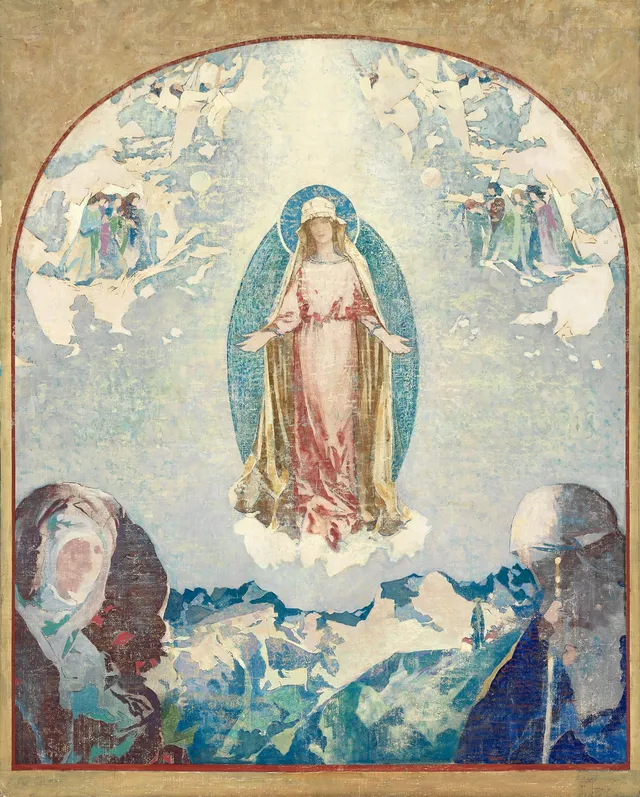
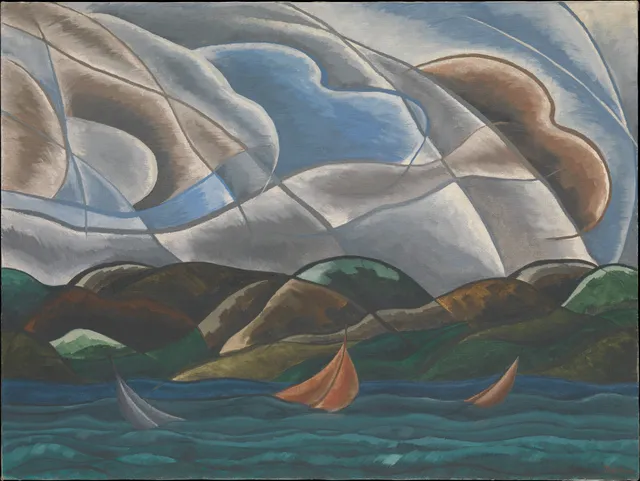
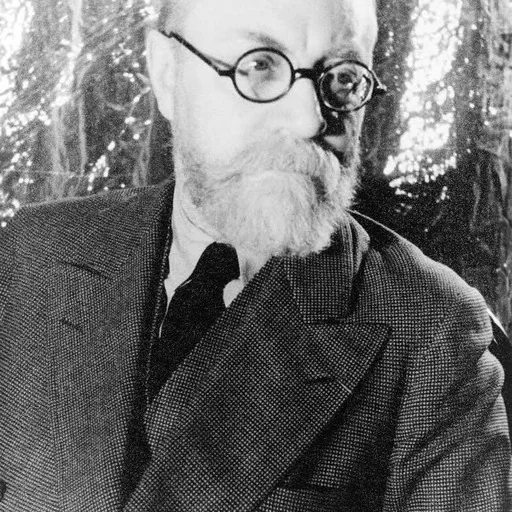
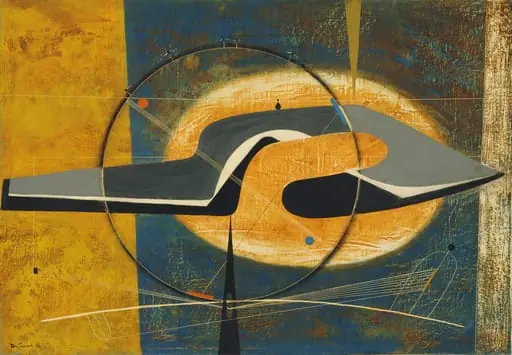
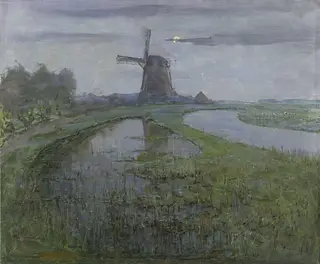
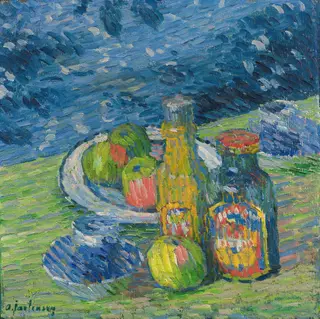
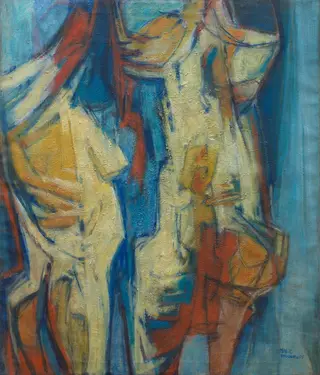
Abstract Expressionism is an art movement dating from 1940. The gallery holds 504 works in this movement, including works by Augustus Vincent Tack, Marsden Hartley and Henri Matisse. Browse Abstract Expressionism paintings, portraits, pictures and artworks from the world's public-domain museum collections.
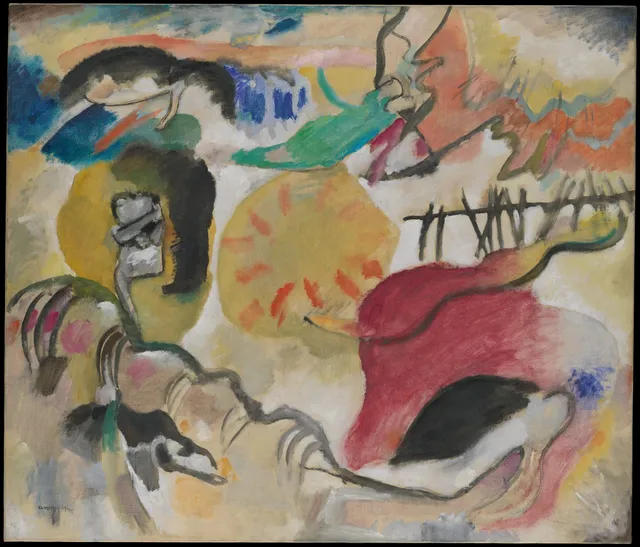
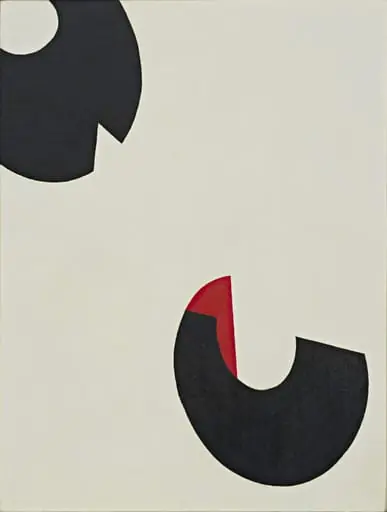
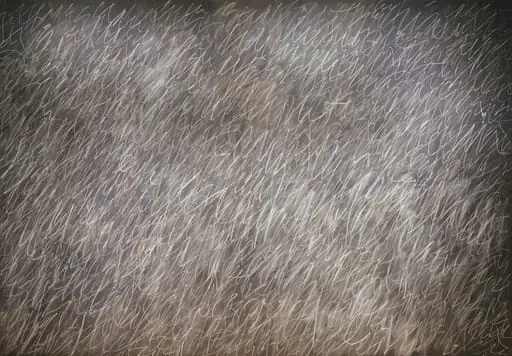
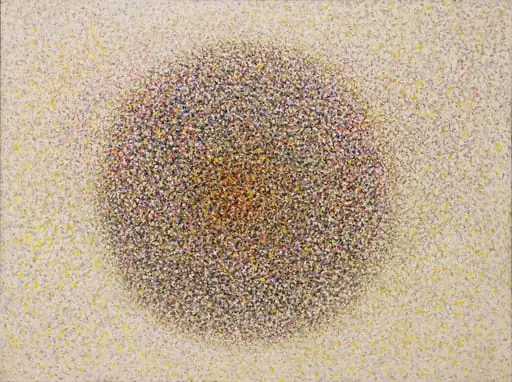
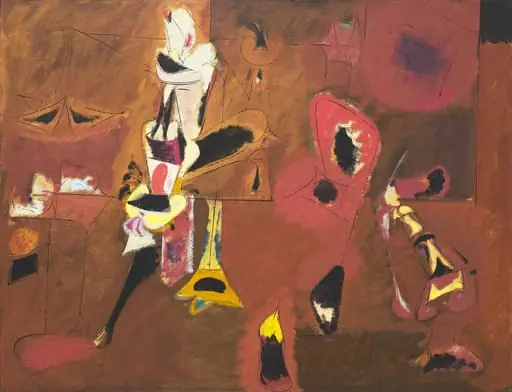
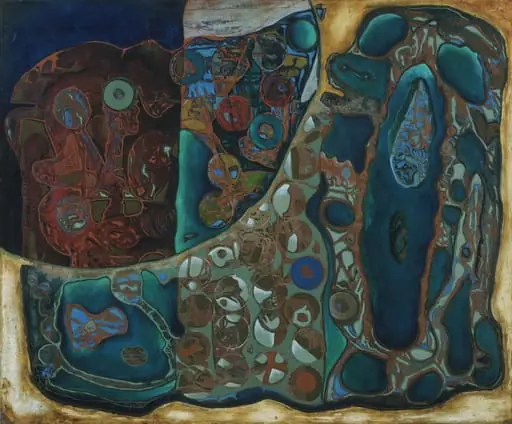
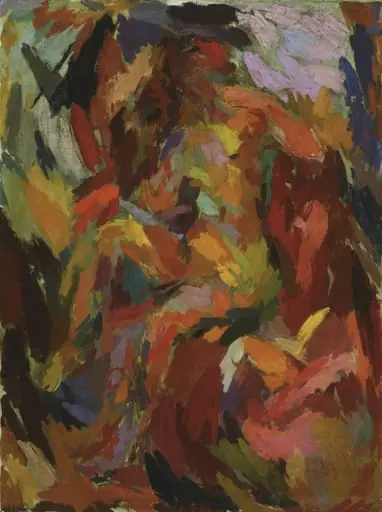
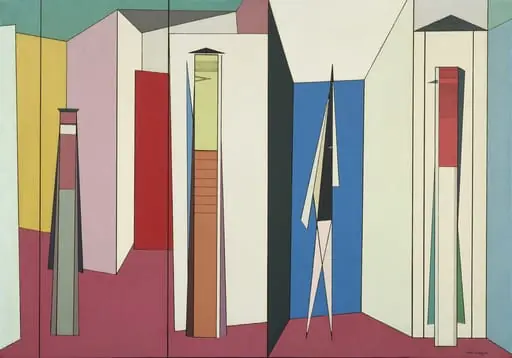
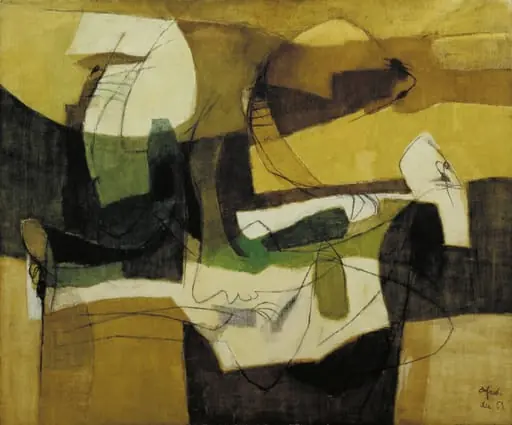
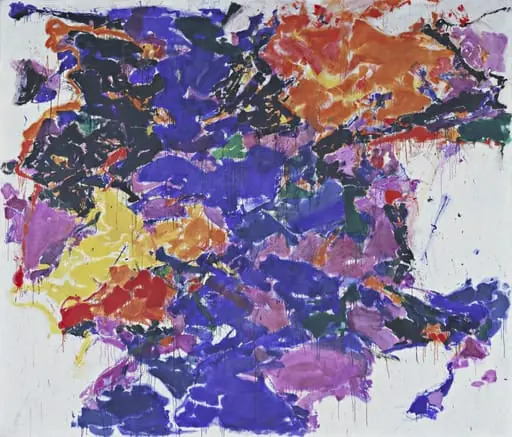
Abstract Expressionism was the first American art movement to win international influence, emerging in New York City during and just after the Second World War. As fascism and war scattered Europe's avant-garde, leadership in advanced art shifted from Paris to Manhattan, where émigré Surrealists mingled with a loosely affiliated group of American painters. Drawing on Surrealist automatism, the biomorphic abstraction of Arshile Gorky, European pioneers such as Wassily Kandinsky, and the mural-scale ambition many artists had absorbed working for the Depression-era Federal Art Project, this "first generation" flourished roughly between 1943 and the mid-1950s. In 1949 Robert Motherwell popularized the term "New York School" for the circle, which gathered at venues like the Eighth Street "Studio 35."
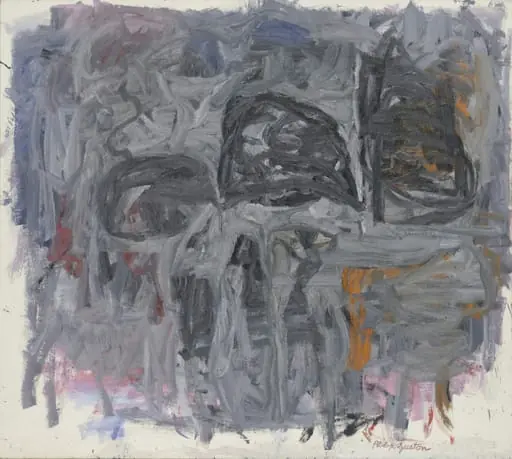
The movement is usually divided into two tendencies. The "action painters," so named by critic Harold Rosenberg in his 1952 essay "The American Action Painters," treated the canvas as "an arena in which to act": Jackson Pollock laid raw canvas on the floor and poured, flung, and dripped enamel across it, as in Autumn Rhythm (Number 30), 1950, now at the Metropolitan Museum of Art. Willem de Kooning fused slashing gesture with the figure in his ferocious Woman series (Woman I, 1950–52). Franz Kline reduced the impulse to stark black-and-white architectures of brushwork. The "color field" painters, championed by critic Clement Greenberg, pursued the opposite: Mark Rothko's luminous, hovering rectangles, Barnett Newman's vertical "zips," and Clyfford Still's jagged sheets of pigment sought the sublime through expanses of saturated color.
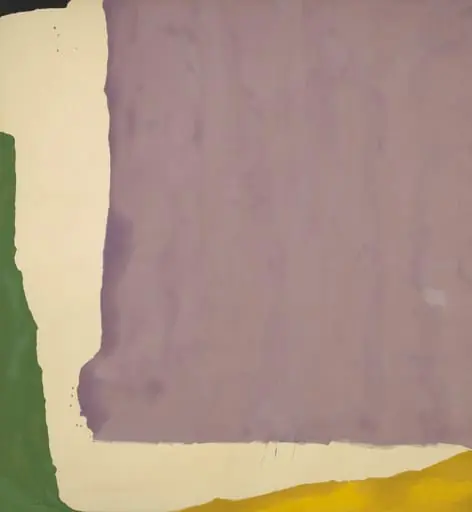
Common to both wings were enormous scale, an emphasis on the flat picture plane, spontaneity, and the conviction that the act of painting could register raw emotion and existential urgency. Other central figures included Adolph Gottlieb, Hans Hofmann, Lee Krasner, and Helen Frankenthaler, whose stain technique pointed toward what came next.
By the late 1950s Abstract Expressionism had become the dominant style of Western painting and a symbol, in Cold War terms, of American cultural freedom. It grew partly from Surrealism and paralleled Europe's gestural Art Informel, while provoking the reactions that defined the following decade: the cool detachment of Minimalism and the brash imagery of Pop Art, both of which positioned themselves against its heroic subjectivity.
Key artists


Works
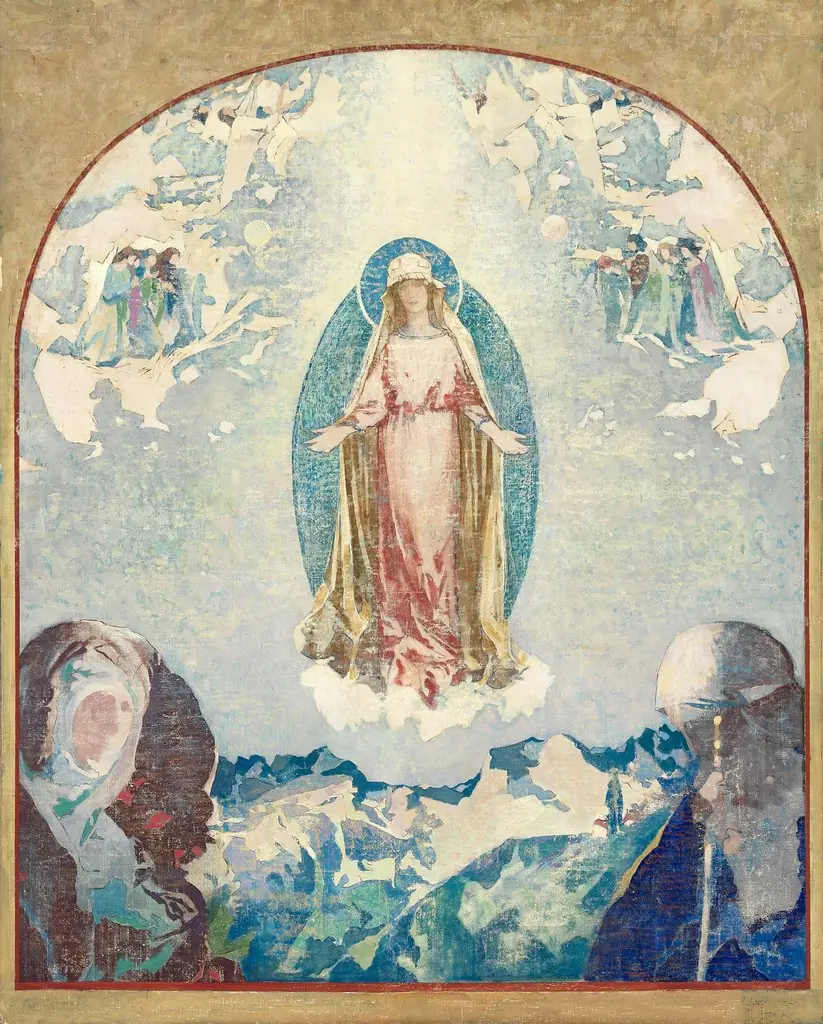 Rosa Mystica
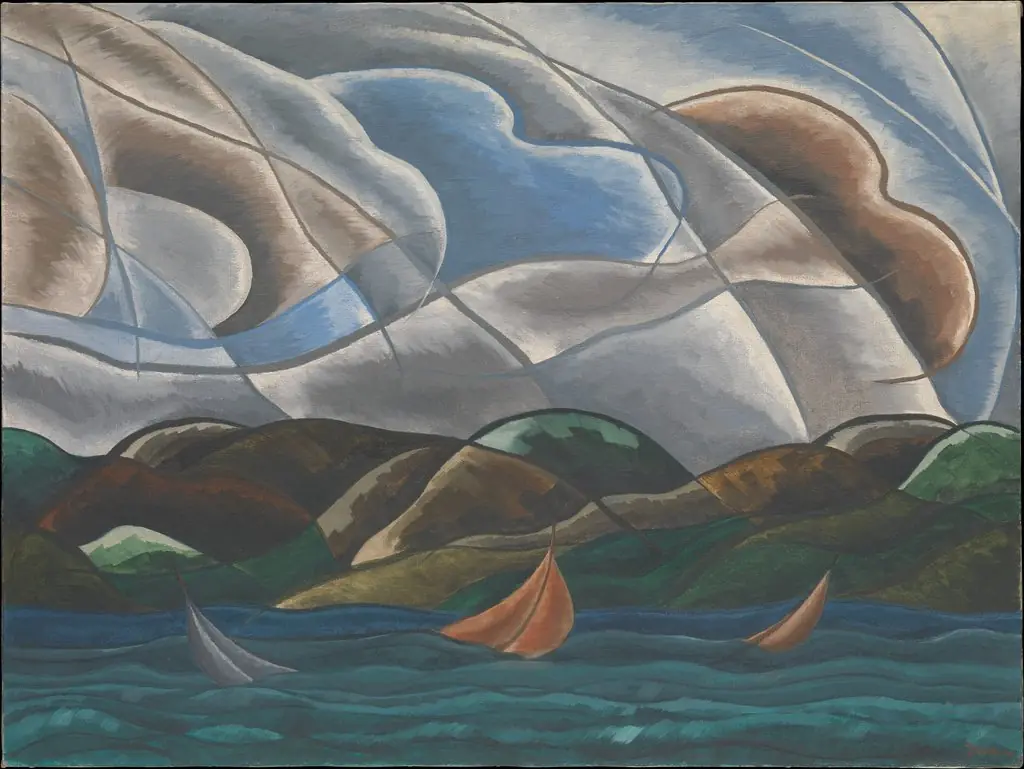 Clouds and Water
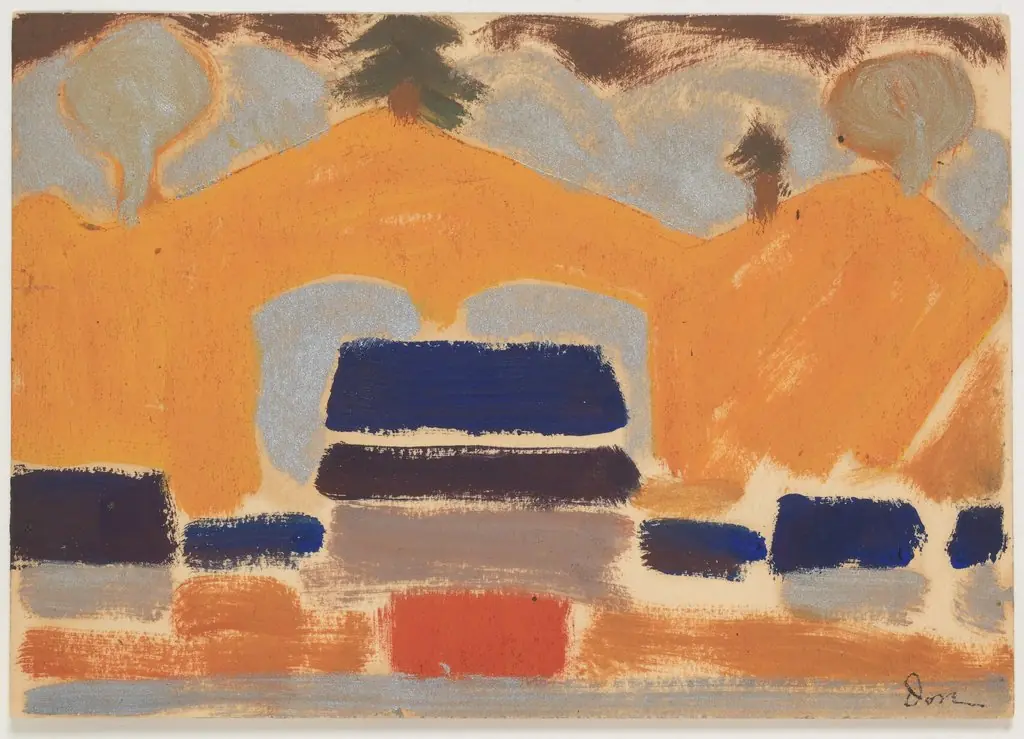 Landscape with Houses
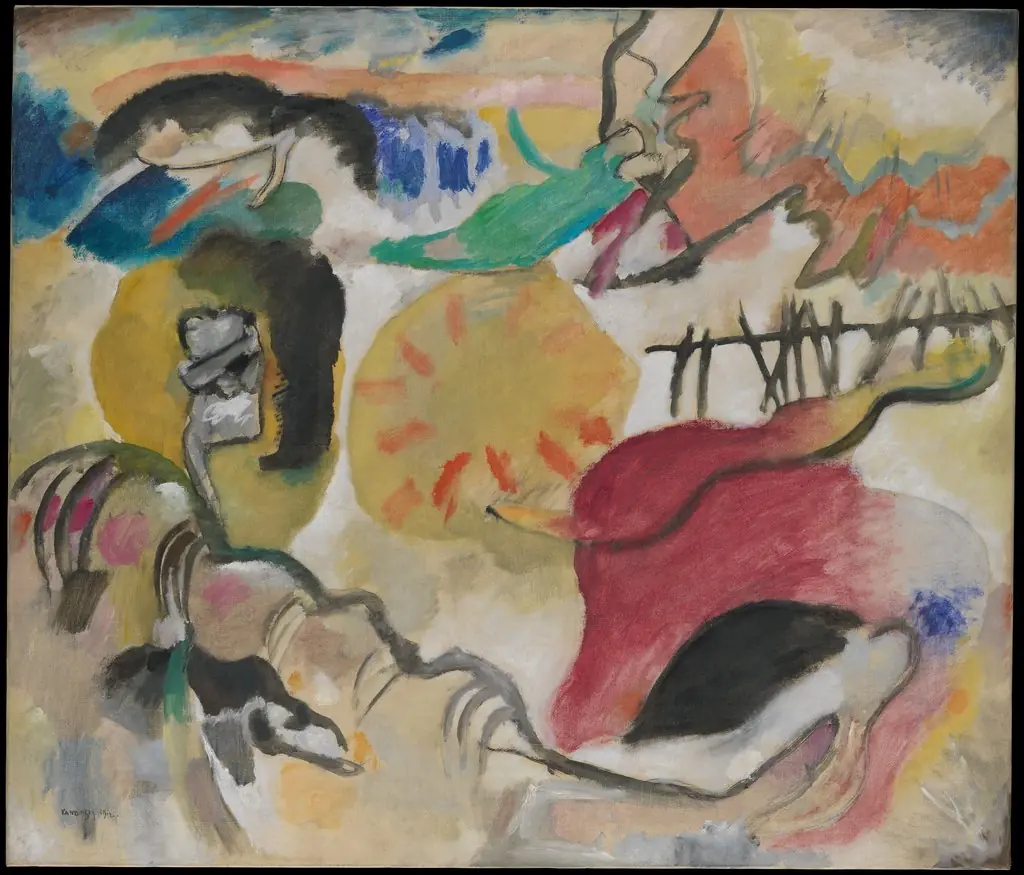 Improvisation 27 (Garden of Love II)
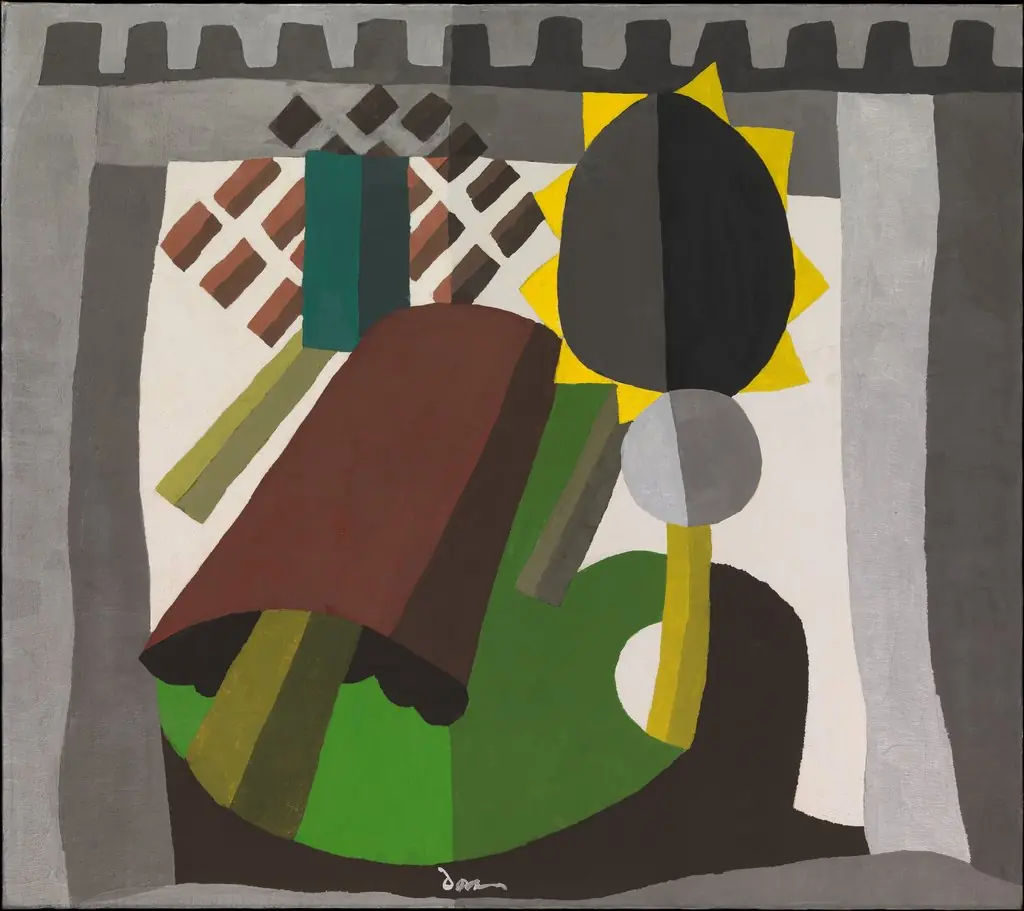 The Inn
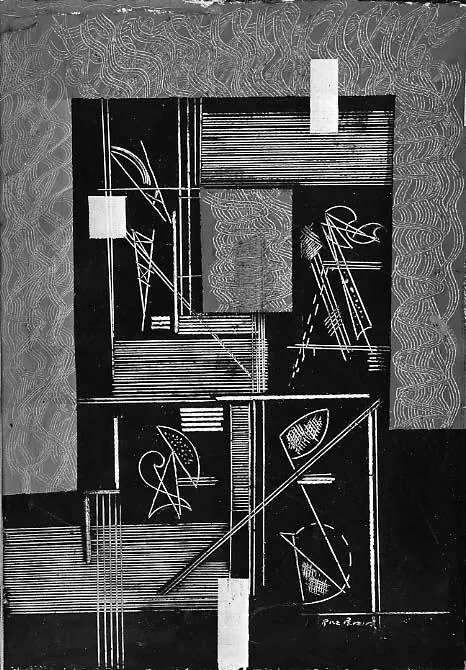 White Lines
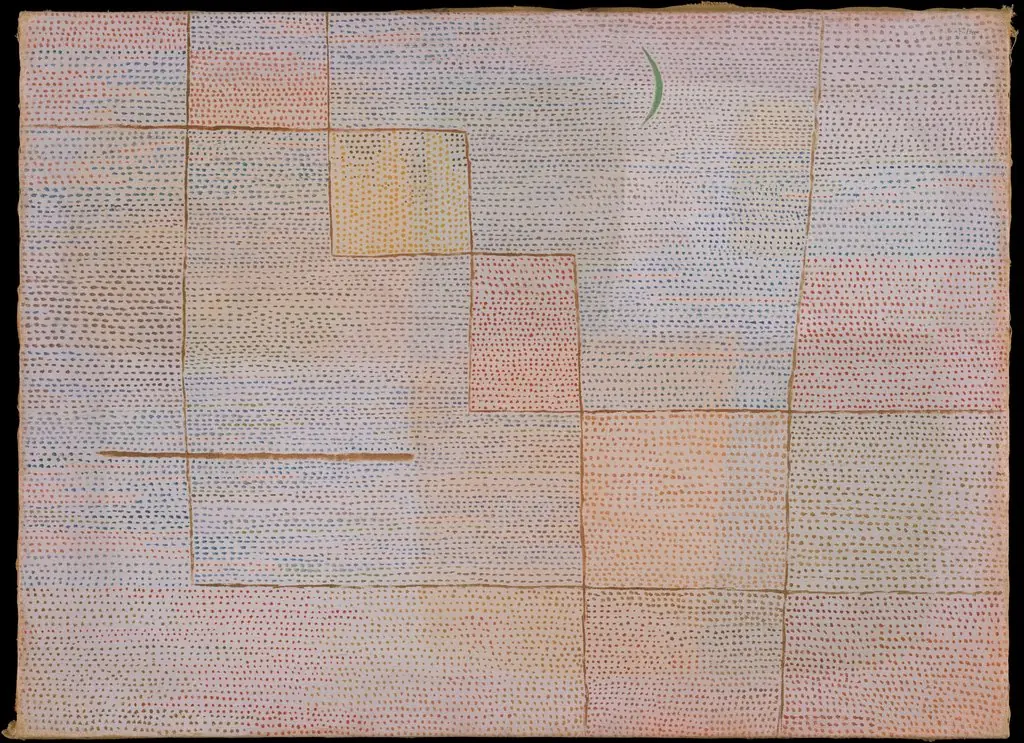 Clarification
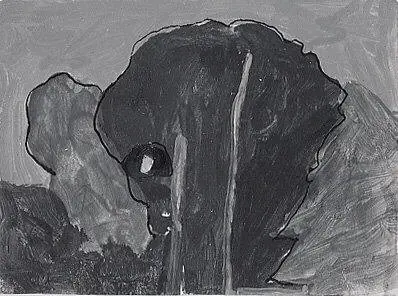 Untitled
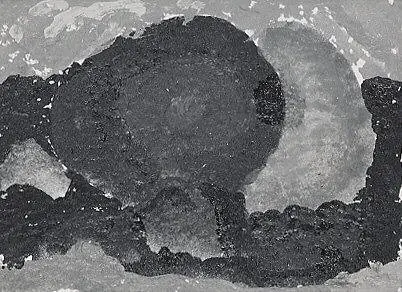 Untitled
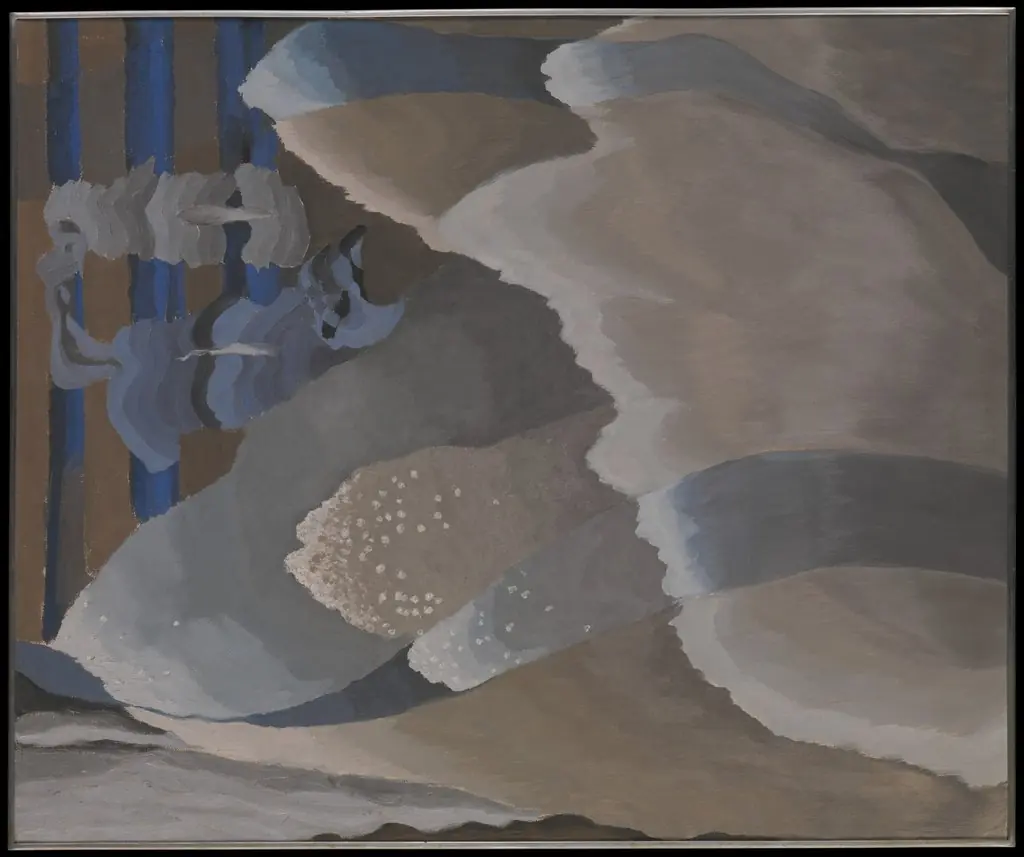 Reaching Waves
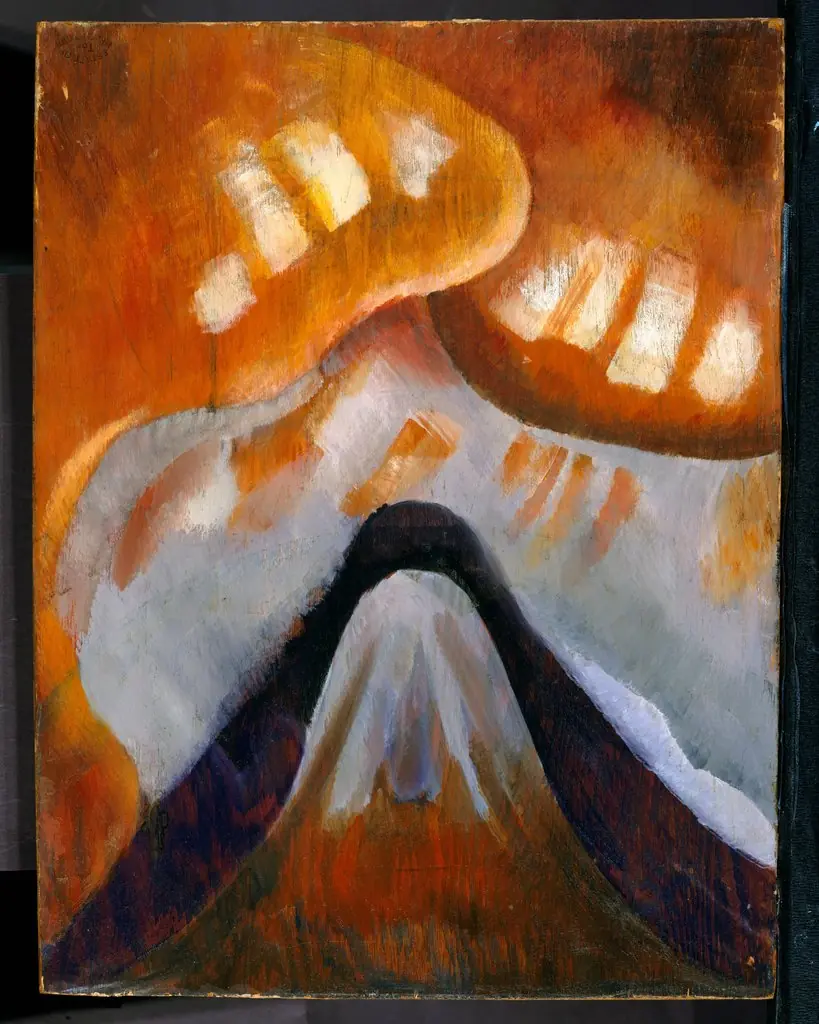 Mountain and Sky
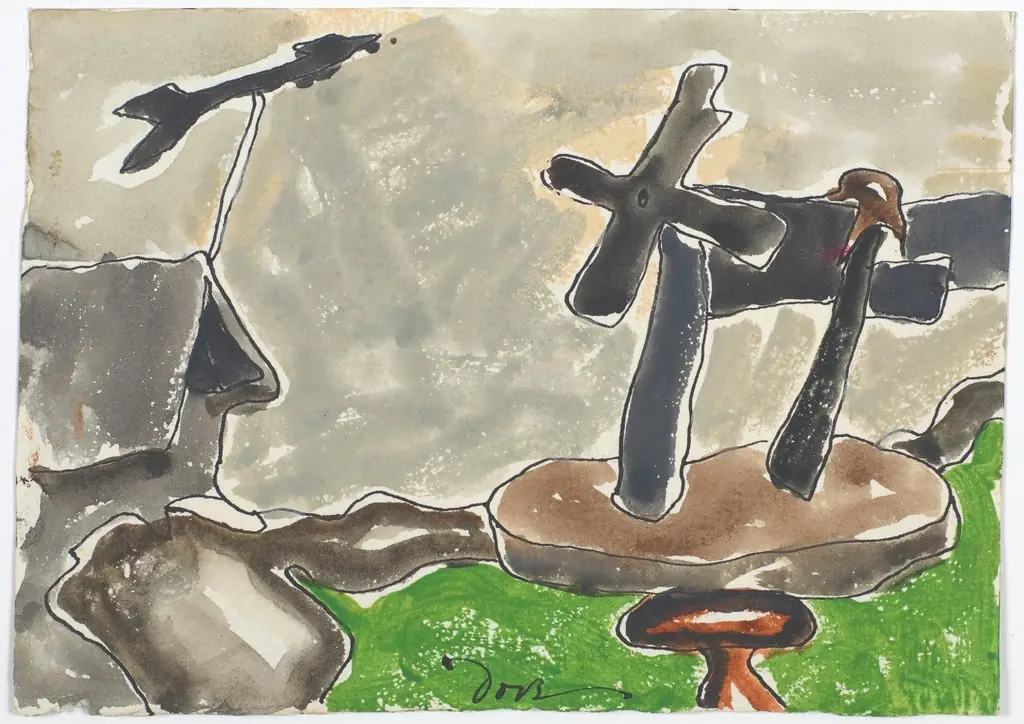 Wind Wheel
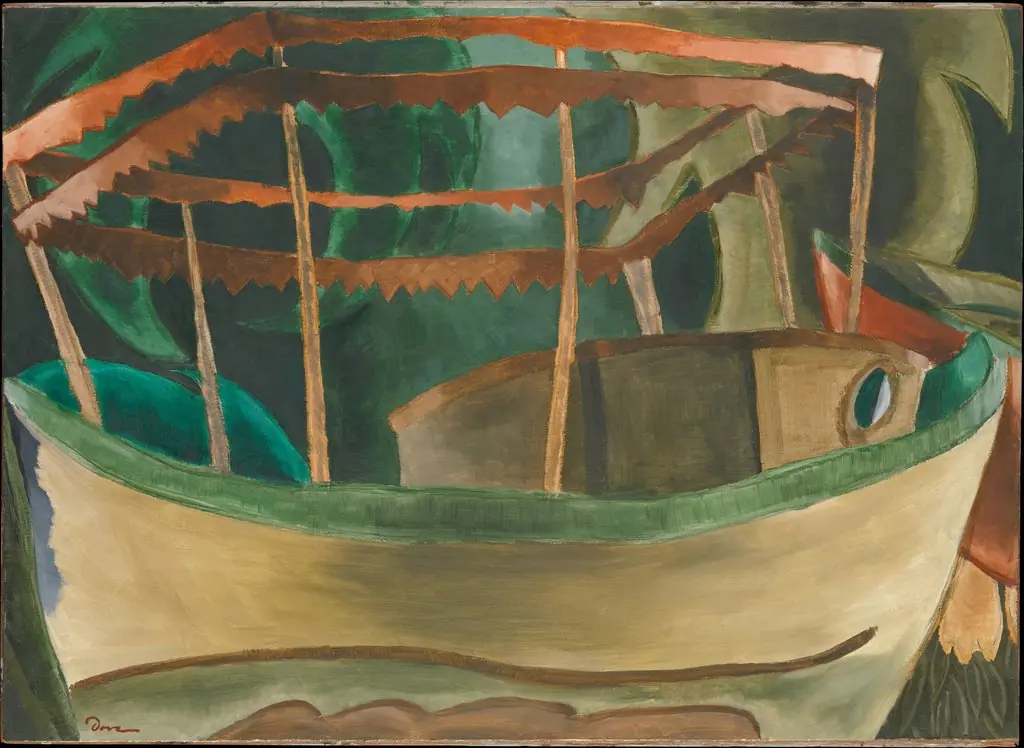 Fishboat
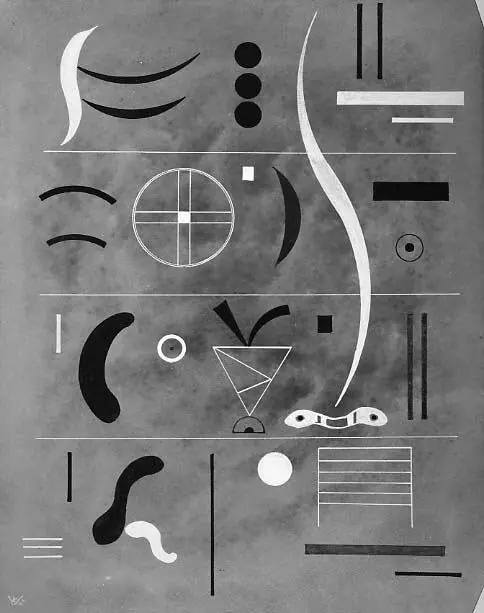 Four Parts
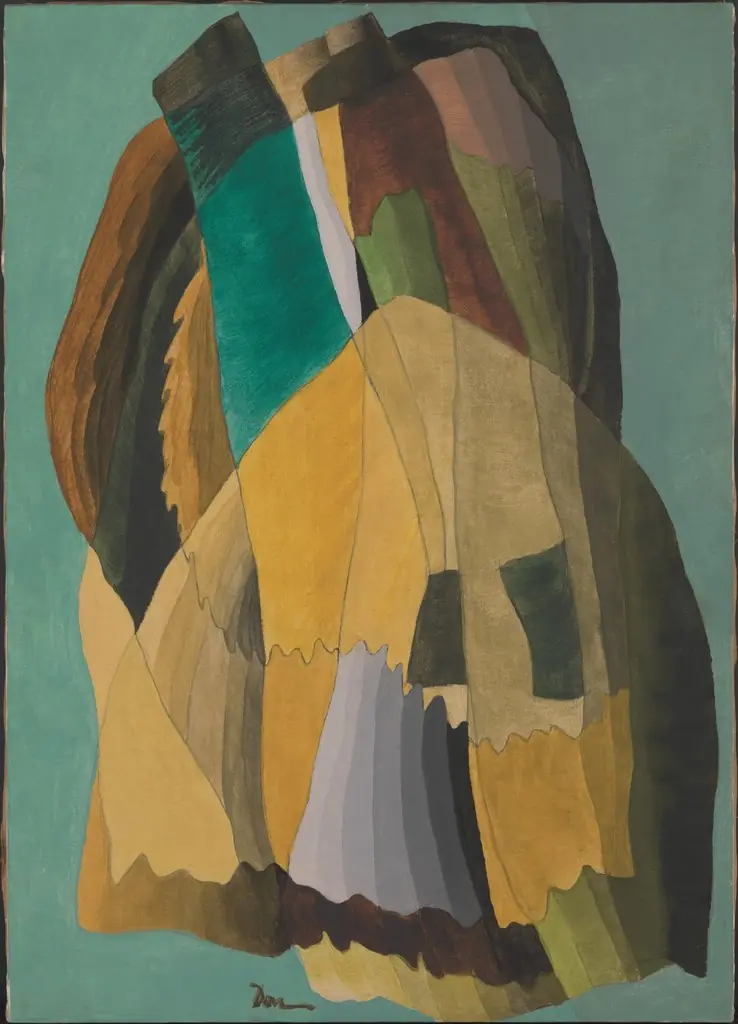 Shore Road
 Untitled
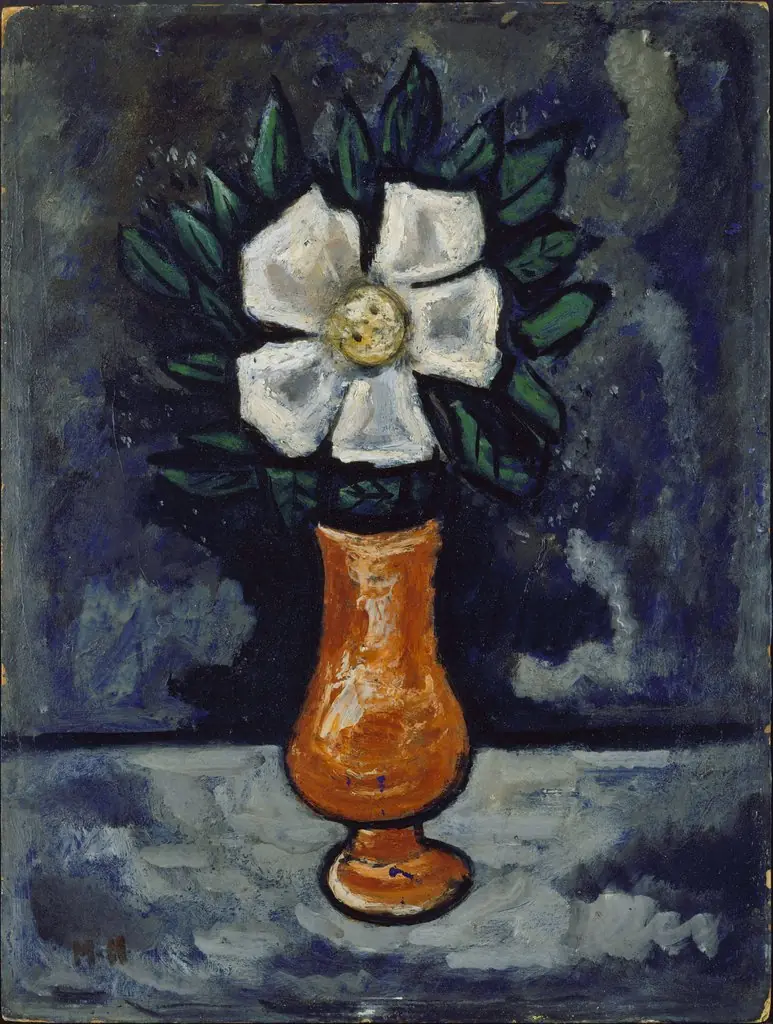 White Flower
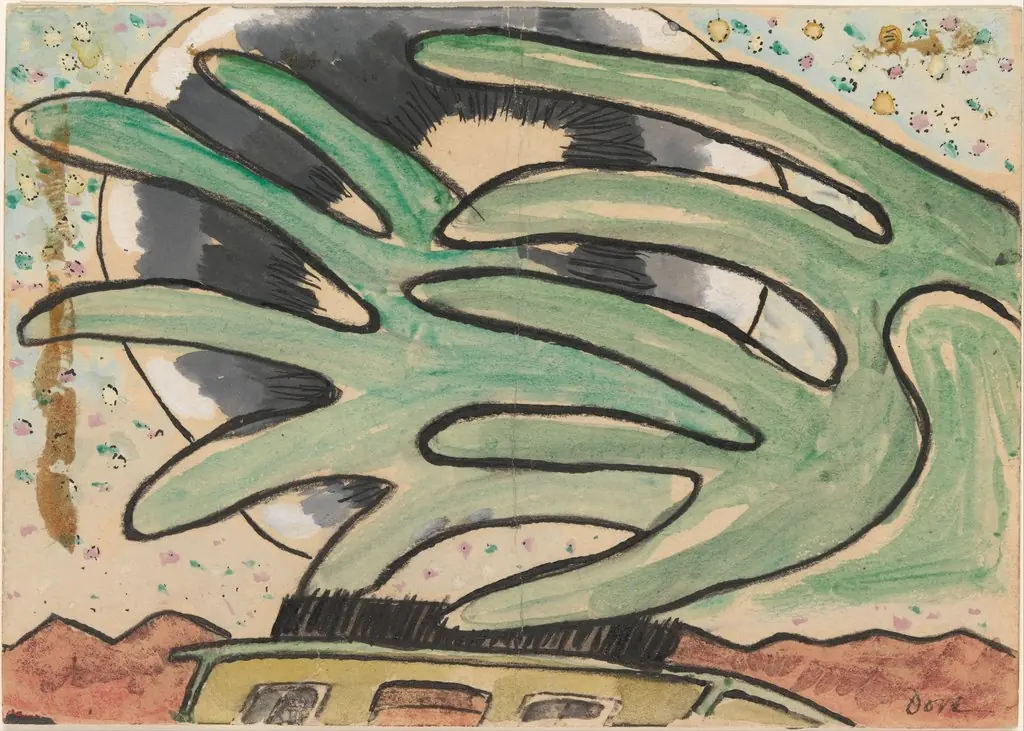 Silver Ball, Barge, and Trees
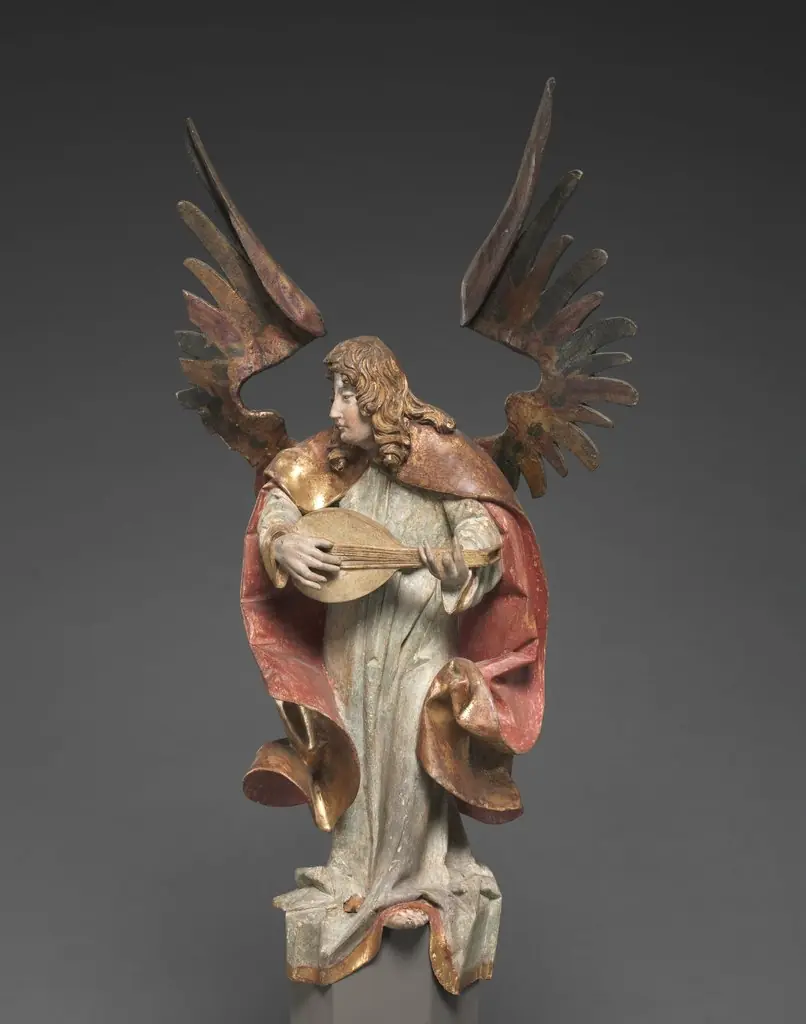 Venice-13
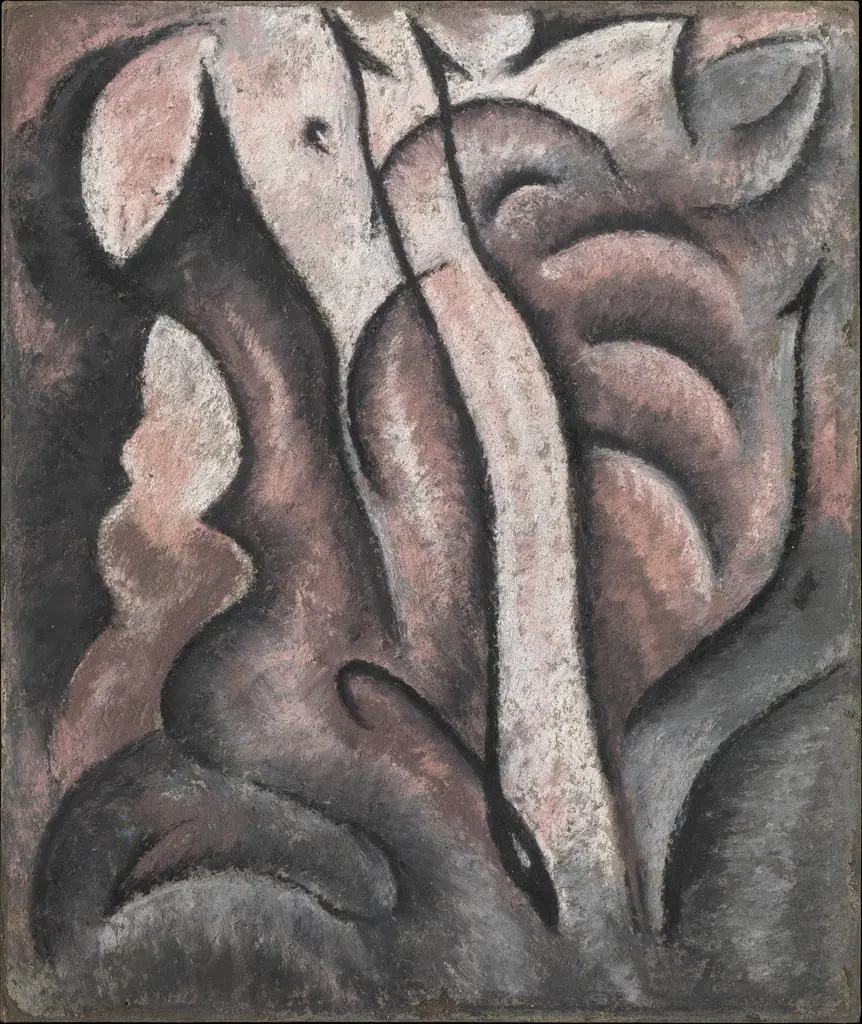 Sentimental Music
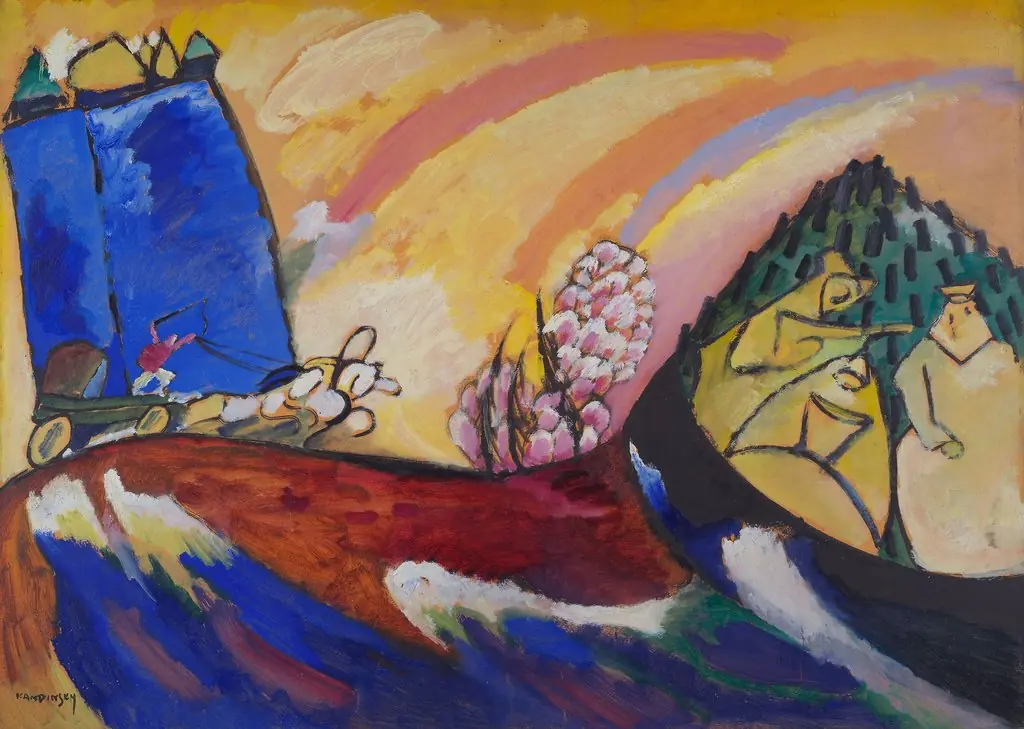 Painting with Troika
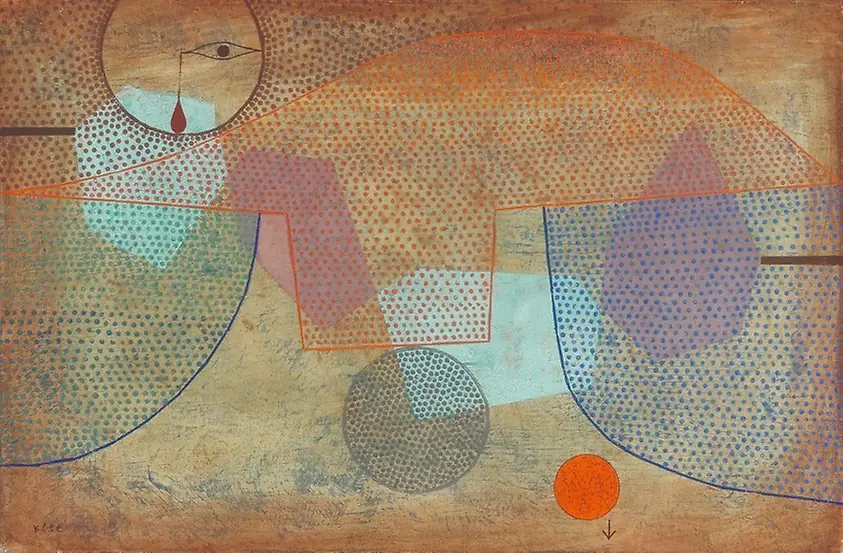 Sunset
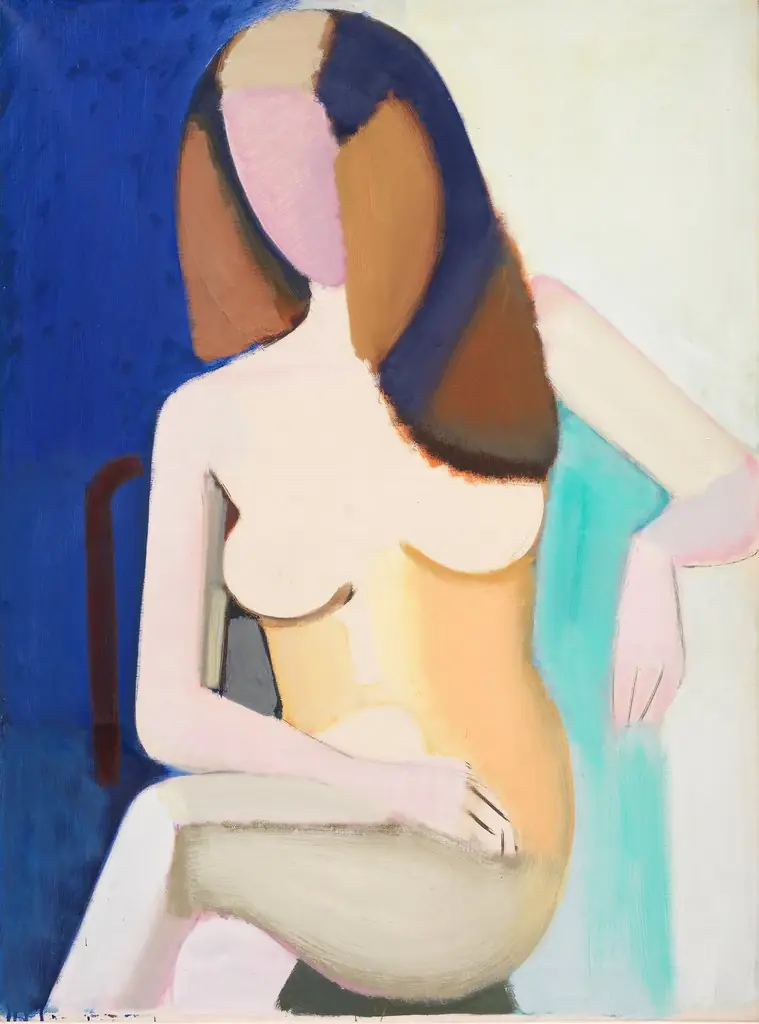 Seated Female Nude
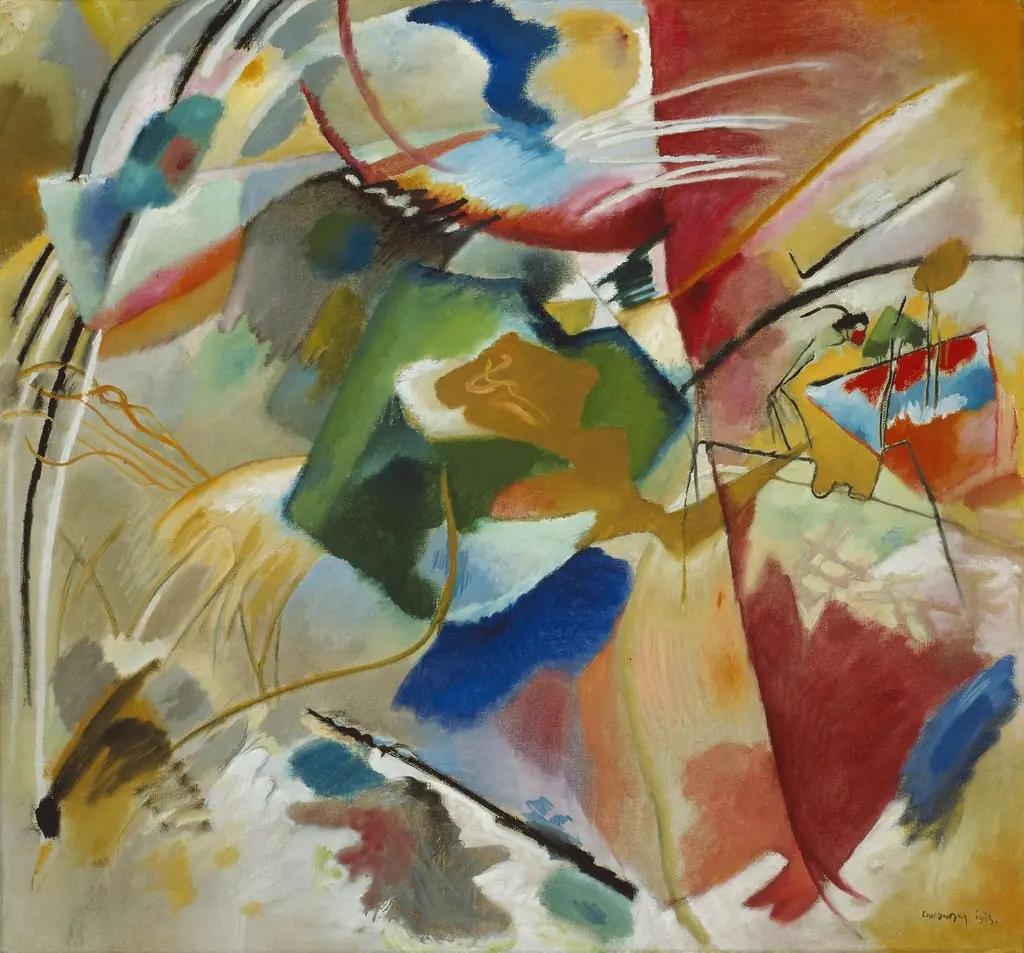 Painting with Green Center
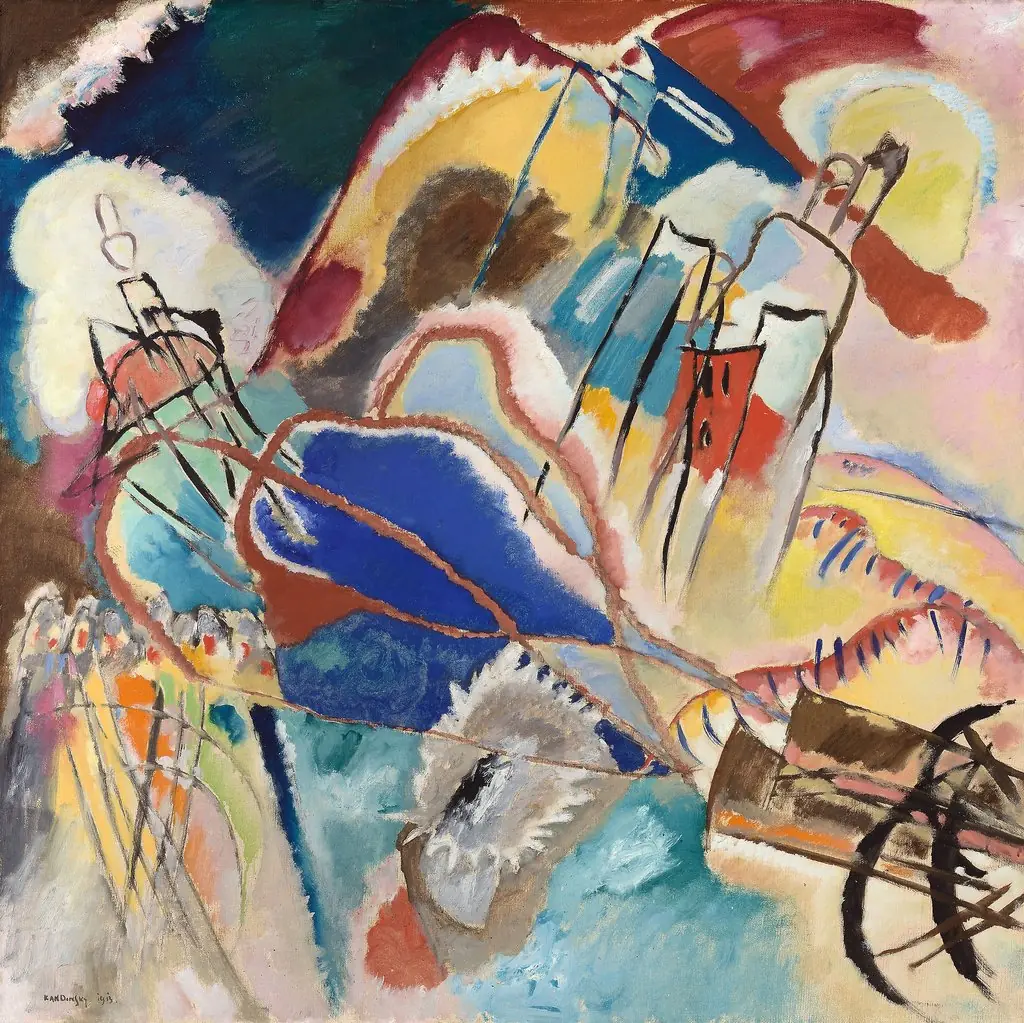 Improvisation No. 30 (Cannons)
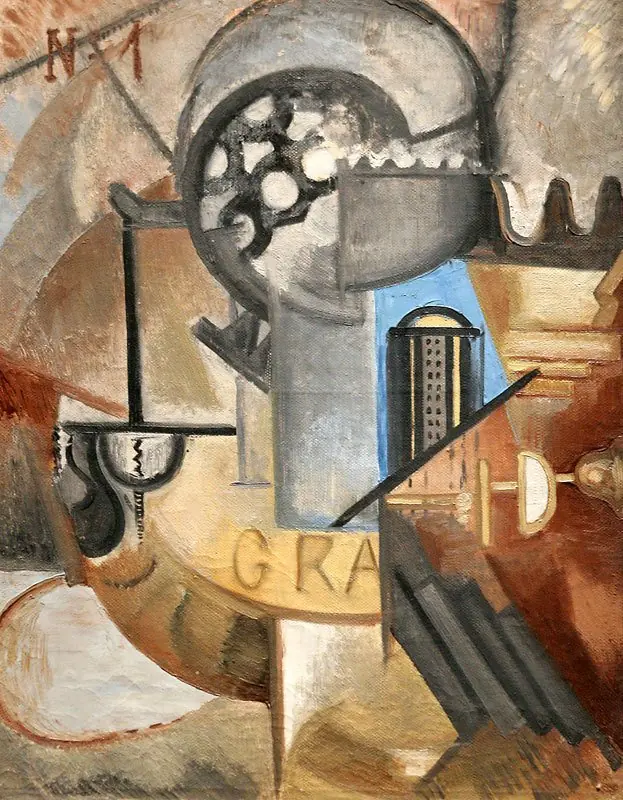 Kerosene
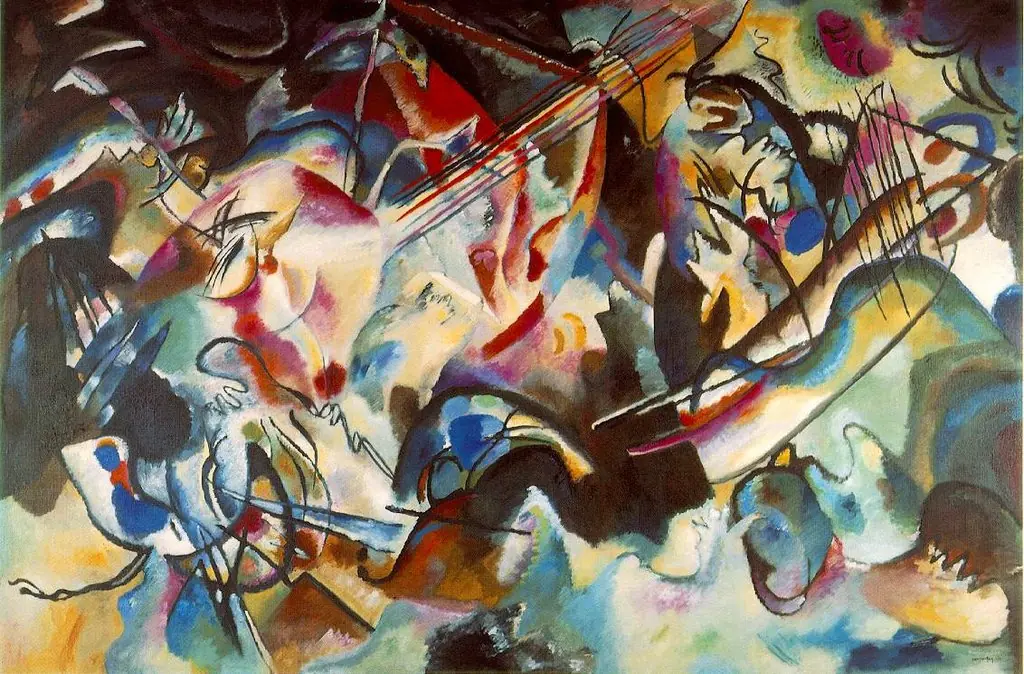 Composition VI
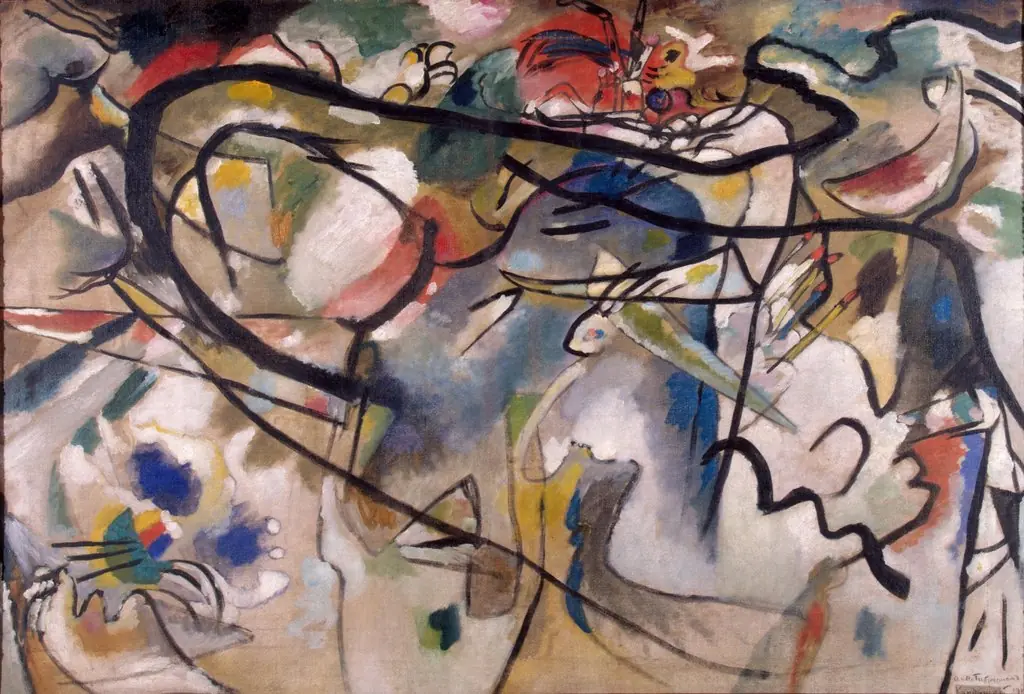 Sketch for Composition V
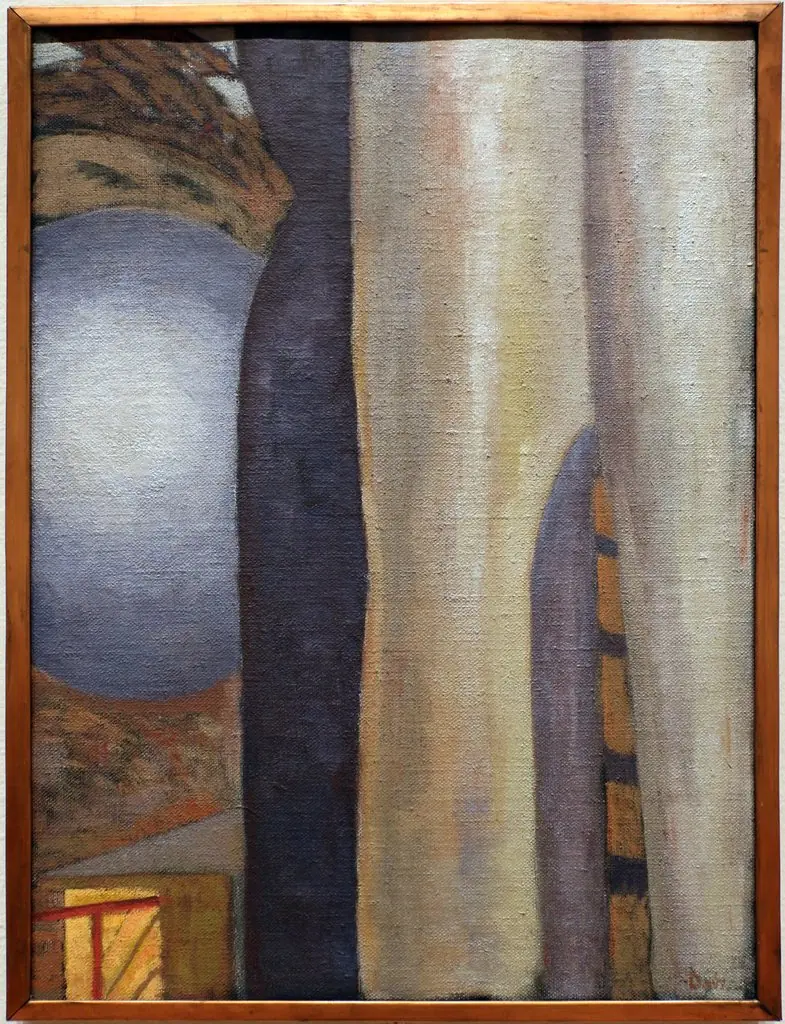 Silver Tanks
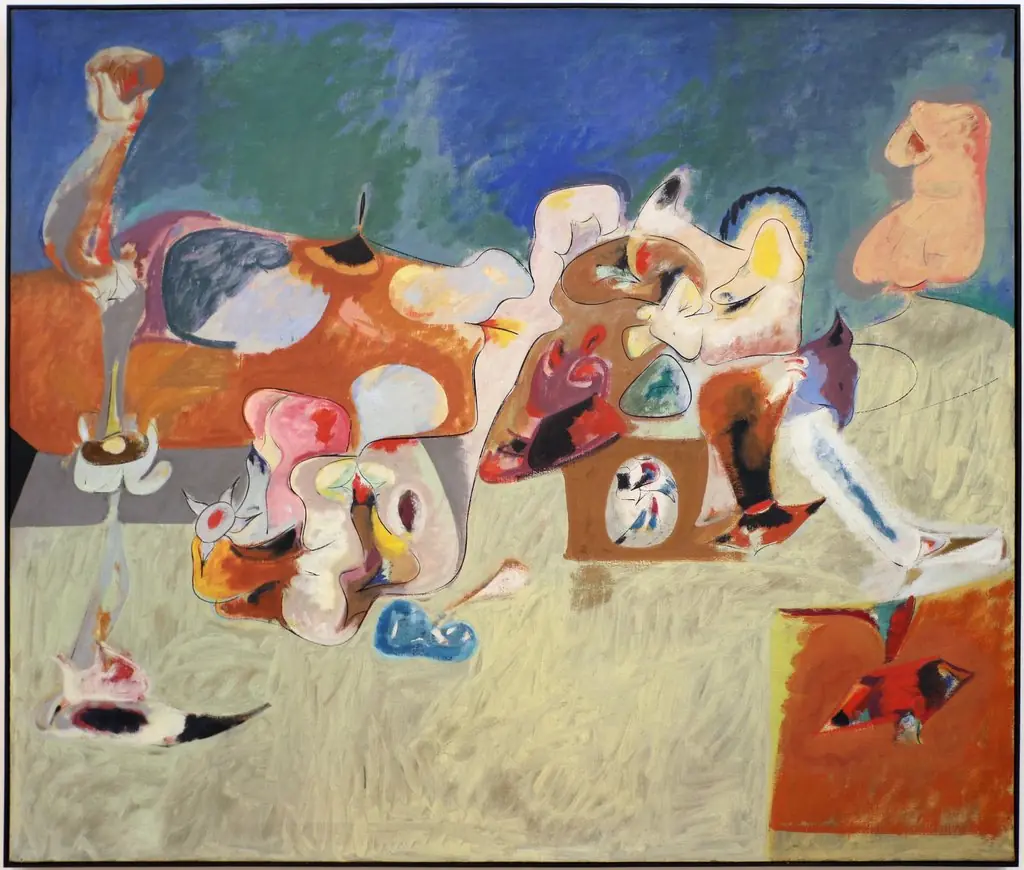 The Plough and the Song
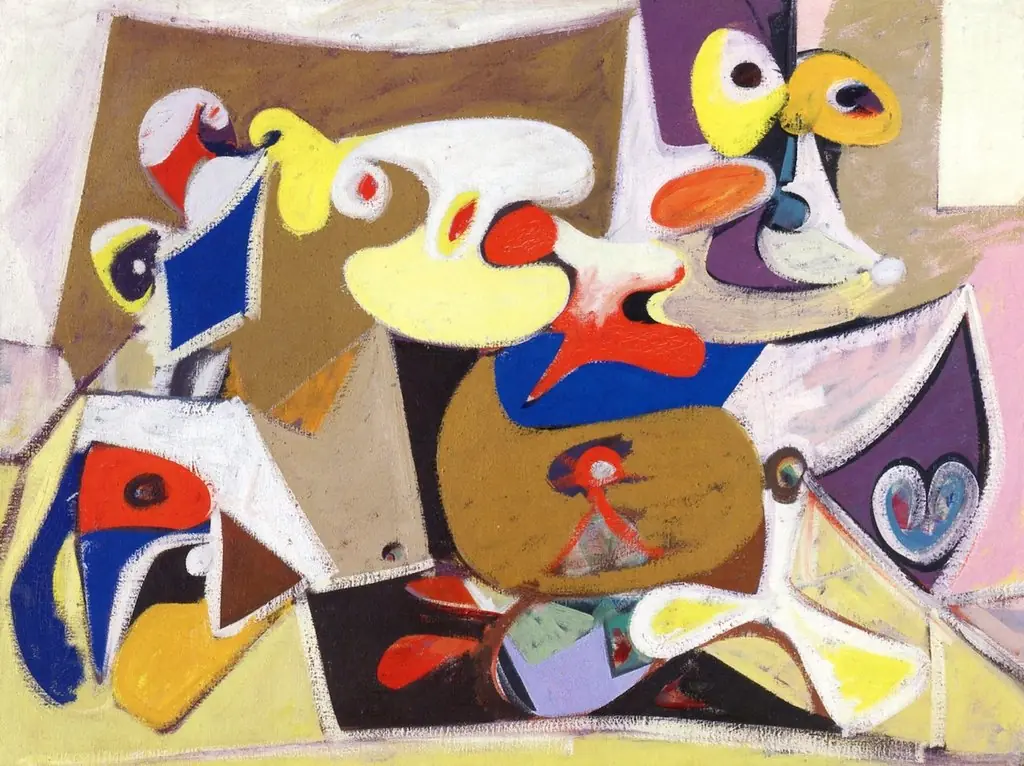 After Xhorkum
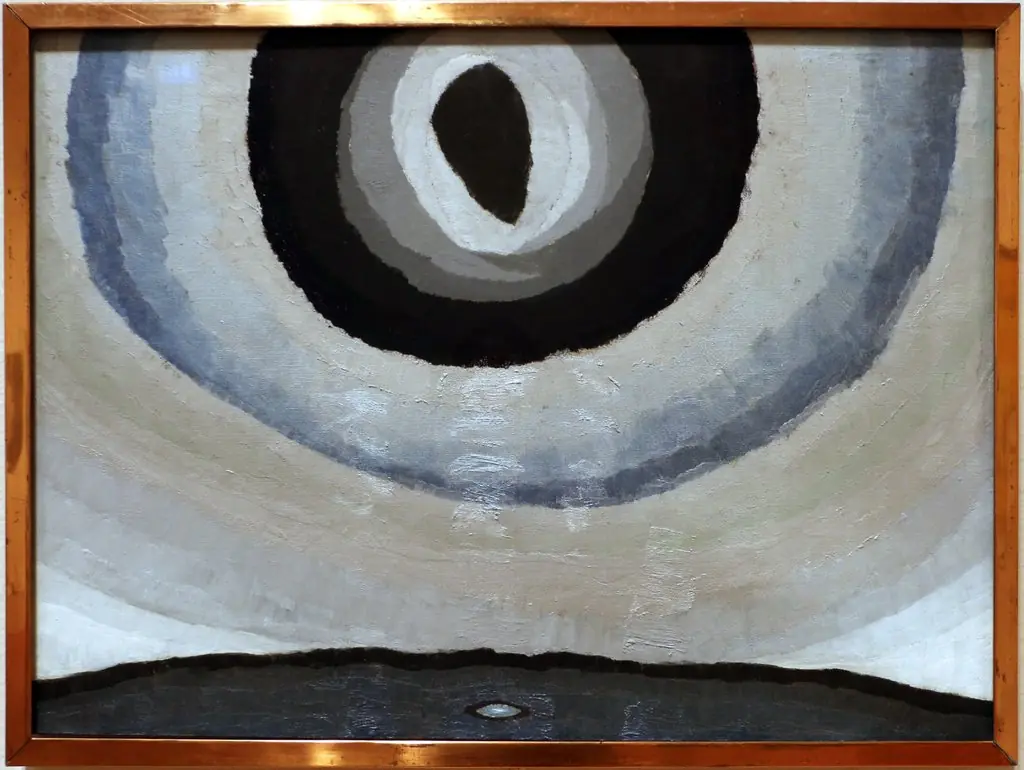 Silver Sun
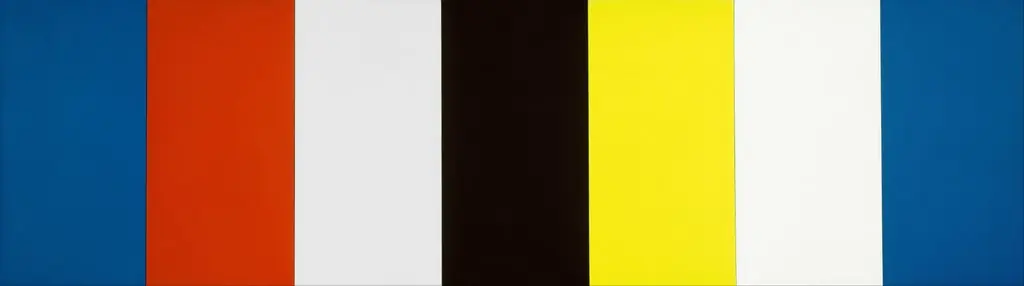 Red Yellow Blue White and Black
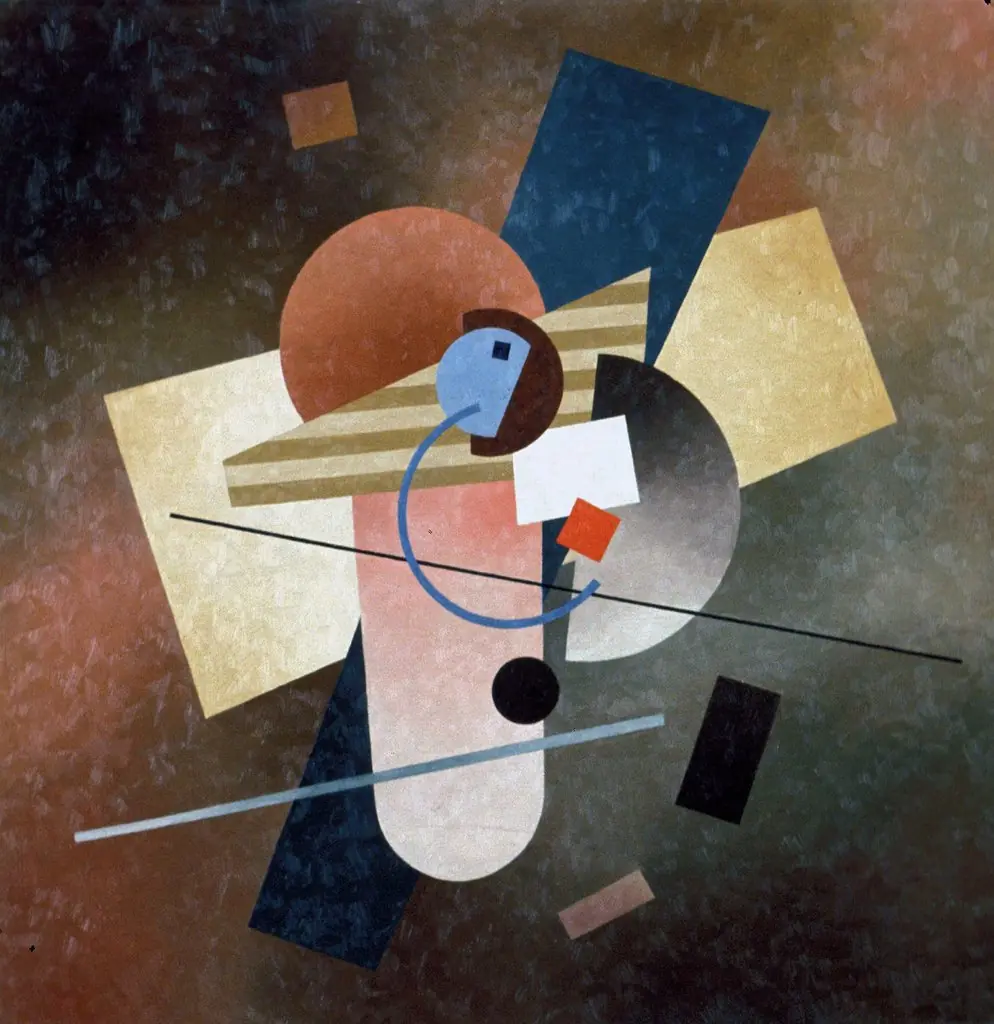 Composition
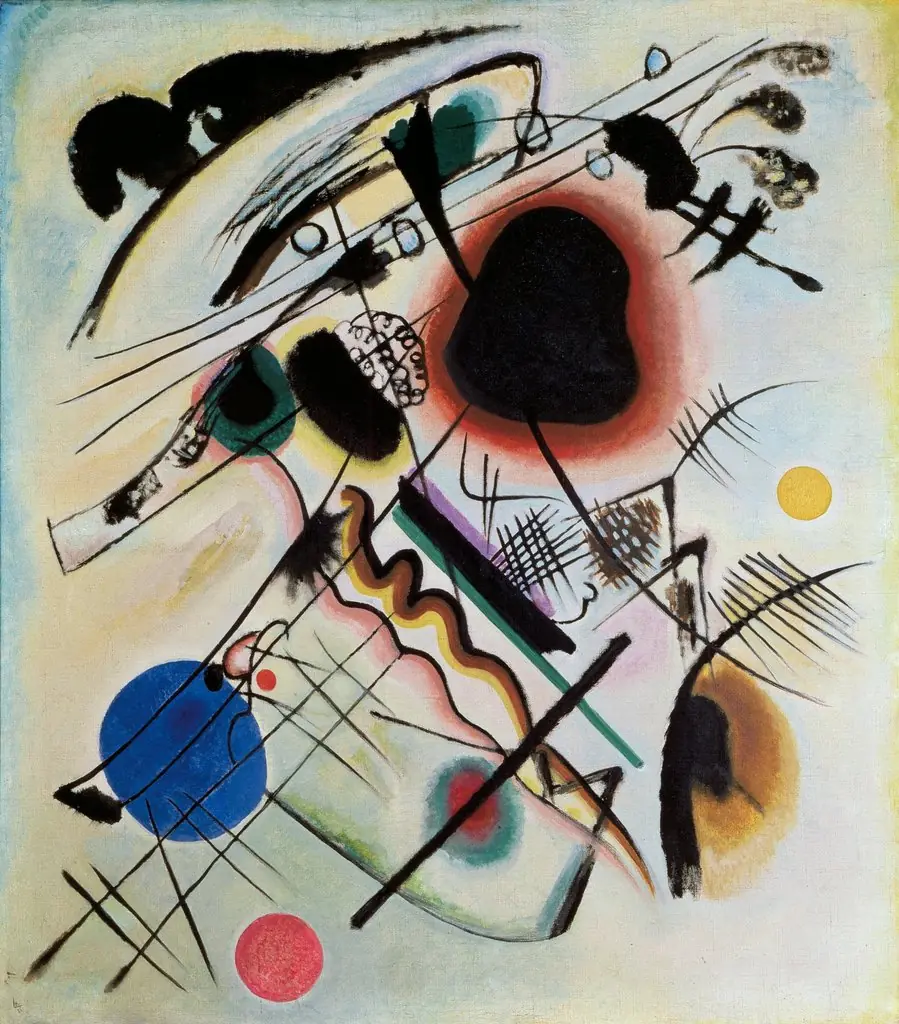 Black Spot
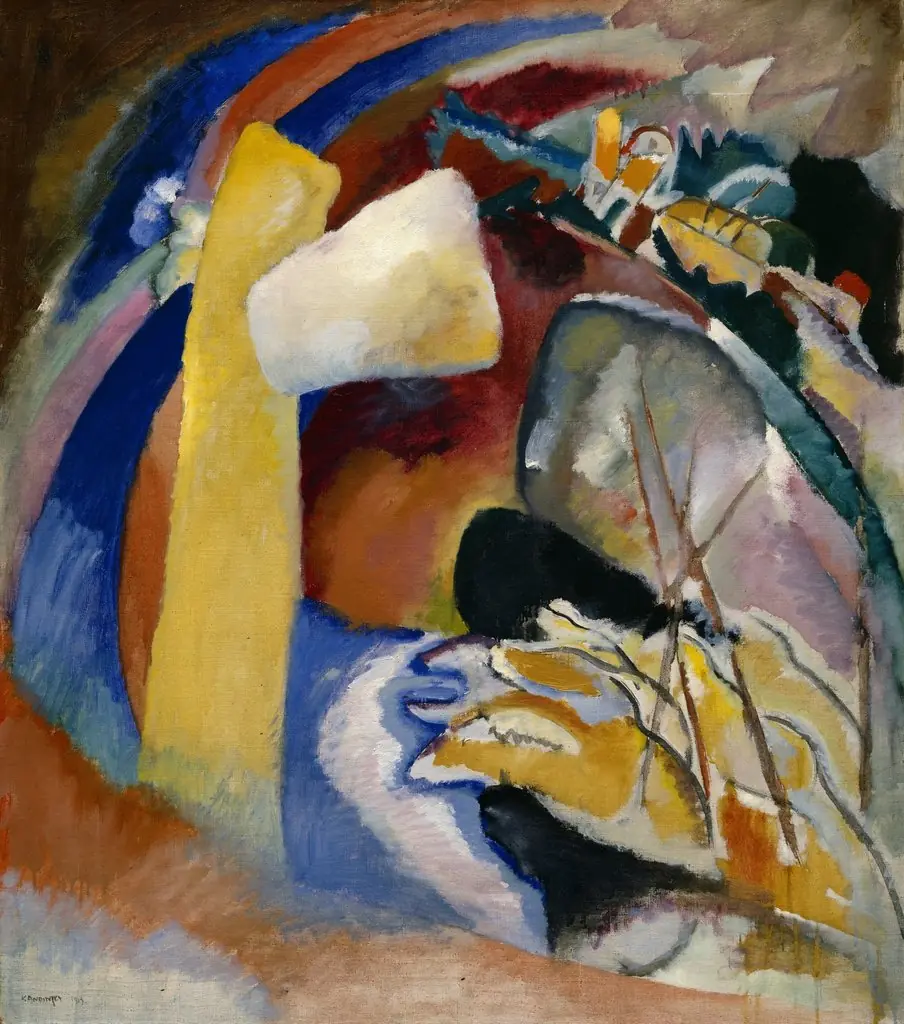 Painting with White Form (study)
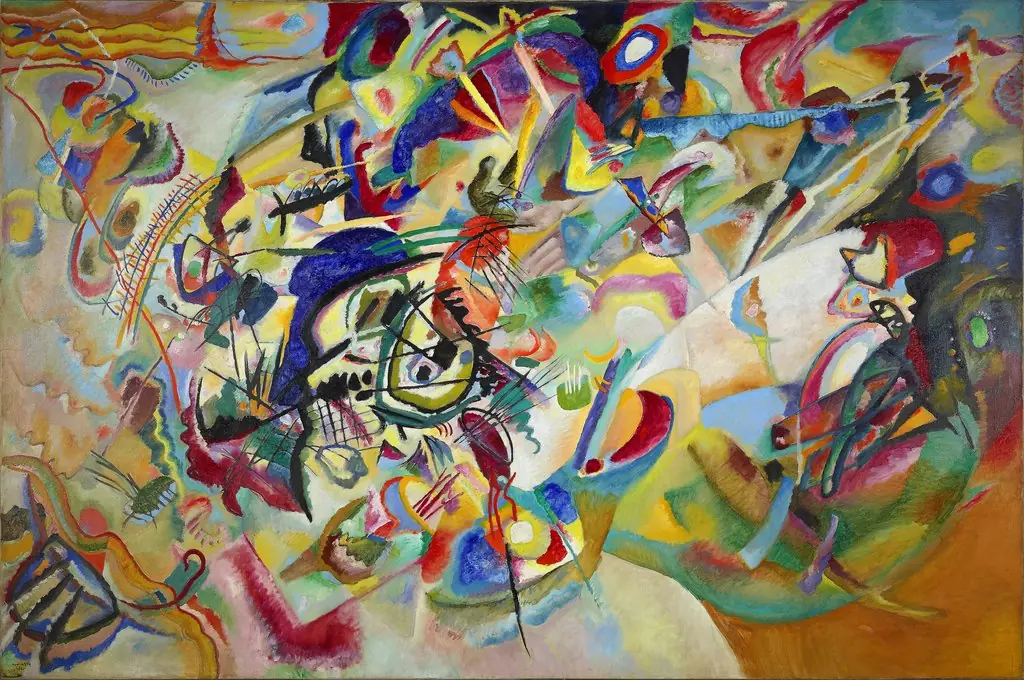 Composition VII
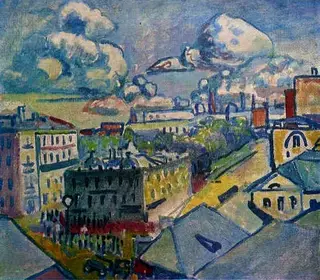 Moscow, Zubovskaya Square, Study
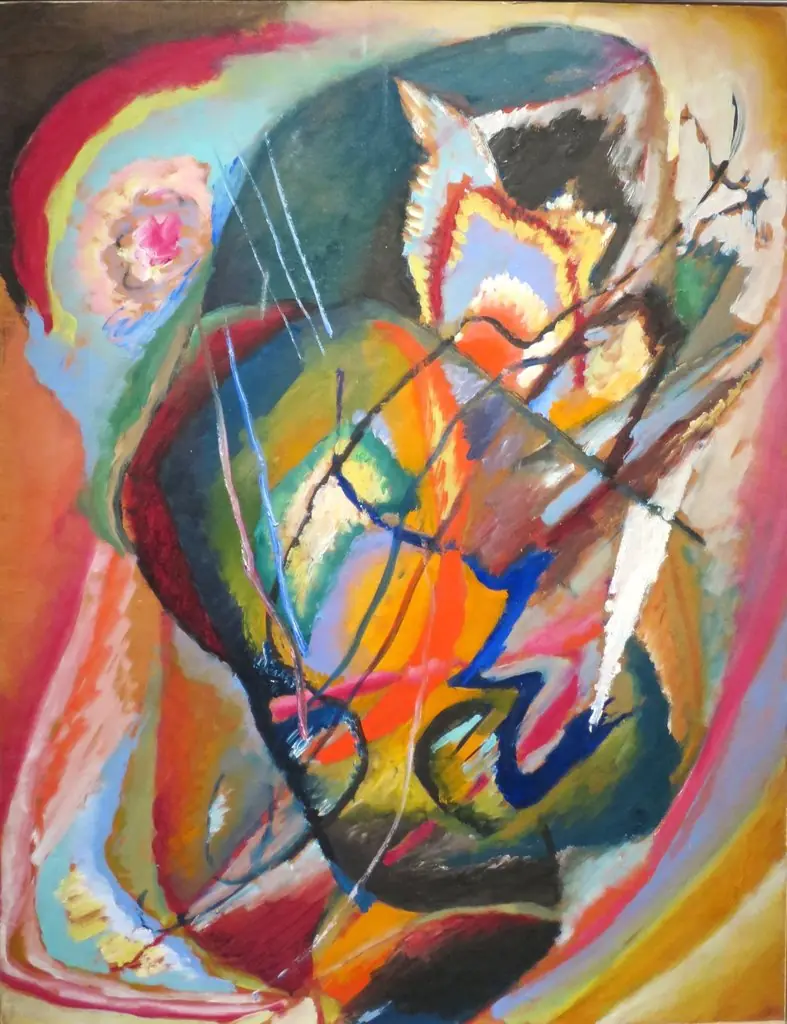 Untitled Improvisation III
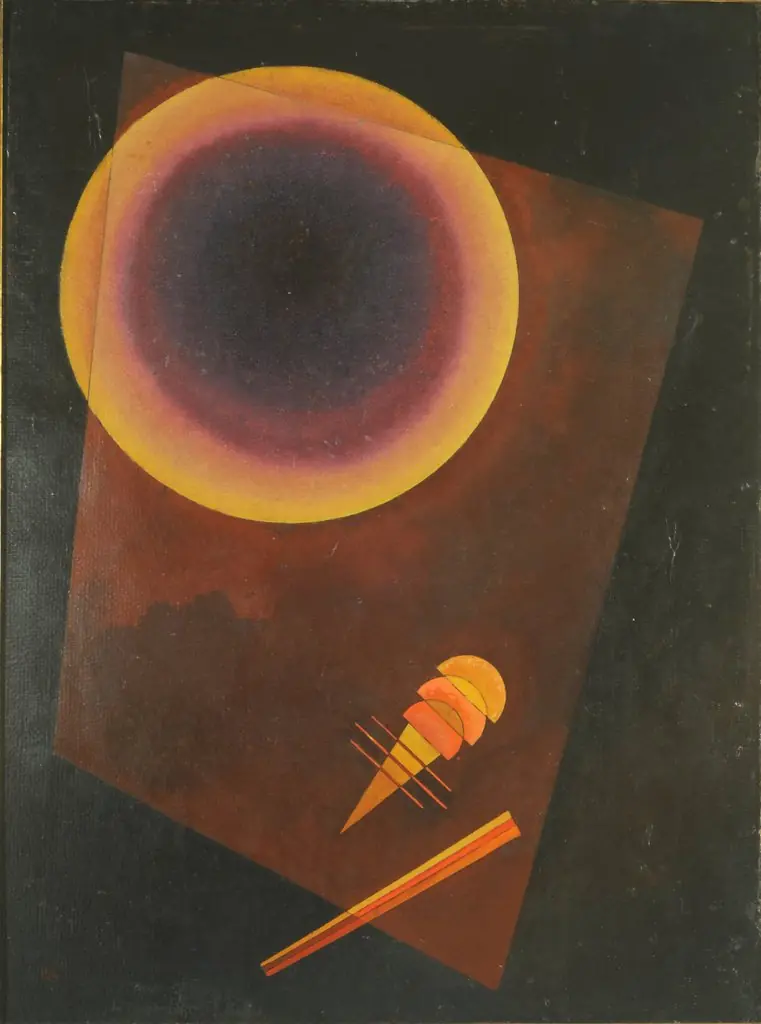 Circle (with brown)
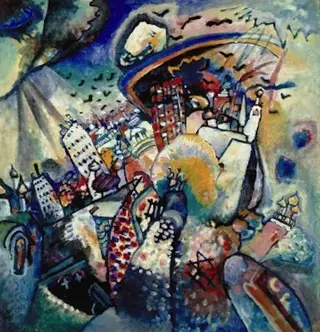 Moscow I
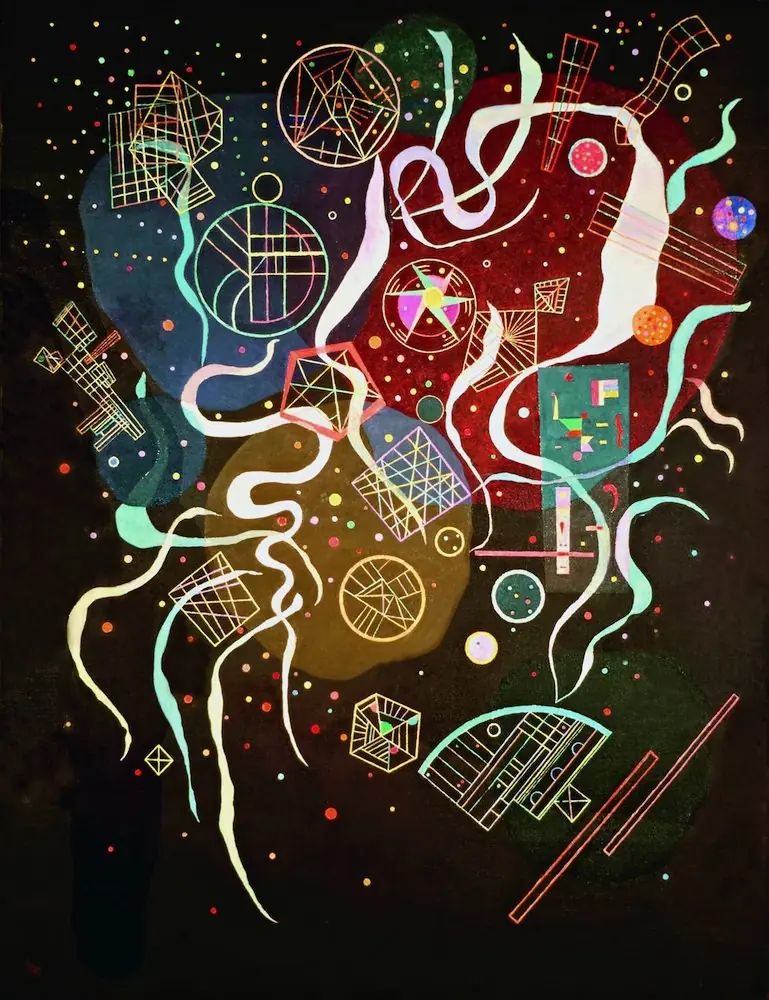 Movement I
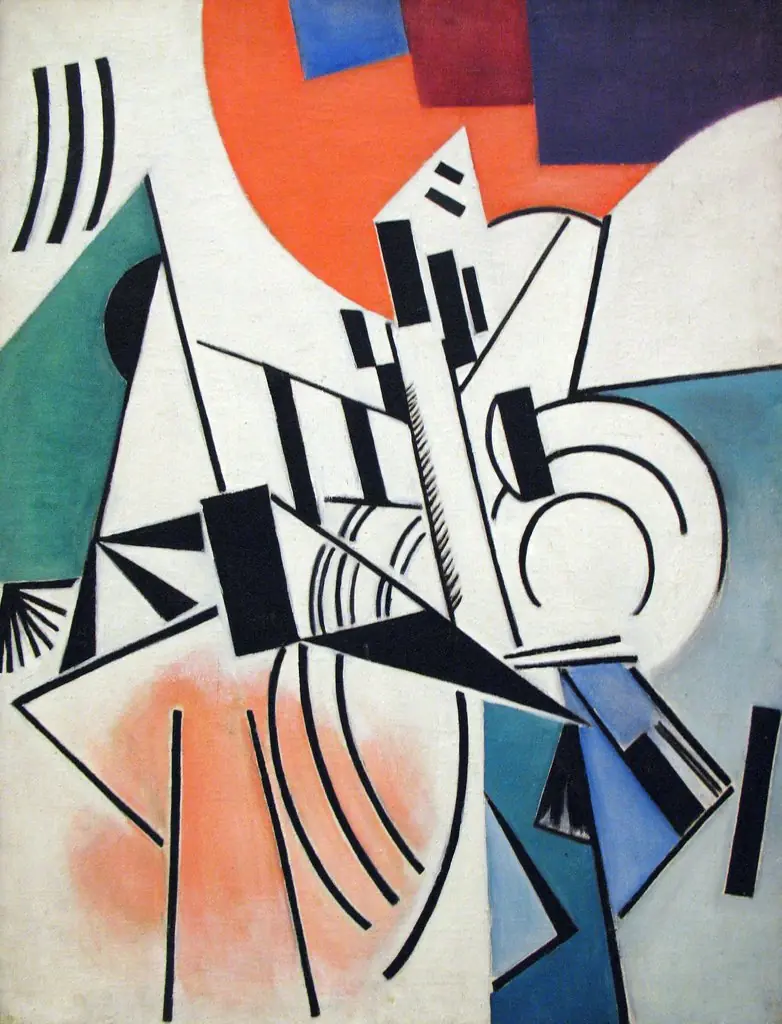 Non-Objective Composition
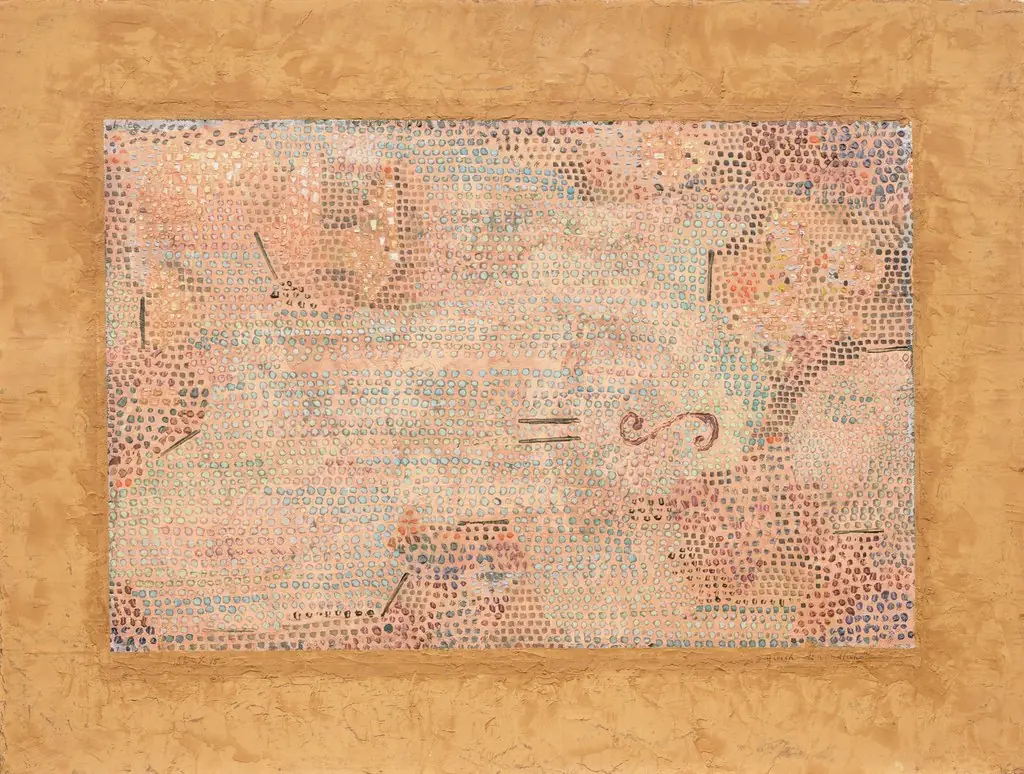 Equals Infinity
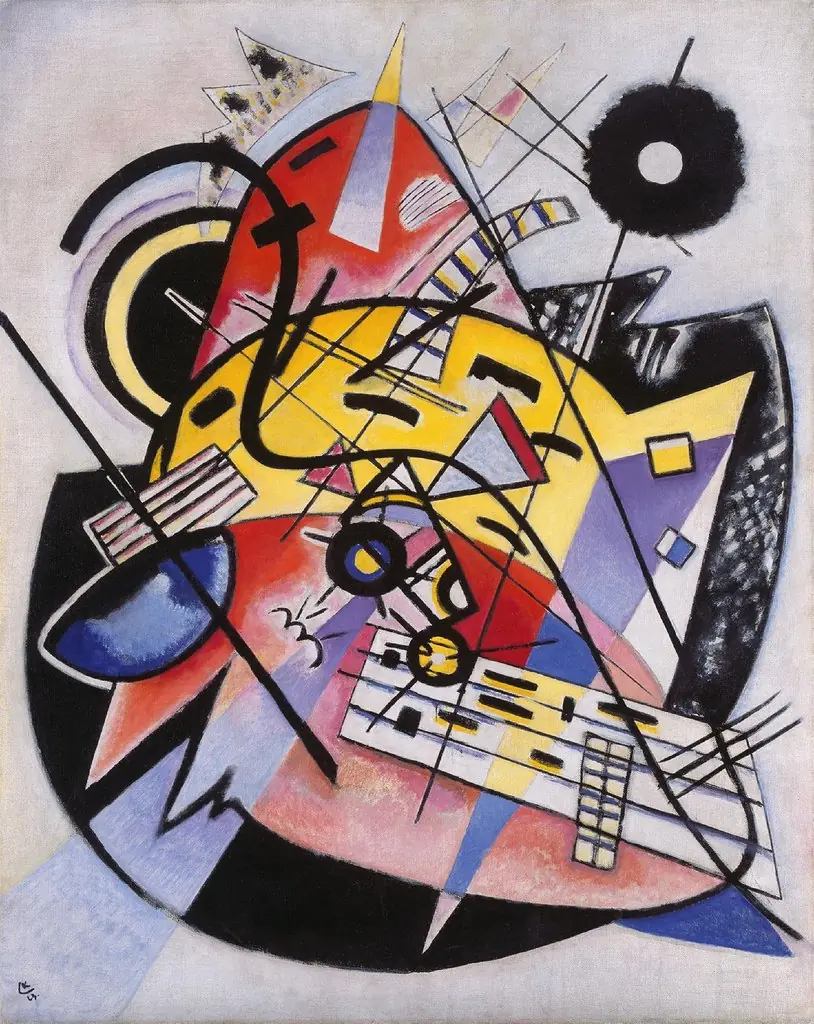 Composition 248 White point
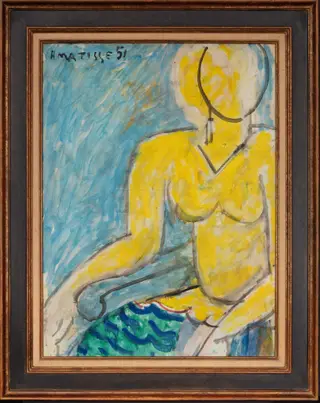 Katia à la chemise jaune
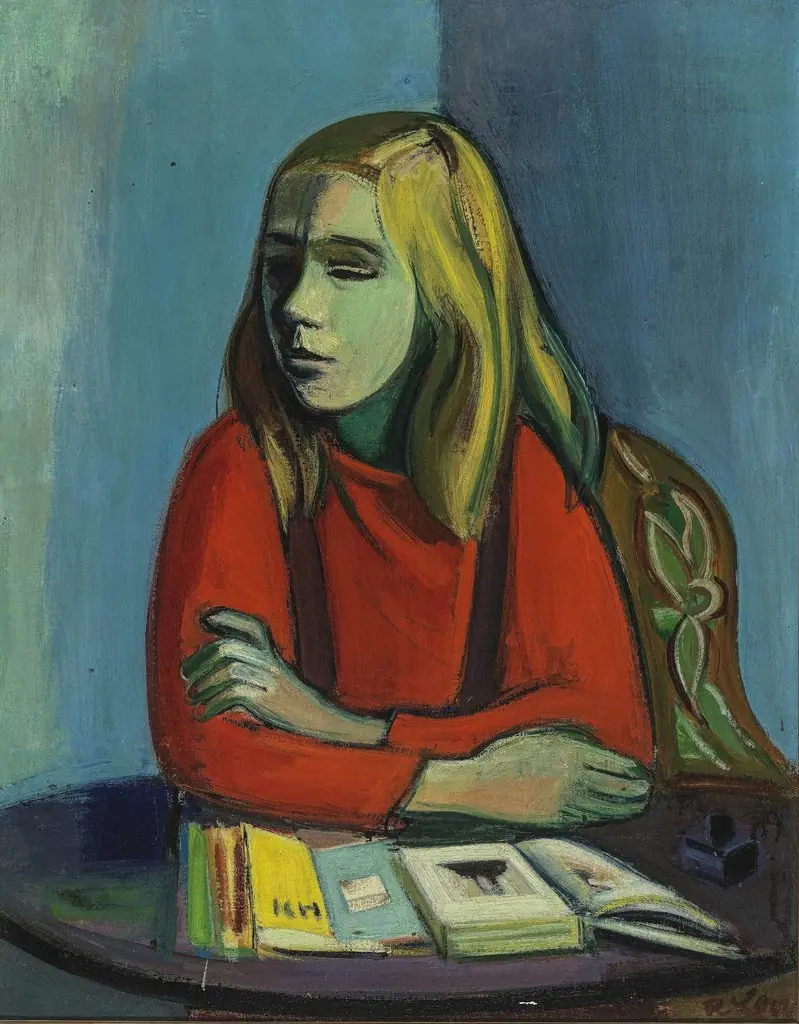 Fiamma
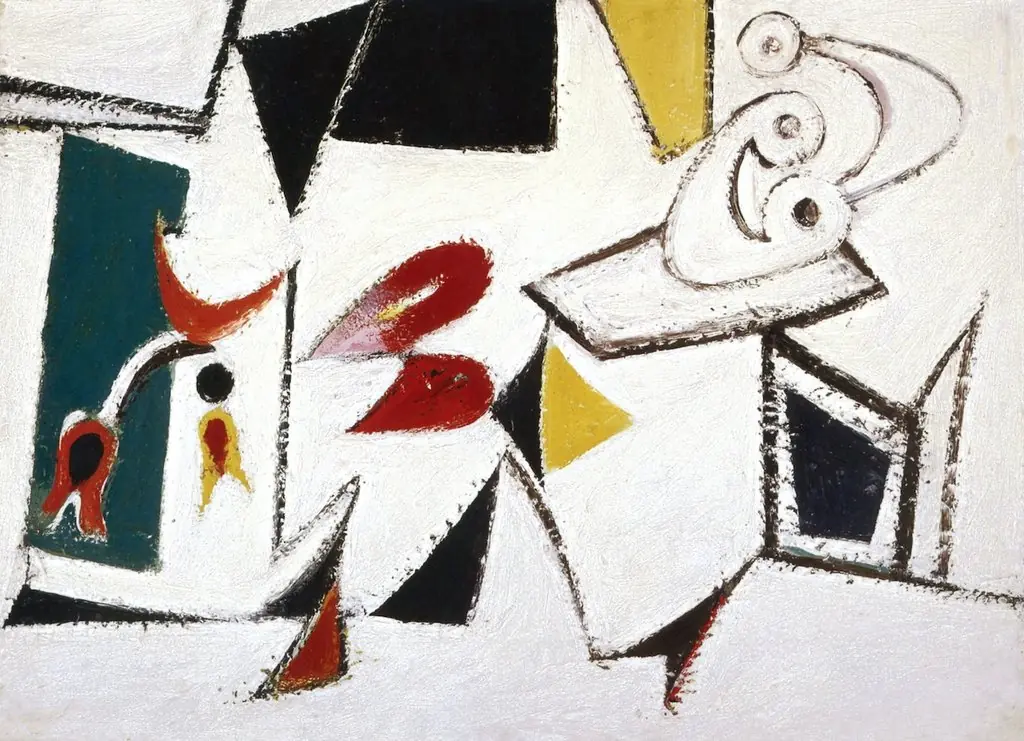 Composition
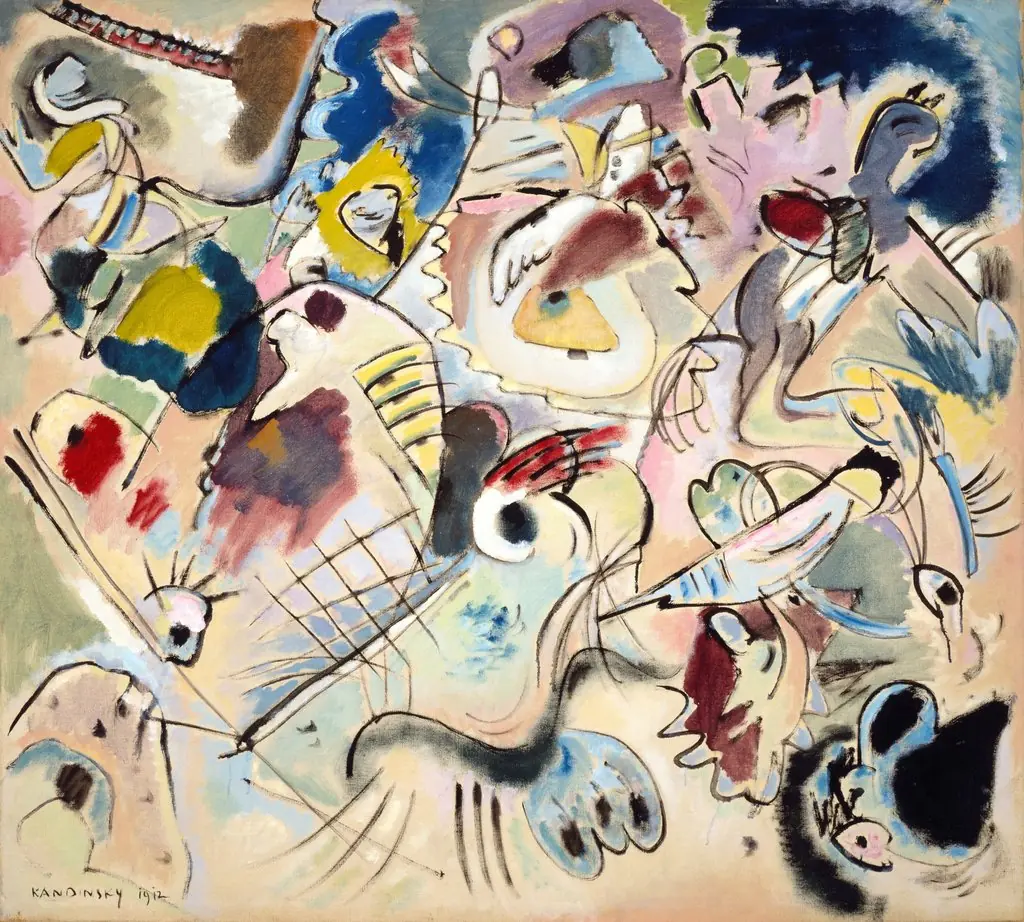 Sketch 160A
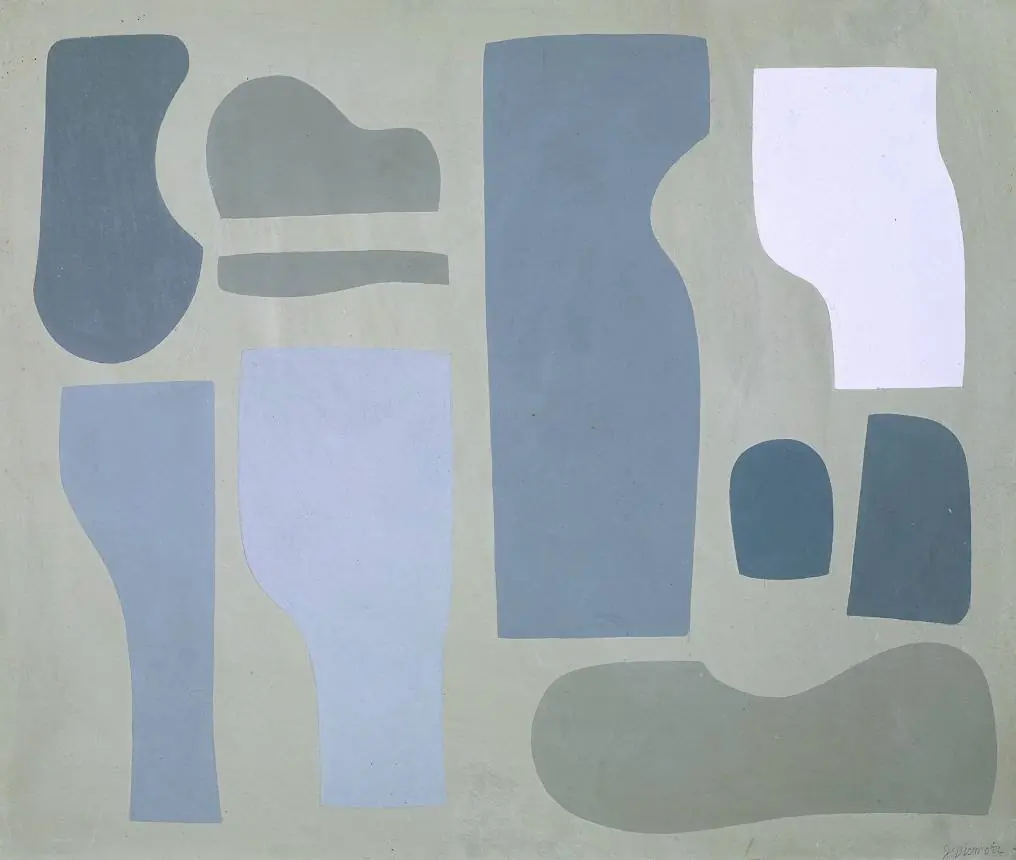 Related Forms
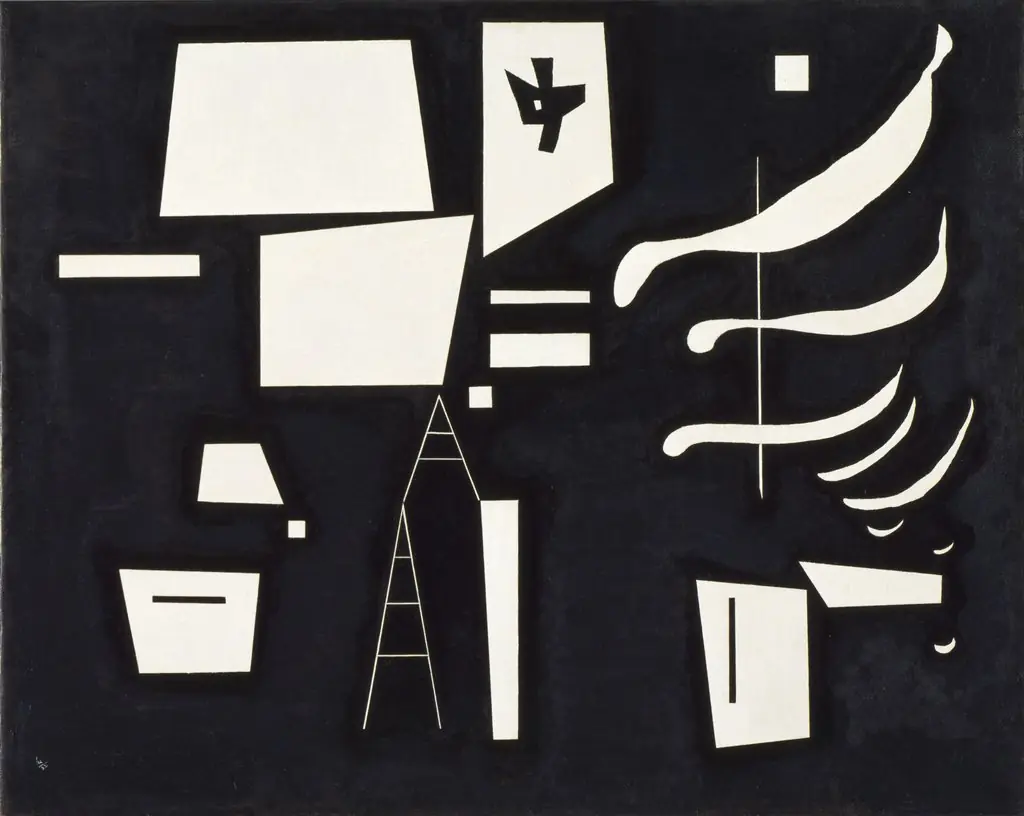 White - Soft and Hard
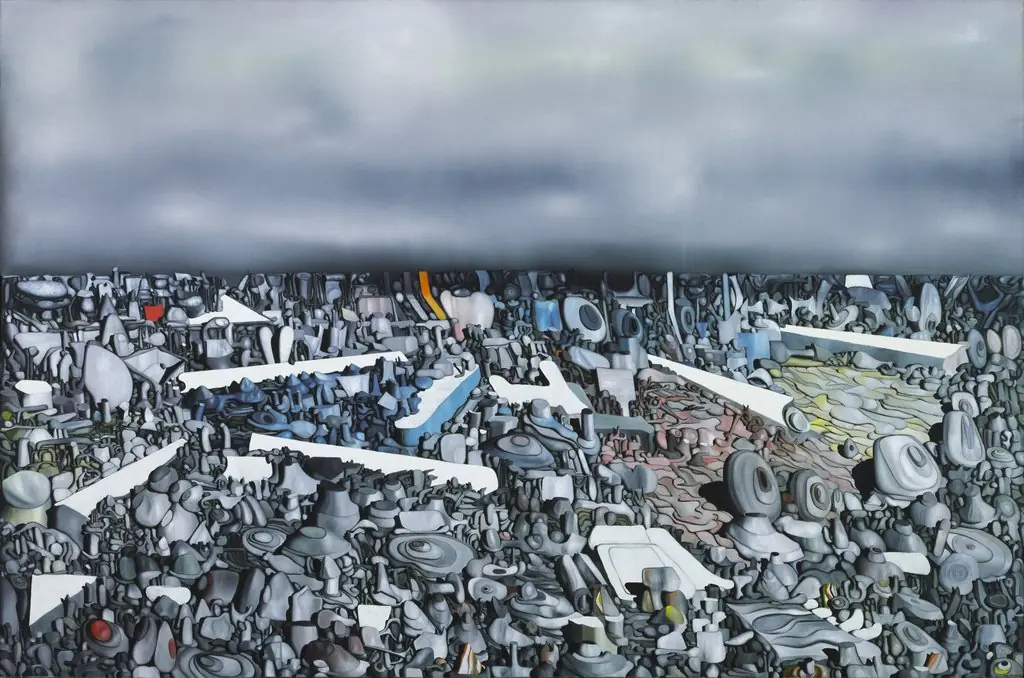 Multiplication of the Arcs
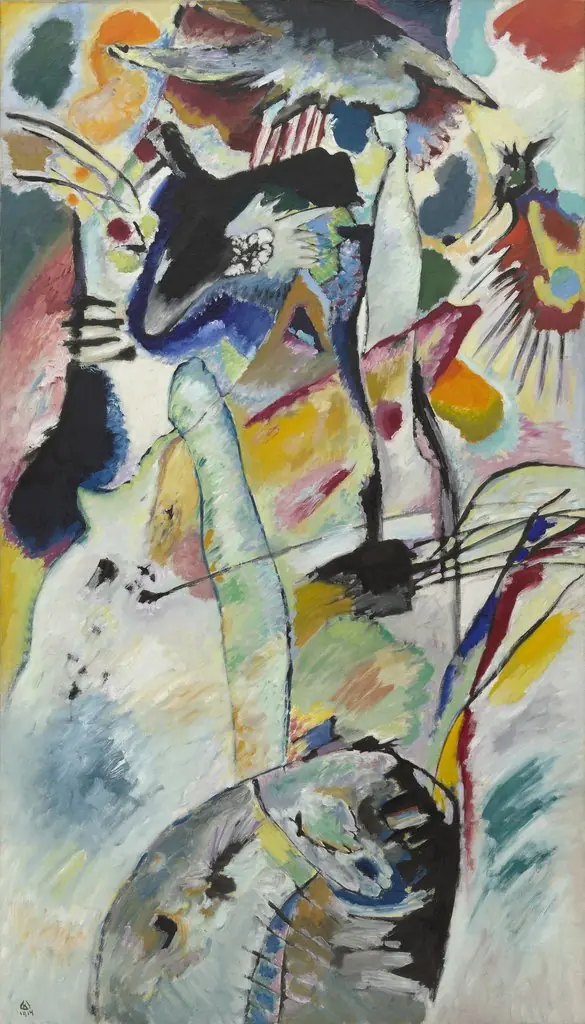 Panel for Edwin R. Campbell No. 3
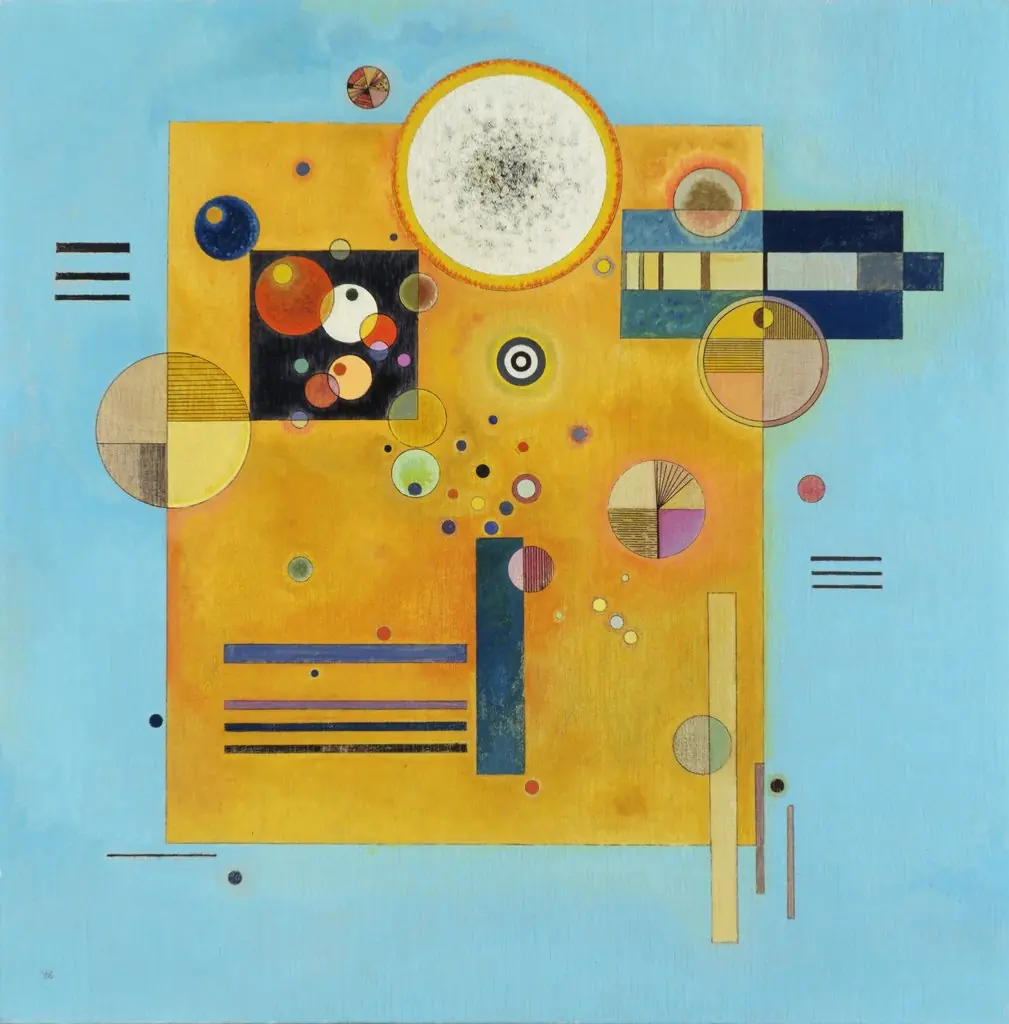 Soft Pressure
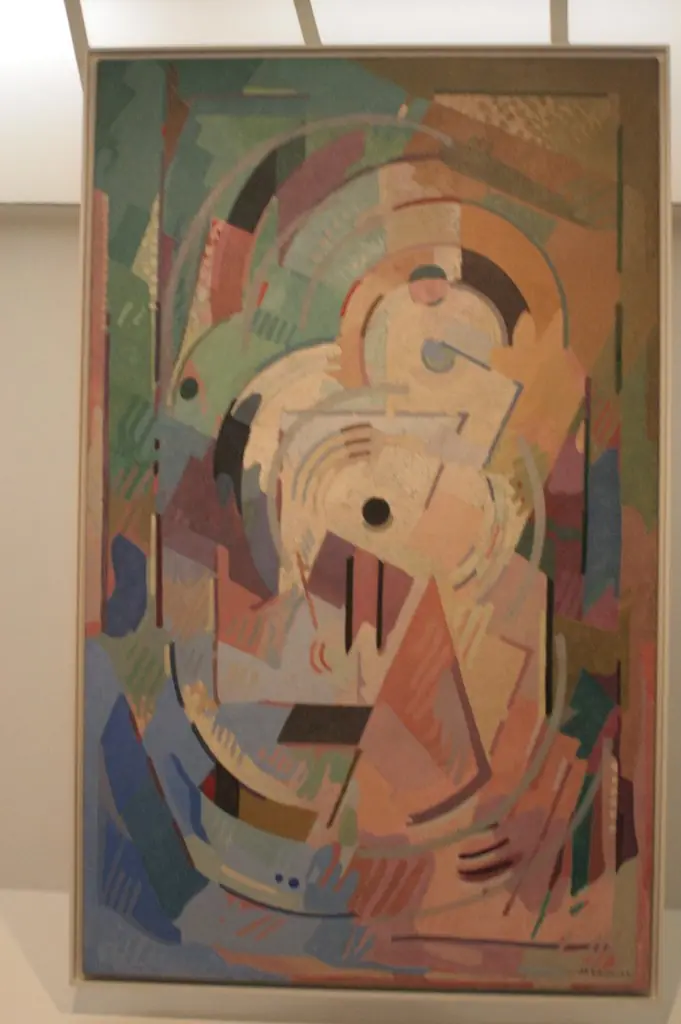 Painting for Contemplation, Dominant Rose and Green
 Pino
Pino Unequal
 Phantasy
 Diary of a Seducer
 Panel for Edwin R. Campbell No. 1
 Spring
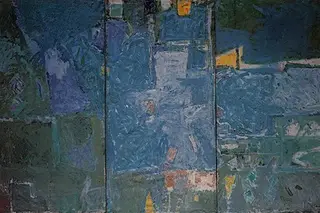 Painting
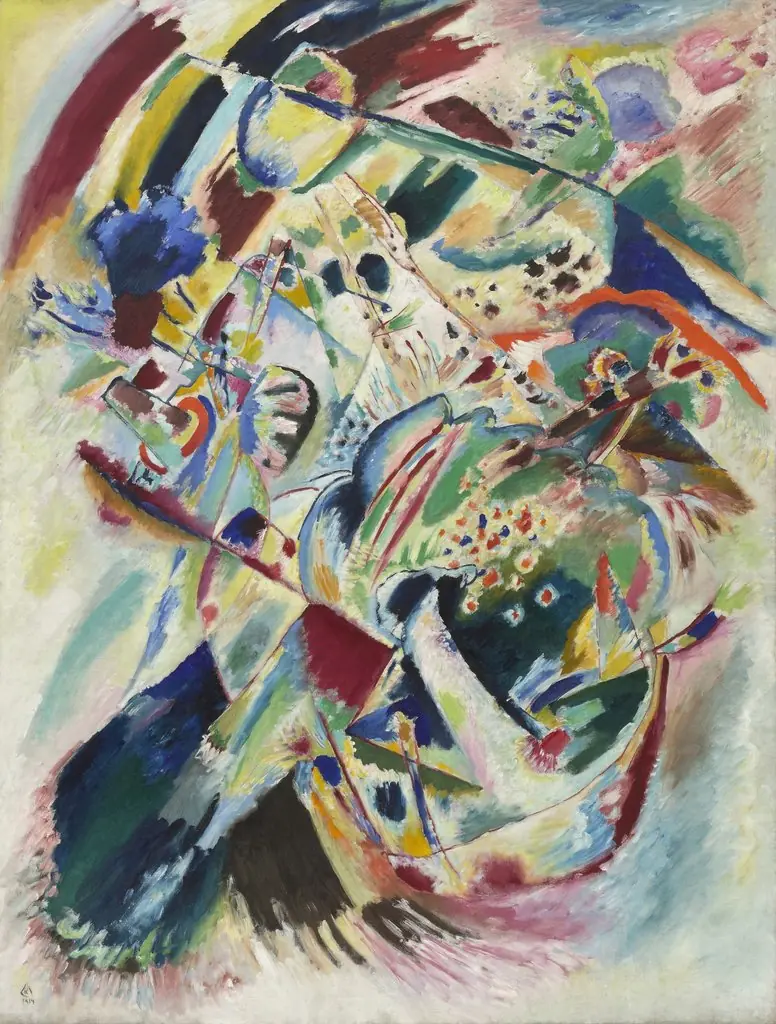 Panel for Edwin R. Campbell No. 4
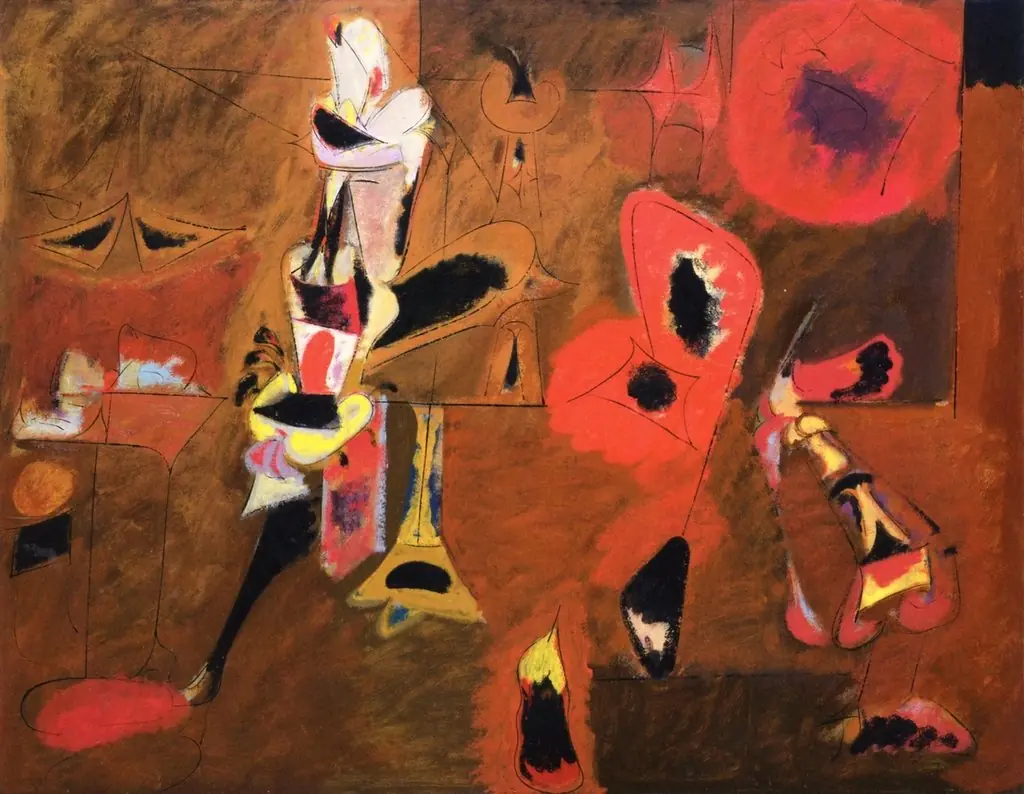 Agony
Agony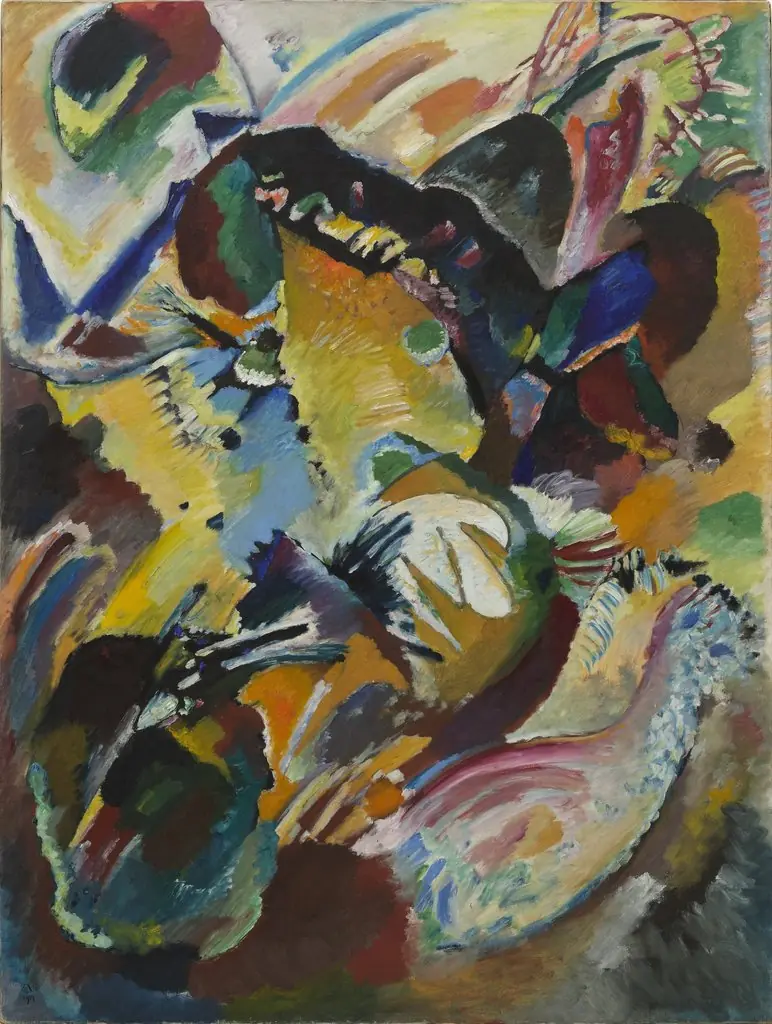 Panel for Edwin R. Campbell No. 2
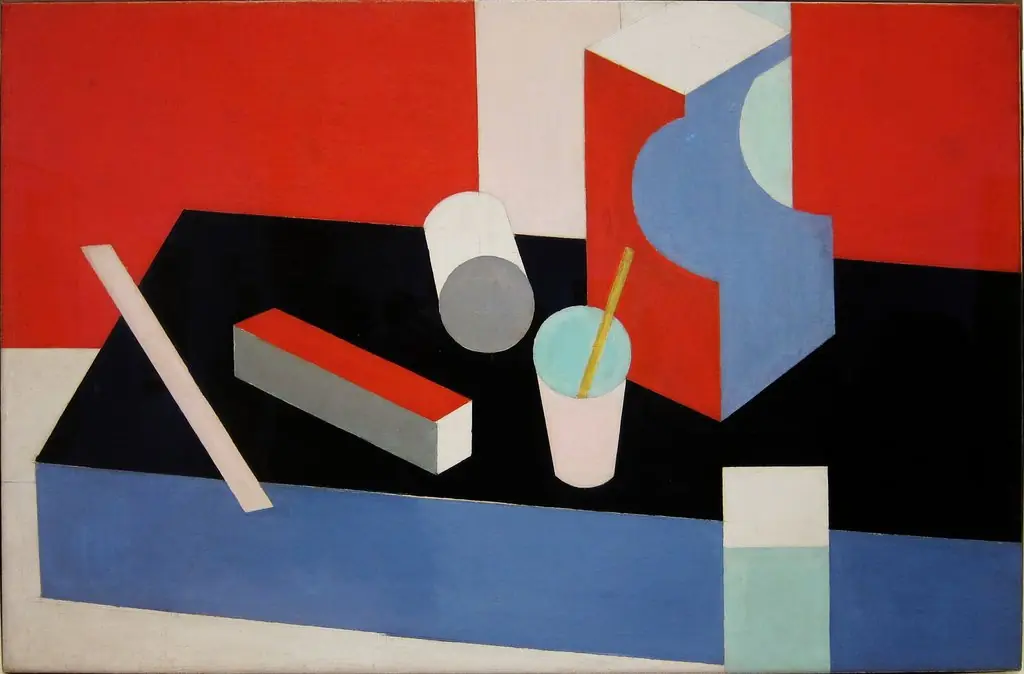 Painting
 Memory of Oceania
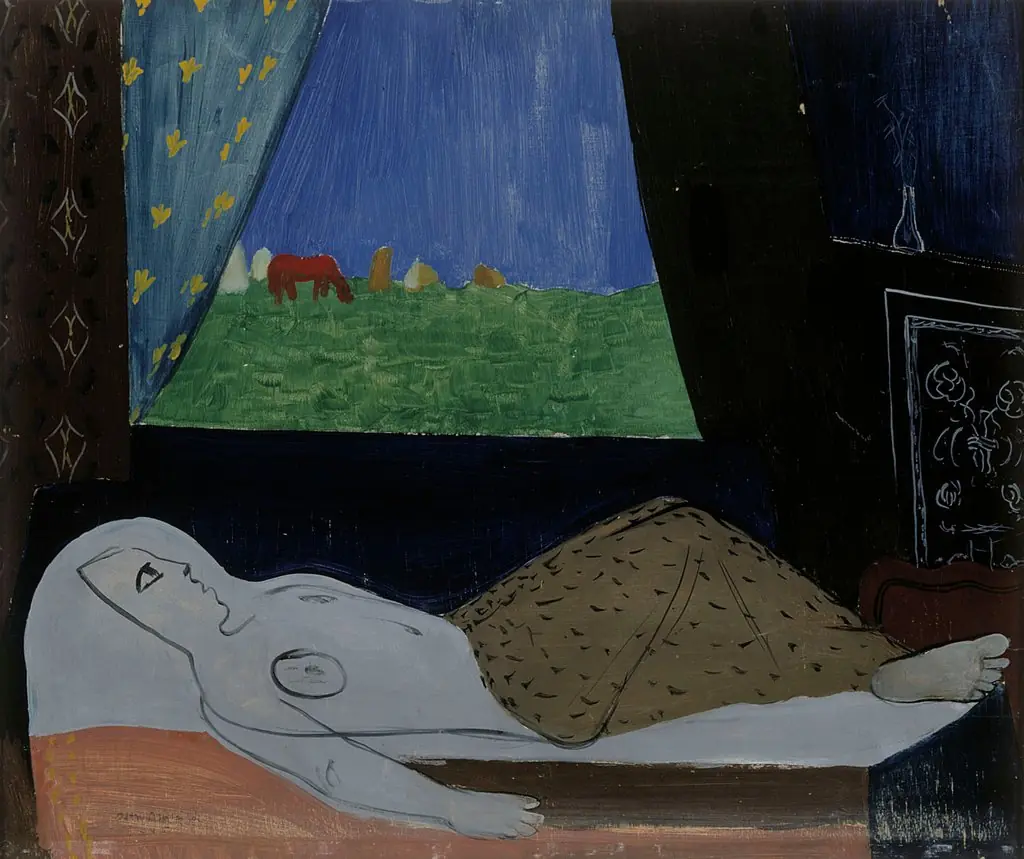 Omega I
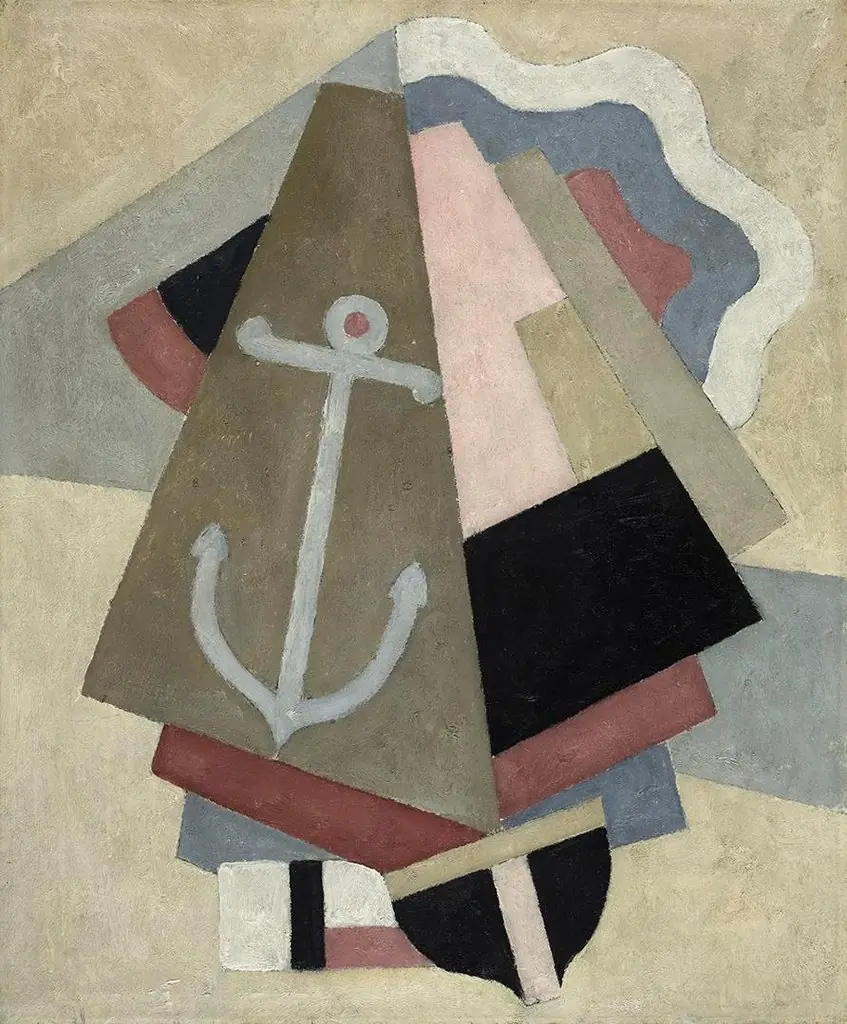 Movement No. 7, Provincetown
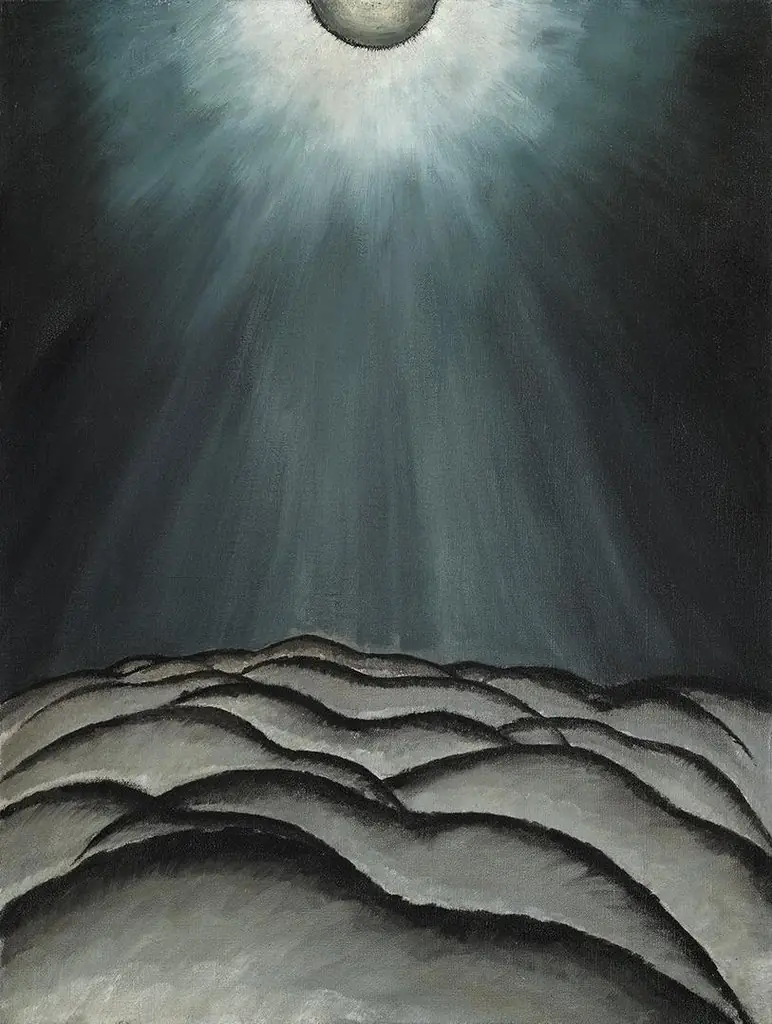 Moon and Sea No. II
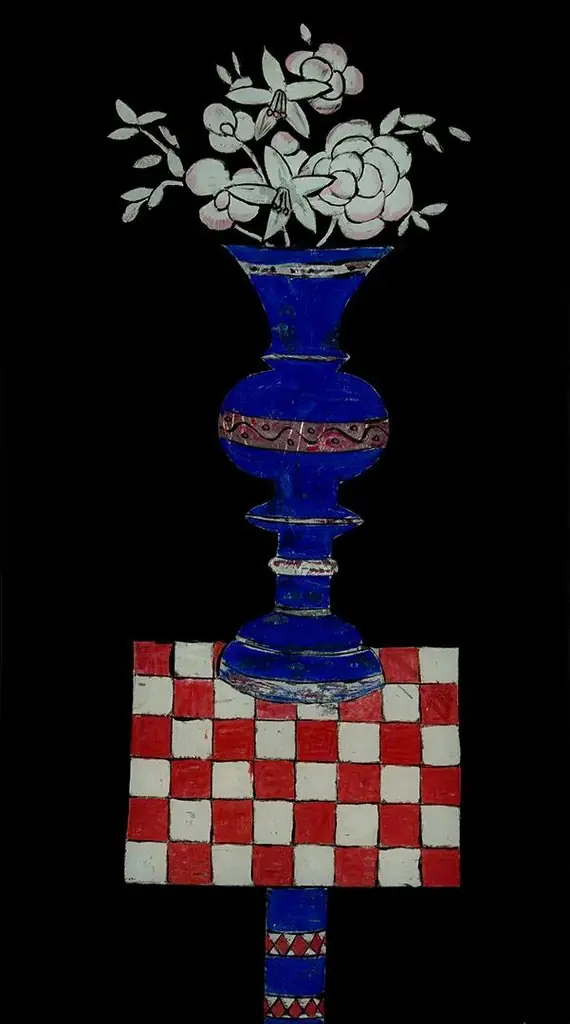 Painting No. 69
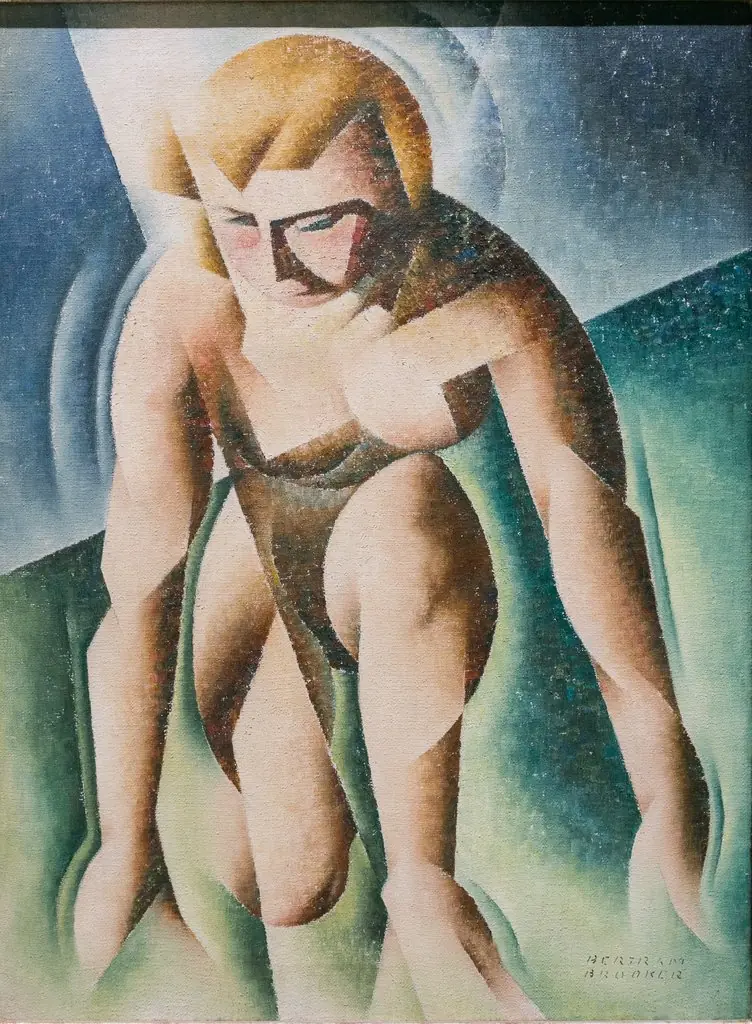 Kneeling Figure
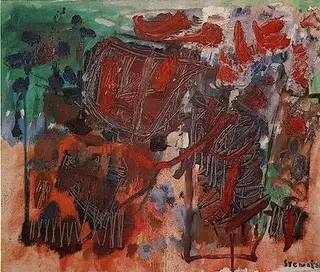 Etude
Etude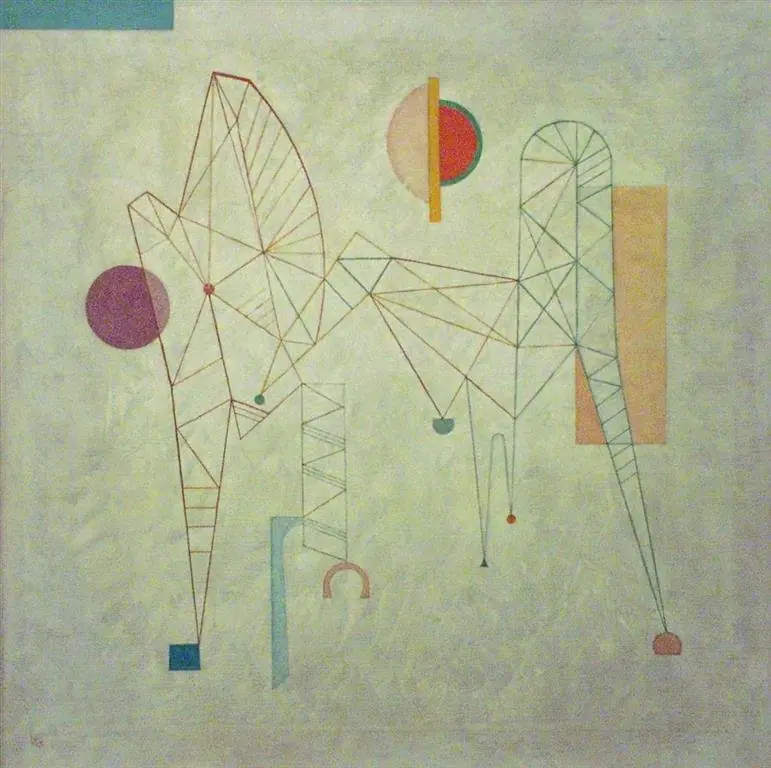 Even More
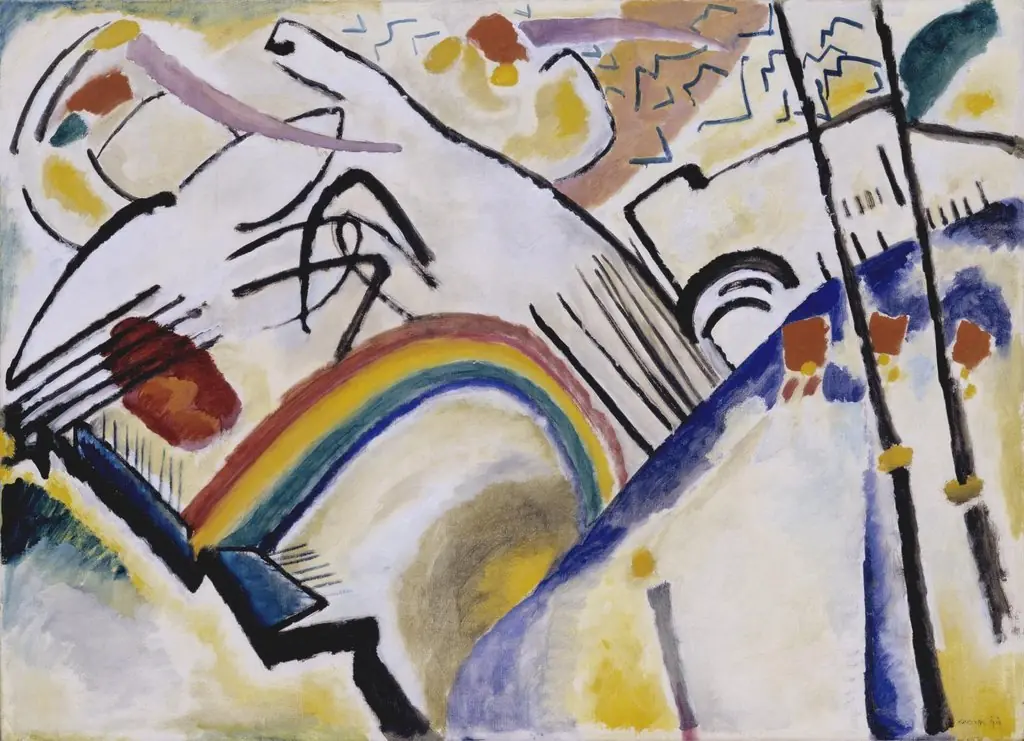 Cossacks
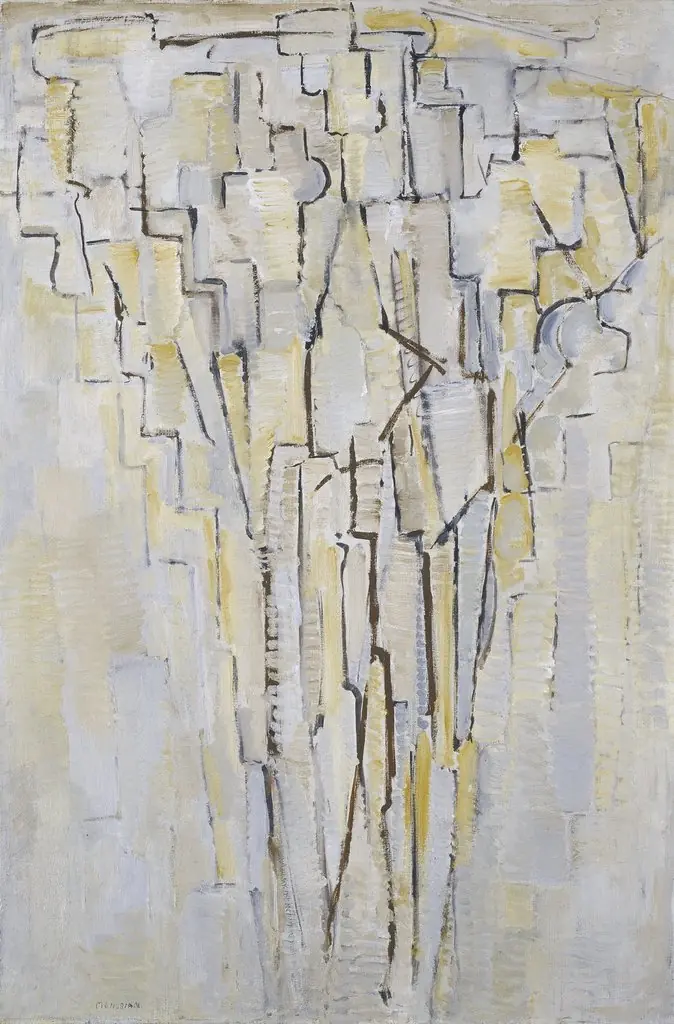 The Tree A
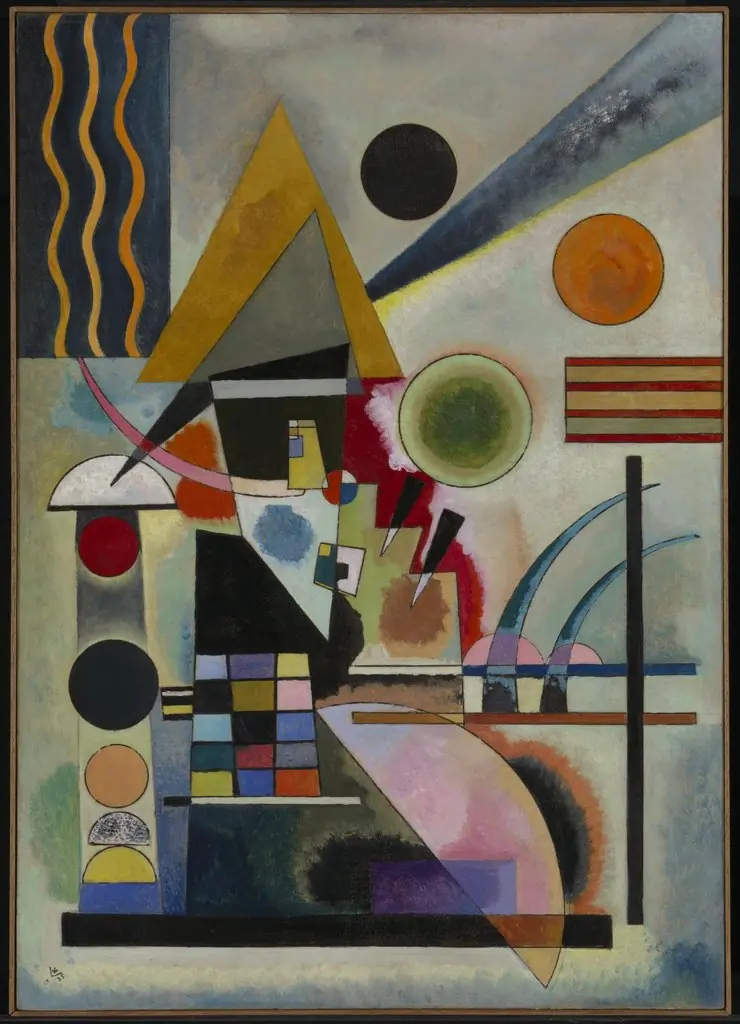 Swinging
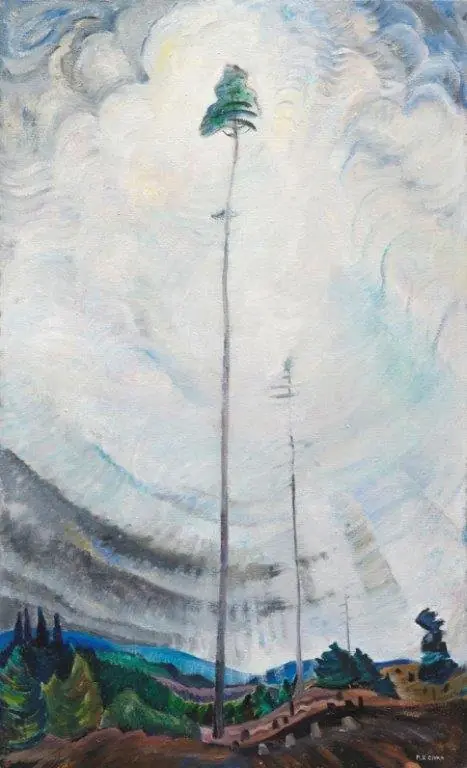 Scorned as Timber, Beloved of the Sky
![New York City 2 [unfinished, formerly New York City III], by Piet Mondrian, 1941](https://artifactworldgallery.com/img/piet-mondrian--new-york-city-2-unfinished-formerly-new-york-city-iii--093645d7abd24628-w320.webp) New York City 2 [unfinished, formerly New York City III]
New York City 2 [unfinished, formerly New York City III]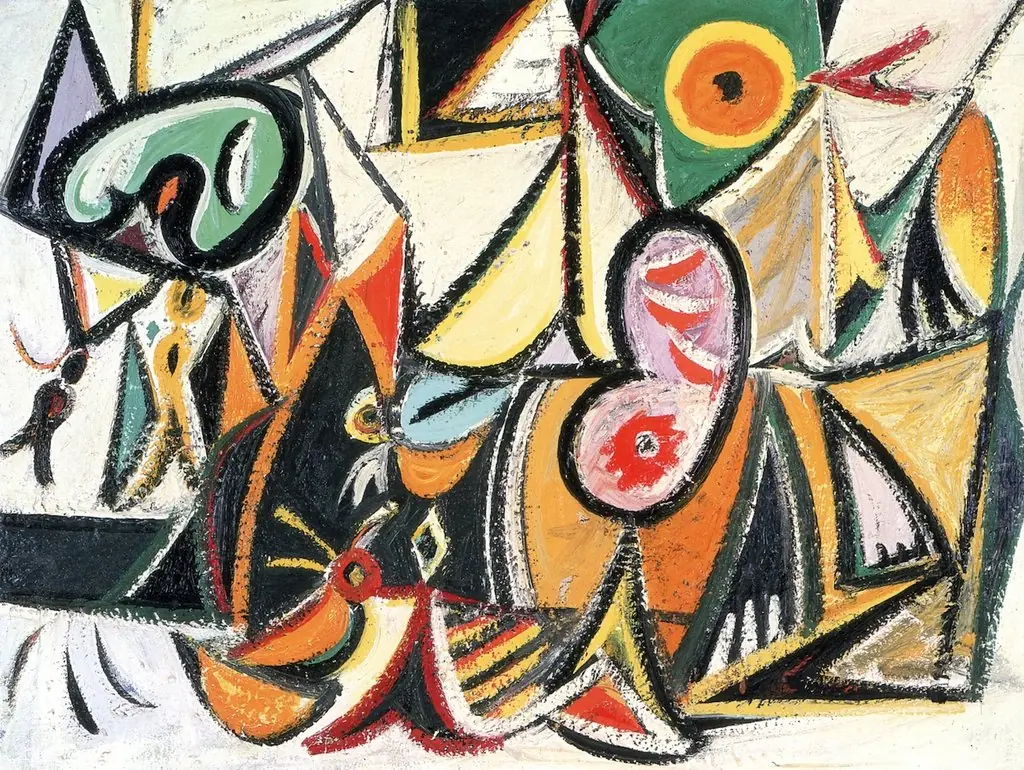 Enigmatic Combat
 Brownish
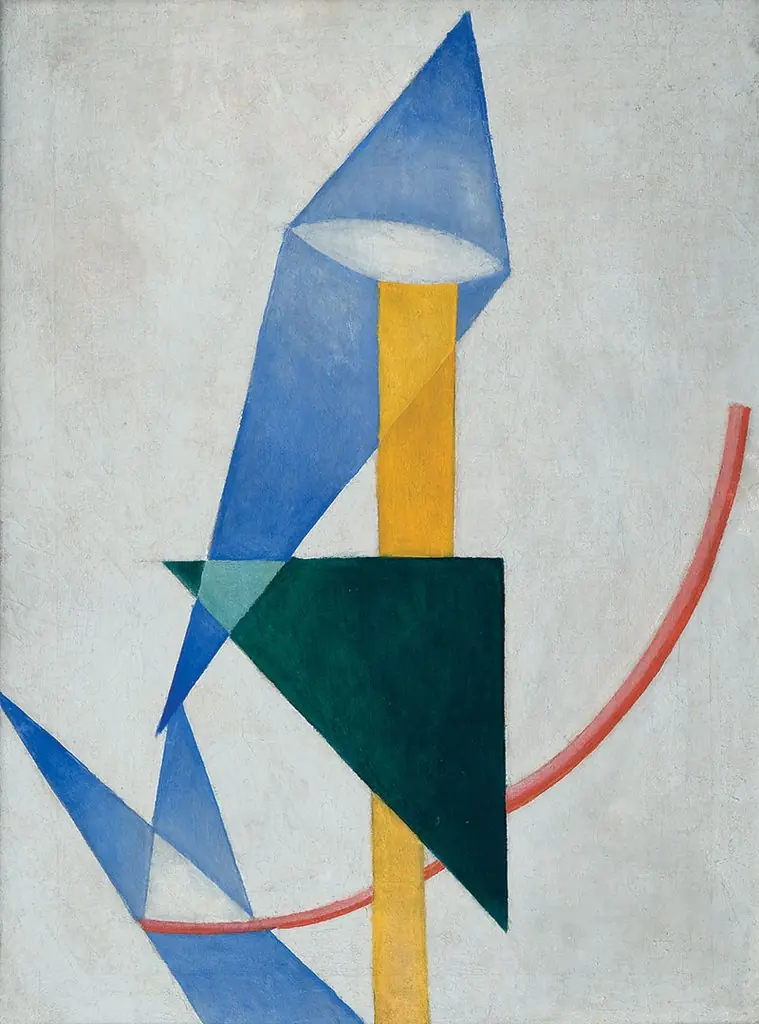 Non-Objective Composition. Color painting
 Three Flags
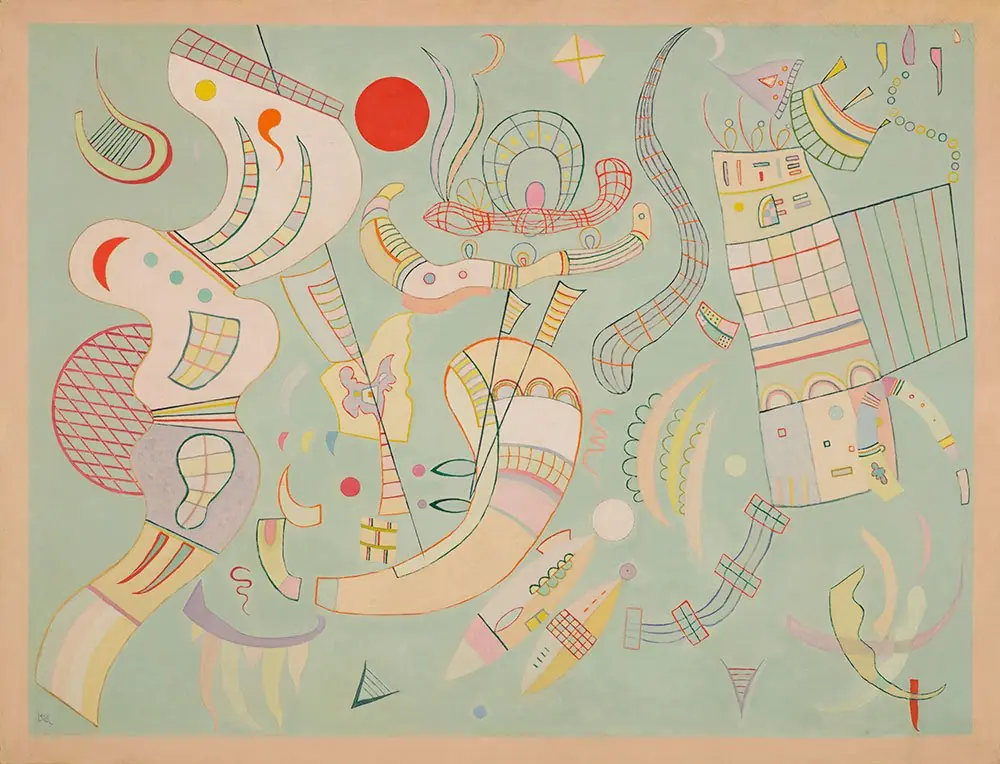 Tensions Claires
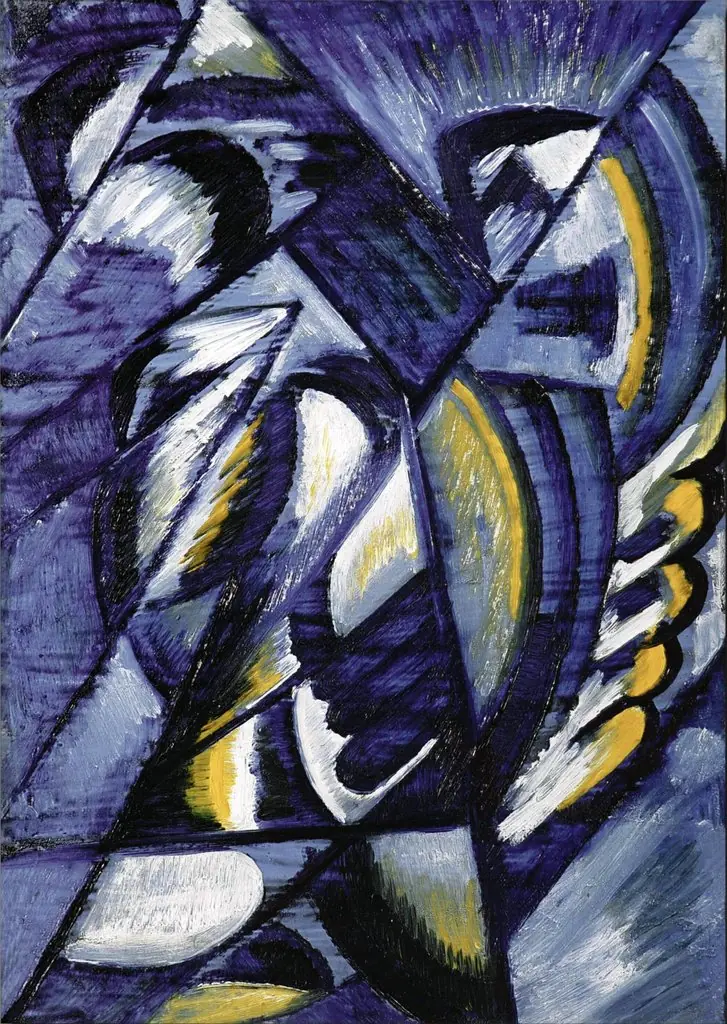 Blue on Tin
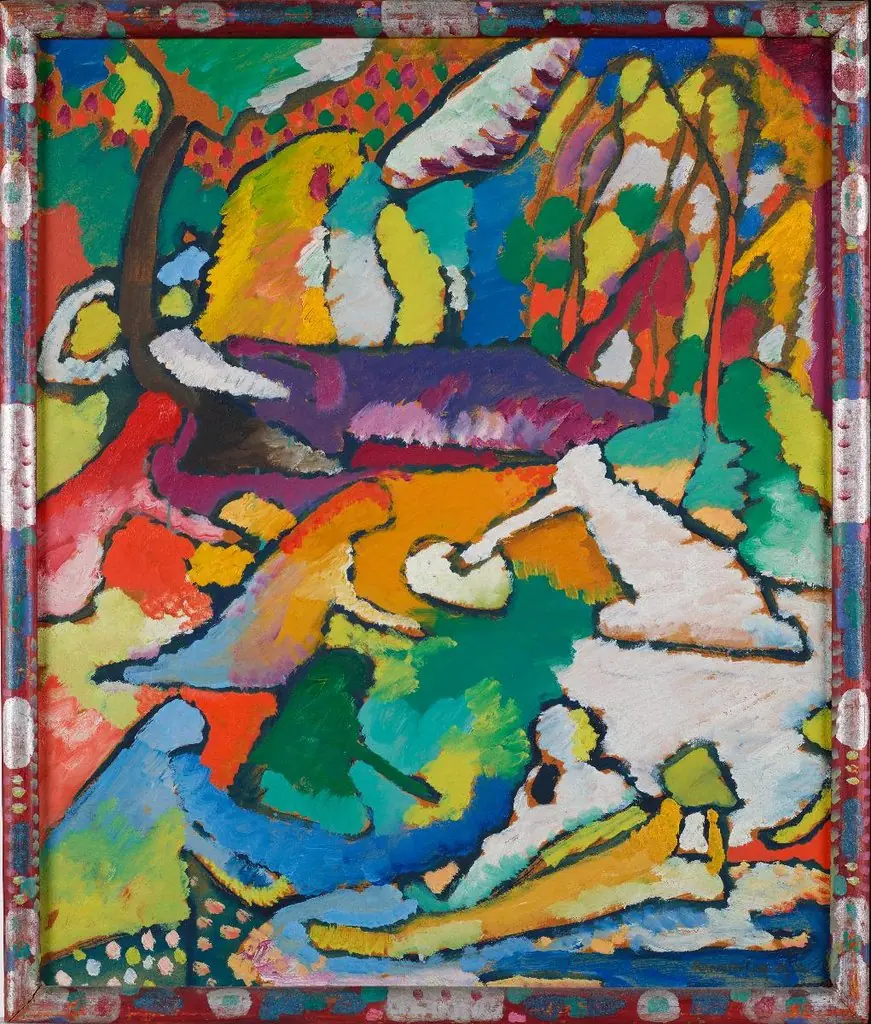 Section of Composition II
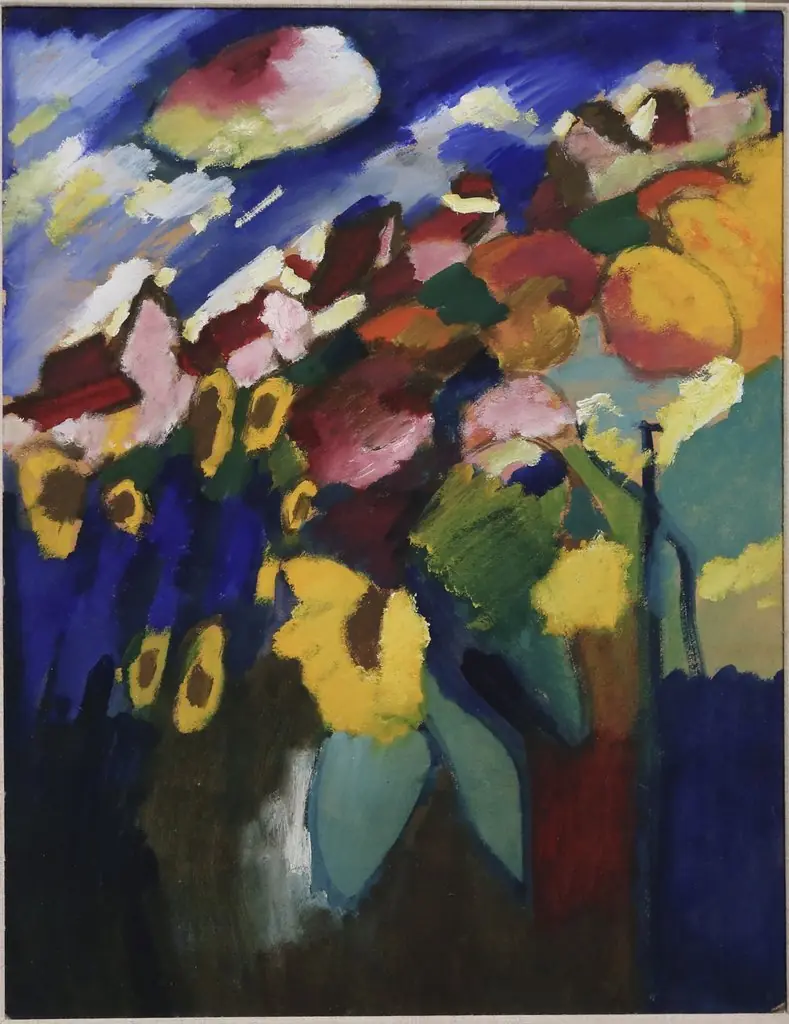 Murnau – The Garden II
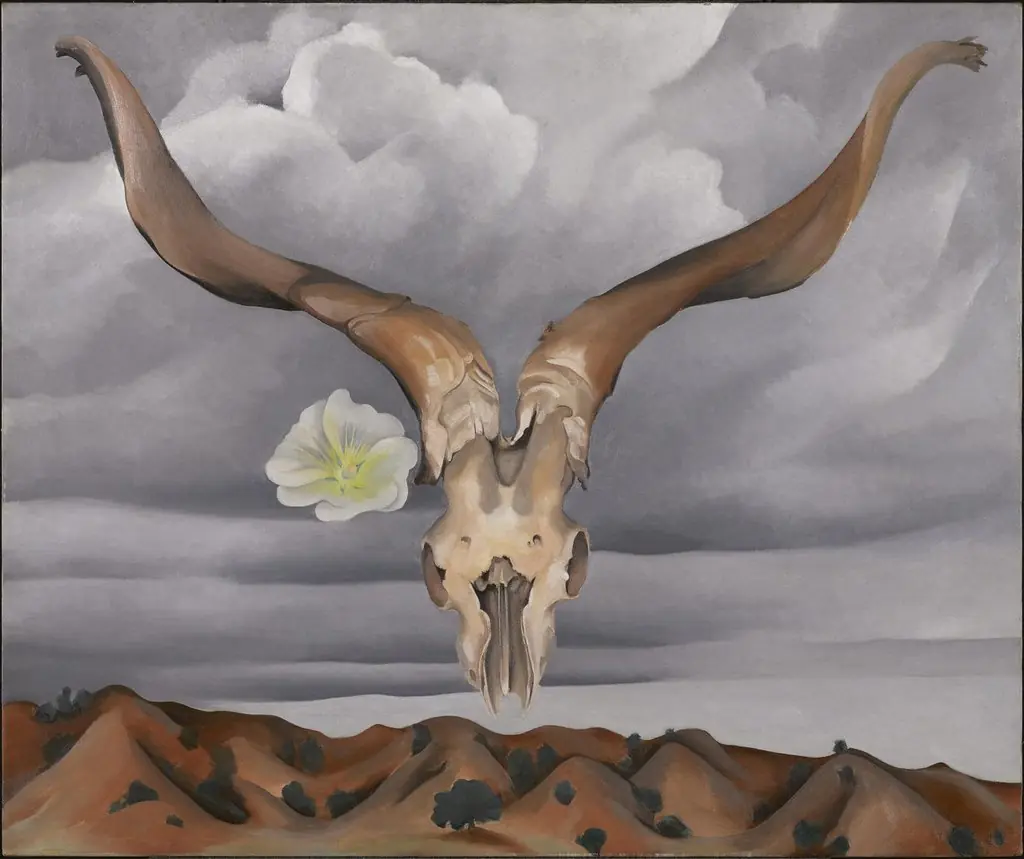 Ram's Head, White Hollyhock-Hills
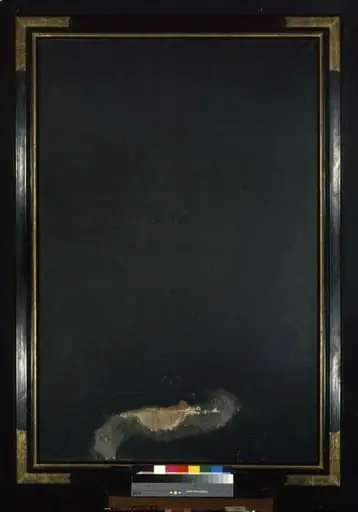 Painting no. XLV
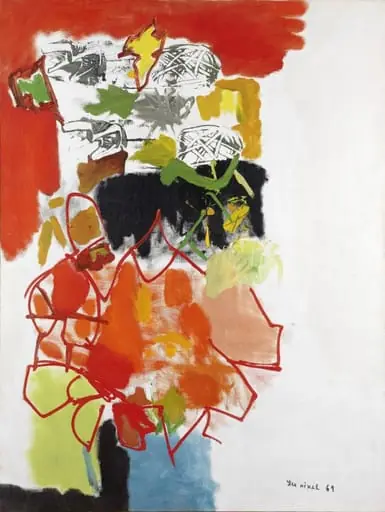 Painting
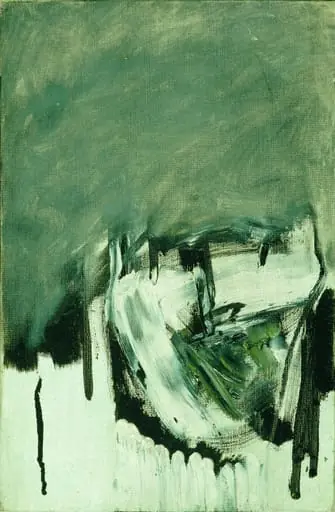 Painting
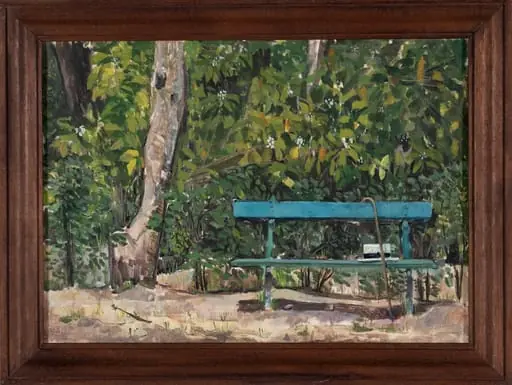 Landscape
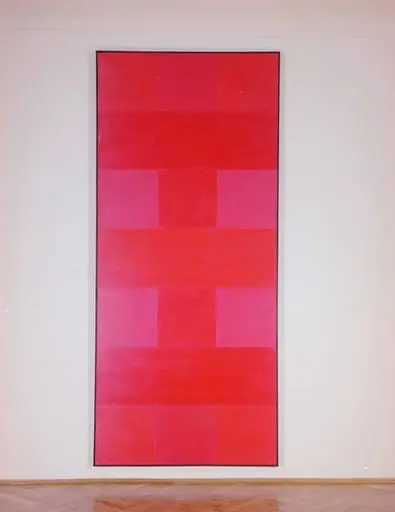 Abstract Painting. Red
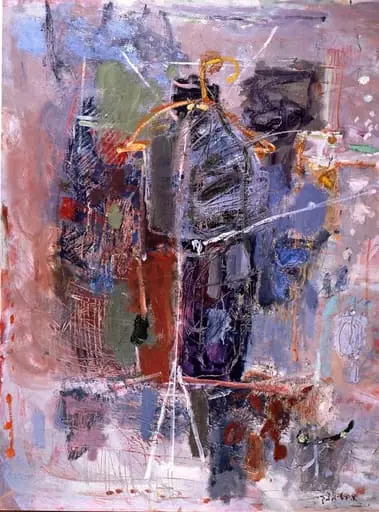 Painting
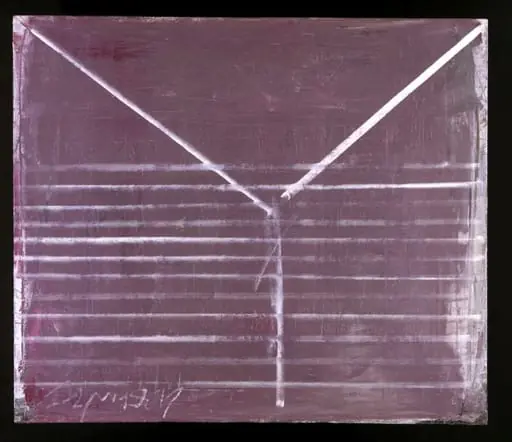 Painting
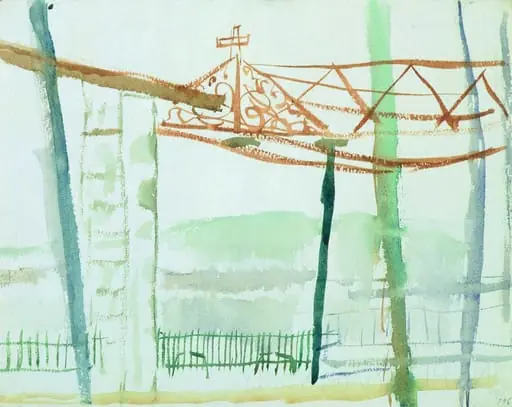 Χωρίς τίτλο
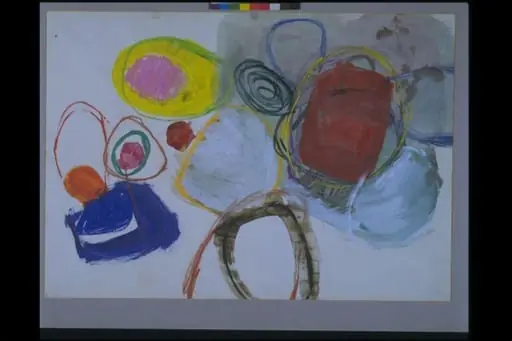 Shapes
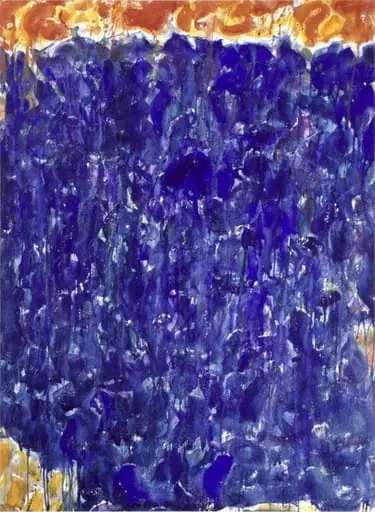 Abstract painting in water-colour
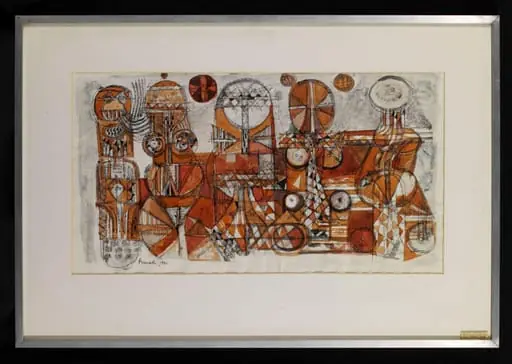 Personages
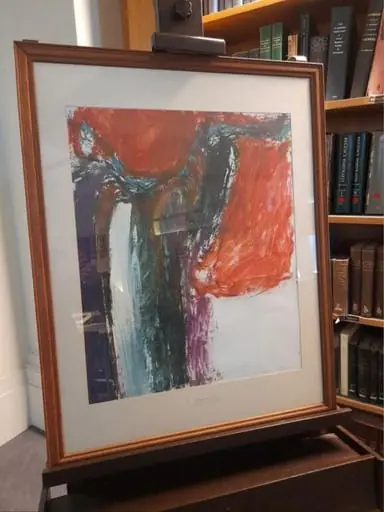 Untitled
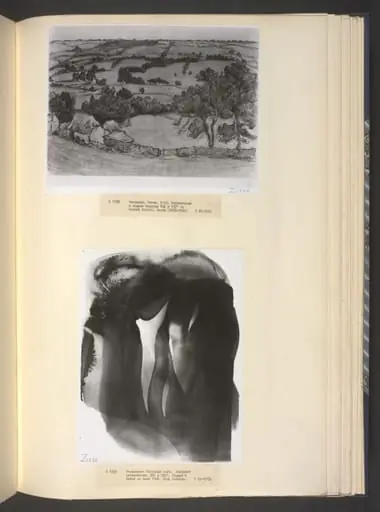 Phenomena: Hellenic Lost
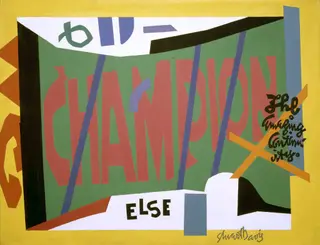 Untitled
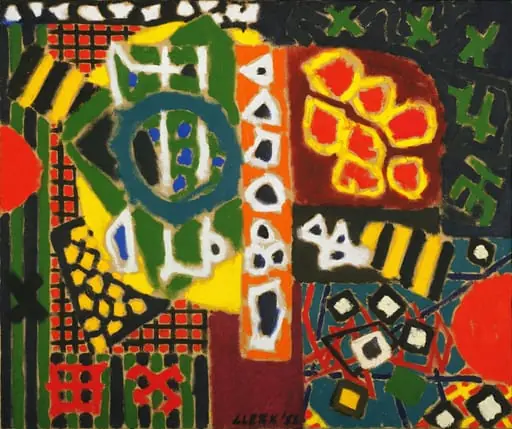 Untitled
 Untitled
 Untitled
 Untitled
 Untitled
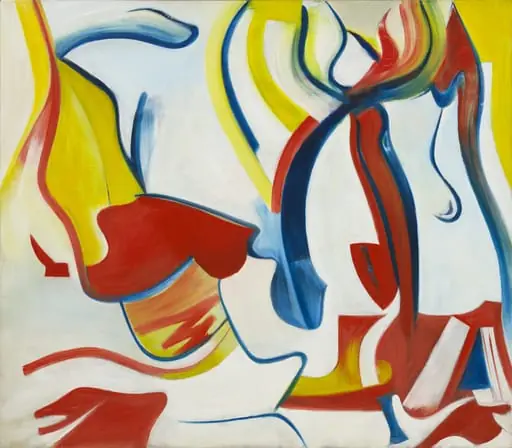 Untitled
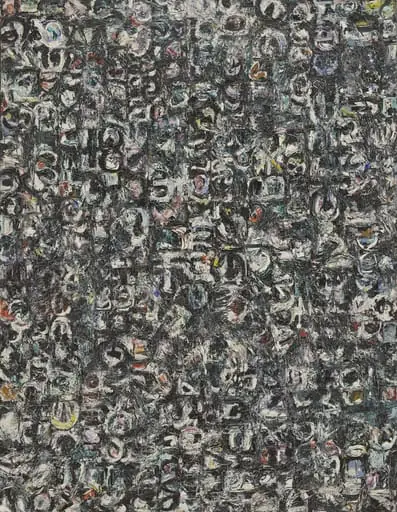 Untitled
 Untitled
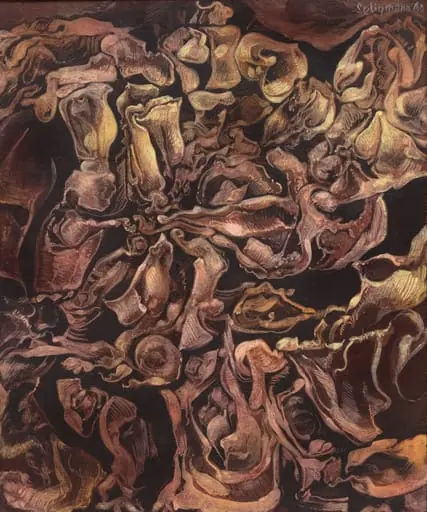 Untitled
 Untitled
 Untitled
 Untitled
 Untitled
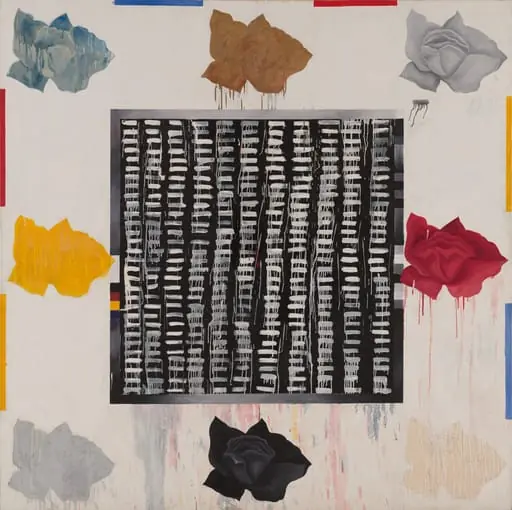 Untitled
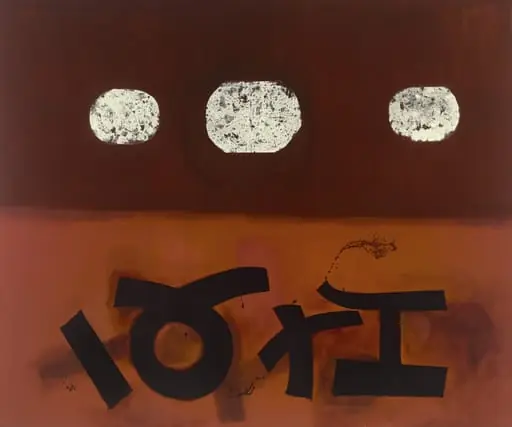 Untitled
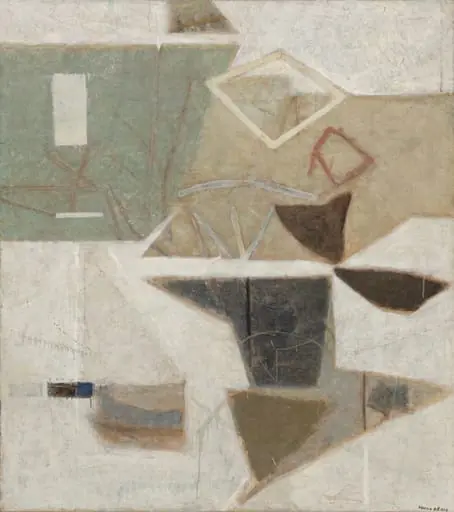 Untitled
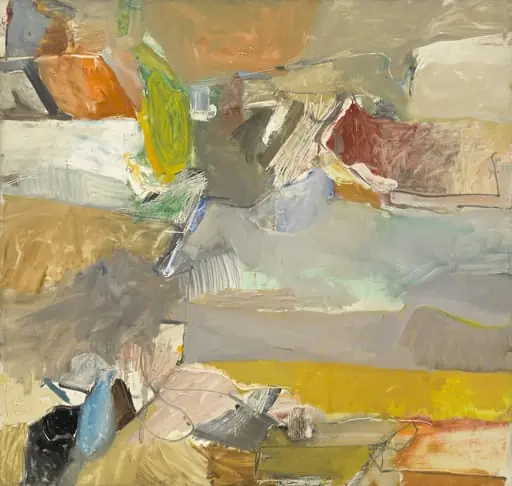 Untitled
 Untitled
 Untitled
 Untitled
 Untitled
 Untitled
 Untitled
 Untitled
 Untitled
 Untitled
 Untitled
 Untitled
 Untitled
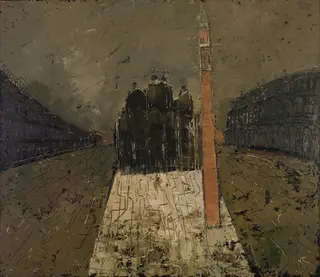 Untitled
 Untitled
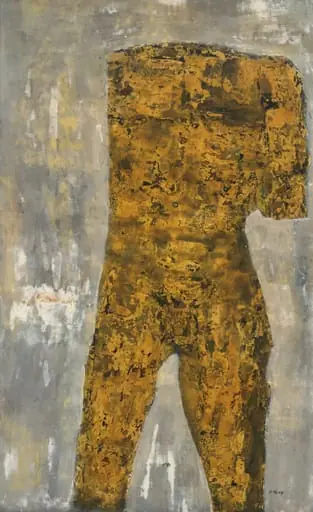 Untitled
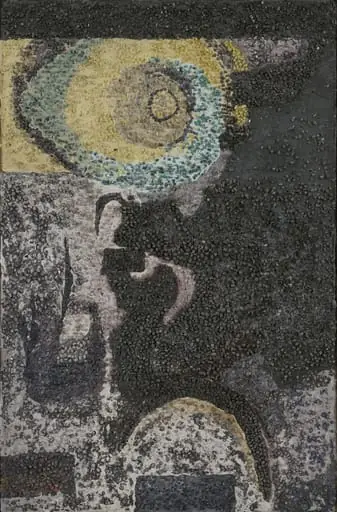 Untitled
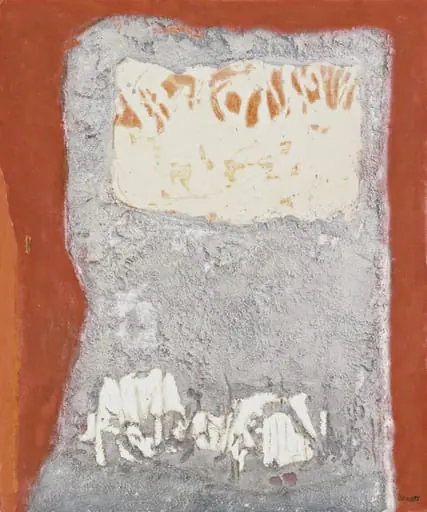 Untitled
 Untitled
 Untitled
 Untitled
 Untitled
 Untitled
 Untitled
 Untitled
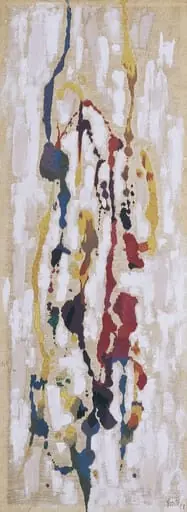 Untitled
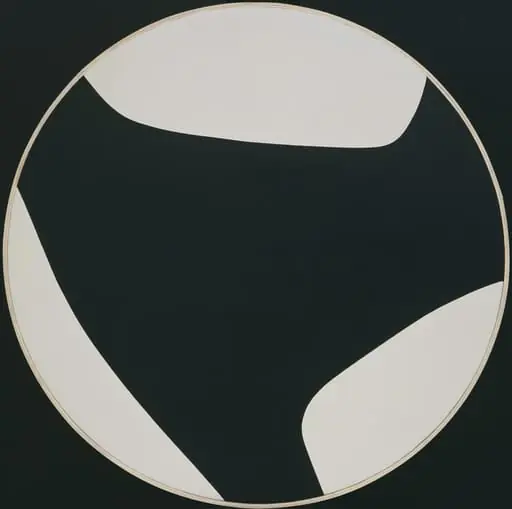 Untitled
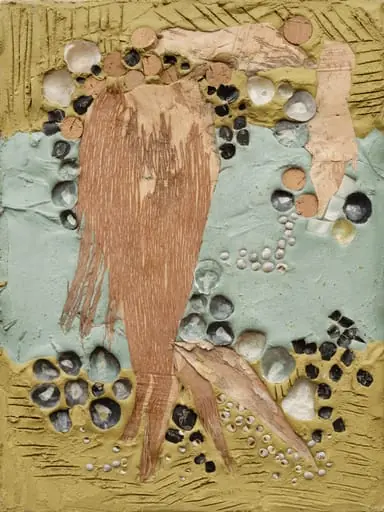 Untitled
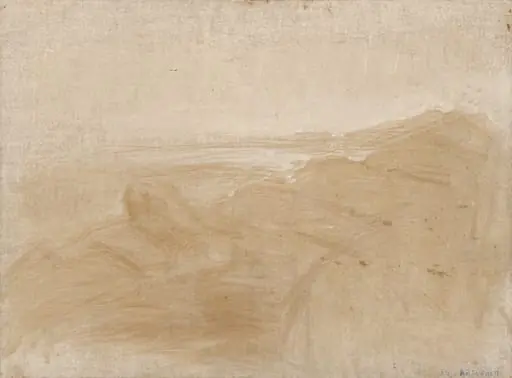 Untitled
 Untitled
 Untitled
 Untitled
 Untitled
 Untitled
 Untitled
 Untitled
 Untitled
 Untitled
 Untitled
 Untitled
 Untitled
 Untitled
 Untitled
 Untitled
 Untitled
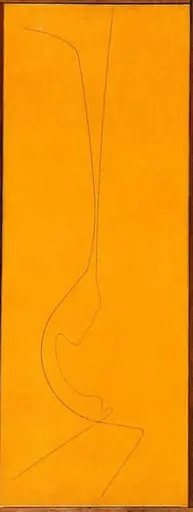 Untitled
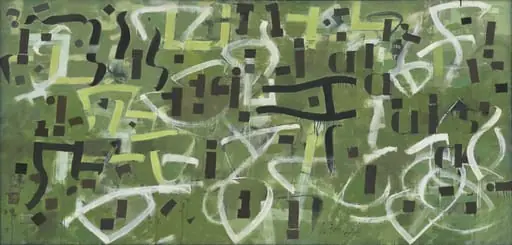 Untitled
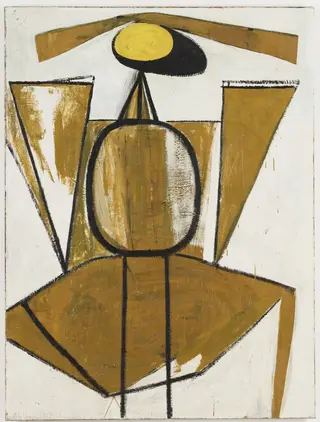 Untitled
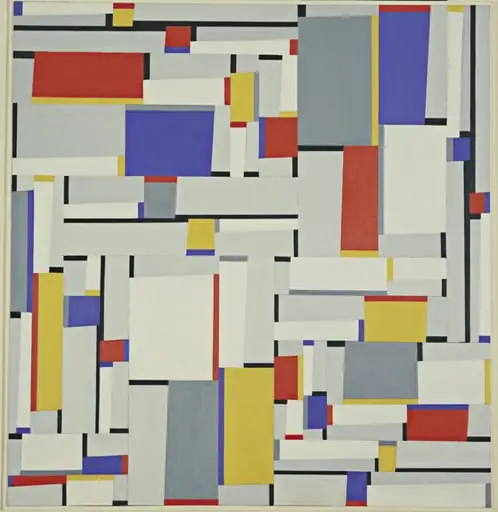 Untitled
 Untitled
 Untitled
 Untitled
 Untitled
 Untitled
 Untitled
 Untitled
 Untitled
 Untitled
 Untitled
 Untitled
 Untitled
 Untitled
 Untitled
 Untitled
 Untitled
 Untitled
 Untitled
 Untitled
 Untitled
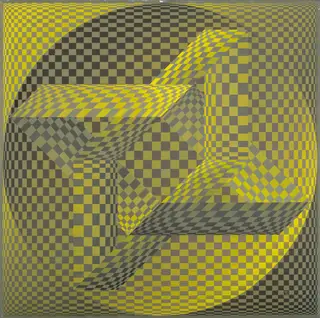 Untitled
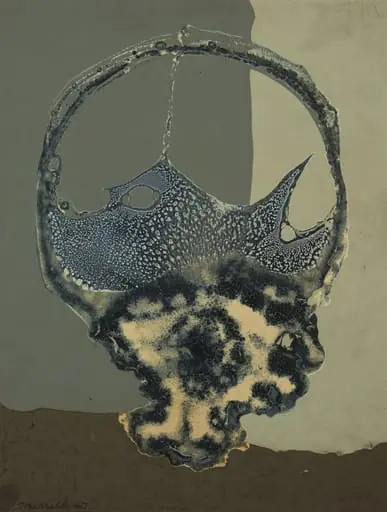 Untitled
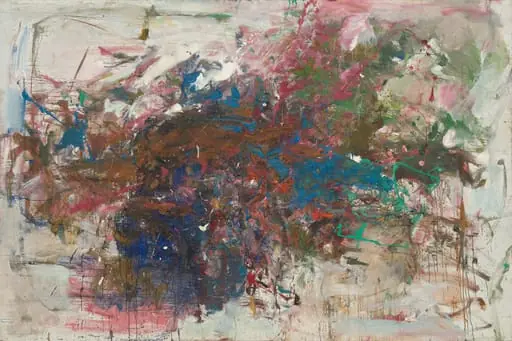 Untitled
 Untitled
 Untitled
 Untitled
 Untitled
 Untitled
 Untitled
 Untitled
 Untitled
 Untitled
 Untitled
Groups & collectives

Frequently asked questions
What is Abstract Expressionism?
Abstract Expressionism is an art movement. The first major American-led art movement, flourishing in New York from the late 1940s.
How many Abstract Expressionism works does Artifact World Gallery have?
Artifact World Gallery holds 504 public-domain Abstract Expressionism works, all free to view and download.
Who are the key Abstract Expressionism artists?
Key Abstract Expressionism artists in the collection include Augustus Vincent Tack, Marsden Hartley and Henri Matisse.
When did Abstract Expressionism take place?
Abstract Expressionism dates from around 1940.
Where can I see Abstract Expressionism works?
Abstract Expressionism works in the collection are held by Museum of Modern Art, Victoria and Albert Museum and Metropolitan Museum of Art.