Artwork
Portrait of Pauline Bonaparte
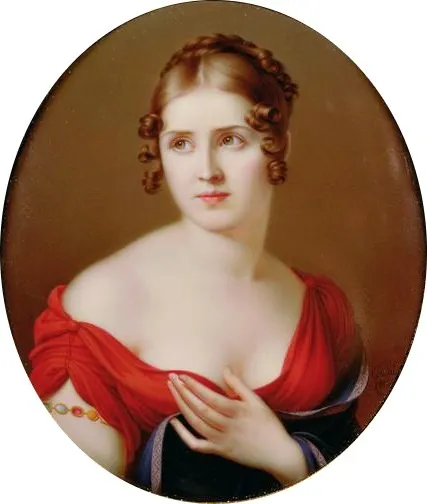
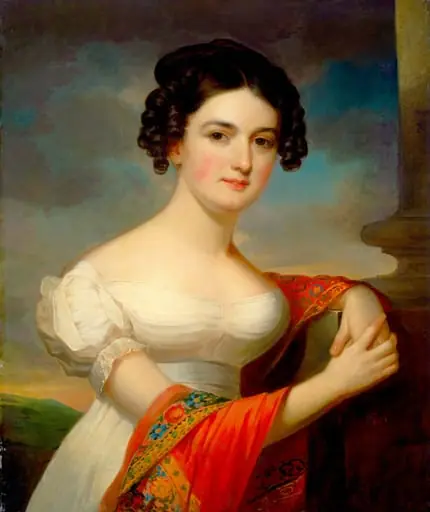
Portrait of Pauline Bonaparte is an unspecified painting by Salomon-Guillaume Counis. It dates from 1810 and is held in the collection of the Uffizi Gallery.
About this work
Overview
It presents a formal, full-length depiction of the sitter in a restrained composition, emphasizing her bearing and attire rather than narrative detail.
Painted in 1810 by Salomon-Guillaume Counis, this portrait captures Pauline Bonaparte, sister of Napoleon Bonaparte. The work is part of the Uffizi Gallery’s collection in Florence. It presents a formal, full-length depiction of the sitter in a restrained composition, emphasizing her bearing and attire rather than narrative detail. The background is uniformly dark, focusing attention on the figure.
Subject & Meaning
Pauline Bonaparte, known for her refined tastes and political influence, is portrayed with composure and dignity. Her placement of the right hand over the chest suggests introspection or poise, not overt gesture. The formal dress and elegant coiffure reflect her status within the Napoleonic elite, while the neutral expression avoids theatricality, aligning with the era’s preference for restrained aristocratic portraiture.
Technique & Style
Counis employs smooth brushwork and muted tonal contrasts to render the sitter’s fair skin and the rich red fabric of her gown. The low neckline and loose curls at the temples follow contemporary fashion, rendered with attention to texture but without ornamental excess. The solid brown background eliminates spatial context, concentrating the viewer’s focus on the figure’s presence and attire.
History & Provenance
The portrait entered the Uffizi Gallery’s collection in the 19th century, likely through the Medici or Napoleonic-era acquisitions. Its attribution to Counis, a lesser-known artist active in Italy during the early 1800s, reflects the period’s practice of commissioning portraits of prominent figures by regional painters. The work has remained in institutional care since its acquisition.
Context
Created during the height of the Napoleonic Empire, the portrait aligns with a broader trend of visual propaganda that elevated imperial family members through dignified imagery. While many such portraits were grander in scale or set in symbolic environments, this one opts for intimacy and elegance, reflecting Pauline’s personal style and the Italian artistic milieu where she spent much of her time.
Legacy
Though not widely reproduced, the portrait remains a documented example of early 19th-century portraiture in Tuscany. It contributes to the understanding of how Napoleonic relatives were visually represented outside France, particularly in regions under French influence. Counis’s restrained approach offers a quiet counterpoint to the more flamboyant imperial imagery of the era.
Artist & collection

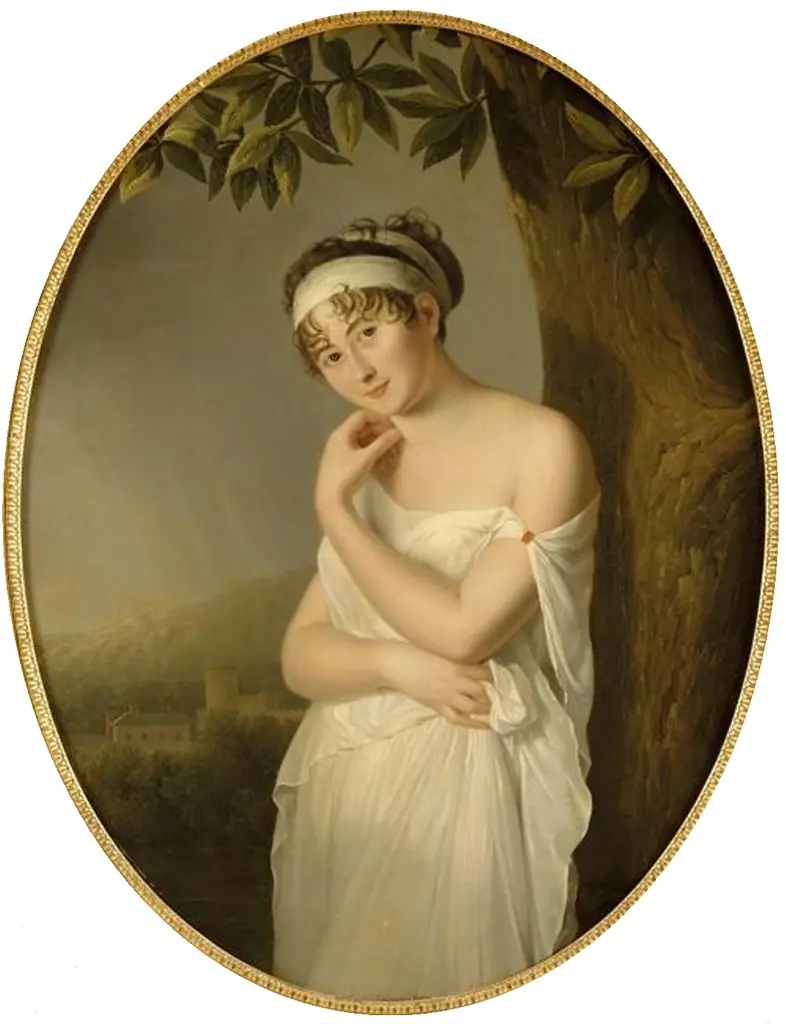
- Juliette Récamier (1777-1849)
 Portrait of a Woman
 Portrait of Wife Antonina
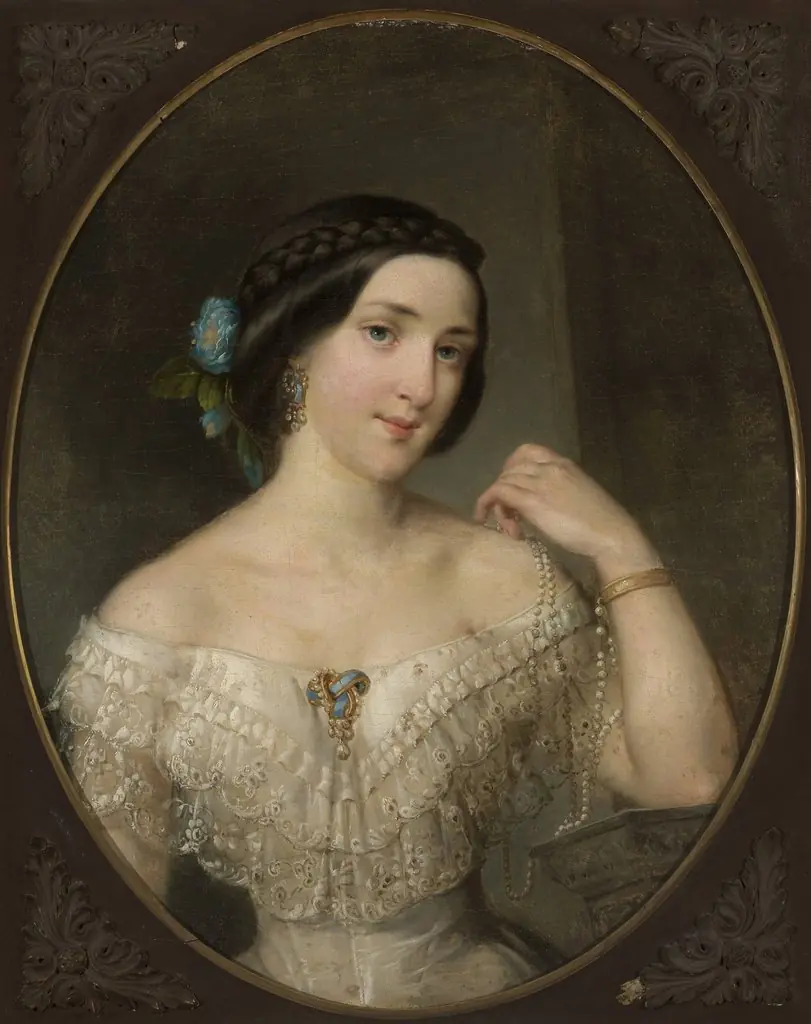 Portrait of Maria Ludwika Blumenfeld née Kobyłecka
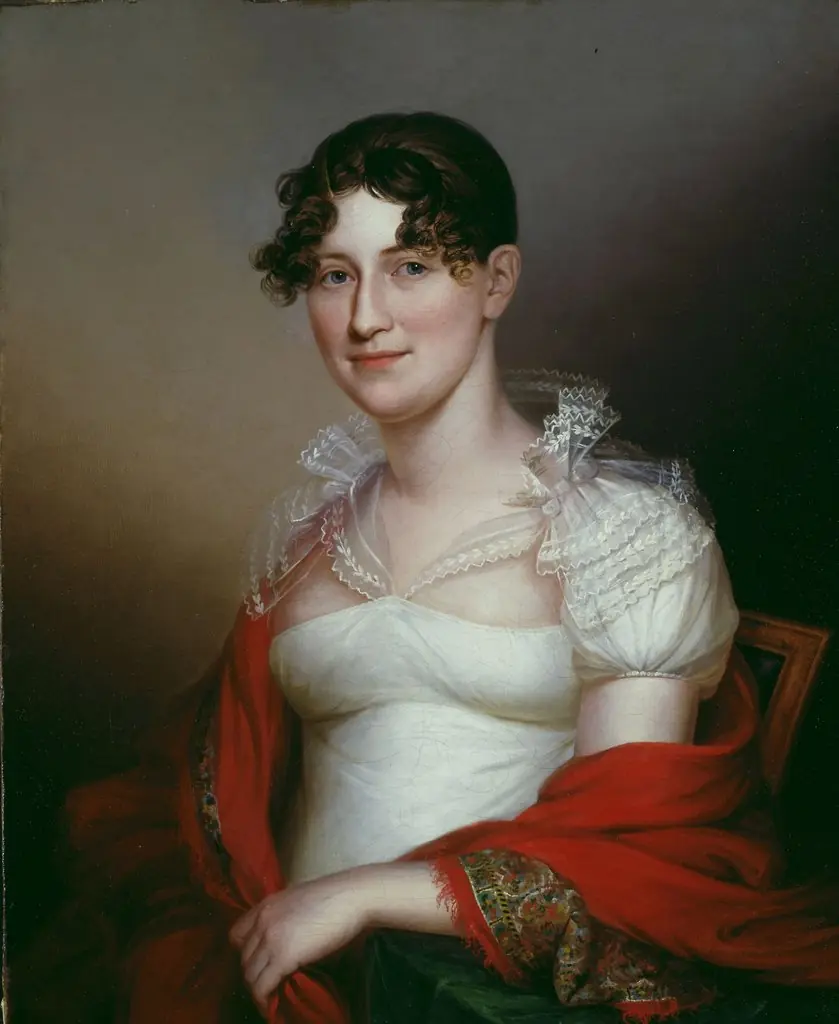 Olivia Simes Morris
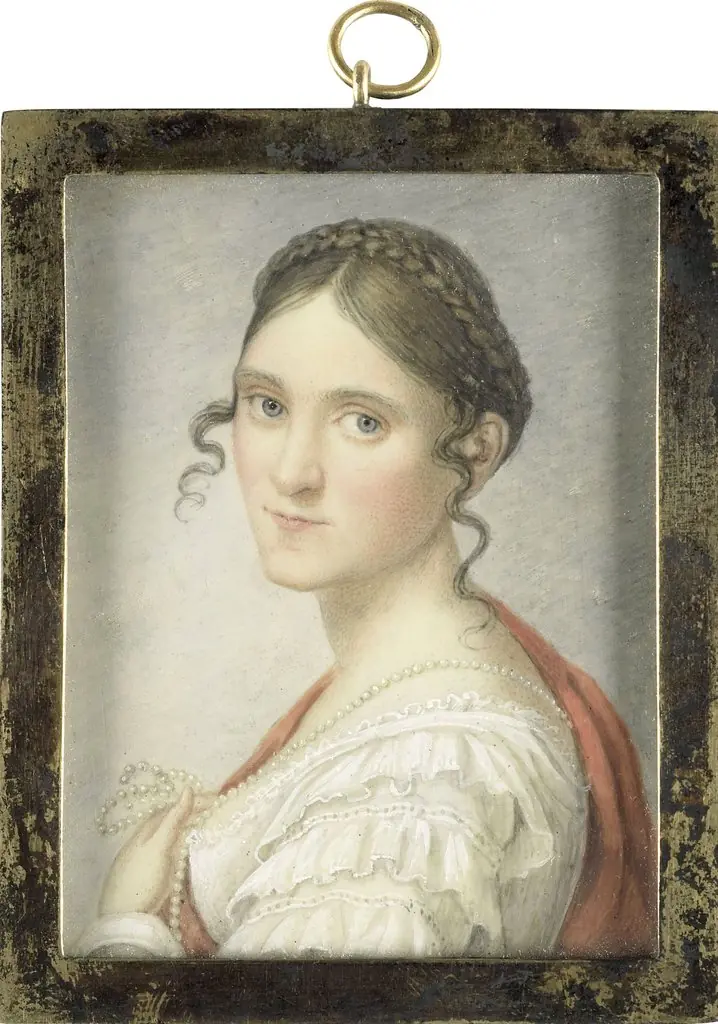 Portret van een vrouw
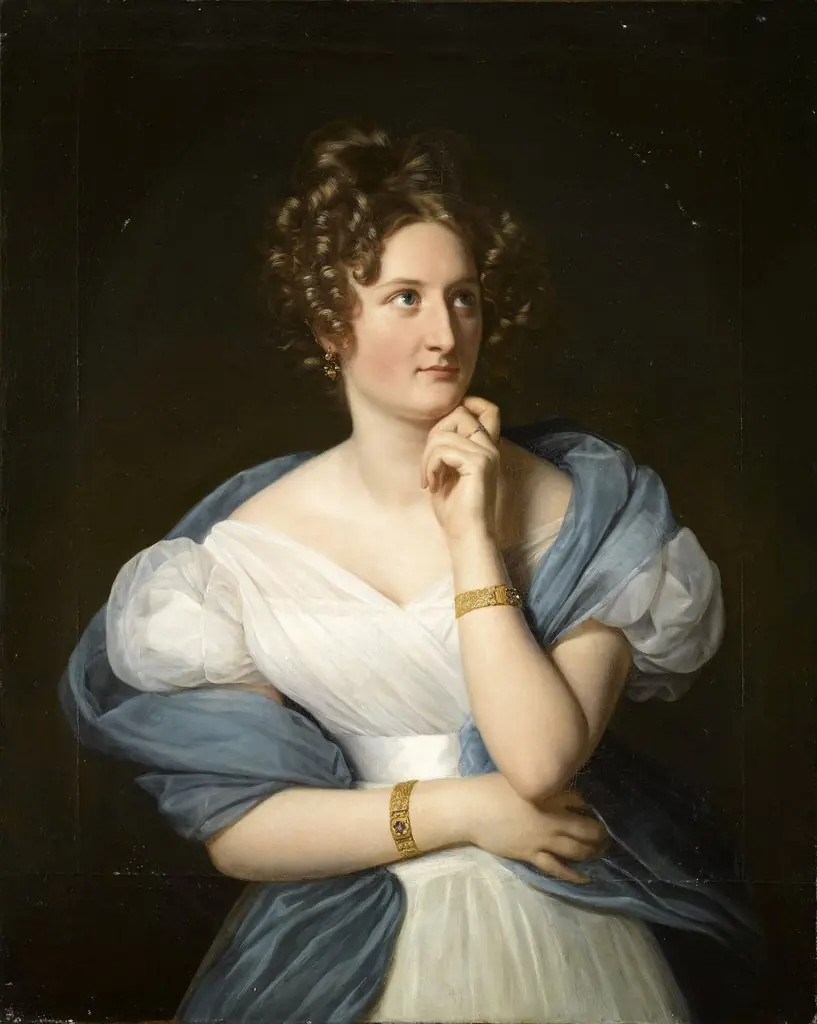 Delphine Gay
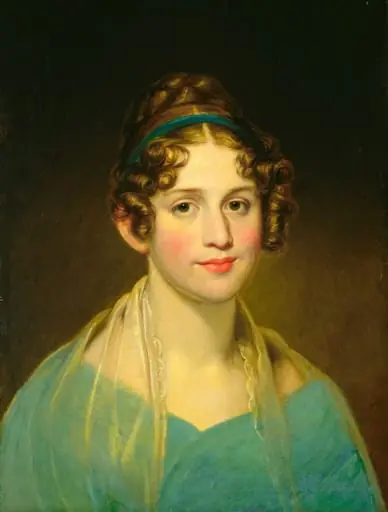 Sarah Blake Sturgis
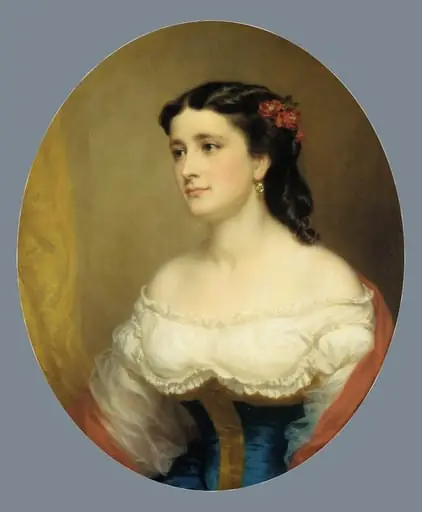 Mrs. William Loring Andrews
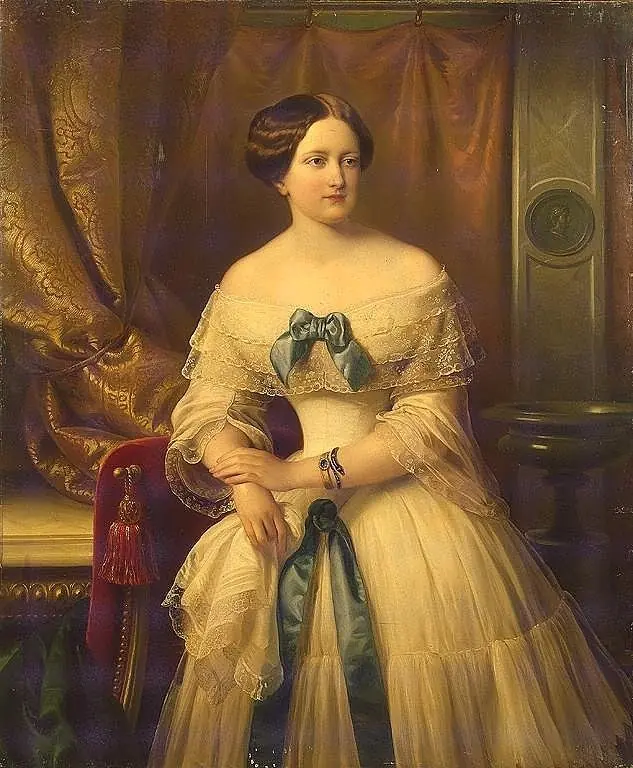 Portrait of Grand Princess Maria Mikhailovna
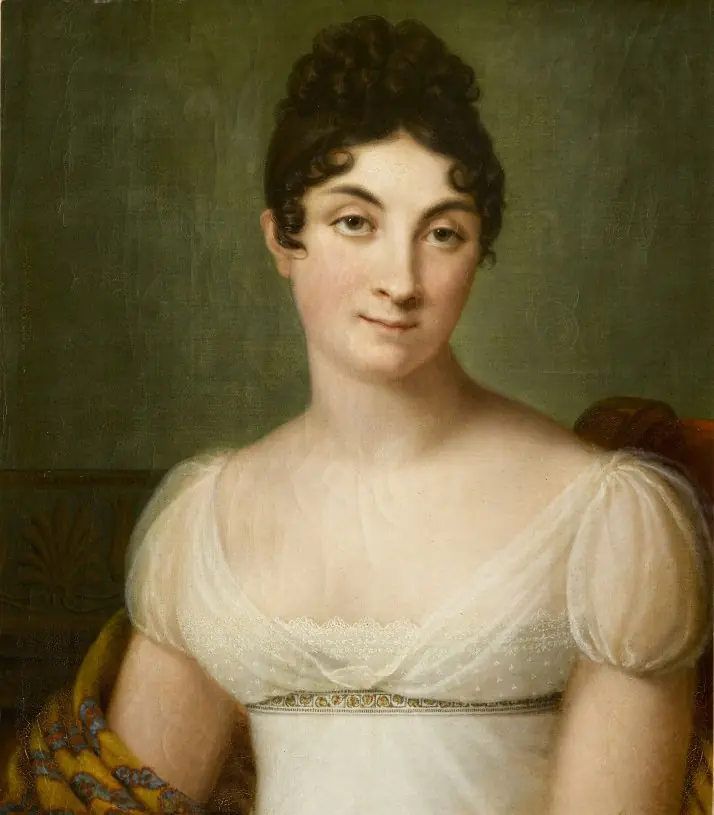 Portrait de Claire Élisabeth de Vergennes, Comtesse de Rémusat
 Julianna Hazlehurst