Artwork
Delhi. The Kootub Minar or Tower in the Ruined City of Old Delhi
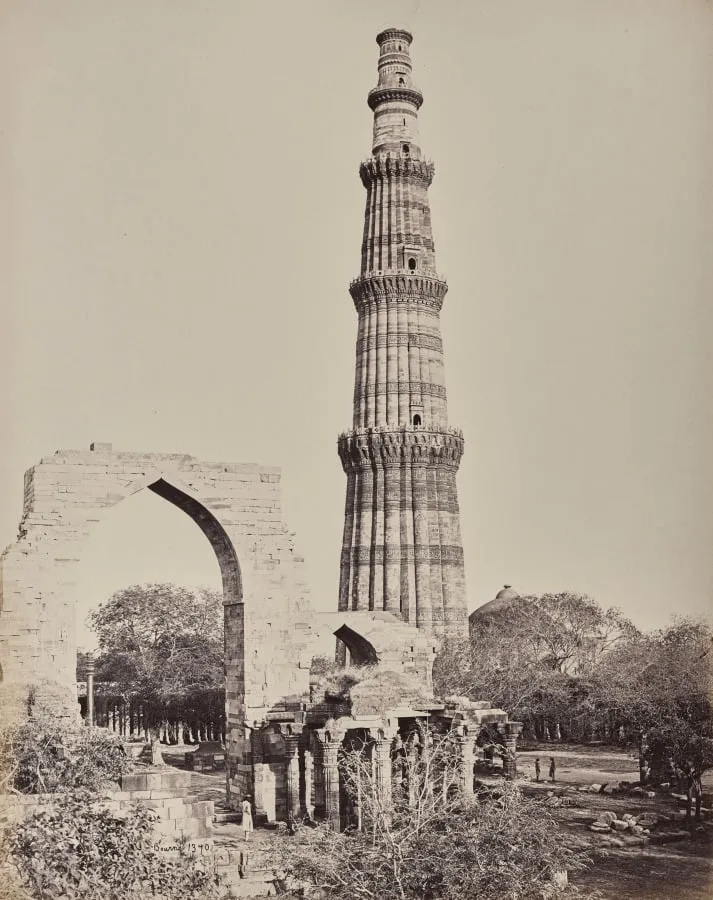
Delhi. The Kootub Minar or Tower in the Ruined City of Old Delhi is a photography by the Impressionist artist Samuel Bourne. It dates from 1866 and is held in the collection of the Cleveland Museum of Art. This 1860s photograph captures the Qutub Minar in Old Delhi, depicting the tower amidst ruins.
- Accession no.
- 2024.5.31
- Credit line
- Severance and Greta Millikin Purchase Fund
About this work
It shows the Qutub Minar exactly as it stood when the British photographer walked through the ruins.
You see a tall, red-stone tower rising from a field of broken walls and scattered stones. The tower leans slightly, and sunlight picks out its carved balconies.
This photo was taken in the 1860s, before modern repairs. It shows the Qutub Minar exactly as it stood when the British photographer walked through the ruins. The image is one of the earliest clear records of the site.
To see more early photos of India’s monuments, look up Samuel Bourne (British, 1834–1912).
Overview
This 1860s photograph captures the Qutub Minar in Old Delhi, depicting the tower amidst ruins. The image provides a historical record of the monument's pre-restoration state.
Subject & Meaning
The subject is the Qutub Minar, a prominent red-stone tower, shown leaning slightly amidst a backdrop of broken walls and scattered stones, highlighting the site's neglected state before twentieth-century interventions.
Technique & Style
The photograph showcases the photographer's ability to capture architectural detail, with sunlight accentuating the tower's carved balconies. The composition reflects a documentary approach, prioritizing accuracy over aesthetic embellishment.
History & Provenance
Taken in the 1860s, this photograph is one of the earliest clear records of the Qutub Minar. It is part of an album containing 50 images documenting various Indian cities and monuments during this period.
Context
The photograph is attributed to a British photographer, likely part of the colonial-era documentation of Indian monuments. For similar early Indian photography, see the works of Samuel Bourne.
Artist & collection

Artist
Samuel Bourne was a British photographer known for his prolific seven years' work in India, from 1863 to 1870.

 Ceylon Views to Adam's Tooth
 Shimla
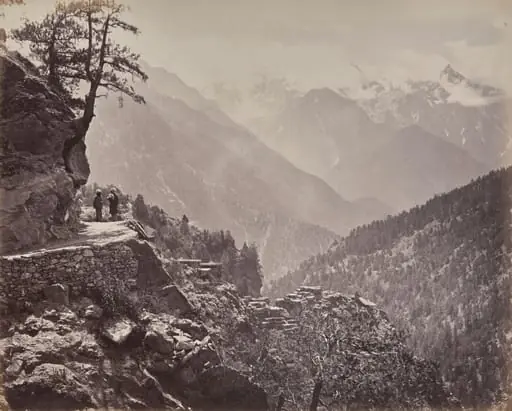 The Upper Himmalayahs. View on the New Road between India and China. Mt. Pangi with the Snowy Peaks of China in the Distance
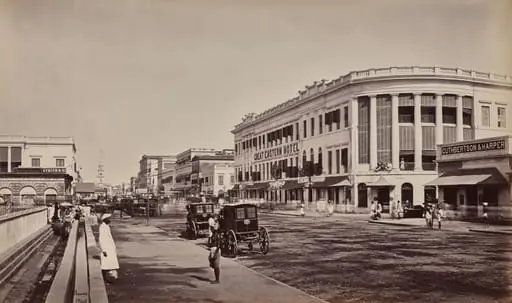 Calcutta. Old Court House Street
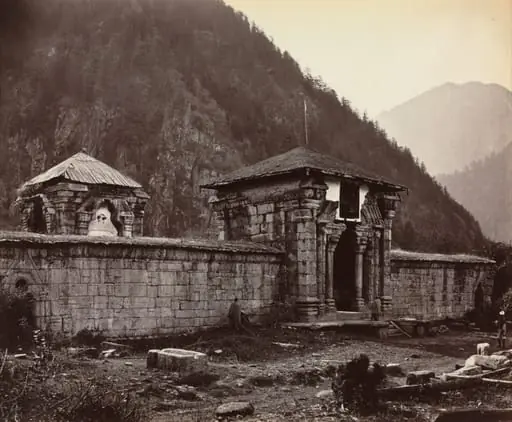 Temple at Naveshera, Kashmir, India
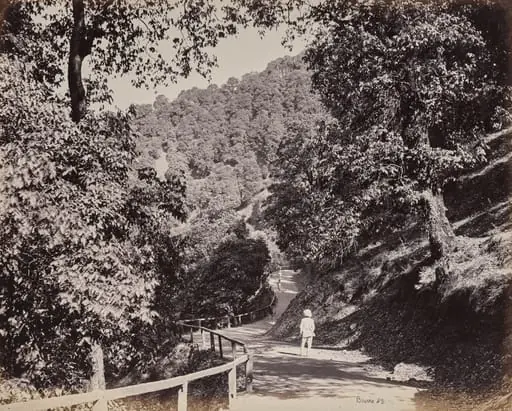 Shimla. The Mall near Rabq Lodge
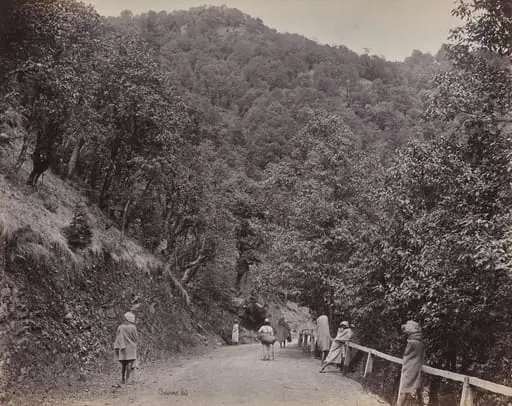 Shimla. The Mall or Principal
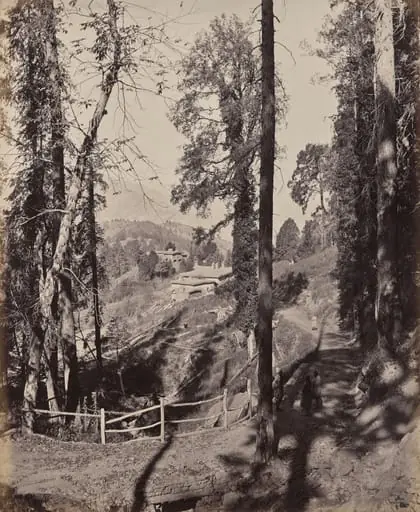 Murree. A Hill Station in the Himmalayahs, View Through the Forest
- Delhi. View of North Side of the Jamma Musjid in Principal Mabonedau Place of Worship
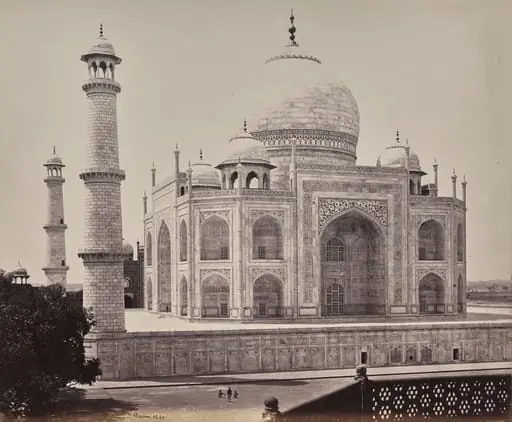 Agra. View of the Taj from a Corner in the Quadrangle
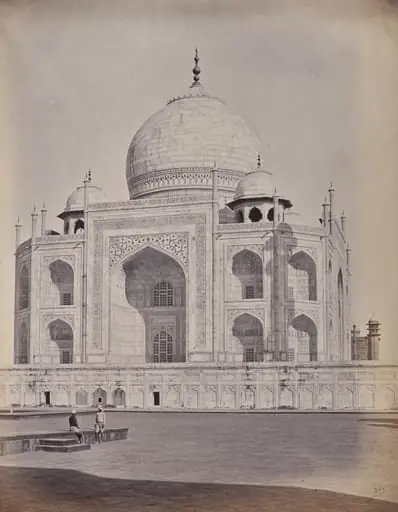 Agra. The Taj, the Central of Principal City
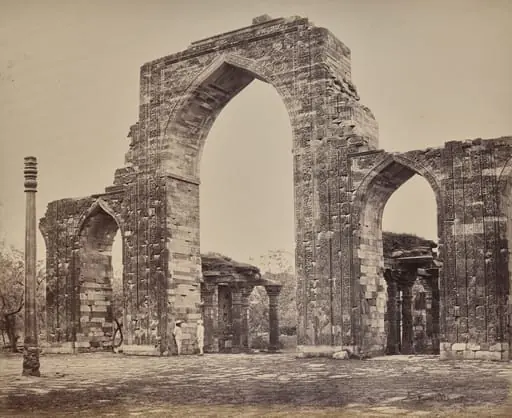 Delhi. Great Arch and Iron Pillar Near the Kootub Minar, Ruin of Old Delhi
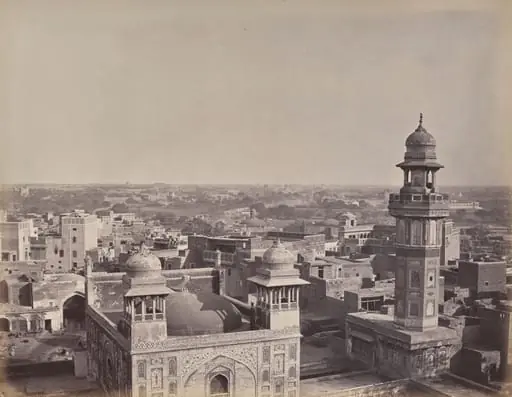 The City of Lahore. Another View Taken from Huzeer Khan's House
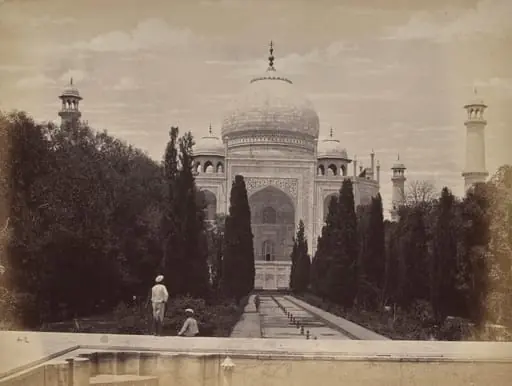 Agra. View of the Taj in Front of Nootkan (The Light of the World), Wife of the Emperor Akbar, View from the River
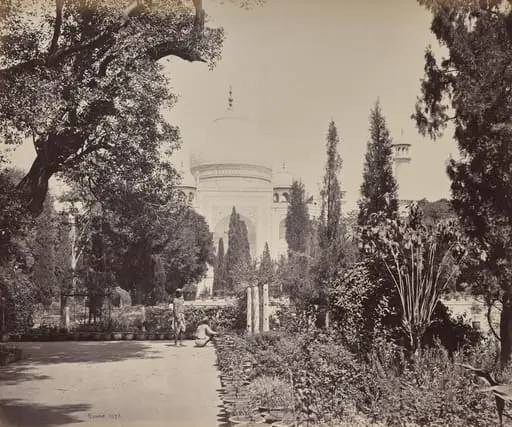 Agra. View of the Taj from the Garden
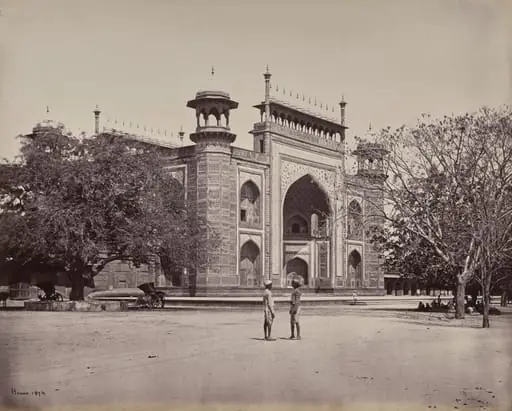 Agra. The Gateway of the Gardens Surrounding the Taj
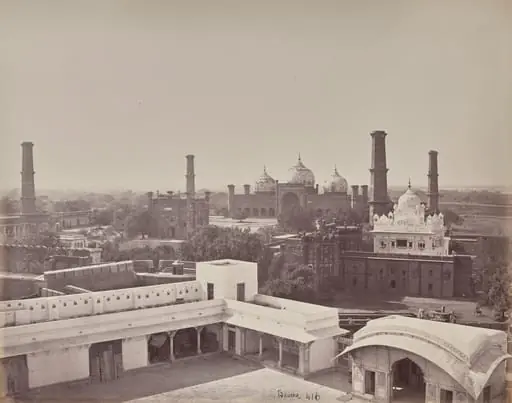 View of the City of Lahore Taken from the Roof of the Palace in the Fort
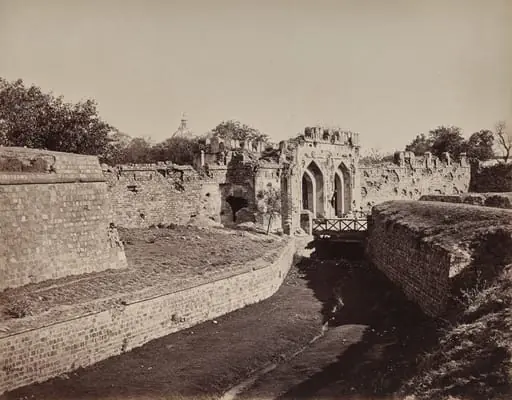 Delhi. The Kashmire Gate. The Scene of Some Very Hard Fighting in 1857