Artwork
The Upper Himmalayahs. View on the New Road between India and China. Mt. Pangi with the Snowy Peaks of China in the Distance
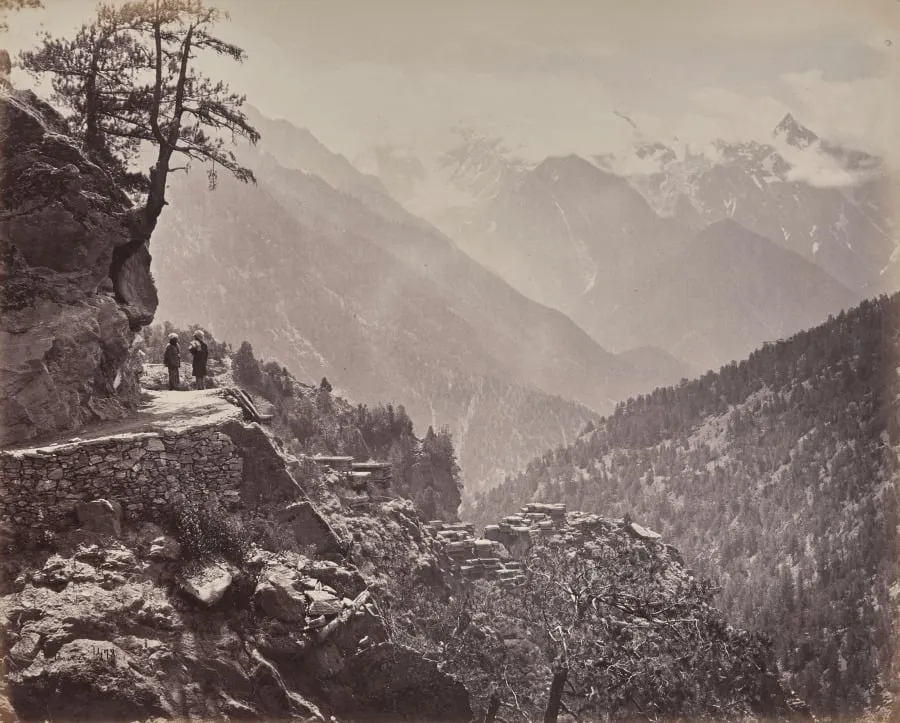
The Upper Himmalayahs. View on the New Road between India and China. Mt. Pangi with the Snowy Peaks of China in the Distance is a photography by the Impressionist artist Samuel Bourne. It dates from 1866 and is held in the collection of the Cleveland Museum of Art.
- Accession no.
- 2024.5.19
- Credit line
- Severance and Greta Millikin Purchase Fund
About this work
Overview
The photograph, taken in the 1860s, depicts a narrow mountain road winding among snow‑capped peaks of the Himalayas, with diminutive travelers and pack animals making their way toward a distant pass. The image captures the stark contrast of light and shadow on rock and ice, offering a rare visual record of a high‑altitude landscape before modern infrastructure.
Subject & Meaning
The scene presents a remote transit route linking the Indian subcontinent with China, illustrating the arduous journey across the upper Himalayas. The presence of human figures and livestock emphasizes the reliance on traditional pack transport in a terrain where modern roads were nonexistent, highlighting the region’s isolation and the challenges of early travel.
Technique & Style
Photographer Samuel Bourne employed a large‑format wet‑collodion camera, transporting heavy glass plates up the mountain. The resulting image displays fine tonal gradations, with crisp detail in the snow‑covered summits and subtle shading that conveys the quality of natural sunlight on the rugged surface.
History & Provenance
Bourne’s expedition through the Himalayas in the 1860s produced some of the earliest clear photographs of the area. The work forms part of a series of fifty images documenting hill towns and major Indian cities, serving as valuable visual archives of architectural and geographic sites prior to 20th‑century alterations.
Context
At the time of its creation, the Himalayas were largely inaccessible to Western travelers, and Bourne’s images offered European audiences unprecedented insight into the region’s topography. The photograph predates the development of motorized roads and mass tourism, situating it within the early period of photographic exploration of remote landscapes.
Artist & collection

Artist
Samuel Bourne was a British photographer known for his prolific seven years' work in India, from 1863 to 1870.

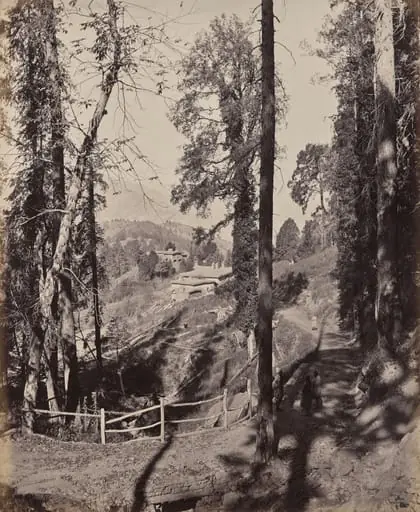
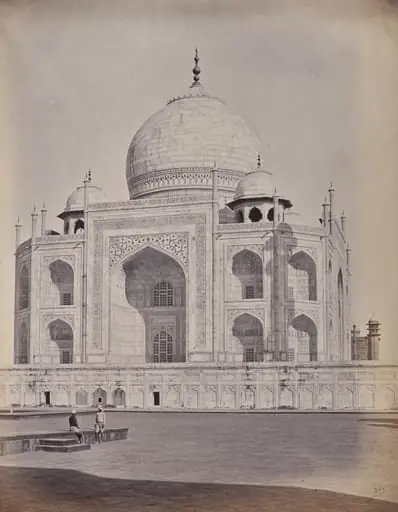
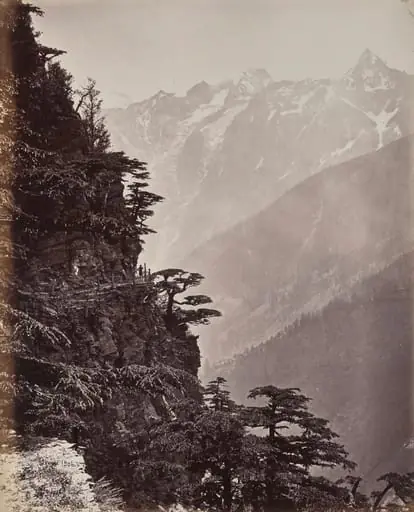
- The Upper Himmalayahs. View on the New Road Near Rogi
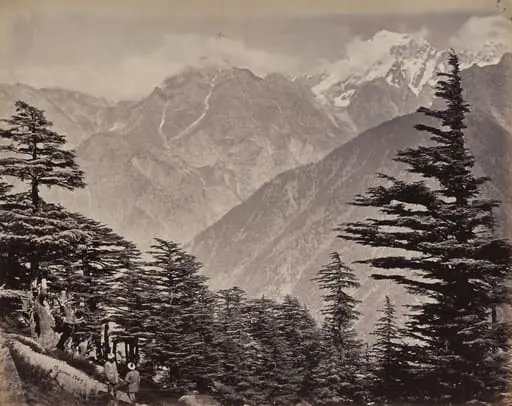 The Upper Himmalayahs. View Near China Mountains. Deoders in the Foreground
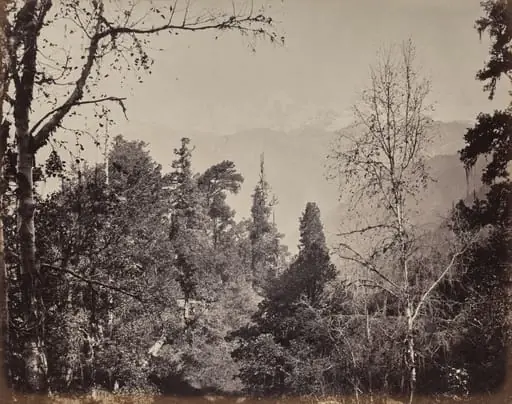 The Upper Himmalayahs. View of the Mountain of Bunderpoonch with the Jumnootri Peak, 20,458 above the Level of the Sea
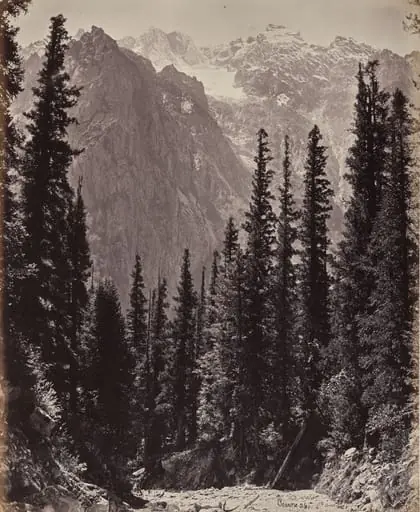 The Upper Himmalayahs. View in the Manga Valley
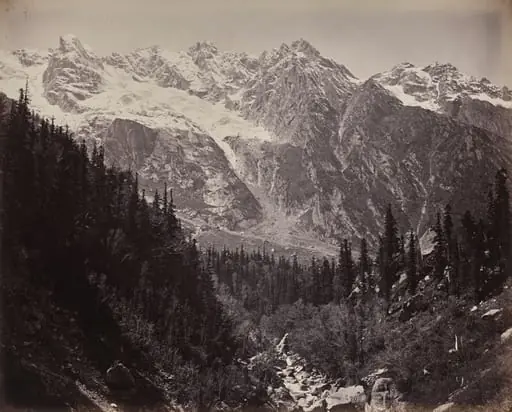 Scene in the Upper Himmalayahs. View in the Manga Valley
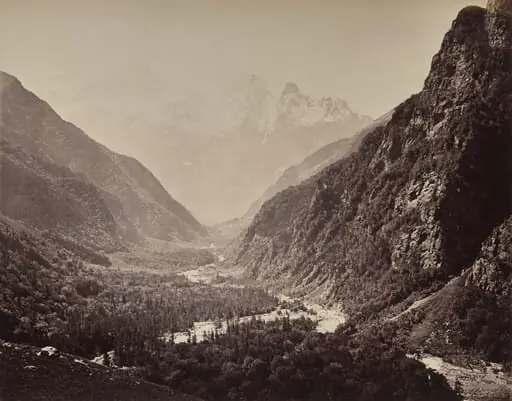 The Upper Himmalayahs. View of Valley from Fallaldasa with Srikanta Peaks in the Distance
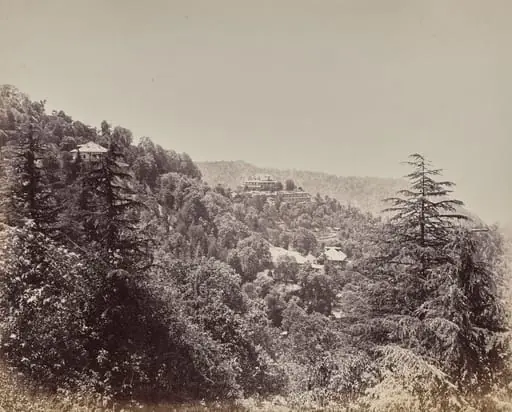 Shimla. The Yarrows and Neighboring Hills
 Shimla. View from Oakover House
 Shimla. View on the Mall in Winter