Artwork
Lafayette (Two Views)
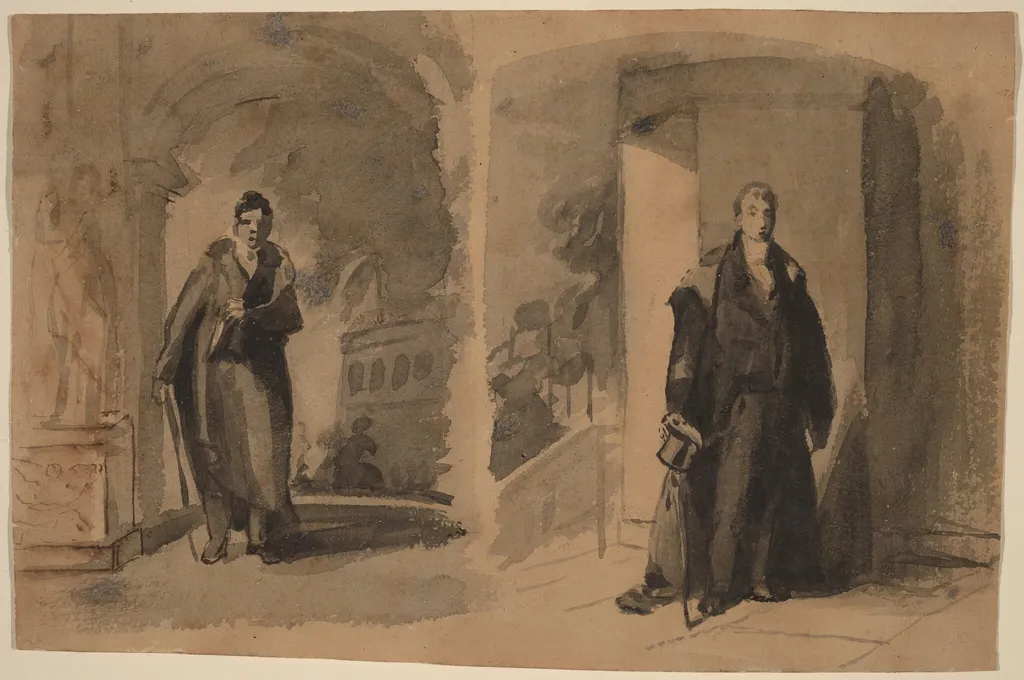
Lafayette (Two Views) is an ink drawing by the Romanticist artist Thomas Sully. It dates from 1825 and is held in the collection of the National Gallery of Art.
- Inscription
- Inscribed:upper left verso in green ink by unknown hand: [not deciphered] / purchase 1957
About this work
Overview
This drawing, executed in brush and ink with gray and brown wash, dates to approximately 1825 and is attributed to Thomas Sully. It presents two rapid studies of the same individual, rendered on a single sheet of wove paper. The composition emphasizes immediacy, with minimal background detail directing focus toward the figure’s posture and attire.
Subject & Meaning
The subject appears twice, once positioned near a columned structure and again beside a tree-lined urban boundary. These settings suggest an informal, outdoor context rather than a formal portrait. The dual depictions likely served as preparatory studies, capturing variations in stance or expression for later refinement in a finished work.
Technique & Style
Sully employed loose, gestural strokes to convey form, favoring fluidity over precision. Washes of gray and brown establish tonal variation, while the absence of intricate detailing reinforces the sketch’s spontaneous quality. The approach aligns with observational drawing practices, prioritizing the essentials of light, proportion, and movement.
History & Provenance
Created around 1825, the drawing’s early history remains undocumented. Its survival as a standalone sheet suggests it may have been retained by the artist or passed through private collections before entering institutional holdings. The exact circumstances of its creation and subsequent ownership are unrecorded.
Context
The work reflects the period’s interest in quick, on-site figure studies, often used to refine compositions for larger portraits or historical paintings. Sully’s focus on a single subject from multiple angles indicates an exploratory process, common among artists preparing for more elaborate commissions.
Own this work as a print
Artist & collection

Artist
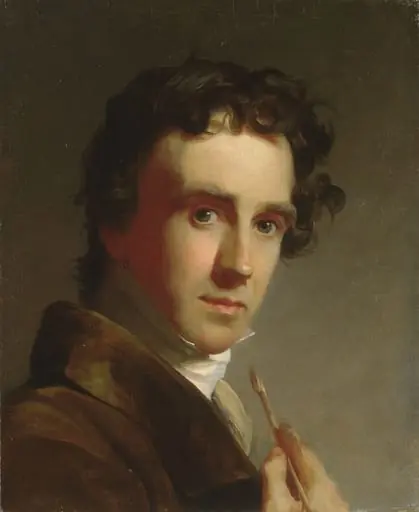
Thomas Sully was an English-American portrait painter. He was born in England, became a naturalized American citizen in 1809, and lived most of his life in Philadelphia, Pennsylvania, including in the Thomas Sully…

- Bărbat costumat (Personaj din sec. XVIII)
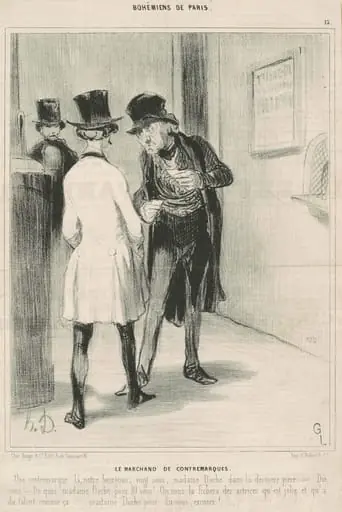 Le marchand de contremarques
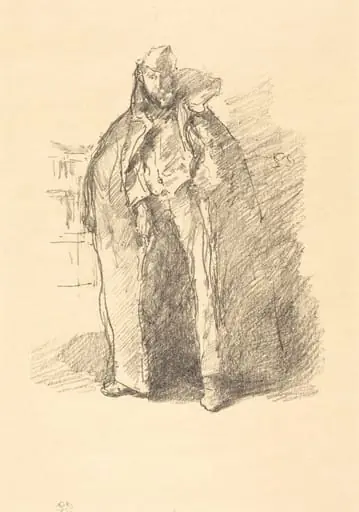 The Russian Schube
 Interior of an Inn
 Mossieu Rabourdeau ... je ne parlerai plus politique avec vous ..
 A man standing and another seated
 Le Ramasseur de bouts de cigares
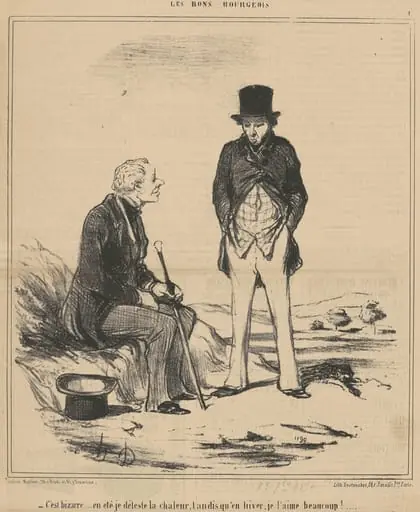 C'est bizarre ... été
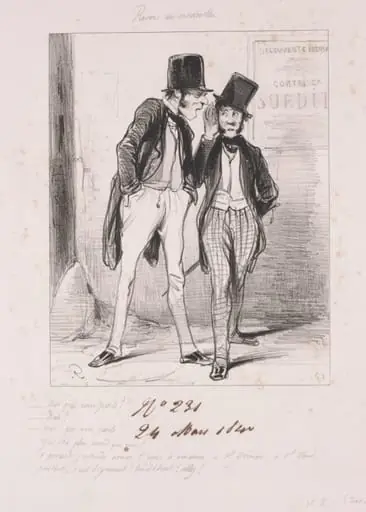 Revers des médailles: Moi qui vous parle
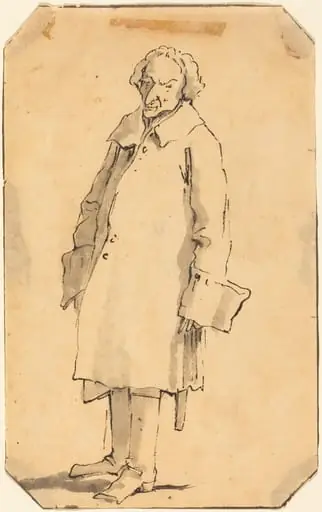 A Standing Man Wearing a Great Coat and Boots
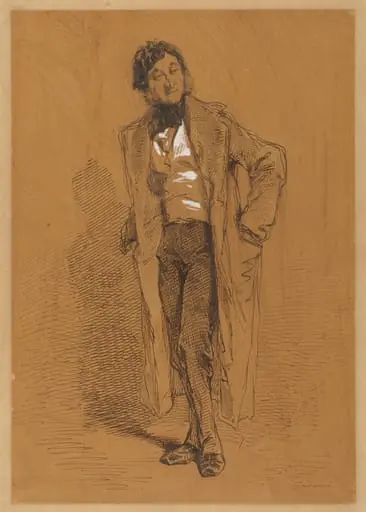 Standing Man
 Landscape (recto) Two Views of Paris (verso)