Artwork
Portrait of the Artist

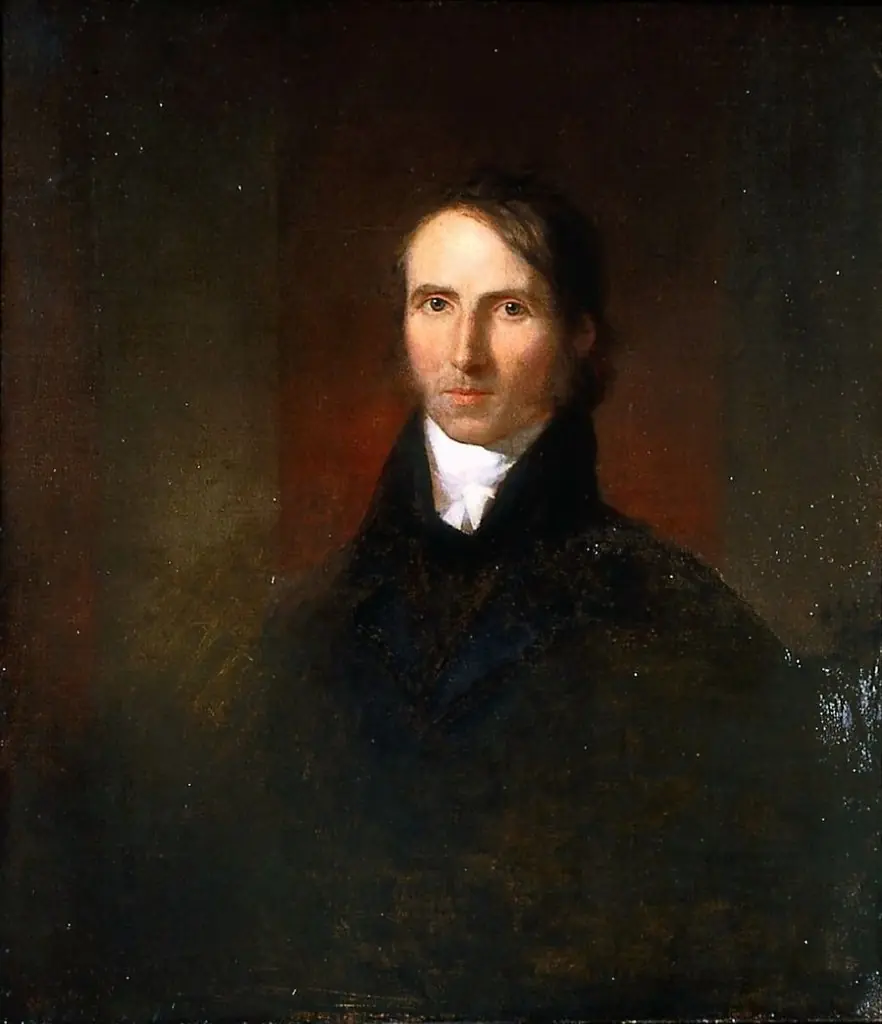
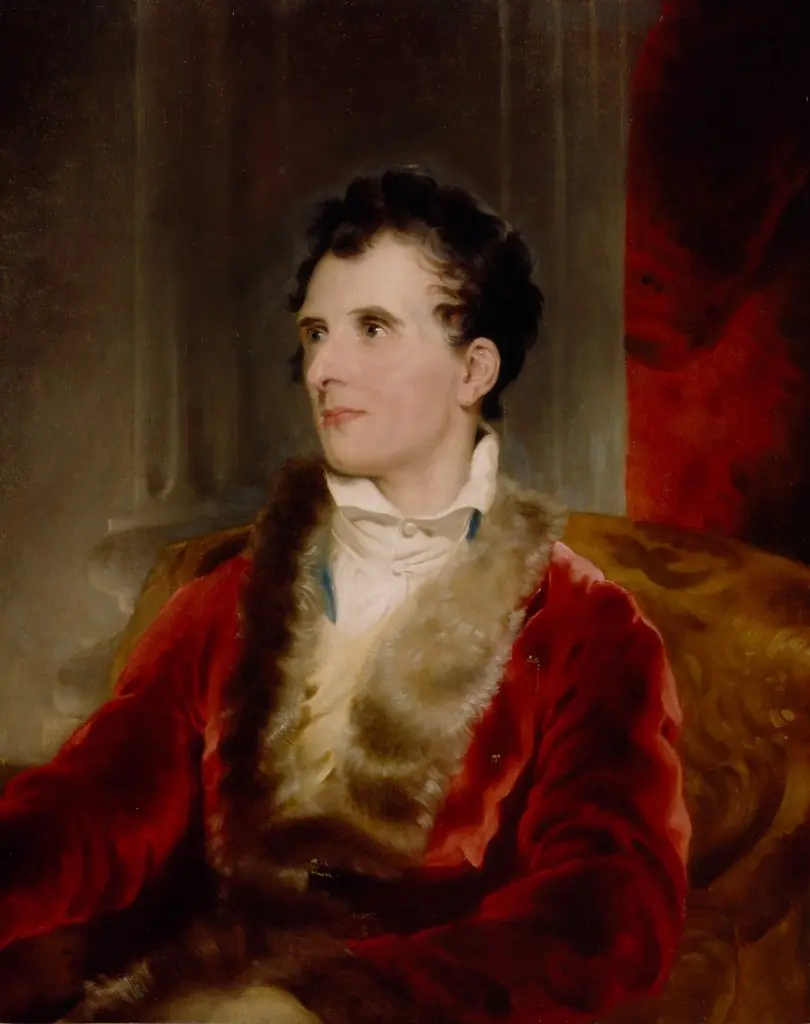
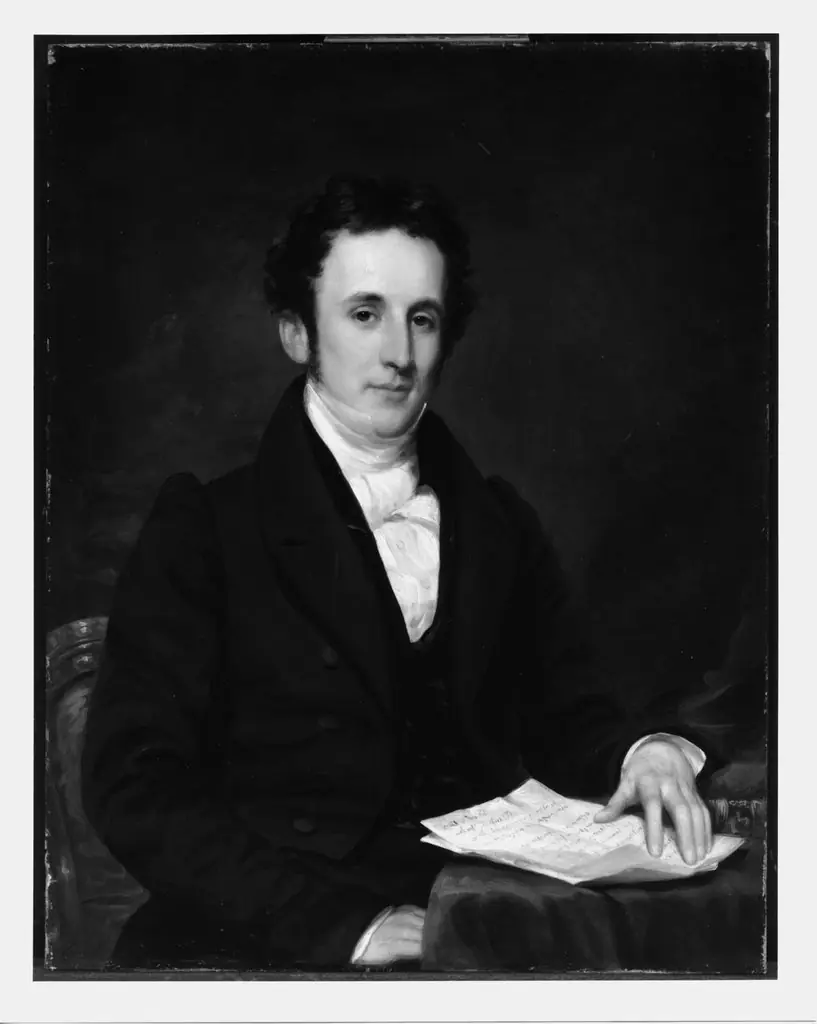
Portrait of the Artist is an oil painting by the American Impressionist artist Thomas Sully. It dates from 1821 and is held in the collection of the Metropolitan Museum of Art.
About this work
Subject & Meaning
The painting shows the artist Thomas Sully in a direct, self‑portrait pose, dressed in a modest cravat and holding a paintbrush, attributes noted in both the museum catalogue and Wikidata. The brush and the simple attire signal his profession and the dignity of the visual arts, while the plain background focuses attention on his likeness as both subject and creator. By representing himself in the act of painting, Sully affirms his identity as a professional artist within the early American artistic community, a theme echoed in the work’s classification as a portrait and its placement in The American Wing.
Technique & Style
The work is executed in oil on canvas, a medium typical of early‑19th‑century American portraiture, and is classified within the American Wing’s portrait genre.
The work is executed in oil on canvas, a medium typical of early‑19th‑century American portraiture, and is classified within the American Wing’s portrait genre. The painting measures 43.5 × 35.6 cm and portrays the artist Thomas Sully in a self‑portrait, identifiable by his cravat, paintbrush and the surrounding attributes of an artist. Symbolic elements such as a paintbrush and cravat are incorporated to identify the sitter as an artist. Its formal execution follows the conventions of contemporary portraiture, emphasizing a realistic likeness and modest compositional detail.
History & Provenance
The portrait was painted in 1821 by Thomas Sully as a self-representation, evidenced by the artist’s depiction of himself holding a paintbrush. The work is documented as part of the collection of The Metropolitan Museum of Art, where it remains located. Sully’s self-portrait captures his likeness with a cravat and paintbrush, aligning with the documented genre of portraiture and the artist’s own identity. The painting’s dimensions (43.5 × 35.6 cm) and medium (oil on canvas) are recorded in institutional documentation.
Context
The 1821 oil‑on‑canvas portrait by Thomas Sully, listed as a self‑portrait in The American Wing of the Metropolitan Museum of Art, measures 43.5 × 35.6 cm and portrays the artist wearing a cravat and holding a paintbrush;. Its classification as a portrait and its inclusion in the museum’s American art collection underscore its significance as an early example of neoclassical American portraiture, reflecting Sully’s effort to present himself as a professional painter in the young republic. The work’s provenance, dimensions, and material details are documented in museum records, providing a concrete reference point for scholars examining the development of American artistic identity in the early nineteenth century.
Overview
This oil on canvas, titled Portrait of the Artist, presents a direct depiction of the painter himself. The work serves as a personal record, offering viewers an intimate encounter with the individual behind its creation. Housed within the American Wing, it exemplifies a particular approach to self-representation in art.

Artist & collection

Artist
Thomas Sully was an English-American portrait painter. He was born in England, became a naturalized American citizen in 1809, and lived most of his life in Philadelphia, Pennsylvania, including in the Thomas Sully…