Artwork
Eye Miniature
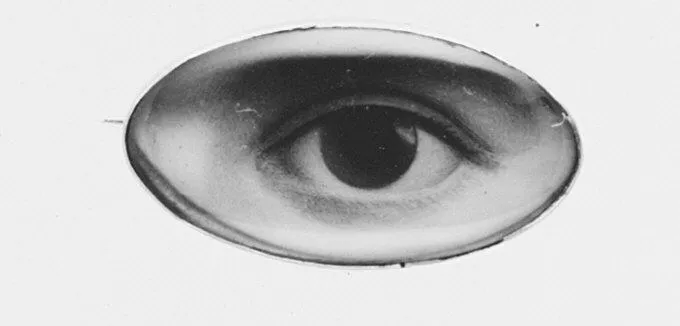
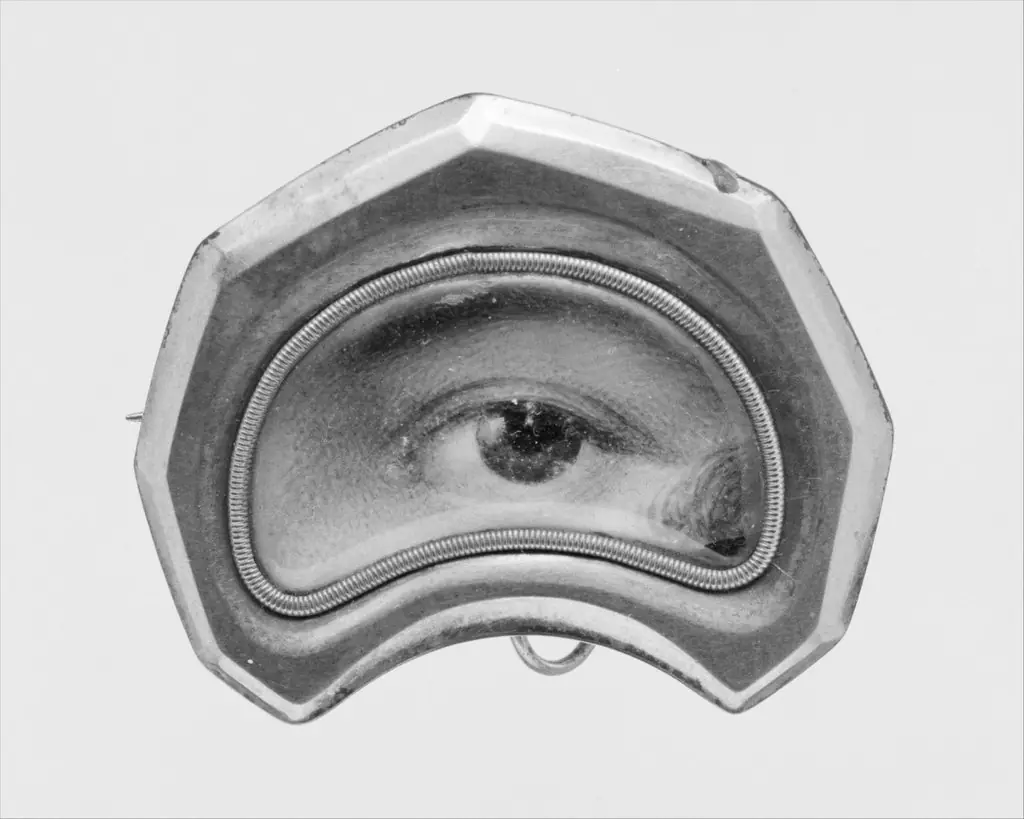
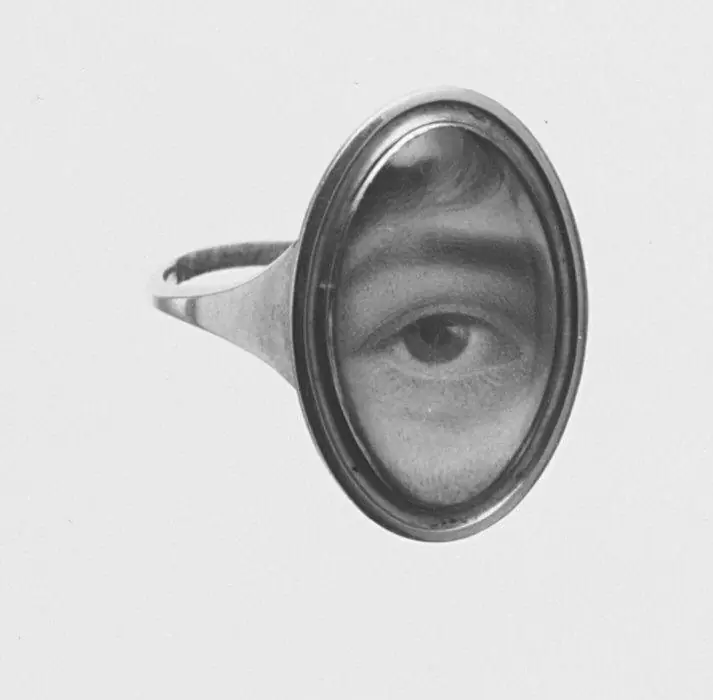
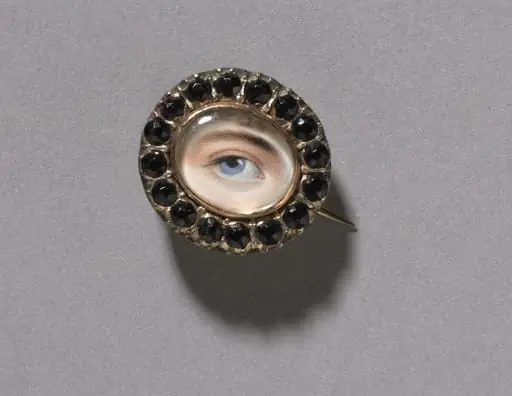
Eye Miniature is an unspecified painting. It dates from 1900 and is held in the collection of the Metropolitan Museum of Art. The work presents a solitary eye rendered in a large, oval format that dominates the picture plane.
About this work
Subject & Meaning
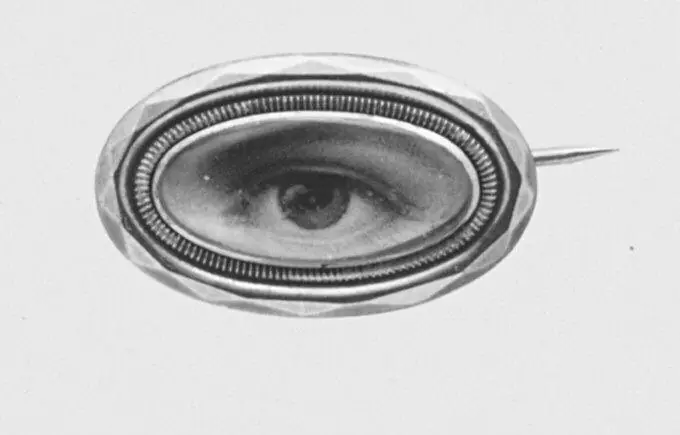
The format transformed a private, intimate feature of the beloved into a wearable keepsake, functioning simultaneously as portrait, love token, and memento.
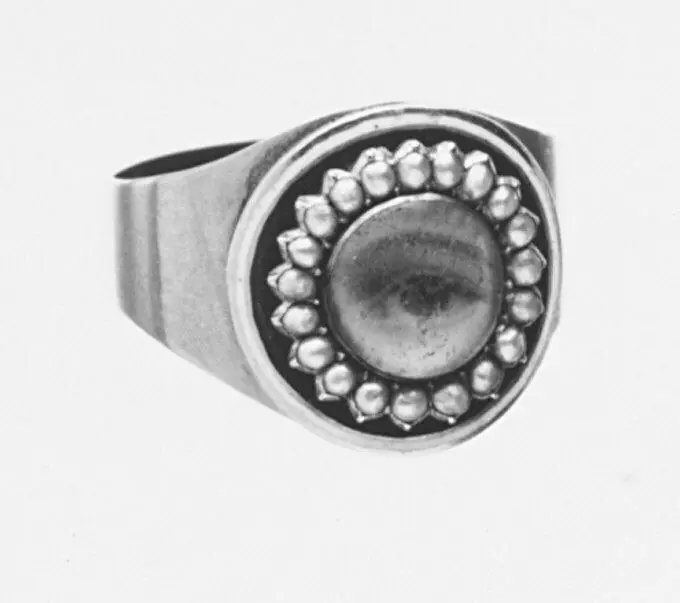
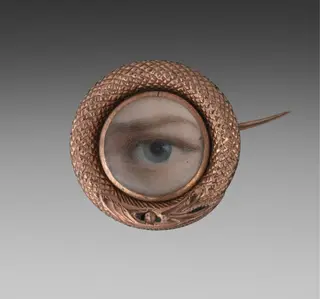
The Eye Miniature is a small painting devoted entirely to the depiction of a single human eye. Dated to 1900 and classified as a painting, the work belongs to a distinctive tradition in which the eye is rendered as a portrait in its own right, traditionally commissioned as a token of love, mourning, or remembrance.
In such miniatures the iris is typically rendered in lifelike detail, with carefully observed lashes, lids, and surrounding flesh, so that the sitter could be recognised from the eye alone. The format transformed a private, intimate feature of the beloved into a wearable keepsake, functioning simultaneously as portrait, love token, and memento.
The eye itself carries layered symbolism: it stands for the gaze of the absent person, for vigilance and fidelity, and, in the mourning tradition associated with these works, for the soul and for the idea that the loved one continues to watch over the living.
History & Provenance
The Eye Miniature is a painting created in 1900, attributed to an unknown British artist. It entered the collection of the Metropolitan Museum of Art, where it remains on view. The work depicts an eye and measures 14 cm in height by 27 cm in width.
The Eye Miniature is part of the Metropolitan Museum of Art's collection and is cataloged under its accession records. It is classified as a painting dating to 1900, with dimensions recorded as 14 cm in height and 27 cm in width. The work has been exhibited in the museum's galleries as part of its permanent collection displays.
Provenance details indicate it was acquired by the Metropolitan Museum of Art, and its exhibition history includes display within its European paintings galleries.
The artwork originates from an unknown British painter and is held in New York, United States.
Overview
The work presents a solitary eye rendered in a large, oval format that dominates the picture plane. The sclera appears pale and luminous, contrasting with a deep gray iris and a pinpoint black pupil. Delicate lashes frame the perimeter, while the surrounding space is left empty, giving the impression that the eye hovers in a void.
Technique & Style
The artist employs smooth gradations of tone to model the eye’s curvature, achieving a convincing three‑dimensional effect. Soft transitions between light and shadow blur the edges, reminiscent of the sfumato approach, where forms dissolve into one another like smoke, enhancing the illusion of depth within a flat surface.
Context
Although the composition is minimal, its emphasis on a single anatomical feature aligns with a broader tradition of close‑up portraiture and studies of the human form. By reducing the image to an eye alone, the work engages with contemporary interests in hyper‑realism and the psychological impact of direct visual contact.
Artist & collection