Artwork
Eye Miniature
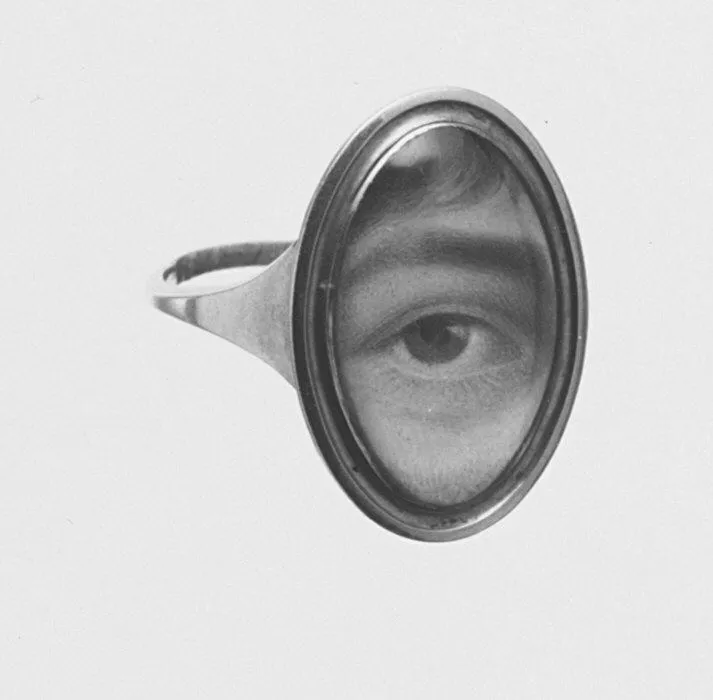
Eye Miniature is an unspecified painting. It dates from 1900 and is held in the collection of the Metropolitan Museum of Art.
About this work
Subject & Meaning
Its subject is the eye itself, isolated as the sole focus of the composition rather than presented within a full face or bust.
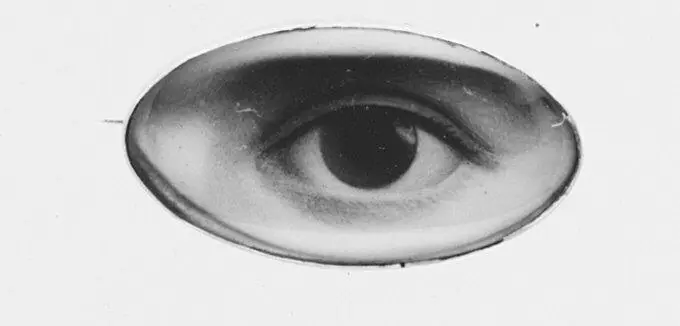
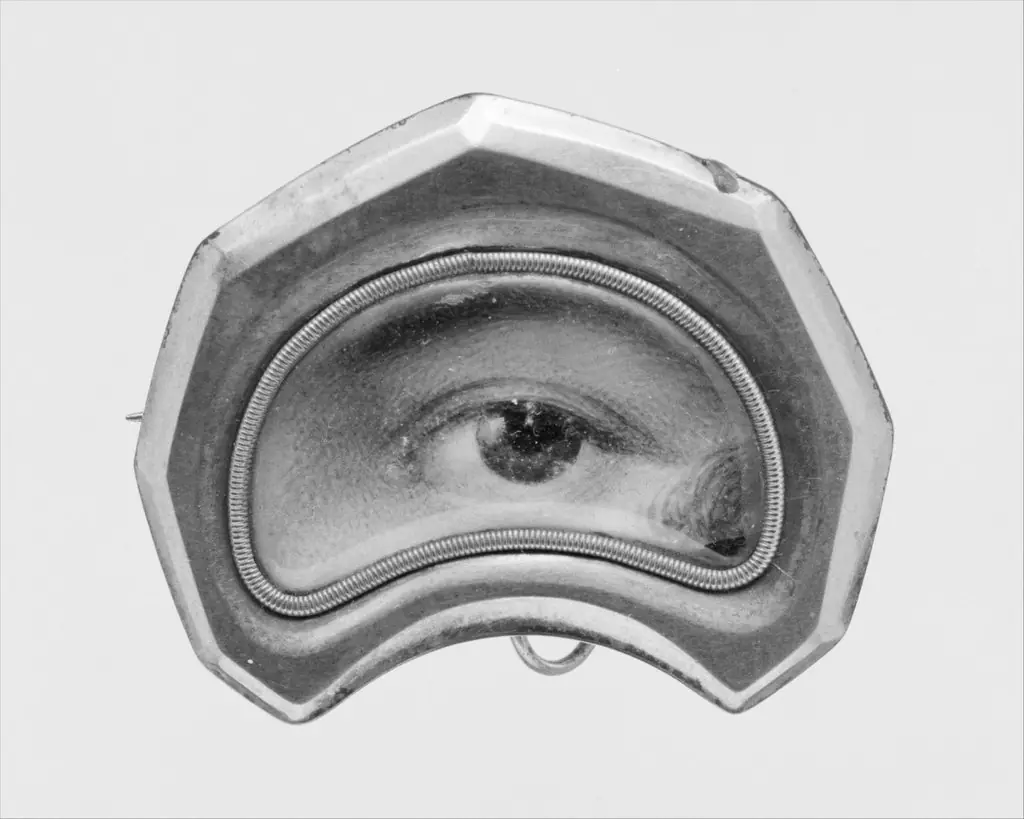
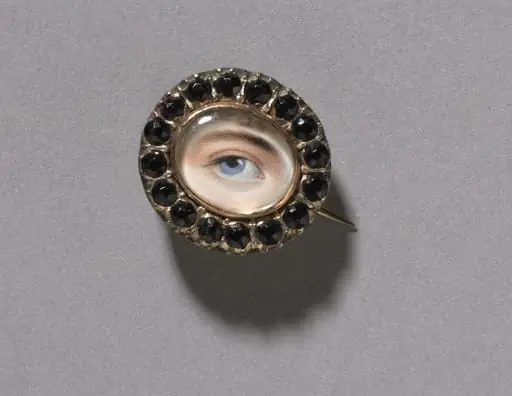
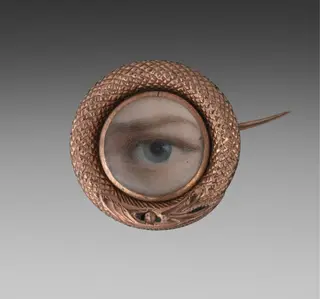
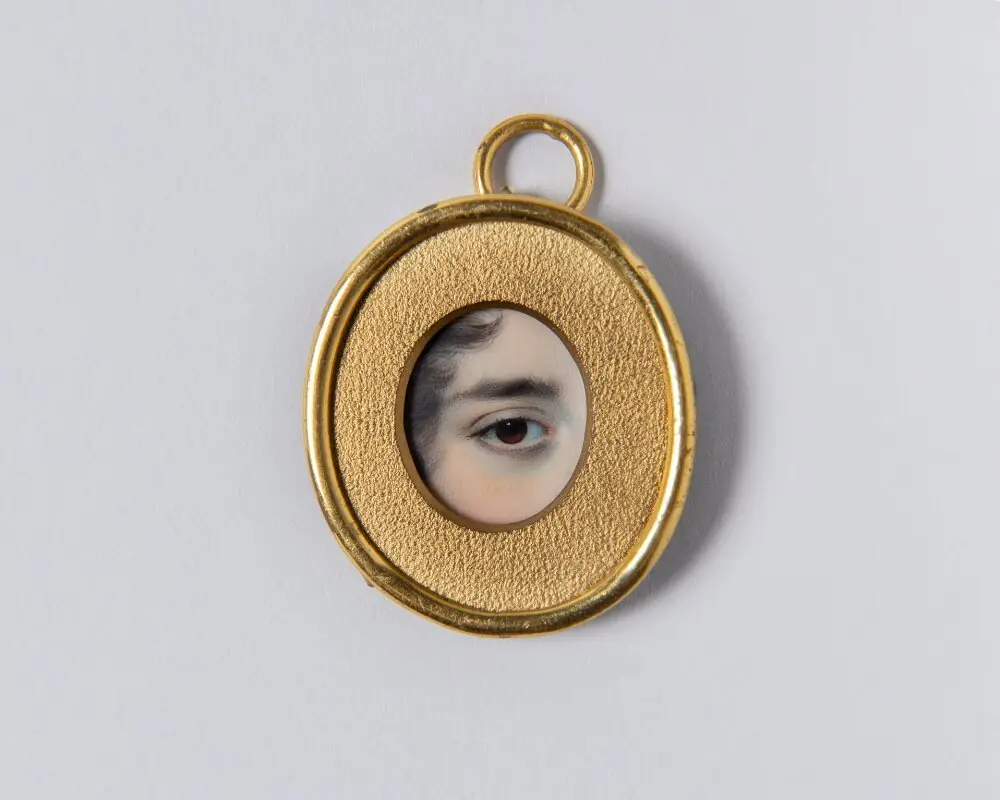
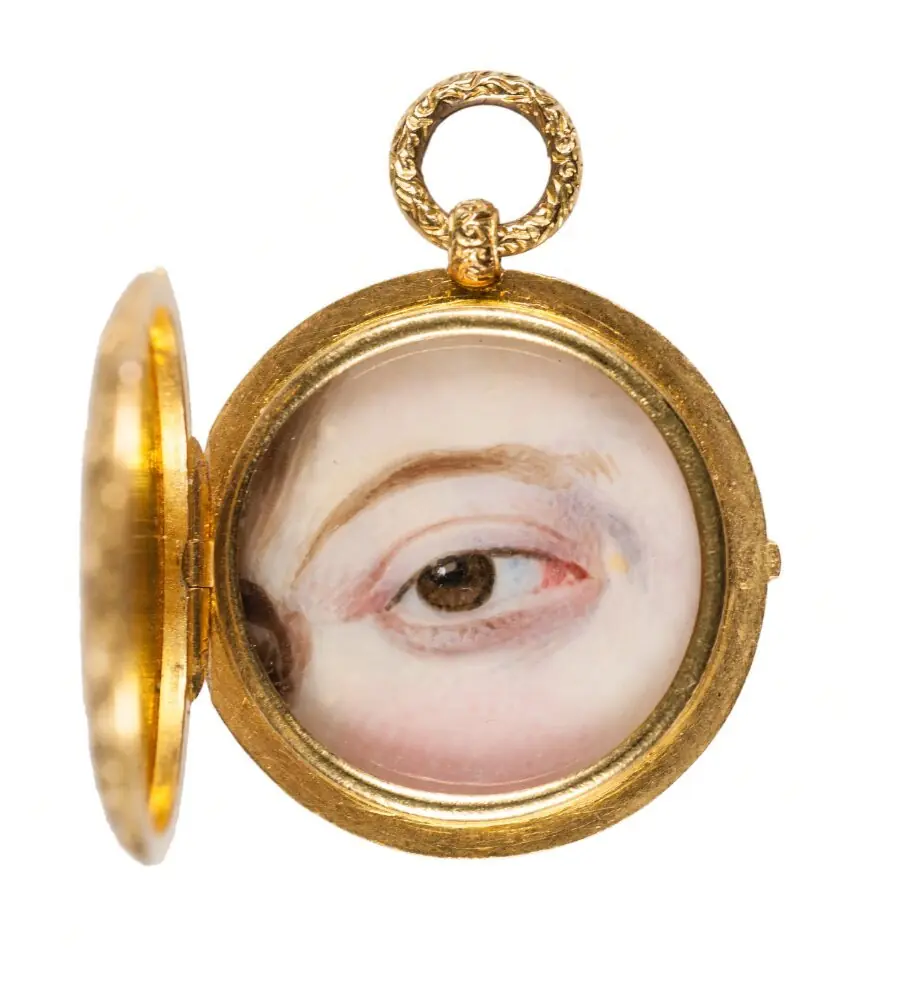
The Eye Miniature depicts a single human eye, rendered as a small-scale portrait painting. Its subject is the eye itself, isolated as the sole focus of the composition rather than presented within a full face or bust.
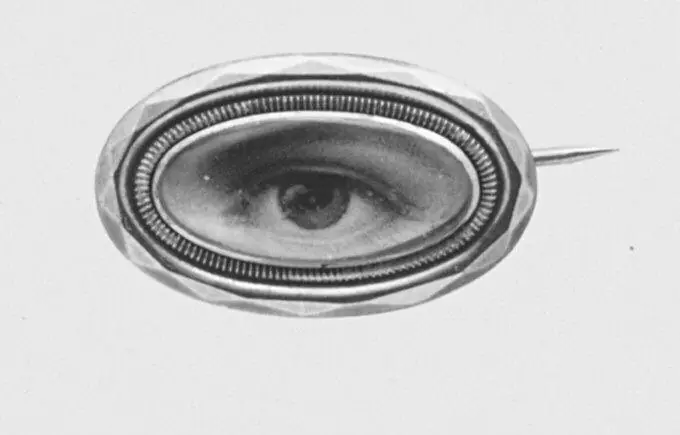
The work belongs to the tradition of "eye miniatures", keepsake portraits that were often exchanged as tokens of affection or remembrance, in which a lover's or relative's eye was painted in miniature as an intimate, concealable token. By focusing exclusively on the eye, the painting transforms a single feature into a stand-in for the whole person, making the gaze itself the bearer of identity and emotional connection.
Dating to circa 1900 and held in the Metropolitan Museum of Art, the miniature exemplifies the late survival of this once-popular Romantic-era convention, in which the depicted eye functions symbolically as a portrait of presence, memory, and attachment.
Technique & Style
The Eye Miniature is an oil painting on canvas created in 1900. It depicts a single eye rendered with fine brushwork and naturalistic detail, reflecting the formal precision of early 20th-century portraiture. The work is housed in the Metropolitan Museum of Art's collection and is classified as a painting, underscoring its significance within the artist's oeuvre.
Overview
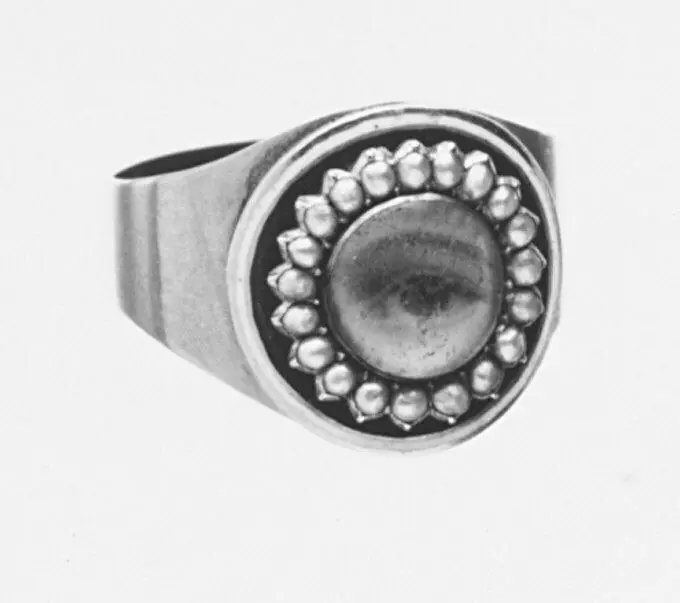
Eye Miniature is a small painted work intended as a personal adornment. The composition concentrates on a single human eye set within a simple metal ring that bears an oval gemstone. The eye gazes directly forward, its dark pupil contrasting with a lighter iris, while delicate shading suggests lashes and a subtle three‑dimensional presence.
History & Provenance
The miniature’s origins, including artist and date, are not documented in the available information. Its design as a wearable object suggests it may belong to a tradition of personal portrait miniatures popular in various cultures for private display or talismanic purposes.
Context
Such intimate portraiture aligns with historical practices where small painted objects served as tokens of affection, protection, or status. The integration of a gemstone and metal band reflects a convergence of fine art and jewelry, a practice evident in courtly and aristocratic circles across several periods.
Artist & collection