Artwork
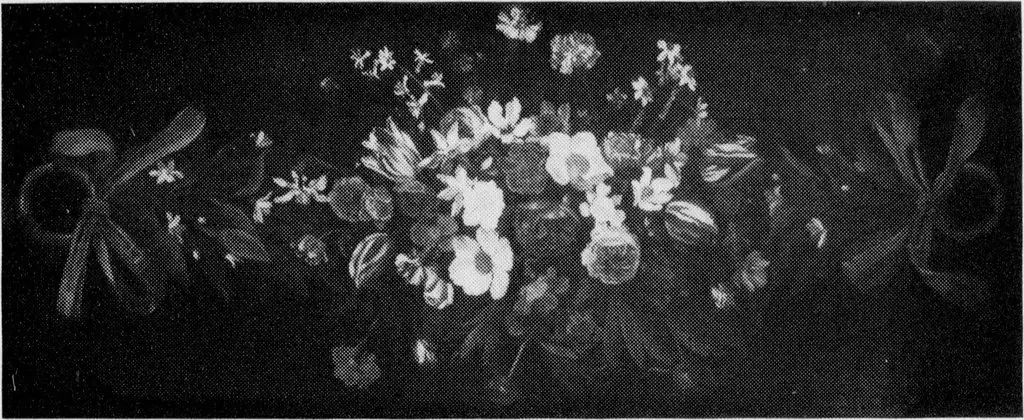
Festoon of flowers
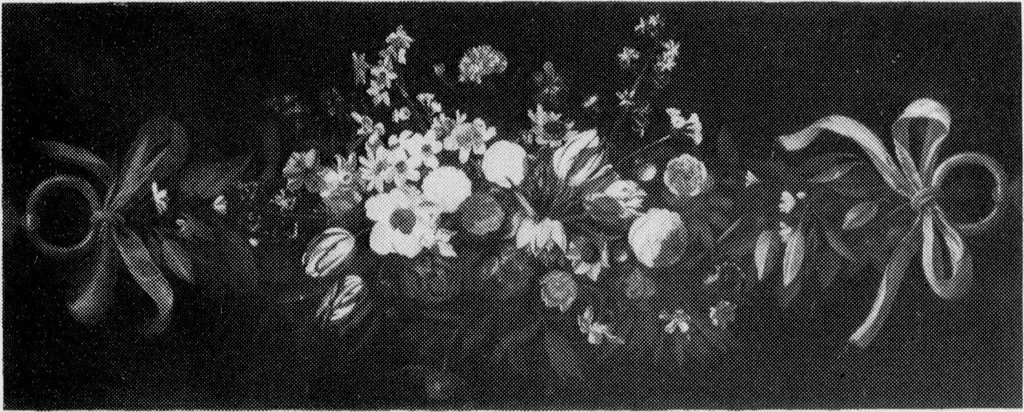
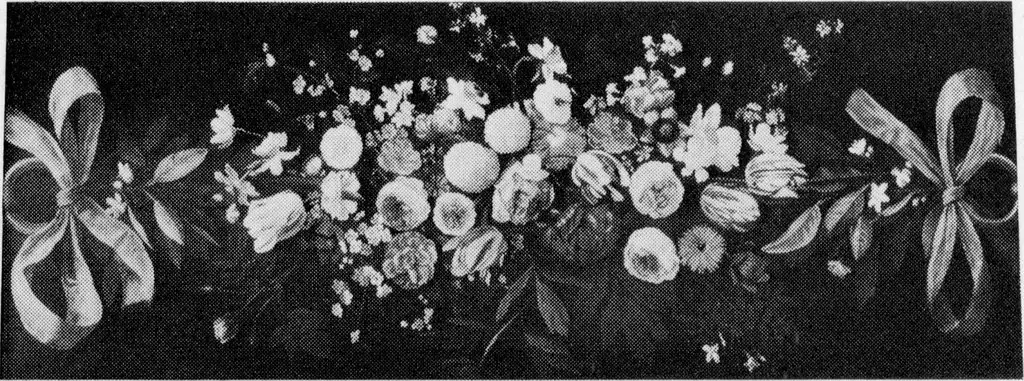
Festoon of flowers is an oil painting. It dates from 1650 and is held in the collection of the Rijksmuseum.
About this work
Subject & Meaning
The work is attributed to an anonymous artist active in the Northern Low Countries and is housed in the Rijksmuseum collection.
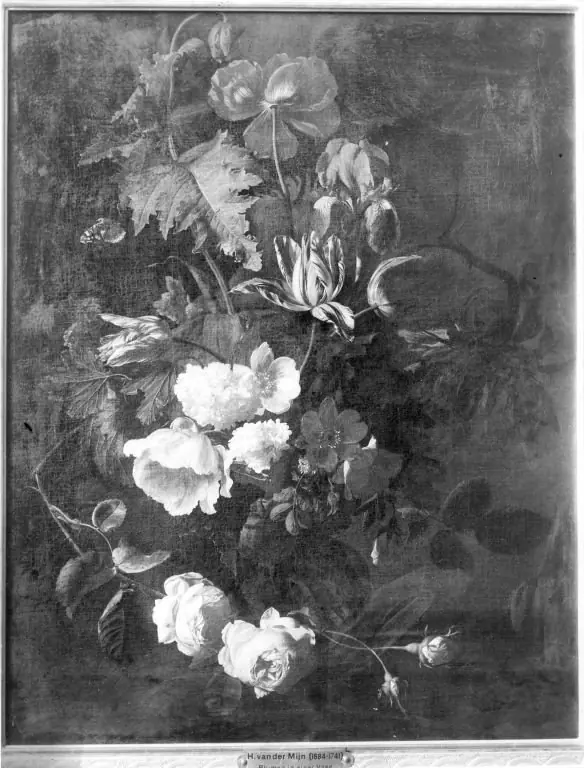
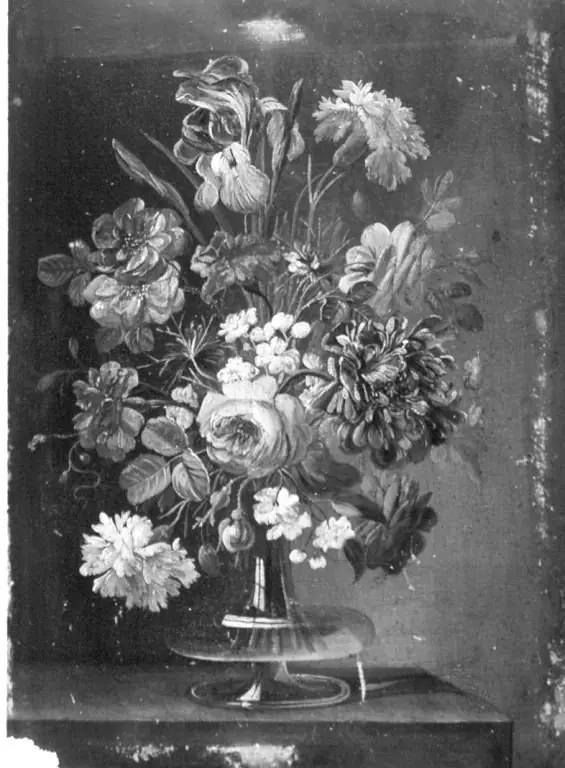
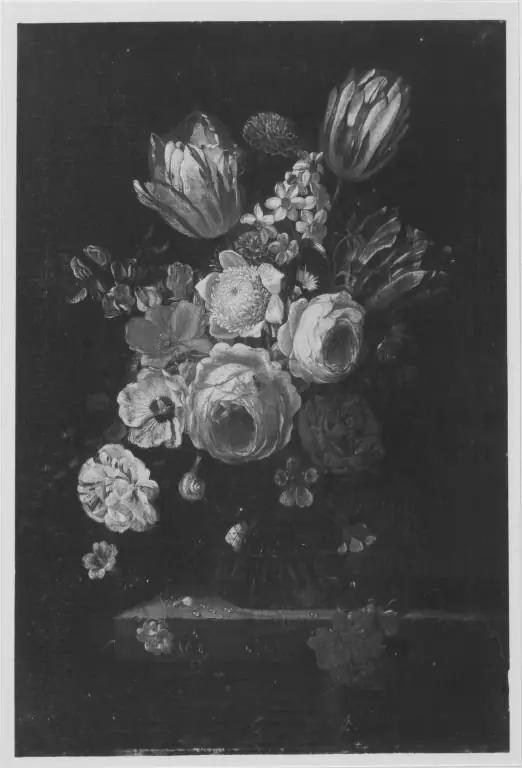
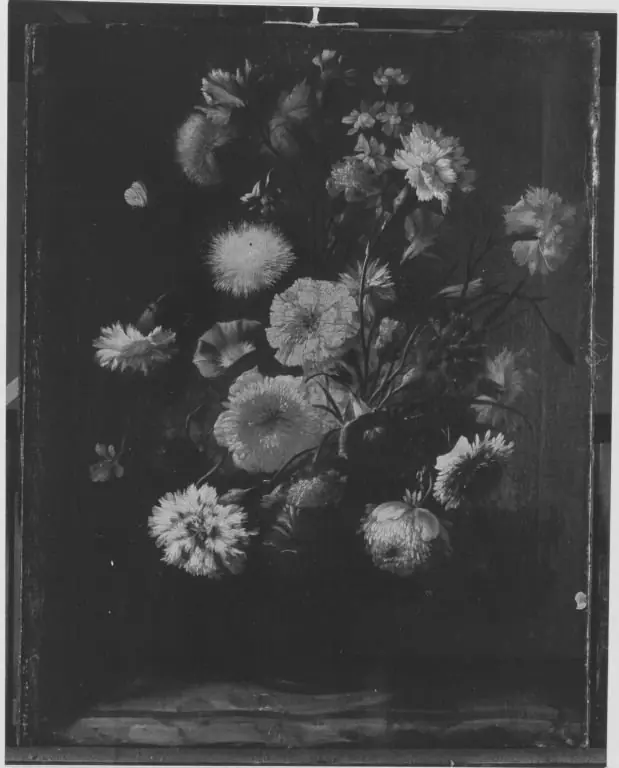
The painting depicts a decorative arrangement of assorted blossoms arranged in a swirling composition typical of Dutch still life of the mid-seventeenth century. The floral motif functions as a visual celebration of abundance and the fleeting nature of beauty, reflecting contemporary interpretations of transience and divine providence within the genre. The work is attributed to an anonymous artist active in the Northern Low Countries and is housed in the Rijksmuseum collection.
The swirling bouquet of flowers serves as an emblem of opulence and the impermanence of worldly pleasures, a common symbolic theme in Dutch Golden Age still lifes. Its creation in the 1650s situates it within the period when such decorative compositions were favored by wealthy patrons seeking both aesthetic delight and moral reflection.
The painting measures 163 cm in height by 68 cm in width and is executed in oil on canvas.
Technique & Style
The painting is executed in oil on canvas, a standard medium for Dutch still-life works of the mid-seventeenth century.
Compositionally, the work presents a symmetrical festoon of blooms suspended by ribbons, a motif characteristic of Dutch garland paintings that often served decorative purposes. The handling is smooth and precise, with careful attention to the delicate textures of petals and leaves, yet without the pronounced impasto typical of later still-life traditions. The color palette is restrained, dominated by muted greens, soft pinks, and warm yellows, reflecting the muted naturalism favored in Dutch flower still lifes of the 1650s.
The canvas support measures 163 cm in height and 68 cm in width, consistent with the modest scale of many decorative garland pictures intended for domestic display.
History & Provenance
The painting titled Festoon of flowers was created in 1650 within the Northern Low Countries. It is an anonymous work executed in oil paint on canvas, measuring 163 cm in height and 68 cm in width. The piece currently resides in the collection of the Rijksmuseum in Amsterdam, where it is cataloged under the accession number SK-A-1205.
While the specific commissioning details and the identity of the original artist remain unrecorded in the available records, the work is classified as a still life depicting flowers.
The painting Festoon of flowers is held in the collection of the Rijksmuseum in Amsterdam. It is cataloged under the inventory number SK-A-1205. The work, executed in oil on canvas, dates to 1650 and measures 163 cm in height by 68 cm in width.
No specific exhibition history is provided in the available sources.
Overview
The work titled Festoon of Flowers is an oil painting that presents a dark, almost void-like backdrop against which a cluster of light‑toned blossoms and foliage is arranged. The composition is dominated by soft, rounded forms that interlace and drift apart, creating a sense of gentle movement within the muted palette.
Artist & collection