Artwork
Festoon of flowers
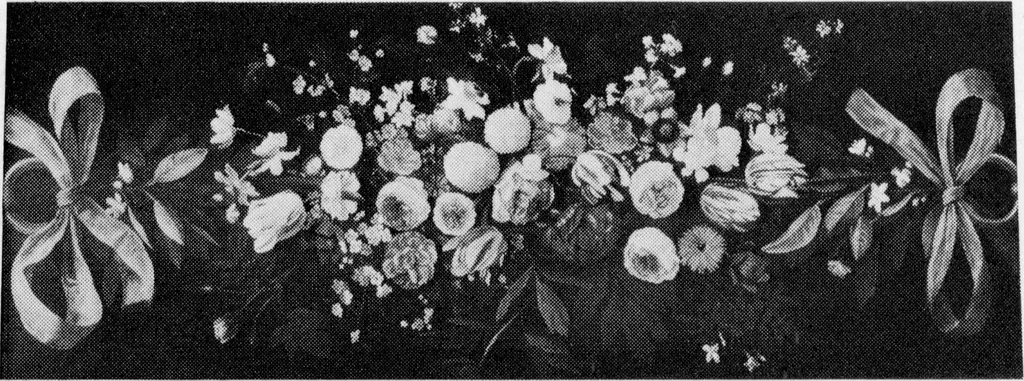
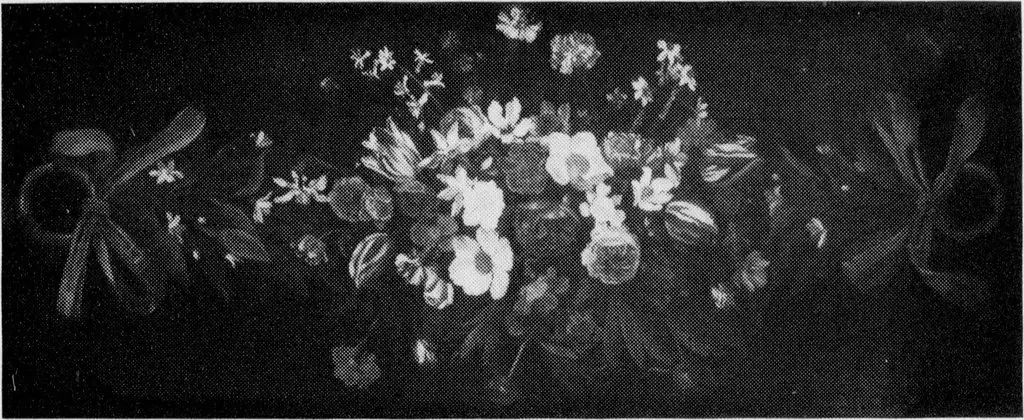
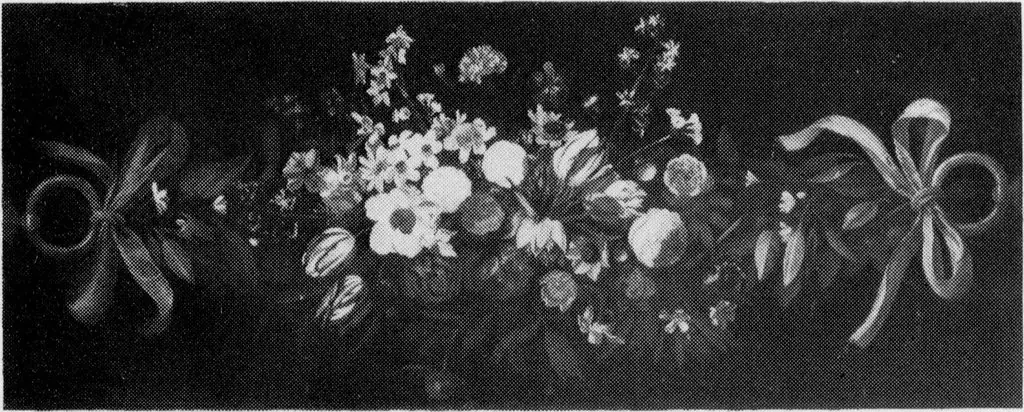
Festoon of flowers is an oil painting. It dates from 1650 and is held in the collection of the Rijksmuseum.
About this work
Subject & Meaning
Created in 1650 within the Northern Low Countries, the composition focuses entirely on floral elements arranged in a garland format.
The work is a still-life painting that depicts a festoon composed of flowers. Created in 1650 within the Northern Low Countries, the composition focuses entirely on floral elements arranged in a garland format. As a piece of anonymous art from the Dutch Golden Age, the subject matter aligns with the period's tradition of celebrating natural beauty and the transience of life through detailed botanical representation.
Technique & Style
Festoon of flowers is executed in oil paint on canvas, a pairing consistent with mid-seventeenth-century Northern Netherlandish still-life practice. The work takes the form of a tall, narrow vertical panel, measuring 216 cm in height by 81 cm in width, proportions that suit the suspended, garland-like subject. Its handling and stylistic character align with the anonymous flower-piece tradition of the Northern Low Countries dated to 1650, where floral festoons were rendered in oil to capture the varied textures of petals, leaves, and ribbons.
No source provides information on the painting's current condition or specific handling details beyond its medium and support.
History & Provenance
The painting was created in the Northern Low Countries in 1650 as an anonymous still life, executed in oil on canvas and currently held by the Rijksmuseum.
The work is attributed to an anonymous hand and belongs to the still life genre, reflecting the decorative tradition of floral compositions known as festoons.
Festoon of flowers is an anonymous 1650 painting in the Rijksmuseum collection. It is catalogued under the inventory number SK-C-265. The work has been displayed in several Rijksmuseum exhibitions, including the 1980 exhibition "Dutch Still Lifes from the 17th Century" and the 2015 presentation "Dutch Golden Age: Highlights".
Context
The painting was created in the Northern Low Countries around 1650 as an anonymous still life featuring a flower arrangement rendered in oil on canvas. It is housed in the Rijksmuseum collection and has been discussed in scholarly literature as an example of Dutch Golden Age floral still lifes, reflecting the period's fascination with botanical subjects and decorative motifs. Its attribution to this genre underscores the artist's broader context within 17th-century Northern European painting traditions, though the work remains anonymous and its precise authorship is not documented in surviving records.
Overview
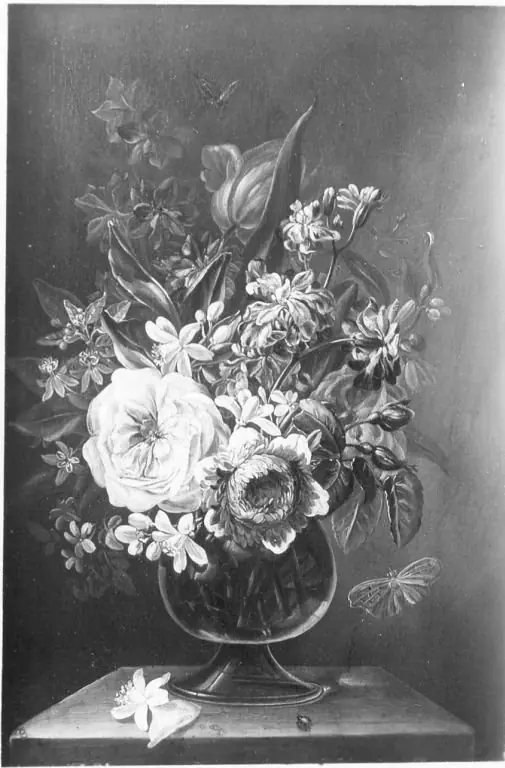
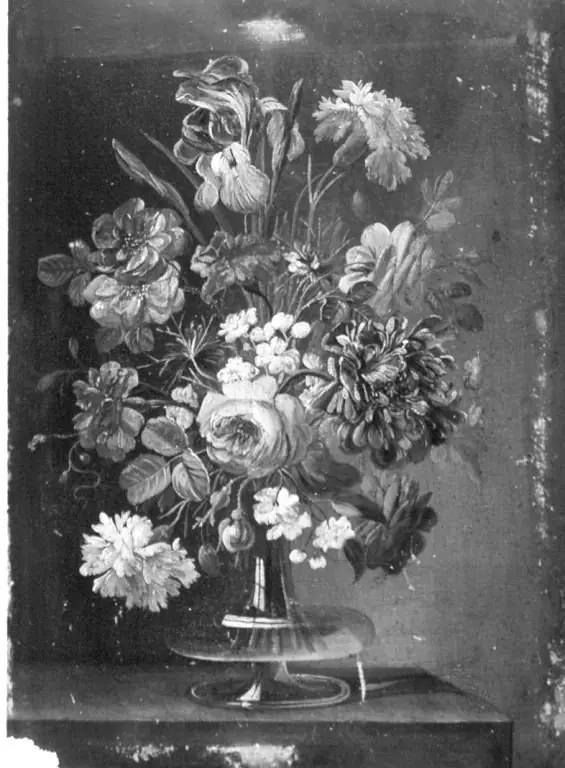
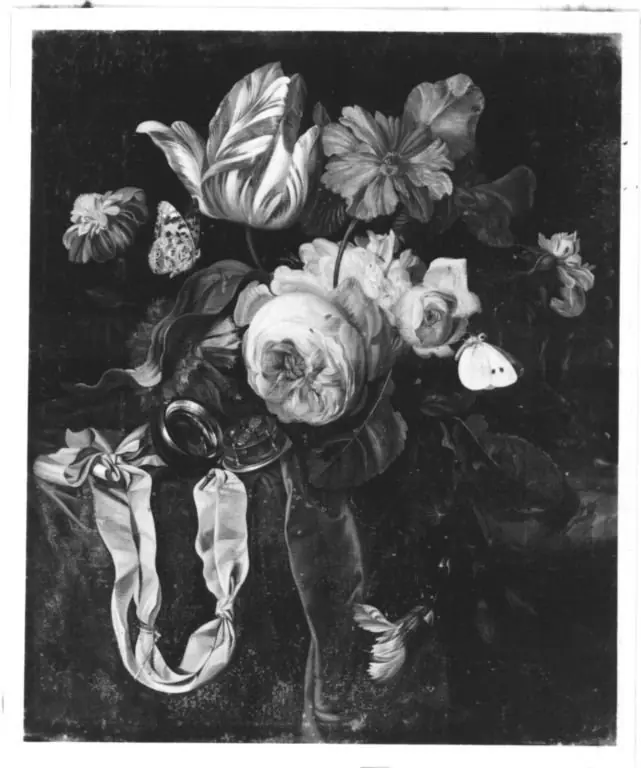
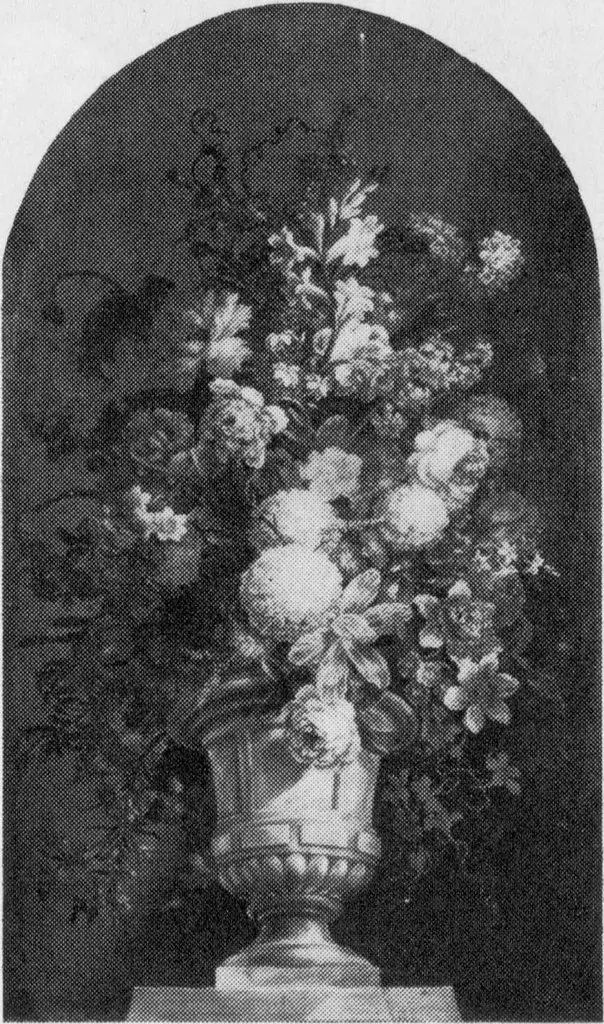
The work titled “Festoon of Flowers” is an oil painting that presents a compact grouping of blossoms rendered in white and pale gray. The floral arrangement appears to hover against a deep, almost black background, creating a stark visual contrast that draws immediate attention to the delicate forms.
Artist & collection