Artwork
Giuliano de' Medici (1479–1516), Duke of Nemours
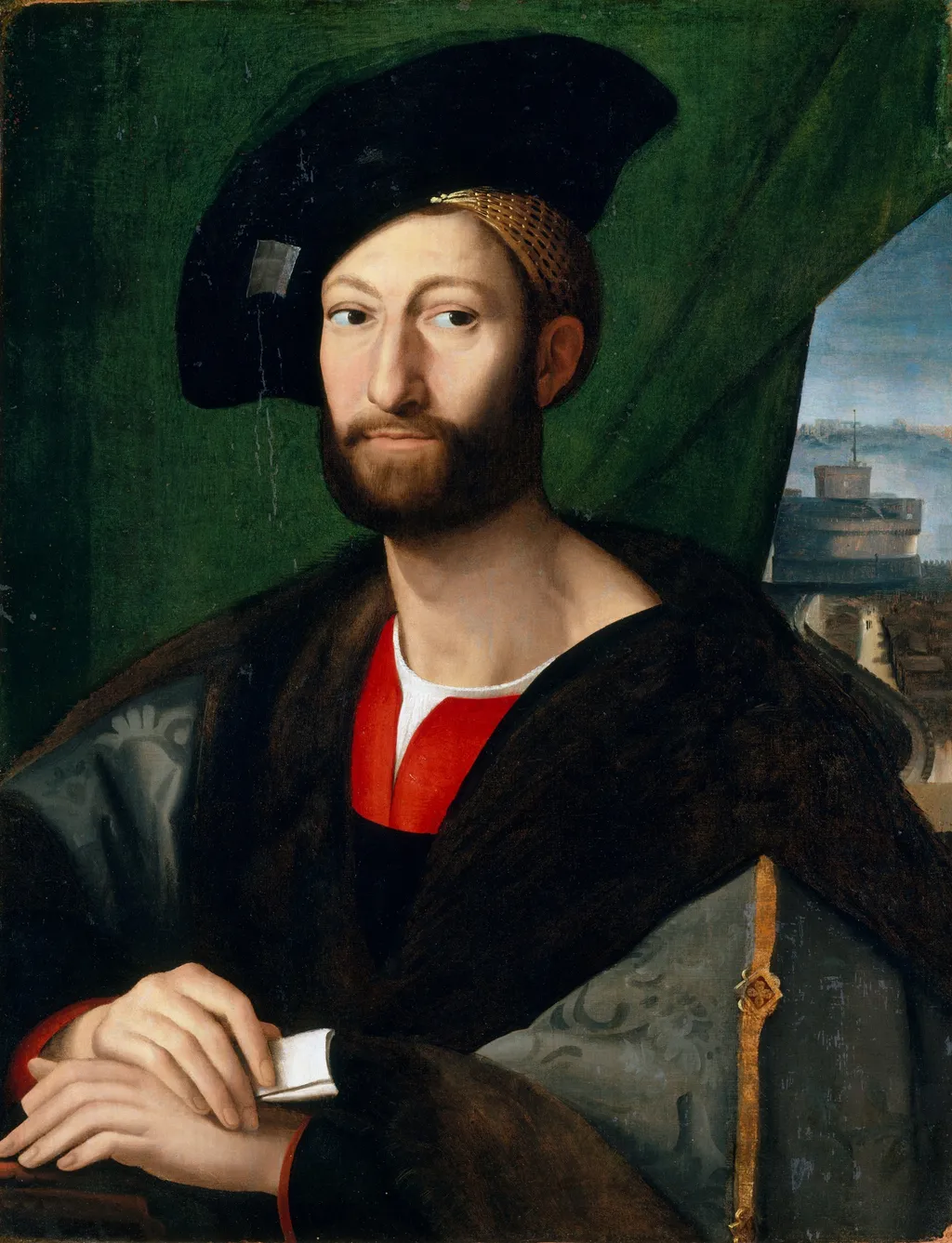
Giuliano de' Medici (1479–1516), Duke of Nemours is an oil painting. It dates from 1513 and is held in the collection of the Metropolitan Museum of Art. This tempera painting portrays Giuliano de' Medici, Duke of Nemours, a prominent figure of his era.
About this work
Subject & Meaning
Created in 1513, the painting presents the subject as its main focus, identifying him by his specific ducal title.
The work is a portrait depicting Giuliano de' Medici, Duke of Nemours, who lived from 1479 to 1516. Created in 1513, the painting presents the subject as its main focus, identifying him by his specific ducal title. Executed in tempera and oil on canvas, the image serves to document the likeness of this historical figure. The Metropolitan Museum of Art holds the piece, which originated from the workshop of Raphael.
Technique & Style
The portrait is executed in tempera, with oil paint also listed among the materials, on canvas support, measuring 83.2 cm in height and 66 cm in width. The work is classified as a painting in the portrait genre and dated to 1513. Attributed to the workshop of Raphael, the piece combines the tempera-and-oil technique on canvas typical of early sixteenth-century Florentine portrait practice, allowing for both the precise modeling of tempera and the tonal blending afforded by oil.
The canvas support and modest dimensions suit the intimate, half-length format characteristic of Medici court portraits of the period.
The painting is held in the collection of the Metropolitan Museum of Art, having previously passed through the ownership of Jules Bache, Charles Sedelmeyer, and Oscar Huldschinsky. No specific condition report is documented in the available sources.
History & Provenance
The portrait of Giuliano de' Medici, Duke of Nemours, was executed in 1513 in the workshop of Raphael, employing tempera on canvas (83.2 cm × 66 cm). It entered the art market through the dealer Jules Bache, subsequently passing to Charles Sedelmeyer and Oscar Huldschinsky before being acquired by the Metropolitan Museum of Art, where it remains on view. The work has been catalogued as a portrait and is classified within the portrait genre, reflecting its subject’s status as a prominent Renaissance figure.
Its creation is linked to the artistic activity of Raphael’s circle, though precise commissioning details are not documented.
Context
The portrait of Giuliano de' Medici, Duke of Nemours, was executed in 1513 using tempera and is attributed to the workshop of Raphael. It measures 83.2 cm by 66 cm and is housed in the Metropolitan Museum of Art, having passed through the collections of Jules Bache, Charles Sedelmeyer and Oscar Huldschinsky.
Scholars view the work as a key example of early‑16th‑century Medici portraiture, illustrating the collaborative nature of workshop production and the influence of Raphael’s stylistic approach on contemporary portraiture. Its documented provenance and museum placement have made it a reference point for studies of patronage, artistic exchange, and the evolution of the portrait genre in Renaissance art.
Overview
This tempera painting portrays Giuliano de' Medici, Duke of Nemours, a prominent figure of his era. The subject is depicted with a serious expression, adorned in formal clothing, and holds several objects that may convey his status. A subtle cityscape in the background adds depth to the composition, suggesting a broader context for the sitter's influence.
Artist & collection

- Portrait of a Gentleman
 Portrait of Francis I, King of France
 Portrait of a Gentleman
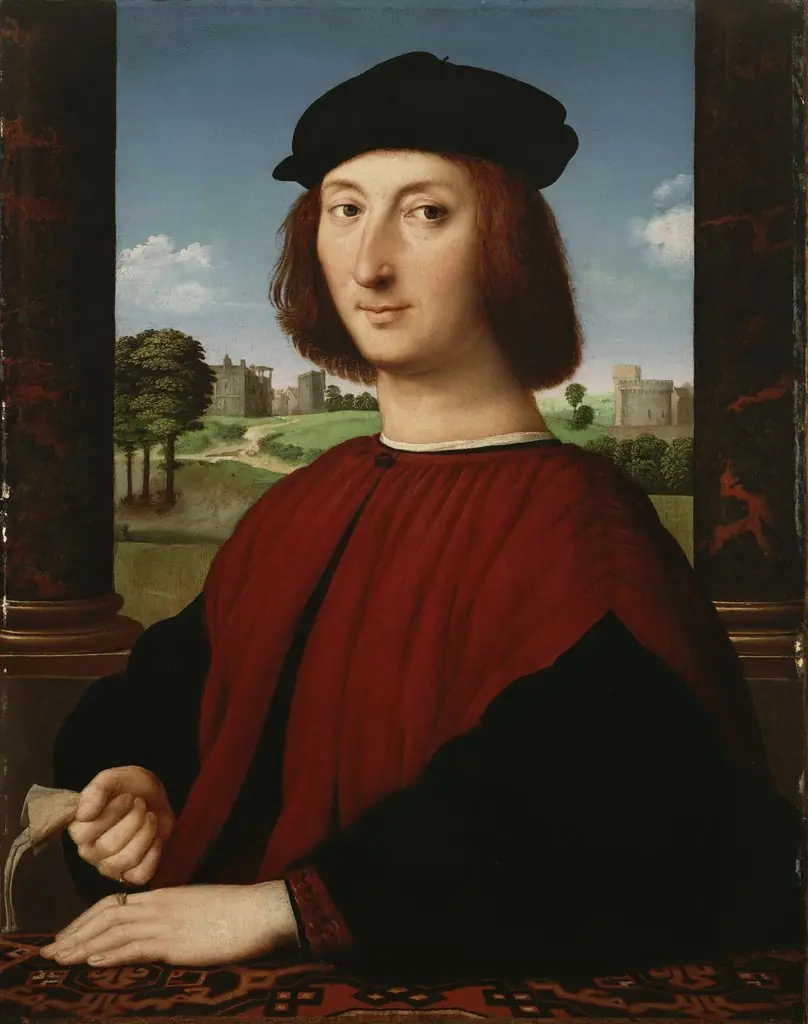 Portrait of a Young Man in Red
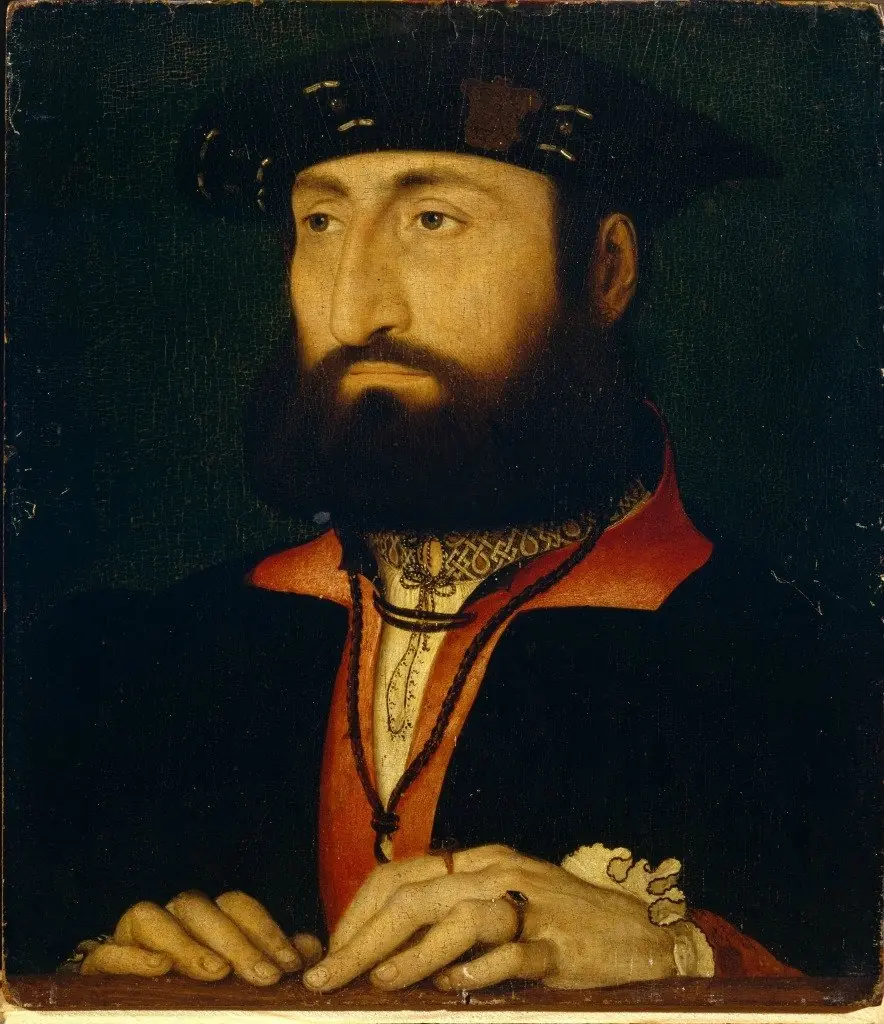 Portrait of Louis de Cleves
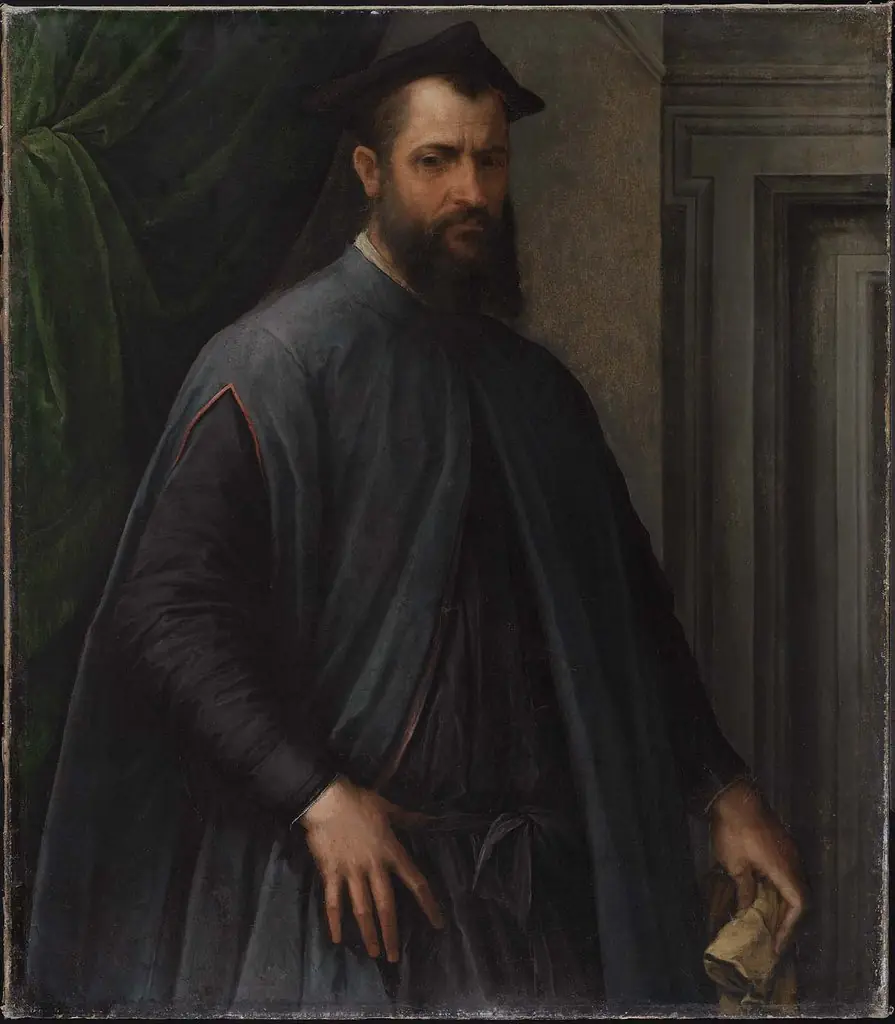 Portrait of a Prelate
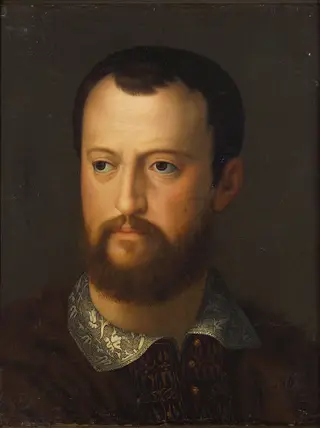 Portrait of Cosimo I de' Medici
 Portrait of a Man (Condottiere Malatesta Baglioni?)
 Francis I (1494-1547), King of France
 Portrait of a Man Holding a Book
 Portrait of a Young Man (Lyons)
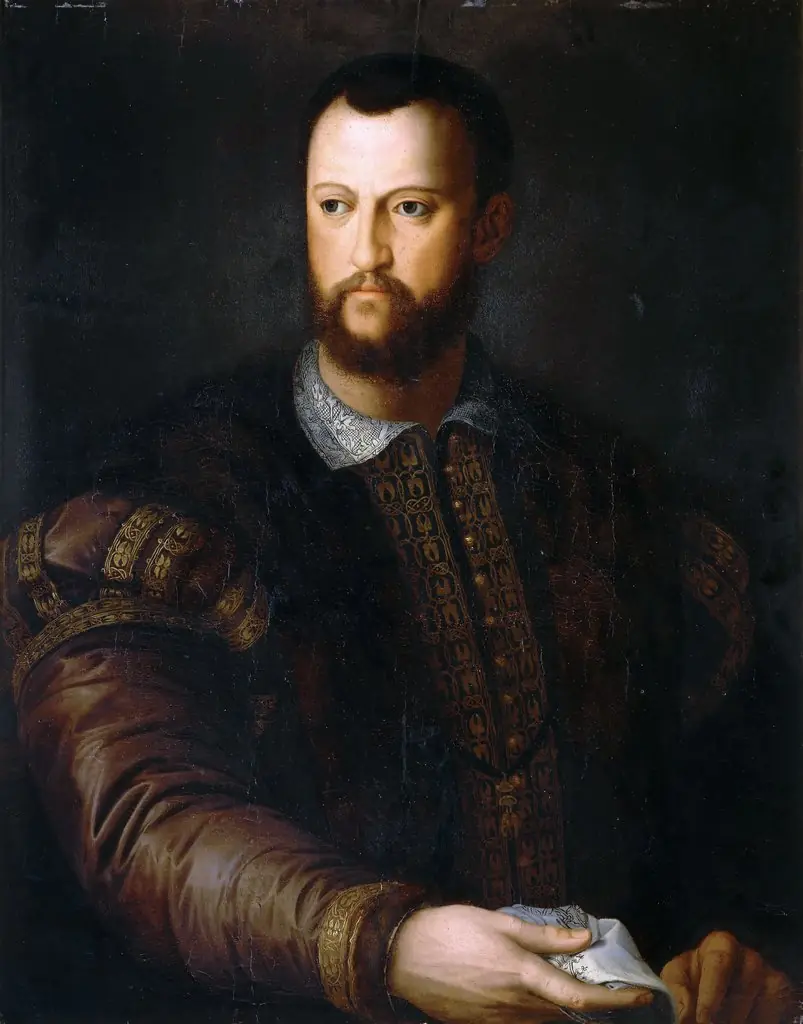 Portrait of Cosimo I de' Medici