Artwork
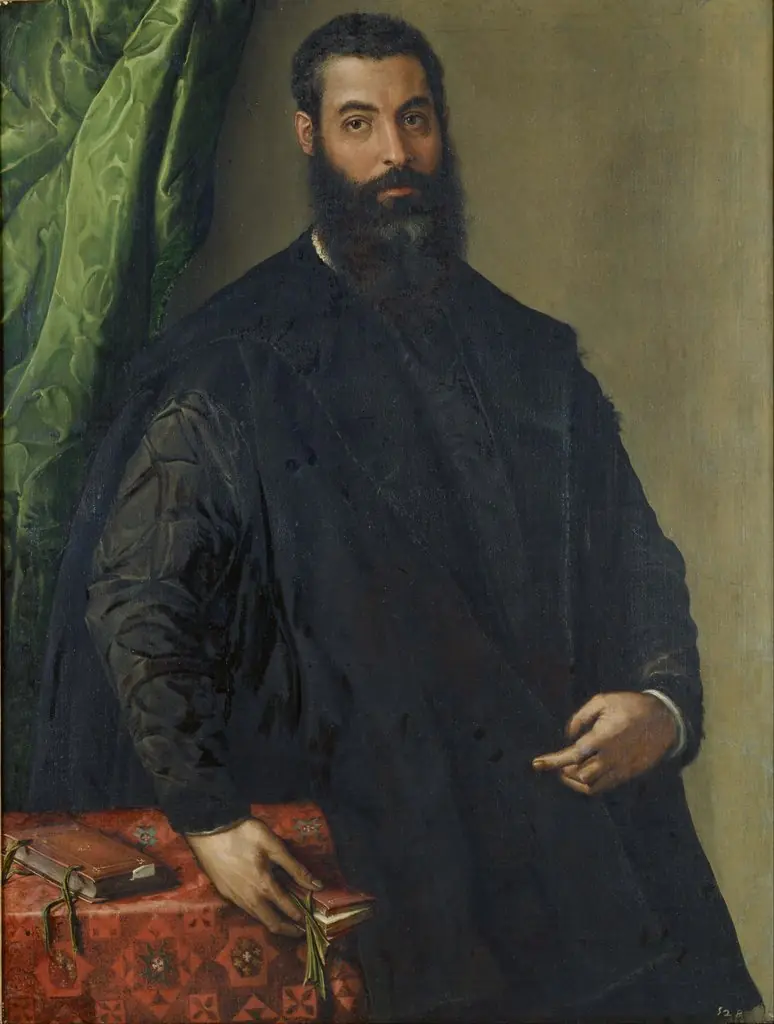
Portrait of a Man (Condottiere Malatesta Baglioni?)
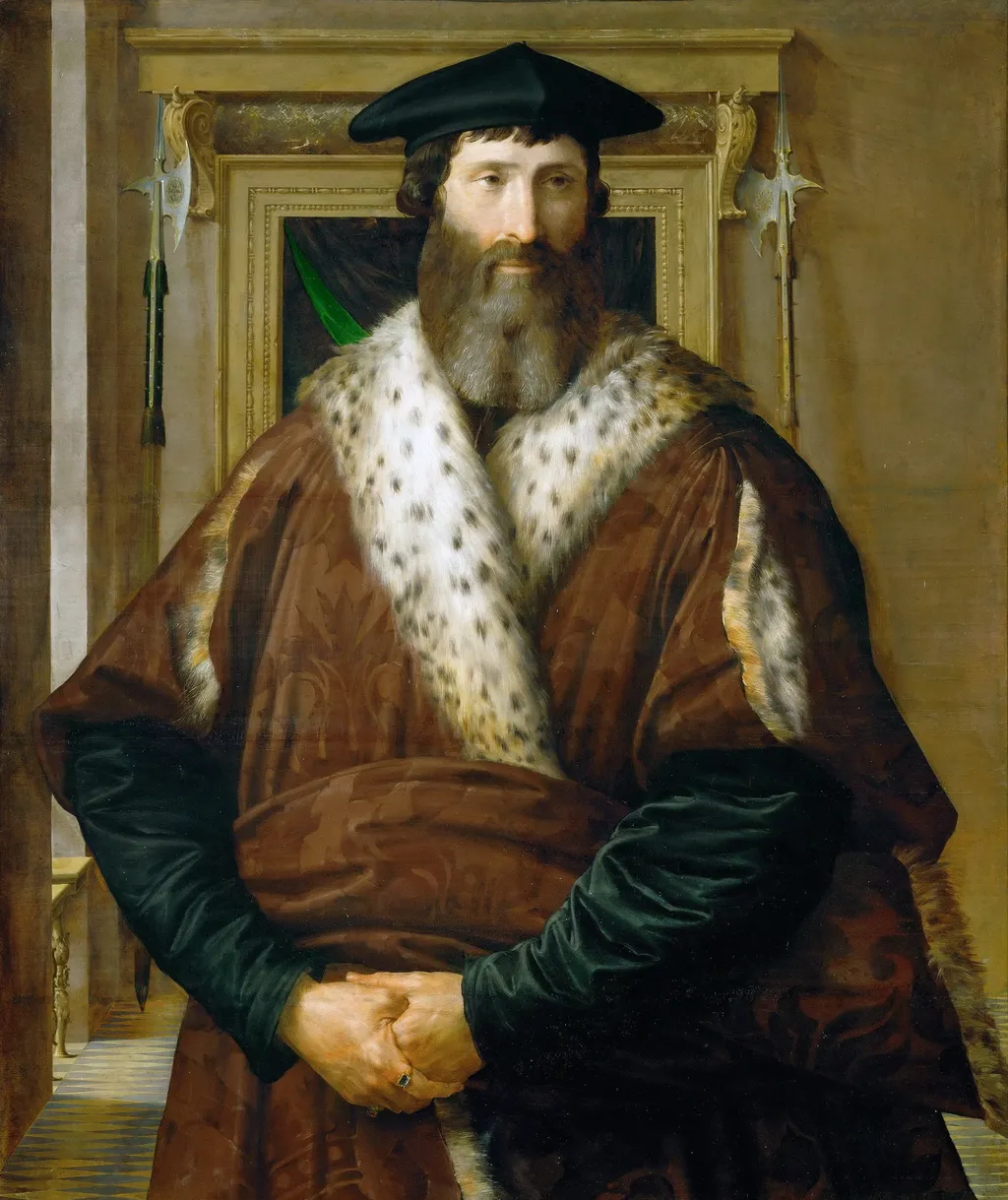
Portrait of a Man (Condottiere Malatesta Baglioni?) is an unspecified painting by the Mannerist artist Parmigianino. It dates from 1527 and is held in the collection of the Kunsthistorisches Museum. Created in 1527, this oil portrait is attributed to the Italian Mannerist painter Parmigianso.
About this work
Overview
Measuring 117 by 98 cm, the work is held in the collection of the Kunsthistorisches Museum in Vienna.
The Portrait of a Man (Condottiere Malatesta Baglioni?) is an oil painting on panel by the Italian Mannerist artist Parmigianino (Francesco Mazzola, 1503-1540), dated variously to around 1527, 1527-1528, or circa 1535-1537 depending on scholarly interpretation. Measuring 117 by 98 cm, the work is held in the collection of the Kunsthistorisches Museum in Vienna. It stands as one of Parmigianino's most imposing and technically accomplished portraits, notable for its commanding frontal presentation of a powerful male subject, its meticulous rendering of luxurious textures, and its innovative painterly handling that marks a significant moment in the development of sixteenth-century oil technique. The painting exemplifies the transition from High Renaissance balance toward the more self-conscious elegance and psychological intensity characteristic of Mannerist portraiture.
Subject & Meaning
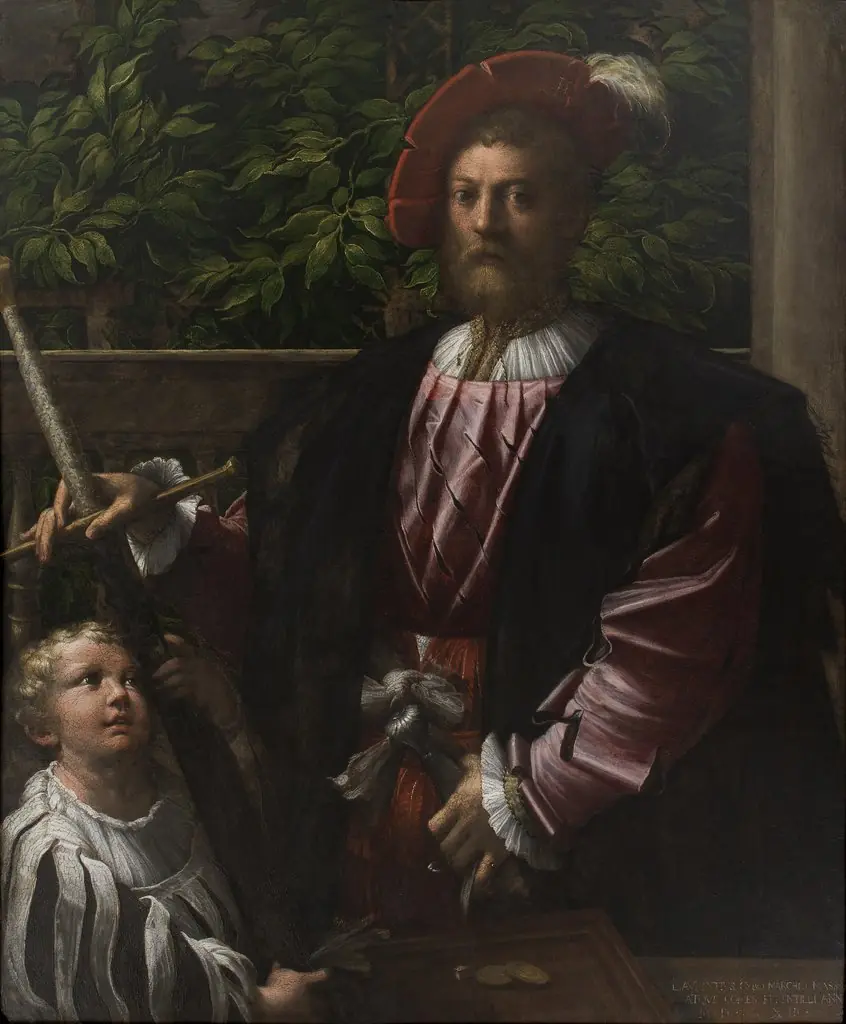
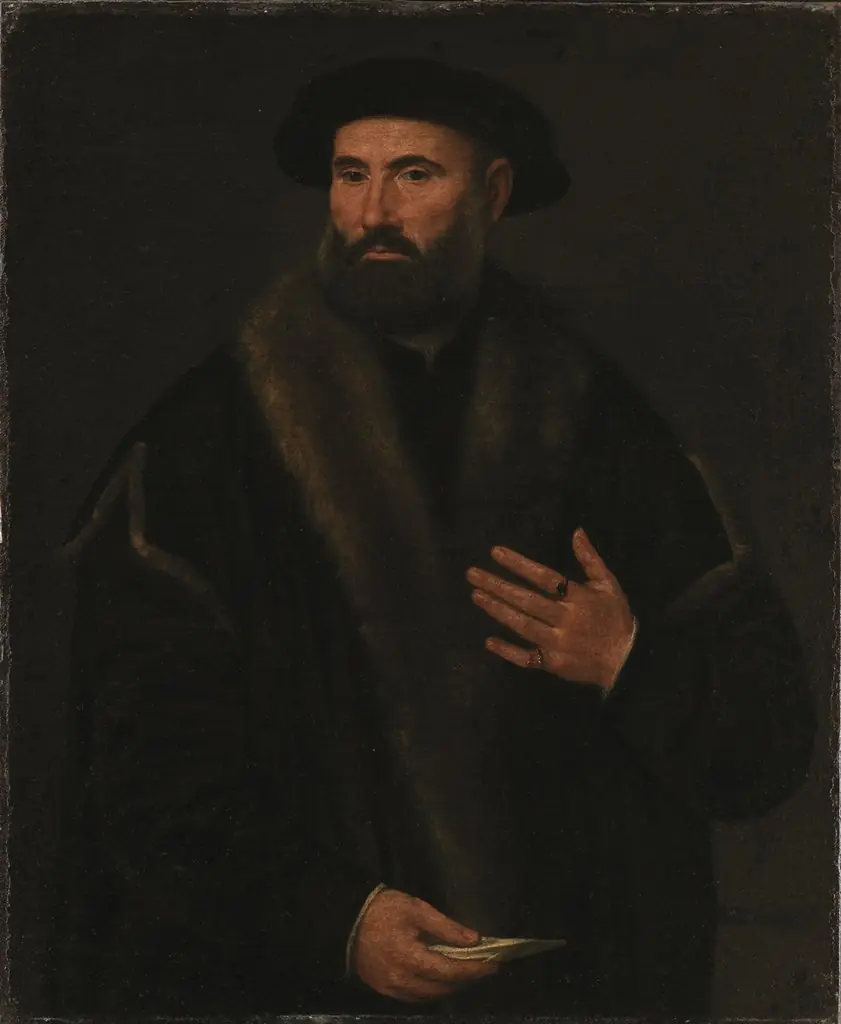
The portrait depicts a bearded man presented frontally, his hands clasped at waist level in a gesture of composed restraint. He wears a black beret, a voluminous brown robe with patterned texture, and a wide spotted fur collar, with dark green sleeves emerging from beneath the outer garment; a ring on his right hand signals wealth and status. The traditional identification of the sitter as Malatesta IV Baglioni, the condottiere and lord of Perugia from 1527 to 1531, was first proposed in 1783 but has been questioned by modern scholarship. The Italian Wikipedia source notes that this identification should be excluded given the proposed dating of the work to circa 1535 and Baglioni's death in late 1531. The Instagram source suggests the weapons behind the subject may support the military identification, while noting uncertainty about the basis for the attribution.
Iconographically, the painting communicates authority through multiple registers. The architectural backdrop frames the sitter within a paneled interior of considerable importance, featuring an ornate carved frame with a dark interior opening revealing green fabric. Two halberds flank this structure, their blades catching light and unmistakably signaling military prowess. The gallerix source interprets the green field with gold emblem visible within the archway as a heraldic banner alluding to lineage or allegiance. The sitter's direct, unwavering gaze establishes immediate visual confrontation with the viewer, demanding recognition and respect. The overall effect, as one source observes, is of restrained power and dignified presence within a hierarchical society, with a certain stillness that may suggest stoicism or even melancholy awareness of the burdens of position.
Technique & Style
The painting is executed in oil on panel, with one source specifying poplar wood as the support. The medium allows for the smooth, polished brushwork and meticulous attention to textures that characterize the work. The palette centers on warm browns, blacks, and creamy whites, with touches of green in the sleeves and backdrop fabric. Light falls evenly across the figure, modeling the softness of the fur and the heavy folds of the drapery, while shadows remain subtle and contained.
A significant aspect of the painting's technique is its innovative handling of paint surface. According to the eclecticlight source, Parmigianino's Portrait of a Man shows extensive use of visible marks in the depiction of hair, both in the fur trimming and the man's beard. This represents a notable development in the artist's practice, possibly influenced by his presence in Rome from 1524 alongside the Venetian painter Sebastiano del Piombo, who was known for his free handling of paint. The source places this work within a broader trajectory of sixteenth-century painting, from the painstaking fine detail of Jan van Eyck toward the more gestural brushwork that would eventually lead to Impressionism. Parmigianino's approach here demonstrates a sophisticated balance between the polished finish associated with earlier Renaissance practice and an emerging interest in the expressive potential of the paint surface itself.
History & Provenance
The dating of the portrait remains contested among scholars. The corpus source and one web source assign it to 1527 or 1527-1528, while the Italian Wikipedia proposes circa 1535, and another source suggests circa 1537. This chronological uncertainty directly impacts the identification of the sitter, as the later dates would preclude the traditional attribution to Malatesta IV Baglioni, who died in late 1531. The painting's provenance before its acquisition by the Kunsthistorisches Museum remains unspecified in the available sources. It is currently located in the Kunsthistorisches Museum in Vienna, Austria, though the exact date and circumstances of its accession are not documented in the provided materials. The work was identified as Malatesta IV Baglioni in 1783, an attribution that has persisted in some contexts despite subsequent scholarly skepticism. Exhibition history is not detailed in the sources provided.
Context
Parmigianino occupies a pivotal position in the emergence of Mannerism, the stylistic movement that succeeded the High Renaissance. Born in Parma in 1503, he was active in Rome during the critical years 1524-1527, where he would have encountered the work of Raphael and Michelangelo as well as the painterly innovations of Venetian artists such as Sebastiano del Piombo. The Portrait of a Man reflects this complex formation, combining the monumental figure types of central Italian art with a new attention to the material qualities of paint and surface. The painting belongs to a significant moment in the history of European portraiture, when artists began to explore more assertive and psychologically penetrating representations of powerful individuals. The Instagram source compares it directly to a later Titian portrait in the same museum collection, noting that Parmigianino's work is approximately twenty-five years earlier yet equally powerful in its projection of commanding presence. This comparison illuminates the painting's importance within the broader development of the authoritative male portrait in sixteenth-century Italy. Critical reception has emphasized the work's technical accomplishment and its embodiment of Mannerist values: elegance, sophistication, and a certain self-conscious departure from naturalism toward more stylized effect. The scholarly literature includes reference to Parmigianino e il manierismo europeo, the 2003 exhibition catalogue edited by Lucia Fornari and Sylvia Ferino-Pagden, indicating sustained academic interest in placing the artist within the wider European context of Mannerist art.
Legacy
The Portrait of a Man has maintained its reputation as one of Parmigianino's most significant surviving portraits, though its precise influence on subsequent artists is difficult to document from the available sources. Its importance lies partly in its value as a benchmark for understanding the artist's technical development, particularly the emergence of visible brushwork in his Roman period. The eclecticlight source positions the painting within a long history of painterly technique, from early Netherlandish precision through Venetian colorism toward later developments in European art.
The work's persistent identification with Malatesta IV Baglioni, despite scholarly doubts, testifies to the enduring power of its projection of military authority and aristocratic bearing. The painting continues to attract attention through its presence in the Kunsthistorisches Museum, one of Europe's premier collections of Old Master paintings, where it maintains dialogues with other major sixteenth-century portraits including those by Titian. Its reproduction and discussion on platforms from academic catalogues to social media indicates an ongoing cultural afterlife that extends beyond specialist scholarship to engage broader public interest in Renaissance cliching Mannerist art and the representation of power in the Italian Renaissance.
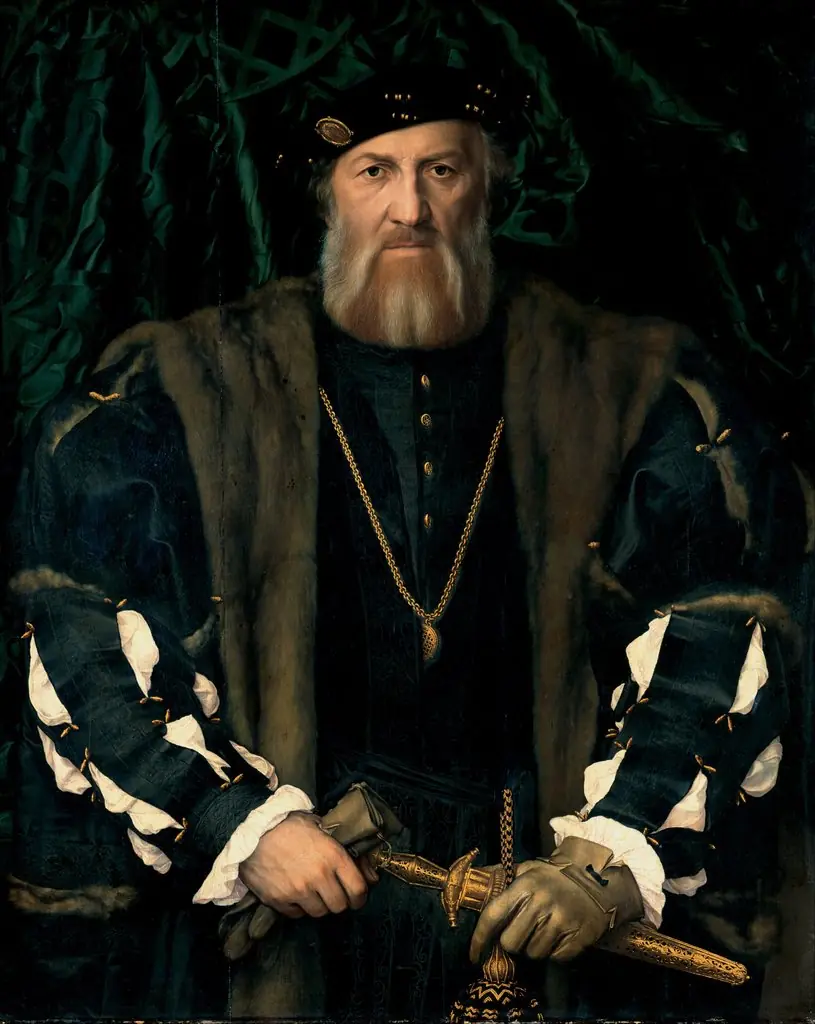
Own this work as a print
Artist & collection

Artist
Girolamo Francesco Maria Mazzola (11 January 1503 – 24 August 1540), also known as Francesco Mazzola or, more commonly, as Parmigianino (UK: US: Italian:; "the little one from Parma"), was an Italian Mannerist painter…

- Charles de Solier, Sieur de Morette
 Portrait of a Man
 Portrait of a Man
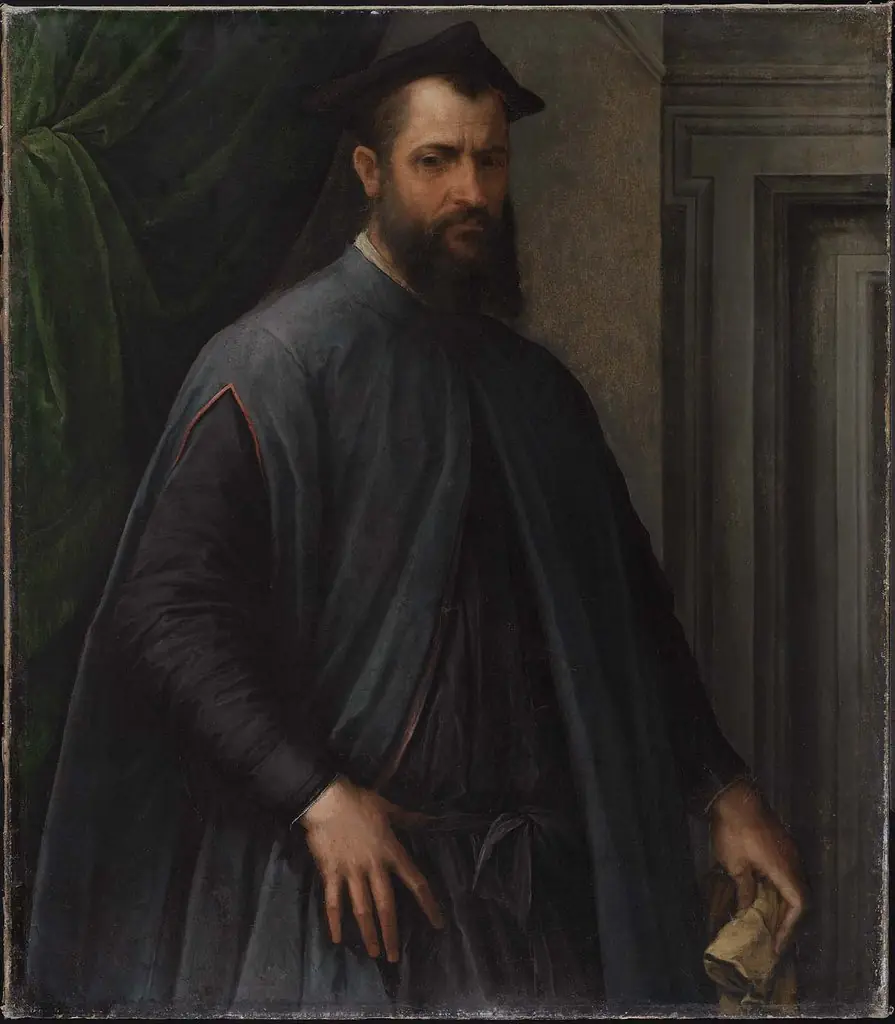 Portrait of a Prelate
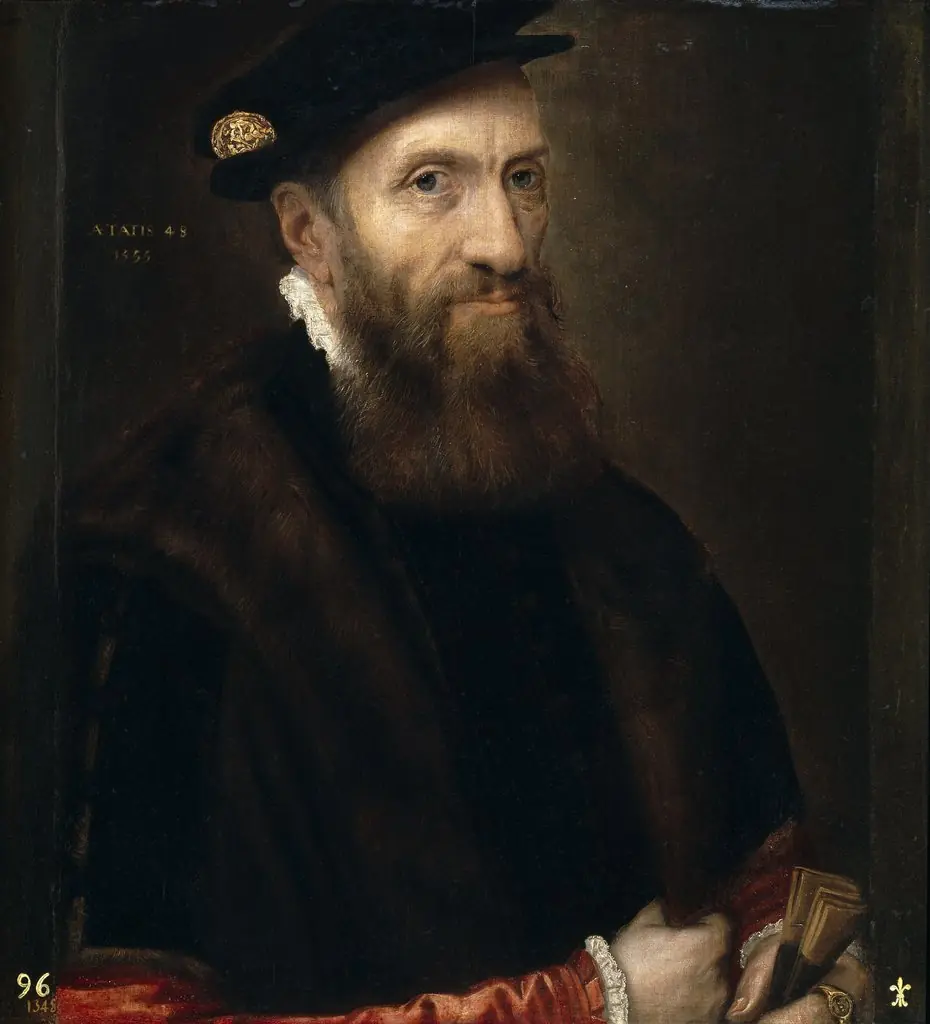 Portrait of a Man aged 48
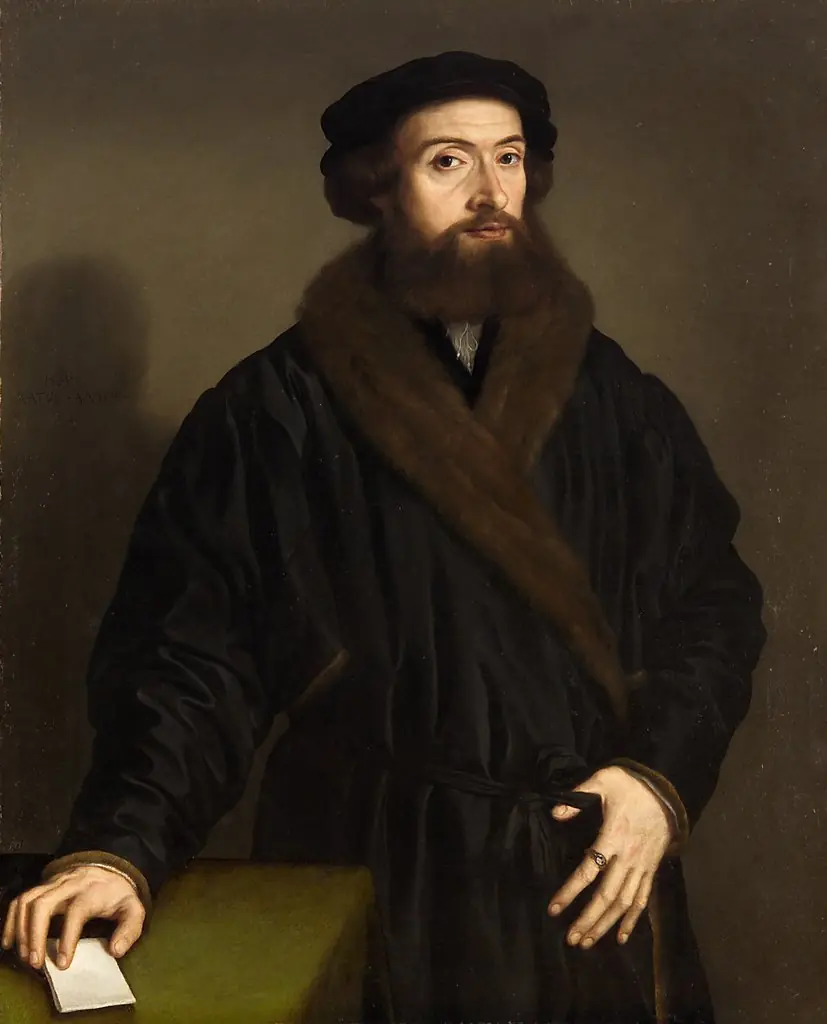 Portrait of a Man in a Beret
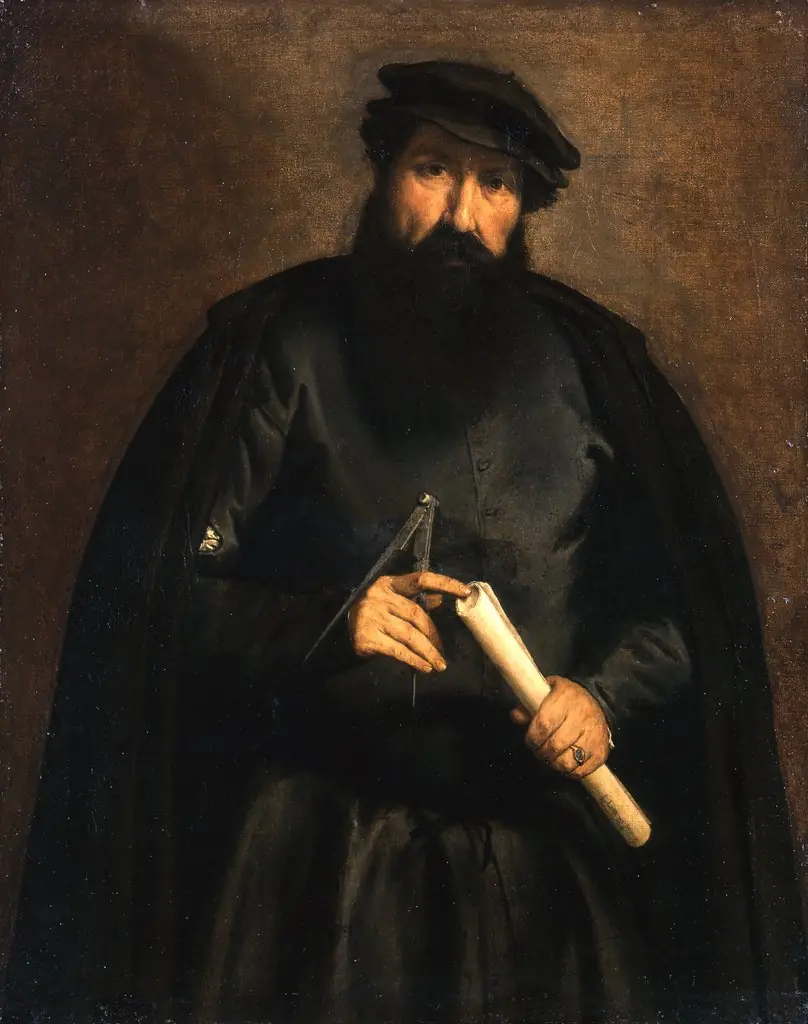 Portrait of an man with circle and paper roll
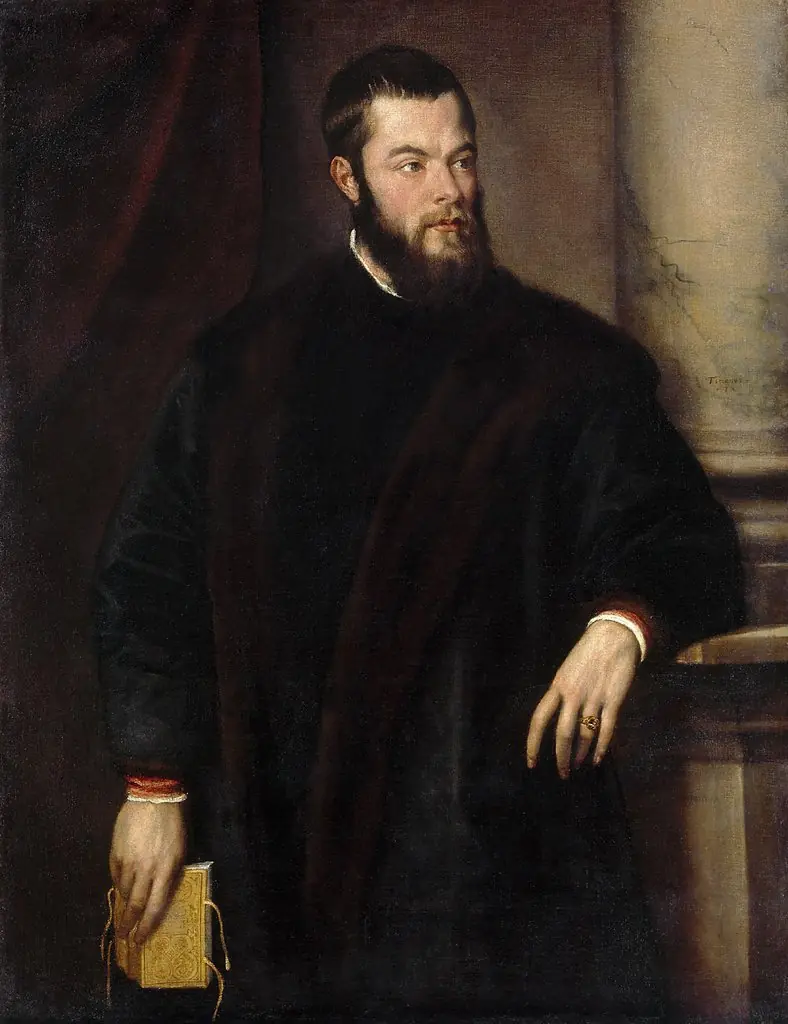 Portrait of Benedetto Varchi
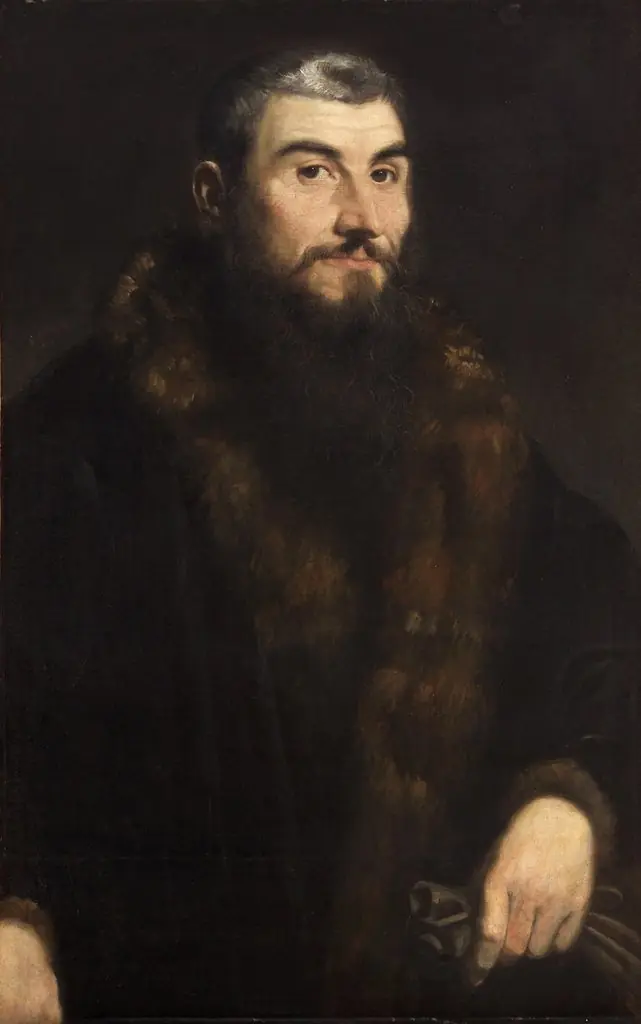 Portrait of a Man in Fur-lined Coat with Gloves
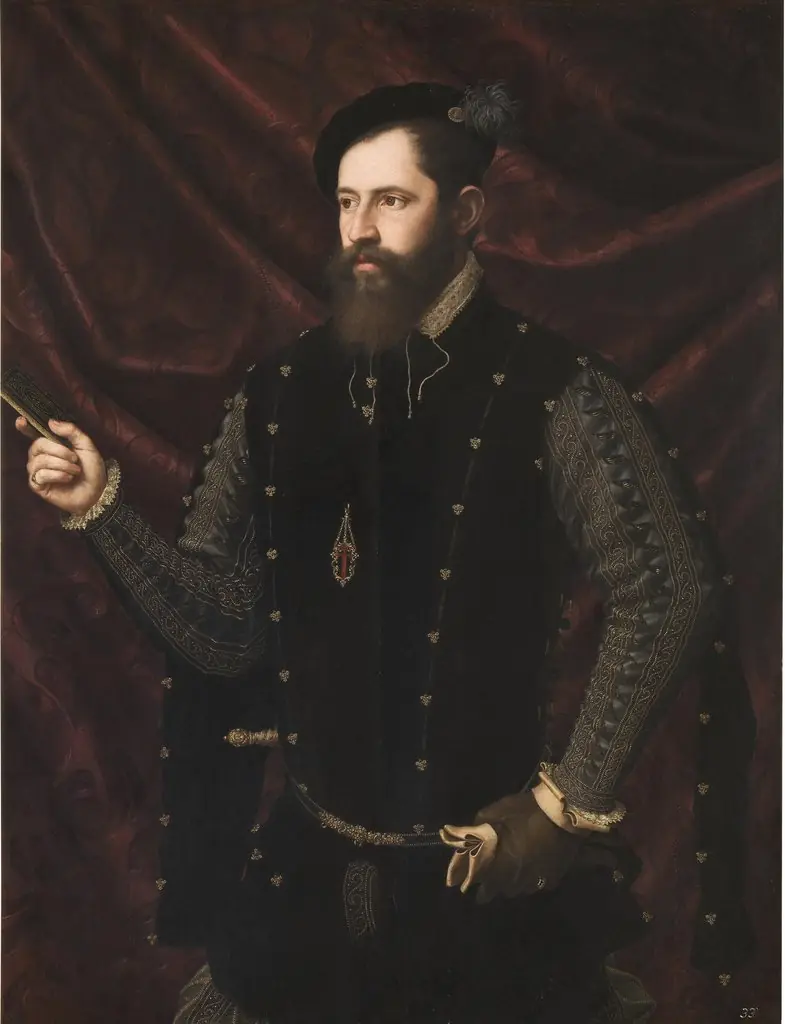 Portrait of a Knight of the Order of Santiago
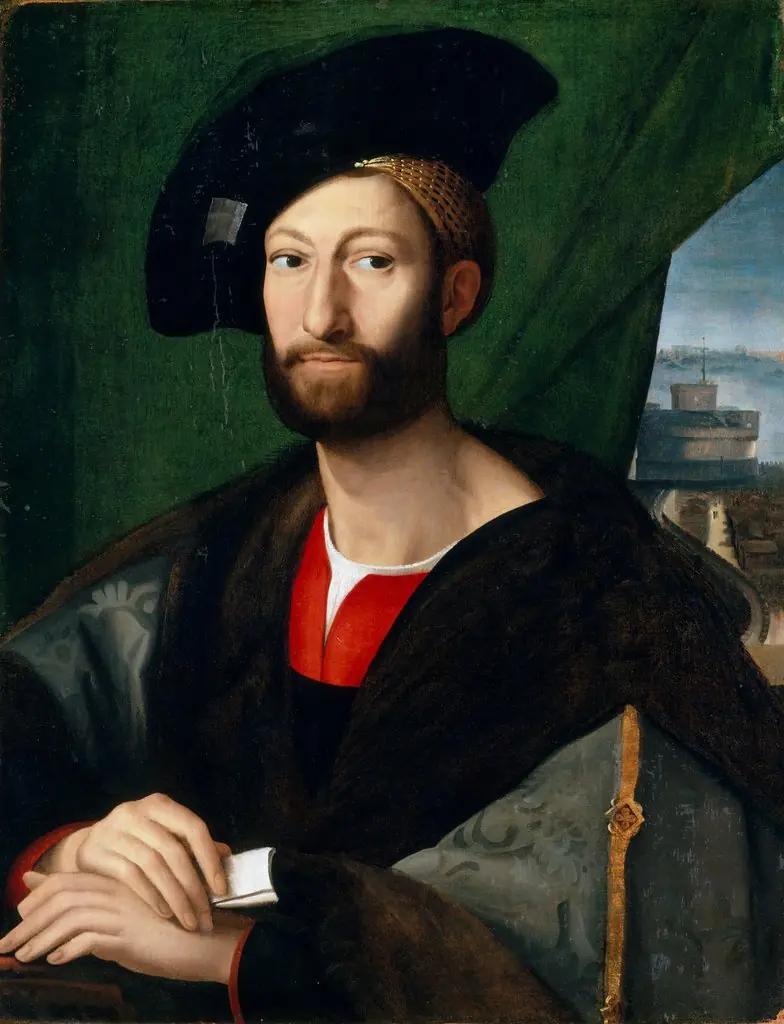 Giuliano de' Medici (1479–1516), Duke of Nemours
 Portrait of a Man