Artwork
John Hancock
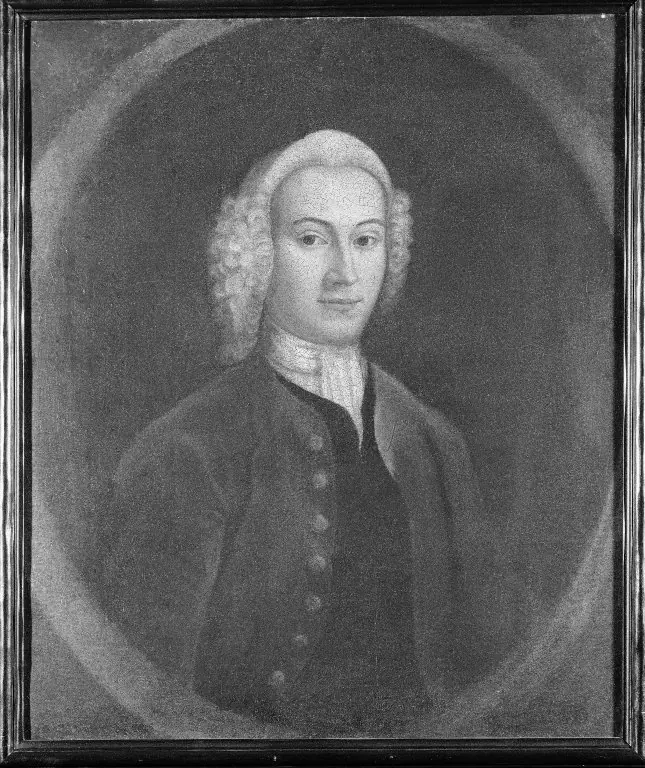
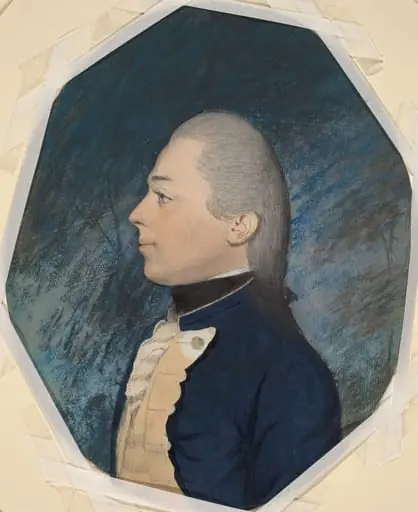
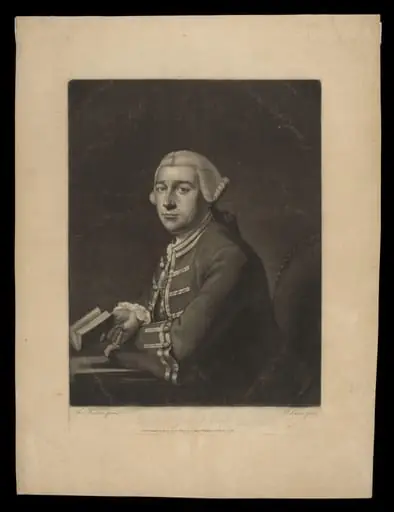
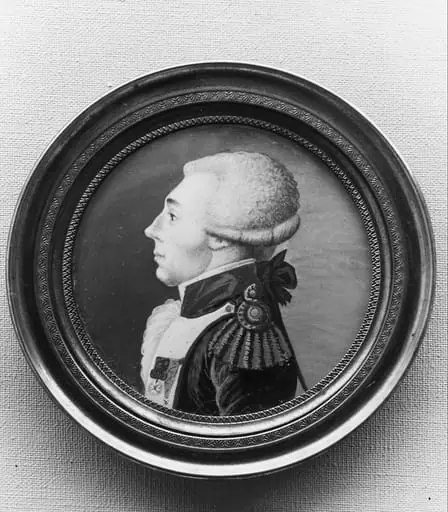
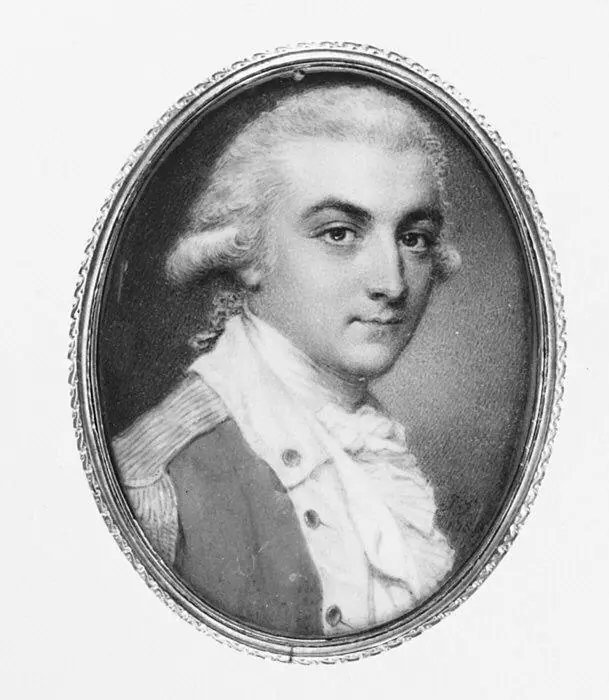
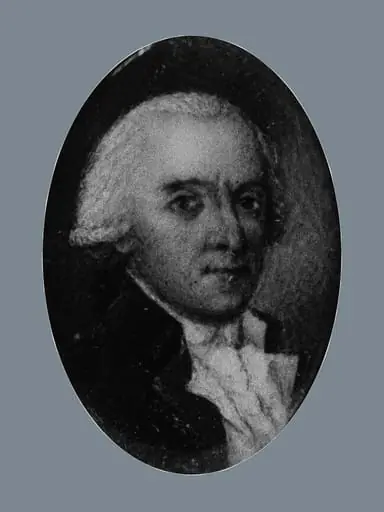
John Hancock is an oil painting. It dates from 1785 and is held in the collection of the Metropolitan Museum of Art.
About this work
Subject & Meaning
As a likeness, the image functions as a visual record and a symbol of Hancock’s prominence within early American political society.
The work is a portrait that portrays the historical figure John Hancock, an influential 18th‑century American statesman. Executed in oil on glass in 1785 and housed in The American Wing of the Metropolitan Museum of Art, the painting presents a man in a style typical of colonial portraiture, emphasizing his status and public identity. As a likeness, the image functions as a visual record and a symbol of Hancock’s prominence within early American political society.
Technique & Style
John Hancock is executed in oil on glass, a relatively uncommon support that requires the artist to work in reverse on the non-porous surface, building the image from the darkest tones outward. The Met classifies the work as a portrait within its American Wing holdings, and the handling is consistent with late-eighteenth-century American portrait practice, employing a restrained palette and precise linear definition suited to the small scale and reflective ground. The smooth glass support produces a luminous, enamel-like surface finish characteristic of the medium. No specific condition report, dimensions, or stylistic attribution is documented in the available sources.
History & Provenance
The portrait known as John Hancock is an oil‑on‑glass work dated 1785 that belongs to the anonymous school of early American portraiture. It portrays an unidentified man and is classified within the American Wing of the Metropolitan Museum of Art, where it has been part of the museum’s collection since its acquisition. No documentation of a specific commission survives; the piece is attributed to an unknown painter, and its creation history is inferred only from its medium, date, and stylistic characteristics.
The work’s provenance is therefore limited to its entry into the Met’s holdings, with no earlier ownership recorded in the available sources.
John Hancock is held by the Metropolitan Museum of Art in New York, where it is part of The American Wing collection; the work is listed under the museum’s inventory as an oil‑on‑glass portrait dated 1785, attributed to an anonymous painter. Its accession number is not specified in the available documentation. The painting has not been noted in published exhibition records within the provided sources, indicating that no formal exhibition history is currently documented for this work.
Overview
This portrait depicts John Hancock, a prominent figure, rendered in oil on glass. The artwork is characterized by its distinctive illumination, where light appears to strike the subject's face from an unseen source, creating a subtle glow. The choice of glass as a support medium contributes to the unique visual qualities of the piece, allowing light to interact with the painted surface in an uncommon manner for its era.
Context
During the period of this portrait's creation, glass was an infrequent and delicate material for artistic supports. Most contemporary portraiture relied on the durability and availability of wood or woven cloth. The use of glass therefore represents a departure from standard practices, suggesting either a specific artistic intention to exploit its translucent properties or a unique commission that favored this fragile, yet visually striking, medium.
Artist & collection