Artwork
Lady Lee (Margaret Wyatt, born about 1509)
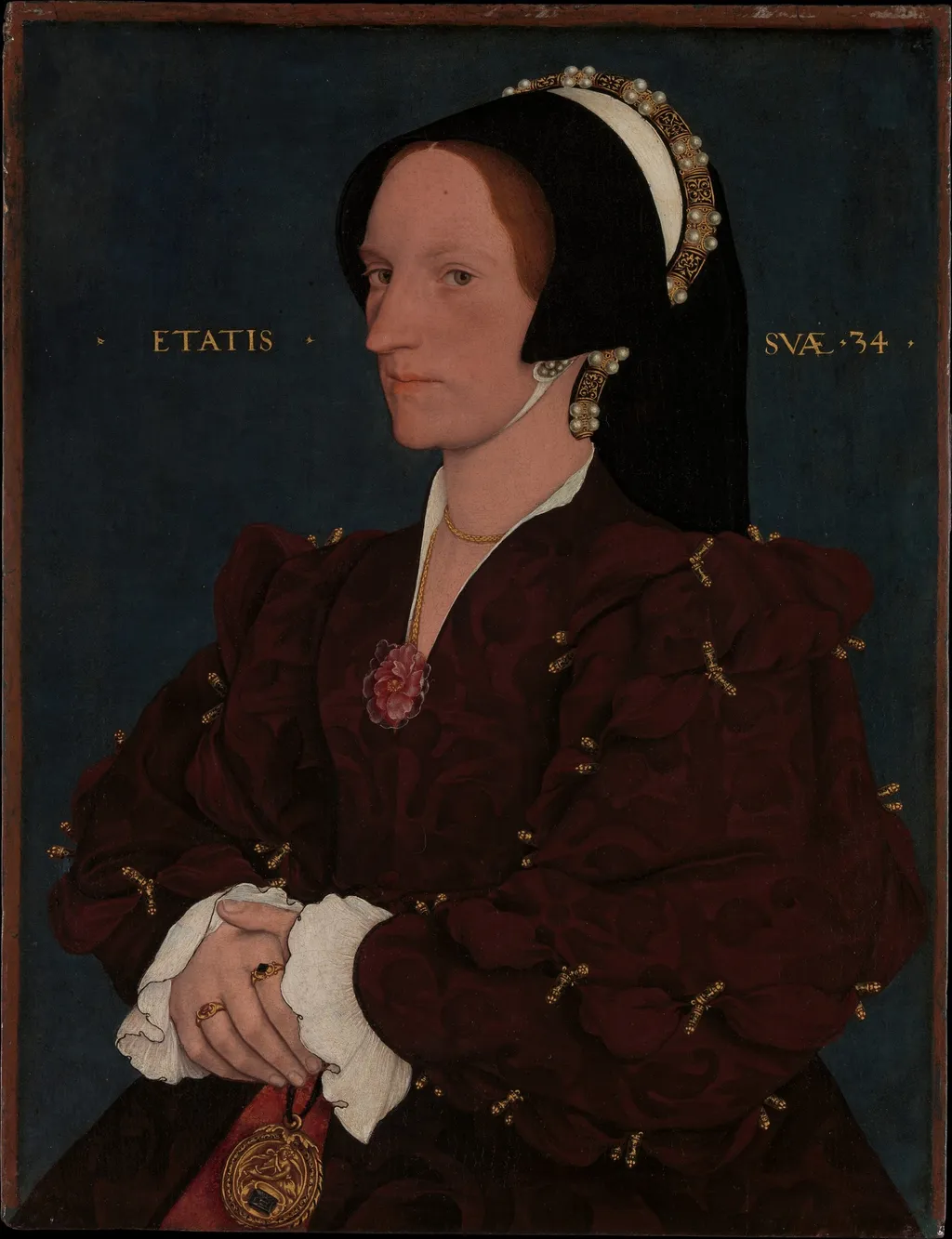
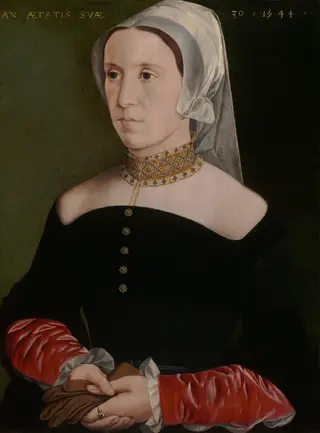
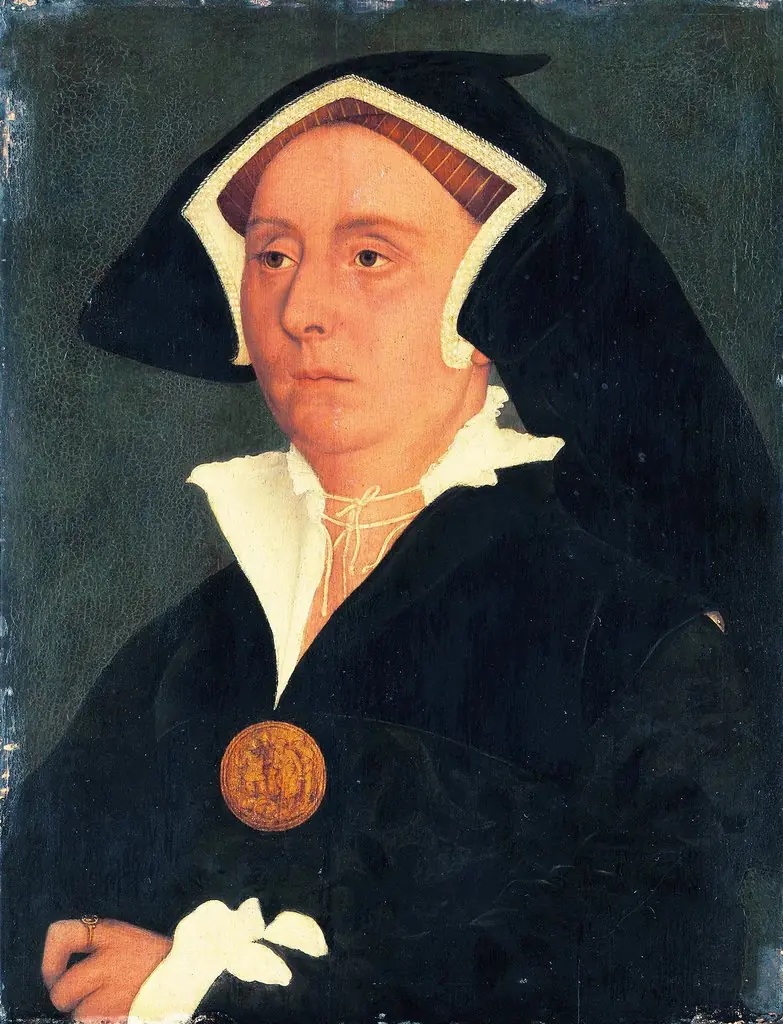
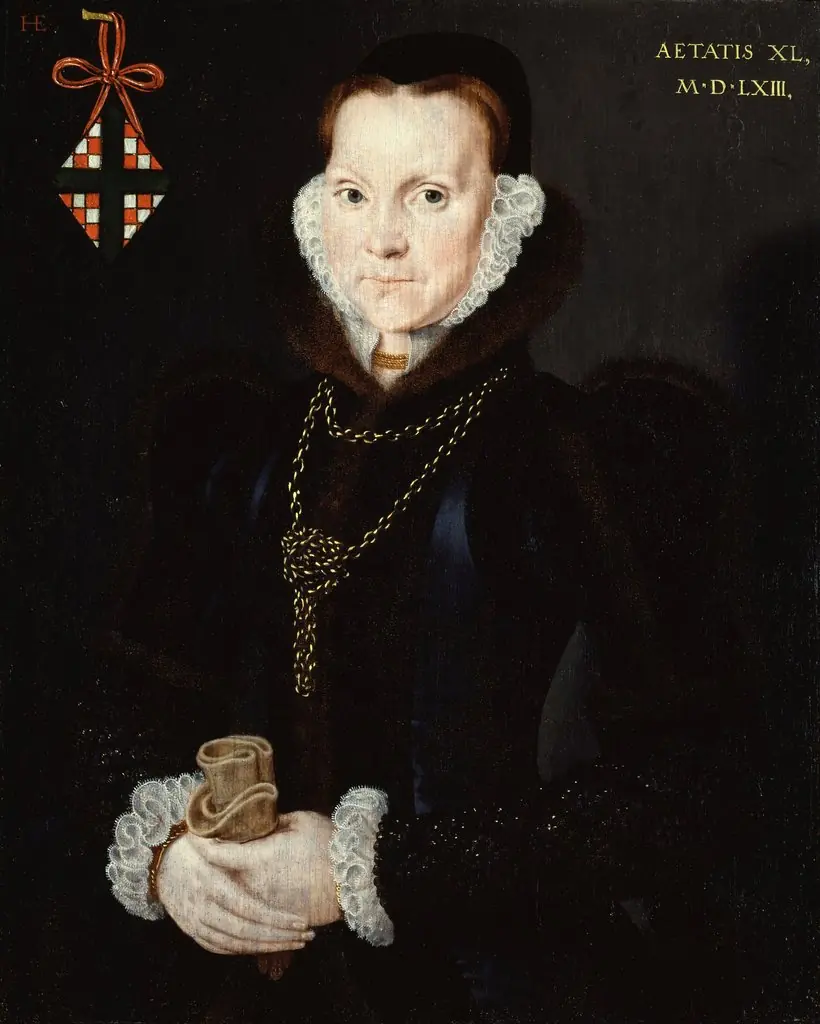
Lady Lee (Margaret Wyatt, born about 1509) is an oil painting. It dates from 1540 and is held in the collection of the Metropolitan Museum of Art. This oil painting, titled Lady Lee, presents a formal portrait of Margaret Wyatt, who was born around 1509.
About this work
Subject & Meaning
Her attire and accessories, including a coif, pendant, ring, pearl, and cuff, align with elite fashion of the 1540s, signaling her social status.
The portrait depicts Margaret Lee, née Wyatt (born c. 1509), a member of the Wyatt family connected to Tudor court circles. Her attire and accessories, including a coif, pendant, ring, pearl, and cuff, align with elite fashion of the 1540s, signaling her social status. The work has been attributed to the workshop of Hans Holbein the Younger, a leading portraitist of the period, suggesting its creation within a context of high artistic patronage.
The painting's inclusion in the 1906 Royal Academy Winter Exhibition, Early English Portraiture, underscores its historical significance as a representative example of early Tudor portraiture.
Technique & Style
Created circa 1540, the portrait of Margaret Lee is executed in oil paint and gold leaf on an oakwood panel support, measuring 44.1 cm in height and 34 cm in width. Stylistically attributed to the Workshop of Hans Holbein the Younger, the painting depicts the sitter adorned with a coif, pendant, ring, pearl, and cuff. The composition functions as a formal portrait, capturing the subject with the characteristic precision associated with the artist's circle during the mid-16th century.
History & Provenance
The portrait, dated to circa 1540 and produced in the workshop of Hans Holbein the Younger, passed through the collections of Charles Palmer and Benjamin Altman before entering the Metropolitan Museum of Art through Altman's bequest. It was shown at the Royal Academy Winter Exhibition dedicated to Early English Portraiture in 1906.
Context
The portrait belongs to the workshop of Hans Holbein the Younger and is housed in the Metropolitan Museum of Art. Its material treatment, oil paint and gold leaf on oak panel, and its iconography have been cited in studies of workshop practices and the transmission of Continental portrait conventions into English art. The work's detailed depiction of Tudor court dress has informed later scholarship on court fashion and gender representation in early 16th-century England.
Legacy
The portrait Lady Lee, painted circa 1540 by an associate of the Workshop of Hans Holbein the Younger, exemplifies early English portraiture through its refined oil technique, gold leaf accents, and oak panel support. Its inclusion in the 1906 Royal Academy Winter Exhibition and subsequent display in the Metropolitan Museum of Art's collection elevated its status within studies of Tudor portraiture. The work's detailed depiction of coif, pendant, ring, pearl, and cuff has informed later scholarship on court dress and gender representation, cementing Lady Lee's legacy as a benchmark for portraiture of the period.
Overview
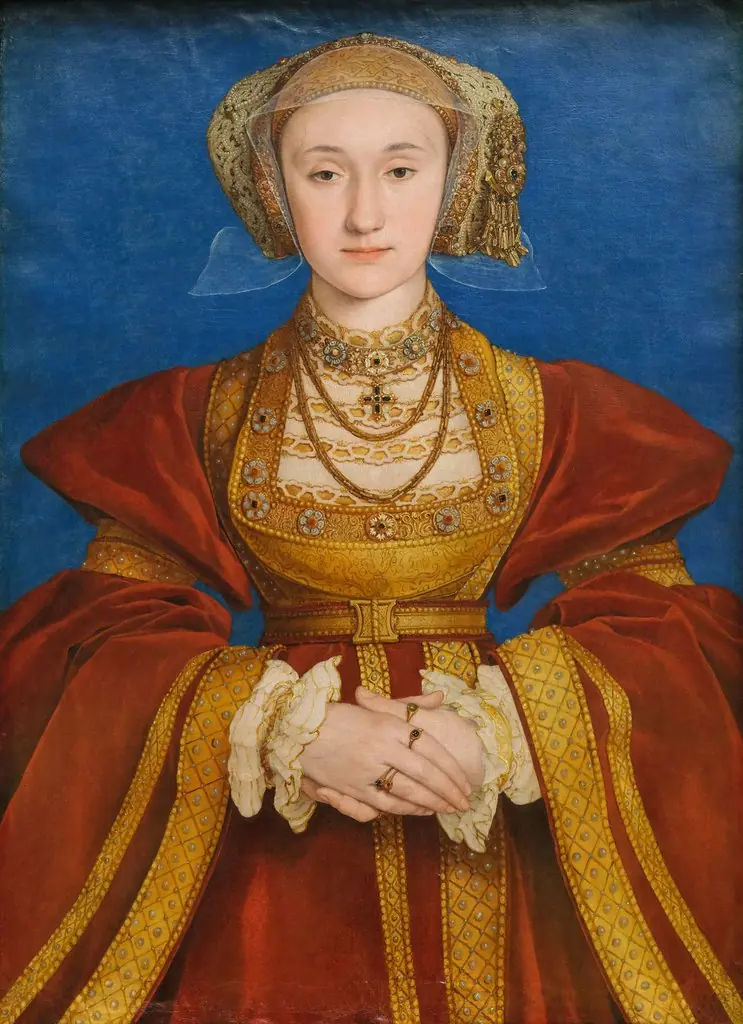
This oil painting, titled Lady Lee, presents a formal portrait of Margaret Wyatt, who was born around 1509. The artwork captures its subject with a dignified presence, depicting her in elaborate attire against a stark, deep blue background. The refined execution and the sitter's composed demeanor contribute to an overall sense of elegance and sophistication, characteristic of portraiture from the period.
Artist & collection