Artwork
Jane Seymour
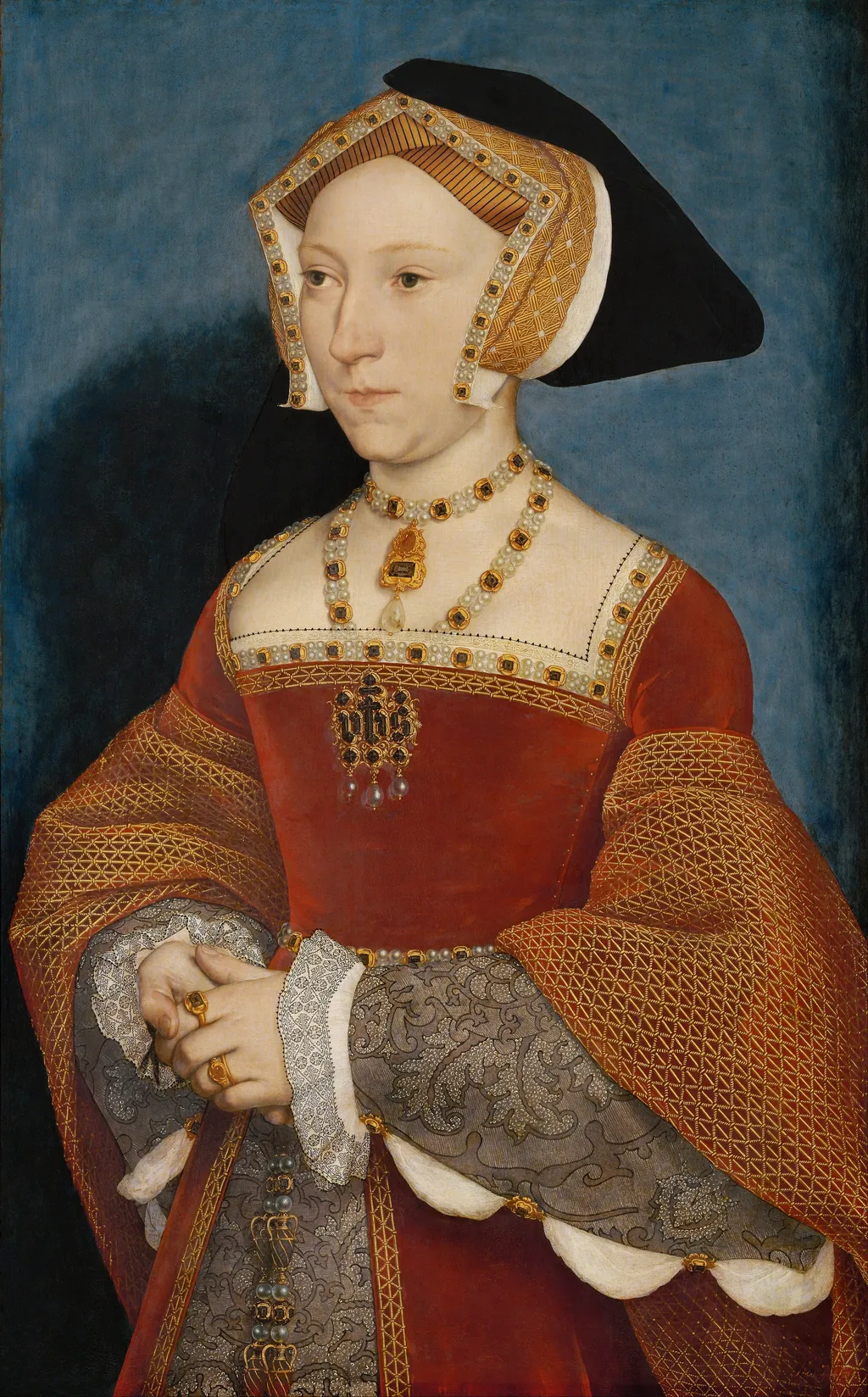
Jane Seymour is an oil painting by the Early Baroque Italian artist Hans Holbein the Younger. It dates from 1536 and is held in the collection of the Kunsthistorisches Museum.
About this work
Subject & Meaning
The portrait portrays Jane Seymour, the third wife of Henry VIII, as a symbol of maternal virtue and dynastic continuity.
The portrait portrays Jane Seymour, the third wife of Henry VIII, as a symbol of maternal virtue and dynastic continuity. Rendered in oil on oak panel in 1536, the work emphasizes her role as the mother of the future monarch, Edward VI, reinforcing the political significance of her lineage within the Tudor dynasty.
The painting's composition, featuring a modest pose and restrained attire, aligns with contemporary representations of respectable marriage and domestic stability, underscoring themes of legitimacy and succession.
Technique & Style
Hans Holbein the Younger's portrait of Jane Seymour is executed in oil paint on an oak panel support. The artwork measures 654 by 407 cm and belongs to the portrait genre. As a work of the German Renaissance, the painting exemplifies Holbein's precise handling of the medium, capturing the sitter with meticulous attention to detail and form characteristic of his court portraiture.
History & Provenance
The portrait of Jane Seymour dates to 1536 and is attributed to Hans Holbein the Younger. It was painted in oil on oak panel during Seymour’s lifetime, when she served as Queen consort to Henry VIII. The work is recorded in the collection of the Kunsthistorisches Museum, Vienna, where it remains housed in the German Paintings gallery.
The painting depicts Jane Seymour in three-quarter view against a dark background, a format and style consistent with Holbein’s court portraiture of the mid-1530s.
Hans Holbein the Younger's 1536 oil portrait of Jane Seymour is housed in the Kunsthistorisches Museum in Vienna. The work is located within the museum's collection of German paintings, specifically displayed in Hall XI. While the provided records confirm the painting's current institutional home and gallery placement, no specific inventory or accession numbers are listed in the available documentation. Additionally, the sources do not contain information regarding a history of exhibitions for this specific artwork.
Overview
Hans Holbein the Younger completed this oil portrait of Jane Seymour in 1536. The work is held in the Kunsthistorisches Museum and presents the Tudor queen in a richly rendered composition that highlights her status as Henry VIII’s third wife.
Context
Holbein, a German‑Swiss artist active in England, was renowned for his court portraits, which combined realistic observation with subtle symbolism. This painting reflects his role as a leading portraitist of the 16th century, alongside his work on religious and Reformation subjects and contributions to book design.
Own this work as a print
Artist & collection
Artist
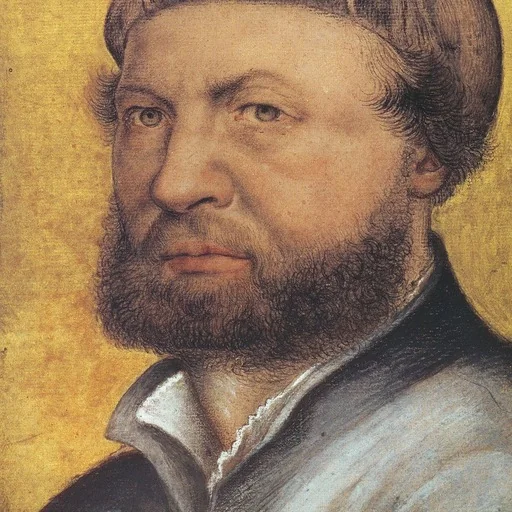
Hans Holbein the Younger (UK: HOL-byne, US: HOHL-byne, HAWL-; German: Hans Holbein der Jüngere; c.

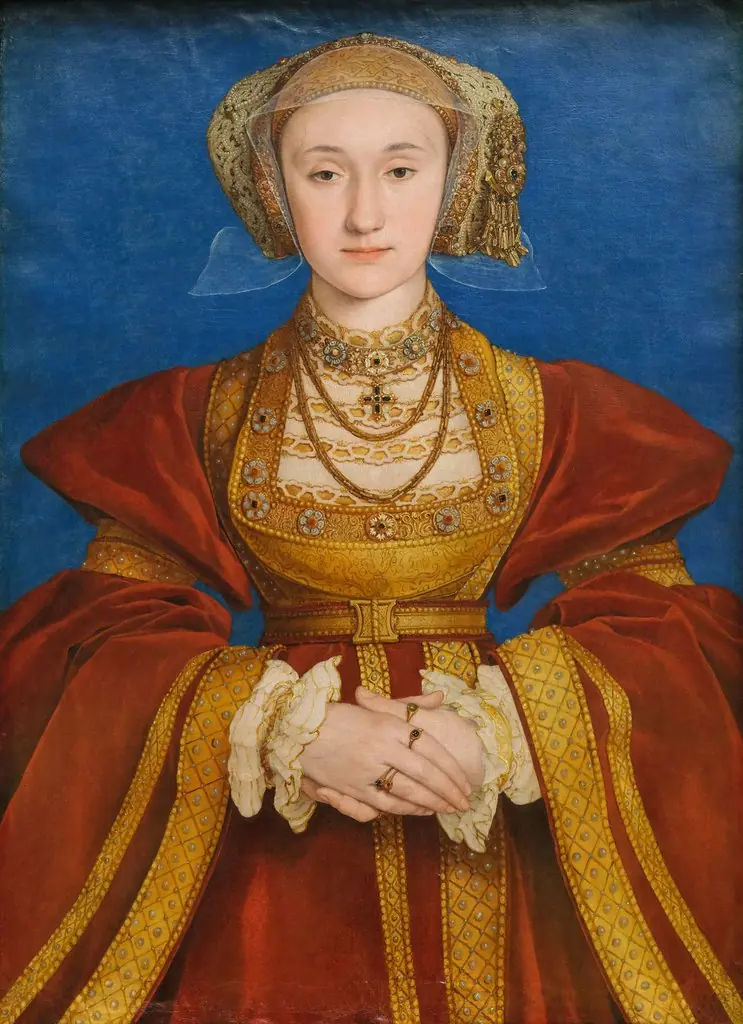 Betrothal portrait of Anne of Cleves
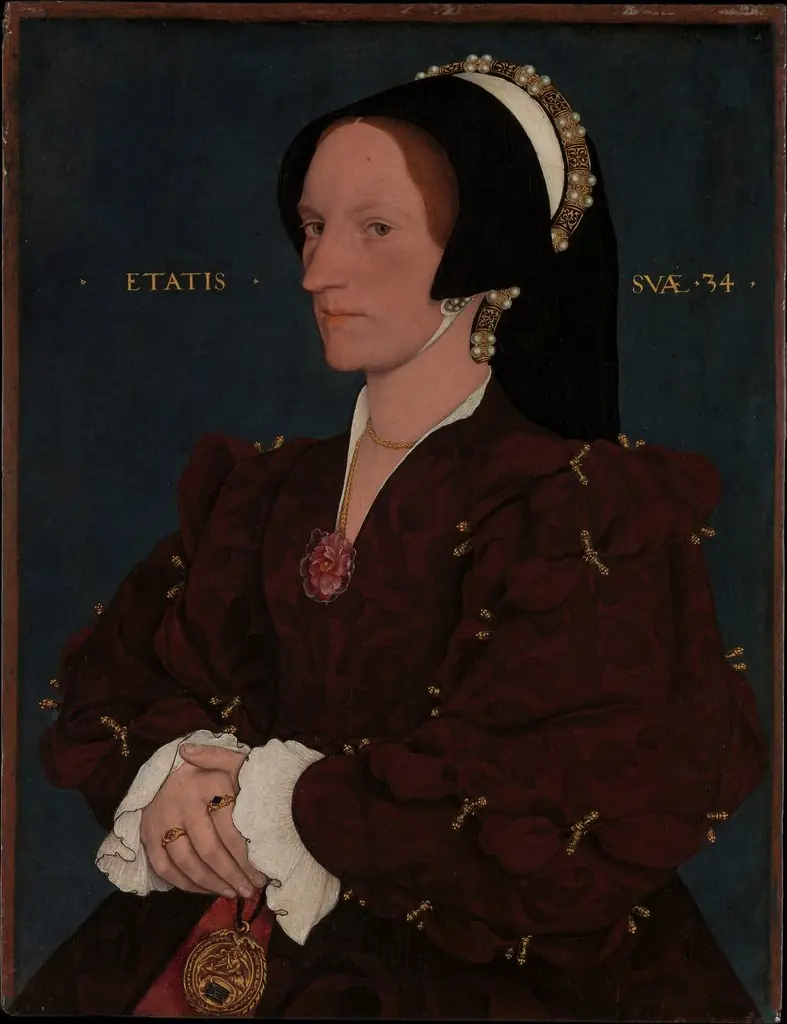 Lady Lee (Margaret Wyatt, born about 1509)
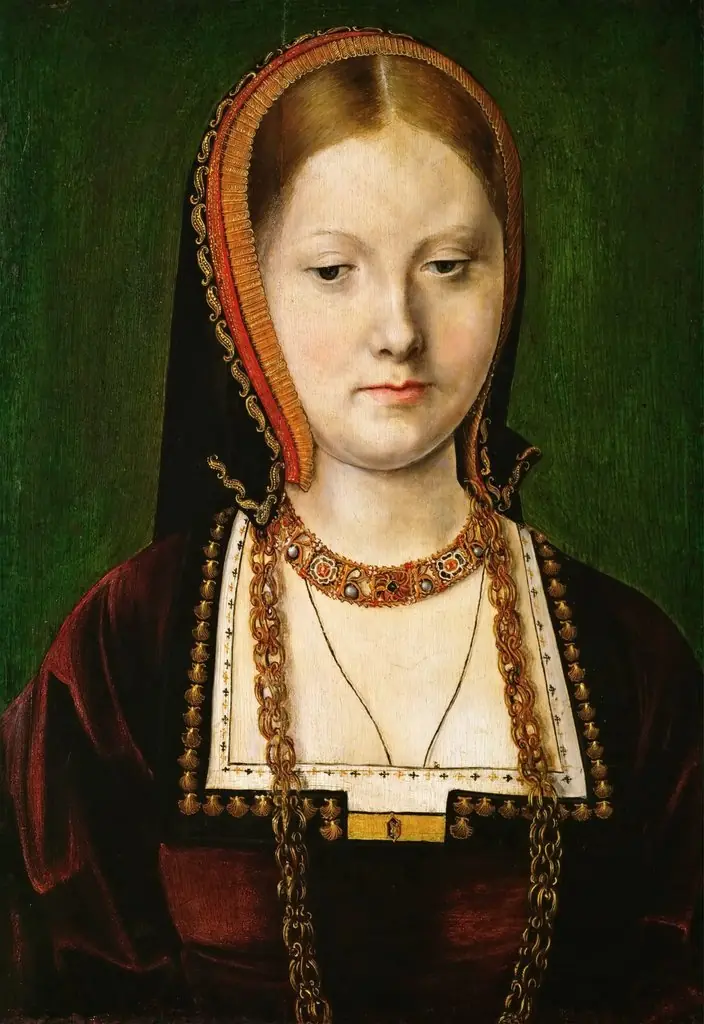 Mary Rose Tudor (1496-1533), Schwester Heinrichs VIII. von England (?)
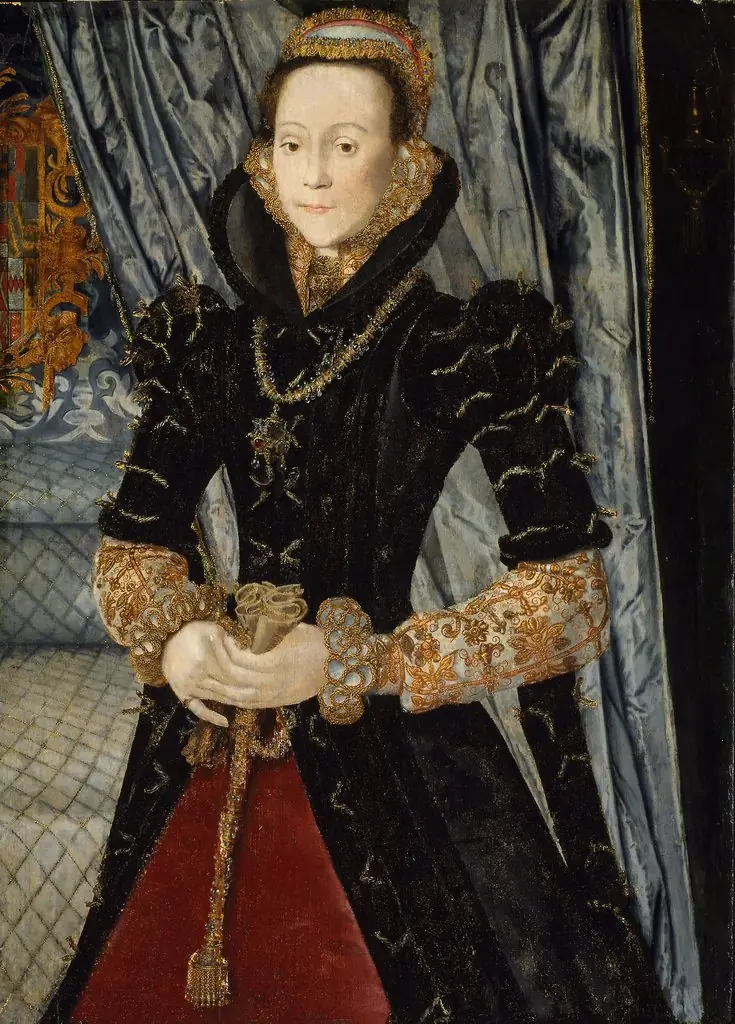 Portrait of a Lady of the Wentworth Family (Probably Jane Cheyne)
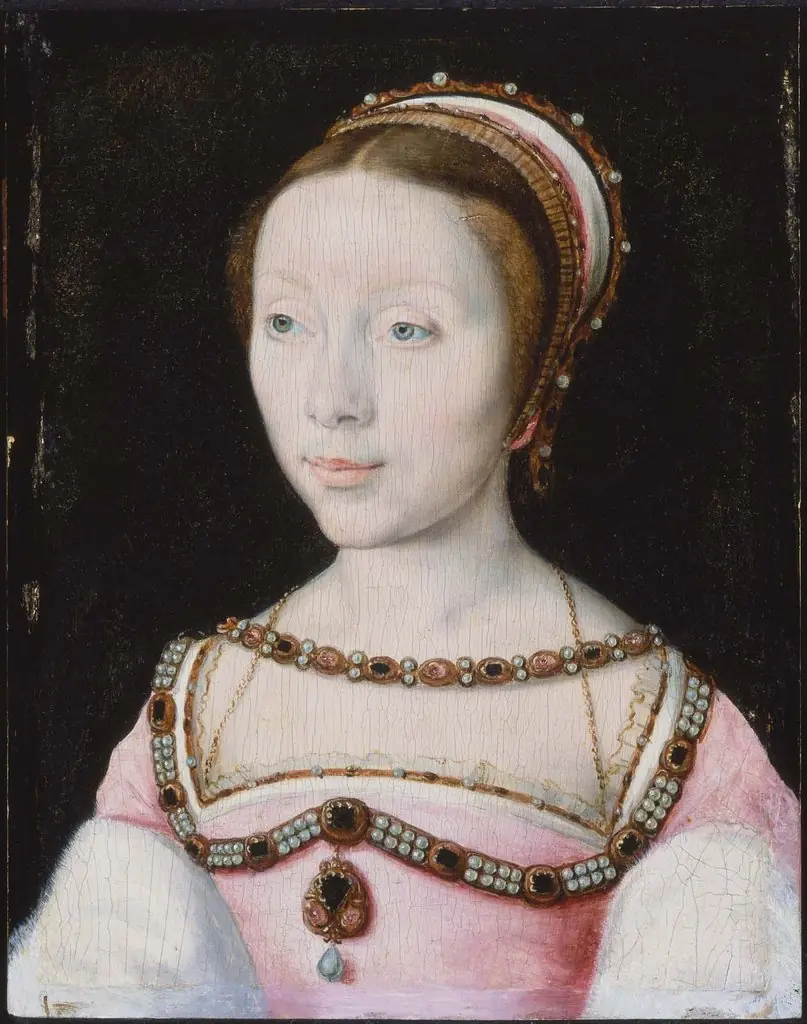 Françoise de Longwy
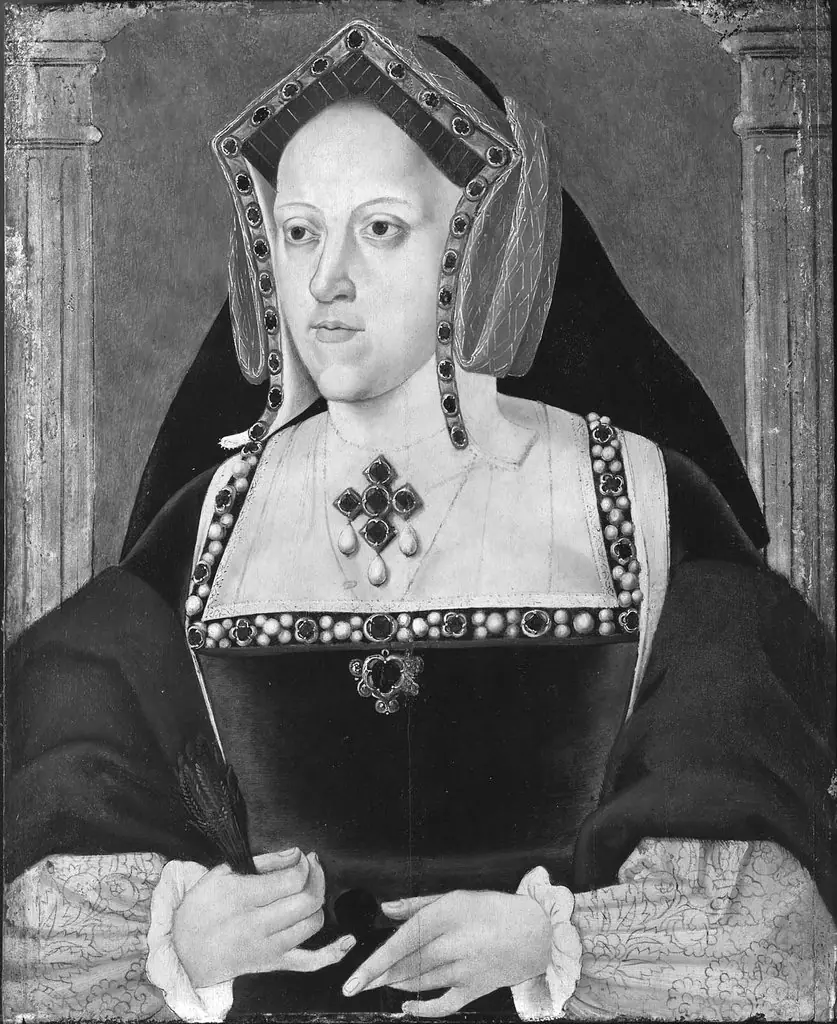 Katharina von Aragon
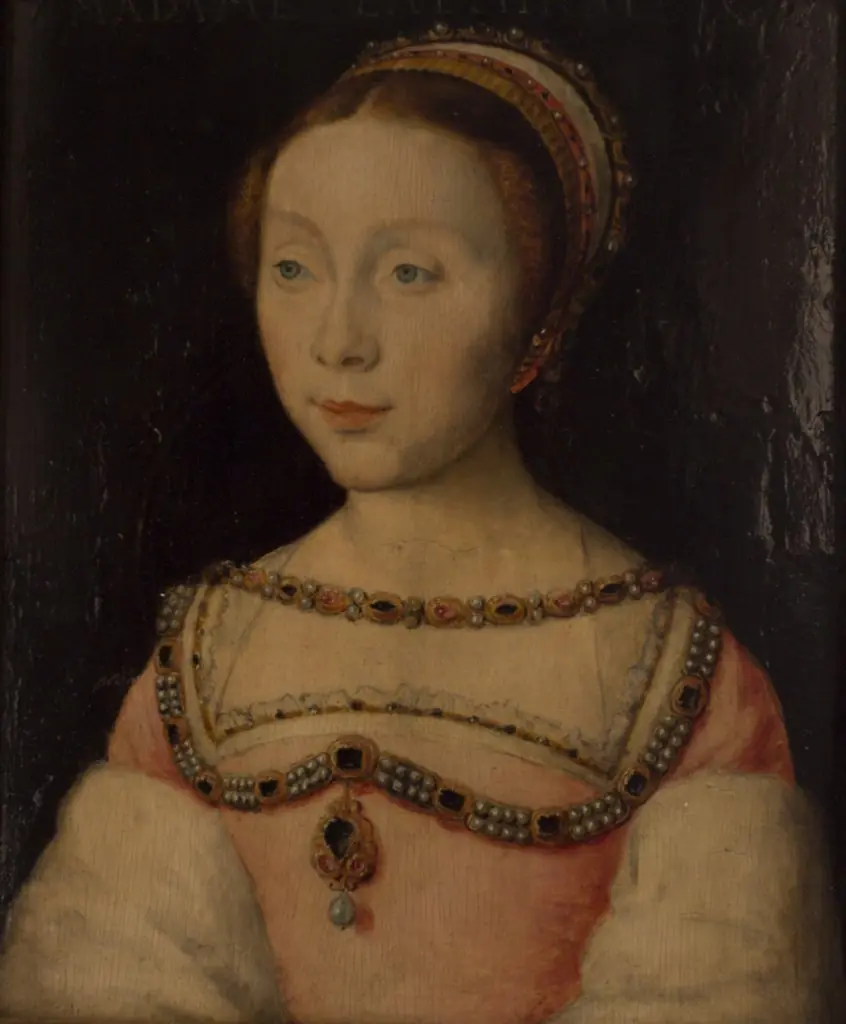 Françoise de Longwy, Countess of Chabot
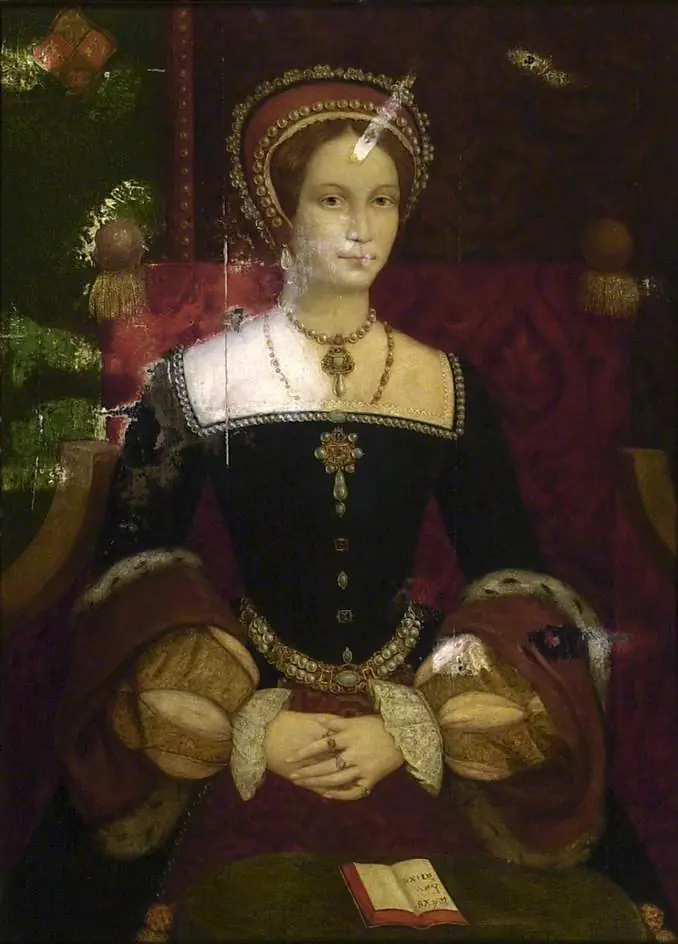 Princess Mary Tudor
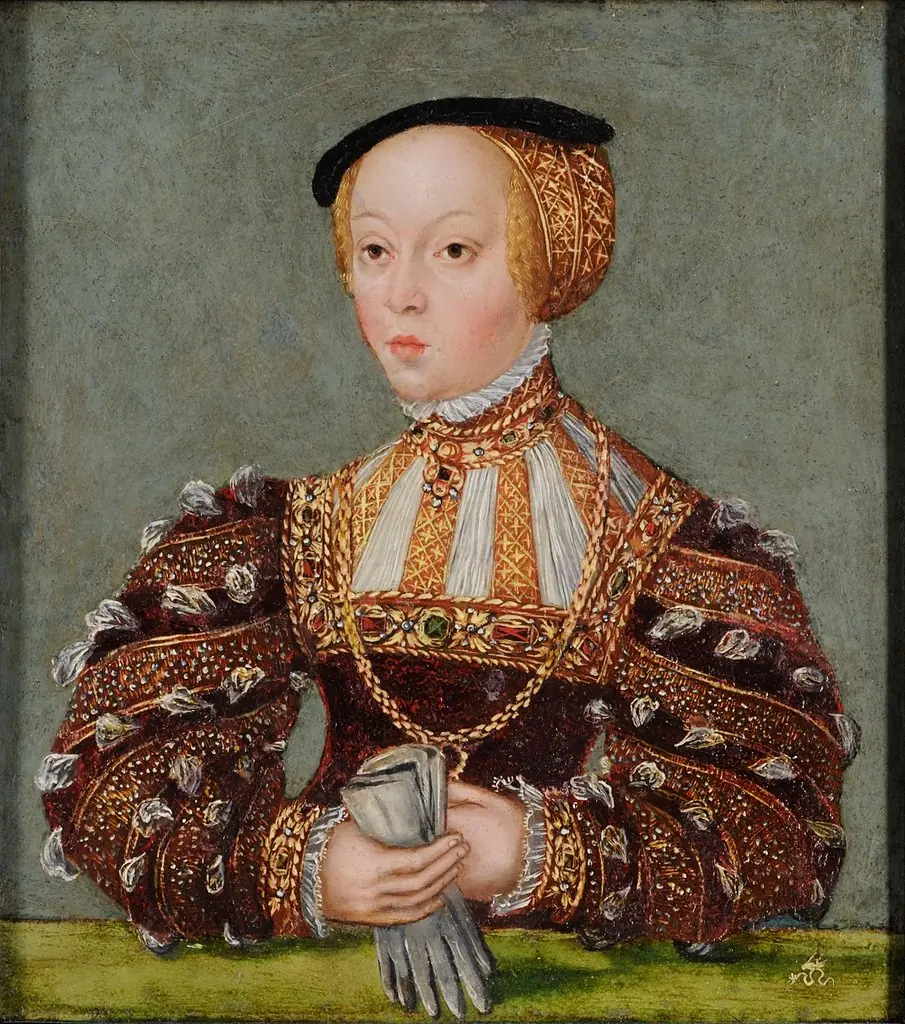 Elisabeth of Austria
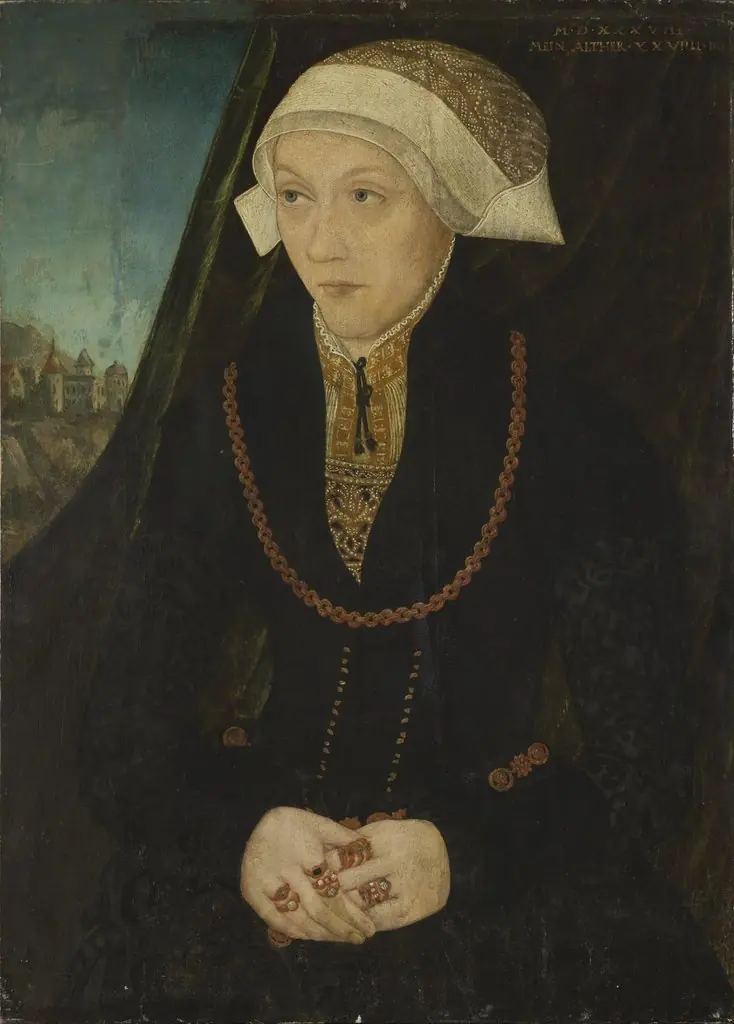 Portrait of a woman
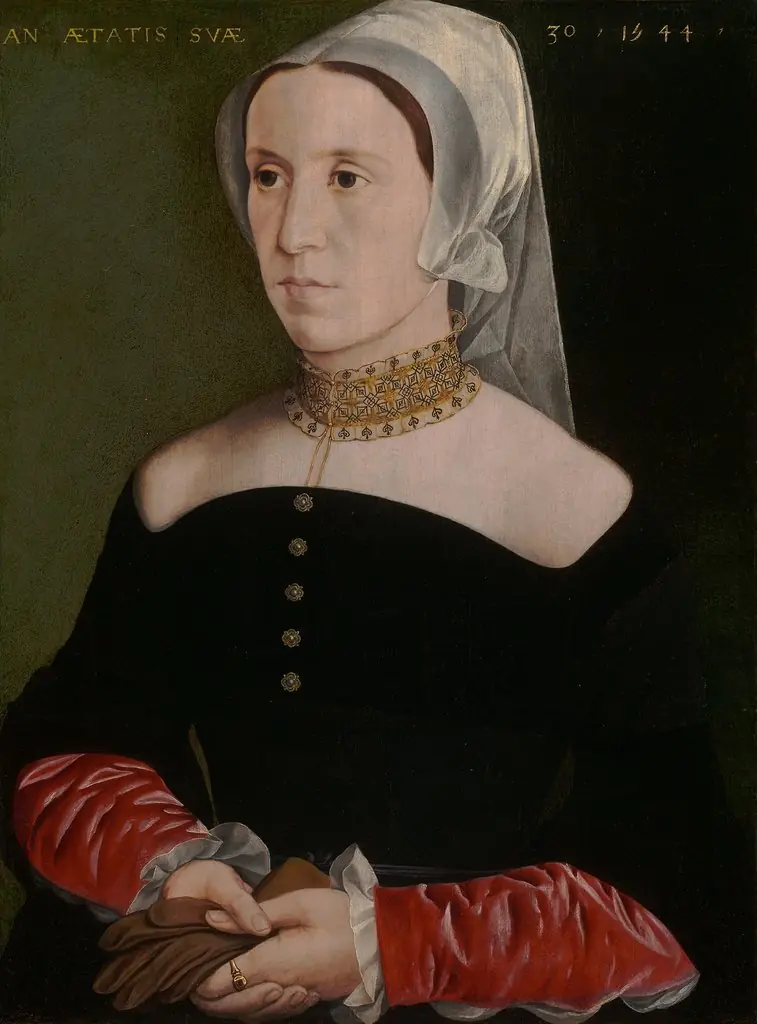 Portrait of a Woman
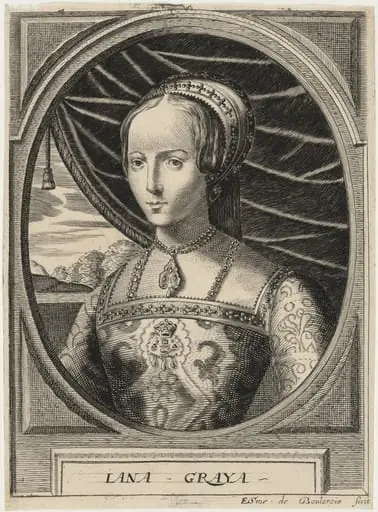
- Lady Jane Gray