Artwork
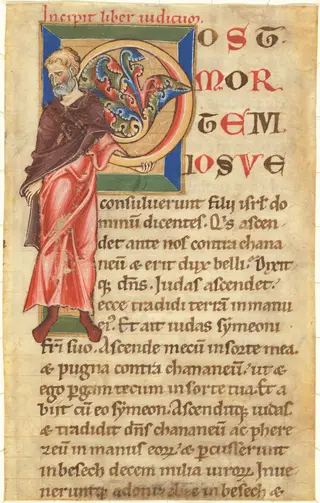
Manuscript Illumination with Initial V, from a Bible
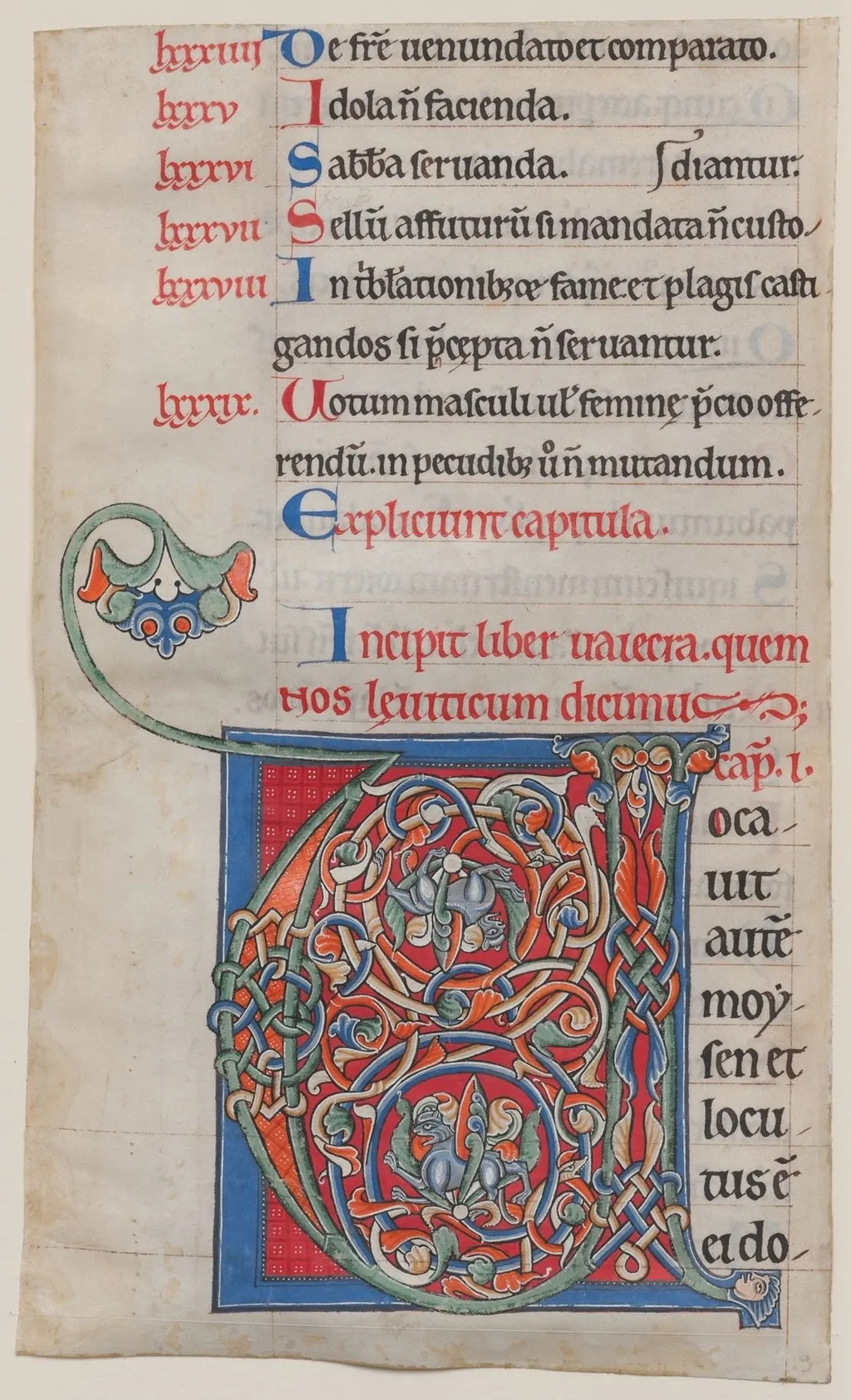
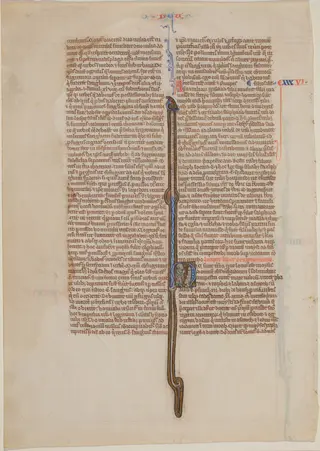
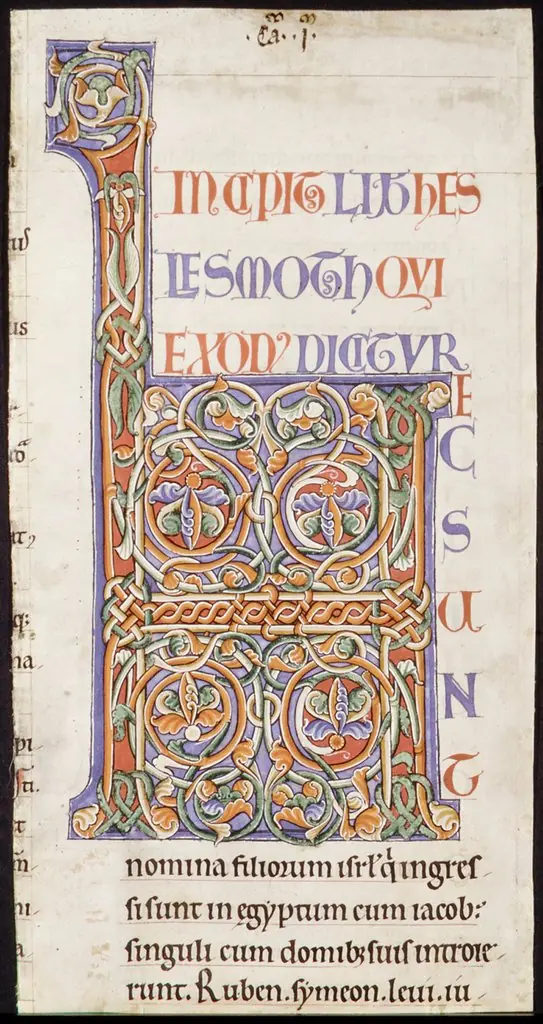
Manuscript Illumination with Initial V, from a Bible is an unspecified painting. It dates from 1175 and is held in the collection of the Metropolitan Museum of Art. The page is a medieval illuminated manuscript leaf featuring a large initial V that begins a biblical text.
About this work
History & Provenance
The illumination is held by The Metropolitan Museum of Art, New York, where it is recorded as an anonymous work with the accession number 1999.
The illumination was created circa 1175, as indicated by its dating in both the internal record and the Wikidata entry, which aligns the work with the late twelfth century.
The fragment entered the collection of The Metropolitan Museum of Art, where it remains held. Its dimensions, 27.5 cm in height and 15.2 cm in width, are recorded in the Museum’s entry, confirming its physical presence within the institution.
The illumination is held by The Metropolitan Museum of Art, New York, where it is recorded as an anonymous work with the accession number 1999.408. The Museum acquired it in 1999 through a gift of the Friedsam Foundation.
It has not been recorded as part of any major traveling exhibition in the Museum’s publicly available records.
Overview
The page is a medieval illuminated manuscript leaf featuring a large initial V that begins a biblical text. The letter is rendered in vivid blues and outlined with intricate red, green and blue scrollwork, while gold leaf highlights accentuate the design. The surrounding margins contain Latin script in red and blue ink, punctuated by small marginal numerals.
Subject & Meaning
Within the interior of the initial V a miniature scene unfolds, depicting two mounted figures amid a tangle of vines and assorted animals. The composition suggests a narrative of a hunt or martial encounter, a common allegorical motif used to illustrate themes of spiritual struggle or the triumph of virtue in biblical contexts.
Technique & Style
The illumination employs tempera pigments applied to parchment, with gold leaf applied to the letter’s outline and decorative motifs. The palette, rich reds, deep greens, and bright blues, reflects the high medieval preference for saturated colors. The swirling vegetal patterns and the tightly packed figurative vignette demonstrate the intricate, labor‑intensive hand of a professional scribe‑artist.
Artist & collection