Artwork
Portrait of Philip the Good, Duke of Burgundy
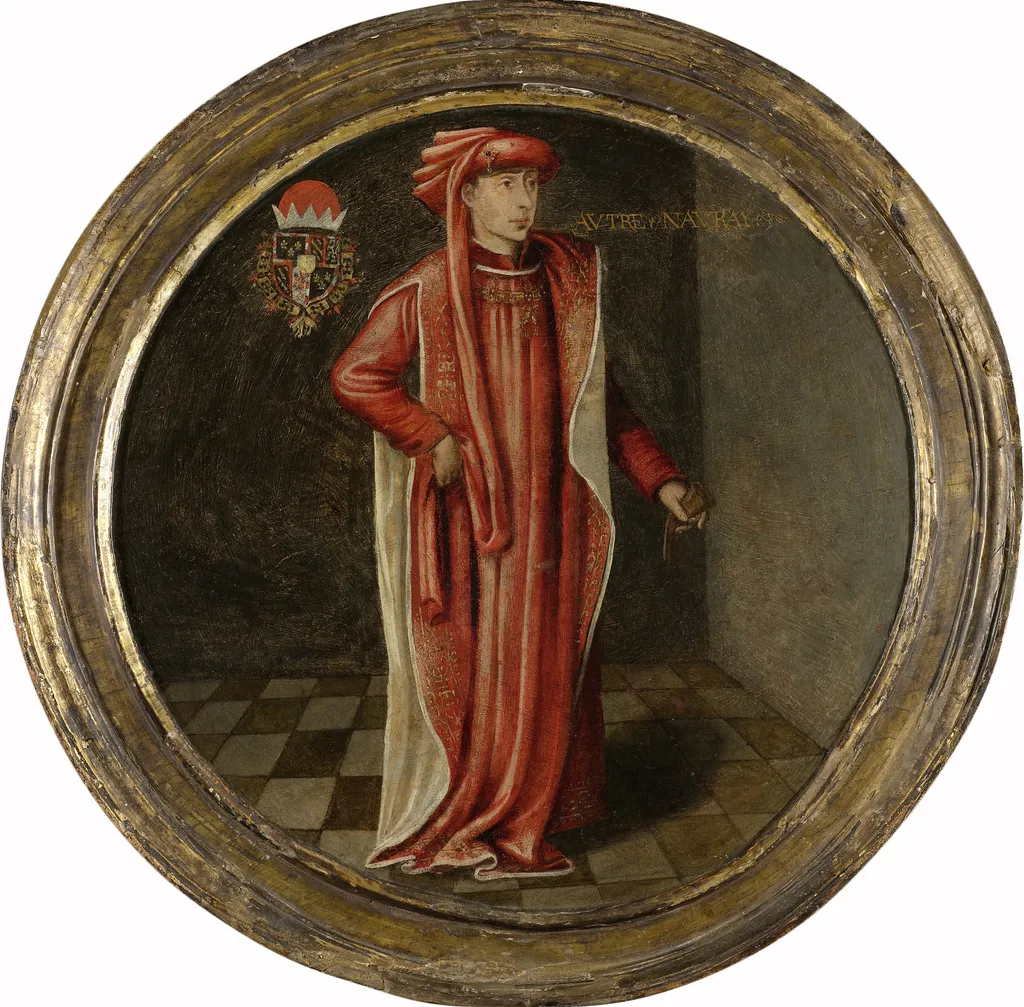
Portrait of Philip the Good, Duke of Burgundy is an oil painting. It dates from 1460 and is held in the collection of the Rijksmuseum.
About this work
Technique & Style
Handling emphasizes fine linear precision and smooth modeling, with attention to facial detail and the fur trimming of the chaperon.
The painting is executed in oil on a wooden panel support measuring 31 cm in height and width. Handling emphasizes fine linear precision and smooth modeling, with attention to facial detail and the fur trimming of the chaperon. The subdued palette and restrained modeling align with early Netherlandish portrait conventions of the mid-fifteenth century. No evidence of later reworking or significant damage is reported in the technical record.
History & Provenance
Created in 1460 in the Southern Netherlands, this oil-on-panel portrait depicts Philip III the Good. The work is currently held in the collection of the Rijksmuseum, where it remains on display. Its exhibition history includes a showing in the 'Bourgondische pracht' exhibition.
While the specific original commissioner and early ownership chain are not detailed in the available records, the piece is cataloged as an anonymous painting from the mid-15th century.
The painting is held in the collection of the Rijksmuseum. Created around 1460, the work depicts Philip III the Good and is executed in oil on panel with dimensions of 31 by 31 centimeters. The artwork has been featured in the exhibition titled "Bourgondische pracht."
Overview
The work is an oil painting that presents a solitary figure dressed in a vivid red robe and matching hat, set before a dark, undefined background. A checkered floor plane recedes beneath him, and a gold ornamental frame encloses the composition. The subject holds a small red cap in his right hand, while white garments are visible at the sleeves.
Subject & Meaning
The portrait depicts Philip the Good, the Duke of Burgundy, rendered with a solemn expression that conveys authority and dignity. The luxurious attire, highlighted by gold embroidery, underscores his high rank and the wealth of the Burgundian court during the mid‑15th century.
Context
Philip the Good’s reign marked a flourishing of the arts in the Low Countries, fostering a court that patronized painters, illuminators, and architects. This portrait reflects the era’s emphasis on personal representation as a means of political propaganda and dynastic affirmation.
Artist & collection

 Portrait of Duke Charles of Angoulême
 Portrait of Charles the Bold (1433-1477 ), Duke of Burgundy
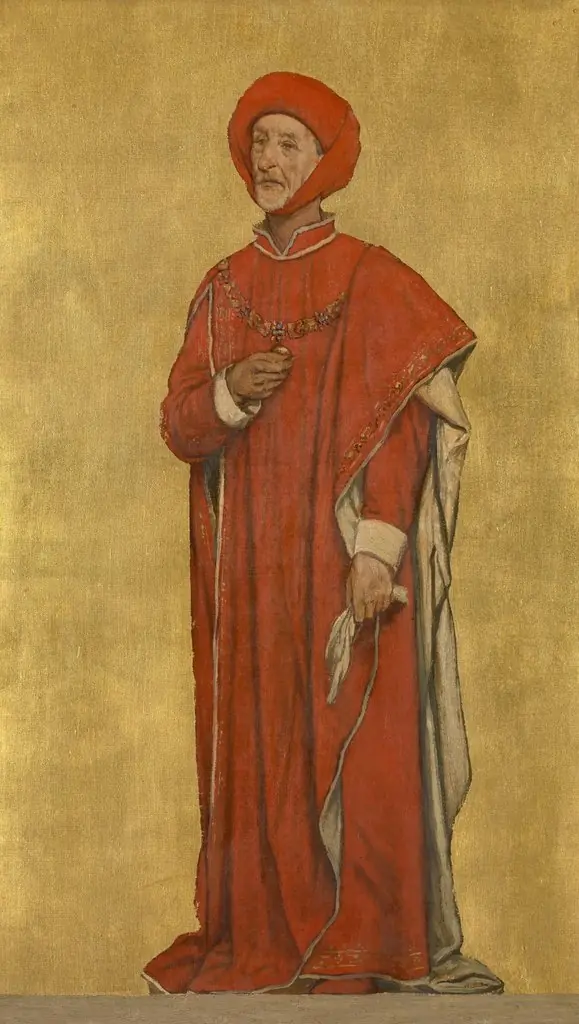 Lord of Gruuthuse
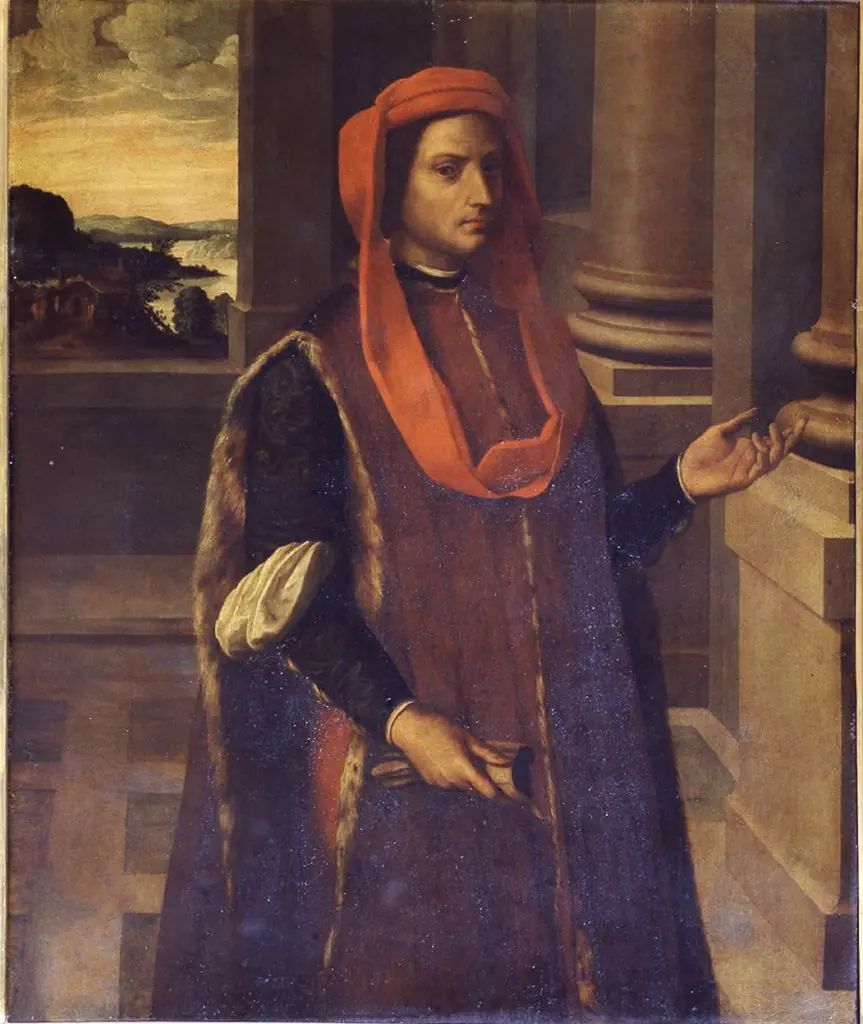 Portrait of Lorenzo di Giovanni de' Medici
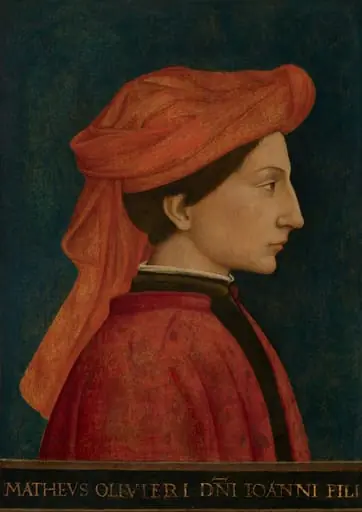 Matteo Olivieri (?)
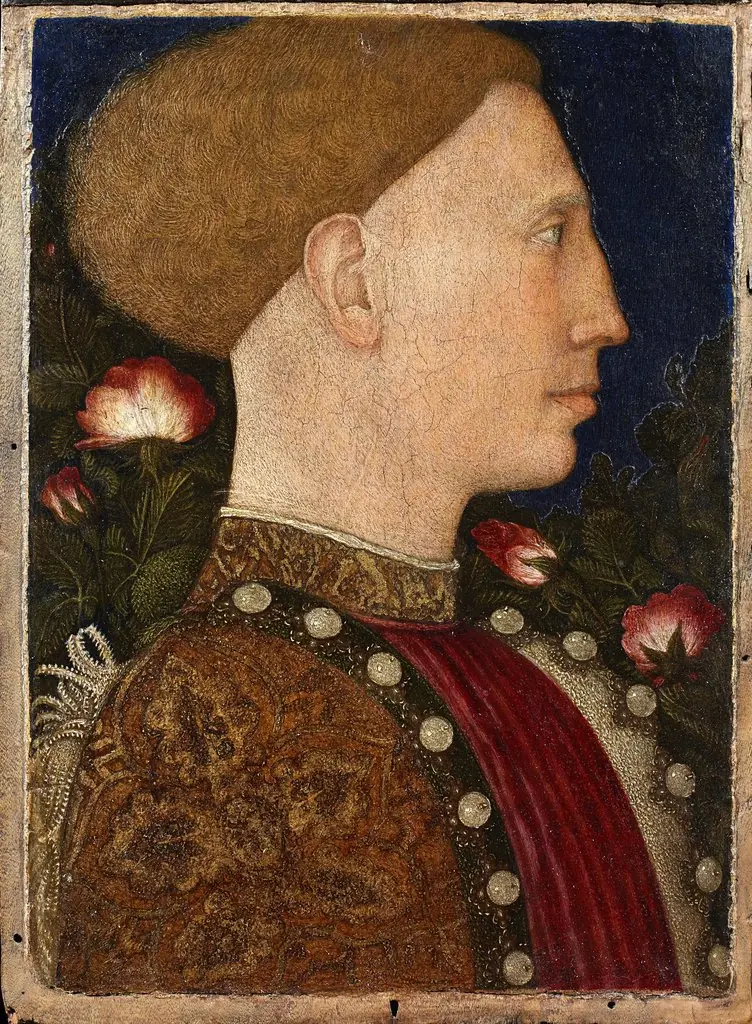 Portrait of Lionel d'Este
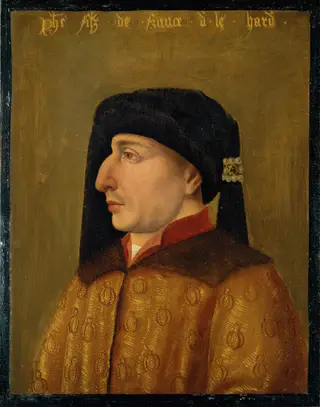 Herzog Philipp der Kühne (1342-1404) von Burgund im Profil
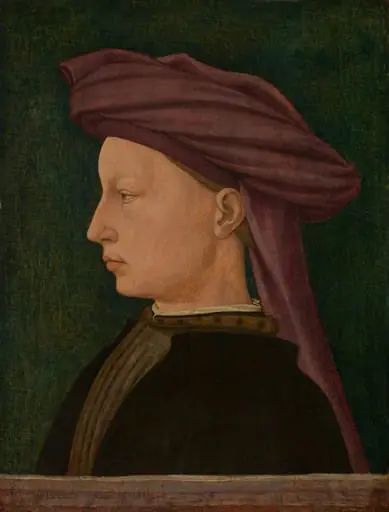 Profile Portrait of a Young Man
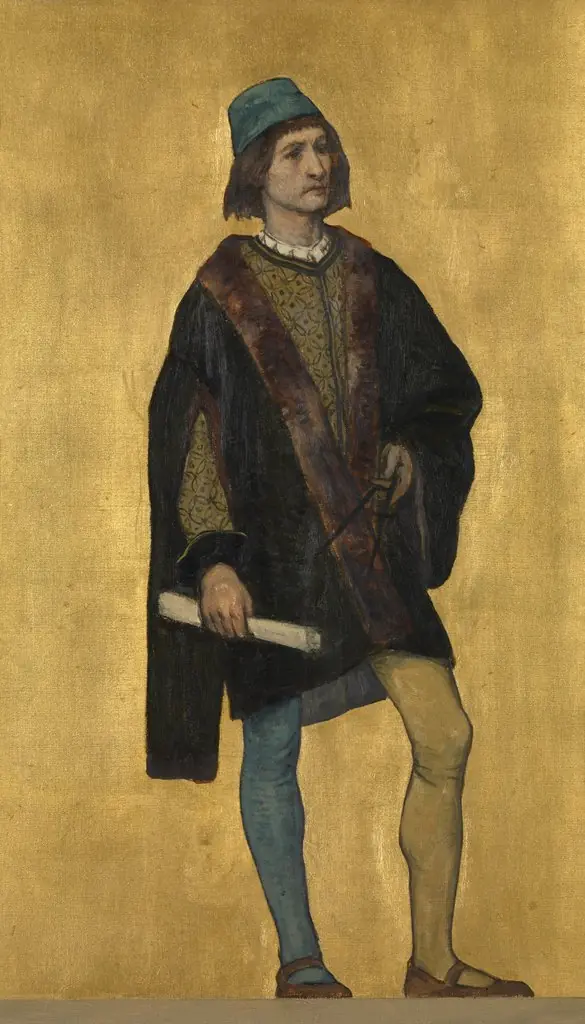 The Architect Jan van de Poele
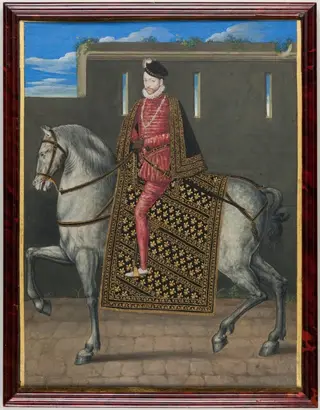 Charles IX, King of France