Artwork
Profile Portrait of a Young Man
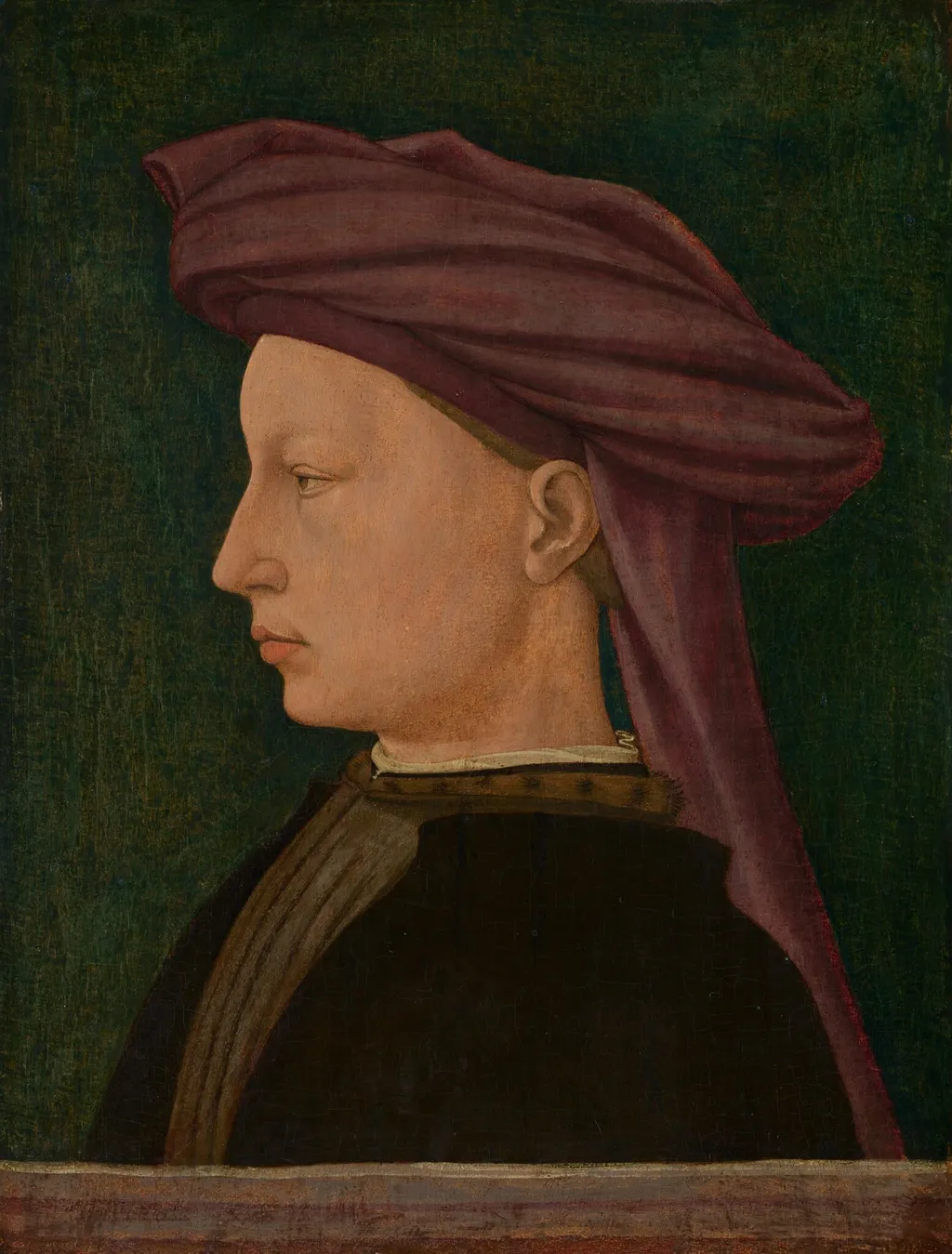
Profile Portrait of a Young Man is a tempera painting. It dates from 1440 and is held in the collection of the National Gallery of Art.
About this work
A young man in plain dress, shown in profile. The palette is muted and quiet, his face calm with the faint trace of a smile. A Florentine work in tempera on panel, around 1440.
Subject & Meaning
The painting shows a young man rendered in strict profile, wearing a chaperon and rich contemporary dress that signal his aristocratic rank.
The painting shows a young man rendered in strict profile, wearing a chaperon and rich contemporary dress that signal his aristocratic rank. His serious expression and the precise rendering of facial features follow the Renaissance convention of profile portraiture, a format derived from ancient medals and valued for its ability to capture a sitter's likeness with clarity. Because the sitter's identity remains unknown, the work is generally attributed to an anonymous Florentine painter of the mid-15th century, sometimes linked to Masaccio.
The portrait functions as a visual statement of social status and the emerging Renaissance interest in individual representation, emphasizing appearance as a marker of cultural distinction.
Technique & Style
The work is executed in tempera on a wooden panel, consistent with Florentine practice of the 1440s. Its dimensions (42.4 × 32.5 cm) and the sharply profiled silhouette reflect the period's preference for delineating physiognomic detail through lateral view. The handling emphasizes linear precision over volumetric modeling, with a flat, smooth ground and fine, unmodulated strokes that render costume and facial features with equal clarity.
The sitter wears a chaperon and refined attire, rendered in flat, high-contrast hues; the restrained palette and emphasis on contour align with early Renaissance profile conventions.
History & Provenance
Created circa 1440 in Florence, this tempera-on-panel portrait is attributed to an unknown 15th-century artist, though it has been historically linked to Masaccio. The work's earliest documented owner was Alexis-François Artaud de Montor, who likely acquired it in Florence between 1805 and 1808. It was sold at Paris in January 1851 as a Masaccio, then passed through John Hahn and Jules Féral.
In June 1936 it was purchased by Duveen Brothers, Inc., and on 15 December 1936 acquired by The A.W. Mellon Educational and Charitable Trust in Pittsburgh, which gifted it to the National Gallery of Art in Washington, D.C., in 1937, where it remains in the Andrew W. Mellon Collection.
Context
The Profile Portrait of a Young Man serves as a significant example of early 15th-century Florentine portraiture, reflecting the period's preference for profile views inspired by ancient medals. While currently classified as by an anonymous Florentine artist from around 1440, it has historically been attributed to Masaccio, a connection underscored by its 1851 Paris sale as a Masaccio work. The painting entered the National Gallery of Art in 1937 and has since been included in major exhibitions of Renaissance portraiture, highlighting its status as a key artifact for understanding the development of the portrait genre during the Italian Renaissance, despite the subject's unknown identity.
Overview
This 15th-century tempera painting, titled Profile Portrait of a Young Man, depicts an unidentified individual from Florence. While the artist remains unknown, some scholars have suggested the hand of Masaccio. The work is characterized by its subtle palette and the serene expression of its subject, offering a glimpse into Renaissance portraiture. It is housed at the National Gallery of Art in Washington, D.C.
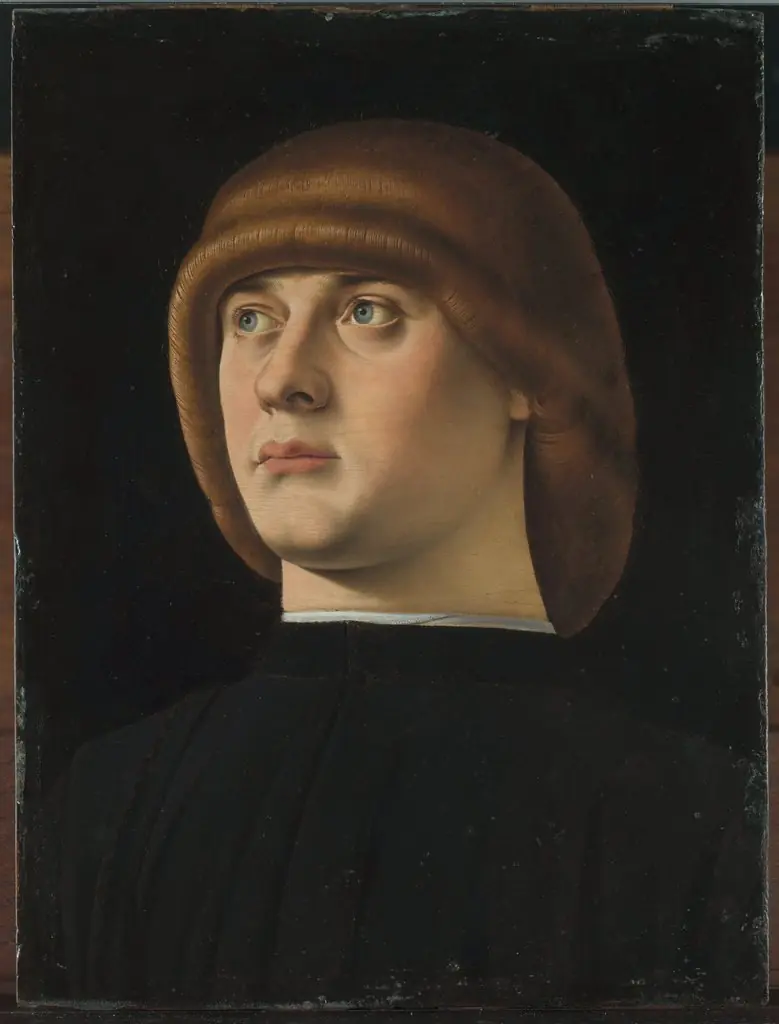
Artist & collection

- Portrait of a Young Man
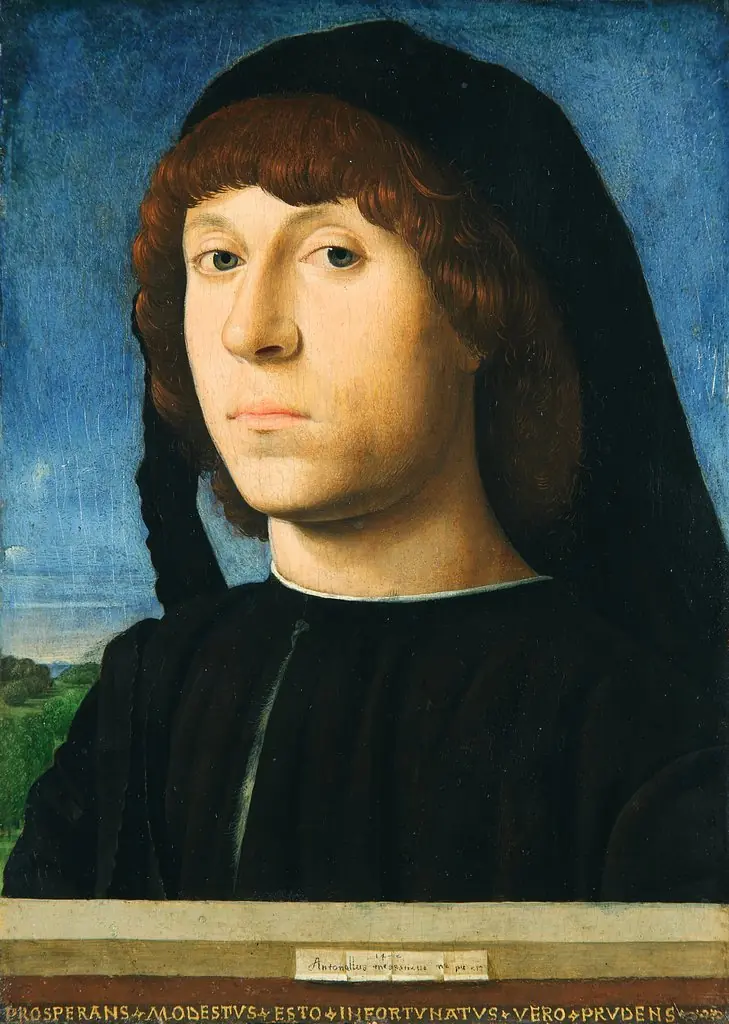 Portrait of a young Man
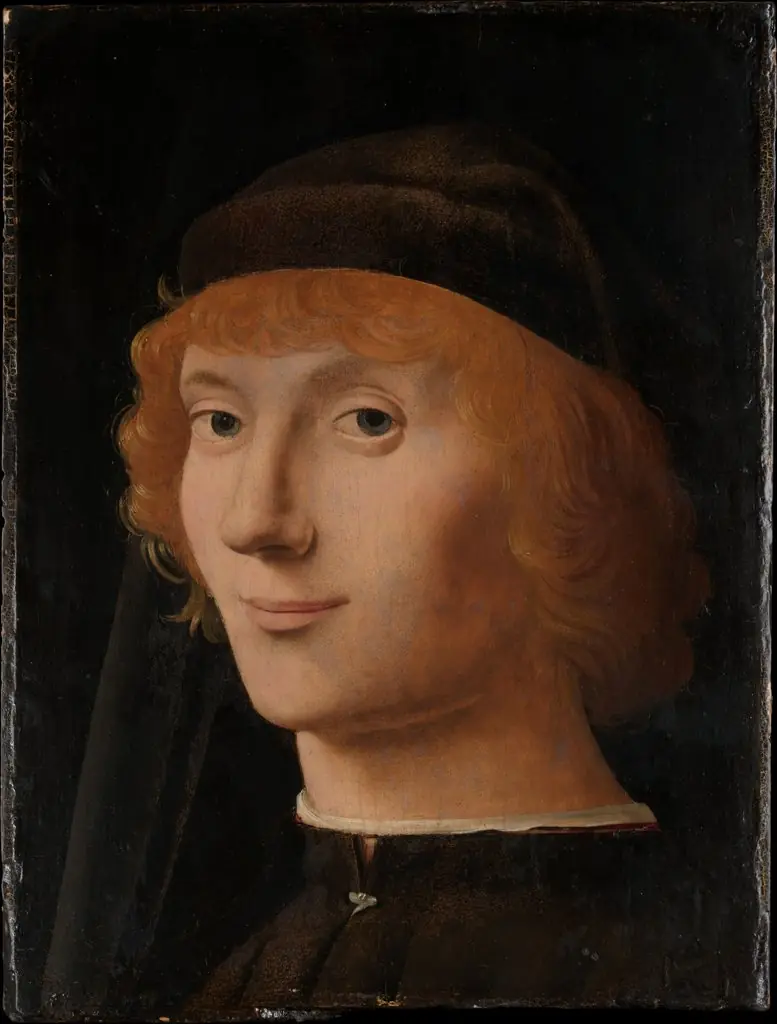 Portrait of a Young Man
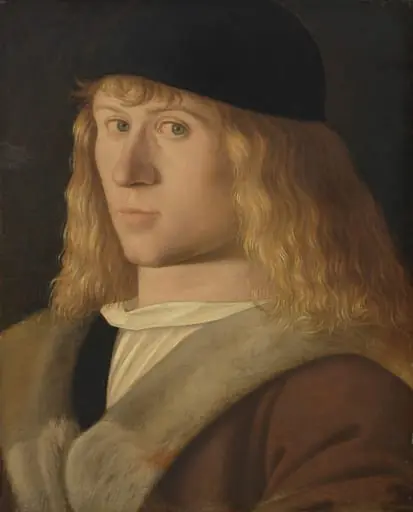 Portrait of a Young Man
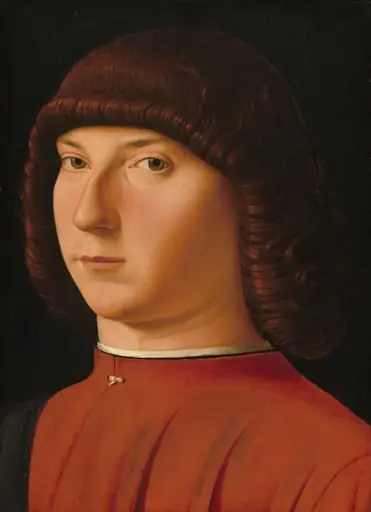 Portrait of a Young Man
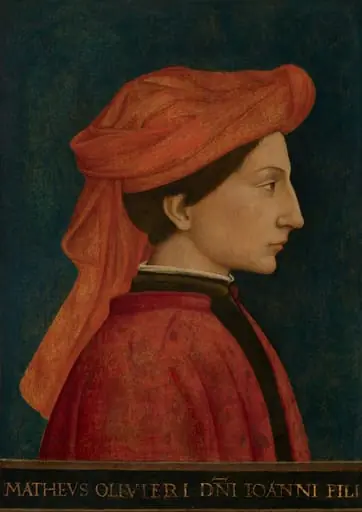 Matteo Olivieri (?)
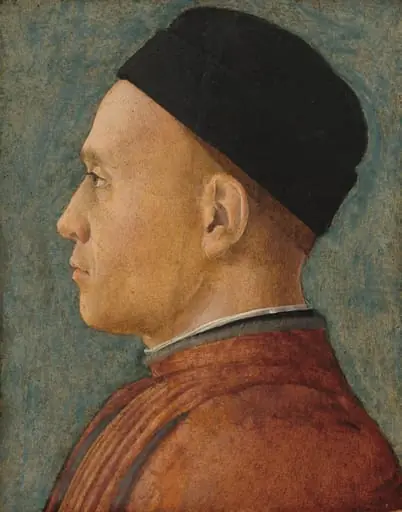 Portrait of a Man
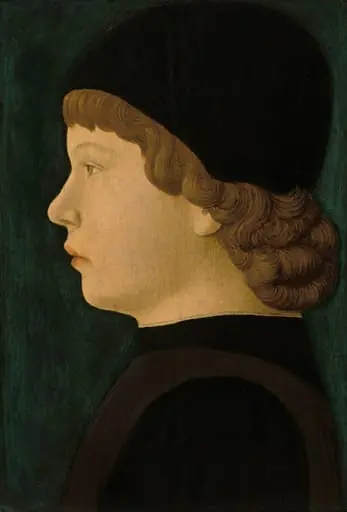 Profile Portrait of a Boy
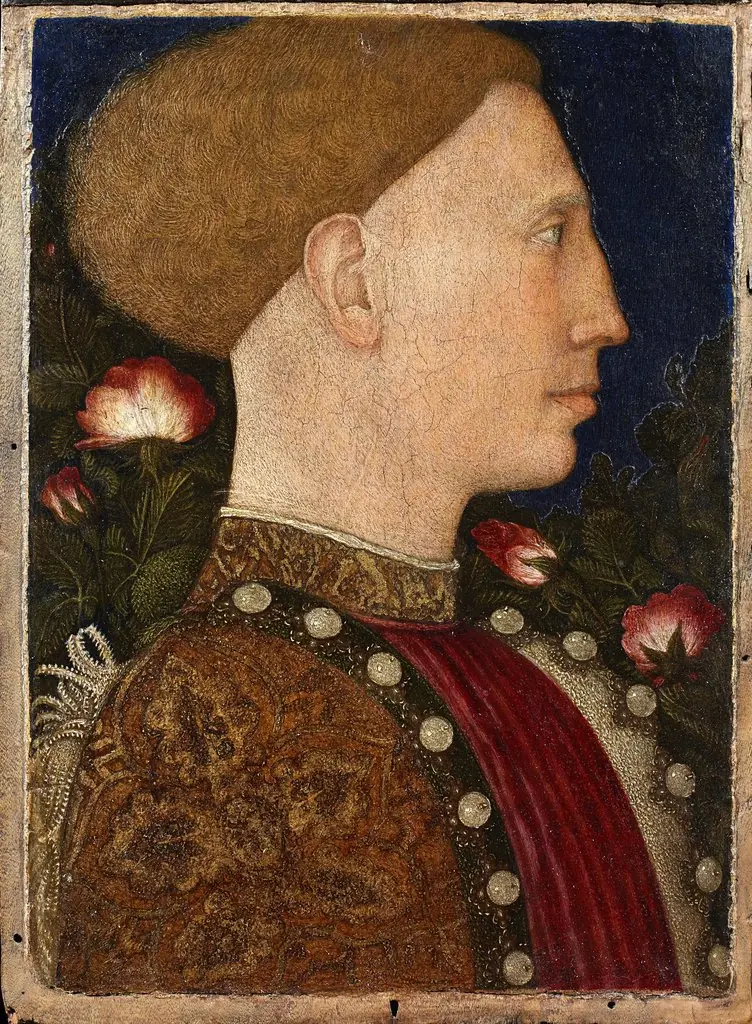 Portrait of Lionel d'Este
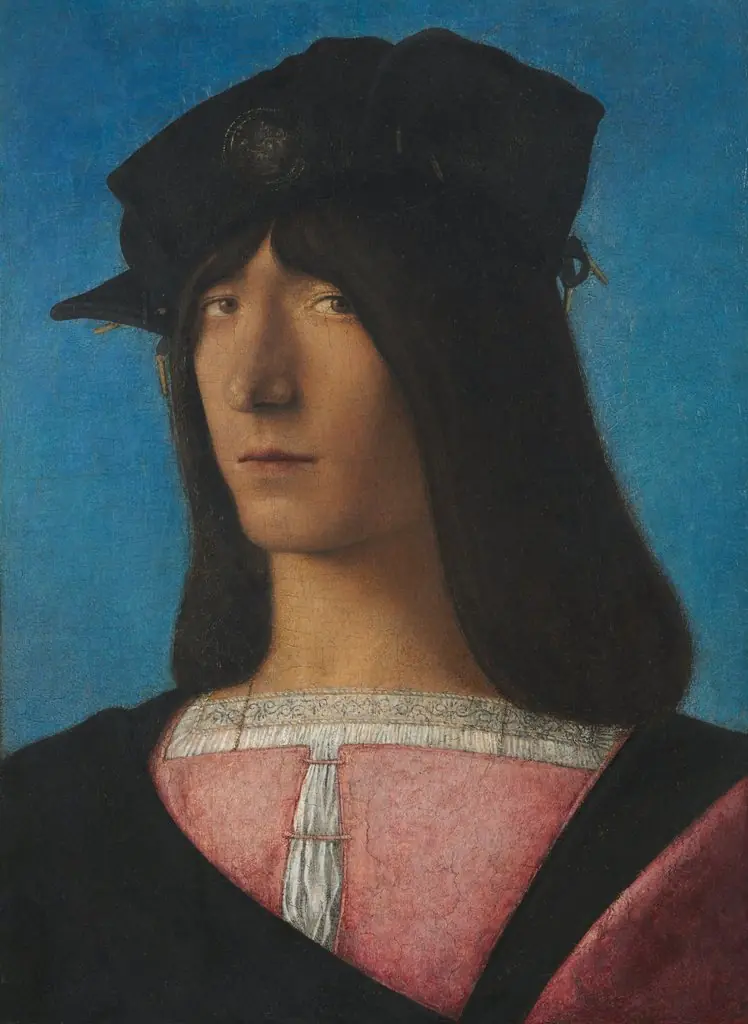 Portrait of a Man
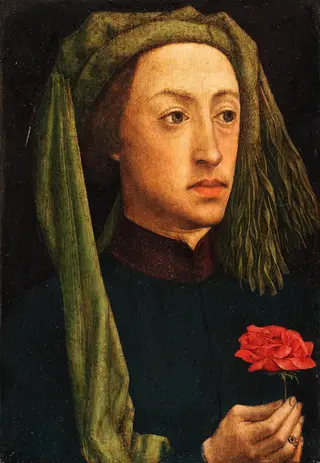 Portrait of a young man holding a red rose
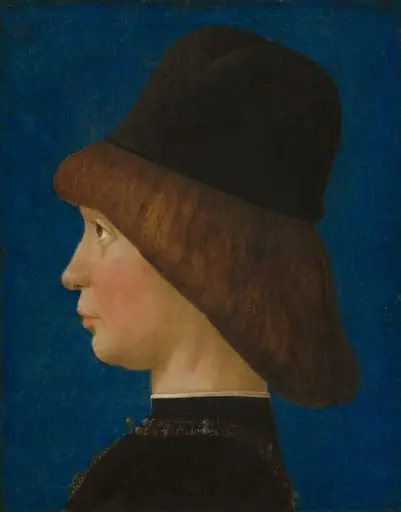 Francesco II Gonzaga, Fourth Marquis of Mantua