Artwork
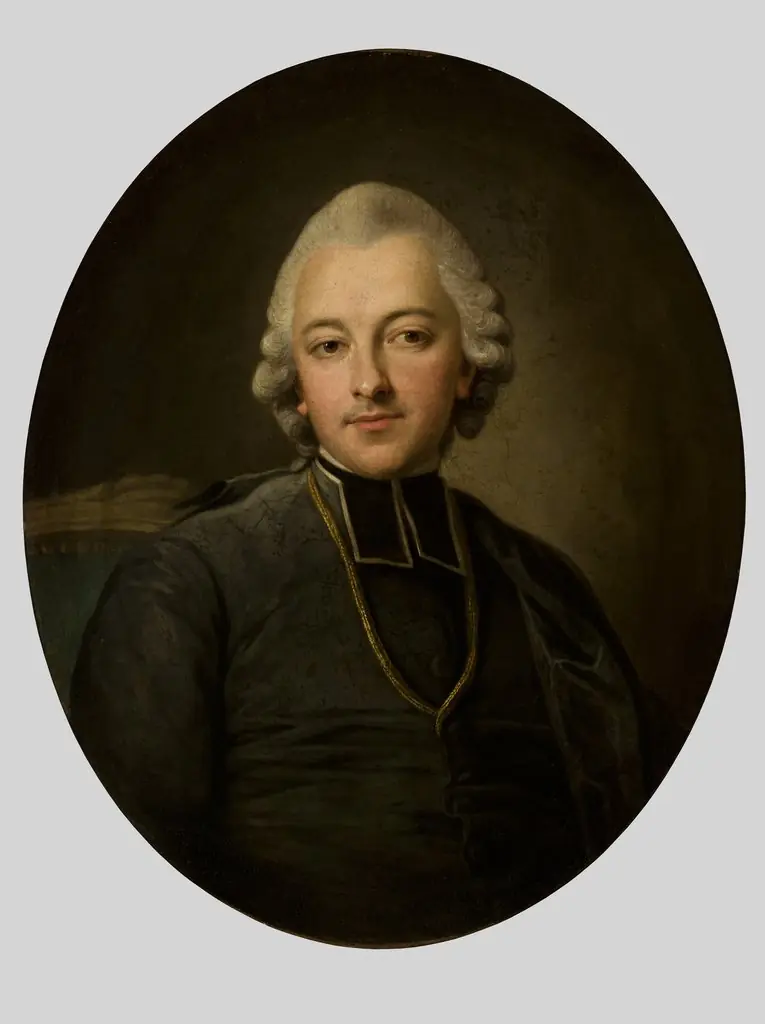
Portrait présumé d'Antoine Barnave (1761-1793)
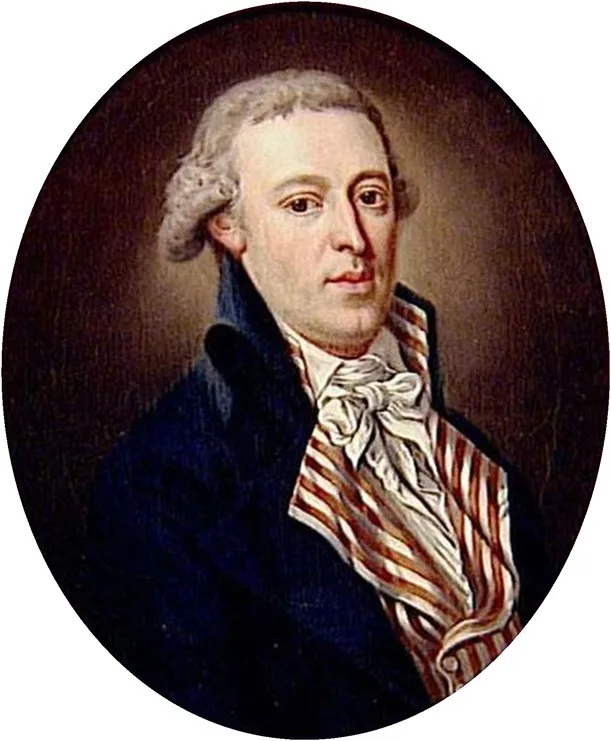
Portrait présumé d'Antoine Barnave (1761-1793) is an oil painting by Unknown. It dates from 1850 and is held in the collection of the Palace of Versailles.
About this work
Overview
The work resides in the Palace of Versailles, among other portraits from the revolutionary era.
This oil painting depicts a man believed to be Antoine Barnave, a French revolutionary figure. Rendered with careful attention to light and shadow, the portrait presents a composed, direct gaze and restrained attire typical of late 18th-century political elites. The warm brown background isolates the figure, emphasizing his presence without distraction. The work resides in the Palace of Versailles, among other portraits from the revolutionary era.
Subject & Meaning
The subject is widely identified as Antoine Barnave, a moderate revolutionary leader during the early years of the French Revolution. His neutral expression and direct gaze convey a sense of quiet authority, reflecting the self-presentation of Enlightenment-era politicians. The formal yet unadorned clothing suggests a deliberate rejection of aristocratic excess, aligning with revolutionary ideals of civic virtue and restraint.
Technique & Style
The artist employs chiaroscuro to model the face and torso, creating a tangible sense of volume against the muted background. Brushwork is precise but not overly refined, favoring clarity over ornamentation. The contrast between the dark jacket, striped vest, and white shirt adds subtle texture, while the soft rendering of curly hair enhances the subject’s humanity without theatricality.
History & Provenance
The portrait entered the collection of the Palace of Versailles during the 19th century, likely acquired as part of efforts to document key figures of the Revolution. Its attribution to Barnave is based on historical records and physical resemblance to known likenesses, though no definitive documentation of the artist or commission survives. It has remained in state custody since its acquisition.
Context
Painted during a period of intense political transformation, the portrait reflects the emerging visual language of the French bourgeoisie and revolutionary elite. Unlike royal portraits that emphasized grandeur, this image prioritizes dignity through simplicity. It aligns with a broader trend of using portraiture to assert civic identity rather than inherited status.
Legacy
The portrait endures as a visual reference for Barnave’s public persona, offering insight into how revolutionary leaders wished to be perceived. Though not widely reproduced, it contributes to the historical record of how political identity was constructed through image in the late 18th century. Its presence in Versailles underscores the complex relationship between monarchy and revolution in French cultural memory.
Artist & collection

 Domestic Scene
 Giacomo and Cardinal Marco, investing Andrea, Abbot of San Zeno, with his Benefice
 The Nymph of Fontainebleau
 Portrait of a Woman
 Madonna and Child with Saints in the Enclosed Garden
 Venus and Minerva
 Family Group of Four on Sofa
 Wall painting from Room H of the Villa of P. Fannius Synistor at Boscoreale
 The Painter Louis Joseph Maurice (1730–1820)
 Portrait of Andrei Vasilyev
 Lord Robert Carteret (3rd Earl Granville)
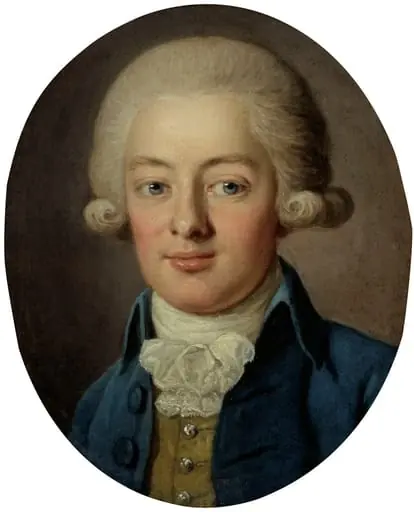 Konsuli Konrad Arvid Johan Mandorf
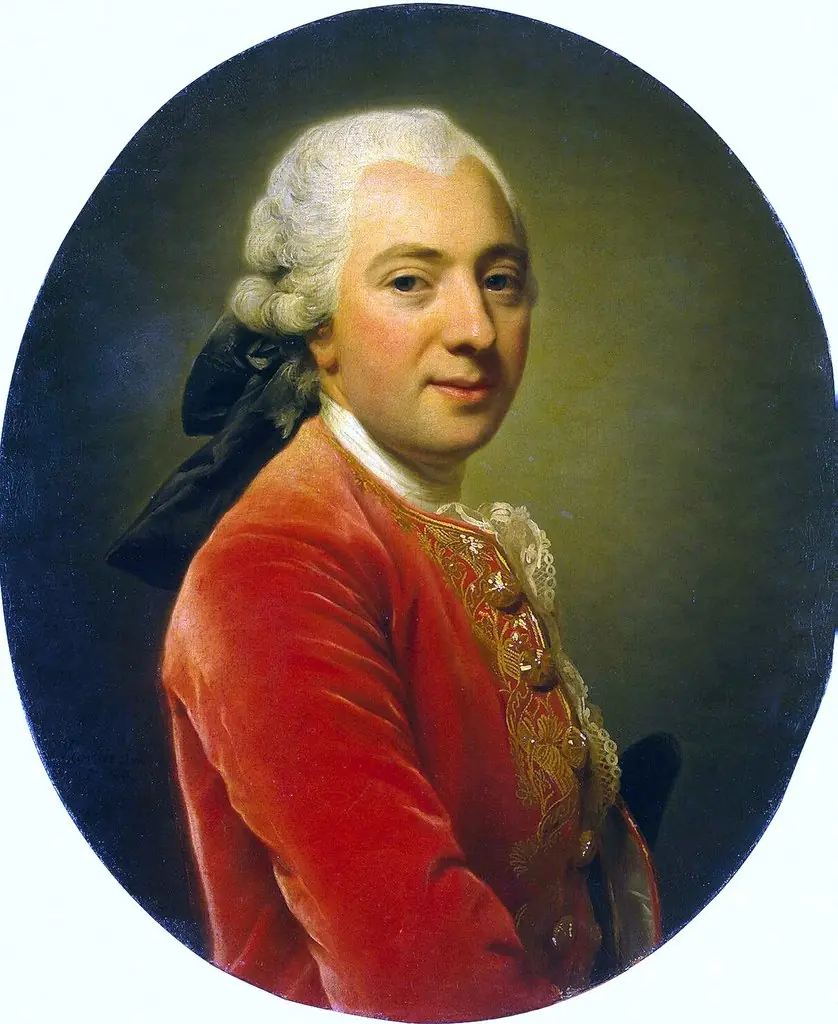 Portrait of a Man Wearing a Red Caftan
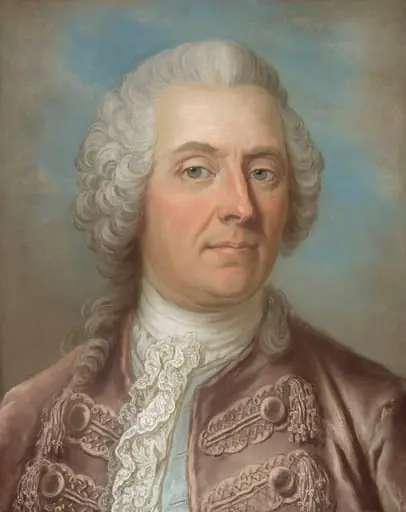 Vapaaherra Johan Wilhelm Sprengtporten
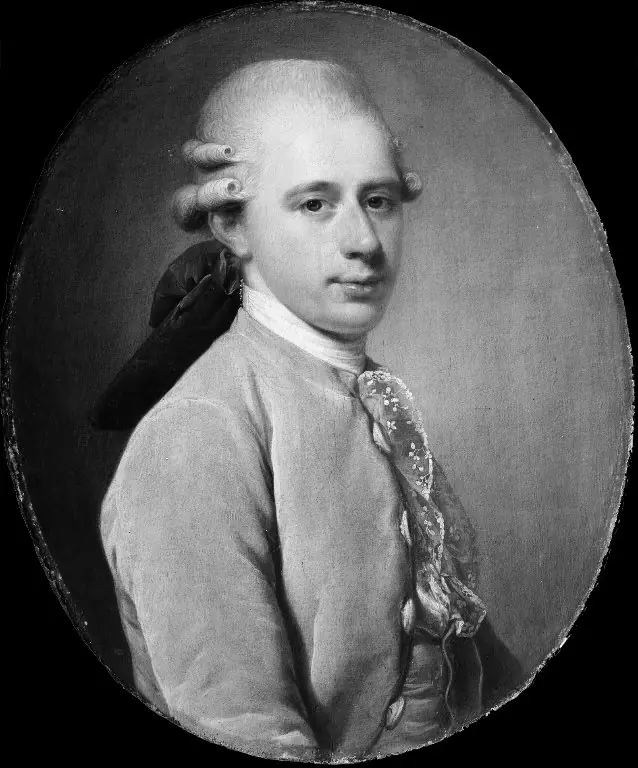 Generalpostdirektør Frederik Hauch som ung
 Portrait of A.I. Novikova (? )
 Portrait of Salomon Rendorp, Brewer in Amsterdam
 Charles-Antoine d'Artenay
 Portrait of Salomon Rendorp, Brewer in Amsterdam
 Portrait of Bishop Ignacy Krasicki