Artwork
The Roads of Vlissingen
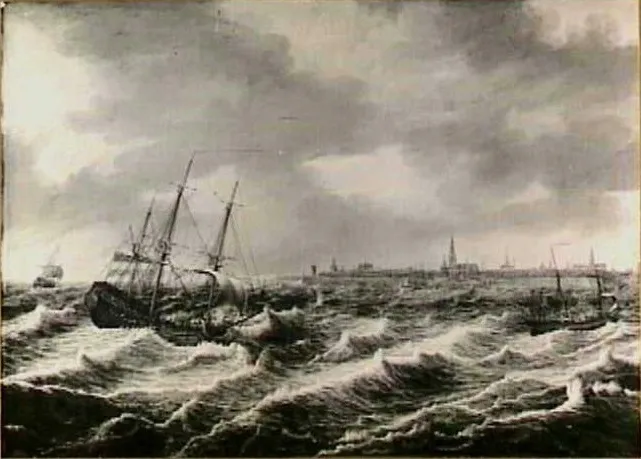
The Roads of Vlissingen is an oil painting. It dates from 1696 and is held in the collection of the Rijksmuseum.
About this work
Subject & Meaning
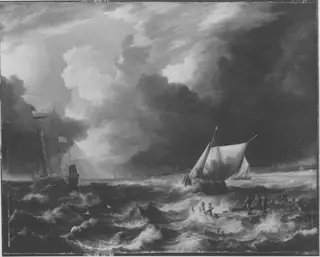
The Roads of Vlissingen is a marine painting that depicts boats on the waters off Vlissingen (Flushing), a Dutch port on the Western Scheldt.
The Roads of Vlissingen is a marine painting that depicts boats on the waters off Vlissingen (Flushing), a Dutch port on the Western Scheldt. Classified within the genre of marine art, the work belongs to a tradition of seascape imagery that focused on shipping and harbor activity in the Northern Low Countries. Painted in oil on canvas, it captures the maritime character of the region, presenting vessels as the central visual subject.
The depiction of boats situates the painting within the iconographic conventions of late seventeenth-century Dutch marine painting, where ships served as both documentary records of trade and symbols of the Republic's seafaring identity.
The work's association with Vlissingen, a strategic naval and commercial hub, lends it representational significance beyond a simple topographical view, evoking the importance of Dutch maritime power and overseas commerce around 1690.
Technique & Style
The Roads of Vlissingen is an oil painting on canvas, measuring 96 by 146 centimeters. Created in 1690, the work belongs to the marine genre, depicting a boat in a maritime setting. The painting's anonymous authorship and its production in the Northern Low Countries situate it within the Dutch Golden Age tradition of marine painting, a genre renowned for its detailed observation of ships, water, and atmospheric conditions.
The canvas support and oil medium were standard for large-scale marine works of this period, allowing for the nuanced rendering of sky, sea, and vessel that characterizes the genre.
Context
The Roads of Vlissingen is an oil painting created in 1690 depicting a boat, classified within marine art. It measures 96 cm in height and 146 cm in width, composed of canvas and oil paint. The work is attributed to an anonymous artist and was made in the Northern Low Countries.
It entered the collection of Cornelis François Roos before being acquired by the Rijksmuseum, where it remains on display. The painting is recognized as part of 17th-century marine genre traditions and contributes to the corpus of Dutch seascapes.
Legacy
The Roads of Vlissingen exerted influence through its representation of marine activity in the Northern Low Countries. Its depiction of a boat on canvas informed later marine art practices. The work remained in the collection of Cornelis François Roos before entering the Rijksmuseum. It is classified as a painting within the broader tradition of marine art.
Overview
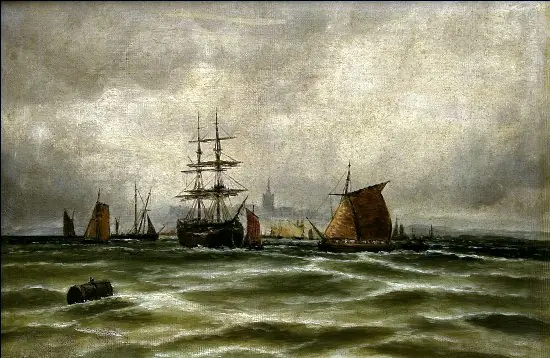
The work, titled The Roads of Vlissingen, is an oil painting that depicts a turbulent seascape. In the foreground three vessels battle towering waves, with the central ship heeling dramatically and its canvas torn. Beyond the chaos, a tranquil cityscape of spires and buildings rests under a heavy, overcast sky.
History & Provenance
The painting belongs to the tradition of Dutch maritime art, a genre that flourished in the 17th and 18th centuries. Though specific ownership details are not provided, works of this type were often collected by merchants and institutions interested in documenting the nation’s seafaring heritage.
Artist & collection

 Lake Lucerne
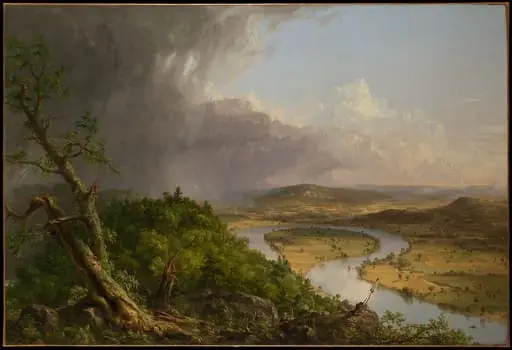 View from Mount Holyoke, Northampton, Massachusetts, after a Thunderstorm—The Oxbow
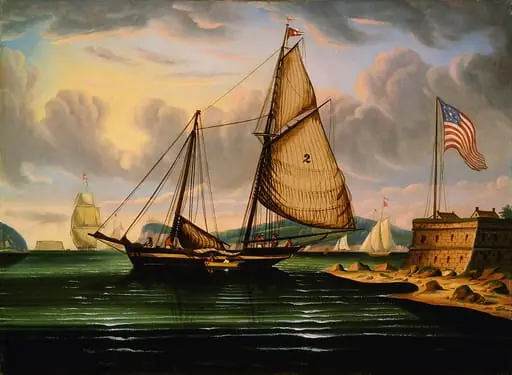 New York Harbor with Pilot Boat "George Washington"
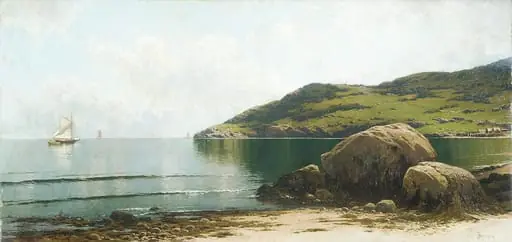 Marine Landscape
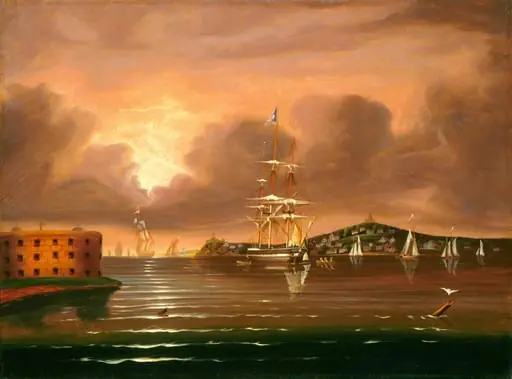 Threatening Sky, Bay of New York
 Lake George and the Village of Caldwell
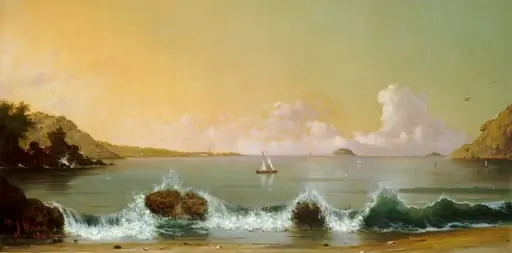 Rio de Janeiro Bay
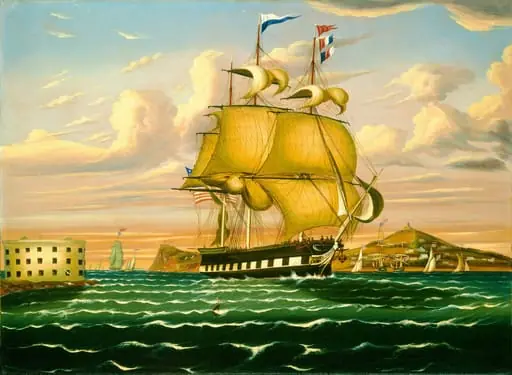 Packet Ship Passing Castle Williams, New York Harbor