Artwork
Virhini Nayika, Love-Torn Heroine
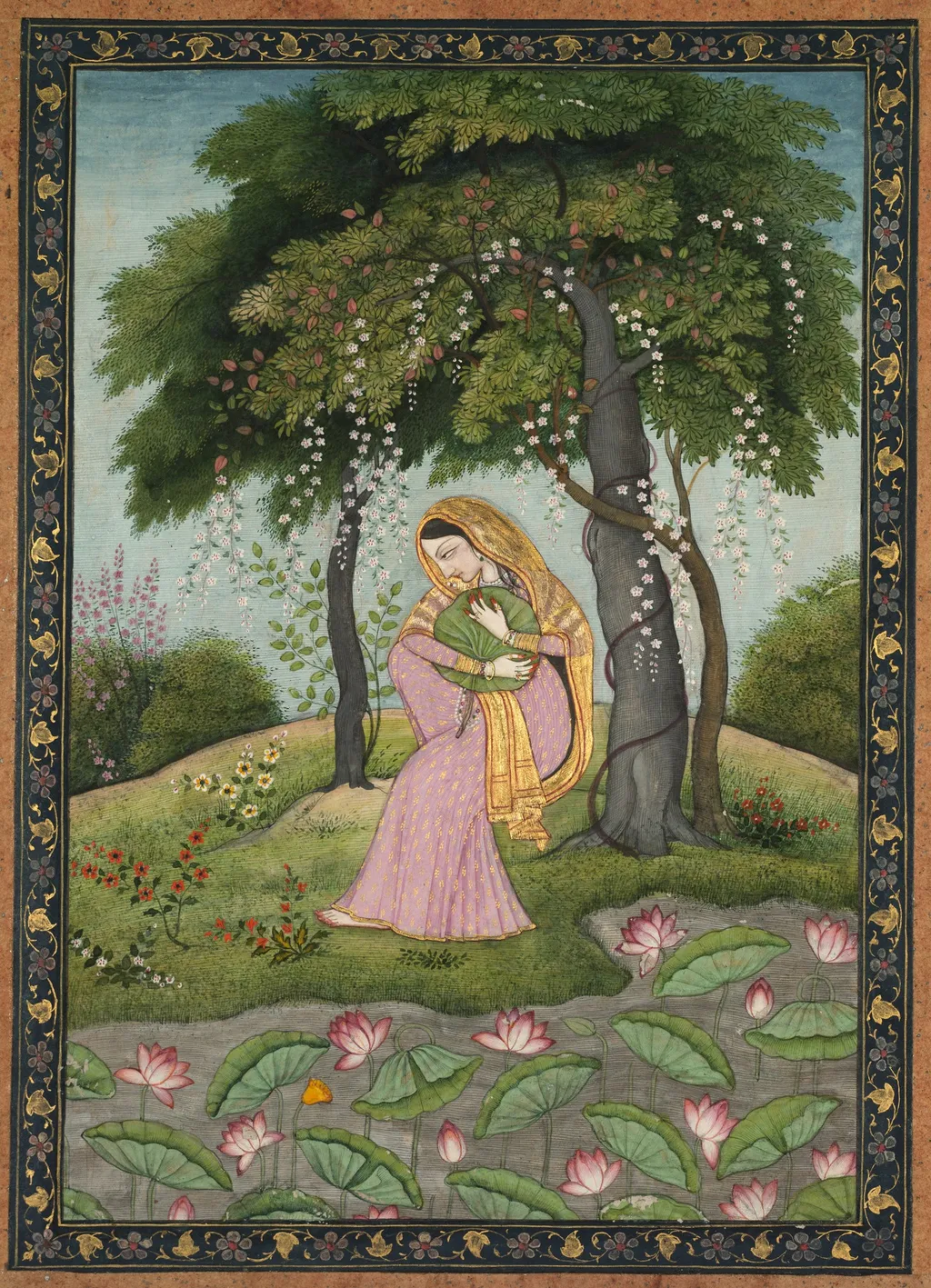
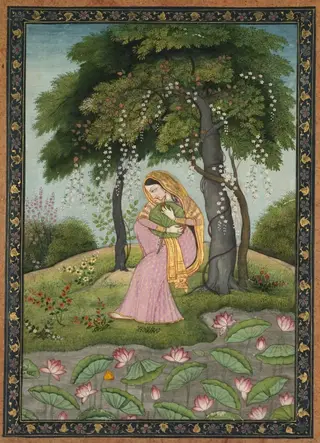
Virhini Nayika, Love-Torn Heroine is an unspecified painting. It dates from 1800 and is held in the collection of the Cleveland Museum of Art. Virhini Nayika, translated as “Love‑Torn Heroine,” is a painted work that presents a solitary female figure beneath a flowering tree.
About this work
Overview
Virhini Nayika, translated as “Love‑Torn Heroine,” is a painted work that presents a solitary female figure beneath a flowering tree.
Virhini Nayika, translated as “Love‑Torn Heroine,” is a painted work that presents a solitary female figure beneath a flowering tree. She is dressed in a pink garment, cradling a child while gazing downward with a subdued expression. The surrounding landscape features vivid green grass, clusters of pink blossoms, and a pond populated by lotus flowers with red and green foliage, creating a tranquil, pastoral setting.
Subject & Meaning
The central figure evokes the archetype of the yearning heroine, a motif common in South Asian visual culture. Her gentle melancholy and protective posture toward the child suggest themes of love, loss, and maternal devotion. The composition’s quiet intimacy invites contemplation of inner emotional conflict, aligning the work with narratives of devoted women awaiting or mourning a beloved.
Technique & Style
Rendered with delicate brushwork, the painting balances soft color harmonies, pink, green, and subtle reds, to convey a serene atmosphere. The tree’s curving branches frame the figure, employing compositional lines that guide the viewer’s eye toward the heroine’s face. Fine detailing of the lotus‑filled pond and floral elements demonstrates a careful attention to naturalistic texture within an idealized setting.
Context
The title and visual cues reference the mythic lover Radha, whose devotion to Krishna has been a recurrent subject in Indian art. By naming the piece after the “virhini nayika,” the artist situates the work within a tradition of portraying feminine longing and spiritual yearning, linking it to a broader cultural narrative of love‑infused devotion.
Legacy
While specific provenance details are limited, the painting continues to be cited in discussions of gendered emotional expression in South Asian visual traditions. Its portrayal of a contemplative heroine contributes to ongoing scholarly interest in how love and loss are visualized across regional artistic histories.
Artist & collection

- Virahini Nayika, Love-Torn Heroine
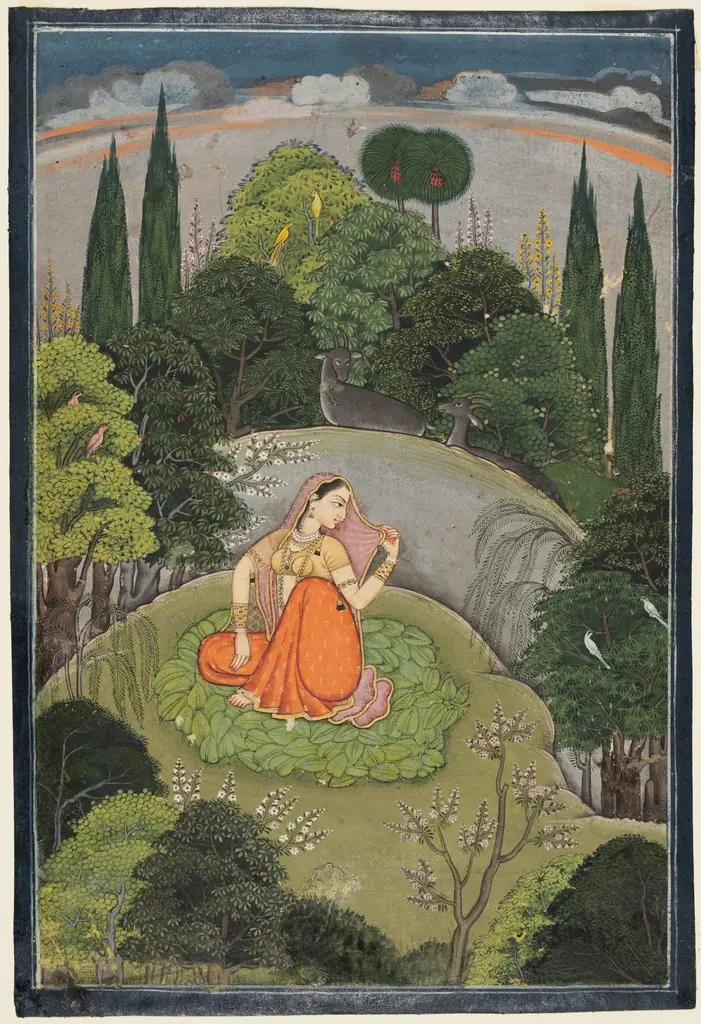 The Heroine Who Waits Anxiously for Her Absent Lover: Utka Nayika
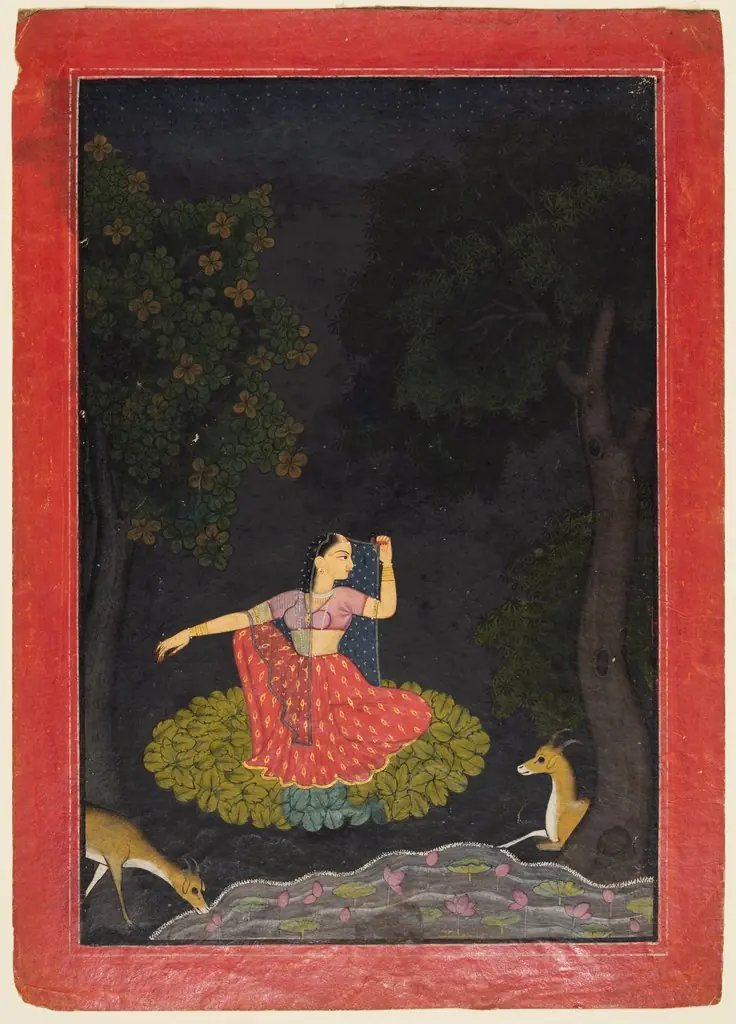 A Heroine Waiting for Her Paramour: Vasakasajja Nayika, from a Nurpur Rasikapriya
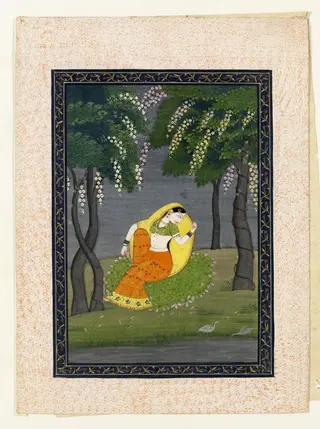 Vasakasajja Nayika
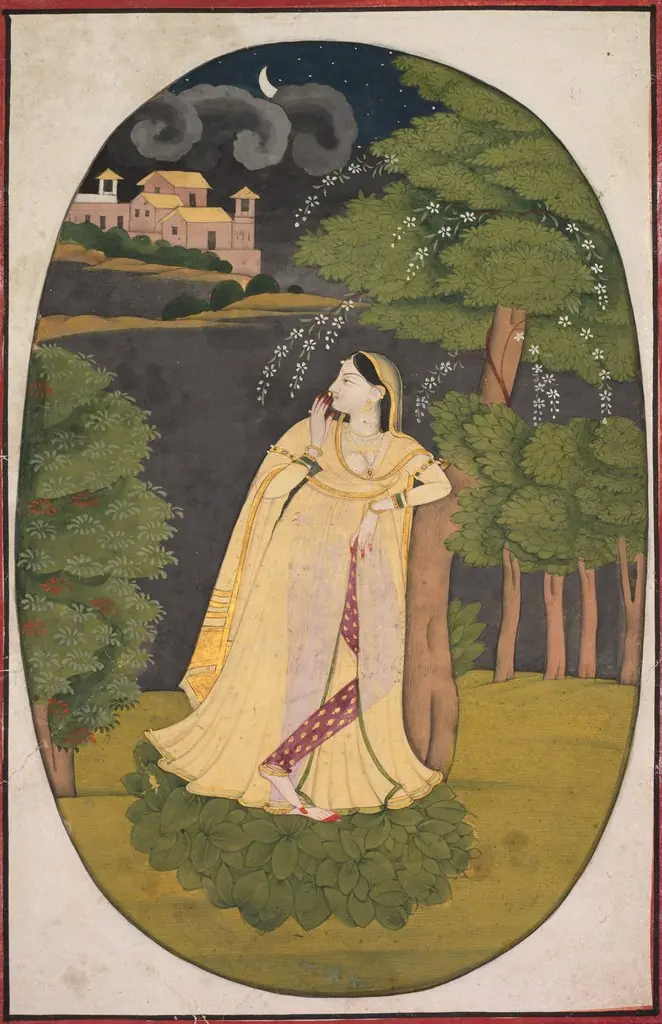 The Heroine Who Waits Anxiously for Her Absent Lover (Utka Nayika)
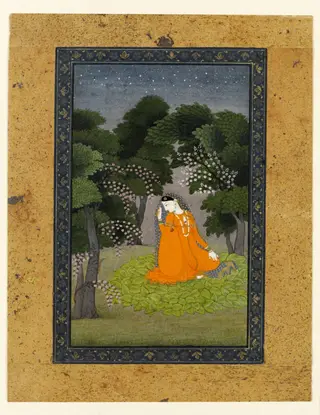 Utka Nayika
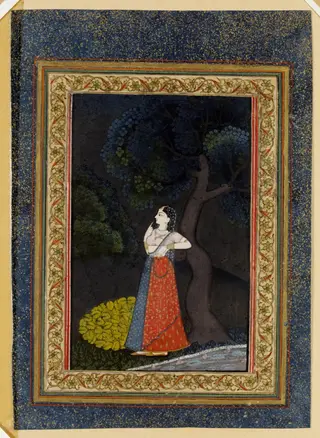 Utka Nayika
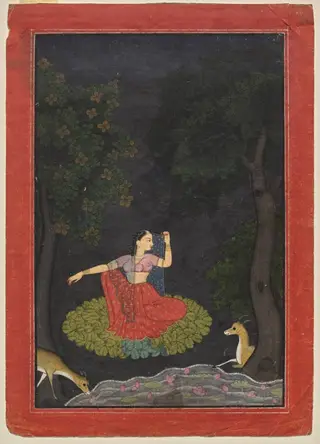 A heroine waiting for her lover: Vasakasajja Nayika, from the "Nurpur" Rasikapriya
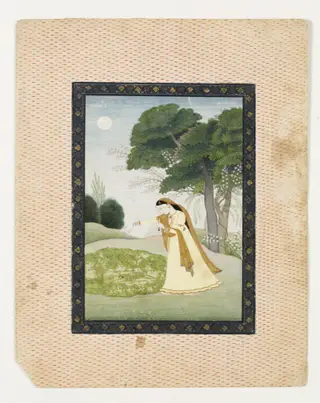 Vipralabdha Nayika
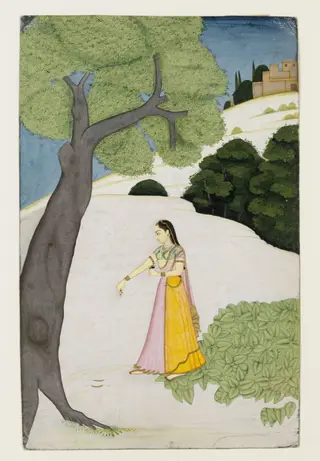 Vipralabdha Nayika
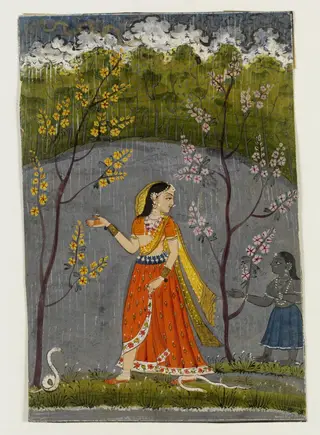 Abhisarika Nayika