
Artist
Movement
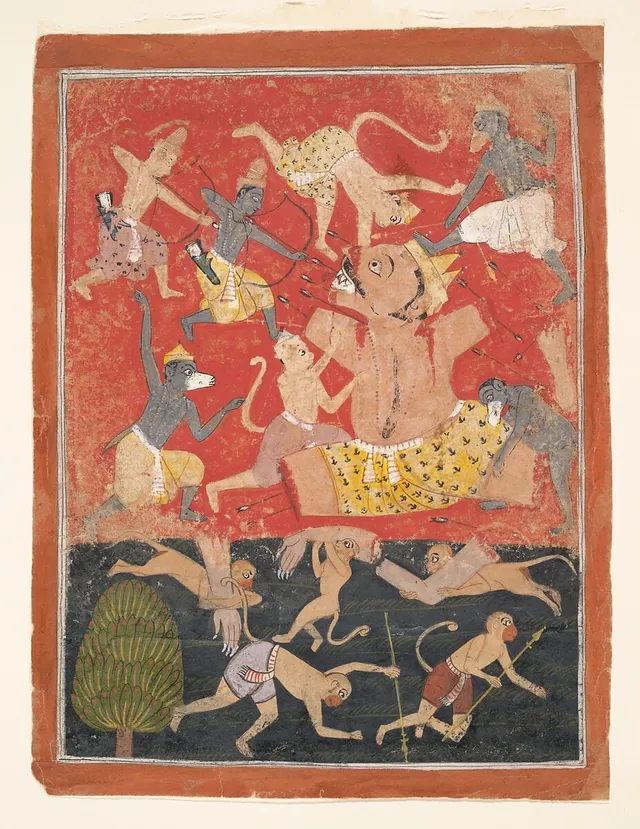
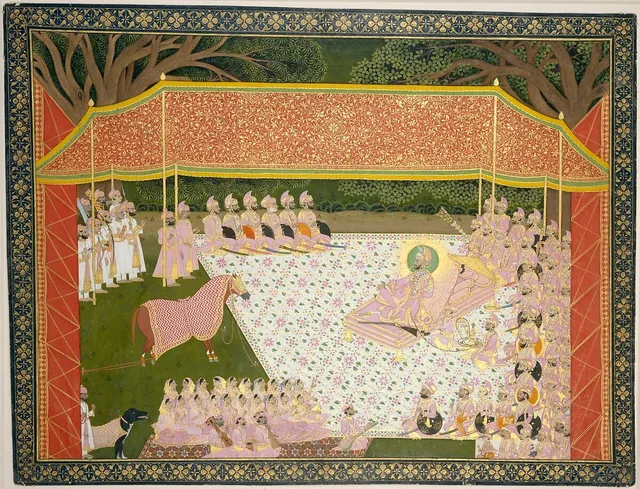
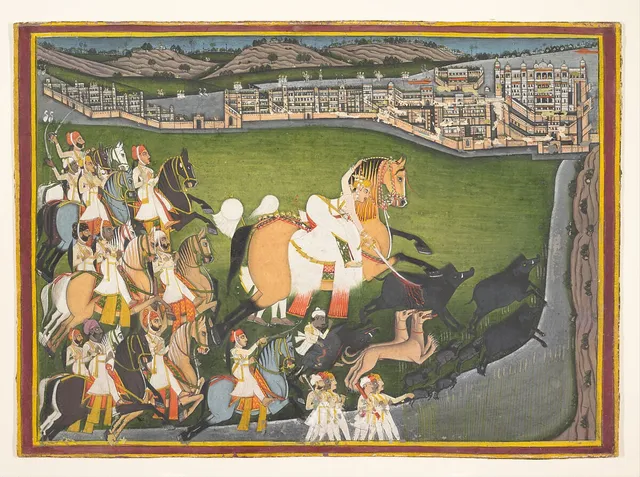
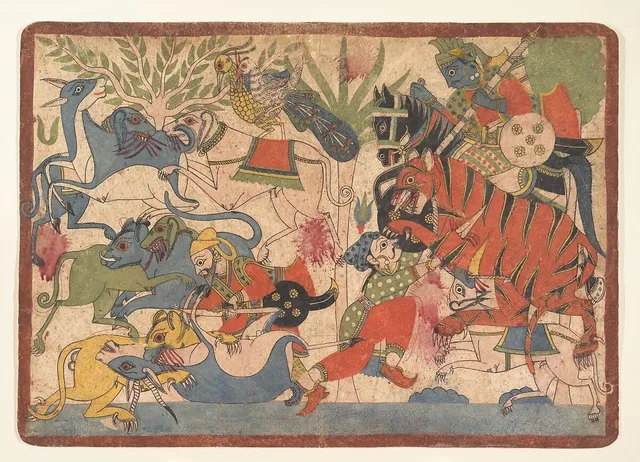
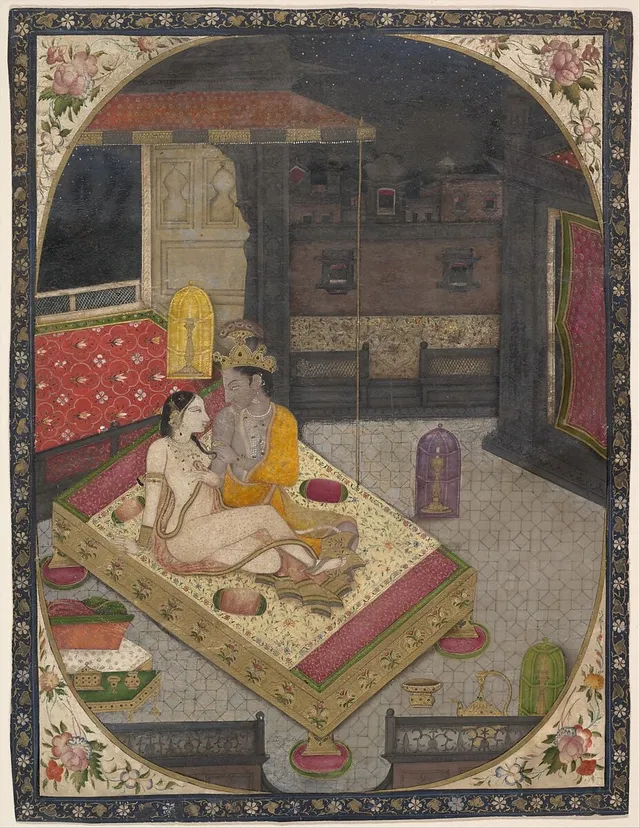
Patna School of Painting is an art movement. The gallery holds 862 works in this movement, including works by Tara, Chokha and Nainsukh. Browse Patna School of Painting paintings, portraits, pictures and artworks from the world's public-domain museum collections.
The Patna School of Painting — known in Urdu as Patna Qalam or Patna Kalam — is a style of Indian painting that flourished in Bihar from roughly the mid-eighteenth century into the early twentieth. Its origins lie in the dispersal of Mughal-trained artists who left Delhi as imperial patronage collapsed, regrouping first at the Bengal nawabs' court in Murshidabad and then, after the East India Company's ascendancy following the Battle of Plassey (1757), settling in Patna and nearby Danapur and Arrah. There they reinvented themselves as independent bazaar painters, and the school is generally classed as a regional offshoot of the broader Company painting tradition, made for and sold to British East India Company officers as souvenir sets, or firkas, documenting Indian life.
What distinguishes Patna Kalam from its Mughal parentage is its subject matter: in place of emperors, durbars, and idealised romance, its painters turned to the common people of the streets — pedlars, fish-sellers, bangle-makers, blacksmiths, carpenters, toddy-tappers, and water-carriers — set against bare grounds with minimal landscape. Technically the school is known for the kajli siyahi method, in which figures were built up directly with the brush, without preliminary pencil drawing, using fine straight strokes, stippling, and faint modelling rather than heavy outline or blended shading. Works were executed in miniature on handmade paper, on translucent mica, and on small ivory discs worn as brooches.
The acknowledged masters span several generations. Hulas Lal is regarded as an early master; Sewak Ram, whose output the historian Mildred Archer dated to the school's earliest phase around 1805–1815, painted large festival and ceremonial scenes. The most celebrated figure was Shiva Lal, styled Shahi Musavvir ('imperial painter'), remembered for studies of birds, daily life, and a notable series on opium manufacture commissioned by a Company officer; his relatives Shiva Dayal Lal and Mahadeo Lal continued the line.
The tradition waned from the early twentieth century as photography and Western academic art displaced it. Ishwari Prasad Verma (1870–1949), who later taught at the Calcutta School of Art, is considered its last significant practitioner, and Archer's research, drawing on his recollections, remains foundational to our understanding of the school today.
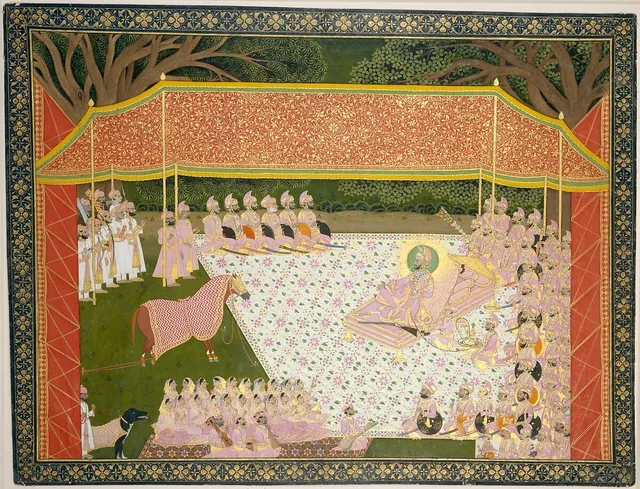
 Untitled
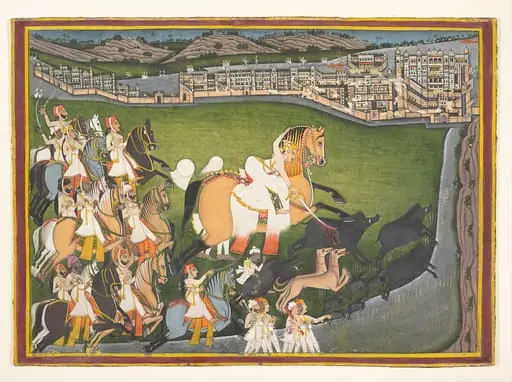 Untitled
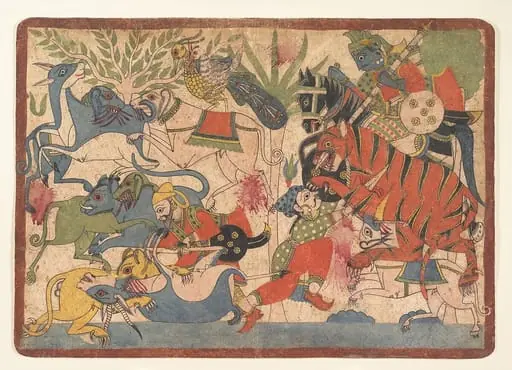 Untitled
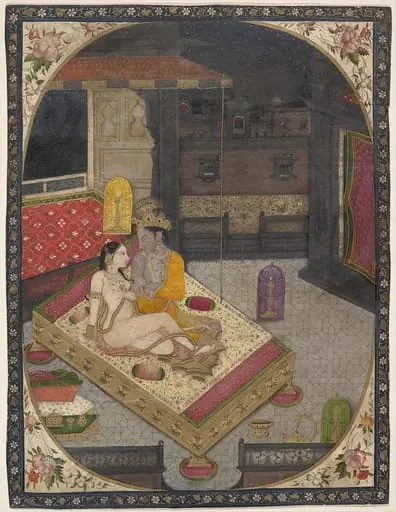 Untitled
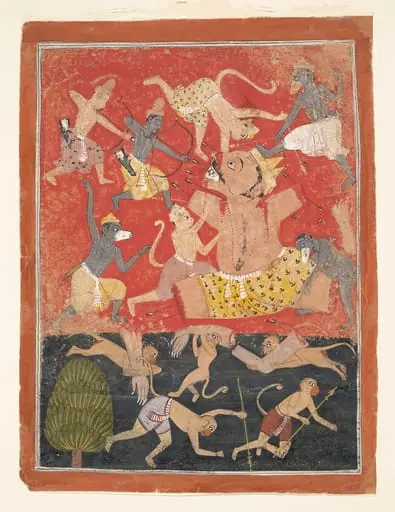 Untitled
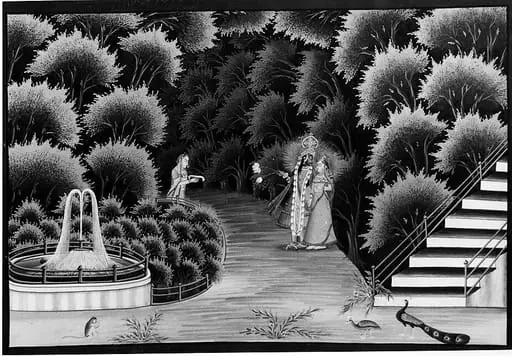 Untitled
 Untitled
 Untitled
 Untitled
 Untitled
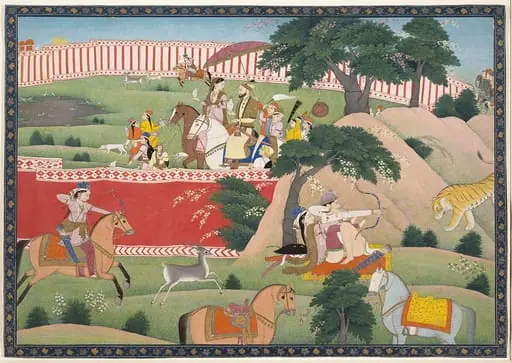 Untitled
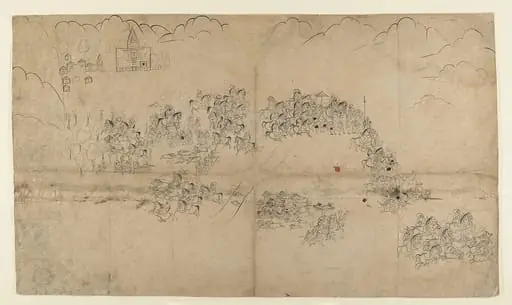 Untitled
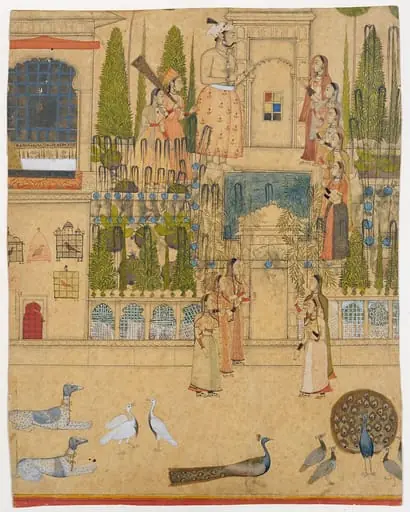 Untitled
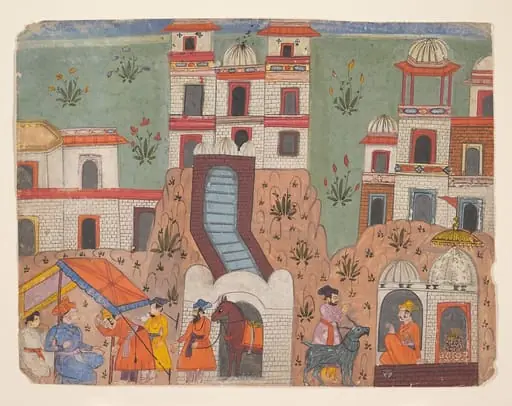 Untitled
 Untitled
 Untitled
 Untitled
 Untitled
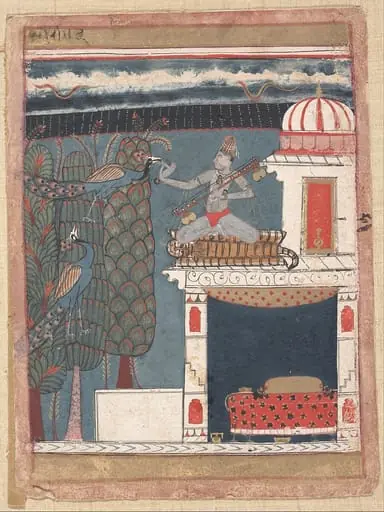 Untitled
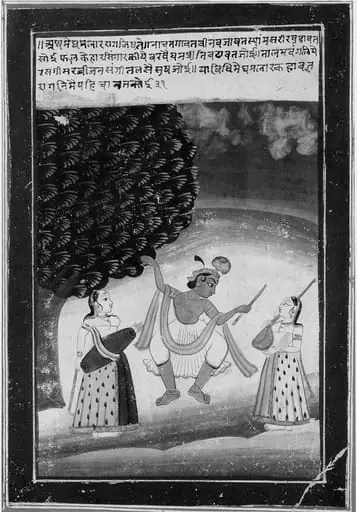 Untitled
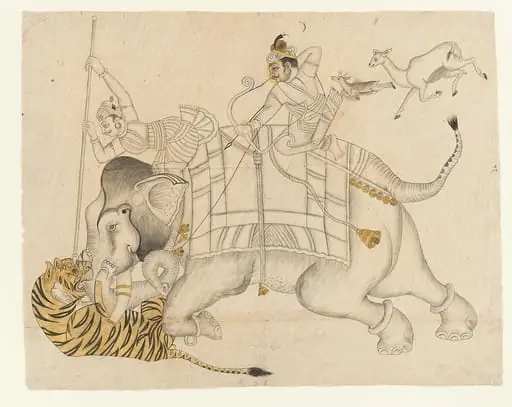 Untitled
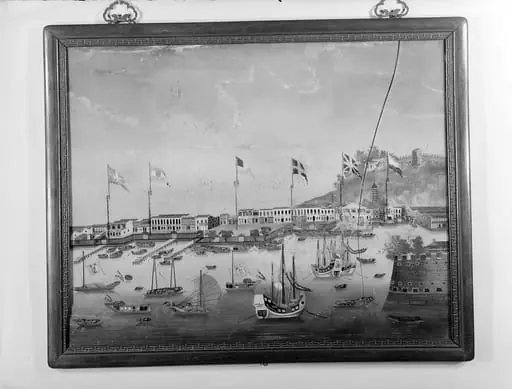 View of the Harbor at Canton
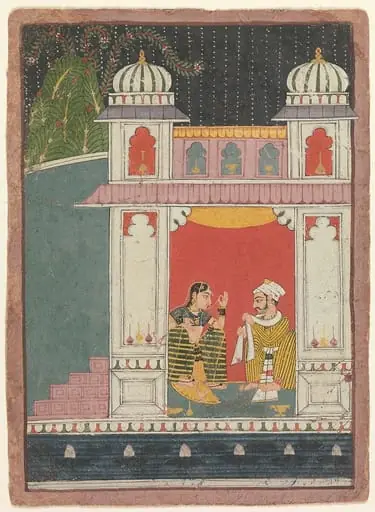 Untitled
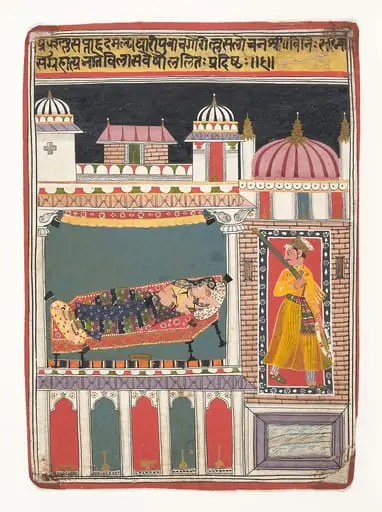 Untitled
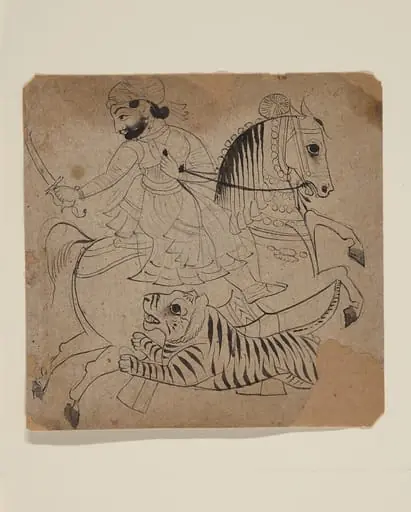 Untitled
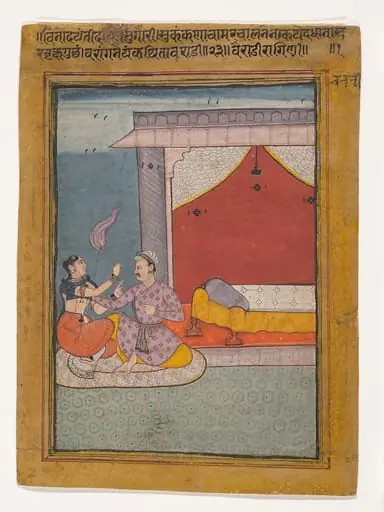 Untitled
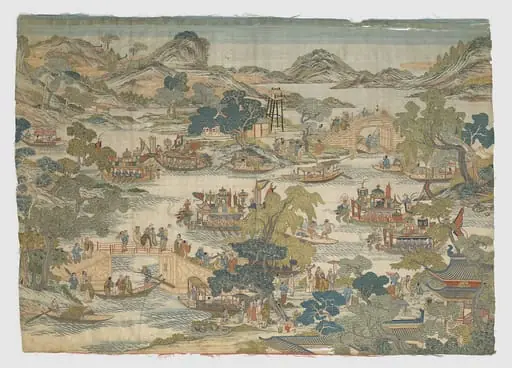 清 緙絲龍舟競渡圖|Dragon-boat festival performance
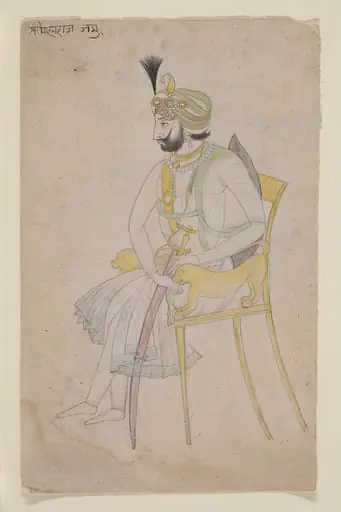 Untitled
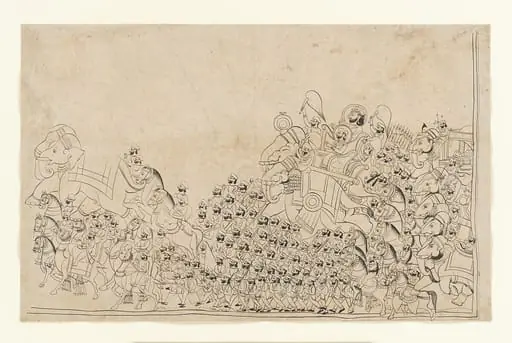 Untitled
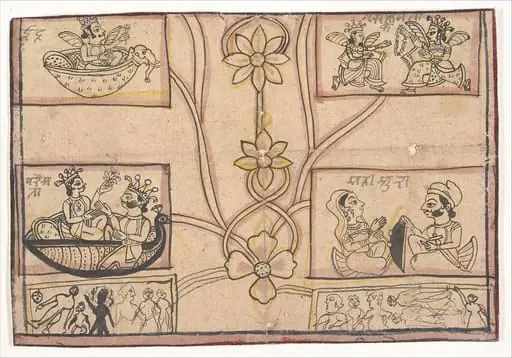 Untitled
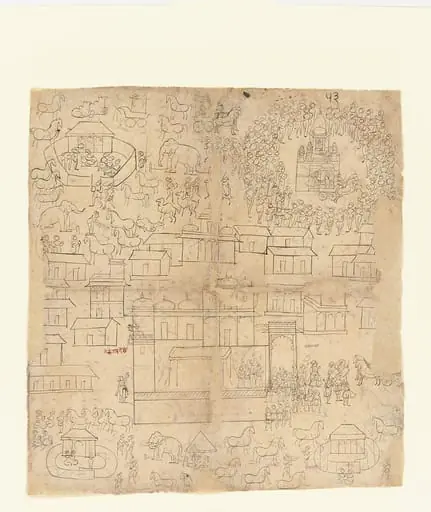 Untitled
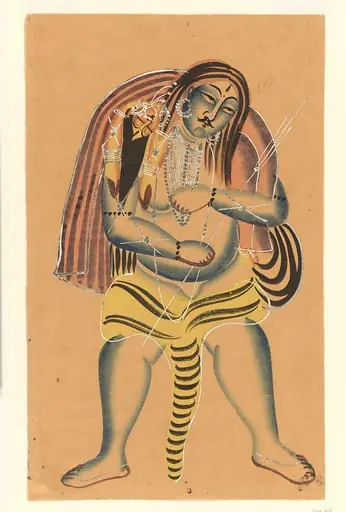 Untitled
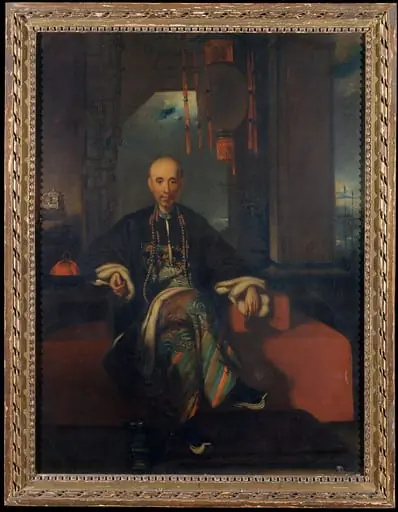 Houqua
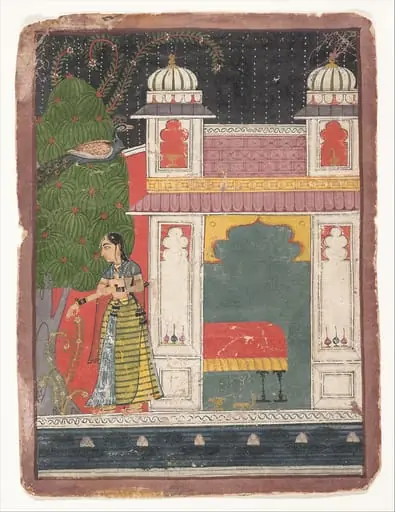 Untitled
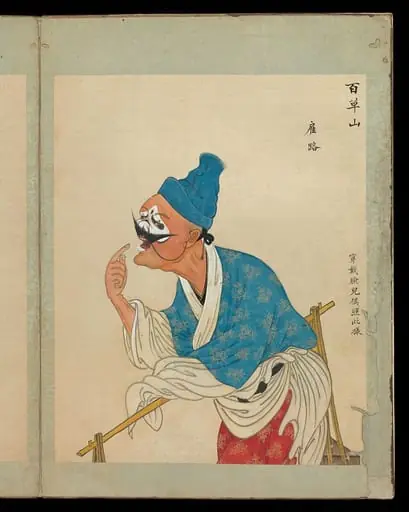 無款 清末 京劇一百人物像 冊 絹本|One hundred portraits of Peking opera characters
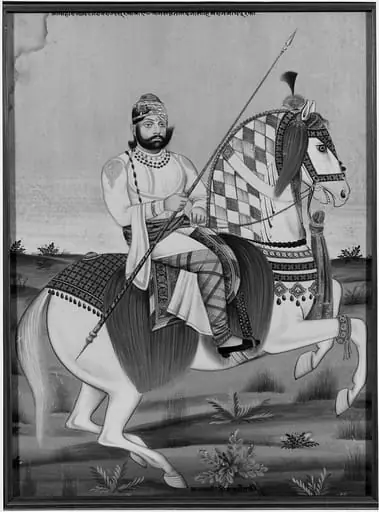 Untitled
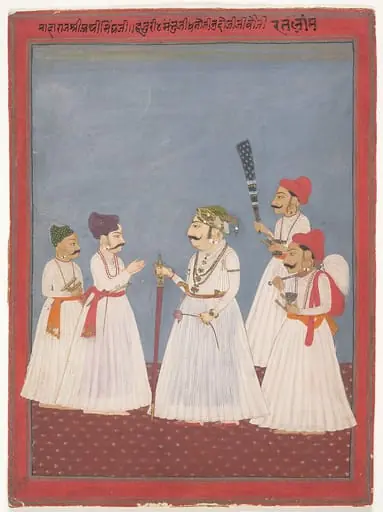 Untitled
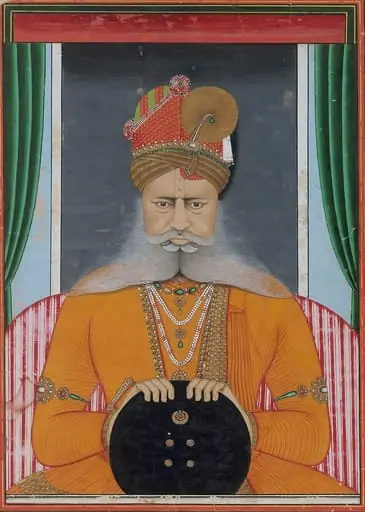 Untitled
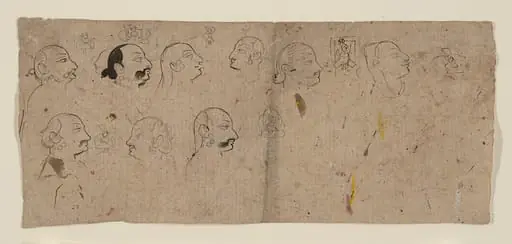 Untitled
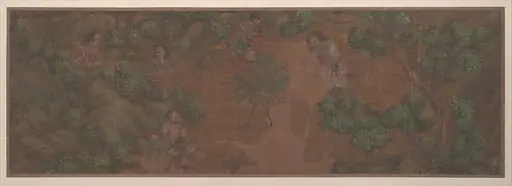 Untitled
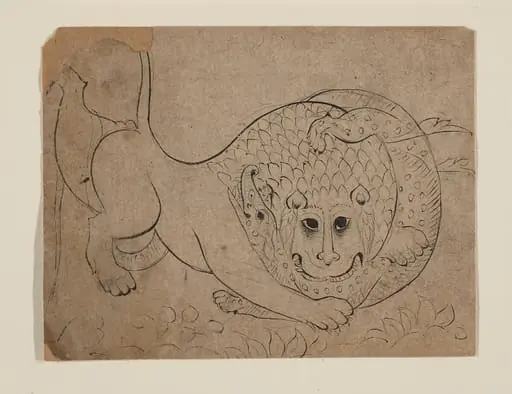 Untitled
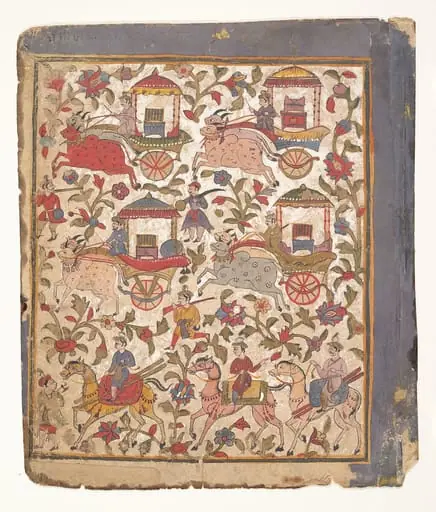 Untitled
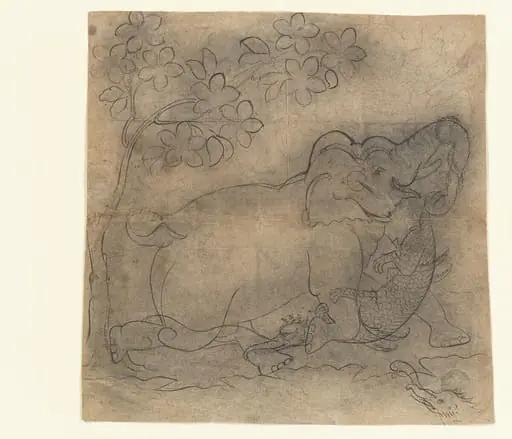 Untitled
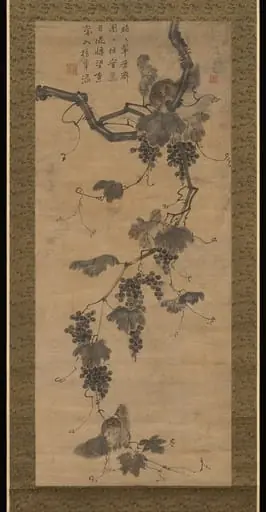 Untitled
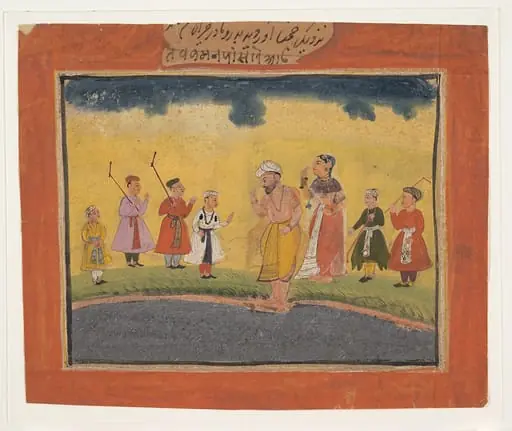 Untitled
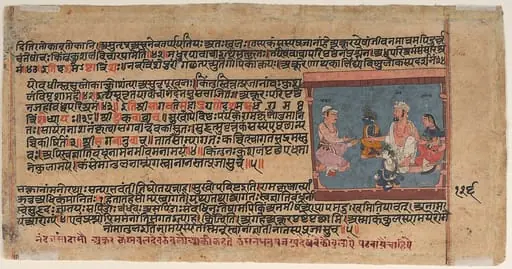 Untitled
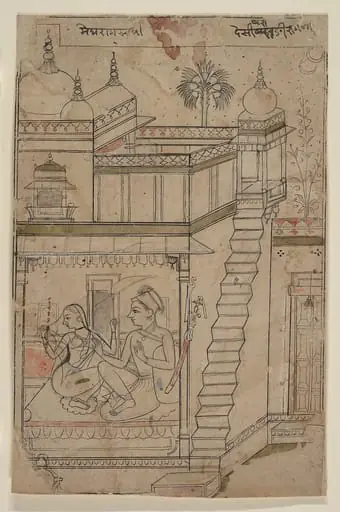 Untitled
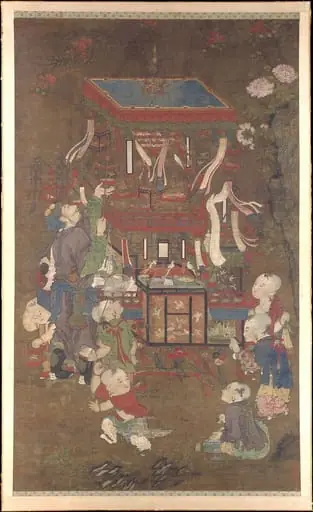 明 佚名 絹本設色 鳥販圖 軸|Bird peddler
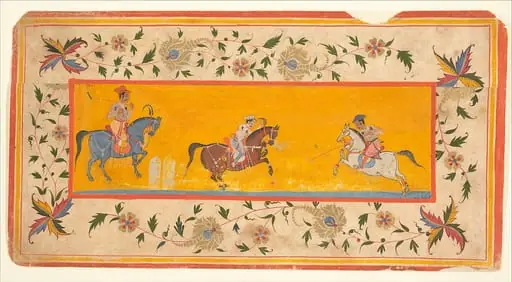 Untitled
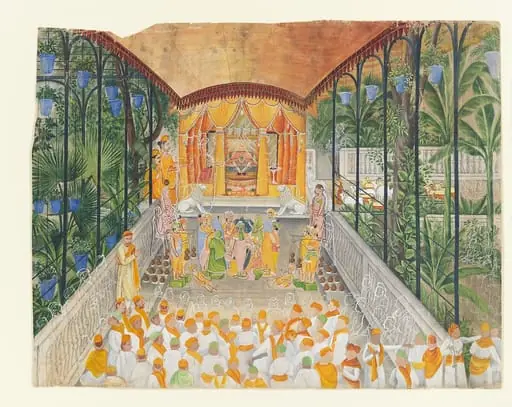 Untitled
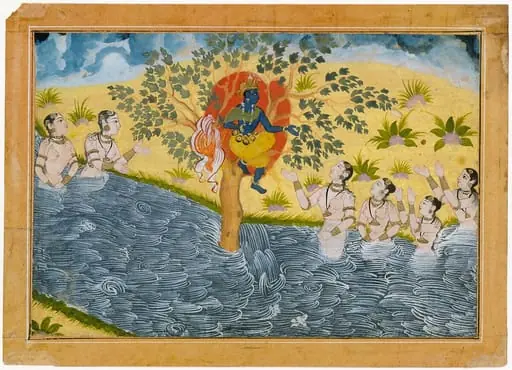 Untitled
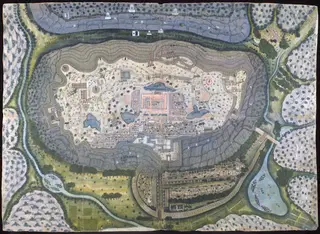 Untitled
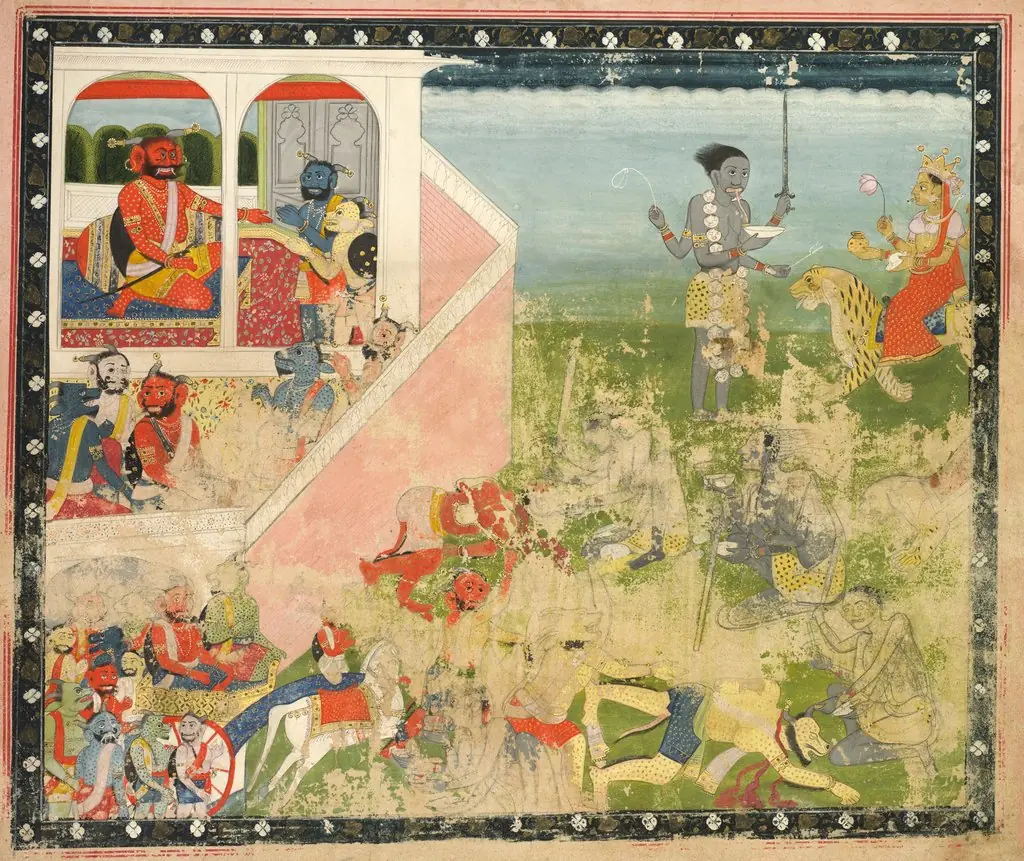 Kali and Devi Attack: Leaf from a Devi Mahatmya
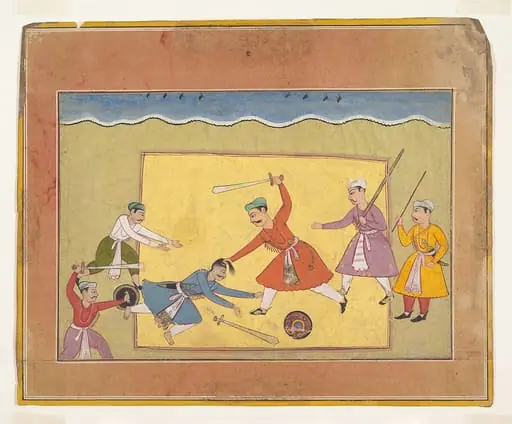 Untitled
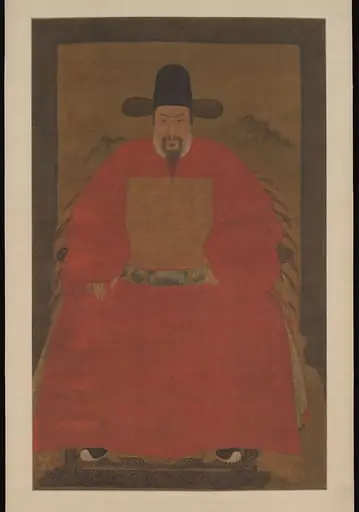 明 佚名 人物肖像 圖 鏡面|Portrait of a Gentleman
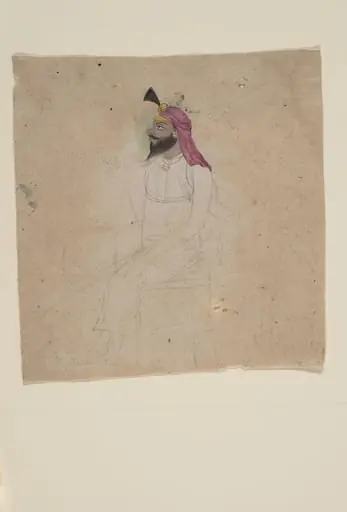 Untitled
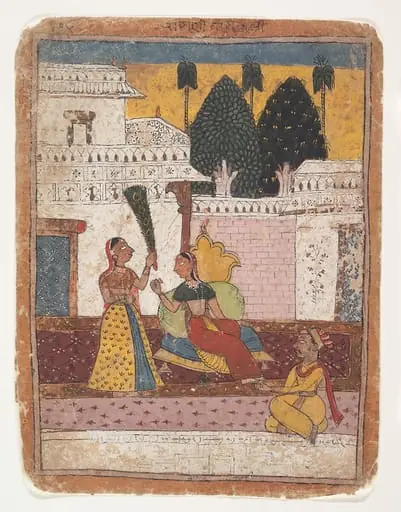 Untitled
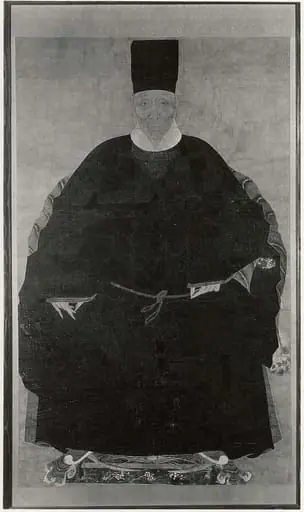 明 佚名 人物肖像 圖 軸|Portrait of a Gentleman
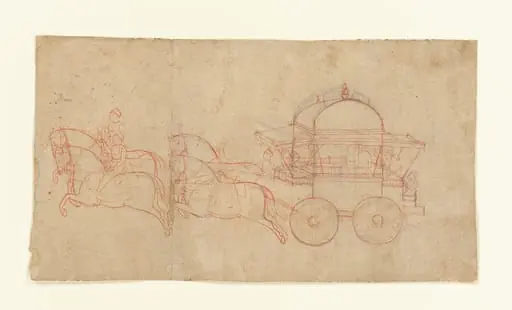 Untitled
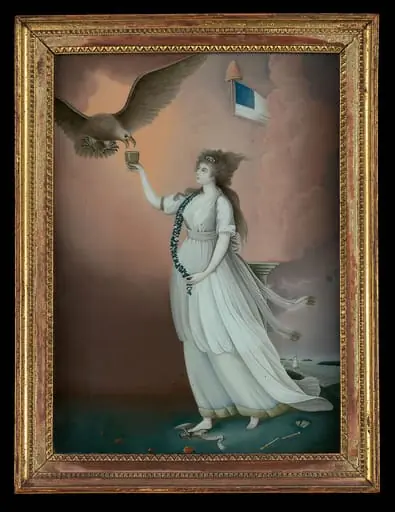 Liberty
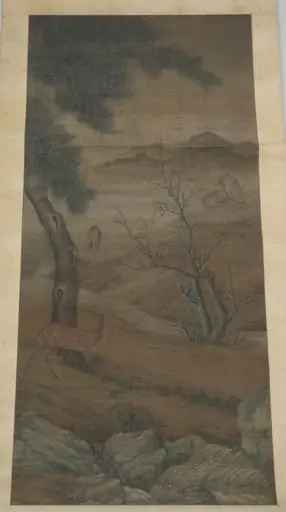 清 佚名 舊傳郎世寧 游鹿圖 軸|Fawn at Play
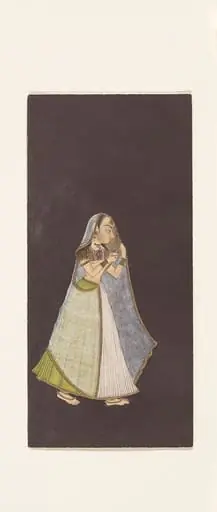 Untitled
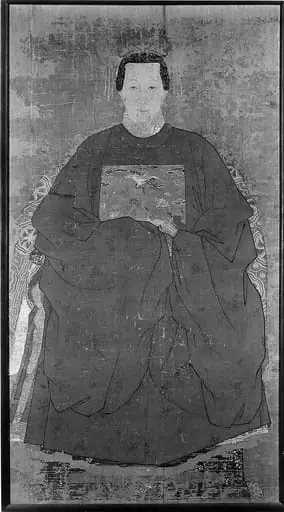 明 佚名 婦女肖像 圖 鏡面|Portrait of a Lady
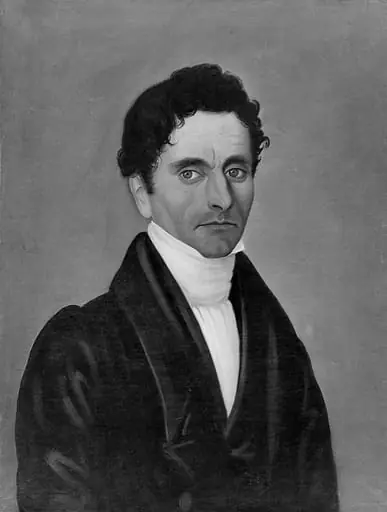 William Conklin
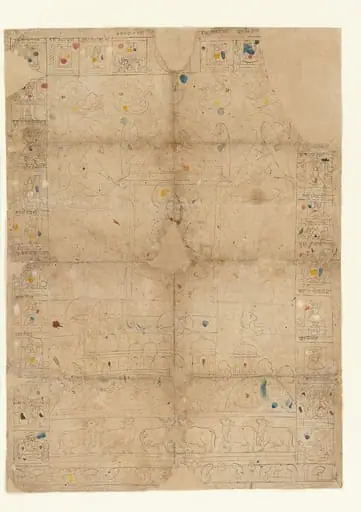 Untitled
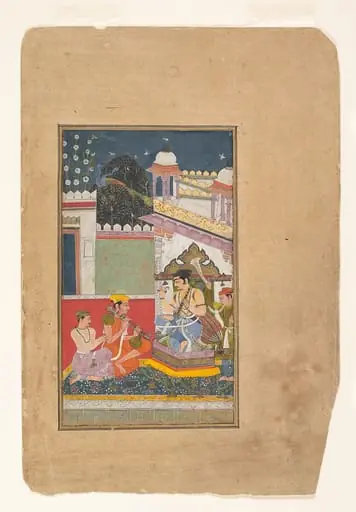 Untitled
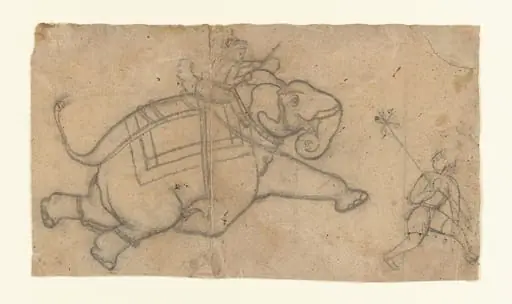 Untitled
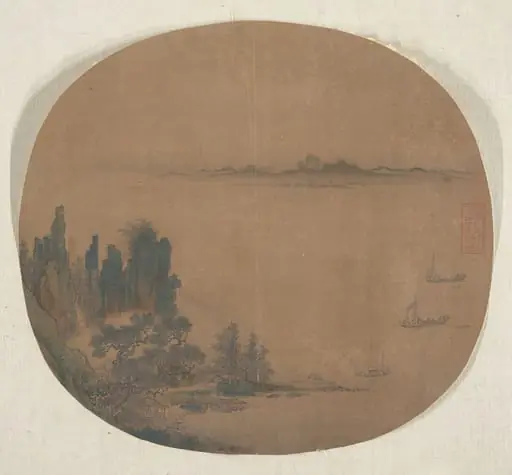 明 佚名 仿趙伯駒 春江行舟圖 團扇|Seascape
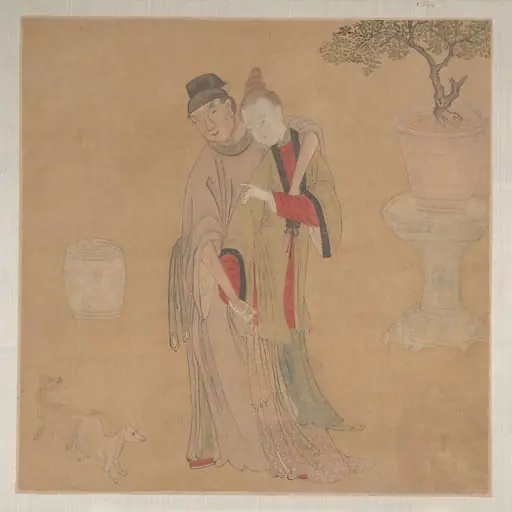 清 佚名 傳勾龍爽 番酋四歡八樂圖 冊頁|Tartar Officer with Blonde Lady
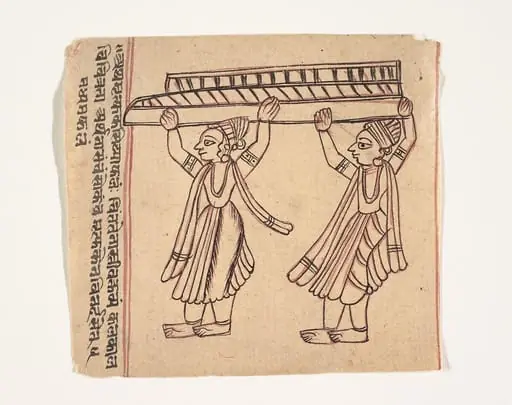 Untitled
 Untitled
 Untitled
 A Syce
 Untitled
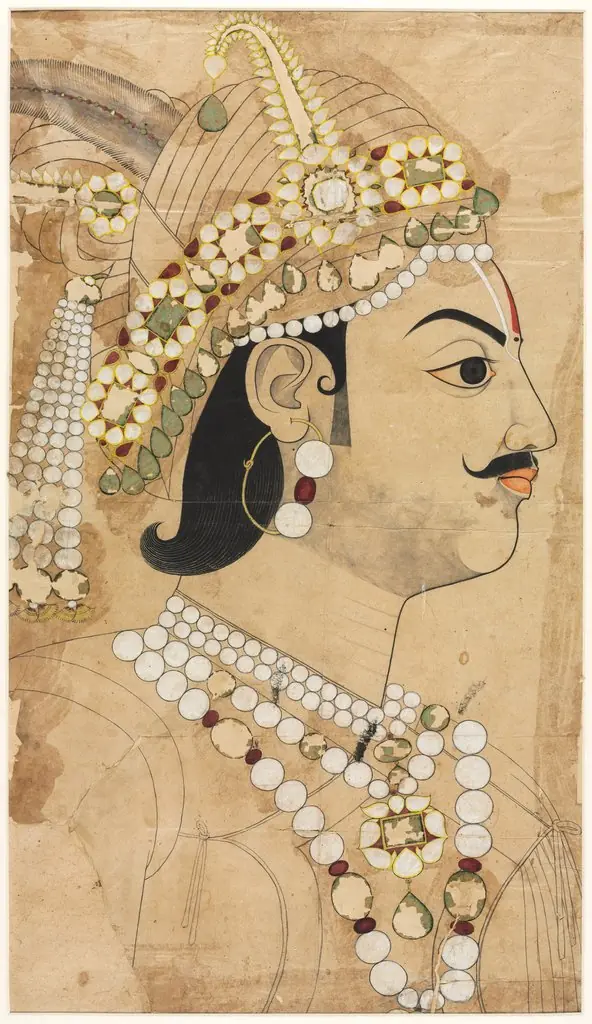 Portrait of Maharaja Pratap Singh (1764–1803)
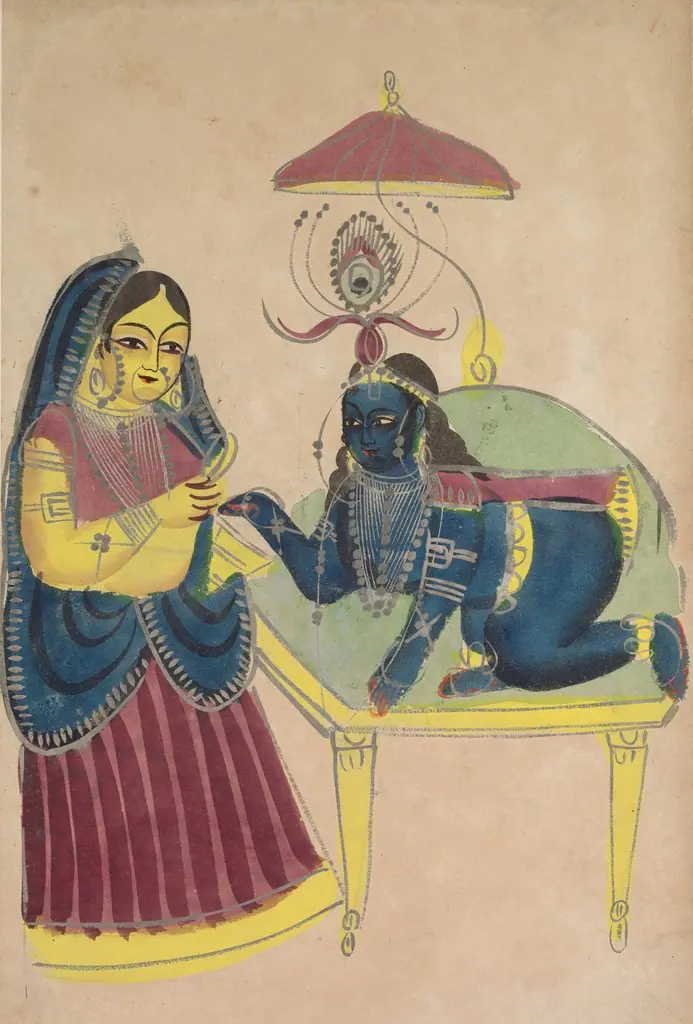 Baby Krishna Asking for Butter from Yashoda, from a Kalighat album
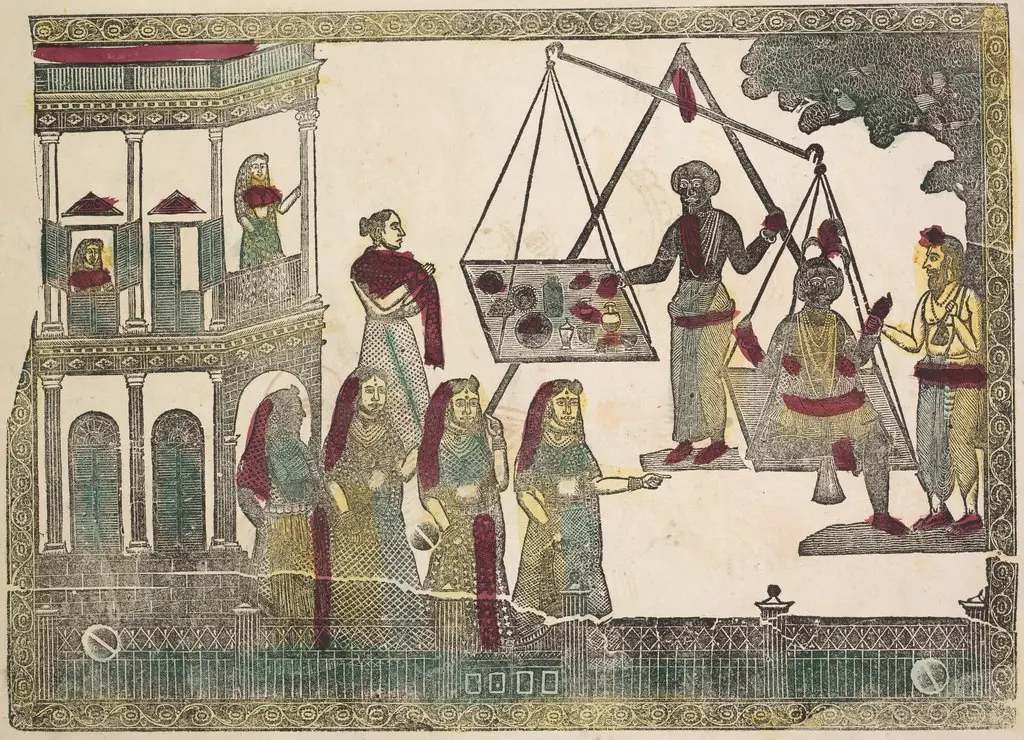 Krishna weighed against precious objects(?) (verso), from a Kalighat album
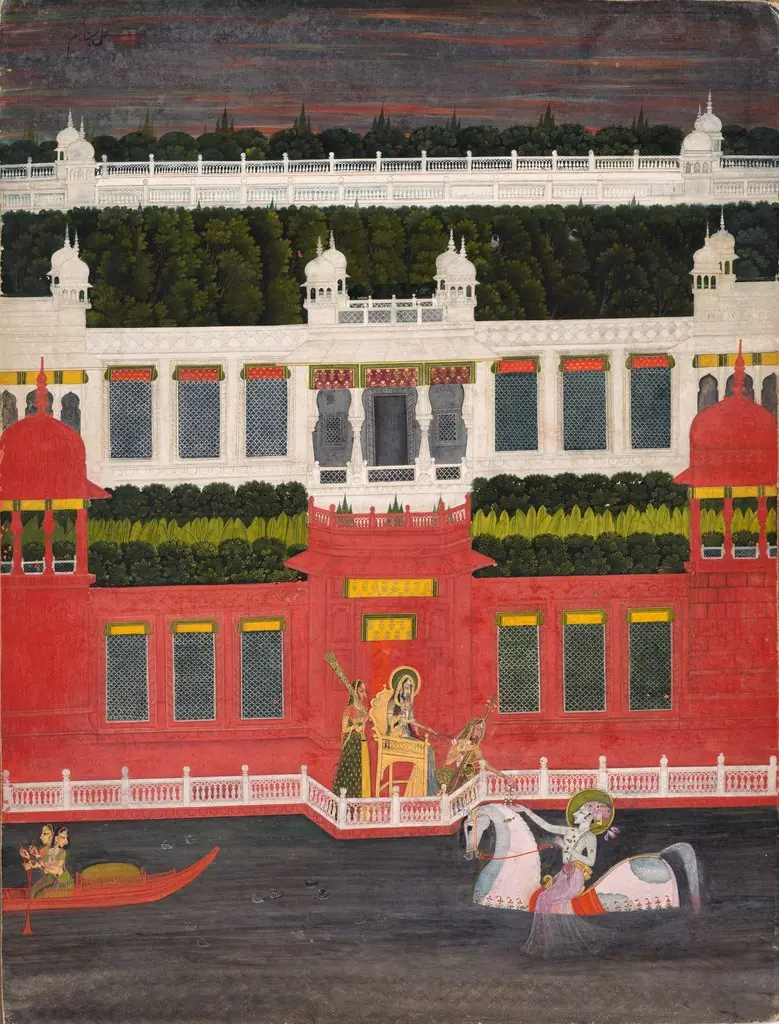
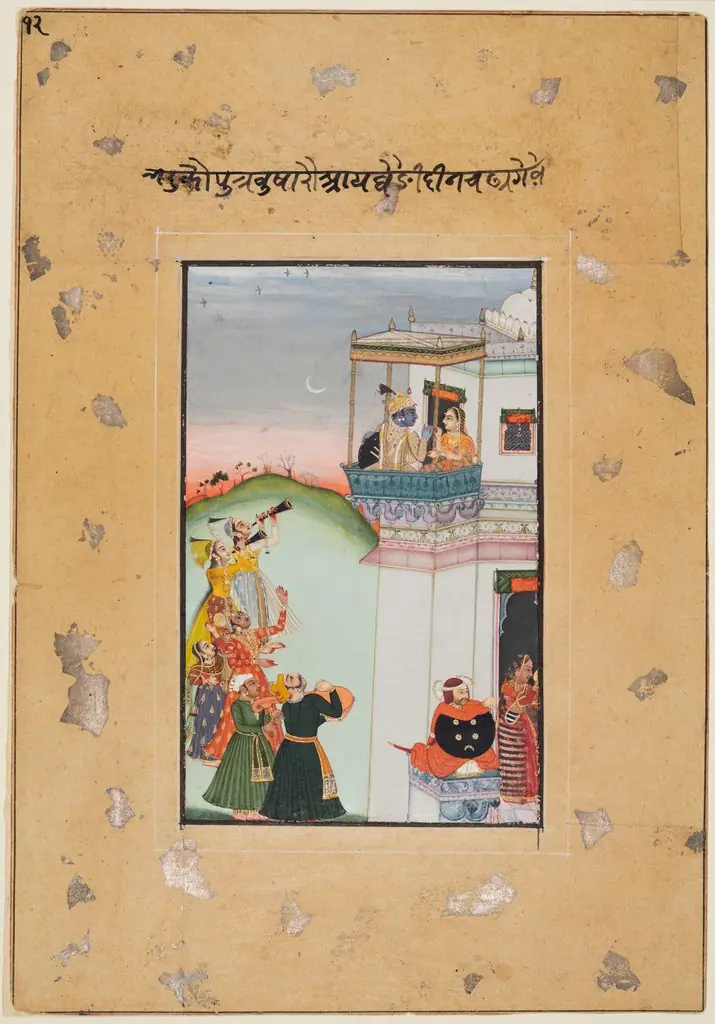 Krishna and Consort on a Palace Balcony with Musicians: Vukharo Ragaputra of Bhairav, from the “Boston Ragamala”
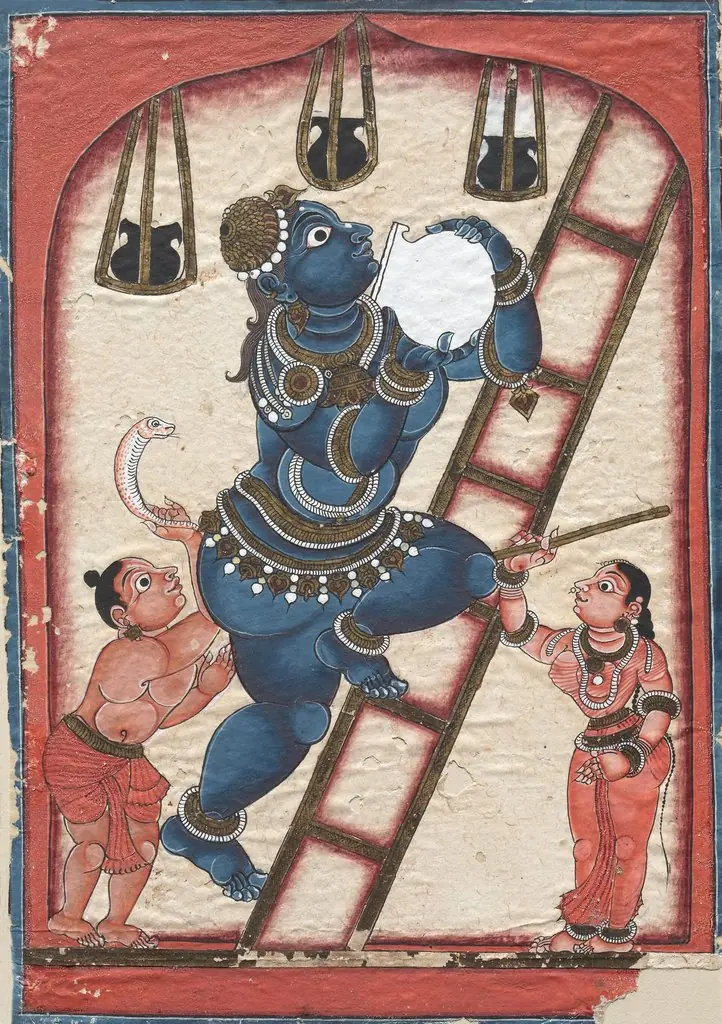 Krishna Stealing Curds
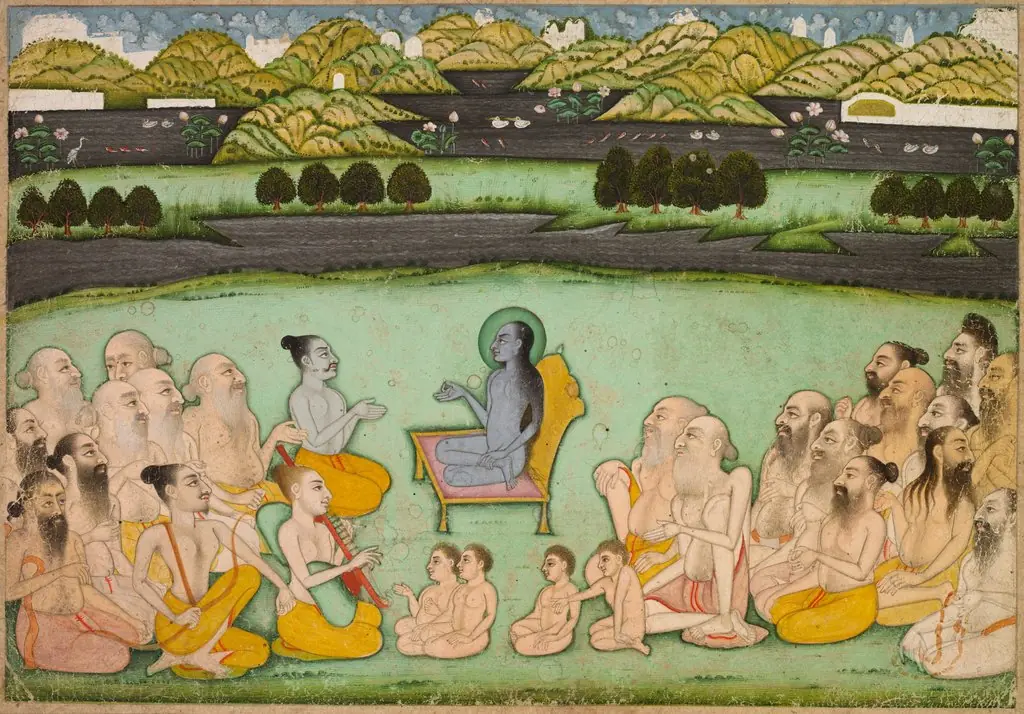 Hindu God Krishna Talking to Elders
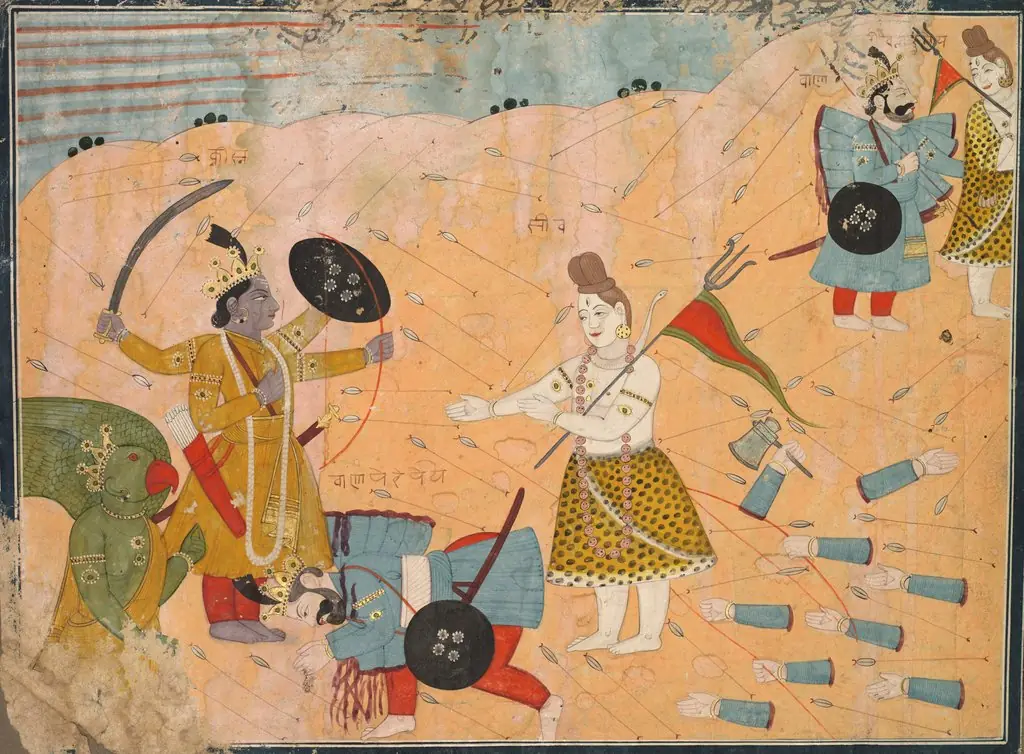 Shiva Intercedes for Vanasura: Scene from the Aniruddha Usha Section of Krishna Lila
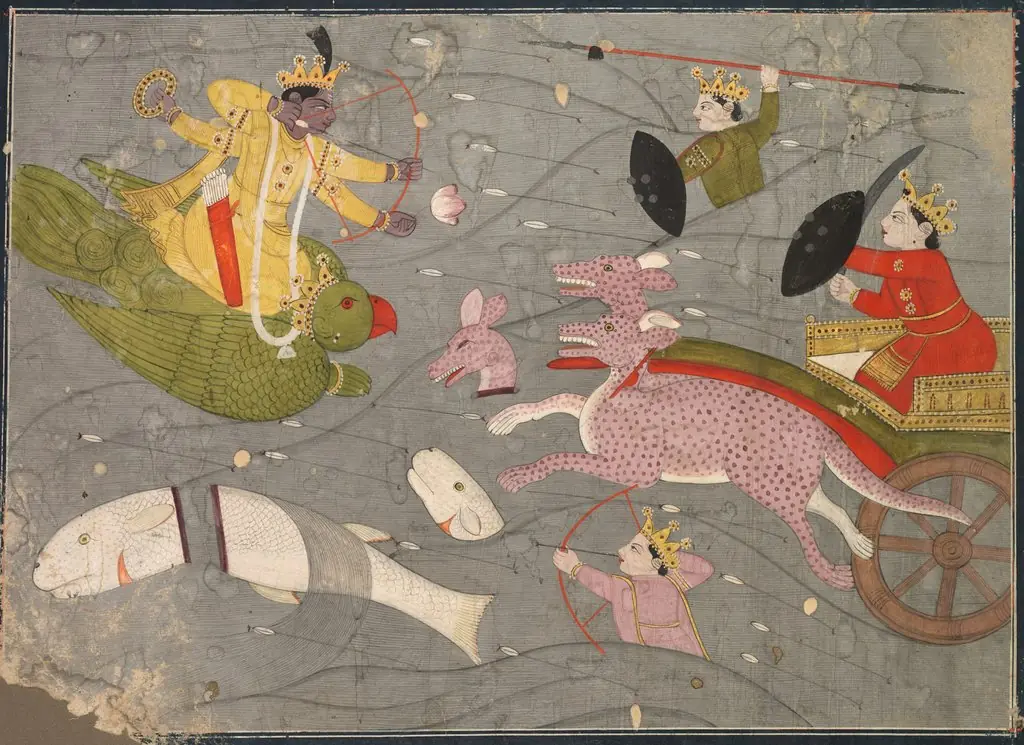 Krishna Fighting Vanasura's Sons: Scene from the Aniruddha Usha Section of Krishna Lila
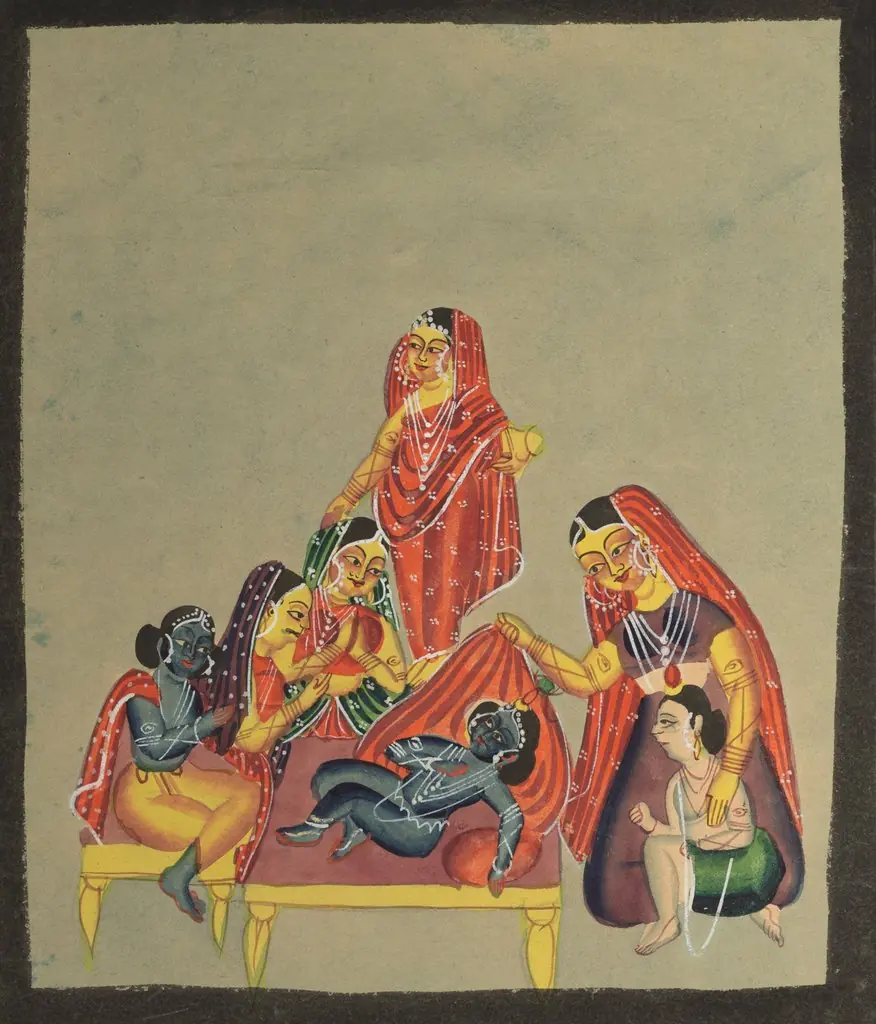 Worship of the Infant Krishna, from a Kalighat album
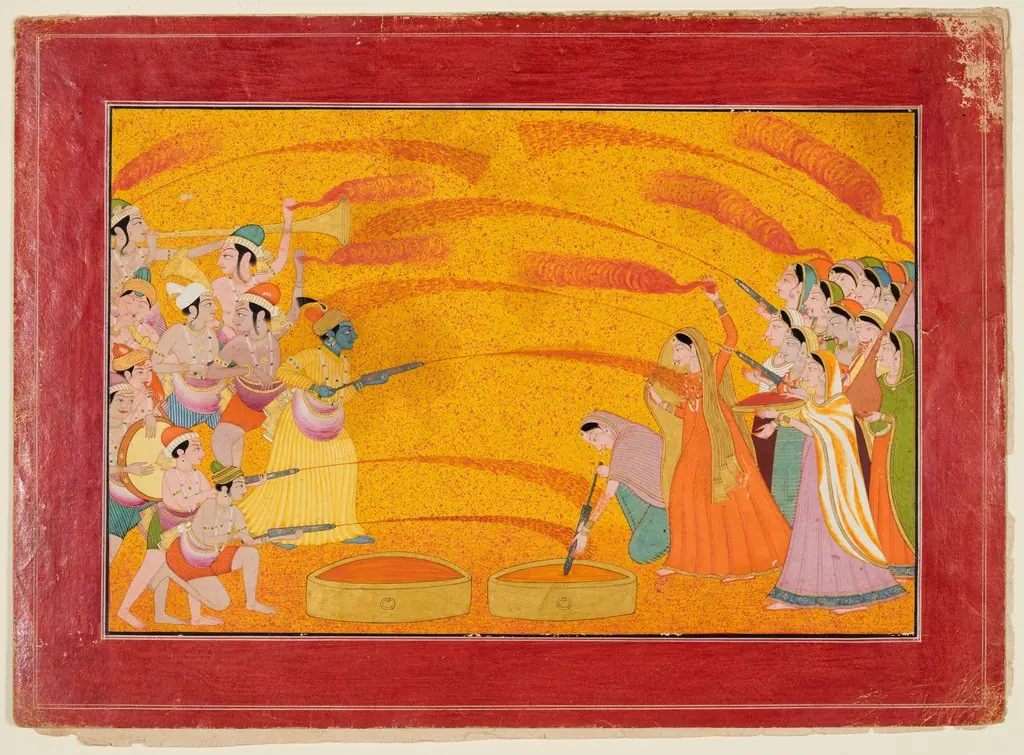 Krishna Celebrates Holi
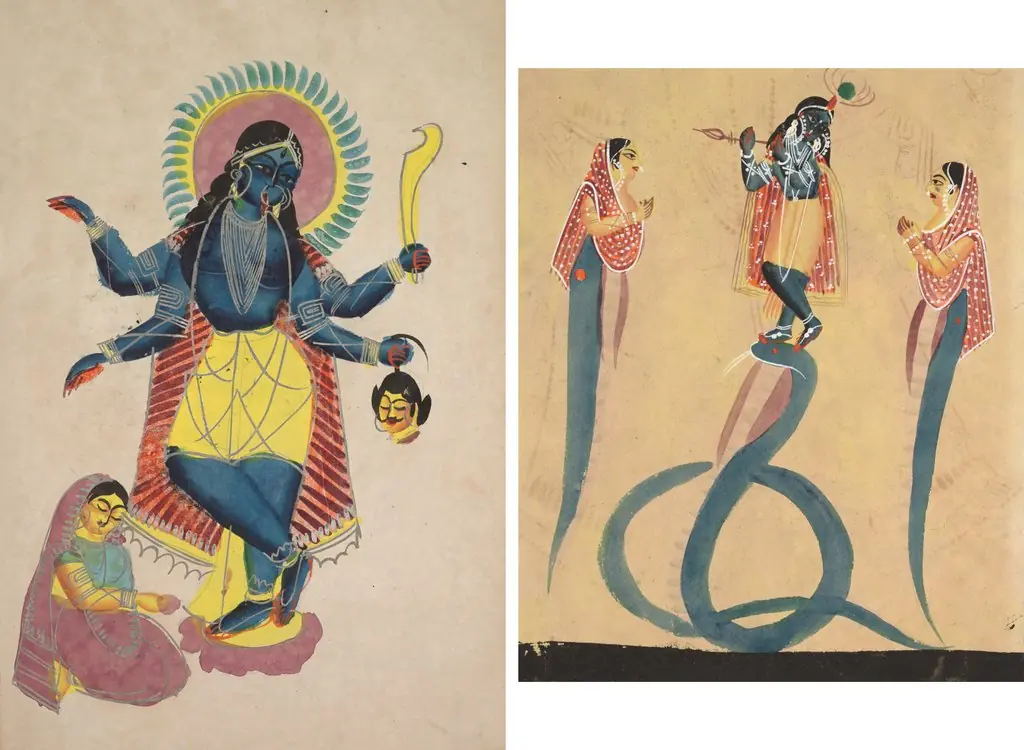 Leaf from a Kalighat album: Krishna as Kali worshipped by Radha (recto); Krishna quells the serpent Kaliya (verso)
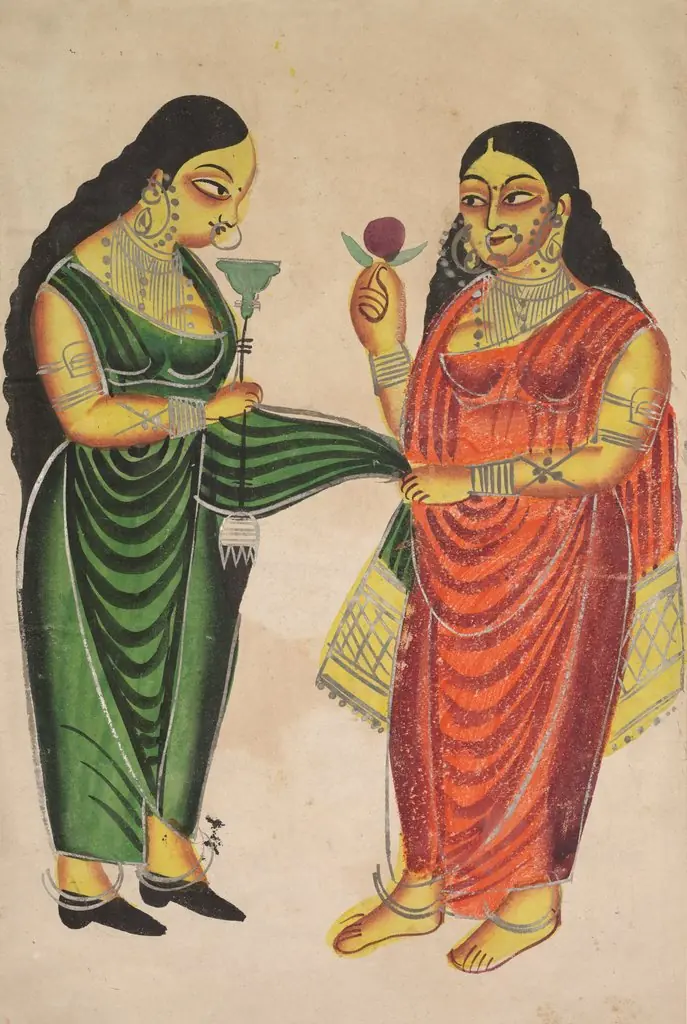 Leaf from a Kalighat album: Maid bringing a hookah to a lady (recto); Krishna weighed against precious objects(?) (verso)
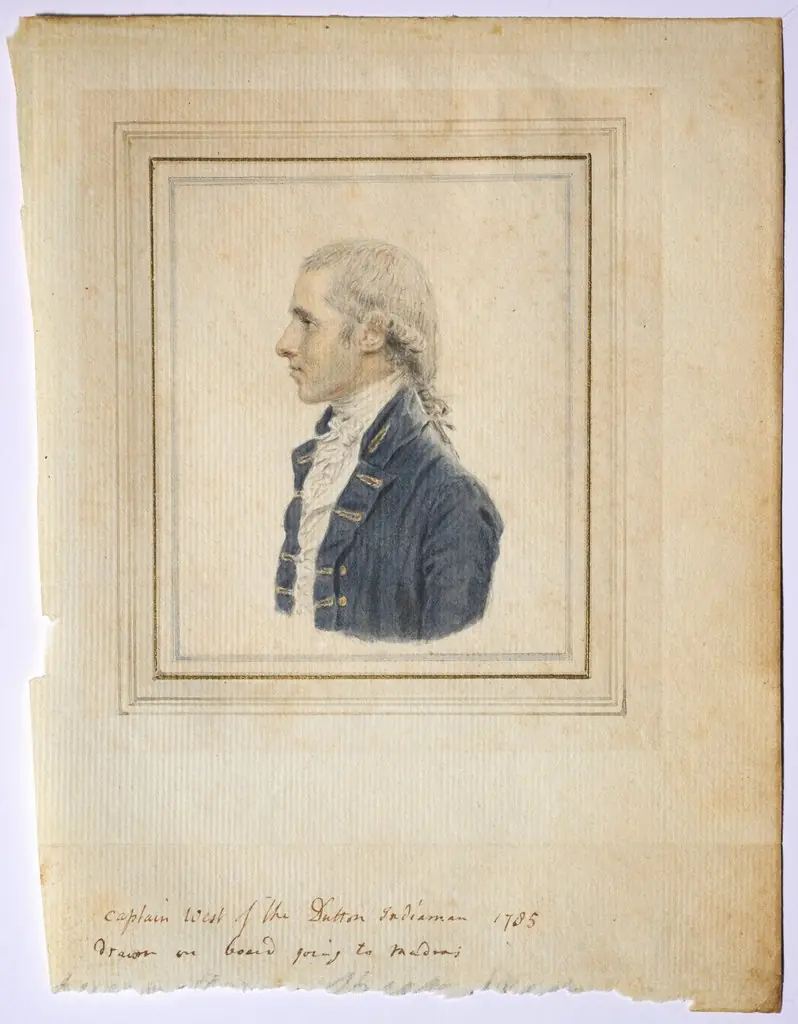 Portrait of Sir Captain West of the Dutton Indiaman
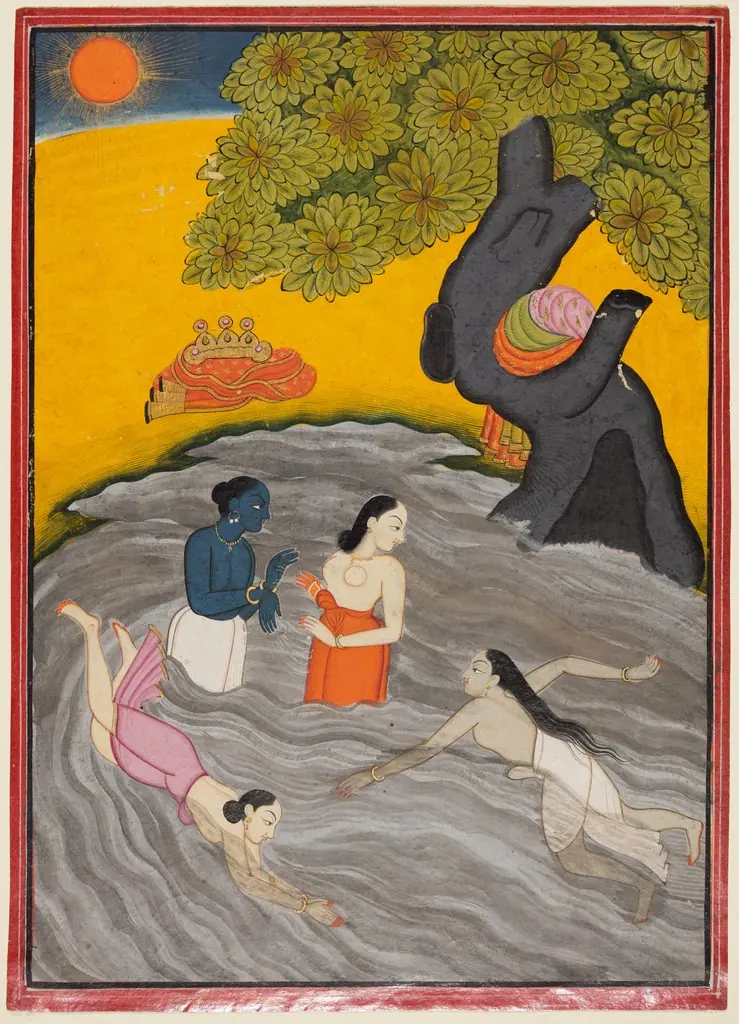 Krishna Playing with the Gopis in the Yamuna
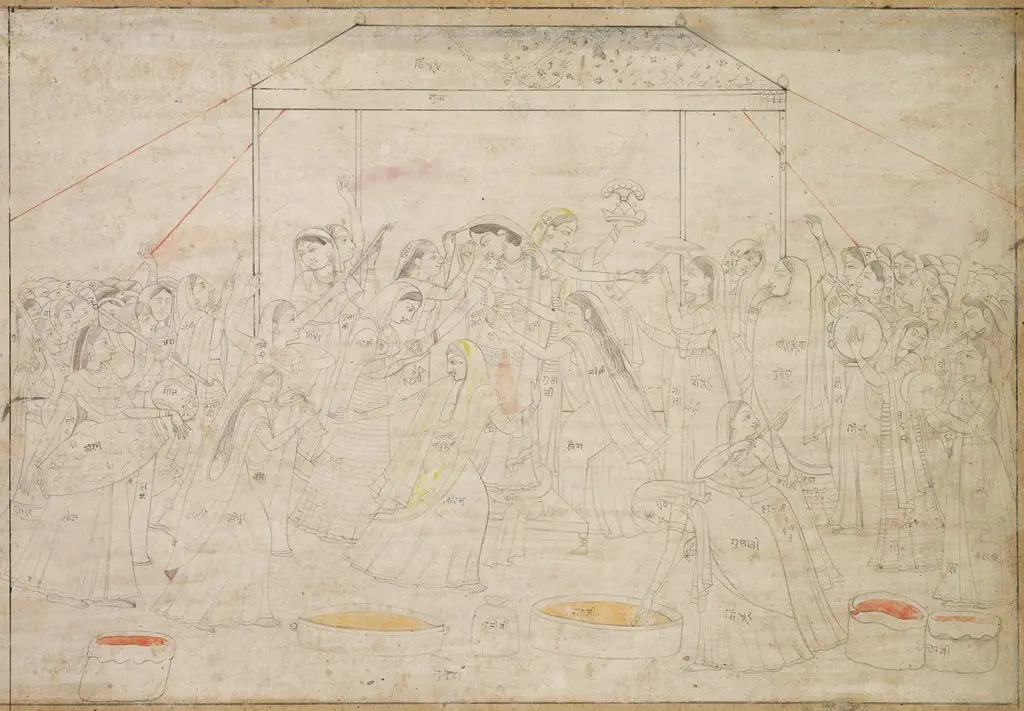 Hindu God Krishna Being Dressed in Women's Clothes for Spring Festival Holi
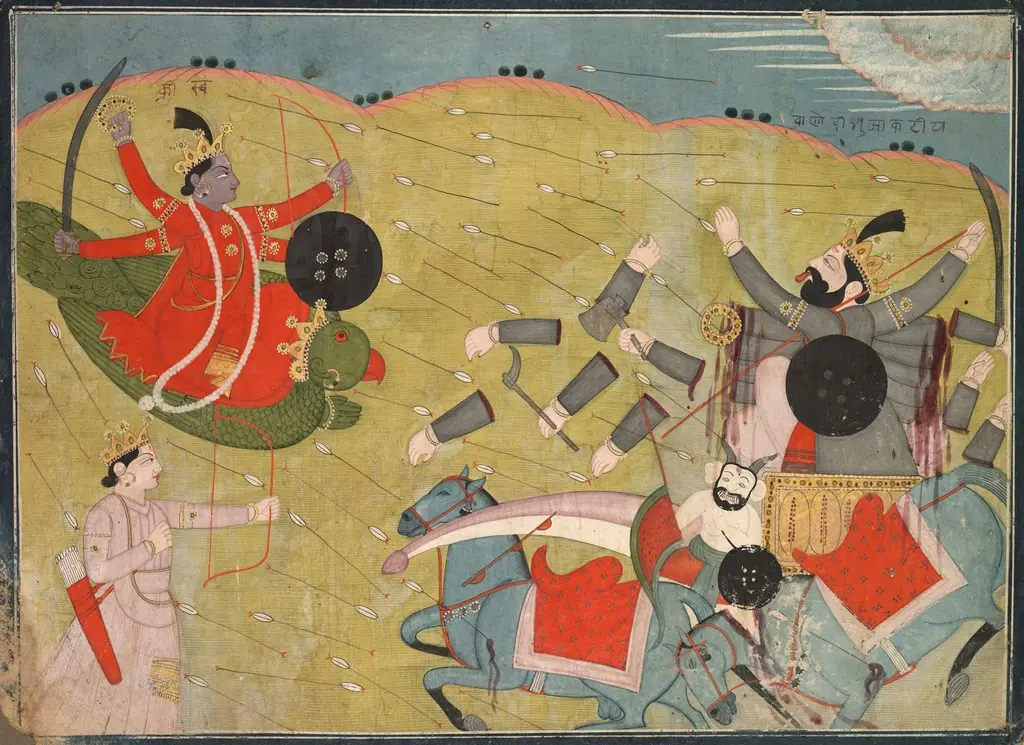 Krishna Vanquishing Vanasura: Scene from the Aniruddha Usha Section of Krishna Lila
 Krishna Receives a Flower Garland
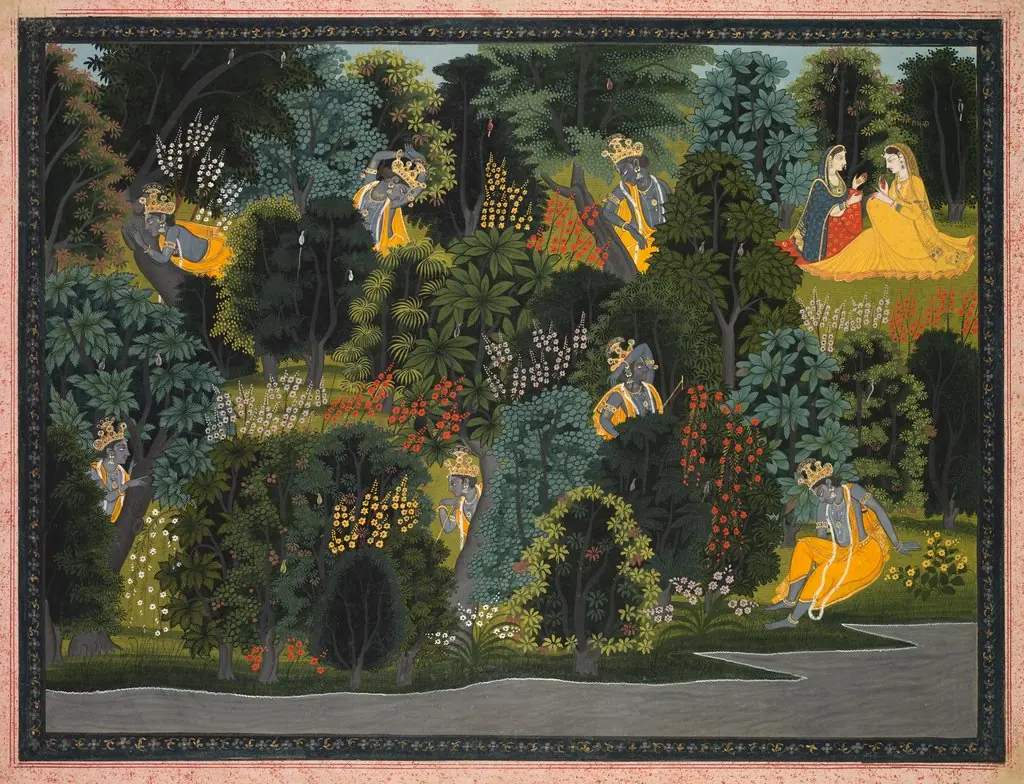 Krishna's Longing for Radha, from the Gita Govinda of Jayadeva
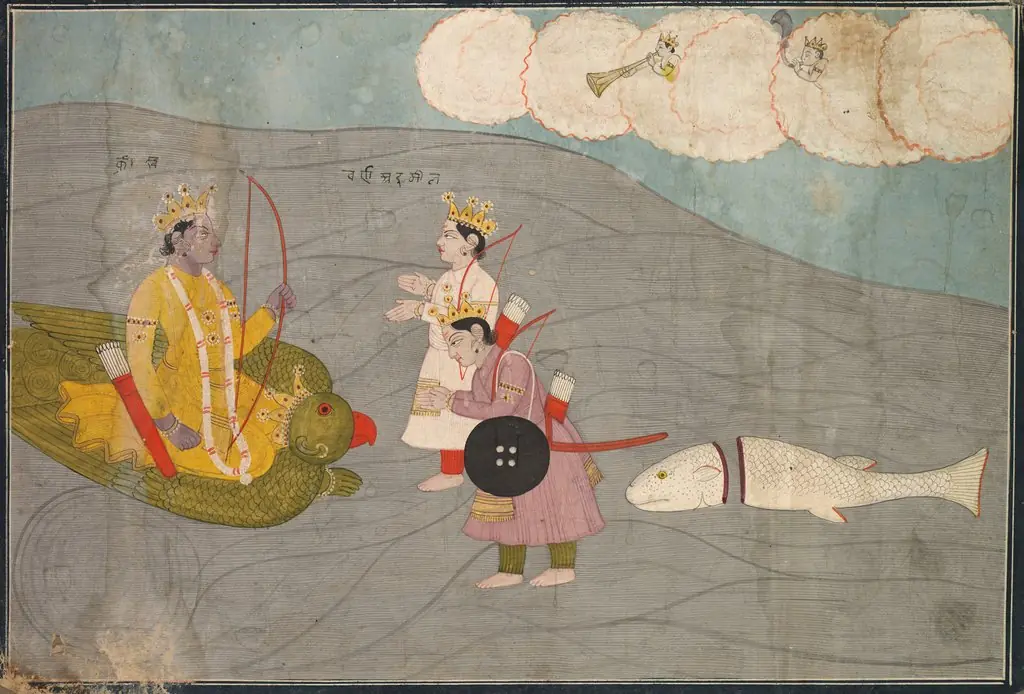 Vanasura's Sons Submit to Krishna: Scene from the Aniruddha Usha Section of Krishna Lila
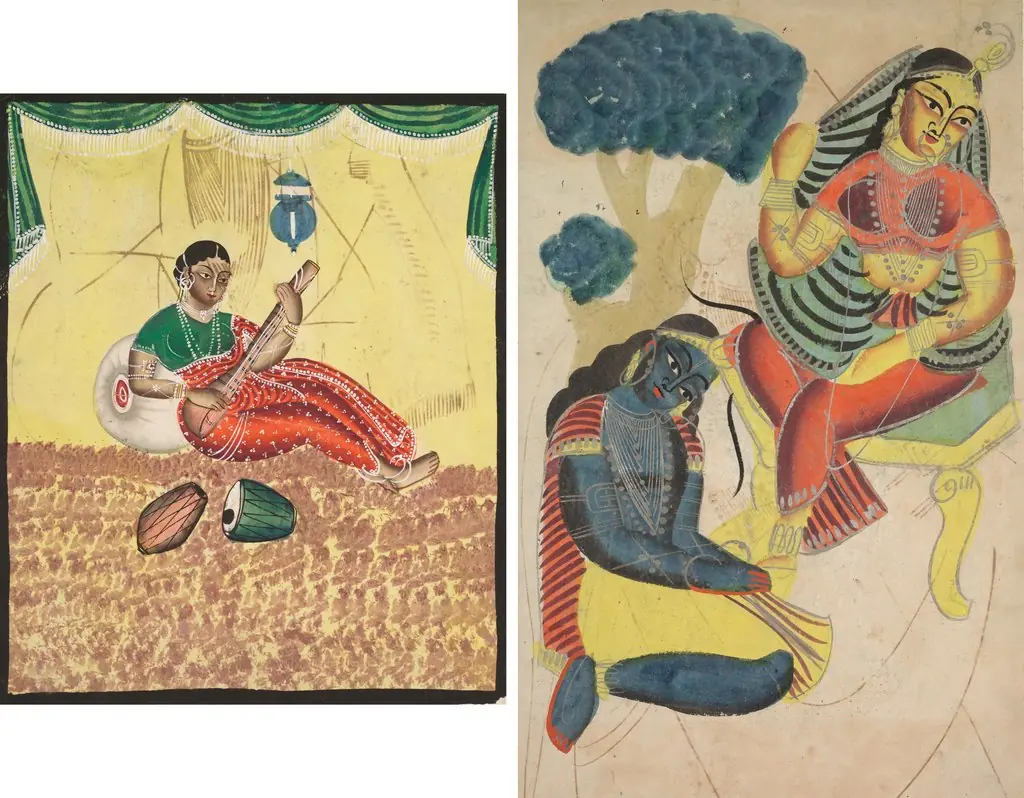 Leaf from a Kalighat album: Woman Playing Music (recto); Krishna Stroking Radha's Feet (verso)
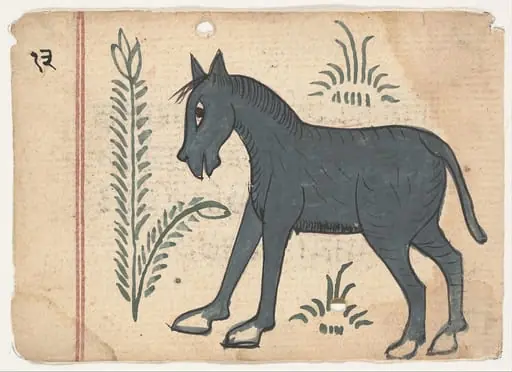 Untitled
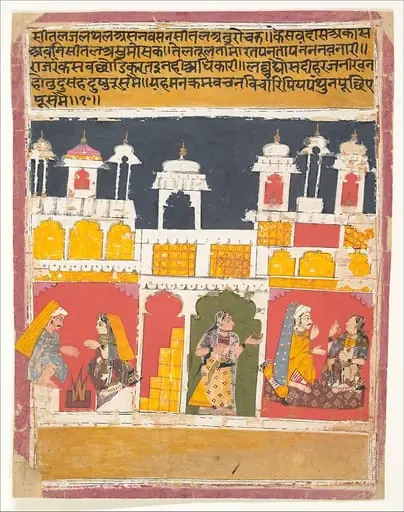 Untitled
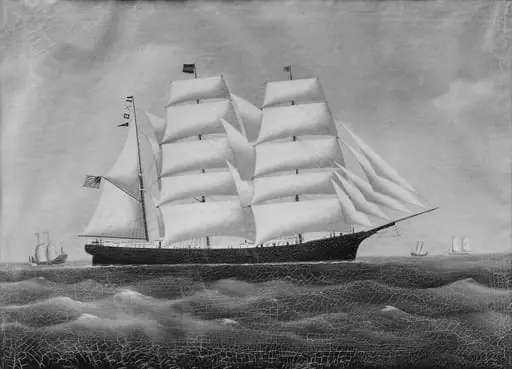 The Ship "John W. Brewer"
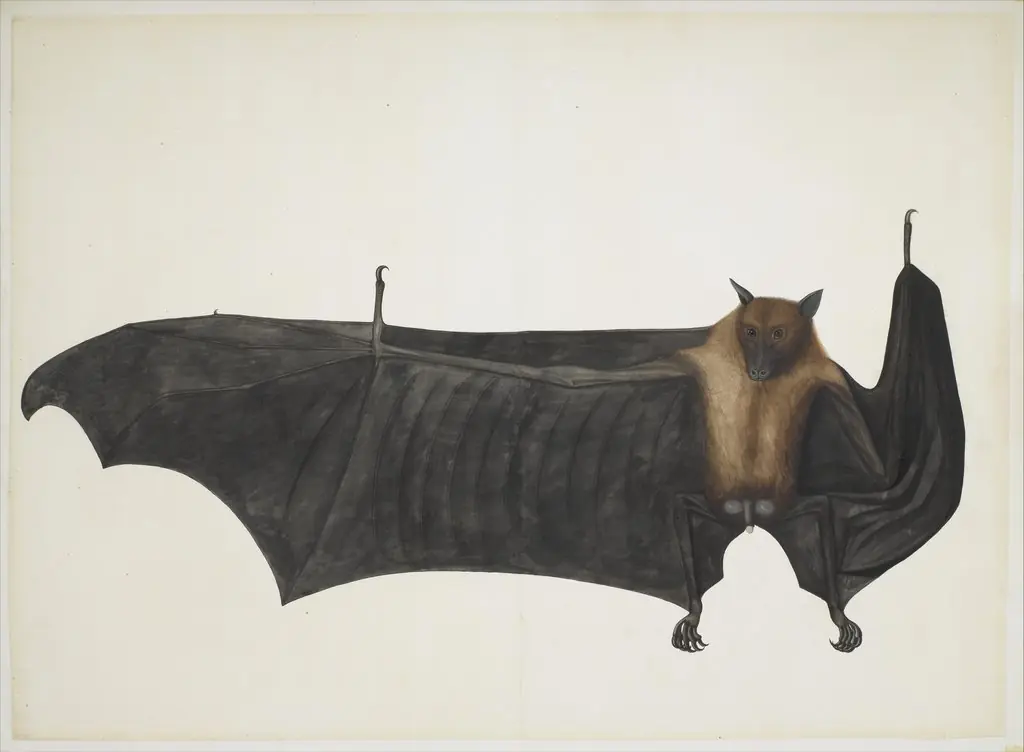 Great Indian Fruit Bat
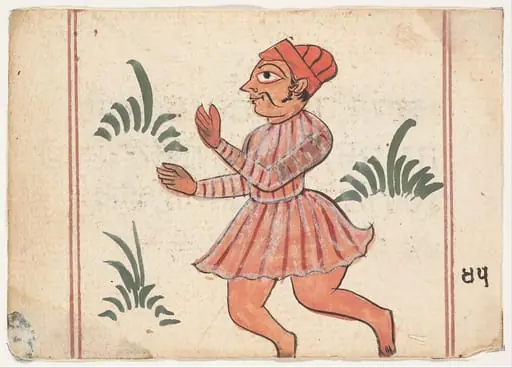 Untitled
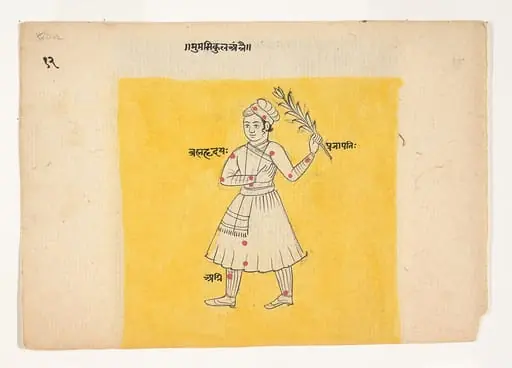 Untitled
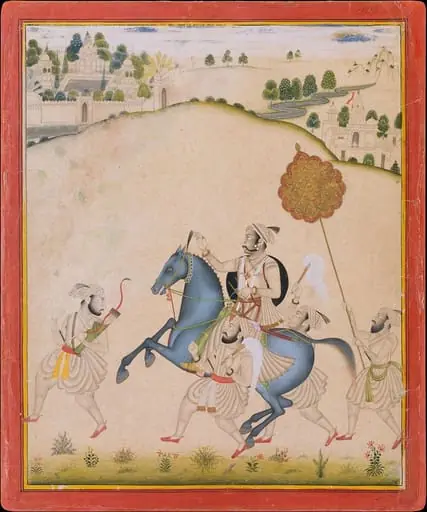 Untitled
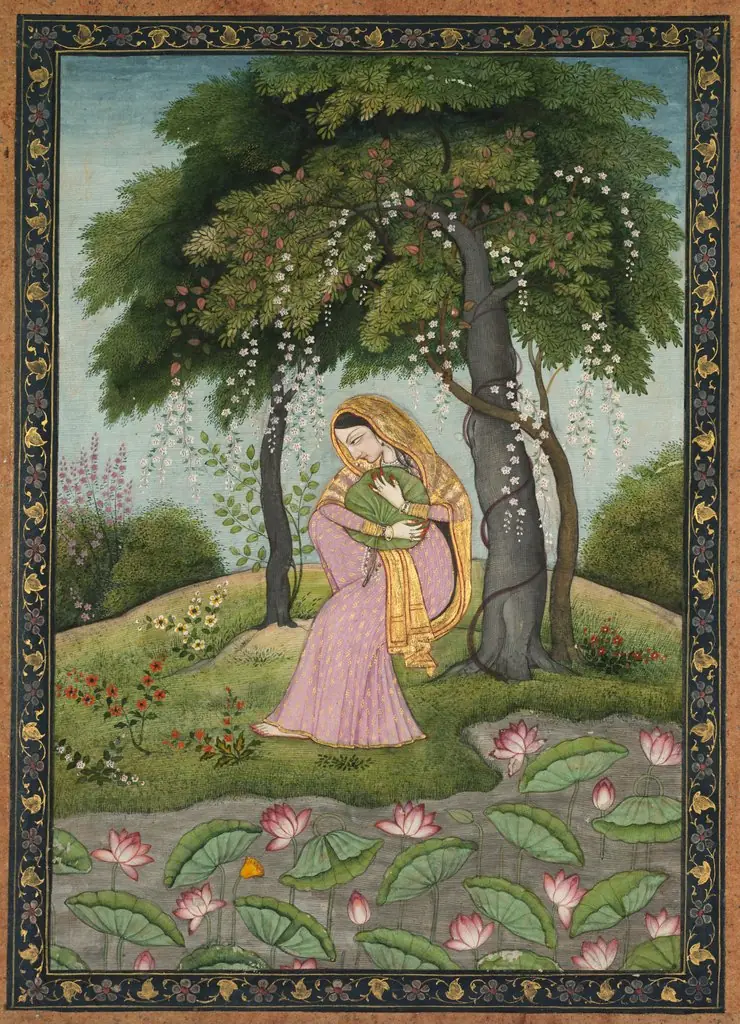 Virhini Nayika, Love-Torn Heroine
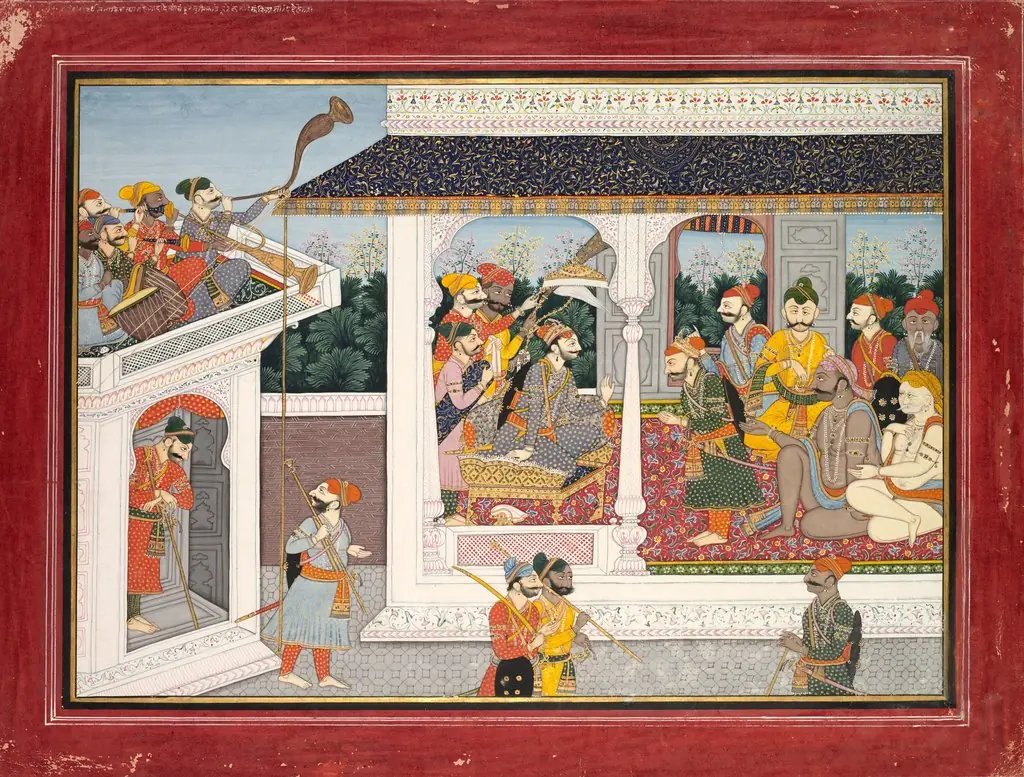 Kamsa deploys Akrura and Keshi to Braj, from a Bhagavata Purana
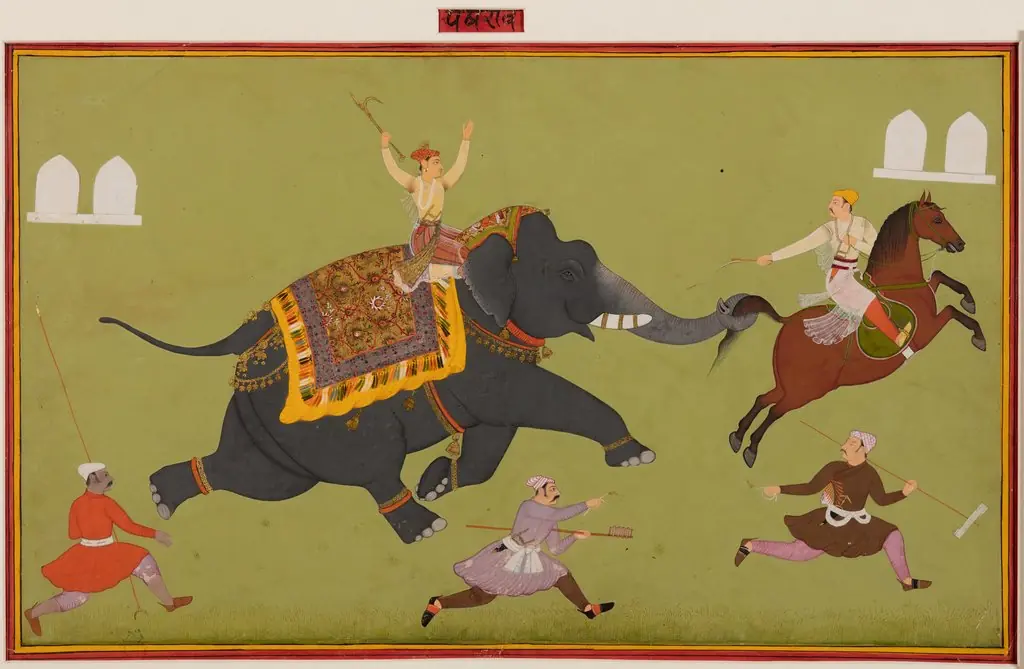 The Elephant of Maharana Jai Singh of Mewar (r. 1680–98) Catches a Horse by the Tail
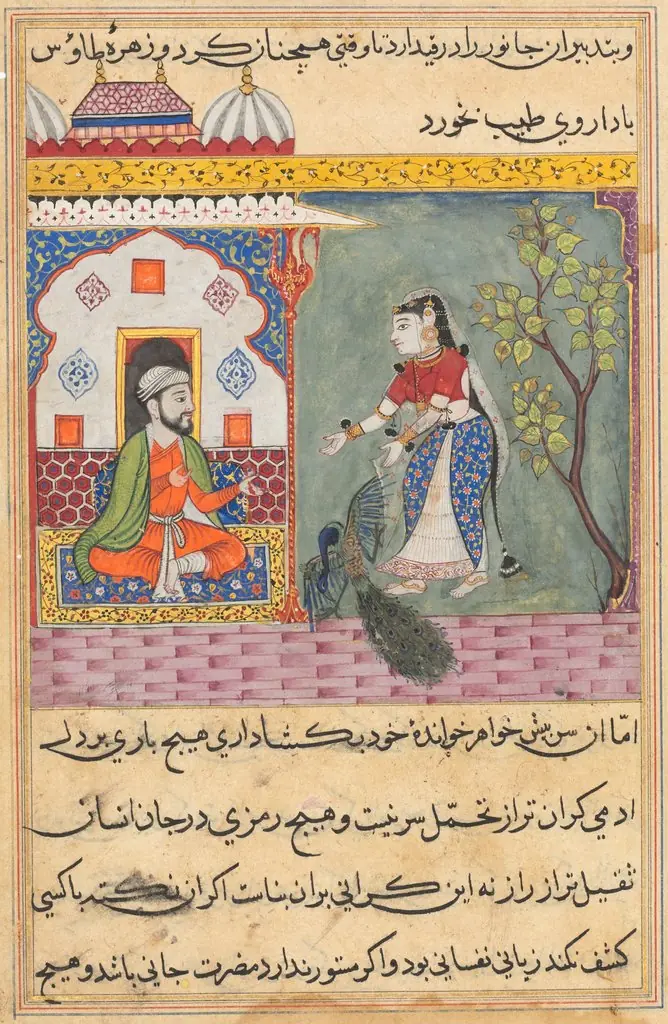 The Brahman’s wife who killed a peacock and ate its gallbladder on the physician’s advice, from a Tuti-nama (Tales of a Parrot): Nineteenth Night
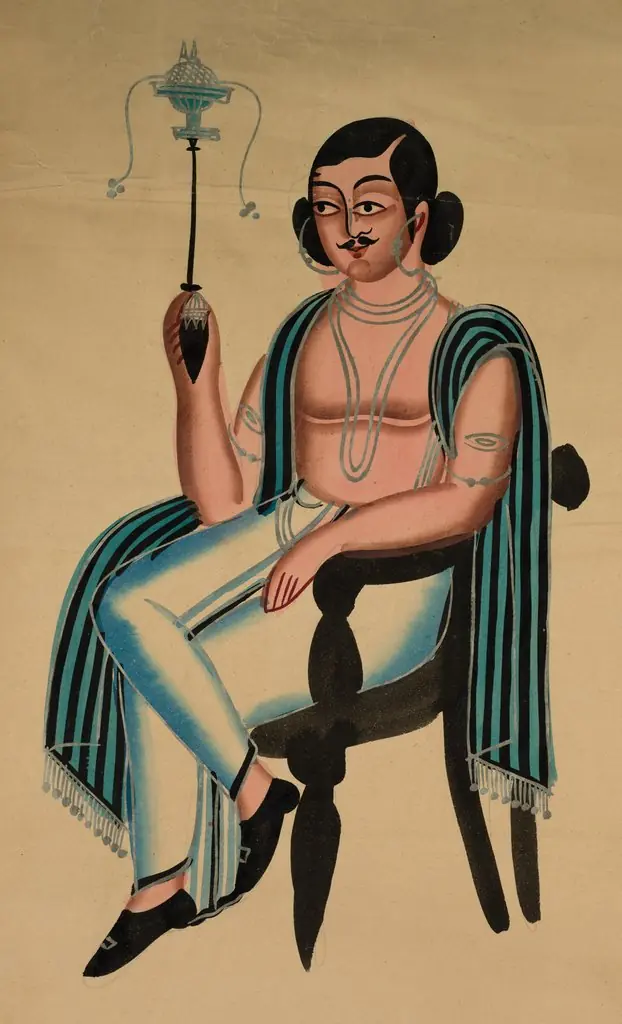 Man Seated in a European Chair Smoking a Margila Pipe, from a Kalighat album
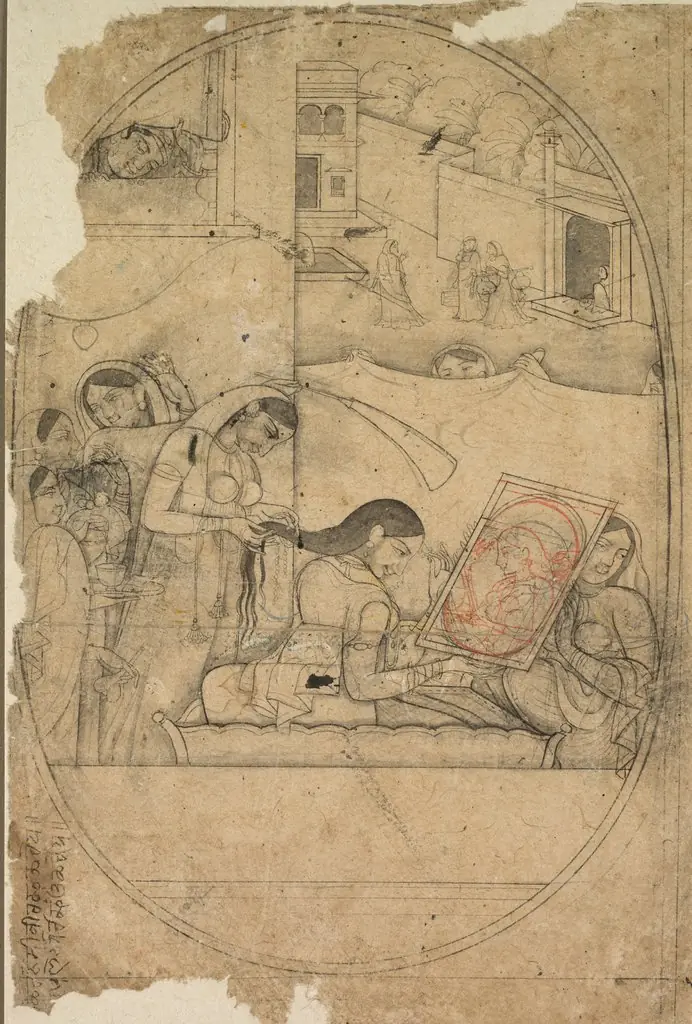 Radha's Hair Being Dressed
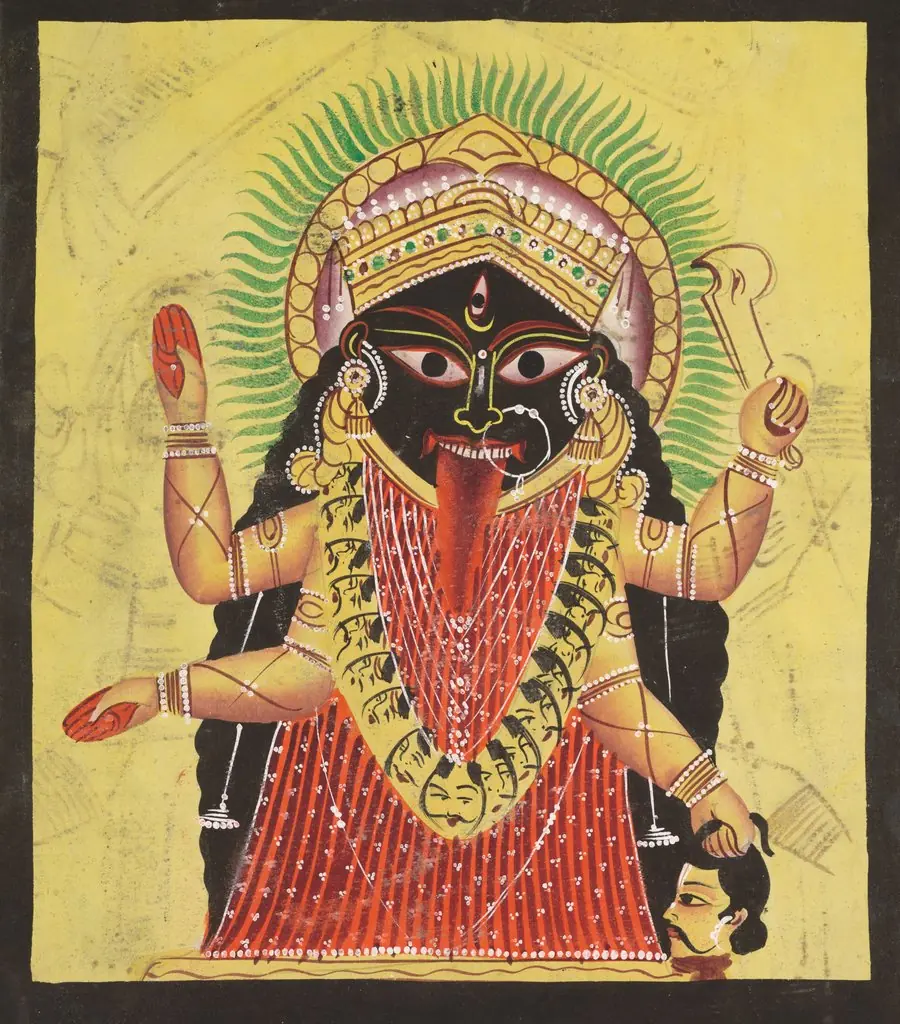 Kali Enshrined (verso), from a Kalighat album
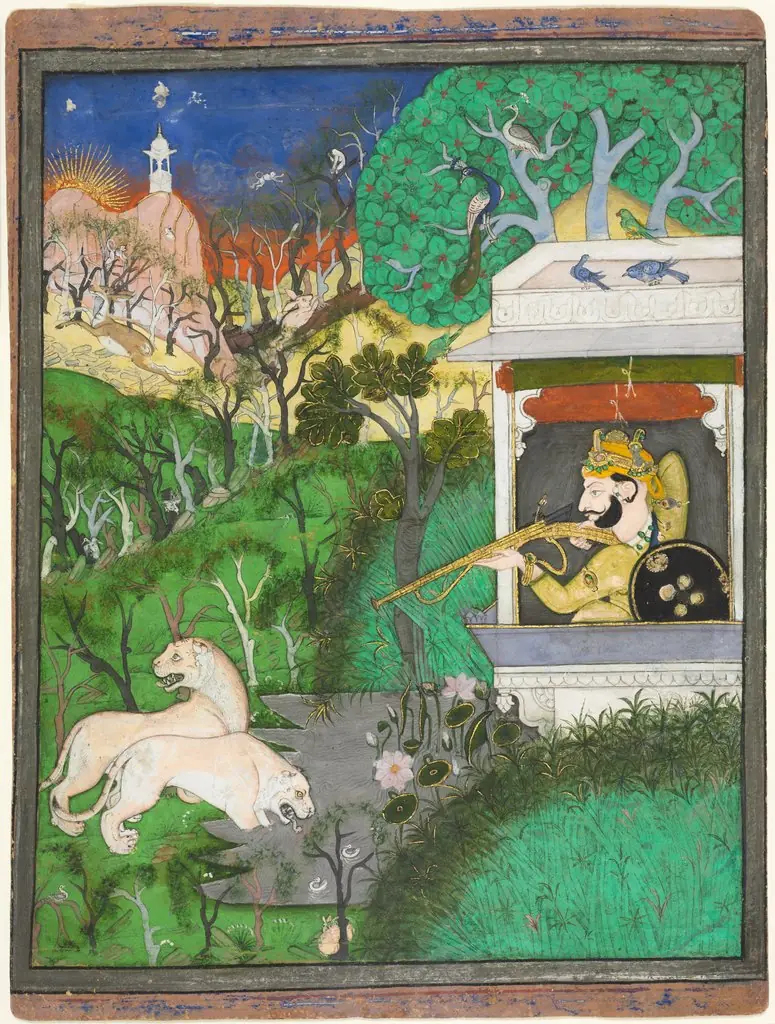 Maharaja Chattarsol of Kota Shooting Lions
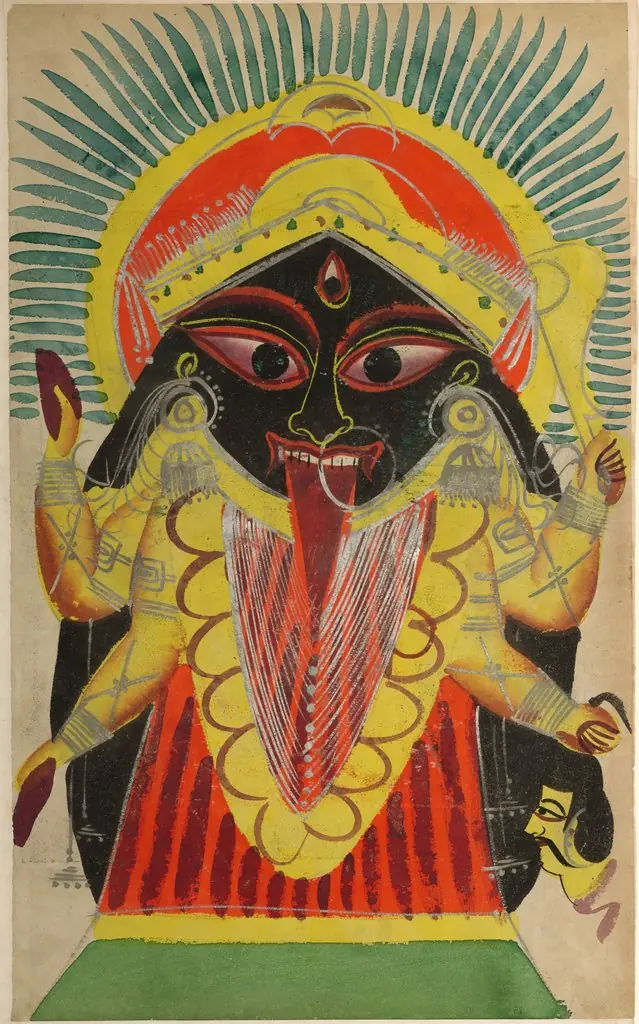 The Goddess Kali (recto), from a Kalighat album
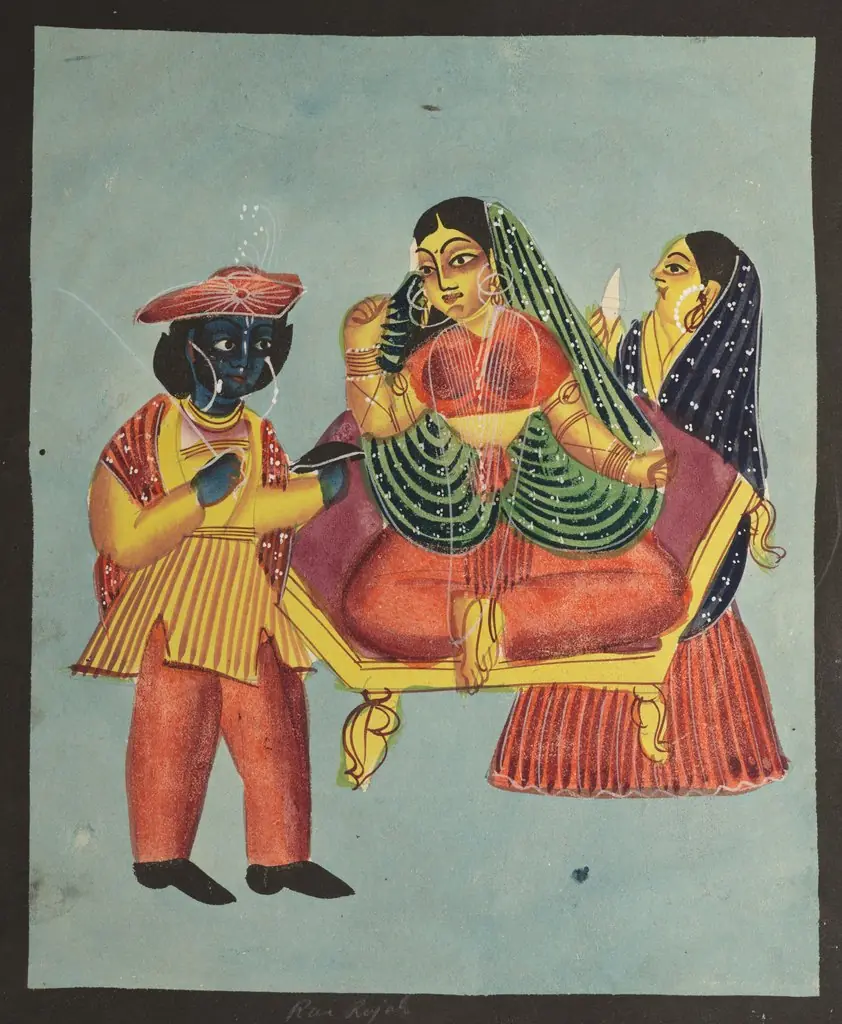 Rai Raja, from a Kalighat album
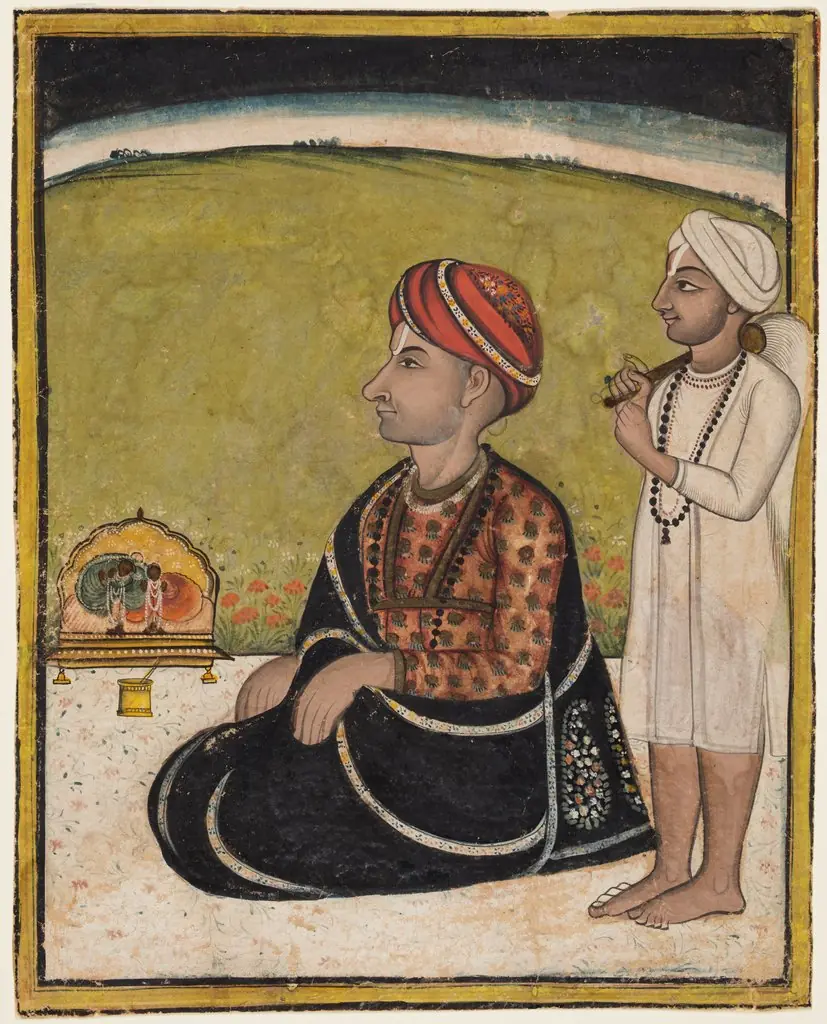 A Ruler Seated on a Terrace Worshipping at a Shrine of Radha and Krishna
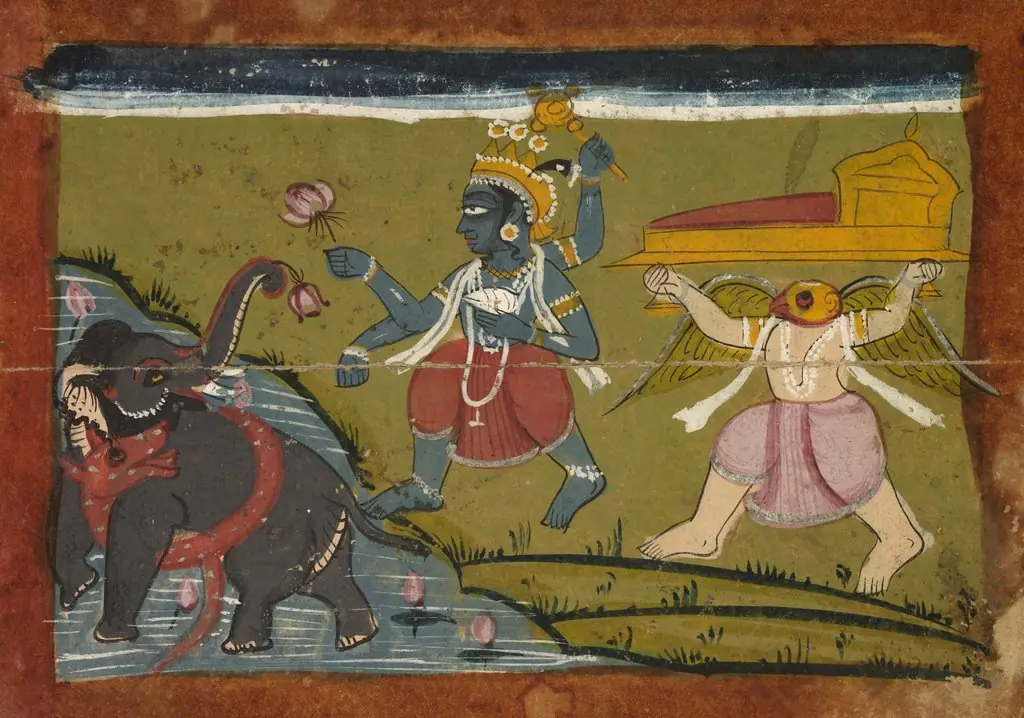 Gajendra Moksha: The Salvation of the King of the Elephants
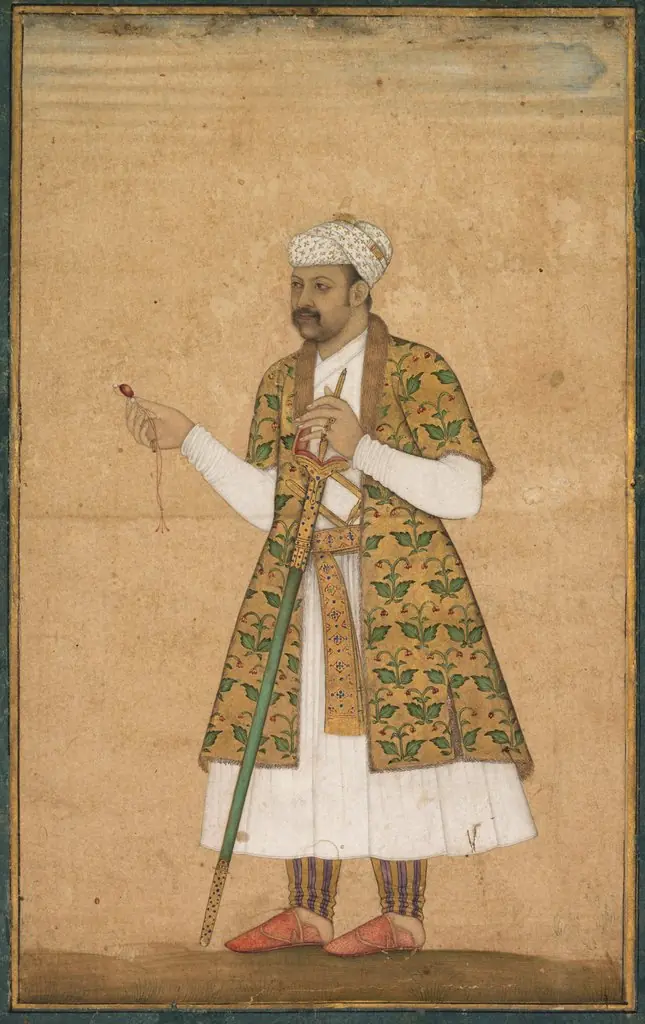 A Courtier, Possibly Khan Alam, Holding a Spinel and a Deccan Sword
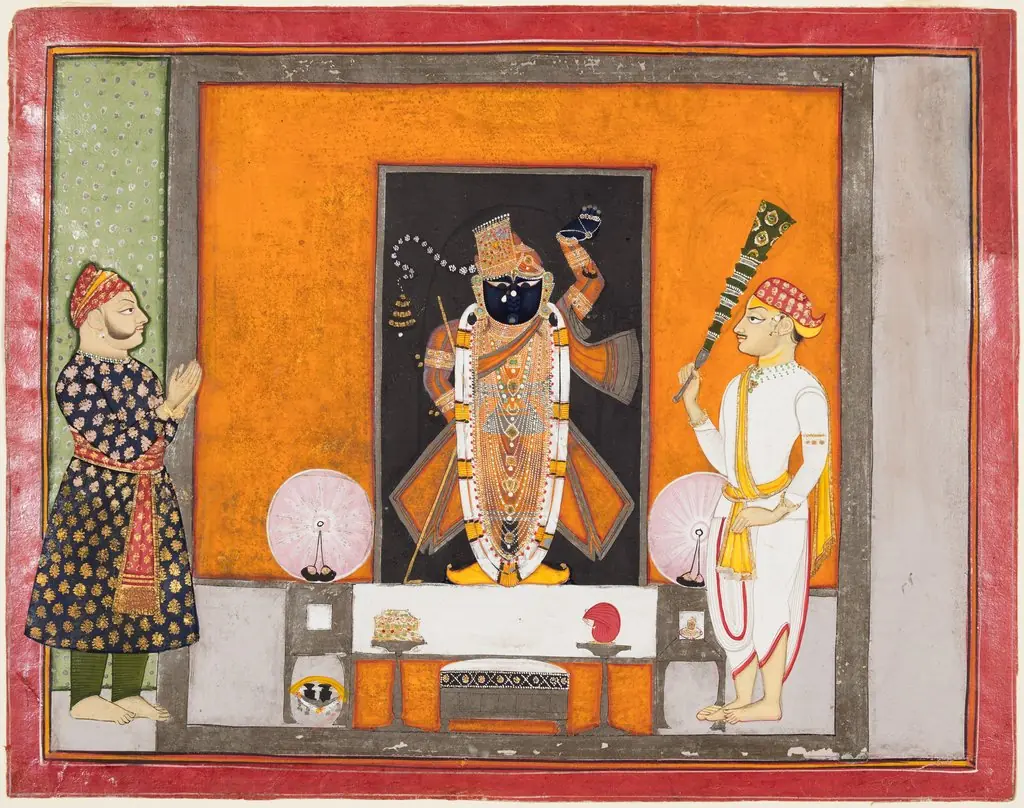 Maharao Ram Singh II of Kota (r. 1828–66) Worships Brij Nathji as the Bridegroom
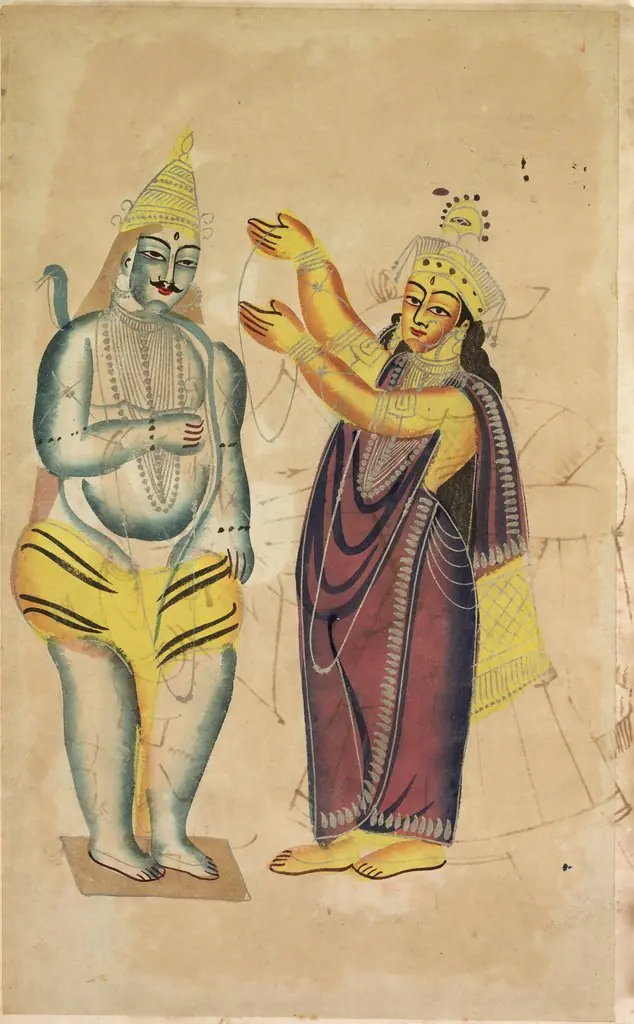 Parvati Placing a Wedding Garland on Shiva (recto), from a Kalighat album
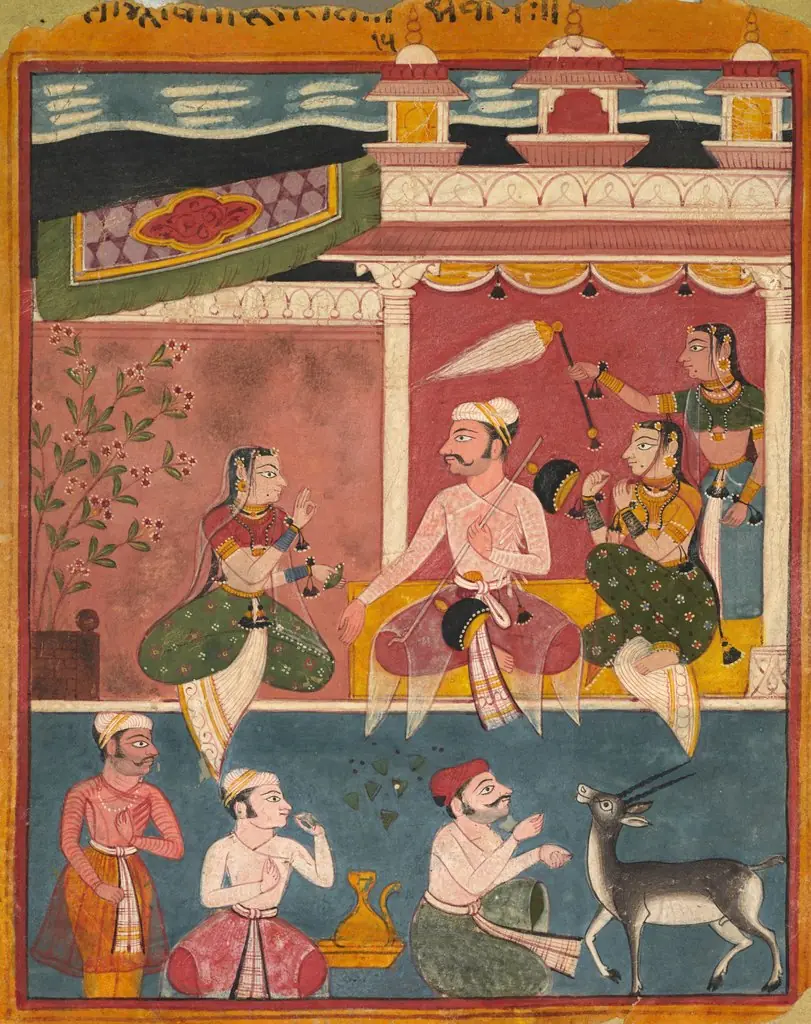 Malkaus Raga, from Ragamala
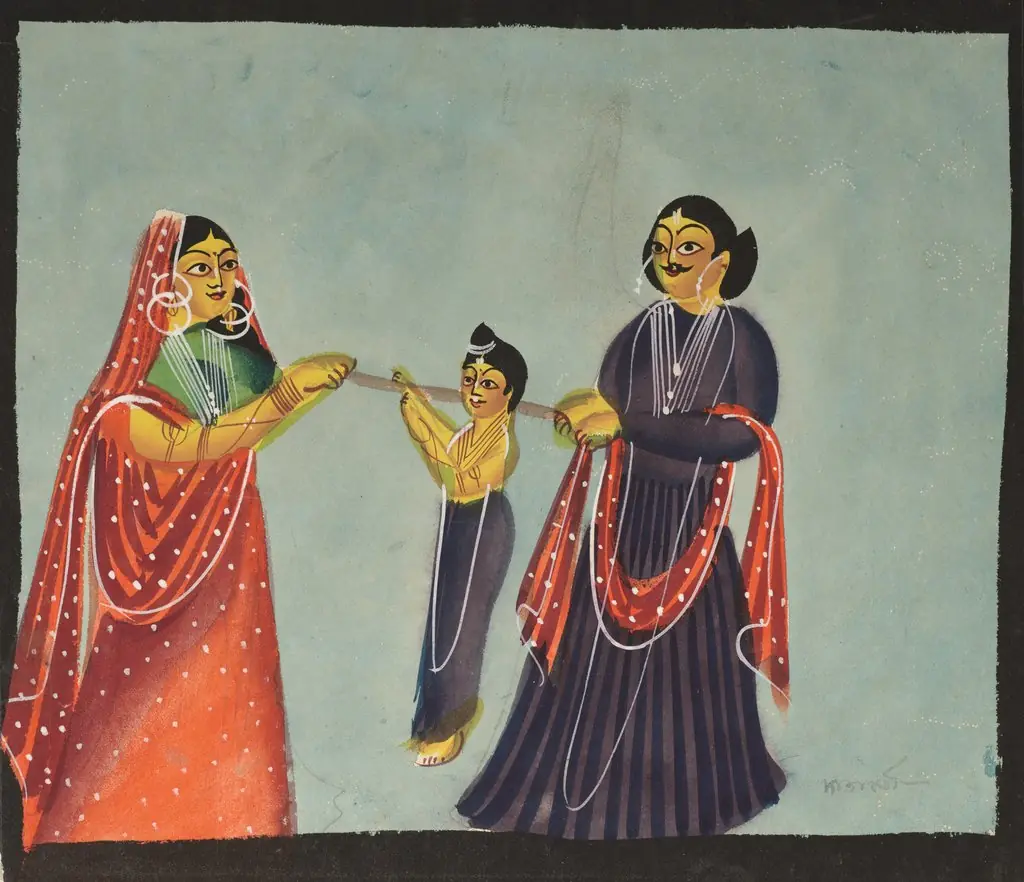 Kalighat Painting
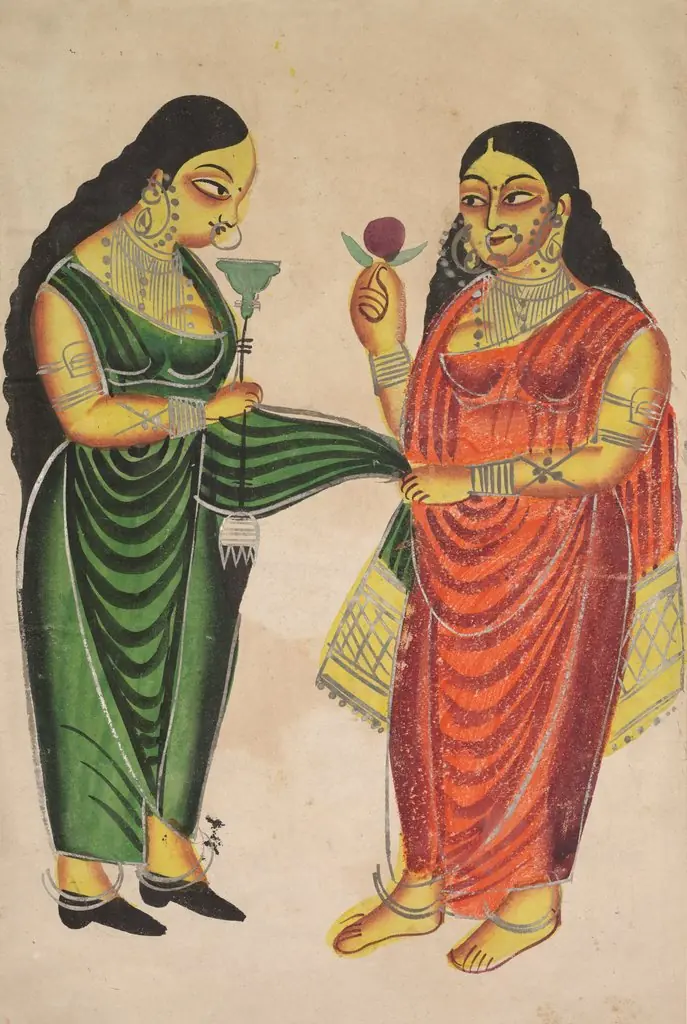 Maid bringing a hookah to a lady (recto), from a Kalighat album
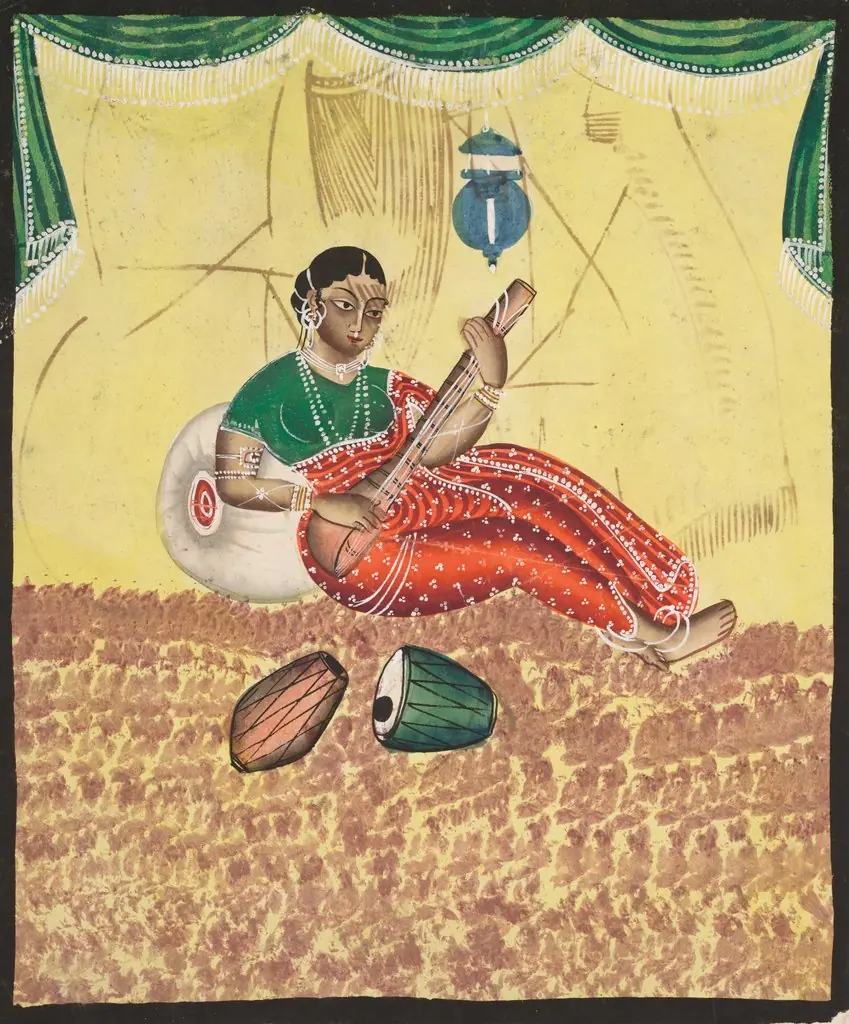 Woman Playing Music (recto), from a Kalighat album
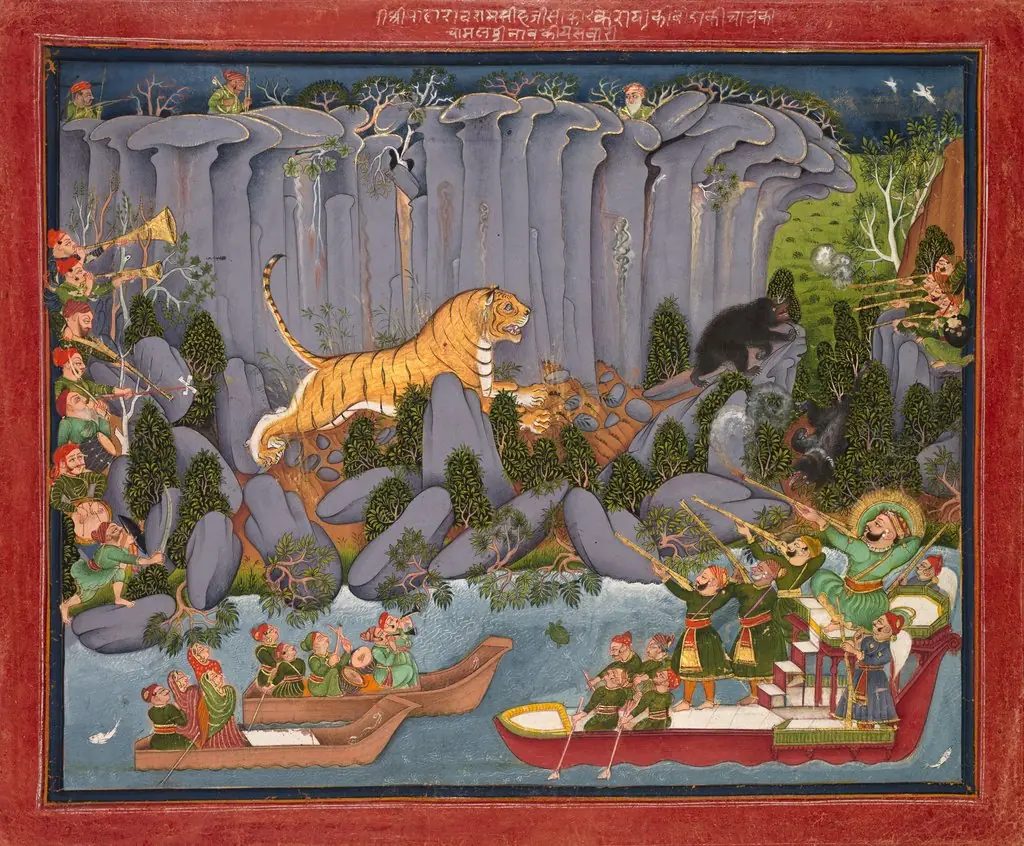 Tiger Hunt of Ram Singh II
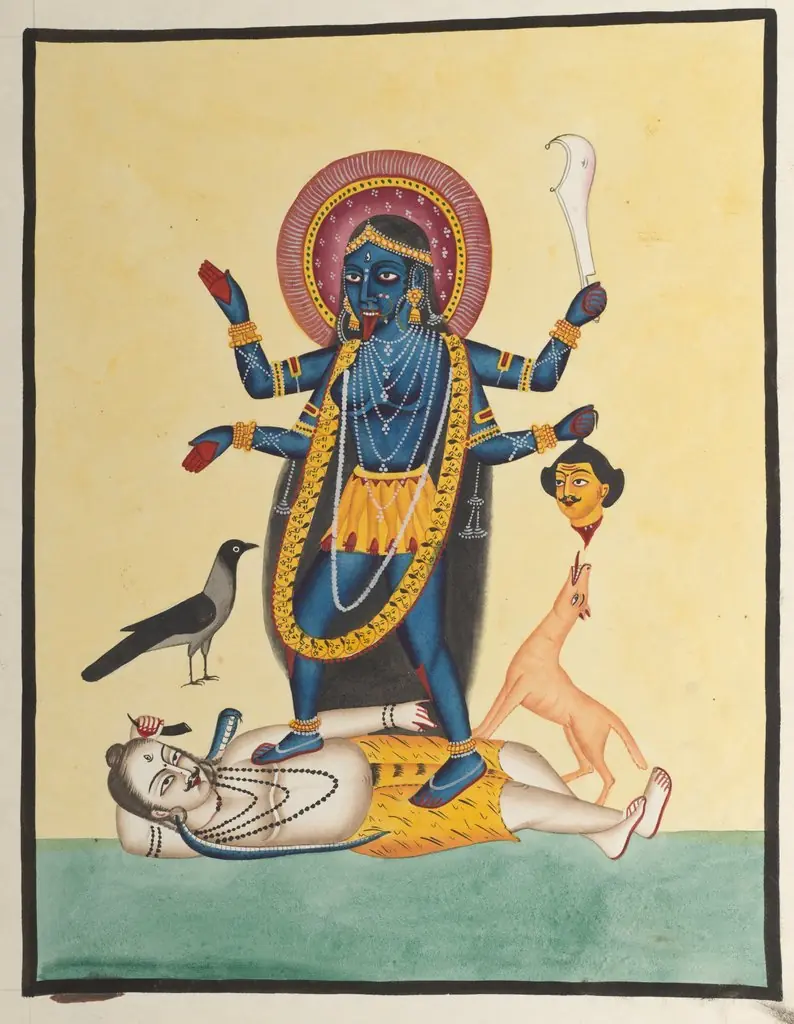 Kali, from a Kalighat album
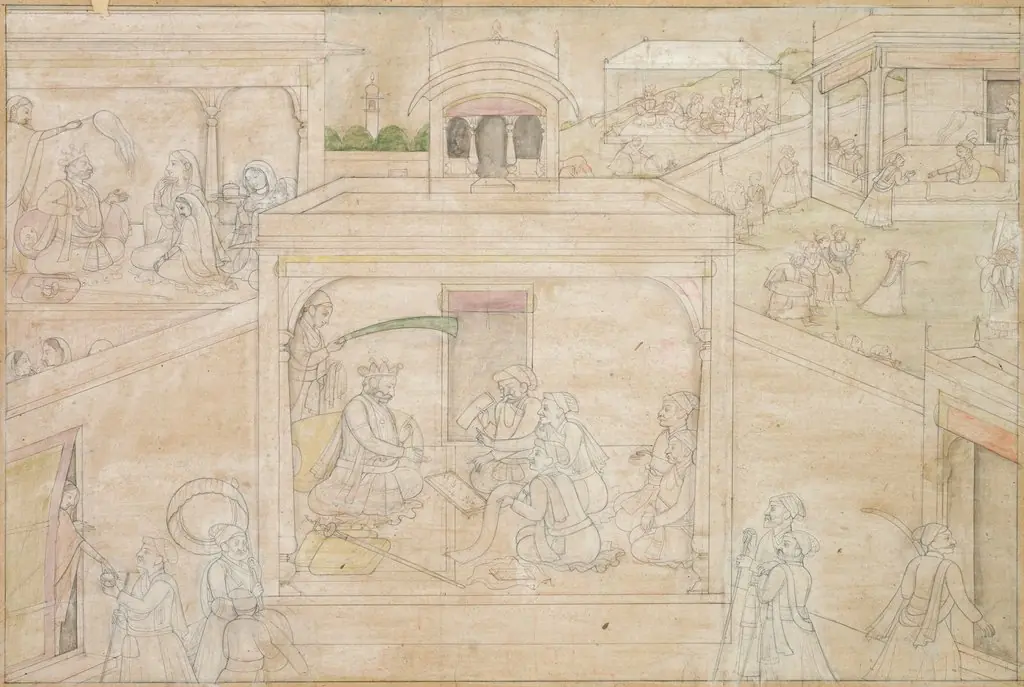 Bhima's Consultation with the Astrologer: Scene from the Nala-Damayanti Drawings
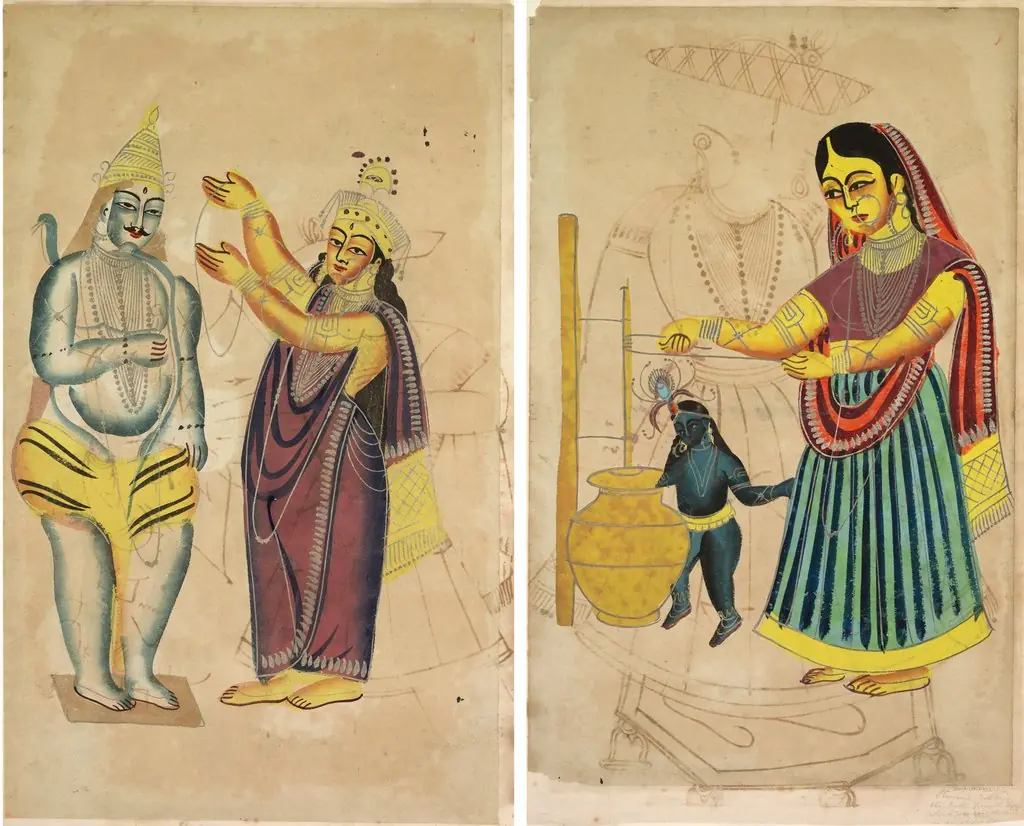 Leaf from a Kalighat album: Parvati Placing a Wedding Garland on Shiva (recto); Yasoda Churning Butter (verso)
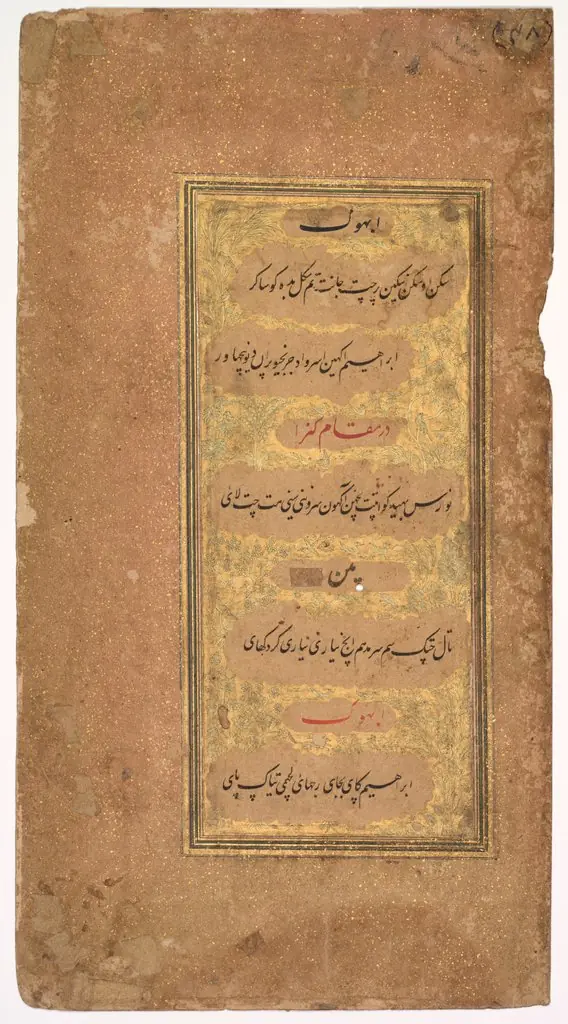 From Dohras (Songs) 40 and 42 from the Kitab-i Nauras (Book of Nine Essences) of Sultan Ibrahim Adil Shah II of Bijapur (r. 1580–1627) (recto)
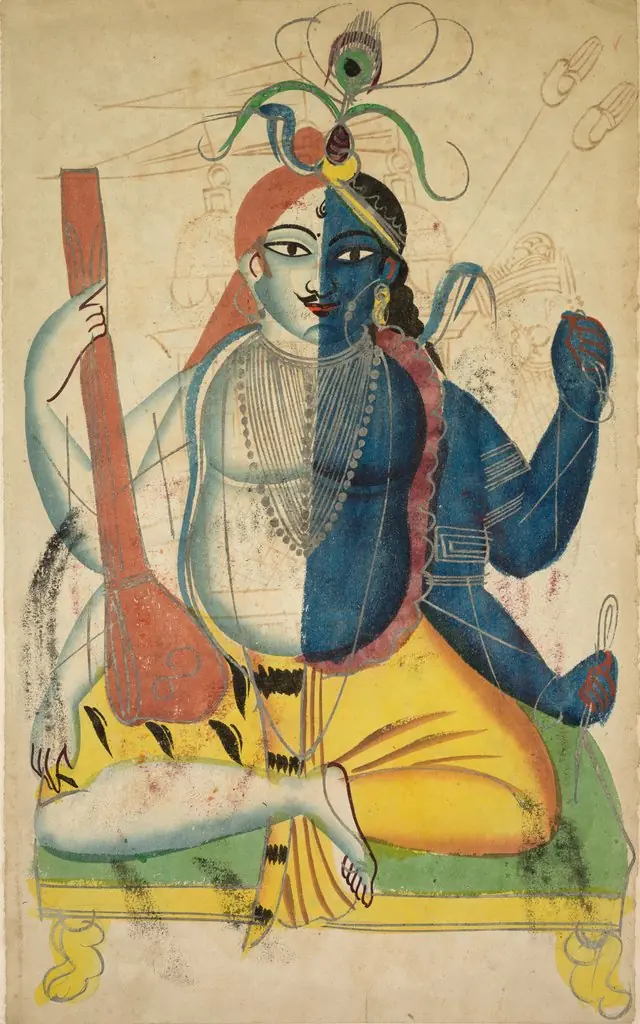 Hari-Hara (recto), from a Kalighat album
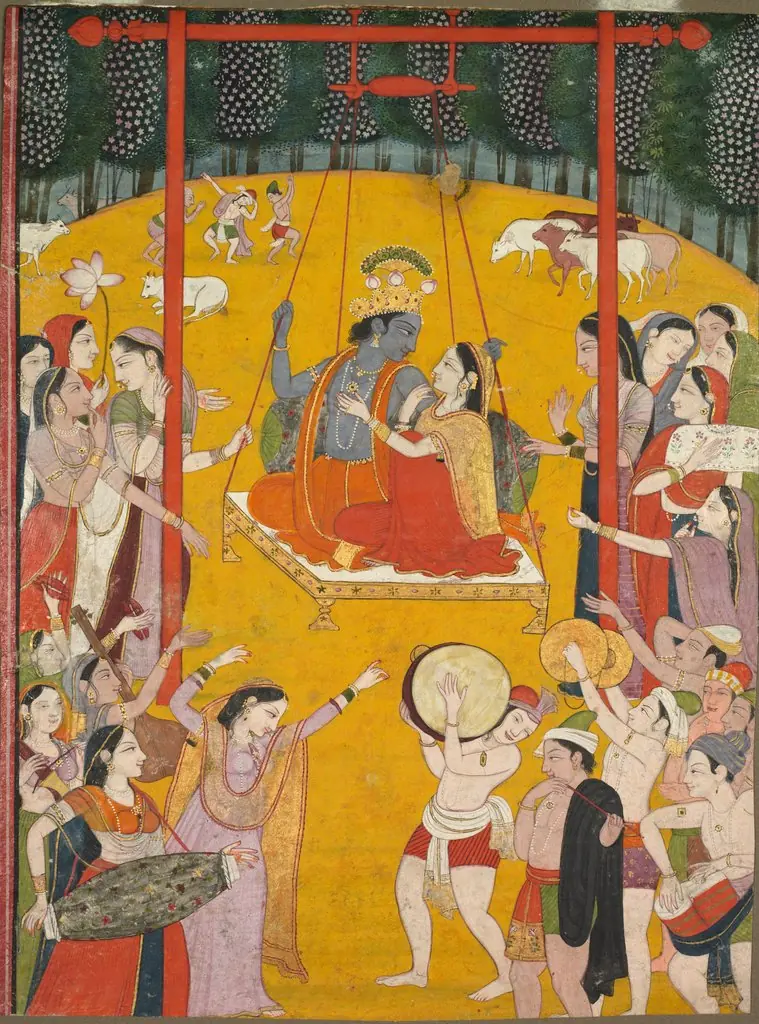 Hindola Raga
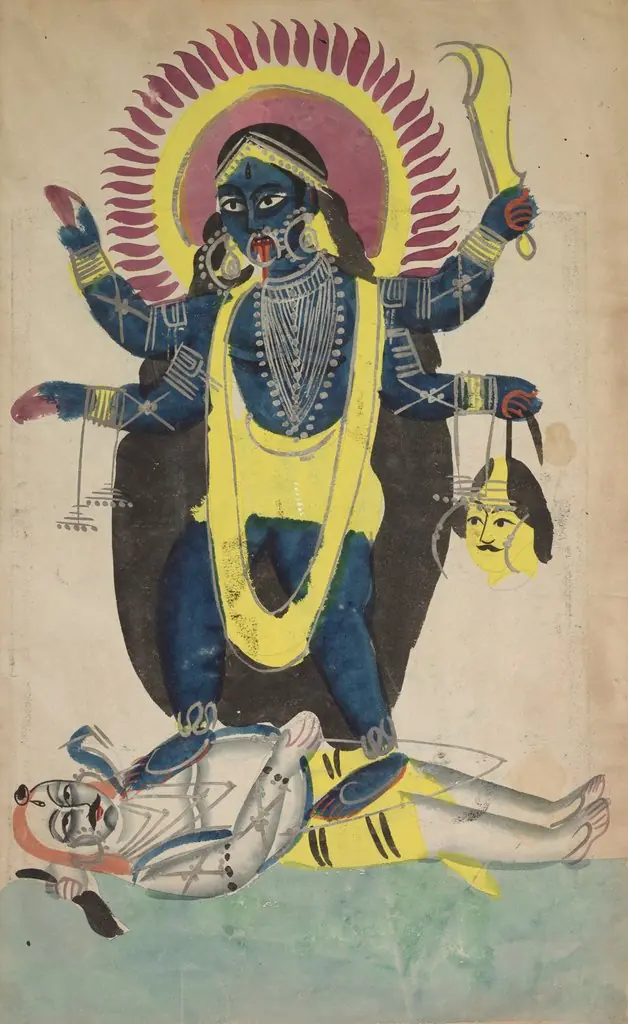 Kali Dancing on Shiva (recto), from a Kalighat album
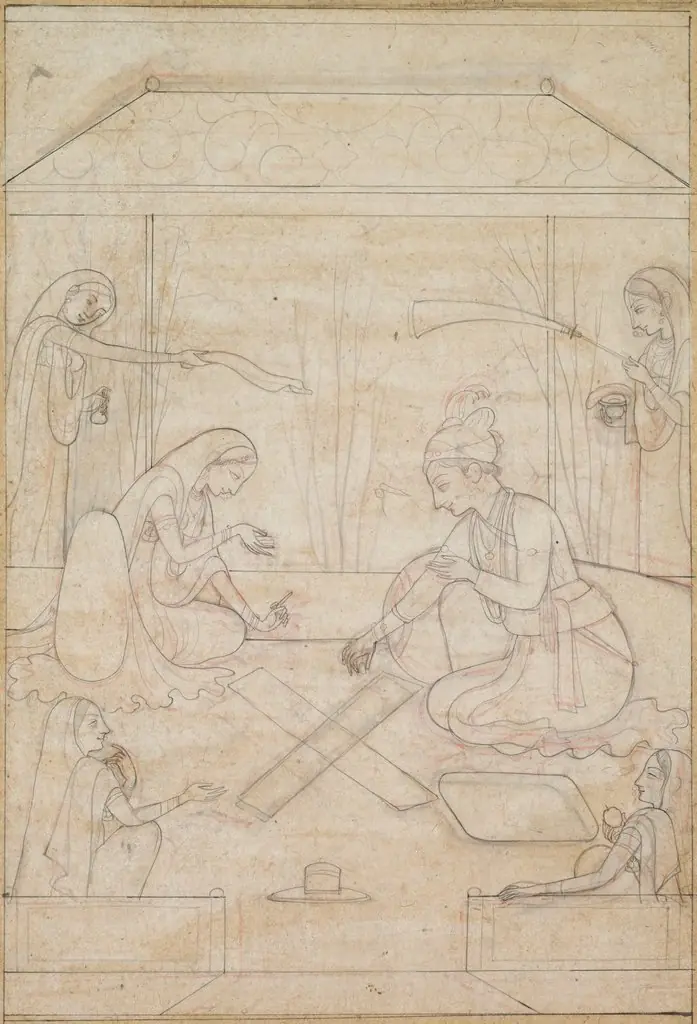 Couple Playing Chaupar on a Terrace
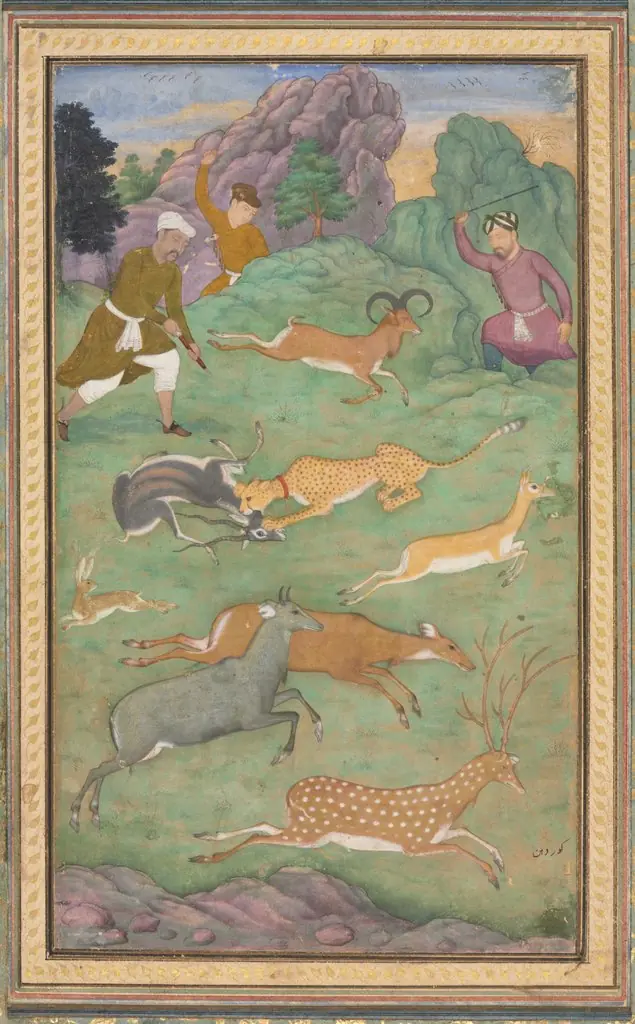 Antelope and deer hunt
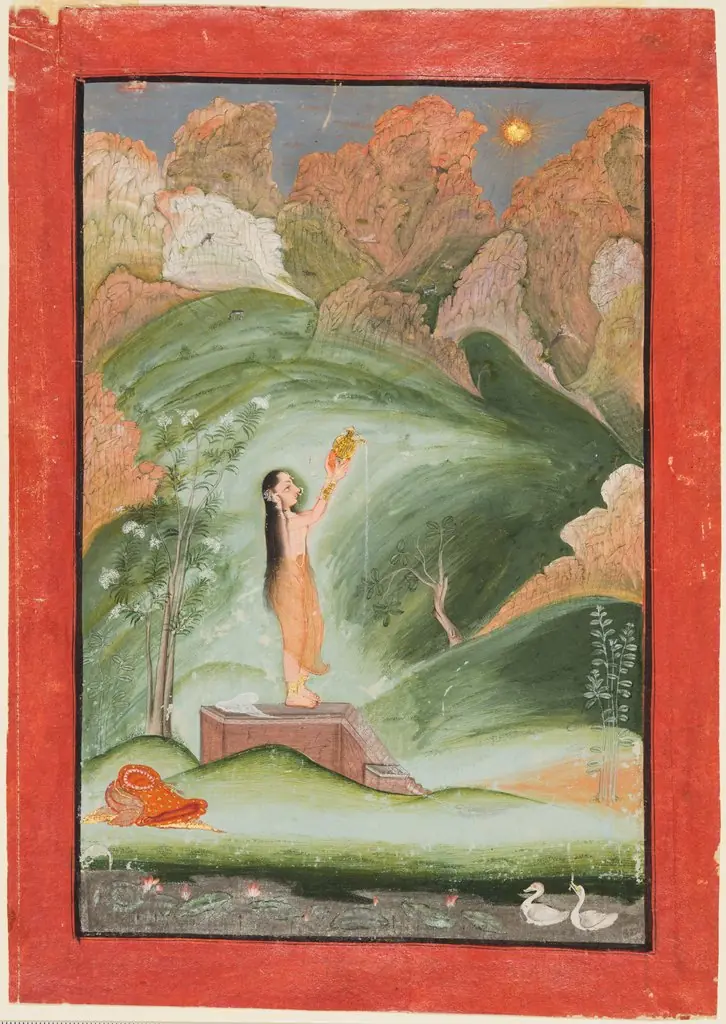 A girl worshipping the rising sun (Surya puja)
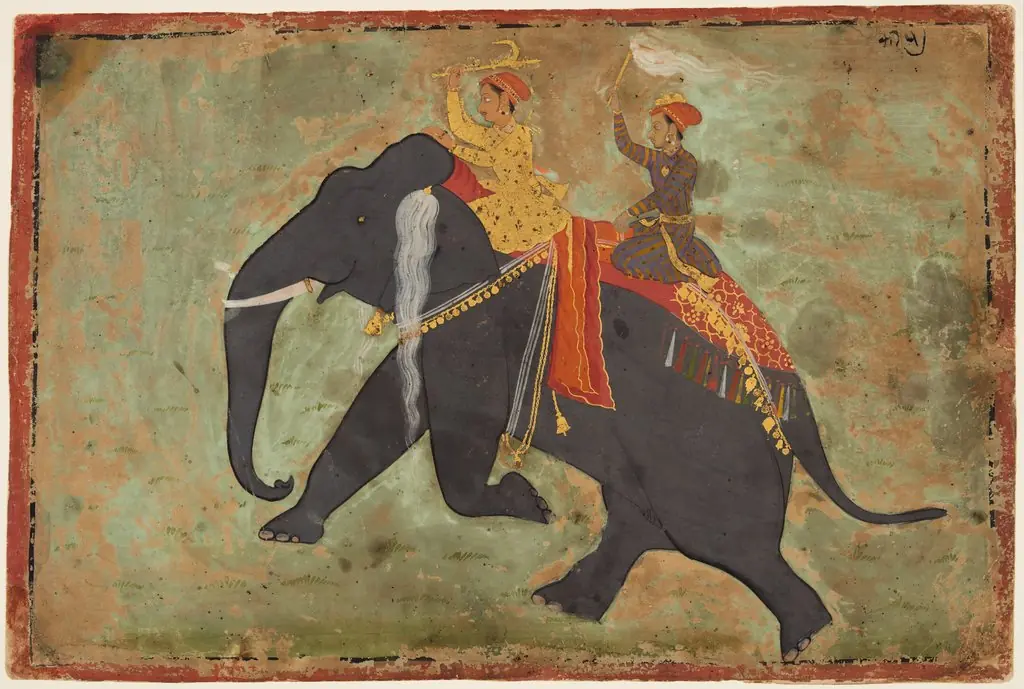 Prince Amar Singh (1672–1710) Drives His Own Elephant
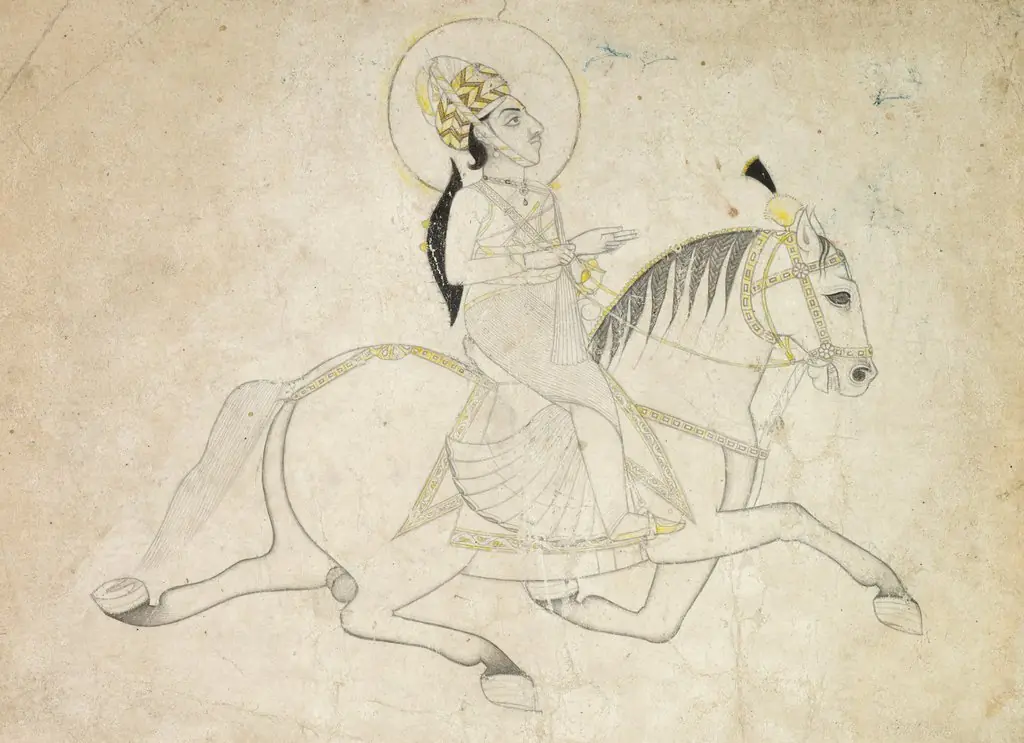 Jai Singh III of Jaipur (r. 1818–1835) Riding
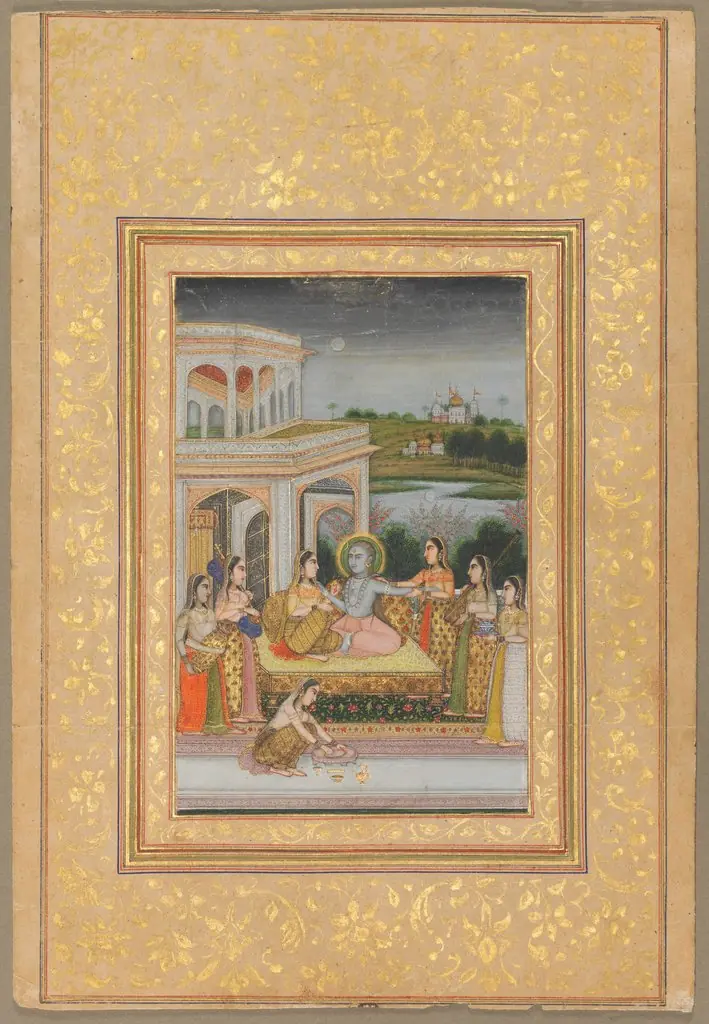 Bhairava Raga
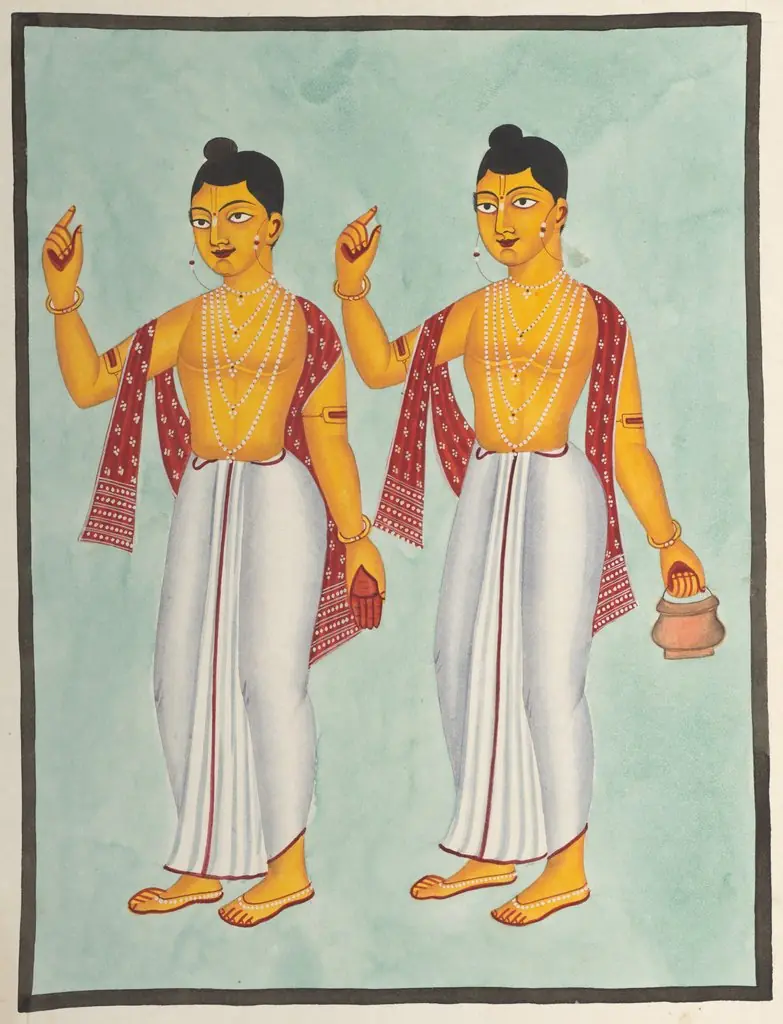 Gaur and Nitai, from a Kalighat album
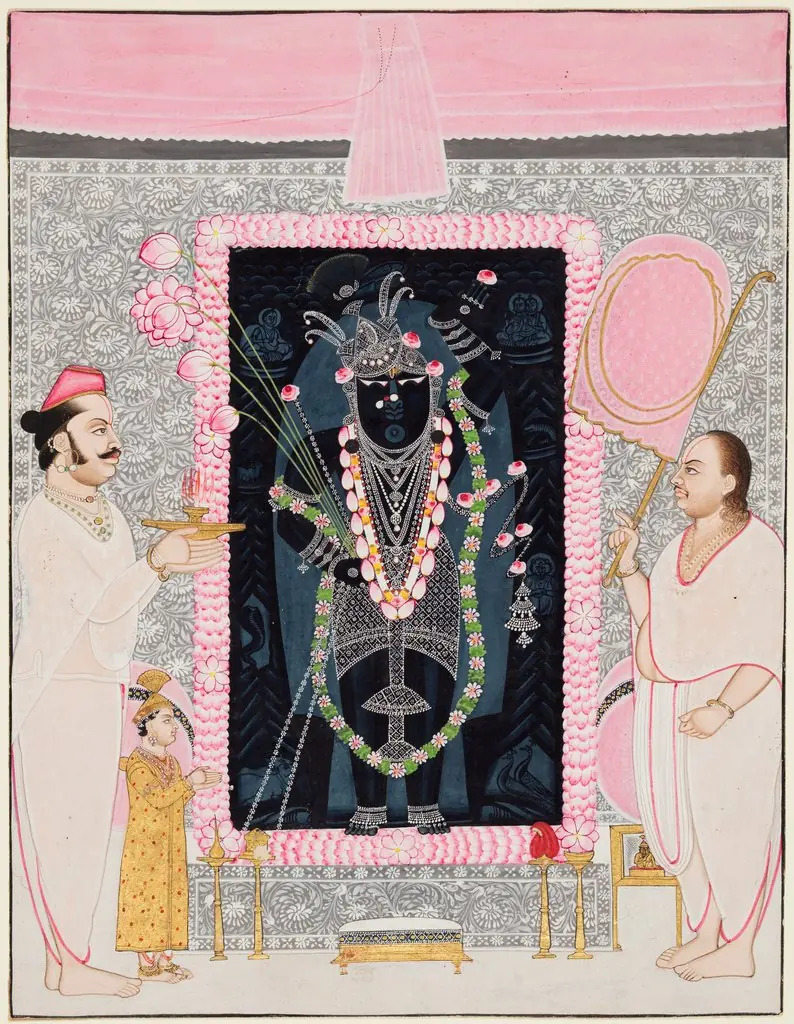 Head Priest Govardhan Lalji (1862–1934) Offers a Lamp to Shri Nathji in Celebration of the Spring Festival
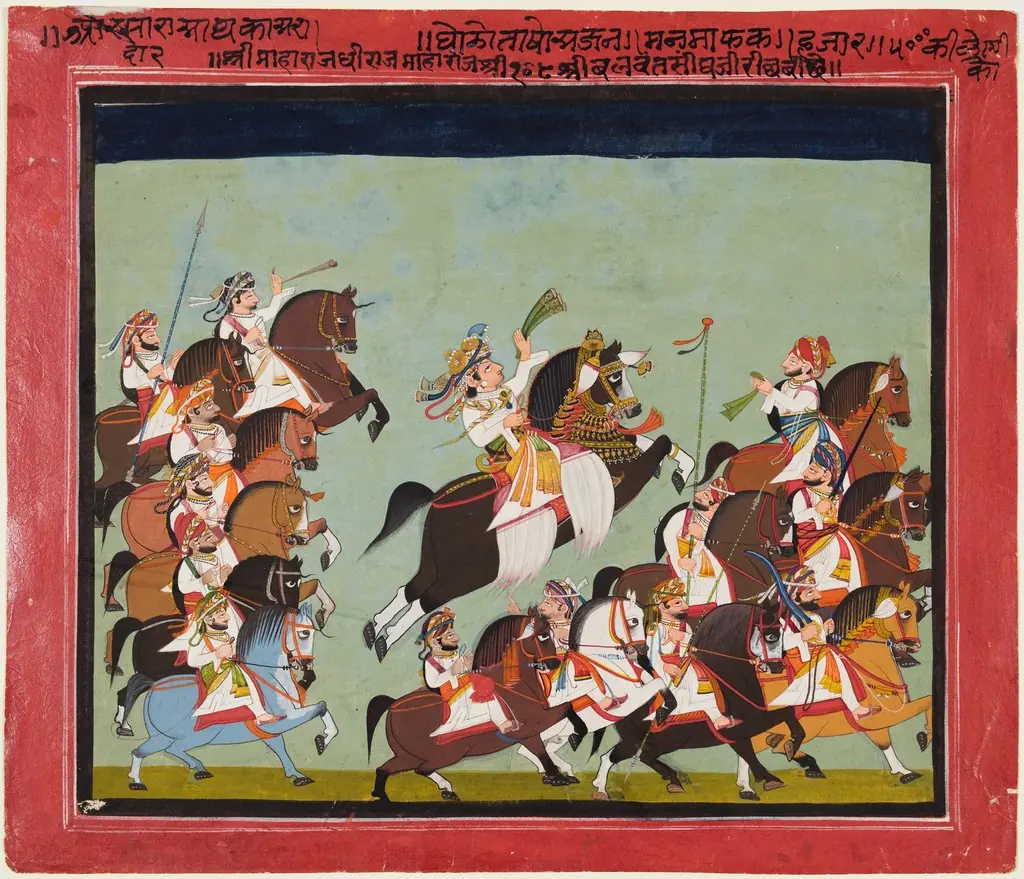 Maharaja Balwant Singh of Ratlam (r. 1825–57) in Procession with His Relatives and Courtiers
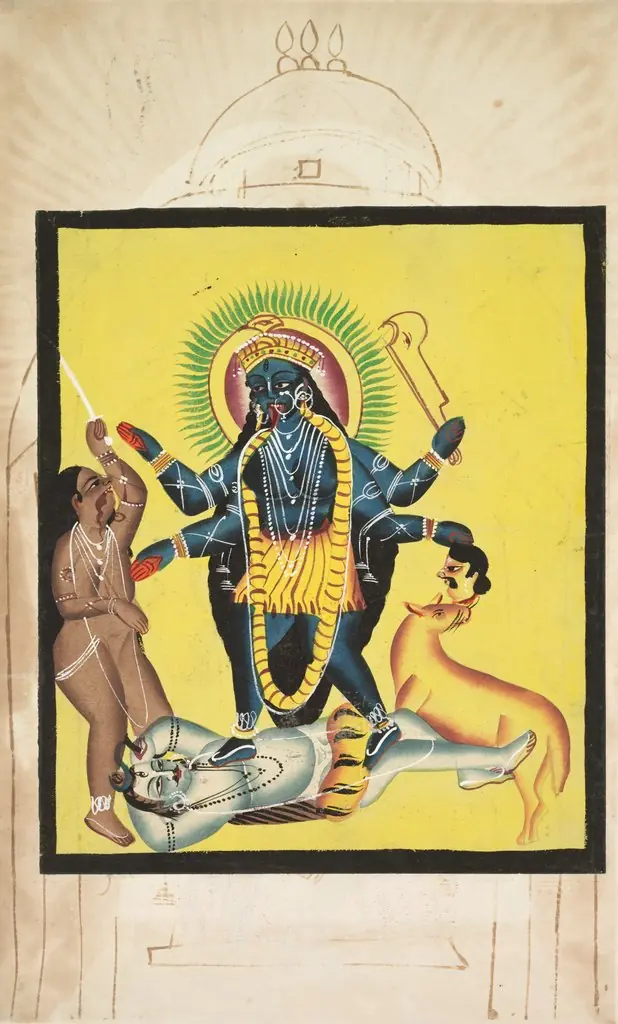 Kali Standing on Shiva (verso), from a Kalighat album
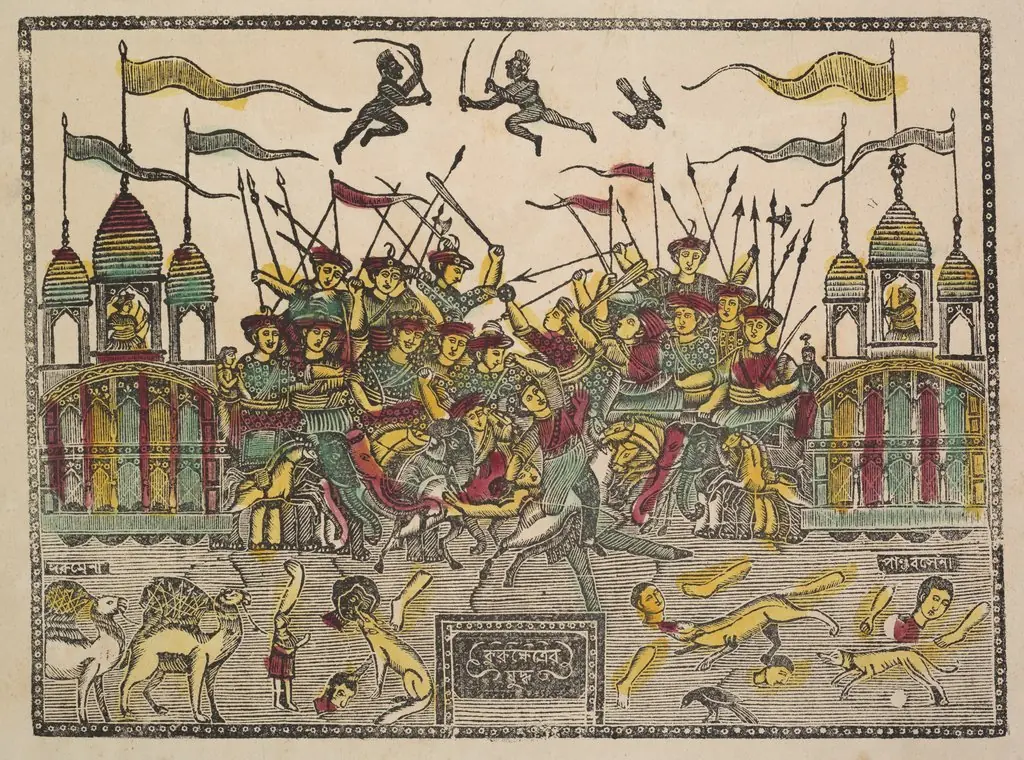 Battle Scene at Kurukshetra from the Mahabharata War (verso), from a Kalighat album
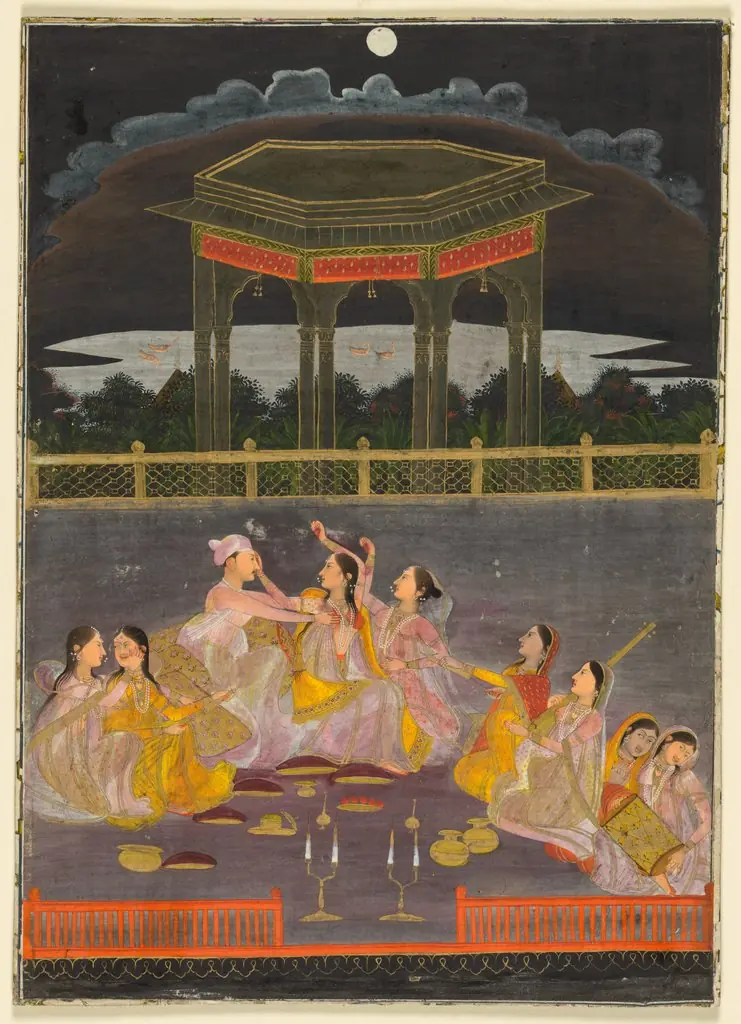 A prince celebrating Holi with palace women on a terrace at night (recto)
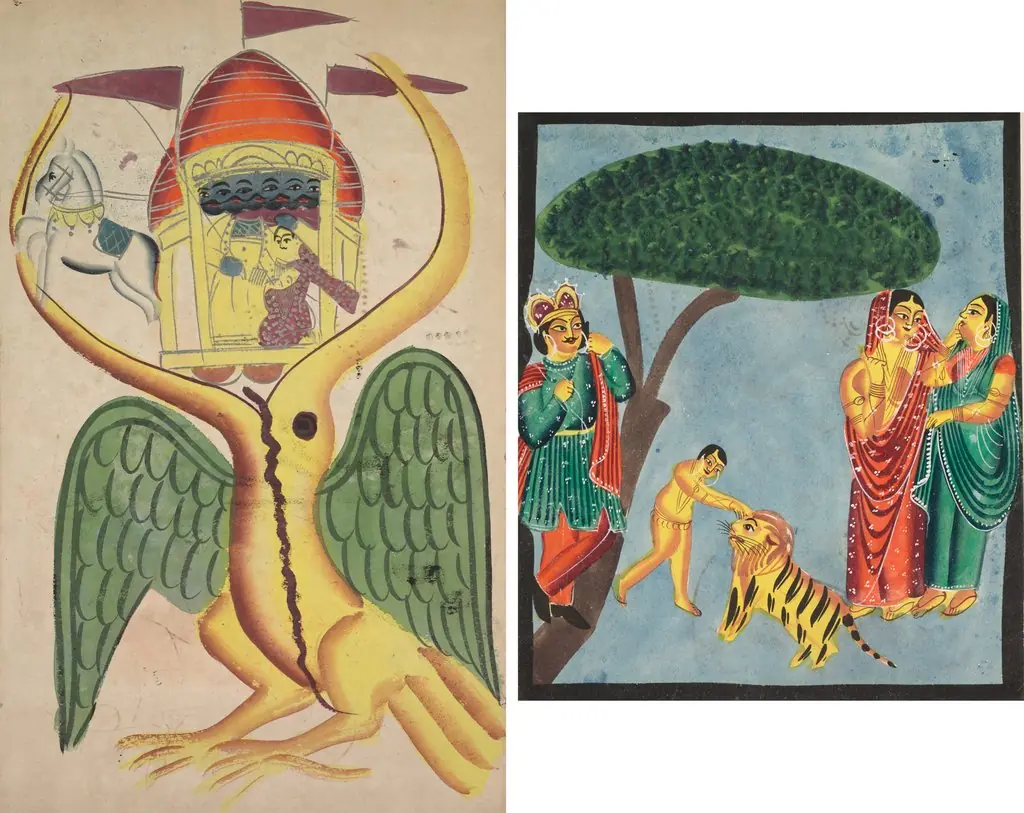 Leaf from a Kalighat album: Jatayu hinders Ravana’s chariot, trying to prevent the abduction of Sita (recto); Dushyanta watching his son Bharat playing with the tiger at the end of the Abhijnanashakuntalam (verso)
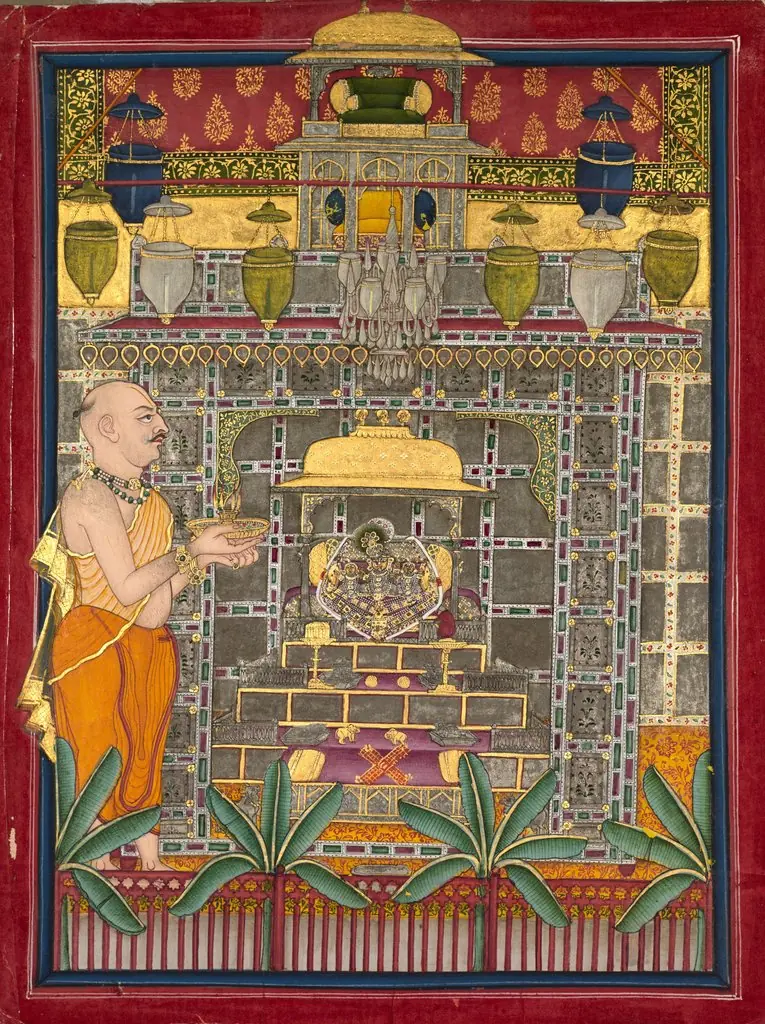 Maharao Kishor Singh II of Kota (r. 1819–28) Worshiping Krishna as Brij Rajji
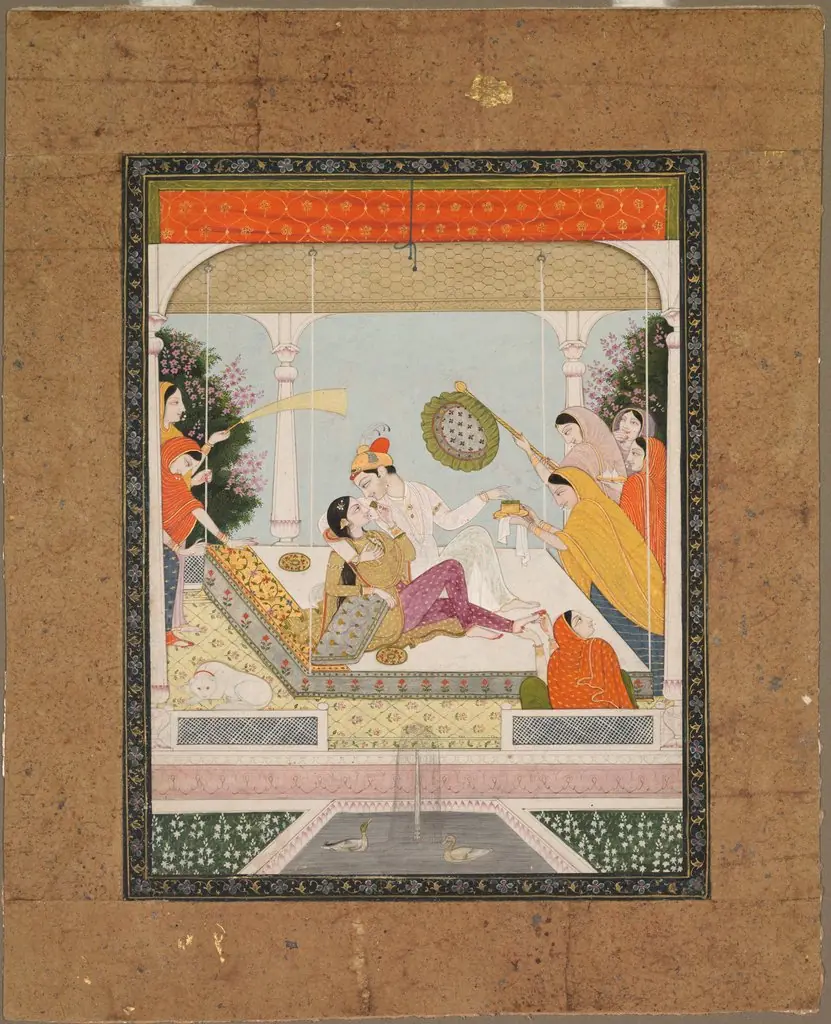 Raja with his Beloved
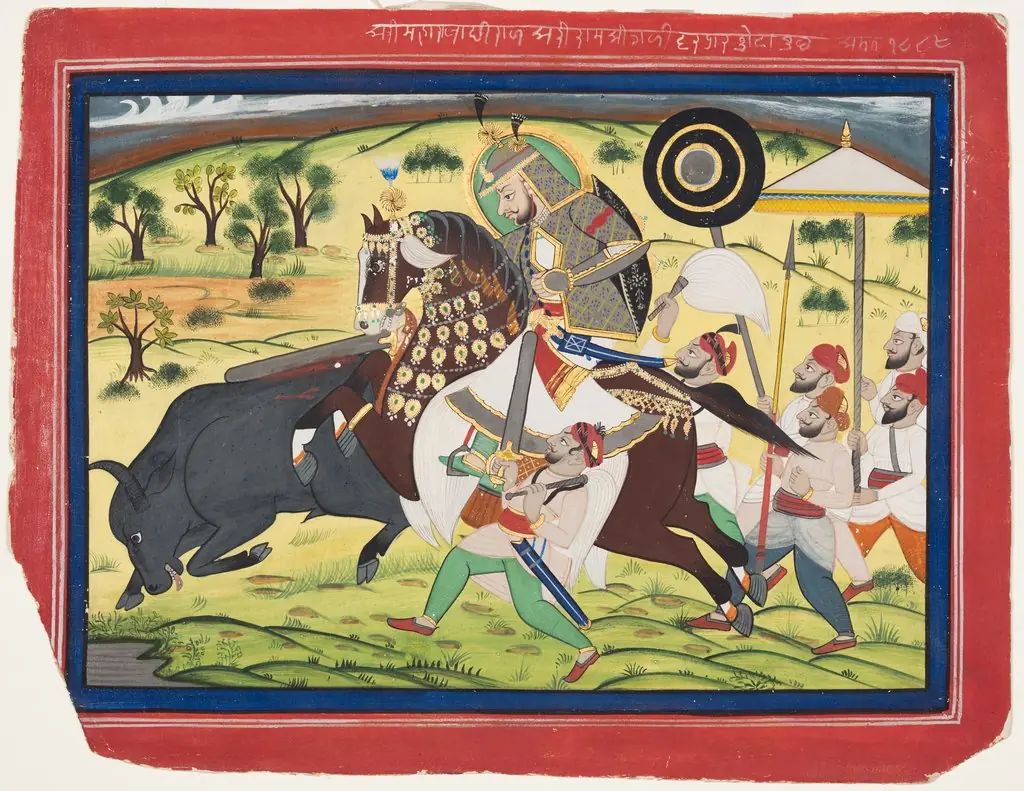 Maharao Ram Singh II of Kota (r. 1828–66) Hunting Buffalo
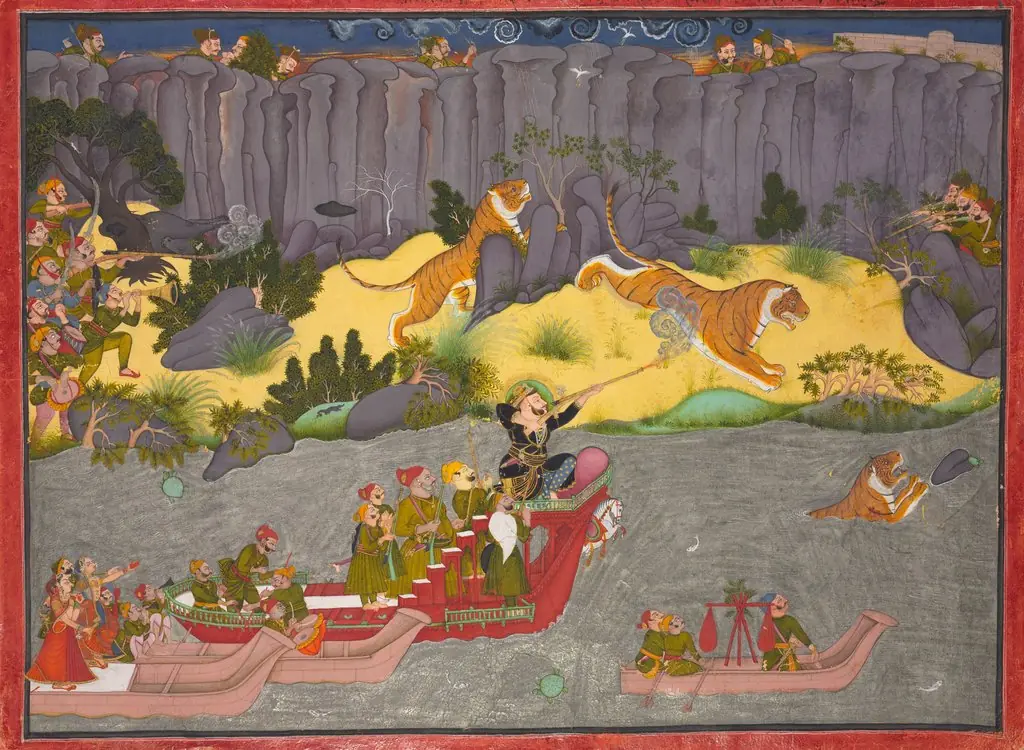 Tiger Hunt of Raja Ram Singh II
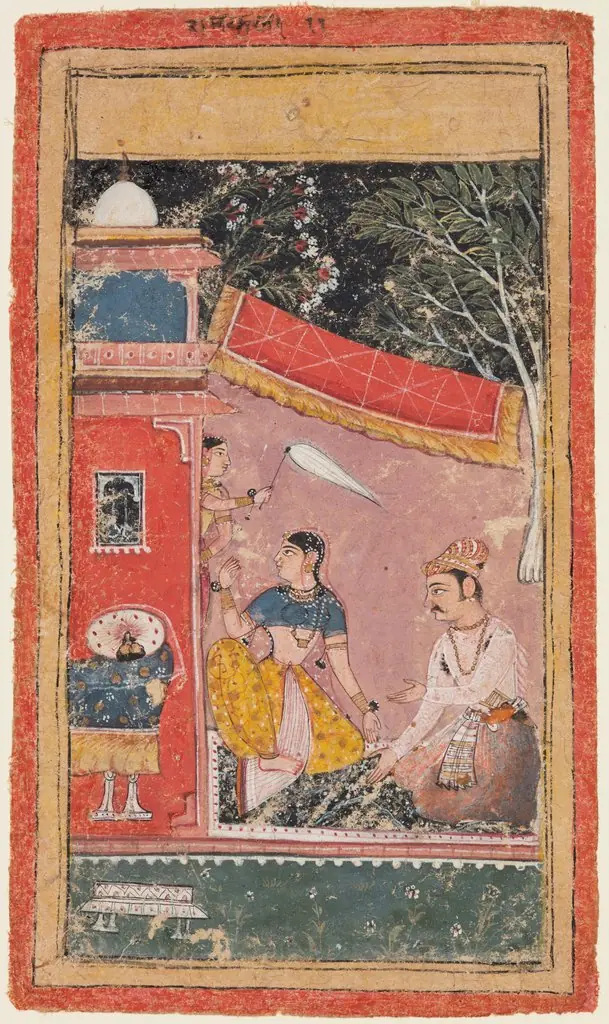 Lovers on a Terrace: Ramakali Ragini of Hindol, from a Bundi Ragamala
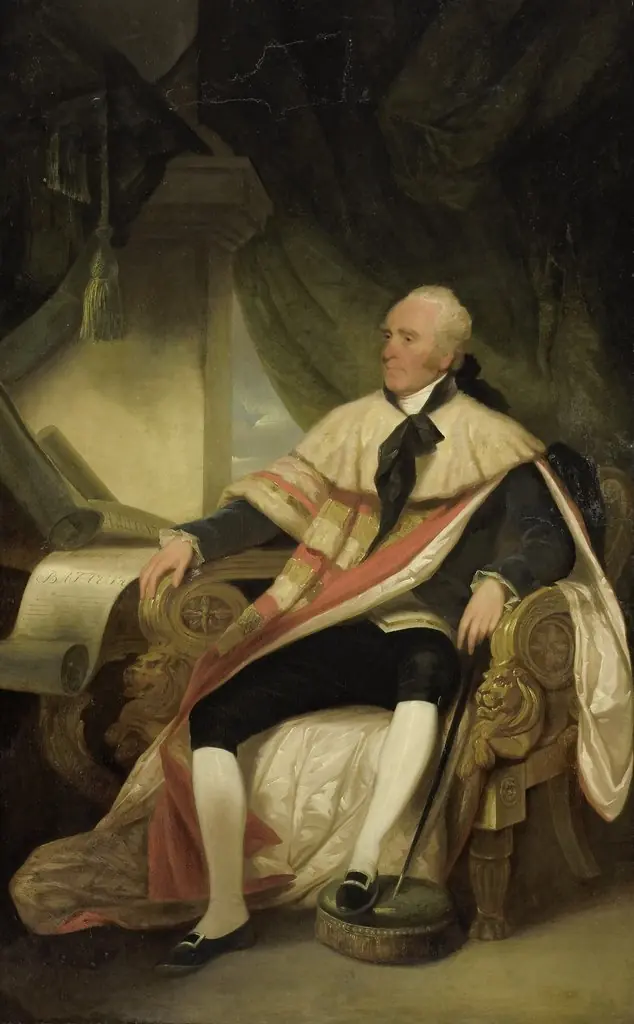 Gilbert Elliot, 1st Earl of Minto (1751-1814), Viceroy of British India and Governor General of the Dutch East Indies (1812-14)
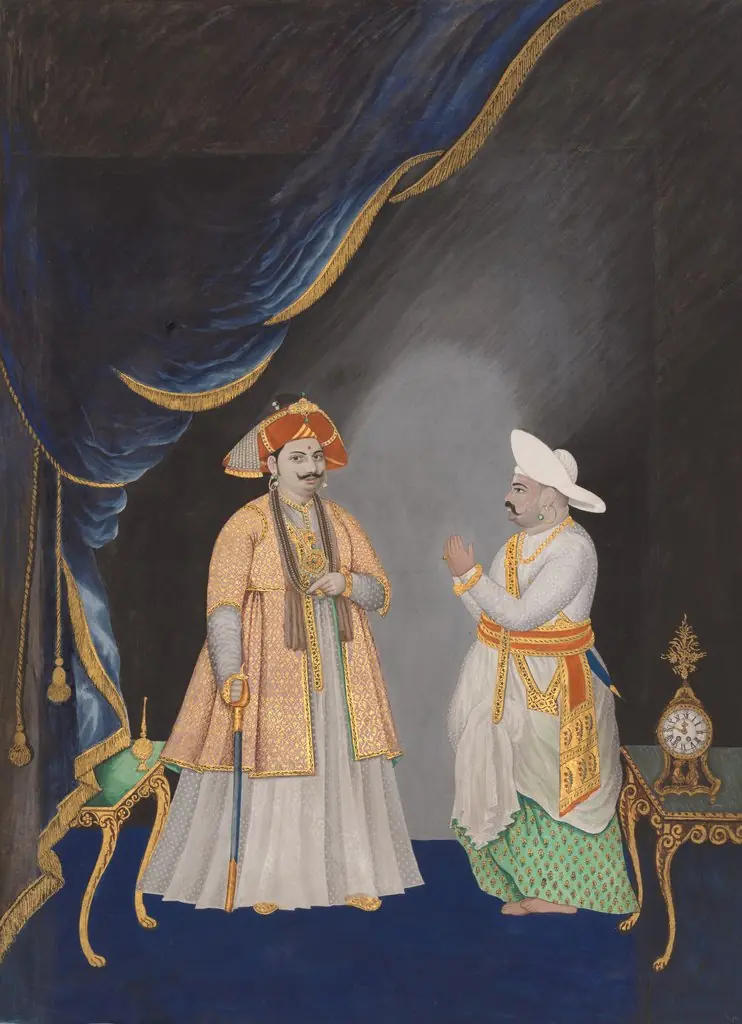 Maharaja Serfoji II accompanied by his Minister
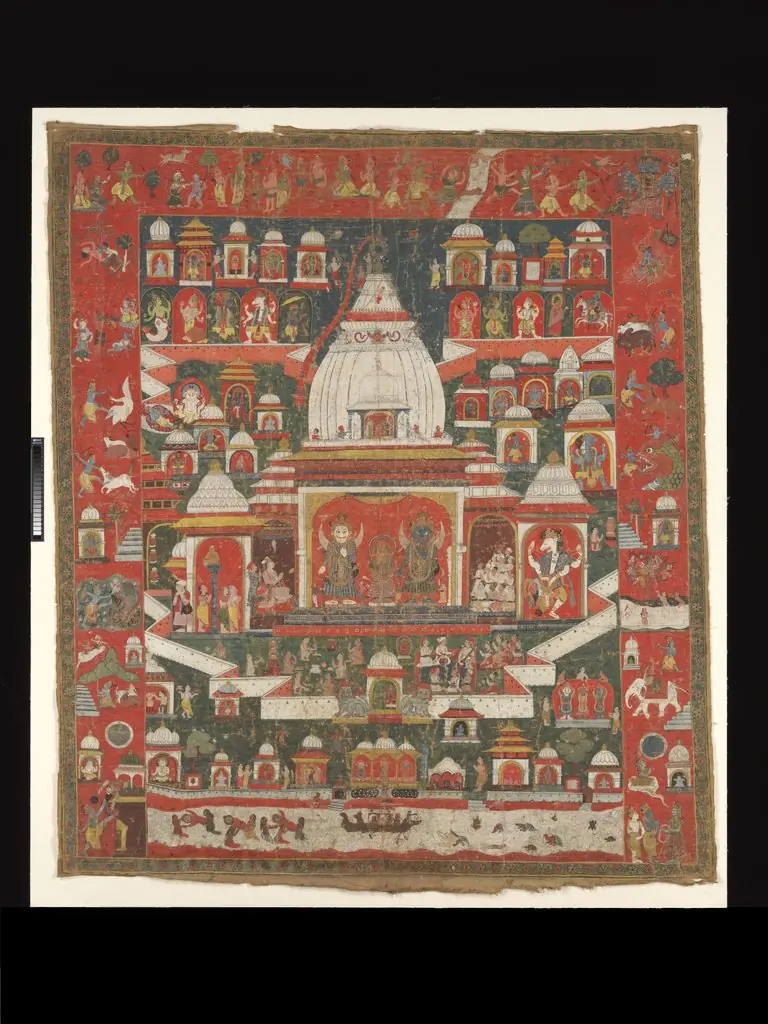 Worship of Lord Jagannatha in His Temple at Puri
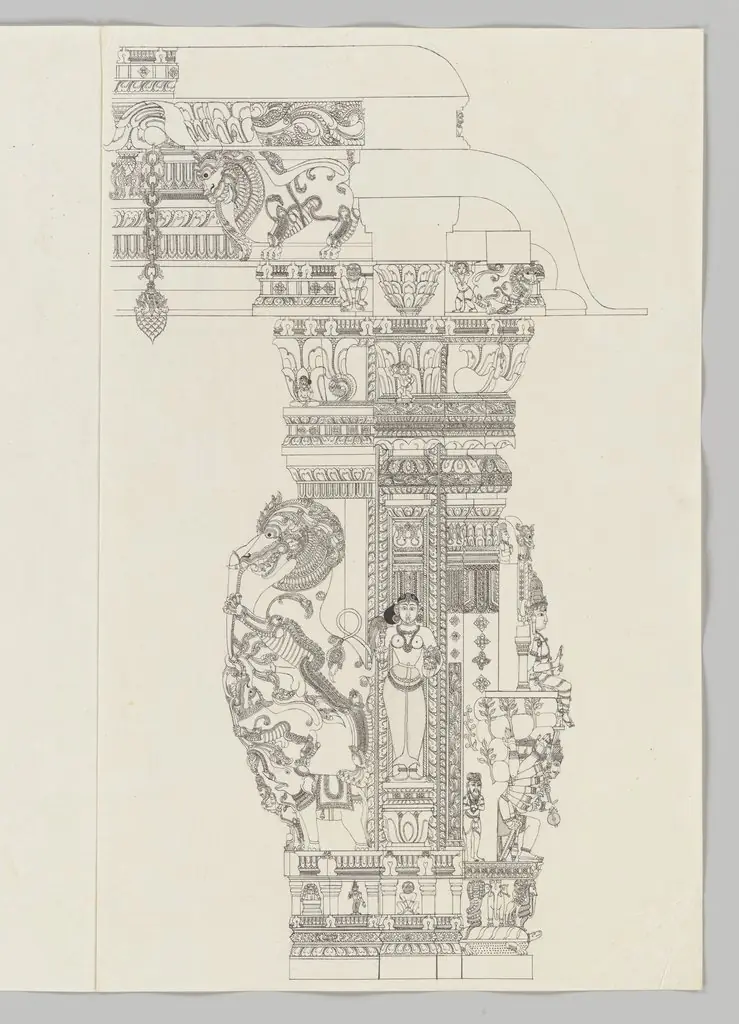 Shiva Ravananugrahamurti; woman holding a flywhisk; rearing yali
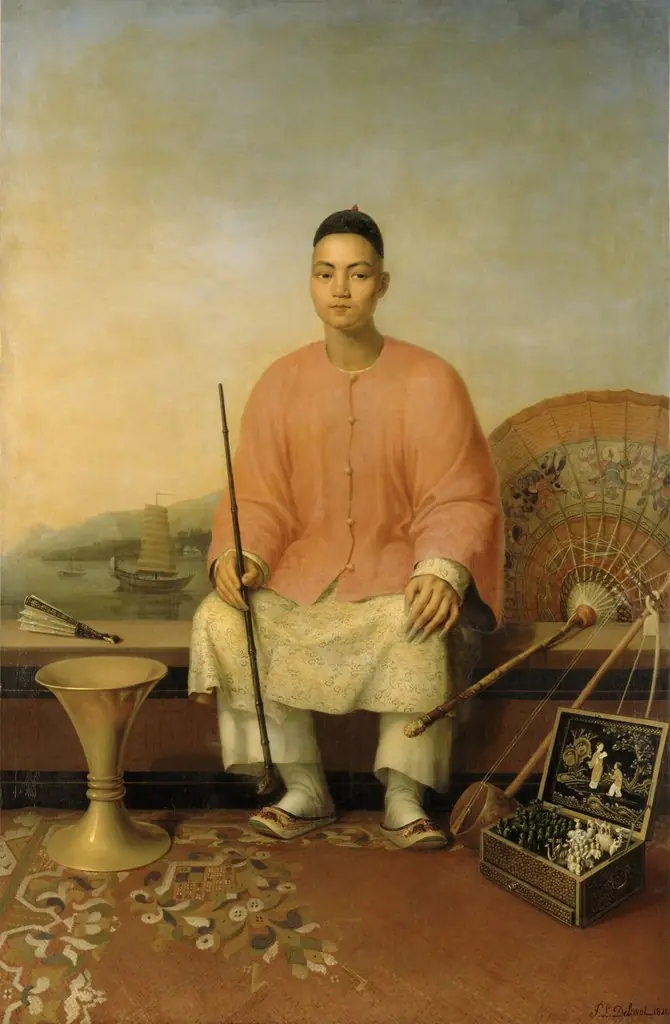 Kan-Gao, Cayenne Chinese
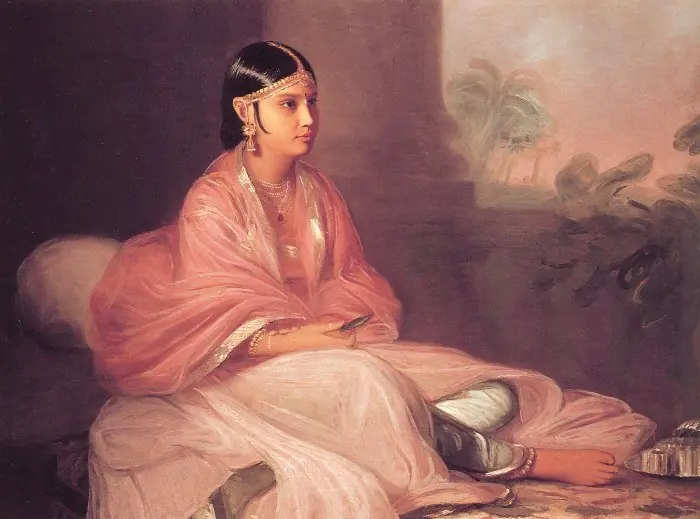 An Indian Lady, perhaps 'Jemdanee', Bibi of William Hickey
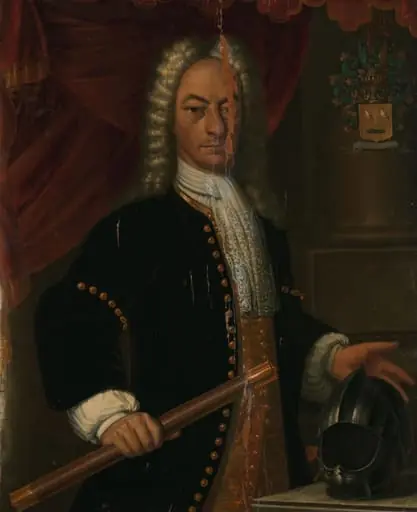 Diederik van Durven (1729-1730)
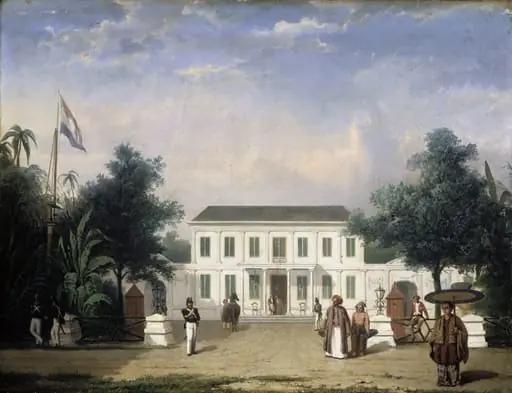 House on the Rijswijk, Batavia (Jalan Veteran)
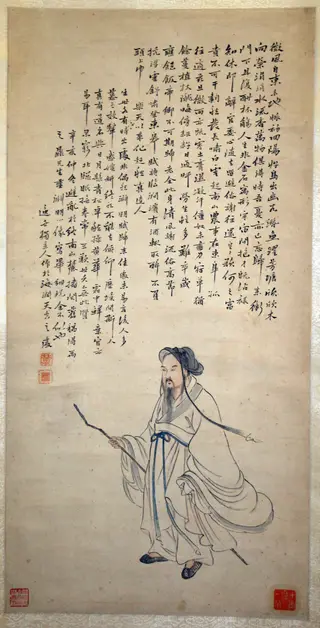 Portrait of Tao Yuanming
 Drie gezichten op de Parelrivier: Kanton, Macao, Whampoa
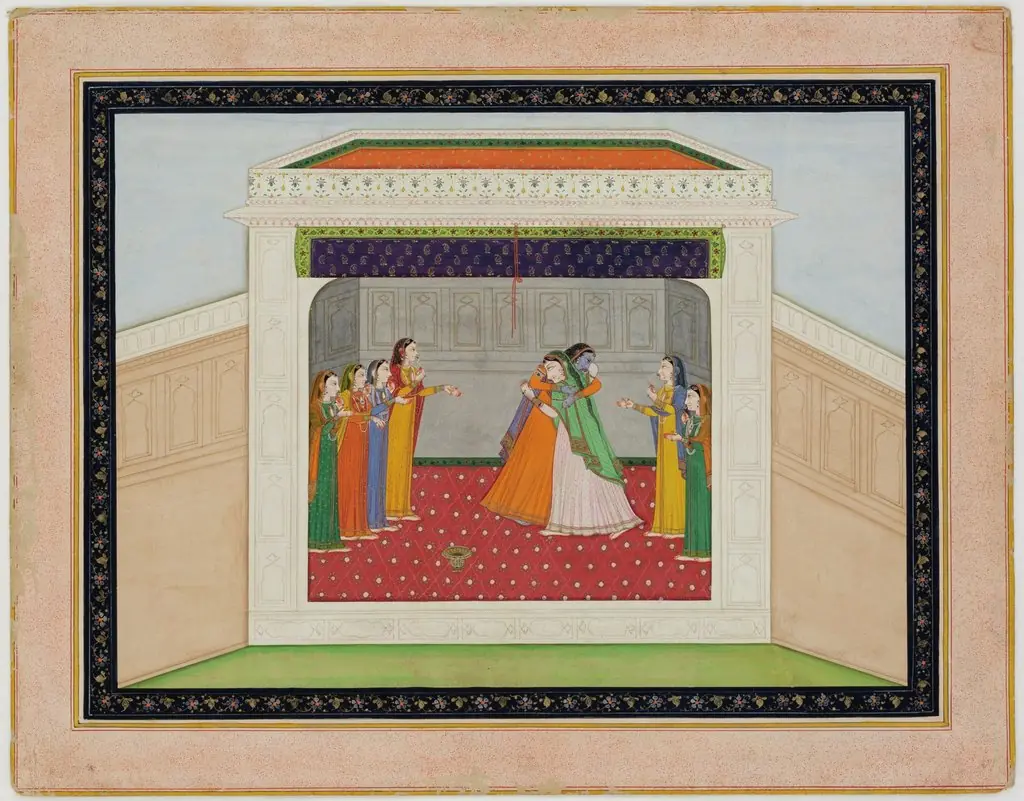 Story of Krishna and Radha
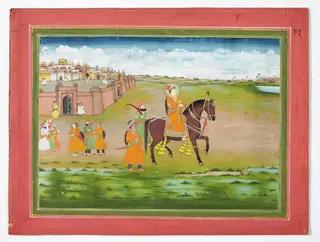 Portrait of Raja on Horseback
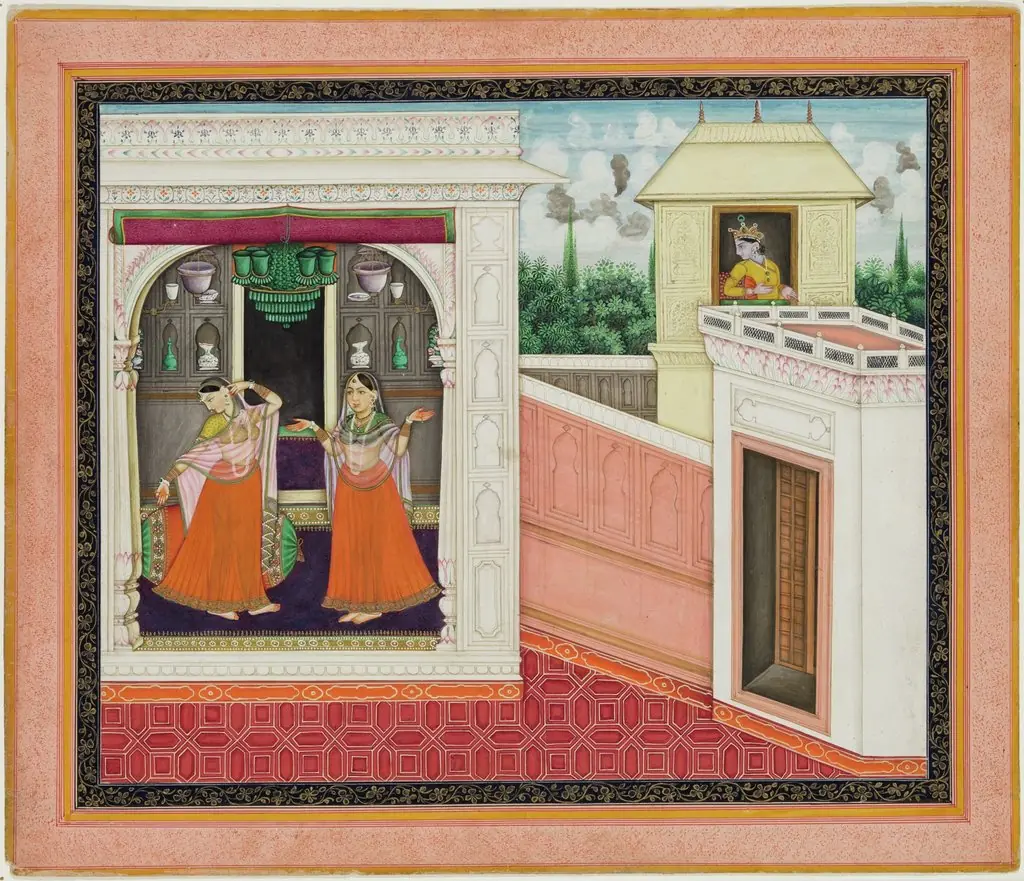 Story of Krishna and Radha
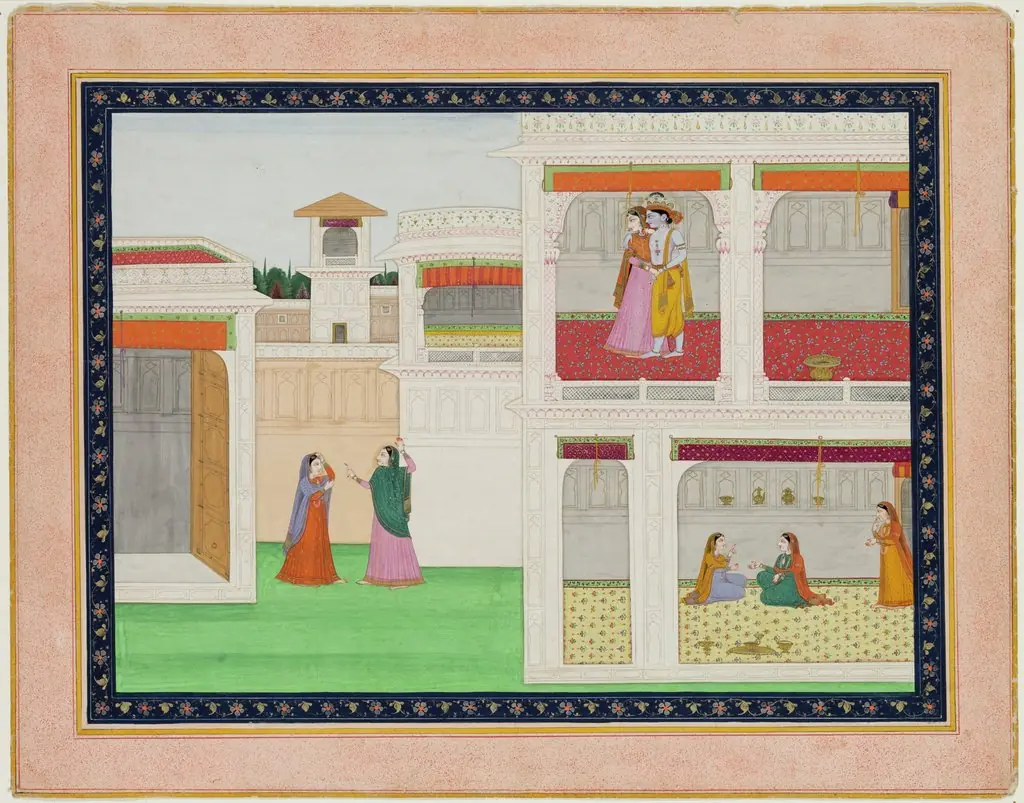 Story of Krishna and Radha
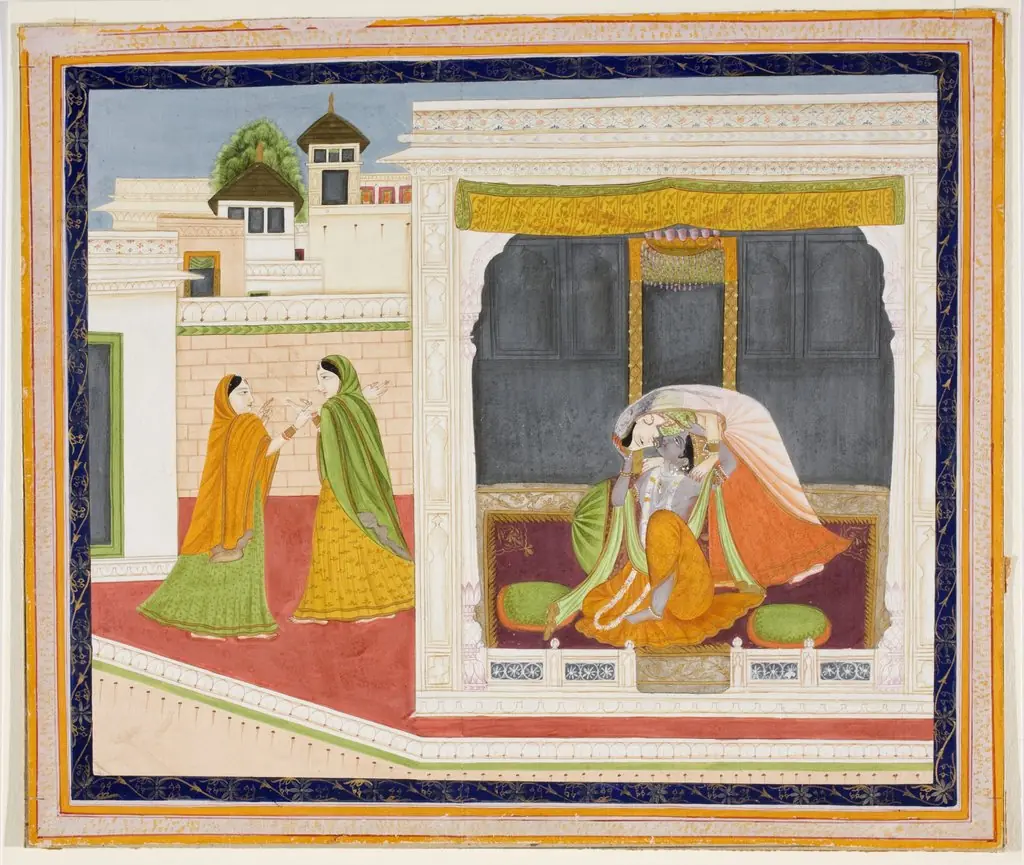 Radha and Krishna in Dalliance
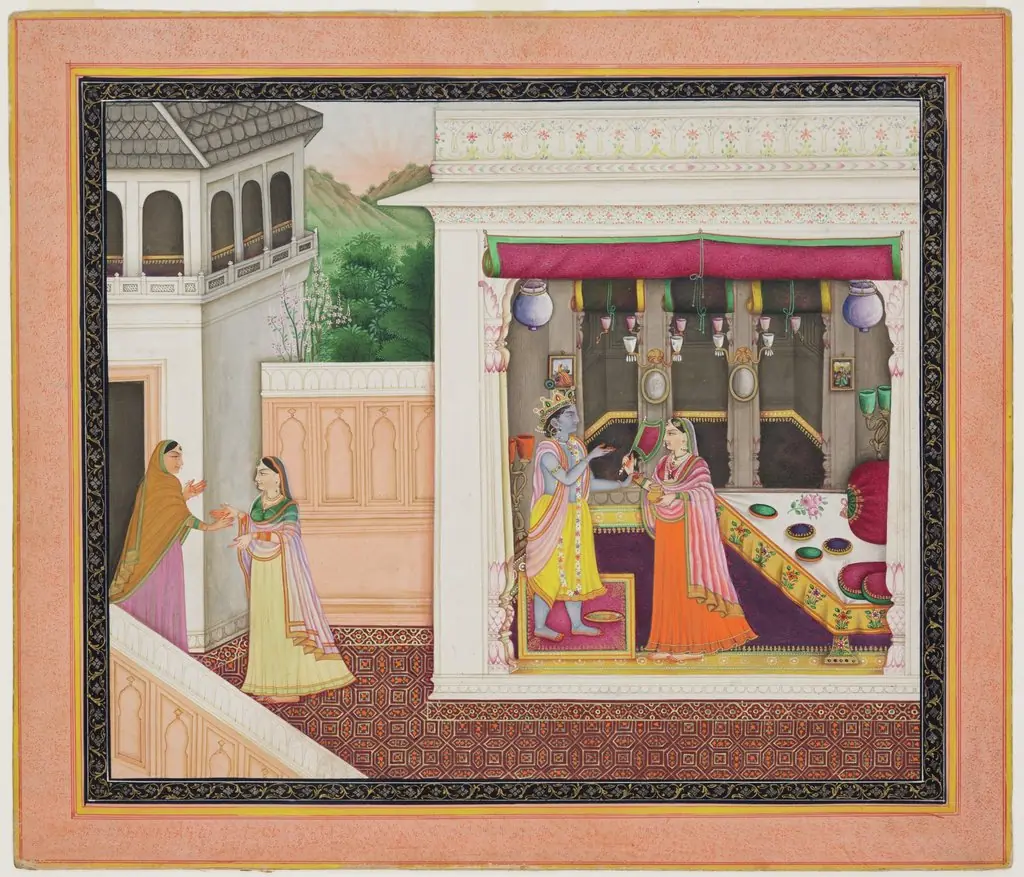 Story of Krishna and Radha
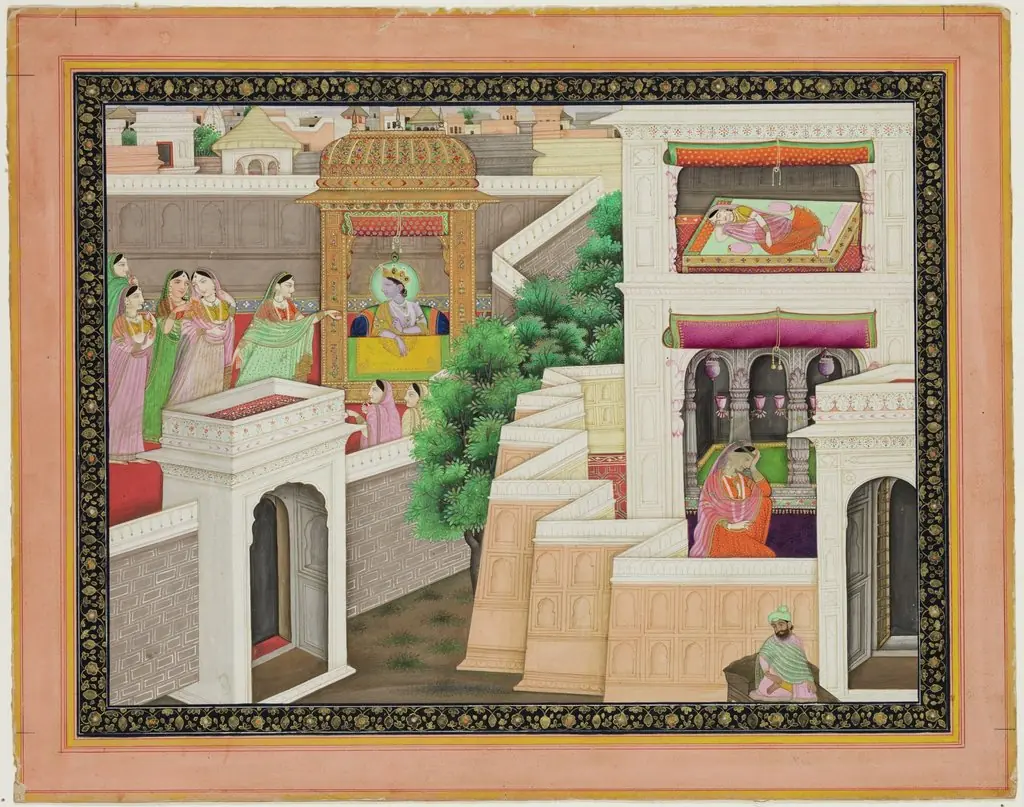 Story of Krishna and Radha
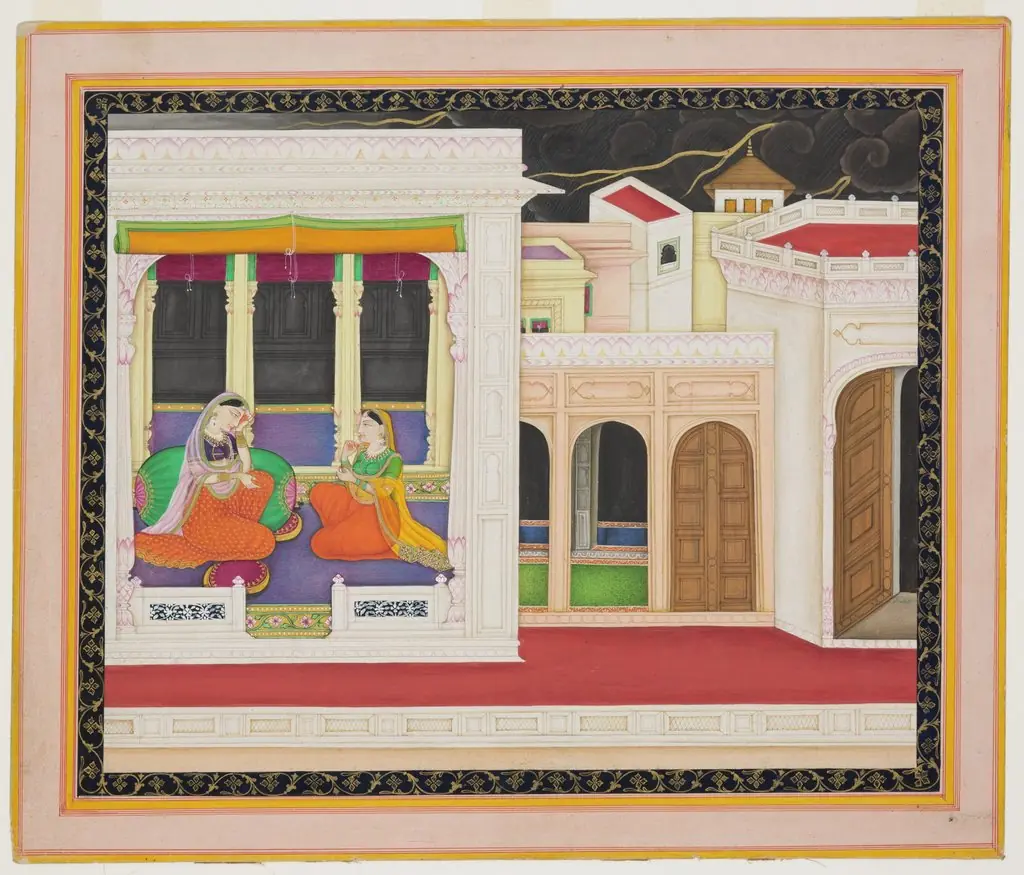 Story of Krishna and Radha
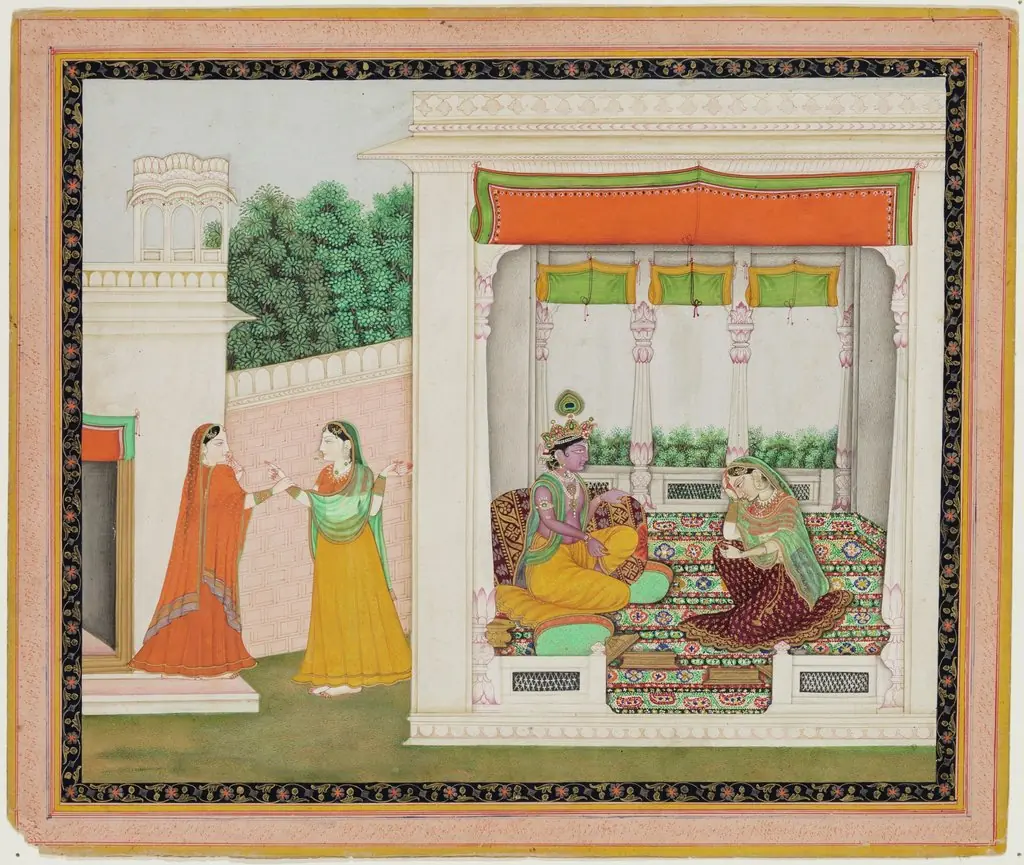 Story of Krishna and Radha
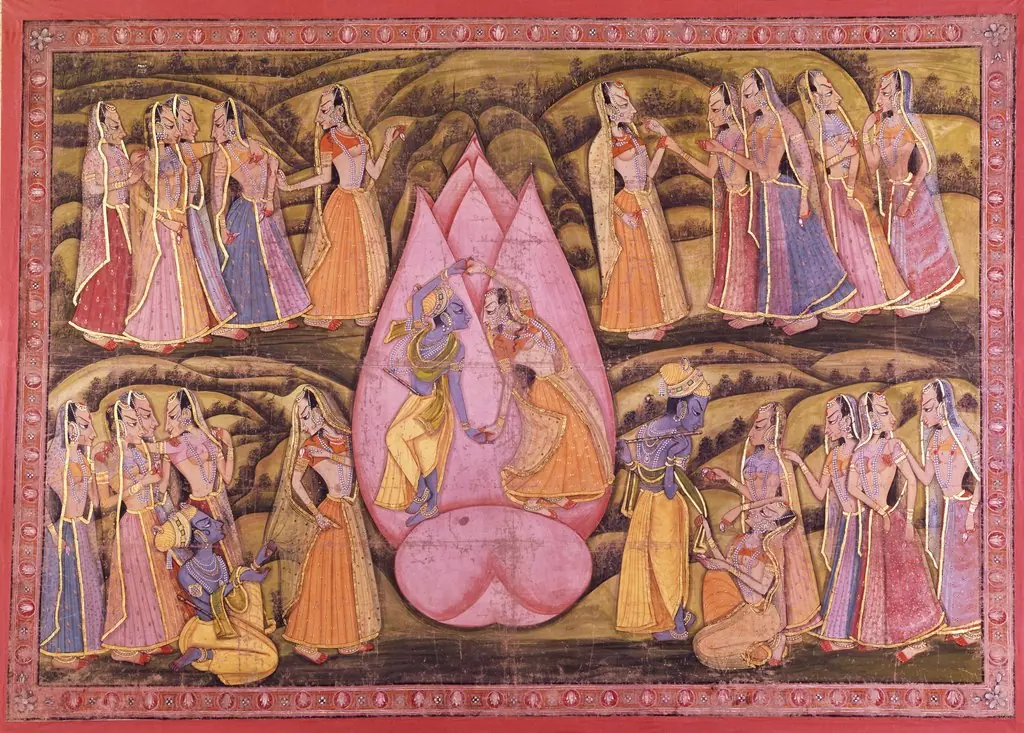 Krishna and Radha with Gopis
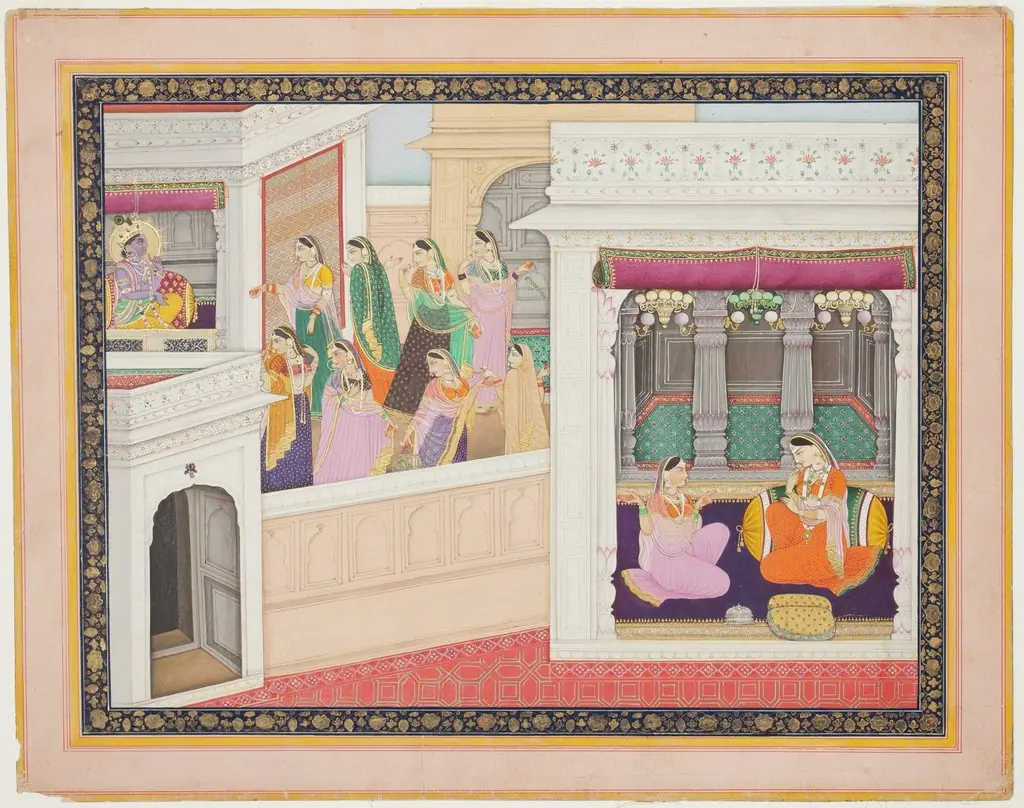 Krishna and Radha: Court Scene
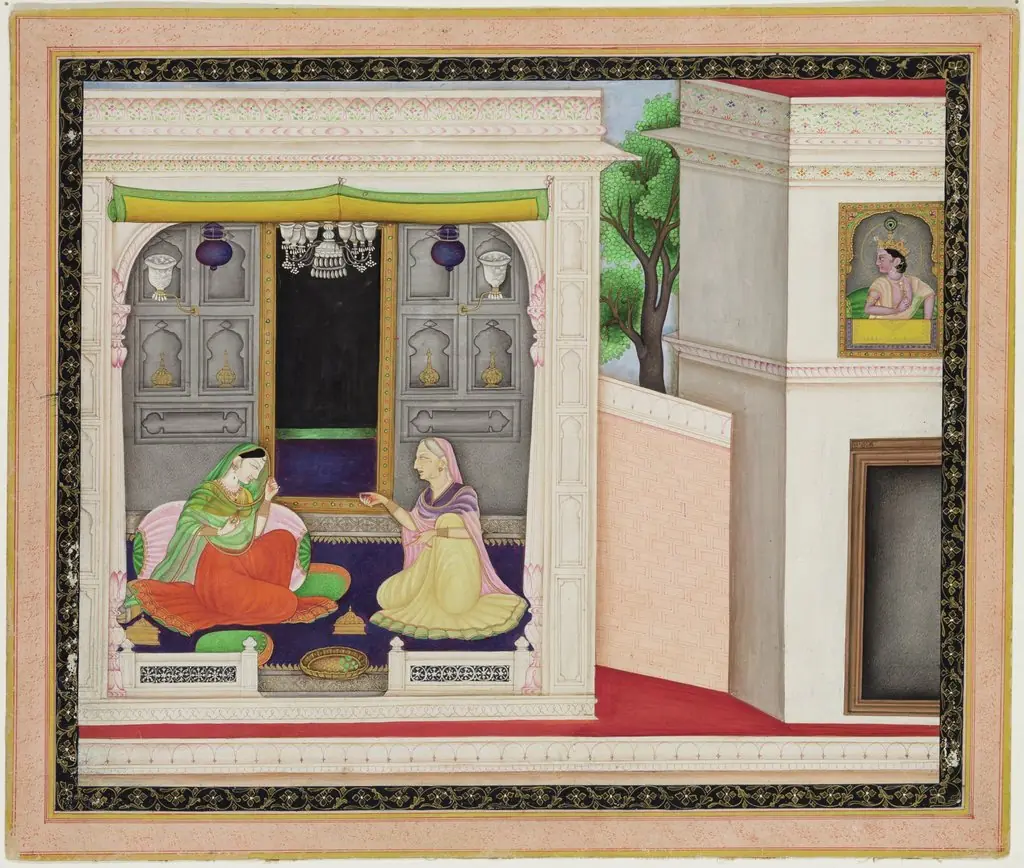 Story of Krishna and Radha
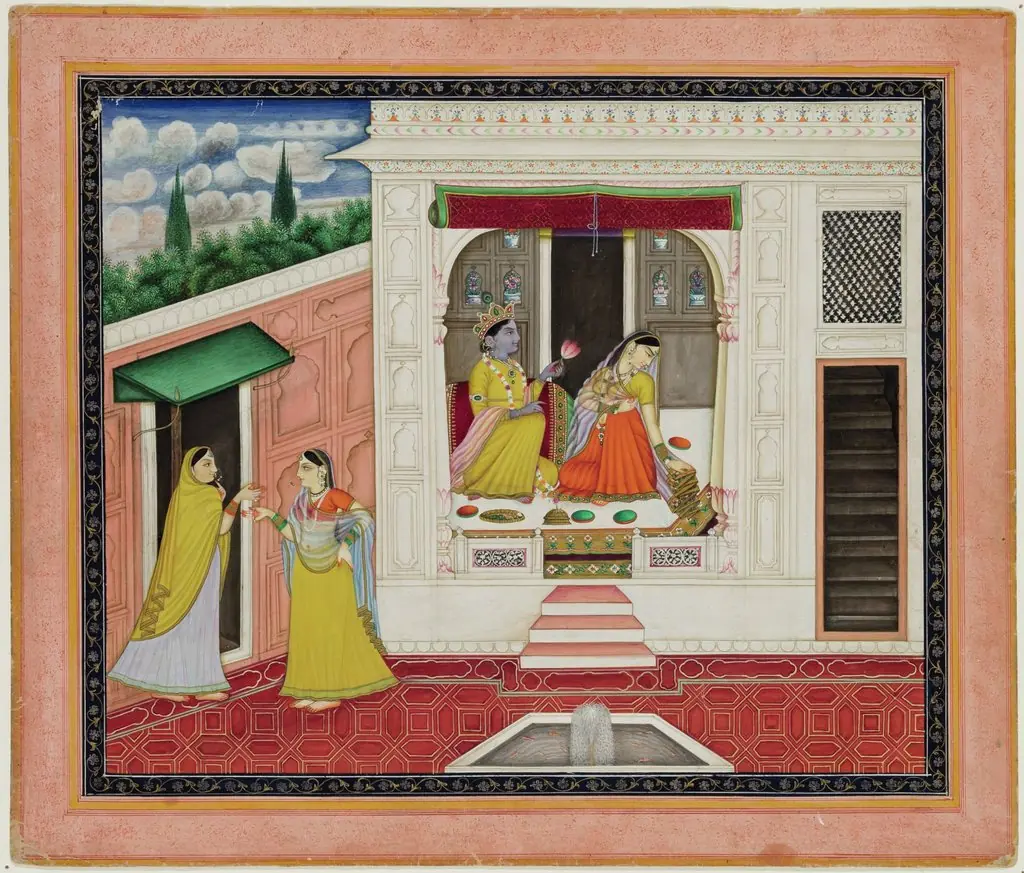 Story of Krishna and Radha
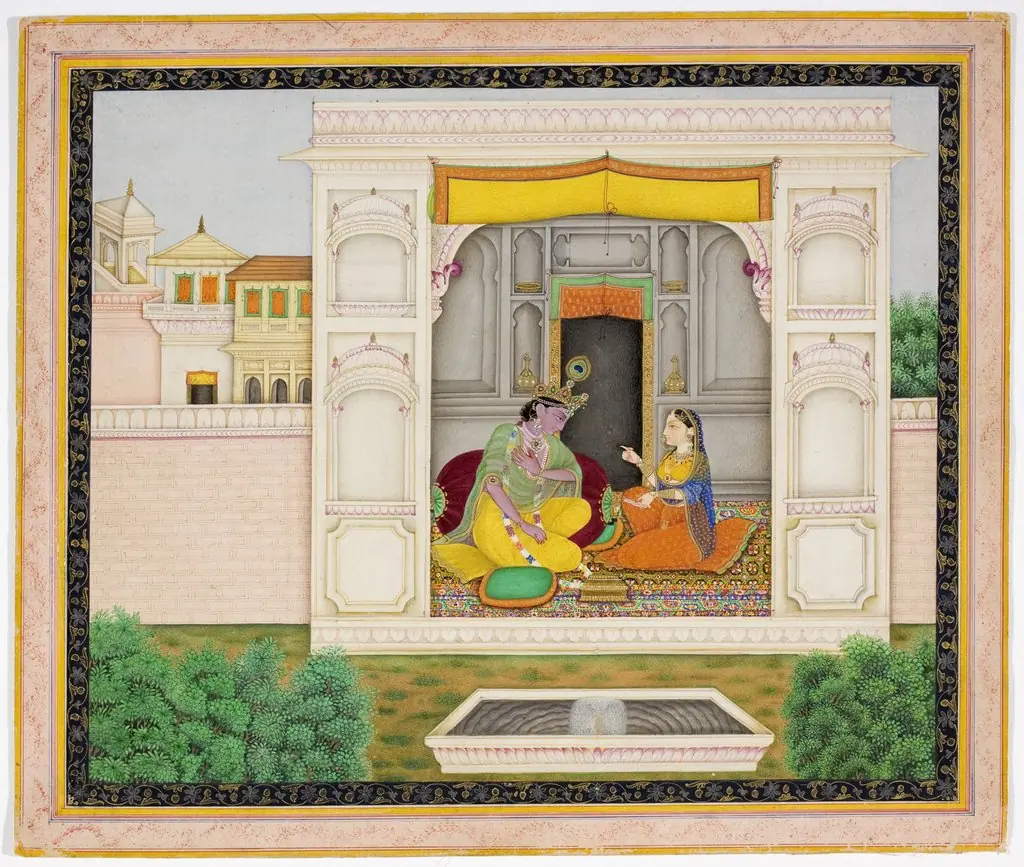 Krishna and Radha in Palace Scene
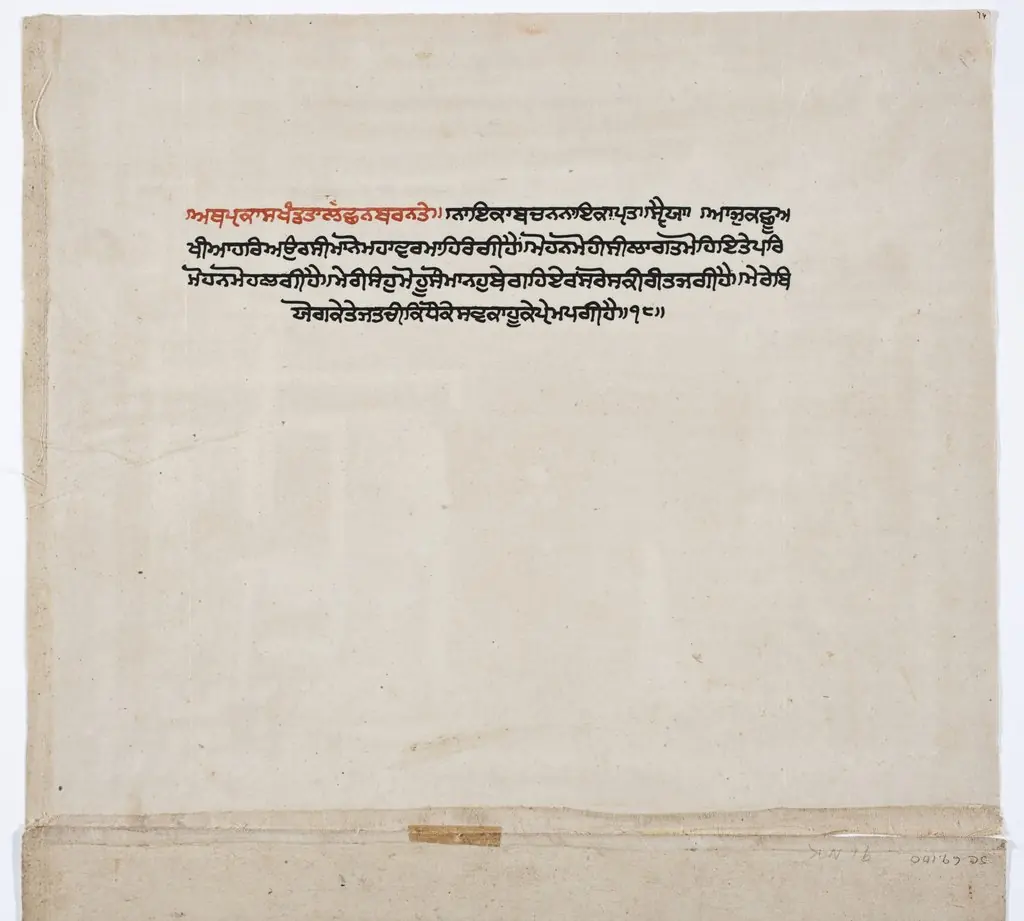 Radha and Krishna: The Exchange of Glances
 Story of Krishna and Radha
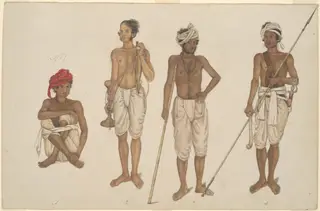 Four Recruits in White Dhotis, page from the Fraser Album
 Bhairavi Ragini, Page from a Bundi Ragamala Set
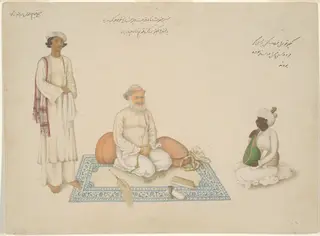 Shah Inayat Allah of Sind with his Musician Makkhu and his Attendant Shaykh Qiyam al-Din, page from the Fraser Album
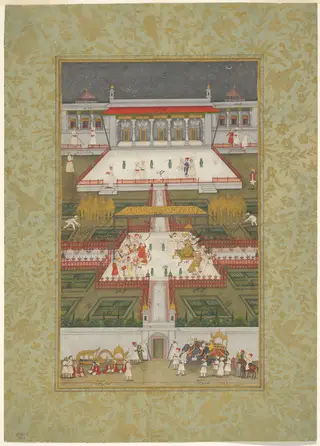 Ruler Entertained by Dancers in a Paradise Garden
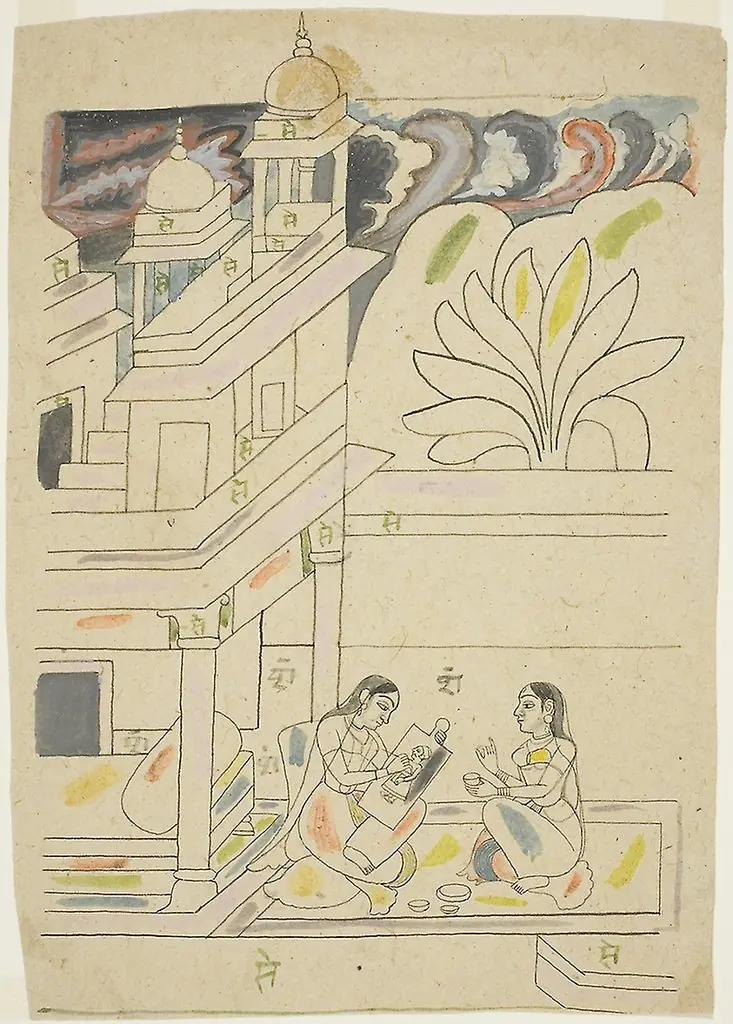 Dhanasri Ragini
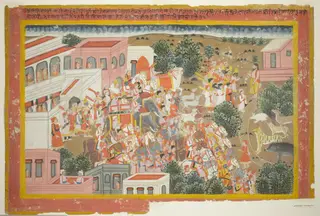 Four Princes in Procession Visit a Sage, page from a copy of the Ramayana
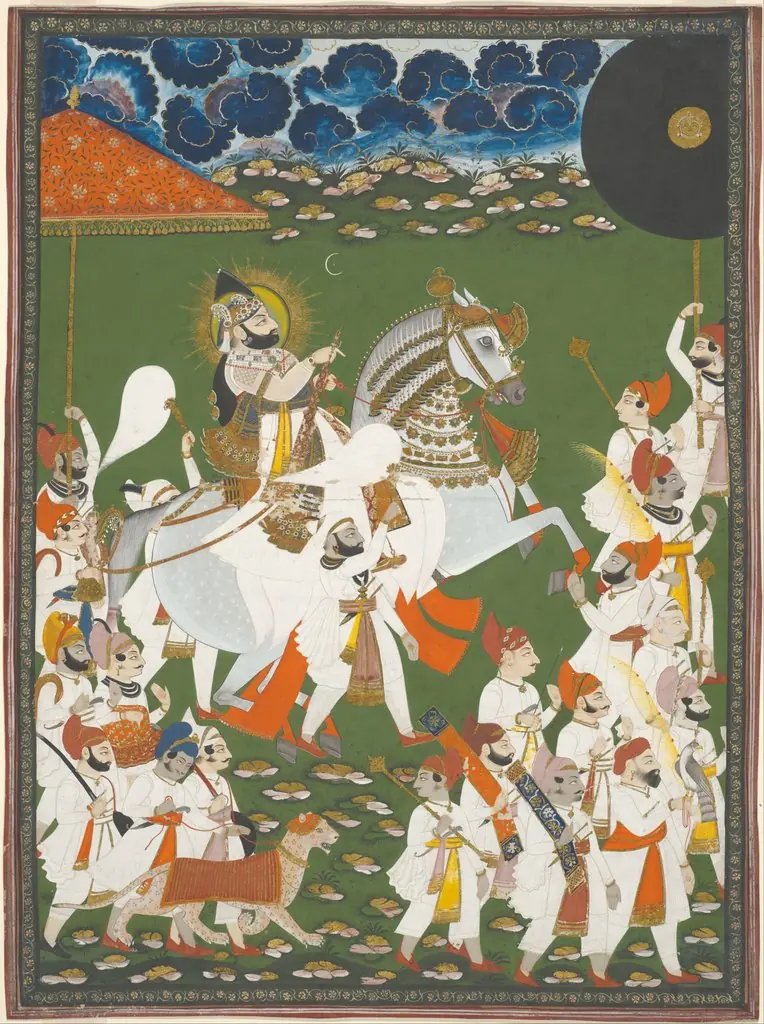 Maharana Bhim Singh in Procession
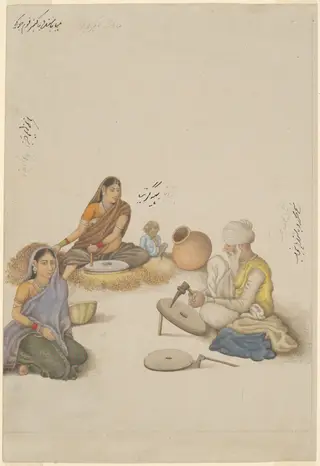 Villagers Grinding Corn, page from the Fraser Album
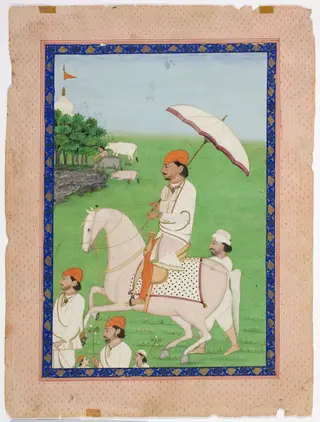 Sikh Gentleman Riding with Retainers
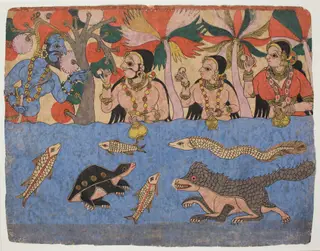 Scene from the Ramayana
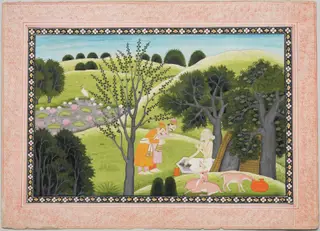
 Illustrations to Life of Dhurva Maharaj: #1 Durbar of King Uttan Pad
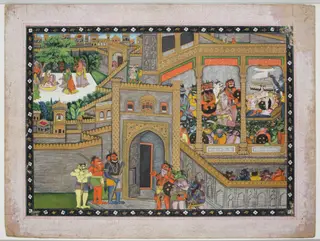 Sita Imprisoned at Ravana's Palace, Ravana Holding Court (Illustration to the Ramayana)
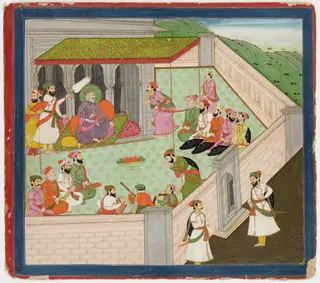
 Noblemen Making Obeisance to the Guru
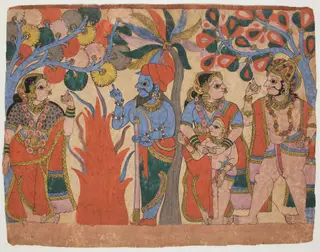 Scene from the Ramayana
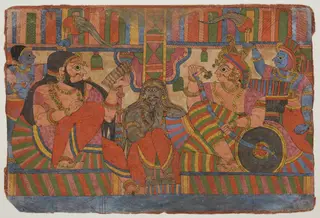 Scene from the Ramayana
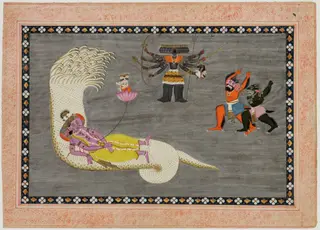 Vishnu, Sesha, Indra and Demons in Sea of Eternity
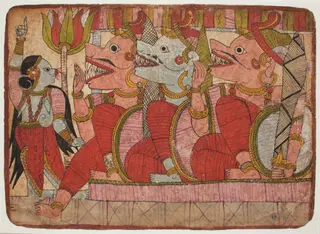 Scene from the Ramayana
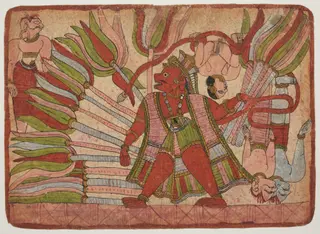 Scene from the Ramayana
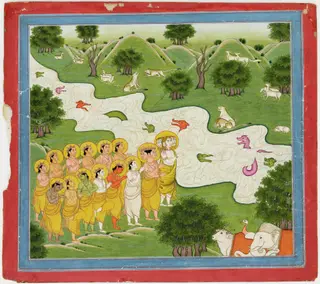 Illustrations to Life of Dhurva Maharaj: #16 All of them go to Dhurva hoping to break his concentration, and to deter him in his mission of seeing God
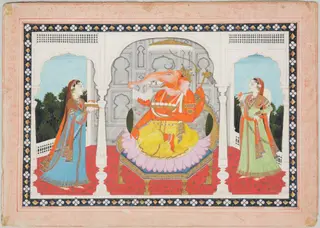 Adoration of Ganesha
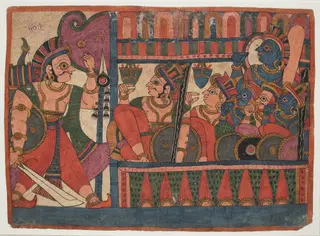 Scene from the Ramayana
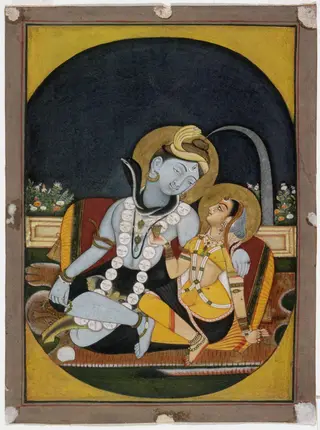 Shiva and Parvati
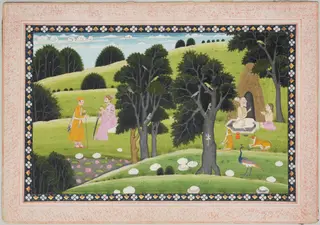 The Guru Discourses While Noblemen Wait
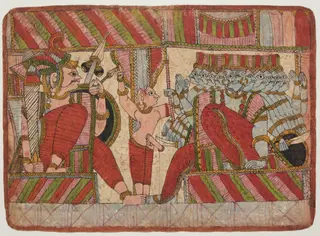 Scene from the Ramayana
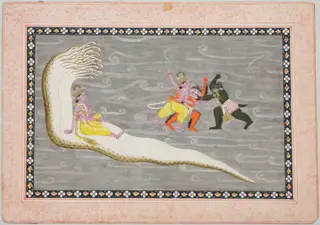 Vishnu on Serpent Shesha and Vishnu Battling Demons Madhu and Kaitabha
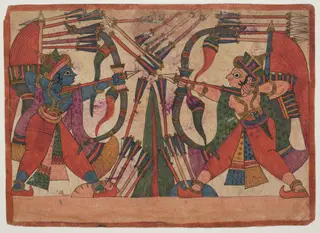 Scene from the Ramayana
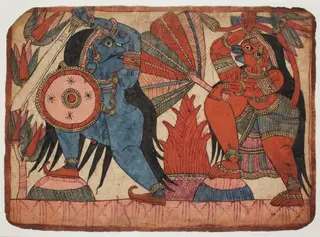 Scene from the Ramayana
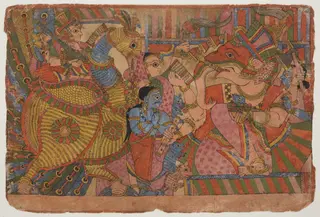 Scene from the Ramayana
Patna School of Painting is an art movement. A hybrid style produced in India from the late 18th century by Indian artists for British colonial patrons — Company servants who wanted documentary images of Indian life, plants, and birds.
Artifact World Gallery holds 862 public-domain Patna School of Painting works, all free to view and download.
Key Patna School of Painting artists in the collection include Tara, Chokha and Nainsukh.
Patna School of Painting works in the collection are held by Victoria and Albert Museum, Cleveland Museum of Art and Metropolitan Museum of Art.
Your cart is empty
Browse artworks →

