Artwork
Willem I (1533-84), genaamd de Zwijger, prins van Oranje, op zijn ziekbed
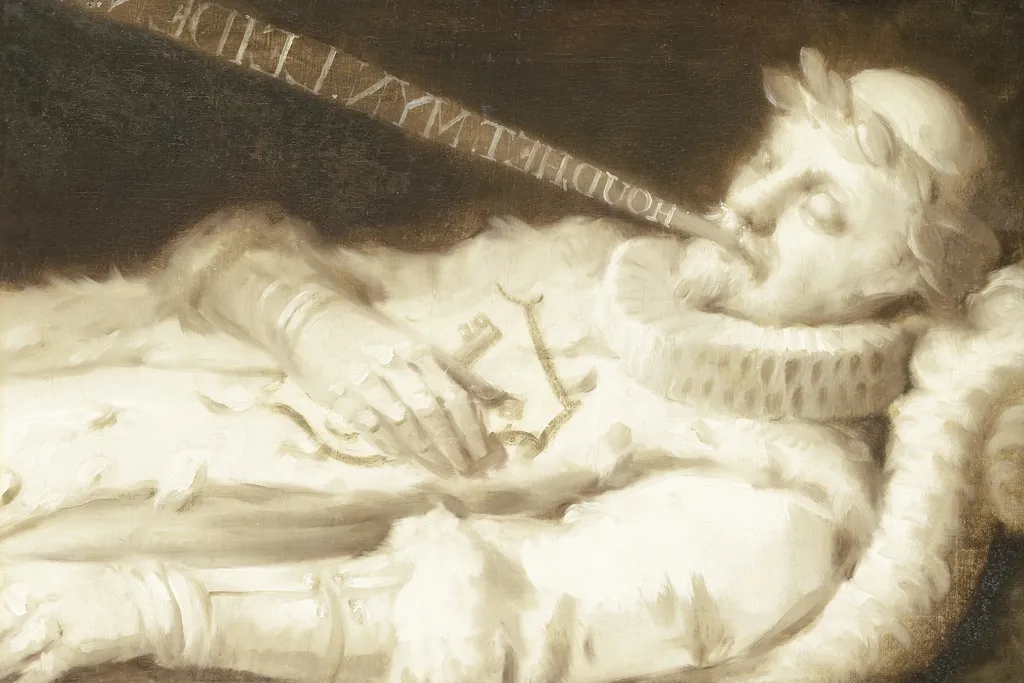
Willem I (1533-84), genaamd de Zwijger, prins van Oranje, op zijn ziekbed is an oil painting. It dates from 1594 and is held in the collection of the Rijksmuseum. The oil painting depicts a bedridden figure swathed in thick blankets, his head turned slightly away.
About this work
Subject & Meaning
The painting shows William the Silent on his deathbed, rendered as a catafalque portrait that emphasizes his martyrdom and leadership.
The painting shows William the Silent on his deathbed, rendered as a catafalque portrait that emphasizes his martyrdom and leadership. The composition uses the limited space of a sickbed to convey solemnity, while the catafalque, a funerary structure, symbolizes both mourning and the memorial function of such works. The depiction underscores themes of sacrifice and the struggle for independence in the Netherlands.
Technique & Style
The portrait of William the Silent was painted in oil on canvas in 1586 in the Northern Low Countries. It measures 49 cm by 72.7 cm and shows the prince on his deathbed. The work is classified as a catafalque portrait and belongs to the Rijksmuseum collection.
History & Provenance
The painting was produced in 1586, the year following the death of William the Silent in 1584, and was made in the Northern Low Countries using oil paint on canvas. It is classified as a catafalque portrait, a commemorative genre depicting the deceased figure on his deathbed. The work is held in the collection of the Rijksmuseum, where it remains located. No information on commission, prior ownership, or transfer history is documented in the available sources.
Overview
The oil painting depicts a bedridden figure swathed in thick blankets, his head turned slightly away. A subtle illumination catches the hair and pillow, while the word “ORANJE” appears faintly against a dark backdrop. The composition conveys a quiet, intimate moment, emphasizing the vulnerability of the subject in his final hours.
Context
Willem I (1533‑1584) played a pivotal role in the Dutch Revolt against Spanish rule. The work reflects the period’s interest in personal portraiture that combined political significance with humanist concerns, aligning with contemporary Northern Renaissance trends that emphasized realism and emotional depth.
Artist & collection

- The Painter Bartholomeus Spranger in Vienna
 Un primar
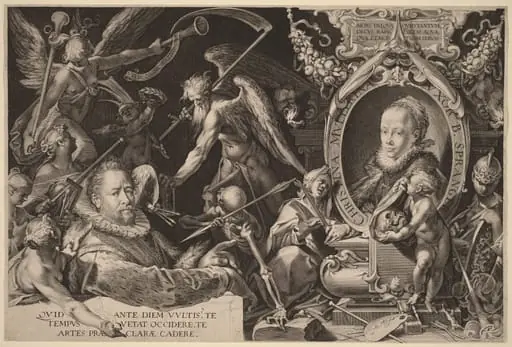 Bartholomaeus Spranger and his Late Wife Christina Muller
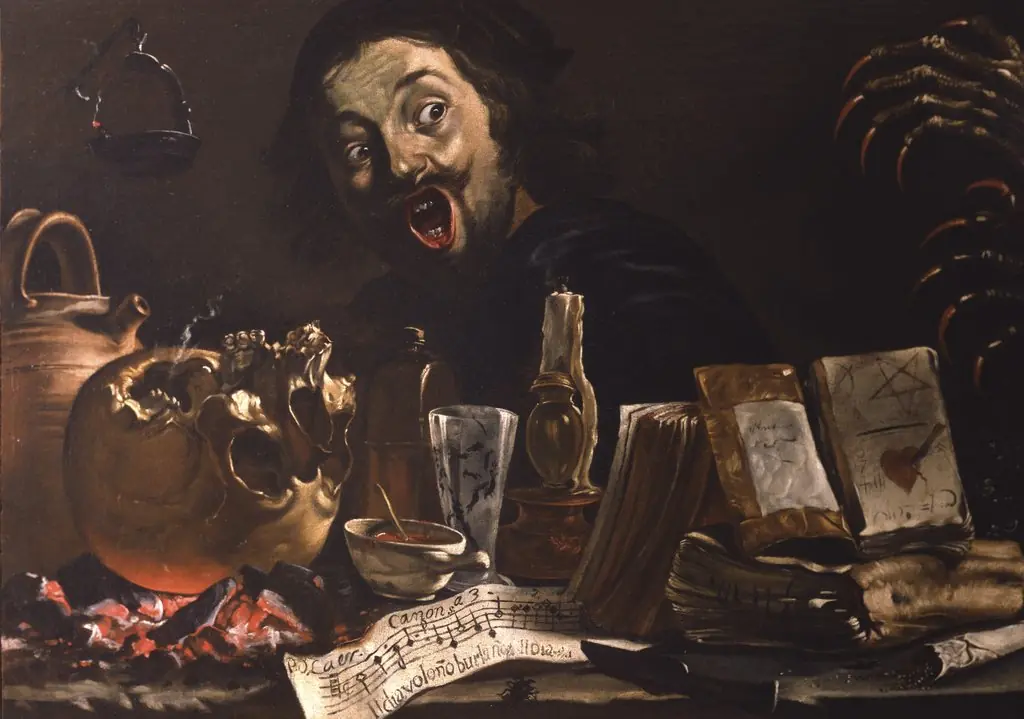 Self Portrait with a Magic Scene
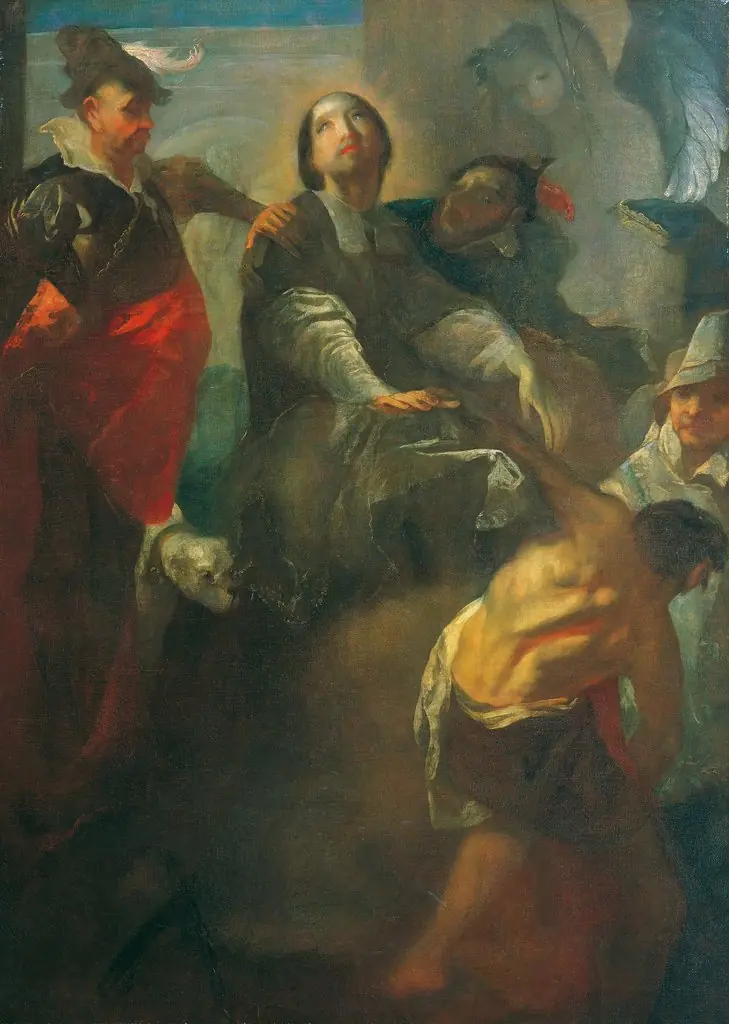 The Capture of St. John of Nepomuk
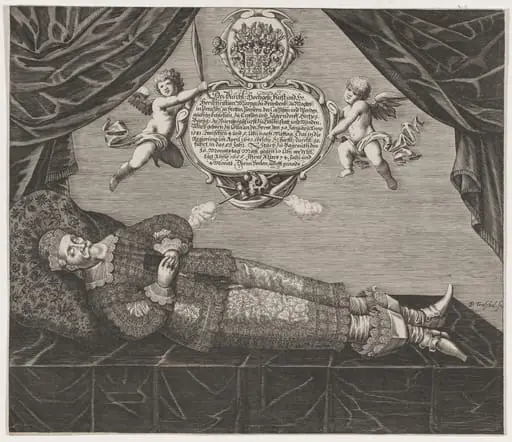 Christian, Margrave of Brandenburg-Bayreuth on his Deathbed
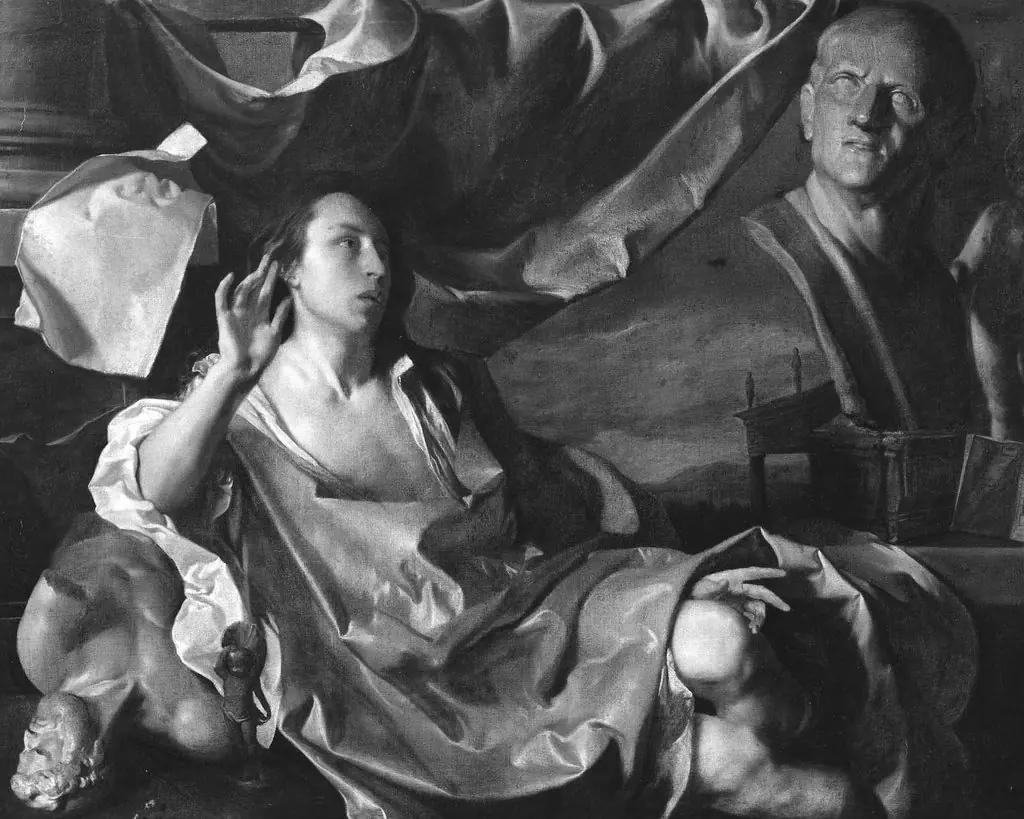 Inspiration of an Artist
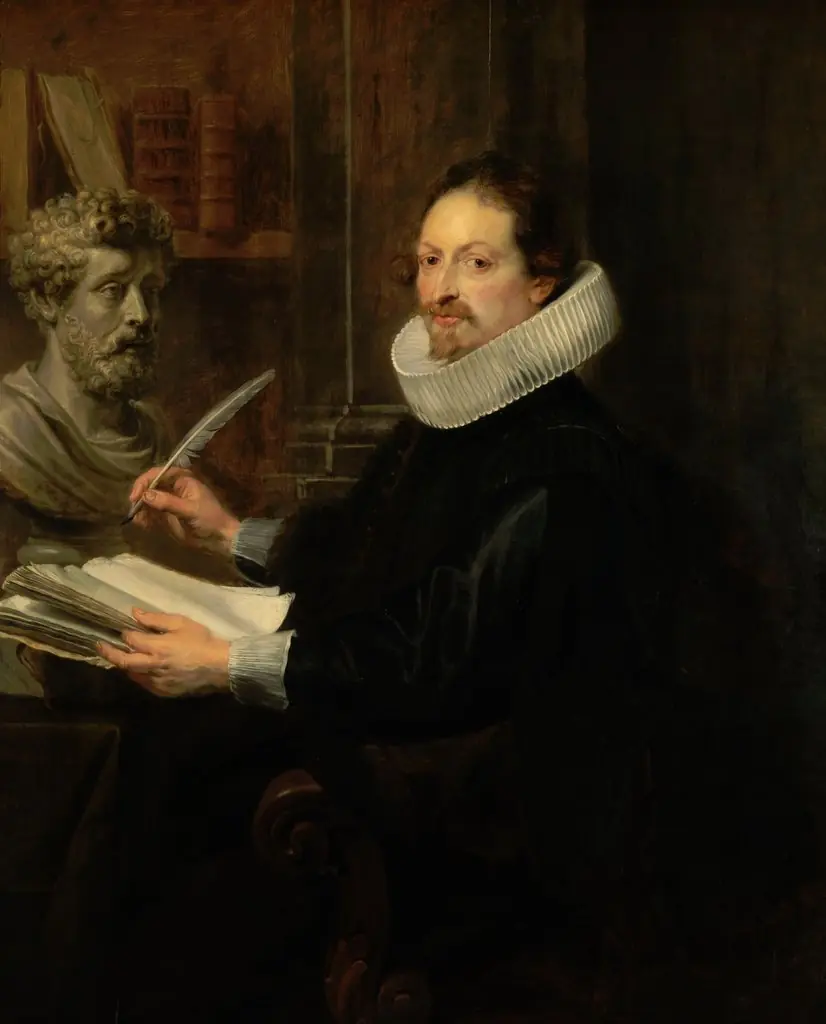 Joannes Gaspard Gevartius, (1593-1666)
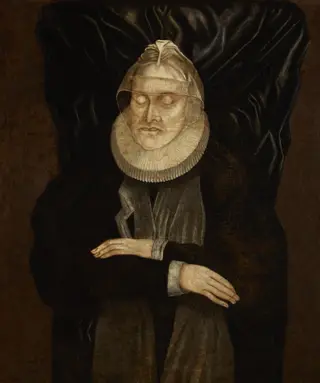 Sepulchral portrait of Anna Maria Brandenburska, Duchess, the wife of Barnim X (XII) the Younger (1567-1618)
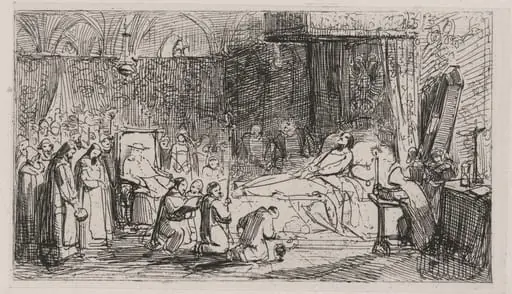 Death of Karl V in the Cloister of Saint Just
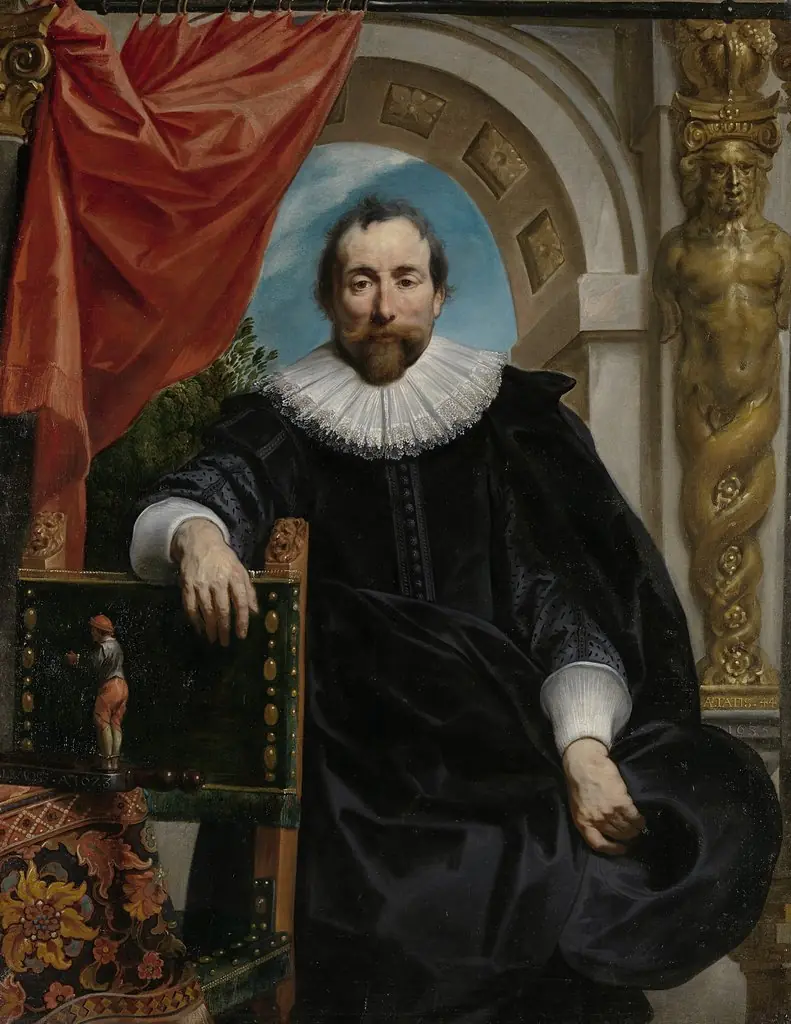 Portrait of Rogier Le Witer (1591-1678), Merchant in Antwerp
 Frederick I, Duke of Wurtemberg