Artwork
Nagy Imre și Varga N. Lajos
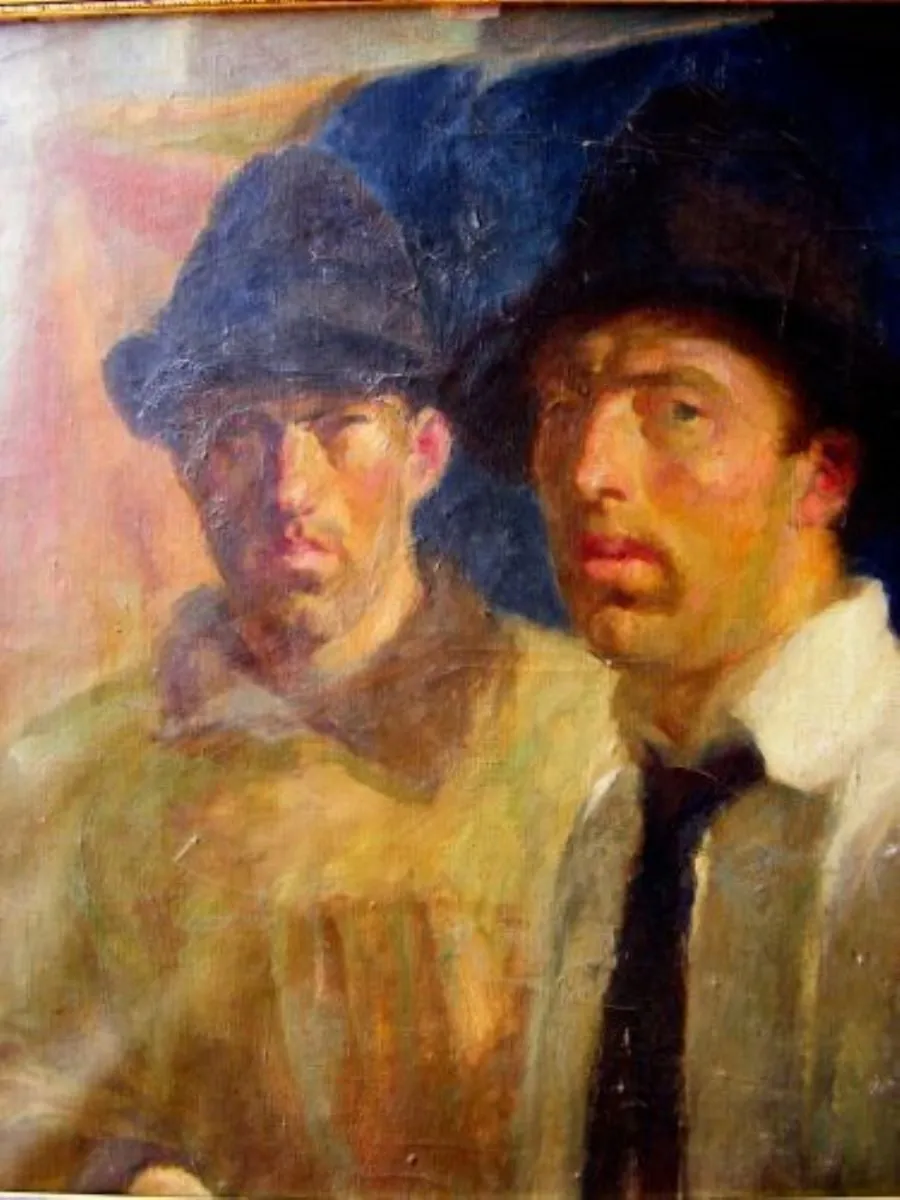
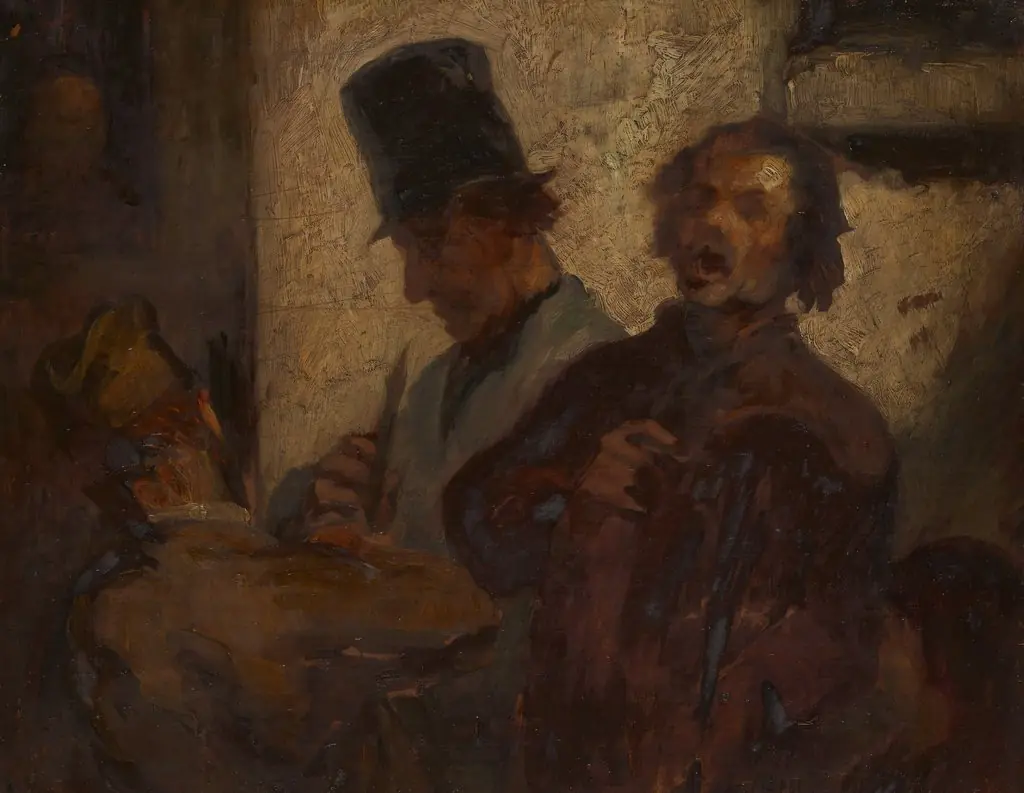
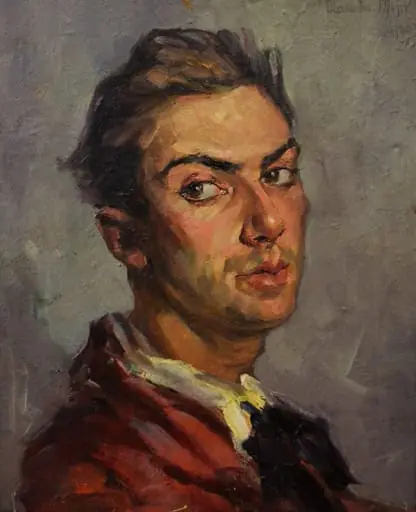
Nagy Imre și Varga N. Lajos is an unspecified painting by Nándor Lajos Varga. It dates from 1921 and is held in the collection of the Székely National Museum.
About this work
The man on the left wears a dark hat and a heavy coat, while the one on the right has a lighter jacket with a collar and tie.
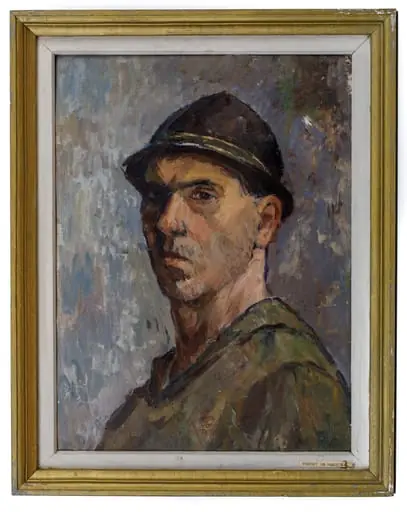
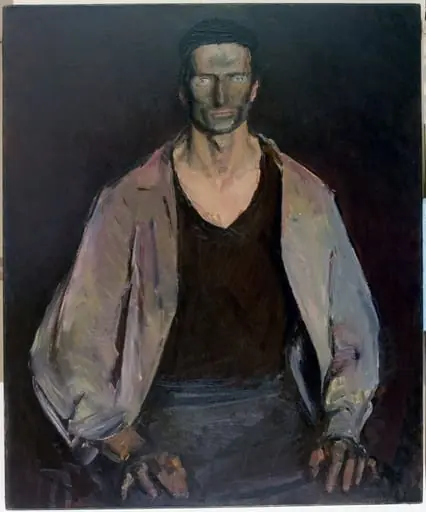
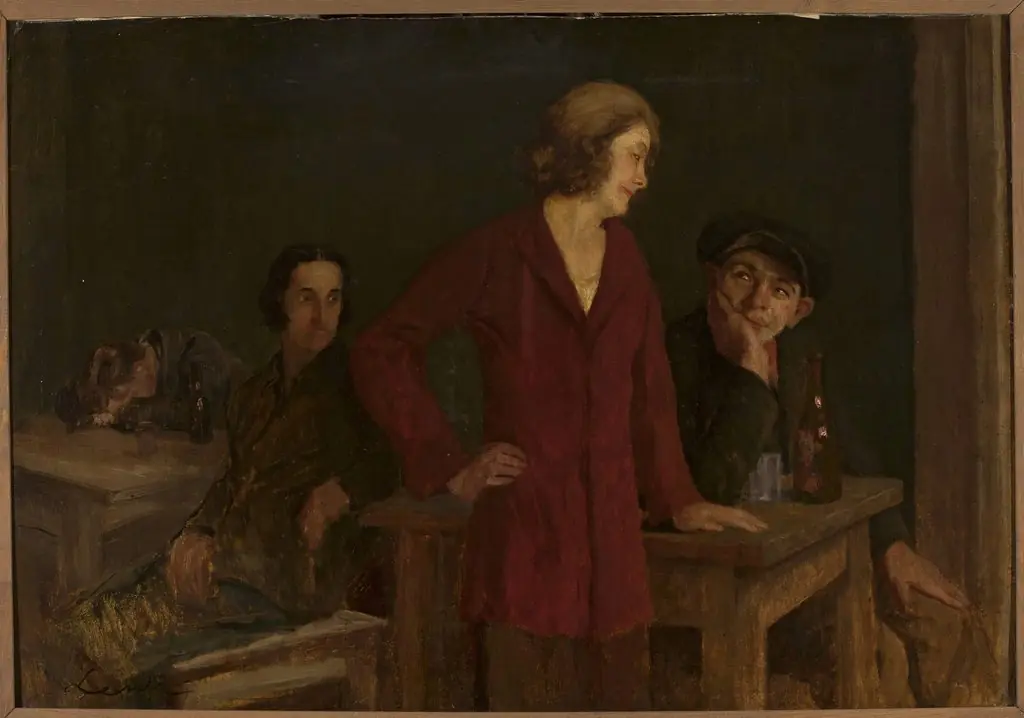
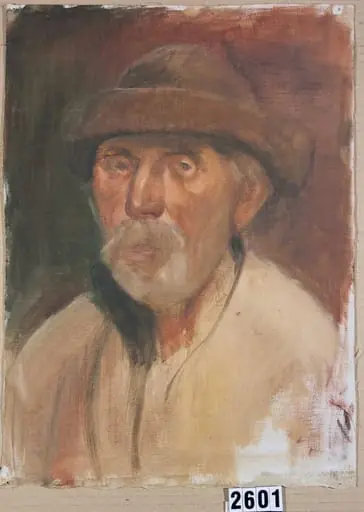
This painting shows two men standing close together. The man on the left wears a dark hat and a heavy coat, while the one on the right has a lighter jacket with a collar and tie. Their faces are serious, and the brushstrokes look thick and rough, especially on the hats and clothes.
The painting was made in 1921, and the two men’s clothes suggest a time when people dressed warmly. The artist used bold colors and visible brushstrokes to show texture, especially on the hats.
If you like this style, look up impasto next.
Overview
Painted in 1921 by Nándor Lajos Varga, this portrait depicts two men standing side by side. The work is held in the collection of the Museum of Ethnography and reflects the artist’s interest in capturing everyday figures with emotional gravity. Rendered in thick, expressive brushwork, the painting avoids idealization, focusing instead on the quiet presence of its subjects.
Subject & Meaning
The two figures, identified as Nagy Imre and Varga N. Lajos, are portrayed with solemn expressions and close physical proximity, suggesting a personal or professional bond. Their attire, dark, layered garments, points to the practical dress of early 20th-century rural or working-class men in Central Europe. The lack of context or setting emphasizes their individuality and dignity over narrative.
Technique & Style
Varga employed impasto techniques to build texture, particularly in the hats and coats, where paint is applied heavily and visibly. Bold, unblended strokes define fabric folds and surface roughness, while the palette remains muted but deliberate. The brushwork conveys physical weight and materiality, aligning the painting with post-impressionist tendencies rather than academic realism.
History & Provenance
Created shortly after the end of World War I, the painting entered the Museum of Ethnography’s collection early in its history. Its preservation suggests it was valued as a document of contemporary life rather than as a formal portrait. No records indicate public exhibition prior to its institutional acquisition, but its inclusion reflects the museum’s focus on vernacular culture.
Context
In post-war Hungary, portraiture often turned toward realism and social observation, away from aristocratic traditions. Varga’s choice to depict ordinary men in plain clothing aligns with broader cultural efforts to record the lives of common people during a period of national redefinition. The painting’s emotional restraint mirrors the subdued mood of the era.
Legacy
Though not widely reproduced, the work remains a significant example of early 20th-century Hungarian figurative painting. Its emphasis on texture and psychological presence influenced later artists interested in the human form outside formal settings. It continues to be studied for its technical approach and its quiet representation of everyday identity.
Artist & collection
Artist
This painter captured a single moment in 1921 with the work Nagy Imre și Varga N.